


Daily Activity Insights That Explain Why You're Tired or Energized
Insights can explain why you feel unusually tired or energized on any given day.
Insights can explain why you feel unusually tired or energized on any given day.
%402x.svg)
Have you ever stared blankly at your to-do list, your brain feeling like it’s slogging through molasses, while a colleague bounces from task to task with seemingly limitless energy? Or perhaps you’ve experienced the opposite: a day where you feel inexplicably sharp, productive, and vibrant, for no reason you can pinpoint. We often chalk these states up to luck, a good night's sleep, or caffeine. But what if the true explanation wasn't a mystery, but a measurable science? What if the secret to your daily energy—or lack thereof—was written in the subtle, often invisible patterns of your daily life?
Welcome to the frontier of personalized wellness, where data meets human biology. The ancient question, "Why am I so tired?" is finally getting answers that go beyond generic advice. It’s no longer just about getting "eight hours of sleep." It’s about understanding the intricate interplay between your movement, your rest, your stress, and your body's unique rhythms. A modern smart ring, worn silently on your finger, can become the key to decoding this personal energy blueprint. By continuously tracking physiological signals like heart rate, heart rate variability, skin temperature, and movement, these devices translate your daily activities into actionable insights.
This article is your deep dive into the specific, data-driven activity insights that directly control your energy reservoir. We'll move past guesswork and into the realm of cause and effect. We'll explore how your morning walk impacts your afternoon focus, why that "quick" social media scroll might be draining your mental stamina, and how the timing of your meals and movement creates waves of vitality or fatigue throughout your day. This is not about pushing you to do more; it's about understanding your body's language so you can strategically do what matters, feeling energized and in control. Think of this as the owner's manual for your daily vitality, powered by insights that until now, were locked away in your own physiology.
Let's begin the journey to unravel why you're tired or energized, one data point at a time.
Your energy isn't random; it's orchestrated by a deep-rooted internal timekeeper known as your circadian rhythm. This 24-hour biological clock, governed by a master "pacemaker" in your brain called the suprachiasmatic nucleus (SCN), regulates everything from hormone release and body temperature to digestion and cognitive function. It's the fundamental wave upon which all your daily energy surges and dips are built. You cannot outrun your biology, but with precise insight, you can learn to surf its rhythm perfectly.
Think of your circadian rhythm as the conductor of a complex physiological orchestra. At dawn, as light hits your eyes, it signals the conductor to cue the cortisol section—releasing this awakening hormone to raise your body temperature, boost your blood pressure, and sharpen your alertness. As the day progresses, different sections come to the fore: digestion enzymes peak, coordination and reaction time hit their stride in the early afternoon, and muscle strength climbs towards evening. Then, as darkness falls, the conductor signals the melatonin players, gently lowering your body temperature and priming your system for repair and recovery during sleep. This entire cycle is exquisitely tuned to the natural light-dark cycle.
Where Modern Life Breaks the Beat. The problem is that our modern environment is a cacophony of conflicting signals. Blue light from screens at 10 PM shouts "DAYTIME!" to your SCN, suppressing melatonin. Irregular eating schedules confuse your metabolic players. Late-night workouts heat up your core temperature when it should be cooling down. A smart ring tracks the physical manifestations of this rhythm, most notably through nocturnal skin temperature and resting heart rate (RHR) trends. A healthy, well-aligned circadian rhythm shows a distinct dip in core body temperature during sleep, reaching its nadir in the early morning hours before rising to wake you up. A disrupted rhythm shows a flattened, erratic temperature curve. Similarly, your RHR follows a circadian pattern, typically lowest during sleep and rising throughout the day.
Actionable Insight: The Power of Chrono-Alignment. The goal isn't to fight your rhythm but to align your daily activities with it—a practice known as chrono-alignment. Here’s what the data can guide you to do:
By using a device like the Oxyzen smart ring to monitor your body’s core signals, you move from blindly following generic schedules to creating a personalized daily routine that harmonizes with your innate biology. This is the first and most critical step in explaining your daily energy levels. Your rhythm is your foundation; everything else builds upon it. To explore more about the technology that makes this tracking possible, you can learn how sleep trackers actually work.
We've all heard the phrase, but its impact on daily energy is profoundly personal and often misunderstood. It's not just about long-term cardiovascular risk; it's about the acute, daily energy tax levied by prolonged stillness. When you sit for extended periods, your body enters a low-activity metabolic state. Muscle activity plummets, which reduces the breakdown of fats and sugars in your bloodstream. This can lead to a subtle buildup of metabolic "clutter," resulting in feelings of sluggishness and brain fog. Furthermore, circulation slows, potentially reducing oxygen flow to your brain—a direct recipe for fatigue.
A smart ring goes beyond simple step counting. It monitors heart rate patterns during sedentary periods. You might notice your heart rate becomes unnaturally flat and low during long sitting spells, a sign of cardiovascular disengagement. Later, when you stand up, you might see a disproportionate spike—a sign of orthostatic stress, as your system struggles to re-regulate. This pattern is a clear physiological marker of the strain caused by inactivity. The device also tracks periods of continuous inactivity, providing gentle nudges to break the cycle before the energy debt accrues.
The Micro-Movement Revolution. The antidote isn't necessarily an hour at the gym (though that has its own benefits). The key to countering sedentary fatigue lies in non-exercise activity thermogenesis (NEAT)—the energy you burn from everything that isn't sleeping, eating, or sports-like exercise. This includes fidgeting, walking to the printer, standing while talking, and pacing. NEAT is highly variable and can be the difference between feeling drained or dynamic by 3 PM.
Data-Driven Strategies to Boost NEAT and Energy:
By quantifying the direct link between sedentary behavior and physiological markers of fatigue (like low, flat heart rate and poor HRV), a smart ring transforms "sitting too much" from a vague guilt into a specific, addressable energy leak. Closing this leak is one of the fastest ways to boost baseline daily vitality. For individuals who track their sleep meticulously, understanding this daily activity component is crucial, as explored in our analysis of sleep tracking pros and cons.
In the pursuit of energy, we often think of intense exercise—the sweat-drenching, heart-pounding workouts that make us feel accomplished. Paradoxically, while these are important for fitness, they can be a net drain on your daily energy budget if not balanced properly. The true secret weapon for sustained daily vitality is often found in the gentle hum of Zone 2 cardio. This is low-to-moderate intensity exercise where you can comfortably hold a conversation (about 60-70% of your maximum heart rate). It's the pace of a brisk walk, a light jog, or an easy bike ride.
Why is this so powerful for energy? Zone 2 training primarily improves the efficiency of your mitochondria—the power plants of your cells—and enhances your body's ability to use fat for fuel. This creates a more stable, long-lasting energy supply, reducing your reliance on quick-burning sugars that lead to energy spikes and crashes. It also dramatically improves cardiovascular efficiency, meaning your heart doesn't have to work as hard (lower resting heart rate) to pump blood and oxygen to your brain and muscles throughout the day. The result? You feel less fatigued doing everyday tasks.
Identifying and Tracking Your Zone 2. A smart ring is an ideal tool for staying in this zone. Unlike a watch that requires glancing at your wrist, it provides continuous, unobtrusive heart rate monitoring. You can observe your heart rate in real-time during a walk or steady-state workout, ensuring it stays in that sustainable, conversational range. Post-activity, review the data: a Zone 2 session should show a steady heart rate plateau without dramatic spikes. Crucially, look at the impact on your nightly recovery metrics. Proper Zone 2 work should not spike your nighttime resting heart rate or lower your heart rate variability; in fact, it should improve them over time, indicating positive adaptation without excessive strain.
Integrating Zone 2 for Daily Energy:
By shifting the focus from exhausting workouts to nurturing, sustainable movement, you build an energy foundation that permeates your entire day. You're not just exercising; you're upgrading your cellular machinery for effortless vitality. This principle of building foundational resilience is equally critical for sleep, as detailed in our resource on deep sleep secrets for increasing restorative sleep.

That 3 PM crash is not a moral failing; it's a physiological event, often the result of a cascading cycle involving stress, dietary choices, and your hormonal landscape. The primary actor here is cortisol, your body's main stress hormone, which naturally follows a circadian rhythm—high in the morning to wake you up, and gradually tapering off throughout the day. However, acute stressors (a tense meeting, traffic, an overflowing inbox) cause cortisol spikes. One of cortisol's jobs is to mobilize energy, so it signals your liver to release stored glucose into your bloodstream. You get a brief surge of energy... followed by a crash as insulin rushes in to clear the sugar.
Now, enter the snack. Craving quick energy, you reach for a carbohydrate-rich, sugary treat. This causes another rapid glucose spike and insulin surge, leading to a secondary, even deeper crash. This rollercoaster—stress spike, sugar spike, crash—drains your energy reserves and leaves you feeling irritable and exhausted. A smart ring helps you see this cycle not as separate events, but as an interconnected system.
Connecting the Dots with Data. The ring tracks your heart rate variability (HRV). HRV is the variation in time between each heartbeat, and it's a remarkably sensitive indicator of your autonomic nervous system balance. Acute stress (sympathetic "fight or flight" dominance) causes HRV to dip. You can literally see a stress response on your graph as a sharp drop in HRV. Now, correlate that dip with your energy log or your subsequent food choices. Did a low-HRV moment precede a sugary snack? Then, monitor your resting heart rate (RHR) later. Does it remain elevated hours after the stress and snack, indicating your body is still in a stressed, metabolically agitated state?
Breaking the Cycle with Insight:
By mapping the relationship between stress signals (HRV), behavioral choices (snacking), and downstream effects (elevated RHR, poor sleep), you gain the power to interrupt the hijacking of your afternoon. You learn to fuel your body for stability, not just momentary relief. Managing this daily cycle is a cornerstone of holistic wellness, a philosophy central to our brand's story and mission.
Energy isn't just physical. The mental work of constant decision-making, context-switching, and sustained focus—known as cognitive load—is one of the most significant yet invisible drains on modern humans. Your brain is an energy hog, consuming about 20% of your body's resources despite being only 2% of its weight. When you spend hours in deep focus, navigating complex problems, or making endless micro-decisions, you are depleting a finite reservoir of mental energy. This depletion doesn't stay in your head; it manifests physically as fatigue, tension, and reduced willpower—a state known as ego depletion.
The fascinating insight from physiological tracking is that heavy cognitive work can look remarkably similar to physical stress on your body. A day packed with back-to-back Zoom meetings, intricate analysis, and constant email triage can yield biometric data that resembles a day of light physical labor: elevated average heart rate, suppressed heart rate variability (HRV), and increased sympathetic nervous system activity.
Seeing Mental Fatigue in Your Data. This is where a 24/7 wearable provides unparalleled insight. You might notice:
Strategies to Manage Cognitive Energy Budgets:
Recognizing cognitive work as a legitimate, measurable drain on your physiological resources legitimizes the need for mental recovery. It moves "brain breaks" from a luxury to an essential component of sustained daily energy management. For those whose cognitive load is highest, optimizing sleep becomes non-negotiable, a topic explored in our article on deep sleep and the brain-boosting connection with memory.
Humans are inherently social beings, and our interactions have a direct, measurable impact on our nervous system and energy levels. This is governed by what's known as social homeostasis. Some interactions are energizing: a laughter-filled dinner with close friends, a supportive conversation with a partner, or collaborative teamwork. These can boost mood, reduce perceived stress, and even improve heart rate variability. Others are draining: conflict, superficial small talk with strangers, or managing difficult personalities. These can trigger stress responses, elevate cortisol, and leave you feeling depleted.
The key insight is that social energy is not one-size-fits-all; it's highly personal. An extrovert may gain energy from a large party, while an introvert may find it exhausting, requiring significant recovery. A smart ring can help you quantify this personal "social battery" by revealing how different types of interactions affect your physiology.
Tracking the Biometrics of Connection. After social events, review your data. Look for patterns:
Optimizing Your Social Energy Portfolio:
By treating your social life as a variable in your energy equation, you move from passively experiencing interactions to actively managing them for net vitality gain. This holistic view of wellness—encompassing the physical, mental, and social—is what drives the innovation behind Oxyzen smart rings.
In a culture that glorifies "hustle," genuine rest is often seen as laziness or a reward for exhaustion. This is a critical misunderstanding. From a physiological perspective, strategic rest is not the absence of activity; it is an active, essential process of repair, consolidation, and rejuvenation. It's the silent partner to performance. Without it, your energy system operates at a deficit, leading to burnout, inefficiency, and chronic fatigue. The goal is to integrate rest proactively, not collapse into it reactively.
True rest exists on a spectrum, from the microscopic cellular repair during deep sleep to the conscious, wakeful disengagement of a restful day. A smart ring helps you measure the effectiveness of your rest by tracking whether your body is actually entering a restorative state. You can be physically still but mentally agitated—this is not rest. The data tells the true story.
Measuring the Quality of Downtime. Key metrics to observe during designated rest periods:
Implementing the Rest Spectrum:
Understanding rest as a skilled activity transforms it from a guilty pleasure into a non-negotiable component of high energy. You are not stopping because you are tired; you are stopping to prevent tiredness and to build greater capacity for the activities that matter. For more techniques on integrating rest, our blog offers a wealth of related resources.
Water is the medium of life. Every single metabolic process, from energy production in your mitochondria to the transmission of nerve signals in your brain, depends on adequate hydration. Even mild dehydration—as little as 1-2% loss of body water—can have a pronounced effect on energy levels, cognitive function, and mood. Symptoms like fatigue, headache, difficulty concentrating, and irritability are often first signs of a fluid deficit, not just lack of sleep or food.
The challenge is that thirst is a lagging indicator; by the time you feel thirsty, you're already dehydrated. Furthermore, the signals of dehydration can mimic those of low energy from other causes. A smart ring provides indirect but valuable correlative data that can help you spot the signs of suboptimal hydration before fatigue sets in.
Biometric Clues of Dehydration. Watch for these patterns in your data:
Creating a Data-Informed Hydration Strategy:
By learning to read your body's subtle signals through the lens of biometric data, you can preempt the energy drain of dehydration. It turns a basic health behavior into a precise, energy-optimizing tactic. This kind of nuanced, daily self-care is at the heart of the experience customers share in Oxyzen testimonials.
We've explored individual factors—from circadian rhythms and NEAT to cognitive load and hydration. Now comes the most powerful step: synthesis. An isolated data point is a curiosity; a pattern is a revelation. The ultimate goal of tracking daily activity insights is to move from observing disconnected variables to understanding your personal Energy System. This is your unique blueprint that shows how all these factors interact to create your lived experience of vitality or fatigue.
A smart ring’s companion app is your dashboard for this audit. The most advanced platforms don't just show sleep scores, activity graphs, and heart rate lines in silos; they attempt to show connections. Your task is to become a detective of your own data, looking for cause-and-effect relationships that explain "Why today felt different."
Conducting Your Weekly Energy Audit:
This iterative process of observation, hypothesis, experiment, and analysis turns you from a passive recipient of fatigue into an active architect of your energy. It's the core of what it means to be data-informed, not data-obsessed. For common questions on starting this journey, our FAQ page provides clear guidance.
The journey to understanding your daily energy is a continuous exploration of your body's unique language. By leveraging the nuanced insights from a smart ring, you move beyond generic advice into a world of personalized, actionable knowledge. You learn that energy isn't a mysterious gift; it's the predictable outcome of how you interact with your biology throughout the day. In the next portion of this comprehensive guide, we will delve even deeper into advanced topics, including the long-term impact of these daily habits on metabolic health, the role of environmental factors like temperature and air quality, and how to design your perfect energy-centric week. The path to sustained, effortless vitality is paved with insight, and you've just taken the first major steps.
To continue your journey and discover the Oxyzen smart ring that can unlock these insights, visit our main shop to explore the technology designed for your holistic wellness.

The quest for daily energy is often a short-term endeavor—fighting the afternoon slump, mustering the will for an evening workout. But the true power of tracking daily activity lies in understanding the longitudinal narrative. Your day-to-day choices are not isolated events; they are individual brushstrokes that, over weeks and months, paint the larger picture of your metabolic health—the foundational engine of your lifelong energy. Metabolic health is characterized by how efficiently your body processes fuel (food), manages hormones (like insulin), and maintains cellular function. When this system is optimized, you have a deep, stable reservoir of energy. When it’s dysregulated, you experience energy volatility, crashes, and chronic fatigue.
A smart ring excels at revealing the precursors to metabolic shifts long before a lab test might. It tracks the downstream effects of metabolic processes in real-time. For instance, resting heart rate (RHR) and heart rate variability (HRV) are exquisitely sensitive to insulin sensitivity and inflammation. A creeping, upward trend in your 7-day average RHR, coupled with a declining HRV trend, can be an early warning sign of rising systemic stress and metabolic strain, often preceding weight gain or diagnosable issues.
Connecting Daily Data to Metabolic Markers:
Strategic Habits for Long-Term Metabolic Energy:
By viewing your daily activity data through the lens of long-term metabolic health, you transform wellness from a daily chore into an empowering investment. You are not just trying to feel good today; you are building a physiology that ensures you have abundant energy for years to come. This science-backed, long-view approach is central to our company's mission of empowering sustainable wellness.
We meticulously track food, exercise, and sleep, yet often overlook the environment we inhabit as a continuous energy variable. The temperature of your bedroom, the quality of light on your desk, and the air you breathe are not passive backdrops; they are active participants in your physiological state, constantly sending signals to your nervous and endocrine systems. A smart ring, by tracking your body’s direct responses, can help you engineer an environment that supports, rather than depletes, your energy.
Thermoregulation: The Core of Sleep and Recovery. Your core body temperature needs to drop by about 1-3 degrees Fahrenheit to initiate and maintain sleep, particularly deep sleep. This is why a cool bedroom (around 65-68°F or 18-20°C) is non-negotiable for quality rest. Your ring’s nocturnal skin temperature metric is a direct readout of this process. A smooth, significant dip indicates effective thermoregulation. A flat, elevated, or erratic line suggests your environment is too warm, hindering sleep quality and next-day energy. Conversely, being too cold can cause restless sleep as your body struggles to maintain heat.
Light: The Master Circadian Signal. Light is the primary cue for your internal clock. Beyond morning sunlight, the type and timing of light exposure throughout the day matter profoundly. Bright, blue-rich light during the day boosts alertness and mood. Warm, dim light in the evening promotes melatonin production. Your ring can show the effects of poor light hygiene: exposure to bright screens late at night may correlate with delayed sleep onset, suppressed deep sleep, and a higher morning resting heart rate.
Air Quality and Oxygenation: The air in your home or office can be laden with CO2 from exhalation, VOCs from furnishings, and particulate matter. Elevated CO2 levels, even in well-ventilated "stuffY" rooms, are proven to reduce cognitive function, increase perceived fatigue, and fragment sleep. While a smart ring doesn’t measure air quality directly, it can show the effects: nights spent in a poorly ventilated room might show more frequent awakenings and less restorative sleep, impacting next-day energy.
Engineering an Energy-Supportive Environment:
By using your biometric feedback to fine-tune your environment, you create a 24-hour habitat that passively fuels your vitality. It’s a form of external energy management that works silently in the background, making everything else you do more effective. For a deep dive into how temperature specifically manipulates your most restorative sleep, see our deep sleep formula focusing on temperature and timing.
In the modern world, one of the most pervasive energy drains is not physical but digital. Our smartphones and computers are not neutral tools; they are engines of attentional capture, designed to hijack our focus with endless notifications, variable rewards, and infinite scroll. This constant context-switching has a severe biological cost known as attention residue—when part of your cognitive capacity remains stuck on a previous task, reducing performance on the next. The result is mental fatigue that feels surprisingly physical.
More insidiously, the blue light emitted by screens is a potent signal to your circadian system, suppressing melatonin and delaying sleep onset when used at night. But the energy drain isn’t just about light; it’s about the cognitive and emotional load of being perpetually "on." A smart ring can quantify this digital strain by capturing the stress response it triggers.
Biometric Signs of Digital Overload:
Prescribing a Digital Diet for Energy:
By treating digital consumption as a form of "cognitive nutrition," you can choose inputs that fuel your mind rather than deplete it. The energy reclaimed from reduced digital friction and anxiety is substantial and directly visible in your physiological data. Learning to manage these inputs is a key skill for modern wellness, a topic we frequently explore on the Oxyzen blog.
Your mind is a powerful predictor and modulator of energy. The mere anticipation of a enjoyable event—a weekend trip, a favorite hobby—can create a surge of positive energy, often visible in improved mood and motivation. Conversely, dread—the anxious anticipation of a difficult conversation, a daunting task, or an unpleasant obligation—can be profoundly draining, sometimes more than the event itself. This isn't "all in your head" in a trivial sense; it's a psychophysiological process with real biometric signatures.
The brain’s emotional centers, like the amygdala, directly influence the hypothalamus, which controls the autonomic nervous system. Dread activates the sympathetic ("fight or flight") branch, releasing cortisol and adrenaline, elevating heart rate, and preparing the body for threat—all of which consume energy. Positive anticipation, especially when coupled with a sense of autonomy and purpose, can support parasympathetic ("rest and digest") tone and resilience.
Seeing Outlook in Your Data: A smart ring can help you identify and manage these psychological energy leaks.
Reframing for Energy Management:
By recognizing that your thoughts about the future are active players in your present energy balance, you gain a powerful lever. You can’t eliminate all unpleasant tasks, but you can change your relationship to them, dramatically reducing their physiological tax. This holistic view of mind-body energy is what users often discover, as shared in real customer experiences.

We’ve examined individual factors, but peak energy emerges from synergy—when your activities, nutrition, and sleep rhythms work in concert, creating a compound effect greater than the sum of their parts. For example, morning sunlight improves circadian alignment, which improves sleep, which improves next-day food choices and exercise performance, which further improves sleep—a virtuous cycle. Disruption in one area cascades into others: poor sleep leads to poor food choices and skipped workouts, leading to worse sleep—a vicious cycle.
The smart ring sits at the center of this web, showing the interconnections. It allows you to move from optimizing single variables to orchestrating your daily system.
Identifying Synergistic Patterns in Your Data:
Designing Your Synergistic Day (A Template for Energy):
Your personal template will vary, but the principle is constant: each element should set up the next for success. Use your ring’s data to validate this. Does this template lead to better trendlines in RHR, HRV, and sleep scores over a month? For a detailed look at the most critical component of this cycle, explore the science of what happens to your body during deep sleep.
The human body is an adaptive machine. It thrives on a certain level of challenge but grows stale and inefficient with monotonous routine. This applies to both physical and mental energy. Doing the same workout, at the same intensity, day after day, leads to diminishing returns and can even cause a plateau or regression in fitness and energy levels. Similarly, a completely rigid, unvarying daily schedule can lead to mental stagnation and a lack of motivational energy. Your physiology responds to novelty and progressive overload by becoming more robust and efficient—but it needs the right signals.
Your smart ring helps you navigate the fine line between productive stress (that leads to adaptation) and excessive strain (that leads to breakdown). It answers the critical question: "Is my routine building me up or wearing me down?"
Signs of Staleness vs. Positive Adaptation:
Strategically Introducing Energy-Boosting Novelty:
By intelligently varying your stressors and respecting your need for recovery—guided by objective data—you ensure you are constantly adapting upward. You avoid the energy-draining plateaus of monotony and the depletion of overreaching, staying firmly in the channel of growing vitality. For those navigating different life stages, this understanding is key, as discussed in how age affects deep sleep and how to compensate.
Amidst our tracked metrics and optimized routines, one of the most potent, yet often unquantified, energy sources is the natural world. The concept of biophilia suggests humans have an innate tendency to seek connections with nature. This isn't merely poetic; it’s physiological. Time in nature—"forest bathing" (Shinrin-yoku), walking in a park, or even viewing greenery—has been shown to lower cortisol, reduce blood pressure, improve mood, and enhance cognitive restoration more effectively than urban environments.
While a smart ring can’t measure trees, it can measure your body’s response to them. The shift from the artificial, stimulus-saturated man-made environment to the rhythmic, fractal patterns of nature often triggers a rapid transition into the parasympathetic state, which is the essence of deep restoration.
Biometric Evidence of a Nature Effect:
Prescribing a "Nature Dose" for Energy:
By intentionally weaving nature into your weekly rhythm, you tap into a profound, ancient source of restoration that modern life often neglects. It is the ultimate "unplugging," not just from devices, but from the constructed world that constantly demands your attention. This return to a fundamental source of balance is a powerful complement to any data-driven wellness journey. To see how others integrate these principles with technology, visit Oxyzen's main platform.
The final, and perhaps most sophisticated, skill in managing your energy through data is learning to listen to the subtle whispers of your body before they become unignorable shouts of fatigue, illness, or burnout. A smart ring provides a continuous stream of subtle cues: a resting heart rate that’s 3-5 bpm higher than normal for two mornings in a row, an HRV that’s drifting down over a week, a sleep temperature that’s slightly more erratic. These are not "problems" yet; they are invitations. They are your body’s early-warning system, suggesting that your current load is nearing your capacity.
The novice data-user sees a low sleep score and pushes harder. The expert sees the precursors to that low score and strategically pulls back. This proactive approach—managing by leading indicators rather than lagging symptoms—is the pinnacle of energy optimization.
Identifying the Key Whispers:
The Art of the Proactive Pivot: When you see these whispers, it’s time for a "virus scan" of your life and a deliberate pivot toward restoration.
By respecting the whispers, you build immense trust with your body. You learn that it is communicating with you constantly, offering guidance. This transforms your relationship with the data from one of judgment ("I failed to sleep well") to one of collaborative dialogue ("My body is telling me it needs more rest this week"). For support in interpreting these signals and more, our comprehensive FAQ is a valuable resource.
Ready to take the next step and experience the insights that power this understanding? Discover the technology designed for this level of self-knowledge at the Oxyzen shop.
You are now armed with a profound understanding of the factors that govern your energy. You've seen how circadian rhythms, movement spectra, cognitive loads, and even your environment write the story of your daily vitality. But knowledge without application is merely trivia. The final step—the most empowering one—is to synthesize these insights into a Personal Energy Protocol (PEP). This is your dynamic, living plan, informed by your unique data, that transforms understanding into habitual, energizing action.
A PEP is not a rigid set of rules. It’s a flexible framework with non-negotiable pillars and adjustable variables. It acknowledges that you are not a machine; you are a human with changing needs, stressors, and goals. Your smart ring is the feedback mechanism that keeps your PEP honest and adaptable.
The Four Pillars of Your Personal Energy Protocol:
Creating Your PEP in Practice:
The power of the PEP is that it externalizes your energy management system. You are not relying on depleted willpower at 5 PM to make a good choice; you’re following your own pre-committed, data-informed protocol. It turns proactive energy management from a concept into a daily operating system. For inspiration on how others have structured their approach, explore stories in our testimonials section.
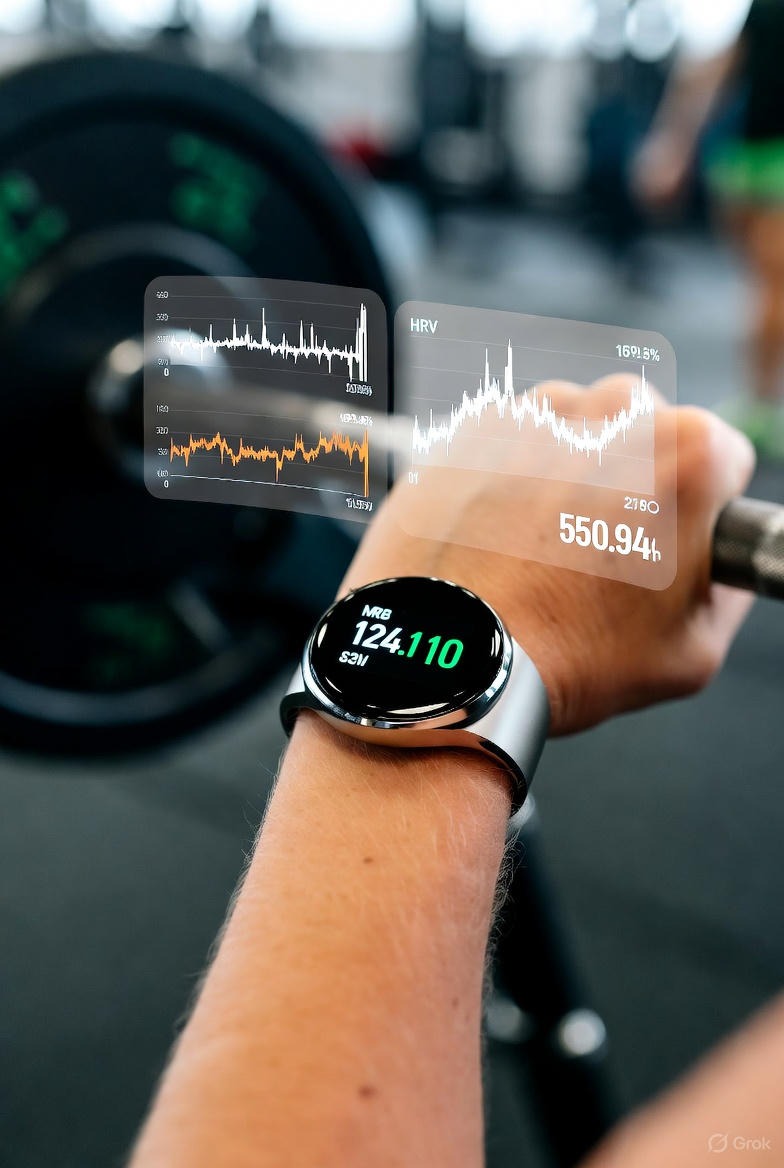
No protocol survives first contact with real life. Business trips, weddings, deadlines, and common colds will disrupt your best-laid plans. The mark of a resilient system is not that it never breaks, but that it has a clear and compassionate recovery protocol. The goal during disruptions is not to maintain peak energy, but to minimize the depth and duration of the energy valley and facilitate a swift, stable return to baseline. Your smart ring is your indispensable guide through these chaos periods.
The Travel Reset Protocol: Travel, especially across time zones, is a perfect storm of circadian disruption (jet lag), dehydration, poor sleep, and erratic eating.
The Social Event & Celebration Protocol: Holidays, parties, and dinners are part of a joyful life but can be taxing.
The Illness Response Protocol: When your body is fighting an invader, your number one job is to provide it with resources, not demands. Your biometrics will often signal illness before symptoms appear.
By having pre-planned strategies for these common disruptions, you move from being a victim of circumstance to a competent navigator of life’s inevitable turbulence. You understand that energy management is a lifelong practice of adaptation, not a destination of perfect control. For more on supporting your body’s recovery systems, our article on foods that increase deep sleep naturally offers nutritional strategies.
While a smart ring provides a private dialogue with your body, human energy is also profoundly social. Sharing your journey—your discoveries, your struggles, your "whispers"—with a trusted partner or community can transform the experience from a solitary data-analysis task into a supported, human endeavor. Accountability and shared learning amplify the benefits.
The key is to share from a place of curiosity and support, not competition or dogma. Your protocol is yours; their protocol is theirs. But in the sharing, both can be refined. This sense of shared mission is a core part of our story at Oxyzen.
The field of biometric tracking and personalized health is advancing at a breathtaking pace. The insights we have today are merely the foundation for what is to come. Understanding these horizons helps contextualize your current journey and builds excitement for the increasingly sophisticated tools that will support your vitality in the future.
These advancements will make the personal energy protocol even more precise, predictive, and effortless to maintain. The core principle, however, will remain: using objective data to foster a deeper, more responsive relationship with your own body. Staying informed on these developments is easy through our resource-rich blog.
As we embrace this powerful technology, a critical discussion must be had about balance. Biometric tracking, in the wrong mindset, can fuel health anxiety, orthorexia (an unhealthy obsession with healthy eating/exercise), and a disconnect from our innate bodily wisdom—a condition sometimes called "quantified self-itis." The goal is informed intuition, not data dependency.
Warning Signs of Unhealthy Tracking:
Principles for Balanced, Ethical Use:
The most sophisticated energy management system in the world is still the one between your ears, guided by the heart in your chest—not the one on your finger. The ring's job is to illuminate, not to command. For a balanced look at what this technology can and cannot do, our article on sleep tracking accuracy provides essential perspective.
We began this journey with a simple, universal question: "Why am I tired or energized?" We've traveled through the intricate landscapes of circadian biology, metabolic health, cognitive load, environmental design, and psychological framing. We've seen how invisible threads connect your morning walk to your afternoon focus, your pre-screen routine to your deep sleep, and your mindset to your heart rate.
The profound revelation is this: Your energy is not a mystery. It is a logical, measurable output of a complex, yet understandable, personal system. Fatigue is rarely bad luck; it is often traceable feedback. Vitality is not a gift; it is a cultivable state.
You now hold the blueprint. You understand that energy management is not about sheer force of will or copying someone else's routine. It is about becoming a student of your own unique physiology. It is about using tools like the Oxyzen smart ring to listen to your body's language—to hear its whispers of need and its signals of readiness. It is about moving from being passively affected by your day to actively collaborating with your biology to design it.
This journey does not end. Your Personal Energy Protocol will evolve as your life does. New insights will emerge from your data. New challenges will test your resilience. This is the dynamic, engaging process of owning your vitality.
Start small. Pick one insight from this guide—perhaps mastering your circadian light exposure, or breaking the stress-snack cycle, or simply heeding the whisper of an elevated resting heart rate. Implement it. Observe the effect, both in your data and, more importantly, in your lived experience. Build from there.
You have the capacity to feel more vibrant, focused, and resilient than you perhaps thought possible. The data is merely the map. You are the explorer. Your energized life is not a distant destination; it is the very next choice you make, informed, intentional, and full of potential.
To begin your own journey of discovery and to equip yourself with the tool that makes this level of insight possible, we invite you to explore the Oxyzen smart ring. See for yourself how the invisible patterns of your life become the clear path to your most vibrant self.
Further Reading & Resources:
To dive deeper into specific topics covered in this guide, we recommend these articles from our expert blog:
Your Trusted Sleep Advocate (Sleep Foundation — https://www.sleepfoundation.org/)
Discover a digital archive of scholarly articles (NIH — https://www.ncbi.nlm.nih.gov/
39 million citations for biomedical literature (PubMed — https://pubmed.ncbi.nlm.nih.gov/)
experts at Harvard Health Publishing covering a variety of health topics — https://www.health.harvard.edu/blog/)
Every life deserves world class care (Cleveland Clinic -
https://my.clevelandclinic.org/health)
Wearable technology and the future of predictive health monitoring. (MIT Technology Review — https://www.technologyreview.com/)
Dedicated to the well-being of all people and guided by science (World Health Organization — https://www.who.int/news-room/)
Psychological science and knowledge to benefit society and improve lives. (APA — https://www.apa.org/monitor/)
Cutting-edge insights on human longevity and peak performance
(Lifespan Research — https://www.lifespan.io/)
Global authority on exercise physiology, sports performance, and human recovery
(American College of Sports Medicine — https://www.acsm.org/)
Neuroscience-driven guidance for better focus, sleep, and mental clarity
(Stanford Human Performance Lab — https://humanperformance.stanford.edu/)
Evidence-based psychology and mind–body wellness resources
(Mayo Clinic — https://www.mayoclinic.org/healthy-lifestyle/)
Data-backed research on emotional wellbeing, stress biology, and resilience
(American Institute of Stress — https://www.stress.org/)


