


10 Productivity Hacks Your Wellness Ring Data Supports (Science-Backed)
Ten productivity techniques that are supported by improvements in your ring's health metrics.
Ten productivity techniques that are supported by improvements in your ring's health metrics.
%402x.svg)
In the relentless pursuit of productivity, we’ve tried everything. From color-coded calendars and Pomodoro timers to miracle morning routines and productivity “hacks” that promise to unlock superhuman efficiency. Yet, for many of us, that elusive state of consistent, energized, and focused flow remains just out of reach. We push through afternoon slumps, wrestle with distracted minds, and trade sleep for screen time, only to find ourselves burned out, not powered up.
What if the most powerful productivity tool wasn't an app, a seminar, or a complex system, but was already on your finger? The modern smart wellness ring, a sleek and unobtrusive piece of wearable technology, is quietly revolutionizing how we understand human performance. It moves beyond counting steps or tracking sleep in isolation. By continuously gathering biometric data—heart rate variability (HRV), resting heart rate, skin temperature, sleep stages, and activity levels—it paints a nuanced, real-time picture of your body’s internal state: your readiness to perform.
This is a paradigm shift. Productivity is no longer just about managing your time; it’s about managing your energy. And energy is a biological currency, governed by the rhythms of your nervous system, the quality of your recovery, and the balance of your stress. Your wellness ring translates your body’s silent language into actionable insights. It tells you not just what you did, but how it affected your core physiology.
This article delves into ten powerful, science-backed productivity strategies, but with a critical twist: each one is validated and personalized by the data from your wellness ring. We’re moving from generic advice to quantified self-knowledge. You’ll learn how to interpret your body’s signals to schedule deep work when your brain is primed for it, harness the true power of rest, and build sustainable habits that boost output without the burnout. Forget working harder based on the clock. It’s time to work smarter, guided by your own biology.

We’ve all heard of “morning people” and “night owls,” but this chronotype classification is often a vague guess. Your wellness ring provides a data-driven map of your personal “prime time”—the windows in your day when your body is physiologically primed for focus, critical thinking, and complex problem-solving.
The key metric here is a combination of your resting heart rate (RHR) and heart rate variability (HRV) upon waking. A lower RHR and a higher HRV typically indicate a well-recovered, resilient nervous system—a state of “parasympathetic dominance” where your body is calm, rested, and ready for controlled stress. This is the ideal launchpad for demanding cognitive work.
The Science of the Peak Performance Window:
Research in chronobiology and cognitive performance consistently shows that for most people (adjusted for individual chronotype), core alertness and executive function peak in the late morning, roughly 2-4 hours after waking. This aligns with the natural cortisol awakening response (CAR), which helps mobilize energy. Your wellness ring data personalizes this. By tracking your daily readiness score—which often incorporates HRV and sleep data—you can pinpoint your specific peak. You might discover your prime window is 10 AM to 12 PM, or perhaps 2 PM to 4 PM if you’re a strong evening type.
How Your Ring Reveals Your Prime Time:
Actionable Strategy: The Prime Time Block
Storytelling Example:
Consider Maya, a project manager who believed she was a night owl and saved complex spreadsheets for 8 PM. Her Oura ring data told a different story. While her sleep was later, her HRV peaked consistently between 10:30 AM and 1 PM, and her daytime RHR was calmest then. She moved her analytical work to this slot. The result? What took her two evening hours now took one focused morning hour, with less mental fatigue. She used her evenings for creative brainstorming, which aligned better with her later chronotype for ideation.
This isn’t about forcing a morning routine; it’s about discovering your body’s authentic rhythm and aligning your most taxing work with it. By doing so, you achieve more with less effort and frustration, because you’re working with your biology, not against it.
The modern work ethic glorifies the grind—powering through hours without a break. Neuroscience and physiology reveal this as a recipe for diminishing returns and cumulative stress. Strategic breaks are not a sign of weakness; they are a performance-enhancing necessity. Your wellness ring, specifically through Heart Rate Variability (HRV), can teach you when and how to break for maximum cognitive restoration.
Understanding HRV as Your Stress Buffer:
HRV is the measure of the subtle variation in time between each heartbeat. A higher HRV indicates a flexible, adaptive autonomic nervous system—you can smoothly transition between states of focus (sympathetic tone) and recovery (parasympathetic tone). A low or dropping HRV, especially during work, suggests your system is under strain, operating in a sustained “fight-or-flight” mode that erodes focus and creativity.
The Science of the Ultradian Rhythm:
Human brains don’t operate optimally in a straight line for 8 hours. We function in ultradian rhythms—cycles of roughly 90 minutes where we move from high alertness down into a physiological trough. Pushing through these troughs leads to stress hormone release and mental fatigue. Studies show that breaks taken before fatigue sets in are far more restorative than those taken after.
How Your Ring Guides Your Break Schedule:
While most rings don’t provide live, moment-to-moment HRV, they do track your daytime averages and trends. You can use this data to build a proactive break routine.
Actionable Strategy: The Data-Driven Pomodoro
The goal is to break the cycle of chronic, low-grade stress that depletes your HRV reservoir. By taking strategic, high-quality microbreaks informed by your body’s signals, you maintain a higher average HRV throughout the day. This translates to sustained focus, better emotional regulation, and a faster physiological recovery after work ends—protecting your long-term productivity and health. For a deeper dive into managing stress for better sleep, which in turn improves next-day HRV, explore strategies for sleep improvement without medication natural approaches.
For decades, the fitness mantra has been “just show up.” But for the productivity-focused individual, when you show up can be as important as the workout itself. A grueling workout performed when your body is under-recovered can sabotage your productivity for the next 24-48 hours by increasing systemic inflammation, spiking cortisol, and impairing sleep. Your wellness ring’s recovery score—a composite of HRV, RHR, sleep, and temperature—is your daily prescription for training intensity.
The Physiology of Strain and Gain:
Exercise is a controlled stressor. The gains happen during the recovery period that follows. If you apply a new stress (a hard workout) on top of existing stress (poor sleep, emotional strain, illness), you don’t get an adaptive response; you get breakdown. This manifests as prolonged soreness, lingering fatigue, and impaired cognitive function—the opposite of the energizing effect you seek.
How Your Ring Becomes Your Personal Trainer:
Your ring provides an objective, morning-ready report on your body’s readiness to handle strain.
Actionable Strategy: The Dynamic Fitness Plan
The Productivity Payoff:
By aligning exercise intensity with recovery, you ensure that your fitness regimen supports, rather than undermines, your cognitive goals. You avoid the days where a workout leaves you wiped for important work. Instead, you use physical activity strategically to boost mood, clear mental fog, and enhance nighttime sleep—all of which are critical pillars of sustained productivity. This principle of listening to your body is key for anyone, especially sleep improvement for athletes performance strategies.
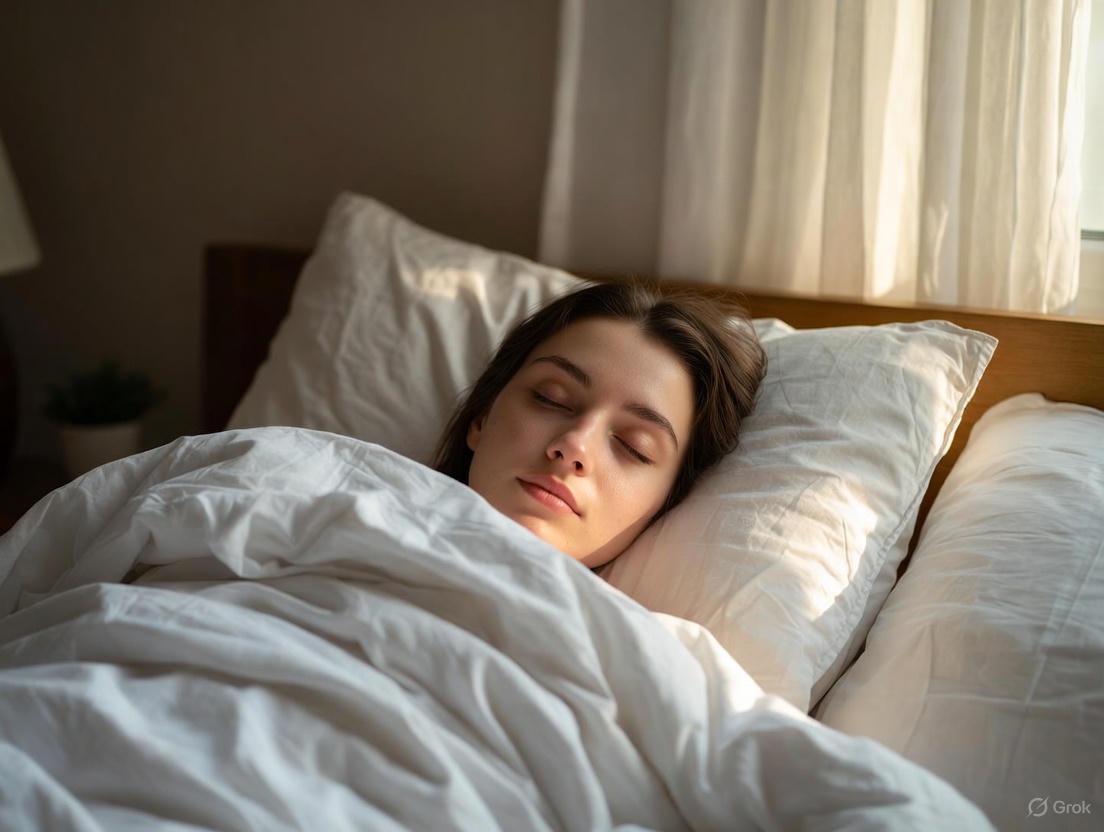
The blanket advice to “wake up at 5 AM” is not only ineffective but can be harmful for a significant portion of the population. Your sleep chronotype—your genetically influenced propensity to sleep and be active at certain times—is a core determinant of your cognitive performance curve. Your wellness ring provides the most accurate picture of your true chronotype by tracking not just when you sleep, but the quality of your sleep at different times.
Beyond Early Birds and Night Owls:
Modern chronobiology, popularized by Dr. Michael Breus, often categorizes people into four chronotypes: Bear, Lion, Wolf, and Dolphin. Each has an ideal schedule for sleep, work, and creative peaks. Your ring data validates which one you are. Do you get your most restorative deep sleep before midnight? (Likely a Lion). Does your sleep efficiency plummet when you try to go to bed before 1 AM? (Likely a Wolf).
The Science of Sleep Architecture and Performance:
Forcing a Wolf to peak at 8 AM is like asking a Lion to deliver a brilliant idea at midnight. It goes against ingrained hormonal rhythms of melatonin, cortisol, and core body temperature. Misalignment between your social/work schedule and your biological schedule is known as social jetlag, and it’s associated with increased stress, metabolic issues, and reduced cognitive performance.
How Your Ring Decodes Your Chronotype:
Analyze your historical sleep data, especially on free days (weekends/vacations when you’re not forced by an alarm).
Actionable Strategy: Chronotype-Centric Scheduling
The Liberation of Data:
Understanding your chronotype is liberating. It replaces guilt (“I’m not a morning person”) with strategy (“My brain is optimized for this”). It allows you to structure your workday to ride the wave of your natural energy, not constantly swim against the current. This can be transformative for sleep pattern adaptation working with what youve got in a non-negotiable work environment.
Productivity isn’t just about the workday; it’s about the recovery that fuels it. The single most potent form of recovery is sleep. Yet, many high-achievers see sleep as downtime to be minimized. Your wellness ring’s skin temperature sensor reveals a critical biological truth: sleep is an active, complex process that you can prepare for, and its quality directly dictates tomorrow’s performance.
The Thermoregulatory Link to Sleep:
A core driver of sleepiness is the drop in your body’s core temperature. Your body achieves this by increasing blood flow to the extremities (hands and feet), releasing heat. Your ring’s nighttime skin temperature reading is a proxy for this process. A clear, steady drop in skin temperature at the start of the night is strongly associated with faster sleep onset and more robust deep sleep.
The Science of the Evening Crash:
When you work or scroll late into the night, you’re doing two things that sabotage this cooling process: 1) You’re keeping your brain in a sympathetic (stressed) state, and 2) The blue light from screens directly suppresses melatonin and can disrupt your body’s natural cooling signal. This is why you might feel tired but “wired.”
How Your Ring Guides Your Wind-Down:
Your ring’s temperature graph is a report card on your evening routine.
Actionable Strategy: The Thermal Wind-Down Ritual
Use your data to create a 60–90 minute “thermal window” before bed designed to initiate the cooling process.
The Productivity Multiplier:
By optimizing your thermal wind-down, you aren’t just “sleeping better.” You are engineering higher-quality sleep. This means more deep sleep for physical restoration and memory consolidation, and more REM sleep for emotional processing and creativity. You wake up with a higher readiness score, which translates directly into faster cognitive processing, better decision-making, and more emotional resilience for the day ahead. It is the ultimate foundation for a sleep improvement plan complete 90-day guide.
Sitting is the new smoking for productivity. Prolonged sedentary behavior leads to sluggish circulation, reduced oxygen flow to the brain, and a buildup of mental fatigue that no amount of coffee can fix. While your ring tracks formal exercise, its true power lies in monitoring non-exercise activity thermogenesis (NEAT)—the calories burned from all movement outside of workouts. This is your secret weapon against the afternoon slump.
The Science of Movement and Cognitive Refresh:
Research shows that even brief, light physical activity—like a 5-minute walk—can immediately improve mood, focus, and creative thinking. This isn’t just about blood flow. Movement stimulates the release of brain-derived neurotrophic factor (BDNF), a protein that supports neuroplasticity—literally helping your brain form new connections and ideas.
How Your Ring Nudges You:
Most wellness rings have inactivity alerts. Instead of dismissing these as nagging, reframe them as “creativity prompts” or “focus resets.”
Actionable Strategy: The Movement Micro-Schedule
From Fatigue to Flow:
By using your ring’s inactivity alerts as a biological cue to move, you transform your workday from a marathon of sitting into a rhythmic pulse of activity and focus. This prevents the deep fatigue that accumulates by 4 PM, maintains higher energy levels, and creates the conditions for creative breakthroughs. It turns your body into an ally for your brain’s best work.
We often think of stress as a big, obvious event—a tight deadline, a difficult conversation. But the greatest threat to sustained productivity is chronic, low-grade stress—the constant ping of notifications, the background anxiety of an overflowing inbox, the subtle tension of an uncomfortable chair or a noisy environment. This type of stress keeps your nervous system in a perpetual state of low-level alert, draining your cognitive reserves like a hidden battery leak. Your wellness ring’s stress monitoring feature (often derived from HRV and RHR) makes this invisible drain, visible.
The Physiology of Cognitive Tax:
When your body is in a stressed state (high sympathetic tone), it prioritizes survival functions over higher-order thinking. Resources are diverted. The prefrontal cortex—the seat of executive function, decision-making, and focused attention—is effectively “hijacked” by the more primitive amygdala. This is why you can’t think clearly when you’re stressed.
How Your Ring Illuminates Hidden Stressors:
Your ring’s daytime stress score or graph isn’t just about emotional feelings; it’s a physiological report.
Actionable Strategy: The Stressor Audit & Intervention
Conduct a one-week audit, correlating your ring’s stress data with your daily log.
From Reactive to Proactive:
By using your ring data to identify your unique stress triggers, you move from being a passive victim of stress to an active manager of your nervous system. You eliminate or mitigate hidden drains, protecting your precious cognitive resources for the work that matters. This practice of self-awareness and intervention is a cornerstone of the psychology of sleep improvement motivation habits, as it breaks the stress-sleep-stress cycle.

You are what you eat, and more specifically, your productivity is what you ate—and when you ate it. While wellness rings don’t track food directly, they are exquisitely sensitive to the effects of nutrition on your physiology. By manually logging your meals and correlating them with your sleep and readiness data, you can uncover powerful, personalized nutritional rules that optimize your energy and focus.
The Gut-Brain-Sleep Axis:
What you consume affects your sleep architecture, inflammation levels, heart rate, and HRV. A heavy, late meal can raise core body temperature and force your digestive system to work overnight, reducing sleep quality. Alcohol, while sedating, severely fragments sleep and suppresses REM. Caffeine has a long half-life and can linger, impacting sleep latency even if you don’t “feel” it.
How Your Ring Reveals Food Sensitivities:
This is about discovery, not dogma. Use your ring’s objective metrics to become your own nutrition scientist.
Actionable Strategy: The 3-Day Food-Sleep Journal
For a clear picture, conduct a focused audit.
Personalized Nutritional Rules for Productivity:
Based on your data, you might establish rules like:
Fueling Performance, Not Just Satisfaction:
This process shifts your relationship with food from mere pleasure or calorie management to strategic performance fueling. You learn which foods are high-octane fuel for your brain and body, and which ones come with a hidden tax on your sleep and next-day cognitive capital. This kind of targeted lifestyle tweak is a prime example of how small sleep improvements compound over time into major gains in daily output.
The first hour of your day often dictates the tone for the next twelve. A reactive morning—grabbing your phone, diving into emails, rushing—primes your nervous system for stress and reactivity. A intentional morning, however, can calibrate your physiology for focus and resilience. Your wellness ring provides the ultimate feedback loop: did your morning routine actually improve your daytime readiness and lower your stress scores?
The Science of a Cortisol Awakening Response (CAR):
Upon waking, you experience a natural, healthy spike in cortisol—it’s your body’s way of mobilizing energy and alertness for the day. A chaotic, stressful morning can exaggerate and prolong this spike, leading to jittery energy and an afternoon crash. A calm, controlled morning can help modulate this response for sustained energy.
How Your Ring Validates Your Routine:
You can’t manage what you don’t measure. Track different morning protocols and see their impact on your ring’s “daytime stability” metrics and your subjective energy.
Actionable Strategy: Build Your "Ring-Validated" Morning
Experiment with these elements, one at a time, and watch your data:
The Compound Effect:
A data-backed morning routine isn’t about a rigid 60-point checklist. It’s about sequencing a few key activities that, according to your own body’s data, shift you from a state of physiological stress to one of physiological readiness. When you start the day in a state of calm focus, you make better decisions, resist distractions more easily, and handle unforeseen challenges with more grace. This sets in motion a positive cascade that makes every subsequent productivity hack more effective. It’s the first step in a sleep improvement hierarchy what to fix first approach to overall well-being.
Caffeine is the world’s most popular productivity drug. It works—by blocking adenosine receptors, it temporarily reduces feelings of fatigue. But its strategic use (and misuse) has profound effects on your sleep architecture and next-day readiness. Used poorly, it creates a vicious cycle of artificial energy followed by crashes and sleep debt. Your wellness ring provides the hard evidence you need to use caffeine wisely.
The Long Shadow of Caffeine:
Caffeine has a half-life of 5-6 hours. This means if you have a coffee at 3 PM, at 9 PM, about 50% of the caffeine is still in your system, and at 3 AM, about 25% remains. Even if you fall asleep, this residual caffeine can reduce deep sleep, the most restorative phase. Your ring will show this as less time in deep sleep, more restlessness, and a higher average nighttime heart rate.
How Your Ring Reveals Your Caffeine Sensitivity:
Your data provides a personalized caffeine cutoff time.
Actionable Strategy: The Caffeine Curfew
Breaking the Dependency Cycle:
By using your ring data to enforce a caffeine curfew, you protect the quality of your sleep. Better sleep means you wake up more naturally alert, reducing your need for morning caffeine. This creates a virtuous cycle. You may find, over time, that how sleep improvement reduces caffeine need becomes a reality. You use caffeine as a strategic performance enhancer, not a crutch to offset a sleep debt you’re constantly creating.
Our always-on, hyper-connected culture is perhaps the greatest modern threat to deep productivity and creativity. Constant notifications, the pressure to respond, and the infinite scroll of information create a state of continuous partial attention, which is incredibly taxing on the prefrontal cortex. Your wellness ring’s weekly trend data—specifically your average HRV and resting heart rate across weekends versus weekdays—can be the compelling evidence you need to institute a mandatory digital detox.
The Physiology of Digital Overload:
Every ping, like, or email subject line triggers a micro-dose of dopamine and cortisol—a mini-reward/stress cycle. Over the course of a day, this keeps your sympathetic nervous system subtly engaged, preventing true parasympathetic recovery. This accumulated strain shows up in your biometrics as a suppressed weekly HRV average and an elevated resting heart rate.
How Your Ring Proves You Need to Unplug:
Look at your weekly summary.
Actionable Strategy: The Sacred Recovery Window
Use your data to justify and design a weekly digital detox that allows your nervous system to fully reset.
Measure the “Detox Dividend”:
After implementing a consistent weekly digital detox for a month, analyze your weekly biometric trends.
The Ultimate Productivity Paradox:
True productivity requires periods of deep disengagement. By scheduling a weekly digital detox informed by your body’s clear need for recovery, you are not being unproductive. You are performing the essential maintenance required for your most complex biological machinery—your brain and nervous system. This practice of scheduled disconnection is a powerful strategy discussed in the context of achieving a sustainable perfect sleep pattern does it exist and is fundamental to being able to maintain sleep improvements long-term. It ensures you don’t just sprint through tasks, but have the endurance and insight for the marathon of meaningful work.
Productivity culture often focuses on output, but high output is impossible without high-quality input. That input is recovery. While Hack #5 focused on the nightly wind-down, this hack addresses cumulative recovery—the concept of sleep debt. Your wellness ring’s sleep score trends and readiness score history are the perfect tools for quantifying this debt and prescribing a personalized recovery ritual before you hit a state of burnout.
Understanding Sleep Debt as a Productivity Liability:
Sleep debt isn’t just feeling tired. It’s a quantifiable deficit in sleep need that accrues over time. According to research, the cognitive impairments from chronic sleep restriction (e.g., getting 6 hours when you need 7.5) accumulate similarly to those from total sleep deprivation. This debt manifests as slower reaction times, impaired memory, reduced creativity, and poor emotional regulation. Your ring tracks this through multi-night trends, not just last night’s score.
How Your Ring Quantifies Your Debt:
Actionable Strategy: The Proactive Recovery Day
Instead of crashing on the weekend, use your ring’s trend data to schedule a “Recovery Day” when your metrics signal the need.
This approach moves you from being reactive (“I’m exhausted, I need a day off”) to being strategic (“My data shows a debt accruing; I’ll schedule recovery to prevent a crash”). It’s the cornerstone of learning to maintain sleep improvements long-term in a demanding world.

We obsess over ergonomic chairs and monitor height, but often ignore the fundamental environmental factors that our physiology cares about most: temperature and light. Your wellness ring’s skin temperature and sleep data provide a unique feedback loop on how your workspace environment affects your core biology, and by extension, your cognitive performance.
The Thermoregulation-Work Connection:
Ambient temperature significantly impacts cognitive performance. Studies show that performance on cognitive tasks declines when room temperatures are too warm (above 77°F/25°C) or too cool (below 68°F/20°C). An overly warm environment can induce lethargy, while an overly cool one can cause distraction and physical tension. Your nighttime temperature data reveals your body’s ideal thermoneutral zone for recovery, which is a strong clue for your daytime ideal.
How Your Ring Informs Your Workspace Setup:
Actionable Strategy: The Biophilic Workspace Audit
Conduct a week-long audit of your primary workspace using your ring as a sensor.
By treating your workspace as an extension of your biology, you remove silent environmental stressors that siphon cognitive resources. A optimized environment acts as a constant, passive productivity booster, allowing your brain to allocate its full capacity to the task at hand. This kind of environmental engineering is a powerful, often overlooked technology aid for sleep improvement and the right tools for daytime performance as well.
Heart Rate Variability is more than a daily score; it’s a longitudinal biomarker of your autonomic nervous system fitness. Think of it as your “stress resilience capacity.” Just as you can build cardiovascular fitness through consistent exercise, you can build HRV resilience through consistent recovery practices. Your ring’s multi-week and multi-month HRV trend view is the dashboard for this crucial aspect of performance health.
HRV as a Training Metric for Your Nervous System:
A higher average HRV over time indicates a system that can handle stress efficiently and return to baseline quickly—the definition of resilience. A low or declining trend suggests your system is chronically overloaded and losing its adaptability. For productivity, resilience means bouncing back from a stressful meeting, adapting to a schedule change, or maintaining composure under pressure without a lasting cognitive hangover.
How to Read Your HRV Trends for Insight:
Actionable Strategy: The HRV Resilience Training Plan
Use your trend data to actively train your nervous system, just as you would a muscle.
Building HRV resilience is the ultimate productivity hack because it makes you antifragile. You stop fearing stress and start seeing it as a stimulus for growth, provided it’s followed by adequate recovery. This deep self-knowledge allows you to navigate demanding careers and creative projects without burning out. It’s the biological foundation for understanding how sleep improvement affects every health marker, as HRV is intricately linked to sleep quality.
Not all work is created equal. Creative ideation, logical analysis, and detailed editing tap into different neural networks. Your sleep architecture—the proportion of REM (Rapid Eye Movement) and deep (Slow-Wave) sleep you get—directly influences which networks are primed for use the following day. Your wellness ring’s detailed sleep stage breakdown provides a daily forecast for what type of thinking you’ll excel at.
The Sleep-Stage Performance Link:
How Your Ring’s Sleep Stages Guide Your Task Schedule:
Actionable Strategy: The Cognitive Task Batching by Sleep Type
This hack transforms your work planning from arbitrary to biological. It reduces friction because you’re asking your brain to do work it is physiologically prepared for. You’ll find that tasks feel easier and the quality of output improves because you’re leveraging your brain’s natural, sleep-dependent rhythms.
Most of us plan our work based on deadlines and calendars. What if we also planned our rest based on a forecast? Advanced wellness ring algorithms don’t just give you a score for today; they often provide a readiness forecast or trend arrow, predicting whether your recovery is improving or declining. This predictive insight is a game-changer for proactive workload management, allowing you to strategically lighten your cognitive load before you hit a low.
From Reactive to Predictive Rest:
The old model: Push hard until you feel tired or get sick, then rest. The new, data-driven model: Observe a declining readiness trend, proactively insert rest, and avoid the crash altogether. This is the core of sustainable high performance.
How to Interpret Forecasts and Trends:
Actionable Strategy: The Dynamic Workload Dial
Imagine your workload on a dial from 1 (minimal) to 10 (all-out sprint). Your readiness forecast helps you set the dial each day.
By honoring the forecast, you stop the downward trend in its tracks. You might take a full Recovery Day (Hack #12) or simply have a lighter workday. The result is that you rebound faster, often skipping the “low score” day entirely. This is intelligent energy management at its finest, ensuring you have the capacity for the most important work when it truly matters. It’s a practical application of learning to prioritize sleep improvement strategies start here.
The siesta, the power nap—cultures and biohackers have long touted the benefits of midday sleep. Yet, done incorrectly, a nap can leave you groggy (sleep inertia) and sabotage nighttime sleep. Your ring’s activity data (to identify your natural dip) and sleep data (to ensure napping doesn’t harm nighttime sleep) provides the personalized blueprint for a truly strategic, performance-enhancing nap.
The Science of the Perfect Nap:
The benefits of a short nap (10-20 minutes) are well-documented: improved alertness, mood, and cognitive performance without grogginess. Longer naps (60-90 minutes) that include a full sleep cycle (including REM) can boost creativity and procedural memory but carry a higher risk of inertia. The key is timing and duration, both of which are highly individual.
How Your Ring Guides Your Nap Practice:
Actionable Strategy: The Data-Driven Nap Protocol
For those struggling with nighttime sleep, napping might not be advised. It’s essential to consult resources like sleep improvement strategies for chronic insomnia to understand the nuances. But for many, a strategic nap, validated by post-nap focus and undisturbed nighttime sleep data, can be a powerful tool to split the day into two fresh, productive halves, effectively doubling your peak cognitive periods.
Our social lives are not separate from our productivity; they are a core part of our energy budget. A late-night party, a weekend of travel, or even a series of intense dinners can have a profound impact on your physiological recovery, echoing into your workweek. Your wellness ring allows you to audit your social calendar with the cold, hard data of recovery scores, empowering you to make informed choices about what to accept, modify, or decline.
The Physiology of Social Stress and Joy:
Social interactions are metabolically costly. They require cognitive processing, emotional regulation, and often involve altered sleep, food, and alcohol intake. Positive, connecting social events can boost mood and even resilience, while obligatory or conflict-heavy events can be significant stressors. Your ring measures the net physiological effect, not the subjective intention.
How to Conduct a Social Calendar Audit:
For one month, tag or note days with significant social events in your ring’s journaling feature. Then, analyze the patterns.
Actionable Strategy: The Energy-Budget Social Planner
This hack isn’t about becoming antisocial; it’s about being pro-social in a sustainable way. It ensures your social life enhances your well-being without unknowingly sabotaging your professional performance. It’s a critical skill for navigating the very real conflict of social obligations with natural sleep patterns.
Travel, whether for work or pleasure, is a major disruptor to routine and physiology. Jet lag, unfamiliar environments, disrupted sleep, and changed diets can leave you feeling off for days. Your wellness ring is your anchor. By understanding your biometric baselines and how travel affects them, you can create pre- and post-travel protocols that minimize disruption and accelerate your return to peak productivity.
Why Travel Hits Your Data So Hard:
Travel disrupts the three key regulators of your biology: Circadian Rhythms (light/dark cycles, time zones), Sleep Architecture (different beds, noise, schedules), and Autonomic Balance (stress of logistics, disrupted routines). Your ring will clearly show elevated resting heart rate, lowered HRV, and poor sleep scores.
How to Use Your Ring for Travel Optimization:
Actionable Strategy: The Travel Resilience Protocol
By treating travel as a known physiological stressor with a data-informed mitigation plan, you transform it from a productivity derailment into a manageable event. You’ll spend less time in a fog and more time being effective, whether you’re on the road or back at your desk. This systematic approach is a form of sleep pattern adaptation working with what youve got in dynamic circumstances.
This final hack is the culmination of all the others. It’s about moving from isolated tips to a cohesive, personal productivity philosophy—a set of core principles derived from months or years of your own biometric data. Your ring’s longitudinal trends tell a story about what truly works for you: what sustains you, what drains you, and how you perform at your best over the long arc of seasons, projects, and life changes.
From Data to Wisdom:
Over time, you’ll stop looking at daily scores and start seeing narratives. You’ll see the six-month graph where consistent meditation practice slowly elevated your average HRV. You’ll identify the seasonal slump every February that requires you to lighten your workload. You’ll know exactly how much sleep you need before a major presentation, and how long it takes you to recover from an intense work sprint.
Key Longitudinal Insights to Uncover:
Actionable Strategy: Craft Your Personal Productivity Manifesto
Synthesize your findings into a one-page document that serves as your operating system.
This living document, informed by your unique data, becomes your touchstone. It prevents you from chasing the latest generic productivity fad and grounds you in the evidence of your own life. It is the ultimate outcome of a journey of self-quantification: not just more data, but more self-knowledge. It empowers you to design a work life that doesn’t just produce output, but sustains and energizes the person producing it. This philosophical approach is supported by understanding the deep relationship between sleep patterns and longevity, framing daily habits within the context of a lifelong arc of health and performance.
Your Trusted Sleep Advocate: Sleep Foundation — https://www.sleepfoundation.org
Discover a digital archive of scholarly articles: NIH — https://www.ncbi.nlm.nih.gov/
39 million citations for biomedical literature :PubMed — https://pubmed.ncbi.nlm.nih.gov/
Experts at Harvard Health Publishing covering a variety of health topics — https://www.health.harvard.edu/blog/
Every life deserves world class care :Cleveland Clinic - https://my.clevelandclinic.org/health
Wearable technology and the future of predictive health monitoring :MIT Technology Review — https://www.technologyreview.com/
Dedicated to the well-being of all people and guided by science :World Health Organization — https://www.who.int/news-room/
Psychological science and knowledge to benefit society and improve lives. :APA — https://www.apa.org/monitor/
Cutting-edge insights on human longevity and peak performance:
Lifespan Research — https://www.lifespan.io/
Global authority on exercise physiology, sports performance, and human recovery:
American College of Sports Medicine — https://www.acsm.org/
Neuroscience-driven guidance for better focus, sleep, and mental clarity:
Stanford Human Performance Lab — https://humanperformance.stanford.edu/
Evidence-based psychology and mind–body wellness resources:
Mayo Clinic — https://www.mayoclinic.org/healthy-lifestyle/
Data-backed research on emotional wellbeing, stress biology, and resilience:
American Institute of Stress — https://www.stress.org/


