Body Recovery Basics: Active Recovery vs. Complete Rest
The difference between active recovery days and days of complete rest.
Body Recovery Basics: Active Recovery vs. Complete Rest
In the relentless pursuit of fitness, health, and peak performance, we often focus with laser-like precision on the work itself. We optimize our workout splits, track our macros, and push for new personal bests. Yet, we consistently undervalue and misunderstand the single most critical factor that determines whether all that effort translates into results or injury: recovery.
Recovery is not the absence of training; it’s the silent, active process where the magic happens. It’s when muscles repair, the nervous system resets, energy stores replenish, and the body adapts to become stronger. Get it wrong, and you risk plateauing, burning out, or breaking down. Get it right, and you unlock sustainable progress, resilience, and a deeper connection to your body’s signals.
At the heart of modern recovery science lies a fundamental dichotomy: Active Recovery versus Complete Rest. This isn’t a simple choice between moving or not moving. It’s a nuanced decision matrix informed by physiology, psychology, and personal biometrics. Should you go for a gentle walk or stay on the couch? Is foam rolling helping or hindering? Does your body need stillness or subtle stimulation?
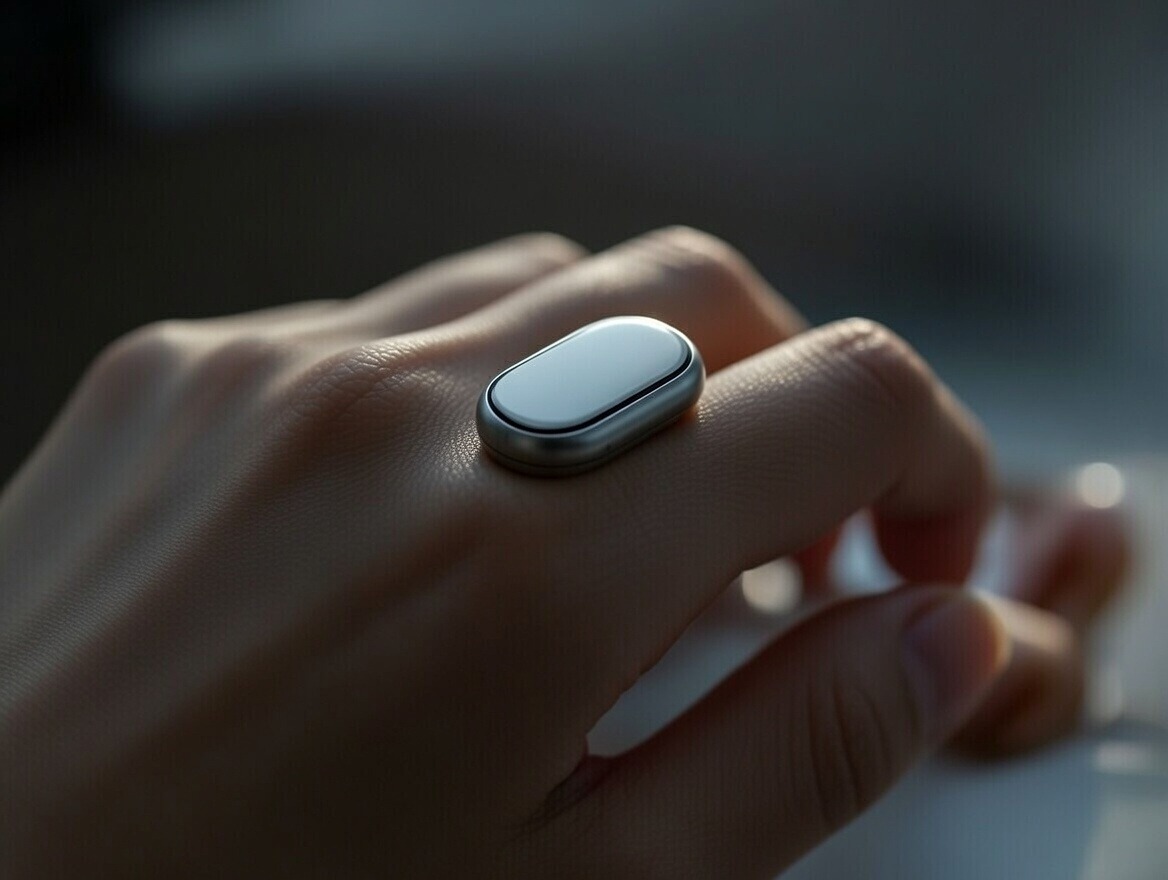
The answers are more individualized than ever, thanks to advancements in health-tracking technology. No longer must we rely on guesswork or generalized advice. Wearables like smart rings have moved the conversation from “what you think you need” to “what your body’s data says you need.” These devices, worn on the finger for superior accuracy in measuring metrics like heart rate variability (HRV), resting heart rate, sleep stages, and body temperature, provide a continuous, objective window into your autonomic nervous system—the master regulator of stress and recovery.
Understanding this data empowers you to strategically choose between active recovery and complete rest, transforming recovery from a passive afterthought into an intelligent, proactive pillar of your wellness strategy. This guide will take you deep into the science, strategy, and practical application of both approaches, equipping you with the knowledge to master the art and science of body restoration. For a deeper look at how this technology has evolved, consider reading about the evolution of health tracking technology from manual logs to smart rings.
The Non-Negotiable Foundation: Why Recovery is Your Secret Weapon
We live in a culture that glorifies "the grind." Hustle, push through, no pain no gain. This mindset, while powerful for motivation, has created a dangerous blind spot. It frames recovery as laziness, a sign of weakness, or unproductive downtime. To reframe this, we must start with a fundamental biological truth: You do not get fitter, faster, or stronger during your workout. You get those adaptations during recovery.
Exercise is a controlled stressor. When you lift weights, you create microscopic tears in muscle fibers. When you run, you deplete glycogen stores and challenge your cardiovascular system. The workout itself is the signal. The recovery period is when your body receives that signal, mobilizes resources, and overcompensates to prepare for a future, similar stress. This process is called supercompensation. Without adequate recovery, there is no supercompensation—only breakdown.
The consequences of poor recovery are a spectrum:
Short-Term: Persistent muscle soreness (DOMS), nagging aches, noticeable dips in performance, irritability, disrupted sleep, and increased susceptibility to colds.
Medium-Term: Performance plateaus, chronic fatigue, hormonal imbalances (elevated cortisol, lowered testosterone), loss of motivation (overtraining syndrome), and repetitive strain injuries.
Long-Term: Burnout, metabolic disruption, compromised immune function, and serious overuse injuries like stress fractures or tendonitis.
Enhanced Performance: Stronger subsequent workouts, better technique, and faster progress.
Greater Resilience: A fortified immune system and more robust connective tissues.
Injury Prevention: Allows minor inflammations to resolve before becoming major issues.
Improved Body Composition: Optimal hormone balance for muscle growth and fat metabolism.
Mental Clarity & Emotional Balance: A rested nervous system supports focus, mood, and stress management.
In essence, intelligent recovery is the ultimate force multiplier. It’s what allows you to train consistently, year after year, while enjoying the process and the results. It turns exercise from a drain on your system into an investment in your vitality. The first step to intelligent recovery is listening, and today, we have the tools to listen with unprecedented clarity. Devices like the Oxyzen smart ring offer a continuous vs. periodic monitoring approach, giving you a 24/7 stream of actionable data about your readiness.
Decoding Your Body’s Signals: The Biometrics of Readiness
How do you know if you’re recovered? For decades, athletes and coaches relied on subjective feelings (“I feel tired”) and crude metrics (morning heart rate). Today, we have a dashboard of objective, physiological biomarkers that tell the real story of your stress-recovery balance. Learning to read these signals is like learning a new language—the language of your body.
1. Heart Rate Variability (HRV): The Gold Standard of Recovery Metrics HRV is not your heart rate. It’s the subtle variation in the time interval between each heartbeat, measured in milliseconds. Controlled by your autonomic nervous system, a higher HRV typically indicates a state of "rest-and-digest" (parasympathetic dominance), meaning your body is relaxed, recovered, and ready for stress. A lower HRV indicates "fight-or-flight" (sympathetic dominance), meaning your body is under stress—be it from a hard workout, emotional anxiety, poor sleep, or illness.
What it tells you: Your overall recovery status and nervous system balance. A rising trend suggests good adaptation; a sharp drop suggests you need more rest.
Tracking Tip: Measure HRV consistently—first thing in the morning, before coffee, and before moving. Smart rings excel here, as they can capture overnight HRV trends during sleep, providing a highly stable reading.
2. Resting Heart Rate (RHR) Your heart rate at complete rest. A well-recovered body has an efficient cardiovascular system, leading to a lower RHR. An elevated RHR (typically 5-10+ BPM above your baseline) can be a sign of residual fatigue, dehydration, impending illness, or insufficient recovery.
What it tells you: Cardiovascular strain and overall physiological stress load.
3. Sleep Quality & Architecture It’s not just about duration. Recovery sleep is about quality and structure. Deep sleep (slow-wave sleep) is crucial for physical repair and growth hormone release. REM sleep is vital for cognitive recovery and memory consolidation. Waking up frequently or getting insufficient deep/REM sleep sabotages recovery, regardless of total hours in bed.
What it tells you: The effectiveness of your primary recovery period. Devices that track sleep stages help you see if your lifestyle supports truly restorative sleep.
4. Body Temperature Core and peripheral temperature fluctuations are closely tied to circadian rhythms, metabolism, and inflammatory processes. A higher-than-usual baseline temperature can indicate systemic inflammation, an oncoming illness, or poor recovery.
What it tells you: Inflammatory load and circadian health. Continuous temperature tracking, especially from the finger’s rich vasculature, can detect subtle, meaningful shifts.
5. Subjective Feelings: The Human Element Never ignore subjective markers. Rate your sleep quality, muscle soreness, motivation levels, and overall mood on a simple 1-10 scale. When your subjective "I feel wrecked" aligns with a low HRV and high RHR, the message is clear: prioritize rest.
Synthesizing the Data: The power lies not in any single metric, but in the trend and correlation. A smart ring that seamlessly integrates these data points provides a Readiness Score or Recovery Index. This single, algorithmically-derived number synthesizes HRV, RHR, sleep, and temperature data to give you a clear, actionable morning directive: "You're primed for a hard session," or "Focus on recovery today."
This is where personalized wellness truly begins. By understanding your unique biometric baselines and how they respond to different stressors, you can move beyond one-size-fits-all recovery plans. To see how real users apply this data, explore the real customer reviews and user experiences with these technologies.
The Science of Active Recovery: Movement as Medicine
Active recovery (AR) is the practice of engaging in low-intensity, low-impact movement on rest days or after strenuous activity. The goal is not to challenge the systems but to gently stimulate them. Think of it as "oil for the joints and circulation for the muscles." It’s the antithesis of being sedentary, but it’s equally distinct from a training session.
The Physiological Mechanisms: Why Light Movement Works
Enhanced Blood Flow & Nutrient Delivery: Light, rhythmic movement increases circulation without the significant metabolic cost of intense exercise. This heightened blood flow delivers oxygen and nutrients (like amino acids and glucose) to fatigued muscles more efficiently, accelerating the repair process. It also helps flush out metabolic waste products like lactate and hydrogen ions that contribute to soreness.
Reduction of DOMS (Delayed Onset Muscle Soreness): The mild pumping action of AR can physically help reduce fluid buildup and inflammation in the muscles, alleviating the stiffness and pain associated with DOMS. It’s not about "flushing lactate" (a common myth, as lactate clears within an hour), but about managing the inflammatory response.
Neurological Benefits: AR maintains neuromuscular connections without imposing heavy fatigue. It can help "grease the groove" for movement patterns, promoting better technique and kinesthetic awareness. It also supports a healthy parasympathetic tone, especially when the activity is mindful and enjoyable.
Joint & Connective Tissue Health: Synovial fluid, which lubricates joints, is produced in response to movement. AR keeps joints mobile and nourished, which is crucial for long-term athletic longevity.
Psychological Reset: A gentle walk, yoga flow, or swim can be a powerful mental break from the rigor of training. It reinforces a positive identity as an "active person," combats rest-day guilt, and can reduce stress hormones like cortisol.
The Golden Rule of Active Recovery: Intensity is paramount. Your effort should be at a level where you can easily hold a conversation (often cited as 30-60% of your maximum heart rate). The moment it feels like "work," you’ve crossed into training territory and are adding to your recovery debt. This principle of listening to your body is foundational, and tools that offer personalized body insights can make this distinction crystal clear.
The Science of Complete Rest: The Power of Strategic Stillness
Complete rest, or passive recovery, is exactly what it sounds like: intentional, physical, and often mental, inactivity. It is the conscious decision to abstain from structured exercise and significantly reduce general physical output. In our always-on world, this can feel radical. But physiologically, it is sometimes the most potent tool in your arsenal.
The Physiological Mechanisms: Why Doing Nothing is Doing Something
Maximizing Anabolic Processes: Deep, physical repair and muscle protein synthesis are energetically expensive processes. When you are completely at rest, a greater proportion of your body’s energy and resources can be directed toward these critical rebuilding tasks, rather than being diverted to fuel movement.
Central Nervous System (CNS) Restoration: The CNS is the command center for every muscular contraction, especially high-force or high-skill movements. Heavy lifting, sprinting, and intense metabolic conditioning place a tremendous toll on the CNS. Complete rest allows this system to fully "reboot," restoring neurotransmitter levels and improving neural efficiency. This is vital for power athletes and those experiencing mental fatigue from training.
Hormonal Rebalancing: Intense training elevates cortisol (a catabolic stress hormone) and can temporarily suppress testosterone. Chronic under-recovery can lead to a prolonged imbalance. Complete rest, especially when paired with good sleep and nutrition, is the fastest way to normalize these hormonal profiles, creating an internal environment conducive to growth and repair.
Immune System Fortification: The "open window" theory suggests intense exercise can temporarily suppress immune function. While moderate exercise is generally immunoprotective, consecutive hard sessions without adequate rest can compound this effect. Complete rest gives your immune system the bandwidth to operate at full strength, which is crucial for staying healthy through demanding training blocks.
Psychological Detachment & Prevention of Burnout: Mental fatigue is a real component of overtraining. Strategic complete rest days—where you don’t even think about the gym, your step count, or your diet—provide a crucial psychological reset. They prevent exercise from becoming a compulsive stressor and renew motivation.
When Complete Rest is Non-Negotiable:
When biometrics (HRV, RHR) are severely depressed.
When you are feeling signs of illness (fever, sore throat, extreme fatigue).
After an exceptionally grueling competition or event (e.g., a marathon, tough mudder).
When experiencing acute injury pain (not to be confused with soreness).
During periods of extreme life stress (e.g., work deadlines, emotional strain).
Complete rest is not laziness; it’s a strategic withdrawal to strengthen your position. It requires as much discipline as a hard workout. For those building new wellness habits, understanding this balance is key. Discover more on how technology can help build healthy habits that include intelligent rest.
The Active Recovery Toolkit: Practical Modalities and How to Use Them
Knowing why to do active recovery is one thing. Knowing how to do it effectively is another. Here is a breakdown of the most effective AR modalities, complete with execution guidelines and ideal use cases.
1. Low-Intensity Steady-State (LISS) Cardio
Examples: Brisk walking, easy cycling on a flat route, gentle elliptical work, light rowing.
Execution: Maintain a conversational pace for 20-45 minutes. No hills, no intervals. Focus on smooth, rhythmic breathing.
Best For: Recovery days following heavy lower-body or full-body metabolic workouts. Excellent for general circulation.
Execution: Move through a full range of motion without forcing end ranges. Focus on feeling connected and fluid, not achieving a stretch. 10-30 minutes is sufficient.
Best For: Days after heavy lifting or long periods of sitting. Ideal for improving joint health and movement quality. For those curious about starting, our wellness ring basics for beginners guide is a great resource.
3. Self-Myofascial Release (SMR)
Examples: Foam rolling, using lacrosse balls or massage guns.
Execution: Apply moderate pressure to tender areas (trigger points) for 30-90 seconds per spot. Breathe deeply and try to relax into it. The goal is to improve tissue quality, not to inflict pain.
Best For: Targeted relief of specific tight or sore muscle groups. Best done before light movement to "prep" the tissue.
4. Recreational Activity & Play
Examples: A casual game of catch, a leisurely swim, gardening, a slow hike in nature, dancing to a few songs at home.
Execution: Let enjoyment be the guide. The activity should feel fun and spontaneous, not like a scheduled workout.
Best For: The mental component of recovery. Reconnecting with movement for pleasure, not performance.
5. Contrast Therapy (A Specialized AR Protocol)
Examples: Alternating between hot (sauna, hot tub) and cold (cold plunge, ice bath) exposures. A common pattern is 3-5 minutes hot, 1-3 minutes cold, repeated 2-4 times.
Physiological Rationale: The vasodilation (hot) and vasoconstriction (cold) create a powerful "pumping" effect in the circulatory system, believed to reduce inflammation and muscle soreness. The cold exposure also has potent effects on the nervous system.
Important Note: This is a more aggressive intervention. It should be used sparingly (e.g., post-competition) and is not for everyone, especially those with cardiovascular conditions.
Key Principle: Choose the modality that addresses your specific need. Are you globally sore? Try LISS. Is your lower back tight? Focus on mobility and SMR. Feel mentally fried? Opt for recreational play. The tools exist to support different health goals, and recovery is one of the most important.
The Complete Rest Playbook: How to Rest Like a Pro
Complete rest is a skill. It’s the art of strategic inactivity. Doing it well means more than just skipping the gym. It’s about creating an environment, both internally and externally, that maximizes the restorative potential of stillness.
1. Physical Stillness with Purpose
True Inactivity: Give yourself permission to be physically inert. Read a book on the couch, watch a movie, meditate, or simply sit and listen to music. The goal is to minimize caloric expenditure from movement.
Strategic Positioning: Use positions that promote relaxation and circulation. Elevating your legs (legs-up-the-wall pose) can help reduce lower-limb swelling and promote parasympathetic activation.
Limit Non-Exercise Activity Thermogenesis (NEAT): While NEAT is great for general health, on a complete rest day, consciously avoid long walks, excessive housecleaning, or long shopping trips. Let your body focus its energy inward.
2. Nutritional Support for Repair Your complete rest day is not a "cheat day." It’s a "feed-the-recovery" day.
Maintain Caloric Intake: You still need adequate calories and protein to fuel repair processes, even though you’re not training. Don’t slash calories drastically.
Emphasize Anti-Inflammatory Foods: Focus on omega-3s (fatty fish), antioxidants (colorful fruits and vegetables), and spices like turmeric and ginger.
Hydrate Diligently: Without the reminder of sweat, it’s easy to under-hydrate. Proper hydration is essential for every cellular process, including repair.
3. Nervous System Downregulation This is the cornerstone of high-quality complete rest.
Digital Detox: Reduce screen time, especially from stimulating or stressful content (work emails, intense news, competitive social media). The blue light and cognitive load hinder nervous system relaxation.
Meditation & Breathwork: Practices like box breathing (4-second inhale, 4-second hold, 4-second exhale, 4-second hold) or guided body-scan meditations are direct tools to stimulate the parasympathetic nervous system.
Environment: Create a calm space. Dim lights, play soothing music or nature sounds, use essential oils like lavender, and ensure your space is comfortable and clutter-free.
4. Prioritize Sleep—The Ultimate Passive Recovery A complete rest day is the perfect opportunity to enhance sleep, your primary recovery tool.
Nap Strategically: A short nap (20-30 minutes) can boost alertness and recovery without impacting nighttime sleep. Avoid long, late-afternoon naps.
Perfect Your Evening Routine: Since you’re not physically tired from a workout, be extra intentional. Take a warm bath with Epsom salts, read a physical book, and avoid screens for at least 60-90 minutes before bed.
The Mindset Shift: View a complete rest day as a "system reboot." You are not losing fitness; you are investing in the quality of your next training block. Track how you feel and how your biometrics respond. Often, you’ll see a significant rebound in HRV and a drop in RHR after a true day of complete rest, confirming its value. For a broader perspective on how rest fits into lifelong health, explore our article on 50 healthy aging tips a smart ring helps implement daily.
How to Choose: A Data-Driven Decision Matrix for Recovery Modalities
This is the critical application of everything we’ve covered. How do you, on any given day, decide between an active recovery session and complete rest? The decision should be informed by a hierarchy of data: first biometrics, then subjective feelings, then your training schedule.
Step 1: Consult Your Morning Biomarkers (The Objective Truth)
Green Light (Go for AR or Light Training): HRV is at or above your 7-day rolling average. RHR is at or below your average. Sleep score was good (adequate deep/REM sleep). Body temperature is normal.
Decision: You are recovered. You can proceed with a planned workout or, if it’s a scheduled recovery day, choose an active recovery modality you enjoy. Your body can handle the gentle stress.
Yellow Light (Proceed with Caution – Prioritize AR): HRV is slightly depressed (5-15% below average). RHR is slightly elevated. Sleep was mediocre. You feel "off" but not ill.
Decision: This is the prime scenario for active recovery. A light movement session may actually help improve circulation and nudge your nervous system toward recovery. Avoid complete rest, which might lead to stiffness, but absolutely avoid intense training. Listen closely to your body during the activity.
Red Light (Complete Rest is Mandatory): HRV is significantly depressed (>15% below average). RHR is markedly elevated. Poor sleep score, especially lacking deep sleep. Temperature may be elevated.
Decision: Complete rest. Your body is fighting something—be it training load, illness, or life stress. Adding any form of exercise stress, even active recovery, is counterproductive. Focus on hydration, nutrition, nervous system downregulation, and sleep.
Step 2: Listen to Subjective Feedback (The Human Check) Cross-reference the data with how you feel.
Do you have acute, sharp pain (rest) or general muscle soreness (maybe AR)?
Are you energetically drained (rest) or just stiff (AR)?
Are you dreading movement (likely rest) or craving gentle motion (likely AR)?
Step 3: Consider Contextual Factors
Training Phase: In a heavy strength or hypertrophy block, more complete rest may be needed to protect the CNS. In a maintenance phase, AR might feature more often.
Life Stress: A high-stress work week may tip the scale toward complete rest, even if workout fatigue is low.
Recovery Activity "Bank Account": Have you done a lot of high-intensity AR lately (like contrast therapy)? Maybe you need a day of pure rest. Have you been sedentary for two days? A gentle walk is likely better.
Example Decision Flow:
Morning: HRV is 10% low, RHR is +8 BPM, slept 6 hours with poor deep sleep. You feel groggy and have tight hamstrings.
Data Says: Yellow Light.
Subjective Feel Says: Tired and tight.
Decision: Active Recovery, but very gentle. 20 minutes of foam rolling on the hamstrings and lower back, followed by 15 minutes of very gentle, restorative yoga focused on breathing. No walking, no cardio. Re-check subjective feelings afterward; you should feel better, not more tired.
This decision-making process is the essence of data-informed wellness. It removes guilt and guesswork, replacing them with confidence and clarity. For those who want to dive into the technology enabling this, the science behind modern health tracking technology offers a fascinating look under the hood.
Integrating Technology: Using a Smart Ring to Optimize Your Recovery Strategy
A smart ring is more than a sleep tracker; it’s a 24/7 biometric lab on your finger, perfectly positioned to capture the most accurate peripheral health signals due to the finger’s rich vascular supply. For recovery optimization, it acts as your personal research assistant, sleep analyst, and readiness coach.
How a Smart Ring Informs the Active vs. Rest Decision:
Unobtrusive, Continuous Data Capture: Unlike a chest strap or wristwatch, a ring is comfortable to wear 24/7, especially during sleep—the most important recovery period. This provides seamless data without gaps. You can learn more about the advantages of this form factor in our guide on wellness ring basics and materials.
Precision in Key Metrics: By measuring from the finger’s arteries, devices like the Oxyzen ring can capture highly precise pulse waveform data. This leads to more accurate HRV and RHR calculations—the bedrock of recovery assessment. Discover the details in our explainer on the accuracy revolution in health tracking technology.
The Readiness Score – Your Morning Directive: Advanced algorithms process your overnight HRV, RHR, sleep quality, and temperature data to generate a single, easy-to-understand score (e.g., 1-100). This is your objective starting point for the day.
High Score (>75): You’re recovered. Stick to your plan—train hard or enjoy vigorous AR.
Medium Score (50-75): You’re in a maintenance or stressed state. Opt for moderate training or light AR. Be mindful.
Low Score (<50): You’re depleted. Prioritize complete rest or the gentlest possible AR (like mobility). Consider it a mandatory rest day.
Trend Analysis & Personal Baselines: The ring’s app shows your trends over days, weeks, and months. You learn your normal. You can see how a hard leg day impacts your HRV for two days, or how alcohol destroys your sleep architecture. This long-term view helps you plan your training blocks and life activities proactively.
Sleep Stage Breakdown: Seeing your deep and REM sleep quantified helps you troubleshoot. Did that late coffee rob you of deep sleep? Did evening screen time suppress REM? This feedback allows you to experiment and improve your primary recovery tool: sleep.
Practical Application: A Week in the Life
Monday: Heavy strength training. Evening ring data shows elevated resting heart rate.
Tuesday Morning: Readiness score is low (45). HRV dropped 20%. Decision: Complete rest day. Focus on hydration, protein, and an early night.
Wednesday Morning: Readiness score has bounced back to 70. HRV is rising. Soreness is present but not sharp. Decision: Active recovery. 30-minute easy walk + foam rolling.
Thursday Morning: Readiness score is high (82). Sleep was excellent. Decision: Proceed with planned intense workout.
By following this feedback loop, you train with your body, not against it. This prevents overtraining, reduces injury risk, and maximizes the return on your effort. It’s a cornerstone of the preventive health monitoring that modern wearables enable.
Common Pitfalls and Misconceptions in Recovery
Even with the best intentions and tools, it’s easy to fall into recovery traps. Let’s dismantle the most common myths and mistakes.
Myth 1: "More Soreness Means a Better Workout." Reality: Soreness (DOMS) is a sign of novel mechanical stress, not necessarily effective metabolic or neurological stress. You can have a profoundly effective workout that yields little soreness. Chasing soreness often leads to excessive eccentric loading and unnecessary tissue damage that prolongs recovery.
Myth 2: "I can't take a rest day; I'll lose my gains." Reality: Fitness loss (detraining) takes weeks, not days. In fact, muscle protein synthesis rates are elevated for 24-48 hours post-workout. A rest day during this window allows that synthesis to occur unhindered. Consistent, recovered training beats consecutive, fatigued training every time.
Myth 3: "Active recovery means a light version of my normal workout." Pitfall: Going for a "light" 5-mile run instead of your usual 8-mile run is still running—a high-impact, repetitive motion that stresses the same joints and muscles. True active recovery often means doing something different—cross-modal recovery. A runner should walk, swim, or cycle. A lifter should focus on mobility or LISS.
Myth 4: "If I'm not sweating, it's not doing anything." Reality: The benefits of AR are primarily circulatory and neurological, not cardiovascular. You don’t need to sweat to stimulate blood flow or downregulate your nervous system. A leisurely walk or gentle yoga can be profoundly effective without a drop of sweat.
Myth 5: "I feel fine, so I must be recovered." (Ignoring Objective Data) Pitfall: Subjective feelings can lie, especially under the influence of caffeine, motivation, or habit. You may "feel fine" but your HRV is in the gutter, indicating your nervous system is still under siege. Relying solely on feel is like driving a car with no dashboard gauges.
Myth 6: "Recovery is only about what I do on rest days." Reality: Recovery is a 24/7 process. Your intra-workout nutrition, post-workout meal, stress management at work, evening wind-down routine, and 8 hours in bed are all part of the recovery continuum. The rest day is just one focused component. Every choice matters, and seeing the impact of those choices, as discussed in how health tracking enables personalized wellness, is transformative.
Myth 7: "More Recovery Modalities = Better Recovery." (The "Recovery Stacking" Pitfall) Pitfall: Jumping from a foam rolling session to a cold plunge to a compression boot to a massage gun in one day can itself be a stressor. Sometimes, the most sophisticated recovery protocol is to simply eat well, drink water, and relax. Don’t let recovery become another performance task.
By avoiding these pitfalls, you streamline your approach, saving time, energy, and money while achieving better results. It’s about working smarter, not just harder—or in the case of recovery, resting smarter, not just longer.
The Physiology of Repair: From Micro-Tears to Supercompensation
To master recovery, we must move beyond generalities and into the cellular and molecular dance that occurs when we are still. The journey from a state of fatigue to a state of enhanced fitness is a meticulously orchestrated biological process. Understanding it not only deepens our appreciation for rest but also informs how we can best support it.
When you challenge your body—be it through lifting, running, or any intense exertion—you create a state of homeostatic disruption. Your body's stable internal environment is thrown into chaos: muscle fibers sustain micro-damage, energy stores (glycogen) are depleted, waste products accumulate, and the nervous system fires relentlessly. This controlled damage is the essential spark.
The repair process unfolds in distinct, overlapping phases:
Phase 1: The Inflammatory Response (0–24 hours post-exercise) This immediate phase is often misunderstood as "bad," but acute inflammation is a vital, life-saving signal. Damaged cells release cytokines, signaling the immune system. Blood vessels dilate, increasing permeability to allow white blood cells, platelets, and nutrients to flood the area. This causes the familiar swelling, redness, and heat. Think of this as the construction crew arriving at a demolition site—it's messy but necessary. The goal here is to clear debris and initiate repair. Anti-inflammatory interventions (like high-dose NSAIDs or aggressive icing) during this phase can actually blunt the adaptive response by interfering with these signals. A smart ring tracking body temperature trends can sometimes reflect this subtle inflammatory wave overnight.
Phase 2: The Repair & Rebuilding Phase (24–72 hours) Now, satellite cells—the stem cells of your muscles—are activated. They proliferate and fuse to the damaged muscle fibers, donating their nuclei to help synthesize new proteins. This is where muscle protein synthesis (MPS) outpaces muscle protein breakdown (MPB), leading to net growth. Collagen is laid down to repair connective tissue. This phase is energetically expensive and relies heavily on adequate protein intake, hormonal signaling (like insulin and testosterone), and minimal external stress. It's the phase where complete rest shines, as directing all available energy toward this anabolic work is optimal.
Phase 3: The Remodeling & Strengthening Phase (72+ hours) The new muscle tissue and collagen aren't initially well-organized. Over the next several days to weeks, the body remodels this new material, aligning muscle fibrils and collagen fibers along the lines of mechanical stress. This process strengthens the tissue and makes it more resilient to future, similar loads. This is where active recovery can be beneficial, as the gentle mechanical tension from movement can guide this remodeling process positively, encouraging elasticity and proper alignment.
The Supercompensation Peak: If the recovery period (encompassing all three phases) is supported with proper nutrients and time, the body doesn't just repair itself to its pre-workout state. In a brilliant act of biological forecasting, it overcompensates. It builds slightly more muscle, stores slightly more glycogen, and strengthens bones and connective tissue a bit more than before, raising your fitness baseline to prepare for the next challenge. This peak is the window for your next optimal workout. Train too soon (under-recovered), and you dig a deeper hole. Train too late (over-recovered), you miss the peak and stagnate. This is the ultimate argument for data-tracking: hitting that peak consistently. The science behind this is fascinating, and you can learn more about the sensors and algorithms that help identify these windows.
Advanced Recovery Modalities: Beyond the Basics
Once you have a firm grasp on active recovery and complete rest, you can explore more specialized tools. These are not for everyday use but can be powerful allies when deployed strategically within the context of your biometric feedback.
1. Compression Therapy
What it is: Wearing compressive garments (sleeves, socks, full legs) or using dynamic compression boots that rhythmically inflate and deflate.
Proposed Mechanism: The external pressure is believed to enhance venous return (blood flow back to the heart), reduce pooling of fluid in extremities, and may decrease perceptual muscle soreness. The pulsating action of boots mimics the muscle pump of movement.
Best Use Case: Following long-duration endurance events (marathons, long flights) or for managing lower-leg swelling. It's a passive modality that fits well on a complete rest day. Data Tip: Use your smart ring's HRV reading pre- and post-session. Does it improve? For some, the sensation can be stressful, negating benefits.
2. Photobiomodulation (Red Light Therapy)
What it is: Exposure to specific wavelengths of red and near-infrared light via panels or wearable devices.
Proposed Mechanism: The light photons are absorbed by mitochondria, potentially enhancing cellular energy (ATP) production, reducing oxidative stress, and modulating inflammation. Research shows promise for reducing muscle soreness and accelerating repair.
Best Use Case: As an adjunct on complete rest days or following intense training. A 10-20 minute session can be a relaxing, non-invasive way to support cellular recovery. It’s a tool that aligns with the principle of creating a pro-recovery environment.
3. Hyperbaric Oxygen Therapy (HBOT)
What it is: Breathing pure oxygen in a pressurized chamber, significantly increasing oxygen concentration in the blood plasma.
Proposed Mechanism: The super-saturation of oxygen is thought to enhance tissue oxygenation, reduce inflammation, and stimulate stem cell proliferation. It's a well-established treatment for serious wounds and decompression sickness.
Best Use Case: For elite athletes managing significant soft-tissue injuries or in extremely dense training/competition phases. It's expensive, time-intensive, and likely overkill for the general fitness enthusiast. This represents the extreme end of recovery technology, a far cry from the accessible, preventive health monitoring of daily wearables.
4. Floatation (REST) Therapy
What it is: Floating in a soundproof, lightproof tank filled with skin-temperature water supersaturated with Epsom salt (magnesium sulfate), creating a sensation of weightlessness.
Proposed Mechanism: Provides intense sensory deprivation, drastically reducing input to the nervous system. This can force a deep parasympathetic state, lowering cortisol and allowing for profound mental and physical relaxation. The magnesium may also be absorbed transdermally.
Best Use Case: For recovery from mental fatigue, high-stress periods, or CNS-intensive training (heavy lifting, competition). It's the ultimate "complete rest" enhancer. Track your sleep and HRV on the night after a float—many report dramatic improvements.
The Critical Caveat: These advanced tools should not replace the fundamentals: sleep, nutrition, and stress management. They are "force multipliers" for those fundamentals. Always let your biometrics guide you. If your HRV is chronically low, a float or red light session might help, but fixing your sleep schedule is non-negotiable. For a grounded look at what really matters, our wellness ring basics for beginners covers the essential pillars.
Nutrition as a Recovery Lever: Fueling the Repair Process
You cannot out-recover a poor diet. Nutrition provides the raw materials for every single biochemical process described above. Timing, quality, and quantity are the three dials you can adjust to directly influence recovery speed and quality.
The Macronutrient Trinity for Recovery:
1. Protein: The Building Blocks
Role: Provides essential amino acids, particularly leucine, which acts as the primary trigger for muscle protein synthesis (MPS).
Strategy: Aim for 0.4-0.5g/kg of body weight per meal, spread across 3-4 meals, to maximize the MPS trigger throughout the day. For a 80kg person, that's 32-40g per meal.
Post-Workout: Timing is less frantic than once believed (the "anabolic window" is several hours wide), but consuming a protein-rich meal within 2 hours of training is a good practice. A fast-digesting source (whey, lean meat) can be useful here.
Before Bed: Casein protein (found in cottage cheese, Greek yogurt, or a casein supplement) is slow-digesting, providing a trickle of amino acids throughout the night, supporting overnight repair.
2. Carbohydrates: The Replenishers & Signalers
Role: Restore muscle and liver glycogen, the primary fuel for moderate to high-intensity exercise. Carbs also spike insulin, a potent anabolic hormone that helps shuttle nutrients into cells.
Strategy: Needs vary wildly based on activity level. Endurance athletes need far more than strength athletes. On hard training days, increase intake. On complete rest days, you can reduce intake slightly, but don't eliminate them—your brain and recovery processes still need glucose.
Post-Workout: Combining carbs with protein post-workout enhances glycogen resynthesis and creates a more robust hormonal environment for repair than protein alone.
3. Fats: The Hormonal Regulators & Anti-Inflammatories
Role: Essential for hormone production (testosterone, cortisol), absorbing fat-soluble vitamins, and providing long-term energy. Omega-3 fatty acids (EPA/DHA) are particularly potent for modulating inflammation.
Strategy: Keep fat intake consistent daily. Prioritize anti-inflammatory sources: fatty fish (saldom mackerel), avocados, nuts, seeds, and olive oil. Limit pro-inflammatory trans fats and excessive omega-6s from processed seed oils.
The Micronutrient & Hydration Foundation:
Magnesium & Zinc: Crucial cofactors in hundreds of enzymatic processes, including protein synthesis and energy production. Often depleted in athletes. Found in nuts, seeds, leafy greens, and shellfish.
Vitamin D: Modulates immune function and inflammation. Many are deficient. Sun exposure or supplementation may be necessary.
Antioxidants (Vitamins C, E, Polyphenols): Help combat exercise-induced oxidative stress. Get them from food, not high-dose supplements. High-dose antioxidant supplements can sometimes blunt training adaptations by interfering with necessary oxidative signaling. Think colorful fruits and vegetables.
Hydration: Water is the medium for every metabolic reaction. Even mild dehydration (2% body weight) can impair performance and cognitive function, and delay recovery. Electrolytes (sodium, potassium, magnesium) are crucial for fluid balance, especially after sweaty sessions.
Nutritional Timing for Recovery Types:
On an Active Recovery Day: Your energy expenditure is slightly elevated. Maintain normal, balanced meals with an emphasis on whole foods. This is a great day for a nutrient-dense salad with lean protein and healthy fats.
On a Complete Rest Day: Your energy needs are lowest. You might slightly reduce carb portions, but maintain protein and fat. Focus on anti-inflammatory foods: salmon with roasted vegetables, a berry smoothie with protein powder and spinach. This is not a "cheat day"—it's a "nourish and repair" day.
Your body's data can even reflect dietary choices. You might notice your HRV dips after a heavy, inflammatory meal or improves with consistent hydration. This biofeedback turns nutrition into a personalized experiment. For insights on how others use data to refine their health, browse real customer reviews and user experiences.
The Psychology of Rest: Overcoming Guilt and Cultivating a Recovery Mindset
For many high-achievers, rest is psychologically harder than work. The internal narrative screams that you're being lazy, losing progress, or falling behind. This "rest guilt" is a significant barrier to effective recovery and can itself activate the stress-response system, undermining the very rest you're trying to achieve.
Understanding Rest Resistance:
Identity Threat: If "being a runner" or "being fit" is core to your identity, not running feels like a betrayal of self. You must expand your identity to include "someone who recovers intelligently."
Productivity Culture: We're conditioned to equate constant activity with worth. Rest is framed as unproductive. Reframe: Rest is productive. It's the work that makes all other work possible.
Fear of Loss: The "use it or lose it" fear is powerful but biologically exaggerated over short timeframes. Fitness is sticky. A few days of rest will not erase months of progress.
Strategies to Cultivate a Recovery Mindset:
1. Schedule It & Name It: Treat recovery with the same respect as a training session. Block it in your calendar. Give it a purposeful name: "Nervous System Reboot," "Adaptation Window," "Muscle Remodeling Day." This formalizes it as an intentional, strategic act, not a void of activity.
2. Practice "Being," Not "Doing": On complete rest days, engage in activities that are about presence, not outcome. Listen to an album from start to finish. Sit in a park and observe nature. Cook a meal slowly and mindfully. This trains your brain to value states of being without a tangible product.
3. Use Data as Your Permission Slip: This is where a smart ring becomes a psychological tool. When guilt creeps in, open your app. A low Readiness Score isn't a failure; it's an instruction. It's objective evidence that your body needs care. You're not "skipping" a workout; you're "complying" with your body's data-driven prescription. This externalizes the decision, removing moral judgment. Learn how this technology supports personalized body insights that quiet the noisy, guilt-prone mind.
4. Reframe Your Self-Talk: Change the internal dialogue.
From: "I'm so lazy for lying on the couch."
To: "I'm allowing my body to direct maximum energy to cellular repair and supercompensation."
From: "I'm losing my fitness."
To: "I'm consolidating my gains and building resilience for the next challenge."
5. Cultivate Non-Exercise Sources of Joy: If your primary source of joy, stress relief, and social connection is the gym, you'll be reluctant to stay away. Develop other hobbies: reading, playing an instrument, art, hiking (non-exercise pace), or spending quality time with loved ones. This creates a richer life where rest days become opportunities to engage in other fulfilling activities.
6. Embrace the "Minimum Effective Dose" for Mental Health: On days when complete rest feels impossible, define the Minimum Effective Dose (MED) of movement for your mental well-being. This is not about physical recovery; it's about psychological maintenance. It could be 5 minutes of stretching, a 10-minute walk around the block, or some gentle breathing exercises. It's a symbolic gesture to your active self, done with the explicit understanding that it's for your head, not your muscles.
Mastering the psychology of rest is perhaps the highest level of recovery fitness. It builds mental resilience that translates to every area of life. For a broader look at building sustainable habits, our article on how wellness tech helps build healthy habits delves into this synergy.
Periodization of Recovery: Planning Your Rest Across Weeks, Months, and Years
Just as you periodize your training—varying volume and intensity over time—you must periodize your recovery. Intelligent recovery isn't just day-to-day; it's about strategically placing deeper recovery blocks to facilitate long-term progress and prevent the insidious creep of overtraining.
The Recovery Hierarchy:
Daily Recovery: The micro-decisions covered earlier (AR vs. Complete Rest) based on daily readiness.
Weekly Recovery: The structure of your training week. Most programs intuitively build this in: e.g., 3 days on, 1 day off; 4 days on, 1 day off; or a dedicated "de-load" activity day.
Monthly/Mesocycle Recovery (The Deload Week): This is a non-negotiable pillar of sustainable progress. After 3-6 weeks of progressive overload, you schedule a deload week.
What it is: A planned reduction in training stress. Not a week off, but a week of significantly reduced volume (40-60% less weight or reps) or intensity (lighter weight), or a shift to entirely different, fun activities (play-based movement).
Why it works: It allows full resolution of cumulative fatigue, lets nagging aches heal, and resensitizes your body to the stimulus. You often return to training the following week feeling stronger, both physically and mentally. Your biometrics during a deload week should show a steady climb in HRV and a drop in RHR.
Annual/Macrocycle Recovery (The Off-Season): For serious athletes, this is a longer period (several weeks to a couple of months) of greatly reduced structured training or cross-training. The goal is physical and psychological rejuvenation, allowing motivation to return naturally.
How to Implement a Deload Week (A Practical Guide):
Method 1: Volume Deload
Keep the weights you've been using, but cut the number of sets per exercise by 50-60%. If you normally do 4 sets of squats, do 2. Keep intensity (weight) high-ish to maintain neuromuscular patterning but drastically reduce total tonnage.
Method 2: Intensity Deload
Keep the volume (sets and reps) similar, but reduce the weight to about 50-60% of your working max. Focus on perfect form, tempo, and mind-muscle connection. This is a great time to practice technique.
Method 3: Activity Swap
Take a complete break from your primary sport or training modality. If you're a lifter, go for hikes, swim, take yoga classes, or play recreational sports. The goal is movement without performance pressure.
Using Biometrics to Guide & Validate Deloads:
Proactive Deload: Schedule it every 4th or 5th week as a default. This is best for most people.
Reactive Deload: Use your trend data. If your 7-day average HRV has been on a steady decline for two weeks despite daily recovery, initiate a deload week immediately, regardless of your schedule.
Post-Deload Validation: At the end of your deload week, your Readiness Score should be at a monthly high. This confirms the deload was needed and effective. Going into a new training block with this "supercharged" status sets you up for breakthroughs.
Planning recovery on this scale transforms it from a damage-control tactic into a performance-enhancement strategy. It’s the ultimate expression of training with your body’s long-term rhythms. For those interested in the long-view of health, this philosophy aligns closely with the principles in 50 healthy aging tips a smart ring helps implement daily.
Case Studies in Context: Applying the Principles to Different Athlete Profiles
Theory is powerful, but application is everything. Let's see how the Active Recovery vs. Complete Rest decision matrix, supported by biometric data, plays out in the real lives of different archetypes.
Case Study 1: The Endurance Runner (Training for a Marathon)
Mon: Long Run (18 miles). Evening data: High RHR, low HRV.
Tue (Recovery Day): Morning Readiness Score: 38 (Red). Decision: Complete Rest. Focus on high-carb, anti-inflammatory meals, hydration, and legs-up-the-wall pose. No walking beyond necessity.
Wed: Morning Readiness Score: 65 (Yellow). Decision: Active Recovery. 30-minute very easy spin on a stationary bike (zero resistance) + 15 minutes of lower-body mobility work. The goal is pure circulation without impact.
Thu: Morning Readiness Score: 80 (Green). Decision: Quality Workout. Proceed with planned tempo run.
Key Insight: For runners, "active recovery" often needs to be non-impact to be truly restorative. The bike, pool, or elliptical are superior to a "slow run" on recovery days.
Case Study 2: The Strength/Power Athlete (Weightlifter)
Typical Stressor: High neural (CNS) load, high mechanical tension on muscles and joints, localized muscle damage.
Recovery Priorities: CNS restoration, muscle protein synthesis, joint recovery.
Tue (Recovery Day): Morning Readiness Score: 42 (Red). Decision: Complete Rest. Prioritize protein intake, hydration, and perhaps a contrast shower (hot/cold) to aid CNS regulation. No extra walking.
Wed: Morning Readiness Score: 58 (Yellow). Lingering lower back stiffness. Decision: Targeted Active Recovery. 20-minute full-body foam rolling session focusing on glutes, hamstrings, and lats, followed by 20 minutes of walking. The movement helps alleviate stiffness.
Thu: Morning Readiness Score: 75 (Green). Decision: Upper Body Training. Lower body is still rebuilding, but CNS is recovered enough for a productive upper-body session.
Key Insight: Strength athletes must respect the CNS recovery timeline. A low Readiness Score often means "no heavy lifting," but gentle, non-loaded movement (AR) can be beneficial 48 hours post-lift to manage soreness.
Case Study 3: The Hybrid Athlete (CrossFit, HIIT Enthusiast)
Typical Stressor: Combined metabolic, muscular, and neural fatigue; high systemic inflammation.
Mon: High-intensity MetCon (20-minute AMRAP). Evening data: Very high RHR, very low HRV.
Tue (Recovery Day): Morning Readiness Score: 35 (Red). Decision: Complete Rest. This is crucial. The systemic stress from HIIT requires full system shutdown. Emphasize sleep, hydration, and nutrition. Absolutely no "light WODs."
Wed: Morning Readiness Score: 50 (Yellow). Decision: Pure Active Recovery. A 45-minute leisurely walk in nature. The goal is gentle systemic circulation and psychological refreshment without elevating heart rate significantly.
Thu: Morning Readiness Score: 72 (Green). Decision: Skill/Strength Session. Return to training with a technique-focused, lower-intensity session (e.g., Olympic lifting technique, moderate-weight strength sets).
Key Insight: The "more is more" culture in some HIIT circles is dangerous. For hybrid athletes, the discipline to take a true complete rest day after a brutal session is the single biggest factor in sustainability and progress. Tracking helps enforce this discipline. Reading about user experiences can provide community reinforcement for this approach.
These case studies illustrate that while the principles are universal, the practical application is beautifully personalized. Your age, training history, stress outside the gym, and even your genetics will shape your unique recovery profile. This is the frontier of personalized wellness that modern technology enables.
Recovery Technology Deep Dive: How Modern Wearables Calculate Your Readiness
We've mentioned Readiness Scores and biometrics throughout. Now, let's pull back the curtain on how a sophisticated device like a smart ring transforms raw physiological signals into an actionable daily recommendation. This isn't magic; it's applied physiology, sensor fusion, and machine learning.
Step 1: Multi-Sensor Data Capture A smart ring isn't a single sensor; it's a miniaturized health lab. Key sensors include:
Photoplethysmography (PPG) Sensors: Emit light (usually green and red wavelengths) into the capillaries in your finger and measure the amount of light reflected back. The pulsatile flow of blood with each heartbeat changes the reflection, allowing the calculation of heart rate, and more importantly, the subtle timing variations between beats (HRV).
3D Accelerometer/Gyroscope: Detects movement and orientation. This is crucial for sleep stage estimation (distinguishing REM from light/deep sleep based on micro-movements) and for identifying periods of true rest vs. activity to ensure clean biomarker readings.
Temperature Sensor: Measures skin temperature, a proxy for core temperature trends and circadian rhythm shifts. Placed on the finger, it captures temperature from the highly vascularized palmar surface.
Step 2: Signal Processing & Noise Reduction Raw sensor data is messy. The ring's firmware uses algorithms to filter out "noise"—motion artifacts from fidgeting, poor fit, or environmental factors. This is why the finger is an advantageous location: it experiences less random movement than the wrist during sleep and daily life, leading to cleaner data. This is a key part of the accuracy revolution in wearables.
Step 3: Biomarker Extraction & Baseline Establishment Once the signal is clean, the algorithms extract key metrics:
HRV: Calculated using time-domain (e.g., RMSSD) or frequency-domain methods from clean pulse-to-pulse intervals.
Resting Heart Rate: Identified during periods of confirmed rest (e.g., deep sleep or morning waking).
Sleep Stages: Classified using movement, heart rate, and HRV patterns into Wake, Light, Deep, and REM sleep.
Temperature Baseline: Your personal, moving average baseline is established over weeks.
Step 4: The Algorithmic Synthesis – The Readiness Score This is where the proprietary "secret sauce" of each brand lies. In general, the algorithm takes your nightly averages or pre-waking values for HRV, RHR, sleep duration/quality, and temperature deviation. It then compares these to your personal rolling baseline (e.g., the last 30 days).
HRV Contribution: A significant drop below your baseline negatively impacts the score. A rise above baseline positively impacts it.
RHR Contribution: An elevation above baseline negatively impacts the score.
Sleep Contribution: Short sleep, low deep/REM sleep, or frequent disruptions lower the score. Long, high-quality sleep raises it.
Temperature Contribution: A significant elevation above your personal baseline can indicate inflammation or illness, lowering the score.
These factors are weighted, combined, and normalized to produce a single score (like 1-100) or a qualitative state ("Recovered," "Strained," "Fatigued").
Step 5: Context & Personalization The best devices learn. If you consistently log a hard leg day and your HRV drops predictably for two days, the algorithm may start to anticipate that pattern. It may also allow you to input lifestyle factors (stress, sickness, alcohol) to help interpret the data. The goal is not just to report numbers, but to provide contextualized insight.
Why This Matters for You: Understanding this process demystifies the score. It teaches you that:
The score is relative to you. A 65 might be great for you but low for someone else.
It's based on nightly recovery, not daytime activity.
It's a systemic overview, not a muscle-specific one (you might be systemically recovered but have a sore elbow).
This technology is your 24/7 physiological interpreter. It doesn't replace self-awareness; it augments it with objective truth, making you the most informed CEO of your own health. For a deeper exploration of this tech stack, read about the science behind modern health tracking.
Navigating the Extremes: Overtraining, Under-Recovery, and Long-Term Adaptation
The line between dedicated training and destructive overreaching is perilously thin. Understanding the physiology of overtraining syndrome (OTS) is the ultimate argument for a proactive, data-informed recovery strategy. It's not merely about improving performance—it's about safeguarding your health.
The Spectrum of Fatigue: From Functional Overreaching to Overtraining Syndrome
Fatigue is not a binary state. It exists on a continuum:
Acute Fatigue: The normal tiredness after a single workout, resolved with 24-48 hours of solid recovery.
Functional Overreaching (FOR): A planned, short-term increase in training load leading to a temporary performance decrement, followed by a "supercompensation" rebound after a dedicated recovery period (like a deload week). This is a necessary and productive part of periodized training.
Non-Functional Overreaching (NFOR): An unplanned, excessive training load without adequate recovery, leading to a sustained performance drop (lasting weeks to months), mood disturbances, and hormonal disruptions. However, with extended rest (several weeks), full recovery is possible.
Overtraining Syndrome (OTS): A severe, medical condition. It's the end result of chronic NFOR combined with other life stressors, characterized by a dramatic performance plateau or decline lasting months to years, profound fatigue, persistent systemic issues (altered immune function, hormonal chaos), and psychological symptoms like depression and anhedonia (loss of pleasure). Recovery from OTS is complex and lengthy.
The Biometric Red Flags of NFOR/OTS: Your wearable data provides the earliest objective warnings long before performance plummets. Watch for these sustained trends over 7-10 days or more:
HRV: A persistent, downward trend, failing to rebound even on rest days.
Resting Heart Rate: Chronically elevated by 5-10+ BPM above your established baseline.
Sleep: Consistently poor scores despite fatigue—trouble falling asleep, frequent wake-ups, lack of deep sleep. Your body is exhausted but your nervous system is too agitated to rest properly.
Heart Rate During Exercise: Performing the same workout at a much higher heart rate (e.g., your easy run pace now spikes your HR to threshold levels) or an inability to reach your former max heart rate.
Readiness Score: Chronically low scores, stuck in the "red" or "yellow" with no "green" days despite cutting back.
Subjective & Performance Red Flags:
Performance: A noticeable, sustained drop in strength, speed, power, or endurance.
Mood: Increased irritability, anxiety, depression, or loss of motivation for training and other activities.
Energy: Persistent, deep fatigue that isn't relieved by a day or two off.
Health: Increased frequency of minor illnesses (colds, infections), slower healing of cuts, and general "run-down" feeling.
Appetite & Weight: Loss of appetite or unexplained weight loss (catabolic state).
The Intervention Ladder: What to Do If You See the Signs
Immediate Action (At first signs of NFOR): Initiate a mandatory 3-7 day period of Complete Rest. Zero structured exercise. Focus on sleep, nutrition, and stress reduction. This is a "circuit breaker."
Re-evaluate: After this rest, check your biometrics. If they have rebounded significantly, reintroduce activity with a deload week of 50% volume/intensity. Then rebuild slowly.
If No Improvement (Suspected OTS): Consult a sports medicine physician. This requires professional guidance. Treatment involves prolonged rest (weeks to months), psychological support, and addressing nutritional deficiencies. Training may need to start from scratch.
The Preventative Mindset: This entire grim scenario is best avoided. This is the core purpose of daily and weekly recovery practices. Using a smart ring for preventive health monitoring means you're not waiting for a crash; you're adjusting course at the first subtle sign of a downtrend.
Long-Term Adaptation: The Big Picture True fitness is built over years, not weeks. The goal is not to be in peak condition every day, but to have a rising tide of fitness over time, punctuated by peaks for events. This requires strategic valleys of recovery. Think of it as an EKG of your fitness: the dips (recovery, deloads) are what allow the peaks to exist. Ignoring the dips leads to a flatline of progress and health. This long-view approach is central to sustainable wellness, a theme explored in our guide on healthy aging tips.
Special Populations: Tailoring Recovery for Age, Gender, and Lifestyle
The "one-size-fits-all" model fails utterly in recovery. Your age, sex, hormonal status, and life demands create a unique recovery profile.
Recovery for Masters Athletes (40+) Aging brings physiological changes that directly impact recovery needs:
Slower Protein Synthesis: MPS rates are blunted, and the "anabolic window" may be shorter. Implication: Protein timing becomes even more critical. Spread intake evenly, and prioritize fast-digesting protein post-workout and casein before bed.
Longer Repair Times: Connective tissues and muscles take longer to repair micro-damage. Implication: Need for longer rest between intense sessions for the same muscle groups. A 48-hour gap might become 72 hours. Active recovery becomes vital for maintaining joint health and circulation.
Altered Sleep Architecture: Deep sleep (Stage 3) naturally decreases with age. Implication: Proactively protect sleep hygiene. Your biometric sleep data is crucial for ensuring you maximize the deep sleep you can get. A device tracking sleep stages helps you see the impact of lifestyle on this precious resource.
Increased Importance of Warm-ups/Cool-downs: A more extensive mobility-based warm-up and a dedicated cool-down are non-negotiable for injury prevention and recovery priming.
Recovery Considerations for Women Hormonal fluctuations across the menstrual cycle (or with hormonal contraception/menopause) significantly influence recovery capacity, injury risk, and metabolic function.
Follicular Phase (Post-period to ovulation): With rising estrogen, women often have higher pain tolerance, better muscle repair, and greater capacity for intense training and glycogen utilization. This is an ideal window for high-intensity work and strength gains.
Luteal Phase (Post-ovulation to period): Rising progesterone increases core temperature and can increase perceived effort. The body relies more on fat for fuel. Recovery may be slower, and injury risk (particularly ACL) is slightly higher. Implication: This is a prime time to emphasize Complete Rest after hard sessions and prioritize lower-intensity, steady-state cardio or skill-based work. Nutrition should focus on stabilizing blood sugar.
Using Data: Tracking your cycle alongside your biometrics (HRV, RHR, temperature) can reveal powerful personal patterns. You may see a natural dip in HRV and a rise in RHR and skin temperature in the luteal phase. This isn't "poor recovery" in a vacuum; it's expected physiological stress. The data helps you plan rather than panic. This is a profound example of personalized body insights in action.
Recovery for the Chronically Stressed (Non-Exercise Stress) For those in high-stress jobs, caring for young children, or managing emotional life events, the recovery calculus changes completely. Your "training stress" is only one part of your Allostatic Load—the cumulative burden of all stressors.
The Rule of 100: Imagine your stress capacity is 100 units. An intense workout might take 40. A bad night's sleep takes 30. A fight with your partner takes 50. You're now at 120—overtaxed, regardless of your workout schedule.
Implication: On high life-stress days, your tolerance for exercise stress plummets. You may need to convert a planned workout into an Active Recovery day or a Complete Rest day. Your biometrics will reflect this—life stress looks identical to training stress to your nervous system (low HRV, high RHR).
Strategy: During these periods, protect sleep and nutrition at all costs. Consider exercise as a tool for mental relief, not physical performance. A gentle walk or yoga session (Active Recovery) may be more beneficial than a crushing workout that adds to your load. Learning to build healthy habits that include stress-aware training is key here.
The Future of Recovery Technology: From Tracking to Predicting and Prescribing
We are on the cusp of a revolution where recovery technology will move from reactive reporting to proactive, predictive, and personalized prescription. The smart ring of today is the foundation for the AI health coach of tomorrow.
1. Predictive Analytics & Early Warning Systems Future algorithms won't just tell you you're tired; they'll predict it 2-3 days in advance. By analyzing longer-term trends, sleep debt accumulation, and lifestyle data, your device could alert you: *"Your recovery capacity is declining. Based on your data, if you complete your planned high-intensity workout tomorrow, you have a 65% probability of excessive fatigue and a 30% increased injury risk. Suggested modification: swap for a Zone 2 endurance session."*
2. Integrated Multimodal Platforms Your ring data will seamlessly integrate with other smart devices:
Smart Beds & Pillows: Adjusting temperature and firmness in real-time based on your sleep stage biometrics to optimize deep sleep.
Nutrition Apps: Suggesting specific meals based on your recovery status (e.g., "Higher anti-inflammatory fats suggested today based on elevated temp & low HRV").
Recovery Devices: Your compression boots or red light panel could receive signals from your ring to initiate an optimal protocol based on your fatigue type (metabolic vs. neural).
3. Advanced Biomarkers & Non-Invasive Sensing Future wearables may incorporate new sensors:
Blood Biomarker Proxies: Using advanced optical sensors and AI to non-invasively estimate key markers like cortisol, creatine kinase (muscle damage), CRP (inflammation), and electrolytes from interstitial fluid or blood flow patterns.
Neurological Fatigue Metrics: Measuring metrics related to CNS fatigue through subtle tremor analysis, reaction time tests, or pupillary response via the device's sensors.
Localized Muscle Oxygenation: Using NIRS (Near-Infrared Spectroscopy) technology to see which muscle groups are still in a state of hypoxia or inflammation, guiding targeted recovery.
4. Truly Personalized AI Coaching The ultimate goal is a closed-loop system. You input a goal (e.g., "Marathon in 16 weeks"). The AI, using your continuous biometric data, training history, sleep, nutrition logs, and life calendar, generates a dynamic, adaptive training plan. It auto-adjusts daily: "Sleep was poor, so today's interval session is converted to a recovery run." Or, "HRV is super-high, let's add an extra set." It becomes a true partnership. This vision is already taking shape, as explored in our article on the future of wearable health tech.
5. Integration with Clinical Medicine The data from these devices will become a standard part of preventive healthcare. Doctors could monitor post-surgical recovery, track the effectiveness of treatments for chronic fatigue or metabolic syndrome, and provide personalized lifestyle prescriptions. The line between consumer wellness and clinical medicine will continue to blur, a trend highlighted in our piece on how health tracking technology is changing preventive medicine.
The future of recovery is not passive; it's a dynamic, interactive, and deeply personal process, powered by data. The tools we use today are the first steps on that journey.
Your Personalized Recovery Blueprint: A 14-Day Action Plan
Knowledge is only power when applied. This 14-day plan is designed to help you integrate the principles of Active Recovery, Complete Rest, and data-informed decision-making into your life. It’s a framework, not a rigid prescription—adjust based on your personal data.
Pre-Start Checklist:
Get a Baseline: If you have a tracking device, wear it consistently for at least 3-4 days before starting to understand your normal HRV, RHR, and sleep patterns.
Define Your "Light" Activity: Choose 2-3 Active Recovery modalities you enjoy (e.g., walking, cycling, yoga, foam rolling).
Plan Your Meals: Think about easy, nutritious meals for your rest days.
Days 1-7: The Observation & Integration Phase
Day 1 (Training Day): Complete a normal, moderate workout. Note how you feel afterward. In the evening, observe your data (elevated RHR, lower HRV?).
Day 2 (Recovery Day - Data-Driven Decision):
Morning: Check your Readiness Score or key metrics.
If score is Low/Red: Prescribe yourself Complete Rest. No gym, limit steps. Focus on hydration, protein, and an early bedtime.
If score is Medium/Yellow: Prescribe Active Recovery. Do 30-45 minutes of your chosen light activity. Notice if you feel better or more tired afterward.
Evening: Check if your data is beginning to rebound.
Day 3 (Training or Secondary Recovery):
Morning: Check data again.
If recovered (Green), proceed with a planned workout.
If still low, consider a second recovery day (either Complete Rest or a different, gentler AR modality).
Day 4-6: Repeat the cycle: Train, assess, recover based on data. Try to schedule at least one Complete Rest day in this first week, even if your data says you don't "need" it, to practice the psychology of it.
Day 7 (Reflection & Planning):
Review your week's biometric trends. What happened after your hardest workout? How long did it take to rebound?
Based on this, loosely plan your training for Week 2, penciling in potential Active Recovery and Complete Rest days.
Days 8-14: The Experimentation & Refinement Phase
Day 8: Implement your planned workout from your Week 2 outline.
Day 9 (Advanced AR Experiment): If your data suggests Active Recovery, try a contrasting modality. If you usually walk, try a gentle yoga flow focused on mobility. Note how your body responds differently.
Day 10 (Nutrition Focus): On a recovery day, consciously prioritize anti-inflammatory foods. Have salmon for dinner, a berry smoothie, extra leafy greens. See if you notice a difference in how you feel or in next morning's data.
Day 11 (Complete Rest "Plus"): Schedule a mandatory Complete Rest day. Add one "nervous system downregulation" practice: a 10-minute meditation, a float session, or a tech-free hour before bed. Track your sleep score that night.
Day 12-13: Continue training and data-informed recovery.
Day 14 (Synthesis & Habit Formation):
Conduct a full review. Answer:
On what days did I make the best recovery choices?
What was the most impactful recovery modality for me?
What is one sustainable recovery habit I will carry forward? (e.g., "I will always check my data before deciding my day's activity.")
Use this insight to inform your ongoing, long-term approach.
This plan turns you into an active researcher in your own well-being. For ongoing support and ideas, our blog is a continually updated resource for deeper dives into all aspects of wellness technology.
Conclusion: Mastering the Rhythm of Effort and Ease
The journey through the science and strategy of recovery reveals a profound truth: Progress is not a linear path of endless effort, but a rhythmic dance between challenge and restoration. The art of recovery—of skillfully choosing between Active Recovery and Complete Rest—is what allows the symphony of adaptation to play.
We have moved far beyond the simplistic "more is more" dogma. We now understand that:
Recovery is an active, physiological process as critical as the workout itself.
Our bodies speak a language of biomarkers—HRV, RHR, sleep architecture, temperature—that we can now decipher with unprecedented clarity through wearable technology.
Active Recovery is strategic, gentle movement that aids circulation and repair, while Complete Rest is strategic, profound stillness that allows for deep-system reset and rebuilding.
The choice between them is not guesswork but a data-informed decision, personalized to your unique physiology, training, and life stress.
Mastering this choice is the ultimate leverage point for sustainable performance, lifelong health, and injury prevention.
The most advanced piece of technology in this equation remains you—your awareness, your willingness to listen, and your discipline to act on the information. A device like a smart ring is merely a translator, making the whispers of your autonomic nervous system audible. It empowers you to participate in your health with agency and intelligence.
Whether your goal is to win a race, lift a personal best, play with your grandchildren without pain, or simply feel vibrantly alive each day, the principles are the same. Honor the effort, but revere the rest. Seek the balance. Listen to the data. In the elegant interplay of stress and recovery, you will find not just a better athlete, but a more resilient, energized, and balanced human being.
This journey of listening and adapting is what modern wellness is all about. It’s a continuous process of learning and refinement. For those ready to take the next step in integrating this knowledge with the right tools, exploring what’s possible is just a click away at our main storefront. And if you have questions along the way, our comprehensive FAQ and community of users in our testimonials are there to support you.
Remember: You are not just training your muscles; you are training your recovery. And that is the master skill for a lifetime of strength, vitality, and well-being.



%402x.svg)