


Body Recovery Basics for Aging Athletes
Adjusted recovery basics for athletes who are continuing to age actively.
Adjusted recovery basics for athletes who are continuing to age actively.
%402x.svg)
The finish line looks different now. It’s not just a strip of tape or a digital clock; it’s waking up without stiffness, playing with grandchildren without pain, and embracing the profound satisfaction of a body that still listens, decades into the journey. For the aging athlete—whether you’re a lifelong runner, a weekend warrior on the bike, a masters swimmer, or a dedicated yogi—the game has subtly, irrevocably changed. The fire to compete, to move, to explore physical potential still burns brightly, but the rules of engagement have been rewritten by physiology.
We’re living in an unprecedented era of athletic longevity. Gone are the days when 40 signaled a gentle decline into spectator sports. Today, athletes in their 50s, 60s, 70s, and beyond are redefining what’s possible. But this renaissance comes with a non-negotiable caveat: Recovery is no longer a luxury; it is the most critical component of your training program. What you could once ignore—a skipped cool-down, a night of poor sleep, consecutive high-intensity days—now extracts a compound interest of fatigue, soreness, and injury risk that can sideline you for weeks.
This isn’t a concession to age; it’s an evolution into a smarter, more nuanced, and ultimately more rewarding phase of athleticism. It’s about trading brute-force recovery for intelligent, data-informed systems. It’s about understanding that the body’s repair mechanisms—protein synthesis, hormonal regulation, nervous system recalibration, and tissue remodeling—simply operate on a different, more deliberate timeline.
The modern tool for this modern challenge? Objective, personalized data. For decades, athletes have relied on subjective feelings of fatigue, which become notoriously unreliable as we age. The rise of sophisticated, unobtrusive wearable technology, like advanced smart rings, has changed the game. These devices move beyond counting steps to providing a 24/7 window into your body’s deepest recovery signals: Heart Rate Variability (HRV), resting heart rate, respiratory rate, sleep architecture, and body temperature trends.
This article is your definitive, science-backed blueprint. We’ll dismantle the myths of “pushing through,” explore the nine foundational pillars of recovery for the aging athlete, and integrate how modern technology acts as your 24/7 recovery coach. This is not about doing less; it’s about achieving more—with greater wisdom, sustainability, and joy. Your next peak awaits, and it’s built on the foundation of masterful recovery.
You don’t feel “old.” Your mindset is sharp, your ambition is intact, but the feedback from your body tells a new story. That tweak in your knee that lingers for days, the hill that feels steeper than it did last year, the muscle soreness that takes three days to fade instead of one. This isn’t an illusion or a failure of willpower; it’s a biological reality driven by a confluence of well-understood physiological shifts.
The cornerstone change is in our hormonal landscape. Around mid-life, levels of critical anabolic (building) hormones like testosterone, growth hormone, and IGF-1 begin a gradual decline. These hormones are the foremen on the construction site of your body, directing protein synthesis and tissue repair. With less foreman on duty, the rebuild after a hard workout is slower and less efficient. Concurrently, catabolic (breaking down) hormones like cortisol can become more dominant under stress, tipping the balance further toward breakdown if recovery is insufficient.
At the cellular level, mitochondrial efficiency declines. These are the power plants of your cells, responsible for producing the ATP that fuels every muscle contraction. Fewer and less efficient mitochondria mean less available energy, slower replenishment of glycogen stores, and a heightened perception of fatigue during and after exercise.
Perhaps the most impactful shift is in our connective tissue. Tendons and ligaments, which are rich in collagen, become less elastic and more prone to overuse injuries. The synovial fluid that lubricates our joints decreases in volume and viscosity. This is why the aging athlete is often more concerned with tendinopathy or arthritis than acute muscle strains. The repair rate for this connective tissue is glacial compared to muscle, demanding extraordinary patience and strategic loading.
The autonomic nervous system (ANS), your body’s autopilot, also loses resilience. The ANS has two main branches: the sympathetic (fight-or-flight) and the parasympathetic (rest-and-digest). A hard workout is a significant sympathetic stressor. A resilient system can quickly swing back into a parasympathetic-dominant state to initiate repair. With age, this “vagal tone” often diminishes, meaning your body stays in a stressed, catabolic state for longer post-exercise unless actively managed.
Finally, sleep architecture changes. The deep, slow-wave sleep (Stage N3) and REM sleep, which are crucial for physical recovery, memory consolidation, and hormone secretion, become fragmented. You might sleep for 8 hours but get far less of the quality sleep that truly restores.
This is the new playing field. Ignoring these changes is a direct path to chronic fatigue, plateaus, and injury. Acknowledging them is the first, powerful step toward adapting your regimen. The goal shifts from sheer volume to precision—precisely timed stress, precisely targeted nutrition, and precisely quantified recovery. This is where technology bridges the gap between intention and biology. A device like the Oxyzen smart ring acts as a continuous biofeedback monitor, giving you a numeric readout of your nervous system balance (via HRV) and sleep quality, taking the guesswork out of the question: "Am I truly recovered enough to train hard today?" For a deeper look at how this technology personalizes your approach, our article on how health tracking technology enables personalized wellness provides a comprehensive breakdown.
If recovery had a throne, sleep would sit upon it. For the aging athlete, prioritizing sleep is the single highest-yield investment you can make. It’s during these critical hours of unconsciousness that the magic happens: Human Growth Hormone (HGH) is released, primarily in deep sleep, driving tissue repair and muscle growth. Protein synthesis increases. The brain’s glymphatic system activates, clearing metabolic waste that accumulates during the day. The cardiovascular system gets a rest, with drops in blood pressure and heart rate.
Yet, as mentioned, sleep becomes more elusive and less restorative. The strategy, therefore, must be proactive and multi-faceted.
Sleep Hygiene is Non-Negotiable: This is the bedrock. Your bedroom must be a sanctuary for sleep: pitch dark (consider blackout curtains or a sleep mask), cool (around 65°F or 18°C), and quiet. Ban all screens (phones, tablets, TVs) at least 60-90 minutes before bed. The blue light they emit suppresses melatonin production, the hormone that signals sleep onset. Instead, establish a wind-down ritual: reading a physical book, gentle stretching, meditation, or listening to calming music.
The Power of Consistency: Go to bed and wake up at the same time every day, even on weekends. This regularity strengthens your circadian rhythm, your body’s internal clock, making falling asleep and waking up feel more natural.
Nutrition’s Role: Be mindful of evening meals. A large, heavy, or spicy meal too close to bedtime can disrupt sleep through digestion or acid reflux. Conversely, going to bed hungry can also be disruptive. A small snack containing tryptophan (like a banana, a handful of almonds, or turkey) and complex carbohydrates can promote sleepiness. Limit caffeine intake after 2 PM and be cautious with alcohol—while it may induce sleep initially, it severely fragments the later, restorative stages of sleep.
Tracking for Insight: This is where modern wearables transform guesswork into strategy. A smart ring like Oxyzen, worn 24/7, can track not just sleep duration but sleep stages (light, deep, REM) and provide a composite sleep score. More importantly, it tracks trends. You can see the direct correlation between a late-night meal, an evening workout, or a stressful day and a plummeting deep sleep percentage. This objective feedback loop allows you to experiment and optimize. You might learn that finishing exercise at least 3 hours before bed improves your sleep quality, or that a 20-minute mindfulness session in your wind-down routine boosts your HRV overnight. For those new to this technology, our wellness ring basics for beginners guide is an excellent starting point.
Strategic Napping: If nighttime sleep is insufficient, a short nap of 20-30 minutes can provide a cognitive and physical boost without causing sleep inertia or disrupting the following night’s sleep. Longer naps (60+ minutes) that include deep sleep can be beneficial for physical recovery but require more planning.
Think of sleep not as downtime, but as your most potent training session. It’s where your body integrates the work you’ve done and prepares you for the work to come.
You cannot out-train a poor diet, especially after 40. Nutrition is the raw material for recovery. Every bout of exercise creates micro-tears in muscle fibers, depletes glycogen stores, and increases oxidative stress. The food you consume post-exercise is the literal building block and repair kit for your body.
The Anabolic Window & Protein Pacing: The concept of a narrow 30-minute "anabolic window" has been softened by research, but the principle remains: providing your body with nutrients in the post-exercise period enhances recovery. For the aging athlete, protein intake is paramount due to anabolic resistance—the body becomes less efficient at using protein to build muscle. The solution is not just total daily protein (aim for 1.6-2.2 grams per kilogram of body weight), but also its distribution. Instead of one large steak at dinner, space your intake evenly across 4-5 meals, with 30-40 grams of high-quality protein per serving. This provides a constant stream of amino acids to support muscle protein synthesis throughout the day. Excellent sources include lean meats, fish, eggs, dairy, whey or plant-based protein powders, and legumes.
Carbohydrates: Replenishing the Tank: Glycogen is the stored carbohydrate in your muscles and liver, your primary fuel for moderate to high-intensity exercise. Replenishing these stores is critical for recovery and readiness for your next session. The amount needed depends on your training volume and intensity. Endurance athletes need more; strength athletes can manage with less. Focus on nutrient-dense, fiber-rich sources like sweet potatoes, quinoa, oats, fruits, and whole grains. Timing-wise, consuming carbs with protein post-workout can enhance glycogen resynthesis and improve the protein synthesis response.
Fats & The Anti-Inflammatory Focus: Healthy fats are crucial for hormone production (including testosterone) and reducing systemic inflammation. The aging body is often in a state of low-grade, chronic inflammation. Prioritize anti-inflammatory fats like those found in fatty fish (salmon, mackerel for omega-3s), avocados, olive oil, nuts, and seeds. Consider reducing pro-inflammatory oils like soybean, corn, and sunflower oil.
Hydration: The River of Recovery: Dehydration impairs every single physiological process, including nutrient transport, joint lubrication, and temperature regulation. As we age, thirst sensation diminishes, making proactive hydration essential. Don’t wait to feel thirsty. Monitor your urine color (aim for pale yellow). A practical rule is to consume at least half your body weight in pounds in ounces of water daily, plus more to compensate for sweat loss during exercise. Electrolytes (sodium, potassium, magnesium) become especially important during longer or more intense sessions, as they are lost through sweat and are critical for nerve function and muscle contraction.
Strategic Supplementation: While food first is the mantra, some supplements have strong evidence for the aging athlete:
Tracking your nutrition alongside physiological data can be revelatory. You might notice that on days you skimped on protein, your HRV dips. Or that when you hydrate optimally, your resting heart trend is lower. This biofeedback turns nutrition from a generic prescription into a personalized experiment. To see how real users integrate this data into their daily lives, browse through some real customer reviews and experiences.
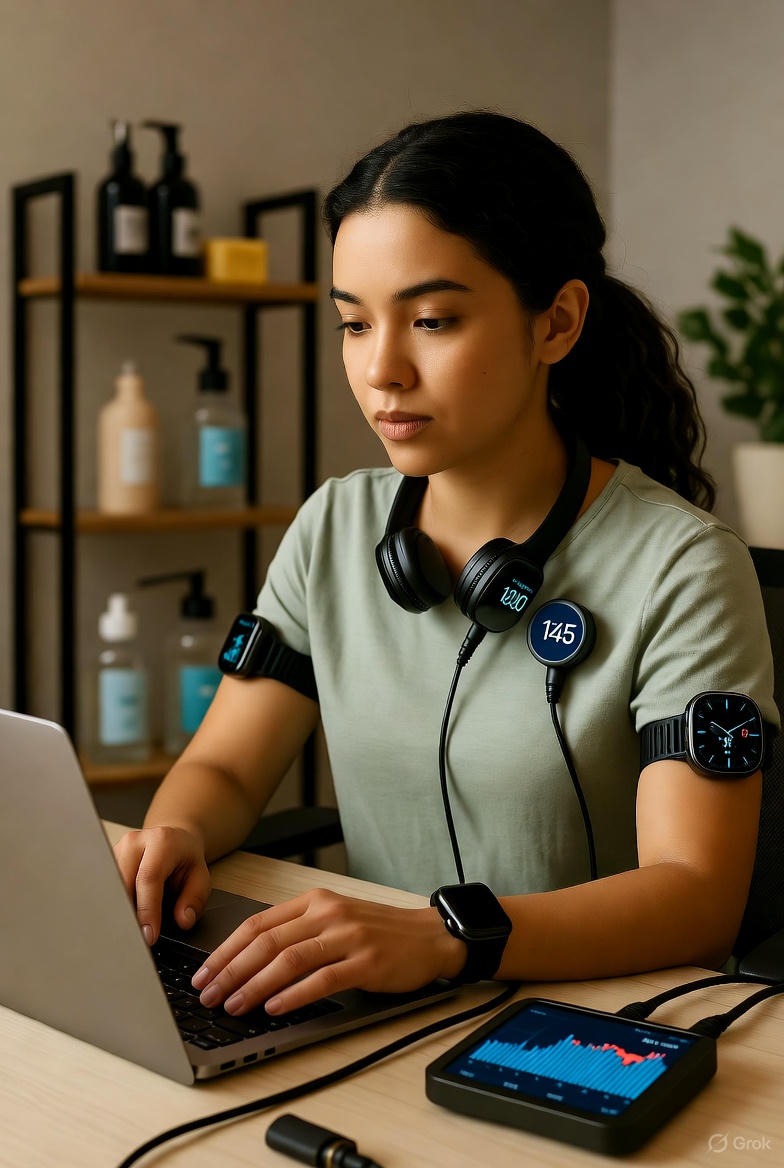
We touched on hydration within nutrition, but its importance for the aging athlete warrants its own deep dive. The margin for error shrinks dramatically. A youth athlete might get away with poor hydration habits; for an athlete over 40, it can be the difference between a personal best and a injury-inducing cramp or a dangerous spike in heart rate.
Why Hydration is Critically Different Now: Body water percentage decreases with age. Your kidneys become less efficient at conserving water and concentrating urine. The sensation of thirst becomes noticeably blunted. This combination creates a perfect storm for chronic, low-grade dehydration that you may not even feel. This subclinical dehydration increases the viscosity of synovial fluid (making joints creakier), reduces blood volume (forcing your heart to work harder), and impairs thermoregulation (increasing heat injury risk).
Beyond Water: The Electrolyte Equation: Sweat isn’t just water; it’s a cocktail of electrolytes, primarily sodium, but also potassium, magnesium, and calcium. When you lose these through sweat and only replace with plain water, you can dilute the electrolyte concentration in your blood—a condition called hyponatremia, which is dangerous. For the aging athlete engaging in sessions longer than 60-90 minutes, or exercising in heat and humidity, electrolyte replacement is mandatory.
Developing a Hydration Strategy:
Technology as a Hydration Guide: Advanced wearables are beginning to incorporate features that estimate sweat loss and hydration needs based on activity level, heart rate, and environmental data. While not yet as precise as a metabolic lab, these estimates provide a valuable, proactive reminder. More directly, you can track how your hydration status affects key metrics. A day of poor hydration will often manifest as an elevated resting heart rate, a depressed HRV, and poorer sleep efficiency. By correlating your fluid intake with these biomarkers from a device like the Oxyzen ring, you build an unshakable, data-backed habit. Understanding the science behind the sensors that make these insights possible can deepen your trust in the data.
The old "no pain, no gain" model prescribed complete rest on recovery days. We now know better. For the aging athlete, complete inertia can be counterproductive, leading to stiffness, reduced blood flow, and delayed removal of metabolic waste. The answer is active recovery—low-intensity, low-impact movement that promotes circulation without imposing significant stress.
The Physiology of Active Recovery: Light movement increases blood flow, which delivers oxygen and nutrients to fatigued muscles while flushing out lactic acid and other byproducts of exercise. It gently stimulates the nervous system without overtaxing it, helping to maintain parasympathetic tone. It also maintains and improves joint range of motion, which is critical for injury prevention.
What Constitutes Active Recovery? The key is keeping your heart rate in Zone 1 (very easy, conversational pace)—typically 50-60% of your max heart rate.
Mobility: Your Joint's Best Insurance Policy: Mobility is distinct from flexibility. Flexibility is the ability of a muscle to lengthen. Mobility is the ability of a joint to move actively through its full range of motion. It requires not just muscle length, but also strength, motor control, and healthy joint capsules. This is where aging athletes often face their biggest battles.
A dedicated mobility practice, 10-20 minutes daily, is transformative. It should include:
Listening to Your Body with Data: Your active recovery day should feel restorative. How do you quantify that? Your wearable provides the answer. A successful active recovery day should result in a stable or slightly improved HRV and a lower resting heart rate the following morning. If your metrics get worse after an "easy" day, it might mean you pushed too hard, you’re fighting illness, or you need more passive rest. This objective check prevents you from turning a recovery day into another stealth training day. For ideas on building these healthy habits, our piece on how wellness rings help build healthy habits offers practical strategies.
Physical training is a form of stress—a beneficial one called "eustress." But for the body, stress is stress. The weights you lift, the miles you run, the deadline at work, the family drama, and the traffic jam all funnel through the same physiological pathway: the Hypothalamic-Pituitary-Adrenal (HPA) axis, resulting in the release of cortisol. The aging nervous system is less adept at handling this cumulative load and returning to baseline.
When life stress is high, your capacity for training stress is low. Piling on intense workouts during periods of high psychological stress is a recipe for overtraining, burnout, and illness. Therefore, managing life stress is not separate from athletic recovery; it is integral to it.
The Biomarker: Heart Rate Variability (HRV): HRV is the gold-standard, non-invasive window into your autonomic nervous system balance. It measures the subtle variations in time between each heartbeat. A higher HRV generally indicates a strong parasympathetic (rest-and-digest) influence and good resilience—your body can adapt to stress effectively. A lower HRV indicates sympathetic (fight-or-flight) dominance and potentially poor recovery. By tracking HRV trend with a device like the Oxyzen ring, you get a daily, objective readout of your nervous system’s readiness. A consistent downward trend is a clear signal to dial back training intensity, prioritize sleep, and double down on stress management.
Practical Tools for Nervous System Tune-Ups:
The goal is to build a lifestyle that supports a high, stable HRV. This creates a "resilience reservoir" you can draw from when you do impose heavy training stress. It allows you to absorb the workout, recover efficiently, and come back stronger. Learning to personalize your device to track these specific recovery markers turns it from a simple tracker into a true nervous system guide.
Pillar 6: Periodization & Intelligent Programming – The Macro View of Recovery
You cannot be at your peak year-round. The concept of periodization—structuring your training into distinct cycles—is the master framework that builds recovery directly into your annual plan. For the aging athlete, this becomes less of an advanced tactic and more of a survival necessity.
The Classic Model:
Applying Age-Adjusted Periodization:
Listening to the Data for Micro-Adjustments: Your periodization plan is a hypothesis. Your body’s data is the truth-teller. A well-designed deload week should see a measurable rebound in HRV and a drop in resting heart rate. If it doesn’t, you may need more time. Conversely, if your metrics are strong mid-week, you might be able to handle a slightly more challenging session than planned. This dynamic, responsive approach—using a framework but being guided by daily biomarkers—is the pinnacle of intelligent training for the master athlete. For a look at where this personalized technology is headed, explore our thoughts on the future of wearable health tech.
The aging body accumulates wear and tear. Adhesions form in muscle tissue, fascia becomes less pliable, and old injuries can create compensatory movement patterns. A proactive soft tissue care regimen is like changing the oil in your car—it prevents major breakdowns.
Myofascial Release: This involves applying pressure to tight, knotted areas of muscle (trigger points) to release tension and improve blood flow.
Professional Bodywork: This is an investment in your athletic longevity.
Listening for Signals: Your body gives early warning signs. A nagging tightness in your calf, a slightly stiff shoulder in the morning. Don’t ignore these whispers, or they will become screams. Use your recovery data as a guide. A localized ache paired with a systemic dip in HRV is a clear signal to prioritize body maintenance over adding more training stress.
Recovery is not merely physical. The mental fatigue of intense focus, the emotional drain of competition or self-imposed pressure, and the cognitive load of balancing training with life all require dedicated recovery as well.
The Danger of All-Consuming Identity: For lifelong athletes, identity can become tightly wound up in performance. A bad workout or a missed goal can feel like a personal failure. This creates chronic psychological stress that hampers physical recovery. Cultivate an identity that includes but is not defined by your athletic pursuits. You are an athlete and a partner, a professional, a creator, a friend.
Mindfulness in Motion: Practice being fully present during training—feeling the foot strike, the water on your skin, the rhythm of your breath. This turns exercise into a moving meditation, reducing anxiety about pace or outcome.
Post-Event/Season Mental Reset: After a big race or season, allow yourself a complete mental break. Don’t analyze your performance for at least a few days. Don’t even think about the next goal. Let the desire to train return organically. This prevents burnout and keeps the passion alive.
Celebrating the Process, Not Just Outcomes: Learn to derive satisfaction from the daily discipline—the early morning alarm, the perfect execution of a hydration plan, the commitment to your mobility routine. When you love the process, outcomes become a natural byproduct, and setbacks are easier to weather.
This mental resilience directly impacts physiological recovery by keeping stress hormones in check. A device that shows you your improving HRV trend can, in itself, be a powerful positive feedback loop, reinforcing that your holistic recovery practices are working. To see how others have integrated this holistic view, the Oxyzen blog is filled with resources on the mind-body connection in wellness.
Pillar 9: Leveraging Technology – Your 24/7 Recovery Coach
We’ve woven technology throughout each pillar, and for good reason. For the modern aging athlete, a sophisticated wearable like a smart ring is the linchpin that turns abstract recovery principles into a precise, personalized science.
Why a Smart Ring? Unlike wrist-based devices, a ring on your finger offers a more consistent, arterial-based reading of heart rate and HRV, as the vessels in your finger are closer to the surface. It’s also unobtrusive, comfortable to sleep in, and less likely to be removed, providing truly continuous data.
Key Metrics & What They Tell You:
Creating Your Personal Baseline: Wear your device consistently for 2-4 weeks during a period of normal, healthy training and life. This establishes your personal baselines for HRV, RHR, etc. Everyone’s numbers are different; it’s the trend relative to your own baseline that matters.
Making Data-Driven Decisions: This is the ultimate payoff. Your morning ritual should include a check of your recovery metrics (presented simply in an app like Oxyzen’s). Let this data guide your day:
This objective system removes ego and guesswork. It honors the biological truth that some days your body is ready for war, and other days it needs to heal. It turns recovery from a passive hope into an active, managed process. For a detailed comparison of how this technology stacks up, our wellness ring comparison chart of top brands can help you make an informed choice.

Knowledge of the nine pillars is foundational, but true mastery lies in their synthesis. A recovery protocol isn't a generic checklist; it’s a dynamic, living system tailored to your unique physiology, sport, life stressors, and goals. Think of yourself as the lead scientist in your own N=1 experiment. The following steps will guide you in constructing a protocol that evolves with you.
Step 1: Establish Your Baseline & Non-Negotiables.
Before adding complexity, lock in the fundamentals that form your recovery floor. These are the activities you do regardless of how you feel or what your data says.
These create stability. Even on a chaotic day, hitting these basics keeps your recovery trajectory from completely derailing.
Step 2: Integrate Biomarker Feedback.
This is where you move from a static schedule to a responsive system. Using a device like the Oxyzen ring, you’ll make decisions based on your Readiness Score (a composite typically of HRV, RHR, sleep, and temperature).
Step 3: Create Your Recovery Toolkit Menu.
Not all recovery tools are used every day. Create a menu of options categorized by time and need.
When your data indicates a need, you pull from this menu instead of scrambling for ideas.
Step 4: Schedule Recovery Like You Schedule Training.
If it’s not in your calendar, it’s not real. Block time for your non-negotiable mobility. Schedule your deload weeks in your annual training plan months in advance. Book recurring massages or PT tune-ups. Put “food prep” on your Sunday calendar. By treating recovery with the same reverence as your key workouts, you signal its importance to your brain and protect the time from being eroded by other demands.
Step 5: Implement a Weekly Review.
Each week, spend 15 minutes reviewing your data and your experience. Look at your readiness score trend across the week. Correlate it with your training log, your nutrition notes (did you travel? eat poorly?), and your stress levels. Ask:
This review turns random observations into actionable insights, allowing you to tweak your protocol for the following week. This process of self-experimentation and optimization is at the heart of modern, personalized wellness. To see how this integration works seamlessly, learn about how wellness rings integrate with other health apps to give you a holistic dashboard.
Even with the best intentions, aging athletes often fall into predictable traps that undermine recovery. Recognizing these pitfalls is the first step to navigating around them.
Pitfall 1: Misinterpreting "Listen to Your Body."
The adage is wise but flawed. The aging athlete’s "body" often whispers lies. You might feel mentally fired up to train, but your HRV is in the tank because of poor sleep. Conversely, you might feel sluggish waking up, but after your warm-up and with solid metrics, you’re capable of a great session. Relying solely on subjective feeling, especially the morning fog, is unreliable.
Pitfall 2: Neglecting Connective Tissue Recovery.
Muscle soreness (DOMS) fades in a few days and is easy to monitor. Tendon, ligament, and joint recovery is silent and slow—it can take weeks or months. Pushing volume or intensity while connective tissues are still adapting is the primary cause of chronic overuse injuries (plantar fasciitis, Achilles tendinopathy, tennis elbow) in master athletes.
Pitfall 3: Under-Eating on Purpose.
A dangerous trend is the desire to lose weight while training hard. A significant caloric deficit, particularly a protein deficit, puts the body in a catabolic state. It will break down muscle for fuel, cripple repair, suppress immune function, and crash your hormonal profile. Your performance and recovery will plummet.
Pitfall 4: The "More is Better" Mentality.
The youthful strategy of adding more miles, more weight, more sessions to break plateaus often backfires spectacularly after 40. The law of diminishing returns kicks in hard, and the risk of injury or burnout skyrockets.
Pitfall 5: Isolation of Recovery Modalities.
Doing your foam rolling while watching a stressful news broadcast. Having a post-workout protein shake with a double espresso. These combinations cancel out benefits. The foam rolling’s parasympathetic effect is negated by the news-induced stress; the caffeine blunts nutrient absorption and can further elevate cortisol.
Recovery Strategies for Specific Sports
While the pillars are universal, their application varies by sport. The primary stressor—impact, repetitive motion, eccentric load—dictates where you need to focus your recovery efforts.
For Runners (Impact & Repetitive Stress):
For Strength & Power Athletes (Eccentric & Neurological Load):
For Swimmers & Triathletes (Shoulder Stability & Cumulative Fatigue):
Regardless of sport, the unifying principle is specificity. Target your recovery to the specific damage your sport inflicts. For a deeper dive into how activity tracking can be tailored to these different sports goals, see our guide on how wellness rings support different health goals.
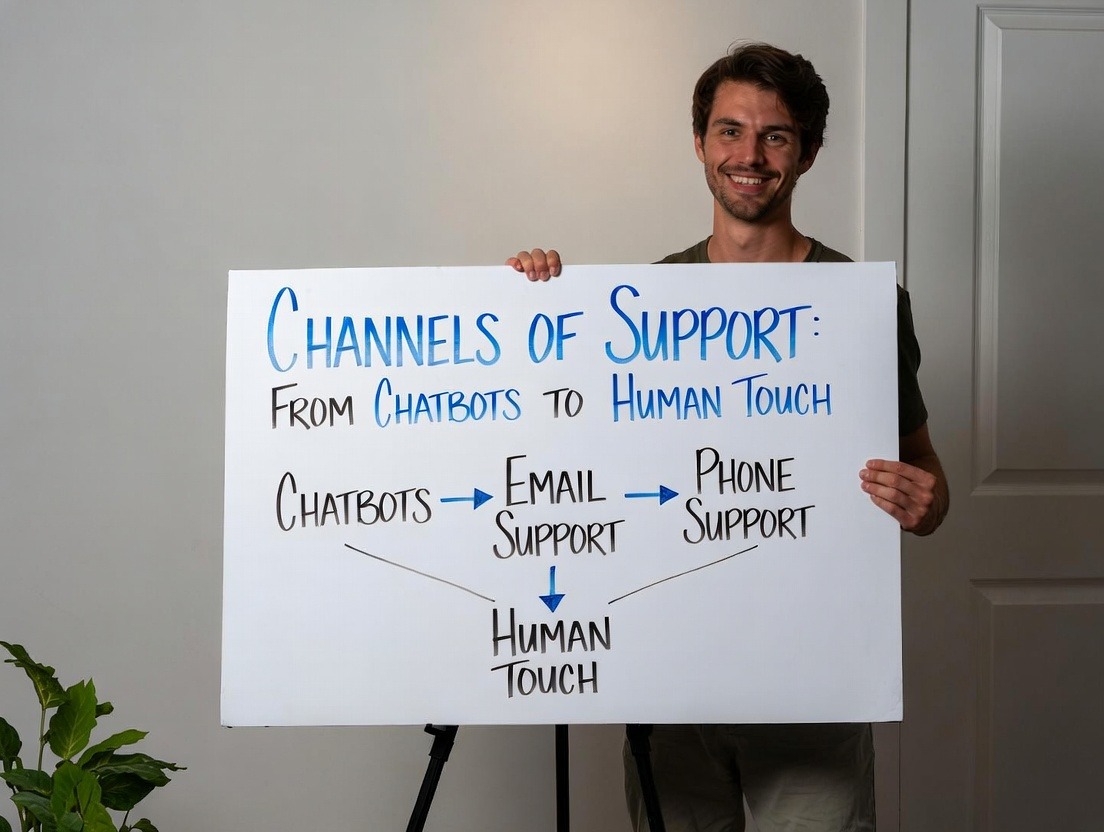
Recovery can be a lonely, inward-focused process. The pull of the group workout or the desire to keep up with training partners can often push you to ignore recovery signals. Conversely, a supportive community and a knowledgeable coach can be your greatest recovery assets.
The Power of the Right Community:
A community that values longevity over short-term bragging rights is transformative. It’s a group where:
How a Knowledgeable Coach Accelerates Recovery:
A good coach for an aging athlete does more than write workouts. They are a recovery strategist.
Leveraging Technology for Virtual Support:
Even without a local community or a personal coach, technology fills the gap. The Oxyzen app and similar platforms often have community features or connect you with coaching services. More importantly, the data itself becomes your impartial coach. It tells you the unbiased truth about your recovery status, a voice of reason louder than your eager ego. For those curious about the human element behind the tech, our our story page shares the mission-driven vision behind creating tools for sustainable health.
The ultimate goal of mastering recovery is not to eke out a few more personal records, though that may happen. The higher purpose is to preserve the joy of movement for decades to come. It’s about being the 70-year-old who casually joins a pickup game, the 80-year-old who hikes with their grandchildren, the individual who maintains independence and vitality deep into later life.
This requires a fundamental shift in mindset: from performance-based to practice-based athletics.
Embracing a practice-based mindset liberates you. It allows you to scale intensity and volume appropriately without ego. It lets you celebrate a walk as vigorously as you once celebrated a marathon finish. It makes recovery not a chore you endure to train again, but a valued, skillful practice in its own right—the art of rejuvenation.
Your smart ring, your foam roller, your protein shaker, your meditation app—these are not just tools; they are the instruments of your lifelong practice. They empower you to be the architect of your own healthspan, to write a story of enduring strength and resilience.
This journey is the true pinnacle of athleticism: the wisdom to train not just hard, but smart; the courage to rest as diligently as you work; and the joy of a body that remains a trusted companion on every adventure life offers.
Advanced Recovery Modalities: Beyond the Basics
Once you have the nine foundational pillars firmly integrated into your daily life, you can explore advanced recovery tools. These are not substitutes for sleep, nutrition, and stress management; they are enhancers—force multipliers that can accelerate repair and provide a competitive (or longevity) edge. For the aging athlete, these modalities can be particularly effective in managing inflammation, pain, and specific areas of wear and tear.
Exposure to cold triggers a hormetic response—a beneficial stress that upregulates your body’s repair and adaptation systems. For recovery, the primary benefits are reduced inflammation, decreased muscle soreness (DOMS), and enhanced nervous system resilience.
Key Modalities:
Practical Application for the Aging Athlete:
Heat is vasodilatory—it expands blood vessels, increasing blood flow to deliver nutrients and oxygen while removing waste products. It’s excellent for chronic stiffness, pre-activity mobility, and relaxation.
Key Modalities:
Practical Application for the Aging Athlete:
Compression Therapy: Enhancing Circulation Mechanically
Compression garments apply graduated pressure to limbs, aiding venous return (the flow of blood back to the heart). This can reduce swelling and the sensation of heaviness and fatigue.
Key Modalities:
Practical Application for the Aging Athlete:
Photobiomodulation (Red Light Therapy) & PEMF
These are cutting-edge modalities gaining traction in the wellness and sports worlds.
Practical Application: While the evidence is still evolving, many athletes report subjective benefits. If exploring, look for FDA-cleared devices and consider them as potential adjuncts, not miracles. Their greatest value for the aging athlete may be in managing chronic joint pain or stubborn soft tissue issues.
The thread connecting all advanced modalities is intentionality. They are purposeful interventions, not passive habits. Their effectiveness is best judged not by hype, but by how they influence your core biomarkers: improved sleep, lower resting heart rate, and a rising HRV trend. To understand the technology behind some of these tracking capabilities, our explainer on sensors and algorithms is a great resource.
The age-related decline in hormones like testosterone, growth hormone, estrogen, and progesterone is a central factor in the recovery equation. While some change is natural, a severe or premature decline can cripple an athlete’s ability to adapt and repair. It’s crucial to approach this area with both proactive lifestyle strategies and appropriate medical guidance.
Lifestyle Levers for Hormonal Optimization:
When to Seek Medical Evaluation:
If you are consistently doing everything right—sleeping 8+ hours, eating optimally, managing stress, training intelligently—and still experience extreme fatigue, unexplained weight gain, loss of libido, persistent muscle loss, or very slow recovery, it may be time to consult a professional.
The Role of Hormone Replacement Therapy (HRT):
For those with clinically diagnosed deficiencies (e.g., hypogonadism), HRT under strict medical supervision can be life-changing. It can restore energy, improve body composition, accelerate recovery, and reignite motivation. However, it is a serious medical intervention, not a "performance enhancer" for healthy individuals. It requires ongoing monitoring and carries potential risks that must be carefully managed.
The Cortisol Connection: Often overlooked is the role of cortisol, the primary stress hormone. Chronically elevated cortisol (from life stress, overtraining, poor sleep) is catabolic—it breaks down muscle, inhibits recovery, and disrupts other hormonal axes. Your wearable’s HRV metric is one of the best proxies for your cortisol/HPA axis health. A consistently low HRV is a red flag for hormonal stress. For insights into how doctors utilize this kind of data, see what doctors find most useful in wearables.
The gut is no longer seen as just a digestive organ; it’s a central hub of the immune system, a producer of neurotransmitters, and a critical regulator of systemic inflammation. For the aging athlete, gut health directly impacts nutrient absorption, immune resilience (fewer sick days), and recovery speed.
Why Gut Health Declines with Age: Stomach acid production decreases, gut motility slows, and the diversity of the microbiome (the trillions of bacteria in your gut) often diminishes. This can lead to poorer protein digestion, reduced absorption of key minerals (like magnesium and iron), and a "leakier" gut lining that allows inflammatory compounds into the bloodstream.
Nutritional Strategies for a Recovery-Friendly Gut:
The Gut-Brain Axis & Recovery:
Your gut produces about 90% of your body’s serotonin (a mood regulator) and communicates directly with the brain via the vagus nerve. A healthy gut promotes better mood and stress resilience, which we know is foundational to recovery. Furthermore, gut inflammation can trigger systemic inflammation, slowing muscle repair and increasing joint pain.
Signs Your Gut May Be Hindering Recovery:
If you suspect gut issues, consider working with a registered dietitian or functional medicine practitioner. An elimination diet (like removing gluten, dairy, or FODMAPs temporarily under guidance) can be insightful. Improving your gut health can be one of the most profound upgrades to your overall recovery capacity. For more daily tips on implementing holistic health strategies, explore our 50 healthy aging tips.

Theory is powerful, but application is everything. Let’s examine how the principles of intelligent recovery play out in the lives of different aging athletes.
Case Study 1: David, 58, The Reborn Runner
Case Study 2: Elena, 62, The Competitive Cyclist
Case Study 3: Marcus, 70, The Strength Athlete
These cases illustrate that successful recovery isn’t about doing one thing perfectly; it’s about the synergistic integration of multiple pillars, guided by self-awareness and often, objective data.
Theory and case studies are motivating, but change happens through action. This 7-day challenge is designed to help you experientially integrate the core recovery pillars. It’s not about extreme changes, but about mindful attention to the practices that yield the biggest return.
Before You Start:
The Daily Protocol:
Day 1: The Sleep Audit.
Day 2: The Hydration Focus.
Day 3: The Mobility Immersion.
Day 4: The Nutrient-Dense Reset.
Day 5: The Nervous System Reset.
Day 6: The Active Recovery Day.
Day 7: The Synthesis & Planning Day.
This challenge serves as a microcosm of the recovery-focused life. It proves that small, consistent actions compound into a profound feeling of readiness and resilience. For support in making these habits stick, our guide on building healthy habits with a wellness ring offers a practical framework.
Your Trusted Sleep Advocate (Sleep Foundation — https://www.sleepfoundation.org/)
Discover a digital archive of scholarly articles (NIH — https://www.ncbi.nlm.nih.gov/
39 million citations for biomedical literature (PubMed — https://pubmed.ncbi.nlm.nih.gov/)
experts at Harvard Health Publishing covering a variety of health topics — https://www.health.harvard.edu/blog/)
Every life deserves world class care (Cleveland Clinic -
https://my.clevelandclinic.org/health)
Wearable technology and the future of predictive health monitoring. (MIT Technology Review — https://www.technologyreview.com/)
Dedicated to the well-being of all people and guided by science (World Health Organization — https://www.who.int/news-room/)
Psychological science and knowledge to benefit society and improve lives. (APA — https://www.apa.org/monitor/)
Cutting-edge insights on human longevity and peak performance
(Lifespan Research — https://www.lifespan.io/)
Global authority on exercise physiology, sports performance, and human recovery
(American College of Sports Medicine — https://www.acsm.org/)
Neuroscience-driven guidance for better focus, sleep, and mental clarity
(Stanford Human Performance Lab — https://humanperformance.stanford.edu/)
Evidence-based psychology and mind–body wellness resources
(Mayo Clinic — https://www.mayoclinic.org/healthy-lifestyle/)
Data-backed research on emotional wellbeing, stress biology, and resilience
(American Institute of Stress — https://www.stress.org/)


