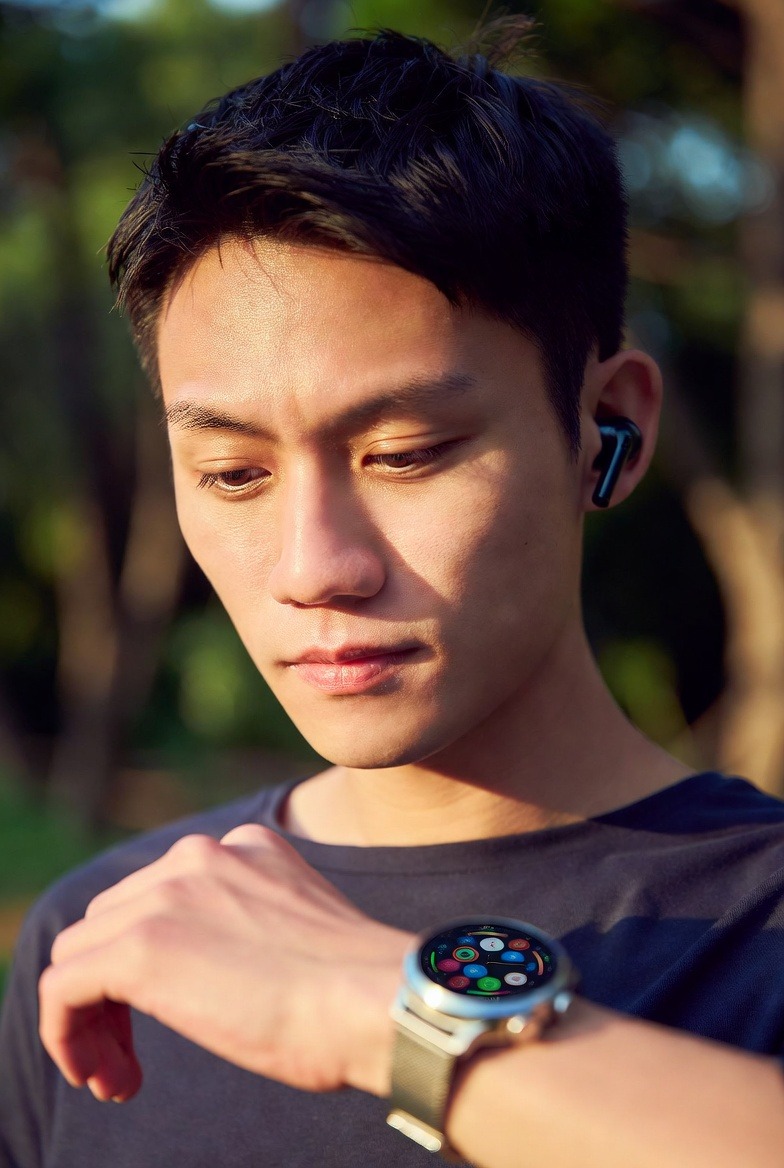
Daily Recovery Tracking: A Tool for Lifelong Fitness
Frame daily tracking as a foundational tool for lifelong fitness and health.
Daily Recovery Tracking: A Tool for Lifelong Fitness
In the relentless pursuit of fitness, we've become masters of tracking effort. We meticulously log miles, count reps, monitor heart rates, and celebrate calories burned. Our collective focus is laser-pointed on the doing—the sweat, the strain, the exertion. But what about the undoing? What about the silent, critical, and often neglected process where fitness is actually built: recovery?
For decades, recovery was a passive afterthought, a vague concept shrouded in bro-science and guesswork. "Take a rest day," they'd say. "Listen to your body." But in an era of constant stress, poor sleep, and nutritional noise, "listening" has become an imperfect art. Our body's signals are muffled, misinterpreted, or ignored until they scream in the form of injury, burnout, or plateau.
This article marks a definitive shift in perspective. We are moving from an era of effort-based tracking to the dawn of recovery-first fitness. The cornerstone of this new paradigm is Daily Recovery Tracking—a systematic, data-informed approach to measuring and optimizing your body's readiness to perform, adapt, and thrive. No longer a luxury for elite athletes, this is becoming the foundational tool for anyone seeking lifelong, sustainable health and fitness.
The advent of sophisticated, accessible wearable technology, particularly the modern wellness smart ring, has unlocked this possibility. Imagine having a 24/7 personal biometrical analyst on your finger, quietly deciphering the complex language of your nervous system, sleep architecture, and physiological strain to deliver a simple, actionable score: your daily readiness.
This is not about fostering hypochondria or data obsession. It’s about cultivating awareness, making informed decisions, and forging a symbiotic relationship with your body that prevents breakdown and promotes breakthrough. It's the ultimate tool for personalized, intelligent fitness that grows with you through every life stage.
Our journey will begin by deconstructing the very science of recovery. We will then explore the pivotal metrics that define your readiness, before diving into the transformative power of daily tracking. We'll examine how this data reshapes your training, nutrition, and stress management, turning abstract wellness concepts into a precise, daily practice. This guide is your comprehensive roadmap to embracing recovery not as downtime, but as the most productive time you invest in your lifelong fitness journey.
The Forgotten Half of Fitness: Why We Must Redefine Recovery
For too long, fitness has been a narrative of conquest. We speak of "crushing" workouts, "destroying" muscles, and "winning" the day. This language glorifies the stressor—the workout itself—while subtly framing the subsequent repair process as weakness, as mere downtime between battles. This mindset is not just flawed; it's fundamentally counterproductive to the goal of lifelong fitness.
True fitness is not the workout you just completed. It is the positive adaptation your body makes in response to that workout. The gym session, the run, the lift—these are simply catalysts. They create microscopic damage, deplete energy stores, and perturb your system. The actual fitness is constructed in the quiet hours that follow, through intricate biological processes of repair, replenishment, and supercompensation. If you apply a new stressor before these processes are complete, you don't build fitness; you accumulate fatigue, dig a deeper recovery hole, and increase your risk of injury and illness.
Therefore, recovery is not the opposite of training. It is the continuation of training. It is the productive phase where the investment pays dividends. Ignoring it is like planting seeds and refusing to water them.
Our traditional model of recovery—structured rest days, deload weeks—operates on a calendar, not on physiology. It assumes that a 48-hour cycle is sufficient for everyone, every time. But our lived reality is far more complex. Consider:
Did you sleep 4 hours or 8 hours last night?
Are you navigating a high-pressure work deadline or are you on vacation?
Did you have one drink with dinner or three?
Are you fighting off the first signs of a cold?
All these factors dramatically alter your body's recovery capacity, yet our training plan, etched in stone on a whiteboard or app, remains blindly the same. We push through because "it's a training day," overriding our body's whispered (or shouted) requests for moderation. This "push-through" culture is the single greatest contributor to the law of diminishing returns in fitness and the primary reason so many people fall off the wagon.
The consequences of chronic under-recovery are a familiar litany to seasoned fitness enthusiasts:
The Plateau: Progress stalls as the body is unable to adapt positively to repeated, poorly-timed stressors.
Overtraining Syndrome: A severe state of systemic fatigue, hormonal disruption, decreased performance, and mood disturbances that can take months to resolve.
Increased Injury Risk: Weary muscles, taxed connective tissues, and compromised movement patterns are a recipe for acute and overuse injuries.
Burnout: The mental and emotional exhaustion that turns a passion into a chore, often leading to complete abandonment of fitness goals.
To achieve lifelong fitness, we must shift from a performance-centric model to a readiness-centric model. Instead of asking, "What workout am I scheduled to do today?" the primary question becomes, "What is my body ready to handle today?"
This shift requires data. It requires moving from guesswork to guided awareness. It requires a tool that translates your body's internal state into an objective, understandable metric. This is the promise of daily recovery tracking, and it begins with understanding the science behind the score. By moving beyond intuition, we can build a practice of fitness that is both more effective and more sustainable, a concept we explore deeply in our guide on how health tracking technology enables personalized wellness.
The Science of Readiness: Your Body's Dashboard Lights
To effectively track recovery, we need to know what to look for. Think of your body as a high-performance vehicle. You wouldn't ignore the check-engine light or drive for thousands of miles without an oil change. Your body has its own set of "dashboard lights"—key physiological systems that indicate overall system strain and readiness. Unlike a car, however, these signals are often analog, subtle, and easily overridden by willpower or caffeine.
Modern recovery tracking consolidates data from several core systems into a cohesive readiness score. Understanding the science behind each metric demystifies the process and empowers you to act on the insights.
1. Heart Rate Variability (HRV): The Master Metric of Nervous System Balance HRV has emerged as the single most insightful metric for daily autonomic nervous system (ANS) assessment. Contrary to what the name might imply, HRV does not measure heart rate; it measures the subtle, millisecond variations in the time intervals between heartbeats.
The Science: A healthy heart is not a metronome. Under the influence of the ANS, the time between beats is constantly fluctuating. Your sympathetic nervous system (the "gas pedal," responsible for fight-or-flight) accelerates the heart and reduces variability, creating a more regular rhythm. Your parasympathetic nervous system (the "brake pedal," responsible for rest-and-digest) slows the heart and increases variability.
What It Tells You: A higher HRV (greater variability) generally indicates strong parasympathetic tone and good resilience—your body is well-recovered, adaptable, and ready for stress. A lower HRV (more regularity) suggests dominant sympathetic tone, meaning your body is under strain from training, psychological stress, illness, or poor sleep. Your HRV trend over time is far more meaningful than any single reading.
The Tracking Advantage: HRV is exquisitely sensitive. It can drop in response to a single hard workout, a bad night's sleep, or an emotional argument before you consciously feel "off." Tracking it daily provides an objective, early-warning system that your internal resources are depleted.
2. Resting Heart Rate (RHR): The Barometer of Basal Strain While HRV looks at the pattern of your heartbeat, RHR is the raw number of beats per minute (BPM) when you are completely at rest, typically measured during sleep or immediately upon waking.
The Science: Your RHR is influenced by fitness level, hormones, hydration, and overall stress load. A well-conditioned cardiovascular system is efficient, pumping more blood per beat, leading to a lower RHR. Acute spikes in RHR are often a sign of systemic stress: your body is working harder to maintain baseline function due to factors like dehydration, fighting an infection, excessive fatigue, or high levels of the stress hormone cortisol.
What It Tells You: A gradually declining RHR trend is a classic sign of improving aerobic fitness. An acute elevation of 5-10+ BPM above your personal baseline upon waking is a strong indicator that your body is under recovery debt and may need a lighter day.
3. Sleep Architecture: The Foundation of All Recovery Sleep is the non-negotiable bedrock of recovery. It's not just about duration (though 7-9 hours is crucial); it's about quality and structure. Recovery tracking moves beyond simple sleep duration to analyze sleep stages.
The Science: Sleep progresses in cyclical stages: Light Sleep, Deep Sleep (Slow-Wave Sleep), and REM (Rapid Eye Movement) sleep. Each plays a unique role:
Deep Sleep: This is the most physically restorative phase. Growth hormone secretion peaks, facilitating tissue repair, muscle growth, and immune system strengthening.
REM Sleep: This is the mentally restorative phase, critical for memory consolidation, learning, and emotional processing.
What It Tells You: Disruptions in sleep architecture—such as low deep sleep, fragmented sleep, or insufficient REM—can severely hamper physical and cognitive recovery, even if you were in bed for 8 hours. Tracking reveals if your "sleep" is truly restorative or just an extended period of unconsciousness.
4. Body and Skin Temperature: The Metabolic Thermostat Core body temperature follows a circadian rhythm, naturally dipping at night to initiate sleep and rising in the morning to promote wakefulness. Peripheral skin temperature provides additional clues.
The Science: Deviations from your personal temperature baseline can signal metabolic disturbance. A consistently elevated nighttime temperature can indicate inflammation, the onset of illness, or hormonal fluctuations. It can also disrupt sleep quality, as a cool core temperature is necessary for sleep initiation.
What It Tells You: Tracking temperature provides context for other metrics. A high RHR, low HRV, and elevated temperature is a much stronger signal of impending illness or severe overreaching than any one metric alone.
5. Respiratory Rate: The Silent Signal of Stress The number of breaths you take per minute during sleep is a remarkably stable and informative metric.
The Science: While it varies from person to person, an individual's sleeping respiratory rate is very consistent. Significant increases can be a sign of physiological stress, such as the extra metabolic demand required to fight an infection, compensate for high-altitude, or deal with respiratory issues like sleep apnea.
What It Tells You: Like temperature, it's a powerful corroborating metric. A rising trend in respiratory rate, especially alongside other poor metrics, is a clear sign your body is under duress.
Together, these metrics form a powerful biometrical panel. A modern wellness device, like those explored in our wellness ring basics for beginners, continuously and passively monitors this panel, synthesizing the data into a clear picture of your daily readiness. This moves you from guessing to knowing, a pivotal step in taking control of your long-term health.
From Numbers to Knowledge: How Daily Tracking Creates Unprecedented Self-Awareness
Collecting data is one thing. Transforming it into transformative self-awareness is another. This is the magic of daily recovery tracking—it acts as a mirror, reflecting back the invisible consequences of your lifestyle choices with unwavering honesty. It closes the feedback loop between action and reaction, a loop that was previously delayed, vague, or entirely broken.
The Power of the Feedback Loop Before wearables, the feedback loop was primitive and subjective. You might feel "run down" a few days after a series of hard workouts and poor sleep, but the connection was anecdotal. With daily tracking, the loop becomes immediate, objective, and precise.
Action: You have two glasses of wine with dinner.
Reaction (Data): Your deep sleep percentage drops by 30%, your nighttime heart rate is elevated by 8 BPM, and your morning HRV is significantly lower.
Learning: You gain a personal, data-backed understanding of alcohol's specific impact on your recovery physiology. This is far more compelling than a generic article stating "alcohol disrupts sleep."
This process of experimentation and observation turns you into a scientist of your own body. You begin to see the unique fingerprints of different stressors:
How a 60-minute high-intensity interval training (HIIT) session affects your metrics versus a 90-minute steady-state zone 2 run.
How a stressful work presentation impacts your nervous system as clearly as a hard workout.
How your metrics shift with different meal timings, caffeine intake past noon, or even specific foods.
Beyond the Single Score: Context is King While a single "Readiness Score" (often a composite of HRV, RHR, sleep, and temperature) is a fantastic daily starting point, the real gold is in the trends and correlations. Daily tracking allows you to answer critical questions:
What is my personal baseline? Everyone is different. A "good" HRV for you might be "low" for someone else. Tracking establishes your normal range.
How do I respond to different training modalities? You may discover that heavy strength training tanks your HRV for two days, while swimming leaves it unaffected.
What are my non-training stressors? You might see your readiness plummet during a family visit or a fiscal quarter-end at work, highlighting hidden psychological loads.
Am I adapting or just accumulating fatigue? A positive training adaptation is signaled by a gradual upward trend in HRV and a downward trend in RHR over time, even with intermittent spikes from hard training. If all your trends are moving in the wrong direction, it's a sign of chronic under-recovery.
This depth of awareness is what makes daily tracking a tool for lifelong fitness. It teaches you to recognize your body's unique patterns and signals long before they manifest as injury, illness, or burnout. It moves you from a one-size-fits-all training plan to a dynamic, responsive practice. For those curious about the technology that makes this possible, the science behind modern health tracking technology offers a fascinating deep dive.
The Smart Ring Revolution: Why Your Finger is the Ideal Recovery Monitor
To implement daily recovery tracking effectively, you need a tool that is accurate, unobtrusive, and capable of capturing data during the most critical recovery window: sleep. While wrist-based wearables popularized the concept, a new champion has emerged for holistic health monitoring: the smart wellness ring.
The ring form factor isn't merely an aesthetic choice; it offers distinct physiological and practical advantages for recovery tracking, making it an ideal companion for a readiness-centric lifestyle.
1. The Optimal Vascular Access Point The finger, specifically the base of the finger, hosts rich vascular beds with strong pulse signals (photoplethysmography or PPG). This location often provides a cleaner, more consistent signal for optical heart rate and HRV monitoring compared to the wrist, which is prone to motion artifact from hand movements and has a more complex bone and tendon structure. A stable, well-fitted ring minimizes signal noise, leading to more reliable data, especially for the finicky HRV measurement.
2. Unobtrusive Sleep Tracking For recovery, sleep data is paramount. Many people find sleeping with a bulky wristwatch uncomfortable or impossible. A lightweight, smooth ring is far less intrusive, increasing compliance and comfort for 24/7 wear. This ensures you get continuous, uninterrupted data through the night, capturing the full picture of your sleep architecture and nighttime physiology without the device altering your natural sleep behavior.
3. The Power of Continuous Wear Recovery isn't just a nighttime process. Stressors impact your physiology throughout the day. A device you can comfortably and consistently wear 24/7—during workouts, showers, work, and sleep—builds the most complete timeline of your stress and recovery cycles. A ring often achieves a higher "wear compliance" rate than devices that are frequently removed, resulting in a richer, more continuous dataset.
4. Discreet and Durable Design A wellness ring embodies a "quiet health" philosophy. It doesn't scream "tech gadget" or light up with notifications, making it suitable for professional and social settings. Furthermore, being on the finger, it is less prone to the knocks and scrapes that wrist-worn devices endure. Modern rings, like those from Oxyzen, are crafted from advanced, hypoallergenic materials such as titanium, making them durable and suitable for sensitive skin—a point elaborated in our guide on wellness ring materials and hypoallergenic options.
From Data to Daily Guidance The best smart rings don't just collect data; they synthesize and interpret it. A sophisticated companion app will:
Present a clear, color-coded Readiness Score each morning (e.g., Red for "Recover," Yellow for "Maintain," Green for "Push").
Highlight the contributing factors behind the score (e.g., "Low HRV," "Elevated RHR," "Insufficient Deep Sleep").
Provide personalized, actionable insights ("Your body temperature was elevated last night, consider a lighter activity today and prioritize hydration.").
Show long-term trends across all metrics, visually demonstrating your progress and patterns.
This seamless integration of advanced sensor technology, optimal placement, and intelligent software is what makes the smart ring a revolutionary tool for daily recovery tracking. It puts a sophisticated biometrical lab on your finger, working silently in the background to empower your daily decisions for lifelong fitness. To understand how this technology has evolved to this point, explore the evolution of health tracking from manual methods to smart rings.
Building Your Daily Practice: Integrating Recovery Data into Morning Rituals
Knowledge is powerless without action. The true value of daily recovery tracking is realized when it becomes the compass for your day. This requires shifting your morning ritual from a passive wake-up to an active assessment and planning session. Here’s how to build a recovery-informed daily practice.
Step 1: The Mindful Morning Check-In (Before the Phone) Before you reach for your phone to scroll, take 60 seconds for a subjective self-assessment. Ask yourself:
How did I sleep? (Feel rested or groggy?)
How are my muscles feeling? (Heavy, sore, fresh?)
What's my energy level? (Drained, neutral, vibrant?)
What's my mental state? (Anxious, calm, focused?)
This builds your intuitive connection and creates a point of comparison for the objective data.
Step 2: Consult Your Data Dashboard Now, open your recovery tracking app. Your goal is not to obsess over every decimal point, but to synthesize the story.
First, look at your Readiness Score/Status. This is your executive summary.
Second, scan the key metrics. What's driving the score? Is it a low HRV? A high RHR? Poor sleep efficiency? Note the primary contributor(s).
Third, look for corroboration. Does your subjective feeling (tired) match the objective data (low HRV, high RHR)? If they mismatch (you feel great but data is poor), it's a critical insight—your sympathetic nervous system might be artificially propping you up, a classic prelude to crashing later. Proceed with caution.
Step 3: Make Your Day's "Game-Time Decision" This is where recovery tracking transforms from theory to practice. Use your synthesized insight to dynamically adjust your plan.
Green / High Readiness: Your body is resilient and primed for stress. This is the day to attack a planned hard workout, tackle a challenging work project, or engage in demanding social activities. Your system is ready to adapt positively.
Yellow / Moderate Readiness: Your body is in a maintenance or slightly depleted state. This is the day to execute with intelligence. Stick to moderate, skill-based, or social training (e.g., technique work, a zone 2 cardio session, a yoga class, a recreational sports game). Avoid max-effort lifts or soul-crushing intervals. It's also a day to be meticulous about nutrition, hydration, and stress-management breaks.
Red / Low Readiness: Your body is signaling a deficit. This is the day to recover. This does not necessarily mean complete couch rest (unless you need it). It means prioritizing restorative activities:
Active Recovery: A gentle walk, light stretching, foam rolling, or mobility work.
Parasympathetic Activation: Meditation, deep breathing exercises, spending time in nature.
Recovery Hygiene: Prioritize hydration, nutrient-dense foods, and an early bedtime. Consider this a "physiological investment day."
Step 4: Plan for Evening Wind-Down Based on Morning Data Your morning data can also guide your evening. A yellow or red score is a mandate to double down on sleep hygiene.
Enforce a Digital Sunset: Cut screens 60-90 minutes before bed.
Optimize Environment: Ensure your room is cool, dark, and quiet.
Mindful Relaxation: Engage in a calming routine—reading, light stretching, a warm bath.
Avoid Saboteurs: Be extra vigilant about avoiding alcohol, late caffeine, or heavy meals.
By making this 5-minute ritual non-negotiable, you align your daily actions with your body's true needs. This practice turns fitness from a pre-programmed script into an intelligent, responsive dialogue. For more on building sustainable habits with technology, see how wellness rings help build healthy habits.
The Lifelong Athlete's Edge: Periodization, Prevention, and Long-Term Adaptation
For the individual committed to fitness for decades, not just seasons, daily recovery tracking is the ultimate longevity tool. It provides the framework for intelligent periodization, acts as an early-warning system for injury prevention, and offers a clear window into your body's long-term adaptive capacity.
Dynamic Periodization: Ditching the Static Calendar Traditional periodization blocks (e.g., 4 weeks building, 1 week deload) are a best-guess model. Daily recovery tracking enables dynamic or autoregulated periodization. Here’s how it works:
You train hard when you're ready. Instead of forcing a heavy squat session on a scheduled day, you push your hardest workouts into windows where your readiness data is consistently green for 2-3 days. This ensures you can give maximal effort and recover optimally.
You deload when you need to. You don't wait for a calendar-deload week if your data has been in the red/yellow for 5 consecutive days. You initiate a mini-deload immediately, taking 2-3 very easy days to dig out of the recovery hole before it becomes a trench. This prevents the deep fatigue that requires weeks to resolve.
You tailor volume and intensity in real-time. A yellow readiness score might mean you keep the planned workout but reduce the volume (fewer sets) or intensity (lighter weight). This is "training smart" quantified.
This dynamic approach leads to more consistent progress with fewer setbacks, the holy grail of lifelong fitness.
Injury Prevention: Seeing the Storm Before It Hits Most injuries are not true "accidents." They are the culmination of repetitive strain on fatigued tissues. Daily recovery metrics provide the missing link in injury risk assessment.
Connective Tissue Stress: While muscles can recover relatively quickly, tendons, ligaments, and fascia have a much slower metabolic rate. Chronic low-grade inflammation from under-recovery weakens these structures. Elevated resting heart rate and body temperature can be indirect markers of this systemic inflammation.
Movement Quality Degradation: A fatigued nervous system (low HRV) leads to poorer motor control, compromised movement patterns, and reduced proprioception. You're more likely to move in a biomechanically risky way during a workout when your nervous system is fatigued, even if your muscles feel okay.
The Predictive Power of Trends: A steadily declining HRV trend alongside a creeping RHR, despite "feeling fine," is one of the clearest warning signs that you are flirting with overtraining and increased injury risk. It’s the data telling you to pull back before your ankle, knee, or shoulder forces you to.
Tracking Long-Term Adaptation: Are You Getting Fitter or Just Older? As we age, the goal subtly shifts from peak performance to sustained function and vitality. Recovery tracking provides a dashboard for this transition.
Establishing Age-Appropriate Baselines: You can track how your baseline HRV and RHR naturally change over the years, adjusting your expectations and training approaches accordingly.
Quantifying Lifestyle Impact: You can see the tangible, positive effect of consistent sleep, stress management, and nutrition on your physiology, reinforcing healthy behaviors that pay dividends for decades.
Early Health Indicators: Significant, persistent deviations from your personal norms can sometimes be early indicators of broader health issues, prompting a proactive conversation with your healthcare provider. This aligns with the powerful shift towards preventive health monitoring.
In essence, daily recovery tracking gives the lifelong athlete a strategic advantage. It provides the information needed to train with precision, recover with purpose, and adapt with intelligence for the long haul, allowing you to enjoy an active, capable body for life. This is the core of a modern approach to healthy aging with technology.
Beyond the Gym: How Recovery Data Optimizes Nutrition, Stress, and Life
The profound insight of daily recovery tracking is that it doesn't distinguish between sources of stress. To your nervous system, a brutal workout, a toxic argument, a missed meal, and a viral pathogen all register as "threats" that deplete resources. Therefore, your recovery data becomes a holistic life dashboard, offering invaluable insights far beyond exercise programming.
Nutrition: Fueling Based on Demand, Not Dogma Calorie and macro counting operates in a vacuum, unaware of your body's current state. Recovery data adds the crucial context of demand.
High Readiness Days: Your body is anabolic and primed to utilize nutrients. This is an ideal day to ensure you're hitting protein targets and consuming sufficient carbohydrates to fuel performance and replenish glycogen, especially around training.
Low Readiness Days: Your body is in a catabolic or stressed state. Here, the priority shifts. Focus on:
Anti-Inflammatory Nutrients: Increase intake of omega-3s (fatty fish), antioxidants (colorful fruits/vegetables), and phytonutrients.
Gut-Supporting Foods: Bone broth, fermented foods, and easily digestible meals to support the gut, which is often compromised under stress.
Hydration & Electrolytes: Stress and poor sleep increase fluid and electrolyte loss. Prioritize water and mineral-rich foods (leafy greens, avocado, nuts).
Personalized Food Responses: You may begin to notice that certain foods (e.g., dairy, gluten, high-sugar snacks) correlate with poorer sleep metrics (more wake-ups, less deep sleep) or higher morning resting heart rates, allowing you to tailor your diet for optimal recovery.
Stress Management: Quantifying the Unquantifiable Psychological stress is the silent saboteur of recovery. Daily tracking makes its impact visible and undeniable.
The Data Doesn't Lie: You can see your HRV tank and RHR spike after a stressful day at work or a family conflict. This objective proof can be the motivation needed to take your stress management practices seriously.
Validating Calming Practices: Conversely, you can track the positive physiological impact of a meditation session, a forest walk, or a technology-free evening. Seeing your HRV improve or your sleep deepen after these activities reinforces their value, turning them from optional "wellness" activities into non-negotiable recovery tools.
Setting Boundaries: When you see the data, you become empowered to set boundaries. "I can't take that late work call; it will wreck my sleep and tomorrow's readiness" becomes a data-driven statement of self-preservation, not an excuse.
Life Integration and Work Capacity Your readiness score is essentially a measure of your daily "bandwidth." It can guide major life decisions and workload management.
Scheduling Important Tasks: Plan your most cognitively demanding work, important meetings, or creative projects for high-readiness mornings.
Social Planning: A red recovery day might mean declining a late-night social event to prioritize sleep, or choosing a quiet dinner with a friend over a loud, stimulating party.
Travel and Time Zone Changes: Tracking helps you objectively measure and manage jet lag, guiding you on when to seek light exposure, when to nap, and how your body is adapting to the new schedule.
By extending the lens of recovery tracking to encompass all of life's inputs, you move towards true integration. You stop compartmentalizing "fitness," "diet," and "stress" and start seeing your life as a single, interconnected system that you can manage with intelligence and foresight. This holistic view is central to the philosophy behind brands like Oxyzen, which aim to unify these aspects of well-being.
Navigating the Pitfalls: Avoiding Data Anxiety and Maintaining the Human Element
With great data comes great responsibility. The potential pitfall of daily tracking is morphing from a guided awareness practice into a source of anxiety, obsession, or a dismissal of subjective feeling. The goal is to use data as a wise advisor, not an absolute dictator. Here’s how to maintain a healthy relationship with your recovery metrics.
1. Trend Over Transaction: Don't Fetishize the Daily Number A single day's score is a data point, not a verdict. Your body is not a machine; it has natural fluctuations. A low score one morning is not a failure. It's information. The true power is in the trend over weeks and months. Is your baseline HRV slowly climbing? Is your average sleep duration improving? Focus on these macro-trends that indicate long-term adaptation and health, not the micro-fluctuations of daily life.
2. Reconcile Data with Sensation (The Art of "Yes, And...") Never ignore strong subjective signals in favor of data. The model should be "Yes, and..."
"My readiness score is green, and I feel a sharp pain in my knee." = Do not do the hard workout.
"My readiness score is red, and I feel energetic after a great night's sleep." = You might proceed cautiously with a light activity, but stay alert. The data is one input. Your personal sensation, intuition, and specific symptoms (pain, illness) are equally critical inputs. Let them have a dialogue.
3. Know When to Look Away: Scheduled Data Breaks Constantly checking your app throughout the day can induce stress—the very thing you're trying to manage. Establish a protocol:
Check once in the morning to set your day's intention.
Check once in the evening to assess daily strain and plan for sleep.
Consider a full day off per week where you don't check the data at all, simply living by feel. This helps maintain a balanced perspective and prevents dependency.
4. Understand the Limitations of Consumer Technology While modern sensors are impressive, they are not medical-grade devices. An optical heart rate sensor can be thrown off by a very loose fit, cold fingers, or excessive movement. Use the data as a directional guide and a trend-analyzer, not as a diagnostic tool. If you have serious health concerns, consult a physician. For a balanced look at what this technology can and cannot do, our FAQ on common questions provides clear answers.
5. The Ultimate Metric: Quality of Life The final arbiter of your recovery tracking practice should be your overall quality of life. Ask yourself quarterly:
Am I getting injured less?
Is my energy more stable throughout the day?
Is my sleep subjectively better?
Do I feel more in tune with my body?
Is my fitness progressing sustainably?
If the answer to these is yes, your practice is working. If tracking is making you anxious, rigid, or unhappy, it's time to step back and simplify. The data should serve you, not the other way around. For real-world examples of how users integrate this tool without anxiety, browse our collection of user testimonials and experiences.
The Future of Fitness is Responsive: Embracing a Data-Informed, Recovery-First Lifestyle
We stand at an inflection point in the history of personal fitness. The era of glorifying relentless grind is giving way to a more intelligent, sustainable, and personalized paradigm. The cornerstone of this new era is the recognition that fitness is built in the response, not just the stimulus.
Daily recovery tracking, powered by discreet, advanced technology like the smart wellness ring, is the tool that makes this paradigm accessible to everyone. It democratizes the knowledge that was once reserved for athletes with full-time support staff. It turns the abstract concept of "listening to your body" into a concrete, actionable practice.
This is not about making fitness easier; it's about making it smarter, more efficient, and more enduring. It’s about training with purpose on the days your body can thrive, and recovering with equal purpose on the days it needs to repair. It’s about understanding that the path to lifelong fitness is not a straight, upward line of increasing effort, but a dynamic wave of stress and supercompensation, intelligently navigated.
By adopting a recovery-first, data-informed approach, you are investing in your future self. You are building resilience not just in your muscles, but in your nervous system, your immune system, and your mental health. You are moving from a model of breakdown-and-repair to one of strategic stress-and-adaptation.
The journey begins with a single morning check-in. It begins with the curiosity to see what your body has to say and the wisdom to adjust your plans accordingly. It begins with embracing recovery not as lost time, but as the most valuable time you spend on your fitness. This is the foundation for a lifetime of movement, vitality, and health—a future where fitness is not something you do, but a harmonious state you live in, informed by the quiet, constant dialogue between you and your data. To begin this journey with a tool designed for this purpose, explore the Oxyzen shop to find the right companion for your lifelong fitness path.
Case Studies in Recovery-Driven Training: From Amateur to Athlete
Understanding the theory of recovery tracking is one thing. Seeing it applied to real-world scenarios—with its successes, challenges, and nuanced decisions—is what truly cements its value. Let’s examine how a daily readiness practice fundamentally alters the training trajectory and outcomes for three distinct profiles.
Case Study 1: The Overtrained Marathoner (Sarah)
Profile: Sarah, 38, is training for her third marathon. Previously, she followed a rigid, high-mileage plan, often pushing through fatigue. She finished her last race with a personal worst time and was plagued by knee pain for months afterward.
The Old Approach: "The plan says 18 miles today, so I run 18 miles." She ignored nagging fatigue, poor sleep, and irritability, attributing it to "hard training."
The Recovery-Tracking Intervention: Sarah starts wearing a wellness ring. In her first heavy training week, she sees a pattern: her HRV plunges every Wednesday morning after her Tuesday tempo run, and her RHR stays elevated for 48 hours. Her readiness is consistently red on Thursdays and Fridays, yet her old plan calls for mid-long runs on those days.
The Dynamic Adjustment: Using her data, she and her coach (or her own informed judgment) adjust. They shift the hard Tuesday workout to Wednesday to give her body more time to recover from the weekend long run. They replace the Thursday run with cycling or a complete rest day when her readiness is red. They use Friday as an easy recovery run only if her score rebounds to yellow.
The Outcome: Sarah’s average weekly mileage is slightly lower, but the quality of her hard sessions skyrockets because she arrives at them recovered. Her HRV baseline slowly rises over the training cycle. She arrives at the marathon start line feeling fresh and resilient, not battered. She sets a new personal best by 12 minutes and recovers from the race in half the time, with no knee pain. The data provided the evidence she needed to trade junk miles for quality adaptation.
Case Study 2: The Strength Plateaud Lifter (Mark)
Profile: Mark, 45, has been lifting for years. His progress on major lifts has stalled for 6 months. He trains 4x per week on a set schedule, always pushing for rep PRs. He’s constantly sore and sleeps poorly, blaming age.
The Old Approach: "More effort, more protein." He added sets, tried aggressive calorie surpluses, and took random deload weeks that never seemed to help.
The Recovery-Tracking Intervention: Mark’s data reveals a chronic state of sympathetic dominance. His HRV is low and flat-lined. His resting heart rate is 5-7 BPM higher than expected for his fitness level. His deep sleep is consistently under an hour. The data shows no meaningful recovery spikes, even on rest days.
The Dynamic Adjustment: Mark implements a true, data-informed deload. He takes 7 full days where he only trains if his readiness is green, and then only for light technique work. He prioritizes sleep, meditation, and walking. He sees his HRV begin to climb and his RHR drop by day 5. Post-deload, he shifts to an autoregulated strength program. He only attempts heavy top sets (>90% 1RM) on days his readiness is green. On yellow days, he does volume work at 70-80%. On red days, he does mobility or rests.
The Outcome: Within two months, Mark breaks through his 6-month plateau on his squat and deadlift. More importantly, his baseline metrics improve. He feels less systemic inflammation, his joint pain diminishes, and his sleep quality transforms. He learns that for him, less frequent but higher-quality heavy sessions driven by readiness yield far better results than forced weekly max efforts. His journey reflects the principles of how to personalize your body's response with data.
Case Study 3: The Stressed New Parent (Jasmine)
Profile: Jasmine, 32, has a 6-month-old baby. She desperately wants to regain her fitness but is chronically sleep-deprived and juggling work. Her old 60-minute gym sessions are impossible. When she does force a hard workout, she’s wiped out for days and often gets sick.
The Old Approach: All-or-nothing. She’d have a "good" week when the baby slept, followed by a 2-week collapse. Fitness felt like another source of failure.
The Recovery-Tracking Intervention: Jasmine’s data is, unsurprisingly, a rollercoaster. Her readiness is almost entirely yellow and red, driven by highly variable and fragmented sleep. The key insight isn’t that she needs to rest more—it’s that she needs to match activity to her extremely volatile recovery capacity.
The Dynamic Adjustment: Jasmine abandons weekly workout plans. Each morning, she consults her readiness score.
On a rare Green day: She capitalizes fully with a focused, efficient 30-minute HIIT or strength session during the baby’s nap.
On Yellow days: She does 15-20 minutes of gentle yoga, bodyweight exercises, or goes for a brisk walk with the stroller.
On Red days: Her "workout" is 10 minutes of deep breathing, gentle stretching, or simply prioritizing a nap when possible.
The Outcome: Fitness becomes sustainable and stress-reducing, not another burden. She stops getting sick after exercising. She makes micro-progressions over months without burnout. The data absolves her of guilt on red days—it’s not a lack of willpower; it’s a biological reality. She learns that consistency in this life stage means showing up in the way her body can handle, not following a pre-written plan. This adaptive approach is a core tenet of using technology to support different health goals across life’s phases.
The Common Thread: In each case, recovery tracking provided the objective evidence needed to break counterproductive cycles. It replaced guilt with understanding, and rigid schedules with intelligent flexibility. It turned fitness from a brute-force endeavor into a skilled practice of stress management and adaptation.
Recovery Tracking Through the Lifespan: Adapting from Your 20s to Your 80s
The principles of recovery tracking are universal, but their application and primary focus elegantly evolve with each decade of life. What you optimize for in your 20s differs from your priorities in your 60s. A lifelong recovery practice isn’t static; it’s a dialogue that matures with you, helping you maximize function and vitality at every stage.
The 20s & 30s: Building Resilience and Identifying Limits
Physiological Context: This is the peak window for building foundational fitness, muscle mass, and metabolic capacity. The body is often forgiving, bouncing back quickly from poor recovery habits. The danger is building a lifestyle on unsustainable practices.
Recovery Tracking Focus:
Establishing Your True Baseline: This is the ideal time to learn your "normal" ranges for HRV, RHR, and sleep. This personal dataset becomes your gold standard for future comparison.
Quantifying Lifestyle Toxins: Use data to see the real impact of all-nighters, excessive alcohol, and chronic stress on your physiology. It’s a powerful tool for building healthier long-term habits before they become harder to change.
Injury Prevention in Sport: For competitive athletes or avid CrossFitters, tracking helps manage the high training loads to avoid the overuse injuries that can haunt later decades.
Key Question: "How can I build the highest ceiling of resilience for my future self?"
The 40s & 50s: Optimizing Performance and Managing Stress
Physiological Context: Hormonal shifts begin (peri-menopause, andropause). Recovery slows down. The margin for error shrinks. Life stress from careers, parenting, and aging parents is often at its peak.
Recovery Tracking Focus:
Dynamic Adjustment: This is where autoregulation becomes non-negotiable. The fixed-schedule training of your 30s will likely lead to burnout. Tracking guides when to push and when to pull back.
Sleep as Non-Negotiable Infrastructure: The detrimental effects of poor sleep become magnified. Tracking sleep architecture (deep vs. REM) is critical for cognitive function, metabolic health, and emotional regulation.
Monitoring Metabolic Health Indicators: Trends in resting heart rate and HRV can provide early insights into changes in insulin sensitivity and cardiovascular strain, prompting dietary or exercise interventions.
Key Question: "How can I maintain high performance and health while managing greater recovery demands and life stress?"
The 60s, 70s & Beyond: Preserving Function and Detecting Deviations
Physiological Context: The primary goal shifts from performance to function, independence, and vitality. Sarcopenia (muscle loss), joint health, and neurological resilience become central concerns. The immune system is less robust.
Recovery Tracking Focus:
Early Warning System: A sustained, unexplained drop in HRV or rise in RHR can be an early sign of illness (even a common cold poses greater risk) or undue strain, allowing for proactive rest and medical consultation.
Validating Gentle Movement: Data can show the profound benefit of daily walking, light resistance training, and balance work on sleep quality and nervous system balance, reinforcing these essential habits.
Tracking Consistency Over Intensity: The score affirms that showing up for your daily walk or mobility session on a "yellow" day is a victory. It helps avoid the boom-bust cycle that leads to injury in older age.
Providing Objective Data for Doctors: Long-term trend data from a wearable can be invaluable for geriatricians or cardiologists, offering a rich picture of a patient’s daily physiology beyond the snapshot of an annual physical. This is at the forefront of how health tracking technology is changing preventive medicine.
Key Question: "How can I use daily data to preserve my physical independence, cognitive sharpness, and quality of life for as long as possible?"
The Unifying Principle: Autonomy Through Awareness At every stage, recovery tracking returns a sense of agency. It moves you from passive recipient of aging to active participant in your healthspan. For a young person, it’s agency over building a resilient foundation. For a middle-aged person, it’s agency over managing a complex system. For an older adult, it’s agency over maintaining independence. The tool is the same; the wisdom lies in asking the right questions for your chapter of life. For a comprehensive look at strategies for the later chapters, our resource on 50 tips for healthy aging with a smart ring is an excellent companion guide.
The Buyer's Guide: Choosing Your Recovery Tracking Companion
With the "why" and "how" firmly established, the practical question remains: what tool is right for you? The market offers various wearables, but for 24/7 recovery tracking, the smart ring and smartwatch are the primary contenders. Here’s a detailed, nuanced comparison to guide your decision, focusing on the features that matter most for a recovery-first practice.
Critical Feature Comparison: Ring vs. Watch for Recovery
1. Accuracy & Signal Quality (The Most Important Factor):
Smart Ring: Advantage. The finger provides a superior vascular location for optical heart rate and HRV sensing, especially during sleep. The snug, bony fit minimizes motion artifact, leading to more reliable nocturnal data—the bedrock of recovery metrics. Rings often use advanced PPG sensors and algorithms optimized for this location.
Smartwatch: Can be very accurate during steady-state activities but is more prone to signal noise during sleep due to wrist movement and a less ideal vascular position. Accuracy is highly dependent on a perfect fit (snug but not tight).
2. Sleep Tracking & Comfort:
Smart Ring: Overwhelming Advantage. Lightweight, smooth, and unobtrusive. Most users forget they’re wearing it, leading to natural sleep and higher compliance for 24/7 wear. This continuous wear is essential for capturing complete recovery cycles.
Smartwatch: Can be bulky, and the screen/charger can dig into the wrist. Many people cannot sleep comfortably with a watch, leading to removal and data gaps precisely when you need data most.
3. Battery Life & Convenience:
Smart Ring: Typically offers 4-7 days of battery life on a single charge. The charging case is small and portable. The long life supports the "wear always" ethos.
Smartwatch: Usually requires charging every 1-3 days. The daily or every-other-day charging routine increases the likelihood of forgetting to put it back on, creating data gaps.
4. Activity & GPS Tracking:
Smart Ring: Good for baseline. Accurately tracks all-day movement, steps, and active calories. Most do not have built-in GPS; they use connected GPS (from your phone) for runs/rides. Sufficient for most general fitness and recovery correlation.
Smartwatch: Superior for sport. Built-in GPS, more advanced workout modes, and real-time pace/distance data make it the better choice for dedicated runners, cyclists, and triathletes who want detailed activity maps.
5. Notifications & Smart Features:
Smart Ring: Minimalist by design. Most offer limited or no notification support. This is a feature for recovery, as it minimizes digital distractions and promotes the "quiet health" philosophy.
Smartwatch: Fully featured. Calls, texts, app alerts. This can be a source of constant stress and distraction, counterproductive to parasympathetic recovery.
6. Durability & Lifestyle:
Smart Ring: Extremely durable (titanium, ceramic). No screen to scratch. Less prone to impact damage than a watch face. Sleek and discreet for formal or professional settings.
Smartwatch: The screen is vulnerable to scratches and cracks. A sporty or tech look isn’t always appropriate for all attire.
Recovery-Specific Software & Algorithms: Regardless of hardware, the software is what turns raw data into insight. When evaluating any device, scrutinize its recovery platform:
Does it provide a simple, actionable Readiness/Recovery score?
Does it explain the why behind the score (e.g., "Low HRV," "Poor Sleep Efficiency")?
Does it show clean, easy-to-interpret multi-week trends for HRV, RHR, and sleep?
Does it offer personalized, written insights, not just charts?
Can it integrate data from other sources (like nutrition or workout apps) for a fuller picture?
The Verdict:
Choose a Smart Ring if: Your primary goal is optimizing recovery, sleep, and daily readiness. You value discretion, comfort, and 24/7 wearability. You want the most accurate nocturnal physiological data without distraction. You are a holistic wellness enthusiast, a busy professional, a parent, or anyone for whom sleep and stress management are priorities. Explore the curated selection at the Oxyzen shop to see ring designs built for this purpose.
Choose a Smartwatch if: Your primary goal is detailed, real-time sport performance tracking (paces, routes, intervals). You rely heavily on smartphone notifications on your wrist. You prefer a larger screen for interacting with apps.
For the majority embarking on a lifelong recovery-first fitness journey, the smart ring’s advantages in comfort, sleep data accuracy, and focused design make it the superior specialized tool. It’s a device that disappears on your body so you can focus on living, while it diligently gathers the data you need to live better. For a detailed side-by-side analysis, our comparison chart of top brands can help narrow your choice.
Setting Up for Success: A Step-by-Step Guide to Your First 30 Days
You’ve chosen your device. Now, the critical phase begins: the onboarding period where you establish baselines, learn to interpret your unique data, and build sustainable habits. The first 30 days are about observation and calibration, not drastic action. Follow this phased guide.
Week 1: The Observation Phase (Establish Your Baseline)
Goal: Collect data without judgment. Do not change your normal routine.
Action Steps:
Wear the device consistently. Aim for 24/7 wear, only removing for charging.
Focus on accurate placement. Ensure a snug (you should feel slight resistance when removing) but comfortable fit. The sensor should sit against the underside of your finger. Review maintenance and care instructions for your specific model.
Record your subjective notes. Each morning, jot down a few words on energy, mood, and muscle soreness before you check your data.
Look at the data, but don't act on it. Simply observe your scores and metrics. See what "normal" looks like for you. Is your HRV typically 50ms or 30ms? Is your RHR 58 or 68? This is your starting baseline.
Week 2: The Correlation Phase (Connect Dots)
Goal: Start connecting lifestyle events to data fluctuations.
Action Steps:
Begin your morning ritual. Check your readiness score and main metrics after your subjective check-in.
Play detective. Look back at yesterday. Did you have a hard workout? A stressful meeting? A late meal? Alcohol? See if you can find correlations. (e.g., "Ah, my HRV is low today. Yesterday was leg day and I had a late work call.")
Continue normal training, but start to note how different workout types affect next-morning metrics.
Explore the app's trend views. Start looking at your 7-day averages for key metrics.
Week 3: The Gentle Experimentation Phase
Goal: Make small, single-variable changes to see their impact.
Action Steps:
Based on your correlations, pick one area to experiment with. For example: "I think alcohol hurts my sleep. This week, I’ll have no alcohol on weeknights."
Or, experiment with a recovery modality. "On my next low-readiness day, I’ll do 10 minutes of meditation in the evening instead of scrolling on my phone."
Observe the data impact. Did your deep sleep increase? Did your morning HRV improve? The goal is to see a tangible cause-and-effect, building your personal knowledge base.
Try one "data-driven" training adjustment. If you see a green score, do your planned hard workout. If you see a red score, consciously swap it for a walk or yoga. Notice how your body responds.
Week 4: The Integration Phase (Building Your Protocol)
Goal: Formalize your personal recovery rules and daily practice.
Action Steps:
Define your personal readiness thresholds.
Green (>X score or >Y HRV): "Go day" for hard training or high cognitive load.
Yellow: "Maintenance day" for moderate, skill-based, or social activity.
Red: "Recovery day" for rest, walking, mobility, and extra sleep hygiene.
List your top 3 recovery boosters. What activities reliably improve your metrics? (e.g., 90-minute nature walk, 20-minute NSDR, 7.5 hours of sleep).
List your top 3 recovery saboteurs. What activities reliably worsen your metrics? (e.g., >2 drinks, screen time past 10:30 PM, high-conflict meetings).
Draft your ideal wind-down routine based on what has worked best for your sleep data.
Beyond 30 Days: The Mastery Phase You now have a personalized framework. The ongoing practice involves:
Reviewing weekly trends every Sunday to assess your overall direction.
Adjusting your personal thresholds as your fitness and baselines change.
Using long-term data for annual planning—seeing how your body responds to different seasons, training blocks, and life phases.
Consulting resources like the Oxyzen blog for deeper dives into specific topics like nutrition timing, advanced sleep hacking, or stress resilience techniques.
Remember, the first month is a learning curve. There will be confusing data points. The key is consistency in wearing the device and curiosity in exploring the story your body is telling. For a visual walkthrough of this process, from unboxing to expert use, see our guide on mastery from unboxing to expert user.
Advanced Metrics and Future Horizons: Where Recovery Tracking is Headed
The field of personal biometrics is not static. What we consider "advanced" today will be standard tomorrow, and the future promises a level of personalization that borders on science fiction. Understanding these trajectories helps you appreciate the tool you're using today and anticipate the even more powerful insights to come.
The Cutting Edge: Metrics on the Horizon While HRV, RHR, and sleep are the established pillars, research and development are pushing into new, highly informative areas:
Continuous Glucose Monitoring (CGM) Integration: This is arguably the next major wave. Seeing your real-time blood glucose response to foods, meals, and stress provides a direct metabolic feedback loop. Correlating glucose spikes and crashes with your HRV and sleep data creates a profound picture of metabolic recovery and energy management. Some wearables are already exploring integrated or partnered CGM solutions.
Heart Rate Variability Biofeedback (HRV-B): Moving beyond measurement to active modulation. Apps and devices are emerging that guide breathing exercises in real-time to directly stimulate the vagus nerve and raise your HRV, turning a metric into an active recovery tool you can deploy in moments of stress.
Nocturnal HRV Dip & Deep Sleep HRV: Advanced analysis looks not just at your morning HRV, but at how low your HRV dips during deep sleep (a sign of potent parasympathetic recovery) and its variability throughout the night. This provides a finer-grained assessment of sleep quality.
Pulse Wave Velocity (PWV): A measure of arterial stiffness, which is a strong predictor of cardiovascular health. Some advanced optical sensors are beginning to estimate this, offering a glimpse into long-term vascular recovery and aging.
Electrodermal Activity (EDA) / Skin Conductance: A direct measure of sympathetic nervous system arousal (sweat gland activity). This quantifies acute stress responses throughout the day and night, adding another layer to the stress picture beyond HRV.
The AI-Personalized Future: Your Digital Health Twin The ultimate destination is a fully integrated, predictive, and prescriptive model. Imagine:
Predictive Readiness: Instead of a morning score telling you how you are, AI will analyze your recent data, calendar, and even weather/pollen forecasts to predict how you will be tomorrow or later today, allowing for truly proactive planning.
Hyper-Personalized Insights: The AI won't say, "Sleep more." It will say, "Based on your 12-month data, when your deep sleep drops below 1.2 hours and your nighttime heart rate rises above 62, you have an 85% likelihood of catching a cold within 48 hours. Prioritize rest and zinc today."
Integrated Ecosystem Guidance: Your recovery AI will communicate with your smart scale, food-logging app, workout app, and calendar. It might suggest: "Your readiness is high, but your weekly strength volume is low. Today is ideal for your heavy lower body session." Or, "You have a big presentation at 3 PM. Your stress data suggests you should do your 10-minute breathing exercise at 2:15 PM for optimal cognitive performance."
Longitudinal Health Span Mapping: By aggregating anonymous, de-identified data from millions of users, AI could identify patterns for healthy aging, creating dynamic, age-specific benchmarks and early detection models for various health conditions, fulfilling the promise of the future of wearable health tech.
Ethical Considerations and the Human Touch This powerful future comes with responsibilities:
Data Privacy & Security: As devices collect more sensitive health data, robust encryption and clear user ownership policies are paramount. Users must understand and control how their data is used. Our primer on privacy settings and data security addresses these vital concerns.
Avoiding Medical Diagnosis: These tools are for wellness optimization and awareness, not for diagnosing disease. The line must remain clear, with users always directed to healthcare professionals for medical concerns.
Preventing Algorithmic Anxiety: The goal must remain empowerment, not enslavement to a score. The best systems will include "observer modes" and educate users on natural biological variability.
The journey of recovery tracking is one of deepening partnership with technology. We are moving from passive data loggers to active, intelligent health partners. By staying informed and engaged, you can harness these advancements not to become more bio-hacked, but to become more profoundly human—more in tune, more resilient, and more capable of living a full, vibrant life across all your years. This is the frontier explored in our look at what's possible in health tracking by 2025.
Synthesizing the System: Your Blueprint for a Recovery-First Lifestyle
We have journeyed through the science, the technology, the personal case studies, and the future horizons. Now, it's time to synthesize this knowledge into a single, cohesive operating system—a practical blueprint you can implement starting today. This isn't just about using a device; it's about architecting a lifestyle where intelligent recovery is the default setting, enabling sustained fitness and vitality.
The Core Pillars of the Recovery-First Life:
1. The Daily Decision Matrix: This is your practical, at-a-glance guide for aligning action with readiness. Post it on your fridge or save it as a note on your phone.
Readiness Score
Training/Activity Prescription
Nutrition Focus
Mind & Stress Management
GREEN (High Readiness)
ATTACK. Execute planned high-intensity, high-skill, or high-volume work. Ideal for strength PRs, interval sessions, or learning new skills.
Fuel Performance. Ensure adequate complex carbohydrates pre/post-workout, hit protein targets, hydrate well.
Capitalize. Tackle cognitively demanding tasks, important meetings, or creative projects. Engage in stimulating social activities.
YELLOW (Moderate Readiness)
MAINTAIN. Focus on technique, moderate cardio (Zone 2), mobility, or social/skill-based play (e.g., recreational sports, light lifting). Reduce volume/intensity by ~20-30%.
Support & Stabilize. Prioritize balanced meals with lean protein, healthy fats, and fiber. Focus on hydration and micronutrients. Consider anti-inflammatory foods (berries, leafy greens, fatty fish).
Mindful Execution. Use work techniques like Pomodoro to manage energy. Schedule lighter tasks. Practice short mindfulness breaks. Prioritize clear work-life boundaries.
RED (Low Readiness)
RECOVER. Active recovery only: gentle walking, stretching, foam rolling, yoga nidra, or complete rest. No structured training.
Parasympathetic Activate. Mandatory digital detoxes. Gentle meditation, nature immersion, reading, warm baths. Strict sleep hygiene protocol. Say "no" to non-essential demands.
2. The Weekly Review Ritual (The Sunday Session): Each week, spend 15 minutes reviewing your data trends. This is where you move from daily tactics to weekly strategy.
Open your app's weekly view. Look at your readiness scores, average HRV, average RHR, and total sleep.
Ask Three Questions:
What was my trend? Did my baseline improve, decline, or stay stable this week?
What were the major influencers? Identify the top 2-3 events (positive or negative) that moved the needle (e.g., "hard project launch," "consistently early bedtime," "one night of poor sleep due to travel").
What's one adjustment for next week? Based on the trend, make one small, sustainable change. (e.g., "My HRV dipped mid-week. Next week, I will schedule my hardest workout for Monday when I'm freshest from the weekend." or "My sleep was great when I read before bed. I will aim to do that 5 nights next week.").
3. The Quarterly Recalibration: Every 3-4 months, perform a deeper audit. This aligns with natural seasons and training cycles.
Review long-term graphs. Look at your 90-day trends. Is your HRV baseline slowly rising? Is your average sleep duration improving?
Reassess personal thresholds. As you get fitter, your "green" HRV number might increase. Update your personal benchmarks in your Decision Matrix.
Evaluate your goals. Are your fitness goals still aligned with what your recovery data says is sustainable? Do you need to adjust your training focus (e.g., more strength, less endurance) based on how your body best recovers?
Check in on lifestyle integration. Is the practice feeling sustainable or burdensome? Do you need a "data vacation" for a week to reset your relationship with the metrics?
This three-tiered system—Daily Matrix, Weekly Review, Quarterly Recalibration—creates a self-correcting, adaptive framework for lifelong fitness. It turns the philosophy of recovery-first into a clear, repeatable practice. For ongoing support and new ideas as you implement this system, the wealth of articles on the Oxyzen blog serves as an ever-evolving manual.
Beyond the Hype: Addressing FAQs and Common Misconceptions
As with any transformative practice, misunderstandings arise. Let's clarify the most frequent questions and dispel common myths to ensure you build a healthy, effective relationship with recovery tracking.
FAQ 1: "My readiness is always low. Does this mean I'm unhealthy or should just stop training?"
Answer: A consistently low score is actionable information, not a life sentence. It's your body's signal that your current lifestyle load (training + life stress + nutrition + sleep) exceeds your recovery capacity. Don't despair—investigate. Use the data as a detective. Are you sleeping enough? Is work stress sky-high? Is your training volume too aggressive for your life stage? Start by making one significant improvement to your sleep or stress management for two weeks and observe the trend. Often, a single change can elevate your entire baseline. Remember, the goal isn't to always be "green"; it's to understand your "yellow" and "red" so you can respond intelligently.
FAQ 2: "What if my data says I'm ready (green), but I feel terrible?"
Answer: Always prioritize subjective feeling over objective data when they starkly conflict. The data is one input. Acute pain, the onset of illness (scratchy throat, body aches), or extreme mental fatigue are paramount signals. The data might be lagging, or you might be in a state of sympathetic override (wired but tired). Use the "green" data as permission to do something, but let your feeling guide the intensity. Choose a lighter version of your planned activity and monitor closely. This is the art of the "Yes, and..." dialogue between you and your metrics.
FAQ 3: "Isn't this just making people anxious and obsessed with numbers?"
Answer: It can, if you let it. But it doesn't have to. The anxiety often comes from a performance mindset applied to the data itself ("I must have a high HRV!"). The correct mindset is curiosity, not judgment. View the numbers as neutral weather reports for your internal landscape. A low score isn't "bad"; it's information that it's "raining" inside, so you should bring an umbrella (prioritize recovery). Set boundaries: check only 1-2 times per day. Focus on weekly trends, not daily fluctuations. If it causes anxiety, take a 3-day break from looking at the scores, but keep wearing the device to maintain the data stream. The ultimate metric is your quality of life, not your HRV. For more on navigating this balance, our FAQ page addresses common user concerns.
Misconception 1: "Recovery tracking is only for elite athletes or biohackers."
Truth: This is the most limiting myth. The person who stands to benefit the most might be the stressed parent, the busy professional, or the individual returning to fitness after a long hiatus. For these individuals, understanding their volatile recovery capacity is the key to finding a sustainable, non-burnout path to health. It's a tool for anyone who wants to make their efforts more efficient and their body more resilient, regardless of starting point.
Misconception 2: "If I'm not training, I don't need to track recovery."
Truth: Recovery is about total load. Life stress, poor sleep, and dietary choices create significant physiological strain that your nervous system must recover from. Tracking during non-training periods can be even more enlightening, helping you identify and mitigate non-exercise stressors that were previously invisible but were holding back your progress. It teaches you how to be robust in life, not just resilient in the gym.
Misconception 3: "This device will give me all the answers."
Truth: The device gives you data. You provide the wisdom. It is a tool to enhance self-awareness, not replace self-knowledge. The insights come from your conscious experimentation and correlation. It is a guide, not a guru. The human element—your intuition, your joy in movement, your listening to pain signals—remains irreplaceable. This balanced perspective is part of the vision and values behind human-centric wellness technology.
By approaching recovery tracking with this clarified, balanced mindset, you avoid the pitfalls and harness the profound power of simply paying better attention to the most complex system you'll ever manage: your own body.
The Unbreakable Link: How Daily Recovery Tracking Forges Lifelong Fitness
We conclude not with a summary, but with a vision—a picture of what your fitness journey looks like when built upon the solid rock of daily recovery awareness. This is the promise of making this practice your foundation.
Lifelong Fitness Redefined: Gone is the model of fitness as a series of peaks and valleys—intense periods of training followed by burnout, injury, or abandonment. In its place emerges a new trajectory: The Plateau of Sustained Vitality.
Your progress may be less linear and more sinusoidal, with intelligent waves of stress and recovery, but the median line of your health, energy, and capability trends steadily upward across decades.
You experience fewer catastrophic setbacks (major injuries, severe illness, complete burnout) because you receive and heed the early-warning signals.
Your relationship with your body transforms from adversarial ("I have to conquer it") to collaborative ("We are working together"). You develop a deep, intuitive trust in its signals, backed by data.
The Ripple Effects Into Life: The benefits of this awareness extend far beyond the gym or the running path.
In Your Career: You manage your energy, not just your time. You schedule deep work for high-readiness periods and administrative tasks for lower-energy windows. You become more productive with less strain.
In Your Relationships: You are more emotionally regulated because you understand the physiological basis of stress. You have the energy and presence to be fully engaged with loved ones.
In Your Sense of Self: You operate from a place of agency and self-efficacy. You are no longer a passive victim of fatigue, stress, or "aging." You are an active architect of your healthspan, equipped with the tools to build it deliberately.
A Call to Informed Action: The journey of a thousand miles begins with a single step, but it is sustained by a thousand intelligent adjustments along the way. Daily recovery tracking provides the map and compass for those adjustments.
This is not a plea for more effort. It is an invitation to more intelligence. It is an invitation to shift your most precious resource—your attention—from purely external outputs (weight lifted, miles run, calories burned) to the critical internal inputs that determine your long-term capacity for all of it.
Your body is already speaking this language of readiness every moment of every day, through your heart rate, your sleep, your temperature. For the first time in human history, we have the quiet, continuous, and accessible technology to listen, understand, and respond in kind.
The tool is here. The science is clear. The lifelong results, as seen in the stories of those who have made the shift, are compelling. The question is no longer "Can I afford to invest in this practice?" The pertinent question for anyone seeking a lifetime of movement, strength, and vitality is: "Can I afford not to?"
Start listening. Start tracking. Start recovering with purpose. Your future self—vibrant, resilient, and still delighting in the movement of a body you understand and care for—will thank you for the wisdom of beginning today.
Ready to Begin Your Journey? This comprehensive guide has laid the intellectual and practical foundation. The next step is to choose the tool that fits seamlessly into your life. Explore the elegant, purpose-built technology designed for this exact philosophy at the Oxyzen shop. For any remaining questions on your journey, our detailed support and FAQ section is here to help. And to continue learning and staying inspired on your path to lifelong fitness, remember that a wealth of knowledge awaits on the Oxyzen blog.



%402x.svg)