


Health Tracking 101: Everything Beginners Need to Know in 2026
A complete beginner's guide to health tracking in 2025.
A complete beginner's guide to health tracking in 2025.
%402x.svg)
For many, the term “health tracking” still conjures images of scribbling notes in a food journal or manually logging miles on a spreadsheet. But the landscape of personal wellness has undergone a seismic, silent revolution. Today, health tracking is a continuous, intelligent, and deeply personal dialogue between you and a constellation of tiny sensors—a conversation happening 24/7, one that learns your rhythms, anticipates your needs, and empowers you with knowledge you could once only get in a doctor’s office.
Welcome to 2025, where health tracking is no longer just about steps or calories. It’s about understanding your body’s unique language: your nervous system’s overnight recovery, your heart’s subtle response to stress, the metabolic shifts you can’t feel, and the sleep cycles that truly restore you. It’s the bridge from reactive healthcare to proactive, empowered self-care. For beginners, this new world can feel overwhelming. With a dizzying array of devices, metrics, and apps, where do you even start? What data truly matters, and how do you turn that information into lasting, meaningful change?
This comprehensive guide is your map. We’ll demystify the technology, clarify the core metrics, and provide a practical, step-by-step framework for launching your personal health-tracking journey. Whether your goal is to sleep better, manage stress, boost energy, or simply gain a profound understanding of your own physiology, this is your foundation. We’ll explore the evolution that brought us here, from clunky pedometers to sleek, AI-powered wearables like advanced smart rings, and look ahead to what the future holds. Consider this your first, most important step: understanding the “why” and the “how” of modern health intelligence. Let’s begin.
To appreciate where we are, it's essential to understand how far we've come. The journey of health tracking is a story of miniaturization, intelligence, and a fundamental shift in perspective—from measuring simple outputs to interpreting complex physiological inputs.
In the beginning, tracking was manual and isolated. Think of the early pedometers of the 1960s and 70s, mechanical devices that simply counted bumps or steps. Data was a single number, devoid of context. The 2000s brought the digital boom with websites and early apps for logging food and exercise, which required significant user effort and were prone to human error and inconsistency.
The first true revolution arrived with the accelerometer. Embedded in the first mainstream fitness trackers and smartwatches, this sensor automated movement tracking. Steps, "active minutes," and crude sleep tracking became passive metrics. This was a leap forward, but the data was still largely about activity—what you did.
The second, and current, revolution is the shift from activity tracking to health sensing. This is powered by a suite of new sensors and, more importantly, the advanced algorithms that interpret their signals. The photoplethysmogram (PPG) optical sensor, which uses light to measure blood flow, unlocked continuous heart rate monitoring. From that single PPG signal, clever algorithms now derive heart rate variability (HRV)—a powerful window into your nervous system—blood oxygen levels (SpO2), and even respiratory rate.
Today, we stand at the brink of the third revolution: predictive and personalized AI. Modern devices don't just collect data; they look for patterns. By combining metrics like HRV, skin temperature, sleep phases, and activity, they can now provide insights such as "Readiness" or "Recovery" scores, suggesting whether your body is primed for a tough workout or in need of rest. They can detect subtle deviations, like a resting heart rate creeping upward or a dip in nightly HRV, which might indicate the onset of illness or overtraining days before symptoms appear.
This evolution mirrors a broader trend in healthcare: the move from episodic, sick-care to continuous, preventive health. The wearable on your wrist—or increasingly, the smart ring on your finger—is becoming a personal health dashboard, providing the kind of longitudinal data that was once impossible to gather outside a clinical study. For a deeper look at this fascinating journey, you can explore the evolution of health tracking technology from manual logs to smart rings.
The endpoint is a future where your device doesn't just tell you what happened, but helps you understand what it means and what you should do about it. It’s a transition from data to insight, and from insight to actionable wisdom.
Embarking on a health-tracking journey requires a bit of time and investment. So, what’s the return? For beginners, understanding the profound benefits is crucial for staying motivated. This isn't about vanity metrics or gamified competition; it's about forging a new, informed relationship with your body.
From Guesswork to Knowledge. Before tracking, we often operate on assumptions. "I slept okay." "I'm probably stressed." "My energy is low because I'm getting old." Health metrics replace these vague feelings with objective facts. You'll know you had only 12 minutes of deep sleep, that your stress levels spiked for two hours after a meeting, or that your resting heart rate is actually lower than it was last year. This objectivity is empowering—it removes emotion and guesswork from the equation.
Early Detection and Prevention. This is arguably the most powerful benefit. Many health issues don't appear as sudden events but as gradual trends. A wearable device acts as a continuous monitoring system, catching these trends early. A consistently elevated resting heart rate or declining HRV can be an early warning sign of stress, inadequate recovery, or an impending illness. By catching these signals, you can intervene proactively—prioritizing sleep, managing stress, or resting—potentially preventing a full-blown cold or a state of burnout. This is the core of modern preventive health, a concept we delve into in our article on how health tracking technology has changed preventive medicine.
Personalized Optimization. Generic health advice is becoming obsolete. The "8 hours of sleep" rule doesn't account for sleep quality. The standard "150 minutes of moderate exercise" per week doesn't consider your body's daily readiness. Health tracking allows for radical personalization. You learn what your optimal sleep duration is, what types of exercise improve your HRV, and which foods or behaviors spike your stress response. You move from following broad guidelines to creating a customized owner's manual for your unique body.
Building Sustainable Habits and Accountability. What gets measured gets managed. Seeing tangible data creates a powerful feedback loop. When you go for a walk and see your stress graph plummet in real-time, the benefit is instantly reinforced. When you prioritize a bedtime routine and see your deep sleep score improve, you're motivated to continue. This positive reinforcement is far more effective than willpower alone. Tracking provides gentle accountability, not from an external source, but from your own desire to see those positive trends continue.
Enhancing the Patient-Doctor Dialogue. Imagine walking into your doctor's office not just with symptoms, but with weeks or months of relevant health data. You can show trends in your sleep, heart rate, and activity. This provides your healthcare provider with context they could never get from a snapshot appointment, leading to more informed discussions and personalized care plans. Many are finding that certain metrics are particularly valuable in clinical conversations; you can read about which health tracking basics doctors find most useful.
Ultimately, health tracking empowers you to become the CEO of your own well-being. It provides the dashboard and diagnostics, so you can make smarter, more confident decisions about your daily life and long-term health. The goal isn't to become obsessed with numbers, but to use those numbers as a compass, guiding you toward a healthier, more vibrant life.

The device you choose is your primary interface with your health data. In 2025, the options are diverse, each with its own strengths, philosophies, and form factors. Understanding this ecosystem is the first practical step for any beginner.
Smartwatches: The Powerhouse All-Rounders. Dominated by brands like Apple, Garmin, Samsung, and Fitbit, smartwatches are the most recognized wearables. They are feature-rich, offering comprehensive fitness tracking, GPS, notifications, music control, and often, ECG and blood oxygen apps. Their large displays are great for real-time feedback during workouts. However, their size can be obtrusive for sleep tracking, battery life often requires daily charging, and their focus can lean toward fitness and connectivity over pure, uninterrupted health sensing.
Fitness Bands: The Streamlined Essentials. Devices like the Fitbit Charge or Xiaomi Mi Band offer a middle ground. They are lighter, less expensive, and have longer battery life than full smartwatches, while still tracking core metrics like steps, heart rate, and sleep. They are a fantastic entry point for those wanting essential health data without a smartwatch's complexity or cost, though they may lack advanced sensors and the depth of analysis found in higher-end devices.
Smart Rings: The Minimalist, Unobtrusive Biomarkers. This is the category experiencing explosive growth, with brands like Oura, Circular, and Oxyzen leading the charge. Smart rings represent a paradigm shift in form and function. Worn on the finger, they are comfortable enough for 24/7 wear, including during sleep. Their placement on a finger with good capillary blood flow allows for highly accurate heart rate and HRV readings. They excel in passive, continuous health monitoring—particularly recovery, sleep, and readiness metrics—with minimal distraction. With a week-long battery life and no screen to interrupt you, they are designed for those who want deep health insights without a tech-heavy lifestyle. For a perfect beginner's introduction to this format, see our guide on how to choose the perfect wellness ring for beginners.
Medical-Grade Patches & Smart Clothing: The Clinical Frontier. For those needing hospital-grade monitoring at home, adhesive patches like the BioButton or smart shirts from companies like Hexoskin offer clinical-level data (detailed ECG, respiratory patterns). These are often used for specific medical conditions, post-operative monitoring, or athletic performance optimization. They are typically single-use or require specific laundering, making them less suitable for everyday, year-round lifestyle tracking.
The "No-Device" Option: Your Smartphone. Don't underestimate the device already in your pocket. Smartphones can track steps (via accelerometer), location, and can be used with accessory devices. A plethora of apps can help you log mood, food, meditation, and more. While not as comprehensive or automatic as a dedicated wearable, it's a zero-cost way to start building the habit of paying attention to your health.
Choosing Your Device: Your choice depends on your primary goal. Is it fitness performance? A smartwatch or band might be best. Is it holistic health, recovery, and sleep with minimal fuss? A smart ring is likely the ideal tool. Is it managing a specific condition under a doctor's guidance? A medical-grade device may be recommended. The key is to select a device you'll wear consistently, as continuity of data is more valuable than any single feature. To help with this decision, our wellness ring comparison chart of top brands is an excellent resource.
Your device will present you with a stream of numbers and graphs. Without context, they're just abstract digits. Here, we translate the most important core metrics from medical jargon into actionable insights you can use every day.
Heart Rate (HR): The Rhythm of Life. Your heart rate, measured in beats per minute (BPM), is the most fundamental vital sign.
Heart Rate Variability (HRV): The Window to Your Nervous System. This is the star metric for recovery and resilience. HRV measures the tiny, millisecond variations in time between each heartbeat. Contrary to intuition, a higher HRV is better. It indicates a healthy, flexible autonomic nervous system that can smoothly switch between stress (sympathetic) and recovery (parasympathetic) modes. A high HRV suggests your body is recovered and resilient; a low or declining HRV suggests it is under strain from stress, poor sleep, overtraining, or illness. It's your body's most honest report card on your overall load.
Sleep Tracking: Beyond Just Hours. Modern tracking breaks sleep into stages:
Blood Oxygen (SpO2): The Fuel Gauge. This measures the saturation of oxygen in your blood. Normally 95-100%, it can dip slightly during sleep. Consistent, significant dips (below 90%) can be a sign of sleep apnea or other respiratory issues and should be discussed with a doctor.
Skin Temperature & Respiratory Rate: The Subtle Detectives. These are baseline metrics used for trend analysis.
Activity & Movement: The Energy Expenditure. This goes beyond steps to include:
The power isn't in any one metric, but in their synergy. For instance, a high HRV plus a low RHR and high deep sleep percentage paints a clear picture of a body in full recovery mode. Learning to read these interconnected signals is the art of modern health tracking. The science behind modern health tracking technology provides a deeper dive into how these metrics are captured and analyzed.

You have your device. Now, the critical first 30 days are about building a solid foundation of data and habit, not making drastic life changes. Follow this onboarding roadmap to start strong.
Step 1: Unbox with Intention. Charge your device fully. Download the companion app and create your profile, entering details like age, height, and weight accurately—these are used to calibrate algorithms. Pair your device following the instructions. For a seamless start, check out our mastery guide from unboxing to expert user.
Step 2: The Golden Rule: Consistency Over Perfection. Your first and only goal for Weeks 1-2 is to wear the device consistently. Aim for 24/7 wear, only taking it off to charge. This builds a complete, continuous baseline. Don't worry about the scores or changing your behavior yet. Just live your normal life. This period allows the device's algorithms to learn your personal baselines for HRV, RHR, temperature, etc.
Step 3: Establish Your Personal Baseline. After 7-14 days, you'll have meaningful baseline data. Go into your app and review the trends. What is your average nightly HRV and RHR? What's your typical sleep duration and efficiency? What does a normal "Readiness" or "Recovery" score look like for you? Write these numbers down or take a screenshot. These are your normal. All future insights will be measured against this personal benchmark, not a population average.
Step 4: Define ONE Clear, Meaningful Goal. With your baseline understood, set one simple, actionable goal. Make it specific and positive. Not "sleep better," but "increase my average deep sleep by 5% over the next month by being in bed by 10:30 PM." Not "reduce stress," but "lower my daytime stress alerts by trying a 5-minute breathing exercise when I see my stress graph spike." Starting small prevents overwhelm and creates a clear cause-and-effect link between your actions and your data.
Step 5: Create a Sustainable Review Ritual. Data is useless if you don't look at it. Create a daily or weekly ritual. Many find a morning check-in ideal: while having coffee, review last night's sleep and today's readiness score. Use that insight to guide your day—should you push hard in your workout, or opt for a restorative walk? A weekly review (e.g., Sunday evening) helps you spot trends and assess progress on your goal.
Step 6: Embrace Experimentation (The "N=1" Study). Now the fun begins. Use your data to run personal experiments.
Step 7: Integrate and Connect. Most health apps allow you to sync data with broader ecosystems like Apple Health or Google Fit. Do this. It creates a centralized health repository. You can also connect other apps—like your meditation app (Calm, Headspace) or nutrition logger (MyFitnessPal)—to see how different lifestyle factors intersect in your data dashboard.
Remember, the goal of this phase is not to achieve perfect scores, but to build a consistent, curious, and non-judgmental relationship with your data. You are a researcher gathering information about the most important subject: yourself.
Sleep: Your Foundational Metric - How to Track and Truly Improve It
If health tracking had a hierarchy, sleep would sit firmly at the base. It is the single most impactful lever for overall well-being, affecting everything from cognitive function and mood to immune resilience and metabolic health. In 2025, tracking sleep goes far beyond duration; it's about auditing and optimizing the architecture of your night.
Why Sleep Tracking is Non-Negotiable. You cannot out-supplement, out-exercise, or out-diet poor sleep. During sleep, your body performs critical maintenance: clearing metabolic waste from the brain (via the glymphatic system, primarily in deep sleep), consolidating memories (in REM), repairing tissues, and regulating hormones like cortisol (stress) and leptin/ghrelin (hunger). Poor or insufficient sleep directly undermines every other health effort.
How to Interpret Your Sleep Data. Move beyond the simple score. Dig into the components:
Actionable Strategies to Improve Each Metric. Use your data to guide targeted interventions:
Smart rings, in particular, have become the gold standard for sleep tracking due to their comfort and the accuracy of their finger-based PPG sensors for nocturnal heart rate and HRV. The continuous data they provide forms the backbone of next-day readiness scores. For a comprehensive approach to wellness that starts with sleep, explore our article on 50 healthy aging tips a smart ring helps implement daily.
Treat your sleep data as the most important report you receive each morning. It's not a judgment on the past night, but an instruction manual for the coming day.
In our always-on culture, stress is often worn as a badge of honor. But to your body, stress is a physiological event—a cascade of hormones and nervous system responses. The real problem isn't acute stress (which is normal and healthy), but chronic, unmanaged stress and inadequate recovery. This is where metrics like HRV and Readiness scores become your most sophisticated coaches.
HRV: Your Biometric North Star. We introduced HRV earlier, but its role in stress and recovery is paramount. Think of your autonomic nervous system as a seesaw. The sympathetic side ("fight or flight") pushes it down on one end with stress, caffeine, and exercise. The parasympathetic side ("rest and digest") pushes it down on the other with relaxation, sleep, and meditation. HRV is the height of the seesaw's pivot point. A high pivot (high HRV) means the seesaw can swing widely in both directions with stability—you can handle stress effectively and then recover deeply. A low pivot (low HRV) means the seesaw is already near the ground; any added stress feels overwhelming, and recovery is sluggish.
Tracking Your Stress Response. Many devices now offer a continuous "Stress" metric throughout the day. This is typically derived from heart rate and HRV data, detecting periods of sympathetic nervous system dominance. It's not a measure of your emotional state, but of your physiological arousal. You might be calmly working on a deadline, but your body is in a state of high alert. Seeing this graph can be revelatory—you may discover your stress spikes during your commute, in certain meetings, or even after specific foods.
The Readiness/Recovery Score: Your Daily Prescription. This is the pinnacle of synergetic data analysis. Platforms like Oura, Whoop, and Garmin combine last night's sleep data (quality, duration), your recent HRV/RHR trends, your recent activity load, and sometimes body temperature to generate a single score. This isn't a grade; it's a recommendation.
How to Use This Data Proactively.
By tuning into your stress and recovery metrics, you move from being a passive victim of your schedule to an active manager of your energy. You learn to balance the stress necessary for growth with the recovery required for adaptation. This is the core of sustainable high performance and long-term health. To see how this technology enables truly personalized wellness, read about how health tracking enables personalized wellness plans.
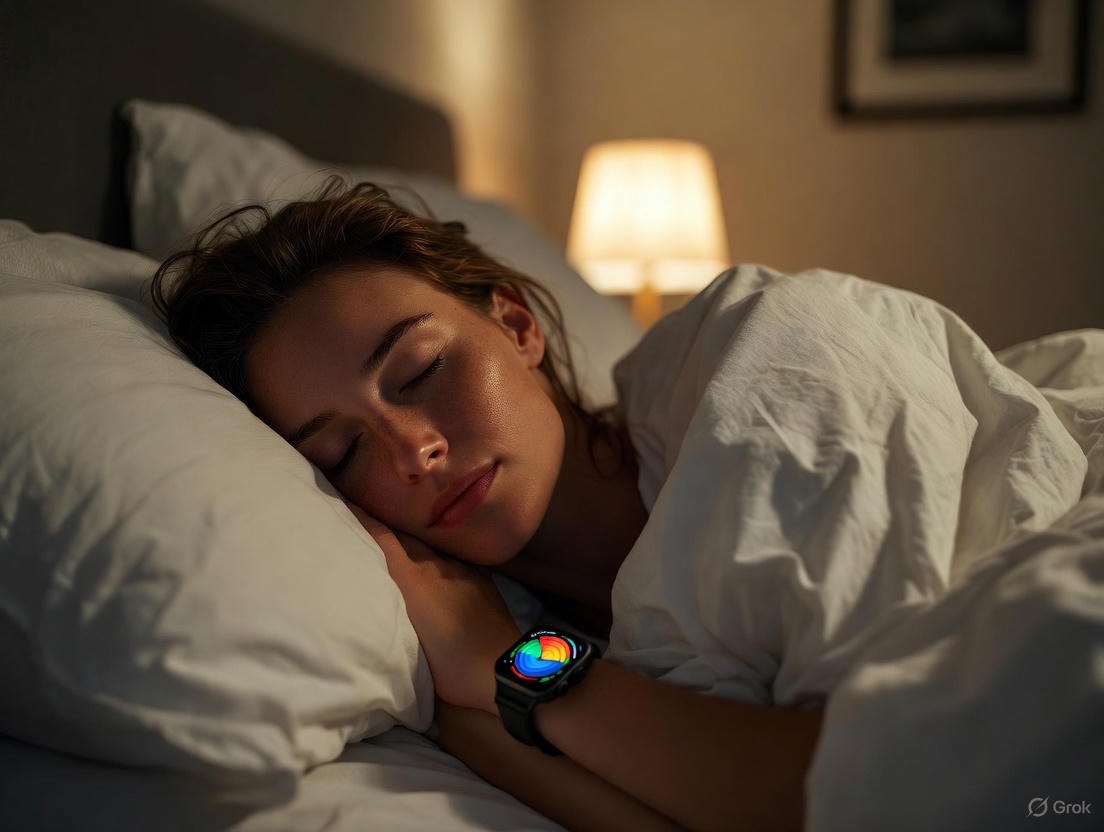
Fitness is no longer just about logging miles or lifting heavy. Modern health tracking reframes it as a spectrum of movement, where non-exercise activity and recovery are just as critical as the workout itself. The goal is intelligent, balanced movement that supports your overall health, not just a single fitness metric.
Moving Beyond Steps: The Modern Activity Dashboard. While steps are a simple proxy for general movement, 2025's tracking provides a richer picture:
The Critical Role of NEAT (Non-Exercise Activity Thermogenesis). This is the energy you burn from everything that isn't sleeping, eating, or sports-like exercise: walking to your car, fidgeting, standing, doing chores. For most people, NEAT accounts for a larger portion of daily calorie burn than formal exercise. Tracking devices now emphasize this through inactivity alerts and by celebrating general daily movement. Prioritizing NEAT—by taking walking meetings, using a standing desk, or doing a 5-minute stretch break every hour—is one of the most effective, sustainable ways to improve metabolic health.
Using Data to Prevent Injury and Optimize Performance. This is where recovery metrics directly inform activity.
Building a Balanced Movement Profile. A healthy, data-informed movement week might include:
The key insight is that more is not always better. Smarter is better. By letting your recovery data guide your activity choices, you create a virtuous cycle where movement enhances your health, and your health enables better, more enjoyable movement. For the specifics on how devices track this, our guide on wellness ring basics for activity and movement tracking offers detailed explanations.
While no wearable can directly scan the food on your plate (yet), modern health tracking creates a powerful feedback loop that connects what you consume with how you feel and perform. It turns your body into a real-time biofeedback device for your dietary choices.
The Indirect Power of Tracking. You can't track "good nutrition" with a single metric, but you can track its profound effects. By observing how your key biomarkers shift in response to meals, timing, and hydration, you gain unparalleled personal insight.
How to Conduct a Food-Mood-Data Experiment.
Key Areas Where Data Shines a Light.
The Role of Hydration Tracking. Some advanced rings and watches now offer hydration alerts based on skin conductivity or personalized algorithms. Even without a direct sensor, you can use your RHR as a guide. Make a habit of drinking a glass of water whenever you check your app and see your heart rate is a few BPM above your baseline.
Nutrition in the age of health tracking moves away from dogma and towards curiosity. It's about using your body's signals—amplified by your device—to learn what truly fuels you best. This journey of discovery is supported by learning how to use wellness rings to build healthy habits, including nutritional ones.
Collecting terabytes of personal health data is one thing. Interpreting it wisely, understanding its limitations, and protecting it fiercely is another. As you embark on this journey, cultivating data literacy and a robust privacy mindset is not optional—it’s fundamental to reaping the benefits while mitigating the risks.
Understanding Accuracy, Precision, and Trends. Beginners often get fixated on the absolute accuracy of a single data point. "Is my HRV exactly 45ms?" The more important concept is relative accuracy and trend direction. These consumer devices are not medical-grade diagnostic tools, and they are not intended to be. Their power lies in detecting changes and trends over time.
The Privacy Imperative: Your Data is Your Asset. The intimate nature of this data—where you sleep, your heart patterns, potential indicators of illness—makes it incredibly sensitive. You must be a vigilant steward of where it goes and who can access it.
Security Best Practices.
Becoming a Critical Thinker. The wellness tech space is booming, and not all claims are created equal. Be skeptical of marketing that promises medical diagnoses or miracle cures from a wearable. A device can indicate a potential issue (like frequent SpO2 dips), but it cannot diagnose sleep apnea. Always take concerning trends to a qualified healthcare professional for proper evaluation.
Developing data literacy transforms you from a passive data collector to an active health strategist. You learn to separate signal from noise, protect your digital self, and use information to have more empowered conversations with your doctor. This foundation of trust and understanding is what allows the technology to serve you, not the other way around.
As we move deeper into 2025, the frontier of consumer health tracking is expanding beyond core vitals into a new realm of continuous, non-invasive biomarkers. These advanced metrics, once confined to labs and clinics, are now beginning to appear on our wrists and fingers, offering a glimpse into a hyper-personalized future.
Continuous Glucose Monitoring (CGM) Integration. While dedicated CGMs (like Dexcom or FreeStyle Libre) are prescription devices for diabetics, their principles are revolutionizing wellness. By measuring interstitial glucose levels every few minutes, they reveal how an individual’s body responds to different foods, meals, sleep, and stress. The big trend is the integration of CGM data with wearable data streams. Seeing how a glucose spike at 2 PM correlates with a stress spike at 3 PM and a crash in HRV that night is a holistic revelation. Consumer-focused CGM programs (like Signos or Nutrisense) are making this data accessible for metabolic health optimization, though the sensors themselves still require a prescription in many regions. The fusion of glucose data with heart rate, sleep, and activity is the most powerful nutrition feedback loop ever created for consumers.
Electrodermal Activity (EDA) & Stress Mapping. Made popular by the Fitbit Sense and Whoop, EDA sensors measure tiny changes in the skin's electrical conductivity, which fluctuate with sweat gland activity—a direct indicator of sympathetic nervous system arousal. This isn't a general daily stress score; it's used for specific sessions. You can initiate an "EDA scan" during a meditation or a stressful work task to see your body's physiological response in real-time. It objectively shows you the calming effect of a breathing exercise or the arousing effect of a stressful thought, providing undeniable biofeedback.
Pulse Arrival Time (PAT) & Blood Pressure Trends. This is one of the most anticipated frontiers. Several companies and academic projects are working on using the PPG signal to estimate blood pressure trends. The concept is to measure the time it takes for a pulse wave to travel from the heart to the wrist or finger (Pulse Arrival Time). While not yet approved for absolute, diagnostic blood pressure measurement, the technology shows great promise for tracking relative changes and trends over time, which is incredibly valuable for managing hypertension and understanding daily vascular load.
Core Body Temperature & Fertility/Women’s Health. Nocturnal skin temperature tracking is already a standard feature for detecting ovulation (a slight sustained rise in baseline temperature) and menstrual cycle phases. The next step is more precise, continuous core temperature estimation, which has implications far beyond fertility. It can be a leading indicator of illness, metabolic rate, and even the effectiveness of certain interventions. For women, integrating this temperature data with other metrics (HRV, RHR) and cycle logging provides an unparalleled view of how their physiology changes throughout the month, allowing for cycle-synced training, nutrition, and recovery plans.
The Holy Grail: Non-Invasive Blood Biomarkers. The most speculative but transformative area of research involves using spectroscopic sensors (combinations of light at different wavelengths) to non-invasively estimate blood compounds like cortisol (the stress hormone), lactate, hemoglobin, and even markers like CRP (for inflammation). While likely still years away from consumer accuracy, the progress is staggering. Imagine a smart ring that could gently warn you of rising inflammation or an electrolyte imbalance before you feel symptoms.
The Role of Artificial Intelligence. These advanced sensors generate oceans of complex, multi-modal data. The true value is unlocked by AI and machine learning algorithms that find hidden patterns. Future systems won't just say "your HRV is low." They might say, "Based on your glucose instability yesterday afternoon and your elevated nocturnal respiratory rate, your immune system is under strain. We recommend prioritizing sleep, increasing zinc-rich foods today, and opting for a nature walk instead of a gym session." This is the move from descriptive analytics to prescriptive and predictive wellness.
To truly grasp what’s on the horizon, explore our dedicated article on health tracking technology in 2025 and what’s possible. The line between consumer wellness and clinical-grade monitoring is blurring rapidly, putting unprecedented power—and responsibility—in the hands of individuals.
Even with the best intentions and a clear guide, the path to data-driven wellness has its pitfalls. Recognizing and avoiding these common beginner mistakes will save you frustration, prevent you from abandoning your device, and help you maintain a healthy, productive relationship with your health data.
Mistake #1: Chasing Perfect Scores (The "Gamification Trap"). It’s easy to fall into the trap of treating your health app like a video game, where the goal is to "win" with perfect sleep scores, maxed-out activity rings, or a perpetually high HRV. This mindset is counterproductive and can lead to anxiety.
Mistake #2: Ignoring Context and Life Events. As mentioned, data without context is meaningless. Beginners often panic over a single bad data day without connecting it to obvious life factors.
Mistake #3: Inconsistent Wear. Data gaps destroy trend lines and render algorithms less effective. Taking your device off for "special occasions" or forgetting to charge it creates holes in your health narrative.
Mistake #4: Making Too Many Changes at Once. Enthusiastic beginners often try to overhaul sleep, diet, and exercise simultaneously based on initial data. When something improves, you won’t know which change was responsible.
Mistake #5: Misinterpreting HRV and Comparing to Others. HRV is highly individual. A value of 30ms could be normal for one person and low for another. Comparing your HRV to a friend’s or an online average is pointless and discouraging.
Mistake #6: Neglecting Sensor Placement and Device Fit. Optical sensors (PPG) require good skin contact and correct placement to work accurately. A loose-fitting watch or ring, a device worn on a tattoo, or excessive movement during a reading can cause noisy, inaccurate data.
Mistake #7: Data Overwhelm and Burnout. The dashboard can become a source of stress if you check it compulsively throughout the day.
By sidestepping these common errors, you set yourself up for long-term success. Remember, the device is a tool for self-compassion and understanding, not a source of judgment or anxiety. For answers to many other common questions, our FAQ section and article on common wellness ring questions answered are invaluable resources.

Data is powerless without action. The culmination of your first months of tracking should be the creation of a dynamic, personal health action plan—a living document informed by your unique biomarkers and life context. This isn't a rigid set of rules, but a flexible framework that helps you translate insights into daily behaviors.
Step 1: The Morning Audit & Daily Prescription. Make this your non-negotiable 5-minute ritual. Upon waking, check your app. Review your Sleep Score and Readiness/Recovery Score. Let this duo dictate the framework of your day.
Step 2: Identify Your Personal Levers. Based on your experimentation and trend analysis, list the 3-5 most impactful levers for your well-being. These are your "go-to" adjustments when your data is off-track.
Step 3: Set Cycle-Based Goals, Not Just Daily Goals. Human health operates in cycles—daily (circadian), monthly (for many), and seasonal. Your plan should reflect this.
Step 4: Build Your Support System & Environment. Your action plan extends beyond you.
Step 5: Schedule Quarterly "Health Reviews." Every 3 months, conduct a formal review of your trends. Look at the big picture: Is my average HRV trending up? Is my sleep efficiency improving? Have I reduced the frequency of low-recovery days? This is not about daily fluctuations, but about long-term trajectory. Celebrate progress, and if you're stuck, use this review to identify one new area for experimentation in the next quarter.
Your personalized action plan turns passive observation into active stewardship. It’s the bridge between knowing and doing. To see how different devices can support varied objectives, explore how wellness rings can be personalized to support different health goals. The plan belongs to you, evolves with you, and its sole purpose is to help you live with more energy, resilience, and vitality.
The initial months of health tracking are filled with discovery and rapid learning. The true challenge—and triumph—lies in the long-term integration of this practice into the fabric of your life, so it becomes as natural and essential as brushing your teeth. This phase is about moving beyond novelty to create a sustainable, evolving partnership with technology that supports your lifelong well-being.
The Evolution from Tracking to Intuition. One of the most beautiful long-term outcomes is the development of informed intuition. After months or years of correlating data with physical sensations, you begin to internalize the feedback loop. You might wake up feeling "off" and, before even checking your app, correctly guess that your HRV dipped or your sleep was restless. The data has trained you to listen to subtle bodily cues you previously ignored. The device then serves to confirm your hunches and provide granularity, rather than being the sole source of truth. This is the goal: to use technology to sharpen your own innate body awareness, not replace it.
Preventing Data Fatigue and Maintaining Engagement. It’s normal for the initial excitement to wane. To prevent your device from becoming a forgotten gadget in a drawer, adopt strategies for renewal.
The Upgrade Cycle: When to Consider New Technology. The wearables market evolves rapidly. Should you upgrade every year? Not necessarily. Consider an upgrade when:
Avoid upgrading for marginal improvements. The core metrics—HRV, RHR, sleep stages—have been highly accurate for several generations. The biggest benefit often comes from the form factor that you’ll wear most consistently.
Integrating Data into Your Healthcare Relationships. This is a long-term superpower. Build a habit of preparing a simple, one-page summary before annual check-ups or specialist visits. Include:
The Philosophy of Balance: Knowing When to Step Back. Paradoxically, sustainable tracking sometimes requires taking breaks. If you find yourself feeling anxious about scores, constantly checking your app, or ignoring how you feel in favor of what the data says, it’s time for a "data vacation."
Long-term success in health tracking is measured not in perfect scores, but in the seamless, supportive role it plays in a rich, engaged, and healthy life. It becomes a quiet, background advisor—a part of your lifestyle that empowers you to live fully, with greater understanding and resilience.
As we stand in 2025, the pace of innovation is not slowing—it’s accelerating. The convergence of sensor technology, artificial intelligence, and a growing cultural emphasis on preventive health is paving the way for a future where our understanding of "wearable" will be fundamentally redefined. Here’s where the journey is headed next.
The Invisible Wearable: Sensors Integrated into Everyday Life. The next wave will move beyond dedicated devices. We will see health-sensing technology woven into the fabric of our environment.
Multi-Layered Sensing & Digital Twins. Future systems will not rely on a single sensor stream. They will layer data from a wearable ring (vascular health), smart earphones (core body temperature, hearing health), and smart glasses (eye-tracking for cognitive load) to create a holistic, multi-system view. This data could feed a "Digital Twin"—a sophisticated AI model of your unique physiology. You could simulate how a new medication, a different time zone, or a change in diet might affect your Digital Twin before experiencing it in real life, enabling truly personalized and predictive health planning.
The Brain-Body Interface: Tracking Cognitive & Mental Health. The final frontier is the direct measurement of brain and nervous system states. While consumer EEG headsets exist, future integrations will be subtler.
Closed-Loop Systems & Automated Interventions. Today’s devices provide insights; tomorrow’s may provide automated, contextual adjustments.
Democratization of Advanced Diagnostics. The technologies once reserved for hospitals—like ultrasound and advanced spectroscopy—are being miniaturized. Prototypes of wrist-worn devices that use ultrasound to image blood vessels or bones already exist. The long-term vision is a consumer device capable of screening for a range of conditions, from arterial stiffness to early signs of osteoporosis, during your morning routine, with findings securely shared with your doctor for validation.
Ethical and Societal Implications. This powerful future comes with profound questions. Who has access to this hyper-personalized health technology? How do we prevent a "health data divide"? How do we regulate algorithms that give health advice? What are the implications for insurance and employment? The conversation must evolve alongside the technology, ensuring it serves to empower and equalize, not to surveil or exclude.
The trajectory is clear: health tracking is evolving from a periodic check-in to a continuous, ambient, and profoundly intelligent layer of our existence. It promises a future where illness is predicted and prevented, where wellness is deeply personalized, and where each of us has an unprecedented understanding of the complex, beautiful system that is our body. For a visionary look at this path, explore our thoughts on the future of wearable health technology.
We have traversed a vast landscape—from the humble origins of the pedometer to the AI-powered, biomarker-sensing wearables of 2025. We’ve decoded the language of your body, translating metrics like HRV, RHR, and sleep architecture into a coherent story of your daily health. You now have a beginner’s map: a guide to choosing your device, setting it up for success, interpreting the data with wisdom, and avoiding the common pitfalls that derail so many well-intentioned starters.
This is not the end of your learning, but the essential foundation. You now understand that health tracking in 2025 is not about vanity or competition; it is about curiosity, empowerment, and partnership. It’s a tool for developing a deeper conversation with the only body you will ever have. The numbers are not a judgment, but a translation—a way for your physiology to communicate its needs, its stresses, and its triumphs in a language you can finally understand.
The most critical step is the first one: to begin with intention. Wear your device. Observe without judgment. Look for trends, not daily scores. Run gentle experiments. Let the data guide you toward what makes you feel more vibrant, resilient, and alive.
Remember, the goal is not to live a life dictated by a screen, but to use the screen’s insights to live a richer life away from it. It’s about taking that recovery day so you can fully enjoy your active days. It’s about improving your sleep so you have more energy for your passions. It’s about managing stress so you can be more present with the people you love.
Your personalized health intelligence journey starts now. You have the knowledge. You have the tools. The most fascinating subject of study—your own potential for well-being—awaits your attention.
Ready to go deeper? In the next comprehensive section of this guide, we will move from fundamentals to mastery. We will explore:
Your foundation is set. The path to a smarter, healthier, and more intuitive you is clear. Continue your exploration and find the perfect tool to begin by visiting the Oxyzen shop, or immerse yourself in deeper knowledge through our research blog. Your data-driven wellness story is just beginning to be written.
Your Trusted Sleep Advocate (Sleep Foundation — https://www.sleepfoundation.org/)
Discover a digital archive of scholarly articles (NIH — https://www.ncbi.nlm.nih.gov/
39 million citations for biomedical literature (PubMed — https://pubmed.ncbi.nlm.nih.gov/)
experts at Harvard Health Publishing covering a variety of health topics — https://www.health.harvard.edu/blog/)
Every life deserves world class care (Cleveland Clinic -
https://my.clevelandclinic.org/health)
Wearable technology and the future of predictive health monitoring. (MIT Technology Review — https://www.technologyreview.com/)
Dedicated to the well-being of all people and guided by science (World Health Organization — https://www.who.int/news-room/)
Psychological science and knowledge to benefit society and improve lives. (APA — https://www.apa.org/monitor/)
Cutting-edge insights on human longevity and peak performance
(Lifespan Research — https://www.lifespan.io/)
Global authority on exercise physiology, sports performance, and human recovery
(American College of Sports Medicine — https://www.acsm.org/)
Neuroscience-driven guidance for better focus, sleep, and mental clarity
(Stanford Human Performance Lab — https://humanperformance.stanford.edu/)
Evidence-based psychology and mind–body wellness resources
(Mayo Clinic — https://www.mayoclinic.org/healthy-lifestyle/)
Data-backed research on emotional wellbeing, stress biology, and resilience
(American Institute of Stress — https://www.stress.org/)


