


The Health Tracking Revolution: From Hospital to Your Finger
The shift from hospital-based monitoring to personal, continuous tracking.
The shift from hospital-based monitoring to personal, continuous tracking.
%402x.svg)
For centuries, understanding the inner workings of the human body required an external observer. A physician’s ear to a chest, a stethoscope amplifying a heartbeat, a trip to a specialized lab for a vial of blood, or being tethered to a bulky machine in a sterile hospital room. Health data was episodic, captured in fleeting snapshots during moments of crisis or annual check-ups. The story of your body was written in fragments, with long chapters of daily life—sleep, stress, recovery, subtle rhythms—remaining a mystery.
Today, that story is being written continuously, in real-time, on a canvas no larger than a finger. The revolution in health tracking has dismantled the walls of the clinic and placed the power of profound physiological insight onto our wrists, in our pockets, and now, discreetly around our fingers. We have moved from reactive, hospital-centric care to a proactive, personalized, and perpetually engaged model of well-being. This is not merely an upgrade in gadgetry; it is a fundamental shift in our relationship with our own health. We are transitioning from being periodic patients to becoming the CEOs of our own wellness, armed with data that was once the sole domain of medical professionals.
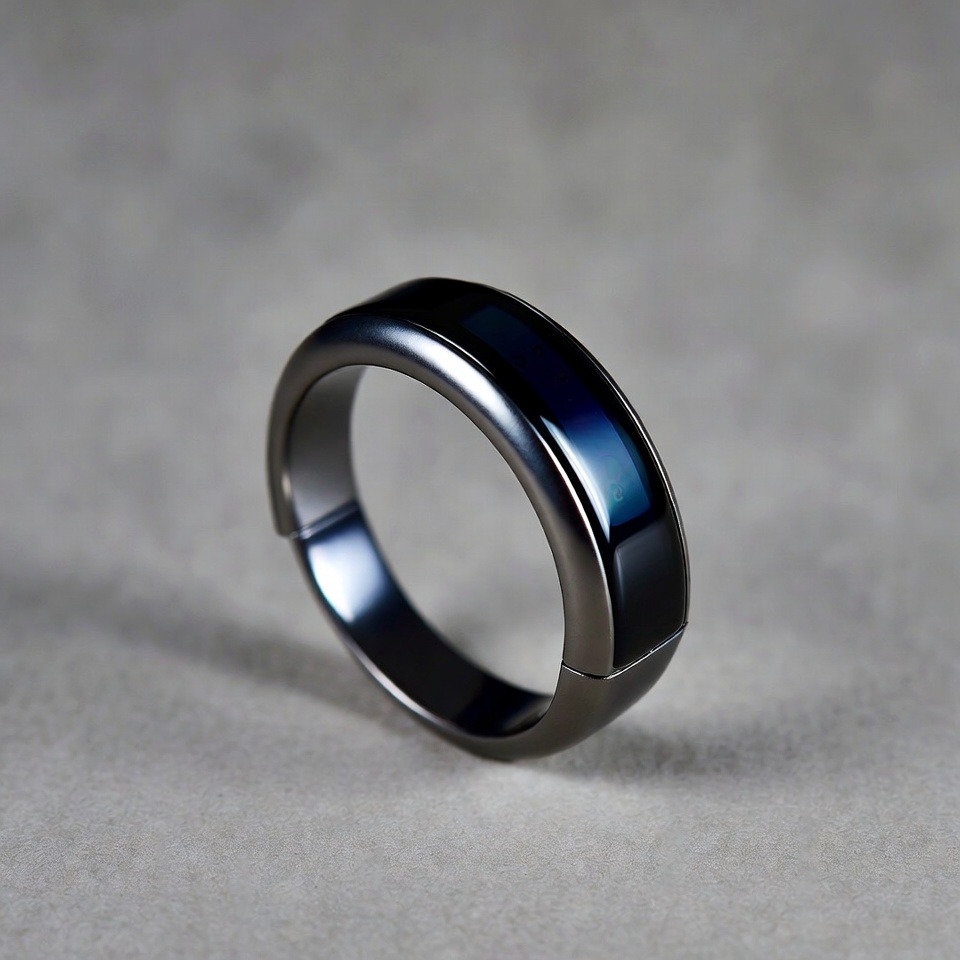
At the forefront of this revolution is the smart ring—a minimalist piece of jewelry that conceals a powerhouse of biomedical sensing. Devices like the Oxyzen ring represent the pinnacle of this miniaturization, offering a comfortable, always-on window into metrics like blood oxygen saturation, heart rate variability, skin temperature, and sleep architecture. This continuous stream of data creates a dynamic, high-resolution map of your health, revealing patterns and correlations that a single doctor’s visit never could.
This article chronicles the extraordinary journey of health tracking technology—a journey from the sprawling, intimidating machinery of the hospital to the elegant, intimate device on your finger. We will explore the science that made this possible, the cultural shift it has ignited, and the future it is actively shaping. This is the story of how we learned to listen to our bodies not with a stethoscope, but with a sensor; not once a year, but every moment of every day. Welcome to the revolution.
To truly appreciate the smart ring on your finger, we must first look back at the monumental, often cumbersome, devices that paved its way. The history of health monitoring is a story of humanity's relentless quest to quantify the invisible, to find objective measures for the subjective feelings of health and illness. For millennia, diagnosis relied on the physician’s senses: sight, touch, and hearing. The invention of the stethoscope in 1816 by René Laennec was a seismic leap—it was the first true “wearable” that extended a doctor’s perception, allowing them to listen to the secret symphony of the heart and lungs.
The 20th century ushered in the era of electro-mechanical marvels. The electrocardiogram (ECG or EKG), developed in the early 1900s, transformed cardiology by translating the heart’s electrical activity into a readable graph. Yet, this required patients to lie still with multiple leads attached to their chest. Monitoring was a stationary event. The drive for continuous, ambulatory data led to the Holter monitor in the 1960s—a portable tape recorder the size of a small briefcase that patients wore for 24-48 hours to capture arrhythmias. It was a breakthrough in continuity, but it was clunky, obtrusive, and provided data only after the fact.
The intensive care unit (ICU) became the epicenter of high-stakes monitoring in the latter half of the century. Patients were wired to a constellation of machines tracking heart rate, blood pressure, oxygen saturation (via pulse oximetry), and more. This was comprehensive, life-saving monitoring, but it came at a cost: the patient was rendered immobile, anchored to a bed, and the environment was one of sickness, not wellness. The data was acute, focused on preventing immediate catastrophe, not on promoting long-term vitality.
The digital revolution of the late 20th and early 21st centuries began the great migration. Microprocessors shrank, sensors became more sophisticated and affordable, and wireless connectivity emerged. The first fitness trackers and heart rate monitors for athletes were the vanguard, moving monitoring from the sickbed to the gym and the running path. They introduced the masses to the concept of self-quantification for performance.
Then came the smartphone—the ultimate hub. It provided the screen, the connectivity, and the computational power to make personal health tracking not just possible, but pervasive. The launch of consumer-grade wearables like the Fitbit and later the Apple Watch democratized health data, making steps, heart rate, and eventually ECG readings accessible to millions. The locus of control had irrevocably shifted. People were no longer passive recipients of data during episodic care; they became active collectors of their own daily health narratives.
This historical arc—from the passive listening of the stethoscope to the passive, continuous data collection of a wearable—set the stage for the next logical step: minimizing the form factor to the point of near-invisibility while maximizing the depth of physiological insight. The journey from the hospital to the wrist was remarkable, but the journey from the wrist to the finger is where true, uninterrupted, clinical-grade personal monitoring finds its ideal form. For a deeper look at this technological evolution, our detailed timeline traces the path from manual logs to smart rings.
The smart ring is a feat of modern engineering that seems to border on magic. How is it possible that technology which once required a cartful of equipment in a hospital room now fits seamlessly into a band of titanium or ceramic? This “miniaturization miracle” is the culmination of parallel revolutions in several key fields, converging to make the impossible not just possible, but elegant and consumer-ready.
1. The Sensor Revolution: At the heart of any health tracker are its sensors. The most critical for smart rings are optical sensors, specifically photoplethysmography (PPG) sensors. A PPG sensor works by shining light (typically green, red, and infrared LEDs) into the skin and measuring the amount of light reflected back. Blood absorbs light, so with each heartbeat, blood volume in the capillaries changes, creating a subtle fluctuation in the reflected light. This tiny signal contains a wealth of information. Advancements in micro-optics and low-power, high-sensitivity photodiodes have allowed these sensor arrays to become incredibly small, power-efficient, and accurate enough to derive heart rate, heart rate variability (HRV), and even blood oxygen saturation (SpO2) from the vascular-rich finger.
2. The Battery and Power Management Breakthrough: Continuous sensing is power-hungry. The shift from wrist to finger presented a significant challenge: a much smaller physical volume for a battery. Innovations in lithium-ion battery chemistry and energy density were crucial. Even more critical was the development of ultra-low-power microcontrollers and sophisticated power management algorithms. A modern smart ring is a master of energy austerity. It knows when to sample data at high frequency (during sleep or a workout) and when to drop into a low-power “spot check” mode. It uses Bluetooth Low Energy (BLE) for efficient data syncing. This delicate dance of hardware and software enables devices like the Oxyzen ring to offer multi-day battery life from a battery smaller than a penny.
3. Material Science and Biomechanics: A ring must be worn continuously to be effective, which demands unprecedented comfort and durability. This is where advanced materials come in. Titanium offers a perfect blend of strength, lightness, and hypoallergenic properties. Ceramic provides scratch resistance and a premium feel. The inside of the ring must be engineered for both sensor contact and skin breathability. Furthermore, the ring’s form factor itself is a biomechanical advantage. The finger, particularly the base, houses some of the body’s most accessible arteries and capillaries, often providing a stronger and less noisy PPG signal than the wrist, which is prone to motion artifact from hand movements.
4. The Computational Leap: From Data to Insight: Raw sensor data is just noise. The true magic happens in the algorithms. This is where the legacy of clinical technology truly lives on. Algorithms originally developed to interpret hospital ECG and PPG data have been refined and adapted for the consumer space. Machine learning (ML) and artificial intelligence (AI) models are trained on massive datasets to recognize patterns: what is the signature of deep sleep versus light sleep? What does a dip in nightly SpO2 indicate? How does HRV correlate with stress or recovery? This computational layer transforms flickering light signals into actionable health insights. The miniaturization is not just physical; it’s also the distillation of decades of medical research into lines of code running on a chip smaller than a fingernail.
The result of this convergence is a device that embodies a new paradigm: clinical-grade insight meets consumer-grade convenience. It’s a tool that captures the kind of longitudinal data doctors have always wanted but could never feasibly collect, all while fitting into the wearer’s daily life as unobtrusively as a wedding band. To understand the intricate science that allows these tiny devices to generate such powerful data, explore our breakdown of the sensors and algorithms powering modern health tracking.
The early days of consumer wearables were dominated by a simple triumvirate: steps, calories, and basic heart rate. They were fantastic for raising general activity awareness, but they offered a relatively shallow picture of health. The modern smart ring, by virtue of its continuous, stable wear and advanced sensor fusion, has plunged into the depths of human physiology, surfacing metrics that were previously the domain of sleep labs and sports science institutes. This is where the revolution gets personal.
Sleep Architecture Analysis: This is arguably the killer app for smart rings. By combining movement, heart rate, HRV, and respiratory rate, advanced algorithms can now dissect your night with remarkable precision. It doesn’t just tell you how long you slept; it maps your journey through light, deep, and REM sleep stages. It identifies disruptions, measures sleep latency (how long it takes to fall asleep), and calculates sleep efficiency (time asleep vs. time in bed). This granular view is transformative, as poor sleep architecture is linked to everything from cognitive decline to metabolic disease. Seeing your sleep as a structured graph, rather than a single number, empowers you to connect lifestyle choices—like evening caffeine or late-night screen time—to tangible impacts on your restorative rest.
Heart Rate Variability (HRV): The Stress and Recovery Compass: HRV is the subtle variation in time between each heartbeat. Contrary to intuition, a higher HRV generally indicates a healthier, more resilient autonomic nervous system—your body is adaptable and ready for challenge. A lowered HRV can signal stress, overtraining, or illness. Wrist-based trackers struggle with accurate, continuous HRV measurement due to motion. The smart ring, worn on the finger during the stillest periods of the day (especially sleep), provides a gold-standard reading of your nightly HRV, which serves as an objective daily score for your recovery and stress load. It’s a direct line to your nervous system’s state.
Blood Oxygen (SpO2) and Respiratory Insights: Pulse oximetry, once a clunky clip on a finger in a hospital, is now a silent, nightly background check in a smart ring. Tracking SpO2 trends overnight can reveal breathing disturbances, such as potential signs of sleep apnea, where blood oxygen levels intermittently drop. Coupled with detailed respiratory rate tracking, this provides a powerful, non-invasive window into your respiratory health during your most vulnerable hours.
Skin Temperature Trends: Basal body temperature has long been used for fertility tracking. Smart rings elevate this by tracking distal skin temperature trends continuously. A elevated nightly temperature trend can be one of the earliest signals of oncoming illness, inflammation, or hormonal changes. It’s a subtle biomarker that, in context with other data, provides a powerful early-warning system.
Activity and Readiness Scores: Moving beyond simple step counts, modern systems synthesize data from multiple metrics to produce holistic scores. An Activity Score might balance your movement against your cardio fitness level. More importantly, a Readiness or Recovery Score—often derived from sleep quality, HRV, temperature, and previous day’s strain—provides a personalized recommendation: is your body primed for an intense workout, or would it benefit more from active recovery or rest? This shifts the focus from blind daily exertion to intelligent, responsive training.
By tracking this constellation of deep health metrics, the smart ring moves you from simply counting to truly understanding. It connects the dots between your behaviors and your biology in a way that fosters profound self-awareness. For a practical guide on how to use these metrics to build sustainable healthy habits, our resource on how wellness rings help build healthy habits daily offers actionable strategies.
The traditional healthcare model is fundamentally reactive. It operates on a "find it and fix it" principle: you experience symptoms, you seek care, a diagnosis is made, and treatment begins. This model, while brilliant at acute and emergency care, is tragically inefficient and often too late for chronic, slowly-progressing conditions like hypertension, type 2 diabetes, cardiovascular disease, and sleep disorders. These "lifestyle diseases" develop silently over years, only announcing themselves with symptoms after significant damage has already occurred.
The health tracking revolution is the engine of a new, proactive and preventive model. Its core principle is simple: use continuous data to identify risk factors and subtle deviations from your personal baseline long before they manifest as clinical symptoms. This shifts the goal from treatment to optimization and early intervention.
Personalized Baselines are Key: In reactive medicine, your data is compared to a population average. A "normal" resting heart rate is 60-100 BPM. But what if your personal, healthy baseline is 55 BPM? A rise to 75 BPM, while still "normal" on a chart, could be a significant 36% increase in cardiac workload for you. A smart ring establishes your normal. It learns your unique sleep patterns, your typical HRV range, your temperature rhythm. It can then flag anomalies that would be invisible in a single snapshot. That elevated nighttime temperature, the dip in HRV, the slight increase in resting heart rate—these are your body's whispers of distress, audible only through continuous monitoring.
From Episodic to Longitudinal Data: A doctor sees a pixel; you now have the entire movie. Presenting a physician with a week’s worth of sleep data showing consistent oxygen desaturations is infinitely more valuable than saying "I'm tired." Showing a trend of rising resting heart rate over three months provides concrete evidence for a discussion about stress or fitness. This longitudinal data turns subjective complaints into objective, shareable datasets, enabling more productive, evidence-based conversations with healthcare providers.
Empowering Behavioral Change: Prevention is not just about detection; it's about action. This is where health tracking has its most profound personal impact. Seeing the direct correlation between a late-night meal and poor sleep quality, or between an intense workweek and a plummeting HRV score, creates a powerful feedback loop. Data becomes motivation. You’re no longer following generic advice ("get more sleep"); you’re responding to a personalized, quantifiable need ("my recovery score is 45/100, so I will prioritize sleep hygiene tonight"). This data-driven mindfulness is the foundation of sustainable lifestyle medicine.
Closing the Loop with Professional Care: The most advanced preventive health models integrate this personal data stream with professional oversight. Imagine your smart ring data being securely shared with your primary care physician or a wellness coach as part of a remote patient monitoring (RPM) program. They can spot concerning trends and reach out proactively. This creates a continuous, collaborative care loop, blending the scale of consumer technology with the expertise of medical professionals. It represents a fundamental shift from healthcare as a service you receive during visits to health as a state you co-manage daily.
The smart ring, therefore, is not a diagnostic tool, but a dialogic tool. It starts a critical conversation—first between you and your own body, and then between you and your care team. It empowers you to become the primary guardian of your own health, armed with insights to make informed decisions that prevent disease rather than merely manage it. To see how this is actively changing medical practice, read about how health tracking technology is reshaping preventive medicine.
The wearable market has long been dominated by the wristwatch form factor. It’s familiar, functional, and offers a convenient screen. So why is the smart ring being hailed as the next frontier, and potentially the superior form factor for serious health monitoring? The advantages are rooted in biology, behavior, and data fidelity.
1. The Signal Advantage: A Cleaner Physiological Window. The wrist is a hub of activity. Typing, gesturing, lifting, and countless daily motions create "noise" that optical sensors must filter out. This is known as motion artifact, and it can obscure the true physiological signal, especially for delicate metrics like HRV. The finger, particularly the base where rings are worn, is far less prone to these constant micro-movements. More importantly, the vascular structure at the finger (rich in capillaries and with strong arterial pulsations) often provides a stronger, cleaner PPG signal than the wrist. This translates to more accurate and reliable readings, especially for continuous metrics like SpO2 and detailed sleep analysis.
2. The Compliance Advantage: Always-On Wearability. For health tracking to be truly meaningful, it must be consistent. A device that’s taken off frequently creates data gaps. Watches are often removed for charging, during showers, for certain sports, or for formal occasions where they may clash with attire. A well-designed smart ring, however, achieves a level of "wear-and-forget" that watches struggle to match. It’s waterproof, has a multi-day battery life that encourages charging during a short downtime (like a shower), and its form factor is inherently less obtrusive. It fits seamlessly with any attire and can be worn during almost any activity, from swimming to sleeping. This leads to superior compliance and therefore a more complete, uninterrupted dataset.
3. The Sleep Tracking Advantage: Unparalleled Comfort and Accuracy. Sleep is the most critical period for physiological recovery and assessment. Wearing a bulky watch to bed is uncomfortable for many, leading to removal and lost data. A lightweight, smooth ring presents no such discomfort. Its superior signal quality and 24/7 wear ensure it captures your entire sleep cycle without gaps or distortion from wrist movements (which are common during sleep). This makes it the ideal form factor for the deep, nuanced sleep analysis that is a cornerstone of modern wellness tracking.
4. The Discreetness Advantage: Health Intelligence, Not a Tech Statement. A smart ring embodies quiet intelligence. It doesn’t light up with notifications or demand your attention. It works silently in the background, collecting data without contributing to digital distraction. For many, this is a philosophical benefit: wellness should be integrated, not intrusive. It allows you to engage with your health data intentionally on your phone, rather than being pulled into it constantly. It’s a tool for mindfulness, not another source of interruption.
5. The Aesthetic and Personalization Advantage. A ring is a personal piece of jewelry. Brands like Oxyzen understand this, offering rings in premium materials like titanium and ceramic with various finishes. This allows the device to be an expression of personal style, not just a piece of tech. It becomes a part of you, which psychologically reinforces the commitment to the health journey it supports. You can explore the range of style and color options available for modern wellness rings to see how form meets function.
In essence, the smart ring chooses optimization for core health sensing over the multifunctionality of a smartwatch. It sacrifices a screen to gain signal purity, compliance, and comfort. For the individual whose primary goal is to gain the deepest, most accurate, and continuous understanding of their physiological well-being, the finger offers a distinct and powerful advantage. It is the form factor purpose-built for the health tracking revolution.
With great data comes great responsibility. The intimate, continuous stream of biometrics generated by a smart ring—your sleep patterns, stress levels, potential illness signs—constitutes some of the most personal data possible. It’s the diary of your body. As we embrace this revolutionary tool, a critical parallel conversation must be about data sovereignty, privacy, and security. Navigating this new world requires both technological safeguards and user awareness.
The Security Foundation: Encryption and Ownership. Reputable smart ring companies build their systems on a foundation of robust security. This means end-to-end encryption: your data is encrypted on the device, during transmission to your phone, and while at rest on company servers. Your raw biometric data should never be sold to third parties like advertisers or data brokers. It’s crucial to understand a company’s privacy policy: Who owns the data? (You should). How is it used? Is it aggregated and anonymized for research to improve algorithms? Transparency is key. Companies like Oxyzen prioritize this, detailing their commitment to user privacy and control.
Privacy Controls and User Agency. Beyond the legal policies, user-friendly privacy controls are essential. A best-in-class companion app should allow you to:
This puts you in the driver’s seat. You are not just a data source; you are the curator and beneficiary of your own information. For a comprehensive guide on managing these settings, our article on wellness ring privacy settings and data security is an essential read.
The Anonymization Benefit for Science. When users consent, aggregated and anonymized data from millions of wearables has the potential to revolutionize medical research. Researchers can study sleep patterns on a population scale, identify early biomarkers for disease, and understand the public health impacts of events like pandemics in real-time—all without knowing any individual’s identity. This is a powerful positive externality of the wearable revolution, but it must always be opt-in and transparent.
Psychological and Social Considerations. Data privacy isn’t just about hackers and corporations; it’s also about personal boundaries. Who in your life might you share this data with? A partner? A coach? A doctor? The ability to selectively share insights (e.g., “my sleep was poor this week”) without handing over your entire raw data history is important. Furthermore, we must guard against “data anxiety”—the tendency to become overly fixated on daily numbers, leading to stress that counteracts the device’s wellness purpose. The goal is insight, not obsession.
Ultimately, the relationship with your biometric data should be one of trusted partnership. The device and its ecosystem should act as a secure vault and a insightful interpreter for your most personal information, empowering you without exploiting you. By choosing products from companies that are clear and principled about data ethics, you can confidently harness the power of continuous monitoring while maintaining control over your digital self. For answers to common concerns, our FAQ section addresses many of these pivotal questions.

Adopting a smart ring is more than purchasing a gadget; it’s integrating a new source of intelligence into your daily rhythm. The journey from curious newcomer to empowered expert should be seamless, intuitive, and immediately rewarding. Here’s how to transition from unboxing to mastery, ensuring you extract maximum value from your new health companion.
The First Steps: Setup and Personalization. The initial experience sets the tone. A premium product should feel premium from the moment you open the box. After charging, the setup via a companion app should be straightforward—pairing the ring, selecting your size (using provided sizing kits is crucial for optimal sensor contact and comfort), and inputting basic profile information like age, height, and weight to calibrate algorithms. This is also the time to explore the app’s interface, familiarize yourself with the dashboard, and set your initial health goals. Don’t rush; spend time understanding what each metric represents.
The Baseline Period: Listen and Learn. For the first week or two, resist the urge to make drastic changes based on single data points. This period is about establishing your personal baseline. Wear the ring consistently. Observe your natural patterns: What does your sleep look like on a good night? What’s your typical resting heart rate? What’s your normal HRV range? This baseline is your new “normal,” the reference point against which all future changes will be measured. The ring is learning you, and you are learning its language.
From Observation to Action: The Feedback Loop. Once your baseline is established, you can begin the powerful work of experimentation and correlation. This is where passive tracking becomes active wellness.
The goal is not to become a slave to the scores, but to use them as an objective mirror, revealing the cause-and-effect relationships between your choices and your physiology. For beginners, a guide on how to make your wellness ring perfect for your start can smooth this transition.
Advanced Integration: Making it Part of Your Ecosystem. Mastery involves connecting your ring’s data to the other tools in your life. Most smart rings sync with major health platforms like Apple HealthKit, Google Fit, and Samsung Health. This allows you to create a centralized health dashboard. You can correlate your ring’s sleep data with your meditation app sessions, or see how your daily activity from a workout app influences your recovery metrics. For fitness enthusiasts, this integration is key for periodized training. Some users may even share relevant data reports with healthcare providers, as discussed earlier.
Long-Term Care and Iteration. A smart ring is a durable companion, but it benefits from simple care. Regular cleaning of the sensor area with a soft, dry cloth maintains accuracy. Understanding the battery cycle and establishing a simple charging routine (e.g., during your morning shower) ensures it’s always working for you. As you evolve, revisit your goals in the app. The insights that matter most to you at the start of your journey may shift as you progress from general wellness to training for an event, managing stress, or optimizing longevity.
Ultimately, integration is about forming a harmonious partnership. The ring provides the unbiased data; you provide the context, intention, and action. Together, they create a feedback loop of self-knowledge that guides you toward a healthier, more attuned life. To see this journey from start to finish, explore our guide for the complete unboxing and mastery experience for expert users.
Data on a screen is abstract. Its true power is revealed in the tangible changes it inspires in real people’s lives. Beyond the spec sheets and marketing promises, the health tracking revolution is measured in small victories, prevented crises, and reclaimed vitality. Here are glimpses into how the shift from episodic to continuous monitoring is writing new, healthier life stories.
The Executive and the Silent Stress: Michael, a 45-year-old tech executive, considered himself "healthy but busy." His annual physicals were always fine, but he was plagued by constant fatigue and irritability. He attributed it to his demanding job. When he started wearing a smart ring, the data told a different story. His sleep chart showed he was averaging only 45 minutes of deep sleep per night, and his nightly HRV was consistently in the "low" zone, indicating his nervous system was in a perpetual state of high stress. The "aha" moment came when he saw his recovery score plummet after consecutive nights of late work dinners and wine. The data was irrefutable. It motivated him to institute a strict digital curfew, limit evening alcohol, and begin a brief mindfulness practice. Within a month, his deep sleep doubled, his HRV trended upward, and—most importantly—his subjective sense of fatigue and irritability lifted. The ring didn’t solve his stress; it gave him the objective evidence he needed to take it seriously and change his behavior.
The Athlete and the Overtraining Edge: Sofia, an amateur marathoner, was stuck in a cycle of minor injuries and performance plateaus. She trained hard, following a rigid schedule. Her smart ring introduced the concept of daily readiness. Instead of blindly following a plan, she began checking her recovery score each morning. On days it was high, she pushed her intervals. On days it was low—often correlating with poor sleep or high stress—she swapped her hard run for gentle yoga or a rest day. This flexible, responsive approach, guided by her body’s signals, led to her first injury-free training cycle and a personal best time. She learned that sometimes, the most productive training day is a day of rest.
The Partner and the Sleep Mystery: David noticed his husband, James, was snoring more and seemed excessively tired despite being in bed for 8 hours. James dismissed it, but David was concerned. They used their smart ring’s SpO2 tracking feature. The data revealed frequent, significant dips in James’s blood oxygen levels throughout the night—a potential sign of sleep apnea. Armed with a two-week trend graph, James visited his doctor. The data expedited the process, leading to a sleep study confirmation and a CPAP prescription. The treatment was transformative, restoring James’s energy and mitigating long-term cardiovascular risks. The ring served as an accessible, at-home screening tool that sparked a critical healthcare conversation.
The Individual and the Early Warning: Countless user testimonials share a common refrain: "My ring told me I was getting sick before I felt it." A consistent, unexplained elevation in resting heart rate and skin temperature, coupled with a drop in HRV, often appears 24-48 hours before cold or flu symptoms manifest. This early warning allows individuals to proactively prioritize rest, hydration, and self-care, potentially shortening the illness’s duration and severity. It fosters a profound sense of bodily connection—learning to heed the subtle whispers of the immune system.
These stories underscore a universal theme: knowledge is agency. Continuous health tracking transforms health from a vague concept into a living, breathing narrative you can understand and influence. It replaces guesswork with insight and generic advice with personalized strategy. For more powerful accounts of this impact, you can read through real customer reviews and user experiences shared by our community.
The influx of continuous health data from wearables and smart rings into the healthcare ecosystem is not just a consumer trend; it’s becoming a clinical tool. Forward-thinking physicians and healthcare systems are beginning to see this patient-generated health data (PGHD) not as a nuisance, but as a valuable asset that can bridge the critical gap between sporadic office visits and the reality of a patient’s daily life. This integration is reshaping the patient-provider relationship towards true collaboration.
From Subjective History to Objective Trendlines. In a traditional 15-minute appointment, a patient’s history is subjective and retrospective: "I’ve been sleeping poorly," or "I feel more anxious lately." PGHD turns these statements into objective, visual trendlines. A patient can show their doctor a month-long sleep log showing frequent awakenings and low deep sleep percentage, or a graph of elevated resting heart rate correlating with a reported period of stress. This moves the conversation from "What’s wrong?" to "Let’s look at the data to understand the pattern and potential causes." It makes the visit more efficient and evidence-based.
Enhancing Chronic Disease Management. For conditions like hypertension, atrial fibrillation (AFib), or diabetes, continuous data is revolutionary. While not a replacement for medical-grade devices, trend data from a smart ring can be incredibly useful. A cardiologist might ask a patient with controlled AFib to monitor heart rate trends and report any periods of unusual tachycardia. A patient with hypertension might track how their resting heart rate and sleep quality respond to a new medication. For diabetics, correlating glucose trends with activity and sleep data from a ring can reveal personalized patterns. This creates a model of continuous remote monitoring, allowing for timely interventions between scheduled visits.
Pre- and Post-Operative Monitoring. Some progressive surgical centers are beginning to explore the use of wearable data for recovery optimization. A baseline can be established before surgery. Afterward, trends in resting heart rate, HRV, and sleep quality can provide objective indicators of recovery progress or signal potential complications like infection (often indicated by a rising temperature and heart rate) earlier than a patient might report feeling unwell.
The Challenges and The Future. Integration is not without hurdles. Data Overload: Physicians cannot be expected to sift through raw, continuous data streams. The future lies in smart software that analyzes PGHD and highlights clinically relevant anomalies or trends for the doctor’s review. Validation and Regulation: While consumer devices are not FDA-cleared for diagnosis, their trend data is increasingly seen as reliable for observational purposes. The industry is moving towards more rigorous validation studies. Reimbursement Models: Healthcare systems need to develop pathways and reimbursement models for the time clinicians spend reviewing and acting on PGHD.
Despite challenges, the direction is clear. The future of primary and preventive care is collaborative, data-informed, and continuous. The smart ring becomes a tool for shared decision-making. As one cardiologist noted, "When a patient comes in with data, they are more engaged. They are a partner in their care." This bridges the empowerment gap, turning patients from passive recipients into active, informed participants in their health journey. To learn what metrics medical professionals find most valuable, our resource details what doctors find most useful in wellness ring data.

We stand at an inflection point. The smart ring today is a marvel, offering a depth of personal physiological insight that would have seemed like science fiction a generation ago. But this is not the destination; it is a powerful launching pad. The trajectory of health tracking technology points toward a future where the line between consumer wellness and clinical-grade medicine blurs further, where prediction becomes as important as observation, and where your wearable evolves from a sensor into an intelligent health guardian. The next decade will be defined by several transformative trends that will amplify the revolution now resting comfortably on your finger.
1. The Multi-Biomarker Symphony: Beyond PPG. While photoplethysmography (PPG) is incredibly powerful, future smart rings will incorporate additional sensing modalities to create a more holistic picture. Research is actively progressing on non-invasive sensors for:
The fusion of these data streams will create a rich, multi-dimensional health portrait far surpassing today's capabilities.
2. The AI Health Coach: From Insight to Prescription. Today's algorithms identify patterns. Tomorrow's artificial intelligence will provide personalized, contextual prescriptions. Imagine your ring's companion app evolving from a dashboard into an AI health coach. It won't just say, "Your recovery is low." It will analyze the contributing factors—poor sleep, elevated cortisol markers, low activity—and offer a tailored protocol: "Based on your data and calendar, I recommend a 20-minute mindfulness session at 4 PM, a light walk after dinner, and aiming for lights out by 10:15 PM to target 90 minutes of deep sleep. I've temporarily paused your high-intensity workout reminder for tomorrow." This AI will learn your preferences, schedule, and what interventions actually work for you, creating a dynamic, adaptive wellness plan.
3. Proactive Prediction and Early Diagnostics. The ultimate goal is to move from monitoring to predictive health. By analyzing vast longitudinal datasets across populations, AI models will learn to identify subtle, preclinical signatures of conditions. A specific, gradual change in the interaction between heart rate, HRV, respiration, and temperature might predict the risk of a respiratory infection, a metabolic issue, or an inflammatory flare-up weeks in advance. The ring would then provide an early, private alert: "We've detected a pattern associated with increased stress on your metabolic system. Consider scheduling a check-up and reviewing your recent nutrition log." This shifts the paradigm from "sick care" to true "health assurance."
4. Seamless, Invisible Integration. The form factor will continue to refine. Future rings may be self-charging via body heat or kinetic energy, becoming truly "wear and forget." Sensors will become smaller and more integrated, potentially embedded within the band material itself, making the rings slimmer and even more jewelry-like. The focus will be on complete invisibility—not just physically, but digitally. Data will be processed increasingly on the device itself (edge computing) for privacy, with insights seamlessly surfacing in your life through ambient interfaces, not just through a dedicated app screen.
5. The Closed-Loop Healthcare Ecosystem. The smart ring will become the central node in your personal health ecosystem, automatically and securely communicating with other approved devices and professionals. It could share pertinent data with your connected scale, smart insulin pump, or physiotherapy device. Crucially, it will integrate with telehealth and electronic health record (EHR) systems under patient control. Your doctor could be automatically flagged to review a concerning two-week trend in your data before your scheduled appointment, enabling proactive outreach. This creates a continuous, closed-loop system where you, your data, and your care team are all connected, breaking down the silos that have long defined healthcare.
The future of health tracking is not about more intrusive monitoring; it’s about more intelligent, anticipatory, and compassionate care. The device on your finger is poised to become the most personal health tool you will ever own—a constant companion that doesn’t just know your numbers, but knows you, and is dedicated to helping you live a longer, healthier, and more vibrant life. For a visionary look at what the next few years hold, explore our exploration of what's possible with health tracking technology by 2025.
With the market for smart rings expanding rapidly, selecting the right one can feel overwhelming. It's a significant personal health investment, and the "best" ring is the one that aligns perfectly with your individual goals, lifestyle, and values. Moving beyond marketing hype to find your ideal match requires a strategic evaluation across several key dimensions. This guide will help you navigate the decision-making process to choose a companion that will truly empower your wellness journey.
1. Define Your "Why": The Goal-First Approach. Before comparing specs, clarify your primary objective.
Most rings cater to a mix, but identifying your lead priority will steer your choice.
2. The Sensor & Accuracy Imperative. This is the core engine. Research the sensor configuration.
3. Battery Life and the Charging Experience. Battery life is a major factor in compliance. Aim for a minimum of 5-7 days on a single charge. Consider the charging solution. A sleek, compact charging case (like one for earbuds) that you can travel with is far more convenient than a proprietary dock that stays on your bedside table. The ring should charge quickly—a full charge in under 90 minutes is ideal—so you can top it up during a morning routine without missing data.
4. The Ecosystem: App Intelligence and Integration. The app is your window into the data. During your research, look for app screenshots or videos. Is the interface clean and intuitive? Does it provide actionable insights rather than just raw numbers? Can you easily spot trends over weeks and months? Equally important is third-party integration. The ability to sync seamlessly with Apple Health, Google Fit, Strava, or other apps you use is essential for a unified health picture. A closed ecosystem is a major limitation.
5. Design, Comfort, and Sizing. You will wear this every day and night. It must be comfortable.
6. Privacy, Data Ownership, and Company Ethos. As discussed, your biometric data is sacred. Scrutinize the company’s privacy policy. Do they sell your personal data? Is data encrypted? Do you have control over deletion? Choose a company whose values around data stewardship align with your own. A brand's long-term vision and commitment to its user community, often detailed in sections like our story, can be a strong indicator of its approach.
7. Support and Longevity. Consider the warranty (typically 1 year) and the company's customer support reputation. Are they responsive? Do they offer software updates that add new features over time? A smart ring is a platform; you want a company that will continue to develop and support it.
By methodically evaluating these pillars—Purpose, Performance, Practicality, and Principles—you can move beyond hype and select a tool that will become a trusted, valuable part of your life for years to come. For a side-by-side analysis, our comparison chart of top wellness ring brands provides a helpful starting point for your research.
In a world of fleeting technological fads, the health tracking revolution anchored by devices like the smart ring represents something far more profound: a permanent shift in human self-awareness and agency. This is not about a trend in wearable fashion; it is about the timeless human quest for knowledge, applied inward. The enduring value of this technology lies not in the novelty of the device, but in the ancient wisdom it unlocks: Know Thyself.
For millennia, that command from the Oracle of Delphi was pursued through philosophy, meditation, and introspection. Today, we have a powerful new dialect to add to that conversation: the objective, quantifiable language of our own physiology. The smart ring provides a continuous, unbiased translation of your body's whispers into a language you can understand. It externalizes your internal state, making the abstract concrete.
Cultivating Data-Informed Intuition. The ultimate goal of wearing a smart ring is not to become dependent on it, but to use it as a training tool for your own innate bodily awareness—your interoception. Over time, as you correlate the data with how you feel, you begin to internalize the insights. You might notice a feeling of fatigue and correctly guess your HRV is low before even checking the app. You might sense morning grogginess and accurately suspect your deep sleep was lacking. The ring helps you calibrate your internal sensors. Eventually, the external device becomes a periodic check-in, a validation tool for the heightened intuition you've developed.
The Empowerment of Personal Baselines. In an age of generic health advice ("get 8 hours of sleep," "drink 8 glasses of water"), the smart ring champions radical personalization. It dismantles the myth of the "average" human. Your perfect sleep duration, your ideal workout cadence, your personal stress signature—these are yours alone. This knowledge is profoundly empowering. It frees you from chasing one-size-fits-all goals and allows you to optimize for your unique biology. You move from following external rules to honoring internal rhythms.
Building a Legacy of Health. The longitudinal data collected over years is perhaps the most valuable asset of all. It becomes your personal health biography. Imagine being able to look back at a decade of sleep, stress, and recovery data. You could see how major life events—a career change, the birth of a child, a new fitness regimen—truly affected your physiology. This isn't just data; it's the story of your life written in the most intimate terms possible. It provides a evidential basis for making better long-term choices for your future self.
The Ripple Effect: From Self to Society. When individuals become more attuned to their health, the benefits ripple outward. Healthier, more rested, less stressed individuals are more present partners, parents, colleagues, and community members. The collective adoption of preventive health practices, guided by personal data, has the potential to alleviate the tremendous burden on healthcare systems. It fosters a cultural shift from sickness to wellness, from passive care to active creation of health.
The smart ring, therefore, is more than a piece of technology. It is a key to a more conscious, empowered, and proactive way of living. It supports the journey of becoming the expert on your own body. It turns the monumental task of "being healthy" into a series of informed, daily choices. And in doing so, it returns the primary responsibility for well-being—along with the tools and knowledge to manage it—to where it has always belonged: in your hands. To continue this journey of learning and optimization, a wealth of knowledge awaits in our blog, dedicated to empowering your wellness journey.

The journey from the hospital to your finger is complete. The walls have fallen. The machines have been miniaturized. The power that was once locked behind sterile doors and white coats now resides in a sleek band of metal or ceramic, silently keeping vigil over your most vital rhythms. The Health Tracking Revolution is not a future event; it is happening now, and it is profoundly personal.
This revolution asks something of you. It asks for your curiosity. It invites you to move from being a passenger in your health journey to taking the wheel, armed with a dashboard that finally makes sense of the engine. It challenges you to listen—not just to the loud symptoms of illness, but to the quiet, daily signals of vitality, recovery, and need.
Whether you are an athlete chasing a personal record, a professional navigating chronic stress, a parent safeguarding your energy, or simply a human curious about the magnificent biological machine you inhabit, this technology exists to serve you. It exists to turn the guesswork out of wellness and replace it with knowledge. It exists to provide not just data, but clarity; not just alerts, but understanding.
The first step is the decision to pay attention. The next step is to choose the tool that will become your partner in that attention. Explore what is possible. Learn about the technology that can illuminate your path. See how others have transformed their lives by simply deciding to listen to what their bodies have been saying all along.
The revolution is here. It’s discreet, intelligent, and waiting to be worn. Your data, your insights, and your healthier future await.
Ready to become the author of your own health story?
The most important health data in the world is yours. Start tracking it.
Adopting a smart ring marks the beginning of a new relationship with your own well-being. But as with any new relationship, the initial excitement must transition into a comfortable, sustainable partnership. The true value of this technology isn’t unlocked in a single day of awe at the data; it’s realized in the quiet, consistent integration into the fabric of your daily routine. This is where the revolution moves from concept to lived experience, from a novel gadget to an indispensable personal health tool.
The Art of Forgetting It’s There (And Why That’s Good). The pinnacle of wearable design is not when you notice it, but when you forget it. A smart ring should achieve a state of “invisible utility.” The goal is for the act of wearing it to become as unconscious as wearing your wedding band or favorite watch. This happens through a combination of physical comfort and digital subtlety. Physically, a perfect fit and lightweight, hypoallergenic materials are key. Digitally, it means the ring does its job without constantly pinging your phone with notifications. Its primary communication is not intrusive alerts, but the rich, reflective summary you seek out on your own time. This passive, always-on collection is what builds the comprehensive dataset that leads to true insight.
Establishing Rituals Around the Data. Integration is fostered by creating simple, sustainable rituals for engaging with your health information. This prevents data from becoming overwhelming or easy to ignore.
These rituals transform the data from a mere report card into a conversational partner in your wellness journey.
Syncing with Your Existing Ecosystem. No device is an island. The power of a smart ring multiplies when it’s connected to the other digital tools you use.
By fitting into your existing flows, the ring becomes a connective thread in your wellness tapestry, not a separate, siloed app to manage.
Navigating the Learning Curve with Patience. It’s crucial to grant yourself and the device a grace period. The algorithms take time to learn your unique patterns—typically 1-2 weeks to establish a solid baseline. During this time, avoid making drastic changes based on single-day anomalies. A poor sleep score one night is not a failure; it’s a single data point. The ring is measuring your reality, not an ideal. The goal is not to “get a perfect score” every day, but to understand the reasons behind the scores you get. This mindset shift—from performance to understanding—is critical for long-term, stress-free engagement.
Sharing Your Journey: A Tool for Connection. While your health data is deeply personal, sharing select insights can foster connection and accountability. You might share your sleep trend with a partner to jointly commit to an earlier bedtime. You could discuss readiness metrics with a personal trainer to co-create a more responsive workout plan. Some couples even use trend data to have more empathetic conversations about stress and workload, using objective data as a starting point rather than subjective feelings. This turns personal tracking into a tool for strengthening support systems.
Ultimately, seamless integration is about harmony. The ring should feel less like a piece of technology you’ve added to your life and more like a natural extension of your intention to live consciously. It’s the bridge between your subjective experience of being alive and the objective truth of how your body is functioning. When this integration is successful, checking your data feels less like reviewing a report and more like consulting a wise, quiet friend who knows you better than anyone else—because it’s been listening to the story your body tells every single moment. For those just beginning, our guide on wellness ring basics for beginners is an excellent first step toward this seamless integration.
Of all the metrics a smart ring provides, its analysis of sleep is often the most revelatory. Sleep is the foundation upon which daily health is built—it’s when the body repairs, the brain consolidates memories, and the nervous system resets. Yet, for most of history, it has been a black box. We knew we needed it, but we had little insight into its quality or architecture. The smart ring, using a combination of sophisticated sensors and advanced algorithms, effectively gives you a nightly sleep study, demystifying this critical third of your life.
Beyond Duration: The Architecture of Sleep. The old paradigm measured sleep in a single, crude number: hours in bed. Modern sleep science knows that the structure of sleep is far more important than just its length. Sleep is composed of cyclical stages, each with distinct physiological signatures:
By tracking the progression through these cycles—typically in 90-minute intervals—your ring paints a detailed map of your sleep architecture, showing not just how long you slept, but how well you cycled through these vital stages.
The Symphony of Nightly Biomarkers. The ring doesn’t rely on movement alone (as basic trackers do); it conducts a symphony of data:
The fusion of these data streams allows the algorithm to make highly accurate determinations of sleep stages, far surpassing simple motion-based guesses.
Identifying Disruptions and Disorders. This detailed view makes invisible problems visible.
From Insight to Action: The Feedback Loop. The real power lies in using this map to navigate toward better sleep. You can run personal experiments:
This turns sleep from a passive state you hope for into an active domain you can optimize. You learn what works for your biology, not just general advice. For a comprehensive look at how this technology enables a new approach to rest, explore our article on how health tracking enables personalized wellness.
In our modern world, stress is often a silent, chronic companion. We acclimatize to its constant hum, often only recognizing its toll when we crash into burnout or illness. Subjective feelings of being "stressed" or "wired but tired" are easy to dismiss or push through. The smart ring introduces an objective, quantifiable measure to cut through this self-deception: Heart Rate Variability (HRV), supported by a constellation of other recovery metrics. It unmasked stress, not as a feeling, but as a measurable physiological state.
HRV: The Language of Your Nervous System. At its core, HRV is a direct window into your autonomic nervous system (ANS)—the control center that manages your "fight-or-flight" (sympathetic) and "rest-and-digest" (parasympathetic) responses. A higher HRV indicates a flexible, resilient ANS that can adapt swiftly to challenges and then recover efficiently. A low, suppressed HRV suggests your sympathetic system is dominant—you’re in a state of sustained physiological stress, even if you feel mentally calm. The ring, by capturing clean, overnight HRV readings during your most stable period, provides a daily, objective score for your nervous system’s recovery status.
The Recovery Score: A Holistic Health Weather Report. Leading smart rings don’t present HRV in isolation. They synthesize it with other key nighttime metrics to generate a Recovery or Readiness Score. This score typically integrates:
This single score becomes your daily health weather report. A high score signals clear skies—your body is resilient and primed for challenge. A low score signals a storm warning—your resources are depleted, and you need to prioritize restoration.
Practical Applications: From Data to Daily Decisions. This is where theory becomes life-changing practice.
Beyond Acute Stress: Identifying Chronic Load. The trend line is more important than any single day. A gradually declining HRV baseline or a creeping increase in resting heart rate over weeks is a major red flag for accumulating chronic stress or “allostatic load.” This is the kind of insidious stress that leads to burnout, hormonal dysfunction, and increased disease risk. Seeing this trend in data allows for early, proactive intervention—taking a vacation, starting therapy, changing a toxic work situation—before a full-blown health crisis occurs.
By giving a voice to your nervous system, the smart ring transforms stress management from a vague, psychological concept into a concrete, physiological discipline. It allows you to balance the “gas” and the “brakes” in your life with precision, moving from surviving your days to thriving within them. To understand the technical precision behind these measurements, delve into the accuracy revolution in modern health tracking technology.
The fitness world has long been driven by two primary metrics: more and faster. More miles, more weight, faster pace. This “no pain, no gain” mentality, while effective for driving initial progress, often leads to plateaus, injuries, and burnout. The smart ring ushers in a new, more intelligent era of fitness—one governed not by arbitrary volume, but by personalized response. It reimagines training from a brute-force activity to a dialogue with your body.
The Readiness-Based Training Model. This is the core paradigm shift. Instead of asking, “What does my training plan say today?” you learn to ask, “What is my body ready for today?” Your ring’s recovery score provides the answer. This approach, sometimes called “autoregulation,” acknowledges a fundamental truth: your body’s ability to perform and adapt fluctuates daily based on sleep, stress, nutrition, and life demands.
This model maximizes the efficiency of your efforts. You work hard when your body can benefit most, and you back off when it needs to recover. This leads to better long-term progress with less wear and tear.
Tracking Strain and Load for Optimal Balance. To know if you’re recovering, you need to know what you’re recovering from. Advanced wellness rings calculate a daily Strain or Exertion score based on your activity. It combines the duration and intensity of your movements (not just steps) to quantify your total physical output. The magic happens when you view Strain and Recovery together over time.
The ideal pattern is a wave: a day of higher strain followed by adequate recovery (showing as a dip in readiness, then a rebound). A dangerous pattern is a flat line of high strain paired with a flat line of low recovery—the hallmark of overtraining. This dual-view allows you to perfectly balance stress and rest, the fundamental law of athletic improvement.
Unlocking Cardiovascular Insights. Beyond simple heart rate, the ring provides deeper cardio metrics:
The Recovery Advantage: Measuring What Happens After. The workout itself is only half the equation. The adaptation happens during recovery. The smart ring is uniquely positioned to measure this critical phase.
By providing a 360-degree view—readiness before, strain during, and recovery after—the smart ring becomes an essential coach for anyone serious about sustainable, intelligent fitness. It moves you from guessing to knowing, from following generic plans to executing a personalized, dynamic strategy for lifelong strength and vitality. For foundational knowledge on how it tracks your movement, see wellness ring basics on activity and movement tracking.
While today’s smart rings excel at measuring outputs—heart rate, sleep, activity—the next frontier lies in measuring inputs and internal chemistry. The holy grail of personalized health is understanding how your unique body processes the food you eat and manages its metabolic engine. While comprehensive, non-invasive metabolic tracking is still emerging, the direction is clear, and today’s rings are laying the groundwork for a future where your finger provides direct feedback on your nutrition.
The Current Foundation: Correlation and Inference. Even without direct glucose sensors, today’s rings provide powerful proxy data for metabolic health.
The Coming Wave: Non-Invasive Biomarker Sensing. Research labs and startups are racing to bring lab-grade chemistry to the wearable form factor. The future smart ring may include:
Personalized Nutrition Through Data Fusion. The future is not a single biomarker, but a fusion. Imagine your ring’s data syncing with a food-logging app that uses AI. The system could learn: “When you eat a high-glycemic carbohydrate meal for lunch, your glucose spikes, followed by an energy crash at 3 PM, correlated with a measurable dip in cognitive performance (inferred from activity and HRV), and leads to poorer sleep architecture. When you choose a balanced meal with protein, fat, and fiber, your glucose curve is stable, your afternoon energy is sustained, and your sleep score improves by 15%.”
This would move nutrition advice from generic (“eat more vegetables”) to hyper-personalized (“your body responds poorly to white rice at lunch; consider swapping for quinoa or sweet potato to maintain your afternoon energy and sleep quality”).
The Metabolic Flexibility Score. A future metric could be Metabolic Flexibility—your body’s ability to efficiently switch between burning carbohydrates and fats for fuel. This is a key marker of metabolic health. By combining heart rate, HRV, temperature, and eventual direct biomarkers, a ring could provide insights into your metabolic efficiency, guiding dietary patterns (like intermittent fasting or macronutrient balance) to improve this flexibility.
While we await these advanced sensors, the current generation of rings already provides the crucial “downstream” data—how your choices affect your sleep, stress, and recovery—that is essential for making smarter nutritional decisions today. It fosters a mindset where food is seen not just as calories, but as information that programs your biology for the next 24 hours. For a vision of how this integrates into healthy aging, consider 50 healthy aging tips a smart ring helps implement daily.
The ultimate goal of the health tracking revolution is not merely to fix what’s broken, but to extend our healthspan—the number of years we live in good health, free from chronic disease and disability. The smart ring emerges as a potent tool in the longevity toolkit, shifting the focus from treating age-related decline to proactively building resilience and slowing the biological aging process itself. It provides the daily feedback necessary to practice “geroscience”—the science of aging—in real-time.
Tracking the Pace of Aging: Biomarkers of Longevity. While we can’t stop the calendar, we can influence our biological age. Smart rings track several key biomarkers strongly associated with aging and longevity:
Proactive Defense Against Age-Related Decline. The ring enables early detection of subtle shifts that precede major issues.
The Data-Driven Blue Zone Lifestyle. Researchers study “Blue Zones”—regions of the world where people live the longest, healthiest lives. Their lifestyles share common threads: natural movement, strong social connections, purpose, and plant-based diets. A smart ring helps you apply these principles in a personalized, measurable way:
Building a Longevity Baseline. Perhaps the most powerful application is establishing a multi-year health baseline in your 30s, 40s, and 50s. When you have a decade of data showing your personal norms, any deviation as you age becomes glaringly obvious and can be addressed early. This longitudinal dataset is your most valuable asset for collaborating with longevity-minded physicians.
The smart ring, therefore, reframes aging from a passive process we endure to an active journey we can influence. It provides the daily metrics to practice resilience, to defend your sleep, to manage your stress, and to move your body—all with the clear, long-term goal of adding more vibrant, healthy years to your life. It’s a tool not for chasing immortality, but for compressing morbidity and ensuring that your later years are defined by vitality, not decline. To see how this technology directly supports this goal, learn how it can enable preventive health monitoring.
Your Trusted Sleep Advocate (Sleep Foundation — https://www.sleepfoundation.org/)
Discover a digital archive of scholarly articles (NIH — https://www.ncbi.nlm.nih.gov/
39 million citations for biomedical literature (PubMed — https://pubmed.ncbi.nlm.nih.gov/)
experts at Harvard Health Publishing covering a variety of health topics — https://www.health.harvard.edu/blog/)
Every life deserves world class care (Cleveland Clinic -
https://my.clevelandclinic.org/health)
Wearable technology and the future of predictive health monitoring. (MIT Technology Review — https://www.technologyreview.com/)
Dedicated to the well-being of all people and guided by science (World Health Organization — https://www.who.int/news-room/)
Psychological science and knowledge to benefit society and improve lives. (APA — https://www.apa.org/monitor/)
Cutting-edge insights on human longevity and peak performance
(Lifespan Research — https://www.lifespan.io/)
Global authority on exercise physiology, sports performance, and human recovery
(American College of Sports Medicine — https://www.acsm.org/)
Neuroscience-driven guidance for better focus, sleep, and mental clarity
(Stanford Human Performance Lab — https://humanperformance.stanford.edu/)
Evidence-based psychology and mind–body wellness resources
(Mayo Clinic — https://www.mayoclinic.org/healthy-lifestyle/)
Data-backed research on emotional wellbeing, stress biology, and resilience
(American Institute of Stress — https://www.stress.org/)


