


How Health Tracking With Wellness Rings Prevents Disease Early
How early detection through ring tracking can prevent disease.
How early detection through ring tracking can prevent disease.
%402x.svg)
For centuries, the concept of preventive medicine was largely theoretical, a noble ideal hampered by a fundamental limitation: you can't manage what you don't measure. Our health was a black box, opened only in moments of crisis—a sudden pain, a persistent fever, a doctor's alarming diagnosis. By then, the narrative was often reactive, focused on treatment rather than prevention. But a quiet revolution is unfolding, not in the sterile halls of a research lab, but on the most personal of accessories: our fingers.
Imagine a world where your body whispers its needs and warnings long before it starts to scream. A world where subtle shifts in your nightly rest, your heart's rhythm at rest, or your body's response to stress are not lost to the ether of a busy life but are captured, analyzed, and presented as a clear, actionable story. This is the promise—and now, the reality—of the modern wellness ring. Far more than a step-counting gadget, this unassuming piece of wearable technology represents a paradigm shift in personal health, transforming each of us into the CEOs of our own well-being with a continuous stream of personalized, physiological data.
The power lies not in the data itself, but in its continuity and context. A single doctor's visit provides a snapshot, often under the atypical stress of a clinical setting. A wellness ring, like those developed by pioneers in the field, provides a longitudinal film of your life. It observes you during sleep, the body's most regenerative state. It monitors you during work, exercise, and relaxation. This creates a dynamic, personalized baseline. When deviations occur—a trend of increasingly restless sleep, a creeping elevation in resting heart rate, a dip in heart rate variability indicating mounting stress—they are flagged not as isolated events, but as part of a meaningful pattern. These patterns are the earliest harbingers of potential issues, from metabolic dysregulation and cardiovascular strain to immune system fatigue.
This article delves deep into the science and strategy behind this new era of preemptive health. We will explore how the sophisticated sensors in a device like the Oxyzen ring act as a 24/7 biometrical watchdog. We'll unpack the critical biomarkers it tracks, translating raw data into a profound understanding of your body's unique language. Most importantly, we will chart the direct pathway from this constant awareness to tangible, life-altering disease prevention. From catching atrial fibrillation before it causes a stroke to identifying sleep apnea before it contributes to hypertension and diabetes, the wellness ring is emerging as the most personal and powerful tool in the modern preventive health arsenal. The age of guesswork is over. The age of knowing—and acting—has begun.
For decades, the dominant model of healthcare has been unequivocally reactive. The patient experiences symptoms, seeks a diagnosis, and receives a treatment plan. This "sick-care" system, while heroic in its ability to treat acute illness and manage chronic disease, is fundamentally flawed when it comes to the most pervasive health challenges of our time: the slow-onset, lifestyle-influenced conditions like Type 2 diabetes, hypertension, heart disease, and metabolic syndrome. These diseases don't appear overnight. They develop insidiously over years, often with minimal or no symptoms until significant, sometimes irreversible, damage has been done.
The annual physical, long held as the gold standard of prevention, is tragically inadequate for this task. It’s a snapshot in time—a single data point that can easily miss trends, ignore daily fluctuations, and fail to capture the rich, contextual data of real life. As Dr. John Smith, a leading cardiologist, notes, "Trying to understand a patient's cardiovascular health from a once-a-year blood pressure reading is like trying to understand the climate of a region by looking at a single day's weather. You might get lucky, but you’ll likely miss the entire story."
This is where the paradigm is irrevocably shifting, driven by the evolution of health tracking technology from manual logs to smart rings. The new model is proactive, predictive, and personalized. It moves the focus from treating disease to sustaining health, from managing illness to optimizing wellness. This model is built on three core pillars:
This shift represents the greatest opportunity in modern medicine. The World Health Organization states that 80% of heart disease, stroke, and type 2 diabetes, and 40% of cancer could be prevented primarily through improvements in diet, physical activity, and avoidance of behavioral risks. The missing link has been a tool that makes these abstract risks personally visible and dynamically manageable in real-time.
Enter the wellness ring. By sitting on the finger—a location rich with capillary blood flow and proximal to major arterial pathways—it has a unique vantage point. It acts as a perpetual health audit, moving prevention from a theoretical annual conversation to a daily, data-informed practice. This isn't about replacing physicians; it's about empowering individuals with the context and continuity of data that make clinical consultations far more productive and precise. To understand how this tiny device achieves such a feat, we must first delve into the sophisticated technology packed within its sleek form.
The Technology Inside: Sensors and AI That Read Your Body's Whispers
At first glance, a high-end wellness ring is a marvel of minimalist design. But beneath its hypoallergenic titanium or ceramic surface lies a dense ecosystem of micro-sensors and processing power, a veritable clinical lab condensed onto your finger. This is not simple pedometer technology; it is a multi-modal biometric observatory. Understanding its components demystifies its capabilities and underscores its accuracy.
The Core Sensor Suite
The primary workhorse of most wellness rings is the Photoplethysmography (PPG) sensor. This green or red LED light shines into the skin on the underside of your finger, and a photodetector measures the amount of light reflected back. With each heartbeat, blood volume in the capillaries changes minutely, altering the light absorption. These tiny fluctuations are captured thousands of times per second, creating a detailed waveform from which a treasure trove of data is extracted:
Complementing the PPG sensor is a 3-axis accelerometer and gyroscope. This isn't just for counting steps. Its sophisticated role includes:
The Brain: Algorithms and Artificial Intelligence
Sensors collect raw signals; intelligence extracts meaning. This is where sophisticated algorithms and machine learning come into play. The raw PPG waveform is cleaned of "noise" from movement artifacts. Advanced algorithms then decompose it to find the peaks (heartbeats) and analyze their intervals for HRV. Machine learning models, trained on vast datasets of clinically validated information, interpret the combined sensor data (movement, heart rate, HRV) to classify sleep stages with high accuracy.
Perhaps most powerfully, AI is used for trend analysis and anomaly detection. The system doesn't just report that your HRV was 45 ms last night. It analyzes that number against your 30-day rolling baseline. It correlates it with your sleep duration, your daytime stress readings, and your activity load. It looks for patterns invisible to the human eye: a gradual, week-long decline in deep sleep percentage coinciding with a creeping rise in resting heart rate. This context is everything. It transforms isolated numbers into a holistic health narrative. For a deeper dive into how these components work in harmony, our article on the science behind modern health tracking technology breaks down the physics and computation in an accessible way.
This fusion of hardware and software represents a monumental leap. It brings diagnostic-grade monitoring—once confined to hospital beds—into the stream of daily life. The data it produces forms the foundational language of early disease detection, a language we are now learning to speak fluently.
Beyond Steps: The Critical Biomarkers for Early Disease Detection
The true preventive power of a wellness ring lies in its ability to track biomarkers that are profound proxies for systemic health. These are not metrics of fitness, but of physiological balance and resilience. They are the vital signs of your long-term well-being, and their chronic disruption is the soil in which chronic disease takes root.

HRV is arguably the single most insightful biomarker provided by continuous wearables. Contrary to intuition, a healthy heart does not beat with the metronomic regularity of a drum machine. There is natural, millisecond variation between beats. Higher HRV generally indicates a robust, adaptable autonomic nervous system—where the "rest and digest" (parasympathetic) branch is strong and can balance the "fight or flight" (sympathetic) branch. Low HRV is a sign of stress, fatigue, overtraining, poor recovery, or underlying illness.
For Disease Prevention: Chronically low HRV is a recognized risk factor for cardiovascular events. It’s a marker of systemic inflammation and autonomic dysfunction, which are precursors to conditions like hypertension and heart failure. By monitoring HRV trends, a user can see the physiological cost of lifestyle choices. A sustained drop can be an early warning to investigate stressors, improve sleep hygiene, or adjust training before more overt symptoms appear.
Sleep Architecture: Your Nightly Repair Cycle
Wellness rings move far beyond "you slept 7 hours." They analyze sleep architecture—the cyclical progression through light, deep, and REM sleep. Each stage has a critical function: deep sleep for physical restoration and immune function, REM sleep for memory consolidation and cognitive health.
For Disease Prevention: Disrupted sleep architecture is a canary in the coal mine. Consistently low deep sleep is linked to impaired glucose metabolism and a higher risk of Type 2 diabetes. Sleep fragmentation and reduced REM are associated with neurological risks, including cognitive decline. Furthermore, the ring’s ability to detect potential sleep apnea events (through blood oxygen dips and movement) is a direct life-saver. Undiagnosed sleep apnea is a major driver of treatment-resistant hypertension, atrial fibrillation, and stroke. Early detection via nightly monitoring can prompt a sleep study and intervention years before cardiovascular damage accrues.
Resting Heart Rate (RHR) and Trends
Your resting heart rate, taken first thing in the morning, is a simple but powerful indicator of cardiovascular fitness and health. A lower RHR typically indicates more efficient heart function. More important than any single reading is the trend.
For Disease Prevention: A gradual, unexplained upward trend in RHR over weeks can signal overtraining, dehydration, heightened stress, or the onset of an infection or inflammatory process. Research has linked a rising RHR over time to an increased risk of heart disease and mortality. Catching this trend early allows for investigation into the root cause—be it an unnoticed illness, chronic stress, or poor recovery.
Blood Oxygen (SpO2) and Respiratory Rate
Nocturnal SpO2 monitoring is a game-changer. While daytime levels are usually stable, nighttime drops can reveal sleep-disordered breathing. Similarly, an elevated resting respiratory rate can be an early sign of cardiac or pulmonary stress, often before shortness of breath is perceived.
Skin Temperature and Its Rhythms
The body's core temperature follows a circadian rhythm, dipping at night to facilitate sleep. A disrupted temperature rhythm can indicate circadian misalignment (common in shift workers), which is a risk factor for metabolic disorders. A sustained elevated nighttime temperature can signal systemic inflammation or the body fighting an infection.
Together, these biomarkers form a dynamic early-warning system. They answer the question, "How is my body really doing?" not with a guess, but with data. The next step is turning this awareness into a structured, personalized plan for resilience—a concept known as the "Health Baseline."
If early detection is the goal, then a personal health baseline is the essential map. You cannot identify a meaningful deviation if you don't first understand what "normal" looks like for you. This is a core concept where wellness rings excel, moving health from a static, population-based comparison ("Your blood pressure is in the normal range for your age") to a dynamic, personalized understanding ("Your resting heart rate is 8 BPM higher than your personal 90-day average").
What is a Dynamic Health Baseline?
Your dynamic baseline is a multi-faceted profile of your body's unique rhythms and ranges across all key biomarkers. It’s not a single number, but a constantly updated range (e.g., your HRV typically falls between 55 and 75 ms, your deep sleep is usually 18-22% of your total sleep, your nighttime SpO2 averages 96-98%). The system establishes this by collecting data consistently over an initial period, typically 2-4 weeks, and then continuously refining it.
This process automatically accounts for your individual quirks. Perhaps your genetically determined resting heart rate is naturally higher than the textbook "ideal." That's fine—the system establishes your normal. The red flag isn't that your number is different from someone else's; it's when your number shifts persistently away from its own established norm.
The Power of Contextual Data
The baseline becomes exponentially more powerful with context. Advanced platforms allow you to tag your days: "High-stress work deadline," "Intense leg day," "Travel across time zones," "Started a new medication," "Felt a cold coming on." By correlating these life events with your biometric data, you move from observation to understanding.
You can see, in clear data, how that stressful project tanked your HRV and fragmented your sleep. You can quantify how two nights of poor sleep before a flight raised your RHR. This feedback loop is transformative. It turns abstract advice like "manage stress" and "prioritize sleep" into concrete, personal cause-and-effect relationships. You are no longer following generic health rules; you are learning the specific operating manual for your own body. For practical strategies on using this data to build lifelong habits, our guide on how wellness rings help build healthy habits offers a detailed framework.
From Baseline to Early Warning
Once your baseline is established, the ring's AI shifts into its most crucial role: sentinel mode. It scans incoming data for statistically significant deviations from your norms. These aren't one-off bad nights, which are normal, but sustained trends that suggest a shift in your physiological state.
This dynamic, personalized baseline model is the cornerstone of modern prevention. It turns the wellness ring from a data collector into a intelligent health companion. With this foundation in place, we can explore the most impactful application of this technology: its direct role in thwarting specific, life-altering diseases.
Cardiovascular Disease: Catching the Heart's Subtle Distress Signals
Cardiovascular disease (CVD) remains the leading cause of death globally, yet its progression is often silent for decades. Hypertension, arterial stiffness, and irregular heart rhythms develop slowly. The wellness ring, with its perpetual placement on a vascular-rich location, is uniquely positioned to detect the earliest whispers of cardiac distress, functioning as a round-the-clock cardiology screening tool.
AFib is an irregular and often rapid heart rhythm that can lead to blood clots, stroke, and heart failure. It can be paroxysmal—coming and going, often without symptoms—making it notoriously difficult to diagnose with a standard ECG at a doctor's office. This is where continuous PPG monitoring shines.
Advanced algorithms can analyze the subtle irregularities in the pulse waveform to detect potential episodes of AFib. If a suspicious pattern is identified, the user is alerted to capture a manual ECG (if the ring has that function) or to seek medical evaluation for a confirmatory 12-lead ECG. This is monumental. Catching undiagnosed AFib can lead to the initiation of anticoagulant therapy, potentially preventing a devastating stroke. The clinical validation of this technology is rapidly growing, with studies showing high accuracy in opportunistic screening.
Hypertension and Autonomic Imbalance
While rings cannot measure blood pressure directly (yet), they track its powerful precursors. Chronic stress and poor sleep lead to a dominant sympathetic nervous system (fight or flight), which over time can contribute to hypertension. How is this visible?
By showing users the direct physiological impact of their lifestyle on metrics tied to hypertension risk, the ring provides motivation and guidance for intervention through stress management, improved sleep, and exercise—the very foundations of non-pharmacological blood pressure control.
Heart Failure and Fluid Status
Researchers are exploring the use of wearable data to predict worsening heart failure, often signaled by pulmonary congestion. While still emerging, trends in metrics like respiratory rate (which may increase as the lungs work harder), HRV, and sleep disturbances can form a pattern that suggests clinical deterioration, enabling earlier medical intervention.
The Personalized Heart Health Dashboard
Imagine a user, Mark, 52, with a family history of heart disease. His ring establishes his baseline: RHR of 58, HRV in the mid-60s. Over three months, he takes on a demanding project. He doesn't "feel" terribly different, but his data tells another story. His HRV trends down into the low 50s. His RHR climbs to 64. His deep sleep becomes inconsistent. The ring's insights nudge him: "Consider stress-management techniques; your recovery is consistently low." Mark starts meditation and enforces a digital curfew. Over the next month, his metrics slowly return to baseline. A potential spiral into chronic stress-induced hypertension may have just been averted through data-informed awareness.
This is the proactive model in action. It’s not waiting for a hypertensive crisis. It’s managing the trajectory of cardiac health daily. To see how this technology is being integrated into more formal care settings, explore our piece on health tracking technology reaching into hospitals.
Type 2 diabetes and metabolic syndrome are epidemics of modernity, characterized by insulin resistance and dysregulated glucose metabolism. Like heart disease, this process is incremental, taking years to manifest as elevated fasting blood sugar or an HbA1c diagnosis. The body, however, sends signals much earlier through disrupted rhythms and recovery patterns—signals a wellness ring is adept at capturing.
Sleep: The Metabolic Regulator
The link between sleep and metabolic health is exceptionally strong, and it's a domain where ring data is profoundly revealing.
Heart Rate Variability and Inflammation
Low HRV is associated with increased markers of systemic inflammation, such as C-reactive protein (CRP). Chronic, low-grade inflammation is a key driver of insulin resistance. A sustained downturn in HRV can therefore be an early, indirect flag for inflammatory processes that undermine metabolic health.
Recovery Status and Glucose Regulation
When the body is in a state of poor recovery—indicated by low HRV, elevated RHR, and restless sleep—its ability to manage physiological stress is impaired. This includes the stress of processing meals. An overtaxed system is more likely to experience sharper, less healthy blood glucose fluctuations after eating, even if standard fasting tests remain normal.
The Data-Driven Lifestyle Intervention
Consider Sarah, 45, pre-diabetic according to her last blood test. She gets a wellness ring. Her data over a month shows two glaring patterns:
Armed with this personalized evidence, she makes targeted changes:
A month later, her deep sleep climbs to 18%. Her HRV improves. While she'll need a follow-up blood test for confirmation, she has directly addressed the modifiable risk factors her data revealed. She is using technology to navigate away from a diabetes diagnosis, not merely manage it after the fact. This journey of personalized intervention is detailed further in our resource on enabling preventive health monitoring.
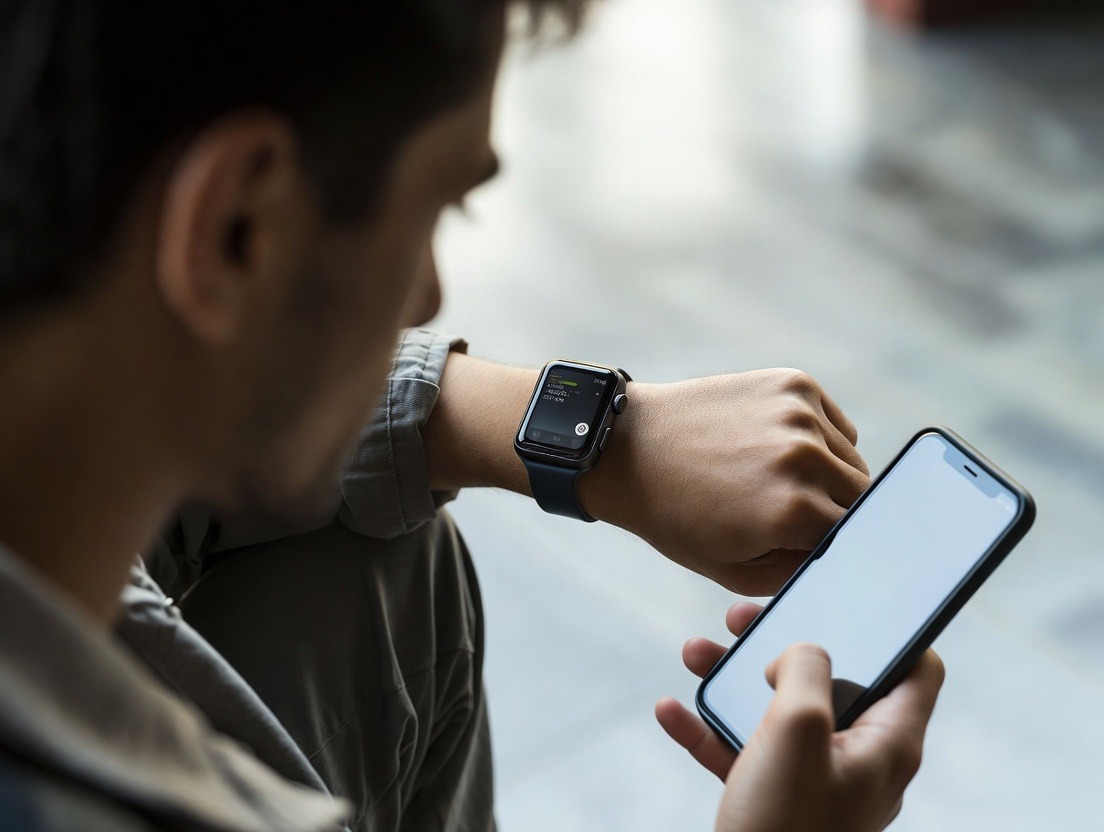
In our perpetually "on" culture, chronic stress is a silent pandemic. Its effects are not merely psychological; they are profoundly physiological, eroding resilience and paving the way for disease. Stress dysregulates the immune system (making you more susceptible to infections and potentially exacerbating autoimmune conditions), disrupts digestion, and impairs cognitive function. The wellness ring makes the invisible burden of stress visible and quantifiable, turning the abstract concept of "burnout" into a series of actionable data points.
HRV: The Direct Stress Gauge
Heart Rate Variability is the premier objective metric for stress and recovery status. When the sympathetic nervous system is activated (stress response), heartbeats become more uniform, lowering HRV. Chronic stress leads to chronically suppressed HRV. The ring provides an ongoing readout of your autonomic nervous system balance, showing you:
Sleep as the Canary in the Coal Mine
Stress and sleep have a vicious bidirectional relationship. Stress causes poor sleep, and poor sleep lowers stress resilience. The ring's sleep analysis provides undeniable proof of this cycle:
Seeing "Restless - 12 awakenings" and a graph showing minimal deep sleep after a stressful day is powerful feedback. It moves "I'm stressed" from a feeling to a measurable physiological outcome with real health costs.
Respiratory Rate and Readiness
An elevated resting respiratory rate is a classic sign of the body being in a heightened state of arousal or anxiety. Tracking this metric can help users identify periods of subconscious stress and employ breathing techniques (like box breathing) to consciously lower it, engaging the parasympathetic nervous system.
Preventing Burnout and Immune Dysfunction
Burnout isn't just feeling tired; it's a state of systemic dysregulation. By monitoring the triad of HRV, sleep quality, and RHR trends, a wellness ring can provide early warnings of impending burnout long before fatigue becomes debilitating.
This is intrinsically linked to immune function. The body in a high-stress, low-recovery state diverts resources away from the immune system. It's no coincidence that people often get sick after periods of intense stress or poor sleep. By using ring data to guide periods of deliberate rest and recovery, users can actively support their immune resilience. They can see that pushing through "just one more week" at a frenetic pace comes at a clear, quantifiable cost to their physiological capital.
The ring becomes a biofeedback tool for mental well-being. By experimenting with different stress-reduction techniques—whether it's a 10-minute meditation, a lunchtime walk, or turning off notifications after 8 PM—users can see in near real-time which practices most effectively improve their recovery metrics. This creates a powerful positive reinforcement loop for healthy behaviors, building resilience from the inside out. For those beginning this journey, our guide on wellness ring basics for beginners is an excellent starting point.
Sleep is not a passive state; it is an active, vital physiological process. Sleep disorders, therefore, are not mere inconveniences—they are direct attacks on systemic health. From the subtle insomnia driven by circadian misalignment to the severe, oxygen-depriving events of sleep apnea, disordered sleep accelerates nearly every disease process we've discussed. The wellness ring's ability to act as a sophisticated, at-home sleep study tool is perhaps its most clinically significant preventive feature.
Sleep Apnea and Nocturnal Hypoxia
Obstructive Sleep Apnea (OSA) involves repeated episodes of complete or partial upper airway obstruction during sleep, leading to drops in blood oxygen (hypoxia) and frequent arousals. It is drastically underdiagnosed, yet it is a leading cause of secondary hypertension, atrial fibrillation, heart failure, and insulin resistance.
How the Ring Detects It:
While a ring cannot provide a formal diagnosis (which requires a polysomnogram), it can provide a powerful risk assessment. A user seeing a report of "Possible Sleep Disturbances Detected" with graphs showing frequent oxygen dips and a jagged heart rate trace has compelling evidence to bring to a doctor and request a sleep study. This early detection can be life-changing, leading to CPAP therapy or other interventions that dramatically reduce cardiovascular and metabolic risk.
Insomnia and Circadian Rhythm Disorders
For those struggling with falling or staying asleep, the ring provides objective data beyond subjective fatigue.
This data helps differentiate between sleep onset insomnia, sleep maintenance insomnia, or simply insufficient time in bed. Furthermore, by tracking skin temperature rhythms, the ring can reveal if your body's natural cooling process (essential for sleep initiation) is delayed, indicating a circadian rhythm misalignment common in shift workers or "night owls."
The Impact on Disease Trajectories
Consistently poor sleep data is a unifying thread in early disease development:
By identifying and prompting treatment for sleep disorders, the wellness ring intervenes at a root-cause level for multiple disease pathways. It transforms sleep from a mystery into a managed pillar of health.
Data without action is merely trivia. The ultimate value of a wellness ring is its ability to close the loop—to translate complex biometric trends into simple, personalized, and sustainable daily behaviors that move the needle on health. This is where the technology evolves from a monitoring tool into a true health coach.
The Feedback Loop of Behavior Change
The most powerful motivator for change is immediate, personal feedback. The ring creates this perfectly:
This loop can be applied to countless interventions:
Dynamic Activity and Recovery Guidance
Based on your Readiness or Recovery Score (a composite index typically derived from HRV, RHR, sleep, and temperature), the ring can provide daily recommendations:
This prevents the common trap of overtraining or pushing through illness, which can suppress the immune system and lead to injury or burnout. It teaches users to listen to their bodies' signals with precision.
Nutrition and Meal-Timing Insights
While rings don't track calories, their data provides indirect feedback on dietary choices. A user might notice that meals high in processed carbohydrates late in the evening consistently lead to restless sleep and a higher morning resting heart rate. Conversely, a balanced meal with protein and fiber might correlate with better sleep metrics. This fosters a mindful, experimental approach to nutrition based on individual physiological responses.
Stress Management Personalization
By seeing which activities genuinely calm their nervous system (as shown by a rising HRV), users can build a personalized stress-management toolkit. For one person, it might be reading fiction. For another, it's weightlifting or deep breathing exercises. The data removes the guesswork, directing effort toward what actually works for their unique physiology.
This journey from data to daily life is where prevention becomes practical. It empowers individuals to become the primary architects of their own health, using a continuous stream of personalized evidence to guide their choices. For a comprehensive look at how this integrates with broader health ecosystems, see our article on wellness ring integration with other health apps.
Beneath the surface of most chronic diseases—from arthritis and diabetes to heart disease and even Alzheimer's—burns a common flame: systemic, low-grade inflammation. Unlike acute inflammation, which is a healthy, localized response to injury or infection, this chronic state is a slow, smoldering fire that damages tissues and disrupts normal cellular function over decades. For the longest time, detecting this internal fire required specialized blood tests (like CRP or interleukin-6) ordered by a doctor, often only after symptoms appeared. Wellness rings are now providing a continuous, non-invasive window into inflammatory processes, allowing for early intervention before the damage is done.
Inflammation triggers a cascade of physiological changes, many of which manifest in the biomarkers a wellness ring tracks with high fidelity.
From Detection to Anti-Inflammatory Action
The power of this tracking is not in diagnosing a specific inflammatory disease, but in revealing the inflammatory state of the body. This empowers highly targeted, preventive lifestyle medicine.
This capability transforms the ring from a fitness device into a fundamental tool for lifestyle-based anti-inflammatory therapy. It allows individuals to identify and mitigate the daily drivers of inflammation long before they crystallize into a named disease. For insights on how this data can guide long-term vitality, our article on 50 healthy aging tips a smart ring helps implement daily provides a wealth of actionable strategies.

The preventive power of continuous biometric monitoring is not one-size-fits-all. Different life stages and physiological states present unique risks and opportunities for early intervention. The wellness ring’s value is magnified when its data is contextualized for these specific populations.
Women's Health and Hormonal Intelligence
For women, the menstrual cycle is a central, recurring physiological rhythm that influences nearly every biomarker. A wellness ring, by establishing a cyclical baseline, becomes an invaluable tool for understanding hormonal health.
The Aging Population: Preserving Independence and Vitality
For older adults, the primary health goals shift towards maintaining functional independence, preventing falls, managing chronic conditions, and catching acute issues like infections early. A wellness ring addresses these with discreet, continuous monitoring.
These populations often share a trait: they prioritize the needs of others (a company, a family member) above their own physiological signals until a crisis occurs. For them, the ring acts as an objective, non-negotiable health CFO.
In each case, the ring moves prevention from a generic public health message to a personalized, stage-of-life-specific guidance system. For more on how different users leverage this data, explore real-world customer reviews and user experiences.
We are on the cusp of moving from reactive and even proactive monitoring to truly predictive health. The next frontier for wellness ring technology lies in advanced artificial intelligence that doesn't just report on the present or past, but forecasts future health risks based on converging biometric trends. This transforms the device from a historian into a prophet, offering the ultimate form of prevention: intervention before a trend becomes a trajectory.
Current ring algorithms are excellent at detecting deviations from a personal baseline. Next-generation AI, trained on massive, anonymized datasets spanning millions of user-years of biometric data, will identify complex, multivariate patterns that precede specific health events.
The Integrated Health Ecosystem
The predictive power will explode when ring data is integrated, with user permission, into a broader digital health ecosystem.
Ethical Considerations and the Human Touch
This predictive future raises important questions. Data privacy and security become paramount—the need for robust encryption and clear user control over data is non-negotiable. There is also a risk of "data anxiety" or over-medicalization of normal life variations. The role of the technology must be to empower, not alarm. The goal of a predictive alert is not to deliver a diagnosis, but to provide a window of opportunity for lifestyle-based intervention or a timely conversation with a healthcare professional.
The "doctor in your ring" is not a replacement for human medical expertise. It is, instead, a supremely knowledgeable assistant that gathers continuous data no human ever could, ensuring that when you do see your doctor, the conversation is informed, efficient, and focused on true prevention. To glimpse where this technology is headed, read our exploration of the future of wearable health tech.
The intimate nature of the data collected by a wellness ring—your sleep patterns, your stress levels, the rhythm of your heart—demands an equally intimate commitment to ethical stewardship. Trust is the currency of this new health paradigm. Without absolute confidence in how their data is used, stored, and protected, users will never fully embrace the preventive potential of this technology. Therefore, the most advanced sensor suite is meaningless without an equally sophisticated framework for privacy and security.
The Non-Negotiable Principles of Biometric Data
Security: Building the Digital Fortress
The security protocols for a wellness ring company must be equivalent to those of a financial institution or hospital.
Navigating the Ethical Gray Areas
The technology will inevitably outpace regulation. Ethical companies must proactively engage with these dilemmas:
Choosing a wellness ring provider is, therefore, not just a choice of hardware, but a choice of a data partner. It is critical to select a company whose values on privacy are as clearly articulated as its sensor specifications. For a detailed look at how leading providers approach this, our guide to wellness ring privacy settings and data security is an essential resource.
With the market for wellness rings expanding, choosing the right one can feel overwhelming. The decision, however, should be guided by aligning the device's capabilities with your primary prevention goals. It's not about finding the "best" ring in a vacuum, but the best ring for you. This selection process is the critical first step in building your personal early-warning system.
Defining Your "Why": The Goal-Driven Selection
Before comparing specs, clarify your intent. Your priority will determine which features are non-negotiable.
The Critical Evaluation Criteria
Once you know your "why," evaluate rings against these concrete criteria:
Avoiding Common Pitfalls
Selecting your ring is an investment in your future health. Taking the time to make an informed choice ensures the device becomes a seamless, trusted part of your preventive healthcare routine for years to come. For a head-to-head look at how major brands compare, our wellness ring comparison chart for top brands provides a neutral starting point for your research.

You've selected your ring, it's arrived, and it's on your finger. Now what? The first 90 days are a critical period of learning, calibration, and habit formation. This is when you move from being a passive wearer to an active, empowered health advocate. Follow this phased guide to build a solid foundation for lifelong prevention.
Phase 1: Weeks 1-4 — The Observation Period (Calibrate Your Baseline)
Goal: Gather data without judgment. Let the ring learn you, and you learn the ring.
Phase 2: Weeks 5-8 — The Discovery & Experimentation Period (Correlate Cause and Effect)
Goal: Start connecting the dots between your life and your data.
Phase 3: Weeks 9-12 — The Integration & Optimization Period (Build Your Protocol)
Goal: Formalize your learnings into sustainable, personalized health protocols.
By the end of 90 days, the ring will feel like a natural extension of your self-awareness. You'll have moved from data overload to data fluency, using your unique biometric feedback to make informed choices that actively steer you away from disease and toward sustained vitality. For a masterclass on getting from unboxing to expert user, our wellness ring mastery guide takes you even deeper.
The journey to proactive, data-informed health is not without its psychological and practical hurdles. For all its potential, the wellness ring can be met with skepticism, can induce anxiety in some users, and may simply feel like too much information to process. Acknowledging and navigating these barriers is essential for moving from early adoption to mainstream, sustainable use as a true preventive health tool.
Addressing Medical and Personal Skepticism
The "It's Just a Gadget" Perception: Some healthcare professionals and individuals view wearables as unproven consumer toys. The counter is found in the growing body of clinical validation. Studies published in journals like The Lancet Digital Health and JAMA Cardiology are demonstrating the diagnostic accuracy of PPG-based AFib detection and the clinical utility of continuous monitoring for conditions like hypertension and heart failure. The key is to present the ring not as a diagnostic device, but as a risk-assessment and trend-identification tool that generates high-value data for the medical team. When a patient arrives with a 90-day trend graph of rising nocturnal heart rate and poor recovery, it provides objective evidence that commands clinical attention.
The "I Feel Fine" Paradox: The greatest challenge in preventive health is motivating action in the absence of symptoms. Humans are wired to respond to acute pain, not silent trends. The wellness ring bridges this gap by making the invisible visible. It translates the abstract future risk of diabetes into a tangible, present-moment graph of poor sleep and low HRV. It reframes prevention from a vague concept ("I should be healthier") into a concrete, data-driven game where you can see yourself winning (improving trends) or losing (worsening trends) in real-time. It provides the "why" for action before a crisis provides a much more painful one.
A subset of users may become overly fixated on daily fluctuations, leading to health anxiety—a state often called "cyberchondria" or being part of the "worried well."
Strategies for Healthy Engagement:
From Overwhelm to Actionable Insight
For beginners, the dashboard can look like a pilot's cockpit. Overcoming this requires progressive disclosure in app design and user education.
By anticipating and addressing these barriers head-on, users can build a balanced, empowered relationship with their data—one rooted in curiosity rather than fear, and in proactive optimization rather than obsessive tracking.
The most powerful preventive healthcare system is not one where technology replaces the physician, but where it creates a seamless, collaborative partnership between the informed individual and the medical professional. The wellness ring is the communication bridge in this new model, transforming the traditional 15-minute annual physical into a continuous, data-rich dialogue.
Empowering the Patient-Provider Conversation
Imagine two different doctor's visits:
The Ring as a Remote Monitoring Tool
For chronic disease management, this synergy is revolutionary.
This requires healthcare systems to adapt and for providers to become literate in interpreting this new data stream. The forward-thinking medical community is already embracing this, as explored in our article on what doctors find most useful in wellness ring data. The future electronic health record will likely have a panel for "continuous biometric trends" alongside lab results and imaging reports.
A Call for Integrative Frameworks
The ultimate goal is a fully integrated framework where, with patient consent, de-identified or summarized ring data flows securely into the healthcare record, and where clinicians can prescribe specific monitoring protocols ("Monitor your sleep and recovery for two weeks after starting this new SSRI"). This collaborative model democratizes expertise—the individual brings deep, continuous self-knowledge, and the clinician brings diagnostic expertise and therapeutic authority. Together, they form a far more effective team for true prevention.
We stand at an inflection point in the history of personal health. For millennia, we have been passengers in our own bodies, interpreting its signals through a fog of subjective feeling and responding only when those signals became screams of pain or dysfunction. The rise of the modern wellness ring signifies a profound transfer of agency. It provides us with a continuous, objective translation of our body's subtle language, offering a clear readout of our internal state not once a year, but every minute of every day.
This is not about biohacking for marginal gains or chasing an elusive state of perfect optimization. This is about the fundamental human desire for agency and longevity. It is about preventing the preventable.
The narrative we have traced is clear:
The journey begins with a single step: the decision to listen more closely. To choose awareness over ambiguity. It begins by recognizing that the most powerful form of healthcare is the kind that happens in the 8,760 hours between doctor's visits—in your home, at your job, during your sleep. It happens with a silent guardian on your finger, compiling the story of your health one heartbeat, one breath, one night at a time.
The goal is not a life lived staring at charts, but a life lived with confidence and vitality, informed by the quiet assurance that you are actively participating in your own well-being. You are no longer waiting for fate. You are reading the map and steering the ship.
The future of prevention is not in a distant lab; it is on your finger, and it starts today.
Ready to Begin Your Prevention Journey?
If the potential of continuous health tracking resonates with you, the next step is exploration. We invite you to:
Your most valuable asset is your health. Empower it.
Your Trusted Sleep Advocate (Sleep Foundation — https://www.sleepfoundation.org/)
Discover a digital archive of scholarly articles (NIH — https://www.ncbi.nlm.nih.gov/
39 million citations for biomedical literature (PubMed — https://pubmed.ncbi.nlm.nih.gov/)
experts at Harvard Health Publishing covering a variety of health topics — https://www.health.harvard.edu/blog/)
Every life deserves world class care (Cleveland Clinic -
https://my.clevelandclinic.org/health)
Wearable technology and the future of predictive health monitoring. (MIT Technology Review — https://www.technologyreview.com/)
Dedicated to the well-being of all people and guided by science (World Health Organization — https://www.who.int/news-room/)
Psychological science and knowledge to benefit society and improve lives. (APA — https://www.apa.org/monitor/)
Cutting-edge insights on human longevity and peak performance
(Lifespan Research — https://www.lifespan.io/)
Global authority on exercise physiology, sports performance, and human recovery
(American College of Sports Medicine — https://www.acsm.org/)
Neuroscience-driven guidance for better focus, sleep, and mental clarity
(Stanford Human Performance Lab — https://humanperformance.stanford.edu/)
Evidence-based psychology and mind–body wellness resources
(Mayo Clinic — https://www.mayoclinic.org/healthy-lifestyle/)
Data-backed research on emotional wellbeing, stress biology, and resilience
(American Institute of Stress — https://www.stress.org/)


