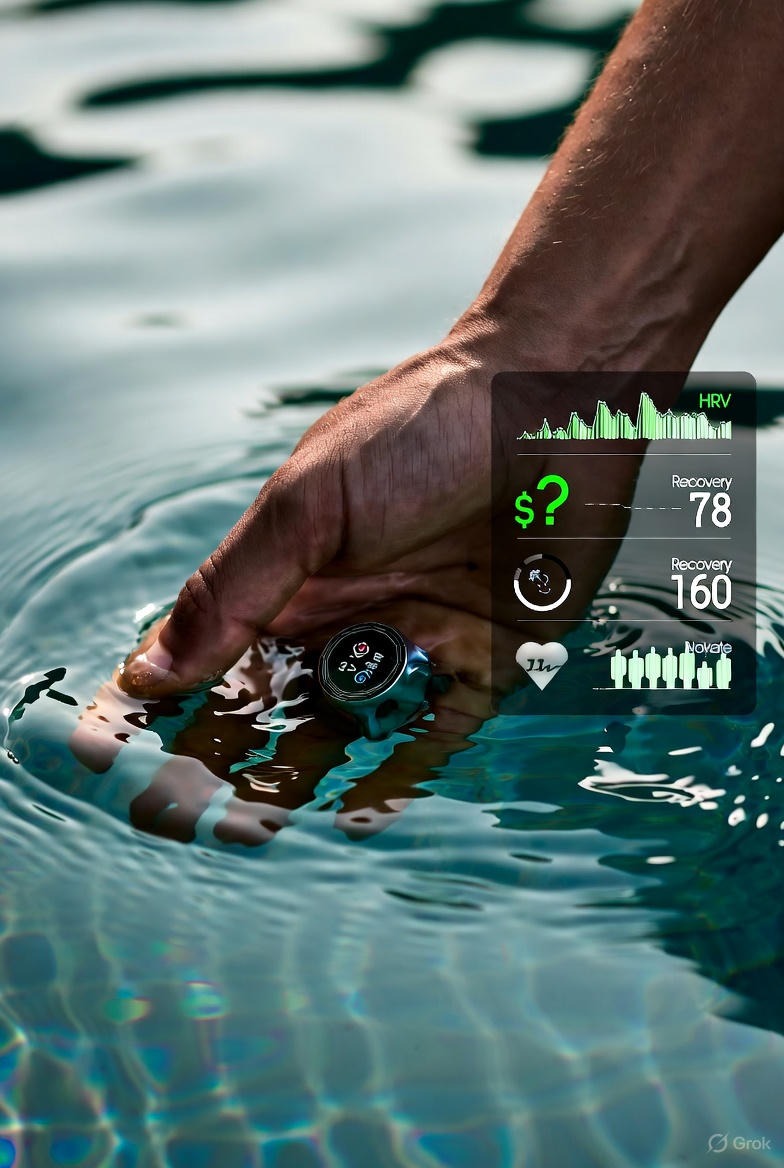
How Smart Rings Democratized Advanced Health Monitoring
How rings democratized access to advanced health insights.
How Smart Rings Democratized Advanced Health Monitoring
For decades, the most profound insights into our personal health were locked away. They resided in sterile clinics, required appointments weeks in advance, and were interpreted through cryptic charts only a specialist could decode. Understanding your body’s intricate rhythms—your sleep architecture, your stress response, your cardiovascular efficiency—was a privilege of the few: elite athletes with team doctors, or patients under intensive hospital supervision. For the average person seeking proactive wellness, the data was either inaccessible, unaffordable, or unbearably inconvenient.
Then, the wearable revolution began, promising to change everything. Wristbands and smartwatches brought step counting and heart rate to the masses. Yet, a paradox emerged. The devices became smarter, but also more intrusive. They buzzed with notifications, demanded daily charging, and often felt like a tether to digital noise rather than a gateway to bodily wisdom. The quest for true, continuous, and unobtrusive health monitoring remained unfulfilled. The data was often fragmented, the experience clunky, and the goal of seamless, 24/7 insight felt just out of reach.
Enter the smart ring. A deceptively simple piece of jewelry, it has quietly ignited the most significant shift in personal health technology since the smartphone. By moving advanced sensors from the wrist to the finger, this minimalist device has done something revolutionary: it has democratized advanced health monitoring. It has taken the clinical-grade biometrics once reserved for labs and made them accessible, affordable, and wearable for every single person, every single day. This isn't just an upgrade to a fitness tracker; it's a fundamental reimagining of who gets to own their health data and how that data integrates into a life well-lived.
This article explores the profound journey of how a simple band of titanium or ceramic became the great equalizer in health technology. We will trace the path from exclusive medical devices to the accessible wellness companion on your finger, uncovering the technological, cultural, and psychological shifts that made it possible. We’ll delve into the science that makes it credible, the design that makes it invisible, and the data that makes it empowering. This is the story of how health insight finally found its perfect form factor, and in doing so, placed the power of prevention and deep self-knowledge directly into the hands—or rather, onto the fingers—of us all.
The Exclusive Past: When Advanced Health Monitoring Was a Luxury
To truly appreciate the democratizing power of the smart ring, we must first understand the walled garden it tore down. Just fifteen years ago, obtaining a comprehensive picture of your personal health outside of acute illness was a journey fraught with barriers.
The Clinic-Confined Paradigm Advanced monitoring was synonymous with clinical settings. Polysomnography (PSG) for sleep required an overnight stay in a lab, covered in wires, in an unfamiliar bed. Continuous ECG monitoring meant wearing a bulky Holter monitor with electrodes stuck to your chest for 24-48 hours, its wires snagging on clothing. Measuring heart rate variability (HRV)—a key indicator of nervous system balance and recovery—was a complex process involving specialized chest straps and software used primarily by researchers and high-performance coaches. These tools were powerful, but they were episodic, expensive, and profoundly inconvenient. They provided a snapshot taken under artificial conditions, not a continuous story of your life.
The High-Performance Privilege Outside the hospital, this technology was the exclusive domain of professional sports. Olympic athletes had access to lactate threshold testing, VO2 max analysis, and advanced sleep tracking as part of their training regimens. Fortune 500 CEOs might have had executive wellness programs that included similar biometric screenings. For the rest of the population, these metrics were abstract concepts, not daily data points. Your "fitness level" was a guess, your "sleep quality" was a feeling, and your "stress resilience" was something you only understood after you were already burned out.
The Dawn of Consumer Wearables: A First, Flawed Step The first wave of consumer fitness trackers in the early 2010s began to chip away at this exclusivity. Devices from Fitbit and others popularized step counting and basic activity tracking. They introduced the masses to the concept of quantified self-movement. However, their limitations were stark.
Data Depth: They offered outputs (steps, "floors," crude sleep stages) without physiological context.
Accuracy & Placement: Wrist-based optical heart rate sensors struggled with motion artifact and skin tone accuracy. The data was often unreliable for anything beyond resting heart rate.
The Notification Nightmare: As these devices evolved into smartwatches, their primary function often shifted from health companion to digital leash—a second screen for emails, messages, and apps. The very device meant to improve your wellness became a source of constant distraction and stress.
This era created a new kind of health disparity: not just access to care, but access to understanding. People knew they wanted more—more insight, more accuracy, more actionable data—but the tools were either too clinical or too consumer-grade. There was a vast, unoccupied middle ground between a $10,000 hospital ECG and a $150 watch that buzzed every time you got a Twitter like.
The stage was set for a disruption. The market needed a device that could bridge this chasm: one with the biometric credibility of medical equipment, the convenience of jewelry, and the singular focus on the user’s health, not their inbox. This gaping need is what created the perfect conditions for the smart ring to emerge from niche prototypes to mainstream necessity. The journey from those early, exclusive tools to the accessible technology of today is a fascinating one, which you can explore further in our article on the evolution of health tracking technology.
The Wristband Problem: Why Watches and Bracelets Hit a Wall
The smartwatch and fitness band became ubiquitous, but their dominance highlighted inherent flaws in the wrist-as-health-hub model. These limitations weren't just minor inconveniences; they were fundamental roadblocks to achieving truly continuous, accurate, and user-centric health monitoring. Understanding these shortcomings is key to understanding why the finger presented such an elegant solution.
The Accuracy Conundrum The wrist is a terrible place for consistent biometric measurement. It’s in constant motion, its blood flow is less robust than central arteries, and its bone and tendon structure creates a poor optical seal for sensors.
Motion Artifact: Any movement of the hand—typing, cooking, gesturing—can introduce noise into heart rate and especially heart rate variability (HRV) data. This is why early wrist-based HRV readings were often dismissed by experts.
Fit Issues: A watch must be loose enough to be comfortable but tight enough for sensor contact, a balance rarely achieved. It can slide during sleep or during vigorous activity, creating gaps in data.
The "Cafeteria Coronary" Effect: During periods of low blood flow or cold temperatures, optical sensors on the wrist can struggle to get any reading at all.
The Intrusion Dilemma Smartwatches succeeded commercially by being multi-functional, but this was their Achilles' heel for dedicated health monitoring.
Notification Fatigue: The constant stream of pings, buzzes, and taps turns a wellness device into a stress vector. The anticipation of notifications can increase anxiety and disrupt focus, directly counteracting goals of mindfulness and recovery.
Battery Life Anxiety: Daily or sometimes twice-daily charging creates data gaps. The most critical period for recovery metrics—overnight sleep—is often when people charge their watches, creating a paradoxical blackout of information when it's most needed.
Social & Physical Intrusion: A glowing screen on your wrist is socially noticeable in meetings or at dinner. For some, it's physically uncomfortable to sleep with a large, rigid device.
The Singular Insight Shortfall While watches collect data from the wrist, they often lack a holistic, multi-sensor approach to interpreting that data. Early algorithms focused on isolated metrics: sleep or activity or heart rate. The body, however, is an interconnected system. Stress affects sleep, sleep affects recovery, recovery affects workout performance. Wristbands, by design and function, often failed to connect these dots in a meaningful, actionable way for the user.
The market was ripe for a device that could solve for:
Superior Accuracy: Via a better vascular location and reduced motion.
Unobtrusive Design: Something you could forget you were wearing, 24/7.
Unbroken Data Continuity: Enabled by week-long battery life.
Singular Focus: A device dedicated to health, not digital distraction.
The search for this solution didn't lead to a better watch. It led to an entirely new form factor. As the limitations of wrist-based tracking became apparent, innovators began looking at a part of the body long recognized in medicine for its diagnostic potential: the finger. For those curious about how sensor technology has evolved to overcome these challenges, our deep dive into the science behind modern health tracking technology provides a comprehensive look.
Birth of a Category: The Early Days of Smart Ring Prototypes and Pioneers
The concept of a ring as an intelligent device isn't as new as one might think. Its journey from science fiction to niche curiosity to viable product is a story of converging technologies and visionary persistence. The smart ring didn't emerge fully formed; it was born from decades of incremental innovation in miniaturization, sensor technology, and material science.
Science Fiction to Rudimentary Reality Long before they were feasible, smart rings captured the imagination. From the communicator rings in comic books to the payment and ID rings in cyberpunk novels, the idea of a powerful device concealed in jewelry was a persistent trope. The first real-world steps were modest. Early 2000s saw attempts like the "Magic Ring" concept—a Bluetooth ring for rudimentary gesture control or as a notification device. These were digital accessories, not health tools, and they were hampered by bulky batteries and limited connectivity.
The Medical Fingerprint Crucially, the medical world had long validated the finger as a prime biometric site. The pulse oximeter, a clip-on device that measures blood oxygen saturation (SpO2) via the fingertip, became a hospital staple. Why the finger? It has a dense capillary bed, providing a strong signal for optical sensors. This medical precedent provided the foundational "aha" moment: if the finger is good enough for clinical SpO2, it could be ideal for other photoplethysmography (PPG)-based measurements like heart rate, HRV, and even blood flow.
Niche Beginnings and The Oura Breakthrough The first serious forays into health-focused smart rings came from small startups and passionate inventors. Early prototypes were often crowdfunded, bulky, and focused on a single function, like contactless payment or authentication. The landscape changed dramatically with the 2015 launch of the Ōura Ring. Ōura didn't try to be a watch. It was conceived from the ground up as a dedicated sleep and recovery tracker. Its genius was in its focus. It used the finger's vascular advantage to gather high-fidelity PPG data, combined with a 3D accelerometer and temperature sensors. Most importantly, it paired this hardware with algorithms designed not just to collect data, but to generate insights—a Readiness Score that synthesized sleep, activity, and physiological strain into a single, digestible metric. Ōura proved the market existed. It attracted a cult following among biohackers, Silicon Valley elites, and professional athletes who valued its accuracy and minimalism. It demonstrated that people would pay a premium for deep health insights delivered without a screen. For a deeper look at how these pioneers shaped the market, including comparisons of what followed, our wellness ring basics comparison chart of top brands offers valuable context.
The Material and Manufacturing Hurdle Creating a smart ring is an engineering marvel far more complex than a watch. Every component—battery, sensors, antenna, processor—must be fitted into a tiny, curved, rigid enclosure that is also durable and comfortable for constant wear. Early manufacturers struggled with:
Battery Life vs. Size: Packing enough power for multiple days into a ring-sized battery.
Sensor Integration: Aligning multiple optical sensors and an accelerometer on a curved surface to maintain skin contact.
Durability: Creating a device that could withstand water, shocks, and daily wear without being a bulky eyesore.
Sizing: Creating a system that ensured a perfect, consistent fit—critical for data accuracy—across a global customer base with varying finger shapes.
The success of early pioneers like Ōura did not immediately democratize the technology; their high price points kept them in the luxury/enthusiast category. But they proved the concept was viable, desirable, and powerful. They showed the world that the future of personal health monitoring wasn't on your wrist, waiting to distract you. It was on your finger, waiting to inform you. This breakthrough paved the way for the next, crucial phase: making the technology accessible. This journey from niche to mainstream is a core part of Oxyzen's own story and vision.
The Democratization Engine: How Technology Became Accessible
The transformation of smart rings from a luxury for early adopters to an accessible tool for the mainstream wasn't accidental. It was driven by a powerful, multi-faceted engine of technological and economic forces that converged to lower barriers to entry. This democratization engine had several key pistons firing in unison.
The Smartphone Supply Chain Miracle The single biggest driver of accessibility was the pre-existing, hyper-optimized global supply chain built for smartphones. Smart rings could piggyback on a decade of R&D investment they didn't have to make.
Sensor Miniaturization: The demand for thinner phones with better cameras and health features (like heart rate monitors) led to the mass production of incredibly tiny, yet powerful, optical PPG sensors, accelerometers, and gyroscopes. These "off-the-shelf" components became cheap and plentiful.
Battery Advances: The quest for longer phone battery life drove innovations in lithium-ion energy density. Small, curved batteries suitable for rings became manufacturable at scale.
Bluetooth Low Energy (BLE): This ubiquitous, low-power wireless standard was perfected for smartphone peripherals. It allowed rings to transmit data continuously for days without draining their tiny batteries.
The Algorithmic Leap: From Data to Wisdom Hardware is useless without software to interpret its signals. The democratization of Artificial Intelligence (AI) and machine learning was the second critical piston.
Cloud Computing: Startups no longer needed supercomputers. They could rent processing power from AWS or Google Cloud to train complex algorithms on massive datasets of biometric information.
Large, Diverse Datasets: As more people wore early devices, companies amassed anonymized data on millions of nights of sleep, heartbeats, and activity periods. This data was used to train algorithms to be more accurate, more personalized, and more resilient to noise (like movement during sleep). The algorithm in a $300 ring today is arguably more sophisticated than what was in a $10,000 research device a decade ago, thanks to this data flywheel.
The "Fashion-Tech" Convergence and Competitive Market As the core technology became cheaper, the focus expanded from pure function to form and fashion. This was essential for mass adoption.
Material Innovation: The use of titanium, ceramic, and durable coatings—materials already common in jewelry manufacturing—made rings lightweight, hypoallergenic, and aesthetically pleasing. They stopped looking like gadgets and started looking like accessories. For a guide to these materials, see our article on wellness ring basics: materials and hypoallergenic options.
Market Competition: The success of early players attracted new entrants. Companies like Oura were joined by others, including newer, mission-driven brands focused on accessibility. This competition drove innovation in features, battery life, and design while also putting downward pressure on prices over time. A brand like Oxyzen entered the space with a mission to deliver this advanced technology at a more accessible point, focusing on user-centric design and clarity of insight.
Direct-to-Consumer (DTC) Models: By selling online and controlling the customer experience, brands could offer premium products at lower price points than traditional retail markups would allow. They could also gather direct feedback to iterate products faster.
The Cultural Tipping Point: A Society Ready for Prevention Finally, technology met a society whose mindset had shifted. The rise of wellness culture, the trauma of a global pandemic, and growing frustration with reactive healthcare created a massive, ready-made audience. People were no longer satisfied with just tracking steps; they wanted to understand their immune readiness, their stress load, their sleep quality. They were thinking in terms of prevention, not just diagnosis. The smart ring, with its continuous, holistic data, was the perfect tool for this new mindset. This alignment of affordable technology, sophisticated software, and cultural readiness is what truly flung the doors open. Now, advanced health monitoring wasn't just for the athlete or the executive; it was for the teacher, the parent, the student, the retiree—anyone invested in taking proactive charge of their wellbeing. To understand how this technology enables a preventive approach, explore our resource on enabling preventive health monitoring.
Core Biometrics Unlocked: What Your Finger Can Tell You That Your Wrist Can't
The finger's unique vascular and anatomical position unlocks a tier of biometrics with a level of consistency and clinical relevance that the wrist struggles to match. This isn't about counting steps more accurately; it's about accessing a deeper layer of physiological truth. Here’s a breakdown of the core health signals a modern smart ring excels at capturing, and why their democratization is so powerful.
1. Sleep: The Gold-Standard in Discreet Analysis Sleep is the foundation of health, and the ring is its perfect biographer. While wristbands estimate sleep, rings are positioned to define it.
Precise Sleep Staging: The combination of high-fidelity heart rate, HRV, and body temperature data from the finger’s rich blood flow allows algorithms to distinguish between light, deep, and REM sleep with accuracy that rivals much more intrusive methods. The ring detects the subtle autonomic shifts—the drop in heart rate and rise in HRV at deep sleep onset, the temperature fluctuations across the night—that wrist-based movement alone cannot.
Unobtrusive Comfort: People are far more likely to consistently wear a small, smooth ring to bed than a bulky watch. This leads to more nights of data and a truer baseline.
Beyond Stages: Advanced rings track sleep latency (how long it takes to fall asleep), restlessness, and timing relative to your circadian rhythm. This holistic view transforms sleep from a duration metric into a quality metric.
2. Heart Rate Variability (HRV): The Nervous System Barometer HRV is the minute variation in time between each heartbeat. It is the single most powerful, non-invasive indicator of autonomic nervous system balance, recovery status, and overall stress resilience. Historically, measuring it required a chest strap.
The Finger Advantage: The finger's strong PPG signal is ideal for detecting the subtle pulse wave variations that calculate HRV. Because the ring is worn all night, it can capture your nighttime HRV—considered the most reliable and physiologically meaningful reading, as it's taken when you are fasted, at rest, and free from daily stressors. Democratizing access to this biomarker means anyone can now see if their body is in "fight-or-flight" (low HRV) or "rest-and-digest" (high HRV) mode.
3. Body Temperature: The Silent Baseline Shifter Core body temperature follows a daily circadian rhythm, and even slight baseline shifts (like a sustained elevation of 0.5°C) can indicate the onset of illness, ovulation, or metabolic changes.
Continuous Basal Tracking: Smart rings with skin temperature sensors can track this baseline 24/7. This is a revolutionary form of monitoring. It can provide early warnings of viral infection before symptoms appear, help women track their fertile window and cycle health, and offer insights into metabolic efficiency. This was a metric almost impossible to track continuously before smart rings.
4. Resting Heart Rate (RHR) & Respiratory Rate
True Resting Heart Rate: By analyzing heart rate data during confirmed periods of deep sleep, rings establish a true, unaffected RHR baseline. A creeping elevation in RHR can be a sign of overtraining, insufficient recovery, or impending illness.
Respiratory Rate: The rhythm of your heartbeat is intrinsically linked to your breathing. Advanced algorithms can derive respiratory rate (breaths per minute) from the PPG signal. Changes in nighttime respiratory rate can be an indicator of sleep disturbances or other health issues.
5. Activity & Recovery: The Yin and Yang Rings complete the picture by tracking activity (through 3D accelerometry) but contextualize it uniquely.
The Readiness/Recovery Model: This is the killer app. Instead of just shouting "MOVE MORE!" like early trackers, a smart ring synthesizes your sleep data, HRV, RHR, and temperature to produce a Readiness or Recovery Score. It answers the critical question: "Based on how my body has recovered, how much stress should I take on today?" It democratizes the coaching logic of elite athletes: some days you push, some days you pull back. For practical tips on using this data as you age, our guide on 50 healthy aging tips a smart ring helps implement daily is an excellent resource.
By placing these interconnected biomarkers into an accessible, always-on device, the smart ring gives everyone a personal dashboard for their most vital systems. It turns abstract health concepts into tangible, daily data, empowering informed lifestyle choices. This is the essence of democratized knowledge.
The Invisible Interface: Design Philosophy and User Experience (UX)
The democratization of advanced health monitoring hinged not just on making the technology affordable, but on making it disappear. The smart ring's ultimate triumph is its design philosophy: to be an invisible interface between your body's internal world and your conscious mind. This commitment to seamless user experience (UX) is what transformed it from a niche gadget into a daily life essential.
Form Follows Physiology: The Jewelry Mandate A health device you don't wear is useless. The ring's primary design constraint was that it must first and foremost be jewelry.
Minimalist Aesthetics: Successful rings shed all protrusions, buttons, and screens. They are smooth, continuous loops of titanium, ceramic, or carbon fiber. They come in finishes (brushed, matte, glossy) and, in some cases, colors that align with personal style. This focus on aesthetics is crucial; people choose to wear them as an expression of self, not just as a tool. Explore the style and color options available to see how design caters to personal preference.
All-Day, All-Night Comfort: The interior profile is carefully sculpted to distribute pressure and allow skin to breathe. Weight is minimized (often to a few grams). The goal is to reach the point of "sensory habitation"—you forget it's there until you need its insights.
The "No-Screen" Advantage: A Focus on Curation, Not Collection This is perhaps the most radical UX decision. By omitting a screen, smart rings force a paradigm shift:
From Notification Stream to Curated Insight: There is no temptation to check emails or scroll through apps. The interaction is purposeful. You open the companion smartphone app once or twice a day to review synthesized insights. This turns health monitoring into a reflective practice, not a compulsive checking habit.
Reduced Decision Fatigue: The ring and its app do the hard work of interpreting raw data. Instead of presenting 50 charts, they offer a few key scores (Readiness, Sleep, Activity) and clear, contextual highlights ("Your temperature was elevated last night, consider taking it easy"). This democratizes understanding; you don't need to be a data scientist to benefit.
The Power of Passive and Continuous Monitoring The UX is defined by its passivity.
Zero Interaction Required: You never need to "start a sleep session" or "begin a workout." It simply observes, 24/7. This eliminates user error and creates a perfectly continuous dataset. The difference between spot-checking your health and having a continuous narrative is profound.
Long Battery Life as a UX Feature: A battery that lasts 5-7 days isn't just a spec; it's a core part of the experience. Charging becomes a brief, weekly ritual (often via a sleek docking station), not a daily interruption that creates data gaps. This reliability builds trust.
The Companion App: Your Health Dashboard The smartphone app is where the ring's intelligence is fully realized. A well-designed app acts as a friendly, knowledgeable health coach.
Intuitive Visualization: Complex data is presented through clean graphs, gentle color coding (greens, yellows, reds), and digestible summaries.
Actionable Guidance: Beyond scores, the best apps offer contextual nudges. "Your sleep was restless after two glasses of wine," or "Your recovery score is high, a great day for a challenging workout." This turns data into actionable wisdom.
Trends Over Time: The real magic is in trends. Seeing how your sleep depth improves after a month of consistent bedtime, or how your baseline HRV rises with meditation practice, provides motivation and proof of progress.
This invisible, passive, curated experience is the antithesis of the noisy, demanding smartwatch. It respects the user's attention and intelligence. It provides power without burden, insight without intrusion. This thoughtful UX is what allows the technology to fade into the background of life while bringing the inner workings of the body into the foreground of understanding. For new users, getting started with this seamless experience is straightforward, as outlined in our guide on wellness ring basics for beginners.
Beyond Fitness: The Mental Health and Holistic Wellness Revolution
The initial wave of wearables was almost exclusively fixated on physical output: steps, distance, calories burned. The smart ring, by its very design and the biometrics it prioritizes, has catalyzed a critical evolution: the shift from fitness tracking to holistic wellness monitoring. This is a profound expansion of democratized health, bringing mental and emotional wellbeing into the quantified realm in a meaningful, non-invasive way.
Stress Quantified: From Feeling to Metric Stress is the great silent epidemic of modern life, but it has historically been a subjective experience—"I feel stressed." Smart rings objectify it through the language of the autonomic nervous system.
HRV as a Stress Gauge: As covered, HRV is a direct window into sympathetic ("fight-or-flight") vs. parasympathetic ("rest-and-digest") balance. A sustained dip in your HRV baseline, especially your nighttime HRV, is a quantifiable signal that your system is under strain, whether from work anxiety, emotional turmoil, or physical overtraining.
Resting Heart Rate (RHR) Correlation: A elevated RHR often accompanies periods of high stress. Seeing these two metrics trend together provides compelling, objective evidence of your stress load. This data democratizes self-awareness. It allows someone to see, for example, that a week of tight deadlines didn't just "feel" hard—it measurably depressed their nervous system recovery. This insight can be the catalyst to prioritize stress-management techniques.
Sleep as the Cornerstone of Mental Health The ring’s sophisticated sleep analysis reframes sleep as the primary pillar of mental and emotional resilience, not just physical recovery.
Correlating Mood & Sleep: Users can directly observe how nights of poor deep sleep or disrupted REM sleep correlate with days of lower energy, irritability, or brain fog. This makes the case for sleep hygiene irrefutable and personal.
Detecting Sleep Disruptors: The ring can help identify invisible disruptors. A spike in nighttime heart rate or a drop in HRV might point to late-night eating, alcohol consumption, or even undiagnosed sleep apnea. Addressing these directly benefits mental clarity and emotional stability.
The Rise of the "Digital Phenotype" By combining sleep, HRV, activity, and temperature, the smart ring helps create a user's unique "digital phenotype"—a dynamic, data-driven portrait of their overall wellbeing state. This holistic view breaks down the artificial separation between mind and body.
Preventing Burnout: By tracking the cumulative strain (via HRV and sleep trends) against activity, users can see the path to burnout before they hit the wall. The "Readiness Score" becomes a guardrail, suggesting rest when the data warrants it.
Validating Wellness Practices: The ring provides immediate, positive feedback for healthy behaviors. A user can see their HRV improve after a month of regular meditation, or their sleep score stabilize after starting a digital curfew. This turns abstract wellness advice into a validated, personalized experiment.
Empowerment Through Objectivity For those dealing with anxiety or mood disorders, this data can be empowering. It externalizes internal states, providing a check against cognitive distortions. "I feel terrible today, but my data shows I slept well and my body is recovered. Maybe this is a temporary mood, not a physical crisis." This separation of subjective feeling from objective physiological state is a powerful tool for mental health management.
In democratizing access to these nervous system and recovery metrics, the smart ring has given millions a new language for understanding their holistic health. It moves the conversation beyond "How many miles did I run?" to "How resilient is my system?" and "How well am I recovering from life itself?" This represents a seismic shift in personal health culture, one that our blog on building healthy habits explores in practical detail.
Data Ownership and Privacy: The New Frontier of Personal Health
With great data comes great responsibility. The democratization of advanced health monitoring via smart rings has ignited a crucial parallel conversation: who owns this incredibly intimate data, and how is it protected? This isn't just a technical footnote; it's a fundamental pillar of trust that determines whether this technology truly empowers or ultimately exploits the user. For a comprehensive overview of this critical topic, we've dedicated an entire resource to wellness ring privacy settings and data security.
The Intimacy of the Dataset A smart ring's data stream is arguably more sensitive than a fitness tracker's. It's not just about where you go; it's about how your body functions in its most private moments. It knows:
When you fall asleep and wake up.
Your heart's behavior, hinting at stress, excitement, or illness.
Subtle shifts in temperature linked to your menstrual cycle or infection.
Your activity and rest patterns. This is a biometric diary of your life. Democratizing access to this data means democratizing the need for robust, transparent, and user-centric data governance.
Shifting from Corporate to Personal Ownership The old medical model placed data in a hospital's file cabinet. The early tech model often placed it on a company's server under murky terms. The new frontier, driven by consumer demand and regulation, is shifting towards personal data ownership.
Transparency in Terms: Leading ring companies are now compelled to have clear, accessible privacy policies that explain what data is collected, how it is used (e.g., to improve algorithms), and with whom it is shared.
User Control Settings: Reputable apps provide granular privacy dashboards. Users can often choose whether to share anonymized data for research, opt out of certain data collections, or control how long data is stored.
The "Delete My Data" Right: Regulations like GDPR and CCPA have empowered users with the right to have their data deleted—a critical option for a health device.
Security: Protecting the Biometric Vault This data is a high-value target. Security is non-negotiable.
End-to-End Encryption (E2EE): The gold standard. It means data is encrypted on the ring, in transit to the servers, and at rest. Even the company hosting it cannot read the raw data.
Local Processing (The Future Frontier): The most privacy-forward approach is to process data directly on the device or on your phone, never sending raw biometrics to the cloud at all. While challenging for complex AI, it's a growing area of innovation.
Anonymization for Research: When data is used to train better algorithms (a practice that benefits all users), it must be rigorously anonymized—stripped of all personally identifiable information (PII) and aggregated so no individual can be identified.
The Ethical Imperative for Brands For a brand in this space, privacy and security cannot be afterthoughts; they must be core brand values. It's about building a covenant of trust with the user: "We give you powerful insights into your body, and in return, we vow to protect that information with the highest standards available." Users are becoming more sophisticated. They are asking questions: Where is my data stored? Who has access? Can it be used to deny me insurance or employment? Companies that answer these questions with clarity, transparency, and technical rigor will be the stewards of truly democratic health tech. Those that don't will rightly face skepticism.
Democratizing health data is meaningless if it comes at the cost of personal sovereignty. The true promise of the smart ring is a future where individuals are not only informed by their data but are in complete control of it—the masters of their own biometric domain. This ethical framework is central to the mission of companies committed to this future, a principle you can learn more about on the Oxyzen about us page.
The Mainstream Moment: Cultural Adoption and The Tipping Point
The journey from a curious gadget on the fingers of biohackers to a mainstream wellness tool found on pharmacy shelves and in casual conversation represents a classic technology adoption curve hitting its inflection point. Several powerful, interconnected cultural currents converged to propel the smart ring into the global spotlight, transforming it from a "nice-to-have" for enthusiasts into a "must-understand" for the health-conscious masses.
The Pandemic Catalyst: A Global Focus on Invisible Health The COVID-19 pandemic was a tragic but undeniable accelerant. Overnight, the world became acutely aware of invisible physiological threats.
The Symptom-Spotting Era: People became hyper-vigilant about fever, respiratory rate, and oxygen saturation (SpO2). The smart ring's ability to track basal temperature and, in some models, estimate SpO2 trends, gave it immediate, profound relevance. It transformed from a recovery tool to a potential early warning system.
The Long COVID & Recovery Monitoring: For those recovering from the virus, the ring provided an objective way to track the long, non-linear journey back to baseline, monitoring heart rate, HRV, and sleep disruption over months. The pandemic made everyone more attuned to their body's internal signals, creating a massive, ready audience for a device that could make those signals visible.
Celebrity and Influencer Endorsement: The "Cool Factor" When professional athletes, Hollywood A-listers, and respected wellness influencers began spotted wearing smart rings, it shattered the "tech geek" stereotype.
The NBA and Elite Sports: Entire teams adopting rings for recovery optimization made headlines. It lent an aura of cutting-edge, professional-grade credibility.
Wellness and Lifestyle Influencers: Influencers in the sleep, meditation, and fitness spaces didn't just showcase the ring; they integrated its data into their content—discussing how their readiness score influenced their day, or how sleep data changed their habits. This authentic integration demonstrated practical value in relatable lifestyles.
The "Quantified Self" Goes Casual The "Quantified Self" movement of the early 2010s was a niche community of data enthusiasts who tracked every aspect of their lives. The smart ring productized and simplified this ethos for the everyday person.
Low-Friction Self-Knowledge: You didn't need to manually log food, wear multiple devices, or analyze spreadsheets. The ring automated the most valuable part—physiological data collection—and presented it simply. This brought the benefits of self-quantification to people who would never identify as "biohackers."
Normalization in Media: Articles in mainstream publications like The New York Times, Wall Street Journal, and Men's Health shifted from "what is this weird ring?" to "how to use a smart ring to improve your sleep and stress." This media normalization signaled that the technology had arrived.
The Wellness Industry Embraces the Data Wellness professionals—functional medicine doctors, nutritionists, personal trainers, and therapists—began to take notice. Some started asking patients to share ring data trends to inform treatment plans, using objective data to complement subjective patient reports. This professional validation added another layer of legitimacy, moving the ring from "consumer electronics" to a wellness adjunct.
Bridging the Clinical Gap: From Consumer Data to Medical Relevance
The ultimate validation for any health technology is its relevance in the clinical setting. The journey of the smart ring is now crossing a critical bridge: from being a powerful tool for personal awareness to becoming a valuable asset for professional healthcare. This "bridging of the clinical gap" represents the next, most profound stage in democratization—where the data on your finger can inform conversations with your doctor and potentially contribute to early detection and remote monitoring paradigms.
From "Interesting" to "Actionable" Biomarkers Early on, doctors often viewed consumer wearables with skepticism, dismissing step counts and sleep scores as "fitness entertainment." Smart rings, however, capture biomarkers with established clinical pedigrees.
Nocturnal HRV & Cardiovascular Risk: Low HRV is a well-respected, independent predictor of cardiovascular morbidity and all-cause mortality. A ring’s ability to provide a consistent, nightly HRV reading—a far more stable metric than spot checks—offers a longitudinal view of autonomic nervous system health that is of genuine interest to cardiologists and primary care physicians.
Basal Temperature for Women's Health: The accurate tracking of circadian temperature shifts provides gynecologists and endocrinologists with a continuous, objective chart for cycle tracking, ovulation confirmation, and identifying patterns consistent with conditions like PCOS or perimenopause, moving beyond subjective patient recall.
Resting Heart Rate Trends: A persistently elevated RHR is a recognized risk marker. A ring’s long-term RHR trend can help a physician assess general cardiovascular fitness and the impact of interventions like medication or lifestyle changes.
The Remote Patient Monitoring (RPM) Revolution The healthcare system is straining under the weight of chronic disease management and an aging population. Smart rings offer a compelling, cost-effective tool for Remote Patient Monitoring (RPM), allowing clinicians to monitor patients' vital signs in their natural environment.
Post-Operative and Post-Discharge Care: After surgery or hospital discharge, a ring can continuously monitor a patient's heart rate, oxygen saturation (if equipped), and sleep patterns. Unexplained tachycardia, dropping SpO2, or severe sleep disruption could flag a potential complication like infection or pulmonary issues, enabling earlier intervention.
Chronic Disease Management: For patients with hypertension, heart failure, or COPD, tracking trends in resting physiology can help manage medication efficacy and detect early signs of decompensation. A gradual creep in nighttime heart rate in a heart failure patient, for instance, could signal fluid retention before it becomes an emergency.
Mental Health and Medication Response: In psychiatry, objective sleep and HRV data can provide insights into the impact of medications (like SSRIs) on the nervous system and sleep architecture, helping to tailor treatment more precisely.
The "Bring-Your-Own-Data" (BYOD) Patient We are entering an era of the empowered, data-literate patient. Individuals are now arriving at appointments not just with symptoms, but with data-backed narratives.
Enhancing the Patient History: "Doctor, I’ve been feeling fatigued. My data shows my deep sleep has dropped by 40% over the last three months, and my nighttime HRV is consistently low." This is a transformative statement. It moves the conversation from vague description to specific, time-bound physiological evidence, allowing for more targeted questioning and testing.
Identifying Triggers: Patients can correlate subjective feelings (e.g., migraines, anxiety spikes, IBS flare-ups) with objective data (poor sleep scores, elevated stress metrics, etc.), helping to identify potential lifestyle or environmental triggers to discuss with their care team.
Clinical Studies and FDA Clearance
The path to full medical legitimacy is being paved with peer-reviewed research. Universities and medical institutions are conducting studies using smart rings to monitor everything from sleep disorders in shift workers to the physiological impact of chemotherapy. Furthermore, some ring manufacturers are now pursuing FDA clearances for specific use cases, such as detecting atrial fibrillation (AFib) through pulse waveform analysis. This regulatory step, while complex, would formally recognize the ring as a diagnostic tool, further cementing its clinical role.
The Challenges: Integration and Interpretation The bridge is not yet fully built. Significant hurdles remain:
Data Overload & Clinical Workflow: Doctors are time-poor. Dumping 90 days of raw data graphs into an electronic health record (EHR) is not helpful. The data must be synthesized and summarized into clinician-friendly reports that highlight relevant trends and exceptions.
Validation and Standardization: While promising, ring-derived metrics must continue to be validated against gold-standard medical equipment in diverse populations. Healthcare professionals need to understand the limitations and appropriate use cases for this consumer-grade data.
The movement of smart ring data into the clinical sphere is the natural culmination of its democratizing mission. It’s about creating a continuous feedback loop between daily life and medical care, empowering individuals to be active participants in their health and providing clinicians with a richer, more continuous picture of the patient outside the 15-minute office visit. This evolution is actively shaping how health tracking technology is changing preventive medicine. For a glimpse into how this data might be used in hospital settings, our article on health tracking technology in hospitals explores future possibilities.
The Future on Your Finger: Where Smart Ring Technology Is Headed Next
The democratization of health monitoring is not a finished story; it is an accelerating narrative. The smart ring, having established itself as a viable and powerful form factor, is now poised for a second wave of innovation that will deepen its insights, expand its capabilities, and further blur the lines between consumer wellness and medical-grade care. The future on your finger is one of even greater personalization, non-invasive diagnostics, and seamless ecosystem integration.
Non-Invasive Multi-Biomarker Sensing The holy grail of wearable tech is to non-invasively measure biomarkers that currently require blood draws or specialized equipment. The finger's vascular richness makes it a prime site for these next-generation optical and electrochemical sensors.
Continuous Glucose Monitoring (CGM): Several companies are in advanced stages of developing optical sensors that can estimate glucose trends through the skin. For the millions managing diabetes or metabolic health, a ring offering CGM-lite insights—showing food responses and daily trends—would be revolutionary, far more discreet than current patch-based systems.
Blood Pressure Trends: While measuring absolute blood pressure from the wrist or finger with clinical accuracy is extremely challenging, estimating relative trends and detecting hypertensive episodes throughout the day and night is a active area of research using PPG and PTT (Pulse Transit Time) analysis.
Hydration & Electrolyte Levels: Subtle changes in skin conductivity and blood fluidity might one day be used to infer hydration status, a key metric for athletes, the elderly, and those in hot climates.
Alcohol and Lactate: Early research explores using optical spectroscopy to detect blood alcohol content or muscle lactate buildup, providing direct feedback on recovery and metabolic state.
Hyper-Personalized AI and Predictive Health As datasets grow and AI models become more sophisticated, the ring will transition from a reporter of the past to a guide for the future.
True Individual Baselines: Algorithms will move beyond population averages to understand your unique, dynamic baseline. What's a "low" HRV for you? How does your temperature shift uniquely during your cycle? The ring will learn your personal norms.
Predictive Nudges: Instead of just telling you your sleep was poor, future AI could analyze your afternoon caffeine intake, evening screen time, and stress levels to predict a poor night before it happens, suggesting timely interventions. It could analyze your recovery data and workout calendar to predict your risk of overtraining injury.
Contextual Awareness Integration: By securely integrating with your phone's calendar (with permission), the ring could understand context. "You have a big presentation at 10 AM. Your data shows high stress physiology. Consider a 5-minute breathing exercise now." This moves from insight to intelligent, contextual coaching.
The Invisible, Power-Autonomous Ring The future ring may not look like a ring at all, and you may never have to charge it.
Advanced Materials & Form Factors: We'll see rings that are even thinner, lighter, and more durable. They may integrate with traditional jewelry or be made from new, flexible biomaterials that are indistinguishable from a standard band.
Energy Harvesting: Research into kinetic energy harvesting (from finger movement), thermal differential energy (body heat), or even light-powered cells could lead to rings that are truly self-powered, ending the battery life conversation forever and ensuring zero data gaps.
The Central Hub for the Ambient Health Ecosystem The ring won't exist in a vacuum. It will become the central, trusted biometric authenticator and data hub for a constellation of other smart health devices.
Seamless Smart Home & Healthcare Integration: Your ring could automatically adjust your thermostat for optimal sleep based on your temperature trend, dim your lights when it detects high stress, or share anonymized, trended data with your connected blood pressure cuff or smart scale for a unified health dashboard.
Digital Identity & Health Passport: With its unique ability to confirm "liveliness" (via continuous heart rate), the ring could evolve into a secure digital identity and health credential device, used for everything from two-factor authentication to securely sharing vaccination records or emergency medical information.
The future of the smart ring is not just about adding more sensors; it's about creating a symbiotic relationship with the wearer. It will be an always-on, always-learning health guardian that provides not just data, but wisdom, foresight, and seamlessly integrated support to help each individual live their healthiest life. This is the logical endpoint of democratization: not just access to data, but access to a truly personalized, proactive, and preventative health partnership. To explore what the near future holds, our forecast for health tracking technology in 2025 delves into these imminent advancements.
The Ecosystem Integration: Smart Rings as the Central Hub for Holistic Health Data
The true power of democratized health data is not realized in isolation. A stand-alone metric, no matter how accurate, is a data island. The transformative potential of the smart ring is unlocked when its continuous stream of physiological truth becomes the central, beating heart of a connected health and wellness ecosystem. This integration represents the move from fragmented tracking to unified understanding, a critical step in providing a complete picture of human health.
The Problem of Fragmented Data Silos Before the rise of the smart ring as a potential hub, the modern health-conscious individual often found themselves lost in a maze of disconnected apps and devices.
Fitness Data: Strava or Garmin Connect for workouts.
Nutrition Data: MyFitnessPal or Cronometer for food logging.
Mindfulness Data: Calm or Headspace for meditation minutes.
Medical Data: Patient portals for lab results, separate Bluetooth devices for a blood pressure cuff or scale. Each of these platforms holds a piece of the puzzle, but there was no easy way to see how they interlocked. Did that poor sleep affect your morning workout performance? Did that intense workout impact your stress levels later? Did that nutrient-dense meal improve your sleep quality? Answering these questions required manual cross-referencing—a barrier to insight that most people wouldn’t cross.
The Ring as the Unifying Physiological Baseline The smart ring’s unique value proposition in this ecosystem is its role as the provider of the unconscious, passive, physiological baseline. It measures how your body responds to everything else.
Correlation Engine: By integrating with other apps and devices (with user permission), the ring’s companion app can become a powerful correlation engine. It can overlay your workout intensity from your fitness app onto your recovery score graph. It can chart your daily calorie intake against your sleep depth. It can show how days with logged meditation sessions correlate with improved nighttime HRV. This turns speculation into visible cause-and-effect relationships.
Context for Activity: A running app knows you ran 5 miles. The ring knows if you were physiologically ready for that run and how well you recovered from it. This context transforms a simple log into an intelligent training guide.
Seamless API and Platform Integrations The leading smart ring platforms are investing heavily in open APIs (Application Programming Interfaces) and direct partnerships to make this integration effortless.
Fitness Platforms: Native integrations with Apple Health, Google Fit, Strava, and TrainingPeaks allow workout and activity data to flow automatically into the ring’s analysis, and for recovery metrics to inform training plans on those platforms.
Nutrition and Mindfulness Apps: While more complex, future integrations could allow the ring’s data to provide feedback loops. For example, a nutrition app could receive an anonymized signal that a user’s glucose trends (if measured by the ring) are spiking, prompting dietary suggestions.
Smart Home and IoT: This is where the ecosystem becomes ambient. Imagine your ring detecting an elevated stress signature and, via a connected smart home system, gradually dimming your lights and playing calming music. Or, it detecting you’ve entered deep sleep and signaling your smart thermostat to lower the temperature by one degree for optimal sleep maintenance. For practical ideas on how this integration can work, see our guide on integrating wellness rings with other health apps.
The Emergence of the "Personal Health Stack" Sophisticated users and forward-thinking healthcare providers are beginning to conceptualize the "Personal Health Stack"—a customized suite of connected devices and apps centered on the individual. In this model, the smart ring is the foundational layer.
Layer 1 (Continuous Physiology): The smart ring (sleep, recovery, stress).
The ring’s data provides the continuous thread that ties these episodic measurements and logged behaviors together, creating a dynamic, multi-dimensional health model that is greater than the sum of its parts.
Challenges and the Privacy Imperative This powerful integration comes with heightened responsibility. The more connected the ecosystem, the greater the risk if security is compromised.
User-Controlled Data Sharing: The principle of user sovereignty must be paramount. Integrations should be opt-in, granular, and transparent. Users must be able to choose exactly which data points are shared with which third-party service.
Aggregated vs. Raw Data: Often, sharing trended, aggregated insights (e.g., "Weekly Recovery Score") is more privacy-preserving and useful for partners than sharing raw, second-by-second heart rate data.
By becoming the central, trusted hub of the personal health ecosystem, the smart ring fulfills its ultimate democratizing promise: it doesn’t just give people data, it gives them meaning. It synthesizes the disparate elements of modern wellness into a coherent, actionable story about their unique body and life. This holistic view is essential for personalizing wellness strategies, a topic explored in depth in our article on how health tracking enables personalized wellness.
The Global Impact: Democratization Across Demographics and Geographies
Democratization is not merely a matter of price point; it’s a matter of relevance and accessibility across the full spectrum of human diversity. The impact of smart rings is being felt—and will expand—differently across various demographics and geographies, tailoring the promise of advanced health monitoring to specific needs and contexts. This global and demographic lens reveals the technology's true potential to create a more equitable health landscape.
Women's Health: Closing the Data Gap Historically, medical research and device development have suffered from a gender data gap. Smart rings, with their continuous temperature and physiological tracking, are uniquely positioned to empower women with insights specific to their biology.
Cycle and Fertility Tracking: Moving beyond calendar estimates and manual basal body temperature (BBT) tracking, a ring provides effortless, precise temperature trend data across the entire cycle. This offers greater accuracy in pinpointing ovulation and understanding cycle length variations, valuable for both family planning and simply understanding one's hormonal rhythm.
Pregnancy and Postpartum: Monitoring sleep, HRV, and temperature trends during pregnancy can provide expectant mothers with insights into their changing physiology and recovery needs. In the postpartum period, a ring can objectively track the profound sleep disruption and recovery journey, helping new mothers advocate for their needs and understand their capacity.
Perimenopause and Menopause: The transition into menopause is marked by fluctuating hormones and often disruptive symptoms (hot flashes, sleep disturbance). Longitudinal ring data can help women and their healthcare providers identify patterns, correlate symptoms with physiological changes, and assess the impact of lifestyle or treatment interventions.
Senior Health: Independent Living and Early Intervention For the aging population, the smart ring is less about optimization and more about preservation, safety, and independence.
Fall Detection and Activity Monitoring: While less precise than a wrist-based accelerometer for fall detection, a ring can monitor significant inactivity or drastic changes in daily movement patterns, potentially alerting family members or caregivers if a normal routine is broken.
Monitoring Chronic Conditions: As discussed in the clinical section, continuous monitoring of vital trends is invaluable for managing age-related conditions like hypertension, atrial fibrillation, or COPD, enabling earlier intervention and potentially reducing hospital readmissions.
Sleep and Cognitive Health: Research is exploring links between sleep architecture (particularly deep sleep) and cognitive decline. Providing seniors and their families with objective sleep quality data can be a catalyst for addressing sleep disorders, which are often under-diagnosed in this demographic.
The Corporate Wellness and Performance Arena Democratization is also happening at an organizational level, as companies invest in the health of their employees not just as a benefit, but as a strategic performance asset.
Mitigating Burnout: Instead of generic wellness seminars, progressive companies are offering smart ring programs to help employees monitor their own stress and recovery. This data-driven approach empowers individuals to self-manage their energy and provides organizations with anonymized, aggregate insights into company-wide stress patterns (e.g., post-deadline recovery times).
Shift Worker Health: For industries with night shifts or irregular hours, rings can help workers understand and mitigate the profound impact of circadian disruption on their sleep and health, providing personalized strategies for an inherently challenging lifestyle.
Geographic Accessibility: Beyond the Developed World The true test of democratization is global reach. While currently concentrated in North America, Europe, and parts of Asia, the potential for impact in developing regions is significant, albeit with different drivers.
Leapfrogging Infrastructure: In regions with limited access to primary care clinics, a consumer-grade device that can track vital signs and detect anomalies could serve as a first-line screening tool, directing individuals to seek care when needed.
Focus on Maternal and Communicable Health: In these contexts, the application might focus on monitoring pregnant women for fever or tracking population-level physiological trends that could indicate the onset of infectious disease outbreaks.
The Affordability Challenge: For global democratization, the cost must continue to fall. This will likely come from regional manufacturers creating simpler, more affordable models focused on core biomarkers relevant to local health priorities.
The story of the smart ring is not one-size-fits-all. Its power lies in its adaptability—the same core technology providing fertility insights to a woman in Berlin, safety monitoring for a senior in Tokyo, stress management for an executive in New York, and sleep protection for a shift worker in Mumbai. By serving these diverse needs, it moves from being a luxury gadget to a universal tool for health sovereignty. Understanding how to support these varied goals is key, which is why we offer insights on how wellness rings support different health goals.
The Psychology of Wearing a Health Monitor: Empowerment vs. Anxiety
Democratizing data is a double-edged sword. While access to personal biometrics is overwhelmingly empowering, it introduces a new psychological dynamic that users and creators must navigate. The relationship between an individual and the constant stream of data about their own body is complex, balancing between enlightened self-awareness and obsessive anxiety. Understanding this psychology is crucial for using the technology healthily.
The Empowerment Narrative: From Intuition to Evidence For most, the initial and sustained experience is one of profound empowerment.
Validating Inner Experience: "I knew I felt run down." The ring provides the evidence—low HRV, poor sleep scores—turning a vague feeling into a validated fact. This external validation can be incredibly affirming, reducing feelings of hypochondria or self-doubt.
Agency and Control: Data provides levers to pull. Seeing a direct correlation between an 8 PM coffee and a restless night gives a sense of control. You are no longer a passive recipient of health; you are an active experimenter. This fosters an internal locus of control, a key psychological factor in wellbeing.
Positive Reinforcement and Gamification: Watching your sleep score improve with a consistent bedtime, or seeing your recovery score climb after a deload week, provides positive reinforcement. This "gamification" of health, when done subtly, can motivate sustainable habit formation.
The Shadow Side: Data Anxiety and Orthosomnia However, for some, the mirror can become a prison. The phenomenon of "orthosomnia"—a term coined by sleep researchers to describe an unhealthy preoccupation with achieving perfect sleep data—exemplifies the risk.
The Tyranny of the Score: A single "bad" recovery score can cast a shadow over an entire day, creating a nocebo effect where the data creates the very stress it's measuring. The score shifts from being a helpful guide to a punitive judge.
Compulsive Checking: The app can become a source of compulsive behavior, checked constantly for reassurance, feeding anxiety rather than alleviating it. This negates the "no-screen," passive design philosophy.
Misinterpreting Natural Variability: The human body is not a machine. Natural fluctuations in HRV, sleep architecture, and temperature are normal. Without proper education, users can misinterpret these healthy variations as signs of failure or illness.
Cultivating a Healthy Data Relationship: Design and Mindset The responsibility lies both with the user's mindset and the designer's approach.
Designing for Psychological Safety: The best companion apps are architected to discourage anxiety. They emphasize trends over daily scores, using phrases like "Your 7-day sleep average is improving" rather than fixating on last night's number. They offer context and education within the app, explaining what normal variability looks like. They sometimes deliberately smooth data or delay its presentation to prevent overreaction to single-point noise.
The User's Mindset Shift: Users must learn to treat the data as a compass, not a grade. It's a tool for curiosity, not for self-criticism. Experts recommend setting specific, limited times to review data (e.g., once in the morning), not checking it reactively throughout the day. The goal is to use the data to inform life, not to let life be dictated by the data.
The Ability to Disconnect: True empowerment includes the power to step away. Taking the ring off for a weekend, or ignoring the scores for a week, can be a healthy reset, reminding the user that they are more than their biometrics.
The democratization of health data succeeds only if it also democratizes data literacy and emotional resilience. The smart ring's ultimate goal should be to create not just informed users, but wise users—individuals who can engage with their physiological truth with curiosity, compassion, and a clear sense of perspective. This journey from data to wisdom is supported by real-world experiences, which you can explore in our collection of customer reviews and user experiences.
Sustainability and Longevity: The Environmental and Practical Side of Democratization
As smart rings become mainstream consumer products, their impact extends beyond individual health to planetary health. The democratization of technology carries an environmental and ethical responsibility. Furthermore, for users, the long-term value proposition hinges on the device's physical durability and software support. Addressing sustainability and longevity is essential for the technology to be truly responsible and consumer-friendly.
The Environmental Footprint of Miniaturization Creating a tiny, powerful electronic device has a resource cost. Responsible brands are examining their lifecycle.
Material Sourcing: Using recycled titanium or ceramic, and ensuring conflict-free mineral sourcing for electronics, is a baseline for ethical manufacturing. The durability of these materials itself is a sustainable feature—a ring that lasts for years is better than one replaced annually.
Modular Design and Repairability: The greatest challenge for sustainability is the device's sealed, non-user-serviceable design. The battery, which will degrade over 2-3 years, is typically not replaceable. Forward-thinking companies are exploring modular designs or establishing official battery replacement programs to extend the device's life, combating the throwaway culture endemic to consumer electronics.
Recycling and End-of-Life Programs: Establishing clear, easy pathways for customers to return old devices for proper e-waste recycling or refurbishment is critical. Some brands offer trade-in discounts, ensuring the materials are recovered and kept out of landfills.
Battery Life as a Sustainability (and UX) Feature Long battery life isn't just convenient; it's ecological.
Reduced Charging Frequency: A device charged weekly consumes less energy over its lifetime than one charged daily.
Battery Longevity: Batteries have a finite number of charge cycles. A 7-day battery life might see ~52 cycles a year, while a 1-day battery life endures 365 cycles. The former will inherently maintain its capacity far longer, delaying the point where battery degradation renders the device unusable.
Software Longevity and The Planned Obsolescence Challenge A hardware device is only as good as the software that animates it. In the tech world, planned obsolescence—rendering devices obsolete by ceasing software updates—is a common criticism.
Commitment to Ongoing Support: Brands that are serious about democratization and customer trust must publicly commit to minimum software support timelines (e.g., 4-5 years of feature updates and security patches). This ensures the device remains accurate, secure, and integrated with evolving smartphone operating systems.
Feature Updates vs. New Models: A ethical approach involves bringing meaningful algorithm improvements and new software features to older hardware generations where sensor capabilities allow, not reserving all innovation for the next purchase cycle.
Durability and Daily Wear: Designing for Real Life A ring is subject to more direct impacts and environmental exposure than a watch on the wrist. Its longevity depends on robust engineering.
Water and Dust Resistance: A rating of IP68 or equivalent is now table stakes, allowing the ring to be worn while washing hands, showering, and swimming, without fear of damage.
Scratch-Resistant Coatings: The use of diamond-like carbon (DLC) coatings or hardened ceramics on the exterior surface is essential to prevent the ring from looking worn and battered after a few months of daily life.
Sizing Accuracy and Comfort: A ring that is uncomfortable due to poor ergonomics or an incorrect size will end up in a drawer—the ultimate waste. Comprehensive sizing kits and clear guides are part of a sustainable model, as they ensure the device is worn and used. For guidance on achieving the perfect, lasting fit, see our article on personalizing your wellness ring to your body.
True democratization means making a technology not just initially accessible, but sustainably viable for the individual and the planet. It’s about building devices that are companions for years, not quarters, and establishing business practices that respect both the user's investment and the environment's limits. Practical guidance on maintaining your device for the long haul can be found in our maintenance and care instructions.
Overcoming Barriers to Adoption: Cost, Skepticism, and Education
Despite rapid growth, barriers to universal adoption remain. For the smart ring to fully realize its democratizing mission, it must address lingering concerns about cost, overcome market skepticism with transparency, and invest heavily in user education. This phase is about moving from early majority to late majority adoption, which requires a different approach.
The Cost Barrier: Perceived Value vs. Actual Investment The upfront cost of a leading smart ring can be several hundred dollars—a significant investment for many.
Reframing the Value Proposition: The conversation must shift from "cost of a gadget" to "investment in long-term health." Compared to a gym membership ($40-$200/month), ongoing therapy costs, or the financial impact of a chronic health condition managed too late, a one-time device fee can be framed as a powerful, proactive health tool.
Tiered Offerings and Market Segmentation: The market is already responding with more accessible options. Brands like Oxyzen are entering with a focus on delivering core insights at a more accessible price point. Additionally, the secondary market for refurbished older-generation models will grow, lowering the entry barrier.
Health Insurance and Employer Subsidization: As clinical evidence grows, we may see health insurers or employers subsidizing rings as part of wellness incentives or chronic disease management programs, similar to how gym memberships are sometimes covered.
Combating Skepticism and "Gimmick" Perceptions Skepticism comes from two fronts: data accuracy and real-world utility.
Transparency Through White Papers and Research: Brands must move beyond marketing claims and publish (or partner on) third-party validation studies in reputable journals. Showing how their algorithms work against gold-standard equipment builds scientific credibility.
Focusing on Trends, Not Absolute Precision: Educating users that the immense value is in longitudinal trends and personal baselines, not in the absolute clinical accuracy of a single data point, is key. It’s more important to know your HRV dropped 20% than to know its precise millisecond value.
Leveraging Professional Endorsement: When respected healthcare professionals, coaches, and research institutions publicly use and validate the technology, it acts as a powerful antidote to skepticism.
The Critical Role of User Education The most sophisticated device is useless if the user doesn't understand its output. Education is the bridge between data and empowerment.
In-App Education: The companion app should be a learning platform. Each metric should have a "Learn More" section explaining what it is, why it matters, and what typical ranges look like. Contextual tips should be educational, not just prescriptive.
Comprehensive Online Resources: A dedicated resource hub, like the Oxyzen blog, is essential for deep dives. Articles explaining the science of sleep, the meaning of HRV, how to correlate data with lifestyle, and how to avoid data anxiety build a knowledgeable user base.
Community and Support: Facilitating user communities (forums, social media groups) allows users to learn from each other's experiences. A robust FAQ and support center is non-negotiable for troubleshooting and clarifying common misunderstandings.
Addressing the "I'm Not an Athlete" Objection A significant barrier is the perception that this technology is only for elite biohackers or marathon runners. Messaging must broaden to emphasize universal health fundamentals.
Focus on Foundational Health: Everyone sleeps. Everyone experiences stress. Everyone has a heart rate. The ring is a tool for optimizing these universal pillars of health, whether your goal is to play with your grandchildren without fatigue, manage work-related stress, or simply understand your own body better.
Showcasing Diverse Use Cases: Marketing and storytelling should feature a diverse range of people: parents, seniors, office workers, artists—not just athletes. This reinforces the message that advanced health monitoring is for every body.
Overcoming these barriers is the final leg of the democratization journey. It requires a concerted effort from the industry to prove value, ensure accessibility, and foster understanding. By doing so, the smart ring can solidify its place not as a niche tool for the quantified self, but as a mainstream essential for anyone invested in a long, healthy, and understood life. For those making the final decision, our guide on making a purchase decision consolidates these considerations.



%402x.svg)