How to assemble a simple recovery basics kit for use at home.
The Ultimate Guide to Creating a Body Recovery Basics Kit at Home
You've just finished a punishing workout, a long day of manual labor, or perhaps you’re simply feeling the deep, pervasive ache of modern stress. The feeling is unmistakable: your body is calling out for repair. For centuries, elite athletes and warriors have understood that performance isn't just about the strain you can endure, but about how effectively you can rebuild afterward. Today, that wisdom is accessible to everyone. Recovery is no longer a luxury; it's the non-negotiable foundation of sustained health, resilience, and vitality.
But where do you start? The wellness market is flooded with expensive gadgets, complex protocols, and contradictory advice. It's overwhelming. The truth is, effective recovery isn't about buying the most expensive tool; it's about understanding the fundamental principles of how your body heals and assembling a personalized toolkit that addresses them consistently.
This guide is your blueprint. We’re moving beyond piecemeal tips to help you architect a comprehensive Body Recovery Basics Kit—a curated collection of practices, tools, and knowledge you can implement at home. This isn't about replicating a professional athlete's hyper-funded regimen; it's about building intelligent, sustainable habits grounded in physiology and enhanced by modern technology. The goal is to equip you to listen to your body's signals, respond with precision, and turn recovery from a passive hope into an active, daily practice. Think of it as building your own personal wellness headquarters, where you are both the subject and the scientist.
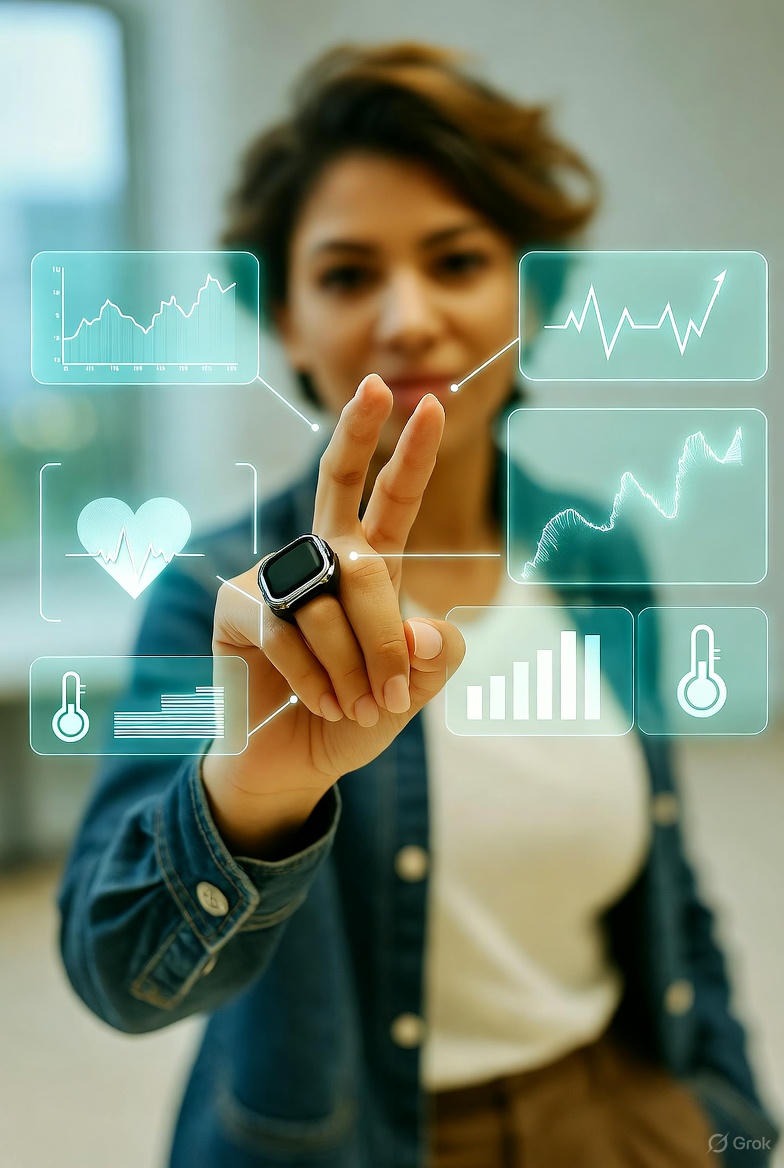
And in this modern age, every good scientist needs precise data. That’s where the evolution of personal health technology becomes revolutionary. While our grandparents relied on intuition, we can now augment that wisdom with objective metrics. A device like a smart ring, worn continuously, can provide the missing link between how you feel and what your body is actually doing—tracking sleep quality, heart rate variability (HRV), resting heart rate, and body temperature. This data creates a feedback loop, allowing you to see which elements of your recovery kit are truly working. You can learn more about how this technology enables personalized wellness in our detailed exploration here.
Ready to build your foundation? Let's begin by understanding the core philosophy behind intelligent recovery.
The New Science of Recovery: Why It’s Your Most Important Health Investment
Recovery is not merely the absence of work; it is a distinct, active biological process. For decades, the focus in fitness and health was almost exclusively on the stressor—the workout, the diet, the challenge. We worshipped at the altar of "no pain, no gain." But a paradigm shift is underway. Leading sports scientists, physiologists, and longevity researchers are now unanimous: adaptation happens during recovery, not stress. You break down muscle fibers during a lift; they repair and grow stronger during sleep. You deplete glycogen stores on a run; they replenish when you rest and eat. You accumulate metabolic waste and systemic inflammation; your body’s lymphatic and circulatory systems clear it when you’re at ease.
Ignoring recovery is like constantly withdrawing money from a bank account without ever making a deposit. Eventually, you face bankruptcy—in this case, manifested as injury, illness, burnout, stalled progress, and chronic fatigue. This state is often called "non-functional overreaching," which can slide into overtraining syndrome. Your body loses its resilience, and even minor stressors feel overwhelming.
The modern world compounds this challenge. We aren't just recovering from exercise. We're recovering from:
Psychological Stress: Work deadlines, digital overload, and social pressures keep our nervous system in a constant low-grade "fight or flight" mode.
Poor Sleep: Artificial light, late-night screen time, and irregular schedules disrupt our most potent recovery phase: deep sleep.
Dietary Inflammation: Processed foods, sugars, and intolerances can create a background hum of inflammation that hampers repair.
Environmental Toxins: Pollutants and chemicals add to the body's detoxification load.
Therefore, your Body Recovery Basics Kit must be multifaceted. It’s not just an ice pack and a protein shake. It’s a holistic system designed to downregulate your nervous system, reduce inflammation, promote cellular repair, and replenish energy stores. The most forward-thinking approach combines timeless practices (like sleep and nutrition) with modern tools that provide insight. For instance, using a wearable to monitor your nighttime heart rate variability can tell you if your meditation practice yesterday actually improved your nervous system recovery—moving you from guesswork to certainty. To understand the sensors that make this possible, explore the science behind modern health tracking technology.
Investing in recovery is the ultimate act of body literacy. It’s saying, "I respect the machine enough to maintain it." This investment pays compounding dividends in energy, mood, cognitive function, physical performance, and long-term health. It’s the cornerstone of what experts now call "healthspan"—not just living longer, but living better for longer. As we build your kit, keep this holistic philosophy in mind: you are creating an ecosystem for repair.
The Foundation Pillar: Mastering Sleep for Cellular Repair
If you could only choose one element for your recovery kit, sleep should be it. Period. During sleep, your body enters a state of profound anabolic repair. Human Growth Hormone (HGH) is released, facilitating tissue growth and muscle repair. Your brain flushes out metabolic debris via the glymphatic system. Memories are consolidated, hormones are balanced, and your immune system releases cytokines to fight inflammation and infection.
Poor sleep, therefore, isn't just about feeling groggy. It sabotages every other recovery effort you make. You can foam roll, hydrate, and eat perfectly, but without quality sleep, you're trying to fill a bucket with a hole in the bottom.
Building Your Sleep Recovery Toolkit:
1. The Environment Engineer:
Blackout & Cool: Your bedroom should be a cave. Invest in blackout curtains or a high-quality sleep mask. Temperature is critical; aim for a cool 60-67°F (15-19°C). This drop in core temperature is a key signal for sleep onset.
Sound Sanctuary: Use white noise machines, fans, or earplugs to mask disruptive sounds. Consistency in sound can significantly deepen sleep.
The Bed Itself: You don't need a $10,000 mattress, but a supportive mattress and pillows that align your spine are non-negotiable. Consider them the most important furniture you own.
2. The Ritual Creator:
Digital Sunset: Implement a strict 60-90 minute screen curfew before bed. The blue light emitted from devices suppresses melatonin production. If you must use a device, enable night shift modes and consider blue-light-blocking glasses.
The Wind-Down Hour: This is active recovery for your nervous system. It could include:
Light stretching or gentle yoga (e.g., legs-up-the-wall pose)
Reading a physical book (non-stimulating content)
A gratitude journal or a brief meditation/breathing exercise
A warm bath or shower (the subsequent cooldown aids the body's natural temperature drop)
3. The Data Detective: This is where modern technology transforms guesswork into strategy. How do you know if your new ritual is working? Subjective feeling is important, but objective data is revealing.
Track Sleep Architecture: Tools like a smart ring can track not just total sleep time, but how much time you spend in light, deep, and REM sleep. Deep sleep is crucial for physical repair, while REM is vital for cognitive and emotional processing.
Monitor Nightly HRV & RHR: Heart Rate Variability (HRV) is one of the best objective measures of your nervous system's recovery status. A higher HRV generally indicates better resilience and recovery. Conversely, a spiking resting heart rate (RHR) can be an early sign of illness or insufficient recovery. Observing these trends nightly helps you connect lifestyle choices to physiological outcomes. Discover how the accuracy revolution in health tracking technology has made this level of insight accessible at home.
Actionable Step: Start with one change. Commit to a digital sunset for one week and track how you feel. Then, consider measuring your progress. A device worn continuously, like the ones you can explore at Oxyzen.shop, provides the 24/7 data stream needed to truly master this foundational pillar. Your sleep isn't just rest; it's your most powerful recovery session.
The Hydration & Nutrition Toolkit: Fueling the Rebuild
You cannot recover from a deficit. After sleep, the raw materials you provide your body are the next most critical factor. Think of your body as a construction site post-workout or stress. Sleep is the skilled labor working through the night. Hydration and nutrition are the delivery trucks bringing in the bricks, mortar, and tools needed to do the job.
The Hydration Hub: Water is the medium for every single metabolic process. Dehydration by just 2% can impair cognitive function, reduce physical performance, and make muscles more susceptible to cramping and strain. Recovery hydration isn't just about chugging water post-sweat; it's about maintaining a state of optimal hydration consistently.
Electrolytes Are Key: When you sweat or are under stress, you lose not just water but vital electrolytes: sodium, potassium, magnesium, and calcium. These minerals are crucial for nerve function, muscle contraction, and fluid balance. Plain water often isn't enough.
Your Hydration Toolkit:
A High-Quality Water Bottle: One you'll carry everywhere. Stainless steel or glass are excellent choices.
Electrolyte Supplements: Look for clean formulas without excessive sugars or artificial additives. Powdered forms or tablets you can add to water are convenient.
Mineral-Rich Foods: Coconut water, watermelon, celery, cucumbers, and leafy greens contribute to hydration status.
How to Use It: Sip water consistently throughout the day. Add electrolytes to your water during or after intense exercise, on very hot days, or if you're feeling fatigued and "off." Your first morning glass of water can include a pinch of sea salt and lemon for a gentle electrolyte boost.
The Nutritional Repair Station: Nutrition for recovery focuses on three phases: replenish, repair, and reduce inflammation.
1. The Replenishment Window (30-60 minutes post-stress): Your muscles' glycogen stores are depleted, and they are primed to absorb nutrients. This isn't just for athletes; after a physically or mentally demanding day, your brain and body need fuel.
Tool: A post-activity shake or snack combining carbohydrates and protein in roughly a 3:1 or 4:1 ratio. Example: a banana with a scoop of protein powder, or Greek yogurt with berries.
2. The Repair Materials (Ongoing): Protein provides the amino acids—the building blocks—for repairing damaged muscle tissue and synthesizing new proteins.
Tools: High-quality, complete protein sources. These should be staples in your kitchen:
Animal-based: Eggs, chicken, turkey, fish (especially fatty fish like salmon), Greek yogurt, cottage cheese.
Plant-based: Lentils, chickpeas, tofu, tempeh, quinoa, and a well-considered combination of beans and rice.
Strategy: Distribute protein intake evenly across your meals (e.g., 30-40 grams per meal) rather than consuming one large portion, to optimize muscle protein synthesis throughout the day.
3. The Inflammation Fighters: Intense physical or mental stress creates oxidative stress and inflammation. Chronic, low-grade inflammation is the enemy of recovery and long-term health.
Tools – Your Anti-Inflammatory Pantry:
Omega-3 Fatty Acids: Wild-caught salmon, sardines, flaxseeds, chia seeds, walnuts. Consider a high-quality fish oil supplement if you don't eat fatty fish regularly.
Antioxidant-Rich Fruits & Vegetables: The more color, the better. Berries (blueberries, cherries), dark leafy greens, beets, broccoli, and sweet potatoes are powerhouses.
Spices: Turmeric (with black pepper to enhance absorption), ginger, and garlic have potent anti-inflammatory properties.
The Data Connection: How do you know if your nutrition is supporting recovery? While food journals are helpful, physiological data is revealing. Consistent, high-quality sleep and improving HRV trends are strong indicators your nutritional strategy is working. If you see your resting heart rate creeping up or your sleep score dropping despite good habits, it might be time to audit your diet for potential inflammatory triggers. This kind of cause-and-effect analysis is at the heart of personalized wellness enabled by technology.
The Mobility & Soft Tissue Management Arsenal
If sleep and nutrition are about internal repair, mobility and soft tissue work are about maintaining the structural integrity and function of the system—your muscles, fascia, tendons, and joints. Over time, stress, repetitive movement, and sedentary postures can cause muscles to become tight, restricted, and bound up with adhesions (knots). This leads to pain, reduced range of motion, and inefficient movement patterns that predispose you to injury. Your recovery kit needs tools to address this.
1. The Fascia & Muscle Release Tools: Fascia is the thin, web-like connective tissue that surrounds and interpenetrates every muscle, bone, nerve, and organ. When it becomes sticky and tight, it restricts movement.
Foam Roller (The Foundation): Ideal for large muscle groups like quads, hamstrings, glutes, back, and lats. The pressure helps break up adhesions and increase blood flow to the area. Use it for 60-90 seconds per muscle group, rolling slowly and pausing on any tender spots.
Lacrosse Ball or Mobility Ball (The Precision Instrument): For targeting smaller, tighter areas like the soles of your feet (plantar fascia), hips (piriformis), shoulders (rotator cuff), and along the spine. The smaller surface area allows for deeper, more focused pressure.
Massage Gun (The Modern Percussive Tool): These devices provide rapid, repetitive strokes that can help increase blood flow, reduce muscle tension, and potentially decrease soreness. They are excellent for reaching difficult areas but should be used with caution—avoid bones, joints, and nerves.
2. The Dynamic & Static Flexibility Tools:
Resistance Bands: Incredibly versatile for both strengthening and stretching. They can be used for assisted stretches (e.g., pulling your leg into a deeper hamstring stretch) and for activating muscles before activity (e.g., banded glute bridges).
Yoga Mat: A dedicated, non-slip space for stretching, yoga, or bodyweight mobility flows is essential. It psychologically cues your body that it's time to focus on movement and release.
How to Integrate This Into Your Kit:
Pre-Activity (Dynamic): Use a foam roller briefly, followed by dynamic stretches (leg swings, torso twists, cat-cow) using your body and bands to prepare tissues for load.
Post-Activity & Daily Maintenance (Static/Release): This is your primary recovery window. Spend 10-15 minutes using your roller, ball, and massage gun on areas of tightness. Follow with gentle static stretches, holding each for 30-60 seconds without pain. The goal is not to force flexibility, but to signal to the nervous system that it's safe to relax and lengthen the tissue.
The Mind-Body Link: This practice is as much neurological as it is physical. By breathing deeply into areas of tension, you are actively downregulating your nervous system, moving from sympathetic (stress) to parasympathetic (rest and digest) dominance. This state is where true recovery thrives. Pairing this practice with data from a wearable can show you its direct impact; you may see an immediate calming effect on your heart rate, or an improvement in that night's sleep tracking metrics.
The Nervous System Reset Station: Techniques for Downregulation
Your entire recovery process is governed by your autonomic nervous system (ANS). It has two main branches: the sympathetic nervous system (SNS) – "fight or flight," and the parasympathetic nervous system (PNS) – "rest and digest." Modern life, with its constant notifications, deadlines, and overstimulation, traps many of us in a chronic low-grade SNS state. You cannot recover effectively if your body believes it's still under threat. Therefore, the most advanced recovery kit includes tools and practices explicitly designed to activate the PNS.
1. Breathwork: The Remote Control for Your Nervous System. Breathing is the only autonomic function you can easily consciously control, making it a direct line to your ANS.
Box Breathing (Navy SEAL Technique): Inhale for 4 counts, hold for 4, exhale for 4, hold for 4. Repeat for 5-10 cycles. This simple pattern calms the mind and regulates the heart.
Extended Exhalation Breathing: The exhale is key to PNS activation. Inhale for a count of 4, then exhale slowly for a count of 6 or 8. This stimulates the vagus nerve, your body's main relaxation pathway.
Tool: You need nothing but a few minutes and a quiet space. Apps or simple timers can help you maintain rhythm.
2. Meditation & Mindfulness: This is training for your brain's "recovery muscle." It reduces cortisol (the stress hormone), decreases inflammatory markers, and improves emotional regulation.
Toolkit: A meditation cushion or bench, but a regular chair works perfectly. Guided meditation apps (like Calm, Headspace) are excellent for beginners. Start with just 5-10 minutes per day. The goal isn't to stop thoughts, but to observe them without reaction, creating space from the stress response.
3. Cold & Heat Exposure (Contrast Therapy): These are powerful hormetic stressors—brief, acute challenges that trigger a strong, adaptive recovery response.
Cold Exposure (Cold Plunge, Cold Shower): Reduces inflammation, pain, and muscle soreness. It shocks the system and, when practiced with controlled breathing, can massively boost resilience and mood. Caution: Consult a doctor if you have cardiovascular issues.
Heat Exposure (Sauna, Hot Bath): Induces a "fake fever," boosting heat shock proteins that aid cellular repair, increases circulation, and promotes relaxation.
Contrast Therapy (The Ultimate Combo): Alternating between hot (3-4 minutes) and cold (60-90 seconds) for 3-4 cycles. This creates a powerful "pumping" effect in the circulatory and lymphatic systems, flushing metabolic waste and reducing inflammation.
4. Nature Immersion ("Forest Bathing"): Shinrin-yoku, the Japanese practice of spending mindful time in a forest, has proven benefits: reduced cortisol, lowered blood pressure, and improved immune function. The combination of fresh air, phytoncides (aromatic compounds from trees), and disconnection from digital noise is profoundly restorative.
Toolkit: Comfortable walking shoes and a commitment to leave your phone in your pocket.
Measuring the Reset: The effectiveness of these practices isn't just subjective. The gold standard metric for nervous system recovery is Heart Rate Variability (HRV). A higher HRV indicates a healthy, resilient ANS that can switch flexibly between stress and recovery. By using a device that tracks HRV, like those discussed in our wellness ring basics, you can objectively see how your 10-minute meditation or evening sauna session improves your recovery score overnight. This turns abstract practices into data-driven, empowering habits.
The Tech-Enabled Insight Hub: Using Data to Personalize Your Kit
Up to this point, we've assembled a powerful, analog toolkit. Now, we integrate the modern engine that makes it truly personalized and intelligent: data. In the context of recovery, data is the objective feedback that tells you if your efforts are working. Without it, you're navigating by guesswork and feeling, which can be notoriously unreliable—you might "feel fine" while your physiology is showing signs of strain, or vice-versa.
The Core Recovery Metrics & What They Tell You:
Heart Rate Variability (HRV): As mentioned, this is your north star for nervous system readiness. Track it consistently (best measured first thing in the morning) to see your baseline. A downward trend over several days is a clear sign you need more rest, better nutrition, or less stress. An upward trend indicates good adaptation and recovery. It’s the single best number to guide your daily decisions—should you go hard, go light, or rest?
Resting Heart Rate (RHR): A low and stable RHR generally indicates good cardiovascular fitness and recovery. A sudden, sustained increase (by 5-10+ beats per minute) is one of the earliest and most reliable signs of impending illness, overtraining, or accumulated stress and poor sleep.
Sleep Stages & Quality: Total sleep is one thing, but the architecture matters. Consistently low deep sleep (physical repair) or REM sleep (mental/emotional repair) points to specific deficits in your recovery kit, whether it’s caffeine timing, evening stress, or room temperature.
Body Temperature: Continuous basal body temperature tracking can reveal subtle changes linked to menstrual cycles, illness onset, or metabolic health.
How to Build Your Insight Hub:
The Sensor: You need a consistent, comfortable, and accurate wearable. This is where smart rings shine. Unlike watches that can be bulky and are often removed, a ring is worn 24/7, providing seamless data during sleep and daily life. It becomes a silent partner in your recovery journey. For a deep dive on how this technology works, read about the sensors and algorithms explained.
The Platform: The accompanying app is your dashboard. A good platform won't just show numbers; it will synthesize data into a simple "Readiness" or "Recovery" score, giving you a clear green, yellow, or red light for the day. It should allow you to log manual entries (like a tough workout, a stressful event, or starting a new supplement) so you can see their direct correlation with your metrics weeks later.
The Habit: Check your data consistently, but not obsessively. The morning check-in should take 60 seconds: review your sleep score and HRV, and let that inform your plan for the day. Use the weekly review to spot trends.
From Generic to Personalized: This is the magic. With data, you move from "they say cold showers are good" to "my HRV jumps 8% on the days I take a contrast shower, so they're clearly good for me." You move from "I need 8 hours of sleep" to "I need 90 minutes of deep sleep, and here’s how I get it." Your Body Recovery Basics Kit becomes a dynamic, living system that you constantly refine based on your body's unique language. To see how everyday people use this data, explore real customer reviews and experiences.
Creating Your Recovery Sanctuary: The Physical & Mental Environment
Your environment is not a passive backdrop; it is an active participant in your recovery. You can have all the right tools, but if your home is a cluttered, stressful, blue-light-filled zone, you are fighting an uphill battle. This section is about designing physical and mental spaces that actively promote restoration.
1. Designate a "Recovery Zone": This doesn't require a spare room. It's about intentionality.
A Sleep-Only Corner: Reinforce to your brain that your bed is for sleep (and intimacy) only—not work, not scrolling, not watching stressful news.
A Mobility & Meditation Nook: A corner of a bedroom or living room with your yoga mat, foam roller, and perhaps a candle or plant. This visual cue tells your brain, "When I step here, it's time to downregulate."
A Digital-Detox Charging Station: Have a specific spot outside your bedroom where all devices charge overnight. This simple boundary is one of the most powerful environmental changes you can make.
2. Optimize Sensory Input:
Sight: Use warm, dimmable lighting in the evenings (salt lamps are great). Prioritize natural light during the day to regulate circadian rhythms.
Sound: Create playlists for different recovery modes: calm, instrumental music for stretching or meditation; nature sounds for sleep or work.
Smell: Leverage aromatherapy. Lavender and chamomile promote relaxation. Eucalyptus or peppermint can be invigorating for morning routines. Use essential oil diffusers with high-quality oils.
Touch: Invest in comfort. Soft blankets, comfortable loungewear, and plush towels can make recovery rituals feel like a treat, not a chore.
3. Cultivate a Recovery Mindset (The Mental Environment): This is the software that runs your hardware. Your thoughts about recovery matter.
Reframe Rest as Productive: Internalize that recovery is when the gains are made. Taking a rest day or going to bed early isn't "lazy"; it's a strategic investment in tomorrow's performance and health.
Practice Digital Boundaries: Set app limits, turn off non-essential notifications, and schedule "do not disturb" periods. The constant ping of communication is a low-grade SNS activator.
Incorporate Gratitude: Stress and recovery are linked to perspective. Taking two minutes to write down three things you're grateful for each evening is a proven way to shift mental state and improve sleep quality. It’s a tool for mental "inflammatory" reduction.
The Integrated System: Your sanctuary supports your practices, which are informed by your data. For example, your Insight Hub data shows poor deep sleep. You check your environment: is your room truly dark and cool? You use your nervous system reset station to do a 5-minute breathing exercise before bed in your dedicated nook. The next morning, you check the data to see the impact. This creates a virtuous, self-optimizing cycle. For more ideas on building holistic, tech-supported wellness habits, our blog offers a wealth of resources.
The Active Recovery & Movement Toolkit: The Power of Going Easy
A critical misconception is that recovery means total stillness. While complete rest has its place (especially when sick or truly exhausted), active recovery—very low-intensity movement—is often more beneficial for promoting circulation, reducing stiffness, and enhancing mood without imposing new stress. It's the "active" part of your Body Recovery Basics Kit.
The Physiology: Gentle movement increases blood flow, which delivers nutrients to muscles and carries away metabolic waste products like lactic acid. It also promotes lymphatic drainage (the lymphatic system, unlike the circulatory system, has no pump and relies on muscle contraction). Furthermore, it can help maintain joint mobility and prevent the stiffness that comes from being sedentary.
Tools & Practices for Your Active Recovery Days:
Low-Impact Cardio ("Cardio in the Recovery Zone"):
Tool: A simple way to monitor intensity is the "talk test." You should be able to hold a conversation comfortably.
Practices:
Walking: The most underrated recovery tool. A 20-45 minute brisk walk in nature combines light cardio, fresh air, and potential sun exposure for vitamin D.
Cycling: A flat, easy spin on a stationary or regular bike.
Swimming or Water Walking: The buoyancy of water is incredibly gentle on joints while providing resistance.
Regenerative Movement Practices: These focus on mobility, breath, and mind-body connection.
Yoga (Restorative or Yin): Not power yoga. These styles use props (bolsters, blocks, blankets) to support the body in gentle, passive stretches held for several minutes, targeting the connective tissues and promoting deep relaxation.
Tai Chi or Qigong: Slow, flowing movements paired with breathwork that improve balance, coordination, and calm the nervous system.
Easy Mobility Flows: A sequence of non-strenuous movements and stretches you create for yourself, perhaps using your resistance bands.
The Role of Data in Active Recovery: This is where a readiness score from your Insight Hub is invaluable. On a day when your score is low (red or yellow), your "workout" should explicitly be one of these active recovery practices. The data prevents you from ego-lifting or pushing through when your body is saying "no." It gives you permission to go easy, knowing that this is the optimal path to long-term progress. It helps you answer the question, "How should I move today?" with intelligence. For a look at how this integrates into broader health tracking, see our article on continuous vs. periodic monitoring.
The Rule: Active recovery should leave you feeling better than when you started—more loose, energized, and calm, not fatigued or sore.
Integrating Your Kit: Building a Personalized Daily & Weekly Protocol
You now have all the components of a world-class Body Recovery Basics Kit. The final step—and the most important—is integration. A toolkit gathering dust is useless. We must build simple, repeatable protocols that weave these elements into the fabric of your daily and weekly life.
The Daily Recovery Checklist (The 24-Hour Cycle):
Morning (Set the Tone):
Upon waking, check your Insight Hub (HRV, sleep score). Let this guide your day's intensity.
Hydrate: Drink a large glass of water, perhaps with electrolytes.
Gentle Movement: 5-10 minutes of dynamic stretching or a short walk in sunlight to regulate your circadian rhythm.
Mindful Start: Avoid diving into email/social media. Consider a brief meditation or setting an intention.
Throughout the Day (Maintenance):
Hydrate consistently.
Incorporate micro-movements: Stand up and stretch every hour if sedentary.
Manage stress: Use a 1-minute breathing exercise before stressful meetings or tasks.
Evening (The Wind-Down):
Digital sunset begins 60-90 mins before bed.
Implement your nervous system reset: Choose one—breathwork, meditation, gentle mobility, or a warm bath.
Prepare your sleep sanctuary: Dim lights, ensure room is cool.
Last meal 2-3 hours before bed; keep it light if possible.
Night (The Repair Phase):
Aim for 7-9 hours of sleep in your optimized environment.
Wear your tracking device to gather data.
The Weekly Recovery Rhythm:
Post-Intense Activity (Within 30-60 mins): Consume your replenishment snack/shake.
On High-Stress or Hard Training Days: Prioritize your nervous system reset techniques and maybe add 10 minutes of extra mobility work.
Designate 1-2 Active Recovery Days per Week: These are for walking, yoga, swimming—no hard training.
Weekly "Kit Audit": Once a week, spend 15 minutes reviewing your data trends in your app. What’s working? What’s not? Refill your electrolyte supplements, charge your devices, and plan your recovery sessions for the week ahead.
Personalization is Key: Your protocol won't look like anyone else's. A parent of young children might focus on sleep environment and 5-minute breathwork sessions. An office worker might prioritize midday mobility and strict digital boundaries. An athlete might lean heavily on contrast therapy and precise nutrition timing. Let your data and your personal demands guide you.
This integrated approach transforms recovery from an afterthought into a proactive, empowering lifestyle. You are no longer just enduring stress; you are strategically managing the cycle of stress and renewal to build a more resilient, energized, and healthy version of yourself. For continued learning and to stay updated on the latest in personal health technology, be sure to visit the Oxyzen.ai blog.
The Long-Game Toolkit: Recovery for Longevity and Healthy Aging
Recovery isn't just about bouncing back from yesterday’s workout. The most profound application of your Body Recovery Basics Kit is playing the long game: slowing biological aging and extending your healthspan. Every time you facilitate deep cellular repair, reduce systemic inflammation, and downregulate stress, you aren't just recovering for tomorrow—you're investing in a more vibrant, capable future self. This mindset shifts recovery from a tactical tool to a strategic philosophy for life.
The science of longevity has identified key hallmarks of aging: genomic instability, telomere attrition, epigenetic alterations, loss of proteostasis (protein repair), deregulated nutrient sensing, mitochondrial dysfunction, cellular senescence, stem cell exhaustion, and altered intercellular communication. Many of the practices in your recovery kit directly counteract these processes.
Sleep & Cellular Cleanup: Deep sleep is when the glymphatic system clears metabolic waste from the brain, including beta-amyloid plaques associated with cognitive decline. It’s essential for maintaining proteostasis.
Nutrition & Inflammation: An anti-inflammatory diet rich in phytonutrients fights the chronic, low-grade "inflammaging" that accelerates cellular senescence and tissue dysfunction.
Nervous System Regulation: Chronic stress shortens telomeres—the protective caps on your chromosomes. Practices that boost HRV and promote parasympathetic tone are essentially telomere preservation techniques.
Movement & Mitochondria: Active recovery and proper mobility maintain circulation, delivering oxygen and nutrients to all tissues. This supports mitochondrial health, the power plants of your cells whose decline is central to aging.
Therefore, your kit is an anti-aging arsenal. The goal is not to avoid stress entirely (hormetic stress like exercise is beneficial), but to master the recovery from stress. This ensures that the adaptive response outweighs the damaging one. For a comprehensive look at blending these practices with technology, our article on 50 healthy aging tips a smart ring helps implement daily offers actionable strategies.
Building this long-game mindset means consistency over intensity. It’s the daily 10-minute mobility session, the nightly digital sunset, and the weekly reflection on your data trends that compound over decades. Your recovery protocol becomes a non-negotiable part of your identity, as integral as brushing your teeth. This is where wearables provide crucial motivation; seeing a positive "Readiness" score or a stable RHR trend is tangible proof that your daily habits are building a stronger biological foundation. This feedback loop is at the heart of how modern health tracking technology has changed preventive medicine.
The Travel & On-The-Go Recovery Kit: Maintaining Rituals Anywhere
Consistency is the soul of effective recovery, but life is mobile. Business trips, vacations, and busy days away from home can dismantle your hard-built routines if you’re not prepared. The key is to create a portable, minimalist version of your kit—a "Recovery Go-Bag" that lets you maintain 80% of your rituals anywhere. This prevents the "all-or-nothing" collapse and ensures you return home without feeling like you’ve lost weeks of progress.
Building Your Portable Recovery Kit:
1. The Non-Negotiable Essentials:
Sleep Sanctuary in a Bag:
Travel Blackout Kit: A high-quality sleep mask (contoured to not press on eyelids) and foam earplugs or a compact white noise machine. These are absolute game-changers for unfamiliar hotel rooms.
Temperature Regulator: A small, portable fan.
Hygiene: Your own pillowcase (familiar feel and scent can promote sleep).
Hydration & Nutrition Support:
Collapsible Water Bottle: Saves space and ensures you always have water.
Electrolyte Packets: Tiny, portable, and crucial for combating travel dehydration (plane air, different climates).
Protein & Healthy Snacks: Single-serve protein powder packets or bars, nuts, and dried fruit to avoid being at the mercy of poor airport or hotel food options.
2. The Mobility & Reset Micro-Tools:
Mini Mobility Kit: A lacrosse ball or mobility peanut (for myofascial release), and a lightweight resistance band loop. These take up negligible space but allow you to roll out tight shoulders, glutes, and feet, and do activation exercises anywhere.
Digital Reset Tools: Pre-downloaded meditation tracks or podcasts onto your phone so you don’t need WiFi. A physical book for evening reading instead of a screen.
Breathwork as Your Anchor: This is your most powerful, always-available tool. When jet-lagged, stressed from travel delays, or sleeping in a new bed, 5 minutes of box breathing or extended exhalation can reset your nervous system on the spot.
3. The "Mindset" Packing:
Set Expectations: Plan for disruption. Decide in advance that you will do a 7-minute mobility routine in your hotel room and that you will use your sleep mask. Lower the barrier by packing the specific tools.
The "First Hour" Rule: Upon arriving at your destination, make your first priority setting up your sleep environment and hydrating. This immediately establishes a recovery-forward mindset.
Integrating Your Travel Tech: Your wearable is perhaps the most important travel tool. It helps you objectively track the impact of travel on your body (seeing your RHR and HRV respond to time zones and stress) and provides a familiar data point in an unfamiliar place. It can tell you if you need an extra rest day upon return. The continuous, unobtrusive nature of a smart ring makes it ideal for this, as discussed in our guide on wellness ring basics for beginners. By maintaining your data stream, you stay connected to your body’s needs even when your routine is fluid.
Troubleshooting Your Recovery: When the Kit Isn't Working
Even with a perfectly assembled kit and the best intentions, you will hit plateaus or see backslides. Your recovery metrics might stagnate, soreness might persist, or energy levels might dip. This is not failure; it's feedback. Your kit is a dynamic system, and troubleshooting is a critical skill. Think like a detective, using your data and observations to diagnose the issue.
Common Recovery Pitfalls & Solutions:
1. The "Non-Recoverable" Workload:
Symptom: Chronically low HRV, elevated RHR, persistent fatigue, irritability, and stalled performance despite using all your recovery tools.
Diagnosis: You are simply doing more stress (physical, mental, emotional) than your current recovery capacity can handle. Your kit is a bathtub; you can only drain water so fast. If you're pouring it in faster than the drain can remove it, you will overflow (burnout).
Solution: Radical Honesty and Reduction. You must reduce the input stress. This could mean:
Deloading your training (reduce volume/weight by 40-60% for a week).
Saying "no" to non-essential commitments.
Taking 2-3 complete rest days (gentle walking only).
Using your data as objective proof to give yourself permission to pull back.
2. The "Hidden Stressor" Problem:
Symptom: Unexplained dips in recovery metrics without changes to exercise, diet, or sleep routine.
Diagnosis: A non-obvious stressor is at play. This could be:
Dietary: A new food causing low-grade inflammation or intolerance.
Immune: Your body fighting off a subclinical virus or infection.
Environmental: Poor air quality, seasonal allergies, or a change in water.
Psychological: An underlying work or relationship anxiety you've compartmentalized.
Solution: Become a Data Detective. Correlate the dip with any subtle changes. Try an elimination diet for 2-3 weeks. Use your wearable to track potential environmental factors. Journal to uncover subconscious stress. The insight from health tracking technology sensors and AI can highlight these correlations you might otherwise miss.
3. The "One-Tool Wonder" Trap:
Symptom: Heavy reliance on one tool (e.g., foam rolling) but neglect of others (e.g., sleep or nutrition), leading to incomplete recovery.
Diagnosis: An imbalanced kit. Recovery is multifactorial. You cannot out-roll a bad diet or out-supplement poor sleep.
Solution: Audit Your Kit's Usage. Are you hitting all pillars consistently? Use a simple weekly checklist: Sleep, Hydration, Nutrition, Mobility, Nervous System Reset. Identify the weakest link and focus there for two weeks. Often, strengthening the weakest pillar yields the biggest leap in overall recovery.
4. The "Adaptation" Plateau:
Symptom: Your body has adapted to your recovery routine. The same cold shower or meditation that once boosted your HRV no longer moves the needle.
Diagnosis: The principle of progressive overload applies to recovery tools too. Your nervous system becomes efficient and needs a novel stimulus.
Solution: Introduce Variability. Change your routine. Swap your evening meditation for a nature walk. Try contrast therapy instead of just a cold shower. Experiment with a different type of yoga. Use your data to test the effectiveness of these new stimuli.
The key to troubleshooting is to avoid emotional reaction and adopt a curious, experimental mindset. Your body is communicating; your job is to interpret the signals with the help of your kit and your data. For support with common questions during this process, our FAQ page is a valuable resource.
Advanced Biohacking Add-Ons: Elevating Your Foundational Kit
Once your foundational recovery kit is running smoothly and consistently—meaning you are reliably sleeping well, managing stress, moving with mobility, and nourishing your body—you may consider exploring advanced "add-ons." These are not replacements for the basics, but potential amplifiers. They should be introduced one at a time, with careful attention to your body's response, ideally monitored through your data.
1. Photobiomodulation (Red Light Therapy):
What it is: Exposure to specific wavelengths of red and near-infrared light, which is absorbed by mitochondria, potentially boosting cellular energy (ATP) production, reducing inflammation, and improving skin health.
Kit Integration: A home-use red light therapy panel can be used for 10-20 minutes post-workout or in the morning. Track its impact on muscle soreness perception and your overnight HRV/sleep data.
2. Pulsed Electromagnetic Field (PEMF) Therapy:
What it is: Using low-frequency electromagnetic fields to stimulate cellular repair processes. It's thought to improve circulation, reduce inflammation, and support bone and soft tissue healing.
Potential Recovery Benefits: Accelerated recovery from injuries, reduced pain and inflammation, improved sleep.
Kit Integration: PEMF mats or localized devices can be used during relaxation or sleep. This is a more specialized tool, best researched thoroughly and potentially discussed with a healthcare provider.
3. Hyperbaric Oxygen Therapy (HBOT):
What it is: Breathing pure oxygen in a pressurized chamber, dramatically increasing oxygen saturation in the blood plasma, which can then reach inflamed or injured tissues more effectively.
Potential Recovery Benefits: Significant reduction in inflammation, accelerated healing of soft tissue injuries, enhanced recovery from strenuous exercise, and potential cognitive benefits.
Kit Integration: While home mild HBOT chambers exist, this is a significant investment and should be approached with caution and professional guidance. It represents the far end of the advanced recovery spectrum.
4. Advanced Nutrient Timing & Supplementation:
What it is: Moving beyond basic protein and electrolytes to strategically use supplements that may support specific recovery pathways.
Examples:
Tart Cherry Juice/Concentrate: For its natural melatonin and anti-inflammatory anthocyanins, shown to improve sleep and reduce muscle soreness.
Collagen Peptides: Taken before bed or around exercise, may support tendon, ligament, and joint health.
Adaptogens (Ashwagandha, Rhodiola): Herbs that may help the body adapt to stress and lower cortisol. Effects vary greatly by individual.
Kit Integration: Introduce one new supplement at a time for at least 2-3 weeks while monitoring your recovery metrics (sleep, HRV, RHR) and subjective feelings. Never force a supplement; if it doesn't show a positive signal for you, discontinue it.
The Golden Rule of Biohacking: Basics first, data always, ego never. No advanced tool can compensate for chronic sleep deprivation or a terrible diet. Your foundational kit is the engine; these are potential turbochargers. And every addition should be validated by your personal data, not just by anecdotal claims. This empirical, self-experimentation approach is the essence of modern personalized wellness. To see how leading-edge technology is making this more accessible, read about what's possible in health tracking technology for 2025.
Building a Recovery-Conscious Community: The Social Toolkit
Humans are social creatures, and our environments—including our social circles—profoundly influence our behaviors. Creating or engaging with a recovery-conscious community can provide accountability, shared knowledge, and positive reinforcement, making your individual journey more sustainable and enjoyable.
1. Find Your Tribe:
In-Person: Join a yoga studio, a mobility class, a meditation group, or a running club that values holistic health. The shared activity creates a natural talking point about recovery strategies.
Online: Seek out forums, social media groups, or subreddits focused on recovery, longevity, or specific modalities you use (e.g., cold exposure, breathwork). Be discerning—look for communities that emphasize science and personal experimentation over dogma.
2. Share Your Journey (Selectively):
Sharing your recovery wins—"My HRV hit a new high after prioritizing sleep this week!"—with like-minded people reinforces the behavior. It also allows you to troubleshoot with others who may have faced similar challenges.
Caution: Avoid turning it into a competition or seeking validation. The goal is mutual support, not comparison.
3. Engage with Brands and Experts Who Align:
Follow researchers, physiotherapists, and coaches who specialize in recovery science.
Support companies that are transparent about the science behind their products and foster communities of learning. For example, learning about a company's mission and story can help you connect with brands that share your values for evidence-based wellness.
4. The "Accountability Partner":
Partner with a friend who also wants to prioritize recovery. Check in weekly about your sleep goals, mobility practice, or data trends. Having someone to report to dramatically increases adherence.
A community transforms recovery from a solitary chore into a shared pursuit of vitality. It provides a sounding board for your troubleshooting and a source of inspiration for new methods to try. When you see others benefiting from similar practices, it reinforces the validity of your own path. For inspiration from others on a similar journey, browsing real customer testimonials can be a powerful community-building experience in itself.
The Financial & Time Investment: Budgeting for Your Recovery
Assembling and maintaining a Body Recovery Basics Kit requires investment—both of time and money. The good news is that the highest-impact elements are often low-cost or free (sleep, breathing, nature). However, some tools require upfront spending. Viewing this not as an expense, but as a preventative investment in your future health and capability is crucial. It’s far cheaper than chronic disease management, lost productivity due to illness, or the intangible cost of low-grade suffering.
Services: Occasional sports massage, functional medicine consultation to review your data and health.
Prioritization Strategy:
Invest First in What You’ll Use Daily: A great mattress and pillow are worth more than a fancy massage gun you'll use once a week.
Prioritize Data Over Gadgets: A reliable wearable that gives you actionable insights is often a better investment than multiple single-use recovery gadgets. It helps you spend future money more wisely. Explore options at the main storefront to understand the range.
The Time Budget is Non-Negotiable: You must schedule recovery like you schedule meetings. Block time in your calendar for your wind-down ritual, your mobility session, and your weekly review. Protect this time fiercely.
Remember, the goal is not to own every tool, but to own the right tools for you and use them consistently. Start with Tier 1, master it, then use your data and experience to guide a single, thoughtful upgrade into Tier 2. This prevents wasteful spending and ensures each addition has a clear purpose and measurable benefit. For help making these decisions, our guide on making a purchase decision for wellness tech can be helpful.
The Future of Home Recovery: Emerging Tech and Personalized AI
The home recovery kit of 2030 will look radically different, thanks to converging technologies. We are moving from generic advice to hyper-personalized, predictive, and autonomous recovery systems. Understanding this trajectory helps you build a kit today that is future-proof and adaptable.
1. Multi-Modal Sensor Fusion: Future wearables won't rely on a single sensor type. Your ring, patch, or clothing will combine PPG (heart rate), ECG, EDA (electrodermal activity for stress), continuous glucose monitoring (CGM), core temperature, and even hydration or lactate sensors. This creates a holistic, real-time dashboard of your physiological state, spotting recovery deficits before you feel them.
2. AI-Powered Recovery Coaches: The AI in your app will evolve from tracking to coaching. It will analyze your multi-modal data, your calendar (stressful meetings), your environment (weather, pollen count), and your personal history to make dynamic recommendations:
*"Your HRV dipped after that meeting and your glucose spiked. Suggest a 10-minute breathing session now and a low-glycemic lunch."*
*"Your sleep data shows reduced REM. Based on your past response, a 15-minute afternoon walk in sunlight today is 82% likely to improve it."*
"You have a heavy training block coming up. Let's proactively increase your protein intake by 15% and schedule two contrast therapy sessions."
3. Closed-Loop Recovery Environments: Your home itself will become an active participant. Imagine:
Your bed adjusting temperature throughout the night based on your sleep stage data.
Your lights automatically dimming and shifting color temperature as your wearable detects rising melatonin levels.
Your air purifier and humidifier adjusting based on your respiratory rate and immune markers.
4. Democratized Advanced Modalities: Tools like affordable, validated home-use PEMF mats, personalized red/NIR light exposure, and even gentle hyperbaric options will become as common as foam rollers are today.
Integrating This Future into Your Mindset Today: You prepare for this future not by buying speculative gadgets, but by cultivating two key habits:
Becoming Data-Literate: Learn what your metrics mean now. The human interpreting the data is still the most important part of the system.
Embracing Experimentation: Foster a mindset of trying one new thing, measuring the outcome, and adapting. This makes you an active partner with future AI, not a passive recipient.
The companies leading this charge are those with a strong vision for integrated health. You can learn about one such perspective by exploring Oxyzen's vision & values. The ultimate goal is a seamless, anticipatory recovery system that removes guesswork and maximizes your body's innate capacity for repair, making the principles in this guide effortlessly implemented. For a glimpse at this evolution, read about the evolution from manual tracking to smart rings.
Your Personalized Recovery Blueprint: A Starting Point Checklist
Theory is essential, but action is everything. This final section is your catalyst. Below is a starter checklist to translate this massive guide into your first concrete steps. Copy it, adapt it, and use it to build momentum.
Phase 1: The Foundation (Weeks 1-2) – Audit & Implement One Change
Sleep Audit: What is one change I can make to my sleep environment or ritual? (e.g., buy blackout curtains, enforce a 10 PM phone curfew).
Hydration Baseline: Do I drink water consistently? (e.g., Buy a marked bottle and aim to fill it twice daily).
Mobility Scan: What is my tightest area? (e.g., Hips from sitting? Neck from screen time?). Find one stretch or foam roller exercise for it and do it for 5 minutes, 3x this week.
Data Decision: Research and decide on a method of tracking. Will I use my phone’s health app? Explore more advanced wearables? Visit Oxyzen.shop to see what's possible.
Phase 2: Systematize (Weeks 3-4) – Build Two Rituals
Morning Ritual: Design a 10-minute morning routine (e.g., Water + 5 min of light stretching/mobility + 1 min of intention setting).
Evening Ritual: Design a 30-minute wind-down (e.g., Digital sunset, 10 min reading, 5 min breathing, prepare next day).
Nutrition Tweaks: Based on energy and recovery, add one anti-inflammatory food to my diet and reduce one inflammatory one.
Advanced Practice: Experiment with one "nervous system reset" technique (e.g., contrast shower, 10-minute guided meditation).
Troubleshoot: If energy is low, use the checklist in Section 10 to diagnose.
Community: Share one recovery win with a friend or find an online community for support.
Review & Plan: At month's end, review your data/journal. What helped most? What will you focus on next month?
Remember: Perfection is the enemy of progress. A 5-minute mobility session is better than none. One good night's sleep is a win. Consistency with the basics will yield 95% of the benefits. Your Body Recovery Basics Kit is a lifelong project, a reflection of your commitment to honoring the vessel that carries you through this life. Start small, be kind to yourself, and let the compound interest of daily repair build a future of resilience and vitality.
For ongoing support, deeper dives into each topic, and the latest insights, your journey continues at the Oxyzen.ai blog. Now, go build your kit. Your future self will thank you.
The Mindset of a Recovery Architect: Beyond Tools to Transformation
Building a Body Recovery Basics Kit is a physical and logistical endeavor, but its true power is unlocked by a fundamental shift in mindset. You are not merely a consumer of tools or a passive patient hoping to feel better. You are becoming a Recovery Architect. This mindset reframes recovery from a reactive, chore-like task into a proactive, creative, and empowering discipline—the core skill of modern self-mastery.
An architect doesn't just stack bricks; they understand physics, aesthetics, and the needs of the inhabitant. They plan, they adjust to the terrain, and they build something resilient and beautiful. As a Recovery Architect:
You Design with Intention: Every element in your kit has a purpose. You don't buy a massage gun because it's trendy; you acquire it to address specific fascial adhesions that impede your movement, as informed by your body's feedback and your mobility data.
You Respect the Foundation: You know that no amount of advanced biohacking can compensate for a weak foundation. Sleep, hydration, and whole-food nutrition are your load-bearing walls. Everything else is interior design.
You Iterate and Adapt: Your blueprint isn't set in stone. You are the lead architect and the primary resident. You use data—from how you feel to what your wearable tells you—to continuously remodel and improve your structure. You understand that needs change with seasons, stress loads, and life phases.
You Take Ownership: You stop outsourcing your well-being. You don't blame your fatigue on "being busy"; you architect a schedule that protects your recovery non-negotiables. You don't accept poor sleep as inevitable; you engineer a sanctuary and rituals that promote it.
This mindset is liberating. It moves you from a state of victimhood ("My body always breaks down") to one of agency ("I am building a body that withstands and thrives"). It turns recovery from a cost center (time, money) into your most valuable R&D department. The tools in your kit are simply the instruments of this new philosophy. To see how technology can serve this architect mindset, explore how a wellness device can help build healthy habits from the ground up.
The Bio-Individuality Principle: Why Your Best Friend’s Kit Won’t Be Yours
Perhaps the most critical principle a Recovery Architect internalizes is bio-individuality. This is the understanding that there is no single, optimal recovery protocol for everyone. Your perfect kit is as unique as your fingerprint, your metabolism, your stress response, and your genetic predispositions.
Two people can follow the same training program, eat the same meal, and try the same meditation. One might feel energized and see their HRV soar; the other might feel bloated, anxious, and see their recovery metrics tank. This isn't random failure; it's bio-individuality in action.
Key Factors Shaping Your Unique Recovery Needs:
Genetics & Epigenetics: Your DNA influences everything from caffeine metabolism to inflammatory response to muscle fiber type. Your life experiences then modify how those genes are expressed.
Nervous System Wiring: Are you naturally more sympathetic-dominant (high-drive, reactive) or parasympathetic-dominant (calm, resilient)? This determines which reset tools you'll need most.
Microbiome Health: The trillions of bacteria in your gut directly influence inflammation, neurotransmitter production (like serotonin), and nutrient absorption—all central to recovery.
Life Context & Stress Load: A single parent, a CEO, a student, and a retiree have vastly different psychological and logistical stress landscapes. Your kit must be practical within your real life.
Chronotype: Are you a natural early bird or night owl? Fighting your chronotype with 5 AM workouts if you're a wolf can be a major recovery stressor.
Applying Bio-Individuality to Your Kit:
Become a Self-Experimenter: When you add a new tool or practice, do it with curiosity, not dogma. Ask: "How does this make ME feel? What does MY data say?"
Ignore Universal Claims: Be skeptical of phrases like "This is the best way for everyone to recover." The best way is the one that produces the best objective and subjective results for you.
Use Data to Discover Your Patterns: This is where technology is invaluable. Your wearable data helps you crack your personal code. You might discover:
"Two cups of coffee after 2 PM drops my deep sleep by 15%."
"A 20-minute evening walk improves my sleep latency more than any supplement."
"My HRV is always highest on the days I have creative work versus administrative tasks." This is personalized science. For a deeper look at how data enables this, read about how health tracking enables personalized wellness.
Your mission is not to copy an influencer's kit, but to reverse-engineer your own biology. Your friend's miracle tool might be your dud, and that's perfectly okay. Your kit is a bespoke suit, not off-the-rack.
The Circadian Rhythm Toolkit: Aligning Recovery with Your Body’s Clock
Your body runs on a master 24-hour internal clock known as your circadian rhythm. This rhythm, governed by a tiny region in your brain called the suprachiasmatic nucleus (SCN), regulates cycles of hormone release, body temperature, digestion, and cellular repair. Ignoring this rhythm is like trying to run a factory while randomly turning the power on and off—it’s inefficient and damaging. A sophisticated Recovery Architect aligns their kit with this natural cadence to maximize its effectiveness.
Mapping Your Daily Recovery Cycle:
Morning (5 AM – 12 PM): Cortisol Awakening, Energy Output
What's Happening: Cortisol naturally peaks shortly after waking, providing alertness and energy. Body temperature rises. Testosterone (in all sexes) is higher.
Recovery Toolkit Alignment:
Expose yourself to bright, natural light within 30 minutes of waking. This is the most powerful signal to reset your SCN.
Schedule demanding physical or mental work during this high-energy window. Your body is primed for stress and adaptation.
Hydrate to replenish fluids lost during sleep.
Keep breakfast light if at all to allow the body to continue its natural morning detoxification and fat-burning processes (a concept known as circadian fasting).
What's Happening: Core body temperature peaks. Reaction time and coordination are often at their best. A natural post-lunch dip in alertness occurs for many.
Recovery Toolkit Alignment:
Use your mobility tools for a dynamic break if you feel stiff from sitting.
A short "nappuccino" (coffee then a 20-min nap) or non-sleep deep rest (NSDR) session can powerfully reset the nervous system for the latter half of the day.
This is an ideal window for exercise if morning isn't possible, as body temperature and hormone levels are still favorable.
What's Happening: Melatonin begins to rise as light fades. Core body temperature starts its crucial decline. Cortisol drops. The body prepares for repair.
Recovery Toolkit Alignment:
Implement your digital sunset. Swap blue light for warm, dim lights.
Engage your nervous system reset station: Gentle mobility, meditation, breathwork, or a warm bath.
Consume your last meal 2-3 hours before bed to allow digestion to complete before sleep.
This is the time for static stretching and foam rolling, as muscles are warm and pliable, and the practice promotes relaxation.
Night (10 PM – 5 AM): Deep Repair & Detoxification
What's Happening: Growth hormone and melatonin peak. The glymphatic system flushes brain waste. Deep sleep (physical repair) dominates the first half of the night; REM sleep (mental/emotional repair) dominates the latter half.
Recovery Toolkit Alignment:
Be asleep! Prioritize being in bed during your consistent sleep window.
Your sleep sanctuary tools are in full effect: darkness, cool temperature, and silence.
This is when your wearable gathers its most crucial recovery data on sleep stages, HRV, and resting heart rate.
Using Tech to Validate Circadian Alignment: A device that tracks skin temperature and heart rate can show you if your lifestyle is supporting a healthy circadian rhythm. A clear, daily rhythm in these metrics—temperature rising in the day, falling at night; heart rate lowering significantly during sleep—is a sign of robust circadian health. Disrupted, flatlined rhythms are a red flag. This is an advanced application of the continuous monitoring capability of modern wearables.
By syncing your recovery practices with this innate timetable, you work with your biology, not against it. This reduces internal stress and makes every tool in your kit more potent.
The Hormonal Harmony Toolkit: Supporting Your Endocrine System for Recovery
Recovery is, in large part, a hormonal dance. Your endocrine system releases chemical messengers that dictate whether you are in a catabolic (breaking down) or anabolic (building up) state. Chronic stress, poor sleep, and improper nutrition can hijack this delicate system, locking you into a catabolic, inflammatory state that prevents repair. Your recovery kit should include practices that promote hormonal harmony.
Key Hormones in the Recovery Dance & How to Influence Them:
1. Cortisol (The Stress Hormone):
Role: Essential for waking, energy mobilization, and managing acute stress. The problem is chronic elevation.
Chronic High Cortisol Sabotages Recovery By: Breaking down muscle tissue, impairing sleep, increasing fat storage (especially visceral), suppressing immune function, and disrupting other hormones.
Kit Tools to Modulate Cortisol:
Nervous System Resets: Meditation, breathwork, and nature immersion directly lower cortisol.
Sleep: Deep sleep is a potent cortisol regulator.
Adaptogens: Herbs like Ashwagandha and Rhodiola Rosea may help modulate the body's stress response. Note: Effects are highly individual.
Role: The premier anabolic repair hormones. They stimulate muscle growth, bone density, cellular repair, and fat metabolism.
Kit Tools to Boost Natural HGH/IGF-1:
Deep, Slow-Wave Sleep: The majority of HGH is released in pulses during deep sleep. This is your most powerful lever.
High-Intensity Exercise: Brief, intense bursts of activity can trigger HGH release.
Protein & Specific Amino Acids: Consuming adequate protein, particularly before sleep (e.g., casein protein or cottage cheese), provides the building blocks and can stimulate overnight release.
Intermittent Fasting & Sauna: Some evidence suggests these hormetic stressors can boost HGH.
3. Sex Hormones (Testosterone & Estrogen):
Role: Critical for muscle repair, bone health, mood, libido, and overall vitality in all genders. Chronic stress and poor recovery tank these hormones.
Kit Tools to Support Sex Hormones:
Sleep & Stress Management: The foundation. Cortisol and testosterone/estrogen have an inverse relationship.
Resistance Training: Lifting heavy weights is a strong stimulus for testosterone production.
Healthy Fats & Cholesterol: These are the raw materials for sex hormone synthesis. Include avocados, eggs, olive oil, and fatty fish.
Micronutrients: Zinc, magnesium, and vitamin D are crucial cofactors.
4. Insulin:
Role: The storage hormone. It shuttles glucose and amino acids into cells.
Recovery Strategy: The goal is insulin sensitivity, not avoidance. You want your cells to respond efficiently to insulin's signal.
Chronic high insulin from a sugary, processed diet leads to inflammation and blocks fat burning.
The Interconnected Web: These hormones do not work in isolation. They are a symphony. Your recovery kit, by improving sleep, managing stress, and providing nutrients, creates the optimal environment for this symphony to play in harmony. Using a wearable to track the downstream effects—like improved HRV (reflecting better cortisol rhythm) and better sleep (reflecting HGH release)—allows you to see this harmony in action. For insights into how doctors use such data, see what medical professionals find most useful in tracking technology.
The Gut-Brain-Recovery Axis: Healing from the Inside Out
A revolution in medical science over the past two decades has revealed a critical recovery pathway that was almost entirely overlooked: the gut-brain axis. This bidirectional communication network links your central nervous system with your enteric nervous system (the "gut brain"). The state of your gut microbiome—the community of bacteria, fungi, and viruses living in your intestines—directly influences inflammation, neurotransmitter production, sleep quality, stress resilience, and even how you perceive pain and soreness. Therefore, a truly comprehensive recovery kit must include tools for gut health.
How Your Gut Impacts Recovery:
Inflammation Regulation: A healthy, diverse microbiome produces short-chain fatty acids (SCFAs) like butyrate, which have powerful anti-inflammatory effects throughout the body. A dysbiotic (imbalanced) gut can lead to a "leaky gut," where endotoxins leak into the bloodstream, triggering systemic inflammation that hampers muscle repair and increases perceived fatigue.
Neurotransmitter Production: An estimated 90% of your body's serotonin (crucial for mood and sleep regulation) and about 50% of your dopamine (motivation, reward) are produced in the gut by specific bacteria. GABA, a calming neurotransmitter, is also influenced by gut microbes. This means your gut flora directly impacts your stress response and sleep quality.
Nutrient Absorption: You can eat the most perfect recovery diet, but if your gut lining is damaged and your microbiome is poor, you won't absorb those nutrients efficiently. Gut health determines the bioavailability of the raw materials for repair.
Building Your Gut Health Recovery Toolkit:
1. Food as Medicine:
Prebiotics (Fertilizer): Fiber that feeds your good bacteria. Tools: Garlic, onions, leeks, asparagus, bananas, oats, flaxseeds.
Probiotics (The Seeds): Live beneficial bacteria. Tools: Fermented foods like sauerkraut, kimchi, kefir, plain yogurt, kombucha (watch sugar), miso.
Polyphenols (The Protectors): Plant compounds that support good bacteria and reduce inflammation. Tools: Berries, green tea, dark cocoa, olives, colorful vegetables.
2. Lifestyle & Supplemental Support:
Stress Management: Chronic stress damages the gut lining and alters microbiome composition. Your breathwork and meditation are gut-healing practices.
Adequate Sleep: Sleep deprivation negatively alters the microbiome. Prioritizing sleep is prioritizing gut health.
Consideration of a High-Quality Probiotic/Prebiotic Supplement: Especially useful after a course of antibiotics, during high-stress periods, or when traveling. Introduce slowly and monitor your body's response.
3. Avoid Gut Saboteurs (The "Anti-Tools"):
Ultra-Processed Foods & Refined Sugars: These feed pathogenic bacteria and yeast, promoting dysbiosis and inflammation.
Chronic Antibiotic Overuse: While lifesaving when needed, indiscriminate use decimates the microbiome. Always follow a course with a robust gut-healing protocol.
Chronic NSAID Use: Over-the-counter painkillers like ibuprofen can damage the gut lining.
Connecting the Dots with Data: How do you know your gut health is improving? Look for downstream signals in your recovery metrics: improved sleep scores (from better serotonin/GABA production), lower resting heart rate and higher HRV (from reduced inflammation), and reduced post-exercise soreness. The gut-brain axis is a perfect example of why a holistic kit is necessary—you cannot isolate one system. Improving your gut health amplifies the effectiveness of every other tool in your arsenal. For more on how foundational health supports technology-aided goals, see how rings can support different health goals.
The Psychological Recovery Toolkit: Managing the Mental Load
Physical strain is only one source of fatigue. The mental and emotional load of modern life—decision fatigue, information overwhelm, emotional labor, and constant cognitive switching—can be just as depleting, and it often manifests as physical exhaustion. Your recovery kit needs psychological tools to clear cognitive debris and restore mental energy.
Tools for Mental and Emotional Recovery:
1. Digital Fasting & Attention Restoration:
The Problem: The constant, reactive pull of notifications and the infinite scroll fracture attention and keep the brain in a low-grade state of alert, preventing deep focus and relaxation.
The Tool: Scheduled, deliberate breaks from digital input. This isn't just an evening curfew.
Implement "Deep Work" Blocks: 90-120 minute periods where all notifications are off, and you focus on a single cognitively demanding task.
Practice "Single-Tasking": When eating, just eat. When walking, just walk. Re-train your brain to be present.
Weekly Digital Sabbaths: A 4-24 hour period completely away from screens and news. The mental clarity that follows is profound.
2. Cognitive Reframing & Gratitude Practice:
The Problem: The stories we tell ourselves about our stress ("This is unbearable," "I can't handle this") directly amplify our physiological stress response.
The Tool: Actively rewriting the narrative.
Gratitude Journaling: The simple act of writing down 3 specific things you're grateful for each day trains the brain to scan for positive stimuli, reducing the potency of negative ones. It has a measurable impact on stress hormones and sleep.
Reframing Stress: Viewing a stressor as a "challenge" you can grow from, rather than a "threat" that will harm you, changes the body's hormonal response (more DHEA and growth hormone, less destructive cortisol).
3. Creative Expression & Play:
The Problem: Adult life often becomes a series of obligations, devoid of non-productive, joyful activity. This drains psychological resilience.
The Tool: Schedule time for activities with no goal other than enjoyment and expression.
Examples: Playing a musical instrument, drawing, dancing in your living room, building something, playing a sport for fun, gardening. This is active psychological recovery that restores a sense of agency and joy.
4. Social Connection & Vulnerability:
The Problem: Loneliness and superficial connection are massive psychological stressors.
The Tool: Prioritizing deep, meaningful social interaction.
Schedule "Connection Time": A regular call or meet-up with a friend where you talk about real things, not just logistics.
Ask for Help: Simply stating "I'm feeling overwhelmed" is a powerful recovery tool that shares the mental load.
Measuring Psychological Recovery: While harder to quantify than heart rate, its effects are visible in your physiological data. A week of consistent gratitude practice might correlate with a steadier HRV. A digital Sabbath might result in your deepest sleep of the month. The integration of mood logging in some advanced apps allows you to correlate subjective feelings with objective metrics, closing the loop. This holistic view is a key part of making a wellness device work for you, as covered in our guide on personalizing your device to your body.
The Seasonal & Cyclical Recovery Kit: Adapting to Natural Rhythms
Your body does not exist in a sterile, climate-controlled vacuum. It responds to the macro-cycles of nature: the changing seasons and, for half the population, the menstrual cycle. A master Recovery Architect adjusts their toolkit in harmony with these rhythms, optimizing for the unique demands and opportunities of each phase.
Seasonal Recovery Adjustments:
Winter (The Deep Rest & Reflection Phase):
Nature's Cue: Less light, colder temperatures, a natural inclination to inwardness.
Kit Adjustments:
Embrace More Sleep: It's natural to need slightly more sleep in winter.
Prioritize Heat & Comfort: Sauna use, warm baths, and hearty, warming meals (soups, stews) become central recovery tools.
Focus on Strength & Maintenance: Shift exercise focus from high-intensity outdoor cardio to strength training, mobility, and indoor activities. Recovery needs may be higher.
Vitamin D Supplementation: Crucial in low-light months to support immune function and mood.
Summer (The Energy & Activity Phase):
Nature's Cue: Abundant light, warmth, and social energy.
Kit Adjustments:
Hydration is Paramount: Electrolyte management becomes a daily essential.
Leverage Natural Cold Exposure: Cold showers or plunges feel more appealing and can combat heat-induced inflammation.
Shift Activity Outdoors: Align with nature by running, swimming, or hiking outside. Morning or evening exercise may be wiser to avoid extreme heat.
Lighter, Hydrating Foods: Increase intake of fruits and vegetables with high water content.
Cyclical Recovery (For Menstruating Individuals):
The infradian rhythm (the ~28-day menstrual cycle) causes significant fluctuations in hormones, metabolism, and nervous system tone. Tailoring recovery to these phases can dramatically reduce symptoms and improve performance.
Follicular & Ovulatory Phases (Day 1 ~ Day 14):
Hormonal Landscape: Rising estrogen and testosterone. Energy, resilience, and pain tolerance are typically higher.
Kit Alignment: This is the time to push. Schedule intense workouts, heavy strength sessions, and new challenges. Your nervous system can handle more stress. Recovery may feel quicker.
Luteal & Menstrual Phases (Day 15 ~ Day 1):
Hormonal Landscape: Estrogen and progesterone rise then fall. In the late luteal phase, energy drops, the nervous system becomes more sensitive (sympathetic dominance increases), and inflammation can rise. The menstrual phase is for release and restoration.
Kit Alignment: This is the time to prioritize recovery.
Be Proactive: Increase magnesium-rich foods (dark chocolate, leafy greens, nuts) and anti-inflammatory foods (omega-3s, turmeric) in the luteal phase.
Adjust Training: Swap high-intensity for moderate cardio, yoga, and mobility work. Listen to fatigue signals.
Amplify Nervous System Resets: Double down on meditation, breathwork, and warmth (heating pads, warm baths) to counteract heightened stress sensitivity.
Honor the Menstrual Phase: This is biological mandatory rest. Prioritize sleep, gentle movement, and self-compassion. It's a powerful reset for the next cycle.
Tracking for Adaptation: A wearable that tracks basal body temperature (BBT) and resting heart rate can help identify these phases with precision, even with irregular cycles. You'll often see a clear temperature shift post-ovulation and a rise in RHR in the luteal phase. This data empowers you to plan your recovery strategy proactively, not reactively. It’s the ultimate application of listening to your body's innate wisdom. To understand the future of such personalized tracking, read about the future of wearable health tech.



%402x.svg)