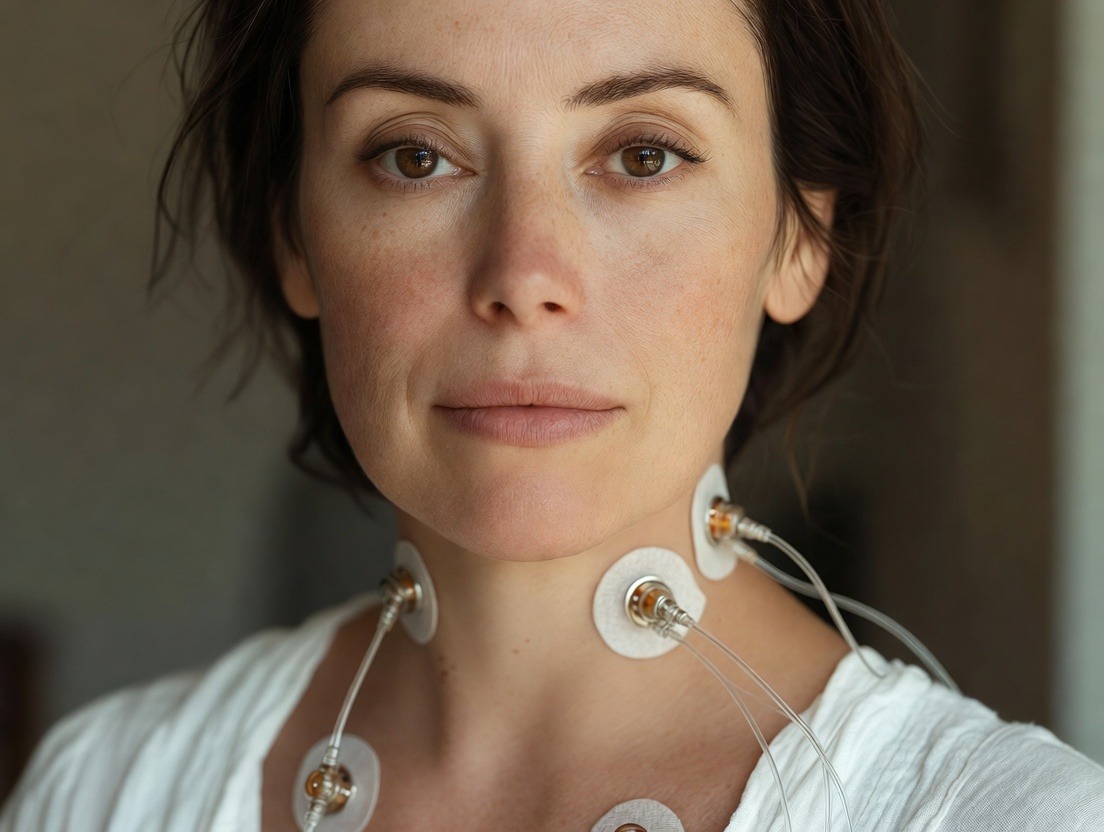
The practice of intentional digital disconnection for mental restoration.
The Lost Art of Attention: Reclaiming Your Human Core in a Digital World
The morning sun filters through your window, but you don’t see it. Your first instinct isn’t to stretch, breathe, or greet the day. It’s to reach. To scroll. To plunge into the digital stream before your feet even touch the floor. The day unfolds in a series of pings, notifications, and infinite tabs—a low-grade hum of anxiety that has become our default state. We are constantly connected, yet profoundly fragmented. We consume information by the terabyte, yet struggle to focus for a full minute. We are "on" 24/7, yet we are chronically depleted.
This is digital fatigue. It’s not just being tired of your screen; it’s a systemic exhaustion of your nervous system. It manifests as brain fog, shallow sleep, diminished creativity, and a nagging sense that you’re perpetually behind, both in your inbox and in your own life. We’ve treated technology as a tool to master our lives, but for many, it has mastered us.
But what if there was a way to not just log off, but to restore? To move beyond mere digital detox—a temporary withdrawal that often feels punitive and unsustainable—and toward a proactive, integrated practice of Digital Restoration Wellness.
Digital Restoration Wellness is the conscious, systematic practice of using technology and disengaging from it to rebuild our cognitive reserves, emotional equilibrium, and physical vitality. It’s not about rejection, but about recalibration. It’s the art of making technology serve your humanity, not subsume it. It's about leveraging the very tools that can exhaust us—like advanced wearables—to guide us back to ourselves.
In this comprehensive guide, we will explore the architecture of this new wellness paradigm. We will move from understanding the science of our digital depletion to building a personalized, sustainable practice of restoration. We’ll explore how modern tools, including sophisticated smart rings that monitor your physiological state in real-time, can act as your guides and guardians in this journey, helping you identify your stress triggers, quantify your recovery, and build habits that stick.
The goal is not a life without technology, but a life where technology facilitates deeper presence, richer focus, and a more resilient, authentic you. Let’s begin the journey of restoration.
The Anatomy of Digital Depletion: Why Your Brain Feels Fried
To practice restoration, we must first understand the mechanisms of depletion. Digital fatigue isn't a personal failing; it's a predictable physiological and psychological response to an environment our brains did not evolve for. It operates on multiple levels.
Cognitive Overload and Attentional Fragmentation: The human brain is a remarkable processor, but it has severe bottlenecks, particularly in working memory and attentional control. Every app, notification, and browser tab represents a "cognitive thread." Multitasking—or more accurately, task-switching—forces your brain to constantly reorient, deplete neurochemical resources, and incur what psychologists call "switch costs." This leads to slower processing, more errors, and mental exhaustion. Your brain isn’t designed for the firehose of the Twitter feed or the constant context-switching of Slack; it’s built for sustained focus on a single, meaningful task.
The Dopamine Drain: Intermittent variable rewards are the engine of habit formation, a principle slot machines use masterfully. Social media platforms, email, and news sites are engineered on this exact model. Every pull-to-refresh, every notification ping, holds the potential for a reward (a like, an important message, interesting news). This triggers dopamine release, the neurotransmitter associated with motivation, desire, and seeking. We become trapped in a compulsive loop of seeking digital "hits," which over time can dull our dopamine receptors, making real-world, slower-building rewards (like reading a book, mastering a skill, or having a deep conversation) feel less compelling.
The Always-On Culture and Cortisol Spikes: Read receipts, "last seen" indicators, and the expectation of instant reply create a state of perpetual social vigilance. This triggers low-grade, chronic releases of cortisol, the body’s primary stress hormone. Elevated cortisol over time is linked to anxiety, weight gain, sleep disruption, impaired immune function, and hippocampal shrinkage, which affects memory. The blue light from screens further compounds this by suppressing melatonin production, directly sabotaging the very sleep we need to recover from this stress.
The Erosion of Deep Work and Boredom: Cal Newport’s concept of "Deep Work"—the ability to focus without distraction on a cognitively demanding task—is becoming a rare skill. In its place, we settle for "shallow work": logistical, reactive tasks that feel busy but create little value. Furthermore, we have systematically eliminated boredom from our lives. Boredom is not the enemy; it is a crucial neurological state for daydreaming, creativity, self-reflection, and consolidation of memory. By filling every spare micro-moment with digital input, we starve our minds of the space needed for insight and innovation.
The result is what some neuroscientists term "popcorn brain"—a brain so accustomed to the constant stimulation of digital hopping that it "pops" uncomfortably when asked to sustain linear thought. Understanding this anatomy is the first step toward healing it. It allows us to move from self-blame ("Why can’t I concentrate?") to strategic intervention. By measuring the impact—for instance, by observing how your heart rate variability (HRV) plummets after an hour of reactive email work versus a focused walk—you can begin to make data-informed choices. Tools that provide this kind of feedback, like those explored in our deep dive on the science behind modern health tracking technology, are invaluable for turning vague feelings of fatigue into actionable insights.
Defining Digital Restoration Wellness: Beyond the Digital Detox
The term "digital detox" has permeated wellness culture, conjuring images of weekend retreats in cabins without Wi-Fi. While disconnection has its place, the detox model is inherently flawed. It is often extreme, short-lived, and framed as a deprivation—a punishment for our digital "sins." Once the detox ends, we simply revert to our old habits, often with a vengeance. It treats technology as a toxin to be purged, rather than a powerful, omnipresent force to be mindfully managed.
Digital Restoration Wellness is a different paradigm entirely. Think of it not as a temporary cleanse, but as building a permanent, healthier relationship with technology—one rooted in intentionality and self-awareness. Here’s how it differs:
Proactive vs. Reactive: Detox is a reaction to feeling overwhelmed. Restoration is a proactive, daily practice of maintaining equilibrium.
Integrated vs. Isolated: Detox happens away from your normal life. Restoration is woven into your normal life.
Skill-Based vs. Abstinence-Based: Detox is about removal. Restoration is about cultivating skills: attention regulation, intentional engagement, and physiological awareness.
Sustainable vs. Extreme: A weekend detox is unsustainable. Small, consistent restoration habits are designed to last a lifetime.
At its core, Digital Restoration Wellness is built on three pillars:
Awareness: Using quantitative and qualitative data to understand your personal digital consumption patterns and their physiological impact. How does 30 minutes of social media after dinner affect your sleep score? How does a morning notification-free block affect your afternoon focus? This is where objective data from a wearable can be revolutionary, moving you from guesswork to knowledge.
Intention: Consciously designing your technology use around your values and goals, rather than allowing it to be dictated by defaults and algorithms. This means curating your feeds, scheduling your connectivity, and defining what "purposeful use" looks like for you.
Recovery: Actively engaging in practices that rebuild the cognitive, emotional, and physical resources depleted by digital engagement. This includes not only screen-free time but also specific activities proven to restore the brain and body, which we will explore in depth.
The ultimate goal is Digital Agency—the empowered feeling that you are in control of your technology, not the other way around. It’s the ability to pick up your phone with purpose and put it down with ease. It’s working deeply without the itch to check messages. It’s being present with loved ones without a phantom vibration in your pocket.
This journey is deeply personal. What is restorative for a knowledge worker might differ from a healthcare professional. The key is to use tools and frameworks to find your unique balance. For those beginning this journey, understanding the fundamentals of your tools is essential. Our guide on wellness ring basics for making a purchase decision can help you choose a device that aligns with your restoration goals, while our resource on wellness ring basics for beginners provides the perfect starting point for implementation.
The Quantified Self Meets Restoration: How Smart Rings Become Your Restoration Guide
In the quest for restoration, subjective feeling is important, but it can be misleading. You might feel fine after a late-night scrolling session, while your nervous system is in a state of high alert. Objective data cuts through the noise, providing an unvarnished look at your body’s true state. This is where the modern smart ring transitions from a simple fitness tracker to a central nervous system for your Digital Restoration Wellness practice.
Unlike wrist-worn devices, a smart ring worn on your finger offers a unique combination of continuous, unobtrusive monitoring and clinically relevant data from the vascular-rich finger. It becomes a 24/7 biofeedback loop, quantifying the very depletion we’re trying to heal. Here’s how key metrics directly inform restoration:
Heart Rate Variability (HRV): This is the North Star metric for recovery and resilience. HRV measures the subtle variations in time between your heartbeats. A higher HRV generally indicates a relaxed, resilient nervous system (parasympathetic dominance), ready to adapt to stress. A lower HRV suggests a stressed, fatigued system stuck in "fight-or-flight" (sympathetic dominance). By tracking HRV trends, you can answer critical questions: Did that midday meditation actually help? Is my current work project causing systemic stress? Am I recovering adequately from my workouts? A ring that tracks HRV provides a direct window into your autonomic nervous system’s balance, guiding you to schedule deep work when you’re resilient and prioritize recovery when you’re depleted.
Resting Heart Rate (RHR) & Continuous Heart Rate: Elevated resting heart rate can be an early sign of overtraining, illness, or chronic stress. Observing how your heart rate spikes in response to certain digital interactions (e.g., a stressful email chain vs. a calming podcast) offers real-time biofeedback on your stress triggers.
Body Temperature & Skin Temperature: Continuous temperature monitoring, especially nocturnal, can reveal patterns related to menstrual cycles, onset of illness, and sleep quality disruptions—all factors that impact your capacity for restoration and your resilience to digital stress.
Sleep Architecture: True restoration is impossible without quality sleep. Advanced rings don’t just track duration; they analyze sleep stages (light, deep, REM), disturbances, and latency (time to fall asleep). You can run experiments: Does using a blue-light blocker after 8 PM improve your deep sleep? Does leaving your phone outside the bedroom reduce mid-night awakenings? The data gives you clear answers. For a deeper look at how this technology empowers proactive health, see our article on how health tracking technology enables personalized wellness.
Activity & Movement: Restoration isn’t just about stillness; it’s about balanced movement. A ring can gently nudge you to move after a long period of sedentary screen time, supporting the physical component of digital wellness.
The power lies in the synthesis of this data. A smart ring acts as your impartial restoration coach, highlighting the connection between your digital behaviors and your biological state. It moves the conversation from "I should probably use my phone less" to "My data shows that scrolling after 9 PM correlates with a 15% reduction in my deep sleep and a lower morning HRV. My action is to charge my phone in the kitchen starting tonight." This is the essence of a quantified approach to restoration. To explore the full potential of this technology, learn about the accuracy revolution in health tracking technology that makes such precise insights possible.
Laying the Foundation: The Digital Environment Audit
You cannot navigate a cluttered, chaotic space with intention. The first practical step in Digital Restoration Wellness is to audit and intentionally redesign your digital environment. This is less about willpower and more about choice architecture—designing your digital world to make restorative choices easier and depleting choices harder. Think of it as tidying your digital home.
Step 1: The Notification Reckoning. Notifications are the primary interrupters of focus and drivers of compulsive checking. Go into the settings of every app on your phone and computer and ask: "Does this serve a vital, time-sensitive purpose in my life?" For 95% of apps, the answer is no. Turn off all non-essential notifications. Allow only critical communications (e.g., direct messages from family, true work emergencies). Schedule specific times to check email and social apps, rather than letting them check you.
Step 2: The Home Screen Purge. Your phone's home screen is prime digital real estate. Remove all social media, news, and entertainment apps from this screen. Replace them with tools that align with your values and restoration goals: a meditation app, a notes app, your calendar, a podcast app for learning, or your smart ring’s companion app to check your recovery score. Make accessing distraction a conscious, multi-step process.
Step 3: Implement Grayscale. Color is a powerful psychological trigger designed to capture attention. Switching your phone’s display to grayscale (available in accessibility settings) can dramatically reduce its visual allure, making it feel more like a tool and less like a slot machine. The world becomes less compelling to mindlessly scroll.
Step 4: Create Friction for Time-Sinks. Uninstall the most distracting apps from your phone. If you need to use them, use the desktop version, which is often less addictive. Use app timers and blockers (like Freedom, Cold Turkey, or built-in digital wellbeing features) to set hard limits on usage. The extra step of reinstalling an app or overriding a blocker creates a moment of pause to ask, "Is this what I truly intend to be doing right now?"
Step 5: Curate Your Inputs. Audit who you follow and what newsletters you subscribe to. Do these feeds leave you informed and inspired, or anxious and inadequate? Unfollow, mute, and unsubscribe mercilessly. Your attention is your most precious resource; be ruthless about what you allow to consume it.
Step 6: Establish Physical Boundaries. Designate tech-free zones (the bedroom, the dinner table) and tech-free times (the first hour after waking, the last hour before bed). Use a traditional alarm clock to break the phone-in-bedroom habit. These physical boundaries create sacred spaces for connection, relaxation, and sleep—the cornerstones of restoration.
This audit is not a one-time event but an ongoing practice of maintenance. The goal is to reduce the constant low-level decision fatigue and cognitive clutter, creating a digital landscape that supports, rather than sabotages, your focus and peace. For insights on how to extend this philosophy of intentional design to the tools you use, explore our thoughts on the future of wearable health tech, where seamless, supportive design is key.
The Cornerstone of Recovery: Architecting Sleep for Digital Resilience
If Digital Restoration Wellness were a temple, sleep would be its foundation. It is during sleep that your brain performs essential maintenance: clearing metabolic waste via the glymphatic system, consolidating memories, processing emotions, and restoring neurochemical balance. Every hour of digital overstimulation and cognitive fragmentation creates a debt that must be repaid in deep, restorative sleep. Without it, the entire restoration project collapses.
The Digital-Sleep Sabotage Cycle: Blue light from screens suppresses melatonin. Engaging content activates the mind when it should be winding down. Even the mere presence of a smartphone in the bedroom has been linked to reduced sleep quality due to the anxiety of potentially missing something. Poor sleep leads to lower frustration tolerance, poorer focus, and increased stress reactivity the next day, which in turn drives more mindless digital consumption as a coping mechanism—a vicious cycle.
Building a Bulletproof Sleep Sanctuary with Data:
The Digital Sunset: Institute a mandatory screen curfew 60-90 minutes before your target bedtime. This is non-negotiable. Use this time for truly analog activities: reading a physical book, light stretching, journaling, or conversation. If you must use a device, employ aggressive blue-light filters and night-mode settings.
Optimize Your Environment: Your bedroom should be a cave: cool, dark, and quiet. Use blackout curtains, a white noise machine if needed, and ensure the temperature is between 60-67°F (15-19°C). Your smart ring’s skin temperature data can help you personalize this ideal range.
Leverage Your Ring as a Sleep Scientist: Don’t just track your sleep; experiment with it.
Test Your Caffeine Cut-Off: Note how sleep latency (time to fall asleep) and deep sleep percentage change if you have coffee after 2 PM vs. noon.
Measure the Meal Effect: Observe how a large, late dinner impacts your sleep disturbances and resting heart rate throughout the night.
Quantify the Wind-Down: Compare sleep scores on nights you follow your digital sunset ritual versus nights you don’t.
Establish a Consistent Schedule: Your ring will show you the profound benefit of going to bed and waking up at consistent times, even on weekends, by stabilizing your circadian rhythm and improving sleep efficiency.
Interpreting the Data for Action: A high "readiness" or "recovery" score from your wearable in the morning is a green light—your system is restored and resilient. A low score is a vital piece of feedback, not a failure. It’s your body saying, "I need more care today." On low-score days, you can intentionally schedule lighter cognitive loads, prioritize gentle movement over intense training, and double down on restoration practices. This responsive approach prevents burnout by respecting your body’s signals. For a comprehensive approach to wellness that prioritizes such preventative care, our guide on enabling preventive health monitoring is an essential resource.
By architecting your sleep with this level of intention and data-informed precision, you build the biological bedrock upon which all other restoration practices stand. Well-rested, you have the cognitive capacity to be intentional with your technology, rather than reactive to it.
Mindful Tech: The Practice of Intentional Engagement
Clearing the external clutter of notifications is only half the battle. The other half is training the internal muscle of attention itself. Mindful Tech is the practice of bringing the principles of mindfulness—non-judgmental, present-moment awareness—to our interactions with technology. It’s the antidote to autopilot scrolling and fragmented focus.
This is not about adding another meditation app to your home screen (though those can be helpful). It’s about changing the quality of your engagement with the tools you already use.
Core Practices of Mindful Tech:
The Pause-Breathe-Check-In Protocol: Before you unlock your phone or open a new browser tab, institute a mandatory micro-pause. Take one conscious breath. Ask yourself: "What is my intention for this interaction?" Is it to check a specific message, look up a recipe, or take a purposeful five-minute break? If you cannot name a clear intention, it is likely a habitual, avoidant impulse. This simple three-second practice creates a gap between impulse and action, returning agency to you.
Single-Tasking as a Sacred Act: Rebuke the myth of multitasking. When writing an email, just write the email. Close all other tabs and applications. When reading an article, read the article—don’t simultaneously have a chat window open. This is incredibly difficult at first, as the mind rebels with urges to check, switch, and seek novelty. Use a timer (the Pomodoro Technique is excellent here) to commit to 25 minutes of single-tasked focus. Your smart ring can provide fascinating biofeedback here; you may see your heart rate stabilize and variability improve during these focused blocks, a sign of your nervous system entering a state of calm concentration.
Conscious Consumption: As you scroll or read, periodically check in with your body. Are you leaning forward with tension? Is your jaw clenched? Is your breath shallow? Notice the emotional tone of the content you're consuming. Does this article leave you informed or enraged? Does this social comparison leave you inspired or inadequate? Use these somatic and emotional cues as a guide. If the content is causing physiological stress (which your ring may later corroborate with a stress metric), that is a signal to disengage.
Transformative Transitions: Our devices often act as crutches during micro-moments of transition—waiting in line, riding an elevator, sitting on a bus. These are actually golden opportunities for mini-restoration. Instead of pulling out your phone, try:
Observing your surroundings with curiosity.
Taking three deep, diaphragmatic breaths.
Noticing the sensations in your body.
Simply letting your mind wander.
These practices rewire your brain’s relationship with technology from one of compulsion to one of choice. It turns each interaction into a conscious act, reducing the cumulative cognitive drain of a day spent on autopilot. For many, the journey into mindful tech begins with understanding their own physiological patterns, a topic covered in our FAQ on common questions about wellness rings.
Digital Sabbaticals & Micro-Restoration: Strategic Disconnection
While mindful integration is the goal, there is immense power in strategic, planned disconnection. These are not detoxes born of desperation, but sabbaticals born of strategy—intentional periods to reset neural pathways, deepen non-digital relationships, and reconnect with the analog self. The key is to scale the practice to be sustainable and impactful.
The Spectrum of Strategic Disconnection:
The Daily Micro-Sabbatical: This is the most powerful and accessible tier. It involves carving out 60-120 minutes of uninterrupted, screen-free time every single day. This could be the first hour of your morning (a "digital dawn") or the evening wind-down period. This time is for activities that engage different neural networks: physical movement, face-to-face conversation, creative arts, or immersion in nature. The consistency of this daily break creates a reliable rhythm of restoration.
The Weekly Deep Restoration Block: Designate one block of time each week—a Saturday morning, a Sunday afternoon—for a longer, deeper disconnection. This is time for a long hike, an immersive creative project, reading a physical book for hours, or enjoying a leisurely meal with loved ones without a single device at the table. Use your smart ring to track the effect of this longer block on your stress metrics and subsequent sleep; the data often shows a pronounced "restoration dip" in stress and a spike in HRV.
The Quarterly Mini-Retreat: Plan a 24-48 hour period completely away from all non-essential digital tools. Inform key people you’ll be offline. Leave your laptop and tablet behind. Put your smartphone in airplane mode and use it only as a camera, if at all. The purpose is not just to rest, but to remember what it feels like to have an uninterrupted train of thought, to experience boredom and its creative fruits, and to engage with the physical world without a digital intermediary. The re-entry process is as important as the retreat itself; reflect on what you missed (usually very little) and what you gained, and integrate those insights into your daily rules of engagement.
Planning for Success, Not Deprivation:
Communicate: Tell friends, family, and colleagues about your plans to avoid causing concern.
Set an Auto-Responder: For longer sabbaticals, a clear email auto-responder sets boundaries and manages expectations.
Have an Analog Plan: Boredom will arise. Have a list of non-digital activities ready: books, journals, art supplies, walking routes, board games.
Reflect & Reintegrate: After the period ends, journal about the experience. What did you learn about your habits? What do you want to carry forward? How can you inject more of that sabbatical spirit into your daily micro-restorations?
These sabbaticals act as system reboots. They prove to your nervous system that you can survive—and thrive—without constant connection. They break the compulsive loops and provide space for new, healthier patterns to form. To see how real users integrate such practices with their technology, browse our collection of real customer reviews and testimonials.
Movement as Antidote: Physical Practices to Counter Digital Stagnation
The digital world is largely sedentary and mentally engrossing, locking us into a state of physical contraction and cognitive hyper-engagement. The body responds with stiffness, tension, and a stagnant energy flow. Therefore, a core pillar of Digital Restoration Wellness must be intentional, restorative movement designed to counter these effects. This isn't about high-intensity workouts to burn off stress (which can sometimes add more systemic stress), but about movement that resets the nervous system and reintegrates mind and body.
Restorative Movement Modalities:
Walking in Nature ("Green Exercise"): This is perhaps the most potent, research-backed restoration practice available. A 20-30 minute walk in a park or natural setting, preferably without headphones, combines rhythmic bilateral movement (calming to the nervous system), sensory engagement with a "softly fascinating" environment (nature), and distance from digital cues. Studies show it reduces rumination, lowers cortisol, and improves mood and focus far more effectively than walking in an urban environment. Use your smart ring to track how a nature walk influences your heart rate and stress score compared to a walk on busy city streets.
Yoga & Conscious Stretching: The physical postures (asanas) of yoga release muscular tension held from hours at a desk, particularly in the neck, shoulders, and hips. More importantly, the focus on linking breath with movement is a masterclass in bringing awareness back to the body—the polar opposite of dissociated screen-staring. Even a short 10-minute daily routine can reset postural and respiratory patterns.
Tai Chi & Qigong: These ancient "moving meditations" are exceptionally powerful for digital restoration. They involve slow, flowing movements performed with deep, coordinated breathing and mental focus. They are proven to reduce stress, improve balance, and enhance parasympathetic (rest-and-digest) tone. They train the mind to stay present with subtle bodily sensations, directly countering the scattered attention cultivated by technology.
Non-Screen-Based Cardio: Swimming, cycling on a trail, using a rowing machine while looking out a window—any cardio activity that doesn’t involve staring at a screen (like a treadmill TV) allows the mind to enter a more meditative, flow-like state. This state is deeply restorative for the overstimulated brain.
The Data-Driven Movement Break: Use your smart ring’s activity alerts not just as a nudge to "move," but as a prompt for a restorative movement micro-break. When the reminder chimes after 50 minutes of sitting, instead of just standing up, try:
2 minutes of conscious shoulder rolls and neck stretches.
5 minutes of walking up and down stairs or around the block while focusing on your breath.
A simple "5-5-5" breathing exercise (inhale 5, hold 5, exhale 5) while standing.
After a week, review your ring’s data. You’ll likely see a correlation between consistent, gentle movement breaks and lower average daily stress levels, improved sleep, and better recovery scores. This turns movement from a fitness chore into a non-negotiable component of your cognitive and emotional maintenance. For a deeper understanding of how movement tracking forms the basis of this practice, our primer on activity and movement tracking basics is invaluable.
The Analog Renaissance: Cultivating Deep Play & Hobbies in a Digital Age
We have outsourced our curiosity and our capacity for deep play to algorithms. Entertainment is streamed, games are downloaded, and learning is often reduced to bite-sized videos. While these have value, they are inherently consumptive. Digital Restoration Wellness demands that we actively reclaim the role of creator, maker, and engaged learner through analog hobbies. These activities are not mere distractions; they are vital neurological counterweights to the shallow, fragmented cognition of our digital lives.
Why Analog Hobbies Are Restorative:
State of Flow: Activities like woodworking, playing a musical instrument, gardening, painting, or model-building demand sustained, focused attention. They often have a clear progression and challenge that, when matched with skill, induce a state of "flow"—a timeless, immersive experience characterized by deep engagement and loss of self-consciousness. This state is the antithesis of distracted scrolling and is profoundly restorative for the prefrontal cortex.
Tactile & Sensory Richness: Digital experiences are largely visual and auditory, delivered through a flat, glass pane. Analog hobbies engage a full spectrum of senses: the feel of clay, the smell of sawdust, the physical resistance of a tool, the taste of home-baked bread. This sensory immersion grounds us firmly in the physical world, counteracting the disembodied feeling of living "in our heads" online.
Tangible Mastery & Delayed Gratification: In a world of instant likes and one-click purchases, analog hobbies teach the profound satisfaction of gradual progress and tangible results. A knitted scarf, a repaired piece of furniture, a grown tomato—these are testaments to patience and skill. This process rebuilds our tolerance for delayed gratification, a muscle severely atrophied by digital immediacy.
A Sanctuary from Metrics: Your smart ring tracks your sleep and HRV, and your phone counts your steps. Analog hobbies exist in a space free from quantification. You garden for the joy of it, not to beat a step count. You play music for expression, not to level up. This metric-free zone is crucial for psychological freedom and intrinsic motivation.
Finding Your Analog Counterpoint: Your hobby should be a chosen contrast to your digital life.
If your work is abstract and cerebral (coding, writing, analysis), choose a physical, hands-on hobby: cooking, pottery, knitting, gardening.
If your work is social and draining (management, customer service), choose a solitary, immersive hobby: painting, model-building, learning an instrument.
If your digital life is fast-paced and reactive, choose a slow, deliberate hobby: calligraphy, chess, fishing, birdwatching.
Start Small & Schedule It: Don't let the pursuit of a perfect hobby become another source of stress. Commit to 30 minutes, twice a week. Put it in your calendar as a non-negotiable "Restoration Appointment." The goal isn't to become a master potter; it's to give your brain a different kind of workout. As you engage, notice the state of your mind. Are you ruminating on work emails, or are you fully absorbed in the grain of the wood? This mindful awareness of your own focus is a victory in itself.
For those whose digital life is heavily integrated with health tracking, an analog hobby offers a beautiful balance. It’s a reminder that wellness is not just a dataset on your phone, but a lived, sensory experience. To explore how the right tools can support both your quantitative and qualitative wellness journey, our guide on personalizing your wellness ring to your body can help ensure your tech adapts to you, not the other way around.
Navigating Digital Relationships & Social Restoration
Our social worlds are now inextricably woven with digital threads. Relationships are maintained through texts, group chats, and social media updates. While this enables connection across distances, it also introduces unique strains: the anxiety of unanswered messages, the performative pressure of curated feeds, the shallow engagement of the "like," and the sheer volume of social noise. Digital Restoration Wellness requires us to be intentional architects of our digital social landscape, prioritizing depth and authenticity over breadth and performance.
From Broadcast to Connection: Social media often encourages us to broadcast a highlight reel to a broad audience. Restoration shifts the focus to meaningful bidirectional connection. This means:
DMs Over Feeds: Instead of posting a generic update, send a thoughtful direct message or email to a specific person. Share an article you think they would love, or ask a meaningful question about their life.
Voice Notes & Calls Over Text: Text is efficient but emotionally impoverished. A voice note or a brief call carries tone, warmth, and spontaneity that can repair the misunderstandings and coldness of text-based communication. It’s a more human touchpoint.
Small Groups Over Massive Networks: Curate small, private group chats (e.g., family, close friends) for genuine sharing and support. These become digital "watering holes" for true connection, away from the public performance of the main feed.
Setting Communication Boundaries: The expectation of perpetual availability is a primary source of digital social stress.
Manage Response-Time Anxiety: Turn off "read receipts." Use messaging app statuses intentionally ("Busy, will respond later"). Train your contacts (and yourself) that it is okay not to reply immediately. A helpful model is the 24-hour rule for non-urgent personal messages: you have a full day to respond thoughtfully.
Create Communication Channels: Designate different tools for different urgencies. For example: SMS/Call for urgent/time-sensitive matters; WhatsApp/Signal for casual daily chat; Email for longer-form, asynchronous conversation. Make these norms clear to your inner circle.
Schedule Social Media "Office Hours": Just as you wouldn’t sit in a crowded pub 24/7 to socialize, don’t leave your social media apps open all day. Schedule 1-2 short, intentional periods to check and engage, then close them. This contains social consumption and prevents it from fragmenting your focus throughout the day.
The Art of the Digital Declutter (Social Edition): Conduct a quarterly "relationship audit" of your social networks.
Unfollow/Mute Liberally: Unfollow accounts that trigger comparison, anxiety, or anger. Mute people whose constant updates are noise (this is often more graceful than unfriending). Your feed should inform and inspire you, not deplete you.
Cull Your Contacts: Do you have 800 "friends" on social media? How many are actual relationships? It’s okay to prune. Quality of connection vastly outweighs quantity.
Use Lists & Close Friends Features: Most platforms offer ways to filter your feed. Create a "Favorites" or "Close Friends" list of 10-25 people whose updates you genuinely care about. Make this your primary feed view.
Prioritizing Face-to-Face & Analog Socializing: The pinnacle of social restoration is in-person, device-free connection. The shared experience of a meal, a walk, or even sitting in silence together provides neurochemical benefits (oxytocin release, mirrored brainwaves) that digital interaction cannot fully replicate. Protect and prioritize these analog interactions. When you are with someone, practice phubbing-prevention: put your phone away, face down, and out of reach. Be fully present.
This intentional approach to digital relationships reduces social friction and frees up emotional energy for the connections that matter most. It ensures that our digital tools serve our social health, rather than complicating it. For a broader perspective on how technology is reshaping human connection in healthcare, our article on how health tracking technology has changed preventive medicine offers a fascinating parallel.
Building Your Personalized Digital Restoration Plan
Knowledge is only powerful when applied. Now that we've explored the pillars of Digital Restoration Wellness—from environmental design and sleep to mindful engagement and analog hobbies—it's time to synthesize these elements into a living, breathing plan tailored specifically to you. This is not a rigid set of rules, but a flexible framework for experimentation and iteration, guided by your own values and data.
Step 1: Define Your "Why" & Vision. Before changing any habit, connect to your deeper motivation. Why do you want to practice restoration? Is it to:
Reclaim your ability to read a book for an hour?
Be more present with your children?
Reignite your creativity at work?
Simply feel less frazzled and more in control? Write down your personal vision for a restored relationship with technology. This is your anchor when motivation wanes.
Step 2: Conduct a Self-Assessment (The Baseline). Use both subjective and objective tools:
Subjective: For one week, keep a simple journal. Note times you feel most distracted, anxious, or digitally compulsive. Note when you feel most focused and calm.
Objective: Use your smart ring to establish a baseline. What is your average nightly sleep score? Your average daily stress or HRV? Your resting heart rate? This quantitative snapshot, available from platforms like Oxyzen.ai, is your starting point. Don't judge the numbers; just observe them.
Step 3: Select 1-2 "Keystone" Habits to Start. Don't try to overhaul everything at once. Based on your assessment, choose one or two foundational habits that will have an outsized impact. These are often:
Implementing a Digital Sunset (removing screens 90 min before bed).
Creating a Notification-Free Morning (first 60 min of the day).
Scheduling Daily Micro-Restoration (a 30-min walk without your phone).
Performing a Digital Environment Audit (turning off non-essential notifications).
Step 4: Design Your Experiment & Measure. Frame the change as a 2-week experiment, not a forever commitment. For example: "For the next 14 days, I will charge my phone outside my bedroom. I will use my smart ring to track any changes in my sleep duration, deep sleep percentage, and morning readiness score." This scientific approach removes the emotional weight of "success or failure" and replaces it with curiosity.
Step 5: Integrate & Iterate. After the experiment, review your data and your journal. Did your sleep scores improve? Did you feel different? If yes, this habit graduates to a permanent part of your plan. If not, why? Adjust the variable (maybe try 60 minutes instead of 90) or try a different habit. Then, add another small experiment. Progress is iterative.
Sample Weekly Restoration Framework:
Daily: Digital sunset; notification-free morning block; 2x mindful movement breaks.
Weekly (e.g., Sunday): 2-hour analog hobby session; 30-minute digital admin to schedule communications for the week; review smart ring recovery data to plan intensity for the upcoming week.
Monthly: One 24-hour "mini-sabbatical"; a social media feed cleanup.
Using Your Smart Ring as Your Guide: Your wearable is the central dashboard for this plan. Let it guide your daily decisions.
A high Recovery/Readiness score is a green light for deep work, challenging tasks, and social engagement.
A low Recovery/Readiness score is a directive for compassion. It tells you to prioritize light activity, extra sleep, hydration, and stress-modulating practices. This responsive approach, detailed in resources like our guide on how a wellness ring can help build healthy habits, is the essence of a personalized, data-informed wellness practice.
Your plan will evolve as your life does. The goal is to build a resilient system, not a perfect routine. For ongoing inspiration and new strategies to incorporate, the Oxyzen.ai blog is a continual source of research-backed wellness insights.
Sustaining the Practice: Overcoming Resistance & Cultivating Resilience
The path of Digital Restoration Wellness is not linear. There will be days of seamless flow and weeks of travel, illness, or high stress where all your best-laid plans seem to crumble. The old, compulsive patterns will whisper persuasively. The key to long-term success is not perfection, but resilience—the ability to course-correct with compassion and return to your practices without self-flagellation.
Common Resistance Points & Strategies:
"I don't have time." This is the most frequent objection, and it's a cognitive illusion. Restoration doesn't take time; it changes the quality of your time. A 5-minute breathing break can save you 30 minutes of inefficient, distracted work. A good night's sleep makes every hour of the next day more productive. Reframe restoration not as an extracurricular activity, but as essential maintenance for your primary instrument: yourself.
"It feels boring/weird/awkward at first." Of course it does. Your brain has been wired for high-stimulus, low-effort digital input. Sitting in silence, taking a walk without a podcast, or reading a paper book will feel under-stimulating initially. This is a sign the rewiring is beginning. Embrace the awkwardness as a necessary symptom of growth. Trust that with consistency, your brain will rediscover the pleasure in slower rhythms.
The All-or-Nothing Trap: You miss your digital sunset one night, so you think, "I've blown it," and scroll until 2 AM. This is a classic pattern. The solution is the "next best action" principle. If you miss your morning meditation, don't write off the whole day. Take 3 deep breaths before your next meeting. If you scroll mindlessly for 20 minutes, gently put the phone down and take a 5-minute walk. Every moment is a new opportunity to choose restoration.
Social & Professional Pressure: "Everyone expects an immediate reply!" "What if I miss something important?" These fears are real but manageable. Communicate your boundaries proactively. You can say, "For better focus, I check email at 10 AM and 4 PM." Most people respect clear boundaries. The "fear of missing out" (FOMO) diminishes as you experience the "joy of missing out" (JOMO)—the peace and space you gain by not being constantly on-call.
Cultivating a Restoration Mindset:
Practice Self-Compassion: Talk to yourself as you would a friend who is trying to make a positive change. "It's okay that I got sucked into that today. It's a hard habit to break. I'll try again tomorrow."
Celebrate Micro-Wins: Did you catch yourself before unlocking your phone and took a breath? That's a win. Did you leave your phone in another room during dinner? That's a win. Acknowledge these small victories—they are the building blocks of new neural pathways.
Find Community: You don't have to do this alone. Share your intentions with a partner or friend. Join a community, perhaps one centered around mindful tech or the specific wearable ecosystem you use, like those who share their journeys through Oxyzen customer experiences. Accountability and shared learning are powerful motivators.
Regularly Revisit Your "Why": When resistance is strong, go back to the vision you wrote in your plan. Reconnect to the person you want to be and the life you want to live. This is your source of intrinsic fuel.
Sustaining this practice is about building resilience not just against digital distraction, but against the broader stresses of modern life. It’s about creating an inner stability that allows you to engage with the world—digital and analog—from a place of choice, not compulsion. It is a lifelong journey of coming home to yourself, again and again. For support on practical aspects of maintaining the tools that aid this journey, our guide on wellness ring maintenance and care ensures your technology remains a reliable partner.
formation Diet: From Overload to Empowered Learning
In the digital age, information is not scarce—it is overwhelming. We suffer not from a lack of data, but from a crisis of curation. The constant stream of news, opinions, podcasts, newsletters, and social updates creates a state of "infobesity," where we consume vast amounts but digest and retain very little of true value. A critical component of Digital Restoration Wellness is moving from passive, algorithmic consumption to an active, intentional Information Diet. This is the practice of selectively feeding your mind with content that aligns with your growth, values, and well-being, while ruthlessly filtering out the junk food of the digital world.
The Cost of Information Indigestion: Consuming a chaotic, reactive, and often negative information diet has direct consequences:
Cognitive Clutter: It fills your mental "RAM" with fragmented, often irrelevant facts and opinions, leaving less space for original thought and deep focus.
Anxiety & Helplessness: A 24/7 news cycle and social media outrage machine can induce a state of chronic "crisis mode," elevating stress hormones and fostering a sense of powerlessness.
Echo Chambers & Polarization: Algorithms are designed to show you more of what you engage with, often trapping you in ideological bubbles that limit perspective and critical thinking.
Time Theft: The endless scroll is a black hole for your most finite resource: attention and time.
Principles of a Restorative Information Diet:
Define Your Information Macros: Just as you might balance protein, fats, and carbs, balance your information inputs. Create categories that serve different needs:
Sustenance (Current Awareness): A limited selection of high-quality, non-sensationalist news sources.
Inspiration (Creative Fuel): Art, music, nature documentaries, well-curated essays or podcasts from trusted thinkers.
Connection (Community & Dialogue): Thoughtful discussions, whether in-person or in well-moderated digital forums.
Appoint Your "Chief Editors": You are the editor-in-chief of your mind. Be ruthless. Unsubscribe from 90% of newsletters. Prune your podcast list. Unfollow news aggregates that thrive on panic. Instead, consciously choose a handful of trusted, thoughtful sources—journalists, authors, institutions—who act as your curators. Let them do the initial filtering for you.
Schedule "Information Meals," Don't Snack All Day: The practice of "Consumption Scheduling" is transformative. Instead of checking news or social feeds continuously, designate 1-2 specific, time-bound sessions per day (e.g., 20 minutes with coffee, 15 minutes after lunch). Outside these windows, close the apps and browsers. This contains anxiety and prevents information from fragmenting your workday.
Prioritize Depth Over Breadth: Commit to going deep on fewer topics rather than skimming the surface of everything. Choose one subject to study in-depth each quarter. Use tools like your smart ring to notice: does engaging with deep, long-form content create a different physiological response (calmer heart rate, more focus) compared to skimming headlines? The data often confirms the restorative power of depth.
Implement a "To-Read/To-Watch" List, Not an Infinite Feed: When you encounter an interesting link, save it to a read-later app (like Pocket or Instapaper) or a dedicated list. This separates the act of discovery from the act of consumption. It allows you to discover in a focused moment, then consume intentionally later, breaking the compulsive "click-next" cycle.
Regularly Conduct "Information Fasts": Dedicate one day a week (e.g., a Sunday) or even a weekend per month to a complete break from news and social media. Notice the mental space that opens up. This fast resets your baseline and makes you more aware of the habitual pull of information checking.
By curating your information diet, you transform from a passive consumer at the mercy of algorithms to an active learner in charge of your own intellectual and emotional nourishment. This practice directly fuels your capacity for deep work and creative output. For more on structuring a holistic wellness approach that includes managing your informational environment, our article on 50 healthy aging tips a smart ring helps implement daily includes strategies for mindful consumption.
Digital Wellness for Families & Shared Spaces
Digital Restoration Wellness cannot exist in a vacuum. Our habits are influenced by, and deeply influence, those around us—especially our families and housemates. The sight of a parent scrolling at dinner, the sound of constant notifications, or the battle over screen time can create a home environment at odds with restoration. Creating a culture of intentional tech use within your household is one of the most impactful applications of this practice. It’s about co-creating norms that protect connection, attention, and quiet.
Modeling Over Mandating: For children (and partners), actions speak infinitely louder than words. The most powerful thing you can do is to embody the principles of Digital Restoration Wellness yourself.
Be visibly present. Put your phone in a designated dock when you walk in the door.
Talk about your own practices: "I'm turning off my notifications for an hour so I can focus on this project/work on my hobby."
Share your "wins": "I felt so much better after our phone-free walk yesterday."
Create Collective Household Rules & Rituals:
Tech-Free Zones & Times: Establish sacred spaces and times as a family unit. Common agreements include:
No devices at the dinner table. This is for conversation and connection.
No phones in bedrooms overnight. Use a shared charging station in the kitchen or living room. This improves sleep for everyone and removes midnight temptation.
"Digital Sunset" for the house. The last hour before bed is for reading, board games, quiet conversation, or listening to music—screens are put away.
Shared "Focus Time": Implement a daily or weekly block where everyone engages in quiet, focused activity. This could be reading, drawing, homework, or a personal project. The rule is simple: no interactive screens. This creates a collective energy of calm concentration that benefits all.
Plan Analog Adventures: Proactively schedule activities that are inherently screen-free and engaging: hikes, bike rides, museum visits, baking sessions, or camping trips. The shared experience of being fully immersed in an analog world builds strong memories and reinforces the joy of unplugged living.
Navigating Screens with Children & Teens: This is a nuanced challenge that requires ongoing dialogue, not just control.
Focus on "What For," Not Just "How Much": Move beyond just limiting screen time minutes. Engage in conversations about content and purpose. "What did you learn from that video?" "How did that game make you feel?" "Let's find a creative app where you can make something, not just watch." Help them develop their own internal compass for intentional use.
Use Technology as a Tool for Co-Learning: Explore educational apps, documentaries, or creative software together. Use a family wellness wearable to set collective movement goals or sleep challenges. Frame technology as something you can use mindfully together, not just as an individual babysitter.
Teach Digital Literacy & Restoration Early: Just as you teach table manners, teach "device manners." Discuss concepts like notification management, the importance of boredom, the difference between connection and comparison on social media, and how to recognize when they feel digitally drained. Empower them with the why behind household rules.
Designing the Physical Environment for Connection: Your home's layout can either promote or prevent digital restoration.
Create a central, comfortable space that invites conversation and shared activity, making it more appealing than isolated screen time in bedrooms.
Have baskets or charging stations at the entrance for devices.
Keep televisions and gaming consoles in common areas, not bedrooms.
By making Digital Restoration Wellness a family project, you build a supportive ecosystem that makes healthy habits easier for everyone. It transforms the home from a collection of individuals staring at separate screens into a true sanctuary for shared presence and restoration. For families considering integrating health technology, understanding privacy settings and data security is a crucial first step in responsible adoption.
Environmental Engineering: Crafting Physical Spaces for Digital Calm
Our external environment has a profound effect on our internal state. The spaces where we live and work are often unconsciously engineered for digital distraction: screens as the focal point, charging cables snaking across every surface, the constant hum and glow of standby electronics. To support Digital Restoration Wellness, we must become intentional environmental engineers, designing our physical spaces to naturally encourage focus, calm, and disconnection. This goes beyond simply putting your phone away; it's about architecting your surroundings to make restoration the default.
The Principles of a Restorative Space:
Designate a "Deep Work" Zone: Identify one area in your home or office that is dedicated solely to focused, creative, or cognitively demanding work. This zone should be:
Minimalist: Clear of clutter, especially unrelated papers or knick-knacks.
Tech-Limited: Only the essential technology for the task at hand (e.g., a computer with internet blockers enabled, a notebook). All other devices should be out of sight and, ideally, out of the room.
Aesthetically Calming: Use colors, lighting, and perhaps a plant or piece of art that promotes a sense of clarity and calm. Natural light is ideal.
Create a "Digital Detox" Corner: Establish a small, inviting space explicitly designed for screen-free activities. This could be a comfortable chair with good reading light next to a small bookshelf, a yoga mat in a quiet corner, or a side table with a puzzle or journal. The mere existence of this dedicated space serves as a visual cue and invitation to disconnect.
Master Your Lighting: Lighting is a powerful regulator of circadian rhythm and mood.
Maximize Natural Light: Position workspaces near windows. Exposure to morning sunlight is one of the most potent signals for setting a healthy sleep-wake cycle.
Warm & Dim for Evening: As your digital sunset begins, switch overhead lights to lamps with warm-toned bulbs (2700K or lower). Use dimmers to gradually lower light levels, mimicking the natural progression towards night. This supports melatonin production.
Eliminate "Phantom Glow": Cover or turn off the tiny LED lights on routers, chargers, and electronics in bedrooms. Consider using a simple outlet switch to completely cut power to non-essential devices at night.
Control the Soundscape: The constant ping of notifications is an acoustic pollutant. Take control.
Silence is Golden: Embrace periods of total silence. It is a rare and restorative commodity.
Use Intentional Sound: When helpful, use noise-cancelling headphones with non-lyrical music (classical, ambient, binaural beats) or white/brown noise to create an auditory bubble for deep work, blocking out unpredictable environmental sounds.
Nature's Soundtrack: The sound of flowing water, rain, or birdsong (via a speaker or open window) can lower stress and enhance cognitive restoration.
The "Out of Sight, Out of Mind" Principle: Physically hide technology when not in intentional use. Use drawers, boxes, or cabinets to store tablets, gaming consoles, and even televisions when possible. A charging station should be in a closet or a dedicated cabinet, not on your nightstand or kitchen counter. The visual cue of a device is a powerful trigger for the impulse to check it. Removing the cue removes the temptation.
The Role of Nature & Biophilic Design: Integrating elements of nature into your environment—a practice known as biophilic design—is one of the most powerful restoration tools available.
Indoor Plants: They improve air quality and have a demonstrably calming visual effect.
Natural Materials: Incorporate wood, stone, wool, or cotton into your decor. These textures feel grounding compared to the cold smoothness of glass and plastic.
Views & Access: If possible, arrange furniture to have a view of nature (a garden, trees, sky). Even a small view can provide a "micro-restorative" break for your eyes and mind. Make it easy to step outside for a few moments.
By engineering your environment to support your intentions, you dramatically reduce the daily cognitive load required to resist distraction. Your space becomes an ally in your restoration practice, passively guiding you toward healthier choices. This philosophy of supportive, human-centric design is at the core of thoughtful wellness technology as well, a principle you can explore in the Oxyzen about us page which details our mission to harmonize tech and well-being.
The Longitudinal View: Using Long-Term Data for Lifelong Wellness
Digital Restoration Wellness is not a 30-day challenge; it is a lifelong practice of tuning and refinement. The true power of a data-informed approach reveals itself not in daily fluctuations, but in long-term trends. This longitudinal view—seeing your health and habits mapped over months and years—transforms your smart ring or wearable from a daily fitness tracker into a personal health intelligence platform. It allows you to move from reacting to yesterday's poor sleep to proactively identifying patterns that predict your resilience, your vulnerabilities, and your unique path to optimal functioning.
From Data Points to Data Stories: A single night of poor sleep is a data point. A trend showing that your deep sleep consistently dips in the week before a major project deadline is a data story. This story tells you something profound about how your body responds to anticipatory stress, allowing you to intervene earlier with more aggressive restoration practices during those periods.
Key Long-Term Insights to Track & Analyze:
Circadian Rhythm & Seasonal Patterns: Over a year, you may discover your natural sleep time shifts with the seasons, or that your average resting heart rate is lower in summer. This knowledge helps you adjust expectations and routines instead of fighting your biology.
Stress & Recovery Cycles: Long-term HRV and stress metric data can reveal your personal cycle. Perhaps you operate on a 4-week cycle of build-up and recovery, or you see that social events, while enjoyable, require two days of lower-stimulus activity to fully rebalance your nervous system.
Correlation Between Lifestyle Experiments & Outcomes: Did the new meditation habit you started three months ago correlate with a 5% gradual increase in your average HRV? Did cutting out afternoon coffee six weeks ago lead to a measurable improvement in sleep latency? Long-term tracking turns guesses into validated conclusions.
Baseline Shifts & Aging: Your personal health baseline naturally changes over time. A longitudinal dataset establishes your normal at every age. It empowers you to have informed conversations with healthcare providers, distinguishing between a normal age-related shift and a potentially concerning deviation.
How to Leverage Long-Term Data:
Schedule Quarterly Reviews: Every three months, set aside an hour to review your data. Look at averages and trends over the period, not daily graphs. Most companion apps provide weekly, monthly, and yearly views. Ask: What has improved? What has declined? What life events correlate with the changes?
Look for "Positive Deviations": Identify your best weeks—where your recovery scores were highest, your sleep was most consistent, your activity was balanced. What were you doing differently during those periods? Reverse-engineer your own success. Those patterns hold the blueprint for your personal optimal routine.
Set Trend-Based Goals, Not Point-in-Time Targets: Instead of "I want a sleep score of 85 tonight," set a goal like "I want to improve my average sleep score over the next quarter from 78 to 82 by implementing a consistent wind-down routine." This focuses on sustainable process over nightly perfection.
Use Data for Compassionate Self-Awareness: Seeing a long-term dip in metrics during a period of grief, intense work, or family stress can be a powerful validation. It's not you "failing" at wellness; it's your body faithfully recording the impact of life. This view encourages self-care rather than self-criticism.
This longitudinal approach represents the cutting edge of personalized health, moving us toward a future where we are the experts on our own bodies, equipped with a continuous, objective record of our lived experience. It’s the ultimate application of the quantified self for qualitative life improvement. To understand the technological backbone that makes this possible, delve into the sensors, algorithms, and AI behind health tracking.
The Future of Symbiosis: Co-Evolving with Technology
As we look forward, Digital Restoration Wellness points toward a more mature, sophisticated relationship with technology—one not of conflict, but of symbiosis. The goal is not to defeat technology, but to evolve alongside it, harnessing its power to augment our humanity while fiercely protecting the irreplaceable aspects of the human experience it cannot replicate. This future requires both technological innovation and a deepening of our own self-knowledge and discipline.
The Next Generation of Restorative Tech: Future wearables and ambient technologies will likely move from passive tracking to active, context-aware guidance.
Predictive Nudges: Instead of telling you you're stressed, a device might sense rising physiological stress during a work meeting and discreetly suggest a one-minute breathing exercise on your smartwatch or ring.
Environmental Integration: Your wearable could communicate with your smart home to gradually dim lights and lower thermostat as your body signals the onset of sleep, or to mute notifications when it detects you’ve entered a state of deep focus.
Emotional Intelligence (EQ) Sensors: Emerging research into biomarkers for emotional states could lead to devices that help you identify patterns in your emotional responses, fostering greater emotional regulation and self-awareness.
Truly Unobtrusive Design: The ideal restorative tech is so seamless it fades into the background of your life, gathering data without demanding attention—much like the smart rings of today are a step beyond wrist-worn devices. The evolution from manual tracking to this seamless integration is chronicled in our article on the evolution of health tracking technology.
The Human Counter-Culture: In parallel with tech advancement, a vital human counter-culture must grow stronger. This includes:
Valuing Boredom & Solitude: Actively cultivating these states as creative and restorative necessities.
Championing Analog Skills: Preserving and celebrating the knowledge of crafts, face-to-face conversation, and embodied practices.
Developing Digital Literacy & Ethics: Teaching critical thinking about algorithms, data privacy, and the attention economy from a young age.
Designing for Humanity: Demanding that tech companies build products with "digital wellbeing" as a core feature, not an afterthought buried in settings.
The Balanced Human of the Future: The individual who thrives in this symbiotic future will be a hybrid, possessing a unique dual literacy:
Tech Literacy: The ability to leverage technology efficiently, understand its limitations, and protect one's data and attention.
Self Literacy: A deep, intuitive understanding of one's own body, mind, and values—cultivated through practices like mindfulness, time in nature, and reflection. This self-knowledge is the essential compass that guides how and when to use technology.
This symbiosis leads to a state of Digital Flourishing, where technology amplifies our human potential for connection, creativity, and health without usurping our autonomy or depleting our spirit. It’s a future where we are not slaves to the ping, but conductors of a technological orchestra that plays in harmony with our well-being.
Your Journey Forward: Digital Restoration Wellness is your personal path toward that future. It begins with the simple, radical act of pausing before you pick up your phone. It grows through the consistent practice of listening to your body's data and wisdom. It culminates in a life where you are in dialog with your tools, using them with purpose and putting them away with peace.
This is not the end of a guide, but the beginning of your practice. Return to these principles, experiment with the strategies, and use your tools—from the analog notebook to the sophisticated smart ring—as allies. The path to restoration is always available, in the very next breath, the very next choice. For continued support, community, and the latest insights on living well in a digital age, we invite you to explore Oxyzen.shop for tools designed with intention, and the Oxyzen.ai blog for a wealth of resources on your journey.



%402x.svg)