


How Your Smart Ring Helps You Make Sense of Complex Health Numbers
How your smart ring helps you understand complex health numbers.
How your smart ring helps you understand complex health numbers.
%402x.svg)
You stare at your phone, overwhelmed. Heart Rate Variability: 42 ms. Resting Heart Rate: 58 bpm. Skin Temperature: +0.3°C. Blood Oxygen: 97%. A readiness score of 72, a sleep score of 85, a stress graph that looks like a mountain range. These aren't just numbers; they are a foreign language. A cryptic report card on your own body, delivered daily with no instruction manual.
For decades, advanced health metrics were confined to clinics and athletic labs. Today, they live on your finger. The modern smart ring, a marvel of miniaturized engineering, generates a torrent of personal biometric data. But data alone is not insight. A number without context is just a digital artifact. The true revolution isn't in the measurement—it's in the translation.
This article is your guide to becoming fluent in the language of your own physiology. We will move beyond the daunting dashboards and into the realm of meaningful understanding. We’ll demystify what each critical metric truly means, explore the sophisticated technology that captures it right from your finger, and, most importantly, teach you how to interpret the interplay between these numbers to make informed decisions about your daily life—from your workout intensity to your bedtime, from your work schedule to your recovery needs.
No more guesswork. No more confusion. Let's learn how to listen to what your body has been trying to tell you all along.

Your body is a symphony of biological processes, constantly playing a complex tune of electrical impulses, chemical reactions, and mechanical movements. Until recently, we could only hear the loudest notes—a pounding heart during a sprint, the gasp for air, the sweat on our brow. The subtle, crucial harmonies that dictate resilience, recovery, and overall health were silent to us. The smart ring acts as a supremely sensitive microphone, placed at the ideal location on your finger, picking up every nuanced instrument in your physiological orchestra.
Think of your bloodstream as a constantly updating information superhighway. With every heartbeat, pulses of blood carrying oxygen, hormones, and immune cells surge through the vessels in your finger. This peripheral pulse point is a goldmine of data. By measuring the volume of blood in these capillaries with light (a method called Photoplethysmography or PPG), the ring detects your heartbeat. But it goes far beyond just counting beats per minute. It analyzes the subtle variations in the time between each beat—your Heart Rate Variability (HRV). It measures how much oxygen is carried by the red blood cells passing under its sensors. It detects the minute changes in blood flow that correlate with your breathing rate, all without you taking a single conscious breath.
This continuous, passive collection is key. Unlike a doctor’s office spot-check that captures you in a moment of potential "white coat syndrome," your smart ring gathers data across all states of being: deep sleep, intense focus, relaxed evenings, and stressful commutes. It builds a multi-dimensional baseline of you—not a population average. This baseline is your personal Rosetta Stone. A resting heart rate of 65 might be a sign of excellent fitness for one person and a warning flag for another. The ring’s algorithms learn your normal, so they can intelligently highlight what’s abnormal. This transition from generic data to personal insight is the first, and most critical, step in making sense of the numbers. It’s the difference between seeing a random word and understanding a sentence written in the unique dialect of your own body.
It’s a natural question: why choose a ring over the ubiquitous smartwatch? The answer lies in anatomy, physics, and data fidelity. The wrist is a fantastic location for interacting with a screen and receiving notifications, but it’s a suboptimal location for consistent, clinical-grade physiological sensing.
First, consider vascular access. The arteries in your finger (the palmar digital arteries) are narrower and closer to the skin’s surface than the radial artery in your wrist. This provides a stronger, cleaner PPG signal with less background "noise." The ring’s sensors sit snugly against the finger’s underside, maintaining consistent contact. A watch, however, must contend with the ulna bone, tendons, and the natural movement of the band, which can slide and loosen, leading to signal gaps—especially during sleep when your wrist bends.
Second, the finger is a primary site for thermoregulation. Your body carefully controls blood flow to the extremities to maintain core temperature. This makes the finger an ideal location for detecting subtle shifts in skin temperature trends, a key biomarker for ovulation, illness onset, and metabolic changes. A wrist-based sensor is too close to the body’s core and too influenced by ambient room temperature to be as sensitive to these peripheral changes.
Furthermore, the form factor enables 24/7 wearability. People routinely remove watches for charging, typing, or comfort. A well-designed ring becomes a seamless part of you, like a wedding band. This consistency is paramount for continuous vs. spot-check measurements. Health is not a snapshot; it’s a movie. Missing data during critical periods like sleep undermines the entire story. The ring’s ability to gather uninterrupted data streams, from the first sleep cycle to the last, creates a complete and accurate picture that intermittent wear cannot match. This superior signal quality and wearability is why many experts believe smart rings make rings better than watches for dedicated, actionable health insights.
Two numbers sit at the core of most smart ring insights: Resting Heart Rate (RHR) and Heart Rate Variability (HRV). While often mentioned together, they tell distinct, complementary stories about your autonomic nervous system (ANS)—the automatic control center regulating your "rest and digest" (parasympathetic) and "fight or flight" (sympathetic) states.
Resting Heart Rate (RHR) is the simpler metric: the number of times your heart beats per minute while you are fully at rest, typically during sleep or quiet wakefulness. Generally, a lower RHR indicates higher cardiovascular fitness and efficient heart function. But the trend is more telling than any single number. A sustained elevation of 5-10 bpm above your personal baseline can be one of the earliest signs your body is fighting something—be it an oncoming infection, dehydration, excessive training load, or chronic stress. It’s your heart saying, "I’m working harder than usual just to maintain equilibrium."
Heart Rate Variability (HRV), however, is the metric of nuance and resilience. Contrary to what the name implies, a higher HRV is typically better. It represents the slight variations in the milliseconds between consecutive heartbeats. If your heart beat like a metronome (low HRV), it would indicate a nervous system stuck in a stressed, rigid state. A healthy, resilient system (high HRV) shows flexibility—the heart can rapidly accelerate to meet a demand and then efficiently slow down to recover. It is a direct window into the balance of your ANS.
Think of it this way: RHR is like the volume of the music, while HRV is the complexity of the rhythm. A smart ring measures HRV accurately throughout the night, typically providing a single, weighted "morning HRV" reading that reflects your nervous system’s state during recovery. A dip in your HRV trend suggests your body is under strain. This could be positive strain (you crushed a hard workout and need rest) or negative strain (emotional stress or poor sleep). By tracking HRV alongside RHR, you move from knowing that your body is stressed to beginning to understand why. It’s the foundational biomarker for your daily readiness scores, helping you decide if today is a day to push hard or prioritize gentle recovery. For a deeper technical dive into this critical measurement, you can explore the intricacies of how health tracking technology measures HRV accurately.
You wake up. Some mornings, you feel spring-loaded and ready to conquer the world. Others, you feel like you’ve been run over by a truck, despite spending eight hours in bed. Your subjective feeling is valid, but it can be misleading, influenced by a groggy mind or a bad dream. Your smart ring cuts through the fog with an objective readiness or wellness score. This single number, often on a scale of 1-100, is the culmination of a sophisticated algorithmic analysis of your recovery status. But what goes into it?
A readiness score is not a single measurement; it’s a synthesized verdict. Advanced rings use multi-sensor data fusion, combining insights from multiple streams to create a holistic picture. The primary pillars typically include:
The algorithm adapts to your individual baselines, weighing these factors to generate your personal score. A 75 might be a great score for you after a heavy training day, while it might be a poor score for you on a rest day. The power of the readiness score is its actionability. A high score is a green light to train hard, tackle demanding projects, or socialize. A low score is a clear recommendation to prioritize sleep, choose gentle movement like walking, manage stress, and nourish your body well. It transforms complex, interrelated data into a simple, personalized directive. To understand the computational engine behind this powerful feature, learn more about the health tracking technology that powers readiness scores.
While heart-based metrics are vital, the most advanced smart rings monitor a suite of other biomarkers that provide a stunningly complete health portrait. These are the silent signals, often unnoticed until they go seriously wrong.
Continuous Temperature Monitoring: This is a game-changer. While a single spot-check of body temperature is only useful during a fever, continuous temperature monitoring tracks your circadian rhythm and reveals trends. For women, it’s a cornerstone of fertility awareness, identifying the subtle biphasic shift that indicates ovulation. For everyone, a sustained elevation from your personal baseline is one of the earliest harbingers of illness, infection, or inflammatory response, sometimes appearing 1-3 days before you feel symptoms. This proactive insight allows you to rest and hydrate at the first sign of trouble. The technology behind this is fascinating, relying on ultra-sensitive sensors and intelligent algorithms; you can read about the health tracking technology behind temperature monitoring for a deeper look.
Blood Oxygen Saturation (SpO2): This metric, familiar from clinical pulse oximeters, measures the percentage of hemoglobin in your blood that is carrying oxygen. During the day, it should consistently be 95-100%. The critical monitoring happens during sleep. Drops in SpO2 can indicate sleep apnea or other breathing disturbances that fragment sleep and strain the cardiovascular system. Your ring tracks this all night, identifying potential episodes of breath-holding (apneas) or shallow breathing (hypopneas) that you would never otherwise know about, providing crucial data to discuss with a sleep specialist.
Respiration Rate: How many breaths you take per minute is a vital sign. Your ring calculates this effortlessly by detecting the rhythmic patterns in your blood flow or movement associated with breathing. Like RHR, an elevated resting respiration rate (especially during sleep) can be a sign of stress, illness, or a cardiopulmonary issue. Tracking its trend offers another layer of insight into your body’s workload and efficiency.
Together, these "silent" metrics create a powerful early-warning system. They move health tracking from reactive (tracking steps you already took) to truly predictive and preventative, helping you maintain balance and detect potential health issues early. For a comprehensive explanation of how one of these key features works, see our guide on smart ring features explained: blood oxygen monitoring.
Sleep is not a binary state of "on" or "off." It’s a dynamically evolving journey through different brainwave states, each with a distinct purpose. Understanding this architecture is essential for true recovery. Smart rings have spearheaded a revolution in sleep science for the consumer, bringing detailed sleep stage analysis out of the lab and into the bedroom.
Using a combination of PPG (to track heart rate drops and variability patterns), accelerometers (to measure micro-movements), and sometimes temperature data, advanced algorithms classify your sleep into three or four key stages:
Your ring doesn’t just log these stages; it interprets them. It calculates the time spent in each, the latency to fall asleep, the number of disruptions, and your overall sleep efficiency (time asleep vs. time in bed). It then synthesizes this into a sleep quality score and provides actionable feedback: "You had less deep sleep than usual. Consider avoiding caffeine after 2 PM," or "Your sleep was fragmented. Your room temperature may have been too high."
This translation is profound. Instead of just knowing you slept 7 hours, you learn that you missed crucial deep sleep, explaining your fatigue. Or you see that a late-night workout boosted your deep sleep but reduced your REM. This data empowers you to experiment and optimize your sleep hygiene with precision. The sophistication behind this analysis is immense; learn about the health tracking technology behind sleep stage classification to appreciate the engineering involved.
We often think of stress as a psychological experience—a feeling of anxiety, overwhelm, or irritation. But stress is, first and foremost, a physiological cascade. It’s the release of cortisol and adrenaline, the increase in heart rate, the suppression of digestive function, and the shift in nervous system balance toward "fight or flight." Your smart ring detects this physical reaction, often before your conscious mind has fully registered the feeling.
Stress detection algorithms primarily watch for signatures of sympathetic nervous system activation. A sudden, context-less spike in heart rate while you’re sitting at your desk. A decrease in HRV. An increase in respiration rate. Sometimes, even subtle changes in skin conductance (sweat) detected by the sensors. By analyzing these patterns throughout the day, the ring can identify periods of high physiological stress.
The most powerful feature isn’t just the detection, but the prompting. Many rings offer guided breathwork or meditation sessions directly linked to these moments. When the ring notices your stress levels rising, it can gently vibrate or send a notification, suggesting a two-minute breathing exercise to engage your parasympathetic system and bring you back to balance. This creates a biofeedback loop: the ring shows you the invisible pattern of your stress, and then gives you a tool to directly influence it.
Over time, you don’t just see when you’re stressed; you learn your triggers. You might notice your stress graph consistently peaks during your morning commute or afternoon meetings. This objective data validates your subjective feelings and provides a concrete starting point for making changes—whether it’s leaving earlier, practicing pre-meeting mindfulness, or setting better boundaries. It transforms stress from a vague, unavoidable malaise into a measurable, manageable physiological response. To understand the signals your ring is interpreting, delve into the health tracking technology behind stress detection.
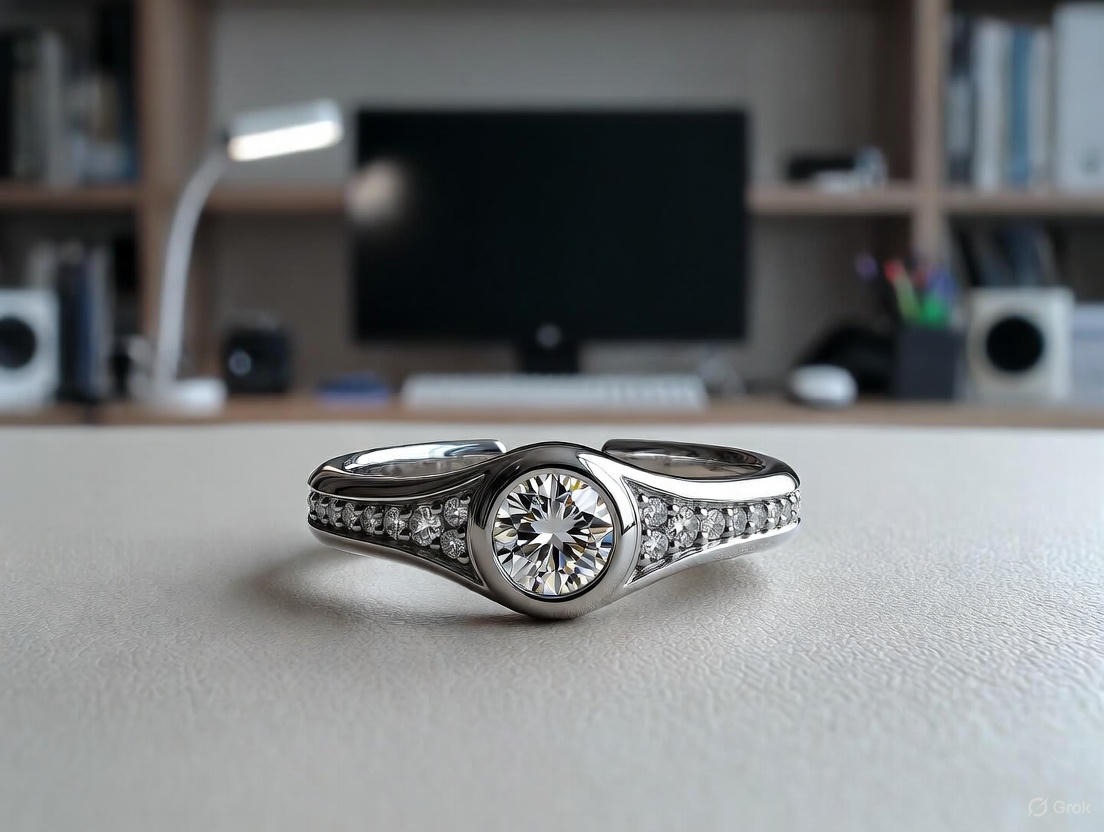
Step counting is the most basic form of activity tracking, but modern smart rings are far more intelligent. The challenge for a device on your finger is to accurately distinguish activity types—separating a purposeful walk from pacing around your home office, or a cycling session from typing at a keyboard.
This is achieved through sophisticated motion analysis. The ring’s accelerometer and gyroscope sensors capture the unique movement signatures, or "kinematic patterns," of different activities. The swing of your arms during a walk creates a rhythmic, oscillating signal. Running produces a higher-frequency, higher-impact pattern. Typing creates a rapid, low-amplitude jitter. Elliptical training or cycling, where the hands are relatively stationary, poses a greater challenge, requiring algorithms to recognize the lack of arm swing combined with elevated heart rate and other physiological cues.
Through machine learning, these algorithms are trained on vast datasets of human movement. They learn to classify activities automatically, a feature known as automatic activity recognition. You don’t need to press a "start" button for a walk; the ring recognizes it after a few minutes and logs it for you. This provides a more complete and honest picture of your daily non-exercise activity thermogenesis (NEAT)—the calories you burn from all movement outside of formal exercise, which is a huge component of daily energy expenditure.
Furthermore, for dedicated workouts, the ring tracks performance metrics like heart rate zones, duration, and estimated calorie burn. More importantly, it places that workout in context. It understands that a high-intensity interval training (HIIT) session creates a different physiological strain than a long, steady-state run. This workout data is a critical input for your overall training load and recovery metrics, ensuring your readiness score accurately reflects the physical stress you’ve placed on your body. For a full breakdown of how your ring interprets your every move, read our feature explainer on smart ring features explained: activity and movement detection.
This is the most critical concept in making sense of health numbers: your data is only meaningful when compared to you. Population averages are nearly useless for personalized insight. A "good" HRV could be 30 for one person and 100 for another. A "normal" waking temperature is different for everyone. The genius of advanced smart ring software is its capacity to adapt to your individual baselines over time.
When you first start wearing a ring, it enters a learning period (often 1-2 weeks). During this time, it’s not just collecting data; it’s establishing your personal ranges for every metric. It learns your average nightly HRV, your typical deep sleep percentage, your circadian temperature curve, your resting heart rate range.
Once this baseline is established, the algorithms shift from asking "Is this number good?" to asking "Is this number normal for this user?" They look for deviations—meaningful departures from your personal norm. The ring’s app might alert you: "Your resting heart rate is 10% higher than your 7-day average," or "Your nightly temperature is elevated for the third night in a row."
This personalization extends to recommendations. Generic advice like "get 8 hours of sleep" is replaced with insights like "You function best with at least 1.5 hours of deep sleep. Going to bed by 10:30 PM tonight will help you achieve that based on your recent patterns." The system learns what behaviors move your numbers in positive directions and begins to offer personalized recommendations tailored to your physiology and lifestyle.
This creates a virtuous cycle. You follow a recommendation (e.g., prioritize sleep), see an improvement in your metrics (higher HRV, better readiness), and are reinforced to continue positive habits. The ring becomes less of a reporter and more of a personal health coach that speaks your unique biological language. The computational power required for this is immense, involving processing billions of data points to refine your model. Discover how this works behind the scenes by exploring how health tracking technology adapts to individual baselines.
A single metric in isolation can be misleading. A low HRV could mean you’re getting sick, or it could simply mean you had an exceptionally hard workout yesterday and are properly recovering. The true power of a smart ring lies in its ability to help you see the connections between different data streams, painting a holistic, causal picture of your health.
This is where you graduate from reading numbers to practicing interpretation. Let’s walk through a real-world scenario:
The Data:
The Isolated View: Looking only at the low readiness score might make you think you’re lazy or underperforming. Looking only at the elevated RHR might cause anxiety.
The Connected, Holistic View: By connecting the dots, a clear story emerges. The hard 10K run placed significant strain on your body (explaining the initial dip in HRV/RHR). The fragmented sleep last night indicates your body is still in a heightened state of repair and inflammation (elevated temperature, reduced deep sleep), which is a normal and positive part of the adaptation process. Your body is prioritizing physical recovery over nervous system resilience. The ring isn’t telling you you’re unwell; it’s objectively confirming you are in a dedicated recovery phase.
The Informed Decision: With this interconnected insight, you know today is not the day for another intense run. The intelligent choice is active recovery—a walk, gentle yoga, ample hydration, and prioritizing an early bedtime to support the repair process. You understand the "bad" numbers are actually a sign of positive adaptation in progress.
Learning to see these patterns—how stress affects sleep, how sleep affects HRV, how activity affects temperature—turns your dashboard from a confusing array of graphs into a coherent narrative of your life’s impact on your biology. It provides the ultimate validation: your subjective feeling of being "worn out" is now backed by objective, interconnected data, giving you the confidence to rest without guilt or to push forward with clarity.
To trust the insights, it helps to understand the journey. The process of transforming a flicker of light in your capillaries into a recommendation for an early bedtime is a staggering feat of modern engineering. It happens in a seamless, invisible pipeline that operates 24/7.
It begins with sensor fusion. Your ring isn't a single sensor; it's a miniaturized lab. The core PPG LED and photodetector capture blood flow. An accelerometer and gyroscope track motion. A skin temperature sensor detects minute thermal shifts. An impedance sensor (in some advanced models) might even measure bioimpedance for body composition insights. These sensors work in concert, their data streams synchronized to create a multi-layered picture. The accelerometer, for instance, is critical for the PPG sensor's job; it helps the algorithm handle motion artifacts, distinguishing a true heartbeat from the jostle of typing or waving your hand.
This raw, high-frequency sensor data is initially processed by a tiny, efficient processor within the ring itself. It performs basic filtering and packaging before transmitting encrypted packets via Bluetooth Low Energy to your smartphone. This is where the magic of scale begins. Your phone app is the gateway to the cloud—a vast, secure network where the heavy computational lifting occurs. Here, cloud computing and data analysis engines spring into action. These systems process billions of data points from millions of users, refining the machine learning models that power everything from sleep stage classification to stress detection.
The processed results are then sent back to your app, presented as clean graphs, scores, and insights. This entire cycle—from measurement to insight—enables real-time health insights during the day for metrics like stress and activity, and comprehensive overnight analysis for recovery and sleep. The pipeline's efficiency is a marvel of modern tech, balancing immense processing power with the ring's need for battery power management innovations to achieve its signature multi-day battery life. For a look at the sheer scale of this operation, consider how these systems manage health tracking technology processes billions of data points.
A natural and vital question arises: Is data from a device on my finger reliable enough to inform health decisions? The answer lies in understanding the spectrum of device purpose: wellness versus medical diagnosis. A smart ring is a phenomenal wellness tool designed for trend analysis and lifestyle guidance, not a substitute for a doctor or a FDA-cleared medical device for diagnosing specific conditions. However, the line is blurring as the technology rapidly advances.
The gold standard for consumer health tech is clinical validation and research. Leading smart ring companies now partner with universities and research institutions to publish peer-reviewed studies comparing their ring's data against medical-grade reference devices, such as ECG for heart rate, polysomnography (PSG) for sleep staging, and clinical pulse oximeters for SpO2. For example, validation studies typically show a very high correlation (e.g., >95%) for heart rate and a strong agreement for sleep/wake detection and broad sleep stage classification against PSG.
The key principle is trend over absolute precision. While a single SpO2 reading of 94% on your ring might be within a ±2% margin of error compared to a medical device, what's critically important is the trend. If your ring consistently reads 97-98% and suddenly shows a pattern of dipping to 92-93% every night, that trend is a medically significant insight, even if the absolute number has a slight margin of error. The ring's strength is detecting changes in your personal baseline.
Furthermore, the form factor itself contributes to consistency, which improves functional accuracy. Because it’s worn continuously and positioned optimally on the finger, it avoids many signal issues that plague looser wrist-worn devices. This reliable data collection, validated against clinical standards for trend accuracy, is what builds trust. It allows you to confidently observe that an elevated temperature trend and elevated RHR likely means your body is fighting something, and to act accordingly. As the industry evolves, we are seeing more rings pursue FDA approval for medical standards for specific features, like atrial fibrillation detection or use in remote patient monitoring, signaling a future where the finger becomes a legitimate front-line health monitoring site.
Knowledge is power, but only if applied. The final step in making sense of complex health numbers is building simple, actionable protocols into your daily life. Your ring’s data should inform small, sustainable adjustments, not create paralysis by analysis. Here are practical ways to use your most important metrics.
The Morning Check (5 Minutes):
Don’t dive into every graph. Start with your readiness or wellness score and its contributing factors. Did low sleep score drive it down? Then, prioritize an early bedtime tonight. Did low HRV/recovery drive it? Prioritize stress-management and gentle movement. Let this score set the tone for your day. A high score is permission to challenge yourself; a low score is a directive to nurture yourself.
The Workout Decision Matrix:
Use your readiness score and HRV/RHR trends as a pre-workout gauge.
The Sleep Optimization Feedback Loop:
Your sleep quality score is your nightly report card. Use it to conduct personal experiments.
The Stress Interception Protocol:
Enable stress notifications if your ring has them. When you get an alert:
The Illness Early-Detection Routine:
Monitor your body temperature trends and RHR daily. If you see a sustained elevation in both for 24-48 hours, especially with a low readiness score:
By embedding these simple protocols, your smart ring transforms from a data collector into a true partner in your health, guiding daily choices with a level of personalization that was once the exclusive domain of elite athletes and biohackers. For more ideas on turning data into daily habits, explore our guide on smart ring features that provide personalized recommendations.
The true transformative power of a smart ring is not revealed in a day or a week, but over months and years. While daily readiness scores guide immediate decisions, the longitudinal data archive becomes a priceless health journal, revealing slow-moving patterns and trends that are invisible in the short term. This is where wellness tracking transcends daily optimization and enters the realm of preventative health intelligence.
Consider metrics like Resting Heart Rate (RHR) and Heart Rate Variability (HRV). A single high RHR reading might be due to a bad night's sleep. But what if you observe a creeping, sustained increase of 3-5 beats per minute over six months, despite consistent exercise? This subtle trend could be an early indicator of overtraining, prolonged chronic stress, an underlying thyroid issue, or the early stages of cardiovascular deconditioning. Conversely, watching your HRV baseline slowly rise over a year of consistent meditation and improved sleep is concrete, positive feedback that your nervous system resilience is genuinely improving.
The ring becomes a tool for validating subjective health feelings. You might "feel" more anxious or fatigued this season. By reviewing your stress graph and sleep data over the past three months, you can objectify that feeling. Perhaps you'll see a 20% increase in daytime stress episodes and a correlated decrease in deep sleep percentage. This data moves the conversation from "I don't feel right" to "My data shows my nervous system has been under unusual strain, and my sleep architecture has suffered." It provides a concrete starting point for a discussion with a healthcare professional or a coach.
Furthermore, tracking sleep debt accumulation and circadian rhythm shifts over seasons can be enlightening. You may discover your sleep efficiency drops every winter, or that your natural bedtime shifts later during summer months. Observing long-term body temperature trends can provide women with incredibly detailed cycle history beyond fertility, helping identify patterns related to mood, energy, and inflammation throughout their hormonal cycle.
This long-view analysis empowers you to connect lifestyle periods with biological outcomes. Did that period of intense work travel six months ago leave a measurable "scar" on your recovery metrics that took weeks to bounce back from? Has your new morning walking routine steadily improved your sleep latency? The ring’s historical data provides the evidence, turning vague recollections into a clear cause-and-effect map of your life’s impact on your biology. This ability to track and analyze long-term trends is what positions the smart ring as a cornerstone of proactive, lifelong health management.
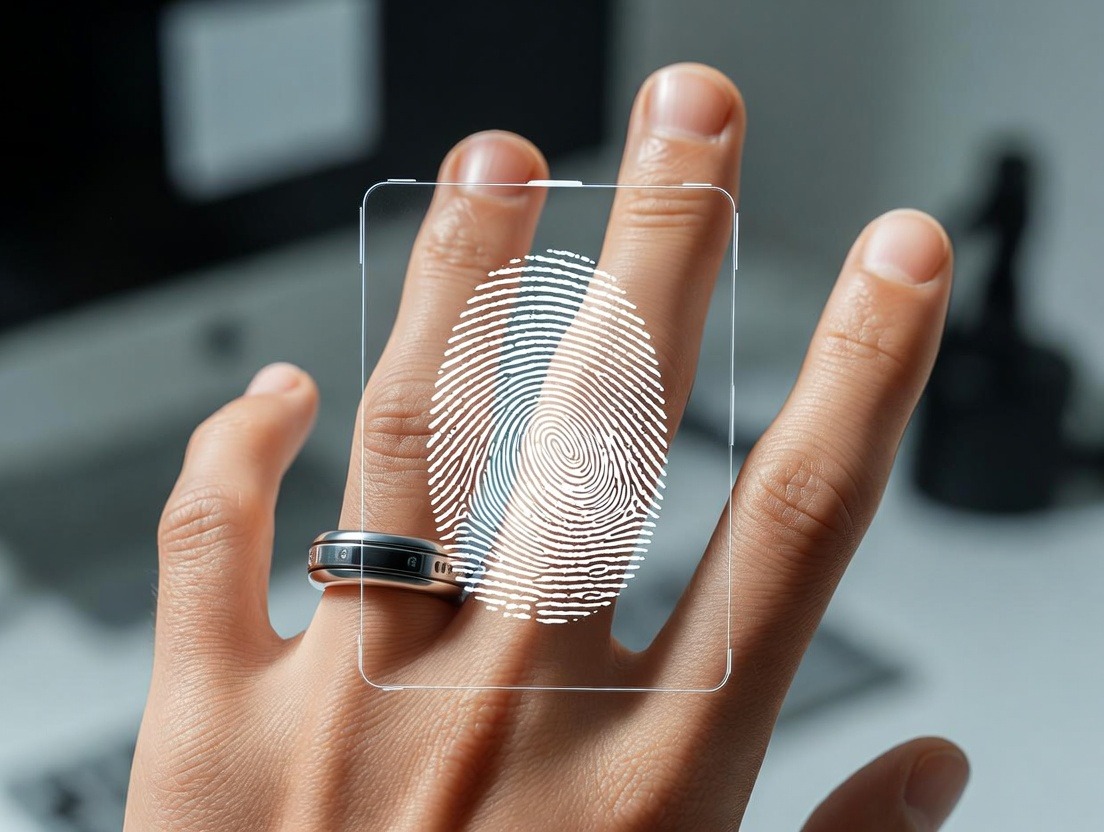
A smart ring is not an island. Its value multiplies exponentially when its rich physiological data is allowed to flow into the broader digital health ecosystem you already use. This integration turns the ring into the central, passive data hub for your active health life.
Fitness and Workout Apps: This is the most common integration. Your ring can sync with platforms like Apple Health, Google Fit, Strava, or TrainingPeaks. Here’s the power: Your ring provides the continuous, 24/7 background context (readiness, recovery, sleep) that your workout app lacks. When you log a hard run in Strava, the app only sees the run. But when integrated, Strava can also see that you started that run with a low readiness score. This can color how you and your coach interpret the performance. Post-workout, the ring’s recovery data feeds back into these apps, providing a more complete picture of the training load's impact.
Nutrition and Calorie Trackers: Apps like MyFitnessPal or Cronometer focus on "calories in." Your smart ring is the most accurate tool for measuring "calories out" in daily life, via its continuous calorie and energy expenditure calculations based on your heart rate and movement. By syncing these two data streams, you get a truly personalized energy balance equation, moving beyond generic estimates.
Meditation and Mindfulness Apps: Imagine finishing a guided meditation in Calm or Headspace and immediately seeing its physiological impact on your live stress graph or heart rate in your ring’s app. This biofeedback closes the loop, reinforcing the practice by showing its tangible effect on your nervous system. Some integrations even allow these apps to trigger a stress response check on your ring after a session.
Women’s Health Apps: For those tracking cycles, integrating temperature data from your ring into apps like Natural Cycles or Clue provides basal body temperature (BBT) readings that are automated and far more reliable than manual morning measurements, greatly enhancing the effectiveness of fertility awareness methods.
Smart Home and Automation: Emerging integrations are the most futuristic. Imagine your ring detecting that you’ve entered deep sleep and signaling your smart thermostat to lower the temperature by another degree. Or, upon detecting an elevated stress level during your work hours, it could trigger your smart lights to shift to a calming hue. This is the path toward an ambient, responsive health environment.
The philosophy is simple: the ring excels at passive, physiological data collection. Let other specialized apps excel at active logging, community, coaching, and specific interventions. By allowing these systems to work in concert, you create a holistic health command center where the whole is far greater than the sum of its parts.
One of the most compelling promises of continuous biometric monitoring is its potential to act as an early warning system, flagging physiological disturbances long before clear symptoms emerge. This isn't about diagnosing a specific disease; it's about detecting that your body has shifted into a state of "illness response." Your smart ring is uniquely positioned for this role due to its wearability and multi-parameter sensing.
The biological pattern is consistent. When your immune system mobilizes to fight a pathogen—be it a common cold virus, the flu, or even a bacterial infection—it initiates a cascade of physiological changes. This includes the release of pyrogens that raise your core body temperature, an increase in heart rate to support immune cell circulation, and a shift in autonomic balance. These changes often begin 24 to 48 hours before you feel a sore throat, congestion, or fatigue.
Your ring tracks the precursors:
The magic is in the multi-sensor data fusion. A single elevated temperature reading might be due to a warm room. A single high RHR might be from caffeine. But when the ring’s algorithms see a constellation of these deviations all pointing in the same direction—higher RHR, higher temperature, lower HRV, poor sleep—the probability of an oncoming illness is high.
This gives you a precious heads-up. Instead of being blindsided by symptoms, you receive a notification: "Your body shows signs of physiological stress. Consider resting and hydrating." You can then take proactive, conservative measures: cancel intense workouts, prioritize sleep, increase fluid and nutrient intake, and perhaps even limit social contact. This early intervention, guided by your own data, can potentially reduce the severity and duration of the illness. It exemplifies how modern health tracking technology detects disease early by paying attention to the whispers of your body before they become shouts. For a deeper look at this life-altering capability, explore how smart ring features can detect illness before symptoms appear.
While the general wellness applications are vast, smart rings offer uniquely powerful benefits for populations with specific, demanding physiological schedules.
For the Athlete and Serious Trainee:
For this group, the ring is a recovery optimization engine. It moves training from a guesswork-based plan ("I should rest today") to a data-driven protocol. Key features become critical:
For the Shift Worker:
Shift work brutally assaults the body’s natural circadian rhythms. A smart ring doesn't solve this, but it provides the data to manage the damage. It helps answer critical questions: How long does it really take my body to adjust after a series of night shifts? Which sleep schedule after a night shift yields the most deep sleep? The ring can track sleep debt accumulation across irregular weeks and identify periods of extreme fatigue risk. It can also help optimize light exposure and meal timing by showing how different schedules affect core metrics like temperature rhythm and HRV. Some rings even offer features designed to support shift work schedules, providing insights tailored to non-24-hour lifestyles.
For Seniors and Chronic Condition Management:
For older adults, the ring offers discreet, continuous safety and health monitoring without the stigma or complexity of other devices.
Collecting the most intimate data about your body—your pulse, your sleep, your temperature—inescapably raises critical questions of trust. Before you can fully embrace the insights, you must understand the safeguards. A responsible smart ring company treats data privacy not as a compliance issue, but as the foundational covenant with its users.
The Security Pipeline:
From the moment data leaves your finger, it should be encrypted. Look for rings that use end-to-end encryption (E2EE). This means your biometric data is scrambled on the ring itself and remains encrypted through transmission to your phone and onto the company’s servers. Even the company should not be able to see your raw data; only your decryption key (held on your phone) can unlock it. This is the gold standard for data security and privacy considerations.
Data Anonymization and Aggregation:
For a company to improve its algorithms (e.g., to better distinguish between REM and light sleep), it needs data to train on. This should be done using anonymized and aggregated data. Your personal dataset is stripped of all identifiable information (name, email, etc.) and mixed with millions of other data points. The AI learns from patterns in the crowd, not from you specifically. A transparent privacy policy will clearly state if and how your data is used for research and improvement.
Your Control and Ownership:
You should have clear, granular control over your data. This includes:
The "Creepiness" Factor:
Unlike a microphone or camera, the data from a health sensor feels uniquely personal. It’s not what you said or a picture of your room; it’s a graph of your stress during an argument or your sleep on a difficult night. The best companies acknowledge this sensitivity. They design their business model around selling hardware and software services, not monetizing health data. They are explicit that they will never sell your individual health data to advertisers, insurers, or employers.
Choosing a ring from a company with a transparent, principled, and technically robust approach to privacy is non-negotiable. It allows you to benefit from the profound insights while resting assured that the story of your body remains your own. For a comprehensive look at this critical issue, we delve deeper into the health tracking technology privacy and security considerations every user should understand.
The current capabilities of smart rings are impressive, but they represent just the first chapter. The convergence of sensor miniaturization, artificial intelligence, and medical validation is accelerating, pointing toward a future where the device on your finger will be an indispensable part of your healthcare toolkit. Here’s a glimpse of the horizon.
More Medical-Grade Sensors and FDA Clearances: The push for clinical validation and FDA approval for medical standards will intensify. We’ll see rings with medical-grade ECG sensors capable of detecting atrial fibrillation (Afib) with clinical accuracy. Continuous glucose monitoring (CGM) via non-invasive optical sensors is the holy grail, and while significant hurdles remain, research is feverish. Rings may also incorporate more advanced bioimpedance for body composition analysis, moving beyond simple weight to track muscle mass and fluid balance.
Predictive and Prescriptive AI: Today’s rings are largely descriptive (telling you what happened) and diagnostic (explaining why). The next leap is to predictive and prescriptive insights. Advanced AI will analyze your long-term trends, lifestyle data, and even genetic predispositions (with your consent) to provide predictive insights. Imagine a notification: "Based on your declining sleep efficiency and rising RHR trend this month, you have a 70% probability of catching a respiratory infection in the next 10 days if you maintain your current travel schedule. Recommended actions: Prioritize 8 hours of sleep for the next three nights and consider supplementing with Vitamin D." This moves from tracking to true health forecasting.
Deeper Healthcare System Integration: The future isn’t just a better app; it’s a connected health record. We will see rings that seamlessly integrate with healthcare systems. Your primary care physician or cardiologist could, with your explicit permission, receive a quarterly report of your key health trends or be alerted if you opt into a program for remote monitoring of a chronic condition like hypertension or heart failure. The ring becomes a source of objective, longitudinal data that fills the vast gaps between annual check-ups.
Emotional and Cognitive State Inference: Beyond physical stress, future algorithms may attempt to infer broader emotional states or cognitive readiness by combining heart rate patterns, HRV, sleep data, and activity levels. While ethically complex, the potential to help manage mental health conditions like anxiety or depression by identifying physiological precursors to episodes is a powerful area of research.
Universal Design and Sustainability: Materials science breakthroughs will lead to more durable, hypoallergenic, and sustainably sourced materials. We’ll see more rings made from titanium, ceramic, and lab-grown materials. Battery technology and wireless charging innovations will extend battery life to weeks and enable faster, more convenient charging. The goal is a device that you forget you’re wearing, both physically and in terms of maintenance.
The trajectory is clear: the smart ring is evolving from a wellness accessory into a validated, predictive, and integrated health platform. It promises a future where we are no longer passive passengers in our health journey, but empowered pilots with a sophisticated, real-time dashboard. To explore the possibilities on the horizon, consider the vision for health tracking technology in the next decade of innovation.
With a growing market of smart rings, each boasting different features and philosophies, choosing the right one is a critical first step in your journey. It’s not about finding the "best" ring in a vacuum, but the best ring for you. This decision should be guided by your primary goals, lifestyle, and values, not just a spec sheet. Here is a practical framework to cut through the noise.
Step 1: Define Your "North Star" Metric.
What is the single most important insight you want? Your answer will narrow the field considerably.
Step 2: Assess the Critical Fit – Physical and Technological.
Step 3: Vet the Credentials.
Remember, the goal is a tool that seamlessly integrates into your life and provides clarity, not complexity. For a detailed, side-by-side look at how offerings differ, our guide on how smart ring features differ between brands can help you navigate the current landscape.
The irony of the quantified self is that the very tool meant to reduce anxiety about health can become a source of it. Obsessively checking your HRV every hour, fretting over a single night of poor sleep, or letting a low readiness score dictate your mood are all pitfalls. The goal is to use data as a guide, not a gospel. Here’s how to cultivate a balanced, empowered relationship with your biometrics.
Adopt a Trend-Based Mindset. Drill this into your psyche: A single data point is meaningless noise. Biology is variable. One low HRV reading, one high RHR, one night of terrible sleep—these are not failures; they are expected fluctuations. The power is in the trend. Look at the 7-day or 30-day average. Is the line generally moving in the direction you want? That’s success. Ignore the daily spikes and dips.
Set "Data Check" Times, Not Constant Monitoring. Establish specific, limited times to engage with your data. The ideal routine is a morning check-in (to review sleep and set your daily readiness intention) and perhaps an evening reflection (to see your stress pattern and prepare for sleep). Turn off unnecessary notifications. Do not open the app every time you feel a hint of stress or fatigue. Let the ring work passively in the background, building its story without your hourly interference.
Let Your Subjective Feelings be a Co-Pilot. Your body’s subjective signals—energy, mood, hunger, muscle soreness—are valid data points. Use the ring to validate subjective health feelings, not replace them. If your readiness score is a 90 but you feel exhausted, listen to your body. The score might be missing something, or you might be dealing with a non-physiological stressor. Conversely, if you feel great but your data is poor, it might be a sign you’re running on adrenaline and a crash is coming. The truth lies in the dialogue between how you feel and what the data says.
Focus on Behavior, Not Just Numbers. Shift your goal from "raise my HRV" to "engage in behaviors that support nervous system resilience." Your target becomes: "I will meditate for 10 minutes daily" or "I will be in bed by 10:30 PM." Then, use the trends in your data to see if those behaviors are having the desired effect. This puts you in the driver's seat, using the ring as a feedback tool for your actions, not as a judge of your worth.
Know When to Take a Break. If you find yourself becoming anxious, competitive, or overly fixated, take the ring off for a weekend. Use that time to reconnect with innate body awareness. The ring is a tool for a season of learning or optimization. It’s not meant to be worn with psychological dependency. A healthy relationship means you feel free to disengage without fear of missing out. The insights on how smart ring features validate subjective health feelings can help you strike this crucial balance.
While health data is intensely personal, there is profound power in selective, consensual sharing. Moving from a solitary data observation to a shared journey of insight can deepen understanding, provide motivation, and foster accountability. Smart rings are beginning to facilitate this in thoughtful, privacy-centric ways.
Partner and Family Insights: Some apps allow you to form "circles" or partner connections where you can opt to share specific metrics. For couples, this can transform health into a collaborative project. You might see how your sleep synchronizes or disrupts your partner’s. You can support each other when one person’s data shows signs of strain. For families, it can be a way for adult children to passively check in on the wellness trends of aging parents (with their full permission), using the ring’s ability to enable family health tracking for peace of mind, not intrusion.
The Athlete-Coach Relationship: For serious athletes, sharing recovery and readiness data with a coach revolutionizes training programming. Instead of a coach guessing your fatigue based on workout performance alone, they can see your body’s preparation and response in near real-time. This allows for truly dynamic periodization, where the plan adapts to the athlete’s daily physiological state, maximizing adaptation and minimizing injury risk.
Anonymous Aggregated Research: By opting into research (with clear anonymization guarantees), you contribute to the larger scientific understanding of human physiology. Your de-identified data helps answer questions like: "How does heart rate variability differ across age groups and continents?" or "What are the global sleep patterns during a pandemic?" This turns your personal tracking into a contribution to collective knowledge.
Online Communities and Forums: Beyond official app features, vibrant user communities exist on platforms like Reddit, Discord, and specialized forums. Here, users share their experiences, interpret unusual data patterns ("Has anyone seen their temperature do this?"), and discuss the impact of lifestyle experiments. These communities are invaluable for learning the practical art of interpretation beyond the app’s canned explanations.
The key principle in all sharing is explicit, granular consent. You should always control exactly what is shared, with whom, and for how long. When done right, moving from "my data" to "our insights" can demystify complex numbers, provide social support for healthy habits, and create a sense of shared purpose in the pursuit of well-being.
As smart rings evolve toward more predictive, medical-grade capabilities, they tread into complex ethical territory that we, as a society, must thoughtfully navigate. The convenience of personalized health foresight comes with weighty responsibilities and potential pitfalls.
The Algorithmic Bias Challenge: AI algorithms are trained on data. If the training datasets are predominantly from young, male, affluent, and specific ethnic populations, the algorithms will be less accurate for women, the elderly, people of color, and those with atypical physiologies. This could lead to missed early warnings or false alarms for underrepresented groups. Companies must prioritize diverse clinical validation to ensure their predictive insights are equitable and safe for all.
The Anxiety of Prediction: There is a psychological burden to knowing. A notification that says "You have a 65% probability of getting sick this week" could be empowering for some and a source of significant health anxiety for others. Platforms will need to develop sensitive, tiered communication strategies, perhaps allowing users to choose between blunt data and gentler, more prescriptive nudges ("Consider extra rest today").
The Insurance and Employer Dilemma: This is the most significant ethical concern. While reputable companies pledge not to sell your data, the mere existence of this detailed longitudinal health data creates a target. Could life or health insurance companies one day offer discounts for sharing ring data, effectively penalizing those who opt out? Could employers make similar wellness-program demands? Robust legal frameworks, like the ADA and GINA in the U.S., must be strengthened and enforced to prevent biometric data from becoming a tool for discrimination.
The Diagnostic Responsibility: When a ring with an FDA-cleared ECG detects potential Afib, it creates a direct channel from consumer device to potential medical diagnosis. Who is responsible for the clinical follow-up? The company? The user’s doctor? The user? Clear pathways and education must be built so that these detections lead to appropriate care, not just panic.
The Digital Divide: Advanced health monitoring could exacerbate health inequities. If these devices become gateways to the best predictive care, a socioeconomic divide in health outcomes could widen. Exploring public health partnerships to provide such technology to at-risk populations may be necessary to ensure this revolution benefits everyone.
Engaging with these questions is not a reason to avoid the technology, but a call to be an informed and conscientious user. We must support companies that prioritize ethical design, advocate for strong privacy laws, and use our own data with an awareness of its broader implications. The destination is a future where technology empowers health autonomy without compromising our privacy, equity, or peace of mind.
We began this journey staring at a screen of confusing numbers—a foreign language spoken by our own bodies. We have now traveled through the technology that listens, the algorithms that translate, and the practical protocols that turn insight into action. We arrive at a new paradigm: not one of passive health ownership, but of active, empowered collaboration with your physiology.
Your smart ring is the bridge. It translates the secret language of your autonomic nervous system, your circadian rhythms, your inflammatory responses, and your recovery processes. It turns the silent, continuous symphony of your biology into a legible score. A high HRV is no longer just a number; it’s a feeling of resilience, quantified. A steady temperature curve is no longer just a line on a graph; it’s evidence of hormonal balance, visualized. A dip in sleep depth is no longer a mystery; it’s a clue tied to that late-afternoon espresso.
This empowerment dissolves fear and guesswork. You are no longer a passenger wondering why you feel tired, stressed, or off. You are the pilot, with a dashboard that shows the altitude of your stress, the fuel level of your sleep, and the engine readings of your heart. You have the data to make informed choices: to train or to rest, to push through or to pause, to socialize or to seek solitude.
But remember, the ultimate goal is not to optimize yourself into a machine of perfect scores. The goal is freedom. The freedom that comes from understanding your body’s needs so well that you can confidently navigate life’s demands. The freedom to enjoy a late night out, knowing exactly how to recover. The freedom to tackle a demanding project, aware of how to manage the physiological cost. The freedom to listen to a subtle signal and act before it becomes a shout.
Let your ring be your compass, not your cage. Use it to cultivate curiosity, not obsession. Let it validate your feelings, not invalidate them. In mastering the complex health numbers, you are not becoming a biohacker; you are reclaiming the innate human capacity to be exquisitely attuned to the one constant companion you will ever have: your own living, breathing, brilliantly complex body.
Your Trusted Sleep Advocate: Sleep Foundation — https://www.sleepfoundation.org
Discover a digital archive of scholarly articles: NIH — https://www.ncbi.nlm.nih.gov/
39 million citations for biomedical literature :PubMed — https://pubmed.ncbi.nlm.nih.gov/
Experts at Harvard Health Publishing covering a variety of health topics — https://www.health.harvard.edu/blog/
Every life deserves world class care :Cleveland Clinic - https://my.clevelandclinic.org/health
Wearable technology and the future of predictive health monitoring :MIT Technology Review — https://www.technologyreview.com/
Dedicated to the well-being of all people and guided by science :World Health Organization — https://www.who.int/news-room/
Psychological science and knowledge to benefit society and improve lives. :APA — https://www.apa.org/monitor/
Cutting-edge insights on human longevity and peak performance:
Lifespan Research — https://www.lifespan.io/
Global authority on exercise physiology, sports performance, and human recovery:
American College of Sports Medicine — https://www.acsm.org/
Neuroscience-driven guidance for better focus, sleep, and mental clarity:
Stanford Human Performance Lab — https://humanperformance.stanford.edu/
Evidence-based psychology and mind–body wellness resources:
Mayo Clinic — https://www.mayoclinic.org/healthy-lifestyle/
Data-backed research on emotional wellbeing, stress biology, and resilience:
American Institute of Stress — https://www.stress.org/


