


Recovery for Busy Lives: The Art of the Power Nap
Master the art of the short, effective power nap for a quick recharge.
Master the art of the short, effective power nap for a quick recharge.
%402x.svg)
The midday crash. That universal, gravitational pull toward the desk, the steering wheel, or the couch between 1 and 3 p.m. For generations, we’ve fought it with caffeine, sugar, and sheer willpower, branding the desire to sleep as a sign of weakness or poor discipline. But what if that slump isn’t a bug in our system, but a feature? What if our biology is hardwired for a period of rest, and by ignoring it, we’re sacrificing performance, creativity, and long-term health?
In our modern "hustle culture," where burnout is worn as a badge of honor, the concept of intentional, strategic rest feels radical. Yet, a quiet revolution is brewing—one that leverages ancient wisdom and cutting-edge technology to redefine recovery. At the heart of this movement is the humble, misunderstood, and profoundly powerful power nap.
This is not about collapsing from exhaustion. This is the art and science of deliberate, short-duration sleep designed to reboot the brain, reset the nervous system, and elevate physical and cognitive function. It’s a tool for the CEO, the student, the new parent, the athlete, and anyone whose life demands sustained energy and clarity. And today, mastering this art is more accessible than ever, thanks to personalized data from devices like advanced wellness wearables.
Imagine knowing not just that you should rest, but when your body is primed for the most efficient recovery, how deep your sleep needs to be, and exactly when to wake up to avoid grogginess. This is the future of proactive wellness, moving from guesswork to precision. In this comprehensive guide, we’ll dissect the power nap from every angle: its undeniable science, its precise execution, and how modern tools like the smart ring from Oxyzen are transforming it from an anecdotal tip into a quantifiable, optimized pillar of a high-performance life.
You’ve felt it. The post-lunch fog rolls in, concentration wavers, eyelids grow heavy, and the siren call of your email inbox dims to a distant murmur. Conventional wisdom chalks this up to a heavy meal or a poor night’s sleep. But the truth is far more fundamental. The human body operates on a biphasic or even polyphasic sleep rhythm, a pattern governed by our internal circadian clock.
This 24-hour master clock, located in the brain's suprachiasmatic nucleus, dictates not just our nighttime sleep but also a predictable dip in alertness approximately 7 to 9 hours after waking. This period, often between 1 p.m. and 3 p.m., is known as the "post-lunch dip" or the "circadian nadir." While food can exacerbate it, the dip occurs even without eating. It’s a biological phenomenon observed across cultures and ages.
During this dip, core body temperature drops slightly, melatonin (the sleep hormone) experiences a tiny, secondary rise, and wake-promoting neurotransmitters like orexin dip. Your brain is essentially signaling for a brief systems check. Anthropologists suggest this rhythm may have offered an evolutionary advantage—a quiet period for conservation of energy during the hottest part of the day, potentially allowing for safer nighttime vigilance.
Ignoring this signal comes at a cost. Studies of workplace and industrial accidents show a notable spike in errors during this afternoon window. Cognitive tests reveal declines in logical reasoning, reaction time, and memory recall. We try to bridge the gap with stimulants, but this often leads to a jagged energy curve—a sharp spike followed by a deeper crash—and can disrupt the very nighttime sleep we’re already lacking.
The power nap, therefore, isn’t a surrender to laziness; it’s a strategic alignment with human biology. It’s about listening to the innate rhythm and responding with a targeted intervention that resets the system, rather than overriding it with chemicals. It’s the difference between yanking on a tangled necklace and patiently loosening the knot. For a deeper understanding of how your body’s daily rhythms work, our blog explores the science behind modern health tracking technology that deciphers these patterns.
By reframing the afternoon slump as a biological invitation for renewal, we reclaim agency over our energy. We stop fighting our physiology and start working with it. The first step to mastering the art of the power nap is to silence the cultural guilt and recognize the dip for what it is: not a problem to be solved, but an opportunity to be seized.
The Science of Swift Recovery: What 20 Minutes Can Do for Your Brain and Body
What actually happens during those precious minutes of intentional sleep? The benefits of a power nap are not merely anecdotal; they are robustly documented in neuroscience and physiology labs worldwide. The magic lies in accessing specific, early stages of the sleep cycle without delving into the deep, slow-wave sleep that causes grogginess.
A classic, effective power nap of 10 to 20 minutes primarily consists of Stage 1 and Stage 2 Non-REM sleep. This is the sweet spot:
The cognitive benefits are profound. Sleep spindles are strongly associated with memory consolidation—the process of moving information from the hippocampus (short-term storage) to the neocortex (long-term storage). A nap can solidify learning you’ve just undertaken, making it a secret weapon for students or professionals learning new skills. Furthermore, napping has been shown to:
On a physiological level, even short naps can lower cortisol (the primary stress hormone) and support the immune system. Research indicates a brief nap can help stabilize blood pressure after a mental stressor.
The key is duration. Venture beyond 20-25 minutes, and you risk descending into Slow-Wave Sleep (SWS or Stage N3). Waking from deep sleep results in "sleep inertia"—a state of grogginess, disorientation, and impaired performance that can last over 30 minutes. The art of the power nap is about skimming the surface of sleep’s restorative pool without diving into its deepest, most clingy waters.
This precision is where intuition fails and data excels. How do you know if your 20-minute nap was mostly light Stage 2 sleep or if you accidentally tipped into deep sleep? This is the new frontier of recovery, enabled by devices that monitor physiological markers in real-time. To see how this technology translates into daily habit formation, explore our article on how wellness ring basics help build healthy habits.
Despite the clear science, the power nap remains shrouded in misconceptions that prevent many from embracing its potential. Let’s dismantle the most common myths, transforming the nap’s reputation from a guilty pleasure to a legitimate performance enhancer.
Myth 1: Napping is for the lazy or the very young/old.
Reality: High performers from Leonardo da Vinci and Thomas Edison to modern-day executives, elite athletes, and Silicon Valley innovators have famously used napping as a tool. Companies like Google, Nike, and Ben & Jerry’s have installed nap pods, recognizing that strategic rest drives innovation and productivity, not hinders it. It’s a tool for anyone seeking to optimize cognitive output and sustain energy.
Myth 2: If I nap, I won’t sleep at night.
Reality: This depends entirely on timing and duration. A short, early-afternoon nap (concluded before 3 p.m. for most) is unlikely to affect nighttime sleep for the majority of people. In fact, by reducing sleep debt and lowering stress, a nap can sometimes improve the quality of subsequent night sleep. The disruptor is usually napping too late in the day or for too long, which can blunt the sleep drive.
Myth 3: I just can’t fall asleep during the day.
Reality: The goal of a power nap isn’t always full, deep sleep. Even quiet, mindful rest with your eyes closed—often called "non-sleep deep rest" (NSDR)—provides significant neurological and autonomic benefits. It’s the state of deliberate disengagement that matters. Lying down, practicing deep breathing, and consciously relaxing for 20 minutes lowers heart rate and blood pressure, offering a "soft reset" even if sleep doesn’t come.
Myth 4: The only good nap is an hour-long nap.
Reality: As we’ve established, the 60-90 minute nap that completes a full sleep cycle has its place (it can include REM sleep, beneficial for creativity), but it carries a high risk of sleep inertia for many. For the workplace or a busy schedule, the 10-20 minute nap is the most efficient and accessible tool, designed for rapid cognitive rejuvenation without the groggy side effects.
Myth 5: Napping is a sign of poor nighttime sleep quality.
Reality: While excessive daytime sleepiness can indicate a sleep disorder, the intentional use of a power nap is a proactive strategy, not a reactive one. Think of it as preventive maintenance for your brain. Even individuals with excellent nighttime sleep can experience the circadian dip and benefit from a nap’s targeted boost.
By dispelling these myths, we remove the psychological barrier to practice. The power nap is demystified and positioned where it belongs: in the toolkit of the intentional, data-informed individual focused on sustainable performance. For those curious about how top performers across fields use technology to monitor their wellness, our comparison chart of top brands offers insights into the tools they trust.

Timing is everything. A perfectly executed 20-minute nap at 2 p.m. can feel like a rebirth. The same nap at 5 p.m. can feel like a curse, leaving you groggy and threatening your nighttime sleep. Finding your personal "golden window" requires understanding two key factors: your circadian rhythm and your homeostatic sleep drive.
1. The Circadian Factor: As discussed, your body’s natural alertness dip typically occurs 7-9 hours after your wake-up time. For someone rising at 7 a.m., this puts the prime napping window between 2 p.m. and 4 p.m. The universal rule is to conclude your nap before 3 p.m. for most people. This ensures you’re riding the upward slope of your circadian alertness curve afterward, not interfering with the evening rise in melatonin that prepares you for bed.
2. The Sleep Drive Factor: This is the physiological pressure to sleep, which builds with every hour you’re awake. If you’re severely sleep-deprived, the urge to nap will be strong in the morning, but giving in then can disrupt your rhythm. It’s better to power through (with caution) to the early afternoon window.
Here’s a practical guide to finding your window:
The Role of Technology: This is where guesswork ends. A wellness wearable like a smart ring tracks your 24/7 physiological data—resting heart rate, heart rate variability (HRV), and body temperature trends. These biomarkers provide an objective readout of your personal circadian rhythm and stress load.
For instance, a rising HRV often indicates better recovery readiness, while a depressed HRV might suggest your body is under stress and could benefit more from rest. By reviewing your data, you can identify the time of day your body is most primed for efficient recovery. You can learn more about how these sensors work in our deep dive into health tracking technology sensors, algorithms, and AI.
Pro-Tip: Consistency matters. Try to nap at roughly the same time each day you choose to do it. This helps regulate your internal clock and can make falling asleep faster and more effective over time. Your body will learn to anticipate and optimize the process.
Knowing why and when to nap is half the battle. The other half is mastering the how. A haphazard nap on a noisy office chair is a pale shadow of a deliberate, optimized power nap. Here is a step-by-step blueprint for constructing the perfect recovery session.
Step 1: Set Your Intention & Duration.
Decide on your nap length based on your goal and time available.
Step 2: Craft Your Environment.
Your surroundings are crucial for rapid descent into rest.
Step 3: The Wind-Down Ritual (5 Minutes).
Don’t jump from a high-stress task directly into a nap. Spend 5 minutes transitioning.
Step 4: Execute & Awaken Strategically.
Mastering this anatomy transforms napping from a passive act into an active skill. For a look at how the best wellness devices support these rituals with data, check out our guide on wellness ring basics for the perfect beginner.
Once you’ve mastered the classic 20-minute nap, you can explore advanced techniques to tailor recovery to specific needs and overcome common obstacles in a busy, modern environment.
Hack 1: The Caffeine Nap (The NASA Coffee Nap).
This sounds counterintuitive but is backed by solid science. Drink a cup of coffee (or a shot of espresso) immediately before your 20-minute nap. Caffeine takes about 20-30 minutes to fully hit your bloodstream and block adenosine receptors in the brain. During your nap, adenosine (the sleep-pressure chemical) clears naturally. You wake up just as the caffeine kicks in, resulting in a synergistic, powerful surge of alertness. Studies show this is more effective than coffee or a nap alone.
Hack 2: The Non-Sleep Deep Rest (NSDR) Protocol.
Popularized by Dr. Andrew Huberman, NSDR is a guided meditation/yoga nidra practice that induces a state akin to the deepest stages of sleep in terms of brainwave patterns, but you remain conscious. A 10-20 minute NSDR session can lower heart rate, increase HRV, and provide profound mental restoration without the risk of sleep inertia. It’s the perfect solution for those who "can’t nap" or are in a place where falling asleep isn’t feasible. Numerous free guided NSDR scripts are available online.
Hack 3: The Sensory Deprivation Shortcut.
No nap pod? No problem. Maximize the environmental factors you can control. A high-quality eye mask and noise-canceling headphones playing brown or pink noise can create a portable sensory-deprivation chamber anywhere—on a train, in an office breakout room, or at an airport gate.
Hack 4: The Power of Pre-Nap "Anchoring."
Associate a specific, calming stimulus with your nap ritual to condition a faster relaxation response. This could be a dab of the same essential oil (lavender is popular) on your wrists each time, listening to the same 30-second piece of calming music, or even holding a smooth worry stone. Over time, this "anchor" becomes a powerful signal to your nervous system that it’s time to switch off.
Hack 5: The Data-Driven Nap Length.
This is the ultimate hack. Instead of guessing between 10, 20, or 90 minutes, use a sleep-tracking device to understand your personal sleep architecture. By analyzing your sleep data over time, you might discover you consistently enter deep sleep at the 18-minute mark, suggesting you should set your alarm for 17 minutes. Or you might see you take 12 minutes to fall asleep, so you need a 32-minute window for a true 20-minute sleep. This personalized insight is the frontier of recovery optimization. For those interested in the evolution of this kind of precise tracking, our article on the evolution of health tracking technology from manual to smart rings provides fascinating context.
The dreaded "nap hangover"—sleep inertia—is the number one reason people abandon napping. It’s that thick, disoriented, and often grumpy feeling upon waking that can ruin your productivity for an hour. Understanding its causes is the first step to prevention.
Primary Cause: Waking from Deep Slow-Wave Sleep (Stage N3).
This is the cardinal sin of power napping. If you sleep longer than 25-30 minutes, you risk descending into this deep, restorative, but sticky stage of sleep. Your brain is in a low-activity state, and jolting it awake is a violent transition.
Other Contributing Factors:
Strategies to Defeat Sleep Inertia:
If you consistently experience inertia even from short naps, your body might be telling you something important: you have a significant sleep debt. In this case, the power nap is a temporary tactical tool, but your strategic focus must be on improving your nighttime sleep hygiene. The nap is a brilliant supplement, but it cannot replace a solid foundation of nocturnal rest. For support on broader sleep questions, our FAQ section addresses many common user inquiries.
We’ve moved from the era of wellness feelings to the era of wellness data. The rise of sophisticated, wearable health technology, particularly the discreet and powerful smart ring, has revolutionized our ability to personalize and optimize recovery practices like napping.
A device like the Oxyzen smart ring acts as a personal recovery biographer, collecting data 24/7 from your finger—a uniquely advantageous location for measuring key biomarkers like peripheral temperature, blood oxygen, and heart rate with remarkable accuracy.
How It Informs Your Nap Practice:
This transforms napping from a black-box experiment into a data-driven protocol. You’re no longer asking, "Did that help?" You’re reviewing charts that show your stress levels dropping and your readiness scores rising. For a closer look at how this technology enables truly personalized wellness, read about how health tracking technology enables personalized wellness.
This quantification is empowering. It turns recovery from a soft, optional "wellness" activity into a hard, measurable component of your daily performance strategy. You can A/B test different nap lengths and times, and let your own physiology tell you what works best.

A power nap is not an isolated trick. To yield its full, sustainable benefits, it must be integrated into a holistic view of your health and energy management. It’s one instrument in a larger orchestra of habits that includes nutrition, movement, stress management, and nighttime sleep.
The Synergy with Nighttime Sleep:
Think of your 24-hour recovery cycle as a budget. Nighttime sleep is your major, non-negotiable investment. The power nap is a strategic, high-return micro-investment. They work in tandem. A nap can temporarily offset acute sleep debt, reducing the impulse for harmful afternoon stimulants that disrupt nighttime sleep. However, it cannot fund a chronic deficit. Use naps to supplement good sleep hygiene, not to substitute for it.
Nutritional Allies:
What you eat can support or sabotage your nap efforts.
Movement as a Bookend:
Stress Management Foundation:
A high-stress state, marked by a perpetually activated sympathetic nervous system, makes it difficult to fall asleep quickly. Practices like morning sunlight viewing, mindfulness, and regular exercise lower your overall stress baseline, making it easier to slip into a restful nap state on command. Your nap then becomes a tool to acutely lower stress, creating a virtuous cycle.
The Central Role of a Data Hub:
This is where a comprehensive wellness wearable becomes the integrating force. It doesn’t just track your nap; it shows you the interplay.
By viewing the power nap as a node in this interconnected web of wellness, you elevate its purpose. It stops being a secret life hack and becomes a conscious, integrated component of a life designed for sustained energy, clarity, and resilience. To see how real users have integrated such tools into their lives for holistic benefit, explore our collection of real customer reviews and testimonials.
The one-size-fits-all approach to wellness is a myth, and this holds especially true for the power nap. The optimal nap strategy for a remote software engineer differs vastly from that of an emergency room nurse, a long-haul truck driver, or a stay-at-home parent. The art lies in adapting the core principles to the unique constraints and rhythms of your daily life.
For the Office Professional (Remote or In-Office):
For Shift Workers & Healthcare Professionals:
For Parents & Caregivers:
For Athletes & Fitness Enthusiasts:
For Students:
For Creatives & Problem-Solvers:
The unifying thread is intentionality. Regardless of your profession, the move from accidental exhaustion to deliberate, strategic rest is what unlocks the power nap’s potential. To support diverse goals, modern wellness technology offers ways to personalize your device to your body and objectives.
While the immediate cognitive and energetic benefits of napping are compelling, perhaps its most profound impact lies in the long-term modulation of health and longevity. Emerging research positions strategic napping not just as a productivity hack, but as a modifiable lifestyle factor influencing systemic inflammation, metabolic health, and cardiovascular resilience.
The Cardiovascular Connection:
The landmark data often comes from regions with a siesta culture. Large epidemiological studies, such as those following European populations, have yielded a fascinating "U-shaped" curve. This research suggests that short, habitual naps (under 30 minutes) are associated with a reduced risk of cardiovascular events, including heart attack and stroke. The proposed mechanisms are multifold:
Conversely, the same studies show that very long, frequent naps (over 60 minutes) are often associated with poorer health outcomes. This is likely a case of reverse causation: long naps are frequently a symptom of underlying poor sleep quality at night (e.g., sleep apnea), untreated sleep disorders, or other health conditions that themselves increase disease risk. This critical distinction underscores why the power nap is defined by its brevity and intentionality.
Cognitive Decline and Neuroprotection:
The brain’s need for clearance is paramount. During deep sleep, the brain’s glymphatic system activates, clearing out metabolic waste products like beta-amyloid, a protein implicated in Alzheimer’s disease. While major clearance happens at night, research suggests that even daytime napping may contribute to this maintenance process. Regular napping has been correlated with better cognitive performance in older adults and a slower rate of cognitive decline. It acts as a daily "reset," preventing the buildup of sleep pressure that can impair cognitive function and potentially offering micro-opportunities for neural repair.
Metabolic and Hormonal Harmony:
Sleep deprivation is a known disruptor of glucose metabolism and appetite hormones like leptin and ghrelin, driving insulin resistance and weight gain. Strategic napping may help mitigate some of this dysregulation incurred by modern life. By reducing overall sleep debt and stress, naps can help stabilize blood sugar levels and reduce cravings for high-energy, low-nutrient foods in the afternoon—the classic 3 p.m. vending machine run.
The Pillar of Preventive Health:
When viewed through this lens, the power nap evolves into a sustainable, low-cost component of a preventive health strategy. It’s a behavior that directly targets several modifiable risk factors for chronic disease. In an era of proactive wellness, tracking the impact of such habits becomes essential. This is the philosophy behind technology designed for preventive health monitoring, allowing individuals to see how daily choices influence long-term biomarkers.
The key takeaway is consistency and moderation. A short, daily nap is like taking a powerful, endogenous supplement for your heart, brain, and metabolism. It’s a lifelong practice that pays compounding interest on your health span.
The power nap’s journey from cultural tradition to a subject of rigorous scientific inquiry reflects a broader shift in medicine toward holistic, lifestyle-based interventions. The medical community’s perspective is nuanced, balancing the clear benefits with important caveats.
Endorsement for Specific Populations:
The Diagnostic Red Flag:
This is the crucial medical caveat. From a clinical standpoint, a persistent, overwhelming need to nap, especially long naps, is less a recommendation and more a symptom to investigate.
The "Healthy Napper" Profile:
The medical ideal aligns perfectly with the art of the power nap: an individual who sleeps sufficiently at night (7-9 hours for adults) and uses a short, intentional nap occasionally or regularly to enhance afternoon alertness and performance, not to substitute for poor nighttime sleep. This person does not rely on the nap to function but uses it to optimize.
Integrative and Sports Medicine:
In these forward-leaning fields, napping is actively prescribed as a performance and recovery enhancer. Sports medicine doctors work with athletes to optimize nap timing around training. Integrative physicians may include napping as part of "stress resilience" protocols, often combining it with guided breathwork or meditation.
The consensus is clear: Medicine has moved from dismissing napping as a sign of sloth to recognizing it as a potent biobehavioral tool. The onus is on the individual to practice it wisely—ensuring it is a supplement to good nighttime sleep, not a band-aid for a disorder. For those with questions about how wellness tracking interfaces with medical advice, our resource on common wellness ring questions answered can be a helpful starting point.

To fully appreciate the power nap, we must step outside the modern Anglo-centric work ethic and view it through a global and historical lens. The scheduled afternoon rest is not a novel biohack but a deeply ingrained human tradition, refined by climate, culture, and common sense.
The Mediterranean "Siesta":
The most famous example, from Spain and parts of Italy and Greece, is often misunderstood. The traditional siesta was born of practicality: avoiding the scorching afternoon heat in agrarian societies. It involved a substantial break (2-3 hours) to go home, eat the main meal of the day with family, and rest. This was not merely a nap but a holistic reset encompassing nutrition, social connection, and physical repose. While the modern urban workday has eroded the formal siesta, its cultural acknowledgment of an afternoon rhythm remains.
The Japanese "Inemuri":
Translating to "being present while asleep," inemuri is a fascinating cultural practice of napping in public—on trains, in meetings, at libraries. Socially, it is interpreted not as laziness, but as a sign of dedication: you are so exhausted from working hard for the company that you cannot stay awake. It is a tolerated, even respected, public demonstration of private diligence. This highlights how the perception of napping is entirely culturally constructed.
The Chinese "Wujiao":
The practice of an afternoon nap, often after lunch, is common in China, with some schools and workplaces still incorporating a designated rest time. It is seen as beneficial for health and productivity, aligning with traditional medicine concepts of balancing energy (qi) throughout the day.
Nordic & Northern European Attitudes:
In contrast, cultures in Scandinavia and Northern Europe have traditionally been less inclined toward formal napping, potentially due to different climatic patterns with less extreme afternoon heat. The focus has been more on robust, consolidated nighttime sleep and active outdoor lifestyles, even in winter. This diversity shows there is no single "correct" human rhythm, but rather adaptations.
The Modern Cultural Shift:
Globally, the rise of the knowledge economy and the 24/7 connected world are creating a new, hybrid culture of rest. Silicon Valley’s embrace of nap pods is a pragmatic, data-driven adoption of a wellness tool, stripped of its traditional cultural context. We are witnessing the formation of a global performance culture that cherry-picks the most effective elements from various traditions—the efficiency of the short power nap from science, combined with the intentionality of the siesta break.
This global perspective liberates us. It tells us that fighting the afternoon dip is not a moral imperative but a culturally specific one. It allows us to choose a new relationship with rest, informed by both ancestral wisdom and cutting-edge science. To understand how one modern brand synthesizes global wellness insights, you can read about Oxyzen’s story and vision.
For the individual committed to optimization, the basic power nap is just the foundation. The next level involves "biohacking"—employing specific tools and interventions to steer your nervous system and brainwaves into the most restorative state as efficiently as possible. This is where technology becomes an active participant in your recovery.
1. Brainwave Entrainment with Binaural Beats & Isochronic Tones:
Audio technology can guide your brain into desired states. Headphones playing binaural beats (different frequencies in each ear) or more potent isochronic tones (pulses of a single tone) can encourage brainwave patterns associated with relaxation and light sleep.
2. Haptic Feedback for Precision Wake-Uness:
Alarm clocks that shake your wrist or pillow are less jarring than sound, leading to a gentler emergence from sleep with reduced inertia. Some advanced wearables can use vibration alarms based on your sleep stage, attempting to wake you during a period of light sleep even within a set window.
3. Thermal Regulation Tech:
Emerging technology includes mattresses or pads that actively cool your body’s core temperature, a key signal for sleep onset. While not yet mainstream for napping, a simple cool room, cool pillow, or even placing a cool washcloth on your forehead can harness this principle.
4. The Quantified Nap with Advanced Wearables:
This is the core of modern nap biohacking. A device like a smart ring provides the feedback loop.
5. Olfactory & Respiratory Hacks:
Biohacking transforms the nap from a passive break into an active, iterative practice. You become a scientist in your own lab, experimenting with variables to find the perfect protocol for your unique physiology. The goal is maximal return on investment (ROI)—the greatest cognitive and physical refreshment for the smallest time expenditure. For a look at the frontier of this personal science, explore our thoughts on the future of wearable health tech.
While we champion the strategic power nap, it is vital to acknowledge its potential pitfalls and recognize when a desire to nap is a distress signal from your body. Ignoring these signs can turn a helpful tool into a mask for deeper issues.
Red Flag #1: Napping Out of Necessity, Not Choice.
If you cannot get through your day without a long nap (60+ minutes), and you feel worse if you skip it, this is a primary symptom of inadequate or poor-quality nighttime sleep. The nap is a crutch, not a booster.
Red Flag #2: Long Naps That Leave You Groggy For Hours.
This is classic sleep inertia and indicates you are consistently entering deep slow-wave sleep. This suggests either:
Red Flag #3: Napping Interferes With Nighttime Sleep.
If you find yourself lying awake at night after an afternoon nap, your timing or duration is off. The nap is robbing your sleep drive, leading to a vicious cycle of poor night sleep and increased daytime napping.
Red Flag #4: Using Naps to Avoid Underlying Issues.
Sometimes, the urge to nap is psychological—an escape from stress, boredom, or unpleasant tasks. This turns napping into a form of behavioral avoidance, which can exacerbate anxiety and reduce real-world coping skills.
The Course-Correction Protocol:
A power nap should feel like a choice that leaves you refreshed and empowered. If it feels like a non-negotiable compulsion that leaves you foggy, it’s time to look upstream. The most powerful biohack is often fixing the fundamentals first.
Theory is valuable, but practice is transformative. The only way to truly master the art of the power nap is to become an experimenter. This 7-day protocol is designed to help you discover your personal optimal nap timing, duration, and ritual using both subjective feeling and, ideally, objective data.
Pre-Experiment Foundation:
The 7-Day Protocol:
Day 1-2: Baseline & The 20-Minute Standard.
Day 3-4: Experiment with Duration.
Day 5: The Caffeine Nap.
Day 6: The NSDR/Meditation Nap.
Day 7: Synthesis and Protocol Design.
This experiment turns you from a passive participant into an authority on your own recovery. It’s a small investment of time that yields a high-return skill for life. For more structured guidance on implementing new wellness routines, our blog features 50 healthy aging tips a smart ring can help implement daily.
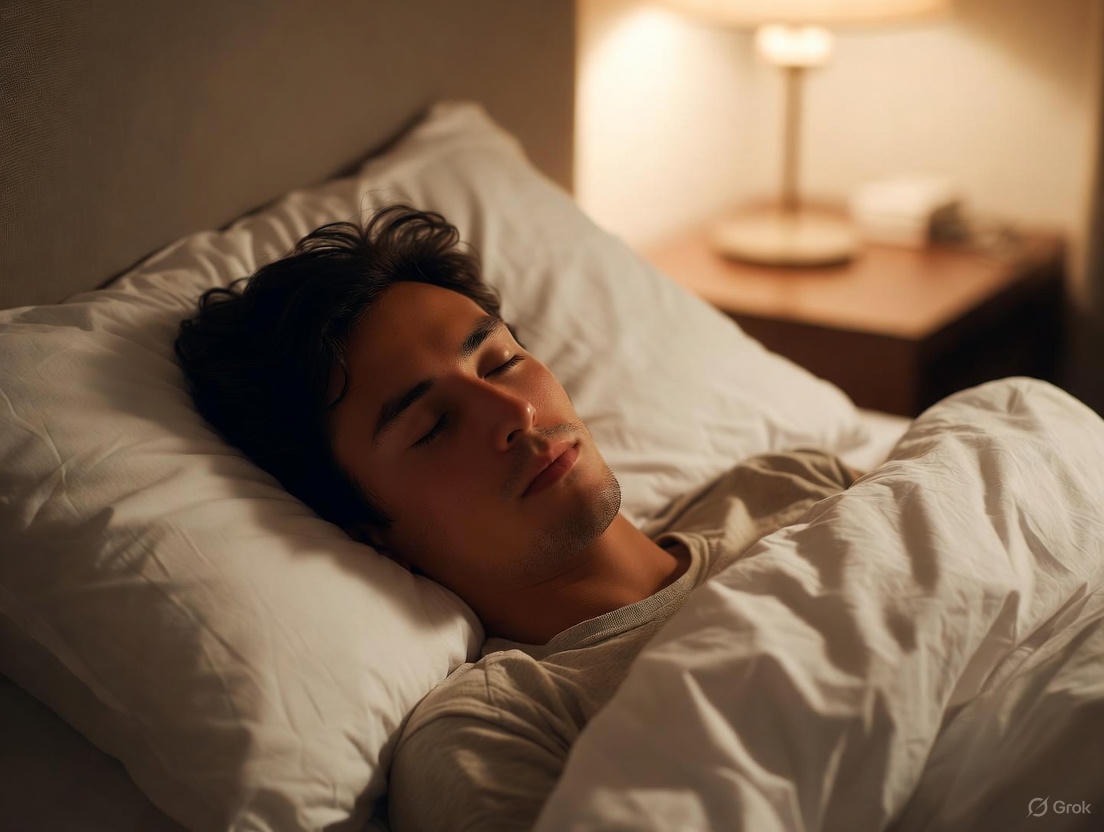
While we champion the strategic, intentional power nap, it is our responsibility to clearly delineate it from a symptom of a potentially serious medical condition. For some, the compelling urge to nap is not a choice for optimization, but a desperate, non-negotiable biological demand. Understanding this distinction is critical for both health and performance.
The Pathological Need to Sleep:
The key differentiator lies in intentionality versus compulsion. The power nap is a deliberate tool used by a reasonably well-rested individual to enhance function. Pathological daytime sleepiness is an involuntary, often overwhelming urge to sleep that interferes with daily life, occurring despite what seems like adequate time in bed.
Common Sleep Disorders Masquerading as "Needing a Nap":
The Critical Role of Objective Data:
This is where personal wellness technology transitions from an optimization tool to a potential screening asset. While it cannot diagnose a sleep disorder, a 24/7 wearable can provide powerful, objective clues that something is amiss:
This data serves as a concrete, shareable record with a healthcare professional. It moves the conversation from "I'm tired" to "My data shows my rest is fragmented and my nervous system is not recovering, as evidenced by X, Y, and Z metrics." For more on how this data accuracy is achieved, learn about the accuracy revolution in health tracking technology.
The Imperative: Seek Professional Evaluation.
If your experience aligns with pathological sleepiness—if naps are a lifeline, not a luxury—consult a sleep specialist. Diagnosis typically involves an overnight polysomnogram (sleep study). Treatment, whether a CPAP machine for OSA, stimulant/alerting medications for narcolepsy, or chronotherapy for circadian disorders, is life-changing. It restores true restorative sleep, after which the strategic power nap can be reclaimed as a tool of choice, not a symptom of distress.
We stand at the precipice of a paradigm shift in how we understand and implement recovery. The future moves beyond scheduled naps and reactive tracking into a world of predictive, adaptive, and seamlessly integrated rest—orchestrated by artificial intelligence and ambient technology.
1. The Predictive Recovery Assistant:
Imagine an AI that doesn't just track your sleep and activity but synthesizes a myriad of data points—your calendar (meeting density, cognitive load), your biological rhythms (circadian phase, menstrual cycle), your environmental context (weather, light exposure), and even your speech patterns and keystroke dynamics for real-time cognitive load assessment. This AI could proactively nudge you: "Your cognitive fatigue score is rising, and your next 30 minutes are low priority. A 15-minute NSDR session now will optimize your performance for your 3 PM critical presentation." The suggestion is hyper-contextual and biologically timed.
2. Dynamic Sleep Stage Alarms & "Sleep Banking":
Future wearables will not just detect sleep stages but interact with them. Your device will learn your personal sleep architecture patterns and will gently vibrate to wake you only during a period of light sleep, even if that occurs 7 minutes before or after your set alarm time, virtually eliminating sleep inertia. Furthermore, the concept of "sleep banking" may emerge: the AI recognizes a period of intense stress or anticipated sleep deprivation (e.g., a new parent, project deadline, travel) and might suggest a series of prophylactic power naps in the preceding days to build resilience.
3. Ambient Environment Integration:
Your recovery ecosystem will be interconnected. You initiate a "recovery mode" on your wearable, and it signals your smart home: lights dim to a specific wavelength that promotes melatonin, the thermostat drops, white noise begins, and your phone goes into a deep focus mode. Upon detecting you've entered light sleep, it maintains this state. As your nap concludes, the system gradually raises lights to simulate sunrise and may release a subtle, alerting scent like citrus.
4. Neurofeedback and Closed-Loop Systems:
Advanced headsets or wearables using EEG could provide real-time neurofeedback. You'd watch your brainwaves on a simple app as you try to nap, learning through biofeedback how to more quickly descend into the restorative theta state. Closed-loop systems could take this further: detecting a high-beta "stress" brainwave pattern and automatically triggering a calming binaural beat or a guided breathing prompt on your earbuds.
5. Personalized Nap "Prescriptions" Based on Biomarkers:
Instead of a generic "20-minute nap," your AI coach will prescribe specific interventions based on your physiological deficit.
This future paints a picture where recovery is not a separate activity we "do," but a fluid, intelligent layer integrated into the fabric of our daily lives. It’s a shift from making time for recovery to allowing recovery to find the optimal time for us. To glimpse the roadmap of this technology, explore our perspective on health tracking technology in 2025 and what's possible.
The true adoption of the power nap and strategic recovery on a mass scale requires more than individual biohacking; it demands a fundamental cultural and societal shift. We must collectively redefine what it means to be productive, successful, and healthy, moving from a culture of exhaustion to a culture of sustainable performance.
Redefining Productivity: Output Over Hours.
The industrial-age model of productivity, measured in hours present at a station, is obsolete for the knowledge economy. Progressive organizations are shifting to an output-based model. In this framework, a refreshed, focused employee who works a 6-hour day with a strategic nap is more valuable than a fatigued employee struggling through 10 hours of distracted, error-prone work. The nap is seen not as time off, but as a performance-enhancing investment, akin to upgrading software.
The Rise of the Rest-Positive Workplace:
Forward-thinking companies are architecting environments that support human biology, not fight it.
Education and Lifelong Learning:
The principles of sleep science and strategic recovery should be integrated into school curricula and corporate training. Teaching children about circadian rhythms and the value of a nap before a test could improve academic outcomes and set healthy lifelong habits. Corporate wellness programs must evolve from step challenges to include sleep hygiene workshops and recovery strategy sessions.
Combating the "Hustle" Stigma:
The glorification of burnout as a badge of honor is a pervasive and dangerous myth. Changing this narrative requires consistent messaging from media, influencers, and institutions that:
This societal shift is already underway, driven by the hard science of performance and the tangible ROI companies see in well-rested, engaged employees. As individuals, we can contribute by openly prioritizing our recovery, sharing our positive experiences with tools like wellness rings (read real user experiences here), and advocating for humane policies in our own spheres of influence.
We have journeyed from the biological imperative of the afternoon dip to the cutting-edge future of AI-driven recovery. The power nap, in its elegant simplicity, serves as a gateway to a profound realization: In a world that never stops, the ultimate competitive advantage is the ability to stop deliberately, recover deeply, and begin again with renewed vigor.
Mastering the art of the power nap is more than learning a sleep trick. It is a philosophical stance. It is the decision to listen to the wisdom of your body over the noise of a productivity-obsessed culture. It is the practice of self-respect, recognizing that you are a biological system that requires maintenance, not an inexhaustible machine. It is the embodiment of the principle that to give your best to the world, you must first be your best for yourself.
This mastery unfolds in layers:
The busyness of modern life is not going away. The demands on our attention and energy will only increase. In this context, the deliberate cultivation of recovery is not a luxury; it is a fundamental survival skill. It is the difference between burning out and burning bright.
You now hold the blueprint. You have the science, the strategies, the warnings, and the inspiration. The next step is yours. Start small. Try a single 20-minute nap this week. Notice its effect. Consider how data could help you refine it. Become a student of your own energy.
In the relentless pursuit of achievement, let us not forget a timeless truth: stillness is not idle. In the quiet space of a power nap, the mind consolidates memories, the body repairs tissues, the nervous system finds its balance, and the spirit regathers its strength. It is in these purposeful pauses that we find not just recovery, but the clarity and energy to build a life of sustained purpose and vitality.
Remember, the goal is not to do more by napping. The goal is to be more—more focused, more creative, more resilient, more healthy—by honoring the essential, restorative rhythm that makes us human. Welcome to the art of the power nap. Your most productive tool may just be a pillow.
The journey into optimized recovery and personalized health is ongoing. Our blog is a dedicated resource for deepening your understanding. Continue your learning with these related articles:
Thank you for investing your time in mastering the art of recovery. Here’s to your health, your energy, and your sustainable success.
Your Trusted Sleep Advocate (Sleep Foundation — https://www.sleepfoundation.org/)
Discover a digital archive of scholarly articles (NIH — https://www.ncbi.nlm.nih.gov/
39 million citations for biomedical literature (PubMed — https://pubmed.ncbi.nlm.nih.gov/)
experts at Harvard Health Publishing covering a variety of health topics — https://www.health.harvard.edu/blog/)
Every life deserves world class care (Cleveland Clinic -
https://my.clevelandclinic.org/health)
Wearable technology and the future of predictive health monitoring. (MIT Technology Review — https://www.technologyreview.com/)
Dedicated to the well-being of all people and guided by science (World Health Organization — https://www.who.int/news-room/)
Psychological science and knowledge to benefit society and improve lives. (APA — https://www.apa.org/monitor/)
Cutting-edge insights on human longevity and peak performance
(Lifespan Research — https://www.lifespan.io/)
Global authority on exercise physiology, sports performance, and human recovery
(American College of Sports Medicine — https://www.acsm.org/)
Neuroscience-driven guidance for better focus, sleep, and mental clarity
(Stanford Human Performance Lab — https://humanperformance.stanford.edu/)
Evidence-based psychology and mind–body wellness resources
(Mayo Clinic — https://www.mayoclinic.org/healthy-lifestyle/)
Data-backed research on emotional wellbeing, stress biology, and resilience
(American Institute of Stress — https://www.stress.org/)


