


The Complete Beginner-Friendly Guide to Vitality Through Sleep Quality
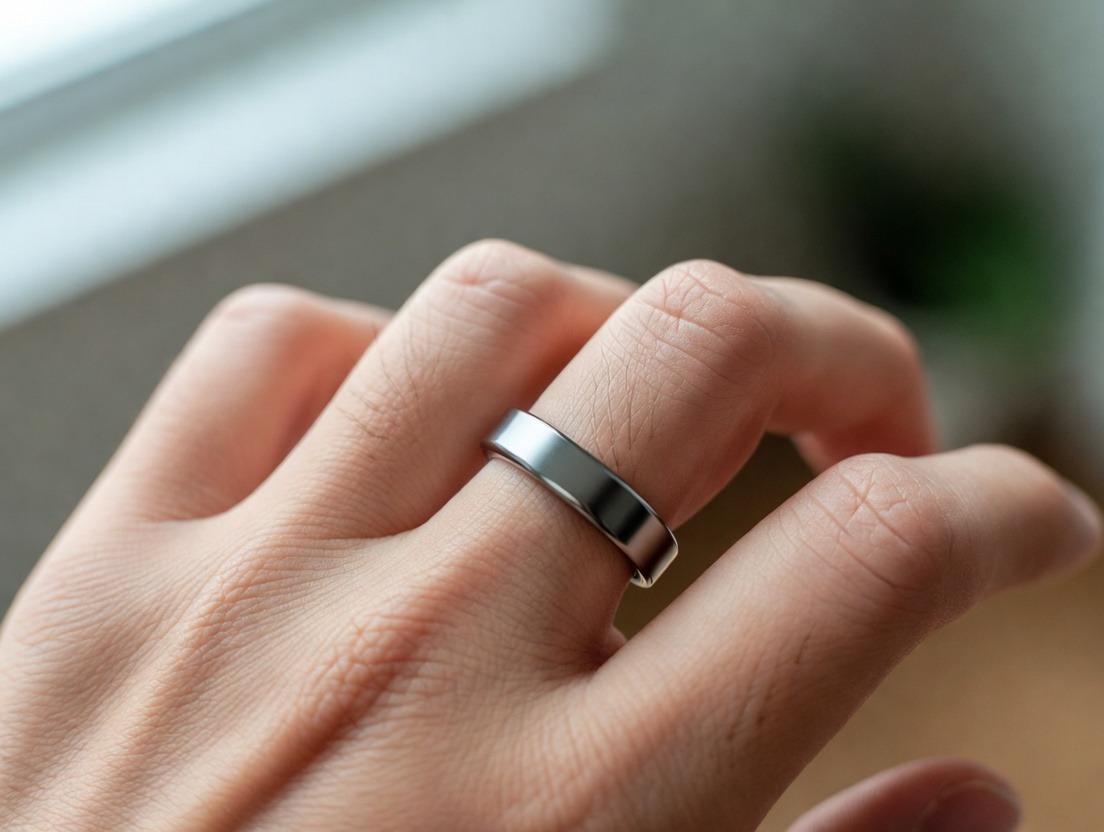
Enhancing vitality through high-quality sleep, a primary metric for your ring.
Enhancing vitality through high-quality sleep, a primary metric for your ring.
%402x.svg)
You wake up, groggy, after eight hours in bed. The alarm feels like a personal attack. You reach for coffee, your first lifeline of the day. By mid-afternoon, your energy is gone, your focus is fuzzy, and your mood is frayed. You chalk it up to stress, a busy life, or just "getting older." But what if the single biggest lever you could pull to transform your energy, health, and daily vitality has been hiding in plain sight every single night?
We have been sold a powerful, yet dangerously incomplete, narrative about health: eat right, exercise, and you’re golden. But this story has a massive, overlooked plot hole. A third pillar, just as critical as nutrition and movement, forms the irreplaceable foundation upon which the other two stand. This pillar is sleep quality, not just sleep quantity.
For decades, sleep was the silent, passive backdrop to our active lives. Science saw it as downtime for the brain. We now know the opposite is true. Sleep is a state of intense, purposeful, and life-sustaining biological activity. It’s when your brain cleans itself, your memories solidify, your hormones rebalance, your cells repair, and your immune system recharges. Poor sleep quality doesn’t just make you tired; it systematically degrades every system in your body, accelerating aging, clouding cognition, and sabotaging your wellness goals.
This guide is your blueprint to reclaiming that foundational pillar. We’re moving beyond the simplistic goal of "eight hours" and diving deep into the rich, complex architecture of truly restorative rest. We will dismantle myths, explore the fascinating science of sleep stages, and provide you with actionable, beginner-friendly strategies to transform your sleep from an afterthought into your most powerful wellness tool.
And in this modern age, we have an unprecedented ally in this quest: continuous, personalized data. A wellness ring that enables proactive lifelong health moves sleep tracking from a simple log of hours into a rich diagnostic tool. It helps you understand not just how long you sleep, but how well you sleep—measuring the very metrics of vitality we’re about to explore. This is about moving from guessing to knowing, from frustration to optimization.
The journey to vibrant health begins not in the gym or the kitchen, but in the quiet dark of your bedroom. It’s time to master the art and science of sleep. Let’s begin.

We have been hypnotized by a number: eight. The "eight hours of sleep" mantra is so ingrained in our collective consciousness that it has become the singular, obsessive focus for anyone trying to improve their rest. We track it on our phones, brag about it, or feel guilty for missing it. But this fixation on duration is, at best, an incomplete picture, and at worst, a misleading diversion from what truly matters for vitality.
Imagine two people. Person A sleeps a solid eight hours without stirring. Person B also spends eight hours in bed but wakes up a dozen times, never sinking into deep, restorative sleep. To a basic tracker, they are identical. To their biology, they are worlds apart. Person A wakes refreshed; Person B wakes exhausted. This is the critical flaw of the "hours-only" model: it completely ignores sleep architecture—the structure and quality of those hours.
Sleep is not a monolithic state. It’s a meticulously choreographed cycle of distinct stages, each with a unique physiological purpose. Light sleep acts as an entryway and a period of light rest. Deep sleep (Slow-Wave Sleep) is the non-negotiable physical repair shift—it’s when tissue growth and repair occur, human growth hormone is released, and energy is restored. REM (Rapid Eye Movement) sleep is the mental and emotional processing stage, crucial for memory consolidation, learning, and mood regulation.
When you only count hours, you miss everything. You could get eight hours of mostly light sleep and be functionally sleep-deprived, lacking the essential deep and REM stages. This is why the quality of your sleep—the integrity of this architecture—is infinitely more important than the raw quantity. It’s the difference between eating a nutrient-dense meal and eating empty calories; both fill your stomach, but only one truly nourishes your body.
The consequences of poor sleep architecture are profound and far-reaching. It’s not just about fatigue. Chronically disrupted deep sleep is linked to impaired glucose metabolism, increased hunger hormones (like ghrelin), and a higher risk of weight gain and type 2 diabetes. Inadequate REM sleep can hamper emotional regulation, creativity, and problem-solving abilities. Furthermore, as explored in our resource on lifelong health strategies to prevent frailty in old age, the muscle repair and metabolic reset that occur during deep sleep are fundamental to maintaining strength and resilience as we age.
This shift in perspective—from duration to architecture—is the first and most critical step. It moves the goalpost from "getting to bed on time" to "cultivating conditions for restorative sleep cycles." It’s why simply forcing yourself to spend more time in bed often fails. The real work begins in understanding what happens during those hours and how to optimize the process. To truly master this, you need insight, which is where modern technology bridges the gap. A detailed breakdown of the metrics behind understanding sleep stages and quality scores can turn abstract concepts into a clear, personal roadmap for improvement.
If sleep quality were merely a luxury that affected how "perky" we feel, it wouldn’t command such urgent attention from the scientific community. But the research is unequivocal: chronic, low-quality sleep is a slow-acting metabolic, cognitive, and cardiovascular toxin. It operates in the background, eroding the pillars of your health long before more obvious symptoms appear. Let’s illuminate this silent epidemic and understand exactly what’s at stake when we neglect the architecture of our rest.
The Metabolic Sabotage: During deep sleep, your body manages its energy stores and insulin sensitivity. Disrupt this stage, and the system goes haywire. Cells become resistant to insulin, the hormone that ushers glucose out of your bloodstream. Your pancreas must work overtime, pumping out more insulin to compensate. This cascade increases your risk for weight gain, visceral fat storage, and type 2 diabetes. Simultaneously, poor sleep throws your hunger hormones—leptin (satiety) and ghrelin (hunger)—off balance. You end up with less leptin to signal "full" and more ghrelin screaming "eat," often driving cravings for high-calorie, high-carbohydrate foods.
The Cognitive Decline: Your brain uses sleep, particularly REM and deep sleep, for critical housekeeping. The glymphatic system, the brain’s waste-clearance system, kicks into high gear during deep sleep, flushing out toxic byproducts like beta-amyloid, a protein closely associated with Alzheimer’s disease. Without this nightly cleanse, these toxins accumulate. Furthermore, sleep is when memories are consolidated—transferred from short-term to long-term storage. Poor sleep quality means fragmented memories, impaired learning, reduced creativity, and slower reaction times. It’s like trying to save files on a corrupted hard drive.
The Cardiovascular Strain: Nighttime is when your heart and vascular system get a chance to relax and recover. Consistently poor sleep keeps your sympathetic nervous system (the "fight or flight" system) overly active, leading to elevated nighttime heart rate and blood pressure. Over time, this contributes to hypertension, inflammation of the blood vessels, and an increased risk of heart disease and stroke. In fact, tracking metrics like your nocturnal resting heart rate and heart rate variability can provide early warnings of this autonomic nervous system imbalance and cardiovascular stress.
The Immune System Compromise: Think of your immune system as an army. Sleep is its boot camp and barracks. During deep sleep, the body produces and distributes key immune cells like cytokines, T-cells, and natural killer cells. Skimp on quality sleep, and you effectively send your troops into battle understaffed, undertrained, and exhausted. Studies show that people who get less than seven hours of quality sleep are almost three times more likely to catch a common cold after exposure. Long-term, this weakened defense is linked to a higher susceptibility to infections and even a dampened response to vaccines.
The Emotional Toll: The connection between sleep and mood is a two-way street, but poor sleep often drives the negative traffic. REM sleep is crucial for processing emotional experiences and regulating the brain’s emotional centers. Disrupted REM leads to a hyper-reactive amygdala (the fear center) and a weakened connection to the prefrontal cortex (the rational decision-maker). The result? You’re more likely to experience irritability, anxiety, stress, and a reduced resilience to daily hassles. This creates a vicious cycle, as stress and anxiety then further degrade sleep quality. Understanding the connection between all your health metrics, including sleep, stress, and recovery, is key to breaking this cycle.
The takeaway is stark: you cannot out-run, out-diet, or out-supplement chronically poor sleep. It undermines your efforts in every other domain of wellness. Recognizing these hidden costs is the motivation needed to prioritize sleep quality not as an optional wellness hobby, but as a non-negotiable foundation for a healthy, vibrant life.
To transform your sleep, you must first understand its beautiful, complex rhythm. Sleep isn’t a linear plunge into unconsciousness and back. It’s a series of repeating cycles, each lasting about 90 to 120 minutes, that your brain and body orchestrate throughout the night. Each cycle is a journey through four distinct stages, with a changing emphasis on physical restoration and mental processing as the night progresses. Let’s walk through this nightly journey.
Stage 1 (N1) – The Drift (Light Sleep): This is the doorway between wakefulness and sleep, lasting just a few minutes. Your brain waves begin to slow from their daytime patterns (alpha waves) into theta waves. Your muscles relax, your heartbeat and breathing slow, and you may experience sudden muscle jerks (hypnic jerks). It’s easy to be awakened during this stage. Think of it as the "shallow end" of the sleep pool.
Stage 2 (N2) – The Anchor (Light Sleep): You now enter a period of bona fide, stable sleep. This stage typically constitutes about 50% of an adult’s total sleep. Your brain activity further slows with characteristic bursts of rapid brain waves called sleep spindles and large waves called K-complexes. These are believed to play a role in memory consolidation and sensory processing—helping to keep you asleep by suppressing your response to external noises. Your body temperature drops, and your heart rate and breathing become regular.
Stage 3 (N3) – The Restoration (Deep Sleep / Slow-Wave Sleep): This is the most physically restorative phase of sleep, often called "delta sleep" due to the slow, high-amplitude delta brain waves. It’s hardest to be awakened from deep sleep; if you are, you’ll likely feel disoriented and groggy (sleep inertia). This is when critical repair work happens: tissue growth and repair, bone and muscle building, immune system strengthening, and energy restoration. The pituitary gland secretes human growth hormone, essential for development and cellular repair. Deep sleep is front-loaded in the night, occurring in longer periods during your first two sleep cycles.
Stage 4 – REM Sleep (The Mental Theater): Following deep sleep, you ascend back into lighter N2 sleep before entering the vivid world of REM sleep. Your brain becomes highly active, with brainwave patterns resembling wakefulness (hence the paradox). Your eyes dart rapidly behind closed lids (Rapid Eye Movement), and most voluntary muscles are temporarily paralyzed (atonia), preventing you from acting out your dreams. This stage is crucial for cognitive functions: memory consolidation, learning, problem-solving, and emotional processing. REM periods get longer as the night goes on, with the final REM stage before waking sometimes lasting an hour.
A full night’s sleep consists of 4-6 of these 90–120-minute cycles. The composition changes throughout the night: the first half of the night is dominated by deep sleep for physical repair, while the second half features more REM sleep for cognitive and emotional processing. This is why both getting enough total sleep and achieving uninterrupted cycles are essential. A fragmented sleep, where you’re constantly awakened, resets you back to Stage 1, robbing you of the later, deeper stages.
This is where objective data becomes invaluable. It’s one thing to understand the theory of sleep cycles; it’s another to see your own personal architecture. By using a device that can calculate these complex health metrics, you move from guessing to seeing. You can identify if you’re getting sufficient deep sleep, if your REM is fragmented, or if you’re experiencing unusual wake-ups. This personalized map of your night is the first, most powerful step toward targeted improvement.
For decades, our only metric for sleep was a rough estimate of time, usually provided by a glance at the clock before and after shutting our eyes. Today, we have the ability to move far beyond that primitive measure. Just as a credit score distills complex financial behavior into a single, understandable number, a modern Sleep Quality Score aims to synthesize the multifaceted architecture of your night into a comprehensive, actionable metric. But what goes into this number? It’s not magic—it’s science.
A robust Sleep Quality Score is typically an algorithmically derived value (often on a scale of 0-100) that weighs several key physiological and behavioral factors. While each platform may have slight variations, the core components are remarkably consistent and grounded in sleep science. Let’s break down what a good score is truly measuring:
1. Sleep Duration (The Foundation): While not the whole story, total time asleep remains a foundational input. There’s a U-shaped curve for health; both too little and excessively long sleep can be associated with issues. Most algorithms reward time spent asleep within an optimal range (typically 7-9 hours for adults).
2. Sleep Efficiency (The Purity of Sleep): This is a critical metric that separates time in bed from actual sleep. It’s calculated as (Time Asleep / Time in Bed) x 100. A score of 85% or higher is generally considered good. If you spend 9 hours in bed but are awake for 90 minutes, your efficiency is only 83.3%. This metric penalizes long periods of lying awake, whether at the beginning (sleep latency), middle, or end of the night.
3. Sleep Stages Balance (The Architecture): The score evaluates the proportion of your night spent in each vital stage. Are you getting enough deep sleep (typically 15-25% of total sleep for adults)? Are you achieving sufficient REM sleep (20-25%)? An imbalance—like very low deep sleep—will negatively impact the score, as it indicates a lack of physical restoration.
4. Restorative Sleep (Deep + REM): Some scores specifically highlight the sum of your most restorative stages. This is the "quality within the quality"—the portion of sleep doing the heaviest lifting for repair and cognition.
5. Sleep Latency (How Quickly You Fall Asleep): The time it takes to transition from being fully awake to being asleep (entering N1). An optimal latency is between 10 and 20 minutes. Falling asleep in under 5 minutes can be a sign of significant sleep deprivation, while taking over 30 minutes consistently may indicate hyperarousal or poor sleep hygiene.
6. Sleep Fragmentation (The Interruptions): This measures how many times you wake up during the night (awakenings) and how restless you are (frequent movement). Even brief awakenings you don’t remember can disrupt your sleep cycle progression. Lower fragmentation is better.
7. Consistency (The Rhythm): Your body craves regularity. Going to bed and waking up at wildly different times each day (social jetlag) confuses your internal clock. A good sleep score often incorporates the consistency of your sleep schedule over time.
By synthesizing these data points, a Sleep Quality Score gives you a daily benchmark and a longitudinal trend. It turns abstract concepts like "I slept okay" into a tangible, trackable metric. You can begin to see the direct impact of your evening habits: "When I stopped using my phone an hour before bed, my score jumped 15 points." Or, "That late afternoon coffee consistently fragments my deep sleep."
To truly leverage this score, you must understand the raw data behind it. A guide to interpreting your smart ring health metrics dashboard is essential for moving from a simple number to a plan of action. The score is the headline; the underlying metrics are the full story that tells you what to do next.
To generate a comprehensive Sleep Quality Score and give you a true window into your restorative processes, a sophisticated wellness device, like a smart ring, acts as a personal biometrical lab on your finger. It continuously collects a stream of physiological signals while you sleep. But what is it actually measuring, and what do those raw data points mean for your understanding of sleep quality? Let’s translate the technical metrics into actionable health insights.
1. Heart Rate (HR) & Heart Rate Variability (HRV): This is the dynamic duo of autonomic nervous system (ANS) insight. Your resting heart rate (RHR) during sleep is a powerful indicator of recovery and cardiovascular fitness. A lower nighttime RHR generally suggests efficient heart function and good recovery. Heart Rate Variability (HRV), the subtle variation in time between each heartbeat, is even more telling. High HRV indicates a balanced, resilient ANS with strong parasympathetic ("rest and digest") activity, which is dominant during deep sleep. A low or dropping HRV trend can signal stress, overtraining, illness, or poor recovery. Observing the patterns and trends in your HRV is key to understanding your body’s readiness and the depth of your restoration.
2. Respiratory Rate (RR): The number of breaths you take per minute. This metric is remarkably stable in healthy adults during sleep (typically 12-20 breaths per minute). Significant deviations from your personal baseline, or unusually high or low rates, can be early indicators of respiratory issues, sleep apnea, or heightened stress/ANS activation. A wellness ring that tracks this continuously provides a more complete picture than a single-point measurement at a doctor’s office.
3. Blood Oxygen Saturation (SpO2): This measures the percentage of oxygen carried by your red blood cells. While you sleep, it’s normal for SpO2 to dip slightly, but consistent, significant drops (desaturations) can be a primary sign of sleep-disordered breathing like obstructive sleep apnea (OSA). Monitoring your nocturnal blood oxygen levels can be a crucial, non-invasive way to screen for potential issues that massively degrade sleep quality.
4. Skin Temperature & Body Temperature Trend: Your core body temperature needs to drop to initiate and maintain sleep. A smart ring tracks the temperature at your finger (a good proxy for peripheral skin temperature), which rises as your body sheds heat to cool the core. Disruptions in this natural cooling cycle—from a room that’s too warm, alcohol consumption, or hormonal changes—can fragment sleep. Tracking your temperature rhythm can also help you identify your personal circadian rhythm indicators and optimal sleep window.
5. Movement & Acceleration (Actigraphy): Using a 3-axis accelerometer, the ring detects gross body movements. This data is fundamental for determining sleep vs. wake periods, estimating sleep stages (with less movement generally associated with deeper sleep), and quantifying restlessness. It helps calculate sleep latency, fragmentation, and overall efficiency.
Sophisticated algorithms then fuse these simultaneous data streams. They don’t just look at one metric in isolation; they analyze the relationship between them. For example, a period of very low movement, coupled with a low and steady heart rate, elevated HRV, and a stable respiratory rate, is a strong signature of deep sleep. A spike in heart rate and movement, followed by a dip in SpO2, might indicate a breathing disturbance.
This fusion is what turns raw sensor data into meaningful health insights. It’s the process of turning metrics into actionable health guidance. By understanding what each metric represents, you become an informed participant in your own health journey, able to connect daily choices to nightly outcomes.

Armed with an understanding of sleep architecture, we can now apply a powerful, practical principle: the 90-Minute Rule. Since the average adult sleep cycle lasts approximately 90 minutes (ranging from 70 to 120), we can use this rhythm to our advantage, both when falling asleep and when waking up. The goal is to wake up at the natural end of a cycle, during light N1 or N2 sleep, rather than being jarred from deep or REM sleep.
Why Waking at the End of a Cycle Matters: Being awakened by an alarm during deep sleep (N3) causes "sleep inertia"—that groggy, disoriented, heavy feeling that can last for 30 minutes or more. It’s your brain being violently pulled from its most restorative, offline state. Waking during REM can leave you feeling similarly foggy and may disrupt emotional processing. Waking during light sleep, however, is a far genther transition. You’re more likely to feel refreshed, alert, and ready to start your day.
How to Use the 90-Minute Rule for Waking Up:
This method suggests aiming for sleep durations that are multiples of 90 minutes: 7.5 hours (5 cycles), 6 hours (4 cycles), or 4.5 hours (3 cycles). While 7.5-8 hours is ideal for most, the 6-hour option (4 cycles) is often more restorative than a fractured 7 hours that ends in deep sleep.
Applying the Rule to Your Evening Wind-Down: Your body doesn’t switch instantly from "go" to "sleep." The 90 minutes before your target sleep time should be a dedicated wind-down ritual. This is when you initiate the physiological cascade needed for sleep: dropping your core temperature, calming your nervous system, and reducing mental stimulation. This pre-sleep ritual is as important as the sleep itself for ensuring you enter that first cycle smoothly.
The Data Connection: This is where a wearable shines. It can tell you your actual average sleep cycle length and your personal sleep latency. You might discover your cycles are 100 minutes long, or that you take 30 minutes to fall asleep. This allows you to personalize the 90-minute rule. Furthermore, by reviewing your sleep efficiency and latency metrics, you can fine-tune your wind-down routine to ensure you’re achieving that seamless transition into sleep, hitting your target cycle count, and waking up feeling ready.
The 90-Minute Rule is a simple yet profound strategy that respects your biology. It turns bedtime from a vague intention into a calculated, rhythmic practice designed to work with your body’s natural patterns, not against them.
You can have perfect sleep hygiene and knowledge of your cycles, but if your sleep environment is working against you, your efforts will be undermined. Your bedroom should function as a sanctuary—a "cave" engineered for one purpose: to facilitate the rapid onset and undisturbed maintenance of high-quality sleep. This involves optimizing several key environmental factors that directly signal to your brain and body that it’s safe to shut down and repair.
1. Darkness: The Non-Negotiable Signal. Light is the primary driver of your circadian rhythm. Even small amounts of ambient light—from a streetlamp, a charging LED, or a digital clock—can suppress melatonin production, the hormone that makes you sleepy. Action Steps: Invest in blackout curtains or a high-quality sleep mask. Remove or cover all electronic light sources. Consider using dim, warm-red nightlights if you need to navigate at night, as red light has the least impact on melatonin.
2. Coolness: The Thermal Trigger. A drop in core body temperature is a key signal for sleep initiation. A room that’s too warm disrupts this natural process. The optimal temperature for most people is between 60-67°F (15.5-19.5°C). Action Steps: Set your thermostat lower at night. Use fans for air circulation and cooling. Choose breathable, moisture-wicking bedding (like cotton, linen, or bamboo). Consider a cooling mattress pad or pillow if you tend to sleep hot.
3. Quiet: The Sound of Silence. Sudden or consistent noise can fragment sleep, pulling you into lighter stages or causing micro-arousals you don’t even remember. Action Steps: Use earplugs if your environment is noisy. A white noise machine or a fan can be excellent for masking disruptive sounds (traffic, snoring, etc.) with a consistent, soothing auditory blanket.
4. Comfort: The Foundation of Stillness. Discomfort from a poor mattress, pillow, or bedding leads to constant micro-adjustments and restlessness, preventing deep, uninterrupted sleep. Action Steps: Ensure your mattress is supportive and not past its lifespan (typically 7-10 years). Choose a pillow that supports your head and neck in a neutral alignment based on your sleep position (side, back, stomach). Wear comfortable, non-restrictive sleepwear.
5. Clean Air & Allergen Control: Dust, dander, and poor air quality can trigger subtle allergies or breathing irritations that disrupt sleep without you being fully aware. Action Steps: Wash bedding weekly in hot water. Use hypoallergenic pillow and mattress covers. Consider an air purifier with a HEPA filter, especially if you have allergies or live in an area with poor air quality.
6. A Mental Sanctuary: The Clutter-Free Zone. A cluttered, stressful environment can subconsciously increase anxiety. Your bedroom should be for sleep and intimacy only—not work, intense entertainment, or arguments. Action Steps: Remove work materials, computers, and televisions. Keep surfaces tidy. Make your bed each morning to create a sense of order.
By intentionally crafting this cave-like environment, you are removing barriers to sleep. You are creating the external conditions that perfectly support the internal processes you’re trying to optimize. It’s the tangible, physical manifestation of your commitment to sleep quality. The impact of these changes will often be reflected directly in your biometric data—less restlessness, higher sleep efficiency, and more time spent in the coveted deep and REM stages. It’s one of the most direct ways to validate your new wellness habits with hard data.
Your environment is the stage; your pre-sleep ritual is the calming overture that tells the actors (your brain and body) the show is about to begin. In our hyper-connected, always-on culture, we often try to jump directly from high stimulation to sleep. This is like slamming on the brakes at highway speed—it’s jarring, ineffective, and stressful for the system. A consistent, deliberate wind-down ritual bridges this gap, actively shifting your nervous system from sympathetic (fight-or-flight) dominance to parasympathetic (rest-and-digest) dominance.
Aim to start this ritual 60 to 90 minutes before your target "lights out" time. Here is a toolkit of science-backed strategies to build your personalized routine:
1. The Digital Sunset: This is the single most impactful change you can make. The blue light emitted by phones, tablets, laptops, and TVs is biologically interpreted as sunlight, directly suppressing melatonin production. Action: Set a strict "digital curfew" 60-90 minutes before bed. Use device settings to enable "Night Shift" or "Blue Light Filter" earlier in the evening if you must use them. Charge your devices outside the bedroom.
2. Dim the Lights: Mimic the natural sunset by reducing ambient light in your home. Action: Use lamps instead of overhead lights. Switch to dimmable bulbs or use smart bulbs programmed to emit warmer, dimmer light in the evening. This supports your body’s natural production of melatonin.
3. Temperature Ritual: Remember, you need to drop your core temperature. A warm bath or shower 60-90 minutes before bed is paradoxical but effective. The warm water brings blood to the surface of your skin; when you step out, the rapid evaporation cools you down, mimicking the body’s natural pre-sleep temperature drop. Action: Take a warm bath or shower as part of your ritual.
4. Calm the Mind: You must transition from "doing" to "being." Action Ideas:
5. Consistency is the Secret Sauce: The power of the ritual lies not in any single activity, but in the consistent, repeated sequence. Performing the same actions in the same order each night creates powerful psychological and physiological cues. Your brain begins to associate these activities with the impending state of sleep, making the transition faster and easier.
This ritual isn’t about being perfect; it’s about being intentional. It’s the daily practice of telling your body, "You are safe. The work is done. Now is the time for restoration." The effects compound over time, leading to faster sleep onset, less nighttime anxiety, and more consolidated sleep. By tracking the resulting improvements in your sleep latency and overall readiness scores, you gain positive reinforcement, turning this ritual from a chore into a cherished, evidence-based part of your wellness practice.
Sleep quality isn’t determined solely in the hours before bed; it’s being programmed from the moment you wake up. Your daytime choices around light, movement, nutrition, and stress lay the hormonal and neurological groundwork for the night to come. Think of it as a 24-hour cycle where day and night are in constant dialogue. Here’s how to optimize your daylight hours to set the stage for a stellar night.
1. Light: Reset Your Master Clock. Your circadian rhythm needs a strong, clear signal in the morning to anchor itself. Action: Get at least 15-30 minutes of bright, natural sunlight as soon as possible after waking. Look toward the sun (never directly at it) without sunglasses. This suppresses melatonin, boosts cortisol (the healthy, alerting kind), and sets your internal clock for the day, making it easier to fall asleep 14-16 hours later.
2. Movement & Exercise: Time It Right. Regular exercise is one of the best evidence-based ways to improve sleep depth and duration. However, timing matters. Action: Engage in moderate to vigorous exercise, but try to finish at least 2-3 hours before bedtime. Morning or afternoon workouts are ideal. Late-evening intense exercise can raise core body temperature and stimulate the nervous system, making it harder to wind down. Gentle movement like walking or yoga in the evening, however, can be beneficial.
3. Caffeine & Nicotine: The Stimulant Ceiling. Caffeine has a half-life of 5-6 hours, meaning half of it is still in your system after that time. Action: Establish a caffeine curfew. For most people, avoiding caffeine after 2:00 PM is a safe rule. Be mindful of hidden sources (soda, tea, chocolate, some medications). Nicotine is also a potent stimulant; avoiding it entirely, especially in the evening, is crucial for sleep.
4. Nutrition & Alcohol: The Evening Balance. Going to bed overly hungry or overly full can disrupt sleep. Action: Have your last large meal at least 2-3 hours before bed. If you need a small snack closer to bedtime, opt for something with a mix of protein and complex carbs (e.g., a small handful of nuts, Greek yogurt). Beware of Alcohol: While it may induce drowsiness, alcohol is a sedative that dramatically fragments sleep architecture. It suppresses REM sleep early in the night and causes rebound awakenings as it wears off. It is not a sleep aid.
5. Napping: Strategic Recharge or Nighttime Sabotage? Short naps can be rejuvenating, but long or late naps can steal sleep pressure. Action: If you nap, keep it to 20-30 minutes maximum (a "power nap") and finish it before 3:00 PM. This prevents you from entering deep sleep, which can cause grogginess and reduce your ability to fall asleep at night.
6. Stress Management: Don’t Carry the Day to Bed. Chronic, unmanaged daytime stress leads to elevated cortisol levels that can spill into the night. Action: Incorporate micro-practices of stress relief throughout your day: a 5-minute breathing break, a walk outside, moments of mindfulness. This prevents stress from accumulating into an overwhelming wave at bedtime.
By aligning your daytime habits with your sleep goals, you create a holistic, self-reinforcing system. This 24-hour perspective is at the heart of creating a proactive, lifelong health strategy. It recognizes that sleep is not an isolated event but the culmination of a well-lived day. Tracking how these choices affect your nightly biometrics—like seeing how an afternoon coffee impacts your deep sleep percentage or how a morning walk improves your sleep efficiency—provides the ultimate personalized feedback loop for sustainable change.
You’ve gathered the data—the scores, the graphs, the percentages. Now comes the most important part: making sense of it all. Reading your sleep metrics isn’t about obsessing over a single night’s score; it’s about observing patterns, trends, and correlations over time. This is where you move from passive tracking to active investigation, learning to speak the language of your own body. Let’s become data detectives.
1. Look for Trends, Not Single Points. A single bad night is just noise—life happens. What matters is the direction over weeks and months. Is your average Sleep Score trending up or down? Is your deep sleep percentage gradually decreasing? Use the app’s trend views (weekly, monthly) to see the bigger picture. This helps you separate real issues from one-off events.
2. Establish Your Personal Baseline. The "normal" ranges provided are population averages. Your job is to find your normal. What is your typical HRV range? What’s your average sleep efficiency? Once you know your baseline, deviations become meaningful. A drop in HRV or an increase in resting heart rate that persists for several days is a clear signal from your body that something is off—be it illness, stress, or overtraining. Understanding your personal baseline versus current readings is the cornerstone of personalized insight.
3. Correlate with Lifestyle Tags (The "Why" Behind the "What"). Most good apps allow you to tag your days with behaviors: "Alcohol," "Late Meal," "Intense Workout," "Stressed," "Travel." This is your secret weapon. After tagging consistently, look back. Do you see a pattern where nights tagged "Alcohol" consistently show low REM sleep and high restlessness? Do "Late Workout" days correlate with elevated nighttime heart rate? These correlations turn abstract advice into personal truth.
4. Know the Red Flags Worth Investigating. While day-to-day variation is normal, certain persistent patterns warrant closer attention:
5. Use the "Readiness" or "Recovery" Score as a Daily Guide. Many systems provide a morning score based on your sleep data, HRV, RHR, and temperature. This isn’t a judgment; it’s guidance. A low score suggests your body needs more rest—perhaps opt for a gentle day, not an intense workout. A high score indicates you’re primed for performance. Learning to interpret these readiness scores and their underlying metrics allows you to dynamically adjust your daily activity to match your body’s actual capacity, preventing burnout and promoting sustainable progress.
Becoming fluent in your own data empowers you to move beyond generic advice. You stop asking, "What should I do for better sleep?" and start asking, "What does my data say works for me?" This is the essence of precision wellness, where you are both the subject and the scientist of your own vibrant health.
Data without a plan is just noise. Now that you can decode the signals your body is sending each night, the thrilling work begins: designing and executing a personalized plan to systematically improve your sleep quality. This isn't about a one-size-fits-all prescription; it's about using your unique biometric feedback as a guide to experiment, adapt, and discover what moves the needle for you. Think of it as a continuous cycle of observation, hypothesis, intervention, and evaluation.
Step 1: Identify Your Primary Lever. Review your trend data from the past 2-4 weeks. What is your most obvious opportunity? Don't try to fix everything at once. Choose one key area to focus on. Common starting points include:
Step 2: Design a Targeted 2-Week Experiment. Based on your chosen lever, select 1-3 specific, actionable changes. For example:
Step 3: Execute and Tag Religiously. During your experiment, use the tagging/lifestyle feature in your app every single day. Tag for your new positive habits (e.g., "Journaled," "No Screens 90min") and for any potential disruptors ("Late Work Dinner," "Stressful Day"). This creates the clean data needed to see correlations.
Step 4: Analyze the Impact. After 14 days, review your data. Did your target metric improve? Look at the average for the experimental period versus the two weeks prior. Use the correlation view: did nights with your new habit consistently score higher? This objective feedback is what separates lasting change from guesswork. For instance, you might see that your journaling habit correlates with a calmer nervous system, reflected in improved stress and relaxation indicators at night.
Step 5: Iterate and Layer. If the experiment worked, lock in that new habit as a permanent part of your routine. Then, identify your next lever and design a new experiment. If it didn't work, don't view it as a failure—view it as valuable data. Refine your hypothesis. Perhaps latency is driven more by an inconsistent wake time. Your next experiment could focus on a fixed wake-up time for 14 days. This iterative, data-informed process is how you build a 50-year wellness blueprint, one optimized habit at a time.
The Power of Personalization: This approach acknowledges that we are all biochemically unique. The classic advice of "no coffee after 2 PM" might be perfect for you, while your friend might see no impact from a 4 PM latte. Your data tells your truth. By methodically testing variables, you build a sleep protocol that is perfectly tailored to your physiology, lifestyle, and goals. This is the ultimate application of a smart ring: it enables precision wellness by closing the loop between action and outcome.
Of all the sleep stages, deep sleep (Slow-Wave Sleep) holds a special, non-negotiable status for physical vitality. It's the body's premier repair and regeneration shift. During deep sleep, blood flow to your muscles increases, tissue growth and repair accelerate, and energy stores (glycogen) are replenished. The pituitary gland pulses with human growth hormone (HGH), which is essential for muscle development, bone building, and cellular repair throughout the body. It's also a critical time for immune function—your body produces extra cytokines, proteins that help fight infection and inflammation.
Given its vital role, protecting and even maximizing your deep sleep is a direct investment in your physical health and longevity. But deep sleep is also fragile; it's easily disrupted by both lifestyle factors and the natural aging process (we tend to get less deep sleep as we get older). Here’s how to become a guardian of your deep sleep.
Strategies to Protect and Enhance Deep Sleep:
Tracking your deep sleep percentage and duration gives you direct feedback on these strategies. You can see the tangible impact of a consistent schedule or the destructive effect of a nightcap. Furthermore, because deep sleep is so tied to physical repair, its quality is often reflected in other metrics. For example, a night of rich deep sleep often correlates with a strong recovery score and readiness the next morning, and over time, with positive trends in the health metrics that matter most for longevity.
If deep sleep is the body's repair shift, REM (Rapid Eye Movement) sleep is the mind's therapy and filing session. During REM, your brain is almost as active as when you're awake, but your body is paralyzed (a state called atonia) to prevent you from acting out your dreams. This stage is fundamental for cognitive function, emotional health, and creativity.
The Critical Functions of REM Sleep:
REM sleep is primarily concentrated in the second half of the night. If you consistently cut your sleep short, you are disproportionately robbing yourself of REM. Protecting your full sleep duration is therefore the first rule of REM hygiene.
How to Nurture Your REM Sleep:
Monitoring your REM sleep can be a window into your cognitive and emotional well-being. A persistent drop in REM might correlate with periods of high stress or information overload. Conversely, seeing healthy REM levels can reassure you that your brain is getting the processing time it needs. The interplay between REM, stress, and emotional regulation is a perfect example of the interconnected nature of your health metrics, where improving one area creates positive ripple effects throughout the system.
Even with the best intentions, specific, potent disruptors can shatter your sleep architecture. Let's troubleshoot three of the most common culprits: psychological stress, dietary missteps, and schedule chaos, providing targeted strategies for each.
Stress activates the sympathetic nervous system (fight-or-flight), releasing cortisol and adrenaline—hormones designed for alertness and action, not rest. When this activation spills into the night, it causes:
Fixing It:
What you consume and when can act as a direct biochemical intervention on your sleep.
Fixing It:
"Social jetlag" is the chronic misalignment between your biological clock (set by light and habit) and your social clock (work, social events). Going to bed and waking up at wildly different times on weekends vs. weekdays is like flying across time zones every week. It confuses your circadian rhythm, leading to poor sleep quality, daytime fatigue, and metabolic dysregulation.
Fixing It:
By systematically addressing these disruptors, you remove the most common barriers to consistent, high-quality sleep. Your data will show the results: lower latency, higher efficiency, and more balanced sleep stages. This proactive troubleshooting is central to a balanced, sustainable approach to lifelong health that navigates between discipline and flexibility.
Once you have mastered the fundamentals of sleep hygiene, environment, and rhythm, you may wish to explore additional, evidence-based tools that can support specific sleep challenges or provide an extra edge. It's critical to approach these as "biohacks"—targeted, temporary, or situational interventions—not as replacements for foundational habits. Always consult with a healthcare professional before starting any new supplement regimen.
The most powerful way to use any biohack is with your biometric data. For example:
This approach ensures you're not relying on placebo or anecdote. You are using objective feedback to determine if a specific intervention provides a measurable benefit for your unique biology, turning advanced biohacking into a precise science.
While a modern wellness ring is a revolutionary tool for self-knowledge, it's vital to understand its limitations and avoid common interpretation pitfalls. Misunderstanding the technology can lead to unnecessary anxiety ("Why did I get no deep sleep last night?") or misplaced confidence. Let's set realistic expectations.
What a Smart Ring Is Excellent At (The Strengths):
The Key Limitations and Pitfalls to Avoid:
Best Practices for Smart Use:
By understanding both the capabilities and the boundaries of the technology, you become a sophisticated user. You can harness its incredible insights while avoiding the anxiety of misinterpretation, allowing it to serve as a true partner in your multi-decade health planning.
The pursuit of perfect sleep can become just another source of modern performance anxiety. The true goal is not a flawless 100 Sleep Score every night, but sleep resilience—the ability to maintain generally good, restorative sleep amidst the inevitable disruptions of life (travel, stress, illness, social events) and to recover quickly when your sleep is temporarily derailed. This requires shifting from a nightly "win/lose" mentality to a long-term, compassionate, and consistent practice.
Embrace Consistency as the Super-Habit: Of all the strategies discussed, a consistent sleep-wake schedule is the bedrock of sleep resilience. It trains your circadian rhythm to be robust and predictable. When your body knows when to expect sleep, it can prepare the hormonal cascade in advance, making sleep come more easily and be more stable. This consistency matters more than any single biohack or supplement.
Practice Patience and Observe Trends: Biological systems change slowly. Do not expect a new habit to transform your sleep data in two days. Commit to any change for a minimum of two weeks, and evaluate the trend at the end. Your nervous system needs time to adapt. There will be ups and downs; look for the gentle upward slope of improvement over months.
Cultivate a Compassionate Mindset: A bad night of sleep is not a failure. It is data. Instead of spiraling into frustration ("Now my whole day is ruined!"), adopt a curious and compassionate response: "My data shows I didn't sleep well last night. My body is signaling it needs more care today. I'll prioritize gentle nutrition, manage my stress, and protect my bedtime tonight to get back on track." This breaks the cycle of stress-about-sleep that perpetuates insomnia.
Design for Recovery, Not Just Perfection: A resilient system has buffers. Build "sleep recovery" into your life. If you have a late night, don't catastrophize. Instead, the next day, prioritize your fundamentals: get morning light, maybe take a short afternoon nap, eat lightly and early, and diligently follow your wind-down ritual to gently guide your system back to its rhythm. This ability to course-correct is key.
View Sleep as Part of Your Health Legacy: This long-term perspective is transformative. You are not just "sleeping better tonight"; you are investing in the quality of your decades to come. Every night of good sleep is a deposit into your cognitive reserve, your metabolic health, and your emotional resilience. It is a proactive strategy to maximize your healthspan—the number of years you live in good health. This bigger "why" provides motivation that transcends daily fluctuations.
Building a sleep-resilient life means integrating these practices so they become automatic, non-negotiable parts of your identity—like brushing your teeth. It means having the flexibility to enjoy life's variations without completely derailing your foundation. And it means trusting the process, using your data as a friendly guide rather than a harsh judge, knowing that the cumulative effect of countless good nights is a life of sustained energy, clarity, and vitality.
Your Trusted Sleep Advocate: Sleep Foundation — https://www.sleepfoundation.org
Discover a digital archive of scholarly articles: NIH — https://www.ncbi.nlm.nih.gov/
39 million citations for biomedical literature :PubMed — https://pubmed.ncbi.nlm.nih.gov/
Experts at Harvard Health Publishing covering a variety of health topics — https://www.health.harvard.edu/blog/
Every life deserves world class care :Cleveland Clinic - https://my.clevelandclinic.org/health
Wearable technology and the future of predictive health monitoring :MIT Technology Review — https://www.technologyreview.com/
Dedicated to the well-being of all people and guided by science :World Health Organization — https://www.who.int/news-room/
Psychological science and knowledge to benefit society and improve lives. :APA — https://www.apa.org/monitor/
Cutting-edge insights on human longevity and peak performance:
Lifespan Research — https://www.lifespan.io/
Global authority on exercise physiology, sports performance, and human recovery:
American College of Sports Medicine — https://www.acsm.org/
Neuroscience-driven guidance for better focus, sleep, and mental clarity:
Stanford Human Performance Lab — https://humanperformance.stanford.edu/
Evidence-based psychology and mind–body wellness resources:
Mayo Clinic — https://www.mayoclinic.org/healthy-lifestyle/
Data-backed research on emotional wellbeing, stress biology, and resilience:
American Institute of Stress — https://www.stress.org/


