


Why Hobbies Are Essential to Rest and Recharge Fully
Why engaging in hobbies is a vital part of a complete recharging process.
Why engaging in hobbies is a vital part of a complete recharging process.
%402x.svg)
We live in an era of chronic exhaustion. You know the feeling: you finish a demanding workday, your mind buzzing with unresolved tasks and unanswered emails. You slump onto the couch, phone in hand, scrolling through an infinite stream of content. An hour passes. You feel neither entertained nor energized. You’re simply… numb. This state of passive consumption, often mistaken for relaxation, has become the default “recharge” mode for millions. But what if the key to truly profound rest and recovery isn’t found in doing less, but in doing something different? Something meaningful, engaging, and entirely for you?
Welcome to the paradox of active rejuvenation. Modern wellness science and neuroscience are converging on a powerful truth: to rest and recharge fully, we must often engage our minds and bodies in purposeful, pleasurable activity—in other words, we must embrace hobbies.
This isn’t about monetizing your free time or building a side hustle. This is the opposite. It’s about cultivating sacred spaces in your life for activities that have no KPI, no deadline, and no boss. It’s about rediscovering the state of “flow”—that magical zone where time dissolves, self-consciousness vanishes, and you are completely immersed in the moment. This state, pioneered by psychologist Mihaly Csikszentmihalyi, is not just enjoyable; it’s restorative on a cellular level.
In this exploration, we will dismantle the myth that rest equals inactivity. We’ll journey through the neuroscience of engagement, the psychology of identity beyond work, and the physiological benefits of focused play. We’ll see how hobbies act as a cognitive palate cleanser, a stress inoculation, and a powerful rebuke to the burnout culture that dominates our professional lives. Furthermore, we’ll examine how modern tools, like the sophisticated wellness tracking offered by smart rings from innovators like Oxyzen, can help us measure and optimize this crucial aspect of holistic health, moving beyond just counting steps to understanding how engagement fuels recovery.
This is a call to reclaim your curiosity. To see that dusty guitar, that half-finished sketchbook, or that garden plot not as reminders of abandoned projects, but as portals to a more rested, resilient, and fully charged self. Let’s begin.
We are more "connected" than ever, yet we report feeling more drained, disengaged, and dissatisfied. Burnout, once a buzzword, is now a diagnosable syndrome in the World Health Organization's International Classification of Diseases, characterized by feelings of energy depletion, increased mental distance from one’s job, and reduced professional efficacy. But this exhaustion has bled far beyond the office walls. It’s a life fatigue.
The standard prescription for this fatigue is often passive rest: binge-watching, social media scrolling, or simply collapsing. While these activities can provide a temporary mental escape, they frequently leave us in a state of low-grade anxiety and cognitive stagnation. Neuroscientists point to the brain’s default mode network (DMN), which activates when we are not focused on the outside world. While important for self-reflection and memory consolidation, an overactive DMN is linked to rumination, anxiety, and unhappiness. Passive screen time often fails to quiet this network; instead, it can provide just enough distraction to keep us in a loop of mental static without offering genuine cognitive renewal.
Furthermore, the blurring of work-life boundaries, especially with remote and hybrid models, means our homes are no longer sanctuaries of rest but extensions of the workplace. The psychological cue of "leaving the office" is gone. Without a deliberate ritual or activity to signal the end of productive work and the beginning of personal renewal, our nervous systems remain in a perpetual state of low-alert readiness, never fully powering down.
This is where the active, focused engagement of a hobby performs its first miracle: it creates a definitive boundary. When you step into your woodshop, sit down at the piano, or lace up your hiking boots for a trail run, you are sending a powerful signal to your brain and body: "This time is different. This space is for me." This deliberate context shift is more effective than any out-of-office email auto-reply. It forces a cognitive transition, pulling you out of work-based mental models and into a space governed by different rules—rules of play, exploration, and intrinsic reward.
The data is compelling. A study published in the Annals of Behavioral Medicine found that individuals who engaged in enjoyable leisure activities showed lower blood pressure, total cortisol (the primary stress hormone), waist circumference, and body mass index, and reported higher levels of positive psychosocial states. The passive group showed no such benefits. Rest, it seems, is not a passive state you fall into, but an active state you cultivate.
Understanding this link between active engagement and physiological recovery is where modern wellness technology shines. Devices like the Oxyzen smart ring move beyond simple fitness tracking to provide a window into your nervous system. By monitoring heart rate variability (HRV), sleep quality, and stress indicators, they can help you objectively see how different activities—including your hobbies—impact your recovery. You might discover that 30 minutes of watercolor painting lowers your stress markers more dramatically than two hours of television, providing quantifiable proof of active rejuvenation. For a deeper dive into how this technology enables personalized wellness, our exploration of health tracking technology offers detailed insights.
What exactly happens inside your brain when you’re lost in a hobby? The answer lies in one of the most desirable psychological states a human can experience: flow. Characterized by intense focus, a merging of action and awareness, a loss of reflective self-consciousness, and a distortion of temporal experience, flow is the neurobiological sweet spot between anxiety and boredom.
When you enter a flow state through a hobby—be it coding a personal project, rock climbing, or playing a complex piece of music—your brain undergoes a dramatic shift. The prefrontal cortex, the area responsible for self-criticism, time perception, and the “inner narrator,” temporarily downregulates. This “transient hypofrontality” is why you lose track of time and stop worrying about how you look or whether you’re doing it “right.” Simultaneously, your brain releases a powerful cocktail of neurochemicals: dopamine (for motivation and pleasure), norepinephrine (for focus and arousal), anandamide (for creative thinking and pain suppression), and endorphins (for euphoria). Later, you get a serotonin boost, contributing to post-activity contentment.
This isn’t just fun; it’s functional conditioning for your brain. Regularly entering flow states through hobbies:
The beauty of flow achieved through hobbies is its accessibility. Unlike the flow sometimes experienced in high-stakes work, hobby flow is low-stakes. There’s no performance review, no failing business metric. This safety net is crucial. It allows for experimentation, failure, and learning without the corrosive fear of consequence, making the brain more plastic and open to new patterns.
Harnessing this state, however, requires awareness. You need to recognize when you’re entering it and what activities trigger it. This is another intersection with holistic health tracking. By correlating your subjective feeling of “being in the zone” with objective biometric data from a device like an Oxyzen ring—perhaps noting a steadier heart rate, increased HRV, or lower stress readings during your hobby time—you can begin to scientifically validate what truly rejuvenates you. It transforms a subjective feeling into an observable part of your wellness profile. For those curious about the sensors and algorithms that make this possible, the science behind modern health tracking technology provides a fascinating look under the hood.
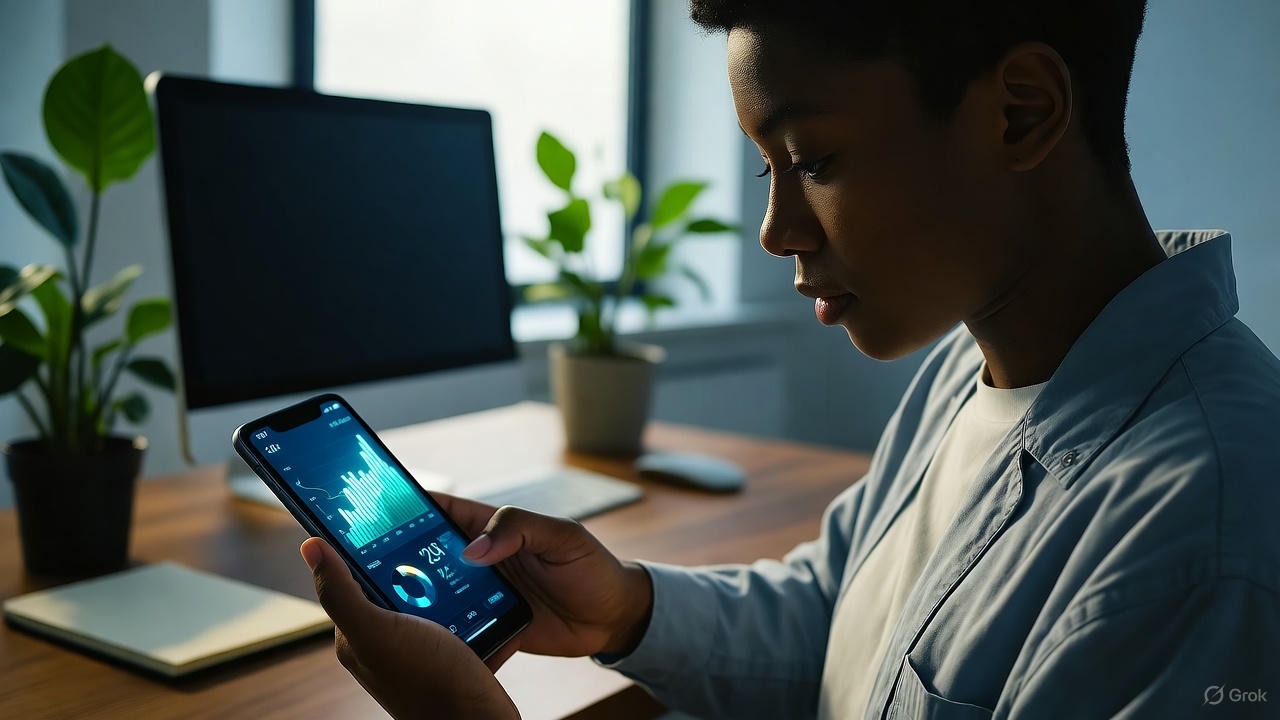
For many, identity is inextricably linked to profession. The first question at social gatherings is often, “So, what do you do?” Our careers provide structure, community, and a sense of purpose. But when that career becomes all-consuming—or worse, unstable or unfulfilling—our entire sense of self can teeter on the brink. This over-identification with work is a significant risk factor for burnout and a profound barrier to rest, because you can never truly log off from being “you.”
Hobbies offer a powerful antidote: they allow for the construction of a multifaceted identity. You are not just a manager, a developer, or a consultant. You are also a gardener who nurtures life from soil, a maker who creates beauty with your hands, a runner who finds solace in rhythm and distance, or a volunteer who strengthens your community. These alternative identities are not escapes from your true self; they are expansions of it.
This psychological diversification acts as a safety net. During periods of professional turbulence—a missed promotion, a difficult project, or even unemployment—these other pillars of identity remain standing. They provide continued sources of mastery, belonging, and meaning. A 2020 study in the Journal of Occupational and Organizational Psychology found that employees with strong “non-work identities” exhibited higher levels of recovery after work and were better at detaching psychologically from job stressors.
Consider the concept of “self-complexity” proposed by psychologist Patricia Linville. People with higher self-complexity have multiple, distinct self-aspects (e.g., parent, artist, athlete, friend). When stress hits one area (e.g., a work failure), it doesn’t overwhelm the entire system because the other self-aspects remain unaffected and can provide buffering support. Your identity as a cyclist isn’t damaged by a bad day at the office; in fact, a hard ride that evening can actively repair your sense of competence and control.
Cultivating these identities requires intention. It means giving yourself permission to invest time and resources into an activity that doesn’t “produce” anything for your resume or bank account. It requires silencing the internal capitalist critic that whispers, “Is this the most productive use of your time?”
To support this journey, resources and community are key. Whether you’re exploring new hobbies or seeking to deepen existing ones, finding guidance can spark inspiration. For instance, if you’re interested in a hobby that also promotes long-term vitality, our resource on 50 healthy aging tips a smart ring can help implement daily connects leisure activities with measurable wellness outcomes. Furthermore, discovering the right tools can be part of the fun. Just as a painter researches the best brushes, a wellness enthusiast might explore the wellness ring basics for beginners to find a device that supports their holistic hobby journey.
The human brain is not designed for monolithic focus. The modern knowledge economy, however, demands that we perform deep, repetitive cognitive labor for hours on end—often on the same types of problems, using the same neural pathways. This leads to what we might call “cognitive channel fatigue,” where the brain’s flexibility and creativity diminish, akin to a muscle locked in a constant, low-level cramp.
Hobbies serve as the ultimate cognitive palette cleanser. They force your brain to switch channels, engaging different regions and networks. This isn’t a distraction; it’s cross-training for your mind.
This switching has a documented “incubation effect” on problem-solving. By disengaging from a stubborn intellectual problem and engaging in a different, absorbing activity, you allow your subconscious to reconfigure the problem elements. History is littered with “Eureka!” moments born not in the lab or office, but during walks, baths, or hobbies. Archimedes in his bath, Newton under the apple tree—the principle remains. Your hobby is your modern-day bathhouse of ideas.
The key is deliberate contrast. The more cognitively different your hobby is from your work, the greater the restorative “cleansing” effect. A software developer might find more cognitive rest in pottery than in building a personal coding project, even though both are “creative.”
Tracking the quality of your mental recovery can help you optimize this palette-cleansing effect. Using a wellness ring to monitor sleep patterns and resting heart rate can show you which hobby days lead to the most profound physical recovery, a strong proxy for cognitive reset. For example, you might find that after a day including an afternoon of hiking, your deep sleep duration increases significantly compared to a day of only screen-based leisure. This objective feedback, explored in articles like how wellness rings help build healthy habits, helps you fine-tune your leisure for maximum restorative benefit.
Our cultural narrative often frames stress as an unambiguously negative force to be eliminated. However, psychology differentiates between distress (debilitating stress) and eustress (positive, motivating stress). Eustress is the challenge of a difficult climb, the focused pressure of a chess match, or the creative tension of trying to master a new song on guitar. It is stress within a container of safety and meaning.
Hobbies are a perfect delivery system for eustress. They provide low-consequence, high-engagement challenges that act as a form of “stress inoculation.” By voluntarily and repeatedly placing ourselves in manageable, controlled stressful situations (e.g., trying a harder knitting pattern, attempting a personal best run, performing music for friends), we build our tolerance for uncertainty, difficulty, and the anxiety of learning. We practice perseverance, frustration management, and resilience in an arena where the stakes are personal, not professional.
This inoculated resilience then transfers to other domains of life. The patience you develop while slowly restoring a vintage car can temper your reactions to a slow-moving project at work. The calm focus you learn while fly-fishing in a rushing stream can help you navigate a high-pressure meeting. You are building an emotional toolkit in the safe workshop of your hobby, which you can then deploy in the less predictable world outside.
Furthermore, hobbies often involve a cycle of challenge, struggle, breakthrough, and mastery. Completing this cycle—finishing a complex model, baking the perfect sourdough loaf, landing a new yoga pose—provides a powerful hit of authentic accomplishment. This counters the often abstract, delayed, or team-diluted gratification of modern knowledge work. This regular reinforcement of “I can do hard things” is a fundamental builder of self-efficacy, a core psychological resource for managing life’s larger adversities.
The physiological component of this is fascinating. Engaging in a challenging hobby you enjoy can train your autonomic nervous system to respond to stress with a more balanced, less panicked reaction. Instead of a pure “fight-or-flight” (sympathetic) surge, you might develop a stronger “challenge response,” which blends sympathetic activation with calming, focused qualities. Wearable technology can now help us observe these subtle training effects. By reviewing heart rate and HRV data from your Oxyzen ring during a hobby session, you can literally see your body’s stress response become more efficient and recovery-oriented over time, a topic covered in our look at the accuracy revolution in health tracking.
The third pillar of burnout, according to Christina Maslach’s seminal research, is a reduced sense of personal accomplishment. The second, just as pernicious, is cynicism and detachment—a loss of connection and empathy. In our digital yet isolating age, loneliness has been declared a public health epidemic. Passive screen-based “rest” often exacerbates this feeling, creating the illusion of connection without its nourishing substance.
Many hobbies, however, are inherently or potentially social. Joining a community choir, a running club, a book group, a maker space, or a volunteer organization connects you with people based on shared passion, not profession or algorithm. These connections are powerful because they are rooted in positive affect and mutual interest. You are not networking; you are bonding over a shared love of French cinema, rock climbing, or cultivating heirloom tomatoes.
This social dimension of hobbies provides a unique form of recharge:
The science of “social recovery” is clear. Positive social interactions release oxytocin (the bonding hormone), reduce cortisol, and activate the brain’s reward centers. They make us feel safe, seen, and part of something larger than ourselves. In a world of transactional relationships, hobby communities offer relational connections based purely on the joy of the thing itself.
For those using wellness technology, the social and recovery benefits can be linked. Perhaps after a weekly pottery class with friends, your sleep score is consistently higher. This data can motivate you to prioritize these connective engagements, understanding their tangible impact on your overall rest. Exploring customer reviews and user experiences can also reveal how others use community and technology in tandem to enhance their wellness journey.
We’ve focused heavily on the cognitive and psychological, but the body is the inseparable vessel for our mental state. Rest is not just a brain state; it’s a somatic one. Many modern ailments—chronic tension, poor posture, disrupted sleep—stem from a disembodied existence, where we live “in our heads,” treating our bodies as mere transport systems for our brains.
Physical hobbies, pursued for pleasure rather than punishment, are a direct line to somatic integration. They reunite the mind with the body’s intelligence.
The goal here is not fitness metrics (though they may improve), but kinesthetic pleasure—the joy of feeling your body capable, skillful, and alive. This is the antithesis of grinding through a soul-crushing gym routine out of obligation. It’s movement as play, exploration, and expression.
This embodied engagement has direct implications for nervous system regulation. Rhythmic, repetitive activities like running, rowing, or knitting can induce a meditative state, calming the sympathetic nervous system and promoting the rest-and-digest (parasympathetic) state. The focused attention required for physical skill acquisition also keeps the mind from ruminating, providing a mental break through physical engagement.
Monitoring the somatic impact of such hobbies is a frontier of personalized wellness. A smart ring like Oxyzen can track the physiological fallout of different activities. You might see that a day with a lunchtime swim leads to lower afternoon stress readings than a sedentary day, or that your resting heart rate trends downward after committing to a weekly dance class. This creates a powerful feedback loop, encouraging you to listen to and invest in your body’s need for joyful movement. For those concerned about how such a device fits into an active lifestyle, learning about wellness ring materials and hypoallergenic options can provide reassurance.
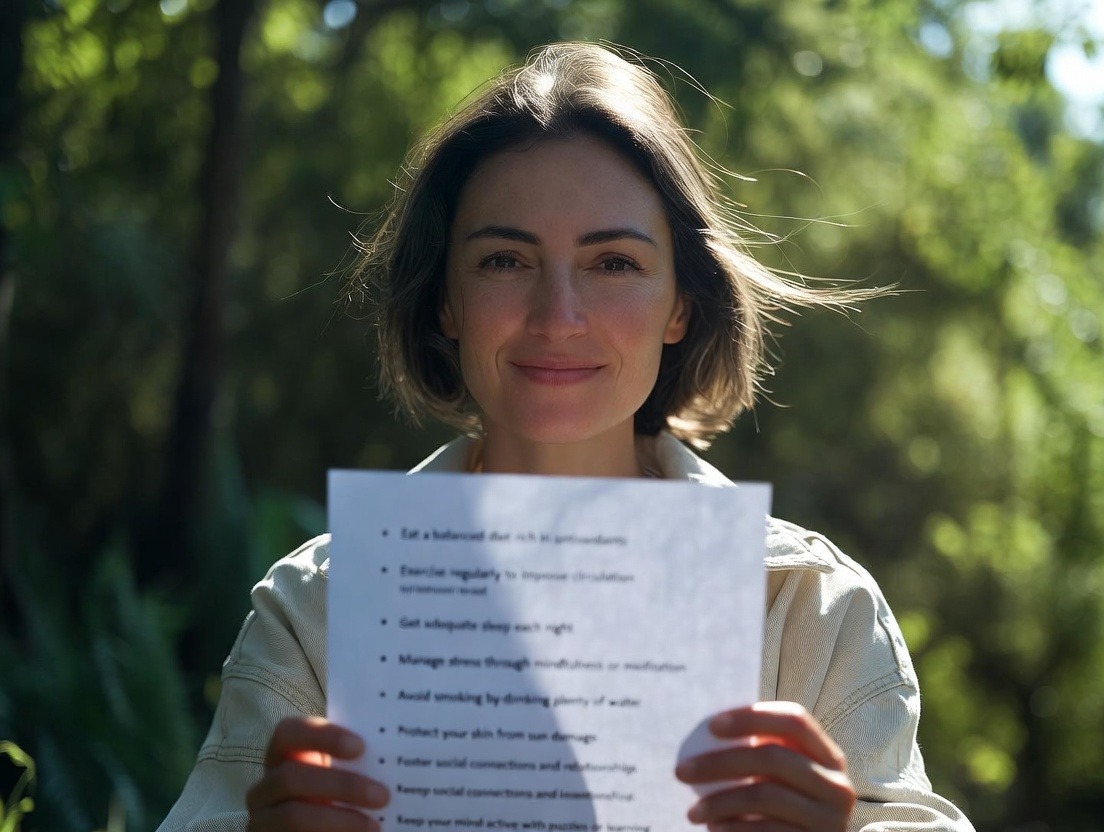
Our work culture often demands optimization, efficiency, and a polished final product. This mindset can infect our approach to rest, making us feel like we must “optimize” our downtime or achieve perfect relaxation—a paradox that generates its own anxiety. Hobbies, when embraced correctly, are a powerful antidote to this perfectionism. They are a playground for imperfection, experimentation, and, most importantly, failure as feedback.
A hobby is a space where you are a perpetual beginner in some aspect, and that’s the point. The misshapen pot, the off-key note, the collapsed soufflé, the tangled fishing line—these are not failures; they are integral data points in the learning process. Engaging in a hobby teaches you process orientation. The joy is in the doing, the trying, the slight improvement, not just in the flawless finished product.
This cultivates what author Nassim Nicholas Taleb calls “anti-fragility”—the quality of systems that gain from disorder, shocks, and volatility. By regularly engaging in activities where you are not an expert, you become more adaptable, more curious, and less fearful of the unknown. You build a tolerance for the discomfort of learning, which makes you more resilient in the face of change and challenge in all areas of life.
This framework is crucial for genuine rest because it dismantles performance anxiety. Your garden doesn’t need to be Instagram-perfect; it needs to bring you joy. Your journal doesn’t need to be profound literature; it needs to be an honest outlet. Releasing the need for a hobby to be “productive” or “impressive” is what unlocks its deepest restorative power. It becomes a sanctuary from the judgmental gaze, including your own.
Integrating this mindset with wellness tracking is about avoiding the optimization trap. The data from your smart ring should inform and empower, not judge. It’s not about achieving a “perfect” HRV score every day, but about noticing patterns and understanding what types of playful, imperfect engagement help your unique system thrive. The FAQ on wellness ring basics can help users approach this data with a healthy, curious mindset rather than a performance-driven one.
Understanding the “why” is futile without the “how.” The most common barrier to embracing hobbies is time, or rather, the perception of its scarcity. We must move from seeing hobbies as a luxury for the idle to recognizing them as a non-negotiable maintenance ritual for a high-functioning human, as essential as sleep or nutrition.
This requires a deliberate strategy:
Making this shift is part of a larger journey toward intentional living. It’s about taking control of your personal narrative of rest and recharge. For those ready to equip themselves with tools that support this intentionality, exploring the main storefront for Oxyzen smart rings can be a first step toward a data-informed, hobby-rich wellness practice. And to understand the full vision behind such integrative wellness tools, learning about our story and mission provides the foundational philosophy.
Our attention is the most valuable commodity of the 21st century, and it is under constant siege. Notifications, infinite scrolls, and algorithmically curated feeds are designed to hijack our focus, creating a state of continuous partial attention that is both exhausting and profoundly unsatisfying. This digital environment doesn't just consume our time; it fragments our cognitive resources, leaving us feeling mentally scattered and unable to engage in deep, sustained thought—a state psychologist Gloria Mark calls "attention residue."
Hobbies, particularly those of an analog nature, offer a powerful form of resistance. They are a "digital detox by design." When you are kneading dough, your flour-covered hands can't swipe a screen. When you're focusing on a delicate soldering joint in an electronics project, you can't glance at an email. When you're reading a physical book under a tree, the only notification is the turn of a page. These activities create a physical and cognitive container where sustained attention is not just possible but necessary for success and enjoyment.
This forced deep focus is a form of cognitive strength training. It rebuilds your "attention muscle," which has been atrophied by the constant, low-grade demands of digital multitasking. Neurologically, engaging in a hobby that requires manual dexterity and focus—like model building, knitting, or playing a musical instrument—engages the brain's motor and sensory cortices in a rich, feedback-driven loop. This intense sensory-motor integration leaves little cognitive bandwidth for digital distractions, effectively silencing the "noise."
The benefits extend beyond the activity itself. Studies show that after engaging in an analog, deep-focus activity, people experience a "carryover effect" of improved concentration in other tasks. Your mind, having practiced staying on a single track, finds it easier to do so when you return to your computer for work. The hobby doesn't just provide a break from distraction; it trains you to be less distractible.
Furthermore, analog hobbies provide a critical sense of tactile accomplishment. In a digital world where work is often abstract (sending emails, moving pixels, manipulating data), the physicality of a completed quilt, a carved wooden bowl, or a jar of homemade preserves is deeply grounding. You have created something that exists in the world, independent of a battery or a login screen. This tangible proof of your effort and focus is a potent antidote to the ephemeral nature of digital labor.
For the modern individual looking to quantify this shift, wellness technology can serve as a bridge, not a barrier. Wearing a device like the Oxyzen smart ring during your analog hobby time can provide fascinating insights. You might see your stress indicators drop and your heart rate variability increase as you enter a state of deep focus, offering biological validation of the digital detox. Later, exploring the data on how continuous vs. periodic monitoring works can help you understand these patterns over time, turning subjective feeling into objective understanding.
Erik Erikson's theory of psychosocial development identifies "Generativity vs. Stagnation" as the central conflict of mid-adulthood. Generativity is the concern for establishing and guiding the next generation, which can manifest through parenting, mentoring, or creating things that contribute to the world and outlast us. Stagnation, its opposite, is a sense of disconnect, lack of growth, and personal impoverishment. While this is a life-stage theory, the principle is universally relevant: humans have a deep-seated need to create, contribute, and feel that we are part of a meaningful continuum.
In a professional context, generativity can be stifled by bureaucracy, lack of autonomy, or work that feels disconnected from a larger purpose. Hobbies, especially creative and generative ones, become a vital channel for this fundamental human drive. They allow us to be producers, not just consumers. They are a personal declaration: "I am here, and I can make my mark."
This is why hobbies like writing, composing music, painting, woodworking, gardening, and even complex cooking are so profoundly satisfying. They are acts of creation that often involve:
Engaging in generative hobbies fights existential stagnation by providing regular, concrete evidence of growth and contribution. Each finished project, each new skill learned, each shared experience is a brick in the edifice of a meaningful personal narrative. It answers the silent, nagging question, "What am I building with my time?"
This principle also explains the rise of the "maker" movement and platforms like Etsy. They represent a collective yearning to reclaim generativity from the impersonal forces of mass production and corporate employment. Your hobby might start as personal therapy, but it can evolve into a small, meaningful contribution to the culture—a handcrafted item, a blog post of insights, a locally grown vegetable.
Connecting this generative output to holistic health creates a powerful virtuous cycle. When you see that your creative time also improves your biometric markers of wellness, it reinforces the activity as a core part of your identity. Using a tool to track how your body responds to these creative sessions can be part of the generative act itself—generating self-knowledge. For those interested in the long-term arc of such self-knowledge tools, the evolution of health tracking technology provides a compelling backdrop.
The Mind-Wandering Crucible: How "Boring" Hobbies Spark Unbidden Insight
In our relentless pursuit of productivity and stimulation, we have demonized boredom. Yet, cognitive science reveals that boredom is not an enemy of thought, but a potential catalyst for its most creative forms. When we are slightly under-stimulated—not in a state of anxious distraction, but in a state of rhythmic, low-demand activity—our minds are freed to wander, make novel connections, and engage in autobiographical planning. This is the "default mode network" (DMN) operating at its best.
Certain hobbies are perfect incubators for this productive mind-wandering. They are repetitive, rhythmic, and just engaging enough to occupy the "hands-on" parts of the brain while leaving the "big picture" networks free to roam. Consider:
These activities are not "boring" in the painful sense; they are monotaskive. They provide a gentle, consistent focal point that prevents anxiety but doesn't demand intense analytical processing. In this mental space, the brain engages in "autobiographical planning"—simulating future scenarios, reflecting on past experiences, and integrating them. It's where you might suddenly understand a persistent personal conflict, conceive the structure for a story, or find a novel solution to a logistical problem at work.
This is the opposite of passive consumption. Scrolling through social media may feel like mind-wandering, but it is actually a form of directed attention—you are following a path laid out by an algorithm. True, self-directed mind-wandering is an active, generative process of the brain at rest. "Boring" hobbies provide the structured emptiness necessary for this process to occur.
Quantifying the value of this seemingly unproductive time can be a challenge in our metric-obsessed world. However, by observing your physiological state during and after such activities, you can appreciate their restorative depth. You might notice on your wellness tracker that a morning spent gardening leads to a more balanced stress profile throughout the entire day, or that your sleep is deeper after an evening of knitting. This data helps validate these quiet pursuits as essential, not idle. Understanding how these devices support different health goals can include recognizing the goal of cognitive restoration through gentle engagement.

One of the most potent psychological rewards a human can experience is the sense of mastery—the progression from novice to competence to expertise. In the professional world, mastery paths are often non-linear, gated by politics, market forces, or organizational structures. The promotion or raise may not come, despite increased skill. This disconnect between effort, growth, and reward is a major source of demotivation and stagnation.
Hobbies, however, offer a pure and personal mastery gradient. The learning curve is yours to climb, at your own pace, for your own satisfaction. Whether it's progressing from simple chords to complex jazz progressions on a guitar, from a basic scarf to a intricate cable-knit sweater, or from a 5k to a marathon, the path is clear, the milestones are self-defined, and the reward is intrinsic.
This continuous, self-directed learning is a powerful stimulant for the brain. It promotes neuroplasticity—the brain's ability to form new neural connections throughout life. Learning a new language, a musical instrument, or a complex craft in adulthood is one of the best things you can do to maintain cognitive vitality and delay age-related decline. The hobby becomes a vehicle for keeping your brain young, curious, and adaptable.
The structure of a mastery gradient also provides a healthy framework for challenge and recovery. You push yourself to learn a new technique (eustress), you struggle and practice, you experience a breakthrough (flow), and then you consolidate the skill before tackling the next challenge. This cycle mirrors the ideal stress-recovery cycle needed for growth in any domain, but in the hobby space, it's free from external pressure.
Furthermore, the community aspect often provides built-in mentorship and benchmark. In a climbing gym, you see others tackling harder routes. In a coding forum, you see elegant solutions to problems. This social benchmarking isn't about toxic comparison; it's about having a visible map of what's possible, inspiring you to take your own next step. The journey of mastery in a hobby is a lifelong conversation with yourself about your own potential.
Integrating this journey with a holistic view of your health adds a fascinating dimension. As you master a physical hobby like cycling or yoga, your wellness tracker can show the correlating improvements in cardiovascular efficiency, sleep quality, or recovery speed. This creates a bi-feedback loop: your conscious pursuit of skill mastery yields unconscious improvements in biomarkers, and seeing those improvements motivates further pursuit. For an in-depth look at how data can guide habit formation in this way, the article on how wellness rings help build healthy habits is a valuable resource.
"How did it get so late so soon?" Dr. Seuss's lament captures the modern experience of time poverty. Weeks blur into months, years accelerate, and we feel perpetually behind, chasing a receding horizon of tasks. This phenomenon, often called "time famine," is psychologically linked to stress and unhappiness. It creates a feeling that life is passing us by, that we are actors in our own lives rather than authors.
Hobbies have the unique power to alter our subjective experience of time, creating what we might call "temporal sanctuaries." When you are deeply immersed in a flow state, time seems to dilate. Minutes can feel like hours in the best possible way, as you become so present that the abstract ticking of the clock loses its meaning. This is the phenomenon of "timelessness," where your engagement with the moment is so complete that past and future recede.
Conversely, in reflection, hobby time often feels "time-full." An afternoon spent in the workshop yields not just a physical object but a rich memory dense with sensory details, decisions, and small triumphs. Compare this to an afternoon spent passively streaming a show, which often collapses into a vague, undifferentiated memory. Hobbies create time density—they make our leisure time memorable and substantive, countering the feeling that our free time is slipping through our fingers like sand.
This restructuring fights the feeling of time famine in two ways:
By regularly creating these temporal sanctuaries, you break the hypnotic, accelerated rhythm of productive/work time. You reintroduce variety and texture to your experience of life's passage. The weekend with a significant hobby engagement feels longer and more restorative than one spent in undifferentiated lounging.
This qualitative experience of time is deeply connected to our biological rhythms. Our perception of time stress is mirrored in physiological stress. Using a wellness ring to observe how your body's stress markers dissipate during these "timeless" hobby sessions provides a powerful link between subjective experience and objective biology. It shows that when you feel time-rich, your body is often in a state of deep recovery. For a broader perspective on how technology is changing our relationship with health and time, consider reading about how health tracking technology changed preventive medicine.
Beyond utility, mastery, or social connection, many hobbies are fundamentally pursuits of beauty. They are an engagement with the aesthetic dimension of human experience—a need as fundamental as any other. In a world that often prioritizes efficiency, profit, and utility, deliberately creating or curating beauty is a radical act of soul care.
This could be arranging flowers (ikebana), composing a piece of music, practicing landscape photography, writing poetry, or even the deliberate aesthetic consideration in curating a vintage collection or designing a perfect model railway scene. These activities train our capacity to see, hear, and feel beauty. They refine our taste, our perception, and our emotional responsiveness.
Engaging with beauty has documented psychological and physiological effects. Research in "neuroaesthetics" shows that viewing or creating art you find beautiful activates the brain's reward circuits, including the medial orbitofrontal cortex, and can trigger the release of dopamine. It can lower levels of the stress hormone cortisol. It can evoke feelings of awe, which psychologists have found to expand our perception of time, increase altruism, and enhance overall well-being.
A hobby centered on beauty is a practice in mindfulness and appreciation. The photographer learns to see the play of light they once walked past. The gardener develops a intimate relationship with color, form, and texture. The person who crafts furniture feels the beauty of grain, joinery, and proportion. This daily practice of aesthetic attention makes the world a richer, more interesting place. It combants the cynical, desensitized view that can creep in from constant exposure to transactional or ugly environments.
This is a form of spiritual recharge that is non-dogmatic and deeply personal. It connects you to a tradition of human creativity and the simple, profound pleasure of bringing order, harmony, or evocative expression into existence. In a practical sense, it makes your environment more pleasing, whether that's the music you create in your home, the art on your walls, or the garden outside your window.
While beauty is subjective, its impact on our nervous system can be observed. The calm, focused state often achieved during aesthetic creation or appreciation—the slowed breathing, the steady heart rate—is a state of parasympathetic dominance, ideal for restoration. A device that tracks these subtle shifts can help you identify which aesthetic pursuits most effectively bring you into this state of harmonious calm. Exploring the wellness ring basics for personalization can be part of tailoring your entire wellness approach, including your aesthetic pursuits, to your unique biology.
The Portfolio of Selves: Integrating Hobby Identity into a Cohesive Whole
We have established that hobbies help build multiple identities: the gardener, the musician, the climber, the baker. But a critical final step is integration. The goal is not a fragmented self with compartmentalized personas, but a rich, cohesive portfolio of selves. The strengths, perspectives, and moods cultivated in your hobby life should be allowed to inform and enrich your whole life.
This integration happens naturally but can be consciously fostered:
Your hobbies become a library of metaphors, skills, and mindsets that you can draw upon. They make you a more versatile, adaptable, and interesting person. When someone asks "what are you into?", you don't just have a job title to offer; you have a narrative of passions.
This integrated identity is the ultimate defense against burnout because your sense of worth and your sources of joy are distributed across multiple domains. A setback in one area cannot collapse the entire structure.
Technology, when used wisely, can support this integration by showing you the whole picture of your health. A smart ring doesn't just see you as an "employee" or an "athlete"; it sees the integrated human whose sleep is affected by work stress, whose recovery is boosted by an evening of painting, and whose readiness is improved by a weekend hike. It provides a data-driven mirror of your interconnected life. To see how real people experience this holistic integration, browsing testimonials and user experiences can be both inspiring and informative.
In an always-on culture, the line between work and rest has become perilously thin. The smartphone is a portal to professional demands that sits in our pocket, making the concept of "leaving the office" a physical act without a psychological counterpart. This erosion of boundaries is a primary contributor to chronic stress, as our nervous systems lack the clear signals to shift from "performance mode" to "restoration mode."
Hobbies, especially those that are ritualistic in nature, serve as powerful psychological buffers. They are deliberate, repeated actions that act as a ceremonial gateway from one state of being to another. The ritual of sharpening pencils and laying out a fresh sheet of paper before drawing. The methodical preparation of a workbench before woodworking. The precise steps of grinding beans and heating water for a pour-over coffee ceremony. These are not mere preludes; they are cognitive triggers.
These rituals perform several critical functions:
The hobby itself then becomes the sustained activity within this buffered space, protecting it from intrusion. It's much harder for a work-related worry to invade when your full cognitive and sensory resources are engaged in following a knitting pattern or identifying a bird species. The hobby ritual builds a "cognitive moat" around your leisure time.
This structured unplugging is far more effective than a vague intention to "chill out." It provides a tangible, actionable pathway into deep rest. For individuals using holistic health technology, these ritualized transitions can be observed in the biometric data. You might see a clear inflection point on your stress graph—a noticeable drop in heart rate and an increase in HRV—that corresponds not to the moment you sit on the couch, but to the moment you begin your pre-hobby ritual. This data validates the power of deliberate transition, a concept further explored in resources about enabling preventive health monitoring through daily habit patterns.

Adult life, particularly in established careers, often positions us as experts. We are expected to have answers, to demonstrate competence, and to minimize mistakes. This posture, while professionally necessary, can be cognitively rigid and emotionally taxing. It can stifle curiosity and make us risk-averse.
Hobbies offer the glorious, liberating opportunity to embrace the humility of the beginner. To be a novice again—clumsy, ignorant, and full of questions—is a profoundly healthy psychological reset. It re-acquaints us with the raw, joyful process of learning for its own sake, divorced from external evaluation or economic outcome.
This beginner's mindset has immense value:
The vulnerability of being bad at something, in a safe space where it doesn't matter, is a therapeutic release. It loosens the grip of perfectionism that chokes so much of our professional and personal lives. The hobby becomes a sandbox for failure, where mistakes are not catastrophes but inevitable and instructive steps in the process.
This journey from novice to competence also provides a pure, unadulterated sense of progress. In the adult world, progress is often murky and multi-factorial. In your hobby, progress is clear: you couldn't do a slip stitch yesterday; today you can. This regular, tangible evidence of growth is a powerful motivator and mood enhancer.
Tracking your wellness during this learning journey can be uniquely rewarding. The initial frustration of a new hobby might show as a spike in stress, but over weeks, as you gain competence, you may see your baseline stress levels lower and your sleep improve—not because the hobby became effortless, but because the struggle became meaningful and engaging. This links the learning process directly to your nervous system's health. For a comprehensive look at starting such a journey with the right tools, the guide on making the perfect wellness ring purchase decision for beginners can be a helpful first step.
The Solitude Spectrum: Finding the Right Balance of Social and Solo Recharge
Human recharge exists on a spectrum between solitude and sociability. Introverts may crave quiet, solo activities to replenish their energy, while extroverts may feel most restored by social engagement. However, this binary is often too simplistic. Hobbies offer a nuanced menu across the entire solitude spectrum, allowing you to fine-tune your social recharge needs with precision.
The beauty of a hobby portfolio is that you can choose the social setting that matches your energy levels on any given day. A draining week of meetings might call for the solitary focus of a woodworking project. A week of remote work might leave you yearning for the collaborative buzz of a volleyball game or choir practice.
This agency over your social recharge is crucial. It prevents you from defaulting to passive, often unsatisfying social consumption (like scrolling through social media) or isolating yourself completely. Hobbies provide a structured way to be alone or together, making both states more intentional and restorative.
Understanding your own place on this spectrum is part of self-knowledge, and technology can provide clues. You might notice on your wellness tracker that your heart rate variability (a marker of recovery) is highest after an afternoon of solitary painting but after a night of board games with friends. This data helps you map your personal "recharge signature." Exploring how wellness technology integrates with other health apps can help you build a complete picture of how your social and solo activities interplay with your physiology.
We live increasingly in a dematerialized world of information, ideas, and virtual interactions. While liberating in many ways, this disconnect from the physical can leave us feeling ungrounded, abstract, and detached. Hobbies that involve material conversation—a dialogue with physical substance—reconnect us to the tangible, resistive, and beautifully messy reality of the physical world.
This encompasses a vast range of activities:
Working with materials is a form of embodied cognition. We think through our hands. The knowledge gained is not just intellectual but kinesthetic—a "feel" for the material that cannot be learned from a book. This grounding in physical reality provides a profound sense of stability. The material world obeys consistent, understandable laws. Gravity, friction, and thermal dynamics are reliable partners (or adversaries) in a way that human emotions or market forces are not.
This material engagement is also a potent antidote to the perfection of the digital. A digital model can be flawless, rendered with perfect edges and surfaces. A hand-carved spoon, a forged knife, a thrown pot carries the marks of its maker—slight asymmetries, tool marks, the evidence of human touch. These "imperfections" are not flaws; they are records of the creative process and the material's response. They tell a story, creating a deep emotional connection between maker and object.
The act of creating or repairing a physical object also fulfills a deep-seated human need for agency and competence in our immediate environment. In a complex world where we often feel like cogs in a machine, being able to look at a repaired chair, a grown tomato, or a built shelf and think, "I did that," is a powerful affirmation of self-efficacy.
The physicality of such hobbies also has a direct, measurable impact on the body. The focused manual work can be meditative, lowering cortisol levels. The moderate physical activity involved in many crafts or gardening improves circulation and mobility. Observing these physiological shifts—perhaps through a device that tracks stress and activity—links the simple, grounding act of making with measurable wellness outcomes. For those concerned about maintaining such a device while engaged in hands-on work, information on wellness ring maintenance and care ensures your tool for insight stays as resilient as you are.
Modern life, illuminated by electric lights and regulated by central heating, operates on a monotonous, 24/7, always-available cadence. This disconnection from natural rhythms—the daily cycle of light and dark, the seasonal shifts in temperature and light—is disruptive to our circadian biology and can contribute to feelings of alienation and persistent low-grade stress.
Many hobbies, by their very nature, reintroduce a seasonal cadence to our lives. They tie our leisure and our sense of anticipation to the turning of the year, creating a healthy, external rhythm that counteracts the artificial flatness of modern time.
This alignment does several things:
Living with a seasonal cadence through hobbies can subtly but powerfully regulate your own internal cycles. The increased outdoor activity in summer sunlight can improve mood and vitamin D levels, while the quieter, indoor-focused hobby time in winter can align with a natural inclination for reflection and restoration. A wellness tracker can help you observe this harmony, showing how your sleep, activity, and stress levels naturally fluctuate and align with these seasonal hobby shifts, encouraging you to work with your biology, not against it. To see how such detailed, long-term tracking can inform a vibrant life at any age, the resource on 50 healthy aging tips connects these natural rhythms to lifelong wellness.
Your Trusted Sleep Advocate (Sleep Foundation — https://www.sleepfoundation.org/)
Discover a digital archive of scholarly articles (NIH — https://www.ncbi.nlm.nih.gov/
39 million citations for biomedical literature (PubMed — https://pubmed.ncbi.nlm.nih.gov/)
experts at Harvard Health Publishing covering a variety of health topics — https://www.health.harvard.edu/blog/)
Every life deserves world class care (Cleveland Clinic -
https://my.clevelandclinic.org/health)
Wearable technology and the future of predictive health monitoring. (MIT Technology Review — https://www.technologyreview.com/)
Dedicated to the well-being of all people and guided by science (World Health Organization — https://www.who.int/news-room/)
Psychological science and knowledge to benefit society and improve lives. (APA — https://www.apa.org/monitor/)
Cutting-edge insights on human longevity and peak performance
(Lifespan Research — https://www.lifespan.io/)
Global authority on exercise physiology, sports performance, and human recovery
(American College of Sports Medicine — https://www.acsm.org/)
Neuroscience-driven guidance for better focus, sleep, and mental clarity
(Stanford Human Performance Lab — https://humanperformance.stanford.edu/)
Evidence-based psychology and mind–body wellness resources
(Mayo Clinic — https://www.mayoclinic.org/healthy-lifestyle/)
Data-backed research on emotional wellbeing, stress biology, and resilience
(American Institute of Stress — https://www.stress.org/)


