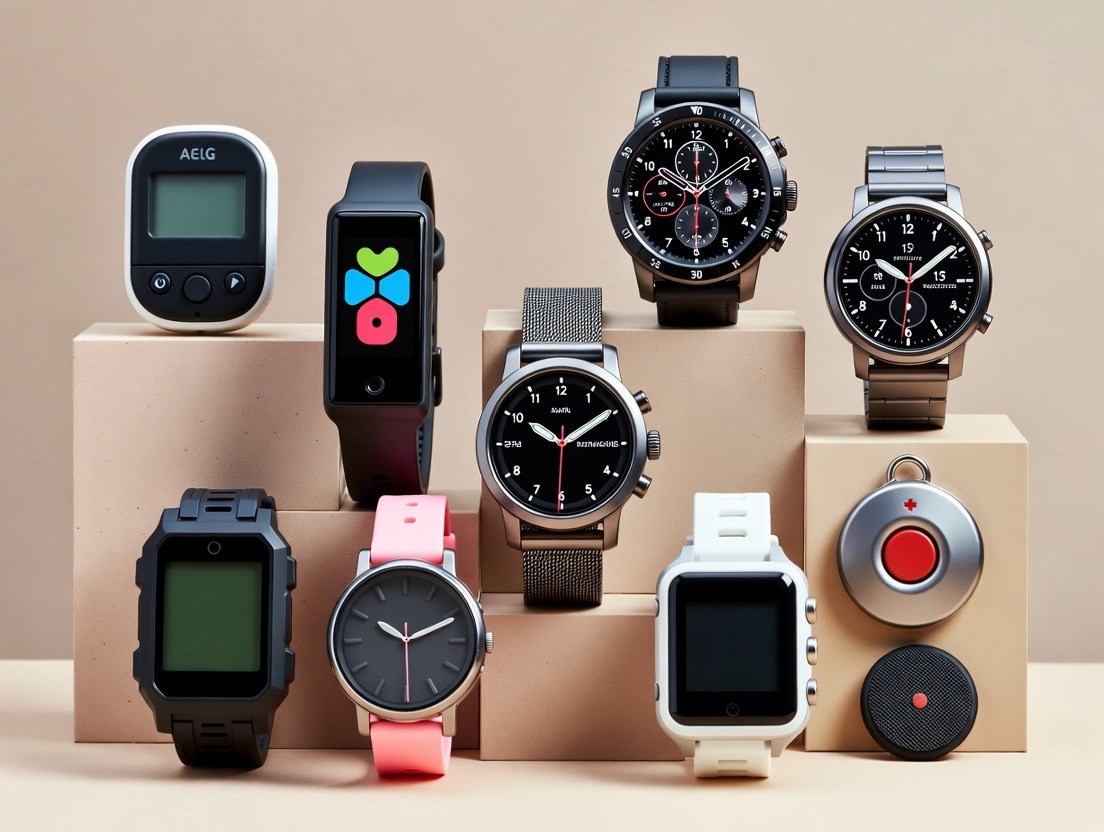
Daily Recovery Tracking for Chronic Condition Management
How daily tracking aids in managing chronic health conditions more effectively.
From Survival to Sovereignty: Reclaiming Your Life Through Daily Recovery Tracking
For millions living with chronic conditions, each day can feel like a fragile negotiation. You’re not just managing symptoms; you’re managing a life. The question isn’t merely, “How do I feel today?” but a far more complex one: “What invisible patterns are governing my energy, my pain, my resilience? And what can I actually do about it?”
For decades, chronic condition management was trapped in a reactive cycle: a flare-up occurs, you contact your doctor, adjustments are made, and you wait for the next signal of distress. This model leaves vast, fertile ground untilled—the ground of your daily life, where subtle shifts in sleep, stress, activity, and physiology hold the clues to prevention, optimization, and true empowerment. You were asked to be the passive patient when, in reality, you are the most important scientist in your own care team.
This is where a seismic shift is occurring. We are moving from episodic, symptom-based medicine to a continuous, data-informed model of living. At the heart of this revolution is a simple, profound practice: Daily Recovery Tracking. It’s the process of consistently monitoring the key biomarkers that indicate your body’s readiness, resilience, and restorative capacity. It transforms the vague concept of “how you’re doing” into an objective, actionable narrative.
And enabling this new paradigm is a suite of technologies designed not as medical devices, but as life companions. Leading this charge is the modern wellness smart ring, a discreet, wearable hub of physiological insight. Unlike smartwatches that shout for your attention, these rings silently listen to your body’s whispers—tracking heart rate variability (HRV), resting heart rate, skin temperature, sleep architecture, and blood oxygen—curating a 24/7 story of your recovery state.
This article is your comprehensive guide to building a life of informed sovereignty over your chronic condition. We will explore the science of recovery metrics, demystify the technology that captures them, and provide a practical framework for integrating this knowledge into your daily decisions. This is not about adding more chores to your list; it’s about gaining the clarity to remove the guesswork and live with greater confidence, calm, and control. The journey begins with understanding that true management isn’t just about treating illness—it’s about nurturing wellness, one day, one data point, one intentional choice at a time. To understand how this technology has evolved to make such intimate tracking possible, you can explore the evolution of health tracking technology from manual logs to smart rings.
The Paradigm Shift: From Symptom-Chasing to System-Nurturing
For too long, the dominant model in chronic healthcare has been one of crisis management. Patients with conditions like fibromyalgia, lupus, diabetes, Long COVID, ME/CFS, or autoimmune disorders often describe feeling like they’re on a relentless rollercoaster. They visit their specialist, report their most pressing symptoms, receive treatment adjustments, and are sent home to “see how it goes.” The system is designed to respond to loud alarms—the acute pain, the debilitating fatigue, the alarming lab result. But what about the quiet, pre-alarm signals? The slight increase in resting heart rate two days before a flare? The gradual erosion of deep sleep the week your stress spiked? These were lost in the fog of subjective recall.
Daily Recovery Tracking represents a fundamental paradigm shift from symptom-chasing to system-nurturing. It’s the difference between waiting for your car’s engine to smoke (symptom) and having a real-time dashboard showing oil pressure, engine temperature, and fuel efficiency (system metrics). The latter allows for preemptive maintenance, smoother operation, and avoidance of catastrophic failure.
This shift is rooted in several key principles:
Proactivity Over Reactivity: Instead of asking, “What went wrong?” you begin to ask, “What does my body need to stay resilient?” You move from putting out fires to building fire-resistant structures through daily habits.
Quantification Over Qualification: “I feel more tired than usual” becomes “My resting heart rate is 8 BPM higher than my baseline, and my HRV has dropped by 12 milliseconds for three consecutive nights.” This objectivity removes emotional guesswork and provides a clear language to communicate with healthcare providers.
Pattern Recognition Over Isolated Events: A single day of poor sleep is a hassle. A trend of declining sleep quality coupled with rising nighttime heart rate is a data-driven insight, potentially signaling inflammation, overtraining, or an oncoming immune response. This is the cornerstone of personalized management.
Empowerment Over Passivity: When you have access to your own physiological data, you transition from a passive recipient of care to an active partner in your health. You become the expert on your body’s unique rhythms and responses.
This new model doesn’t replace your doctor; it supercharges your collaboration. Imagine walking into an appointment not with a hazy recount of the last three months, but with a clear report showing: “Here’s when my stress spiked, here’s how my sleep responded, and here’s the physiological cascade that followed the new medication.” This elevates the conversation from anecdote to analysis. The ultimate goal of this technology is to enable a truly personalized wellness plan, tailored to your body's unique signals.
The tools that make this possible, particularly the advanced wellness ring, are the enablers of this shift. They provide the continuous, comfortable, and clinically relevant data stream that turns a philosophical paradigm into a daily practice. By moving monitoring from the clinic to the context of real life—where you sleep, work, and recover—they capture the truth of your condition in a way sporadic checks never can.
Understanding Your Body’s Dashboard: Key Recovery Metrics Explained
To effectively track recovery, you need to know what to look for. Your body constantly communicates its state through a symphony of physiological signals. Modern wellness rings act as sensitive listeners, translating these signals into key metrics that form your personal health dashboard. Let’s break down the most critical ones and why they matter profoundly for chronic condition management.
Heart Rate Variability (HRV): The Gold Standard of Resilience HRV is arguably the most important single metric for tracking nervous system balance and recovery. Contrary to what the name might imply, it doesn’t refer to an irregular heartbeat. Instead, HRV measures the tiny, millisecond variations in the time intervals between consecutive heartbeats. A higher HRV generally indicates a more resilient, adaptable autonomic nervous system—one where the “rest and digest” (parasympathetic) branch is strong and can efficiently counterbalance the “fight or flight” (sympathetic) branch. For those with chronic conditions, stress and inflammation constantly tax the nervous system. A declining HRV trend can be an early warning sign of overexertion, poor recovery, or an oncoming flare. Monitoring HRV helps you identify which activities or situations deplete your reserves and which restore them, allowing you to pace yourself strategically.
Resting Heart Rate (RHR): The Baseline of Cardiovascular Load Your heart rate when you are fully at rest is a powerful indicator of overall cardiovascular health and stress. A lower RHR typically suggests more efficient heart function and better fitness. For chronic illness management, changes in your personal baseline are key. An elevated RHR, especially upon waking, can signal that your body is under stress—whether from physical illness, inflammation, dehydration, poor sleep, or psychological anxiety. Tracking RHR daily helps you establish your own healthy range and spot deviations that warrant a gentler day.
Sleep Architecture: Beyond Just Hours in Bed For chronic conditions, sleep isn’t a luxury; it’s non-negotiable medicine. But it’s not just about duration. Recovery depends on the quality of sleep, defined by the cycling through light, deep, and REM stages.
Deep Sleep (Slow-Wave Sleep): This is the physically restorative phase where tissue repair, immune system strengthening, and energy restoration occur. Disruptions here can directly impact pain thresholds and inflammation.
REM Sleep: This stage is crucial for cognitive function, emotional regulation, and memory consolidation—all areas often challenged by chronic illness. A wellness ring tracks these stages by analyzing movement and heart rate patterns. Seeing a trend of reduced deep sleep can explain unrelenting fatigue, while disrupted REM might correlate with “brain fog.” This data moves you from saying “I sleep badly” to understanding how your sleep is broken, which is the first step toward fixing it.
Skin Temperature & Blood Oxygen (SpO2): The Silent Signals
Skin Temperature: A continuous, subtle rise in your baseline nighttime skin temperature can be one of the earliest signs of an immune response, infection, or inflammatory flare, often before you consciously feel symptoms. For women, it also helps track menstrual cycles, which can dramatically influence condition symptoms.
Blood Oxygen Saturation (SpO2): While typically stable, monitoring SpO2 during sleep can reveal disturbances like sleep apnea, which is common and often undiagnosed in many populations. Drops in oxygen (desaturations) fragment sleep and strain the cardiovascular system, severely hampering recovery.
Activity & Movement: The Double-Edged Sword Pacing is a cornerstone of managing energy-limiting conditions. Activity tracking isn’t about hitting step goals; it’s about understanding your unique energy envelope. By correlating your activity levels (steps, active minutes) with subsequent changes in HRV, RHR, and sleep, you can find your personal threshold. Did a 20-minute walk leave you energized or trigger a two-day crash? The ring’s data provides the objective evidence to guide sustainable movement, helping you avoid the boom-bust cycle. You can learn more about the role of activity and movement tracking in building a sustainable wellness practice.
Together, these metrics create a holistic picture of your daily recovery score—a single, digestible number many apps provide that synthesizes these data points. It answers the critical question: “Is my body stressed and in need of rest, or is it resilient and ready for engagement?” Learning to read this dashboard is the first step toward taking the wheel in your health journey.
Why a Smart Ring? The Unobtrusive Power of Continuous Monitoring
You might wonder: why a ring? We have fitness trackers, smartwatches, and phones that already track some of these metrics. The answer lies in the unique combination of continuousness, comfort, and clinical-grade data that a well-designed wellness ring offers—making it the ideal tool for the serious task of daily recovery tracking in chronic conditions.
1. The Promise of True Continuity: Capturing Your Body’s Truth The most profound insights come from patterns, not points. A device you take off for charging, forget to wear during the day, or find uncomfortable to sleep in creates data gaps. These gaps can miss critical events like nighttime spikes in heart rate or disruptions in sleep cycles. A smart ring, designed for 24/7 wear, provides an unbroken data stream. It captures your physiology during your most vulnerable and telling states: during deep sleep, in moments of acute stress, and throughout the gentle rhythms of a restful day. This continuity is essential for establishing accurate personal baselines and detecting meaningful deviations. For a deep dive into how this continuous approach differs from periodic checks, see our guide on continuous vs. periodic monitoring.
2. Discreet Design Meets Durable Function: For many, a constant reminder of illness is psychologically draining. Bulky watches or chest straps can feel medicalizing and stigmatizing. A smart ring looks like elegant jewelry. It’s socially unobtrusive, comfortable, and doesn’t scream “medical device.” This normalcy is a feature, not a bug—it supports mental well-being by allowing you to focus on living, not monitoring. Furthermore, modern rings from pioneers like Oxyzen are crafted from advanced, hypoallergenic materials like titanium, making them suitable for sensitive skin—a common concern in chronic health populations. You can explore the importance of hypoallergenic materials and design in wearable tech.
3. Sleep Tracking Superiority: The Nighttime Advantage The wrist is a mobile, active joint. During sleep, wrist-based trackers can be inaccurate due to arm positioning or movements (known as "wrist artifacts"). A ring on your finger, however, experiences less disruptive movement and maintains better skin contact, leading to more accurate heart rate and sleep stage detection. Since sleep quality is arguably the most critical recovery lever for chronic conditions, this accuracy is paramount.
4. Balancing Battery Life and Performance: Advancements in sensor efficiency and battery technology allow modern wellness rings to last 5-7 days on a single charge. This “set it and forget it” longevity means you can charge it during a weekly bath or quiet hour without missing a full night’s data. It removes the daily chore of charging and ensures the device is there when you need it most.
5. From Raw Data to Actionable Wisdom: The App Ecosystem The ring is the sensor; the companion app is the brain. A powerful app doesn’t just show numbers—it synthesizes, interprets, and educates. Look for apps that:
Provide a clear, visual Recovery Score or Readiness Score each morning.
Highlight trends and correlations (e.g., “Your deep sleep decreases when your stress score is over 70”).
Offer personalized insights and gentle nudges (e.g., “Your HRV is low today, consider a restorative day”).
Allow for manual logging of symptoms, mood, medication, and diet to correlate with physiological data.
Enable secure data sharing with healthcare providers or loved ones.
The ultimate value of the ring is its passive, persistent presence. It works in the background of your life, gathering the objective truth of your body’s responses, so you can make foreground decisions with confidence and clarity. It’s a tool for sovereignty, giving you back the authority over your own narrative of health.
Setting Up for Success: Personalizing Your Baseline and Goals
Embarking on a journey of daily recovery tracking can feel overwhelming. The influx of data is exciting, but without proper context, it can also be confusing or anxiety-inducing. The most crucial first step is not chasing perfect numbers, but discovering your unique baseline. This establishes the personalized framework from which all your insights will grow.
Phase 1: The Observation Window (Weeks 1-4) When you first put on your wellness ring, resist the urge to immediately change your behavior or fixate on daily scores. Your primary goal is to collect data under your normal life conditions. For 2-4 weeks, simply wear the ring consistently and go about your typical routine. This period allows the algorithms to learn you—your normal sleeping heart rate, your typical HRV range, your daily activity patterns. It also helps you, the user, detach from judgment. You are not “good” or “bad” based on a number; you are a scientist gathering a control group sample of your life.
During this phase, use the app’s journaling feature to make brief, daily notes on:
Subjective energy levels (morning, afternoon, evening)
Pain or symptom intensity
Significant stressors or emotional events
Dietary changes or medication times
Exercise or unusual activity
Phase 2: Establishing Your Personal Ranges After this observation period, you can move from generic charts to personal meaning. Look at your data in the app to answer these questions:
What is my average, healthy Resting Heart Rate? (Look at the morning readings after good nights).
What is my typical HRV range? (Is it 30-50 ms? 50-70 ms? The absolute number is less important than your personal range).
How much deep sleep do I typically get on a good night?
What does a “good” Recovery Score look like for me after a relaxed weekend?
Write these numbers down. This is your baseline. This is your body’s “home.” Future deviations will be measured against this personal standard, not a population average for athletes or a generic age group.
Phase 3: Defining Condition-Specific Goals With your baseline understood, you can now set intelligent, personalized goals aligned with managing your chronic condition. These are not generic “get fit” goals, but strategic health objectives.
For Fatigue-Dominant Conditions (ME/CFS, Long COVID, Fibro): Your primary goal might be “Pacing Mastery.” Use the activity data correlated with next-day recovery scores to identify your sustainable daily energy budget. The goal is to reduce the frequency and severity of post-exertional malaise (PEM) crashes.
For Pain-Dominant Conditions: Goal could be “Identify and Modulate Pain Triggers.” Correlate pain logs with sleep data (was deep sleep poor the night before?), stress metrics (did HRV dip for days leading up to it?), or even subtle temperature changes.
For Inflammatory/Autoimmune Conditions: Goal could be “Early Flare Detection.” Monitor for the tell-tale signs: a creeping rise in resting heart rate, a dip in HRV, and an increase in nighttime skin temperature—all potentially signaling an inflammatory response before major symptoms hit.
For Metabolic Conditions (e.g., Diabetes II, PCOS): Goal could be “Stress-Sleep-Metabolism Linkage.” Focus on how stress (low HRV) and poor sleep impact next-day glucose trends (if you use a CGM) or energy cravings.
Phase 4: Integrating the Morning Check-In Make your daily Recovery/Readiness Score part of your morning routine, like brushing your teeth. Don’t just glance at it; interpret it in the context of your personal baseline and your planned day.
High Score: Your body is resilient. It’s a day for engagement, gentle exercise, or tackling demanding tasks.
Low Score: Your body is stressed or depleted. It’s a day for compassion, rest, hydration, gentle movement like stretching, and saying no to non-essential demands.
This process transforms data from a source of potential anxiety into a source of profound self-knowledge and compassionate guidance. It’s the foundation for all the actionable strategies that follow. For beginners looking to start this journey, our resource on how a wellness ring is perfect for beginners can provide additional guidance.
Decoding Your Daily Data: From Numbers to Actionable Insights
A number on a screen is just data. The power lies in transforming that data into insight, and insight into wise action. This is the daily practice of becoming fluent in the language of your own body. Here’s how to move beyond simply looking at your scores to truly understanding their story and implications for your chronic condition management.
The Morning Triage: Your Recovery Score as a Daily Compass Your morning recovery or readiness score is a synthesized metric. Treat it not as a grade, but as a weather report for your internal landscape.
“Sunny & Clear” (High Score): High HRV, low RHR, good sleep metrics. Your autonomic nervous system is balanced, inflammation is likely low, and your body has repaired itself. Action: This is a day to be proactive. Engage in prescribed physical therapy, take a longer walk, schedule important work, or socialize. It’s a day for positive stress (eustress) that builds resilience.
“Cloudy & Unsettled” (Moderate/Low Score): Lowered HRV, elevated RHR, compromised sleep. Your body is signaling it’s under load—this could be from fighting a minor bug, processing emotional stress, recovering from yesterday’s exertion, or the beginnings of an inflammatory response. Action: This is a day for caution and support. Prioritize rest. Dial back planned intensity. Double down on hydration, gentle nutrition (anti-inflammatory foods), stress-reduction techniques (meditation, breathing), and an early bedtime. Listen deeply.
“Storm Warning” (Consistently Low Trend): Multiple days of low scores, especially with a rising RHR and/or skin temperature trend. This is a strong signal your system is under significant, sustained stress and may be heading towards a flare or crash. Action: This is a day for radical rest and consultation. Clear your schedule as much as possible. Employ all your restorative tools. Consider reaching out to your healthcare team with your data to discuss possible interventions. The goal is to avert the storm or lessen its impact.
Correlation is Key: The Detective Work The real magic happens when you stop looking at metrics in isolation and start connecting them with your life logs.
Scenario A: Your recovery score is low. You check your logs and see you had a stressful work meeting two days ago. The data shows your HRV dipped that night and your RHR has been elevated since. Insight: Your body has a 48-hour delayed stress response. Action: In the future, after a known stressor, proactively schedule lighter days two days later, not just the day after.
Scenario B: You feel unusually fatigued. Your sleep duration looks normal, but your deep sleep graph shows multiple disruptions. You recall eating a heavy, late meal. Insight: Digestive load may be fragmenting your restorative sleep. Action: Experiment with an earlier, lighter dinner for a week and observe if deep sleep improves.
Scenario C: You’re managing an autoimmune condition. You feel okay, but you notice a 3-day trend of a 0.3°C rise in your nighttime skin temperature and a 5 BPM creep in your RHR. Insight: This may be the earliest sign of subclinical inflammation or a brewing flare. Action: Immediately implement your anti-inflammatory protocol (diet, rest, supplements as discussed with your doctor), potentially heading off a full-blown symptomatic episode.
Beyond the Daily: Watching the Weekly and Monthly Trends Use the app’s trend views. Zoom out. Is your average HRV slowly trending upward over a month? That’s a powerful sign your overall resilience is improving, even if daily symptoms fluctuate. Is your deep sleep percentage decreasing over several weeks? That’s a core issue to address with your care team. These long-term trends are the ultimate measure of whether your management strategies are working.
This process of decoding turns you from a passive patient into an empowered health detective. The ring provides the clues; you learn to solve the mystery of your own well-being. As you master this, you’ll find that the data doesn’t control you—it liberates you by providing a clear, objective path forward on even the foggiest of days. For more on how this data integrates into a larger health ecosystem, read about wellness ring integration with other health apps.
The Recovery-Centric Lifestyle: Daily Habits Informed by Data
Armed with the insights from your daily dashboard, you can now craft a lifestyle that actively supports recovery and resilience. This isn’t about rigid, one-size-fits-all rules. It’s about creating a flexible, responsive set of habits that you can dial up or down based on the clear feedback from your body. Let’s explore the core pillars of a recovery-centric life, powered by data.
1. Intelligent Pacing & Activity Management For those with energy-limiting conditions, this is the cornerstone. Throw out arbitrary step goals.
The Data-Informed Method: On a “Sunny & Clear” high-recovery day, note your activity level. Did 4,000 steps and 20 minutes of gentle yoga leave you feeling good and with a stable or improved score the next morning? That’s your “green zone” activity template. On a “Cloudy” low-recovery day, your goal might be a “maintenance” 2,000 steps and stretching. The data helps you find the edge of your energy envelope without stepping over it, preventing the devastating boom-bust cycle. This is the essence of using technology to build healthy, sustainable habits.
2. Sleep as Non-Negotiable Medicine You no longer just “try to sleep.” You optimize for it based on what your data tells you.
Timing: Your ring likely identifies your personal sleep chronotype. Do you get more deep sleep when you go to bed at 10:30 vs. 11:30? Honor that.
Environment: Correlate nights of poor sleep scores with room temperature (does your skin temp data show you overheating?) or late caffeine. Use the data to refine your sleep hygiene.
Wind-Down: If high nighttime heart rate is an issue, use your ring’s relaxation breathing guide or a linked meditation app 30 minutes before bed to activate your parasympathetic nervous system. Track the impact on your sleep graph.
3. Stress Modulation as a Daily Practice Stress isn’t just an emotion; it’s a measurable physiological state (low HRV, high RHR).
Real-Time Biofeedback: Use the ring’s on-demand breathing exercise or HRV measurement. Watch the number rise as you breathe deeply, giving you direct proof that you can influence your nervous system.
Identify Stressors: Look back at days with poor stress scores. Was it a specific person, task, or time of day? The data objectifies stress, allowing you to problem-solve rather than just feel overwhelmed.
Schedule Recovery: Just as you schedule work, schedule “stress offsets.” After a known high-stress meeting, block 15 minutes for a mindful walk or breathing. Your future data will show the benefit.
4. Nutrition & Hydration: Observing Internal Responses While rings don’t track glucose directly (yet), they track the downstream effects.
Hydration: Even mild dehydration elevates RHR and lowers HRV. Notice a midday dip? Check your water intake.
Meal Timing & Composition: Log a heavy or late meal. Does your deep sleep suffer? Does your RHR stay elevated for hours as your body digests? Does a high-inflammatory food correlate with a temperature rise or next-day fatigue? This turns nutrition into a personal experiment, moving you toward foods that truly fuel your recovery.
5. The Art of Strategic Rest Rest is no longer “doing nothing.” It’s an active, prescribed component of your health regimen.
Scheduled Downtime: Based on your typical weekly rhythm (e.g., scores often dip on Wednesday), proactively schedule a lighter day with more rest.
Type of Rest: Your data can guide the type of rest you need. A low score with high stress metrics calls for nervous system rest (meditation, nature). A low score from physical exertion calls for physical rest (lying down, gentle mobility).
By aligning your daily choices with the objective feedback from your physiology, you create a virtuous cycle. Better choices lead to better data, which reinforces better choices. You move from fighting your body to partnering with it, building a life of sustainable vitality within the context of your chronic condition. This holistic approach is at the core of our philosophy at Oxyzen, which you can learn more about on our About Us page.
Bridging the Gap: Communicating Data with Your Healthcare Team
One of the most transformative applications of daily recovery tracking is its potential to revolutionize the patient-provider relationship. Walking into a 15-minute appointment with months of granular, objective data transforms you from a historian relying on memory into a collaborative analyst presenting evidence. Here’s how to prepare and communicate this data effectively to bridge the gap and get the most out of your clinical partnerships.
1. Pre-Visit Preparation: Curating Your Data Story Don’t overwhelm your provider with raw, daily graphs. Synthesize the data into a clear narrative.
Identify the Key Periods: Focus on 2-3 specific timeframes relevant to your visit. For example: 1) The 2 weeks leading up to and during your last major flare. 2) A 1-month period where you tried a new medication or supplement. 3) A “good” baseline period for comparison.
Create a One-Page Summary: Use screenshots from your app or create a simple document. For each period, highlight:
Trends: “During the flare, my average resting heart rate increased from 58 to 68 BPM, and my deep sleep dropped by 40%.”
Correlations: “I noted that three days before the flare began, my nighttime skin temperature started a sustained rise.”
Response to Intervention: “After starting Medication X, my weekly average HRV improved by 15% over the following month, correlating with my reported decrease in fatigue.”
Prepare Specific Questions: Use the data to formulate precise questions. Instead of “I’m tired,” ask: “My data shows my deep sleep is consistently low despite 8 hours in bed. Could this be related to my condition or my current medication, and what can we explore to improve sleep architecture?”
2. The Appointment: Framing the Conversation Start the conversation by setting the context.
Brief Introduction: “Doctor, to better manage my condition between visits, I’ve been using a wearable ring to track my sleep, heart rate variability, and other recovery metrics. I’ve brought some summarized data that I think might shed light on my recent challenges/progress.”
Present Your Summary: Guide them through your one-page summary. Focus on the big-picture trends, not every blip. This shows you’re engaged and provides objective biomarkers to complement your subjective reports.
Collaborative Problem-Solving: Pose your prepared questions. For instance: “Given that my data shows a strong stress response to even mild activity, should we reconsider my physical therapy pacing?” or “The data suggests my recovery is worst on mornings after poor sleep. Can we prioritize sleep interventions?”
3. Post-Visit Tracking: Measuring the Impact After an appointment where a change is made (new drug, new dosage, new therapy), use your tracking with intentionality.
Establish a New Observation Window: For 2-4 weeks after the change, track diligently. Note the change in your logs and observe how your metrics respond.
Report Back: At your follow-up or via a patient portal message, you can provide a powerful update: “Since reducing the dosage, my resting heart rate has returned to my baseline and my recovery scores have improved by 20% on average. The subjective dizziness has also decreased.” This creates a closed feedback loop, making your care truly dynamic and data-informed.
Overcoming Potential Hurdles:
If Your Provider is Skeptical: Frame it as a tool for your self-management that provides additional context for your symptom reports. You’re not asking them to prescribe based on it, but to consider it as part of the whole picture. The rising accuracy of health tracking technology is making this data increasingly relevant in clinical settings.
Focus on Function, Not Just Feeling: Physicians are trained on objective measures. HRV, RHR, and sleep stages are quantifiable physiological outputs. This language often resonates more than subjective scales alone.
By becoming a prepared, data-informed partner, you elevate the quality of your care, make more efficient use of precious appointment time, and give your provider a powerful new lens through which to view your condition. It’s a partnership where both parties are empowered to make the best possible decisions. For support on technical questions your doctor might have, our FAQ page can be a helpful resource for both you and your care team.
Navigating the Challenges: Data Anxiety, Plateaus, and Setbacks
Embracing data-driven health is empowering, but it is not without its psychological pitfalls. The very tool meant to reduce anxiety—by providing clarity—can sometimes become a source of it. Furthermore, progress is rarely linear. Learning to navigate data anxiety, interpret plateaus, and reframe setbacks is essential for sustaining this practice as a helpful ally, not a demanding critic.
1. Taming Data Anxiety: When the Numbers Feel Overwhelming It’s easy to become obsessed, checking your app constantly and letting a low score dictate your mood. This is called “orthosomnia” – an unhealthy preoccupation with perfect sleep data – and it can extend to all recovery metrics.
Strategy: Scheduled Check-Ins, Not Constant Monitoring. Designate specific times to look at your data: a morning review of your recovery score and a weekly trend check. Turn off unnecessary notifications. The ring is meant to serve your life, not the other way around.
Strategy: Focus on Trends, Not Daily Dips. A single low score is just a data point. It’s the trend over time that tells the real story. Zoom out on the app to the weekly or monthly view to maintain perspective. A bad day is just a bad day.
Strategy: Practice Data Detachment. Remember, the score is a report on your physiology, not a grade on your worth or effort. On a low-score day, practice self-compassion: “My body is communicating a need, not failing a test.”
2. Interpreting Plateaus: When Progress Seems to Stall After an initial period of improvement, you may hit a plateau where your metrics stop trending upward. This is normal and can be informative.
Reassess Your Baseline: Your “plateau” may be your new, healthier normal. Compare your current averages to where you started 6 months ago. The plateau might represent a stable, improved state.
Look for Subtle Shifts: Has the variability of your scores decreased? Are you having fewer extreme low days? Increased consistency is a sign of greater resilience.
Consider a Habit Audit: Have you become lax with the foundational habits that drove your initial improvement? Sometimes a plateau is a cue to recommit to sleep hygiene, hydration, or stress management basics.
Introduce a New, Gentle Variable: With your doctor’s guidance, consider if it’s time to carefully introduce a new element—a different form of gentle movement, a dietary experiment, or a new stress-reduction technique—and observe the data’s response.
3. Reframing Setbacks and Flares: Data as a Guide, Not a Judge A major flare or crash can feel like a devastating failure, especially if you’ve been tracking diligently. This is a critical moment to use your data with wisdom.
Use Data for Objective Analysis, Not Self-Blame: Instead of “I failed,” ask: “What does the data show led up to this?” Look at the week prior. Were there warning signs (rising RHR, falling HRV) you can learn to recognize better next time? Was there an unavoidable trigger (a virus, a major life stressor)?
Track the Recovery From the Setback: Your data during a flare is incredibly valuable. It shows your body’s unique pattern of descent and ascent. How long does it take for your RHR to return to baseline after a flare begins? This quantifies your recovery timeline, helping you and your doctor set realistic expectations.
Focus on the “Rebound Resilience”: After the flare passes, observe your metrics. Does your HRV eventually climb back to, or even above, its pre-flare level? This “bounce-back” ability is a key metric of long-term resilience. Tracking it can provide hope and evidence of your underlying strength, even amidst cycles of illness.
The ultimate goal is to develop a balanced, curious, and compassionate relationship with your data. It is a powerful mirror reflecting your body’s state, but you are the conscious being who decides how to respond. By anticipating these mental challenges and having strategies to address them, you ensure that your journey in daily recovery tracking remains one of empowerment and growth, not fear and frustration. For real-world perspectives on navigating the ups and downs, our testimonials page shares stories from others on a similar path.
Building Your Personalized Recovery Toolkit: Integrating Tech with Tradition
Daily recovery tracking with a smart ring is a powerful, modern tool. But its true potential is unlocked when it’s integrated into a broader, holistic toolkit that includes both cutting-edge technology and time-tested wellness practices. This synergy creates a robust, personalized system for managing your chronic condition. Think of the ring as your chief intelligence officer, and these other practices as your specialized departments.
1. The Foundational Layer: Nutrition & Supplementation (Informed by Data) Your ring can’t see what you eat, but it can see how your body responds.
Elimination/Reintroduction Diets: Use your recovery, inflammation (temp), and sleep metrics as objective outcome measures when testing foods. Does reintroducing gluten cause a 3-day dip in HRV and a spike in resting heart rate? The data provides clear feedback beyond subjective GI symptoms.
Timing & Energy: Do your energy metrics crash after lunch? This could inform a change in meal composition (more protein/fat, fewer refined carbs) or timing.
Supplement Protocol Validation: Working with a practitioner, use your data to observe the effects of supplements like magnesium on sleep depth, or omega-3s on inflammation markers (skin temp). It turns trial-and-error into a measured experiment.
2. The Nervous System Layer: Mind-Body Practices (Measured by Data) This is where the ring shines as a biofeedback device.
Meditation & Breathwork: Use the ring’s HRV tracker during a breathing exercise. Watch the number rise in real-time. This positive reinforcement proves the efficacy.
Vagus Nerve Stimulation: Techniques like cold exposure (splashing face, cold showers), humming, or singing can stimulate the parasympathetic nervous system. Note the time you practice and observe the subsequent impact on your HRV and heart rate. The data will show you which methods are most effective for your physiology.
Yoga, Tai Chi, Qigong: These gentle movement practices combine physical activity with nervous system regulation. Correlate specific sessions with next-day recovery scores. You might find that a 20-minute restorative yoga session boosts your score more than complete rest, providing a powerful tool for low-energy days.
3. The Environmental Layer: Optimizing Your Surroundings Your data can reveal hidden environmental stressors.
Sleep Environment: If your sleep score is poor, use data to test changes. Does using a white noise machine increase deep sleep? Does lowering your bedroom temperature by 2 degrees, as suggested by your nighttime skin temp data, improve sleep efficiency? Does blocking blue light two hours before bed raise your HRV?
Social & Emotional Environment: Log positive and negative social interactions. You may discover that time with certain people consistently correlates with a higher next-day recovery score, while others deplete it. This isn’t about blame, but about consciously allocating your precious energy.
Digital Hygiene: Notice if late-night screen time correlates with reduced REM sleep. Use your data to enforce a digital curfew, observing the resulting improvement in sleep architecture.
4. The Community & Support Layer: Sharing the Journey The path of chronic illness can be lonely. Technology can help build bridges.
Shared Data with Loved Ones: With your permission, some apps allow you to share key metrics with a trusted partner or family member. This can help them understand your invisible reality. They can see, rather than just hear, that you have a “low battery” day, fostering empathy and practical support.
Online Communities: Many platforms have communities where users share insights. Seeing how others with similar conditions interpret their data can be incredibly educational and reduce feelings of isolation. (Always remember to keep personal health details private in public forums).
Professional Collaboration: Share your toolkit insights with therapists, health coaches, or nutritionists. A therapist can use your stress score trends to tailor cognitive-behavioral strategies; a coach can adjust activity plans based on your recovery trends.
5. The Documentation Layer: Your Personal Health Journal The smart ring app is a digital journal, but don’t underestimate the power of analog reflection.
The Weekly Review: Once a week, spend 15 minutes reviewing your data trends and journal entries. Write down one key insight (e.g., “Late dinners destroy my deep sleep”) and one intention for the following week (e.g., “Aim to finish dinner by 7 PM at least 4 nights”).
Celebrate Micro-Wins: Data lets you celebrate non-scale, non-symptom victories. “My average HRV this month is 5 points higher than last month!” or “I had 10% more deep sleep this week.” This positive reinforcement is crucial for long-term adherence.
By building this integrated toolkit, you move far beyond simply wearing a device. You become the architect of a personalized wellness ecosystem. The smart ring provides the foundational data stream, but your commitment to experimenting, integrating, and reflecting turns that stream into a river of self-knowledge, flowing toward a life of greater balance and control. To see how others have successfully built their toolkits, read about real customer reviews and user experiences.
The Future is Now: How This Technology is Redefining Chronic Care
The integration of daily recovery tracking into chronic condition management is not a fleeting trend; it is the early manifestation of a fundamental shift in healthcare itself. We are witnessing the dawn of a continuous, predictive, and participatory model of medicine, moving away from the episodic and reactive systems of the past. The implications for the hundreds of millions living with long-term health challenges are profound.
From Episodic to Continuous Care: Closing the Data Gap The traditional model creates a “data desert” between appointments. Patients are left to navigate complex symptoms with memory and perception as their only guides. Wearable technology like the smart ring creates a “data-rich” environment, filling this desert with objective, continuous physiological information. This allows for care to be a constant dialogue with your own body, with formal medical appointments becoming strategic checkpoints to analyze long-term trends and adjust the course, rather than the sole source of guidance. This is a cornerstone of the broader revolution in health tracking technology and preventive medicine.
From Reactive to Predictive Insights: The Power of Early Warnings The ultimate goal is prediction and prevention. By establishing your personal baselines, these devices can learn your unique “pre-flare” or “pre-crash” signature—a specific combination of rising resting heart rate, falling HRV, and changing skin temperature that reliably occurs 24-72 hours before a significant symptom escalation. Imagine receiving a gentle alert: “Your physiological trends suggest a high probability of increased fatigue over the next two days. Consider prioritizing rest.” This shifts the paradigm from managing a crisis to preventing its full impact, preserving quality of life and potentially reducing emergency interventions.
From Generalized to Hyper-Personalized Protocols “Chronic condition” is an umbrella term covering vastly different experiences. Two people with the same diagnosis can have opposite responses to the same medication, diet, or therapy. Daily biometric tracking enables N-of-1 medicine—the science of the individual. Your data reveals what works for you.
Medication Optimization: Does a new drug improve your sleep architecture and lower your resting heart rate, or does it cause subtle physiological agitation? Continuous data provides a nuanced view of efficacy and side effects beyond the standard checklist.
Precision Pacing: Your personal energy envelope is dynamically defined by your data, not a generic activity prescription.
Lifestyle Prescriptions: Your doctor or health coach can prescribe “dosages” of sleep, specific types of exercise, or stress-reduction techniques based on their measurable impact on your biomarkers.
The Emergence of Digital Biomarkers and Remote Patient Monitoring (RPM) The metrics from these wearables are evolving into accepted digital biomarkers—objective, quantifiable physiological data collected through digital devices. The healthcare industry is rapidly adopting Remote Patient Monitoring (RPM) programs, where providers prescribe FDA-cleared devices to track patients with chronic conditions like heart failure, hypertension, or diabetes between visits. While today’s wellness rings are often consumer devices, their data, when shared, provides immense value. The line between consumer wellness and clinical care is blurring, as evidenced by how hospitals are beginning to utilize finger-worn health tracking technology.
Empowerment and the New Patient-Provider Partnership This future is not about technology replacing doctors. It’s about technology empowering patients to become true partners. The role of the physician evolves from being the sole keeper of knowledge to being a guide and interpreter in a landscape of rich, patient-generated data. The patient’s role evolves from passive recipient to active, informed co-pilot. This partnership, built on a shared foundation of objective data, leads to more efficient appointments, greater trust, and co-created treatment plans that have a higher likelihood of success because they are tailored to the individual’s lived, measurable reality.
Looking Ahead: The Integration of AI and Advanced Sensors The near future holds even greater promise. We can anticipate:
Advanced AI Coaches: Algorithms that don’t just show data, but learn your patterns and offer increasingly personalized, contextual suggestions: “Based on your low recovery score and today’s calendar, I’ve blocked 20 minutes for a lunchtime meditation.”
New Sensor Modalities: Future wearables may non-invasively track electrolytes, cortisol trends, advanced glucose dynamics, or other biomarkers directly relevant to inflammation and autoimmune regulation.
Seamless Ecosystem Integration: Your ring data automatically syncing with your electronic health record (EHR), your pharmacy app for medication adherence tracking, and your therapist’s portal for mood-physiology correlation.
This is the frontier we are now crossing. For those managing a chronic condition, this technological evolution offers something priceless: a path from feeling victimized by an unpredictable body to becoming the authoritative steward of your own health. It’s a future where management is not just about reducing suffering, but about actively cultivating resilience and reclaiming the potential of every day. To stay informed on what’s coming next, delve into our exploration of what's possible in health tracking technology by 2025.
Navigating Chronic Conditions: A Deep Dive into Data-Driven Management
The foundational principles of daily recovery tracking apply universally, but the lived reality of chronic illness is anything but uniform. The way you interpret your data and apply insights must be tailored to the specific nature of your condition. The physiological story told by your HRV, sleep, and temperature will have unique chapters depending on whether your primary challenge is inflammatory, neurological, metabolic, or energy-based. Let’s explore how to customize the practice for some of the most common chronic condition categories.
Condition-Specific Strategies: Tailoring Data to Your Diagnosis
For Inflammatory & Autoimmune Conditions (e.g., Rheumatoid Arthritis, Lupus, IBD, Psoriasis) Here, the core metric is often nighttime skin temperature and resting heart rate, as they serve as proxy indicators for subclinical inflammation.
Primary Goal: Early flare prediction and inflammation mitigation.
Key Data Focus:
Temperature Trends: A sustained increase (e.g., +0.3°C to +0.5°C) in your baseline nighttime temperature over 3-5 nights is a major red flag. It often precedes painful or symptomatic flares by several days.
RHR as a Confirmation: A creeping rise in morning RHR alongside the temperature trend strengthens the warning signal.
HRV as the Resilience Gauge: Your average HRV indicates your system’s overall capacity to handle stress without triggering an inflammatory response. A consistently low or dropping HRV suggests your “inflammatory threshold” is lowered.
Actionable Protocol:
Upon Early Warning: Immediately implement your personalized anti-inflammatory protocol. This may include strict adherence to an anti-inflammatory diet (noting the effects in your app journal), prioritizing extra sleep, canceling non-essential stressors, and using prescribed anti-inflammatory medications or supplements as directed.
Tracking Triggers: Meticulously log potential immune triggers—dietary slips, exposure to illness, extreme weather changes, or intense emotional stress—and correlate them with temperature and RHR responses 24-72 hours later.
The Recovery Benchmark: Post-flare, track how long it takes for your temperature and RHR to return to your true baseline. This defines your personal recovery timeline for future planning.
For Neurological & Pain-Focused Conditions (e.g., Fibromyalgia, Chronic Migraine, Neuropathy) For these conditions, the nervous system is both the battlefield and the key to management. HRV is your north star, and sleep architecture is your most potent medicine.
Primary Goal: Nervous system stabilization and pain cycle interruption.
Key Data Focus:
HRV and Pain Correlation: This is critical. Log pain intensity daily. You will likely find an inverse relationship: on days or periods with lower HRV, pain reports are higher. This objectively demonstrates the mind-body-pain link.
Sleep Stage Analysis: Focus intensely on deep sleep (Slow-Wave Sleep). This is when the body’s natural pain modulation and neural restoration occur. Fragmented deep sleep almost guarantees a higher pain day.
Stress Score as a Predictor: Your daily stress/recovery score is a direct indicator of nervous system load. A low score doesn’t just mean you’re tired; it means your nervous system is primed for heightened pain sensitivity.
Actionable Protocol:
Preemptive Pacing: Use your morning HRV/recovery score to dictate activity. A low score means a mandatory “gentle day”—not just physically, but cognitively and emotionally. Avoid overstimulation.
Sleep as Treatment: Prioritize sleep quality over everything else. Use your data to optimize your wind-down routine. If you see deep sleep is consistently low, work with a sleep specialist or try interventions like magnesium glycinate, weighted blankets, or addressing sleep apnea (which your SpO2 data may hint at).
Vagus Nerve Toning: Incorporate daily practices that directly improve HRV—like resonant frequency breathing (typically 5-6 breaths per minute). Use the ring’s breathwork guide to see the immediate effect. Over time, this “exercises” your parasympathetic nervous system, raising your pain threshold.
For Energy-Limiting & Post-Viral Conditions (e.g., ME/CFS, Long COVID, Post-Treatment Cancer Fatigue) The central pathology here often involves a profound disruption of energy production (cellular/metabolic) and a dysfunctional stress response. The cardinal rule is pacing, and data is the only way to do it precisely.
Primary Goal: Prevent Post-Exertional Malaise (PEM) and expand the energy envelope safely.
Key Data Focus:
The 24-48 Hour Lag Effect: The key insight is that the cost of today’s activity is paid tomorrow, or the day after. You must correlate activity data with next-day and two-day recovery scores.
HRV & RHR as Penalty Markers: After activity, a significant drop in HRV or rise in RHR the following 1-2 days signals you have exceeded your anaerobic threshold and will “pay” with PEM.
Sleep’s Inability to Restore: Observe if even after sleep, your metrics do not recover to baseline. This indicates systemic exhaustion.
Actionable Protocol:
Find Your “Pacing Line”: Through careful experimentation, find the level of activity (e.g., 2,000 steps, 10 minutes of gentle stretching) that does not trigger a next-day physiological penalty. This is your current safe baseline. Never push through based on feeling in the moment.
Implement “Heart Rate-Based Pacing”: Some advanced users use their real-time heart rate from the ring to ensure they stay below a specific threshold (e.g., 100-110 BPM) during activity, which can help stay within aerobic limits.
Respect the Data, Not Just Desire: The most challenging part is accepting that your physiological data is a more accurate gauge of your capacity than your momentary motivation or willpower. A “good feeling” day is not permission to overdo it.
For Metabolic Conditions (e.g., Type 2 Diabetes, PCOS, Insulin Resistance) While continuous glucose monitors (CGMs) are the gold standard for direct glucose tracking, recovery metrics provide the essential context of how stress and sleep drive metabolic function.
Primary Goal: Understand the stress-sleep-metabolism axis.
Key Data Focus:
Sleep & Glucose Correlation: If you use a CGM, correlate nights of poor deep sleep with higher fasting glucose and greater glucose variability the next day. The data will prove the direct link.
Stress-Driven Cravings: A day with a low HRV/high stress score often leads to cravings for high-glycemic foods. Note this pattern. Your body is seeking quick energy to deal with perceived stress.
Activity Timing: See how different types and timings of activity affect your subsequent recovery and, by extension, your metabolic stability.
Actionable Protocol:
Sleep for Metabolic Health: Frame sleep hygiene as a non-negotiable part of your diabetes or PCOS management plan, as critical as diet.
Stress Management as Glucose Management: Use breathing exercises when your stress score is high, not just to feel calm, but to directly mitigate a physiological state that would otherwise raise cortisol and blood sugar.
Recovery-Informed Eating: On low-recovery days, be extra diligent with your meal composition, opting for high-fiber, high-protein, low-glycemic foods to support stable energy without spiking glucose.
Understanding these condition-specific lenses allows you to move from generic recovery tracking to a targeted, strategic management tool. It transforms data from interesting information into a critical early-warning system and a guide for daily therapeutic decisions. For support on personalizing this approach, our resource on how wellness rings support different health goals offers broader insights.
The Art of Correlation: Building Your Personal Cause-and-Effect Map
Daily recovery tracking reaches its zenith of utility when you master the art of correlation. This is the process of moving beyond observing single metrics to understanding the dynamic relationships between your inputs (food, activity, stress, medication) and your physiological outputs (HRV, RHR, sleep, temperature). You are building a personalized model of your unique biology.
Step 1: Meticulous Logging – The Input Data Your ring tracks outputs. You must track inputs. Use the app’s journal feature or a dedicated notebook for:
Diet: Not every meal, but note any deviations, large meals, alcohol, caffeine (time and amount), suspected trigger foods, or high-sugar intake.
Activity: Beyond steps, log the type and perceived intensity of exercise (e.g., “30 min slow walk, felt easy” vs. “20 min strength training, felt challenging”).
Stress & Mood: Log significant emotional events, conflicts, work deadlines, or even positive excitements.
Symptoms: Rate pain, fatigue, brain fog, digestive issues on a simple 1-5 scale.
Medications & Supplements: Log time and dose of anything you take.
Step 2: The 48-Hour Lookback Rule When you see a significant change in your output metrics—a terrible night’s sleep, a plummeting recovery score, a spike in RHR—don’t just look at yesterday. Look back 24-48 hours. The triggering event is often delayed.
Scenario: Wednesday morning you have a terrible recovery score (45). Look back at Tuesday: Was there a hidden stressor? Now look back at Monday: Did you have an unusually stressful meeting? Did you overexert yourself physically? Did you eat a food you’re sensitive to? The cause often lies two days prior.
Step 3: Identifying Your Personal Levers Through consistent logging and lookback, you will start to see clear patterns, or “levers.” For example:
Lever A (Sleep Lever): “When I get less than 1 hour of deep sleep, my next-day HRV drops by an average of 20% and my pain is at least a 3/5.”
Lever B (Social Stress Lever): “Interactions with [Person X] consistently correlate with a 10 BPM higher resting heart rate that night and fragmented sleep.”
Lever C (Food Lever): “Consuming dairy leads to a 0.2°C rise in my skin temperature the following two nights and increases next-day fatigue by 2 points.”
Lever D (Activity Lever): “If my activity exceeds 8,000 steps, my HRV reliably drops below 30 ms for the next two days.”
Step 4: From Correlation to Causation (The N-of-1 Experiment) Once you suspect a correlation, design a simple single-subject (N-of-1) experiment to test it.
Hypothesis: “Gluten causes inflammation (raised temp) and fatigue for me.”
Experiment: Remove gluten completely for 14 days. Observe your average nighttime skin temperature and energy logs. Then, reintroduce it in a clear challenge (e.g., eat two slices of bread at lunch) for 3 days. Monitor the same metrics closely.
Result: The data will show a clear before/during/after picture. This turns a suspicion into a data-driven personal fact.
Step 5: Creating Your “Green Zone” Protocol The ultimate goal of this mapping is to define the conditions under which you thrive—your “Green Zone.” This is a set of personalized rules derived from your correlations.
My Green Zone Rules:
Sleep: I must be in bed by 10:30 PM and aim for >1.5 hours of deep sleep.
Activity: I must keep my daily steps between 4,000-6,000 to avoid PEM.
Diet: I must avoid dairy and gluten to keep inflammation markers low.
Stress Management: If my stress score is >70, I must do a 10-minute breathing session before continuing my day.
Social: I must limit interactions with high-drain individuals to 30 minutes and schedule recovery time after.
This cause-and-effect map is your most valuable asset. It is the operational manual for your body that no doctor could ever write, because it is written in the unique language of your own physiology. It turns management from a guessing game into a science.
Long-Term Tracking and Trend Analysis: Seeing the Forest for the Trees
While daily scores guide immediate decisions, the true measure of progress—or the early signal of decline—is found in long-term trends. Getting bogged down in daily fluctuations can lead to discouragement. Zooming out to the weekly, monthly, and quarterly view reveals the powerful narrative of your healing or management journey.
The Power of the Weekly Average Your weekly average for key metrics (HRV, RHR, Recovery Score, Deep Sleep minutes) is your most stable indicator of baseline health.
Action: Every Sunday, note these averages. Don’t judge them, just record them in a separate log or spreadsheet.
Insight: Is your average weekly HRV 32 ms this month, compared to 28 ms last month? That’s a 14% improvement in nervous system resilience, a massive win even if you still have bad days.
Insight: Is your average weekly RHR slowly dropping from 68 to 64 BPM over a quarter? That indicates improving cardiovascular efficiency and reduced systemic stress.
Identifying Seasonal or Cyclical Patterns Many chronic conditions are influenced by seasons, hormonal cycles, or annual life rhythms.
Hormonal Cycles: For women, syncing your data with your menstrual cycle can be revelatory. You may find a predictable dip in HRV and rise in RHR in the days before your period, explaining regular flares. This allows for preemptive planning (e.g., lighter schedule during luteal phase).
Seasonal Changes: Do your inflammation markers (skin temp) rise with seasonal allergies? Does your energy and sleep quality dip in the darker winter months (potentially indicating SAD)? Long-term data exposes these patterns.
Annual Stressors: Does your data show a predictable downturn during holiday seasons or tax season? Recognizing this allows you to build more support and buffer into those periods.
Measuring the Impact of Major Interventions When you start a new medication, a new diet, physical therapy, or a major lifestyle change, long-term trend analysis is your objective measure of its efficacy.
Method: Define a 2-4 week “baseline period” before the intervention, recording your weekly averages. Then, track your weekly averages during the first 1-3 months of the intervention.
Question to Answer: Is the trend line moving in the right direction? For an anti-inflammatory drug, is your average nighttime temperature trending down? For a new meditation practice, is your average weekly HRV trending up?
Patience is Data: Real physiological change takes time. The long-term view teaches patience and protects you from abandoning a helpful intervention just because it didn’t create a miracle in a week.
The “Setback Recovery Curve” Analysis Setbacks and flares are part of the journey. Their shape in your data is informative.
Pre-Flare Slope: How steep was the decline in your metrics before the flare hit? A steep drop might indicate an acute trigger (virus, injury). A slow, gradual decline might indicate chronic overexertion or accumulating stress.
Trough Duration: How long did your metrics stay at their worst?
Recovery Slope: How quickly do your metrics return to baseline? Over time, as you improve your foundational health, the goal is for the Recovery Slope to become steeper—meaning you bounce back faster.
Using Trends for Encouragement and Advocacy A graph is powerful. A 6-month or 1-year trend graph showing a clear, gradual improvement in your core metrics is:
A powerful motivator for you on a hard day. It’s visual proof you are not stuck; you are improving.
Invaluable for your healthcare team. It provides concrete evidence of stability or progress, which can guide decisions about maintaining or tapering treatments.
Useful for disability or insurance claims, providing objective, longitudinal data to support your experience of the condition.
By committing to long-term tracking, you shift your identity from someone who is “sick” to someone who is on a documented journey of management and resilience-building. The data becomes the story of your strength, not just your struggles. For a deeper understanding of the science that makes this tracking possible, explore the science behind modern health tracking technology.
Advanced Techniques and Integrations: Elevating Your Practice
Once you have mastered the basics of daily tracking, correlation, and trend analysis, you can explore advanced techniques to deepen your insights and integrate your data into a seamless health ecosystem. This is where you move from competent user to empowered expert.
1. Heart Rate Variability (HRV) Biomarker Deep Dive HRV is not a single metric but a rich source of data. Advanced apps and research break it down into components like RMSSD, SDNN, and LF/HF ratio, which can indicate different aspects of nervous system function.
RMSSD: This is the metric most wellness rings use, and it best reflects parasympathetic (rest-and-digest) activity. It’s highly responsive to breathing.
The “HRV Resonance Frequency”: This is your personal breathing rate (usually between 4.5 and 6.5 breaths per minute) that maximizes HRV. You can find it by using a guided breathing app that syncs with your ring and varying the pace until you see the highest HRV amplitude. Practicing at this rate for 10-20 minutes daily is a potent nervous system training exercise.
2. Physiological Coherence and Biofeedback Training Use your ring’s real-time HRV display as a biofeedback tool.
The Practice: Sit quietly, activate the real-time HRV graph, and simply observe your breath. Then, gently slow and deepen your breathing. Watch the HRV line rise and become more wave-like (coherent). Then, let your mind wander to a stressful thought. Watch the line become jagged and drop. This provides instant, visceral proof of the mind-body connection and trains you to consciously shift your state.
3. Integrating with Other Health Tech for a 360° View Your wellness ring is a core piece, but combining it with other devices creates a comprehensive picture.
With a Continuous Glucose Monitor (CGM): This is a powerhouse combo for metabolic conditions. Correlate glucose spikes and dips with your recovery scores, sleep data, and stress events. You’ll see exactly how stress and poor sleep degrade glucose control.
With a Smart Scale: Track body composition (muscle, fat, water) alongside your recovery metrics. Does a period of low recovery correlate with increased water retention (a potential inflammation marker) or loss of muscle mass?
With a Meditation App (like Calm, Headspace): Sync your sessions. Does a 10-minute meditation in the afternoon improve your sleep depth that night? The correlation provides powerful motivation to maintain the practice.
4. Data Aggregation and Visualization Platforms For the data enthusiast, services like Apple Health, Google Fit, or specialized platforms like Exist.io can act as a hub.
Function: They pull in data from your ring, your CGM, your smart scale, your calendar, even the weather, and look for correlations you might miss.
Benefit: They can surface surprising insights like, “On days when you have more than 3 meetings, your average HRV is 15% lower,” or “Your best sleep scores consistently occur when the outdoor temperature is below 60°F.”
5. Creating Custom Reports for Specialists Go beyond showing your doctor your app. Create a tailored, one-page report for each specialist.
For the Rheumatologist: Focus on skin temperature trends, RHR, and correlations with suspected dietary triggers.
For the Sleep Specialist: Export detailed sleep architecture graphs, SpO2 data, and correlate with your sleep hygiene log.
For the Therapist/Psychiatrist: Share trends in HRV and resting heart rate correlated with mood logs and life events, showing the physiological impact of psychological stress and the efficacy of therapy or medication.
These advanced techniques transform your practice from passive monitoring into active physiological exploration and optimization. You become not just a tracker, but an engineer of your own well-being, using a sophisticated suite of tools to fine-tune the complex system that is your body. To see the full potential of where this technology is headed, read about the sensors and AI algorithms that power modern health tracking.
Sustaining the Journey: Maintaining Motivation and Avoiding Burnout
The greatest challenge in any long-term health practice is not starting, but sustaining. When the novelty wears off, when progress plateaus, or when life gets overwhelmingly busy, the daily practice of recovery tracking can feel like the first thing to drop. Here’s how to build a resilient, lifelong practice that adapts with you.
1. Redefining “Success” – From Perfection to Consistency The goal is not a perfect streak of 90+ recovery scores. That is unrealistic for anyone, especially those managing a chronic condition. Success is consistency of practice, not perfection of data.
The 80/20 Rule: Aim to wear your ring and check your data 80% of the time. If you miss a day of wearing it, or forget to log a meal, it’s not a failure; it’s a statistical blip. The long-term trend is built on majority adherence, not flawless execution.
Celebrate the Ritual, Not Just the Result: Find value in the morning check-in itself—the quiet moment of self-connection—regardless of the number it reveals.
2. Periodization and Planned Breaks Athletes periodize their training with hard weeks and easy weeks. Your recovery tracking practice can benefit from the same concept.
The “Deep Dive” Month: One month per quarter, commit to meticulous logging, daily journaling, and experiment with one new habit.
The “Maintenance” Months: In between, ease up. Wear the ring consistently for the data stream, but maybe only log symptoms, not every meal. Just observe your morning score and weekly trends without intense analysis. This prevents burnout.
The “Digital Detox” Week: Consider, if it feels right, taking 1 week off every 6 months from looking at the data at all (while still wearing the ring to collect it). At the end of the week, review the trends. This break can reset anxiety and help you reconnect with your body’s intuitive signals.
3. Finding Community and Shared Purpose Isolation drains motivation. Connection fuels it.
Join Condition-Specific Communities: Find online forums or local groups where members use similar technology. Sharing insights (“My data shows X, does anyone else see this?”) can be incredibly validating and educational.
Start a “Data Buddy” System: Partner with a trusted friend who is also on a health journey. Share your weekly wins or puzzling data points. A simple text like, “My HRV average hit a new high this week!” to someone who understands is powerfully reinforcing.
Engage with the Brand Community: Follow your device’s company (like Oxyzen) on social media or their blog. Seeing others’ stories, new research, and tips can reinspire your practice.
4. When the Data Feels Like a Prison: Navigating Obsession If checking your app causes more anxiety than clarity, it’s time to step back.
Set Boundaries: Use phone settings to limit app use to once in the morning and once in the evening. Remove the app from your home screen.
Practice Data-Informed Intuition: After months of tracking, you’ve trained your intuition. Try this: upon waking, guess what your recovery score will be based on how you feel. Then check. Over time, your guess will align closely with the data. Once this happens, you can sometimes trust the feeling and skip the check, knowing your body and the data are in agreement.
Focus on One Metric: If seven metrics are overwhelming, choose your North Star—the one most important to your condition (e.g., HRV for pain, temp for inflammation). Follow just that for a month.
5. Evolving Your Goals: From Management to Thriving As you stabilize, let your goals evolve. Initial goals are often crisis-driven: “Avoid the next flare.” Once that is more managed, set goals for expansion and thriving.
Capacity Goals: “Can I slowly increase my sustainable step count from 5,000 to 6,000 without triggering PEM over the next 3 months?”
Resilience Goals: “Can I improve my average HRV by 10% this year?”
Life Goals: “Can I use my energy data to confidently plan a short, manageable vacation?”
Remember, the tool serves you, not the other way around. The ultimate sign of mastery is knowing when to lean on the data for guidance and when to set it aside and simply live, trusting the resilience you’ve built. For stories of how others have sustained their journey, visit our testimonials page for inspiration and real-world perspectives.



%402x.svg)