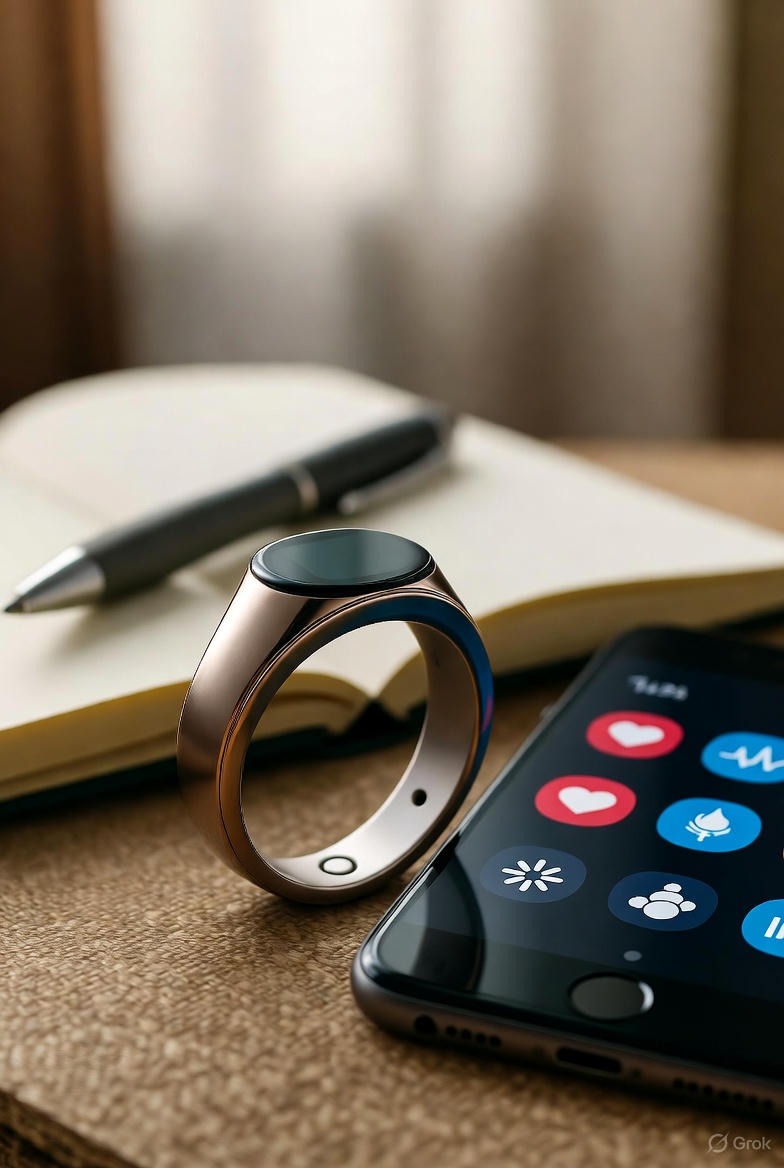
How Coaches Use Daily Recovery Tracking with Clients
How coaches use client recovery data to personalize training and guidance.
How Coaches Use Daily Recovery Tracking to Transform Client Outcomes: The Unseen Edge in Modern Performance
For decades, the coaching playbook—whether for fitness, executive performance, or life mastery—was built on two visible pillars: effort and outcome. Push harder. Sleep more. Eat better. Measure progress by the pound lifted, the mile shaved, the deal closed, or the stress level self-reported. But between the intense training session and the personal best, between the grueling workweek and the breakthrough innovation, lies a vast, invisible landscape: the world of recovery.
Recovery isn’t merely the absence of work; it’s the complex, biological process where adaptation occurs. It’s where muscles repair, the nervous system resets, hormones rebalance, and the brain consolidates memory and learning. For coaches, operating without insight into this critical phase was like flying a plane with no instrument panel—you might reach your destination, but the journey would be inefficient, risky, and blind to turbulence.
Today, that blindness is being cured by data. The rise of daily recovery tracking, powered by wearable technology like the advanced smart rings from Oxyzen.shop, is igniting a revolution in coaching methodology. No longer reliant on subjective client feedback (“I feel tired”), coaches now have access to an objective, physiological dashboard. They can see the client’s readiness score dip after a poor night’s sleep, observe a rising resting heart rate signaling potential illness or overtraining, and track heart rate variability (HRV)—the gold-standard metric for nervous system resilience.
This article is your definitive guide to this new coaching frontier. We will explore not just the what of recovery tracking, but the profound how and why. How are elite coaches integrating this data to create hyper-personalized programs? Why does this shift from a one-size-fits-all model to a dynamic, bio-individual approach yield transformative results? We’ll journey through the science, the strategies, and the real-world stories that prove daily recovery tracking isn't just a fancy add-on—it's the core of the next generation of client success.
The Invisible Limiting Factor: Why Recovery is the True Bottleneck for Progress
We live in a culture that glorifies the grind. Hustle. Burn the midnight oil. No days off. This mindset has seeped into every performance domain, creating a paradoxical reality: people are working harder than ever but often hitting persistent plateaus, experiencing burnout, and struggling with chronic fatigue and injury. The missing piece isn’t effort; it’s the strategic management of the body’s capacity to absorb and adapt to that effort.
Think of your client’s body as a bank account. Every stressor—a heavy squat session, a tense board meeting, a poor meal, an emotional argument—makes a withdrawal. Every quality recovery behavior—deep sleep, nutritional replenishment, meditation, active recovery—makes a deposit. For years, coaches could only see the withdrawals (the workouts assigned, the hours worked) and the end balance (the outcome). They had to guess at the deposits, relying on often-optimistic or incomplete client self-reporting.
This leads to the fundamental error of coaching: prescribing more stress to an already overdrawn account. The result isn’t growth; it’s degradation, injury, and stagnation. A 2018 study in the Journal of Strength and Conditioning Research found that athletes with lower HRV—a key recovery metric—had a significantly higher risk of injury and performance decline, even when their training logs looked perfect.
Daily recovery tracking shifts the paradigm from guesswork to governance. By quantifying recovery, coaches can identify the true bottleneck. Is it sleep quality? Is it non-exercise stress from work or relationships? Is it nutritional intake? The data reveals the weakest link in the client’s progress chain.
For example, a fitness coach might have a client who is faithfully completing intense workouts but not gaining strength. The old approach might be to increase volume or intensity. The new, data-informed approach might reveal the client’s deep sleep is consistently low and their nocturnal heart rate is elevated. The bottleneck isn’t the workout; it’s the repair process. The intervention shifts from “lift heavier” to “implement a sleep hygiene protocol,” a change that unlocks all subsequent progress.
This is why recovery is the true bottleneck. You cannot out-train poor recovery. You cannot out-think a fatigued brain. By making the invisible visible, coaches move from managing effort to managing capacity, which is the ultimate leverage point for sustainable, breakthrough results. To understand the tools making this possible, it’s essential to explore the evolution of health tracking technology from manual logs to smart rings.
Beyond Steps and Sleep: Decoding the Key Metrics of Modern Recovery Tracking
The first generation of wearables taught us to count steps and track sleep duration. While helpful, this is a rudimentary view of a complex system. Modern recovery tracking, especially through devices worn on the finger like the Oxyzen ring, provides a far richer, more nuanced physiological portrait. Let’s decode the critical metrics that are reshaping coaching conversations.
Heart Rate Variability (HRV): The North Star of Recovery. HRV is not your heart rate. It is the subtle, millisecond variation in the time interval between consecutive heartbeats. A higher, less variable HRV generally indicates a more resilient, recovered, and adaptable autonomic nervous system (the system controlling your "fight-or-flight" and "rest-and-digest" states). A lower, more erratic HRV suggests stress, fatigue, or incomplete recovery. For coaches, tracking HRV trends is paramount. A sustained drop can be an early warning sign of overtraining, illness, or excessive life stress, allowing for proactive program adjustments days before a client "feels" off.
Resting Heart Rate (RHR): The Body’s Baseline Engine Idle. Measured first thing in the morning, RHR is a classic but powerful metric. A lower RHR typically indicates better cardiovascular fitness. More importantly for daily tracking, an elevated morning RHR (e.g., 5-10+ BPM above your personal baseline) is a clear flag from your body. It can indicate dehydration, illness, excessive training load, or poor sleep quality. Coaches use this as a simple, daily check-engine light.
Sleep Architecture: Moving Beyond "Hours in Bed." Recovery tracking breaks sleep into its constituent, crucial parts:
Deep Sleep (Slow-Wave Sleep): The physical repair phase. This is when tissue growth and repair occur, energy is restored, and crucial hormones are released.
REM Sleep: The mental recovery phase. Essential for memory consolidation, learning, and emotional processing.
Sleep Latency & Efficiency: How long it takes to fall asleep and what percentage of time in bed is actually spent asleep. Poor efficiency often points to restlessness or environmental issues.
A client reporting "8 hours of sleep" is no longer sufficient. A coach needs to know if those 8 hours were 90% efficient with robust deep and REM cycles, or 70% efficient and fragmented. The intervention for low deep sleep (focus on evening routine, temperature, recovery nutrition) is different from that for low REM sleep (focus on stress management, blue light exposure, and sleep consistency).
Respiratory Rate & Skin Temperature: These subtle biometrics are powerful contextual clues. An elevated nighttime respiratory rate can signal sleep apnea, illness, or high altitude. Skin temperature deviations can indicate the onset of illness, menstrual cycle phases in female clients, or poor circadian rhythm alignment.
Activity & Body Battery Scores: Many platforms synthesize these raw metrics into a simple, actionable score—a "Readiness" or "Body Battery" number from 1-100. This gives coach and client a shared, at-a-glance language for the day: "Your score is 85, it's a green-light day for a intense session." or "Your score is 42, let's pivot to active recovery and focus on hydration."
By moving beyond steps, coaches engage in sophisticated, bio-individual dialogue. They’re not just asking "How do you feel?" They’re saying, "I see your HRV dropped 12% and your deep sleep was low last night. Let's talk about what happened yesterday and adjust today's plan accordingly." This depth of insight is what builds unparalleled trust and efficacy. For those new to this technology, our guide on wellness ring basics for making the perfect choice for beginners is an excellent starting point.
The Coaching Revolution: From Generic Plans to Bio-Dynamic Programming
Armed with this stream of data, the very role of the coach evolves. The static, periodized 12-week plan pinned to the wall becomes a living, breathing document. Coaching transforms from prescriptive to collaborative and responsive. This is the era of Bio-Dynamic Programming.
The Static Model (The Old Way):
Plan: A fixed schedule (e.g., Heavy Squats on Monday, HIIT on Wednesday).
Feedback: Subjective client check-ins ("How are the squats feeling?").
Adjustment: Infrequent, often only after failure, injury, or complaint.
Mindset: "The plan is supreme. Follow it."
The Bio-Dynamic Model (The New Way):
Framework: A flexible set of protocols and progressions based on goals.
Feedback: Objective daily recovery data + subjective client input.
Adjustment: Daily or weekly, proactive and preventative.
Mindset: "The client's state is supreme. Adapt to it."
How It Works in Practice:
Establish Baselines: Before any intense programming, the coach has the client wear a recovery tracker for 1-2 weeks during a "normal" life period. This establishes personal baselines for HRV, RHR, and sleep. There is no "good" score, only the client's personal norm.
Define the "Traffic Light" System: Coach and client agree on simple rules:
Green Light (Score > 75): Proceed with planned intense training or demanding cognitive work.
Yellow Light (Score 50-75): Proceed with caution. Consider moderating intensity, volume, or duration. Focus on technique and mindfulness.
Red Light (Score < 50): Pivot. The day is for restoration—gentle movement, mobility, hydration, nutrition, and stress management. The planned hard session is moved.
Embrace the "Pivot": This is the core skill of the modern coach. Instead of seeing a red-light day as a failure, it's reframed as a data-driven success. It means the system worked; you caught a problem before it derailed progress. The pivot might be swapping a heavy strength day for a mobility flow, a long run for a walk in nature, or a deep work session for administrative tasks.
Identify Patterns: Over weeks and months, the coach becomes a detective. They correlate low recovery scores with specific workouts, life events, dietary choices, or even days of the week. "Every time you have back-to-back late client meetings, your HRV tanks two days later. Let's build a buffer into your schedule after those days."
This dynamic approach does more than optimize physical results; it teaches the client self-awareness and body literacy. They learn to connect feelings with data, to respect their body's signals, and to see recovery as an active, productive part of their journey, not laziness. It transforms the coach from a taskmaster into a trusted physiological strategist. For coaches interested in the technical foundation that makes this possible, delving into the science behind modern health tracking technology is invaluable.
Case Study in Motion: The Overtrained Executive and the Data-Driven Pivot
Let’s bring this to life with a real-world scenario. Meet David, a 45-year-old tech executive and amateur marathoner. His goal: qualify for the Boston Marathon. His previous coach had him on a high-mileage, two-a-day running plan. David was constantly fatigued, irritable, and had developed a nagging Achilles tendon issue. His performance had plateaued.
He switched to a coach, Maya, who uses daily recovery tracking with an Oxyzen ring.
Week 1 - Baseline: Maya doesn’t change David’s training. She asks him to live normally and wear the ring. The data reveals:
HRV: Consistently in the "low" range for his demographic.
RHR: 58 BPM, but spiking to 65-68 on mornings after hard workouts.
Sleep: 6.5 hours average, with poor efficiency (78%) and very low deep sleep.
The Insight: David is chronically stressed, not recovering from his workouts, and his body is prioritizing survival (high sympathetic tone) over repair (low deep sleep).
Maya’s Bio-Dynamic Intervention:
The Hard Reset: For two weeks, Maya prescribes only Zone 2 (easy conversational pace) running, capped at 30 minutes. She also implements a strict 9:30 PM wind-down routine and supplements with magnesium glycinate.
The Data Shift: Within 10 days, David’s HRV begins a steady climb. His morning RHR drops to 54. His sleep efficiency jumps to 88%, and deep sleep increases by 25%.
The Strategic Rebuild: Now, Maya introduces intensity—but differently. Instead of two hard days a week, she uses his daily readiness score. She programs one key weekly intensity session (e.g., intervals) but only prescribes it if his score is green. The other quality day becomes a "flex" day, sometimes becoming a tempo run, sometimes a hill session, sometimes deferred entirely for extra recovery based on the data.
The Pattern & The Pivot: Maya notices David’s scores always dip on Thursday mornings after his Wednesday evening leadership meeting, a known stressor. She permanently moves his hard training days away from Wednesday/Thursday, creating a recovery buffer after that mental load.
The Outcome: Within three months, David’s chronic fatigue is gone. His Achilles pain has resolved without direct intervention. He is running fewer total miles but with vastly higher quality. He sets a 10K personal best in a training run. More importantly, he feels in control, understanding the dialogue between his life, his training, and his body.
This case isn't unique. It’s being replicated by forward-thinking coaches in fitness, corporate wellness, and life coaching. The tool enables a level of personalization previously reserved for Olympic athletes. Discover more stories of transformation in our collection of real customer reviews and user experiences.
Bridging the Gap: Translating Complex Data into Simple, Actionable Client Conversations
A potential pitfall of this data-rich approach is paralysis by analysis or alienating a client with jargon. The coach’s crucial secondary role is that of a translator and educator. The goal is not to turn the client into a data scientist, but to empower them with simple, actionable insights.
Effective Translation Strategies:
Use Analogies, Not Numbers: "Think of your HRV like your body's shock absorber. Yours were worn out last week; we've replenished them with rest, so today we can handle some bumps in the road."
Focus on 1-2 Key Metrics Initially: Overwhelming a client with 10 graphs is counterproductive. Start with the readiness score and sleep quality. As they become comfortable, introduce HRV or RHR trends. Our FAQ page helps answer common client questions about understanding this data.
Ask Guiding Questions, Don't Just Dictate: Instead of saying "Your data is bad, rest," ask: "I see your recovery score is low today. What’s your intuition about that? How are you feeling physically and mentally?" This merges objective data with subjective wisdom.
Create "If-Then" Protocols: Empower the client for days you’re not in contact. "If your readiness score is red, then your only mission is to hit 8 hours in bed and take a 20-minute walk. That’s a successful day."
Celebrate Recovery Wins: Just as you'd celebrate a new personal record, celebrate a new high HRV or a perfect sleep score. "Amazing! Your body is showing it's supercharged for repair. That's a huge win from the extra hour of sleep you prioritized."
The conversation shifts from punitive ("You didn't do your workout") to curious and collaborative ("The data suggests your system is under load. Let's explore why and adjust so we come back stronger"). This builds psychological safety and makes the client an active partner in their own journey.
The Synergy of Metrics: Correlating Recovery Data with Training Load and Lifestyle Logs
Data in a vacuum is limited. The true magic happens when recovery metrics are layered with other data streams to create a holistic picture. This is the process of correlation—finding the hidden connections that explain the "why."
The Multi-Dimensional Log: The modern coach encourages or facilitates tracking in three synchronized layers:
Physiological Layer (Automatic): HRV, RHR, sleep, temperature (from the smart ring).
Performance/Training Load Layer (Manual/Auto): Type of workout, duration, intensity (RPE or heart rate zones), weight lifted, power output.
Scenario A: A client’s HRV plummets for two days. The training log shows a moderate workout. The lifestyle log, however, reveals a work deadline, two nights of poor sleep, and increased coffee consumption. Insight: The primary stressor is lifestyle, not training. The intervention focuses on stress-management techniques and sleep hygiene, not deloading training.
Scenario B: A client is sleeping 9 hours but has low deep sleep and a flatlining HRV. The training log is empty (off week). The lifestyle log shows international travel across 6 time zones. Insight: Circadian rhythm disruption is impairing sleep quality and recovery. Intervention focuses on light exposure, meal timing, and gradual re-synchronization.
Scenario C: A client’s readiness score is consistently green, but performance in workouts is stagnating. The training log reveals they’ve been at the same volume and intensity for 4 weeks. Insight: They are fully recovered but under-stimulated. This is the perfect data-backed rationale to safely increase the training stimulus.
By correlating these layers, the coach moves from reactive problem-solving to proactive system optimization. They can answer questions like: "What is my client's unique response to high-intensity intervals vs. long steady-state cardio?" or "How much does a single glass of wine impact their sleep architecture?" This is the pinnacle of personalized coaching. For clients using multiple apps, understanding wellness ring integration with other health apps is key to creating this unified view.
Empowering the Client: Fostering Autonomy and Body Literacy Through Data
A common fear among coaches is that data will create dependency—a client who cannot make a decision without checking their ring. The opposite should be true. The ultimate goal of using daily recovery tracking is to foster client autonomy and deepen body literacy.
The data acts as a mirror, helping clients learn the language of their own bodies. Over time, they begin to internalize the patterns.
Phase 1 (Dependence): "My ring says I'm at 40%. What should I do, Coach?"
Phase 2 (Correlation): "My ring says I'm at 40%. I also feel drained. I think it's because I only slept 5 hours and had that difficult conversation yesterday."
Phase 3 (Integration): "I feel drained today. I didn't sleep well and I'm stressed from yesterday. I'm going to prioritize recovery today." (The client may check the ring later to confirm their intuition, but the decision is self-generated).
The coach’s role is to guide the client through these phases by consistently connecting the data to the client's lived experience. Questions like "Did you notice how you felt on the day your HRV was highest?" or "What was different about your routine before that night of great deep sleep?" accelerate this learning.
This empowerment is transformative. The client stops seeing their body as an unreliable or adversarial entity and starts seeing it as a wise, communicative partner. They move from external motivation ("I have to do what my coach says") to internal motivation ("I am choosing this because my body and the data show it's what I need"). This is the foundation for lifelong, sustainable wellness, far beyond the duration of the coaching engagement. Explore our article on how wellness rings help build healthy habits for more on this empowerment cycle.
Navigating the Challenges: Data Overload, Client Compliance, and Ethical Considerations
While powerful, integrating daily recovery tracking is not without its challenges. The successful coach anticipates and navigates these proactively.
1. Data Overload & "Analysis Paralysis":
Challenge: The client (or coach) becomes obsessed with daily fluctuations, losing the forest for the trees.
Solution: Focus on trends, not daily numbers. A single low HRV score is meaningless; a 7-day downward trend is meaningful. Set clear review protocols (e.g., "We will review your weekly trends every Sunday"). Use the composite readiness score as the primary daily filter to simplify decision-making.
2. Client Compliance & Tech Fatigue:
Challenge: Clients forget to wear the device, charge it, or sync data.
Solution: Onboard with simplicity. Choose a device that is minimal and comfortable for 24/7 wear, like a sleek smart ring. Make the initial setup part of a coaching session. Frame it not as a chore, but as gaining a superpower—a window into their own biology. For concerns about comfort and wearability, our guide on hypoallergenic material options can provide reassurance.
3. The "Ignoring Intuition" Trap:
Challenge: A client feels great but the data says "red," or vice versa. Which to trust?
Solution: Data informs, it does not dictate. Teach the "art of the merge." If a client feels fantastic but the data is poor, it might be a sign of adrenal overdrive (feeling wired). Proceed with caution. If data is green but the client feels terrible, honor the subjective experience—there may be a psychological or non-measured physiological issue. The data is one input, not the sole arbitrator of truth.
4. Ethical Considerations & Data Privacy:
Challenge: Coaches have access to deeply personal physiological data. This requires immense trust and ethical responsibility.
Solution: Establish clear agreements. In your coaching contract, include clauses on data ownership (it's always the client's), how it will be used (only for program personalization), and how it will be stored/secured. Use platforms with robust privacy controls. Never shame a client with data; use it only as a tool for compassionate curiosity and empowerment. Clients can review our commitment to this in detail on our privacy and data security page.
The Future of Coaching: How AI and Predictive Analytics Will Personalize Recovery Further
We are on the cusp of the next leap. The current model is reactive and diagnostic: we see a dip in recovery and respond. The future, powered by artificial intelligence and machine learning, is predictive and prescriptive.
Imagine a coaching platform that, after learning a client's unique patterns over 3-6 months, can send proactive alerts:
"Based on your current sleep deficit and rising RHR trend, there is an 85% probability your HRV will drop into the 'red' zone in 48 hours. Recommended action: Prioritize 30 minutes of meditation today and aim for lights out by 10 PM."
"Your recovery response to heavy lower-body sessions is typically 72 hours. You are now fully recovered. Your optimal window for the next leg workout is today or tomorrow for maximum adaptation."
"A pattern has been detected: Your deep sleep decreases by 15% during the week of your quarterly business reviews. Would you like to activate your 'High-Stress Week' recovery protocol?"
This AI coach-assistant would handle the pattern recognition, freeing the human coach to focus on the higher-level strategy, motivation, and nuanced human elements that technology cannot replicate—empathy, intuition, and inspirational leadership.
The coach of the future is a hybrid: part physiologist, part data scientist, part behavioral psychologist, and part trusted guide. They use technology not to replace the human connection, but to deepen it with unprecedented understanding and precision. This future is being built today, and understanding what's possible in health tracking technology for 2025 and beyond is essential for any coach who wants to lead, not follow.
The integration of daily recovery tracking marks a fundamental shift from coaching as an art informed by anecdote, to a science-informed art dedicated to the individual. It closes the feedback loop between stress and adaptation, effort and recovery, guesswork and knowing. For the coach willing to embrace this tool, it offers the ultimate gift: the ability to see the unseen, to optimize the invisible, and to guide clients not just to their goals, but to a sustainable, thriving state of being that lasts a lifetime. This is just the beginning of exploring this powerful synergy. For a deeper dive into related strategies, continue exploring resources on our main blog.
The Coaches' Toolbox: Essential Frameworks for Implementing Daily Recovery Tracking
Having established the "why" and the core metrics, we now delve into the practical "how." For a coach, adopting recovery tracking is not about simply handing a client a ring and reading numbers. It requires a structured framework, clear communication protocols, and a refined coaching methodology. This section provides the essential toolbox for implementation, turning raw data into a seamless, transformative client experience.
Onboarding: Setting the Foundation for Data-Driven Success
The first 30 days with a new client using recovery tracking are critical. A poor onboarding experience can lead to tech frustration, data overwhelm, and disengagement. A great one builds trust, excitement, and sets the stage for a powerful partnership.
Step 1: The "Why" Conversation (Before the Device Arrives). Do not start with the technology. Start with the philosophy. In your initial consultation or discovery call, introduce the concept of bio-dynamic coaching. Explain the limitation of working blind and frame the recovery tracker as a "personalized guidance system" or a "window into your adaptation process." Gauge the client's interest and technological comfort. This is also the time to direct them to resources like wellness ring basics: common questions answered to alleviate preliminary concerns.
Step 2: The Baseline Period (Weeks 1-2). Upon receiving their device (from a trusted source like the Oxyzen.shop storefront), instruct the client to not change anything about their routine for the first 10-14 days. The goal is to capture their authentic, unmodified baseline.
Coach's Instruction: "For the next two weeks, your only job is to wear the ring consistently (especially at night) and live your normal life. Don't try to 'perform' or get 'good' scores. We need an honest starting point."
Coach's Task: During this period, you are observing, not intervening. Look for patterns: What is their average sleep duration and quality? What is their typical HRV range? How does a workday vs. a weekend affect their data? This baseline becomes the sacred personal norm against which all future changes are measured.
Step 3: The Data Debrief & "Aha!" Moment. After the baseline period, schedule a dedicated 30-60 minute "Data Discovery" session. This is where you translate numbers into narrative.
Use Visuals: Share simple charts of their HRV, sleep stages, and RHR over the two weeks.
Ask, Don't Tell: "Looking at this sleep graph, what do you notice about Thursday nights?" or "See this dip in HRV here? What was happening in your life on those days?"
Connect Dots: Help them make their first connections. "So when you had that late dinner with clients, your deep sleep was much lower. That makes biological sense—your body was digesting instead of repairing."
Establish Personal Ranges: Define their green, yellow, and red zones. "For you, an HRV above 55 is a strong green light. Between 45 and 55 is a cautious yellow. Below 45, we pay very close attention."
This onboarding process transforms the device from a piece of tech into a collaborative tool. The client feels understood on a physiological level, and the coach gains an invaluable map of the client's unique terrain. For a deeper look at how this personalization works, see our guide on personalizing the ring to your body.
Communication Protocols: Daily Check-ins, Weekly Reviews, and Monthly Strategy Sessions
With a solid foundation, you need a communication rhythm that leverages the data without creating dependency. A tiered approach works best, moving from light-touch daily guidance to deep-dive strategic planning.
1. The Daily Check-in (Low-Lift, High-Impact): This is not a lengthy conversation. It's a data-informed nudge.
Tool: Use a coaching app, a dedicated messenger channel, or even a simple morning email template.
Process: Client checks their readiness score upon waking. They send a quick message: "Score: 72/Yellow. Feeling a bit sluggish." Or, "Score: 88/Green. Feeling energized."
Coach's Response: This is where you execute the "pivot."
Green Light: "Great! Execute Plan A as discussed. Focus on form and intensity. Let me know how it feels."
Yellow Light: "Noted. Let's modify Plan A. Reduce the weight by 10% today and focus on tempo. Or, consider swapping the intervals for a steady-state session. Your choice—listen to your body."
Red Light: "Thanks for the awareness. Today is a restoration day. Please follow our Red Day Protocol: 30-minute walk, extra hydration, and the mobility routine. Let's protect your recovery. We'll hit it hard when you're ready."
Goal: This creates a dynamic, responsive plan and teaches the client to start their day with awareness and intention.
2. The Weekly Review (The Pattern Recognition Engine): Once a week (e.g., every Sunday), set aside 20 minutes to review the past week's trends.
Analyze: Look at the weekly overview in the recovery app. Did HRV trend up, down, or stay stable? How did sleep metrics correlate with workout intensity? What was the lowest score and what triggered it?
Synthesize: Prepare 2-3 bullet points of insight. "You crushed three hard workouts this week, and your HRV held steady—that's a sign of great adaptation." Or, "Notice the cumulative effect: by Friday, your sleep score dropped despite similar bedtimes. We might need more deliberate recovery mid-week."
Plan: Based on the weekly trend and the upcoming week's life schedule (travel, work deadlines), co-create a flexible framework for the next 7 days. "Given your strong recovery, we'll introduce a new intensity stimulus on Tuesday. But Thursday looks busy with travel, so we'll keep Friday as an active recovery day."
3. The Monthly Strategy Session (The Big Picture Alignment): Every 4-6 weeks, have a longer session focused on progress toward overarching goals, not just daily data.
Correlate with Recovery Trends: Is progress aligned with positive recovery trends? If progress is stalled, is the data pointing to a recovery bottleneck?
Refine Protocols: Update the "Red Day Protocol." Tweak the sleep hygiene recommendations. Adjust nutritional strategies based on what the data suggests is or isn't working.
Celebrate & Recalibrate: Celebrate non-scale victories like improved sleep consistency or a higher average HRV. Then, recalibrate goals and methods for the next cycle.
This tiered system ensures data serves the coaching relationship, not the other way around. For coaches managing multiple clients, understanding how this technology enables personalized wellness at scale is a game-changer.
The Art of the Pivot: Dynamic Decision-Making Based on Real-Time Data
The "pivot" is the core tactical skill of the modern coach. It’s the decision to change the day's plan based on the client's readiness. Mastering this art prevents injury, avoids burnout, and maximizes the yield from "green light" days.
A Framework for Effective Pivoting:
Green to Yellow/Red (The Proactive Scale-Back): This is the most common and important pivot. The planned intense session is modified.
Intensity Pivot: Reduce weight, slow pace, decrease power output.
Volume Pivot: Do 3 sets instead of 5, run 3 miles instead of 5.
Density Pivot: Increase rest periods between sets or intervals.
Mode Pivot: Swap heavy squats for a bodyweight mobility circuit. Swap a tempo run for a gentle swim or bike ride.
Red to Green (The Cautious Ramp-Up): Sometimes a client wakes up expecting to feel terrible (red) but the data and their feeling are green. This can happen after a great night of recovery following stress.
Action: Proceed with the planned hard session, but with a heightened focus on warm-up and intra-session feedback. Instruct the client: "Start the first set conservatively. If it feels good and your form is solid, gradually ramp up to the planned intensity."
The "Deload" vs. "Rest Day" Distinction: A pivot is not the same as a planned deload week. A pivot is a reactive, single-day adjustment. A deload is a proactive, planned week of reduced volume/intensity to facilitate supercompensation. Data can help time deloads perfectly—initiating one when recovery metrics are chronically depressed, not just on an arbitrary calendar week.
Psychological Reframing for the Client: The pivot must be sold as a sign of sophistication, not failure. Use language like:
"Smart training isn't about never missing a workout; it's about never missing the right workout for your body today."
"By pivoting today, you're investing in being able to go even harder tomorrow or the next day. You're playing the long game."
"This data just saved you from a potential injury or a week of burnout. That's a huge win."
When a client sees that a "red day" pivot leads to a massive performance breakthrough two days later, they become true believers in the process. This dynamic approach is a core component of how smart rings enable preventive health monitoring, stopping negative trends before they become injuries or illness.
Integrating with Other Modalities: Sleep Hygiene, Nutrition, and Stress Management
Recovery data is the ultimate feedback mechanism for all wellness interventions. It tells you unequivocally what's working and what's not. Coaches can use it to integrate and validate other key pillars of health.
Sleep Hygiene Optimization: Generic sleep tips are useless. Data makes them specific.
Intervention: Recommend a 60-minute "digital sunset" and cooler room temperature.
Validation: Check the data the next morning. Did sleep latency (time to fall asleep) decrease? Did deep sleep increase? If yes, the intervention works for this client. If not, you iterate—maybe they need a magnesium supplement, or earlier caffeine cutoff.
Example: A client tries wearing a sleep mask. The data shows a 20% increase in sleep efficiency. You now have evidence-based, personal proof to continue the habit.
Nutritional Strategy Correlation: While not a calorie tracker, recovery data reacts powerfully to nutrition.
Post-Workout Nutrition: Experiment with different post-workout meal timings and compositions. Does a protein-rich meal within 45 minutes lead to better HRV recovery than eating 2 hours later? The data will show a trend.
Alcohol & Caffeine: The impact is quantifiable. A client can see for themselves that "two glasses of wine reduces my deep sleep by 40% and raises my RHR by 8 BPM." This is a more powerful motivator than any lecture.
Hydration: A day of poor hydration often shows up as an elevated RHR and lower HRV. Coaches can use this to reinforce hydration habits contextually: "Your RHR is up today. How was your water intake yesterday?"
Stress Management & Mindfulness: This is where the data shines brightest for non-fitness coaches (executive, life, wellness).
Biofeedback Loop: Use HRV as real-time biofeedback during meditation or breathwork. Clients can literally see their nervous system calm down (HRV increase) as they practice coherent breathing (e.g., 5.5-second inhale, 5.5-second exhale).
Quantifying "Mental Load": A client can have a physically easy but mentally grueling day. The data often shows a stress response (lowered HRV, higher RHR) identical to a hard workout. This validates their subjective feeling of exhaustion and provides a concrete reason to prioritize mental recovery.
Intervention Validation: After implementing a daily 10-minute meditation practice, does the client's baseline HRV show a positive trend over 4 weeks? If so, the value of the practice is no longer abstract; it's physiological.
By using recovery data as the unifying scorecard, the coach can create a truly holistic, synergistic program where sleep, nutrition, movement, and mindset are no longer siloed, but are seen as interconnected levers all pulling in the direction of enhanced resilience. This integrated approach is at the heart of creating programs that support different health goals.
Special Populations: Applying Recovery Tracking for Athletes, Executives, and Chronic Stress Clients
The principles of recovery tracking are universal, but the application and priority of metrics differ dramatically based on the client's context and goals.
1. For the Competitive Athlete:
Primary Focus: Training Load vs. HRV Balance. The goal is to push the envelope of performance without crossing into overtraining.
Key Metrics: HRV trend is paramount. Resting Heart Rate (RHR). Sleep quality (especially deep sleep for physical repair).
Application: Used for micro-cycles of loading and deloading. An athlete might push for 2-3 weeks until HRV shows a sustained downward trend, then initiate a deliberate recovery week. It helps identify individual recovery windows—some athletes rebound in 48 hours, others need 72. It also helps manage travel fatigue, competition stress, and peaking for events. The focus is on maximizing adaptation efficiency.
2. For the High-Performance Executive:
Primary Focus: Cognitive Load, Sleep, and Nervous System Resilience. The goal is to sustain high-level decision-making, creativity, and leadership under pressure.
Key Metrics: Sleep architecture (REM & Deep sleep balance) is critical for memory and emotional regulation. HRV as a measure of stress resilience. Nocturnal RHR to gauge overall stress burden.
Application: Used to orchestrate work intensity. A red light morning might mean blocking the calendar for deep, focused work instead of back-to-back meetings, or delegating a demanding task. It helps correlate work patterns (e.g., "Strategy Thursdays") with physiological cost. Coaches use it to enforce "cognitive deloads" and validate the ROI of vacations and digital detoxes. The focus is on preventing burnout and preserving cognitive capital.
3. For the Client with Chronic Stress or Fatigue:
Primary Focus: Establishing Baselines and Identifying "Energy Leaks." The goal is often to restore a basic sense of vitality and stability.
Key Metrics: Sleep continuity and efficiency are first-order goals. HRV and RHR are used as sensitive indicators of small improvements. Respiratory rate can be a clue to anxiety.
Application: Used with extreme gentleness. The initial goal is often just to stabilize the data, not optimize it. Celebrating a single night of unbroken sleep is a win. Data helps identify seemingly small stressors (e.g., a late cup of coffee, a stressful commute) that have outsized impacts on their fragile system. The focus is on building a foundation of recovery before any intense "stress" (even exercise) is added. For this population, understanding how technology has changed preventive medicine by catching dysregulation early is profoundly meaningful.
Tailoring the conversation to the population ensures the data is relevant and empowering, not confusing or intimidating. It allows the coach to speak directly to the client's lived experience and goals. For more on specialized applications, our article on what doctors find most useful in this data offers a clinical perspective.
Scaling the Practice: Leveraging Technology to Manage Multiple Data-Stream Clients
A legitimate concern for coaches is: "This sounds amazing, but how do I manage this for 20, 50, or 100 clients without working 24/7?" The answer lies in leveraging technology and systematizing your process.
1. Choose a Platform with a Coach Dashboard. The critical feature is a single dashboard where you can see all your clients' key metrics at a glance. Look for:
Client Overview Tiles: Showing daily readiness score, last night's sleep, and HRV trend arrow (up, down, stable).
Alert System: The ability to set custom alerts. For example: "Alert me if Client X's HRV drops 20% below their 7-day average" or "Alert me if Client Y sleeps less than 6 hours for two nights in a row." This turns you from a constant monitor into a targeted responder.
Batch Communication Tools: The ability to send group messages or assign standard protocols to multiple clients.
2. Systematize Your Tiers of Service. Not every client needs (or can afford) daily data check-ins. Structure your offerings:
Premium/Bio-Dynamic Tier: Includes daily readiness check-ins, weekly reviews, and the ring device (or guidance on purchasing one from Oxyzen.shop). For athletes, executives, and those with specific optimization goals.
Standard/Guided Tier: Includes weekly data review and program adjustments based on weekly trends. The client uses their own wearable (ring, watch). For general fitness and wellness clients.
Foundation/Self-Guided Tier: Clients purchase the ring and learn to self-monitor using your educational resources (like those on the Oxyzen.ai blog), with optional monthly strategy sessions. This scales your impact without scaling your time linearly.
3. Create Template Responses and Protocols. You don't need to craft a novel essay for every yellow-light day.
Develop "Pivot Protocol" PDFs: A one-page doc for Green, Yellow, and Red days with specific workout modifications, nutrition focuses, and mindfulness practices.
Use Text Expanders/Saved Replies: For common scenarios. "Great green score! Execute Plan A with focus." or "Noted on the yellow score. Please implement the Yellow Day Modifications from your protocol doc and let me know how you feel afterward."
Record Video Explanations: Create a library of short videos explaining common data patterns (e.g., "How to Interpret an HRV Dip") that you can send to clients when relevant.
4. Foster a Community of Practice. With client permission, create a private community (e.g., a forum or group) for clients in your Bio-Dynamic tier. This allows them to learn from each other's experiences, share what works, and provide support. It reduces your need to answer every basic question and builds a powerful sense of shared mission. You can moderate and jump in with expert insights when needed.
By thinking like a technologist and an operational manager, you can scale a deeply personalized service. The technology handles the data aggregation and alerts; you handle the human wisdom, strategy, and motivation. This is the model of the modern, scalable coaching practice. Ensuring you have reliable technology is key, which is why understanding warranty and return policies for your recommended devices is part of a professional practice.
Measuring ROI: How to Quantify the Value of Recovery-Tracking for Your Coaching Business
Implementing this system requires investment—in your own education, in software dashboards, and potentially in client devices. To justify this, and to communicate value to clients, you must be able to quantify the Return on Investment (ROI).
ROI for the CLIENT (Your Value Proposition):
Accelerated Progress Toward Goals: This is the core metric. Can you demonstrate that clients using recovery tracking hit their performance milestones (e.g., strength, race time, weight loss) faster and more consistently than those on static plans? Track this.
Reduced Injury/Sickness Rate: A major cost of training is lost time due to injury or illness. Track the incidence rate. If your data-driven clients have 50% fewer forced time-off periods, that's a massive ROI in consistency and morale.
Improved Subjective Well-Being: Use standardized surveys (e.g., PERMA, POMS, or simple 1-10 scales for energy, mood, stress) at the start and at 3-month intervals. Show quantifiable improvements in quality of life.
Enhanced Self-Efficacy & Body Literacy: This is a transformative outcome. Clients move from being dependent on you to being self-reliant. This can be measured through feedback and the progression through the Dependence -> Correlation -> Integration phases.
ROI for Your COACHING BUSINESS:
Increased Client Retention: Clients who receive this level of personalization feel uniquely cared for and see tangible, science-backed results. They are far less likely to leave. Calculate your retention rate increase.
Ability to Command Premium Pricing: Bio-dynamic coaching is a specialized, high-value service. It justifies pricing 50-100% above standard coaching packages. The data and results become your justification.
Differentiation in a Crowded Market: In a sea of generic online trainers, you are a data-informed physiologist. This becomes the centerpiece of your marketing. Share case studies (with permission) and anonymized data trends that tell a story of transformation.
Scaled Impact Through Templates & Products: The frameworks and protocols you create can be packaged into digital courses, eBooks, or certification programs for other coaches, creating additional revenue streams.
Communicating the ROI: In your marketing and sales conversations, use this structure:
"The old way leads to plateaus and burnout. The new, data-informed way leads to sustainable breakthroughs."
"My clients average a 30% faster rate of goal achievement with 60% fewer setbacks due to injury or illness."
"You're not just paying for workouts; you're investing in a biometric guidance system that ensures every minute of your effort is optimized."
By measuring and communicating ROI, you transition from being a cost to being a strategic investment in your clients' most valuable asset: their capacity to perform and feel their best. The journey to this level of mastery is part of our own story and vision at Oxyzen—democratizing this elite-level insight for all.
Conclusion of this Segment: The Coach as Modern Alchemist
This portion of our exploration has equipped you with the frameworks, communication strategies, and practical tools to implement daily recovery tracking. You've seen how to onboard clients, communicate effectively, make dynamic pivots, integrate holistic modalities, tailor approaches for different populations, scale your practice, and measure your impact.
The coach who masters this is no longer just a motivator or a programmer of workouts. They become a modern alchemist. They take the base elements of a client's life—sleep, stress, nutrition, movement—and, guided by the objective data of recovery, transmute them into the gold of sustained performance, vibrant health, and profound self-knowledge.
They move the conversation from "Did you do it?" to "How did it affect you?" and "What do you need now?" This is a deeper, more respectful, and exponentially more effective form of coaching. It represents the full integration of technology and humanity in the service of human potential.
In the next segment, we will dive even deeper into the edge cases, advanced interpretation of conflicting data, long-term periodization using recovery trends, and the ethical future of biometric coaching. We will explore how this foundation you've just built supports not just monthly progress, but year-over-year evolution and lifelong wellness. The journey from data to wisdom continues.
Mastering the Craft – Advanced Interpretation, Long-Term Strategy, and the Human Element
The foundation is poured. The frameworks are in place. You now understand the what and the how of integrating daily recovery tracking into your coaching practice. But mastery lies in navigating complexity, in interpreting the subtle whispers of the data, and in weaving this technological insight seamlessly into the rich tapestry of human experience. This segment is for the coach ready to move from competence to artistry, exploring the advanced nuances that separate good from great.
Navigating the Gray: Interpreting Conflicting or Unclear Data Signals
Not every morning presents a clean green, yellow, or red light. You will frequently encounter ambiguous or conflicting data: a high readiness score but a low HRV; a client who feels exhausted but whose sleep data looks perfect; a sudden, unexplained dip with no correlating lifestyle event. This is not a failure of the system—it’s an invitation to deeper coaching.
Scenario 1: The "False Green" – High Readiness Score with Low HRV.
The Picture: The algorithm's composite score is green (driven by good sleep duration and low RHR), but the raw HRV metric is sitting at a 30-day low.
Interpretation: This is often a sign of lingering systemic stress or "digestive" load. The body is not in acute distress (hence normal RHR) and is caught up on basic sleep debt, but the autonomic nervous system is still tense, indicating incomplete recovery from a deeper stressor. It could be low-grade inflammation, lingering emotional tension, or a delayed reaction to a training load from 3-4 days prior.
Coaching Action: Proceed with caution, but not alarm. Acknowledge the discrepancy to the client: "Your overall score looks good, but your HRV suggests your nervous system is still processing something. Let's do the planned session, but I want you to be hyper-aware of your perceived exertion. If it feels harder than it should, we cut volume." Use this as a detective opportunity to review the past 72 hours for subtle stressors.
Scenario 2: The "Unexplained Crash" – Sudden Drop with No Obvious Cause.
The Picture: HRV plummets 25%, RHR is up, sleep is fragmented. The client insists nothing was different: no hard workout, no alcohol, no late night.
Interpretation: The body is smarter than the conscious mind. This is frequently the prodromal phase of illness. The immune system is mounting a defense against a pathogen (viral or bacterial) 24-48 hours before symptoms appear. Other possibilities include extreme dehydration, an unnoticed food sensitivity reaction, or unprocessed psychological stress.
Coaching Action: Treat this as a definitive red light, regardless of the client's subjective feeling. Prescribe aggressive recovery: extra sleep, hydration, nutrient-dense foods, and zero intense activity. You are likely preventing a full-blown sickness. This is the ultimate value of preventive tracking. As documented in resources on how health tracking technology enables personalized wellness, catching these subclinical dips is where the greatest health wins are found.
Scenario 3: The "Feeling vs. Data" Mismatch.
The Picture A: "I feel terrible, but my data is great." This could be psychological or neurological fatigue (burnout, depression) that isn't reflected in peripheral physiology yet. Or, it could be the "wired and tired" feeling of sympathetic overdrive, where the nervous system is activated (which can sometimes elevate HRV short-term) but the client feels spent.
Coaching Action: Always honor the subjective experience. The data is one input. Say, "The data suggests your body is physically recovered, but your mind is telling a different story. Let's prioritize mental recovery today—gentle movement in nature, a creative hobby, connection with loved ones. The gym can wait."
The Picture B: "I feel amazing, but my data is awful." This is less common but can happen with acute excitement or adrenaline (e.g., before a race, a big presentation). The positive emotion can mask physiological strain. It can also occur in a state of overreaching, where the body is still riding the wave of stress hormones.
Coaching Action: Urge caution. Explain the physiology: "Your excitement is giving you energy, but your body's metrics show it's under real strain. If we push today on this false energy, the crash tomorrow will be severe. Let's channel this great mood into a light, skill-based session or active recovery, and save the hard work for when your body gives the all-clear."
Mastering these gray zones transforms you from a data reader to a data interpreter. It requires humility, curiosity, and a steadfast commitment to the client's holistic well-being over the allure of a simple metric.
The Long Game: Periodization and Lifecycle Planning with Recovery Trends
True coaching success isn't measured in weeks; it's measured in seasons and years. Daily recovery data provides the microscopic view, but its profound power is revealed when zoomed out to inform macroscopic periodization—the strategic planning of training and life cycles to achieve peak performance at the right times and ensure sustainability.
From Macrocycles to Micro-Cycles: A Data-Informed Hierarchy.
The Macrocycle (The Year/Goal Cycle): This is the big picture: preparing for a marathon, a physique competition, a major product launch, or a year of executive leadership. Recovery data helps determine the realistic timeline. A client with a chronically low HRV baseline may need a longer "base building" phase focused on stress resilience before embarking on an intense specialized block.
The Mesocycle (The 3-6 Week Block): This is a block of training focused on a specific adaptation (e.g., strength, hypertrophy, power). Recovery trends dictate the length and termination of the block. Instead of a predetermined 4-week block, you push for as long as the client's HRV trend is stable or improving. The moment you see a consistent downward trend in HRV over 5-7 days, you know adaptation is fading and fatigue is winning. That's the signal to terminate the block and transition to a deload—a perfect, individualized mesocycle.
The Microcycle (The Weekly Plan): As discussed, this becomes dynamic. But the long-term trend informs the weekly structure. A client who shows quick recovery (HRV rebounds within 24h of hard sessions) can handle higher frequency. A client with slower recovery needs more spacing between intense stimuli.
The Daily Readiness: The final, dynamic adjustment layer.
Lifecycle Planning: Aligning Training with Life Seasons. Recovery data seamlessly integrates with life's inevitable rhythms:
Work Cycles: Use data to plan intense training blocks during predictable periods of lower work stress (e.g., post-quarterly reports) and schedule deloads or maintenance phases during high-stress periods (e.g., fiscal year-end).
Travel: The data objectively shows the toll of jet lag and disruption. Use it to plan "travel adaptation" weeks with no performance expectations, focusing solely on circadian resynchronization.
Family & Social Cycles: The holiday season, school vacations, family visits—these all have physiological footprints. Coaching around them, not against them, using the data as a guide, reduces guilt and increases adherence.
Aging & Hormonal Cycles: For female clients, tracking recovery data across the menstrual cycle (or perimenopause) reveals highly individual patterns. It allows for cycle-synced programming, where intensity and volume are modulated in harmony with hormonal phases, turning a potential obstacle into a strategic advantage. For male clients, subtle, longer-term trends in baseline metrics can be early discussions about hormonal health.
This long-view application moves coaching from a transactional service to a custodial partnership. You are helping the client manage their human capital over a lifetime, not just extract performance for a single event. This philosophy is core to our exploration of tips for healthy aging a smart ring helps implement daily.
The Limits of Quantification: Honoring Intuition, Psychology, and the Unmeasurable
In our zeal for data, we must guard against the tyranny of the metric. The human being is not a machine, and not everything that counts can be counted. The master coach knows when to look away from the dashboard and into the client's eyes.
The Unmeasurable Domains:
Joy & Passion: A client may have mediocre data but be absolutely lit up by their training, finding profound joy in the movement. This psychological benefit has immense physiological value that may not yet be reflected in HRV. Don't let data crush a spark of joy.
Intuition & Inner Wisdom: Some clients have a deep, intuitive connection to their bodies. Their "gut feeling" can be a more sensitive instrument than any sensor. Teach them to merge the two: "Your intuition says go, the data says caution. Let's split the difference and go with a modified version."
Psychological State: Anxiety, relationship stress, existential worries—these may not always register immediately in HRV but are paramount to well-being. The coaching conversation must always make space for these topics without forcing them into a data framework.
The Placebo & Nocebo Effect: Belief is powerful. If a client sees a red score and believes they "can't" perform, they likely won't (the nocebo effect). Conversely, a green score can boost confidence (placebo effect). Manage this by framing data as informative, not deterministic.
The Coach's Role as Integrator: Your role is to hold the space for the whole person. This means sometimes saying:
"The data is just one piece of the puzzle. Tell me about the other pieces today."
"Forget the numbers for a second. What does your body want to do?"
"Let's do a 'data-off' day. Don't even check the score. Just go move in a way that feels nourishing and tell me about the experience."
By consciously honoring the limits of quantification, you prevent the tool from becoming a cage. You ensure technology remains in service to humanity, enhancing self-awareness rather than replacing self-trust. This balanced perspective is what clients truly crave in a world oversaturated with metrics.
Ethical Imperatives: Privacy, Consent, and Avoiding Data Coercion
With great data comes great responsibility. You are now a steward of intimate physiological information. Establishing and maintaining ethical boundaries is non-negotiable for building trust and operating a professional practice.
1. Informed Consent & Data Ownership:
Written Agreement: Have a clear, standalone addendum to your coaching contract that outlines:
What data is being collected.
How it will be used (e.g., for program personalization, educational purposes).
Who owns it (the client always owns their raw data).
How it will be stored and secured (using encrypted, password-protected platforms).
How long it will be retained.
The client's right to access, export, or delete their data at any time.
Transparency: Explain how you will view their data. Do you have dashboard access? Do you receive alerts? There should be no surprises.
2. The Principle of "Do No Harm" with Data:
No Shaming or Blaming: Data should never be used as a weapon. "Your HRV is low because you partied all weekend" is unethical. Instead: "I notice your recovery took a hit this weekend. That's useful information. How are you feeling now, and what do you need?"
Avoid Creating Anxiety: For clients prone to health anxiety, constant data monitoring can be detrimental. You may need to advise them to check only the readiness score, or to only review data with you during sessions, not daily.
Respect Autonomy: The data provides a recommendation, not a command. The client always has the final say over their body. Your job is to educate and advise, not to coerce.
3. Boundaries on Access and Communication:
Set Expectations: Just because you can see a client's data 24/7 doesn't mean you should be commenting on it 24/7. Establish clear communication windows (e.g., "I review and respond to morning check-ins between 7-9 AM").
Don't Be a Surveillance Tool: The data is for coaching, not for policing. Avoid using it to "catch" a client not following the plan. The mindset must be collaborative discovery, not disciplinary oversight.
Operating with these ethical pillars ensures your practice is not only effective but also respectful, safe, and built for the long term. It aligns with the core values of trustworthy brands in this space, as reflected in the mission and vision of companies like Oxyzen.
The Future Is Integrated: Wearables, AI, and the Evolving Coach-Client Relationship
We are at the beginning of this revolution. The next five years will see recovery tracking become more sophisticated, more predictive, and more deeply integrated into our lives and healthcare.
Near-Future Advancements:
Continuous Blood Glucose Monitoring (CGM) Integration: Combining recovery metrics with real-time glucose data will provide a stunningly complete picture of metabolic health, energy utilization, and the impact of nutrition on stress and sleep. The coach of the future may help clients stabilize energy through dietary tweaks informed by this fusion.
Advanced Biomarkers: Wearables may non-invasively track markers like cortisol (stress hormone), CRP (inflammation), or electrolyte levels, adding another layer of diagnostic insight.
Environmental Integration: Devices will likely incorporate environmental data (light exposure, noise levels, air quality) from your phone to contextualize physiological readings further.
The Role of AI and the Human Coach: As discussed, AI will handle pattern recognition and predictive alerts. But this elevates, rather than replaces, the human coach. The future relationship looks like this:
AI acts as the "Quantitative Analyst": It crunches the numbers, spots anomalies, and surfaces hypotheses: "Pattern detected: Client's sleep efficiency drops 15% on days with >4 hours of screen time after 8 PM."
The Human Coach acts as the "Qualitative Strategist": You take that hypothesis and apply human wisdom. You have the conversation: "The AI is flagging your evening screen time. What's happening in those evenings? Is it work stress bleeding over? Is it a wind-down habit? What would a better alternative look like for you?" You provide context, empathy, and behavioral change strategies.
The coach becomes a biometric life strategist, using technology to ask better questions and forge deeper connections, not to create distance. This is the exciting frontier outlined in explorations of the future of wearable health tech.
Building Your Authority: Content Creation and Marketing with Data-Driven Insights
Mastering this modality not only improves client results but also becomes a powerful engine for marketing your practice and establishing thought leadership. Data, when shared ethically and educationally, is compelling content.
Content Creation Strategies:
Write Case Studies (With Permission): This is your most powerful tool. Share anonymized data stories. "How we used HRV to detect overtraining in a marathoner 3 weeks before her race and salvaged her performance." "How sleep data helped an executive identify a hidden caffeine sensitivity impacting his afternoon focus." These stories are irresistible because they show your process and your results.
Create Educational "Data Decoder" Content: Use your blog or social media to explain metrics in simple terms. "What a Sudden HRV Drop Really Means (It's Not Always Overtraining)." "The 3 Most Overlooked Sleep Metrics in Your Recovery App." Position yourself as the translator between complex tech and real-world wellness.
Share Anonymized Trends & Insights: "Looking at aggregate, anonymized data from my clients this winter, I'm seeing a strong link between low Vitamin D levels (via client labs) and suppressed HRV. Something to consider!" This shows you are actively researching and thinking at a systems level.
Host Workshops & Webinars: Teach the principles of bio-dynamic living. Offer a webinar on "How to Use Your Wearable Data to Actually Improve Your Sleep, Not Just Track It."
Ethical Marketing Guardrails:
Always Anonymize: Remove all personally identifiable information. Use fake names and alter non-essential details (profession, location) while keeping the physiological story intact.
Focus on the Process, Not the Person: The hero of the story should be the methodology, not the client. It's about how data-informed coaching solved a problem.
Get Explicit, Written Consent: Have a clear consent form for using anonymized data and stories for educational and marketing purposes.
By sharing your expertise, you attract clients who are already aligned with a sophisticated, evidence-based approach. They come to you pre-qualified, ready for deep work. This content can naturally direct interested readers to your featured coaching services or the tools you recommend.
Getting Started: A Step-by-Step Implementation Plan for Coaches
If you're ready to embark on this journey, here is a concrete, sequential plan to integrate recovery tracking into your practice without being overwhelmed.
Phase 1: Educate Yourself (Weeks 1-2)
Immerse: Read scientific papers on HRV, sleep physiology, and the overtraining syndrome. Listen to podcasts featuring experts in sports science and biometrics.
Experience: Get a recovery tracker for yourself. Wear it for at least a month. Experiment on your own body. See how alcohol, late nights, hard training, and meditation affect your metrics. You cannot guide others through a landscape you haven't explored.
Choose Your Tech Stack: Select a wearable you trust (consider factors like accuracy, sensor technology, and comfort). Choose a coaching platform with a dashboard that integrates with it.
Create Your Protocols: Draft your "Traffic Light System" guide, your "Red Day Protocol," and your client onboarding materials.
Set Up Your Legal/Ethical Framework: Draft your data consent addendum and update your coaching contract.
Phase 3: Pilot with Select Clients (Month 2)
Identify 2-3 Ideal Pilots: Choose engaged, tech-comfortable, and curious clients from your existing roster. Offer them the opportunity to be part of a "new, advanced coaching pilot" at a discounted rate or as an added value.
Implement Fully: Onboard them using the framework from Part II. Practice your daily check-ins and weekly reviews.
Gather Feedback: What's confusing? What's empowering? What systems are breaking down? Use this to refine your protocols and communication.
Phase 4: Refine and Package (Month 3)
Iterate: Adjust your materials and processes based on pilot feedback.
Price Your Service: Determine the value of your new Bio-Dynamic tier and set your pricing accordingly.
Create Marketing Assets: Develop a short case study from your pilot (with permission) and update your website/services page.
Phase 5: Launch and Scale (Month 4+)
Formally Launch: Introduce the new tier to your entire email list and social media following, using your pilot case study as social proof.
Onboard New Clients: Integrate the new system seamlessly into your sales and onboarding process for new clients interested in this tier.
Continue Learning: Stay abreast of new research and technology. Attend workshops. The field evolves rapidly.
This phased approach minimizes risk, maximizes learning, and ensures you deliver a polished, professional service from day one. For technical questions during setup, a reliable FAQ and support resource is indispensable.
Conclusion: The Call to a Deeper Practice
The journey through the world of daily recovery tracking is, ultimately, a journey back to the essence of coaching: facilitating human potential through understanding. The rings, the dashboards, the graphs—they are merely telescopes that allow us to see the client's inner universe more clearly.
By adopting this practice, you answer a call to a deeper, more responsible, and more impactful form of service. You move from being a prescriber of workouts to a guide of adaptation. From a motivator to a cultivator of resilience. From an external voice to a facilitator of inner wisdom.
You will face complexity. You will wrestle with ambiguous data. You will need to continually balance numbers with nuance. But in doing so, you will achieve something rare: you will give your clients the gift of being truly seen, not just in their efforts, but in their recovery. Not just in their output, but in their capacity. And in that space of profound understanding, breakthrough—sustainable, joyful, healthful breakthrough—becomes not just possible, but inevitable.
This is the new frontier of coaching. The tools are here. The science is clear. The clients are waiting. The question is no longer "why," but "when will you begin?"



%402x.svg)