How to Track Progress in Your Body Recovery Basics Journey
How to track and measure your progress in mastering recovery basics.
The Complete Guide to Tracking Progress in Your Body Recovery Journey
In our relentless pursuit of fitness, performance, and daily vitality, we've become masters of tracking exertion. We count steps, log miles, monitor heart rates during crushing workouts, and celebrate personal bests. But what about the other side of the equation—the vital, often-neglected process of recovery? Recovery isn't merely the absence of activity; it's the active, physiological state where the real magic happens: muscles repair, hormones rebalance, the nervous system resets, and energy stores replenish. It's the foundation upon which all progress is built.
Yet, for most, recovery remains a black box. We know we need to "get good sleep" and "maybe take a rest day," but we lack the objective data to understand how well our bodies are actually recovering. Are you truly rested, or are you unknowingly layering stress upon stress, inching toward burnout, injury, or illness? Without tracking, recovery is just a guess. And in the high-stakes game of health and performance, guessing is a losing strategy.
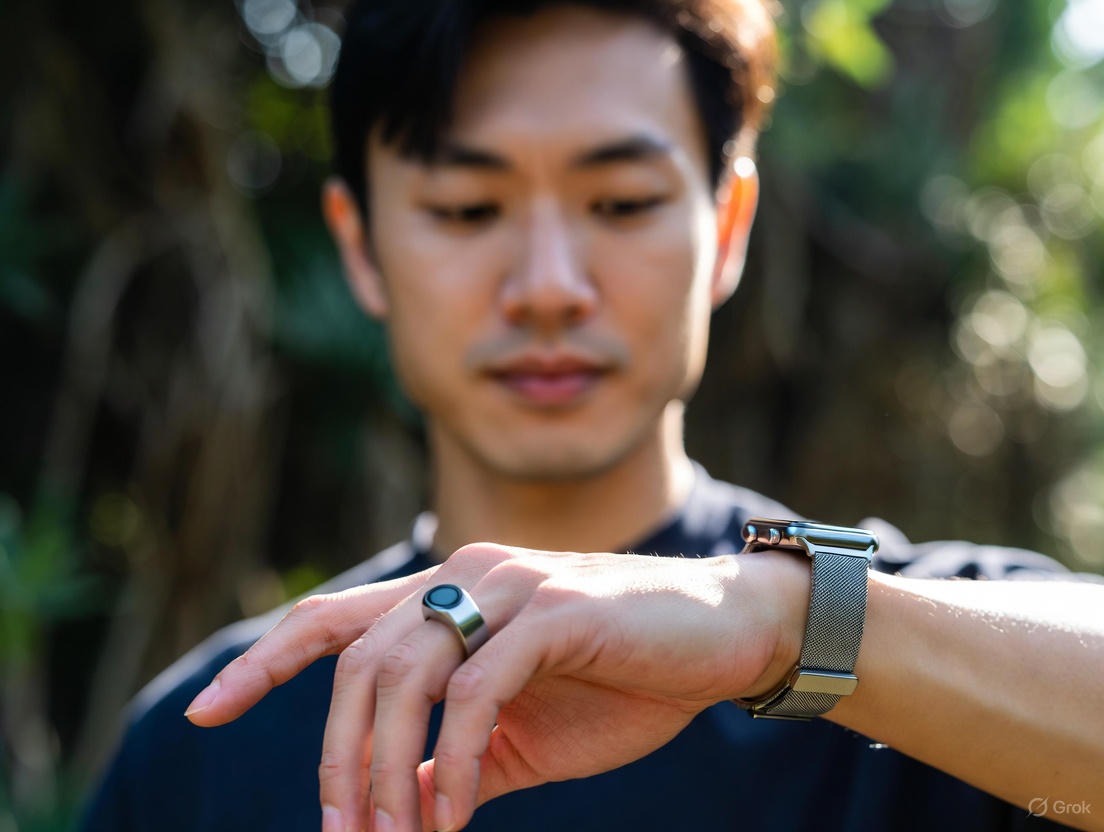
This guide is your blueprint for transforming recovery from an ambiguous concept into a measurable, manageable pillar of your wellness. We'll move beyond the basics of "listen to your body" into the realm of objective data, personalized insights, and actionable strategies. You'll learn how to track the multifaceted layers of recovery—from physiological readiness and sleep quality to the subtle impacts of daily stress and nutrition. We'll explore how modern technology, particularly accessible devices like the smart ring from Oxyzen, is revolutionizing our ability to peer inside that black box and make informed, daily decisions that accelerate healing, boost performance, and enhance longevity.
This journey is about more than avoiding fatigue; it's about unlocking your body's full potential for resilience, vitality, and sustained well-being. It’s about moving from pushing harder to recovering smarter.
Why Tracking Recovery is the Missing Link in Your Wellness Journey
We live in a culture that glorifies the grind. "No days off" is a badge of honor, and busyness is often mistaken for productivity. This mindset has seeped into our approach to health, creating a dangerous imbalance. We meticulously track our outputs—calories burned, weights lifted, miles run—while largely ignoring the critical inputs that allow those outputs to continue and improve. This is like driving a high-performance car while never checking the oil, tire pressure, or engine temperature. Eventually, it will break down.
Recovery tracking is the essential feedback loop that closes this gap. It provides the data you need to answer fundamental questions:
Am I ready to perform at my best today? Or should I adjust my training intensity?
Is my sleep truly restorative? How many times did my sleep cycle restart last night?
How is my daily stress impacting my body's ability to repair? Is my nervous system stuck in "fight or flight"?
What lifestyle factors (e.g., alcohol, late meals, intense workdays) most derail my recovery?
Without this data, you're flying blind. You might push through a workout when your body is pleading for rest, increasing injury risk. You might blame a plateau on your training program when the real culprit is chronically poor sleep. You might not connect that extra glass of wine with your elevated resting heart rate and sluggishness the next morning.
Tracking recovery transforms wellness from a generic, one-size-fits-all concept into a personalized science. It empowers you to:
Prevent Overtraining and Burnout: Identify the early warning signs of accumulated fatigue before they manifest as injury, illness, or mental exhaustion.
Optimize Performance: Align your hardest training days with periods of high physiological readiness, ensuring you get the maximum return on your effort.
Enhance Sleep Quality: Move beyond just tracking duration to understanding sleep stages, disturbances, and overall efficiency. For a deep dive into actionable strategies, explore our post on 50 Healthy Aging Tips a Smart Ring Helps You Implement Daily.
Build Resilience: Understand your personal stress patterns and learn which activities (meditation, walking, breathing exercises) most effectively bring your nervous system back into balance.
The ultimate goal is to shift your mindset from recovery as a passive downtime to recovery as an active, strategic component of your health. It's the investment that yields compounding returns in energy, mood, and physical capability.
The Pillars of Body Recovery: What Are We Actually Measuring?
True recovery is not a single metric but a symphony of interconnected physiological processes. To track it effectively, we must understand its core pillars. Think of these as the vital signs of your body's repair and readiness system.
1. Sleep: The Cornerstone of Recovery This is non-negotiable. During deep sleep (slow-wave sleep), growth hormone is released, facilitating tissue repair and muscle growth. REM sleep is crucial for cognitive recovery and memory consolidation. Tracking sleep isn't just about logging 8 hours; it's about assessing quality: the balance of stages, the number of awakenings, and overall efficiency. A device that can monitor these stages continuously, like a comfortable smart ring worn overnight, provides a far richer picture than a simple sleep diary. Understanding the fundamentals of how these devices track you is key, which we cover in our guide on Wellness Ring Basics: Continuous vs. Periodic Monitoring.
2. Cardiovascular Readiness (Heart Rate Variability - HRV) HRV is arguably the most insightful metric for tracking your autonomic nervous system (ANS) balance. It measures the subtle variations in time between each heartbeat. A higher HRV generally indicates a more resilient, recovered state where your "rest and digest" (parasympathetic) system is dominant. A lower-than-normal HRV can be a sign of physical stress, inadequate recovery, or illness. Tracking HRV trends over time, especially your morning "baseline," gives a direct readout of your body's physiological stress load.
3. Resting Heart Rate (RHR) Your heart rate at complete rest is a simple but powerful indicator. A well-recovered body typically has a lower RHR. An elevated RHR (compared to your personal baseline) can signal fatigue, dehydration, the onset of illness, or residual stress from training or life.
4. Body Temperature Basal body temperature and its subtle nightly fluctuations offer clues about metabolic health, menstrual cycle phases (for women), and even the onset of infection. Continuous temperature sensing can detect these minor shifts that you'd never feel consciously.
5. Activity & Strain Balance Recovery doesn't exist in a vacuum; it's in constant dialogue with your activity. Tracking daily movement, exercise strain, and calories burned provides the necessary context. The goal is to balance your daily "stress" (physical, mental, emotional) with adequate "recovery" resources.
6. Subjective Feelings (The Qualitative Layer) No sensor can replace human perception. How do you feel? Tracking your energy levels, mood, muscle soreness, and motivation alongside objective data creates a holistic picture. Often, your subjective feelings will align with the data, validating your observations. When they don't, it's a fascinating opportunity to investigate further.
Modern tools like advanced wellness rings elegantly consolidate these pillars into a single, wearable device. They gather data from multiple sensors (optical heart rate, temperature, accelerometer) and synthesize it into intuitive scores and insights, taking the guesswork out of the equation. To understand the hardware that makes this possible, read about the Science Behind Modern Health Tracking Technology.
Setting Your Baseline: The Critical First Step in Recovery Tracking
You cannot measure progress or interpret deviations if you don't know your starting point. Establishing a personal baseline is the most crucial, and most often skipped, step in the recovery-tracking journey. Your baseline is your unique physiological fingerprint—what "normal" looks like for you.
Trying to compare your HRV of 45 ms to someone else's 80 ms is meaningless. The woman with a natural RHR of 58 has a different baseline than the man with a natural RHR of 48. The goal isn't to hit a universal number; it's to understand your own ranges and identify meaningful changes from your personal norm.
How to Establish an Accurate Baseline:
Choose a Consistent Monitoring Window: The gold standard for recovery metrics is a consistent, morning reading, taken shortly after waking, before coffee, food, or significant movement. This provides a "clean" snapshot of your body's state after a night of intended recovery, before the day's stresses begin.
Commit to a Data Collection Period: Your baseline isn't established in a day. Aim for a minimum of two weeks of consistent tracking under relatively "normal" life conditions—not during a vacation or an exceptionally high-stress period. This gives you a reliable average for key metrics like Morning HRV, RHR, and sleep duration.
Record Contextual Notes: Use a journal or app notes to log subjective feelings and lifestyle factors. Note your sleep quality (subjectively), stress levels, any alcohol consumption, late workouts, or meals. This context will later help you explain anomalies in your data.
Look for Trends, Not Single Data Points: Don't panic over one day of low HRV or high RHR. Your baseline is a range. Look at the moving 7-day average to see the true trend. Is your average HRV slowly drifting upward (a sign of improving resilience)? Is your RHR creeping higher over two weeks (a potential warning sign)?
Example of Baseline in Action: Sarah establishes her baseline over two weeks. She learns her average morning HRV is 52 ms (range 45-65), her RHR is 60 bpm (range 57-63), and she averages 7 hours and 20 minutes of sleep with 18% deep sleep. One Tuesday, her HRV reads 42 ms and her RHR is 66 bpm. Instead of ignoring it or worrying, she checks her notes. She remembers she had a hard interval session the evening before and a difficult conversation with a client late in the day. The data, in context, makes perfect sense. Her body is signaling it needs a lighter day. This is intelligent, responsive self-care.
By establishing your baseline, you transform raw data into personal intelligence. You become the expert on your own body's language. For a practical guide on getting this set up with your device, our blog on Wellness Ring Basics: Making the Perfect Purchase Decision for Beginners includes steps for a successful start.
The Modern Toolkit: From Wearables to Wellness Journals
Gone are the days when tracking recovery required a lab coat and expensive equipment. Today's toolkit is accessible, user-friendly, and powerful. It blends cutting-edge technology with timeless reflective practices.
The Quantitative Powerhouse: The Smart Wellness Ring Leading the charge in discreet, continuous recovery tracking is the smart ring. Devices like the one offered by Oxyzen represent a significant leap forward. Worn 24/7, they provide unparalleled insight due to their ideal placement on the finger.
Why the Finger? The finger has a rich capillary network, allowing for strong, consistent optical sensor readings for heart rate and HRV. It’s less prone to motion artifacts during sleep than a wristband, leading to more accurate sleep stage detection.
Continuous, Unobtrusive Monitoring: Unlike a chest strap you only wear for workouts or a watch you might take off to charge, a ring is designed to be worn constantly, building a seamless, comprehensive data story of your day and night.
Key Metrics Delivered: A sophisticated wellness ring will provide nightly sleep scores (with stage breakdown), a daily readiness/recovery score (synthesizing HRV, RHR, sleep, and temperature), activity tracking, and period predictions (for women). It turns complex physiological data into simple, actionable scores.
The Qualitative Companion: The Digital or Analog Journal Technology tells you the "what," but your journal helps explain the "why." Pair your wearable data with a simple daily log.
What to Track: Energy levels (1-10), mood, perceived stress, muscle soreness, diet highlights (e.g., "heavy meal late," "extra sugar"), alcohol intake, caffeine timing, and workout perceived exertion.
The Power of Correlation: After a few weeks, you can start to see powerful patterns. Maybe you notice your "readiness score" consistently drops 20% after nights where you have even one glass of wine. Or perhaps your deep sleep percentage soars on nights you finish eating 3 hours before bed. This is where true personalization begins.
Supporting Apps for Mindfulness and Stress Recovery isn't just physical; it's mental. Apps for guided meditation, breathwork, or calming audio can be tracked as "recovery activities" in your journal. Note when you use them and observe their impact on your subsequent HRV or sleep data.
The Holistic System The most effective approach is a synergistic system. Your smart ring collects objective physiological data passively. You spend 2 minutes each morning recording your subjective state and reviewing your scores. You use that combined insight to make intentional choices for the day ahead. This creates a virtuous cycle of awareness, action, and adaptation. To see how real users have integrated this system into their lives, browse our collection of Real Customer Reviews and User Experiences.
Decoding Your Data: How to Interpret Recovery Scores and Metrics
Data is just numbers until you learn to interpret its story. Let's break down the common metrics and scores you'll encounter and what they truly mean for your daily decisions.
The Readiness/Recovery Score (The Executive Summary) Most advanced platforms boil down your key metrics into a single score (often out of 100). This is your daily "green light, yellow light, red light."
High Score (e.g., 80-100): Your body signals "full systems go." Physiological metrics are at or above your baseline. This is an ideal day for a challenging workout, a big presentation, or tackling demanding projects.
Moderate Score (e.g., 50-79): Your body signals "proceed with caution." Some metrics are sub-optimal. Consider a moderate-intensity workout, a focus on technique over load, or incorporating more deliberate recovery practices.
Low Score (e.g., Below 50): Your body signals "prioritize repair." Multiple metrics are significantly off baseline. This is a day for genuine rest: gentle movement like walking, yoga, or stretching, prioritizing sleep, managing stress, and proper nutrition. Ignoring a low score repeatedly is an invitation to overtraining.
Sleep Score Breakdown Don't just look at the overall number. Dive into the components:
Sleep Duration: Are you consistently hitting your personal need? (It's not always 8 hours).
Sleep Efficiency: What percentage of time in bed were you actually asleep? A low score here suggests frequent awakenings or trouble falling asleep.
Sleep Stages: Look at the balance. Consistently low deep sleep can hinder physical repair. Consistently low REM can impact mood and memory. The blog on Wellness Ring Basics: Activity & Movement Tracking also touches on how activity timing influences these stages.
Restfulness: How many times did you wake up or toss and turn? This can be impacted by temperature, alcohol, stress, or sleep environment.
The HRV & RHR Tango These two metrics should be analyzed together, often in trend view.
Ideal Scenario: HRV trend is stable or gradually rising. RHR trend is stable or gradually falling. This indicates positive adaptation and good recovery.
Warning Sign: HRV trend is declining while RHR trend is rising. This is a classic signature of accumulating stress and inadequate recovery. It's your body's most direct request for you to pull back.
Body Temperature Trends For women, tracking basal body temperature is invaluable for understanding menstrual cycle phases, which profoundly impact recovery needs and performance capacity. A sustained elevation can also be one of the earliest signs of impending illness or infection, allowing you to rest preemptively.
Making It Actionable: Each morning, follow this simple routine:
Check your Readiness Score: Get your overall directive.
Review the Contributing Factors: Was it low sleep? Low HRV? High RHR?
Correlate with Your Journal: "Ah, my sleep was restless. I noted I had a huge dinner at 9 PM. That's likely the cause."
Make Your Plan: "My score is low. I'll swap my HIIT class for a lunchtime walk and a yoga session. I'll also commit to finishing dinner by 7 PM tonight."
This process turns data into wisdom and wisdom into empowered action. For more on how this data can guide specific health goals, see our article on How Wellness Rings Support Different Health Goals.
Sleep: Moving Beyond Duration to True Quality Tracking
We've all heard the mantra "get 8 hours of sleep." But what if you sleep for 8 hours and still wake up exhausted? Duration is only one piece of the recovery puzzle. The architecture of your sleep—the cyclical journey through light, deep, and REM stages—is where restoration happens. Tracking sleep quality is about auditing this architecture.
The Four Stages of Sleep and Their Recovery Roles:
Light Sleep (Stages N1 & N2): This is the gateway to sleep, making up about 50-60% of the night. It's important for memory consolidation and physical relaxation. Too much light sleep (and not enough deep/REM) can result in non-restorative sleep.
Deep Sleep (Slow-Wave Sleep): This is the physical restoration powerhouse. During deep sleep (about 10-25% of the night), blood flow to muscles increases, tissue growth and repair occur, growth hormone is released, and the immune system is strengthened. If you're physically sore or training hard, your body will crave and prioritize deep sleep.
REM Sleep: This is the mental and emotional recovery phase (about 20-25% of the night). The brain is highly active, processing emotions, consolidating memories, and fostering learning. Lack of REM sleep can lead to brain fog, poor mood, and difficulty with complex tasks.
A healthy sleep cycle repeats these stages every 90-120 minutes, multiple times per night. Disruptions—from noise, light, alcohol, or sleep apnea—can fragment these cycles, robbing you of crucial deep and REM periods even if your total time in bed is adequate.
How to Track and Improve Sleep Quality:
Use a Device that Tracks Stages: A wellness ring or advanced watch can show you your sleep stage timeline. Look for consistency in the cycles.
Monitor Your Sleep Latency: The time it takes to fall asleep. Ideally, this is under 20 minutes. Consistently longer times may indicate poor sleep hygiene or elevated evening stress.
Track Your Awakenings: How many times does your data show you were awake or restless? More than a few brief awakenings can impact sleep continuity. Note what might cause them (partner, pets, noise, temperature).
The Power of Consistency: The single biggest lever for sleep quality is a consistent sleep and wake time, even on weekends. This regulates your body's internal clock (circadian rhythm), making it easier to fall asleep and progress smoothly through cycles.
Correlate with Lifestyle: Use your journal. See how late caffeine, evening screen time, alcohol consumption (which suppresses REM sleep), or late heavy meals affect your deep sleep percentage and restfulness score.
Actionable Insight Example: Mark notices his sleep score is often poor on Thursday mornings. Reviewing his data, he sees his deep sleep is consistently lower on Wednesday nights. Checking his journal, he sees a pattern: he has a weekly Wednesday night social sports league, often has a beer afterward, and gets to bed later. The combination of later bedtime, alcohol, and possibly residual physical arousal from the game is sabotaging his deep sleep. His action plan: limit to one beer, implement a 20-minute calming routine when he gets home, and aim for lights out 30 minutes earlier.
By tracking beyond duration, you gain the specific insights needed to engineer a truly restorative night's sleep, every night.
Heart Rate Variability (HRV): Your Nervous System's Honest Messenger
If you only track one advanced recovery metric, let it be Heart Rate Variability. HRV is the ultimate biofeedback tool, offering a real-time window into the balance of your autonomic nervous system (ANS)—the unconscious control center regulating your heartbeat, digestion, respiration, and stress response.
Understanding the ANS Balance:
Sympathetic Nervous System (SNS): "Fight or Flight." Activated by stress, exercise, and excitement. Increases heart rate, blood pressure, and alertness.
Parasympathetic Nervous System (PNS): "Rest and Digest." Promotes relaxation, recovery, digestion, and healing. Slows the heart rate.
Your heart is constantly receiving signals from both systems. HRV measures the outcome of this tug-of-war. A high HRV indicates a strong, resilient PNS influence and a body that is relaxed, recovered, and adaptable. A low HRV indicates SNS dominance, meaning your body is under stress—whether from a hard workout, emotional anxiety, illness, or poor sleep.
How to Track HRV Effectively:
Consistency is Paramount: Measure at the same time each day. The morning reading, taken after waking (before getting out of bed if possible) is the gold standard. This captures your body's state after a night of recovery, free from the day's activities.
Look at Long-Term Trends: A single low reading is not a cause for alarm—it could be a hard previous day. The power of HRV is in the trend. A gradual upward trend over weeks or months suggests you're building resilience. A sustained downward trend is a clear signal to reduce stress and prioritize recovery.
Establish Your Personal Range: Your HRV is unique. Genetics, age, and fitness level all play a role. A "good" HRV for you might be 40ms, while for another it's 100ms. Focus on changes from your normal.
Contextualize the Data: Always pair your HRV reading with notes. Was yesterday's workout brutal? Are you dealing with a work deadline? Did you sleep poorly? This context explains the "why" behind the number.
Using HRV to Guide Daily Decisions:
HRV at or Above Baseline + High Readiness Score: Green light for intense training or high cognitive load.
HRV Moderately Below Baseline: Yellow light. Consider a lighter, skill-based session, or focus on active recovery. Be mindful of other stressors.
HRV Significantly & Consistently Below Baseline: Red flag. Prioritize rest, sleep, nutrition, and stress-management techniques like meditation or gentle walking. Forcing intense training here can be counterproductive.
HRV teaches you that not all stress is bad—it's the stimulus for growth. The problem is unmanaged, chronic stress without adequate recovery. HRV gives you the feedback to manage that balance. The evolution of being able to measure this easily is fascinating, as detailed in The Evolution of Health Tracking Technology: From Manual to Smart Rings.
The Impact of Lifestyle Stress: Tracking the Invisible Load
When we think of "stress" affecting recovery, we often think of grueling workouts. But the physical stress of exercise is just one channel. Your body processes all stress through the same physiological pathways: mental work deadlines, emotional relationship dynamics, financial worries, poor nutrition, and even over-scheduling your calendar. This is your total stress load, and it directly competes for your finite recovery resources.
Tracking recovery forces you to account for this invisible load. A high-stress workweek can leave you just as physiologically depleted as a week of hard training, even if you've been sedentary.
How to Track and Manage Lifestyle Stress:
Let Your Metrics Tell the Story: Your body doesn't distinguish between stress sources. A difficult conversation, a long commute in traffic, and a hard squat session can all manifest as an elevated evening heart rate, a lower morning HRV, and more fragmented sleep. When you see poor recovery metrics without a clear physical cause, look to lifestyle.
Log Your Subjective Stress: In your journal, rate your daily mental/emotional stress on a scale of 1-10. Note the primary sources (e.g., "work project deadline," "family tension").
Identify Your Stress Triggers and Buffers: Over time, you'll see patterns. Maybe client meetings consistently spike your stress, while a 20-minute walk in nature buffers it. Perhaps scrolling social media before bed correlates with worse sleep, while reading a book improves it.
Track "Recovery Activities" as Interventions: Don't just track bad stress; track positive recovery actions. Log when you meditate, take a nature walk, spend quality time with loved ones, engage in a hobby, or practice deep breathing. Then, observe their impact on your subsequent physiological data. You might find that a 10-minute meditation in the afternoon leads to a higher HRV reading the next morning.
The Concept of "Life Strain": Advanced recovery platforms are beginning to quantify this. By combining your physical activity data with your daily heart rate patterns (which elevate under mental stress), they can estimate your "total daily strain." This holistic view is revolutionary. It validates that sitting at a desk for 10 hours on a crisis-ridden project is physiologically taxing and should be balanced with deliberate recovery, not ignored because you "didn't work out."
Actionable Insight: David is training for a marathon. His training plan calls for a tough track session on Tuesday. He wakes up Tuesday, and his readiness score is in the red, with low HRV. He didn't workout Monday. Puzzled, he checks his log. On Monday, he had back-to-back-to-back meetings, skipped lunch, drank 5 cups of coffee, and worked late to finish a proposal. His lifestyle created a massive stress load that his body is now recovering from. Instead of forcing the track session and risking injury or illness, he wisely swaps it for an easy recovery run or a rest day.
By acknowledging and tracking lifestyle stress, you create a truly holistic recovery plan. You learn to "spend" your recovery capital wisely, ensuring you have enough in the bank for the things that truly matter. To understand how this data-driven approach is changing healthcare, read about How Health Tracking Technology Changed Preventive Medicine.
Nutrition & Hydration: Fueling the Recovery Engine
You cannot out-recover a poor diet. While sleep and nervous system balance set the stage, nutrition provides the literal building blocks for repair. Every cell, hormone, and enzyme involved in recovery relies on specific nutrients. Tracking your intake isn't about obsessive calorie counting; it's about ensuring your recovery engine has the right fuel and building materials at the right time.
Macronutrients: The Recovery Triad
Protein: The Chief Repair Mechanic
Role: Provides amino acids, the essential components for rebuilding muscle tissue damaged during exercise, synthesizing hormones and enzymes, and supporting immune function.
Tracking Focus: Are you consuming enough high-quality protein throughout the day? Aim for a consistent intake across meals (e.g., 20-40g per meal) rather than one massive dose. Post-workout protein is crucial, but daily total intake is more important for sustained recovery. Use your journal to note protein sources at each meal.
Carbohydrates: The Energy Replenisher
Role: Restore muscle and liver glycogen (stored energy). This is especially critical after endurance or high-volume training. Carbs also help shuttle nutrients into cells and play a role in serotonin production, influencing sleep and mood.
Tracking Focus: Timing and type. Are you consuming adequate carbs around your training sessions to fuel performance and kickstart replenishment? Are your carbs primarily from whole, fiber-rich sources (vegetables, fruits, whole grains) that support gut health and stable energy, or from refined sugars that may cause inflammation and energy crashes?
Fats: The Hormone Regulator & Anti-Inflammatory Agent
Role: Essential for the production of steroid hormones (like cortisol and sex hormones), reducing systemic inflammation, and absorbing fat-soluble vitamins (A, D, E, K).
Tracking Focus: Quality and balance. Are you including healthy anti-inflammatory fats (avocado, olive oil, nuts, seeds, fatty fish) while minimizing processed trans fats and excessive inflammatory seed oils?
Micronutrients & Hydration: The Essential Support Crew
Electrolytes (Sodium, Potassium, Magnesium): Critical for nerve function, muscle contractions, and fluid balance. Sweat loss depletes electrolytes, which can impede recovery, cause cramping, and disrupt sleep (magnesium, in particular, is a natural muscle relaxant).
Antioxidants (Vitamins C, E, etc.): Combat exercise-induced oxidative stress, which is a natural byproduct of metabolism but can delay recovery if excessive.
Zinc & Vitamin D: Play vital roles in immune function and protein synthesis.
Hydration: Water is the medium for every metabolic process. Even mild dehydration (as little as 2% body weight loss) can significantly increase physiological stress, elevate heart rate, reduce blood volume, and impair cognitive and physical performance.
How to Track Nutrition for Recovery (Without Driving Yourself Crazy):
The Qualitative Log: For most, detailed logging is unsustainable. Instead, practice mindful tracking. Each day, briefly note:
Hydration: "Drank 3L of water, felt good." vs. "Only had coffee and one glass of water until 4 PM, felt foggy and headachy."
Meal Timing: "Finished dinner 3 hours before bed, slept great." vs. "Ate a large meal right before bed, slept restlessly."
Food Quality & Feelings: "Lunch was a big salad with salmon, felt sustained energy all afternoon." vs. "Grabbed a fast-food burger and fries, felt sluggish and bloated for hours."
Alcohol & Caffeine: Log them! Note quantity and timing. Observe their correlation with your sleep scores and morning readiness over the next week.
Use Your Biomarkers: Your recovery metrics are a direct feedback loop for your nutrition.
Elevated Morning RHR? Could be dehydration, inflammation from poor food choices, or lingering stress from alcohol.
Low HRV? Could be linked to inadequate fueling for your activity level, nutrient deficiencies, or digestive stress from certain foods.
Poor Sleep Efficiency? Strongly correlate with late meals, alcohol, or high sugar intake before bed.
Periodic Deep Dives: Consider a more detailed food log for 3-7 days every few months, or when you're troubleshooting persistent low recovery scores. This can reveal hidden patterns, like a sensitivity to dairy or gluten that manifests as low-grade inflammation and fatigue.
The goal is to move from seeing food as just calories to understanding it as information and infrastructure for your body's repair system. For more on how technology can guide these daily habits, our article on How Wellness Rings Help Build Healthy Habits offers useful strategies.
Creating Your Personalized Recovery Protocol: From Data to Action
Data is passive. A protocol is active. This is where you synthesize all your tracking—sleep scores, HRV trends, lifestyle stress logs, and nutritional notes—into a dynamic, living plan that guides your daily choices. A personalized recovery protocol is your playbook for responding to your body's signals.
Step 1: Define Your Recovery "Green, Yellow, Red" Zones Based on your baseline and tracked data, create clear directives for each state.
Recovery Focus: Proactive maintenance. Don't neglect basics just because you feel good. Prioritize sleep hygiene, nutritious meals, and short stress-buffering activities (e.g., 5-minute breathing exercises) to stay in the green.
Yellow Zone (Readiness Score: Moderate):
Action: Modify. Swap high-intensity interval training for steady-state cardio or a technique-focused strength session. Delegate non-essential tasks. Keep social engagements low-key.
Recovery Focus: Active restoration. Increase deliberate recovery practices. This might mean adding 10 minutes of meditation, scheduling a mobility or foam rolling session, ensuring an extra 30 minutes of sleep, or committing to a calming evening routine without screens.
Red Zone (Readiness Score: Low):
Action: Minimize stress. Cancel intense training in favor of very gentle movement (walking, light stretching) or complete rest. Say "no" to optional obligations. Simplify your day.
Recovery Focus: Strategic intervention. This is damage control and deep repair. Prioritize sleep above all else. Consider techniques like:
Vagus Nerve Stimulation: Humming, deep diaphragmatic breathing (e.g., 4-7-8 technique), cold exposure (a brief cold shower).
Gentle Movement: A slow 20-minute walk in nature.
Nutritional Support: Focus on anti-inflammatory, nutrient-dense foods; ensure ample hydration and electrolytes.
Digital Detox: Severely limit screen time, especially before bed.
Step 2: Build Your Recovery Toolkit Identify 2-3 go-to practices for each category that you know work for you. Your data will help you find them.
For Physical Recovery: Foam rolling, dynamic stretching, yoga, massage, compression garments, contrast water therapy.
For Mental/Neurological Recovery: Meditation, breathwork, reading fiction, spending time in nature, engaging in a creative hobby.
For Social/Emotional Recovery: Meaningful connection with a loved one (without distractions), laughing, volunteering, pet therapy.
Step 3: Implement the "Recovery Pivot" This is the core habit. Each morning, you check your data (Readiness Score, sleep breakdown). You then consciously pivot your planned day based on that data. This flexible, responsive approach is far more effective than rigidly sticking to a plan that ignores your body's current state.
Example Protocol in Practice: Maria's baseline morning HRV is 65 ms. Her protocol states:
HRV > 60 ms (Green): Proceed with her planned 5-mile tempo run.
HRV 50-60 ms (Yellow): Pivot tempo run to a 3-mile easy run + 15 minutes of yoga.
HRV < 50 ms (Red): Pivot run to a 30-minute walk. Schedule a 20-minute nap or meditation session in the afternoon.
By having this protocol written down, she removes decision fatigue and emotional guilt from "skipping" a workout. She is making a smarter, data-informed choice for long-term progress.
This level of personalization is the promise of modern wearables. To see how a device can be tailored to your unique physiology, check out our guide on Wellness Ring Basics: Personalizing for Your Body.
Overcoming Plateaus and Setbacks: When Progress Isn't Linear
The recovery journey is not a smooth, upward trajectory. There will be plateaus, frustrating dips, and unexpected setbacks. Illness, life events, travel, and hormonal shifts can all send your carefully tracked metrics into disarray. The key is not to avoid these disruptions—that's impossible—but to track through them and use the data to navigate back to baseline efficiently.
Interpreting the "Bad" Data:
The Sick Dip: This is a clear, and important, use case. Your metrics will often signal illness before you feel symptoms. A sustained elevated RHR, a plummeting HRV, and a higher nighttime body temperature are classic signs. When you see this pattern, your protocol should switch immediately to "Red Zone: Illness." This means prioritizing immune support (sleep, hydration, zinc, vitamin C) and absolute rest. Pushing through here is the fastest way to a prolonged setback. Tracking helps you see when you're truly returning to health.
The Life Stress Spike: A family crisis, a work deadline, or travel jet lag will crater your scores. This is normal. The goal isn't to maintain perfect scores during a hurricane; it's to manage the damage and observe your resilience. Use your recovery toolkit deliberately. After the event, track how long it takes for your metrics to return to baseline. This "rebound rate" is a measure of your resilience, which can improve over time.
The Unexplained Plateau: Your scores are stable but not improving. You feel stuck. This is a signal to investigate.
Sleep Quality: Has it become inefficient? Are you experiencing more awakenings?
Chronic Low-Grade Stress: Has a new, subtle stressor entered your life?
Nutritional Adequacy: Are you getting enough protein, carbs, and micronutrients for your current activity level?
Training Monotony: Has your body fully adapted to your routine? It may be time for a deload week or a change in stimulus.
The Strategic Deload: A "deload" is a planned period of reduced training volume or intensity, often integrated every 4-8 weeks. It's a proactive setback to drive long-term progress. Use your recovery tracker to inform your deload:
Planned Deload: Schedule it in your calendar. Reduce volume by 40-60%.
Reactive Deload: If your data shows a sustained downward trend in HRV and rising RHR for 5-7 days despite good sleep and nutrition, initiate a deload week immediately. Your body is asking for it. During a deload, continue tracking. You should see your HRV climb and RHR drop, confirming the need for and effectiveness of the reduced load.
The Mindset Shift: View setbacks not as failures, but as the most informative data points on your chart. They teach you about your boundaries, your triggers, and your capacity for resilience. The goal is not to have a perfect graph, but to understand the story your graph is telling and to become a better editor of that story over time. For inspiration on navigating the long-term wellness journey, our piece on 50 Healthy Aging Tips a Smart Ring Helps You Implement Daily is a great resource.
Integrating Technology: A Deep Dive into Smart Ring Sensors and Algorithms
To trust your data, it helps to understand how it's gathered. Modern wellness rings are feats of miniaturized engineering, packing clinical-grade sensors into a comfortable, everyday form factor. Let's demystify the technology that powers your recovery insights.
The Sensor Suite:
Photoplethysmography (PPG) Sensors: These are the primary optical heart rate sensors. They emit green and red LED light into the capillaries in your finger. Blood absorbs light, so changes in blood volume with each heartbeat alter the amount of light reflected back to the sensor. This allows the ring to detect each pulse, from which it derives:
Heart Rate (HR)
Heart Rate Variability (HRV) by measuring the precise time intervals between beats (the R-R interval).
Blood Oxygen Saturation (SpO2) by analyzing light absorption of oxygenated vs. deoxygenated blood.
3-Axis Accelerometer: This tiny motion sensor detects movement and orientation. It's crucial for:
Activity Tracking & Step Counting: Distinguishing between typing (minimal movement) and walking.
Sleep Detection & Stage Estimation: Different sleep stages have characteristic movement patterns. Deep sleep shows little to no movement, REM sleep shows small, rapid twitches, and awakenings show clear motion.
Workout Recognition: Identifying periods of sustained, rhythmic movement consistent with running, cycling, etc.
Skin Temperature Sensor: A highly sensitive thermistor measures the temperature at your skin's surface continuously. It tracks your relative temperature trends, not an absolute clinical fever. This is used to:
Detect Illness Onset: A sustained nighttime elevation above your personal norm.
Assess Readiness: Temperature dysregulation can be a sign of stress or poor recovery.
Battery & Connectivity: A small, efficient battery allows for 5-7 days of use. Bluetooth Low Energy (BLE) syncs data to your phone app seamlessly and efficiently.
The Intelligence: Algorithms and AI Raw sensor data is just a stream of numbers. The magic lies in the algorithms that interpret it.
Sleep Staging Algorithm: Takes motion (accelerometer) and heart rate/HRV (PPG) data and uses machine learning models trained on polysomnography (the clinical sleep study "gold standard") to predict sleep stages with high accuracy.
Recovery/Readiness Algorithm: This is the proprietary "secret sauce." It synthesizes multiple inputs—last night's sleep score, your morning HRV and RHR, temperature trend, and recent activity—and weights them to generate a single, easy-to-understand score. Advanced algorithms can learn your personal patterns over time, making their insights more personalized.
Activity Recognition Algorithm: Analyzes motion patterns to automatically detect and categorize activities like running, cycling, or swimming (for water-resistant models).
The Result: Clinical Insights, Consumer Accessibility This sensor-algorithm fusion brings insights that were once confined to sports labs or sleep clinics to your fingertip. It provides a 24/7 physiological monitoring system that is both passive (you don't have to do anything) and actionable. For a detailed explanation of how these components work together, delve into Health Tracking Technology: Sensors, Algorithms & AI Explained.
Choosing Your Device: What Matters? When selecting a wellness ring, consider:
Sensor Accuracy: Look for devices that use medical-grade PPG sensors and have published validation studies.
Algorithm Sophistication: The quality of the app and the insights matter as much as the hardware. Does it provide a useful Readiness Score? Does the sleep staging make sense?
Comfort & Battery Life: You must be willing to wear it constantly. A comfortable, low-profile design and long battery life are critical for adherence.
Data Privacy & Security: Ensure the company has a clear, transparent policy on how your sensitive health data is stored and used. Our commitment to this is outlined in Wellness Ring Basics: Privacy Settings & Data Security.
Building a Long-Term, Recovery-Centric Lifestyle
The final stage of this journey is integration. Tracking shouldn't feel like a separate chore; the insights should naturally weave into the fabric of your daily life, shaping your habits, choices, and self-awareness. This is about evolving from someone who tracks recovery to someone who lives in a state of enhanced recovery.
From Monitoring to Autopilot: Initially, you check your scores diligently and consciously pivot. Over time, as you internalize the cause-and-effect relationships, many behaviors become automatic.
You naturally finish eating earlier because you've seen the sleep data.
You reach for a glass of water instead of a second coffee because you recognize the signs of dehydration in your metrics.
You schedule your most demanding work for the morning after a "green" sleep score without even thinking about it.
You feel the early signs of stress and take three deep breaths, knowing it will help your nervous system and your tomorrow's HRV.
The Evolving Relationship with Data:
Phase 1 (Weeks 1-4): Discovery & Awareness. You're fascinated by the data, checking it constantly, learning your baselines and seeing clear correlations.
Phase 2 (Months 2-4): Integration & Experimentation. You use the data to test hypotheses. "If I meditate for 10 days straight, does my average HRV improve?" "If I cut out alcohol on weeknights, how does my sleep score change?"
Phase 3 (Months 5+): Reference & Maintenance. You no longer need to check the app every morning. You might glance at it a few times a week to ensure you're on track, or dive in deeply when you feel "off" or are preparing for a specific event. The data becomes a trusted reference tool, not a daily report card.
Prioritizing Consistency Over Perfection: A recovery-centric lifestyle is not about never having a late night, a stressful day, or an indulgent meal. It's about maintaining a high baseline of healthy habits so that when life happens (and it will), your system is resilient enough to handle the disruption and bounce back quickly. The 80/20 rule applies perfectly here: if 80% of your choices support recovery, the 20% that don't will have a minimal, manageable impact.
Expanding the Vision: Recovery for Longevity This journey ultimately transcends performance. It's about healthspan—the number of years you live in good health. The same principles that help you recover from a workout (managing inflammation, supporting cellular repair, optimizing sleep, balancing the nervous system) are the fundamental pillars of slowing aging and preventing chronic disease.
Consistently good sleep is linked to reduced risk of Alzheimer's and cardiovascular disease.
High HRV is associated with longevity and better emotional regulation.
Managing chronic stress directly lowers the risk of numerous ailments.
By mastering recovery tracking now, you're not just optimizing your next workout; you're investing in a more vibrant, resilient, and healthy future. This is the core of How Health Tracking Technology Enables Personalized Wellness—a truly preventative, personalized approach to lifelong health.
Advanced Tracking: Correlating Data for Deeper Insights
Once you’ve mastered the fundamentals of tracking individual metrics, the next level of sophistication lies in correlation. This is where you move from observing isolated data points to understanding the complex interplay between different systems in your body. By cross-referencing metrics, you can uncover the root causes of patterns and tailor your interventions with surgical precision.
The Power of Cross-Metric Analysis:
Sleep + HRV + Activity Correlation:
The Pattern: You log a hard strength training session in the evening. The next morning, your sleep data shows an increase in deep sleep percentage, but your HRV is lower than usual.
The Insight: This is a classic and healthy pattern. The intense physical stress created a strong drive for physical repair, which your body addressed by prioritizing deep sleep. The lower HRV reflects the lingering metabolic cost of that repair process. It signals that while repair is underway, your system is still under load. This correlates perfectly with the need for a "Yellow Zone" day—perhaps focusing on light activity and mobility to promote circulation without adding new stress.
RHR + Temperature + Subjective Feeling Correlation:
The Pattern: Your morning RHR is elevated by 5-7 bpm above your baseline for two days. Your nightly temperature trend also shows a slight but sustained increase. Subjectively, you note in your journal that you feel "rundown" but not yet sick.
The Insight: This is your early-warning system for illness, often detectable 24-48 hours before symptoms hit. The elevated RHR and temperature indicate your immune system is activating, creating an inflammatory response. This immediate "Red Zone" signal allows you to preemptively rest, hydrate, and bolster your immune system, potentially shortening the illness's duration or preventing it altogether.
Stress Log + Sleep Restlessness Correlation:
The Pattern: Your sleep tracking shows a night with high "restlessness" and multiple awakenings. Scrolling back through your day’s log, you had noted a high subjective stress score due to a work conflict.
The Insight: Mental and emotional stress doesn't end when you close your eyes. It manifests as a hyper-aroused nervous system, disrupting sleep architecture and preventing you from sinking into the restorative deep and REM stages. This correlation validates the need for a wind-down routine—like the breathing exercises discussed in our guide on Wellness Ring Basics: Enabling Preventive Health Monitoring—to transition your nervous system into a state conducive to sleep.
Creating Your Own Correlation Experiments: Become a scientist of your own body. Form hypotheses and test them.
Experiment: "If I stop consuming caffeine after 2 PM for two weeks, my sleep latency (time to fall asleep) will decrease."
Track: Maintain your normal sleep hygiene. Use your journal to strictly log caffeine timing. Observe the "Sleep Latency" metric in your app over the two-week period.
Experiment: "If I add a 10-minute meditation session before bed, my HRV will be higher the following morning compared to nights I don’t meditate."
Track: Log your meditation practice. Compare your morning HRV readings on "meditation days" vs. "non-meditation days" over a month.
These personalized experiments move you from generic advice ("meditation is good") to data-backed, personal truth ("My HRV improves by an average of 8% when I meditate before bed").
The Role of Community and Expert Guidance
While personal data is powerful, it doesn't exist in a vacuum. Interpreting complex patterns, navigating plateaus, and staying motivated can be enhanced by connecting with others and seeking expert insight.
Leveraging Community for Motivation and Normalization:
Shared Challenges: Online communities centered around specific wellness platforms (like Oxyzen) allow users to share experiences. Seeing others post about their "recovery dip" after a vaccine or during a stressful work week normalizes your own experience and reduces anxiety.
Tips and Tricks: Communities are hotbeds for practical advice. You might learn a novel way to improve sleep from another user’s experiment or discover a new recovery activity you hadn’t considered.
Accountability: Sharing goals within a supportive community can boost adherence to your recovery protocol.
When to Seek Expert Interpretation: Your smart ring and journal provide phenomenal data, but they are not diagnostic tools. There are times when professional guidance is essential.
Persistent, Unexplained Red Zones: If your recovery metrics are chronically low for weeks despite adequate sleep, good nutrition, and managed stress, it may be time to consult a healthcare professional. This data can be invaluable to them, providing an objective record of your physiological state over time. Share your trends with a doctor, functional medicine practitioner, or sports physiologist.
Navigating Specific Health Goals: A registered dietitian can use your activity and recovery data to fine-tune your nutrition. A physical therapist or coach can use your readiness scores to periodize your training more effectively, preventing overtraining.
Understanding Clinical Insights: Some patterns in your data, like significant sleep disturbances (potential sleep apnea) or extreme HRV fluctuations, should be discussed with a doctor. Your wearable provides a compelling reason to start that conversation. For more on how this data is used in professional settings, see How Health Tracking Technology is Being Used in Hospitals.
The Value of Professional-Grade Analysis: Some advanced platforms offer subscriptions that include access to health coaches or AI-driven analysis that goes beyond the app’s basic scores. These services can:
Identify subtle, long-term trends you might miss.
Provide context from a broader population dataset.
Offer personalized, actionable recommendations based on your unique data confluence.
Blending your self-tracked data with community wisdom and expert insight creates a robust support system for your recovery journey, ensuring you’re never interpreting your data in an echo chamber. Reading about Doctors' Perspectives on the Most Useful Wellness Ring Features can further illuminate this professional viewpoint.
The Future of Recovery Tracking: What’s on the Horizon?
The technology that gives us today’s readiness scores and sleep stages is rapidly evolving. The future of recovery tracking points towards even more seamless integration, predictive analytics, and a holistic understanding of health. Understanding this trajectory helps us appreciate the tools we have today and anticipate the even more powerful insights tomorrow will bring.
1. Non-Invasive Blood Biomarkers: The next frontier is moving beyond heart rate and movement to tracking blood chemistry without a needle prick. Emerging research in spectroscopic sensors (using light to analyze blood composition) aims to allow wearables to estimate:
Blood Glucose Trends: Understanding how diet impacts your energy and recovery on a metabolic level.
Lactate Levels: For athletes, real-time lactate monitoring could optimize training zones and recovery needs.
Electrolyte Status: Direct monitoring of sodium, potassium, and magnesium levels to guide hydration and nutrition precisely.
Inflammatory Markers: Tracking cortisol or C-reactive protein (CRP) trends to quantify stress and inflammation load objectively.
2. Advanced Nervous System Mapping: Future devices may move beyond HRV as a summary metric to provide a more detailed breakdown of autonomic nervous system (ANS) activity. This could differentiate between sympathetic drive from emotional stress versus physical stress, allowing for even more targeted interventions (e.g., "Your data suggests mental fatigue; a walk in nature is recommended over a nap").
3. Predictive AI and True Prevention: With longer datasets and more sophisticated AI, recovery platforms will shift from being descriptive (telling you what happened) to being predictive and prescriptive.
Predictive: "Based on your current stress load and sleep debt, there is an 85% probability you will catch a common cold in 3 days if you do not adjust."
Prescriptive: The AI doesn’t just flag a problem; it generates a customized micro-protocol: "To avoid predicted immune suppression, we recommend: 1) An extra 45 minutes of sleep tonight, 2) A 20-minute meditation at 4 PM, 3) Incorporate ginger and garlic into your dinner, and 4) Reschedule tomorrow’s intense workout for a gentle walk."
4. Full-Body Integration and Environmental Sensing: The ring or watch will not work in isolation. It will be part of an ecosystem:
Smart Clothing: Sensing muscle load, hydration through sweat.
Home Environment Sync: Your ring will communicate with your smart thermostat to optimize bedroom temperature for your sleep stage, or with lights to simulate sunrise at the optimal point in your sleep cycle.
Continuous Health Snapshot: Seamless integration with other health apps and electronic medical records, providing a unified, continuous health snapshot to you and your care team.
This future, where technology provides a deeply personalized, predictive, and proactive health management system, is closer than we think. It represents the ultimate fulfillment of the promise of preventive health. Explore the possibilities in our forecast, Health Tracking Technology in 2025: What’s Possible?.
Putting It All Together: Your Personalized Recovery Tracking Checklist
This guide has covered extensive ground. To help you implement this system, here is a actionable checklist to launch and maintain your recovery tracking journey.
Phase 1: Foundation (Weeks 1-2)
Acquire Your Tools: Choose a primary tracking device (like a wellness ring from Oxyzen) and decide on a journaling method (app or notebook).
Establish Baseline: Wear your device consistently. For 14 days, record morning metrics (HRV, RHR) and nightly sleep without trying to "optimize" anything. Live your normal life.
Journal Context: Each morning, note energy, mood, and soreness. Each evening, briefly log stress, diet highlights, alcohol/caffeine, and exercise.
Calculate Averages: At the end of two weeks, determine your personal baseline averages for morning HRV, RHR, and sleep duration.
Define Your Zones: Create your personal Green/Yellow/Red zone thresholds based on your baseline and device’s scoring system.
Practice the Morning Pivot: Make it a habit. Check your score, review contributing factors, and consciously adjust the day’s plan.
Run One Experiment: Pick one lifestyle factor (e.g., screen time before bed, post-workout nutrition timing) and intentionally modify it for two weeks while observing its impact on your primary recovery metric.
Explore Correlation: Once, when you feel "off," dive deep into your data. Can you correlate a poor sleep score with a late meal logged two days prior? Can you link a high readiness score to a week of consistent bedtimes?
Develop Autopilot Habits: Let the data reinforce habits until they become automatic (e.g., finishing dinner earlier, prioritizing sleep after a hard training block).
Schedule Strategic Deloads: Use a sustained downward trend in your data OR a planned schedule to implement a recovery-focused deload week every 4-8 weeks.
Annual Review: Every 6-12 months, review your long-term trends. Is your average HRV slowly rising? Is your deep sleep percentage improving? This long-view validates your entire approach.
Engage Community/Experts: Join a relevant forum to share insights, and don’t hesitate to bring compelling or concerning data trends to a healthcare professional for discussion.
For ongoing support and answers as you progress, remember our FAQ Page is always available.
Conclusion: The Journey to Sustainable Vitality
Tracking your recovery is not an exercise in narcissism or data obsession. It is a profound practice of self-literacy. It is the process of learning to read the most important text you will ever encounter: the language of your own body.
We began this guide by challenging the cultural paradigm that values only output. We end it by having built a comprehensive system for valuing, measuring, and optimizing the input that makes all output possible. You are no longer guessing. You are no longer pushing blindly. You are engaging in a conscious dialogue with your physiology.
This journey transforms recovery from a passive, overlooked space between activities into the active, central pillar of your health and performance. It replaces anxiety with awareness, and frustration with understanding. A low HRV score is not a failure; it’s valuable information. A night of poor sleep is not just a bad night; it’s a clue in an ongoing investigation into your personal well-being.
The tools, from the advanced sensors in a sleek smart ring to the simple act of journaling, are merely translators. They help you decode subtle signals—the elevated heart rate, the restless sleep, the sluggish feeling—into a coherent narrative. That narrative empowers you to make choices that compound over time: better sleep leading to better stress resilience, leading to more effective workouts, leading to a stronger, more vibrant you.
Remember, the goal is not a perfect score every day. The goal is resilience—the ability to navigate life’s inevitable stresses and bounce back stronger. It’s about building a body and mind that are not fragile, but antifragile; that thrive on challenge because they are supported by impeccable recovery.
Your body is always talking. You now have the tools to listen, understand, and respond. This is the true foundation of not just fitness, but of lifelong wellness, vitality, and healthspan. The journey to sustainable vitality begins not with another rep, but with paying attention to the whisper of your own recovery. Start listening today.



%402x.svg)