How Travel Disrupts Body Recovery Basics (And How to Adapt)
How travel disrupts recovery and strategies to adapt your basics on the road.
How Travel Disrupts Body Recovery Basics (And How to Adapt)
You’ve been looking forward to this trip for months. The itinerary is perfected, the bags are packed, and the out-of-office reply is set. But what about your body’s itinerary? While your mind is ready for adventure, your physiology is bracing for a chaotic, disorienting upheaval. The invisible toll of travel—the jet lag, the dehydration, the erratic sleep, the nutritional compromises, the relentless sitting—doesn't just make you feel tired. It systematically dismantles the very pillars of physical recovery and mental resilience you’ve worked so hard to build at home.
In our modern pursuit of wellness, we've become adept at optimizing our recovery basics: consistent, high-quality sleep; balanced nutrition; regulated stress; and regular movement. Yet, we often treat travel as a wellness vacation, a parenthesis in our healthy lives. The data tells a different story. Travel acts as a potent stressor, a physiological disruptor that can set back fitness gains, weaken immune function, cloud cognitive performance, and leave you returning home needing a "vacation from your vacation."
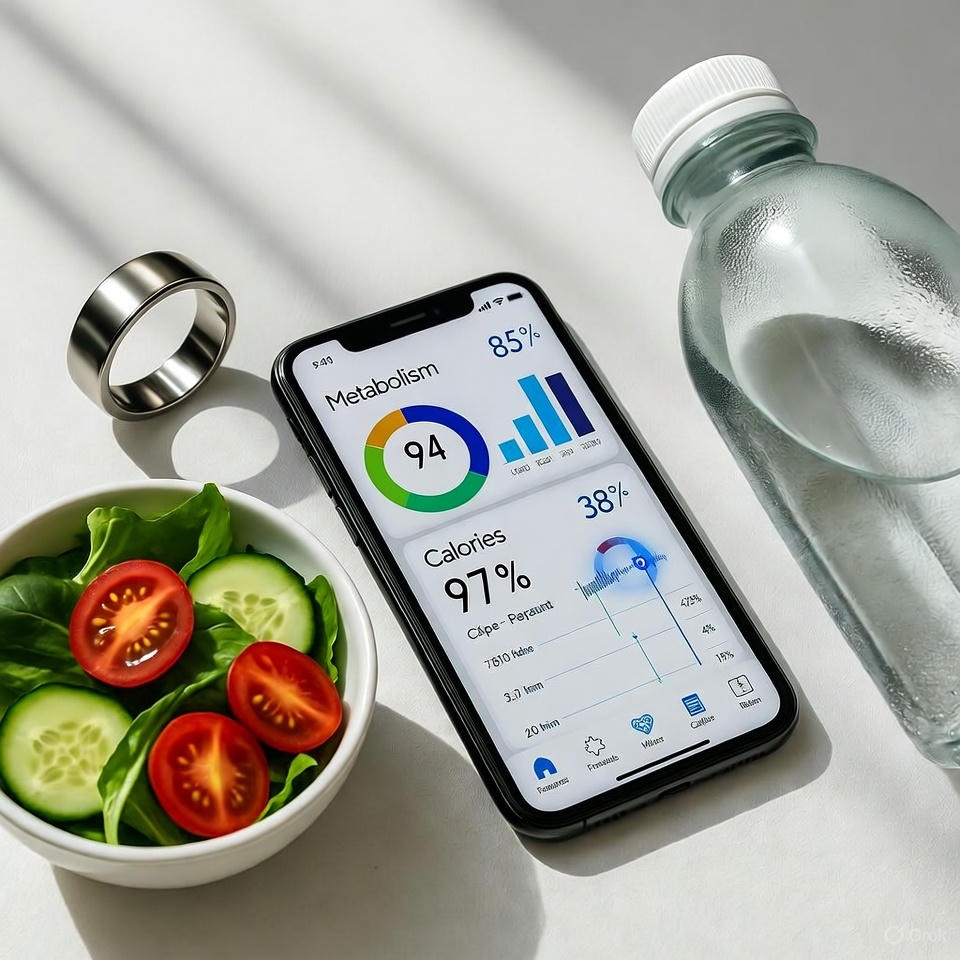
This isn't about avoiding travel, but about adapting to it intelligently. By understanding the precise mechanisms through which journeying disrupts your body's recovery processes, you can move from being a passive victim of travel fatigue to an active architect of your well-being on the road. The modern solution lies not in bulky gear or rigid routines, but in seamless, intelligent technology that travels with you. This is where the evolution of personal wellness tech, particularly the discreet power of a advanced wellness ring like Oxyzen, becomes your most valuable travel companion. It transforms subjective feelings of fatigue into objective, actionable data, allowing you to adapt in real-time.
Let’s embark on a deep exploration of the nine fundamental ways travel throws your recovery off course and map the strategies—both analog and digital—to navigate back to balance, no matter your destination.
The Jet Lag Paradox: Why Your Body Can't Keep Time Across Time Zones
You land in a new city, your watch adjusted to local time, but your liver, your core body temperature, and your cortisol cycle are stubbornly anchored thousands of miles away. This is jet lag in its full, biological complexity—a state of internal desynchrony that goes far beyond feeling sleepy at the wrong time. It is perhaps the most profound and universal recovery disruptor for the traveler.
At the heart of jet lag is your circadian rhythm, the roughly 24-hour master clock located in the suprachiasmatic nucleus of your brain. This clock doesn't just govern sleepiness and wakefulness. It orchestrates a symphony of bodily processes: the release of hormones like melatonin (for sleep) and cortisol (for morning alertness), fluctuations in core body temperature, digestive enzyme production, muscle repair cycles, and even gene expression. This rhythm is primarily set by light, especially the blue-wavelength light of morning.
When you rapidly cross multiple time zones, you present this master clock with an impossible puzzle. The external light-dark cycle shifts instantly, but your internal, cellular clocks in peripheral organs (like your gut, liver, and muscles) adjust at different, slower rates. The result is a body in conflict. Your brain may be receiving signals that it's 10 PM, but your liver, operating on "home time," might be primed for metabolic activity as if it's 2 PM. This internal misalignment is the essence of jet lag's destructive power on recovery.
The Recovery Fallout is Multi-System:
Sleep Architecture Destruction: Your sleep becomes fragmented and shallow. The deep, restorative slow-wave sleep and the cognitively vital REM sleep are disproportionately reduced. You may "sleep" for eight hours but wake up feeling utterly unrefreshed because the quality was poor. This directly impairs muscle repair, memory consolidation, and immune function.
Metabolic Confusion: Hunger cues become bizarre. You may crave heavy meals in the middle of the night or have no appetite at breakfast. This disrupts nutrient timing for recovery and can lead to poor food choices.
Hormonal Chaos: The cortisol awakening response—your natural morning boost—is mistimed, leaving you groggy when you need to be alert and wired when you need to sleep. Melatonin production is out of sync, failing to provide the proper sleep signal.
Impaired Performance: Reaction time, decision-making, and even muscular strength can be measurably diminished for days after a long-haul flight, a dangerous combo for both business travelers and adventure seekers.
Adaptation Strategy: Hack the Light The goal is not to avoid jet lag, but to minimize its duration and severity by forcibly realigning your internal clock. Light exposure is your most powerful tool.
For Eastward Travel (Losing Time): You need to shift your clock earlier. Seek bright morning light at your destination immediately. Avoid bright light in the late afternoon and evening. If you arrive in the evening, use blue-light blocking glasses.
For Westward Travel (Gaining Time): You need to shift your clock later. Seek bright afternoon and early evening light. Avoid bright morning light for the first day if you've crossed many zones.
Leverage Data, Not Guesswork: This is where generalized advice meets personal reality. A wellness ring that tracks your sleep stages, body temperature, and heart rate variability (HRV) becomes your personal jet lag scientist. By monitoring your nocturnal core body temperature drop (a key circadian marker) and sleep quality scores, you can see exactly how misaligned you are and track your re-synchronization in real time. Instead of wondering, "Am I adjusted yet?" you have a physiological dashboard showing your progress. You can learn more about how these sensors work in our deep dive on the science behind modern health tracking technology.
The Dehydration Cascade: How Cabin Air and Routine Breaks Sap Your Systems
We often associate dehydration with desert hikes or intense workouts, not sitting in a comfortable seat. Yet, the travel environment, particularly air travel, initiates a potent and stealthy dehydration cascade that undermines nearly every recovery process. The air in a commercial airplane cabin is notoriously dry, with humidity levels often between 10-20%—drier than most deserts. This arid environment accelerates moisture loss from your skin and respiratory tract from the moment you board.
But the assault is more than just atmospheric. The disruption of your routine means you're likely drinking less water than usual. You might avoid frequent bathroom trips on a plane or during a long drive. You may replace water with dehydrating diuretics like coffee, alcohol, or sugary sodas. This combination—increased loss and decreased intake—creates a significant fluid deficit.
The impact of this subtle dehydration on recovery is profound:
Blood Becomes Sludge: Reduced plasma volume makes your blood thicker, forcing your heart to work harder to pump it. This shows up as an elevated resting heart rate, a classic sign of physiological stress and impaired recovery readiness.
Cognitive Impairment: Even mild dehydration (a 1-2% loss of body weight in fluids) can lead to measurable deficits in concentration, short-term memory, and mood. This "travel brain fog" is as much physiological as it is psychological.
Joint and Muscle Stiffness: Synovial fluid, which lubricates your joints, depends on adequate hydration. Dehydration increases the sensation of stiffness and can make you more susceptible to aches and pains, especially after long periods of sitting.
Detoxification Breakdown: Your body’s primary pathways for flushing metabolic waste and toxins—urination and perspiration—are directly compromised. This can leave you feeling sluggish and can impede the clearance of inflammation byproducts from exercise or stress.
Sleep Disruption: Dehydration can trigger nighttime leg cramps and disrupt sleep. Furthermore, the body’s natural release of the vasopressin hormone (which helps retain water overnight) can be thrown off, leading to middle-of-the-night thirst and trips to the bathroom.
Adaptation Strategy: Proactive Hydration, Not Reactive Drinking The key is to treat hydration as a non-negotiable, pre-emptive protocol, not something you address when you feel parched.
Pre-Load: Begin increasing your water intake 24 hours before travel. Aim for clear, pale urine as your benchmark.
The Travel Kit: Always carry a large, empty reusable water bottle. Fill it after security and set a timer to sip at least 8 ounces every hour while in transit.
Electrolyte Intelligence: For flights over 4 hours or travel in hot climates, pure water isn't enough. You need to replenish electrolytes lost through respiration and subtle sweating. Add a sugar-free electrolyte packet to one of your water bottles. Avoid salty airline snacks that can exacerbate fluid imbalance.
Monitor Your Physiology: A wellness ring that tracks heart rate variability (HRV) and resting heart rate (RHR) provides direct insight into your hydration status. A sudden, unexplained rise in your resting heart rate or a drop in HRV can be an early, objective warning sign of dehydration, prompting you to drink before you feel the cognitive or physical effects. This kind of preventive health monitoring is a game-changer for the savvy traveler. For a comprehensive look at how to enable these features, explore our guide on wellness ring basics for preventive health monitoring.
The Sedentary Siege: When Sitting Becomes a Toxic Activity
Travel, by its very nature, involves prolonged periods of enforced stillness. Whether buckled into an airplane seat, a train compartment, or a car, you are subjected to a sedentary siege that is anathema to recovery. This isn't just about missing a workout; it's about the active, physiological harm caused by continuous sitting, which triggers a cascade of negative effects that directly oppose the body's repair processes.
The human body is designed for movement. Our circulatory system, in particular, relies on muscular contraction to act as a "second heart," pumping venous blood and lymphatic fluid back toward the core. When we sit for hours, this system grinds to a halt.
The Recovery Sabotage of Immobility:
Circulatory Stagnation: Blood pools in the legs and feet, increasing the risk of swelling (edema) and, in severe cases, deep vein thrombosis (DVT). This stagnation also limits the delivery of oxygen and nutrients to muscles and the removal of metabolic waste, slowing repair.
Metabolic Shutdown: Enzyme activity responsible for breaking down fats in the bloodstream drops dramatically. Muscle glucose uptake plummets, contributing to insulin resistance. Essentially, your metabolism shifts into a sluggish, storage-oriented state.
Musculoskeletal Stress: Sitting, especially in cramped positions, places abnormal stress on the spine, particularly the lumbar discs. The hip flexors and hamstrings become shortened and tight, while the glutes and core muscles "switch off." This creates a perfect storm for back pain, poor posture, and increased injury risk once you resume activity.
Inflammatory Response: Studies show that prolonged sitting leads to a measurable increase in systemic inflammation markers like C-reactive protein (CRP). Since recovery is, in part, an anti-inflammatory process, you are literally flooding your system with the very thing you're trying to reduce.
Lymphatic Congestion: The lymphatic system, a key player in immune function and waste removal, has no pump. It relies entirely on muscle movement and diaphragmatic breathing. Immobility leads to lymphatic stagnation, impairing detoxification and immune response.
Adaptation Strategy: Create a "Movement Microclimate" Your goal is to disrupt the sedentary pattern as frequently as possible, creating a microenvironment of movement within the confines of travel.
The 30-60 Minute Rule: Set an unwavering alarm to stand, stretch, and walk every 30-60 minutes. On a plane, walk the aisle. In a car, take rest stop breaks to walk and do dynamic stretches.
Isometric and Seated Exercises: Engage muscles without leaving your seat. Ankle circles, glute squeezes, seated marches, and gentle torso twists keep blood flowing and muscles engaged.
Compression as an Aid: Consider wearing graduated compression socks for long flights. They assist the calf muscles in pumping blood upward, reducing edema and DVT risk.
Post-Travel Reboot: Upon arrival, prioritize a 10-15 minute walk or a gentle, dynamic mobility routine before you even check into your hotel. This reboots your circulation and resets your musculoskeletal system.
Let Data Drive Your Movement: A wellness ring with advanced activity tracking is your accountability partner and biofeedback tool. It can deliver subtle vibration alerts to move if you've been sedentary too long. More importantly, by monitoring metrics like heart rate variability (HRV) and resting heart rate, it can show you the direct, negative impact of prolonged sitting on your nervous system. Seeing a dip in your recovery score after a long drive provides powerful motivation to prioritize your post-travel movement ritual. Discover how to maximize this feature in our primer on wellness ring basics for activity and movement tracking.
The Sleep Sanctuary Destruction: Why Hotel Rooms Are Recovery Minefields
At home, your bedroom is a carefully curated sanctuary for recovery. You likely have blackout curtains, a cool temperature, a familiar pillow, and a wind-down routine. Travel destroys this sanctuary overnight. The hotel room, no matter how luxurious, is a sensory minefield of unfamiliarity and disruption that attacks the very foundation of recovery: high-quality sleep.
Sleep is not a passive state. It's an active, highly regulated physiological process vulnerable to environmental cues. When these cues become strange or hostile, sleep architecture suffers.
The Enemies of Sleep on the Road:
The Light Assault: Alien, glowing electronics (alarm clocks, TVs, smoke detectors), streetlights seeping through inadequate curtains, and unfamiliar morning light patterns all disrupt melatonin production and fragment sleep cycles.
The Temperature Tango: Hotel thermostats are often inefficient or confusing. A room that's too warm is one of the most common killers of deep sleep, as core body temperature needs to drop to initiate and maintain sleep.
The Noise Onslaught: From hallway chatter and slamming doors to unfamiliar HVAC hums and city traffic, new auditory patterns prevent the brain from fully descending into restorative sleep stages, keeping it in a state of low-grade alertness.
The Tactile Uncanny Valley: A mattress that's too soft, too firm, or just different, along with scratchy sheets and a strange pillow, creates constant low-level physical discomfort that can cause dozens of micro-awakenings you don't even remember.
Psychological Dissonance: Simply being in an unfamiliar, non-private space can subconsciously elevate stress levels, making it harder for the nervous system to shift into the parasympathetic "rest and digest" state required for sleep.
Adaptation Strategy: Recreate Your Sanctuary, Byte by Byte Your mission is to reimpose familiarity and control over the sleep environment as quickly as possible.
The Travel Sleep Kit: This is non-negotiable. Pack a compact kit containing: a portable white noise machine or use a phone app (with airplane mode on), a sleep mask for total darkness, and a familiar-smelling lavender sachet or essential oil roll-on. For dedicated travelers, a compact travel pillow from home can be a game-changer.
Conquer Temperature: Immediately upon entering the room, set the thermostat to a cool 65-68°F (18-20°C). If the A/C is noisy, use the white noise to mask it.
Digital Wind-Down: Enforce a strict digital curfew. The blue light from screens is especially damaging in a new time zone. Use this time for reading, gentle stretching, or meditation.
Become Your Own Sleep Scientist: This is where passive suffering turns into active optimization. A wellness ring that provides detailed sleep staging (light, deep, REM) and scores your sleep quality turns a subjective bad night into objective data. You can run experiments. Did the white noise machine improve your deep sleep percentage? Did lowering the room temperature by two degrees reduce night-time awakenings? By tracking your nocturnal heart rate and HRV, the ring can tell you if your nervous system truly relaxed, even if you were unconscious. This empowers you to tailor your sleep kit and routine for maximum efficacy on the road. For beginners looking to master this approach, our guide on wellness ring basics for the perfect beginner is an essential starting point.
The Nutritional Nosedive: How Food Becomes Fuel for Stress, Not Recovery
Travel often represents a nutritional paradox. We seek new culinary experiences, yet the logistics of travel push us toward the most convenient, processed, and recovery-hostile foods available. Airport terminals, highway rest stops, and even busy sightseeing schedules create an environment where nutritious choices are scarce and sugar-, salt-, and fat-laden options are omnipresent. This nutritional nosedive doesn't just affect your waistline; it directly fuels inflammation, gut dysfunction, and energy crashes that cripple recovery.
How Travel Sabotages Nutritional Recovery:
The Inflammatory Onslaught: Travel staples like processed snacks, fried foods, and sugary drinks are high in refined carbohydrates, industrial seed oils, and additives. These directly spike blood sugar and promote systemic inflammation, creating an internal environment that hinders muscle repair, increases joint pain, and stresses the immune system.
Gut Microbiome Disruption: A diverse, healthy gut microbiome is crucial for nutrient absorption, immune function, and even neurotransmitter production. Travel often means a drastic reduction in dietary fiber (from fruits, vegetables, and whole grains) and an increase in unfamiliar foods and questionable water quality, which can disrupt your delicate gut flora, leading to bloating, constipation, or traveler's diarrhea.
Erratic Fueling Patterns: Long gaps between meals due to transit, followed by oversized or poorly-timed dinners, disrupt your body's energy metabolism. You may experience severe energy crashes (hypoglycemia) that you then try to correct with more sugar, creating a vicious cycle.
Dehydration Multiplier: Many travel foods are extremely high in sodium, which exacerbates the dehydration cascade from cabin air and altered drinking habits, further thickening blood and impairing cellular function.
Nutrient Timing Chaos: For the fitness-minded, the careful timing of protein for muscle repair or carbohydrates for glycogen replenishment becomes nearly impossible, delaying recovery from any physical activity undertaken while traveling.
Adaptation Strategy: Strategic Nutrition as a Travel Discipline Shift your mindset from "eating on the road" to "strategic fueling for resilience."
The Pre-Pack Principle: Arm yourself with recovery-friendly, non-perishable snacks. Think: individual packets of nut butter, high-quality beef jerky, mixed nuts, dark chocolate (70%+), and whole fruit like apples or oranges. This gives you a healthy default and prevents desperate, poor choices.
Hydrate, Then Caffeinate: Always drink a large glass of water before you have that coffee or tea. Prioritize water with every meal.
The Restaurant Reconnaissance Mindset: When ordering, apply a simple filter: "Where is the protein and where are the vegetables?" Start your meal with a salad or vegetable soup. Choose grilled or roasted protein sources over fried. This simple framework steers you toward more balanced, anti-inflammatory meals.
Probiotic Priority: Consider traveling with a shelf-stable probiotic supplement or actively seek out fermented foods like yogurt, kefir, or sauerkraut (if safe) to support your gut microbiome against new pathogens.
Use Data to Connect Food and Feelings: Subjective feelings like "bloated" or "sluggish" become objective lessons with a wellness ring. By noting your food choices in a simple journal and correlating them with next-morning metrics like HRV, resting heart rate, and sleep quality, you can identify personal food triggers. Does that seemingly harmless airport pasta dish lead to a 15% dip in your HRV and restless sleep? That's powerful, personalized data you can use to make better choices at the next meal stop. This is a cornerstone of how modern wearables enable personalized wellness.
The Stress Amplifier: How the "Fun" of Travel Overloads Your Nervous System
We rarely frame a vacation or business trip as a "stressor," but from your nervous system's perspective, that's exactly what it is. Travel is a relentless barrage of novel stimuli, logistical uncertainties, and small decision fatigues that collectively amplify your allostatic load—the cumulative burden of chronic stress on the body. This constant, low-grade activation of the sympathetic nervous system ("fight or flight") directly opposes the parasympathetic state ("rest and digest") required for deep recovery.
The Hidden Stressors of Journeying:
Cognitive Load: Navigating airports, deciphering foreign signs, managing itineraries, calculating currency exchanges, and making constant micro-decisions ("Which lane? Which train? Where's the gate?") consume massive cognitive resources, leading to decision fatigue and mental exhaustion.
Sensory Overload: New sounds, smells, sights, and crowds create a constant stream of sensory data that your brain must process, which is inherently taxing.
Loss of Control and Predictability: The simple, reassuring predictability of your home routine is gone. You are at the mercy of flight delays, traffic, language barriers, and unfamiliar systems. This perceived lack of control is a potent psychological stressor.
Social Demands: Whether it's non-stop business meetings or the expectation to be constantly "on" and social during a family trip, interpersonal dynamics can be draining, especially for introverts.
Financial Pressure: The awareness of spending money on flights, hotels, and meals can create a subtle background anxiety for many.
The Physiology of Travel Stress: This sustained activation keeps cortisol levels elevated, suppresses immune function, increases muscle tension, and makes it exceedingly difficult for the body to enter the deep, reparative states it needs. High cortisol at night, in particular, is a primary driver of sleep fragmentation.
Adaptation Strategy: Build "Stress Sanctuaries" into Your Itinerary The antidote to chronic stress is not the absence of stress, but the deliberate cultivation of recovery periods.
Schedule White Space: Literally block out 60-90 minutes each day as "unstructured time." No tours, no meetings, no must-see attractions. Use this time to wander without a map, read in a park, or simply rest in your room. This reduces cognitive load.
The Power of the Pause: Institute a "three-breath reset" practice. Whenever you feel overwhelmed—in a crowded market, after a stressful transit leg—stop, plant your feet, and take three slow, deep diaphragmatic breaths. This directly stimulates the vagus nerve and initiates a parasympathetic response.
Digital Detox Periods: Designate certain parts of the day (e.g., meals, the first hour after waking) as phone-free. Constant connectivity to work or social media is a major source of psychological leakage and prevents true mental separation.
Embrace Mono-tasking: Fight the urge to optimize every moment. Simply sit and drink a coffee. Just walk and look. Mono-tasking is a radical act of neurological recovery in a travel environment designed for multi-tasking.
Quantify Your Calm: Your perception of stress is often inaccurate. A wellness ring that tracks Heart Rate Variability (HRV) provides an objective, real-time readout of your nervous system state. HRV is the gold-standard metric for physiological stress and recovery readiness. By monitoring it, you can see the direct impact of a crowded airport or a tense negotiation on your body. More importantly, you can measure the efficacy of your "stress sanctuary" practices. Did that 10-minute meditation actually improve your HRV? The data doesn't lie. This empowers you to double down on what works. For an in-depth understanding of this critical metric, our article on the accuracy revolution in health tracking technology provides valuable context.
The Circadian Confusion Beyond Light: How Meal Timing and Activity Reset Your Clock
While light is the primary driver of your central circadian clock in the brain, it's not the only one. Emerging research highlights the power of secondary "zeitgebers" (German for "time givers")—most notably, food intake and physical activity—in synchronizing peripheral clocks in your organs. Travel disrupts these signals just as severely as it does light patterns, creating a cacophony of conflicting timing cues that deepen jet lag and delay full recovery.
Your liver, pancreas, muscles, and gut all have their own circadian rhythms. They expect fuel and activity at certain times based on your established routine. When you eat a large meal at what is, for your liver, the middle of the night, or you go for a run when your muscles are primed for rest, you send confusing signals that prolong internal desynchrony.
The Impact of Mistimed Cues:
Metabolic Jet Lag: Eating at aberrant times, especially late at night after travel, can impair glucose metabolism, leading to poorer blood sugar control and promoting fat storage. It tells your digestive system to be active when it should be in a restful, repair mode.
Inefficient Workouts: Exercising when your core body temperature and hormone profile are at their low point (typically very early morning, especially when west-bound) can lead to perceived higher exertion, reduced performance, and potentially increased injury risk. It can also be overly stimulating too close to bedtime in a new time zone.
Compounded Sleep Disruption: A late, heavy meal forces your body to divert energy to digestion when it should be winding down for sleep, raising core temperature and disrupting sleep onset. Conversely, exercising too late in the evening (in local time) can have the same effect.
Delayed Adaptation: If you only focus on light but ignore meal and activity timing, you are only giving your brain the signal to adjust. Your organs may remain out of sync for days longer, manifesting as persistent digestive issues, low energy at specific times, and incomplete recovery.
Adaptation Strategy: Harness Secondary Zeitgebers with Precision Use food and movement as strategic tools to accelerate your circadian realignment.
Fast to Reset: Upon arrival after a long eastward flight, consider delaying your first major meal until local breakfast or lunchtime. A short fasting period can help "reset" the liver clock. Stay hydrated with water and electrolytes during this time.
Anchor Your Meals: Once you start eating, immediately adopt the local schedule for your three main meals. Even if you're not hungry, have a small, protein-rich snack at the appropriate local meal time to signal to your metabolism that a new cycle has begun.
Time Activity for Signal, Not Performance: For the first 1-2 days, use gentle movement strategically. A brisk morning walk in the sunlight (combining light and activity) is a powerful double signal for eastward travel. For westward travel, light afternoon activity can help delay your clock. Avoid intense, gut-busting workouts until your sleep data shows you are stabilizing.
Employ Your Personal Circadian Lab: This is where guesswork is eliminated by biometrics. A wellness ring that tracks your 24/7 core body temperature rhythm provides an unparalleled window into your internal timing. The characteristic dip at night and rise in the morning is your true circadian rhythm. By monitoring this, you can see exactly how shifted you are. Furthermore, by observing how your resting heart rate and HRV respond to meals and exercise at new times, you can personalize your strategy. The data will show you if that late dinner truly disrupted your nervous system's recovery that night. This level of insight was once only available in sleep labs; now it's on your finger. To see how this technology is even entering clinical settings, read about health tracking technology in hospitals.
The Immune System Ambush: Why You Get Sick When You Should Be Having Fun
"Vacation colds" and post-travel illness are clichés for a reason. Travel is a perfect storm for your immune system, layering multiple stressors that can overwhelm its defenses just as you're exposed to a novel array of pathogens. This isn't just bad luck; it's a predictable biological event that halts recovery in its tracks.
The Multifaceted Immune Assault:
The Cortisol Crush: The cumulative stress of travel, as measured by elevated cortisol, is directly immunosuppressive. Cortisol reduces the production of lymphocytes (key immune cells) and inflammation, which, while part of the stress response, blunts your frontline defenses against new viruses and bacteria.
Sleep Deprivation: Even a single night of poor sleep can reduce the activity of natural killer cells—your body's special forces against viral infections—by up to 70%. The fragmented sleep of travel leaves you chronically immunocompromised.
The Germ Vortex: Airplanes, airports, hotels, and public transit are high-density hubs for circulating pathogens. Recycled cabin air, proximity to coughing passengers, and high-touch surfaces create an exposure risk far beyond daily life.
Mucous Membrane Desiccation: The dry cabin air dries out the mucous membranes in your nose and throat. These membranes are a primary physical barrier, and their protective mucus layer is thinned when dehydrated, making it easier for pathogens to adhere and invade.
Nutritional Deficits: A lapse into low-nutrient, high-sugar foods deprives your immune system of the vitamins (like C, D, Zinc) and antioxidants it needs to function optimally. Sugar, in particular, can temporarily impair the ability of white blood cells to engulf bacteria.
Adaptation Strategy: Operate a Travel "Immune Protocol" Shift from a passive to an active defense posture.
Hyper-Hygiene, Not Paranoia: Be meticulous about hand washing and use hand sanitizer after touching high-contact surfaces (tray tables, seat belts, armrests). Avoid touching your face, especially eyes, nose, and mouth.
Hydrate to Protect: Keeping mucous membranes moist is a direct defensive act. Drink water consistently.
Supplemental Support: Consider traveling with a proven immune-support stack: Vitamin D (especially if traveling to less sunny climates), Zinc lozenges, and Vitamin C. Start this protocol a few days before travel.
Prioritize Sleep Above All Else: In the first 48 hours of arrival, protect your sleep time fiercely. This is the single most effective thing you can do to recharge your immune function. Sacrifice a late-night outing for an early night if needed.
Let Biomarkers Be Your Early Warning System: Waiting until you feel a sore throat is too late. A wellness ring provides several early-warning proxies for immune system distress. A sustained, unexplained elevation in your resting heart rate is one of the earliest signs of oncoming illness, often appearing 24-48 hours before symptoms. A significant, persistent drop in your HRV is a clear signal of high physiological stress and compromised resilience. A rise in your nocturnal skin temperature can indicate your body is fighting an infection before you feel feverish. Monitoring these metrics allows you to go into "immune defense mode" at the first sign of trouble—doubling down on sleep, hydration, and nutrition to potentially avert a full-blown illness. This proactive approach is the essence of modern, data-informed self-care, a topic we explore in our article on how health tracking technology has changed preventive medicine.
The Habit Fragmentation Effect: When Your Disciplines Disappear
At home, your recovery is likely supported by a scaffold of healthy habits: a morning routine, scheduled workouts, meal prep, a consistent bedtime. Travel doesn't just disrupt these activities; it fragments the entire neurological and contextual architecture that makes them automatic. The cues that trigger your habits—your coffee maker, your gym bag by the door, your specific pantry foods—are gone. Without these cues, even the most ingrained disciplines can evaporate, leaving you feeling untethered and making poor choices by default.
Habits are formed through a "cue-routine-reward" loop in the brain. Travel removes the cue and often makes the routine difficult, breaking the chain. Willpower is a finite resource, and the constant decision-making of travel depletes it rapidly, making it harder to "choose" the healthy option.
The Domino Effect of Lost Routines:
The Identity Disruption: When you can't "do the things that make you, you," it can create a subtle psychological stress. Not being able to exercise or eat as you normally do can feel like a loss of self-control.
The Spillover Effect: Letting one habit slide (e.g., morning meditation) makes it easier to let others go (e.g., healthy eating, getting to bed on time), leading to a complete collapse of your recovery structure.
The Return Home Struggle: The longer your habits are fragmented, the harder it is to re-establish them upon return, leading to a prolonged "recovery hangover" from your trip.
Mental Load Increase: Every action that was once automatic now requires conscious thought and decision-making, contributing significantly to cognitive fatigue.
Adaptation Strategy: Create Micro-Habits and Anchor Points Don't try to replicate your full home routine. Instead, identify the core, non-negotiable elements and build tiny, travel-sized versions of them.
Identify Your Keystone Habit: What is the one habit that, if done, makes everything else easier? For many, it's a short morning ritual or a daily movement practice. Protect this above all else.
The 2-Minute Rule: Scale your habits down to a 2-minute version. Can't do your hour yoga flow? Do 2 minutes of sun salutations in your hotel room. Can't meditate for 20 minutes? Do 2 minutes of mindful breathing. This preserves the identity ("I am someone who does yoga/meditates") and maintains the neural pathway.
Create New, Travel-Specific Cues: Tie your micro-habit to a new, unavoidable travel cue. "After I brush my teeth in the hotel bathroom, I will do 10 squats." "When the plane seatbelt sign goes off, I will take three deep breaths."
Use Technology as Your Portable Cue and Coach: This is the ultimate modern adaptation. A wellness ring isn't just a tracker; it's a portable habit cue and accountability partner. You can set gentle vibration reminders to move, breathe, or start your wind-down routine. More powerfully, by providing immediate feedback in the form of recovery scores, sleep ratings, and activity rings, it creates a new, powerful reward loop. Closing your "stress management" circle by seeing your HRV improve after your breathing exercise delivers a dopamine hit of success, reinforcing the micro-habit. It becomes your consistent, travel-proof cue for health, helping you build healthy habits no matter where you are in the world.
The journey to reclaiming your recovery on the road doesn't end with understanding the disruptors. It begins with building a resilient, adaptable system. In the first part of our exploration, we deconstructed the nine core ways travel throws your physiology into chaos—from circadian confusion to habit fragmentation. Now, we shift from defense to offense. It's time to assemble your personalized, high-tech travel recovery toolkit and master the art of adaptation. This is where intelligent strategy meets intelligent technology, transforming you from a passive passenger into an active architect of your well-being, no matter the destination, time zone, or itinerary.
The Mindset of the Adaptive Traveler: From Fixed Routine to Dynamic Flow
Before we pack a single gadget or finalize a protocol, we must address the most critical component of travel recovery: your mindset. The greatest pitfall for the health-conscious traveler is the adherence to a rigid, "all-or-nothing" mentality. The belief that if you can't do your exact 60-minute gym routine, you might as well do nothing. That if you can't eat your perfectly prepped meals, the day is a nutritional write-off. This brittle mindset is a guaranteed path to frustration, guilt, and abandoned efforts.
The Adaptive Traveler operates from a philosophy of Dynamic Flow. This mindset embraces two core principles:
The 80% Rule: Aiming for 80% adherence to your ideal recovery practices is a monumental success on the road. Perfection is not only impossible but counterproductive, as the stress of chasing it negates the benefits. The 20% allowance is for culinary adventures, spontaneous late nights, and necessary compromises—without guilt.
The Principle of Minimum Effective Dose (MED): What is the smallest, simplest action you can take that will have the most significant positive impact on your recovery? Is it one minute of diaphragmatic breathing to lower stress? Is it drinking 16 ounces of water upon waking? Is it a 10-minute walk after a long flight? Identifying and consistently executing the MED for each pillar of recovery (sleep, nutrition, movement, stress) creates a robust, sustainable framework that travels well.
This mindset shift is empowered by data. Without objective feedback, the 80% rule feels like guesswork, and the MED is unknown. With a wellness ring providing daily Recovery Scores, Sleep Scores, and HRV trends, you move from subjective feeling to objective strategy. You can literally test what happens when you prioritize that 10-minute walk (does your HRV improve?) or when you have that glass of wine with dinner (does your deep sleep percentage drop?). The ring becomes your coach, providing non-judgmental feedback that informs your Dynamic Flow, helping you understand your personal thresholds and what truly moves the needle. For those new to this data-driven approach, our wellness ring basics for beginners is the perfect primer.
Your Biometric Dashboard: Decoding the Signals of Stress and Recovery
To adapt intelligently, you must understand the language your body is speaking. In the chaos of travel, traditional signals like "feeling tired" are unreliable—you might be tired from stress, from poor sleep, from dehydration, or from all three. Modern wellness technology translates these vague feelings into precise, actionable biomarkers. Think of your advanced wellness ring as the control panel for your travel physiology, displaying three critical gauges:
1. Heart Rate Variability (HRV): The Master Metric of Resilience HRV is the minute variation in time between each heartbeat. Contrary to popular belief, a higher HRV (more variability) is generally better—it indicates a robust, adaptable autonomic nervous system that can smoothly shift between stress (sympathetic) and recovery (parasympathetic) states.
What it tells you on the road: A consistently high or rising HRV trend is a green light. It means your body is handling the travel stressors well and is in a good state for recovery and adaptation. A sharp or sustained drop in HRV is a red flag—your number one early warning signal. It indicates accumulated stress (physical, mental, emotional), impending illness, or inadequate recovery before you feel the full effects. It's your cue to dial back intensity, prioritize sleep, and double down on hydration.
Travel Application: Check your HRV trend each morning. If it's low, make that day a "de-load" day: gentle movement only, extra mindfulness, early bed. This is the cornerstone of preventive health monitoring.
2. Resting Heart Rate (RHR): The Engine Idle Speed Your RHR is the number of times your heart beats per minute while you are completely at rest, typically measured during sleep.
What it tells you on the road: A stable or decreasing RHR suggests good cardiovascular fitness and recovery. An elevated RHR (5-10+ bpm above your baseline) is a key indicator of multiple potential issues: dehydration, increased inflammation, stress, overtraining, or the onset of illness. After a long flight, a high RHR is common due to dehydration and immobility.
Travel Application: A morning RHR spike is a direct order to hydrate aggressively. If it remains elevated for days, investigate other recovery pillars—are you sleeping poorly? Stressed? Fighting something off?
3. Nocturnal Core Body Temperature: The Circadian Compass Your body temperature follows a distinct circadian rhythm, dipping to its lowest point in the middle of your sleep cycle and rising toward morning to promote wakefulness.
What it tells you on the road: A well-defined, predictable dip and rise indicates a stable, well-aligned circadian rhythm. A flattened, erratic, or shifted temperature curve is the definitive biometric signature of jet lag and circadian disruption. It shows exactly how out-of-sync your internal clock is, independent of how many hours you slept.
Travel Application: This is your most powerful tool for beating jet lag. By tracking your temperature curve, you can see in real-time how quickly you are adapting to the new time zone. It validates (or disproves) the effectiveness of your light exposure and meal timing strategies. For a deep dive into the sensors that make this possible, explore the science behind modern health tracking technology.
4. Sleep Staging & Quality Score: The Recovery Audit Beyond just duration, the breakdown of your sleep into light, deep, and REM stages, along with an overall quality score, is a direct report card on your night's reparative work.
What it tells you on the road: It quantifies the destruction of sleep architecture. You'll see the proof: reduced deep sleep after alcohol, fragmented REM after a stressful day, frequent awakenings in a noisy hotel. The score gives you a single number to track your progress toward sleep sanctuary restoration.
Travel Application: Correlate your sleep data with your evening actions. Did that late coffee reduce deep sleep? Did your white noise machine increase sleep continuity? This turns every night into an optimization experiment.
By learning to read this dashboard each morning, you move from reactive recovery ("I feel terrible, I need coffee") to proactive adaptation ("My HRV is low and RHR is up, I need a hydration and de-stress day"). This is the essence of personalized, data-driven wellness.
The Pre-Travel Protocol: Priming Your Physiology for the Journey
The most successful travel recovery strategy begins 24-48 hours before you step out the door. This pre-travel protocol is about loading your physiological buffers and setting your rhythms for an easier transition.
1. The Hydration & Nutrient Load (48-24 Hours Pre-Flight):
Hydration: Consciously increase your water intake. Aim for your urine to be consistently pale yellow.
Nutrition: Focus on anti-inflammatory, nutrient-dense meals. Load up on vegetables, lean proteins, and healthy fats. Reduce processed foods, excess sodium, and sugar to lower systemic inflammation before the stress of travel adds to it.
Electrolytes: The evening before a long flight, consider having an electrolyte drink to pre-load your mineral stores.
2. The Circadian Pre-Shift (For >3 Time Zone Crossings):
Eastward Travel: Starting 3 days before your trip, gradually shift your bedtime and wake time 15-30 minutes earlier each night. Seek bright light immediately upon waking.
Westward Travel: Shift your schedule 15-30 minutes later each night. Seek light in the late afternoon/evening.
Technology Aid: Use your wellness ring's sleep data to ensure these micro-shifts are actually resulting in good sleep quality, not just forcing you into bed.
3. The Sleep Capital Investment (The Night Before): Prioritize a full, high-quality night of sleep. This is your recovery savings account that you will draw from during the journey. A solid 8-hour night with good deep sleep makes you more resilient to the inevitable sleep disruption to come.
4. The Mental & Logistical Packing:
Download & Charge: Ensure your wellness ring app is synced and any meditation/mobility apps are downloaded for offline use. Pack all chargers and a portable battery.
Assemble Your Travel Recovery Kit: This is a physical kit separate from your toiletries. We'll detail this in the next section, but packing it thoughtfully the day before ensures nothing is forgotten in the last-minute rush.
This proactive approach transforms you from a passive body being transported into an athlete preparing for an event. The event is the journey itself, and your performance metric is how quickly and fully you recover upon arrival.
The Physical Travel Recovery Kit: Low-Tech Essentials for High-Tech Optimization
Your biometric dashboard is your intelligence system. This kit is your field gear. These are the tangible, low-tech items that create the conditions for your high-tech data to be positive. Every item should be compact, multi-use, and non-negotiable.
The Core Kit:
Large, Empty Water Bottle: Your hydration command center. Must be empty to pass security, then filled immediately.
Sugar-Free Electrolyte Packets (2-3): To add to your water bottle during/after long flights or in hot climates.
High-Quality Sleep Mask: For total darkness anywhere. Test it for comfort beforehand.
Portable White Noise Machine or Earplugs: To combat unpredictable hotel noise. Many apps work offline, but a dedicated device doesn't drain your phone battery.
Blue-Light Blocking Glasses: Crucial for evening use, especially after eastward travel, or if you must use screens on the plane at night.
Compression Socks (for flights >4 hours): The single best tool to combat circulatory stagnation and edema.
Mini Mobility Tools: A lacrosse ball or massage ball for glutes and feet, and a resistance band (the flat, looped kind) for activating glutes, stretching, and quick bodyweight workouts.
The Digital & Nutritional Kit:
Portable Power Bank & Cables: Keep your ring and phone charged. Data loss is insight loss.
Pre-Loaded Content: Download podcasts, meditation tracks, or calming music for offline use during travel.
Emergency Snack Pack: As mentioned previously—nut butter packets, jerky, nuts. This is your nutritional safety net.
This kit, which fits in a small pouch, is your portable recovery sanctuary. It addresses the primary disruptors (dehydration, poor sleep, immobility, poor nutrition) directly and gives you a sense of control. For insights on choosing durable, travel-ready materials for your wearable tech, see our guide on wellness ring basics, materials, and hypoallergenic options.
The In-Transit Game Plan: From Doorstep to Destination
This is the execution phase. Your mission is to navigate the journey while minimizing the damage to your recovery pillars. Think of it as a real-time strategy game where your biometrics are the score.
Phase 1: The Airport & Pre-Board
Hydrate Immediately: Fill your bottle after security. Sip consistently.
Move Before Confinement: Walk the terminal. Do some calf raises, torso twists, and shoulder rolls near your gate. Don't just sit waiting.
Mindful Fueling: If you need to eat, seek out protein-rich options (like a Greek yogurt or hard-boiled eggs) and avoid heavy, fried meals that will sit in your gut.
Phase 2: The Flight (The "Active Rest" Protocol)
Seat Strategy: Every 30-45 minutes, perform a micro-movement circuit: ankle circles, glute squeezes, seated cat-cow stretches, neck rolls. Set a vibration alert on your ring if possible.
Hydration Warfare: Sip water relentlessly. Drink an electrolyte mix halfway through a long flight. For every coffee or alcoholic drink, commit to two glasses of water.
Sleep Strategy: If it's nighttime at your destination, use your kit. Mask on, earplugs in, try to sleep. If it's daytime at your destination, stay awake, watch a movie, read—but keep the light exposure high if possible.
Pressure & Circulation: Wear your compression socks. Get up and walk the aisle at least once per hour on long flights.
Phase 3: Immediate Post-Arrival (The Golden Hour) Your actions in the first 60-90 minutes after deplaning are disproportionately impactful.
Hydration Blitz: Drink another 16-32 ounces of water with electrolytes.
Movement Reboot: Do not go straight to a car and sit again. Walk around the airport terminal for 10-15 minutes. Find a quiet corner and do a 5-minute mobility flow: deep squats, lunges, hamstring stretches, and arm swings. This reboots your lymphatic system, pumps out stagnant fluids, and signals to your body that the sedentary siege is over.
Light Alignment: Step outside! Get direct sunlight on your skin and eyes (without staring at the sun) for at least 10 minutes. This is your most powerful circadian reset button. If it's nighttime, avoid bright lights.
Mindful First Meal: Follow your meal-timing strategy. If it's meal time, eat a balanced, protein-rich meal. If it's not, have a small, healthy snack to tide you over.
Throughout this entire process, your wellness ring is working silently, gathering the data that will inform your next move. Did the in-flight compression socks and movement keep your resting heart rate lower? Did the post-arrival walk improve your HRV reading that evening? This feedback loop is how you refine your in-transit game plan for next time. This constant learning is a key benefit outlined in our article on how health tracking technology enables personalized wellness.
The First 72 Hours: Strategic Re-Synchronization
You've arrived. The real work of adaptation begins now. The first three days are a critical window for forcing your circadian rhythm and recovery systems to align with the local environment. This is a structured, yet flexible, period of strategic re-synchronization.
Day 1: The Reset Day
Priority #1: Anchor your light and dark cycles. Get morning sunlight. Absolutely avoid screens and bright lights 60-90 minutes before target bedtime.
Priority #2: Enforce local meal times, even if you're not hungry. Start with lighter, easily digestible meals if needed.
Priority #3: Gentle movement only. A long walk, light stretching, or easy cycling. The goal is circulation and stress relief, not performance. Listen to your data: If your morning HRV was very low, make this day exceptionally gentle.
Sleep Goal: Don't worry about duration. Focus on creating the perfect sleep environment with your kit. Even 6 hours of good-quality sleep in the new time zone is a win.
Day 2: The Stabilization Day
Assess: Check your sleep data and morning HRV. Are you trending in the right direction?
Deepen the Cues: Repeat the strong light and meal timing signals. Consider adding a short, more vigorous activity session (e.g., a bodyweight workout, a jog, a swim) if your energy and data permit. Time it appropriately—morning for eastward, afternoon for westward adaptation.
Social & Mental: Start to engage more with your surroundings, but be mindful of over-scheduling. Protect your wind-down time.
Sleep Goal: Aim for 7+ hours. Your sleep architecture should start to show more deep and REM sleep as you synchronize.
Day 3: The Integration Day
Evaluate: Your nocturnal temperature curve should start to show a more normal dip. Your HRV should be stabilizing or rising.
Live Local: Your schedule should now closely mirror a local's ideal day. You can begin to schedule more demanding activities, meetings, or workouts.
The Flexibility Test: You might intentionally test your 80% rule—enjoy a later dinner with friends, for example. Observe via your next morning's data how your body handles it.
Sleep Goal: Solid, uninterrupted local sleep.
Throughout this 72-hour period, your ring's data is your compass. It tells you if you're pushing too hard or if you can afford to push a little. It provides objective evidence of your progress, which is incredibly motivating when you still feel off. This process demystifies jet lag, turning it from a mysterious malaise into a managed physiological transition.
Movement & Exercise: Reconceptualizing Fitness on the Road
The "I can't work out, I'm traveling" excuse is obsolete. The goal of travel fitness is not to maintain peak performance or set personal records. It is Movement for Recovery and Adaptation. This paradigm shift is liberating and effective.
The Hierarchy of Travel Movement:
Circulation & Mobility (Daily Non-Negotiable): This is your MED. 10-20 minutes of dynamic stretching, foam rolling (with your ball), and bodyweight movements (squats, lunges, push-ups, planks). This fights the sedentary siege, reduces stiffness, and maintains joint health. Do this first thing in the morning or after a long period of sitting.
Low-Intensity Steady State (LISS) Cardio (Near-Daily): Walking is the ultimate travel exercise. It's free, it's sightseeing, it's circadian-aligning (if done in daylight), it's low-stress, and it boosts circulation and mood. Aim for a 30-60 minute walk most days.
High-Intensity/Resistance Training (Strategic, 1-2x/Week): This is for when your biometrics give you the green light (good HRV, low RHR, decent sleep). Keep it short and intense.
Bodyweight Circuits: 20-minutes EMOM (Every Minute On the Minute) style.
Resistance Band Workouts: Your flat band is incredibly versatile for pulls, presses, and glute activation.
Hotel Gym Strategy: If using a hotel gym, focus on compound movements (goblet squats, dumbbell rows, presses) and keep rest periods short.
The Data-Driven Workout Decision: This is the modern advantage. Check your morning Recovery Score or HRV before deciding on your workout intensity.
Green Zone (High HRV/Score): Proceed with planned higher-intensity work.
Yellow Zone (Moderate/Low HRV/Score): Switch to LISS cardio or mobility only. Your body is asking for active recovery, not additional stress.
Red Zone (Very Low HRV/Score, Elevated RHR): Rest day. Focus on hydration, gentle walking, meditation, and sleep. Pushing through here is counterproductive and increases injury/illness risk.
By letting your physiology guide your exercise choices, you ensure that movement always serves your recovery, never detracts from it. This intelligent approach to activity is a core feature of modern wearables, detailed in our guide on activity and movement tracking basics.
Nutrition as Strategic Fuel: Eating for Resilience, Not Just Pleasure
Travel eating should be a blend of local experience and strategic nourishment. The goal is to enjoy yourself without making your body's recovery job exponentially harder.
The Adaptive Nutrition Framework:
The Plate Principle (When You Can): At any meal where you build your own plate (buffets, grocery stores, apartments), apply the rule: ½ plate non-starchy vegetables, ¼ plate protein, ¼ plate complex carbohydrate or starchy veg. This automatically creates an anti-inflammatory, blood-sugar-stabilizing meal.
Protein Prioritization: Protein is the most satiating macronutrient and is essential for muscle repair and immune function. At every meal, ask: "Where is my protein?" Prioritize grilled, baked, or roasted fish, chicken, lean meat, eggs, legumes, or tofu.
Smart Swaps: Choose steamed over fried, broth-based soups over creamy, whole fruit over pastries, sparkling water over soda. These small swaps drastically reduce inflammatory load.
The "One Treat" Rule: Allow yourself one indulgent food or drink per day that you're truly excited about. Savor it mindfully, guilt-free. This satisfies the experiential aspect of travel without a free-for-all.
Gut Health Focus: Travel with a probiotic and actively seek out fermented foods like yogurt, kefir, kimchi, or sauerkraut (where safe) to support your microbiome against new pathogens.
The Biometric Feedback Loop: This is where your nutrition becomes personalized science. Use your wellness ring's sleep and morning recovery data to connect the dots.
Notice that a heavy, late dinner consistently correlates with poor sleep scores and a lower HRV? That's a signal to make dinner your lighter meal.
Observe that a high-sugar dessert leads to a restless night and elevated morning RHR? That's valuable intel on your personal tolerance.
See that on days you hit your protein and vegetable targets, your energy levels (and activity scores) are higher? That's positive reinforcement.
This turns every meal into an opportunity to learn about your unique physiology, moving you closer to truly personalized nutrition that supports maximal recovery and resilience. For more on tailoring technology to your body, see our article on how to personalize your wellness ring.
The Return Home: Mastering the Re-Entry Protocol
A critical, often overlooked phase of travel recovery is the return home. You've adapted to a new rhythm, and now you must re-adapt to your old one. This "second jet lag" can be just as disruptive. A smart re-entry protocol minimizes this bounce-back effect.
The Last Day & Travel Home:
Pre-Return Hydration/Nutrition: Follow the same pre-travel protocol. Hydrate well, eat clean, anti-inflammatory foods.
In-Transit Strategy: Apply all the same in-transit principles (movement, hydration, light management) on the return journey.
Mindset Shift: Mentally prepare for re-entry. Acknowledge that it will take a few days to feel 100% at home.
The First 48 Hours Back: The Reverse Reset
Immediately Re-impose Home Cues: Even if you land at night, get into your home routine as fast as possible. Sleep in your own bed, use your own kitchen.
Strategic Light Again: Use light exposure aggressively to snap your rhythm back to local time. Morning light is key.
The "Vacation Detox" Day: On your first full day back, if possible, don't jump straight into work or intense chores. Give yourself a buffer day. Do your laundry, grocery shop for healthy food, go for a walk in your neighborhood, and cook a simple, nutritious meal. This is a psychological and physiological decompression chamber.
Gentle Movement: A light workout or long walk in your familiar environment helps re-anchor your body.
Data-Driven Patience: Monitor your biometrics. Your HRV may dip again as you readjust. Your sleep may be fragmented. This is normal. Use the data to practice patience and self-care, not to judge yourself. The trends will show you when you've fully reintegrated.
By treating the return with the same strategic care as the departure, you preserve the benefits of your trip and avoid the post-vacation crash that can erase its restorative effects. This completes the circle of intelligent travel, making you a master of adaptation in both directions.
How Travel Disrupts Body Recovery Basics (And How to Adapt) — The Path to Mastery
You have navigated the disruptors and built your toolkit. You understand the mindset, the biomarkers, and the protocols. Now, we ascend to the level of mastery. This final portion of our exploration moves beyond managing travel recovery to optimizing it, leveraging the full power of modern wellness technology to create a seamless, integrated system. We’ll tackle advanced scenarios, delve into the future of travel wellness, and address the psychological elements that solidify these practices into a sustainable, lifelong skill. This is about transforming adaptability from a reactive skill into a proactive superpower.
Advanced Protocols: Conquering Multi-City Trips, Extreme Time Zones, and High-Stakes Travel
The basics serve you well for a simple point-to-point journey. But what about the relentless pace of a multi-city European tour, the physiological shock of a flight from New York to Singapore, or the performance pressure of a critical business trip where you must be sharp from the moment you land? These scenarios demand an elevated, precision approach.
Protocol A: The Multi-City Sprint (e.g., 3 cities in 7 days)
The Core Challenge: Constant re-synchronization with no time to fully adapt, leading to cumulative sleep debt and nervous system fatigue.
The Strategy: "Neutralize, Don't Optimize."
Anchor to Home, Not Local: For trips under 10 days with multiple stops, attempting full adaptation to each city is futile and exhausting. Instead, choose a "home base" time zone—usually your origin point—and try to keep your body's core rhythms aligned to it as much as possible.
Light as a Tool for Alertness, Not Full Reset: Use bright light to create alertness for important morning events in a new city, but don't obsess over full circadian shifting. Wear your blue-light blockers in the evening to protect your home-base sleep drive.
Sleep Debt Prevention is Paramount: Protect your sleep duration above all else. Use your sleep kit religiously. The wellness ring's Sleep Score is your most important metric here; your goal is to keep it from precipitous decline.
Nutritional Consistency: Seek out similar, simple meals in each location (e.g., grilled chicken/fish with vegetables) to reduce digestive system strain from constant novelty.
The Power of the Nap: Strategically, a 20-minute "NASA nap" (coffee before, sleep immediately after) can provide a cognitive boost without deepening sleep inertia or ruining nighttime sleep.
Protocol B: The Extreme Time Zone Leap (e.g., USA to Asia, 10+ hour difference)
The Core Challenge: Total circadian inversion. Your day is their night. This is the ultimate test of your adaptation systems.
The Strategy: "Aggressive, Pre-emptive Realignment."
The Pre-Shift is Non-Optional: Begin shifting your schedule 5-7 days in advance. Move bedtime/wake time by 60-90 minutes per day toward the destination time.
Flight Timing Matters: If possible, choose a flight that arrives in the late afternoon or early evening. This allows you to stay awake for a few hours in the new light, then sleep at a relatively normal local time.
The First Night is Sacred: Use every tool—melatonin (consult a doctor), perfect sleep environment, no screens—to enforce a full night's sleep on the first local night. Success here accelerates everything.
Monitor Your Nocturnal Temperature Curve Relentlessly: This is your key performance indicator (KPI). The goal is to see that distinct dip re-establish itself in the new nighttime window within 2-3 nights. Your ring provides this crucial, objective feedback that tells you if your aggressive measures are working.
Consider Strategic Melatonin: For eastward travel, a low-dose (0.5-1 mg) of melatonin taken at local bedtime can help signal the new sleep phase. Always consult a healthcare professional first.
Protocol C: The High-Stakes Performance Trip (Keynote, Competition, Critical Negotiations)
The Core Challenge: Peak cognitive and/or physical performance is required on a specific date and time, often shortly after arrival.
The Strategy: "The Taper and Peak." Treat it like an athletic event.
The 7-Day Pre-Travel Taper: In the week before travel, prioritize sleep, nutrition, and stress reduction even more than usual. Build up your "recovery capital." Monitor your HRV trend closely; it should be high and rising.
Arrive Early: If performance is critical, arrive a minimum of 48 hours, preferably 72+ hours, in advance to allow for adaptation.
Replicate Familiarity: Bring items that cue peak performance—your favorite pre-event snack, your usual workout gear, a familiar playlist.
Data-Driven Confidence: In the days leading up to the event, your biometric dashboard provides objective assurance. A high HRV and good sleep scores tell you, scientifically, that your body is ready. This reduces performance anxiety and builds confidence.
The Post-Event Collapse is Planned: Schedule a light day or even a rest day immediately after the high-stakes event. Your body will naturally want to crash; allow it to do so in a controlled way.
For travelers frequently facing these scenarios, the insights from customer reviews and user experiences with advanced wearables can provide real-world validation of these advanced protocols.
The Psychology of Adherence: Building Identity and Overcoming Friction
The most sophisticated protocol is useless if you don't follow it. Adherence on the road is a psychological battle against friction, identity disruption, and decision fatigue. Let's build systems that win this battle.
1. Identity-Based Habits: Don't say, "I need to track my sleep." Instead, adopt the identity: "I am a person who understands my body." Don't say, "I have to pack my mobility band." Say, "I am a person who moves well, anywhere." This subtle shift makes actions feel like expressions of who you are, not chores you must do. When you see your wellness ring on your finger, it's not a tracker; it's a symbol of that identity.
2. The 2-Second Rule (Reducing Friction): Make your desired actions as easy as physically possible. Pack your sleep kit in one small, dedicated pouch so you don't have to hunt for items. Put your water bottle at the top of your bag. Have your electrolyte packets in an outside pocket. The more friction between you and the positive action, the less likely you are to do it.
3. Decision Automation: Pre-decide. Before you even get to the airport, decide: "I will walk for 10 minutes after every flight segment." "I will drink my electrolyte mix 3 hours into the flight." "I will not drink alcohol on the plane." This removes willpower from the equation in the moment of temptation or fatigue.
4. The Power of Tiny Wins: Celebrate micro-successes. Closed your activity ring on a travel day? That's a win. Got a Sleep Score above 80 in a hotel? Major win. These small victories, often highlighted by your wellness app, release dopamine and reinforce the behavior loop.
5. Compassionate Data: Use your data as a curious coach, not a harsh critic. If your HRV plummets, don't think, "I failed." Think, "Fascinating. My body is telling me this itinerary is brutal. What is one small thing I can do right now to support it?" This reframes data from a judgment into a conversation with your physiology.
By wiring these psychological principles into your travel routine, you create a resilient system that endures the chaos of real-world travel. The technology supports this by providing the clear, non-judgmental feedback necessary for compassionate curiosity. As we explore in our article on how these devices help build healthy habits, the combination of instant feedback and positive reinforcement is transformative.
The Long Game: How Travel Recovery Data Informs Your Overall Health
The insights gleaned from travel are not isolated data points. They are stress tests that reveal profound truths about your baseline health, resilience, and vulnerabilities. By analyzing your travel recovery patterns over multiple trips, you build a powerful longitudinal health map.
What Your Travel Data Reveals About You:
Your True Resilience Baseline: How quickly does your HRV bounce back after a major stressor (like a long flight)? A rapid return to baseline indicates high resilience. A slow recovery suggests your nervous system may be chronically taxed, even at home.
Your Unique Stress Signatures: Do work trips crater your sleep but adventure travel elevates it? Does family travel spike your RHR more than solo travel? These patterns identify your specific psychological and emotional triggers.
The Efficacy of Your Home Routines: If you return from travel and your metrics take weeks to recover, it suggests your everyday routines aren't as robust as you thought. It's a call to strengthen your foundational sleep, nutrition, and stress management at home.
Early Detection of Trends: A gradual decline in your travel recovery scores over six months—needing longer to adapt, sleeping worse in the same hotel chain—could be an early indicator of overtraining, burnout, or a subclinical health issue.
Creating a Travel Health Log: Go beyond the app. Keep a simple note with each trip:
Trip Type: Business/Leisure/Sprint/Adventure
Primary Stressors: Long flight, sleep disruption, high social demand, etc.
Subjective Feel: Energy/performance on a 1-10 scale.
Over time, you'll see clear patterns. "Ah, every time I use the pre-shift protocol for eastward travel, my Day 2 Sleep Score is 25% higher." This is personalized, actionable science. This long-term view is at the heart of the evolution of health tracking technology, moving from simple step counting to profound, life-long health insight.
The Future of Travel Wellness: AI, Predictive Analytics, and Hyper-Personalization
We are on the cusp of a revolution where your travel wellness strategy will be managed, in part, by intelligent systems. The current model is reactive: you experience a disruption, you measure it, you adapt. The future is predictive and prescriptive.
1. AI-Powered Itinerary Analysis: Imagine your wellness app, synced to your calendar, analyzing your upcoming trip: "I see you're flying NYC to Tokyo next Thursday. Based on your historical data, you adapt poorly to eastward flights. I recommend beginning a light pre-shift this Sunday. I've blocked 'light exposure' time on your calendar for Friday morning in Tokyo. I've also noticed you sleep poorly in hotels after client dinners; shall I suggest a later meeting start on Friday?"
2. Predictive Biomarker Alerts: Advanced algorithms will predict a downturn before it happens. Your device might alert you: *"Based on your elevated resting heart rate and slightly depressed HRV, there is an 82% probability you are fighting off a pathogen. Recommendation: Increase sleep target by 60 minutes tonight, take Vitamin C, and postpone your high-intensity workout."*
3. Hyper-Personalized Environmental Integration: Your wearable will communicate with your environment. It could automatically set your hotel room thermostat to your ideal sleeping temperature as detected by your nocturnal trends. It could interface with smart lighting to simulate a sunrise that perfectly matches your current circadian phase shift.
4. Seamless Data Integration for Medical Care: With your permission, a condensed report of your travel-induced physiological stress—sleep disruption, HRV trends, temperature shifts—could be provided to your doctor, offering invaluable context for any health concerns that arise post-travel. This bridges the gap between daily life and clinical care, a frontier discussed in our look at health tracking technology in 2025.
This future is not science fiction; it's the logical endpoint of the personalized, data-driven approach we've outlined. The foundational step is adopting the technology and mindset that will allow you to harness these advancements when they arrive.
Integrating with Your Healthcare Team: From Quantified Self to Qualified Insights
The data from your travel recovery efforts is not just for you. It represents a rich, continuous physiological diary that can dramatically enhance the quality of your interactions with healthcare professionals.
How to Present Travel Data to Your Doctor or Coach:
Focus on Trends, Not Moments: Don't show a single bad night's sleep. Show a graph of your Sleep Score over a 3-month period that includes two business trips, highlighting the predictable drops and recovery timelines.
Correlate with Symptoms: "Doctor, I've noticed that every time I travel east for work, I experience 5-7 days of intense brain fog and digestive upset. My data shows my HRV takes over a week to recover, which is much longer than my peers. This suggests my system is particularly stressed by this. Could we explore supporting my adrenal or gut health to improve resilience?"
Use Data to Measure Intervention Efficacy: If prescribed a supplement or therapy to improve resilience or sleep, use your travel episodes as controlled stress tests. "Since starting the magnesium, my average Sleep Score during travel has improved from 72 to 84, and my HRV recovery is 2 days faster."
Empowering a New Dialogue: This shifts the patient-provider conversation from vague descriptions ("I feel tired after travel") to precise, evidence-based observations. It allows for more targeted testing and personalized treatment plans. It positions you as an engaged, expert partner in your own health. For insights into how medical professionals view this data, our article on what doctors find most useful in wellness ring data is an enlightening read.
Conclusion: The Journey Toward Unbreakable Resilience
Travel, in its essence, is an expansion—of experience, of perspective, of connection. It should not necessitate a contraction of your health and vitality. We have journeyed through the intricate ways travel disrupts the bedrock of recovery: dismantling circadian rhythms, dehydrating cells, immobilizing bodies, invading sleep sanctuaries, and fragmenting the habits that sustain us.
But disruption is not destiny. Through understanding, we gain power. By recognizing jet lag as a solvable problem of circadian desynchrony, we can hack light and meals to realign our inner clocks. By viewing the airplane cabin as a hostile desert, we can arm ourselves with hydration and electrolyte strategies. By seeing the hotel room as a sensory minefield, we can reclaim it with a portable sleep kit.
The true transformation, however, comes from moving beyond generic advice to personalized intelligence. This is the gift of modern wellness technology. A sophisticated wellness ring like Oxyzen is more than a tracker; it is a travel recovery compass, a personal biometric dashboard, and a silent coach. It translates the vague language of "feeling off" into the precise metrics of HRV, RHR, core temperature, and sleep architecture. It turns guesswork into strategy, allowing you to adapt not based on what should work, but on what is actually working for your unique biology in real-time.
The mindset of the Adaptive Traveler—embracing Dynamic Flow, the 80% Rule, and the Minimum Effective Dose—frees you from the tyranny of perfection. It allows you to enjoy the wine, the late-night conversation, the croissant, without guilt, because you have the systems and data to seamlessly course-correct.
This journey we've detailed is not merely about surviving your next trip. It is about building unbreakable resilience. Each journey becomes a masterclass in understanding your body's signals. Each adaptation is a strengthening of your physiological and psychological flexibility. The skills you hone here—mindful observation, data-driven decision making, compassionate self-regulation—bleed into your everyday life, making you more resilient to all of life's disruptions, not just those involving a passport.
So, pack your bag. Charge your ring. Set your intention. You are no longer just a traveler moving through the world. You are an informed, adaptable, resilient system, equipped to explore the farthest reaches of the globe while nurturing the sacred, recoverable body that carries you there. The world awaits, and you are now prepared to meet it—fully, vibrantly, and recoverably.
Begin your own journey of optimized recovery. Discover the tools that make this adaptive lifestyle seamless. Visit the Oxyzen shop to explore how our technology can become your indispensable travel companion, or delve deeper into the principles of modern wellness on our blog.



%402x.svg)