How Your Smart Ring Turns Health Tracking Into Health Action
How to turn tracked data into concrete health actions.
From Passive Data to Proactive Life: How Your Smart Ring Turns Health Tracking Into Health Action
For decades, the promise of better health has been a conversation about willpower, discipline, and elusive motivation. We’ve been told to move more, sleep better, eat cleaner, and stress less. The "how" was often left to us, armed with nothing but good intentions and perhaps a step-counting app that felt more like a silent judge than a helpful guide.
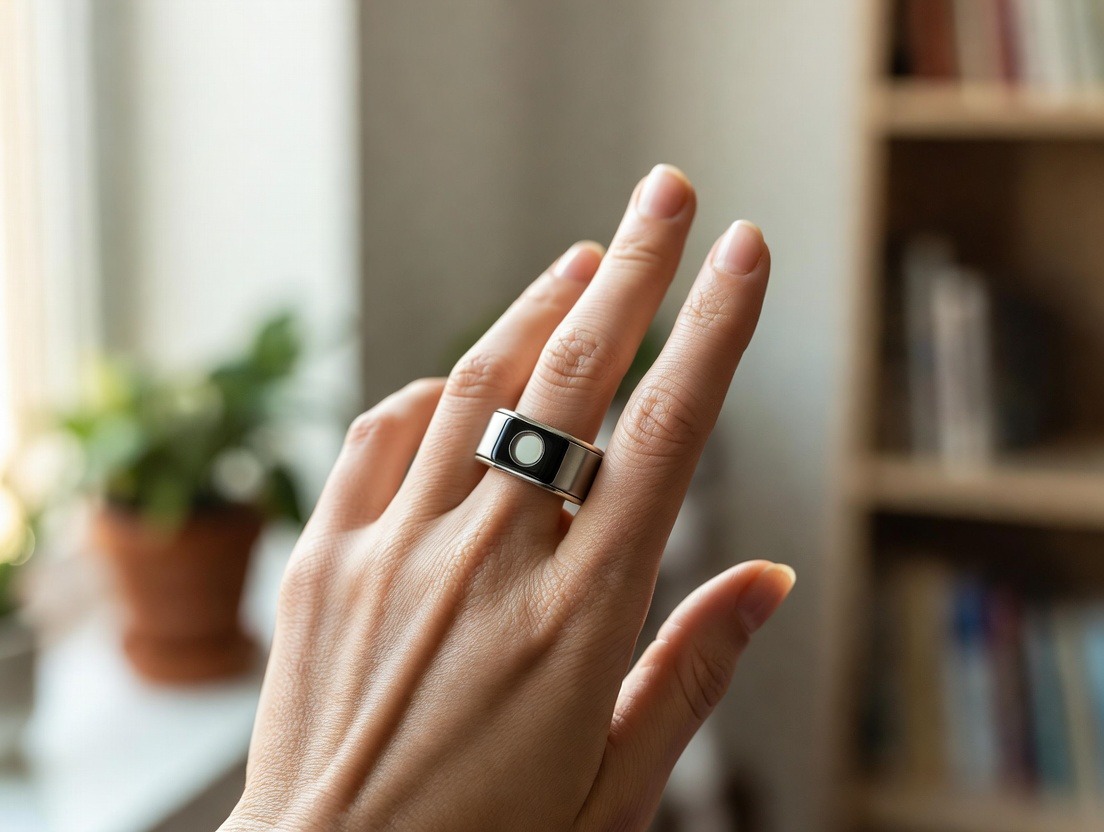
But what if the key to unlocking lasting health wasn't just more information, but a smarter, more personal, and actionable translation of that information? Enter the modern wellness smart ring. This isn't just another gadget to wear; it's a paradigm shift on your finger. We’re moving beyond the era of simple health tracking—the passive collection of numbers—and into the age of health action, where continuous, intimate data becomes a personalized blueprint for daily living.
A smart ring does more than count. It understands. It learns the subtle rhythms of your unique biology: the nightly journey of your heart rate variability (HRV) as a measure of recovery, the silent story your skin temperature tells about your metabolism and menstrual cycle, the oxygen saturation levels that hint at your respiratory fitness. This is data with context, worn in the one place that provides a consistent, clinical-grade signal without the bulk of a watch.
This article is your comprehensive guide to bridging that critical gap between insight and outcome. We will delve deep into the science, the strategy, and the stories behind how a device like the Oxyzen smart ring transforms raw biometrics into a clear, actionable path forward. We’ll explore the foundational pillars—from sleep and activity to stress and recovery—and provide you with a framework to stop just observing your health and start actively building it. For a deeper look at how this technology evolved, the journey from manual logs to smart rings is a fascinating story of innovation.
Think of this not as a review of features, but as an owner’s manual for a healthier future. Let’s begin.
The Tracking-Action Gap: Why Data Alone Is Not Enough
We live in a world awash with data. Our phones, watches, and now rings collect billions of data points on human physiology every day. Yet, global health trends continue to move in the wrong direction. Stress is endemic, sleep deprivation is a public health crisis, and chronic lifestyle diseases are on the rise. This contradiction highlights a fundamental flaw in the early promise of wearables: the Tracking-Action Gap.
This gap is the vast, frustrating chasm between knowing something about your health and doing something meaningful about it. It’s the feeling of seeing a poor sleep score and shrugging, because the app only tells you that you slept poorly, not why or what to do tonight to fix it. It’s logging 10,000 steps and considering your health "done" for the day, while ignoring chronic stress or poor recovery.
Traditional trackers often function as digital scorekeepers. They are fantastic at quantification:
"You took 8,432 steps."
"You slept 6 hours and 15 minutes."
"Your average heart rate was 68 BPM."
But quantification without qualification is just noise. It lacks the narrative. Why were those 6 hours restless? Was it the late dinner, the alcohol, the blue light, or an underlying high stress load? What does an average heart rate of 68 mean for you? Is that higher than your resting baseline, indicating your body is fighting something? Without context and guidance, data can lead to anxiety ("I’m never doing enough") or apathy ("These numbers don’t mean anything").
A true wellness smart ring is engineered to close this gap. Its value lies not in the data pile it creates, but in the actionable insights it distills. This is achieved through three key shifts:
From Periodic to Continuous: Unlike a watch you take off or a phone you set down, a ring provides a 24/7 signal. It captures data during the most telling times: deep sleep, moments of calm, and periods of intense focus. This continuous stream reveals patterns, not just points. You see how your afternoon stress impacts your evening heart rate, which then predicts your sleep quality. For an understanding of why this unbroken monitoring is so crucial, our blog dives into the significant advantages of continuous vs. periodic monitoring.
From Generic to Personal: Your baseline is not my baseline. A smart ring learns your normal. It establishes what a good night’s sleep looks like for your body, what your typical stress response is, and what your personal recovery capacity entails. This personalization turns generic health advice ("get 8 hours of sleep") into personalized directives ("aim for 7.5 hours with a bedtime before 10:30 PM to maximize your deep sleep based on your history").
From Descriptive to Prescriptive: This is the core of the action paradigm. The most advanced systems don't just describe your state; they prescribe micro-actions. Using algorithms and often AI, they can suggest: "Your readiness score is low today. Consider a light walk instead of intense training." Or, "Your data shows you’re potentially getting sick. Prioritize hydration and rest." This transforms the device from a historian into a coach.
The journey from tracking to action begins with recognizing that data is the starting line, not the finish line. The real power is in the interpretation and the integrated, gentle nudges that align with your daily life. To see how real users have made this leap, you can explore authentic customer reviews and user experiences. The next sections will unpack exactly how this plays out across every dimension of your well-being.
Your Nightly Blueprint: How Sleep Data Becomes Sleep Strategy
Sleep is the single most potent performance-enhancing, health-protecting, and life-extending "activity" we do. Yet, for most, it’s a black box. We know we need it, we often crave it, but we fundamentally misunderstand it. A smart ring illuminates this black box, providing not just a score, but a detailed architectural blueprint of your night. This is where health action truly takes root.
A sophisticated ring like Oxyzen tracks the multi-layered structure of your sleep:
Sleep Stages: The duration and cycling of light, deep, and REM sleep.
Sleep Latency: How long it takes you to fall asleep—a key indicator of stress or routine issues.
Restlessness & Awakenings: The frequency and duration of disturbances you may not even remember.
Heart Rate & HRV During Sleep: Your nocturnal heart rate and its variability are pure, unmasked signals of your nervous system’s recovery state, free from daytime distractions.
Blood Oxygen (SpO2) & Respiratory Rate: Critical metrics for assessing sleep quality and identifying potential disturbances like sleep apnea.
Skin Temperature: Shifts in nighttime temperature are intricately linked to sleep cycle regulation and circadian health.
This data becomes a strategy through a process of cause-and-effect analysis. The ring and its app don’t just say "Your sleep was poor (75%)." They say: "Your sleep was poor (75%) primarily due to elevated nighttime heart rate and low deep sleep. This correlates with your late-evening workout and alcohol consumption logged at 9:00 PM. For better recovery tomorrow, consider finishing exercise 3 hours before bed and avoiding alcohol."
This is the action. Let’s break down how to operationalize your sleep data:
Action on Latency: If your "time to fall asleep" is consistently long (e.g., >20 minutes), your action plan isn't "try harder to sleep." It’s about implementing a wind-down ritual. The data prompts you to create a digital sunset, use blue-light blocking features on your devices, or try a short, guided meditation—all trackable interventions whose success is reflected in your next night’s latency metric.
Action on Restlessness: Frequent awakenings might be linked to room temperature, caffeine timing, or even blood sugar dips. Your ring’s skin temperature data can guide you to adjust your thermostat. Seeing a correlation between a 3 PM coffee and midnight restlessness is a powerful, personal reason to shift your cut-off time.
Action on Deep & REM Sleep: These crucial stages are where physical repair and memory consolidation occur. If your deep sleep is lacking, your action items might be prioritizing consistent bedtimes to stabilize your circadian rhythm or evaluating the intensity and timing of your physical training, as overtraining can crush deep sleep. Low REM sleep, often tied to stress and alcohol, directs you to stress-management techniques and moderating evening drinks.
By treating your sleep data as a nightly report card on your previous day’s choices, you enter a feedback loop of positive behavior change. You stop guessing and start experimenting with evidence. The ring provides the evidence; you become the scientist of your own well-being. For those focused on long-term vitality, this nightly optimization is a cornerstone of healthy aging, with dozens of actionable tips a smart ring can help implement.
Beyond Steps: The Movement Intelligence Revolution
The fitness tracking world has long been obsessed with steps. While movement is vital, the step count is a notoriously crude and incomplete metric. It says nothing about the quality, intensity, or physiological impact of your movement. Health action requires Movement Intelligence—a nuanced understanding of how different activities affect your unique body.
A smart ring advances far beyond the pedometer. By continuously monitoring your heart rate, heart rate variability, and sometimes even galvanic skin response, it provides a dynamic picture of your body’s response to movement. This allows for several key action-oriented frameworks:
1. Personalized Activity Targets: Instead of a one-size-fits-all 10,000 steps, your ring can help you set goals based on your own fitness level and recovery status. Using your resting heart rate and HRV trends, it can suggest whether today is a day for vigorous activity, moderate movement, or active recovery. This is the foundation of training with your body, not against it.
2. Understanding Cardiovascular Load: Heart rate during exercise is your most direct metric for intensity. A ring allows you to see time spent in different heart rate zones (e.g., fat burn, cardio, peak) for any activity—be it a formal workout, a brisk walk, or even gardening. This helps you ensure you’re getting the right mix of low-intensity steady-state (LISS) for base building and high-intensity intervals for cardiovascular boost, moving beyond just "did a workout" to "what was the physiological effect of that workout?"
3. The Critical Role of Non-Exercise Activity Thermogenesis (NEAT): This is where the ring shines. NEAT is the calories you burn from everything that isn't sleeping, eating, or formal exercise: fidgeting, standing, walking to the printer, household chores. A ring, worn continuously, captures this all-day movement energy expenditure far more holistically than a step count. The action insight? Increase your NEAT. Use the ring’s inactivity alerts to remind you to stand up every hour. See your "active calories" for the day and realize that three 10-minute walks dispersed throughout the day can be as valuable, if not more so for metabolic health, as one 30-minute gym session. Our detailed guide on activity and movement tracking explores this concept in greater depth.
4. Recovery as Part of the Movement Cycle: True fitness is built during recovery. A smart ring’s HRV and resting heart rate data post-exercise are gold standards for measuring recovery. If your HRV is significantly depressed the morning after a hard workout, that’s a clear signal from your nervous system that it’s still under stress. The intelligent action is to swap your planned intense run for a walk, yoga, or rest. This prevents overtraining, reduces injury risk, and leads to better long-term results.
By embracing Movement Intelligence, you shift from exercising for the sake of burning calories or hitting an arbitrary step goal, to moving with purpose to improve specific biomarkers of health: lowering your resting heart rate, improving your heart rate recovery time, and building a more resilient stress response system.
The Silent Signal: Decoding Stress and Recovery for Resilience
Stress is not the enemy. In fact, acute stress (eustress) is essential for growth, adaptation, and performance. The enemy is chronic, unmanaged stress—the kind that lingers in your nervous system, keeping you in a perpetual state of low-grade "fight or flight." This chronic stress erodes sleep, hampers recovery, impairs digestion, and weakens immunity. The problem is, we are often terrible at perceiving our own stress levels until they manifest as burnout, anxiety, or illness.
This is where a smart ring becomes an invaluable, objective biofeedback tool. It measures what you cannot reliably feel: your autonomic nervous system (ANS) state.
The primary metric here is Heart Rate Variability (HRV). Contrary to what the name implies, a higher HRV is generally better. It represents the healthy, slight variations in time between your heartbeats, indicating a flexible and resilient nervous system that can smoothly transition between stress (sympathetic) and relaxation (parasympathetic) states. Low HRV indicates a nervous system that is stuck on "high alert" or is fatigued and depleted.
How this data turns into action for resilience:
Identifying Invisible Stressors: You might have a "calm" day at your desk, but your ring shows a depressed HRV and elevated resting heart rate. This objective data prompts you to investigate hidden stressors: Was it the three cups of coffee? The difficult conversation you replayed in your head? Poor sleep from two nights ago? The data doesn’t judge; it simply alerts you to a physiological state, allowing you to connect the dots to lifestyle factors.
Validating and Guiding Stress-Management Techniques: You decide to start a daily 10-minute meditation practice. Does it work? Your subjective feeling is one data point. Your HRV trend over the next two weeks is another, more objective one. Seeing a gradual rise in your HRV baseline is powerful positive reinforcement, proving the technique’s efficacy for your body. Similarly, you can test the impact of yoga, nature walks, or breathwork.
The "Readiness" or "Recovery" Score: Many advanced platforms synthesize HRV, resting heart rate, sleep, and temperature data into a single daily score. This isn't a gimmick; it's a distilled action signal. A high readiness score is a green light to train hard, tackle challenging projects, or be socially active. A low score is a directive to prioritize rest, choose gentle movement, and nourish your body well. It’s a tool for strategic energy expenditure, helping you align your demands with your capacity.
Predictive Insights: Persistent low HRV and elevated resting heart rate are strongly correlated with increased susceptibility to illness and overtraining. Your ring can serve as an early warning system, suggesting you may be fighting something off. The immediate action? Double down on sleep, hydration, and nutrition, and perhaps scale back. This is proactive health management at its finest.
By making the invisible visible, a smart ring empowers you to have a dialogue with your nervous system. You learn which activities deplete you and which replenish you. You stop pushing through based on sheer will and start navigating your days with physiological intelligence, building true resilience from the inside out. To understand the deep technology enabling this, the science behind the sensors and algorithms is a compelling read.
The Personalized Baseline: Why Your Normal Is Your Most Important Metric
In the public health sphere, we are given population-wide averages: a normal blood pressure is 120/80, a healthy resting heart rate is 60-100 BPM, a good night's sleep is 7-9 hours. While these ranges are useful screening tools, they are fundamentally inadequate for guiding individual action. Your optimal zone exists within these ranges, and discovering it is the key to personalized health.
This is the concept of establishing your Personalized Baseline. A smart ring, through continuous wear over weeks and months, learns the unique fingerprint of your physiology. It doesn't just measure you against the world; it measures you against yourself. This shift is transformative for taking meaningful action.
Key Personalized Baselines Your Ring Establishes:
Resting Heart Rate (RHR) Baseline: Your personal RHR might be 58 or 72. What matters is the trend. If your personal baseline is 58 and it creeps up to 65 for several days, that’s a significant 12% increase, signaling potential overtraining, onset of illness, or heightened stress—even though 65 is still within the "healthy" population range. The action is triggered by the deviation from your norm, not from a generic number.
Heart Rate Variability (HRV) Baseline: HRV is highly individual. One person’s baseline might be 45ms, another’s 100ms. Comparing your HRV to someone else’s is meaningless. The power is in tracking your trend. A sustained dip of 20% below your own rolling average is a clear, personalized alert to prioritize recovery.
Sleep Baselines: Your perfect sleep duration might be 7 hours 15 minutes, not 8. Your ideal deep sleep percentage might be 18%. Your ring identifies these patterns. The action comes when you fall below your own established norms, prompting you to investigate the specific reasons for you.
Temperature Baseline: Wrist- or finger-based skin temperature is relative. The ring establishes your own nightly temperature nadir and range. A consistent elevation from your baseline can be one of the earliest signs of menstrual cycle phase shifts, illness, or metabolic changes.
Turning Baselines into Actionable Guardrails:
Create Your "Green Zone": Define the range for each metric where you feel and perform your best. This is your personal health dashboard's optimal operating zone.
Set Deviation Alerts: Use the app to notify you when key metrics (like RHR) move outside a predefined percentage of your baseline. This turns data into a timely nudge.
Correlate with Lifestyle Logging: Most apps allow you to log activities, caffeine, alcohol, meals, and mood. Over time, you can see how these logged behaviors pull your biomarkers away from or toward your personal baseline. "Every time I have a second glass of wine, my deep sleep drops by 15% from my baseline." That is a powerful, personalized cause-and-effect insight that drives conscious choice.
By focusing on your personalized baseline, you move from a state of comparison (often leading to frustration) to a state of self-awareness and self-optimization. You are no longer chasing a societal ideal; you are tuning your own instrument to its most harmonious state. This principle is at the heart of how modern technology enables truly personalized wellness plans.
From Correlation to Causation: The Lifestyle Experimentation Engine
This is perhaps the most empowering aspect of advanced health wearables: they turn your life into a laboratory and you into the principal investigator. With a solid personalized baseline established, you can move beyond observing correlations ("my sleep was bad") to testing causation ("was it the late dinner, the evening screen time, or the stressful day?").
A smart ring provides the objective, biometric data to run clean, n=1 (single participant) experiments. This is the scientific method applied to daily living.
How to Run a Lifestyle Experiment:
Ask a Question: "Does eliminating caffeine after 2 PM improve my deep sleep?"
Define the Metric: Primary: Percentage of deep sleep. Secondary: Sleep latency, resting heart rate.
Establish a Control Period: Wear your ring normally for 3-5 days with your usual caffeine habit (e.g., a coffee at 4 PM). Record the average deep sleep %.
Implement the Intervention: For the next 5-7 days, strictly have no caffeine after 2 PM. Keep all other variables (bedtime, exercise, alcohol) as consistent as possible.
Analyze the Results: Compare the average deep sleep percentage during the intervention period to the control period. Did it increase by a meaningful amount (e.g., >5%)? Did your sleep latency decrease? Look at the graphs in your app.
Other Powerful Experiments You Can Run:
Exercise Timing: Does working out in the morning vs. evening lead to better HRV recovery for me?
Food & Glucose Impact: While rings don't measure glucose directly, you can log meal types and times and see correlations with next-morning resting heart rate, HRV, and sleep quality. A meal high in refined carbs and sugar might spike your nighttime heart rate.
Digital Sunset: Does implementing a strict no-screens policy 60 minutes before bed increase my REM sleep?
Hydration: Does consciously hitting a water intake goal improve my skin temperature stability and energy levels?
The Role of the App and AI: Sophisticated platforms are beginning to automate this process. By logging your activities, nutrition, and mood within the app, machine learning algorithms can start to surface these correlations for you. They might generate insights like: "On days you log 'high stress,' your nighttime heart rate is an average of 5 BPM higher. Consider a breathing exercise on these days."
This process transforms you from a passive recipient of health data into an active participant in your well-being. You gain confidence because your actions are based on evidence specific to your body. You demystify your own health, replacing guesswork with knowledge. This experimental mindset is the ultimate tool for building sustainable, healthy habits that last a lifetime.
The Intelligent Activity Plan: Training Smarter, Not Just Harder
The old paradigm of fitness was “no pain, no gain.” The new, data-informed paradigm is “stress + rest = growth.” Your ring provides the vital “rest” and “recovery” data missing from most training plans, allowing you to balance exertion with recovery for sustainable progress and injury prevention.
Principle 1: Let Readiness Guide Intensity This is the most significant shift. Instead of following a rigid calendar-based plan (“It’s Tuesday, so I do intervals”), let your daily Readiness Score dictate your workout’s intensity.
High Readiness (70+): Green Light. This is the day for your high-intensity interval training (HIIT), heavy strength session, or long endurance workout. Your body is primed to perform and adapt.
Moderate Readiness (40-69): Yellow Light. Opt for moderate, skill-based, or social exercise. A steady-state cardio session (Zone 2), a technique-focused weights session, a yoga class, or a sports game.
Low Readiness (1-39): Red Light. This is a mandatory recovery day. Focus on gentle movement: walking, light stretching, or restorative yoga. The goal is circulation, not exertion.
Principle 2: Use HRV & RHR for Weekly Planning Your morning HRV and RHR are more sensitive than the composite readiness score for some.
If your HRV drops >20% below your baseline and/or your RHR is >7 BPM above your baseline, treat it as a low-readiness day, even if you feel okay subjectively. This is your body asking for resources internally.
Plan your training week dynamically. Schedule your hardest workouts tentatively, but be prepared to swap them based on your morning data. This is how elite athletes avoid overtraining.
Principle 3: Quantify Your Load with Activity Strain Use your Activity Strain Score to ensure you’re applying the right dose of stress.
Aim for a progressive overload in your strain score over 3-week cycles, followed by a deload week with 30-50% less strain to allow for supercompensation (where fitness actually improves).
Compare strain to recovery: After a high-strain day, your next day should likely be low-to-moderate strain. Your ring’s readiness and recovery metrics will confirm if you’ve balanced them correctly.
Principle 4: Prioritize Zone 2 Cardio for Metabolic Health The fitness world is rediscovering the immense benefits of low-intensity, steady-state cardio performed in Heart Rate Zone 2. This is a pace where you can hold a conversation. It builds mitochondrial density, improves fat metabolism, and enhances recovery without imposing high systemic stress.
Use your ring’s heart rate zones to stay truly in Zone 2. Most people go too hard.
Aim for 120-180 minutes per week of Zone 2 activity (e.g., brisk walking, slow jogging, cycling). This foundational work will improve your biomarkers (lower RHR, higher HRV) and make your high-intensity work more effective.
The Outcome: You stop “working out” and start “training.” You move from random exertion to a purposeful, responsive practice that builds fitness while fortifying health, dramatically reducing the risk of burnout, injury, and plateaus. This intelligent approach is a core part of using your ring to support diverse health and fitness goals.
Nutrition & Hydration: Seeing the Body’s Response
While your ring doesn’t directly track calories or macros, it is an exquisitely sensitive barometer of how your food and fluid choices affect your physiology. You can use it to run powerful n-of-1 experiments to discover your personal optimal diet.
The Hydration Signal: Dehydration has an immediate and clear impact on several metrics:
Elevated Resting Heart Rate: Your heart has to work harder to pump thicker blood.
Poorer Sleep Quality: Can lead to more disturbances and less deep sleep.
Higher Perceived Stress: The body registers dehydration as a physiological stressor.
Experiment: On a day you are well-hydrated (aim for clear, pale-yellow urine), note your metrics. Compare to a day you drink less. The data often provides a more compelling reason to carry a water bottle than any article.
Food as a Recovery Tool: Track how different meals and meal timings affect your recovery metrics.
Late, Heavy Meals: Do they correlate with lower deep sleep scores and higher nighttime disturbances on your sleep graph? If so, it’s a sign to have dinner earlier and/or lighter.
Post-Workout Nutrition: After a high-strain workout, does a meal with adequate protein and carbs help your readiness score recover faster the next day compared to a day you skip it?
Inflammatory Responses: Do certain foods (e.g., high sugar, processed foods, or personal intolerances) lead to a slight but sustained elevation in your skin temperature trend or a dip in HRV the next day? This can help identify silent food sensitivities.
Caffeine & Alcohol: The Data Doesn’t Lie These are two of the most powerful pharmacological substances we consume regularly, and your ring will objectively show their impact.
Caffeine: Note the time of your last coffee. Does caffeine after 2 PM correlate with longer “sleep latency” (time to fall asleep) or reduced deep sleep? For many, the half-life is longer than they think.
Alcohol: It is a sedative, not a sleep aid. It will severely suppress REM sleep (watch the red REM bars shrink on your sleep graph) and often increase nighttime heart rate and disturbances. It also reliably crashes HRV and elevates RHR. Try a “dry” month and watch your sleep scores, recovery metrics, and readiness soar. The data can be a motivating factor to rethink consumption patterns.
The Personalized Diet Approach: Instead of jumping on the latest diet trend, use your ring to find your optimal way of eating. Try different patterns (e.g., time-restricted eating, balanced macros, etc.) for 2-3 weeks each while keeping other variables constant. Which pattern yields:
The most stable, highest energy levels (reflected in consistent daily readiness)?
The best sleep scores and recovery metrics?
The most favorable body composition trends (when combined with other measures)?
Your body’s biometric response is the ultimate arbiter of what “healthy eating” means for you.
The Integrated Dashboard: Connecting the Dots for Holistic Insight
Siloed data is limited data. The true magic—and the final step before clear action—happens when all these biometric streams converge on a single dashboard. Viewing sleep, activity, stress (HRV/RHR), and other metrics in isolation is like looking at individual instruments in an orchestra. The integrated dashboard is the symphony.
It’s here that you see the interconnected narrative of your physiology. This holistic view is what enables sophisticated health action.
Critical Connections Revealed by Integration:
The Sleep-Stress Cycle: You can visually see how a day of high stress (low HRV) predicts a night of poor sleep (high resting heart rate, low deep sleep), which then leads to a poor recovery score the next morning, making you more vulnerable to stress. This vicious cycle becomes clear, and the intervention point is obvious: break the chain with a stress-reduction technique on the high-stress day.
The Training-Recovery Feedback Loop: Your dashboard shows a hard workout on Monday. Tuesday’s readiness score is low, and sleep is disrupted. Wednesday, you feel fine subjectively, but your HRV is still depressed. The integrated data warns you that your body is still repairing, guiding you to take an extra recovery day, potentially preventing injury or illness.
The Impact of Lifestyle on Biomarkers: You log a night of heavy social eating and drinking. The dashboard doesn’t just show poor sleep that night. It shows elevated resting heart rate, lower HRV, and potentially higher skin temperature for the next 24-36 hours. You see the tangible, multi-system cost of that choice, making you more mindful in the future.
Long-Term Trend Analysis: Over months, the dashboard can reveal powerful trends. Is your average resting heart rate trending downward, indicating improved cardiovascular fitness? Is your baseline HRV slowly climbing, showing greater resilience? These long-term views are incredibly motivating, providing proof that your actions are creating positive physiological change.
This integrated dashboard becomes your daily briefing on your body’s condition and needs. It moves you from reactive health care ("I feel sick, I should see a doctor") to proactive body stewardship ("My data shows I'm trending toward depletion; I will adjust my week to rebalance"). It’s the command center for your personal health action plan. For a look at how this technology is reshaping broader healthcare, explore how health tracking is changing the face of preventive medicine.
Proactive Wellness & Early Warning Systems
The ultimate goal of health technology is not to diagnose disease, but to empower you to avoid it. This is the realm of proactive wellness and early warning systems. By establishing your deeply personalized baseline and monitoring for significant deviations, a smart ring can serve as a sentinel, alerting you to potential issues while there’s still time for simple, lifestyle-based corrections.
This is a fundamental shift from the sick-care model to a true health-care model.
How a Ring Functions as an Early Warning System:
Pre-Illness Detection: Often, before you feel symptoms of a cold or flu, your body initiates an immune response. This response is frequently marked by a rise in resting heart rate, a change in heart rate variability, and sometimes an increase in skin temperature. A ring that tracks these metrics 24/7 can detect these subtle shifts. Seeing a sustained, unexplained elevation in your RHR is a signal to prioritize sleep, hydration, vitamin C, and rest—potentially shortening the illness or avoiding it altogether.
Overtraining Prevention: For athletes and active individuals, the line between peak training and overtraining is thin. Traditional markers are often delayed (fatigue, performance drop). Biometric markers like a consistently depressed HRV, elevated resting heart rate, and poor sleep quality are early, objective signs of non-functional overreaching. The ring provides the alert to incorporate deload weeks and prevent a full-blown overtraining syndrome.
Stress Accumulation Alert: Chronic stress builds silently. Subjectively, you may adapt to a "new normal" of feeling wired and tired. Objectively, your nervous system is shouting. A consistently low HRV trend over weeks is a undeniable red flag. This data-driven warning can be the catalyst to seek help, start therapy, change a job situation, or seriously commit to a meditation practice before burnout or more serious health consequences occur.
Monitoring Known Conditions: For individuals managing conditions like hypertension or atrial fibrillation (after consultation with a doctor), continuous heart rate and rhythm monitoring can provide valuable trend data between check-ups, offering peace of mind and flagging concerning patterns for timely professional review.
It is crucial to state: A smart ring is not a medical device. It does not diagnose. Its role in proactive wellness is to provide actionable context and early clues. It tells you, "Your body is signaling that something is off. Consider these supportive actions and consult a healthcare professional if symptoms develop or persist." This empowers you to be the best, most informed advocate for your own health. To see how this technology is being used in clinical settings, our article on health tracking technology in hospitals provides a forward-looking perspective.
The Seamless Coach: How AI and Notifications Nudge You Toward Better Habits
Information overload can lead to paralysis. The final piece of the health action puzzle is delivery. How does the right insight get to you at the right time, in the right way, to actually inspire a positive behavior? This is the domain of intelligent software, AI, and thoughtful notification systems—the "Seamless Coach."
The goal is not to bombard you with alerts, but to provide gentle, context-aware nudges that feel helpful, not punitive.
Elements of an Effective Digital Coaching System:
Morning Readiness Briefing: Instead of a chaotic scroll through social media, your first interaction with your phone could be a brief, glanceable summary from your ring: "Good morning. Your recovery score is 85/100—great readiness for the day. Sleep was efficient, but deep sleep was a bit light. Consider a protein-rich breakfast to support energy."
Contextual Activity Nudges: The ring and app know you’ve been sedentary for 90 minutes. Instead of a generic "Move!" notification, it could suggest: "Time for a micro-break. A 3-minute walk now can help stabilize your glucose and refresh your focus."
Wind-Down Reminders: Based on your typical sleep latency and current stress metrics, the app can proactively remind you when to start your evening wind-down routine. "Your body shows signs of high alertness. Begin your digital sunset in 30 minutes for optimal sleep onset."
Positive Reinforcement: When you hit a personal best (e.g., highest weekly HRV average, most consistent sleep schedule), the coach celebrates it. "Well done! Your consistent 10 PM bedtime this week correlated with a 10% increase in deep sleep. Keep it up!"
Insight-Driven "Why" Behind Notifications: Every nudge is tied back to your data. It doesn't just say "go to bed." It says, "For a recovery score above 80 tomorrow, aim for lights out by 10:30 PM, based on your current readiness and last night's short sleep."
Adaptive Goal Setting: AI can help adjust your goals based on your progress and lifestyle. If you consistently crush your step goal, it might suggest adding a weekly "active minutes" goal. If you’re struggling with sleep consistency, it might simplify the goal to "Get into bed within a 30-minute window each night" before targeting duration.
This seamless coaching turns the overwhelming task of "getting healthy" into a series of manageable, daily micro-actions. It externalizes the executive function of health management, conserving your mental energy for living your life. The ring and app work in the background, providing the right cue at the right time to keep you on your personalized path.
Choosing Your Action Partner: Key Features That Turn a Tracker Into a Coach
Not all smart rings are created equal. In a rapidly expanding market, the difference between a simple data logger and a true health action partner can be vast. To ensure your investment translates into tangible lifestyle improvements, you must look beyond sleek design and battery life to the core features that enable insight and action.
When evaluating a smart ring—whether it's Oxyzen, Oura, or others—consider these critical, action-oriented criteria:
1. Sensor Suite: The Foundation of Insight The quality and type of sensors determine what you can learn. For actionable health, prioritize rings with:
Medical-Grade PPG Sensors: Photoplethysmography (PPG) is the technology that reads blood flow to measure heart rate, HRV, and blood oxygen. Look for advanced, multi-wavelength PPG (e.g., red and infrared) for higher accuracy across skin tones and during movement. This accuracy is non-negotiable for reliable insights. The ongoing accuracy revolution in health tracking technology hinges on these advancements.
Skin Temperature Sensor: A precise, relative temperature sensor is invaluable. It provides context for menstrual cycle tracking, illness onset, and metabolic changes. For action, trend data is more important than absolute numbers.
3D Accelerometer & Gyroscope: These track movement and sleep position. A ring that can distinguish between typing at a desk and washing dishes provides a more nuanced picture of your NEAT (Non-Exercise Activity Thermogenesis).
2. The Algorithm & Platform: The Intelligence Behind the Data The hardware collects raw signals; the software turns them into wisdom. This is where the "smart" truly resides.
Proprietary Sleep & Readiness Algorithms: Investigate how the ring scores your sleep and recovery. Do they simply sum duration and motion, or do they incorporate HRV, temperature, and respiratory data for a physiologically nuanced score? Read white papers or blog posts from the company explaining their science.
Personalized Baseline Calculation: How long does it take to establish "your normal"? A good platform needs at least 7-14 days of continuous wear to create a meaningful baseline before offering prescriptive insights.
Actionable Messaging: Scrutinize the app's daily insights. Do they stop at "Your sleep was good," or do they offer cause-and-effect analysis and suggestions like, "Your deep sleep was lower, potentially due to your late dinner. Try finishing eating 3 hours before bed"?
Data Accessibility & Integration: Can you export your raw data? Does the ring sync with other health ecosystems like Apple Health, Google Fit, or Strava? This allows you to create a comprehensive health dashboard and share relevant data with healthcare providers. Our guide on integration with other health apps explains why this connectivity matters.
3. Form Factor & Wearability: The Key to Consistent Data A ring you don’t wear is useless. The device must be comfortable and durable enough for 24/7 use, including during sleep, showers, and workouts.
Material & Hypoallergenic Properties: Titanium is a popular choice for its strength, lightness, and hypoallergenic nature. Ensure the inner sensor housing is made of a skin-safe, non-irritating material like medical-grade resin or ceramic. For those with sensitive skin, exploring hypoallergenic material options is essential.
Battery Life & Charging: Look for a battery life of at least 4-7 days to encourage consistent wear. The charging mechanism should be simple and quick. A compact, travel-friendly charger is a plus.
Size, Fit, and Style: An improper fit can affect sensor accuracy and comfort. Most companies offer sizing kits. Consider the ring's profile—is it low-profile enough for comfortable sleep and glove-wearing? Does it offer style and color options that you’ll be happy wearing every day? The ring should feel like a piece of jewelry, not a medical device.
4. The Company & Ecosystem: Your Long-Term Support You're not just buying a product; you're entering an ecosystem. Research the company behind the ring.
Scientific Validation: Does the company invest in clinical research and publish findings in peer-reviewed journals? This is a strong indicator of commitment to accuracy and health impact.
Roadmap & Updates: Are new features and algorithm improvements rolled out regularly via software updates? A stagnant platform will quickly become outdated.
Privacy & Data Security: This is paramount. Read the privacy policy. Where is your highly personal biometric data stored? How is it used? Is it anonymized for research? You need full confidence in their data security and privacy settings.
Customer Support & Community: Is there accessible support for troubleshooting? Is there an engaged user community or knowledge base? Good support is crucial for a smooth experience.
Making an informed choice ensures your ring becomes a catalyst for change, not just another source of data. For a detailed, side-by-side analysis to aid your decision, our comparison chart of top brands is an invaluable resource.
Your 30-Day Action Plan: A Step-by-Step Guide to Transformation
You have your ring. The app is installed. Now what? The first month is critical for establishing habits, learning your body's language, and avoiding overwhelm. This 30-day plan is designed to systematically move you from passive wearer to active participant.
Weeks 1 & 2: The Observation Phase – Establish Your Baseline Goal: Wear consistently and collect data without judgment.
Days 1-7: Just Wear. Commit to wearing the ring 24/7, only removing it for charging. Do not chase scores or make drastic changes. Live your normal life. This allows the algorithms to start learning your unique patterns.
Action: Use the app's logging feature to note key daily events: exercise, alcohol consumption, large meals, stressful moments. Don't over-log; just note the obvious highlights.
Days 8-14: Identify Patterns. Start reviewing your daily and weekly reports. Look for obvious connections. Do you see a pattern of lower sleep scores after evenings with alcohol? Does your HRV dip on Mondays? Don't act yet—just observe and hypothesize. This is a great time to explore our blog for foundational articles on understanding these metrics.
Week 3: The Insight Phase – Connect Dots and Choose One Focus Goal: Translate observations into one specific, actionable goal.
Review Your Baselines: By now, your ring should have a good idea of your personal norms for sleep, resting heart rate, and HRV.
Pick ONE Lever: Based on your observations, choose the single area where you feel an improvement would have the biggest impact. For most people, this is either Sleep Quality or Stress/Recovery Balance.
If choosing Sleep: Your action isn't "sleep more." It's a specific, behavioral tweak like "Establish a consistent bedtime within a 30-minute window" or "Implement a 30-minute screen-free wind-down ritual."
If choosing Stress/Recovery: Your action might be "Take a 10-minute mindful walk during my afternoon slump" or "Practice 5 minutes of box breathing when my stress notification appears."
Action: Formally set this one micro-habit in your app's goal section or in a journal. Keep it absurdly simple and achievable.
Week 4: The Experimentation Phase – Test and Refine Goal: Implement your one action and measure its biometric impact.
Execute Consistently: Faithfully perform your one new micro-habit every day.
Monitor the Data: Watch the relevant metrics in your app. If your goal is better sleep, look at your sleep score breakdown, deep sleep, and latency. If it's stress, watch your daytime HRV graph and resting heart rate.
Evaluate: At the end of the week, ask: Did my data improve? More importantly, how do I feel? Sometimes the subjective feeling ("I feel calmer") precedes the data shift.
Adjust: If it worked, solidify it as a habit. If not, tweak the experiment. Maybe shift the timing or try a different intervention. The ring provides the feedback loop.
By the end of 30 days, you will have moved from being a spectator to a scientist of your own well-being. You'll have a clear understanding of how your body responds to your life, and you'll have proven to yourself that small, data-informed actions can create measurable change. For beginners, this structured approach is elaborated in our guide on how to make a wellness ring perfect for beginners.
Overcoming Common Pitfalls: From Data Anxiety to Empowered Action
The journey from tracking to action isn't always smooth. Even with the best tools, psychological hurdles can arise. Recognizing and navigating these pitfalls is essential for long-term success.
1. Obsession & Data Anxiety (The "Score-Chasing" Trap):
The Pitfall: Constantly checking the app, feeling elated by a high readiness score and defeated by a low sleep score. Your self-worth becomes tied to metrics.
The Action-Oriented Mindset Shift: Reframe the scores. They are not grades; they are information and guidance. A low score isn't a failure; it's a compassionate nudge from your body. It's saying, "Hey, I need a little extra care today." The action is to listen, not to judge. Set specific times to check your data (e.g., once in the morning, once in the evening) rather than compulsively throughout the day.
2. Misinterpreting the Data (The "False Cause" Fallacy):
The Pitfall: Seeing a correlation and immediately assuming causation. "My HRV was high on Tuesday; it must have been the new supplement!" without considering other factors like better sleep the night before or a lighter work schedule.
The Action-Oriented Mindset Shift: Embrace the "experiment" mindset outlined earlier. Understand that biology is complex. Use the data to form hypotheses, then test them systematically while controlling other variables. The ring provides clues, not absolute answers. For nuanced questions, our FAQ section can help clarify common confusions.
3. Ignoring Subjective Feelings (The "Data-Only" Blind Spot):
The Pitfall: Disregarding how you feel in favor of what the numbers say. "The ring says I'm 90% recovered, but I feel exhausted. I guess I'll push through."
The Action-Oriented Mindset Shift: Your subjective feeling is the most important data point of all. The biometric data is context for that feeling. If you feel exhausted but your numbers are great, ask why. Are you mentally drained? Dehydrated? Bored? Use the objective data to inform your subjective experience, not override it. The ultimate goal is to feel better, not just to optimize a graph.
4. Lack of Patience (The "Instant Results" Expectation):
The Pitfall: Expecting dramatic changes in your biomarkers after a week of better sleep. Physiological change happens on the scale of weeks and months, not days.
The Action-Oriented Mindset Shift: Focus on behavioral consistency, not metric volatility. Celebrate sticking to your wind-down routine for 7 nights in a row, regardless of the sleep score. The positive trends in HRV, resting heart rate, and sleep architecture will follow as a natural consequence of sustained healthy habits. Trust the process.
5. Forgetting the "Why" (The "Tool as Goal" Problem):
The Pitfall: The ring and the app become the center of the journey. The original goal—more energy, better mood, improved health—fades into the background.
The Action-Oriented Mindset Shift: Regularly reconnect with your deeper motivation. Why did you get this device in the first place? Was it to play with your kids without getting winded? To manage anxiety? To age vibrantly? Let these deeper "whys" be your true north, and let the ring be the compass that helps you stay on course. Reading about the founding vision and values behind brands like Oxyzen can also help reconnect with the broader purpose of wellness technology.
By anticipating these mental traps, you can use your smart ring as a tool for empowerment rather than a source of stress. It becomes a partner in a conscious, intentional journey toward well-being.
The Long-Term Integration: Making Health Action a Sustainable Lifestyle
The true test of any wellness tool is not the initial 30-day surge of enthusiasm, but its seamless integration into your life over months and years. The goal is for the smart ring to transition from a novel "device" you use to an invisible, trusted partner in your daily existence—like a pair of comfortable glasses or a reliable watch. This long-term integration is where lasting transformation occurs.
Building Rituals, Not Relying on Willpower: The key to sustainability is embedding insights from your ring into automatic daily and weekly rituals.
The Morning Check-In: Make reviewing your readiness score and sleep report part of your morning routine, alongside coffee or tea. This isn't for judgment; it's for planning. A low score prompts you to schedule a lighter day; a high score encourages you to tackle a challenging task.
The Evening Wind-Down: Let your ring's data inform your nightly ritual. If your daytime stress was high, you might choose a longer meditation or a bath instead of watching TV. The ring provides the "why" behind choosing a more restorative activity.
The Weekly Review: Once a week, spend 10 minutes looking at your weekly trends in the app. This zoomed-out view is powerful for spotting positive trajectories (e.g., "My average resting heart rate is slowly dropping!") or identifying recurring trouble spots (e.g., "Every Thursday my sleep suffers"). This weekly audit turns data into strategic lifestyle planning.
Evolving with Your Goals: Your health goals will change. A ring that supports action must adapt with you.
Training for an Event: Shift your focus to workout load, recovery metrics, and sleep quality. Use the ring to prevent overtraining and ensure you peak at the right time.
Managing Stressful Life Transitions: During a career change, move, or family event, your ring becomes an early-warning system for burnout. The action shifts toward proactive stress containment—guarding sleep fiercely, scheduling recovery blocks, and saying "no" more often, backed by the objective data showing your need for it.
Focus on Healthy Aging: As priorities shift toward longevity, metrics like HRV, resting heart rate, and detailed sleep architecture become even more vital. The ring guides you toward activities that support metabolic health, cognitive function, and physical resilience. Explore our dedicated resource on how a smart ring supports different health goals across life stages.
Maintenance and Care for the Long Haul: To ensure your ring remains a reliable partner, simple maintenance is key. Following basic maintenance and care instructions will keep the sensors clean and the battery healthy. This includes regular cleaning with a soft, dry cloth, avoiding harsh chemicals, and ensuring a proper fit as your finger size may fluctuate slightly with seasons or activity.
The end state is a harmonious feedback loop: You live your life, your ring quietly gathers the story of your physiology, you receive gentle, intelligent nudges, you adjust your behavior accordingly, and your health gradually improves. The technology fades into the background, and the enhanced living comes to the fore.
The Future of Actionable Health Tech: Beyond the Ring
The smart ring is a pivotal moment in wearable technology, but it is not the end of the road. It is a gateway to a more interconnected, predictive, and profoundly personalized future of health management. Understanding this horizon helps contextualize the power of the tool you hold today.
1. Multi-Modal Sensor Fusion: The future lies not in a single wearable, but in a network of complementary devices that paint a complete picture. Imagine your smart ring syncing seamlessly with:
Continuous Glucose Monitors (CGMs): Correlating your glucose responses with sleep, stress, and activity data would unlock hyper-personalized nutrition insights.
Smart Scales with Body Composition Analysis: Connecting trends in muscle mass and body fat with your activity and recovery metrics.
Environmental Sensors: Integrating data on air quality, light exposure, and noise levels in your home to understand their impact on your sleep and stress. Your ring would act as the central hub, integrating these disparate data streams into a unified, actionable health dashboard.
2. Advanced AI and Predictive Analytics: Current AI offers insights based on past correlations. Future AI will move toward true predictive personalization.
Illness Prediction: Algorithms will become so refined that they could predict the likelihood of catching a common cold or flu 48-72 hours before symptoms appear, with high accuracy, allowing for truly proactive countermeasures.
Personalized Intervention Engine: Instead of generic suggestions, the AI could say: "Based on your unique response patterns, a 12-minute brisk walk at 3 PM is 40% more effective at stabilizing your evening mood than meditation for you. Would you like to schedule a reminder?"
Long-Term Risk Modeling: With years of consented, anonymized data, platforms could provide individuals with modeled projections of their health trajectories based on current habits, offering a powerful motivational tool for change.
3. Deeper Integration with Healthcare Systems: The bridge between consumer wellness and clinical care will strengthen. We are moving toward a future where patient-generated health data (PGHD) is a standard part of medical records.
Remote Patient Monitoring (RPM): Doctors could monitor post-operative recovery, chronic condition management, or the effectiveness of a new medication in real-time through consented data sharing from devices like smart rings. Learn more about this emerging frontier in our article on what's possible with health tracking technology by 2025.
Pre-Consultation Data Packets: Before an appointment, you could share a 30-day trend report of your sleep, HRV, and activity with your doctor, providing objective context for your subjective symptoms and making consultations far more efficient and data-informed.
Closed-Loop Systems: For specific conditions, data from a ring could theoretically inform other connected devices, like adjusting the temperature of a smart bed for optimal sleep or prompting a smart speaker to initiate a calming routine when stress is detected.
The smart ring of today is the foundational layer for this intelligent health ecosystem. It provides the continuous, clinical-grade biometric stream that makes all of this future innovation possible. By adopting this technology now, you are not just buying a product; you are stepping onto the moving walkway of personalized health innovation. To stay updated on this evolution, our blog is a constant source of insight into the future of wearable health tech.
Conclusion: Your Health, Amplified
We began this journey by identifying the fundamental gap between tracking and action—the chasm between knowing and doing. We have explored how a modern wellness smart ring, through continuous monitoring, personalized baselines, and intelligent interpretation, builds a bridge across that chasm.
This is not about biohacking for the sake of optimization. It is about reclamation. It is about reclaiming agency over your well-being in a world filled with generic advice and silent, chronic stress. It is about replacing anxiety with understanding, and guesswork with evidence.
Your smart ring turns the abstract concept of "health" into a tangible, daily dialogue. It gives a voice to your nervous system, allowing it to whisper its needs before it has to scream in the form of burnout, illness, or fatigue. The sleep data becomes a strategy for restoration. The heart rate variability becomes a compass for resilience. The activity profile becomes a blueprint for vitality.
The ultimate action is a shift in perspective: from seeing health as a distant destination to be reached through drastic, unsustainable effort, to understanding it as a dynamic, daily practice to be nurtured through small, intelligent, and informed choices.
The ring on your finger is more than a piece of technology. It is an invitation. An invitation to listen more closely to the most sophisticated system you will ever own—your own body. An invitation to experiment, to learn, and to grow. An invitation to move from being a passenger in your health journey to becoming its skilled, confident, and empowered navigator.
The data is no longer just numbers on a screen. It is your story, written in the language of your physiology. And now, you have the key to read it, understand it, and most importantly, to write its next, healthiest chapter.
Ready to Transform Insight into Action?
The journey from passive tracking to empowered health action begins with the right tool. Discover the Oxyzen smart ring, designed from the ground up to be your personal health intelligence partner.



%402x.svg)