


Longevity Essentials for Your 30s, 40s, 50s, and Beyond
Longevity essentials specific to your current decade of life.
Longevity essentials specific to your current decade of life.
%402x.svg)
We are living at the frontier of a longevity revolution. The question is no longer if we can live longer, but how well we can live those extra years. Longevity isn’t merely about adding years to your life; it’s about adding vibrant, healthy, and capable life to your years. This journey isn’t a one-size-fits-all prescription. It’s a dynamic, evolving strategy that must adapt to the unique biological, psychological, and social shifts of each decade.
Forget the outdated notion that aging is a passive decline. Modern science reveals it as a malleable process—one we can influence profoundly through daily decisions. Your 30s are not your 20s with more responsibility; your 40s are not a prelude to decline; your 50s and beyond are certainly not a winding down. Each decade presents a critical window of opportunity to build resilience, optimize function, and lay the foundation for a century of good health.
This comprehensive guide moves beyond generic wellness advice. We will delve into the specific, actionable longevity essentials for each life chapter, supported by the latest research in epigenetics, metabolic health, neuroscience, and preventative medicine. Furthermore, we’ll explore how modern technology, specifically the discreet power of the smart ring, is transforming this from a guessing game into a precise, personalized science. By understanding the "why" behind the "what" for your age, and leveraging tools that provide real-time feedback, you can craft a longevity plan that is as unique and dynamic as you are. Let’s begin building your century plan.
For centuries, the pursuit of a longer life was shrouded in myth and alchemy. Today, it’s grounded in data, molecular biology, and a profound shift in perspective. The modern longevity paradigm has moved past simply chasing a high number. It focuses on healthspan—the period of life spent in good health, free from chronic disease and disability. The goal is to compress the period of decline (the "morbidity curve") to the very end, creating a long, high plateau of vitality.
This paradigm is proactive, not reactive. It recognizes that the seeds of age-related diseases like cardiovascular issues, cognitive decline, and metabolic dysfunction are often sown decades before symptoms appear. Therefore, your 30s and 40s are not "too early" to think about this; they are the most critical times for intervention. The strategies evolve from building a robust foundation in early adulthood to sophisticated maintenance and repair in later decades.
Central to this new approach is personalization. Generic advice like "eat well and exercise" is insufficient. What does "well" mean for your metabolism at 35 versus 55? How does your sleep architecture change, and what impact does it have on your hormonal health? This is where the intersection of ancient wisdom and cutting-edge technology creates a powerful synergy. While principles of whole foods, movement, and stress management remain timeless, we now have the tools to measure their impact on our unique physiology with unprecedented precision.
Devices like advanced smart rings are at the forefront of this personalized health revolution. By providing continuous, non-invasive monitoring of key biomarkers like heart rate variability (HRV), resting heart rate, sleep stages, and body temperature, they offer a window into your body's internal state. This data transforms subjective feelings ("I'm tired") into objective insights ("My deep sleep was 40% lower than my baseline, and my nighttime HRV is depressed, indicating high systemic stress"). This feedback loop is invaluable for tailoring the longevity essentials we will discuss to your personal needs. For a deeper look at how this technology has evolved, you can explore the evolution of health tracking technology from manual logs to smart rings.
The modern longevity mindset is empowering. It tells us that our daily choices are the most powerful levers we have to influence our genetic expression and long-term health trajectory. It’s a journey of self-knowledge, enabled by science and technology, aimed at achieving a life that is not just long, but truly lived.
Your thirties are a pivotal investment period. Biologically, you’re likely near your peak physical potential, but this is precisely when the first subtle signs of decline can begin—often unnoticed. Metabolism may start to slow, recovery from poor sleep or alcohol takes longer, and the consequences of chronic stress become more tangible. This decade is less about fixing problems and more about building immense "biological capital"—reserves of strength, metabolic flexibility, and cellular health that will pay dividends for decades.
The primary focus should be on establishing non-negotiable pillars: sleep hygiene, stress resilience, and foundational strength. It’s time to move beyond the sporadic fitness of your 20s and implement consistent, structured resistance training. Muscle mass, or sarcopenia, naturally begins a slow decline in this decade. Prioritizing strength training preserves metabolically active tissue, bolsters bone density, and maintains a robust posture. Think of it as making deposits into your musculoskeletal bank account.
Sleep is your body’s chief repair and optimization tool. In your 30s, social and professional demands can severely encroach on sleep quality and duration. Poor sleep disrupts hormones like leptin and ghrelin (driving weight gain), impairs cognitive function, and accelerates cellular aging. Establishing a consistent sleep schedule, creating a dark/cool sleep environment, and managing blue light exposure are critical investments. A tool like a wellness ring can be transformative here, moving you from guessing about your sleep to understanding it. By tracking sleep stages (light, deep, REM) and providing a measurable score, it turns sleep from an abstract concept into a manageable metric, helping you build the healthy habits that protect this vital pillar.
Nutritionally, the focus shifts to quality and timing. It’s about ensuring adequate protein intake to support muscle synthesis, incorporating a diverse array of colorful plants for phytonutrients and fiber, and being mindful of alcohol and processed food intake, whose negative effects become less forgiving. This is also an ideal time to assess metabolic health through biomarkers like fasting insulin and blood glucose, as insulin resistance can begin silently in this decade.
Finally, master stress management. Chronic, unmanaged stress elevates cortisol, which can wreak havoc on everything from your immune system to your waistline. Your 30s are the time to find and practice your resilience toolkit—whether it’s mindfulness, breathwork, or regular nature immersion. Monitoring your Heart Rate Variability (HRV) via a smart ring offers an objective measure of your nervous system’s resilience, guiding you to understand which practices truly help you recover. This foundational work sets the stage for navigating the more complex shifts of the decades to come.
Welcome to the decade of strategic recalibration. The 40s are often when the biological bills from your 20s and 30s start to come due, but more importantly, they are a time of powerful opportunity to course-correct and optimize. Hormonal shifts become more pronounced for both men (gradual testosterone decline) and women (the perimenopausal transition). Metabolism may feel like it’s shifted into a lower gear, and you might notice that losing weight requires more effort than it used to. This isn’t a decline; it’s a signal to switch from a generic health plan to a targeted, strategic one.
The spotlight turns sharply to metabolic health, hormonal balance, and inflammation control. Nutrition needs greater precision. Intermittent fasting or time-restricted eating can become powerful tools to improve insulin sensitivity and support cellular repair processes like autophagy. Prioritizing protein, healthy fats, and fiber while minimizing refined carbohydrates and sugar is no longer just for weight management—it’s crucial for stabilizing energy, mood, and long-term disease prevention.
For women, navigating perimenopause is a central theme. Understanding the shifts in estrogen and progesterone is key. Symptoms like sleep disruption, hot flashes, and changes in body composition are not just to be endured; they are data points. Tracking sleep and physiological trends with a wearable can provide invaluable correlations, helping you and your healthcare provider tailor lifestyle and potential interventions. You can learn more about how this technology enables personalized wellness approaches for such transitions.
Strength training remains non-negotiable but may need to be adapted. Joint health becomes a priority, emphasizing form, mobility work, and recovery. Incorporating more hypertrophy-focused training can directly combat sarcopenia. Recovery is no longer a luxury; it’s integral to the program. This is where the data from a smart ring shines. By monitoring your resting heart rate and HRV trends, you can objectively determine if your body is adequately recovering from workouts or life stress, allowing you to strategically schedule intense sessions or necessary rest days.
Preventative screening becomes paramount. This is the decade to be proactive about blood pressure, cholesterol panels, blood sugar levels (including HbA1c), and other key biomarkers. Think of these tests as an annual report on your biological capital. The data from your daily wearable complements these snapshots by showing the lifestyle drivers behind the numbers—how your sleep, stress, and activity patterns influence your physiology in real-time. For insights on the metrics doctors find most valuable, consider reading about what wellness ring data doctors find most useful.
The 40s are about moving from effort to strategy, from guesswork to data-informed decisions. It’s about protecting the assets you built in your 30s and optimizing your systems for the long haul.
Your 50s usher in the mastery phase of longevity. This is where the diligent work of previous decades either pays off or where a powerful pivot can still dramatically alter your health trajectory. For many, this is a period of peak career influence, personal wisdom, and freedom. Biologically, the goal shifts from optimization to active fortification—strengthening the body’s defenses against the primary drivers of age-related decline: inflammation, oxidative stress, and cellular dysfunction.
Muscle preservation, bone density, and cognitive health move to the absolute forefront. The fight against sarcopenia intensifies. Resistance training is your most potent pharmaceutical. Aim for consistency with a mix of strength, stability, and functional movement patterns. Adequate protein intake (often higher than standard guidelines) is critical to support muscle protein synthesis, which becomes more resistant with age.
Bone health is equally vital. Weight-bearing exercise and strength training are essential, as is ensuring sufficient intake of calcium, vitamin D, vitamin K2, and magnesium. A fall prevention strategy—encompassing balance training (like Tai Chi), home safety, and lower-body strength—is a crucial, often overlooked, component of longevity.
Cognitive fitness is the new physical fitness. The concept of "cognitive reserve" is key—building a robust, interconnected brain through lifelong learning, novel challenges, and rich social connections. Furthermore, what’s good for the heart is good for the brain. Managing vascular risk factors (blood pressure, blood sugar, cholesterol) is one of the most effective ways to support long-term brain health. Monitoring trends in your physiological data can provide early, subtle clues about systemic changes, aligning with the broader revolution in accuracy for health tracking technology.
Sleep architecture continues to change, with less deep sleep often reported. Prioritizing sleep quality becomes even more critical for metabolic health and cognitive clearance (via the glymphatic system). A smart ring’s detailed sleep analysis can help you fine-tune your environment and routines to maximize the sleep you get, providing insights far beyond simple duration.
This is also a prime decade to deepen your social and purpose-driven connections. Strong social ties are correlated with lower rates of dementia, depression, and mortality. Cultivating a sense of purpose and engaging in meaningful activities provides psychological resilience. The 50s are a time to integrate all aspects of health—physical, mental, and social—into a cohesive, thriving whole. It’s about mastering the art of living well, with the data and experience to back up your choices.

If there is one universal, non-negotiable pillar of longevity that transcends every age, it is sleep. It is the foundation upon which all other health behaviors are built. Sleep is not a passive state of inactivity; it is a highly active period of repair, detoxification, memory consolidation, and hormonal regulation. Poor sleep accelerates aging on a cellular level, erodes cognitive function, sabotages metabolic health, and weakens the immune system.
In your 30s, sleep is crucial for recovery from physical and mental stress, and for regulating the hormones that control appetite and body composition. In your 40s, as hormonal fluctuations begin, sleep becomes a critical regulator of cortisol and insulin sensitivity; disruptions here can exacerbate perimenopausal symptoms and weight gain. By your 50s and beyond, high-quality sleep is essential for brain health, specifically for clearing amyloid-beta plaques associated with Alzheimer’s disease via the glymphatic system, which is most active during deep sleep.
Understanding your personal sleep architecture is the first step to improving it. This is where generic advice fails and personalized data wins. A sophisticated wellness ring tracks not just how long you sleep, but how well you sleep—measuring the duration of light, deep, and REM sleep cycles, nighttime awakenings, and restlessness. It can reveal correlations you’d never notice: how a late meal affects your resting heart rate overnight, how alcohol decimates your deep sleep, or how a stressful day lowers your sleep score.
Armed with this data, you can move beyond guesswork. You can experiment and see the direct impact of interventions like:
Seeing the positive impact of these changes on your sleep score and next-day readiness creates a powerful positive feedback loop. For a comprehensive look at how to leverage technology for better sleep and other daily habits, our blog offers 50 healthy aging tips a smart ring can help you implement daily. By mastering sleep in every decade, you protect your brain, stabilize your metabolism, and provide your cells with the daily repair session they need to last a lifetime.
Movement Evolution: From Exercise to Daily Vitality
The concept of movement must evolve with each decade to support longevity. In our 20s, "exercise" might mean intense, sporadic workouts. For a century-long healthspan, we must reframe this as daily vitality practice—a blend of structured exercise and non-exercise activity thermogenesis (NEAT) that supports joint health, metabolic function, and mental well-being.
In your 30s, the goal is to build a sustainable, balanced routine that includes resistance training (for muscle and bone), cardiovascular fitness (for heart health), and mobility work (to prevent the desk-bound posture). Consistency trumps intensity.
In your 40s, strategy takes over. You may need to periodize your training, incorporating more deliberate recovery. Protecting joints with proper form and incorporating exercises that combat the postural pulls of daily life (like desk work) is key. NEAT—the energy expended from walking, gardening, taking the stairs—becomes a crucial lever for maintaining metabolic rate and should be consciously prioritized.
By your 50s and beyond, movement is medicine. The focus expands to include:
A smart ring is an exceptional companion on this movement evolution. It’s not just a step counter. By continuously monitoring your heart rate, it provides a more accurate picture of your active calorie expenditure and cardio fitness (through metrics like VO2 Max estimates). It can remind you to move if you’ve been sedentary too long, supporting that all-important NEAT. Most importantly, its recovery metrics (HRV, resting heart rate) guide you in listening to your body. Is today a day for a vigorous workout based on high readiness, or a gentle walk and stretching based on low recovery scores? This data-driven approach helps you align your activity with your body’s needs, preventing overtraining and injury. Discover how these devices excel at tracking activity and movement in a holistic way.
The ultimate goal is to integrate movement so seamlessly into your life that it becomes a source of joy and function, not a chore. It’s about maintaining the physical capability to enjoy life on your own terms at every age.
Nutrition is the information that programs your cellular machinery. For longevity, the goal shifts from simple calorie management to cellular nourishment and signaling. The right foods can reduce inflammation, support mitochondrial function, activate repair pathways, and positively influence gene expression.
The core principles apply across decades but require nuanced application:
How you apply this changes:
Technology now allows us to see the direct impact of nutrition on our physiology. While continuous glucose monitors (CGMs) are the gold standard for glucose, a smart ring can provide correlated insights. A large, late meal might show up as a elevated resting heart rate and poor sleep quality. Chronic poor dietary choices may reflect in a depressed HRV trend, indicating higher systemic stress and inflammation. This biofeedback makes the connection between your food choices and how you feel (and age) undeniable, moving nutrition from theory to tangible cause and effect. For those curious about the technology making this possible, the science behind modern health tracking sensors and AI is a fascinating read.
Chronic stress is a primary accelerator of biological aging. It’s not the acute stress of a deadline or workout that’s the problem—it’s the persistent, low-grade, unmanaged stress that keeps your nervous system in a sustained "fight-or-flight" (sympathetic) state. This elevates cortisol, increases systemic inflammation, impairs immune function, and damages telomeres—the protective caps on your chromosomes.
Therefore, longevity is not about eliminating stress, but about mastering your recovery. It’s the balance between the stress load (work, exercise, life events) and your body’s capacity to return to a calm, restorative "rest-and-digest" (parasympathetic) state.
Your recovery capacity needs active cultivation in each decade:
The revolutionary tool in this domain is the ability to measure your recovery objectively through Heart Rate Variability (HRV). HRV is the subtle variation in time between your heartbeats, and it’s a direct window into the balance of your autonomic nervous system. A higher HRV generally indicates greater resilience and recovery capacity; a lower or declining HRV suggests your system is under strain.
A smart ring that tracks HRV overnight provides your most reliable baseline. It removes the guesswork from questions like:
By tracking this metric, you can pivot in real-time. A low recovery score might prompt you to choose a walk over a hard gym session, prioritize an early night, or practice extra meditation. This is the pinnacle of personalized health: using your body’s own signals to guide your daily choices for long-term resilience. To understand how this data integrates into a larger health picture, learn about how health tracking technology integrates with other health apps.
The "Quantified Self" movement has evolved from a niche hobby to a cornerstone of modern longevity strategy. It’s the practice of using technology to collect data on various aspects of your daily life (inputs) to understand how they affect your body’s outputs (biomarkers, performance, feelings). This is the antithesis of generic health advice; it’s the path to hyper-personalization.
For longevity, this is transformative. We are all unique in our genetics, lifestyles, and responses. What lowers blood sugar for one person may raise it for another. What constitutes recovery for you may differ from someone else. Data bridges this gap, turning you into a personal scientist of your own health.
A sophisticated wellness ring acts as your primary data hub, continuously collecting key longitudinal data:
The power isn’t in the individual metrics, but in the trends and correlations. Over weeks and months, you can see:
This data empowers you to have more productive conversations with healthcare providers, moving from describing symptoms ("I'm tired") to presenting evidence ("My data shows my deep sleep has been below baseline for two weeks, coinciding with X"). It allows for precise experimentation: change one variable (like caffeine cutoff time), and observe the objective result on your sleep score.
Importantly, this journey should be approached with a focus on insight, not obsession. The goal is to use data to build awareness and make empowered decisions, not to become anxious over every fluctuation. The ultimate aim is to learn your body’s language so well that you eventually internalize these lessons, using the data as a periodic check-in rather than a constant monitor. The future of this field is bright, and you can explore some possibilities in our article on the future of wearable health technology. By embracing the quantified self, you take the reins of your longevity journey, guided by the most relevant data source possible: your own body.

Often dubbed "inflammation," chronic, low-grade systemic inflammation is the stealthy fuel behind nearly every age-related disease. Unlike acute inflammation—the helpful, localized redness and swelling that heals a cut—chronic inflammation is a slow-burning, body-wide fire that damages tissues, accelerates cellular aging, and sets the stage for atherosclerosis, diabetes, cognitive decline, and cancer.
This insidious process, sometimes called "inflammaging," increases as we get older. In our 30s, poor lifestyle choices like a diet high in processed foods, chronic stress, and lack of sleep can ignite the fire. By our 40s and 50s, if unaddressed, this inflammation becomes a significant driver of hormonal imbalances, stubborn weight gain, and joint pain. The challenge? It's largely silent, with no obvious symptoms until significant damage is done.
Traditionally, identifying inflammation required blood tests like hs-CRP (high-sensitivity C-reactive protein). While these remain crucial, we now have daily, non-invasive proxies that can signal inflammatory states. This is where continuous health data becomes a powerful early-warning system.
Key biomarkers from a smart ring that can hint at elevated inflammation include:
By monitoring these trends, you can connect the dots between lifestyle choices and inflammatory responses. Did that week of poor dietary choices coincide with a 5-point rise in RHR and a crash in HRV? Does exposure to a known allergen disrupt your sleep? This feedback loop allows for proactive intervention—cleaning up your diet, intensifying stress-management practices, or investigating potential triggers—long before a clinical issue arises. For those managing specific health goals, understanding this connection is vital, as detailed in our guide on how a wellness ring can support different health goals.
The anti-inflammatory longevity lifestyle is built on the pillars we've discussed: a whole-foods diet rich in antioxidants (berries, leafy greens, nuts), regular movement, quality sleep, stress mastery, and strong social connections. Data turns these pillars from abstract good ideas into a calibrated, responsive defense system against one of aging's most potent adversaries.
A long life loses its luster if the mind doesn't come along for the ride. Cognitive longevity is about building and maintaining a resilient, adaptable, and sharp brain across the decades. It's not just about preventing dementia; it's about preserving creativity, problem-solving, memory, and the joy of learning throughout your entire lifespan.
The brain's health is profoundly influenced by the body's health. The same factors that protect your heart and metabolism also protect your neurons. Therefore, the foundational longevity pillars are also your primary cognitive defense: exercise boosts blood flow and brain-derived neurotrophic factor (BDNF, "fertilizer for the brain"); sleep clears metabolic waste; and nutrition provides essential building blocks and reduces inflammatory damage.
However, cognitive longevity requires specific, targeted practices:
Your physiological data provides critical support for cognitive health. Sleep is the brain's power wash. Using a smart ring to ensure you're getting sufficient deep and REM sleep—the stages critical for memory consolidation and emotional processing—is a direct investment in brain maintenance. Furthermore, monitoring HRV gives insight into your nervous system's state; chronic low HRV (high stress) is linked to reduced prefrontal cortex function and impaired focus.
Seeing the tangible impact of a good night's sleep on your mental clarity, or how a period of meditation improves your focus and calm, turns abstract brain health concepts into a manageable daily practice. It aligns perfectly with the goal of using technology to enable preventive health monitoring across all systems, including your most complex one: your brain.
Hormones are the body's master chemical messengers, orchestrating metabolism, energy, mood, reproduction, and cellular repair. Longevity is inextricably linked to hormonal harmony—not chasing the elusive levels of youth, but supporting the graceful, balanced function of these systems as they naturally evolve.
Each decade presents its own hormonal narrative:
Technology offers unprecedented insight into these subtle shifts. A smart ring tracks the physiological downstream effects of hormonal changes:
This data empowers you to be an active participant in your hormonal health. Instead of feeling at the mercy of mysterious changes, you can observe patterns, test interventions (e.g., does magnesium supplementation improve sleep scores during your luteal phase?), and measure outcomes. It's the ultimate tool for personalized experimentation, helping you navigate one of life's most significant biological transitions with knowledge and agency. For real-world insights into this journey, our customer testimonials and user experiences often highlight how data brings clarity during these times.
If we could distill the findings from the world's longest-lived communities, the "Blue Zones," into one non-pharmaceutical supplement, it would be purposeful social connection. Loneliness and social isolation are not just feelings; they are health hazards comparable to smoking 15 cigarettes a day. They increase inflammation, elevate stress hormones, impair immune function, and heighten the risk of dementia and cardiovascular disease.
Conversely, strong social bonds are a longevity elixir. They provide emotional support, encourage healthy behaviors, and give life meaning. Social longevity must be cultivated with the same intention as physical health.
How does this relate to data and technology? While a ring can't measure friendship, it can quantify the physiological impact of your social world. You might notice:
This biofeedback reinforces what we intuitively know: connection is healing. It turns "I should call a friend" from a guilt-ridden thought into a validated health-promoting behavior. Furthermore, some of the most supportive communities are now found online, united by shared health goals. For example, many users of health tracking devices connect in forums to share tips and motivation, finding camaraderie in the pursuit of wellness—a modern form of the ancient tribe. Our brand's story and mission is rooted in empowering these kinds of connected, health-focused journeys.
We meticulously control our diet and exercise, yet often overlook a factor that surrounds us 24/7: our environment. From the air we breathe to the light we see, our surroundings exert a constant, powerful influence on our biology. Optimizing your environment is a passive, yet highly effective, longevity strategy.
Key environmental factors to master:
Your wearable device is the perfect tool to measure the impact of environmental tweaks. For instance:
By treating your environment as a variable you can control, you create a 24-hour ecosystem that passively supports your longevity goals. It’s the ultimate form of working smarter, not harder, allowing your biology to function as it was designed to. For those just starting to optimize their health ecosystem, our guide on how to make a wellness ring work perfectly for beginners includes foundational environmental tips.
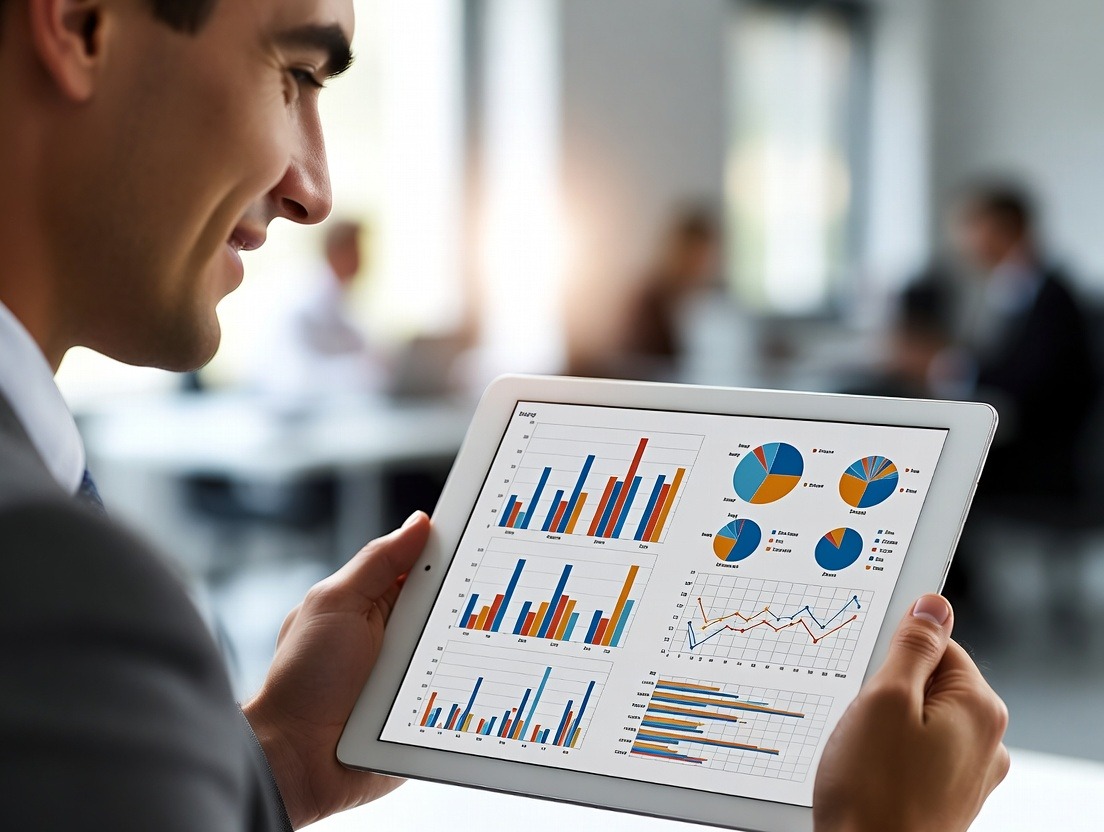
Once the foundational pillars of sleep, nutrition, movement, and stress management are firmly in place, those passionate about optimizing longevity may explore more advanced interventions. It is crucial to approach these "biohacks" with caution, solid research, and ideally, the guidance of a knowledgeable healthcare professional. They are enhancements, not replacements, for the fundamentals.
Some areas of interest include:
The Role of Data: This is where the "quantified self" approach becomes essential for safe biohacking. A smart ring provides the safety net and feedback mechanism. If you try cold therapy, does your sleep improve that night, or do you see signs of excessive stress? If you experiment with a new supplement, does your HRV trend positively over weeks, or does your resting heart rate creep up? This objective data prevents you from clinging to an intervention based on placebo or belief alone. It allows you to conduct n=1 experiments with rigor. For those interested in the cutting-edge possibilities of this personalized approach, our article on what's possible in health tracking by 2025 explores the future frontier.
Remember, the most powerful biohacks remain the simple, timeless ones: deep sleep, whole foods, loving relationships, and meaningful movement. Advanced tactics are merely fine-tuning the engine you've already built with solid fundamentals.
Knowledge is only power when it’s applied. Now, let’s synthesize everything into a practical, decade-by-decade action plan. This is your scaffold for building a century of health. Use it as a guide, and personalize it relentlessly with your own data, preferences, and life circumstances.
Your 30s Action Plan: The Foundation Builder
Your 40s Action Plan: The Strategic Optimizer
Your 50s+ Action Plan: The Fortification Master
This plan is dynamic. Revisit and revise it each year on your birthday. Your most important tool will be the consistent flow of data from a device like a smart ring, which acts as your personal coach, providing the feedback needed to stay on track. For a comprehensive list of actionable steps, our resource on 50 healthy aging tips a smart ring can help implement daily is an excellent companion to this plan.
In this journey, a sophisticated smart ring is more than a gadget; it is your 24/7 longevity coach, lab, and journal. It transforms abstract principles into a living, breathing feedback loop. But to reap its full benefits, you must move beyond simply wearing it to actively engaging with the data.
Here’s how to integrate it seamlessly into your longevity strategy:
Choosing the right device is key. Look for one that prioritizes medical-grade sensors, meaningful metrics (HRV, sleep stages, temperature), and a user-friendly app that focuses on insight, not just data overload. It should feel like a seamless part of your life, not a burden. To help in this decision, our wellness ring comparison chart of top brands can be a valuable resource.
Ultimately, the goal is insight leading to intuition. Over time, you’ll start to internalize the lessons. You’ll feel when your HRV is likely low or when you need more recovery. The ring becomes a periodic check-in, a trusted advisor that ensures you’re staying true to the longevity path you’ve crafted for your unique, extraordinary life. For those ready to begin, the journey starts at our main storefront for product discovery.
The most advanced longevity protocol in the world will fail if the mind is not aligned. Your psychology—your beliefs about aging, your sense of purpose, and your very identity—forms the bedrock of sustainable action. Cultivating a proactive, empowered, and positive mindset about aging is not "soft" science; it's a hard determinant of health outcomes. Studies show that those with a more positive perception of aging live, on average, 7.5 years longer and experience significantly better health.
This begins with a critical identity shift: from seeing yourself as a passive passenger on the journey of aging to becoming the architect of your healthspan. It means rejecting the cultural narrative of inevitable decline and embracing the evidence-based reality of malleable aging. Your daily choices are the bricks and mortar.
Key psychological pillars for longevity:
Your smart ring provides fascinating, objective feedback on your mindset work. You might start a daily gratitude journal and, over weeks, see a gradual upward trend in your baseline HRV—a sign of reduced physiological stress. You might notice that days filled with purposeful activity lead to better sleep scores than days of aimless leisure. The data validates that inner work creates outer, measurable change, reinforcing the behavior. This holistic view of wellness is central to the vision behind technology like ours, which you can learn about on our about us page.

A long, healthy life must also be a financially secure life. Financial stress is a potent degrader of health, impacting sleep, increasing inflammation, and shortening telomeres. Therefore, financial planning is an essential, non-negotiable component of your longevity strategy. It's about ensuring your resources support your healthspan, not undermine it.
This plan evolves with each decade:
The intersection of health and wealth is profound. Good health allows you to work longer if desired, reduces medical expenses, and enables you to fully enjoy your retirement savings. Conversely, financial security removes a massive source of chronic stress, directly benefiting your physiological health. Tracking your HRV can be a stark indicator of financial stress; seeing those numbers dip during times of money worry can be the motivation needed to seek financial advice or adjust your plan, just as you would see a doctor for a physical symptom.
We are not meant to optimize in isolation. The journey toward a century of health is profoundly enhanced—and often made more joyful—by community and shared accountability. Whether it's a workout partner, a nutrition challenge group, or an online forum of data-driven health enthusiasts, social accountability dramatically increases adherence to healthy behaviors.
Finding your "health tribe" provides:
Technology now facilitates this on a global scale. Many health tracking platforms have built-in community features where you can share (anonymized) trends, participate in challenges, and cheer each other on. Wearing a smart ring can become a point of connection—comparing how different people's bodies respond to a new diet, a sleep hack, or a meditation app. This transforms a solitary pursuit into a shared expedition.
The data from your ring fuels these interactions with objectivity. Instead of vague claims, you can share: "After implementing this one change, my average sleep score improved by 12 points over a month." This creates a community grounded in evidence and mutual empowerment. For a look at how real people are using this technology in their lives, our testimonials page is filled with stories of individual and shared journeys.
A long healthspan requires you to evolve from a passive patient into an informed, proactive partner in your healthcare. The traditional 15-minute annual physical is insufficient for managing complex, long-term health optimization. You must learn to navigate the system to get the care, testing, and attention you need.
Strategies for effective partnership:
Your daily wearable data serves as the continuous "monitor" between annual "snapshots." It can help you determine if a symptom is an acute issue or part of a longer trend, and it provides concrete evidence to advocate for further investigation. This is how modern health technology is beginning to bridge the gap between daily life and clinical care, a topic explored in our article on how health tracking technology is changing preventive medicine.
The science of longevity is advancing at a breathtaking pace. What is considered a best practice today may be refined or even overturned tomorrow. Therefore, a cornerstone of your longevity plan must be commitment to lifelong learning and intellectual adaptability. Your strategy should be a "living document," open to revision with new evidence.
This means:
Your journey is unique, and the map is being drawn as you travel. The ability to learn, unlearn, and relearn is perhaps the most important meta-skill for a 100-year life. Our blog is continually updated with the latest insights on health technology and wellness strategies to support this very process of ongoing education.
As you build your healthspan, a profound question emerges: Longevity for what purpose? Extending your healthy years isn't an end in itself; it's the means to a more impactful, contributive, and meaningful life. Thinking about the legacy you wish to leave—not just materially, but in terms of wisdom, relationships, and positive impact—can become the most powerful motivator of all.
Contribution is itself a longevity enhancer. Studies of "Super Agers"—those in their 80s and 90s with cognitive function of much younger people—often find they are deeply engaged in mentoring, volunteering, or community leadership. This "generativity," or concern for guiding the next generation, provides purpose, social connection, and cognitive stimulation.
Consider how your accumulated knowledge, stability, and health can serve others:
This forward-looking purpose can reframe daily health behaviors. You're not just drinking a green smoothie for yourself; you're doing it to have the energy to play with your grandkids or to finish that meaningful project. You're not just lifting weights to look good; you're building the strength to remain independent and helpful to others for as long as possible.
This is the highest level of the longevity mindset: where self-care and contribution become one. Your health becomes a resource not just for your own enjoyment, but for the betterment of your family and community. It’s a beautiful, self-reinforcing cycle where taking care of yourself enables you to give more, and giving more provides a deeper reason to take care of yourself.
Conclusion of This Portion: Your Invitation to Begin
We have journeyed through the essential layers of a modern longevity plan—from the cellular and physiological foundations in each decade, to the psychological, financial, and communal frameworks that sustain it. The central theme is clear: aging is not a fate to be endured, but a process to be actively shaped.
You now possess a blueprint that spans:
The perfect time to start was yesterday. The next best time is today. Begin not with an overwhelming overhaul, but with a single, deliberate step. Perhaps it's ordering a biomarker test, establishing a consistent bedtime, or researching a wearable device to start gathering your personal data. For those ready to explore that technological cornerstone, a great starting point is our guide on making the perfect wellness ring purchase decision.
Remember, this is a marathon of a thousand small steps, not a sprint. Be patient with yourself, celebrate small wins, and use data as your compass, not your critic. Your future self—vibrant, healthy, and full of life at 80, 90, or 100—is waiting to thank you for the decisions you make today.
This concludes the first portion of this comprehensive guide. In the next installment, we will dive even deeper into specific protocols, explore cutting-edge longevity research on the horizon, and provide detailed toolkits for habit formation, advanced biomarker interpretation, and building your personalized longevity master plan. The journey continues.
Your Trusted Sleep Advocate (Sleep Foundation — https://www.sleepfoundation.org/)
Discover a digital archive of scholarly articles (NIH — https://www.ncbi.nlm.nih.gov/
39 million citations for biomedical literature (PubMed — https://pubmed.ncbi.nlm.nih.gov/)
experts at Harvard Health Publishing covering a variety of health topics — https://www.health.harvard.edu/blog/)
Every life deserves world class care (Cleveland Clinic -
https://my.clevelandclinic.org/health)
Wearable technology and the future of predictive health monitoring. (MIT Technology Review — https://www.technologyreview.com/)
Dedicated to the well-being of all people and guided by science (World Health Organization — https://www.who.int/news-room/)
Psychological science and knowledge to benefit society and improve lives. (APA — https://www.apa.org/monitor/)
Cutting-edge insights on human longevity and peak performance
(Lifespan Research — https://www.lifespan.io/)
Global authority on exercise physiology, sports performance, and human recovery
(American College of Sports Medicine — https://www.acsm.org/)
Neuroscience-driven guidance for better focus, sleep, and mental clarity
(Stanford Human Performance Lab — https://humanperformance.stanford.edu/)
Evidence-based psychology and mind–body wellness resources
(Mayo Clinic — https://www.mayoclinic.org/healthy-lifestyle/)
Data-backed research on emotional wellbeing, stress biology, and resilience
(American Institute of Stress — https://www.stress.org/)


