


The Preventive Wellness Approach to Immune System Health
A preventive approach to immune system health.
A preventive approach to immune system health.
%402x.svg)
We live in a world obsessed with the quick fix. A sniffle? Grab a decongestant. A scratchy throat? Reach for the lozenges. Fatigue? Triple-shot espresso. For generations, our relationship with our immune system has been largely reactive—we spring into action only after the first signs of trouble. We wage war on symptoms, often ignoring the fundamental, daily practices that determine the strength of our biological defenses. But what if we’ve been fighting the battle on the wrong front?
Imagine your immune system not as a dormant army you mobilize during an invasion, but as a sophisticated, living city. Its walls are your skin and mucosal barriers. Its intelligence network is the constant communication between cells. Its power grid is your mitochondria. Its sanitation department is your lymphatic system. A reactive approach is like trying to rebuild crumbling walls while the enemy is already inside the gates. A preventive wellness approach, however, is the art and science of being the visionary city planner—fortifying defenses, optimizing infrastructure, and ensuring seamless communication long before any threat appears on the horizon.
This paradigm shift from reactive sick-care to proactive, preventive wellness is the most powerful thing you can do for your long-term health. It moves the focus from “What pill can I take?” to “What daily practice can I cultivate?” It’s about understanding that immune resilience is not a singular event but a continuous process, built by the invisible accumulation of small, consistent choices. And for the first time in human history, we have the tools to move beyond guesswork. Modern wearable technology, specifically the advanced data-collection capabilities of devices like smart wellness rings, provides a real-time, personalized window into the very pillars of immune health: sleep, recovery, stress, activity, and circadian rhythm.
This comprehensive guide is your blueprint. We will dismantle the myths of immune "boosting" and replace them with the science of immune balancing and resilience. We’ll explore the nine foundational pillars of preventive immune wellness, revealing how each one contributes to an unshakeable defense system. Furthermore, we’ll examine how the quantified-self movement, powered by elegant technology worn on your finger, is revolutionizing our ability to implement this approach not as a chore, but as an intuitive, guided journey. This isn't about adding more to your to-do list; it's about leveraging insight to make your existing life the ultimate foundation for vitality. Your immune system is listening to your every choice. It’s time to start speaking its language.
The term “preventive wellness” has become ubiquitous, often diluted to mean little more than taking a daily vitamin. In the context of immune health, it is a far more profound and dynamic philosophy. At its core, a preventive wellness approach is a proactive, holistic, and data-informed strategy designed to maintain and optimize physiological function to prevent dysfunction and disease, rather than simply treating symptoms after they arise.
Think of it as the difference between waiting for your car’s engine to seize from never changing the oil (reactive) versus adhering to a scheduled maintenance plan based on mileage and performance metrics (preventive). Your immune system operates under the same principle. It is not a static shield but a highly responsive, resource-intensive system. When it is constantly depleted by poor sleep, chronic stress, and nutritional gaps, its response becomes sluggish, overreactive, or ineffective—leading to more frequent infections, prolonged recovery, and increased risk of chronic inflammatory conditions.
A true preventive approach is built on several key principles:
The goal is not to never get sick—that is an impossible standard for a system designed to interact with the world. The goal is resilience: the capacity to encounter pathogens and stressors and bounce back with speed and efficiency, minimizing disruption to your life. This is the promise of prevention: a state of readiness that makes illness the rare exception, not the frequent expectation. To understand how to build this, we must first look at the incredible system we’re aiming to support.
To build a fortress, you must first understand its architecture. The human immune system is not a single organ but a complex, mobile, and intelligent network comprising trillions of cells, proteins, and chemical signals. It operates on two main, interconnected levels: the innate (general) and adaptive (specialized) immune responses.
The Innate Immune System: The Rapid Response Force
This is your first line of defense, reacting within minutes to hours. It includes:
The innate system is nonspecific. It attacks any foreign invader with a broad, powerful response. Its effectiveness is heavily influenced by your daily wellness status. Poor sleep, for instance, can reduce the number of natural killer (NK) cells, a crucial part of this rapid-response team.
The Adaptive Immune System: The Specialized Intelligence Unit
This is your learned, targeted defense, developing over days. It’s highly specific and possesses memory.
The adaptive system is where long-term resilience is built. Its efficiency depends on the body having adequate energy and resources to support the complex process of cell replication and specialization. Chronic stress can suppress this entire arm of the immune system by chronically elevating cortisol, which inhibits the production and function of lymphocytes.
The Real Command Center: The Interconnected Whole
The most critical modern understanding is that these systems don’t operate in a vacuum. They communicate constantly with your:
This is why the preventive approach is non-negotiable. You cannot “hack” one piece of this network in isolation. Throwing a superfood at a system drained by sleep deprivation is like sending a single elite soldier into a battle without ammunition or support. True strength comes from creating an internal environment where this entire dynamic network can function at its peak. This begins with the master regulator of it all: sleep.
If you had to choose one pillar of preventive wellness with the most profound and immediate impact on immune function, it would be sleep. Sleep is not a passive state of rest; it is an intense period of active recovery, repair, and regulatory recalibration. During sleep, especially during deep (slow-wave) sleep and REM sleep, your immune system undergoes critical maintenance.
The Science of Sleep and Immunity:
Beyond Duration: The Critical Role of Sleep Quality and Rhythm
It’s not just about logging 8 hours. Sleep architecture—the cyclical progression through light, deep, and REM stages—is crucial. Disrupted or fragmented sleep, even if long in duration, can prevent you from getting enough restorative deep sleep.
Furthermore, your circadian rhythm—your body’s internal 24-hour clock—governs the timing of immune function. Immune cell counts and inflammatory responses ebb and flow throughout the day. Shift work and inconsistent bedtimes disrupt this rhythm, leading to a confused and less effective immune system.
Implementing Sleep-First Prevention:
This is where the promise of personal technology shines. Guessing at sleep quality is impossible. A device like a smart wellness ring, worn on the finger, provides unparalleled insights because it can accurately track subtle physiological signals like heart rate variability (HRV) and skin temperature—key proxies for sleep stages and recovery. By monitoring your trends, you can move beyond generic advice and answer personalized questions: Do my late dinners disrupt my sleep? How does a glass of wine affect my deep sleep percentage? Does my 10 p.m. yoga class improve my sleep latency? For a deep dive into how this technology translates into daily habits, our blog explores 50 actionable tips for healthy aging that a smart ring can help you implement daily.
Sleep is the non-negotiable bedrock. When it is solid, every other wellness intervention becomes more effective. When it is cracked, the entire structure of your health is compromised.

You are, quite literally, what you eat. Every immune cell, antibody, and signaling molecule is constructed from the nutrients you provide. Nutritional immunology examines how food and its components modulate immune function. A preventive approach here isn’t about heroic doses of vitamin C during a cold; it’s about the daily dietary patterns that create a robust, well-supplied internal army.
Macronutrients: The Building Blocks
Micronutrients: The Essential Catalysts
These vitamins and minerals act as co-factors in thousands of immune processes:
The Gut-Immune Axis: Your Dietary Command Center
The gut-associated lymphoid tissue (GALT) is the largest immune organ in your body. The foods you eat directly shape the gut microbiome, which in turn:
A preventive nutritional strategy, therefore, centers on whole, anti-inflammatory foods that support the microbiome: a rainbow of vegetables, fermented foods (kimchi, sauerkraut, kefir), prebiotic fibers, and adequate protein. It minimizes processed foods, refined sugars, and industrial seed oils, which can disrupt the gut lining and promote dysbiosis (microbial imbalance) and inflammation.
Personalization Through Data:
How do you know if your diet is working for your immune system? Subjective feelings can be misleading. Objective biometrics offer clues. For example, consistently poor sleep or elevated resting heart rate after certain meals could indicate a food sensitivity driving inflammation. A wellness ring that tracks continuous vs. periodic monitoring can help you spot these subtle correlations, moving you from generic diet dogma to a personalized nutritional plan that truly supports your unique immune network.
If sleep is the immune system’s recharge, stress is its drain. The stress response—the release of cortisol and adrenaline—is a brilliant, life-saving short-term adaptation. It diverts energy to muscles and the brain to handle an immediate threat. However, from an immune perspective, this comes at a cost: non-essential functions, including much of immune surveillance and repair, are temporarily put on hold.
Acute vs. Chronic Stress: A Vital Distinction
Measuring the Immeasurable: Quantifying Stress and Recovery
You cannot manage what you cannot measure. “Feeling stressed” is subjective. The gold-standard objective metric for your nervous system’s state is Heart Rate Variability (HRV). HRV is the subtle variation in time between each heartbeat. A higher HRV (when at rest) generally indicates a resilient, adaptable nervous system that can switch smoothly between stress and recovery modes. A low, stagnant HRV suggests a system stuck in “fight-or-flight,” with diminished capacity for repair and immune function.
This is a cornerstone of the modern preventive approach. By wearing a device that accurately measures HRV, like a smart ring, you get a daily, objective readout of your stress and recovery balance. You can see the direct impact of a meditation session, a difficult conversation, or a poor night’s sleep on your nervous system. This data empowers you to intervene before chronic stress depletes your immune reserves. You can learn to use your wellness ring to build healthy habits that actively promote recovery, such as guided breathing exercises when your data indicates heightened stress.
The Recovery Imperative
Therefore, immune prevention is not about eliminating stress—an impossible task—but about actively and strategically pursuing recovery. Recovery is the process that restores physiological and psychological function. It includes:
By tracking your HRV and other metrics, you can identify the specific recovery modalities that work best for your body, ensuring your immune system has the calm, resource-rich environment it needs to maintain vigilant defense. For those curious about how this advanced technology fits into a beginner's lifestyle, our guide on wellness ring basics for beginners is an excellent starting point.
The relationship between physical activity and immune function is a classic example of a “hormetic” response—a beneficial effect from a mild stressor. Like a muscle, the immune system is strengthened by the right kind of challenge but can be damaged by too much.
The Acute Immune Boost:
A single bout of moderate-intensity exercise (think brisk walking, cycling, swimming) provides an immediate, positive stimulus:
This is why regular, moderate exercisers tend to experience fewer and milder upper respiratory tract infections.
The Overtraining Danger Zone:
However, prolonged, high-intensity exercise without adequate recovery (overtraining) has the opposite effect, mimicking chronic stress:
The Preventive Sweet Spot:
The preventive wellness approach uses data to find and maintain your personal “sweet spot.” Key metrics include:
By monitoring these biomarkers, you can shift from a rigid, calendar-based workout schedule to an intuitive, body-guided practice. You learn to push when your body shows resilience and pull back when it signals for rest—ultimately building a stronger, more resilient system without burning it out. Understanding the basics of activity and movement tracking with your wearable is key to harnessing this power. This dynamic balancing act is the essence of using movement as preventive medicine for your immune system.
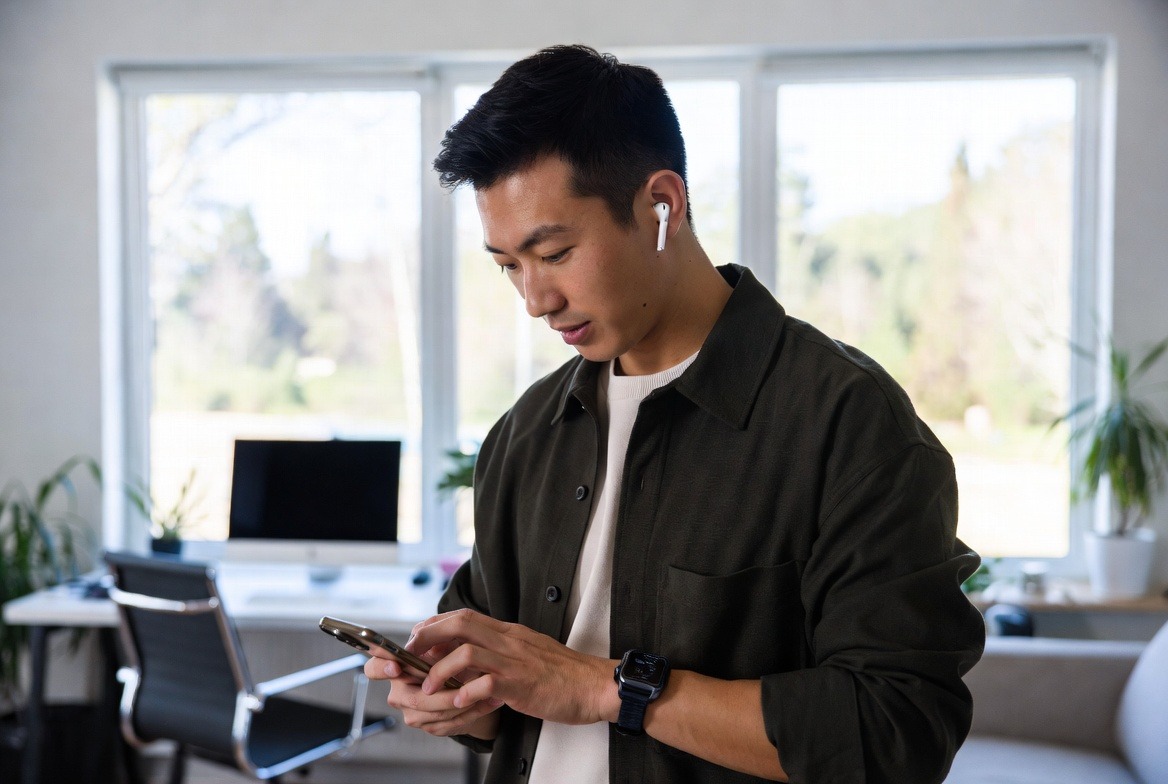
Your immune system doesn’t just need good fuel and rest; it needs good timing. Nearly every immune process follows a 24-hour cycle governed by your master circadian clock, located in the brain’s suprachiasmatic nucleus (SCN). This clock is set primarily by light exposure, especially natural sunlight.
The Circadian-Immune Connection:
The Modern Disruptor: Artificial Light at Night
Our single greatest circadian disruptor is exposure to blue-rich light from screens and LEDs after sunset. This light tricks your SCN into thinking it’s still daytime, suppressing the release of melatonin. Melatonin is not just a sleep hormone; it is a potent antioxidant and immune modulator. Its suppression disrupts sleep, alters immune cell cycles, and weakens the body’s nightly repair processes.
Hacking Your Rhythms for Immune Strength:
A preventive strategy actively manages light exposure:
Technology can now help you track this. Some advanced wearables use motion and light sensors to estimate your circadian stability, while others track the profound impact of rhythm on core body temperature—a key circadian output. By correlating your light habits with your sleep and readiness scores, you can fine-tune your environment to become a powerful, invisible ally to your immune system. To explore how these principles integrate into a comprehensive health strategy, consider reading about how health tracking technology enables personalized wellness.
This brings us to the revolutionary core of the modern preventive approach: biometric intelligence. For millennia, we’ve relied on subjective feeling and generic advice. Now, we can have a continuous, objective conversation with our own physiology. Wearable technology, particularly the discreet and sensor-rich smart wellness ring, acts as a personal health interpreter.
Key Immune-Relevant Biomarkers:
A sophisticated device tracks a suite of metrics that are direct or proxy indicators of immune system strain and resilience:
The Power of Trends and Baselines:
The magic isn’t in a single data point but in trends and deviations from your personal baseline. Your body is unique. What’s a “normal” RHR for you? The device learns this over time. Then, it can alert you to meaningful changes:
This transforms prevention from a static set of rules into a dynamic, responsive practice. You’re no longer blindly following a protocol; you’re receiving direct feedback from your body and adjusting in real-time. It empowers you to take preemptive action—to cancel an intense workout, schedule an early night, or double down on nutrient-dense foods at the first whisper of immune distress. For a deeper understanding of the technology making this possible, delve into the science behind modern health tracking sensors and AI.
This biometric feedback loop closes the gap between action and consequence, making the preventive approach not just a philosophy, but a practical, daily reality. It is the ultimate tool for building the resilient, responsive immune system that is the hallmark of true, lifelong wellness.
The foundational pillars we’ve explored—sleep, nutrition, stress management, movement, and circadian rhythm—form the essential, non-negotiable bedrock of immune health. They are the daily practices that build your baseline resilience. But the journey of preventive wellness doesn’t end there. To cultivate an immune system that is not only strong but also adaptable and long-lasting, we must look beyond these basics. We must consider the advanced, synergistic factors that fine-tune our defenses, the environmental influences we can control, and the powerful role of mindset and community. This is where the art of prevention becomes a truly personalized science, moving from general wellness to targeted immune optimization.
The greatest failing of traditional fitness advice is its one-size-fits-all nature. "Run 3 miles, 4 times a week." "Lift weights for 45 minutes." While well-intentioned, such prescriptions ignore the fundamental truth of biological individuality. Your optimal "movement medicine" regimen is as unique as your fingerprint, shaped by your genetics, current fitness level, stress load, sleep quality, hormonal cycles, injury history, and even your personal preferences. The shift from generic to personalized is the single most important step in making movement a sustainable, effective, and truly preventive practice.
Personalization begins with an honest assessment of your starting point and non-negotiables. A 25-year-old athlete recovering from a game and a 55-year-old executive managing high stress both need movement, but their prescriptions will look radically different. Key questions to ask:
The next layer involves biofeedback—learning to listen to and interpret the signals your body sends you each day. This is where the art and science of personalization merge. There are two types of biofeedback:
Here is how to use this feedback to tailor your daily movement "dose":
On a "Green Light" Day (High HRV, Low RHR, Great Sleep, High Energy):
On a "Yellow Light" Day (Moderate/Decreasing HRV, Slightly Elevated RHR, Poor Sleep, Low Energy):
On a "Red Light" Day (Low HRV, High RHR, Very Poor Sleep, Feeling Unwell):
This dynamic, responsive approach—sometimes called autoregulation—respects that your capacity is not static. It turns movement from a rigid, calendar-driven obligation into a fluid dialogue with your body. This is how you prevent overtraining, burnout, and injury while maximizing the positive, adaptive benefits of every single session.
Modern wellness technology is the catalyst that makes this sophisticated personalization accessible. A device like the Oxyzen smart ring provides the objective data stream (HRV, RHR, sleep) that, when combined with your subjective notes, creates a powerful personal dashboard. You move from wondering, "Should I work out today?" to knowing, "My data shows I'm 85% recovered, so I'll proceed with my planned run but keep the pace conversational." To understand how this seamless integration of data into daily life works, our guide on enabling preventive health monitoring with a smart ring provides a clear pathway.

If the immune system is a defense network, the gut microbiome is its premier training academy and diplomatic headquarters. We’ve touched on its importance, but its role is so profound it demands its own spotlight in an advanced preventive strategy. This complex community of trillions of bacteria, viruses, and fungi does far more than aid digestion; it is in constant, direct dialogue with your immune system, educating it and calibrating its responses.
Beyond Probiotics: A Strategic Prebiotic Focus
While probiotic supplements can be useful in specific situations, the preventive approach prioritizes feeding the beneficial bacteria you already have. This is the role of prebiotics—specific types of fiber that human enzymes can’t digest but that your gut flora ferments as fuel.
Diversity is Defense
The richness and variety of your gut microbiome (its alpha-diversity) is a strong predictor of immune resilience. A diverse garden is more resistant to blight than a monocrop. You cultivate diversity by eating a wide variety of plant-based foods—aiming for 30 different plants per week is an excellent target. Every color, every type of fiber feeds a different microbial family.
Listening to Your Gut-Immune Axis with Data
How do you know if your gut is thriving? Beyond digestive comfort, biometrics can offer clues. Consistently poor sleep scores or elevated resting heart rate could indicate subclinical inflammation originating in the gut. Some individuals find that certain foods they tolerate digestively nonetheless cause a measurable dip in their nightly HRV or a rise in skin temperature, signaling an immune reaction. Tracking these subtle correlations—possible with the continuous monitoring of a smart ring—allows you to move from elimination diets based on trends to a truly personalized, data-informed nutrition plan that optimizes your inner ecosystem for immune peace. For those managing specific conditions, understanding how wearables support different health goals can be particularly enlightening.
Your cells float in an internal sea. This fluid environment—blood plasma, interstitial fluid, and lymph—is the transportation and communication network for your immune system. Immune cells patrol via the bloodstream, exit into tissues to hunt for pathogens, and then travel back to command centers via the lymphatic system. Optimal fluid dynamics are therefore critical for immune surveillance and response.
Hydration: More Than Just Water
Water is the solvent for every biochemical reaction, including antibody production and cytokine signaling. Chronic, low-grade dehydration increases the concentration of stress hormones like cortisol and can impair the function of mucosal barriers in the sinuses and respiratory tract. But hydration quality matters. Electrolytes—sodium, potassium, magnesium—are essential for maintaining the electrical potential of cells, including immune cells. A preventive approach includes consuming mineral-rich water, broths, and plenty of water-dense fruits and vegetables.
The Often-Forgotten Lymphatic System
Unlike the blood, the lymphatic system has no central pump (the heart). It relies on muscle contraction, movement, and breathing to flow. Its jobs are crucial:
Stagnant lymph equals a congested immune system. Supporting lymphatic flow is a direct immune-boosting activity:
Biometric Indicators of Fluid Balance
Your wearable can provide indirect clues about your hydration and circulatory status. A sudden, unexplained increase in resting heart rate can sometimes indicate dehydration. Consistently poor heart rate variability may reflect a system under strain from inadequate cellular hydration. By paying attention to these signals, especially in conjunction with activity and temperature data, you can proactively manage this fundamental "river of life" that your immune cells sail upon. To see how continuous tracking aids this awareness, explore the differences between continuous vs. periodic health monitoring.
Hormesis—the beneficial effect of a mild, acute stressor—is a key principle in advanced immune training. By intentionally and safely exposing the body to controlled environmental stresses, we can strengthen its adaptive capacity, much like lifting weights strengthens muscles. This "stress inoculation" trains the immune and nervous systems to be more resilient to unpredictable challenges.
Cold Exposure (Cryotherapy, Cold Plunges, Showers):
Heat Exposure (Sauna, Steam):
Breathwork (Wim Hof Method, Box Breathing, etc.):
Integrating these intentional stressors, guided by your body's objective feedback, is a powerful way to move from passive prevention to active immune fortification.

Your immune system is in a constant state of assessment, distinguishing between harmless environmental particles and genuine threats. In our modern world, it is bombarded by an unprecedented load of synthetic chemicals and pollutants that can confuse, deplete, and overburden it. A preventive approach must include creating a sanctuary—both at home and personally—to reduce this toxic load.
Air Quality: Your First Breath of Defense
Water Quality: Beyond Hydration
Body & Home Products: The Skin as a Pathway
Electromagnetic Fields (EMFs): The Emerging Frontier
While research is ongoing, some individuals report sensitivity to non-ionizing radiation from Wi-Fi routers, cell phones, and smart meters, with symptoms like disrupted sleep and inflammation. A precautionary principle suggests:
Biometrics as a Canary in the Coal Mine
For those sensitive to environmental factors, biometrics can be revelatory. Did your sleep score plummet after using a new laundry detergent? Does your resting heart rate trend higher on high-pollution days? By tracking consistently, you can begin to identify and eliminate the invisible assaults that chip away at your immune reserves, creating a truly supportive environment for health. This personalized environmental medicine is a cornerstone of sophisticated prevention.
The old dichotomy between mind and body is scientifically bankrupt. Psychoneuroimmunology (PNI) is the field that studies the intricate links between your thoughts, emotions, social life, and immune function. Your mental landscape is not a separate entity; it is the operating system of your biology.
Chronic Loneliness & Social Isolation:
This is one of the most potent, yet overlooked, immune suppressants. Studies show that perceived social isolation triggers a chronic stress response, leading to increased inflammation (elevated CRP levels) and reduced antiviral immunity. Meaningful social connection, on the other hand, releases oxytocin, which has anti-inflammatory and calming effects.
Positive Affect & Purpose:
It’s not about being perpetually happy. It’s about cultivating positive affect—moments of joy, gratitude, awe, and contentment—and a sense of purpose or meaning. These states are associated with:
Practices for a Pro-Immune Mindset:
Quantifying the Connection
While you can't directly track "purpose," you can track its physiological correlates. A person engaged in a meaningful life project may see more stable, resilient HRV trends and better sleep scores. The motivation to care for oneself—to prioritize sleep, nutrition, and movement—often flourishes when life feels meaningful. This creates a virtuous cycle: a healthy body supports a vibrant mind, and a purposeful, connected mind directly instructs the body toward health. Reading real user experiences can often reveal how this mind-body connection manifests in daily life.
Implementing Your Long-Term Preventive Protocol
Knowledge is only power when applied. The biggest challenge in preventive wellness is not knowing what to do, but sustaining it amidst the demands of modern life. This is where strategy and technology merge to create a sustainable, lifelong practice.
From Data to Wisdom: The 3-Phase Implementation
Building Your Personal Immune Resilience Dashboard
Think of your wellness app not as a fitness tracker, but as your Immune Resilience Command Center. Key views to monitor:
The Rule of Consistency Over Perfection
Aim for an 80/20 balance. If you adhere to your sleep schedule, nutrition, and movement goals 80% of the time, your immune system will build remarkable resilience. The 20% allows for life, joy, and spontaneity without guilt. The data helps enforce this balance—it shows you the cost of a late night, but also how quickly you recover when you return to your foundational habits. This prevents the all-or-nothing thinking that derails so many wellness journeys. For those curious about the long-term vision of this technology, consider exploring thoughts on the future of wearable health tech.
In the landscape of wearables, the smart wellness ring occupies a unique and powerful niche for immune system monitoring. Its form factor and sensor placement offer distinct advantages for the kind of continuous, nuanced data required for a preventive approach.
Why the Finger? The Vascular Advantage
The vasculature at the base of the finger is rich and close to the surface, allowing for highly accurate photoplethysmography (PPG) sensor readings. This means superior tracking of:
Unobtrusive, Continuous Wear
Unlike a wrist-based device that can be bulky and is often removed for charging, a well-designed ring is comfortable enough to wear 24/7, even during sleep and intense activity. This is non-negotiable for capturing your true physiological baseline, including:
From Data to Actionable Intelligence
The most advanced rings don't just collect data; they use sophisticated algorithms and AI to interpret it in the context of immune and overall health. They can:
This technology is the bridge that turns the abstract concept of "listen to your body" into a concrete, actionable dialogue. It empowers you to be the expert on your own health, equipped with evidence rather than guesswork. To understand how this fits into the bigger picture of health tech, the article on the evolution of health tracking from manual to smart rings provides excellent context.
Conclusion of This Portion: Your Invitation to a Proactive Life
We have journeyed from the core philosophy of preventive wellness, through the essential daily pillars, and into the advanced, personalized strategies that forge elite immune resilience. The underlying message is one of profound empowerment. You are not a passive victim of germs and genetics. You are the architect of your internal environment, the cultivator of your microbiome, the trainer of your nervous system, and the designer of your daily rhythms.
The preventive approach is a lifelong commitment, but not a grim one. It is an invitation to engage deeply with the miracle of your own biology. It is about choosing practices that not only defend against illness but also enhance daily vitality, mental clarity, and emotional balance. The goal is a life not just lived longer, but lived better—with energy, purpose, and resilience.
The tools now exist to make this journey insightful and personalized. By harnessing the biometric intelligence provided by modern wearable technology, you can navigate with a compass rather than a map. You can make choices informed by your body's unique language, building a partnership with your immune system that will support you for decades to come.
This is the new frontier of health: not waiting for the warning signs of disease, but actively cultivating the signs of thriving. Your immune system is ready to be your most loyal guardian. It’s time to give it the foundation it deserves.
We have the philosophy. We have the science. We have the advanced strategies. Now, we arrive at the most critical phase: execution. Knowledge without action is merely trivia. This section is your personalized workshop—a practical, step-by-step guide to implementing the preventive wellness approach to immune health. We will move from theory to practice, building a flexible framework you can adapt to your unique life.
The 90-Day Immune Resilience Project
Think of the next three months not as a restrictive program, but as an immersive learning experience. Your goal is not perfection, but awareness and incremental improvement. We will focus on layering habits, using data as our guide.
Phase 1: Foundation & Observation (Days 1-30)
Theme: Measure, Don't Manage.
Phase 2: Strategic Integration (Days 31-60)
Theme: Listen and Respond.
Phase 3: Optimization & Personalization (Days 61-90)
Theme: Refine and Own.
A one-size-fits-all approach is antithetical to true prevention. Your age, hormonal status, and life circumstances demand nuance.
For the Aging Immune System (Immunosenescence)
As we age, the immune system undergoes predictable changes: it becomes slower to respond, has less immunological memory (especially to new pathogens), and is prone to higher levels of chronic, low-grade inflammation ("inflammaging").
For the Stressed & Busy Professional
Chronic work stress is a prime driver of immune suppression through HPA-axis dysregulation (constant cortisol output).
For Athletes & Fitness Enthusiasts
This group walks the fine line between the immune-boosting effects of moderate exercise and the immune-suppressing effects of overtraining.
When Prevention Meets Professionals: Integrative Care & Testing
A preventive approach is self-empowering, but it is not a substitute for professional medical care. It is a collaborative foundation. Knowing when and how to bring a professional into your journey elevates it.
Building Your Preventive Care Team
Consider assembling a network that may include:
Key Functional Tests to Discuss
Beyond standard cholesterol panels, you can discuss more nuanced tests that align with a preventive immune focus:
Presenting Your Data to Your Doctor
Come prepared. Instead of saying "I'm tired," you can say: "My wearable data shows my resting heart rate has trended up by 8 BPM over the last month, and my heart rate variability has dropped 20%, despite prioritizing 7.5 hours of sleep. I'm concerned about my recovery capacity. Can we explore possible causes?" This objective, quantified approach leads to more productive, investigative conversations. You can learn more about how doctors find this data useful in clinical settings.
We are on the cusp of a revolution in how we understand and manage our health. The convergence of continuous biometric monitoring, advanced AI, and genomics is moving us from a reactive, population-based model to a truly personalized, predictive one.
From Tracking to Predicting
The next generation of wellness technology won't just tell you how you slept; it will predict your susceptibility. By analyzing millions of data points across populations, AI algorithms will identify subtle, pre-symptomatic patterns that precede illness. Your device may alert you: "Based on a sustained elevation in nocturnal skin temperature and a decrease in HRV, your statistical risk of developing a cold in the next 48 hours is 75%. Recommended actions: Prioritize 9 hours of sleep, increase hydration with electrolytes, and consider reducing planned high-intensity exercise." This turns prevention from a general practice into a precise, timely intervention.
The Integration of Multi-Omics Data
True personalization will come from layering different data streams:
An AI "health coach" will synthesize this information to provide hyper-personalized recommendations not just for exercise and sleep, but for specific foods, supplements, and therapies that align with your unique biology. Explore the possibilities in our article on what's possible in health tech by 2025.
The Decentralization of Healthcare
This technology empowers a shift from episodic, clinic-based care to continuous, home-based health management. With validated medical-grade sensors, wearables will enable remote patient monitoring on an unprecedented scale, allowing clinicians to manage chronic conditions and post-operative recovery proactively. The smart ring, given its comfort and continuous wear, is poised to be a central tool in this new paradigm, as discussed in its potential use within hospital settings.
As we conclude this comprehensive guide, it's vital to step back and see the whole picture. The preventive wellness approach to immune health is not a collection of disjointed tips. It is a coherent, living system.
The Virtuous Cycle of Resilience
Each pillar reinforces the others:
When you engage with one pillar positively, you create upward momentum for the entire system. Conversely, neglecting one area creates drag on the others. Your role is to be the systems administrator, gently nudging and supporting each component.
Embracing the Long Game
Immune resilience is not built in a week. It is the cumulative dividend of thousands of daily deposits into your health account. There will be withdrawals—periods of high stress, unavoidable travel, family demands, or illness itself. The goal of a preventive foundation is not to avoid these withdrawals, but to ensure your account balance is so high that they don't bankrupt your system. You recover faster and return to baseline with ease.
Your Invitation to a Vital Life
This journey begins with a single, simple decision: to pay attention. To shift from being a passenger in your body to becoming its skilled pilot. The tools and knowledge are now at your fingertips. You can start tonight by dimming your lights 30 minutes earlier. You can start tomorrow morning by stepping outside for five minutes of sunlight. You can use the technology available at Oxyzen to move from guesswork to certainty.
Your immune system is a testament to millions of years of evolutionary brilliance. It is designed to protect, to adapt, and to thrive. By adopting a preventive wellness approach, you honor that design. You move from a life of fearing invaders to a life of building unshakeable strength from within. You are not just preventing illness; you are cultivating the energy, clarity, and vitality that define a life truly well-lived.
Your Trusted Sleep Advocate (Sleep Foundation — https://www.sleepfoundation.org/)
Discover a digital archive of scholarly articles (NIH — https://www.ncbi.nlm.nih.gov/
39 million citations for biomedical literature (PubMed — https://pubmed.ncbi.nlm.nih.gov/)
experts at Harvard Health Publishing covering a variety of health topics — https://www.health.harvard.edu/blog/)
Every life deserves world class care (Cleveland Clinic -
https://my.clevelandclinic.org/health)
Wearable technology and the future of predictive health monitoring. (MIT Technology Review — https://www.technologyreview.com/)
Dedicated to the well-being of all people and guided by science (World Health Organization — https://www.who.int/news-room/)
Psychological science and knowledge to benefit society and improve lives. (APA — https://www.apa.org/monitor/)
Cutting-edge insights on human longevity and peak performance
(Lifespan Research — https://www.lifespan.io/)
Global authority on exercise physiology, sports performance, and human recovery
(American College of Sports Medicine — https://www.acsm.org/)
Neuroscience-driven guidance for better focus, sleep, and mental clarity
(Stanford Human Performance Lab — https://humanperformance.stanford.edu/)
Evidence-based psychology and mind–body wellness resources
(Mayo Clinic — https://www.mayoclinic.org/healthy-lifestyle/)
Data-backed research on emotional wellbeing, stress biology, and resilience
(American Institute of Stress — https://www.stress.org/)


