


Recovery Essentials After Surgery or Injury
Guidance on essential recovery practices following surgery or a significant injury.
Guidance on essential recovery practices following surgery or a significant injury.
%402x.svg)
The moment the cast is set, the surgical dressing applied, or the injury diagnosed, a new journey begins. Recovery. It’s a path paved with equal parts patience, diligence, and hope. Whether you're rehabilitating a torn ligament, healing from a major operation, or nursing a stress fracture, the days and weeks that follow are a critical window where your actions directly shape your long-term outcome.
Yet, in our fast-paced world, recovery is often misunderstood. It’s not merely the passive passage of time or simply "taking it easy." True, holistic recovery is an active, intelligent process—a delicate dance between rest and targeted activity, between nourishing the body and calming the mind. It’s a physiological symphony where sleep, nutrition, hydration, pain management, and measured movement must all play in perfect harmony.
Today, we stand at the intersection of ancient healing wisdom and cutting-edge technology. While the core principles of rest and proper care remain timeless, we now have unprecedented tools to personalize and optimize the healing journey. This guide delves deep into the essential pillars of post-operative and post-injury recovery, offering a modern blueprint that leverages both proven medical advice and the silent, continuous intelligence of wearable health technology. Our goal is to empower you with knowledge, transforming you from a passive patient into an active participant in your own remarkable story of healing.
The initial three days following a surgery or significant injury are not just important—they are foundational. Clinicians often refer to this as the "acute inflammatory phase," a period where your body launches a complex, pre-programmed emergency response. Understanding and respecting this phase is the first, non-negotiable step toward a smooth recovery.
The Physiology of the Crisis Response
Immediately after trauma—whether from a surgeon's scalpel or a fall on the trail—your body enters a state of controlled chaos. Blood vessels constrict to minimize bleeding, then dilate to allow immune cells to flood the area. This influx causes the classic signs of inflammation: heat, redness, swelling, pain, and loss of function. It’s a protective mechanism, a biological "crime scene" tape cordoning off the area to begin cleanup and repair.
Pro-inflammatory cytokines signal for help. Platelets form a clot. Specialized cells called fibroblasts begin laying down the initial, haphazard scaffolding of collagen—the protein that will eventually form your scar tissue. This entire process is energy- and nutrient-intensive. Your body’s metabolic rate can increase significantly, akin to running a quiet but constant marathon internally.
The Modern Recovery Paradox: Too Much "Rest" vs. Strategic Immobilization
A common, well-intentioned mistake in this phase is interpreting "rest" as complete, motionless stagnation. While protecting the injured site is paramount, total systemic inactivity can be detrimental. The goal is local immobilization with global circulation.
Prolonged, whole-body stillness increases the risk of blood clots (deep vein thrombosis), particularly after surgery. It also leads to muscle atrophy, stiffness in unrelated joints, and can impair lung function. The modern protocol, often called "relative rest," emphasizes:
The Silent Role of Data in the Golden Window
This is where a paradigm shift is occurring. Traditionally, you might only have a nurse checking your vitals periodically or your own subjective sense of "how you feel." Now, continuous health monitoring can provide an objective, 24/7 baseline. A device like a smart wellness ring, worn unobtrusively, can track resting heart rate (RHR) and Heart Rate Variability (HRV)—two of the most sensitive indicators of physiological stress and recovery status.
A elevated RHR and a suppressed HRV are clear biomarkers that your body is under significant duress—fighting inflammation, managing pain, and diverting resources to heal. Seeing this data validates the need for deep rest. It turns the vague instruction "listen to your body" into a quantifiable metric. You can learn more about how these sensors translate bodily signals into actionable insights in our deep dive on the science behind modern health tracking technology.
By honoring the golden window—managing inflammation, practicing strategic rest, and monitoring your body’s stress signals—you set a stable and efficient stage for the longer, more active repair work to come.
If nutrition provides the building blocks for recovery, sleep is the foreman and construction crew. It is during deep, uninterrupted sleep that the body executes its most profound restorative work. After an injury or surgery, prioritizing sleep isn't about luxury; it's a biological imperative.
Sleep Stages and Their Healing Superpowers
The sleep cycle is composed of several stages, each vital for recovery:
Post-trauma, the body's demand for total sleep time and, more critically, for deep sleep, increases significantly. However, pain, discomfort, medication side effects, and anxiety often conspire to rob you of this precious resource, creating a vicious cycle of poor sleep and slowed healing.
Engineering the Perfect Recovery Sleep Sanctuary
Creating an environment conducive to healing sleep requires intention:
Quantifying Recovery Sleep: Beyond Hours in Bed
This is another frontier where modern wellness technology provides a crucial advantage. You might be in bed for 9 hours, but how much of that was restorative deep sleep? A device that tracks sleep architecture—breaking down your night into light, deep, and REM sleep—gives you an objective report card.
Seeing a correlation between a night of high deep sleep and feeling markedly better the next day is empowering. Conversely, a night of fragmented sleep, clearly displayed on your dashboard, provides context for why you feel more fatigued or sensitive to pain. It moves the conversation from "I slept poorly" to "My deep sleep was 40% lower than my baseline last night, so I need to prioritize a nap and extra hydration today." For those looking to build these monitoring habits, our guide on how wellness rings help build healthy habits offers practical strategies.
By treating sleep with the same seriousness as a prescribed medication, you actively harness your body's most powerful innate healing tool.
Think of your body as a construction site following a disaster. Sleep is the skilled labor force, but without the right raw materials delivered on time, the rebuilding stalls. Nutrition and hydration are those raw materials. The demand for specific nutrients skyrockets during recovery, and meeting this demand can dramatically influence healing speed, strength of repair, and resilience against complications like infection.
The Macronutrient Triad: Fueling the Repair Process
Micronutrients: The Specialized Healing Crew
Specific vitamins and minerals act as catalysts and co-factors in the healing cascade:
Hydration: The River of Life and Recovery
Water is the medium in which every single metabolic reaction of healing takes place. It transports nutrients to the injury site, flushes out metabolic waste products and toxins, maintains pliability of new tissues, and supports kidney function (especially important when processing medications). Dehydration, even mild, can thicken blood, impair circulation, and lead to constipation—a common and painful issue post-surgery.
Aim for clear or pale yellow urine as a simple gauge. A helpful formula is to drink at least half your body weight (in pounds) in ounces of fluid daily, and add more if you have a fever or are sweating.
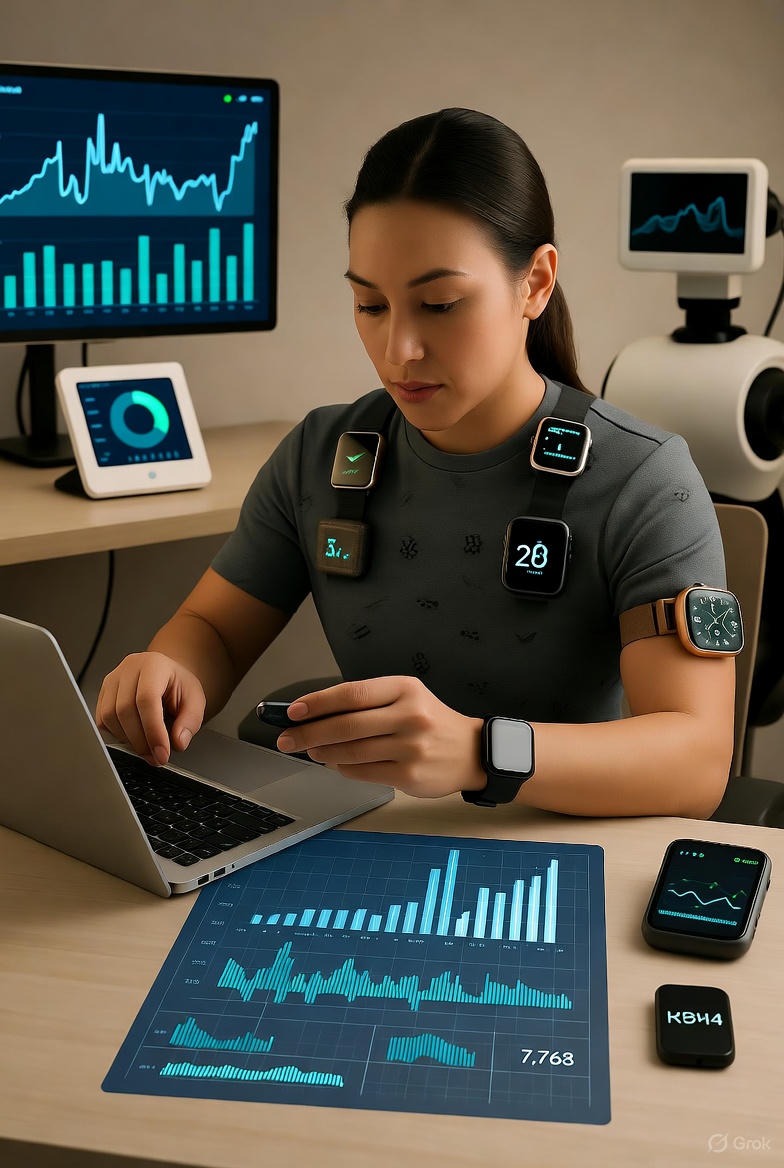
How do you know if your nutritional strategy is working? While blood tests are definitive, daily biometrics can offer clues. Stable energy levels, a gradual return to baseline in Resting Heart Rate (RHR), and an improving Heart Rate Variability (HRV) all suggest your body is efficiently utilizing the nutrients you're providing and is not under excessive metabolic stress. Tracking these metrics can help you correlate how different foods or hydration levels make you feel and perform, enabling a truly personalized recovery diet. For a broader look at how this technology enables personalized wellness, explore how health tracking enables personalized wellness.
By mindfully constructing your diet with healing in mind, you move from simply eating to actively dosing your body with the precise compounds it needs to rebuild, stronger than before.
Pain & Inflammation Management: A Balanced, Modern Approach
Pain is the body's alarm system. Inflammation is its emergency response team. After an injury, both are necessary and protective. The goal of modern pain and inflammation management is not to silence these signals completely—which can lead to overuse and re-injury—but to modulate them to a tolerable level that allows for necessary movement and restful sleep, without derailing the natural healing process.
Initially, pain is acute—directly linked to tissue damage. It's sharp, specific, and serves a clear purpose: to make you protect the area. As healing progresses, pain should gradually subside. However, sometimes the nervous system itself can become sensitized, leading to chronic or persistent pain that outlasts the original tissue damage. Effective early management can help prevent this transition.
The Pharmacological Toolkit: Used Wisely
Medications are a standard and often essential part of the recovery arsenal:
The Power of Non-Pharmacological Modalities
Integrating these strategies can reduce reliance on medications and address pain from multiple angles:
Data-Informed Pain Management
How are you really doing? Patients are often asked to rate pain on a 1-10 scale, which is highly subjective. Biometric data adds an objective layer. If your HRV remains low and your resting heart rate stays elevated despite you reporting "moderate" pain, it’s a sign your nervous system is still under significant stress. This insight can inform a more nuanced conversation with your doctor about your pain management plan, ensuring your physiological state matches your subjective experience. This objective feedback is part of the broader accuracy revolution in health tracking technology.
By respecting pain as a guide but not letting it become a jailer, and by using a multi-faceted approach to manage it, you create the stable internal environment necessary for healing to proceed unhindered.
An injury or surgery is a physical event with a profound psychological footprint. The sudden loss of independence, the frustration of limitations, financial worries, anxiety about the future, and the relentless focus on a pained body part can take a severe toll on mental health. This psychological stress is not a separate issue; it is intrinsically linked to physical recovery through the powerful mind-body connection.
The Stress-Healing Paradox
When you experience stress, anxiety, or depression, your body releases hormones like cortisol and adrenaline. In the short term, these are helpful. But chronically, they become counterproductive to healing:
Therefore, tending to your mental state is not "soft" medicine—it is a critical component of hard science-based recovery.
Building Your Psychological Recovery Toolkit
This is where objective data becomes a powerful ally for mental health. Heart Rate Variability (HRV) is one of the most sensitive indicators of your autonomic nervous system balance. A high HRV generally indicates a resilient, adaptable system with strong parasympathetic ("rest and digest") tone. A low HRV suggests a stressed, fatigued, or overwhelmed system stuck in "fight or flight."
By tracking your HRV trend, you get an unbiased report on your nervous system's state. You might think you're coping well, but a sustained drop in HRV could indicate accumulating stress you're not consciously acknowledging. This data can prompt you to proactively employ a meditation session, a phone call with a supportive friend, or an early night—interventions you might have otherwise skipped. Seeing your HRV improve after such practices provides positive reinforcement, proving that your mental efforts have a direct, measurable impact on your physiology. You can read real user experiences of this mind-body connection in our customer testimonials.
By nurturing your mind with the same care as your body, you build the resilience, patience, and positive framework essential for navigating the long and often challenging road to full recovery.

The era of prescribing weeks of absolute immobilization for most injuries is over. Modern rehabilitation science champions the concept of "optimal loading." This means applying the appropriate type, dose, and timing of physical stress to injured tissues to stimulate healing, prevent stiffness, and maintain overall function—without causing re-injury. It is the delicate art of finding the movement sweet spot.
Why Movement is Medicine (Even Early On)
Controlled, prescribed movement during recovery provides a cascade of benefits:
Your physical therapist or surgeon will provide a specific protocol, but it generally progresses through phases:
The Cardinal Rules of Recovery Movement
Technology as a Movement Guide and Guardian
How do you gauge the systemic impact of your activity? This is another powerful application for health metrics. After a prescribed physiotherapy session, monitoring your nighttime heart rate and HRV can be revealing.
A appropriate dose of movement may lead to a slight, temporary elevation in nighttime heart rate as the body does its repair work, followed by a positive adaptation seen in HRV over the coming days. An excessive session, however, could cause a sharp spike in resting heart rate and a crash in HRV, indicating your body is overwhelmed. This data allows for an incredibly personalized pacing strategy. It helps answer the question, "Was that 10-minute walk enough, too much, or just right?" For those curious about how devices measure movement itself, our blog on activity and movement tracking basics provides a clear explanation.
By embracing the principle of optimal loading—respecting the delicate new tissue while progressively challenging it—you transform movement from a risk into your most potent rehabilitative tool.
Recovery is a journey back to homeostasis—your body's stable, normal state. Deviations from this steady course can be early whispers of potential complications. In the past, detecting these shifts relied on noticing obvious symptoms (high fever, severe redness) or scheduled check-ups. Today, continuous biometric monitoring offers a silent, persistent early-warning system, allowing for proactive intervention before a minor issue becomes a major setback.
The Vital Sign Quartet and Their Recovery Significance
Red Flags: When Data Prompts a Call to Your Doctor
Technology is an adjunct, not a replacement for medical care. Biometric data should inform your conversations with healthcare providers. Contact your doctor if you observe data trends alongside symptoms like:
From Reactive to Proactive Recovery
The power of continuous monitoring lies in establishing your personalized recovery baseline. You learn what "normal" looks for you during this phase. This makes deviations starkly obvious. Instead of waiting to feel "really bad," you can act on subtle data shifts—increasing rest, boosting hydration, or calling your care team for advice earlier in the course of a potential problem.
This approach represents the forefront of participatory medicine, where patients are equipped with knowledge about their own physiology. It empowers you to have more informed, data-supported discussions with your healthcare team. To see how this technology is moving beyond the individual and into clinical spaces, you can read about health tracking technology in hospitals.
By vigilantly monitoring the vital language of your body, you become the first line of defense in your own recovery, ensuring that your path back to health remains as smooth and uninterrupted as possible.
We have woven references to modern health technology throughout each pillar of recovery. Now, let's consolidate its role. In the context of healing from surgery or injury, a sophisticated wellness device like a smart ring transitions from a general fitness gadget to a dedicated recovery companion. Its value lies in its continuity, objectivity, and ability to integrate disparate pieces of the recovery puzzle into a coherent, personal story.
The Unique Advantage of the Ring Form Factor
During recovery, comfort and consistency are paramount. A bulky wristband can interfere with braces, slings, or sensitive incision sites. It can be uncomfortable to wear while sleeping on your side. A well-designed, low-profile ring made from hypoallergenic materials like titanium avoids these issues. It’s discreet, non-intrusive, and can be worn continuously, ensuring no gaps in data—especially critical for capturing the full picture of your sleep architecture. For those concerned about materials, our guide to hypoallergenic wellness ring options is a helpful resource.
Key Recovery Metrics and What They Tell You
A comprehensive wellness ring tracks the core biomarkers most relevant to healing:
Creating Your Personal Recovery Dashboard
The real magic happens in the companion app. Here, your sleep score, HRV trend, RHR, and activity data converge. You might observe:
This dashboard becomes your mission control, transforming abstract feelings ("I'm tired") into actionable intelligence ("My recovery score is low today, I'll postpone the errand and take a nap").
Integrating Data into Your Care Plan
This technology is most powerful when used as a communication tool with your healthcare team. Showing your therapist a graph of your sleep disruption can help them adjust your pain management. Discussing your HRV trend with your doctor can provide context for your energy levels. It fosters a collaborative partnership in your care. For anyone considering how to choose a device that supports specific health goals, our article on how wellness rings support different health goals offers valuable insights.
The modern recovery journey no longer needs to be navigated in the dark. With a 24/7 recovery companion, you gain an objective, data-driven understanding of your body's healing process, empowering you to make smarter decisions every day and ultimately, reclaim your health with confidence and clarity.
Having established the critical, non-negotiable foundations of the first days and weeks—the golden window, sleep, nutrition, pain management, mental resilience, early movement, vital sign monitoring, and the role of technology—we now transition from survival and stabilization to rebuilding and restoration. This phase is less about protecting the injury and more about actively guiding the body toward full, functional recovery. It’s where patience meets persistence, and where intelligent effort truly pays off.
Advancing Rehabilitation: From Healing to High Performance
The transition from "early movement" to "advancing rehabilitation" is a pivotal shift in mindset and methodology. The initial phase was about preventing loss and managing inflammation. This new phase is about gaining function, rebuilding capacity, and restoring confidence. It's the bridge between being a patient and becoming an active individual again.
The fundamental law of exercise physiology—that tissues adapt to the stress placed upon them—applies emphatically to rehabilitation. However, the "stress" must be exquisitely calibrated. Progressive overload in recovery is not about lifting heavier weights each week. It’s a nuanced progression across multiple vectors:
The guiding star remains the 24-hour pain rule. Muscle soreness from a new exercise is acceptable. A sharp, specific pain in the injury site or a significant increase in swelling the next day is a clear signal to regress the load or volume.
Phases of Functional Rehabilitation
A structured rehab program often follows a logical, phased approach:

While the injured area is being rehabilitated, maintaining overall cardiovascular fitness is essential for energy, mood, and systemic health. Cross-training is the art of finding activities that elevate your heart rate without stressing the healing tissues. A patient with a lower-body injury might use an upper-body ergometer (arm bike), swim with a pull buoy, or engage in deep-water running with a flotation belt. This not only preserves fitness but also provides a powerful psychological boost by allowing for intense, satisfying exertion.
Data as Your Rehab Spotter
In this active phase, your biometrics serve as a "spotter" in the gym of your recovery. How did your body respond to that first set of single-leg squats? Check your nocturnal heart rate and HRV.
By respecting the phased, intelligent progression of rehabilitation—and using data to guide the dosing of stress—you systematically transform vulnerable, healed tissue into resilient, capable, and trusted tissue.
As your activity level increases, your nutritional demands evolve. The focus shifts from the acute anti-inflammatory and protein-heavy demands of early healing to a more nuanced strategy supporting muscle protein synthesis, energy systems replenishment, and long-term tissue integrity. You are no longer just repairing a defect; you are rebuilding an engine.
The Anabolic Window and Protein Pulsing
The process of building muscle (hypertrophy) is driven by muscle protein synthesis (MPS). To maximize MPS during the rebuilding phase, the strategy of "protein pulsing" becomes key.
Fueling Work Capacity: Carbohydrates and Fats
Your rehab sessions are workouts. They require fuel.
Micronutrients for Long-Term Tissue Health
Beyond the acute healing phase, certain nutrients support the maturation and strength of the newly formed tissues:
Hydration for Performance and Tissue Fluidity
As activity ramps up, sweat losses increase. Dehydration of just 2% body weight can significantly impair strength, power, and cognitive function during your rehab sessions. Furthermore, well-hydrated tissues are more pliable and less prone to strain. Carry a water bottle and sip consistently, using pale urine as your guide.
The Biofeedback Loop: Nutrition Meets Metrics
Your biometric data provides a fascinating feedback loop on your nutritional strategy. Are you fueling adequately for your new activity level?
By strategically aligning your diet with the new demands of your rebuilding body, you provide the high-quality raw materials necessary to construct a stronger, more capable physical structure than existed before your injury.
Perhaps the most formidable hurdle in later-stage recovery is not physical, but psychological. Re-injury fear, also known as kinesiophobia, is a powerful and common emotional response. It’s the subconscious hesitation, the flinch, the mental brake you apply when your mind remembers the trauma of injury just as your body is becoming capable again. Overcoming this is essential for a full return to life and sport.
The fear is not irrational; it’s a hardwired protective mechanism. Your brain formed a powerful association: "That movement = danger = pain." Even after the tissue has healed, the neural alarm bell still rings. The challenge is to retrain the brain’s perception of threat, a process called graded exposure.
Strategies for Rebuilding Trust in Your Body
The Role of Objective Data in Building Confidence
This is another arena where technology shines. Biometric data provides objective, third-party validation that your body is ready. When your mind doubts, you can look at the trends:
This data acts as a "co-signer" from your own physiology. It tells your anxious mind: "Look, the numbers confirm we are strong. We can trust this." It bridges the gap between subjective fear and objective readiness. Reading about others who have used technology to overcome similar hurdles can be inspiring, as seen in real user experiences and testimonials.
By patiently and deliberately retraining your mind as diligently as you’ve retrained your body, you dismantle the prison of fear. You replace apprehension with earned confidence, allowing you to step back into your life and passions not just healed, but whole.
Recovery does not end when you are discharged from physical therapy or cleared for full activity. That moment is actually the beginning of the most important long-term phase: the sustainability phase. The goal now shifts from getting back to normal to staying back to normal, and even using the lessons of recovery to build a more resilient, injury-proof body than you had before.
The High-Risk Period: Why Vigilance Remains Key
Statistically, the highest risk of re-injury to a previously damaged area is within the first year following return to sport or full activity. The reasons are multifaceted:
Building a Prevention-Focused Lifestyle
Your wellness device transitions from a recovery companion to a health sentinel. Its continuous monitoring provides an early-warning system for the systemic fatigue and stress that often precede overuse injuries.
This long-term, data-informed awareness fosters a proactive rather than reactive relationship with your body. It empowers you to make subtle course corrections—taking an extra rest day, prioritizing sleep, adjusting your workout—before a minor issue escalates into a re-injury. This represents the ultimate goal of modern wellness tech: moving from treating sickness to sustaining vibrant health, as explored in our article on how health tracking changed preventive medicine.
By embracing long-term monitoring and prevention as a permanent part of your wellness philosophy, you honor the hard work of your recovery. You build not just a healed body, but a smarter, more durable, and more listening relationship with it for life.
The journey through injury or surgery, as arduous as it is, presents a unique opportunity: a forced pause and a clear lens through which to examine your overall lifestyle. Recovery doesn't have to be a detour back to your old life; it can be a catalyst for building a more resilient, sustainable, and healthier life moving forward. This final pillar is about integrating the hard-won lessons of recovery into a permanent framework for well-being.
A lifestyle that supports recovery is, fundamentally, a lifestyle that supports peak human performance and longevity. Its pillars are familiar, but now take on deeper meaning:
Creating Your Personal Wellness Dashboard
This is where the convergence of mindset and technology creates a powerful system for sustainable health. Your wellness app, with its data on sleep, readiness, activity, and trends, becomes your personal wellness dashboard. Instead of using it reactively during illness, you use it proactively to optimize your baseline health.
The Role of Community and Continuous Learning
Finally, resilience is bolstered by community and knowledge. Sharing experiences with others who have gone through similar challenges can be profoundly validating. Furthermore, staying curious about your health empowers you. Continue to learn about physiology, new recovery modalities, and the technology that can support you. A great place to continue this education is a resource hub like the Oxyzen blog, which offers a wealth of information on everything from healthy aging to the future of wearable tech.
From Survivor to Thriver
The narrative of your injury or surgery need not end with "and then I got back to where I was." It can culminate with: "and it taught me how to build a stronger, smarter, more resilient version of myself." You have gained an intimate education in how your body works, what it needs to heal, and how to listen to its language.
By weaving the essential threads of recovery—intelligent rest, targeted nourishment, mindful movement, psychological fortitude, and data-informed awareness—into the very fabric of your daily life, you transcend recovery. You enter a state of sustained vitality, equipped not just to bounce back from setbacks, but to live with greater strength, balance, and wisdom. This is the ultimate promise of a modern, holistic approach to healing: not merely to restore what was lost, but to reveal and realize a more capable you.
While the pillars of recovery remain constant, their application must be tailored. Healing a torn ACL is not the same as recovering from a rotator cuff repair, which differs vastly from bouncing back from abdominal surgery. Understanding the unique demands and timelines of your specific condition prevents frustration and guides realistic expectations.
Orthopedic Surgeries (Joints, Ligaments, Bones)
Neurological & Spinal Procedures
The Data-Driven Personalization
Here, your wellness metrics can help you understand your body's unique response to your specific injury. For example:
By respecting the specialized "rules of the road" for your condition, you avoid common pitfalls and channel your efforts in the most productive, safe direction.
Your recovery is not a solo expedition; it's a collaborative project with a team of professionals. However, the old model of passive patienthood is obsolete. The modern approach is one of informed partnership. You are the CEO of your recovery, with your surgeons, physicians, physical therapists, and nutritionists as your expert board of advisors.
Assembling Your "A-Team"
The Art of Effective Communication
Navigating Insurance and Advocacy
By stepping into the role of an engaged, prepared, and data-informed partner, you ensure that the expertise of your healthcare team is fully leveraged, creating a synergy that dramatically improves your outcomes.
An often-overlooked but critical component of recovery is the practical plane. Financial stress and logistical chaos can directly impede healing by spiking cortisol and limiting your ability to rest. Proactive planning turns potential obstacles into managed tasks.
The Financial Landscape of Recovery
Mastering the Logistics: Setting Up Your Recovery Sanctuary
Planning for these practicalities removes a massive layer of anxiety, freeing your mental and physical energy for the singular task of healing. It’s an act of self-care as important as any supplement. For those considering tools to aid in this planning and daily management, exploring the features of a comprehensive wellness device at the main Oxyzen shop can reveal how technology simplifies health monitoring.
Data provides the map, but stories provide the fuel. Hearing from others who have navigated the valley of injury and emerged stronger can ignite hope, provide practical tips, and remind you that you are not alone. Here are condensed narratives that embody key recovery principles.
Elena’s Story: The Data-Driven Comeback
Elena, a 42-year-old marathoner, suffered a stress fracture in her femur. Devastated and fearing bone density issues, she felt blind during her 8 weeks of non-weight-bearing. Upon starting to walk again, she was plagued by fear of re-fracture. Using a smart ring, she shifted her focus from miles to metrics. "I stopped looking at pace. I watched my HRV. When it was high, I knew my body could handle a slight increase in walk time. When it dipped, I took an extra rest day, no guilt." This data-led autoregulation helped her return to running confidently, and she now uses her HRV to periodize her training, ultimately setting a post-injury personal best. Her story is a testament to the power of objective data in building confidence and preventing re-injury.
Marcus’s Story: The Mental Marathon
After a complex rotator cuff repair, Marcus, a 55-year-old carpenter, faced not just physical but existential fear. His identity and livelihood were tied to his physical strength. The pain was intense, and the weakness was humbling. He began working with a therapist specializing in chronic pain. "We worked on separating the sensation of pain from the story of catastrophe. A sharp twinge wasn't 'my career is over'; it was just a signal to adjust my posture." He also used visualization, mentally rehearsing the carpentry motions he longed to do. His physical recovery was standard, but his psychological work was extraordinary. He returned to work not just healed, but with a newfound mindfulness in his movements, preventing future strain.
Sophia’s Story: Lifestyle Transformation Post-Surgery
A laparoscopic hysterectomy for Sophia was the catalyst she didn't know she needed. The mandatory slowdown and focus on core rehab made her realize how chronically stressed and disconnected from her body she had been. "Recovery forced me to listen. I kept up the daily breathing exercises my PT taught me. I prioritized sleep like my life depended on it. I continued the anti-inflammatory diet because I had more energy than ever." What began as a medical recovery evolved into a holistic wellness overhaul. She now says the surgery was a "circuit breaker" that led her to a healthier, more balanced life—a powerful example of using recovery as a springboard for lasting change, much like the principles discussed in our article on 50 tips for healthy aging with a smart ring.
These stories underscore that recovery is multidimensional. It tests and ultimately can strengthen your body, mind, and spirit, often leading to a version of yourself that is wiser and more resilient than before.
As we stand at the close of this guide, it's worth gazing at the horizon. The future of recovery is not just about better surgical techniques or stronger painkillers. It’s about hyper-personalization, predictive analytics, and seamless integration of technology into the healing journey, all while keeping human care at the center.
The Next Generation of Wearables and Implantables
AI-Powered Recovery Coaches & Predictive Care
The Integration Challenge: Keeping the "Care" in Healthcare
The risk, of course, is technological overwhelm or a cold, automated experience. The future must be ambient—technology that fades into the background, providing insights without demanding attention. And it must be integrative—data flowing securely to your human care team, augmenting their expertise, not replacing their empathy.
The goal is a future where your recovery is not a mystery but a guided, personalized, and optimized journey. Where technology handles the relentless monitoring and complex analysis, freeing you and your care team to focus on the human elements of motivation, compassion, and shared decision-making. This is the exciting frontier outlined in explorations of the future of wearable health tech.
Recovery from surgery or injury is one of life's most profound physical and psychological challenges. It is a liminal space—a doorway between who you were and who you will become. This guide has traversed the full arc of that journey:
We began in the acute foundation phase, emphasizing the sanctity of the first 72 hours, the irreplaceable power of sleep, the targeted strategy of nutrition, and the balanced management of pain and inflammation. We recognized the psychological shock and laid the groundwork for mental resilience, all while introducing the concept of intelligent, early movement and the vital importance of monitoring for complications.
We then moved into the active rebuilding phase, where rehabilitation becomes your new discipline. We detailed how to advance movement wisely, fuel for strength, and confront the formidable psychological barrier of re-injury fear. We shifted perspective to the long view, using technology not just to recover, but to monitor and prevent future setbacks, ultimately weaving the lessons of recovery into the fabric of a resilient, sustainable lifestyle.
Finally, we personalized the journey, addressing specific types of injuries, the art of partnering with your healthcare team, and the crucial practicalities of financial and logistical planning. We drew fuel from real stories and looked ahead to a future where technology deepens our understanding and personalization of healing.
The throughline across all these sections is agency. You are not a passive recipient of care. You are the active author of your recovery story. Your choices—to prioritize sleep, to nourish deliberately, to move with mindful courage, to tend to your mental state, to engage with your data and your care team—these are the sentences and paragraphs that write your outcome.
The tools have never been better. Our understanding of physiology has never been deeper. The opportunity to use continuous, personal data to guide your decisions is a revolution in self-care. Whether you choose to leverage a sophisticated tool like a wellness ring from Oxyzen or simply apply these principles with renewed focus, the power is in your hands.
Remember, healing is not a linear race to a finish line. It is a spiral, where you may revisit lessons of patience, confront fears anew, and celebrate small victories that compound into transformative change. Trust the process. Listen to the wisdom of your body, amplified by the insights of modern science and technology. Be kind to yourself.
You have within you a remarkable capacity to heal, to adapt, and to grow stronger—not in spite of this challenge, but because of it. Your journey through recovery is not just about mending what was broken. It is about emerging on the other side with greater wisdom, resilience, and a profound appreciation for the incredible vessel that carries you through life.
Begin your empowered recovery today. Explore resources, connect with communities, and consider the tools that can support your unique path. For further reading and support, visit our comprehensive FAQ page or delve into more stories and guidance on the Oxyzen blog. Your story of healing, in all its complexity and triumph, is waiting to be written.
Your Trusted Sleep Advocate (Sleep Foundation — https://www.sleepfoundation.org/)
Discover a digital archive of scholarly articles (NIH — https://www.ncbi.nlm.nih.gov/
39 million citations for biomedical literature (PubMed — https://pubmed.ncbi.nlm.nih.gov/)
experts at Harvard Health Publishing covering a variety of health topics — https://www.health.harvard.edu/blog/)
Every life deserves world class care (Cleveland Clinic -
https://my.clevelandclinic.org/health)
Wearable technology and the future of predictive health monitoring. (MIT Technology Review — https://www.technologyreview.com/)
Dedicated to the well-being of all people and guided by science (World Health Organization — https://www.who.int/news-room/)
Psychological science and knowledge to benefit society and improve lives. (APA — https://www.apa.org/monitor/)
Cutting-edge insights on human longevity and peak performance
(Lifespan Research — https://www.lifespan.io/)
Global authority on exercise physiology, sports performance, and human recovery
(American College of Sports Medicine — https://www.acsm.org/)
Neuroscience-driven guidance for better focus, sleep, and mental clarity
(Stanford Human Performance Lab — https://humanperformance.stanford.edu/)
Evidence-based psychology and mind–body wellness resources
(Mayo Clinic — https://www.mayoclinic.org/healthy-lifestyle/)
Data-backed research on emotional wellbeing, stress biology, and resilience
(American Institute of Stress — https://www.stress.org/)


