


The Long-Term Benefits of Prioritizing Recovery for Busy Lives
The long-term benefits of consistently prioritizing recovery, even when busy.
The long-term benefits of consistently prioritizing recovery, even when busy.
%402x.svg)
You know the feeling. The alarm jolts you from a shallow sleep before the sun is up. Your mind is already racing through the day’s meetings, deadlines, school runs, and unanswered emails before your feet hit the floor. You power through on autopilot, fueled by caffeine and sheer will, trading rest for productivity, quiet moments for crossed-off to-do list items. At night, you collapse into bed, your body exhausted but your brain still buzzing, the cycle primed to repeat. This isn’t just being busy; this is modern life on a one-way ticket to burnout.
We live in a culture that venerates the grind, glorifies busyness, and equates rest with laziness. We wear our sleep deprivation like a badge of honor and measure our worth in output. But what if the most productive, creative, and successful thing you could do for your long-term health, career, and happiness isn’t to push harder, but to recover smarter?
Recovery is no longer a passive state of “doing nothing.” It is the active, intentional, and scientifically-grounded process of allowing your body and mind to repair, adapt, and strengthen. For the perpetually busy, it’s the non-negotiable foundation upon which sustainable high performance is built. This isn’t about adding another item to your overwhelming list; it’s about a fundamental shift in perspective—from viewing recovery as a luxury to recognizing it as the essential infrastructure of a thriving life.
The long-term benefits of this shift are profound and cumulative. They extend far beyond feeling less tired tomorrow. They reshape your biology, sharpen your cognition, fortify your emotional resilience, and ultimately, redefine what’s possible for you. And in our data-driven age, we’re no longer guessing about our recovery needs. Technology, like advanced wellness tracking from innovators in the field, provides the objective, personalized insights needed to transform recovery from a vague concept into a precise, manageable practice. At Oxyzen, we believe that understanding your unique recovery rhythm is the first step toward unlocking a lifetime of vitality.
This article is your deep dive into the science, strategy, and soul of recovery. We’ll move beyond the superficial advice and explore how a committed, long-term recovery practice can rewire your nervous system, upgrade your decision-making, protect your health, and fuel a life of purpose, not just productivity. For the busy professional, the dedicated parent, the relentless entrepreneur—this is your blueprint for building resilience that lasts a lifetime.
We are in the midst of a silent, global recovery deficit. The World Health Organization has officially classified burnout as an occupational phenomenon, citing chronic workplace stress that has not been successfully managed. But the issue extends far beyond the office. Our always-on digital culture, the erosion of boundaries between work and home, and societal pressure to optimize every aspect of our lives have created a perfect storm of perpetual activation.
Our physiological state is meant to fluctuate between periods of stress (sympathetic nervous system activity – “fight or flight”) and recovery (parasympathetic nervous system activity – “rest and digest”). For our ancestors, this cycle was dictated by natural threats and the rhythms of day and night. For us, the “threats” are constant: a looming project deadline, a contentious email, financial worries, the endless scroll of social comparison. Our stress response is triggered dozens of times a day, often without a true physical outlet, leaving our bodies awash in stress hormones like cortisol and adrenaline with little chance to clear them.
The consequences of this sustained state are not just feeling “stressed out.” They are systemic:
We often ignore these internal signals until they scream at us in the form of illness, injury, or breakdown. We mistake the ability to endure this state for strength, when it is actually a slow drain on our most vital resources. Understanding this epidemic is the first step toward choosing a different path—one where recovery is the strategy, not the casualty. For a deeper look at how proactive monitoring can help you identify these early stress patterns, our article on how wellness rings enable preventive health monitoring explores this critical shift.

When we hear “recovery,” most of us think of a good night’s sleep. And while sleep is the undisputed cornerstone of physical and mental repair, a comprehensive recovery strategy is multidimensional. Think of it as a portfolio, with different assets contributing to your overall resilience. For the busy individual, mastering these facets turns recovery from a monolith into a manageable set of daily practices.
1. Physiological Recovery: This is the repair of the body. It includes:
* Sleep: The non-negotiable period of cellular repair, memory consolidation, and hormonal regulation. Quality and consistency matter as much as, if not more than, quantity.
* Nutrition: Providing the raw materials (amino acids, antioxidants, vitamins) for tissue repair and inflammation reduction. Recovery nutrition is about timing and quality.
* Hydration: Every metabolic process depends on water. Chronic, low-level dehydration is a common but overlooked stressor.
* Active Recovery: Light movement like walking, stretching, or yoga that promotes blood flow to muscles without adding strain, helping to clear metabolic waste and reduce soreness.
2. Mental Recovery: This is the quieting of the cognitive noise. The brain consumes about 20% of the body’s energy, and constant thinking is its version of heavy lifting. Mental recovery involves:
* Deliberate Rest: True mental breaks where you are not consuming information, solving problems, or making decisions. This could be staring out a window, practicing mindfulness, or simply sitting in silence.
* Cognitive Switching: Engaging in a activity that uses a different part of your brain than your work (e.g., cooking if you work on a computer, listening to music if you work with numbers).
* Digital Detox: Periodically disconnecting from the constant stream of notifications, emails, and media, which fragment attention and prevent deep mental restoration.
3. Emotional Recovery: This is the processing and regulation of feelings. Busy lives are often emotionally draining, whether from difficult interactions, caregiving, or internal pressure. Emotional recovery includes:
* Social Connection: Meaningful, supportive interactions that foster a sense of belonging and safety. This is the opposite of draining, transactional relationships.
* Creative Expression: Activities that allow for the flow of emotion without judgment, such as journaling, playing music, or art.
* Self-Compassion: The practice of treating yourself with the same kindness you would offer a friend, which directly counteracts the harsh inner critic fueled by stress.
4. Environmental Recovery: This is the cultivation of spaces that promote calm. Our environments are not passive backdrops; they actively influence our nervous systems.
* Order and Calm: A cluttered, chaotic space can contribute to a cluttered, chaotic mind. Simple organization can be a form of recovery.
* Nature Exposure: The scientifically-proven benefits of “biophilia”—time in nature or even with plants—lower cortisol, blood pressure, and heart rate.
The goal is not to perfectly optimize all four every day, but to become aware of them and make intentional choices. A device like a smart ring can be a powerful ally in this journey, offering insights not just into your sleep (physiological), but also into your stress load throughout the day (mental/emotional), helping you build a truly holistic practice. You can explore how these devices support different health goals on our blog.
The most powerful argument for prioritizing recovery lies in its compound effect. Much like investing small amounts of money consistently over time yields staggering long-term growth, small, consistent recovery habits create exponential returns in health and performance. The busy person’s temptation is to seek a quick fix—a crash diet, a productivity hack, a “detox” weekend. But real transformation happens in the daily, almost invisible, deposits you make into your recovery account.
Consider the neuroscience of neuroplasticity—the brain’s ability to rewire itself. Every time you choose a recovery-oriented behavior (a deep breath instead of a reactive outburst, a walk instead of a scroll, an early bedtime instead of another episode), you strengthen the neural pathways associated with calm, focus, and self-regulation. Over months and years, this doesn’t just help you manage stress; it fundamentally changes your brain’s default setting. You become less reactive and more resilient.
On a physiological level, the benefits are equally cumulative:
This long-term perspective is crucial. Skipping recovery today might mean a slightly less productive afternoon. Skipping it for years is what leads to mid-life burnout, chronic health conditions, and a pervasive sense of depletion. The choice to recover is an investment in your future self. It’s the ultimate preventive medicine. For practical ways to implement these daily investment strategies, especially as we age, our guide to 50 healthy aging tips a smart ring can help you implement daily is a great resource.
For the high-achiever, this may be the most compelling reason of all: recovery is not the enemy of productivity; it is its fuel. The state of constant busyness is the enemy of breakthrough thinking. Creativity and innovation do not thrive in a frantic, overstimulated mind. They arise from the quiet spaces between the work—in the shower, on a walk, in the moments of daydreaming. This is the essence of the “default mode network” in the brain, which activates when we are at rest and is responsible for insight, memory integration, and imaginative thought.
History is filled with examples. Einstein was an avid violinist. Darwin took long, contemplative walks. Modern CEOs like Jeff Weiner (former CEO of LinkedIn) famously scheduled hours of “nothing” into his calendar to think strategically. They understood that the mind, like a muscle, needs time to repair and strengthen after use.
When you prioritize recovery, you are:
In a knowledge economy where your greatest asset is your mind, systematic recovery is your competitive advantage. It’s what allows you to work smarter, not just harder, for decades. To see how technology can aid in creating the conditions for this kind of deep work and creativity, learn about the science behind modern health tracking technology and its role in optimizing cognitive performance.
For generations, recovery was a guessing game. We relied on subjective feelings of fatigue, which are easily overridden by adrenaline and caffeine. We had no objective way to measure our body’s actual readiness for stress or its need for rest. This is where the modern revolution in health technology changes everything.
Wearables, and particularly sophisticated smart rings, now provide a window into our autonomic nervous system 24/7. By measuring heart rate variability (HRV), skin temperature, respiratory rate, and blood oxygen levels, these devices don’t just track activity; they quantify recovery status.
Heart Rate Variability (HRV) is the North Star metric. It measures the subtle variations in time between each heartbeat. A higher HRV (more variability) generally indicates a stronger, more resilient parasympathetic (rest and digest) nervous system and better recovery. A lower HRV suggests your body is under stress—whether from exercise, illness, work pressure, or poor sleep—and may need more downtime. Tracking HRV trends over time gives you an objective, personalized report card on your recovery habits.
This data empowers you to move from generic advice to personalized protocol:
This feedback loop is transformative. It turns recovery into a tangible, manageable part of your day. It helps you identify your unique stressors (is it late-night screen time or that second coffee?) and validate what actually works for you. It’s the difference between driving with a blindfold on and having a detailed dashboard for your most important vehicle: your body. To understand the full scope of what’s possible, delve into our analysis of health tracking technology in 2025 and what’s possible.

We cannot talk about long-term recovery without dedicating significant focus to sleep. It is the single most effective performance-enhancing, health-promoting, and life-extending recovery tool at your disposal. During sleep, your body isn’t just “switched off.” It’s in a state of intense activity: repairing tissues, clearing metabolic waste from the brain (via the glymphatic system), consolidating memories, and regulating critical hormones like growth hormone, leptin (satiety), and ghrelin (hunger).
The long-term consequences of chronic sleep deprivation (consistently less than 7 hours for most adults) are staggering and well-documented:
For the busy person, protecting sleep is the first and most important recovery commitment. It’s not about perfection—the occasional late night happens—but about fierce consistency. Technology can be a powerful ally here, not as a sleep tracker alone, but as a tool to understand the quality of your sleep architecture (light, deep, REM) and the factors that influence it, like evening stress levels, late meals, or room temperature. By making data-informed adjustments, you move from hoping you sleep well to engineering the conditions for it. For a comprehensive look at how these tools have evolved to give us these insights, read about the evolution of health tracking technology from manual logs to smart rings.
A critical paradigm shift in understanding recovery is that stress itself is not the enemy. Stress is the stimulus for growth—in muscles, in skills, in resilience. The enemy is stress without adequate recovery. This is the model of supercompensation: you apply a stressor (a workout, a challenging project), it creates micro-damage or fatigue, and then during the recovery period, your body/system adapts and rebuilds itself stronger than before to prepare for the next similar challenge.
When you skip recovery, you skip the adaptation phase. You are left with only the breakdown, leading to stagnation, injury, or illness. This applies to physical training, intellectual work, and emotional challenges.
Therefore, a long-term recovery practice allows you to engage with more strategic stress, not less. It gives you a larger “stress budget” to spend on things that matter—pursuing ambitious goals, learning new skills, building a business, raising a family—because you have the systems in place to process and adapt to that stress effectively.
Think of it this way:
Recovery is what builds that buffer. It’s the practice that turns life’s stressors from threats into challenges you are equipped to meet and grow from. Understanding your body’s unique adaptation signals is key, and modern tools provide that clarity. You can see how this principle is applied by professionals in our article on what doctors find most useful in wellness tracking technology.
Your commitment to recovery is not a selfish act; it is a generous one. When you are recovered, you show up differently in the world. The benefits ripple out to your colleagues, your family, your friends, and your community.
This social and emotional ROI is perhaps the most profound long-term benefit. It leads to deeper, more satisfying relationships and a greater sense of purpose and contribution. It’s the antithesis of the isolated, burned-out achiever. It’s the foundation of a life that is not only successful but also deeply connected and fulfilling. Hearing how others have achieved this balance can be inspiring; you can read their stories in our testimonials from real users.
The biggest hurdle for the busy person is the perceived lack of time. The solution is not to find a spare hour (you won’t). It’s to weave micro-recoveries—small, potent acts of restoration—into the fabric of your existing day. These are the daily deposits that prevent the recovery deficit from growing.
The key is intentionality and consistency. Here is how to integrate them:
Anchor Recovery to Existing Habits (Habit Stacking):
Reclaim "Lost" Time:
Leverage Technology Proactively:
The goal is to make recovery an automatic, non-negotiable part of your rhythm, like brushing your teeth. It’s the aggregation of marginal gains that leads to a transformed life. For beginners looking to start this journey, our guide on wellness ring basics for making the perfect start offers a step-by-step approach.
Understanding the profound long-term benefits of recovery requires a look under the hood at the exquisite biological symphony that plays out when you truly rest. This isn't a passive shutdown; it's an active, orchestrated process of repair, cleansing, and strengthening. For the busy individual, knowing these mechanisms transforms recovery from a vague "should" into a compelling, science-backed priority.
The Neurological Reset: Glymphatic System Activation
While you sleep, your brain engages in its most critical housekeeping task. The glymphatic system, a recently discovered waste-clearance network, kicks into high gear, flushing away toxic metabolic byproducts that accumulate during the day's neuronal activity. One of these byproducts is beta-amyloid, a protein strongly associated with Alzheimer's disease. Chronic sleep deprivation impairs this cleansing process, allowing these neurotoxins to build up over years. Prioritizing deep, uninterrupted sleep is, therefore, one of the most powerful long-term investments you can make in your cognitive health and longevity. It's like giving your brain a nightly power wash. For insights into tracking the quality of sleep that facilitates this process, our guide on wellness ring basics for continuous vs. periodic monitoring explains how constant data capture reveals these crucial nightly patterns.
The Hormonal Rebalancing Act
Recovery is a hormonal conversation. During deep sleep, your pituitary gland releases pulses of human growth hormone (HGH), essential for tissue repair, muscle growth, and metabolism. Simultaneously, cortisol—the primary stress hormone—dips to its lowest point around midnight, allowing your immune system and inflammatory pathways to regulate. When you short-circuit sleep or are perpetually stressed, this rhythm disintegrates. Elevated evening cortisol disrupts sleep onset, and low HGH means your body misses its prime repair window. Over decades, this dysregulation accelerates muscular atrophy, fat accumulation, and systemic inflammation. Consistent recovery synchronizes your hormonal orchestra, ensuring each player comes in at the right time for long-term health. The ability to monitor nocturnal biomarkers like heart rate and heart rate variability (HRV) can provide indirect insights into this hormonal harmony, a topic explored in our piece on the accuracy revolution in health tracking technology.
The Cellular Repair Shop: Autophagy and Mitochondrial Biogenesis
At the microscopic level, recovery triggers essential cellular renewal processes. Autophagy (from Greek, meaning "self-eating") is the body's way of cleaning out damaged cellular components, recycling parts, and eliminating dysfunctional proteins. This process is upregulated during periods of fasting and rest. It's a crucial anti-aging and disease-prevention mechanism. Furthermore, recovery periods, especially after exercise, stimulate mitochondrial biogenesis—the creation of new mitochondria, the power plants of your cells. More and healthier mitochondria mean better energy production for every cell in your body, elevating your baseline vitality and endurance for the long haul.
The Neural Pruning and Myelination
Your brain uses downtime to consolidate learning and streamline its networks. During sleep, and even during mindful rest, the brain strengthens important neural connections formed during the day (a process involving myelination, which makes signal transmission faster) and prunes away less useful ones. This is how skills become automatic and memories become stable. Without adequate recovery, this refinement process is hampered, leading to inefficient neural pathways, slower learning, and "sticky" unhelpful thought patterns. Long-term, a disciplined recovery practice literally builds a faster, more efficient, and more resilient brain.
Conducting this symphony isn't complicated, but it requires intention. It means creating the conditions for deep sleep, integrating periods of true mental detachment, and allowing for nutritional and hormonal balance. It’s the daily practice of becoming the steward of your own biology.
Willpower is a finite resource, especially for the already depleted. The most effective strategy for long-term recovery adherence is to engineer your physical and digital environments so that the restorative choice is the easiest one to make. Your surroundings should work for you, not against you.
The Sleep Sanctuary Protocol:
Your bedroom must be a temple for recovery. This goes beyond a comfortable mattress.
The Digital Atmosphere:
Your devices are perhaps the greatest saboteurs of modern recovery. Reclaim control.
The Micro-Recovery Zones:
Create small, inviting prompts for recovery throughout your day.
By designing friction out of recovery choices and friction into distraction choices, you align your environment with your long-term goals. This environmental design is a one-time setup with perpetual dividends. For a deeper dive into how the tools you wear can integrate seamlessly with this environment, explore our article on wellness ring basics for integration with other health apps to create a cohesive ecosystem.

You cannot out-recover a poor diet. Nutrition provides the literal building blocks—amino acids, fatty acids, vitamins, minerals, and phytonutrients—for every repair process described above. Viewing food as recovery fuel shifts your eating from a focus on restriction to a focus on strategic nourishment for resilience.
The Recovery Plate: Key Components for Long-Term Repair:
The Dehydration-Stress Cycle:
Even mild dehydration (a 1-2% loss of body water) increases cortisol levels, impairs cognitive function, and causes fatigue. For busy people who replace water with coffee, this is a constant risk. Hydration is not an event; it's a baseline condition for physiological stability. Long-term, consistent hydration supports kidney function, joint health, and skin vitality, and keeps the stress response system from being unnecessarily triggered.
The Gut-Brain-Recovery Axis:
Emerging research highlights the gut as a central recovery organ. A diverse, healthy gut microbiome produces neurotransmitters like serotonin (crucial for mood and sleep) and short-chain fatty acids that reduce systemic inflammation. A diet high in processed foods, sugar, and low in fiber damages this ecosystem, potentially hindering mental recovery and sleep quality. Investing in gut health through fermented foods and fiber is a long-term investment in emotional and physiological resilience.
Making these nutritional choices consistently compounds over years into a body that is fundamentally more resilient to stress, recovers more efficiently from exertion, and is less prone to chronic lifestyle diseases. It’s the internal environment you cultivate daily.
For achievement-oriented individuals, "rest" can feel unsettling. The powerful bridge between action and restoration is active recovery. This is low-intensity, mindful movement that promotes circulation, mobility, and parasympathetic activation without imposing new stress. It is the essential counterpart to high-intensity work and exercise, ensuring longevity in your pursuits.
Why Passive Rest Isn't Always Enough:
After intense cognitive work or physical training, the body is left with metabolic waste (like lactate), micro-tears in tissue, and a sympathetic nervous system that's slow to wind down. Complete inactivity can sometimes lead to stiffness, mental ruminations, and a prolonged inflammatory state. Gentle movement acts as a "pump," enhancing lymphatic drainage (the body's waste removal system), delivering oxygen and nutrients to tissues, and signaling the nervous system that the threat has passed.
The Active Recovery Toolkit:
The long-term benefit of a consistent active recovery practice is the maintenance of a functional, pain-free body and a flexible, adaptable nervous system. It allows you to sustain high performance in your career, hobbies, and family life without breaking down. It's the practice of maintaining the instrument for a lifetime of use. For those using activity trackers, understanding the full scope of how wellness rings track activity and movement can help you balance exertion with these crucial restorative movements.
If physiological recovery repairs the body, the mindful pause repairs the relationship with your mind. It is the deliberate practice of stepping out of the stream of automatic thoughts and reactive emotions to observe them with detachment. This isn't about emptying the mind; it's about changing your seat from being lost in the movie of your thoughts to being the aware watcher in the theater.
The Science of the Pause:
When you practice mindfulness—whether through formal meditation, breathwork, or simply pausing to feel your feet on the ground—you activate the prefrontal cortex and strengthen its connection to the amygdala. Over time, this literally changes your brain's structure and function through neuroplasticity. The amygdala becomes less reactive, and the prefrontal cortex becomes more capable of regulating the emotional response. This means that over the long term, you are not at the mercy of every stressor. You develop a gap between stimulus and reaction, and in that gap lies your power to choose a response. This is the foundation of emotional intelligence and resilience.
Practical Integration for the Busy Mind:
You don't need a 30-minute silent retreat (though that's wonderful). You can build this muscle with micro-practices woven into your day:
The cumulative effect of these pauses is a quieter internal world. You become less jerked around by external circumstances and more anchored in a calm, responsive center. This is perhaps the most valuable long-term benefit for a busy life: not just getting more done, but being less torn apart by the process of doing it.
Humans are neurologically wired for connection. Positive social interaction isn't just pleasant; it's a biological imperative that downregulates threat responses and releases a cascade of bonding hormones like oxytocin. For the busy person who often sacrifices connection for efficiency, investing in social recovery is a direct countermeasure to isolation and emotional depletion.
The Difference Between Draining and Filling Interaction:
Not all social time is recovery. Obligatory networking events, contentious family dynamics, or transactional conversations can be net drains. Social recovery comes from interactions characterized by safety, vulnerability, mutual support, and shared joy. It's the friend you can be utterly yourself with, the partner who listens without trying to fix, the community where you feel you belong.
Strategies for Nurturing Recovery-Focused Relationships:
The long-term impact of strong social bonds is staggering. Studies consistently show that people with rich social connections live longer, have healthier hearts, stronger immune systems, and lower rates of anxiety and depression. They also show greater cognitive resilience as they age. In the context of a demanding life, your social circle is not a distraction from your goals; it is the support system that makes achieving them sustainably possible. Seeing how others integrate community and technology into their wellness journey can be found in our collection of real customer reviews and user experiences.
Elite athletes don't train at peak intensity year-round; they follow periodized plans with built-in cycles of overload and recovery to peak for competition. This concept is perhaps the most powerful framework a busy professional can adopt for a lifetime of sustainable achievement. Life periodization means intentionally varying the intensity of your cognitive, emotional, and physical output and aligning your recovery investments accordingly.
The Three Cycles:
Implementing Life Periodization:
Adopting this mindset is the ultimate rejection of the "always on" fallacy. It accepts that human beings are rhythmic organisms, not linear machines. The long-term benefit is the ability to pursue ambitious goals for decades without sacrificing your health or relationships on the altar of achievement. It’s the art of pacing for a lifetime. To understand the tools that can make this sophisticated planning possible, learn about the sensors and AI behind modern health tracking.
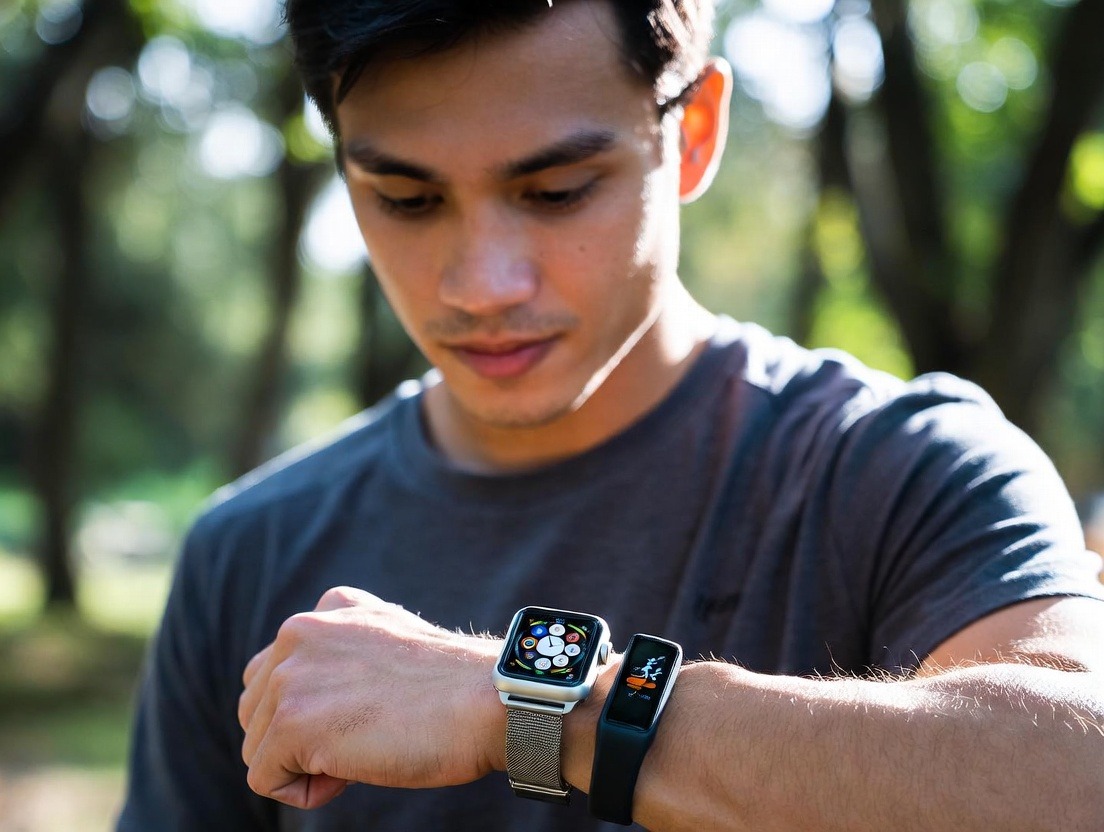
In our quest for optimized recovery, technology is a brilliant servant but a terrible master. The goal of using a smart ring or any biometric tracker is to gain insight and build self-awareness, not to foster anxiety or create a new source of performance pressure. The long-term benefit comes from a healthy, detached relationship with your data.
Principles for a Healthy Data Relationship:
Avoiding Quantification Burnout:
The paradox of recovery technology is that it can become one more thing to optimize, creating stress about stress, anxiety about sleep. If you find yourself feeling controlled by your ring, take a break. Go analogue for a week. Reconnect with your innate bodily wisdom. The technology should ultimately help you trust yourself more, not less.
When used wisely, this technology provides the objective mirror that busy lives often lack. It cuts through the denial of "I'm fine" and shows the truth of your physiological state, allowing for compassionate and correct action. Over years, this data becomes a longitudinal diary of your health, invaluable for noticing early deviations and celebrating long-term progress. For those concerned about this balance, our FAQ on wellness rings and common questions addresses how to use them effectively without added stress.
No long-term journey is a straight line upward. There will be weeks where work explodes, a child gets sick, travel disrupts everything, or motivation simply vanishes. The true test—and the ultimate source of long-term benefit—is not in maintaining a perfect recovery protocol, but in how quickly and compassionately you return to it after a setback. This ability to bend without breaking is called anti-fragility, and a robust recovery practice is what builds it.
The Cycle of Disruption and Return:
A disruption is not a failure; it's data. The critical skill is the reset ritual. This is a pre-planned, short (20-60 minute) sequence of actions you deploy to deliberately pull yourself out of a tailspin and signal to your nervous system that safety and calm are returning. Your reset ritual is uniquely yours, but it should incorporate elements from the core recovery pillars:
The Power of the "Recovery Buffer":
This is where the long-term work pays off. If you've been consistently investing in recovery, you have built physiological and emotional capital—a buffer. This buffer allows you to navigate a crisis or a heavy period without immediately crashing into illness or burnout. You can draw down on this savings account. The key is to consciously replenish it as soon as the acute pressure subsides, not to pretend you can run a deficit indefinitely.
The person who has never prioritized recovery has no buffer. A single stressful week can topple them. The person with deep recovery reserves can handle a storm, recover efficiently, and emerge ready for the next challenge. This resilience, built over years, is what allows for a dynamic, ambitious life without the constant fear of collapse.
In the professional sphere, the long-term benefits of recovery manifest not as occasional bursts of productivity, but as the sustained capacity for impact, leadership, and innovation over a 30- or 40-year career. The "burn bright, burn out" model fails economically and personally. The recovery-focused professional plays a different, more strategic game.
1. Decision Quality Over Decision Speed:
A tired brain is an impulsive brain. It relies on cognitive shortcuts and is prone to errors in judgment. Chronic stress shrinks the prefrontal cortex, the area responsible for complex decision-making and ethical reasoning. A leader who prioritizes recovery protects their most valuable business asset: their judgment. Over decades, this leads to better strategic calls, fewer costly mistakes, and more trusted leadership. As explored in our article on how health tracking technology enables personalized wellness, understanding your personal stress thresholds is key to maintaining this cognitive edge.
2. The Compound Interest of Relationships:
Recovery provides the emotional bandwidth for authentic connection. The manager who is recovered can listen actively, provide constructive feedback, and inspire loyalty. The colleague who is not perpetually frazzled is more collaborative and creative. These micro-interactions compound over years into a vast network of strong professional relationships, which are the true currency of long-term career success. People want to work with, and for, individuals who are grounded and supportive.
3. Creativity as a Sustainable Resource:
As discussed, innovation requires downtime. The professional who guards their recovery time is the one who consistently brings novel solutions to the table. They have allowed their brain the space to connect disparate ideas. Over a career, this consistent creative output sets them apart as a visionary, not just an executor. It’s the difference between having one good idea and cultivating a lifelong reputation as an innovator.
4. Leadership Legacy: Modeling Sustainable Success:
Perhaps the most profound career impact is on the culture you create. A leader who openly prioritizes recovery—who takes vacations, leaves on time for family, and speaks about the importance of sleep—sends a powerful message. They dismantle the toxic myth that suffering equals dedication. They give their team permission to care for themselves, which leads to higher engagement, lower turnover, and better collective performance. This cultural legacy is a career achievement that outlasts any single quarterly result.
The financially savvy professional invests for retirement. The wise professional invests in recovery for a long, vibrant, and impactful career that doesn't require retiring from life to recover from it.
Beyond career and health metrics, the most cherished long-term benefits of recovery are felt in the quiet moments of a life well-lived. It's the quality of your presence—the most valuable gift you can give to those you love.
The Parent Who is Actually There:
Parenting is a supreme endurance sport. Recovery is what allows you to respond to the thousandth "why?" with patience, to get on the floor and play after a long day, and to model emotional regulation for your children instead of reacting from a place of depletion. The long-term benefit is not just raising healthier children; it's actually enjoying the journey, creating positive memories unclouded by your own chronic irritability and fatigue. You build a family culture of connection, not just cohabitation.
The Partner Who Sees and Hears:
Intimate relationships wither under the glare of busyness. Recovery creates the space for true intimacy—conversations that go beyond logistics, shared laughter, and physical connection. It allows you to be a source of strength for your partner, rather than another demand on their energy. Over decades, this builds a bond that is resilient to life's stresses, a partnership that is a sanctuary for both people. For couples using shared wellness goals, understanding how to personalize these tools for your body and goals can be a connective, collaborative process.
The Friend Who Can Hold Space:
Friendships in adulthood are often the first thing sacrificed to busyness. A recovery-committed life inherently values connection. It gives you the energy to reach out, to plan the gathering, to be the friend who listens deeply. These sustained friendships become the support network that enriches every other aspect of your life and provides irreplaceable joy and perspective as you age.
This legacy of presence is intangible but immense. It's measured in laughter shared, tears comforted, and a deep sense of being known and loved. It is the antithesis of looking back on a life of achievement and wondering why you feel disconnected from the people who matter most.
While well-being is priceless, a clear financial rationale underscores the long-term value of recovery. The costs of non-recovery are steep, both personally and societally, while the investment in recovery yields significant economic benefits.
The Cost of Burnout and Poor Health:
The Investment in Recovery:
The Return on Investment (ROI):
The ROI of recovery is seen in:
When framed this way, spending time and money on recovery is not self-indulgence; it's a high-yield investment in your human capital, the most important asset you own.
After exploring the depths of recovery science and strategy, the final step is integration. This is where external practices transform into an internal identity. You are not a person who "does recovery"; you are a person who is recovered, from which all action flows.
Crafting Your Personal Recovery Manifesto:
Take the insights that resonated most and write a brief, personal statement. This is your touchstone. For example:
"I am a person who honors my need for restoration. I believe that deep sleep is the foundation of my clarity, that mindful pauses are the source of my patience, and that true connection fuels my purpose. I choose to design a life that sustains my energy, so I can contribute meaningfully for decades to come. My recovery is not a deviation from my goals; it is the path to achieving them."
Building Your Non-Negotiable Keystone Habits:
Identify 1-3 keystone habits that, if done daily, make everything else easier or less necessary. These are non-negotiable, like brushing your teeth. They might be:
Creating a Supportive Ecosystem:
Your philosophy needs a supportive environment. This means:
This shift in identity is permanent. You will have off days and off weeks, but you will never again view relentless exhaustion as a badge of honor. You will see it for what it is: a signal to return home to your practices, to your philosophy, to yourself.
Prioritizing recovery is not about doing less. It is about becoming more—more capable, more present, more resilient, more creative, and more alive across all the decades of your life. The long-term benefits are a cascade:
You trade chronic fatigue for sustained vitality.
You trade brain fog for luminous clarity.
You trade reactive anxiety for proactive calm.
You trade transactional relationships for deep connection.
You trade the fear of burning out for the confidence of building a legacy.
This is not a hypothetical future. It is the inevitable result of the compound interest earned on daily deposits of rest, reflection, and renewal. In a world that pulls you toward fragmentation, your recovery practice is the force of integration, pulling you back to wholeness.
The journey begins not with a massive overhaul, but with a single, deliberate pause. A breath. A commitment to listen. From that small seed, with consistency and compassion, grows the unshakable tree of a well-lived life—a life not defined by what you accomplished in spite of your exhaustion, but by what you created because of your profound and sustained energy.
Thank you for exploring the profound, long-term benefits of making recovery a cornerstone of your busy life. This comprehensive guide is just the beginning. For continued learning, practical tips, and community support on your journey, we invite you to explore the wealth of resources on the Oxyzen blog. If you're ready to take the next step in personalized, data-informed recovery, discover how our technology can serve your journey at Oxyzen. Remember, the most important project you will ever manage is your own well-being. Invest in it daily.
Your Trusted Sleep Advocate (Sleep Foundation — https://www.sleepfoundation.org/)
Discover a digital archive of scholarly articles (NIH — https://www.ncbi.nlm.nih.gov/
39 million citations for biomedical literature (PubMed — https://pubmed.ncbi.nlm.nih.gov/)
experts at Harvard Health Publishing covering a variety of health topics — https://www.health.harvard.edu/blog/)
Every life deserves world class care (Cleveland Clinic -
https://my.clevelandclinic.org/health)
Wearable technology and the future of predictive health monitoring. (MIT Technology Review — https://www.technologyreview.com/)
Dedicated to the well-being of all people and guided by science (World Health Organization — https://www.who.int/news-room/)
Psychological science and knowledge to benefit society and improve lives. (APA — https://www.apa.org/monitor/)
Cutting-edge insights on human longevity and peak performance
(Lifespan Research — https://www.lifespan.io/)
Global authority on exercise physiology, sports performance, and human recovery
(American College of Sports Medicine — https://www.acsm.org/)
Neuroscience-driven guidance for better focus, sleep, and mental clarity
(Stanford Human Performance Lab — https://humanperformance.stanford.edu/)
Evidence-based psychology and mind–body wellness resources
(Mayo Clinic — https://www.mayoclinic.org/healthy-lifestyle/)
Data-backed research on emotional wellbeing, stress biology, and resilience
(American Institute of Stress — https://www.stress.org/)


