Australia Is Having 417 Preventable Deaths Every Bushfire Season. A Ring on Your Finger Could Change That.
Hundreds of preventable bushfire deaths occur annually in Australia. Continuous health monitoring through wearable devices could provide early warnings and potentially reduce fatal outcomes during extreme conditions.
Australia Is Having 417 Preventable Deaths Every Bushfire Season. A Ring on Your Finger Could Change That.
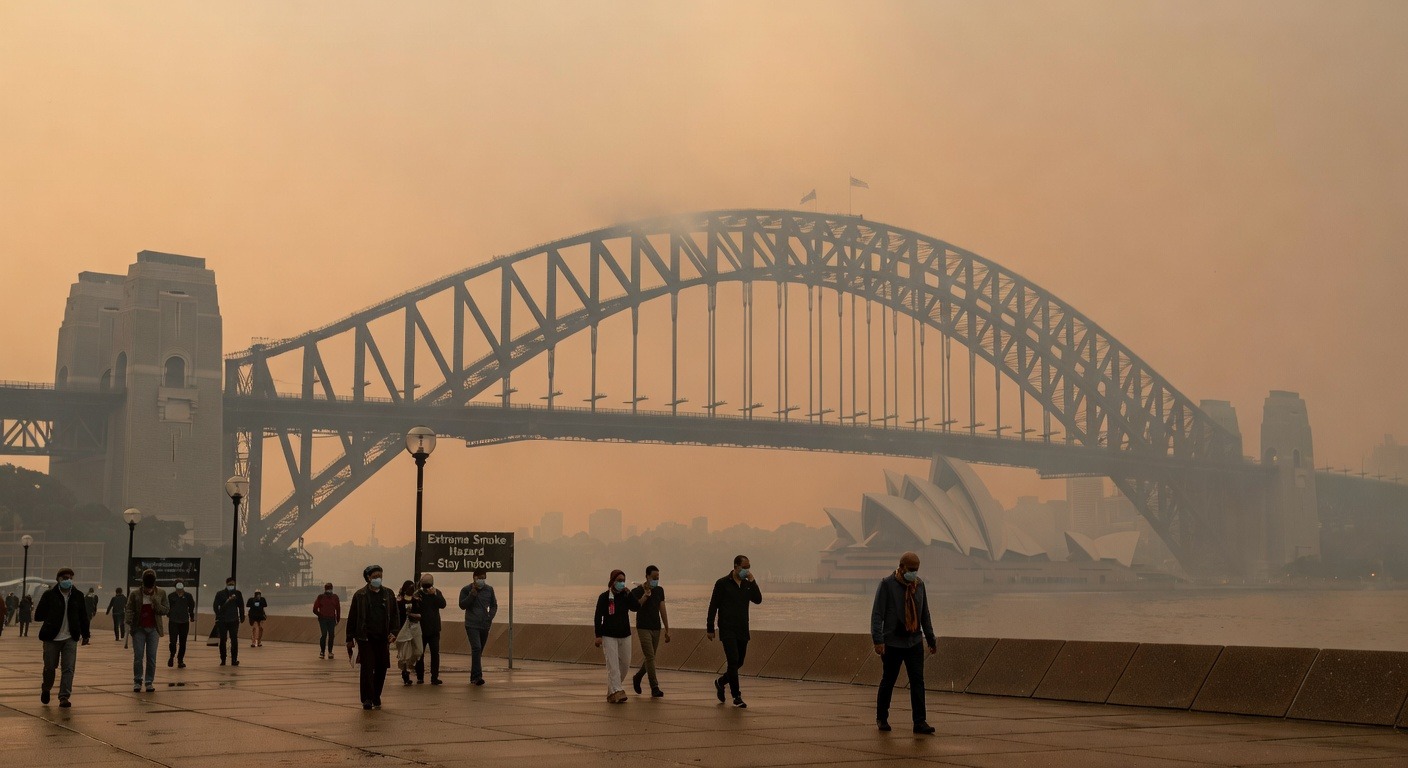
The sky turned the colour of blood over Mallacoota on December 31, 2019. Thousands of residents and holidaymakers huddled on the town’s foreshore, watching an advancing wall of fire spit embers into the diesel-coloured afternoon. The water offered their only escape. As naval vessels prepared to evacuate 4,000 people by sea, something else was already happening inside their bodies—something that would kill more Australians than the flames themselves.
Between October 2019 and February 2020, Australia burned on a scale that defied comprehension. Thirty-three people died directly from the fires. Nearly 3,000 homes were destroyed. Three billion animals were killed or displaced. But buried deep in the medical literature—in a 2021 analysis published in the Medical Journal of Australia by Johnston and colleagues—lies a number that should stop every Australian in their tracks.
417. That is the estimated number of preventable deaths attributed to smoke inhalation during that single bushfire season. Not from burns. Not from structural collapse. From breathing.
The Black Summer fires generated particulate matter so fine and so pervasive that it infiltrated every corner of the populated southeast. Sydney experienced air quality readings 22 times above the “hazardous” threshold. Canberra briefly recorded the worst air quality of any major city on the planet. And while politicians debated hazard reduction burns and climate policy, Australians with healthy lungs, young hearts, and no prior medical conditions simply stopped breathing.
Here is what the headlines missed: most of those 417 people were not standing in the path of flames. They were sitting in their living rooms, sleeping in their beds, driving their cars with the windows rolled up. They were asthmatics who thought their rescue inhaler would be enough. They were older Australians who dismissed shortness of breath as “just getting older.” They were parents who assumed that keeping their children indoors meant keeping them safe.
They were wrong. And a $300 piece of technology that fits on your finger could have changed everything for hundreds of them.
This is not a wellness article. This is not another meditation on mindfulness or a sponsored post about sleep tracking. This is a public safety briefing disguised as consumer technology coverage. Because the gap between “I feel fine” and “I cannot breathe” is not measured in symptoms—it is measured in blood oxygen saturation. And by the time you feel the difference, your organs may have already started shutting down.
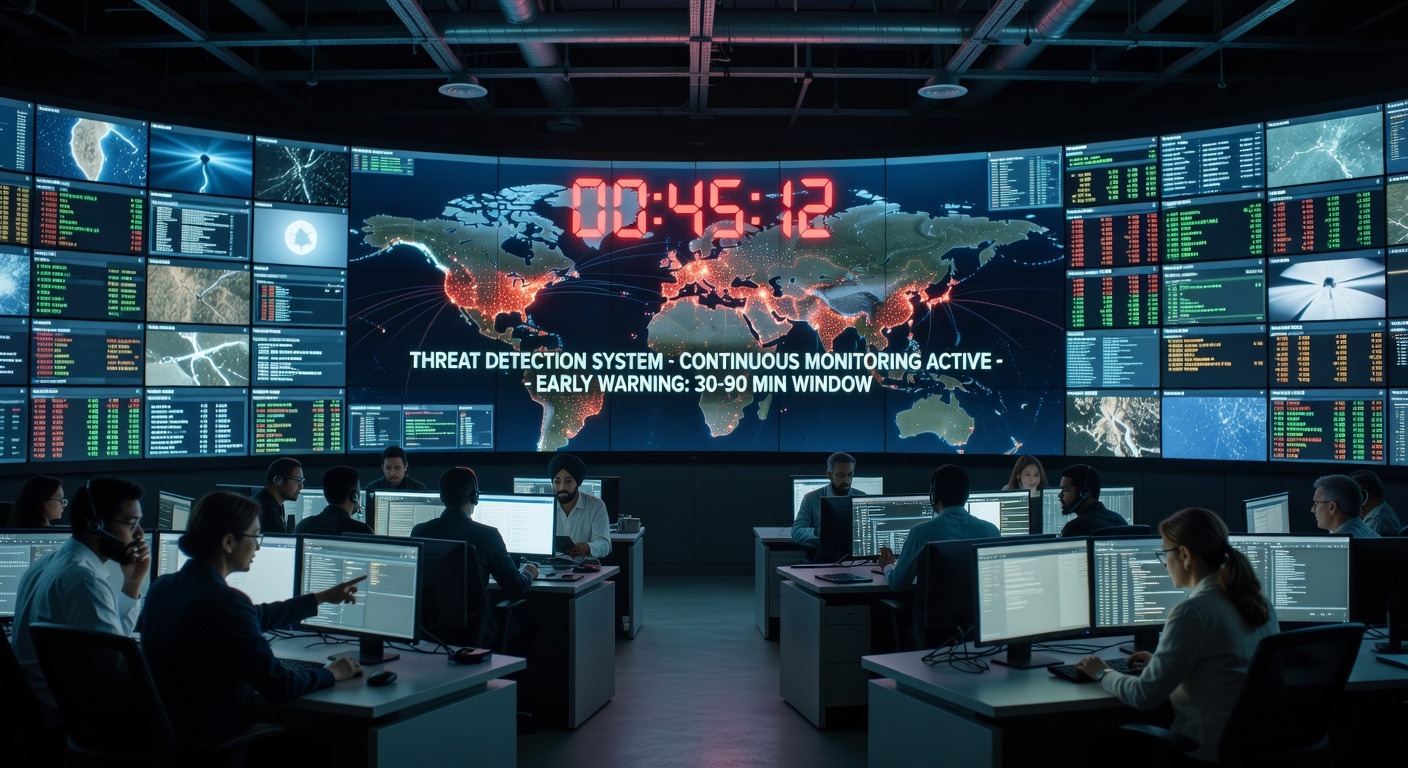
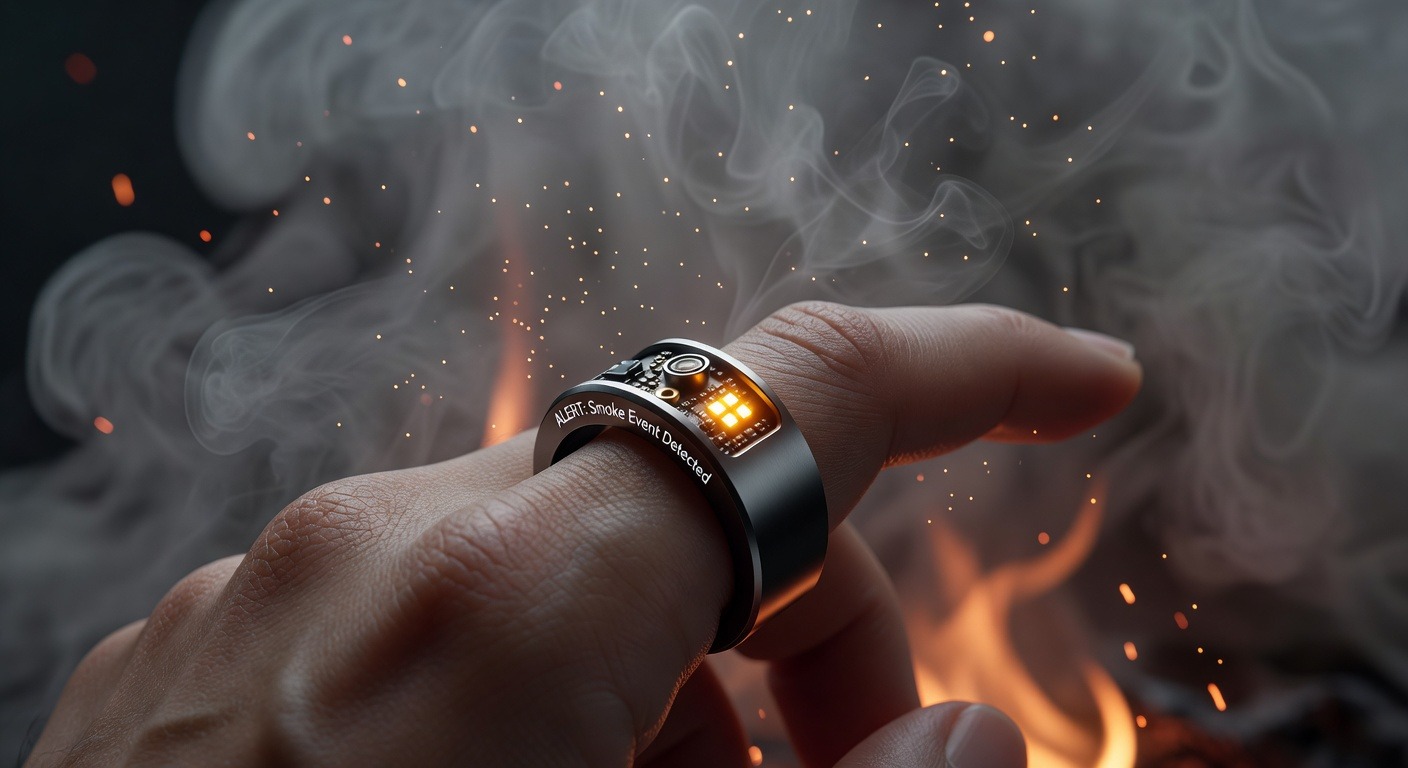
The OxyZen smart ring represents a category shift in how Australians survive fire season. Not because it detects flames. Not because it sends evacuation alerts. But because it does something your body cannot do for itself: it measures your oxygen saturation continuously, silently, and accurately while you go about your day. It catches the drop before you feel the panic. It provides a 30 to 90 minute early warning window that could mean the difference between grabbing your inhaler and grabbing a ventilator.
Let us walk through the science, the statistics, and the survival strategy. By the end of this guide, you will understand why continuous SpO₂ monitoring is not a luxury for fire-prone Australia—it is a necessity on par with smoke alarms and fire extinguishers.
To understand where we are going, we first need to confront the full scale of what happened. Because most Australians still believe bushfires kill through fire. The data tells a radically different story.
The Smoke Emergency That Killed More Australians Than the Fires
The human brain struggles to process threats it cannot see. Fire is visible, dramatic, and immediate. Smoke is diffuse, slow-moving, and invisible in its most dangerous dimensions. This perceptual blind spot cost 417 Australians their lives during Black Summer—and it costs dozens more every fire season since.
Let us break down what Johnston and her colleagues actually found. The research team analysed daily mortality data across New South Wales, Victoria, the Australian Capital Territory, South Australia, and Queensland between October 2019 and February 2020. They cross-referenced death records with satellite-derived estimates of particulate matter exposure, specifically PM2.5—the fine particulate matter smaller than 2.5 micrometres, roughly 30 times thinner than a human hair.
The results were staggering. For every 10 micrograms per cubic metre increase in PM2.5 exposure, all-cause mortality increased by 1.5 percent. During peak smoke events, some regions experienced PM2.5 concentrations exceeding 500 micrograms per cubic metre—50 times the World Health Organization’s recommended daily limit of 10 micrograms.
Extrapolate that across the population of eastern Australia during a four-month fire season, and you arrive at 417 excess deaths. These are deaths that statistical models predict would not have occurred in the absence of smoke exposure. These are preventable deaths.
Who were these people? The data tells us they skewed older, yes—but not exclusively. Cardiovascular disease accounted for the largest share of smoke-related deaths, followed by respiratory conditions. But here is the detail that should terrify every parent: the analysis almost certainly underestimated deaths among children, pregnant women, and otherwise healthy adults because those populations have lower baseline mortality rates, making statistical attribution more difficult. Absence from the death certificate does not mean absence from harm.
Consider what we know from international research. The 2014 Hazelwood coal mine fire in Morwell, Victoria, exposed residents to sustained smoke over 45 days. A follow-up study published in the Medical Journal of Australia found that exposed children had higher rates of respiratory infections, reduced lung function, and increased asthma medication use up to four years later. Four years. Smoke exposure during critical developmental windows does not just cause acute problems—it programs long-term vulnerability.
Or consider the 2019-2020 bushfire smoke event in Sydney, where researchers from the University of Sydney’s Centre for Air Quality and Health Research estimated that smoke exposure triggered approximately 430 additional hospitalisations for respiratory conditions and 110 for cardiovascular conditions—in just one city, over just one season.
The pattern is undeniable. Bushfire smoke is not an inconvenience. It is not an odour nuisance. It is a public health emergency that unfolds at the speed of weather patterns, and Australia has done almost nothing to prepare its citizens for the physiological reality of breathing during fire season.
Why has this been ignored? Three reasons. First, the deaths are distributed. Unlike a mass casualty event where 400 bodies appear in one location, smoke-related deaths occur across thousands of postcodes, attributed to heart attacks, strokes, and respiratory failure—often with smoke never mentioned on the death certificate. Second, the timeline is extended. These deaths occur over weeks and months, not hours, diluting media attention and political urgency. Third, and most critically, there is no visible alternative. Even if Australians wanted to protect themselves from smoke, until recently, they had no way to know whether their personal exposure had crossed the danger threshold.
That third point is the key to everything that follows. Because you cannot manage what you cannot measure. And your body is spectacularly bad at measuring its own oxygen status.
How Your Blood Oxygen Falls Before You Feel It (SpO₂ Science, Plain Language)
Here is a fact that will change how you think about breathing: you can lose up to 10 percent of your blood oxygen saturation before you feel the slightest bit different. By the time you notice shortness of breath, your vital organs may have been operating in hypoxia—oxygen starvation—for hours.
This is not a design flaw. It is an evolutionary trade-off. Your body prioritises immediate survival over long-term optimisation. The systems that detect oxygen levels are located in your carotid arteries and brainstem, and they are remarkably insensitive to gradual changes. A sudden drop—the kind that happens during choking or drowning—triggers immediate panic. But a slow decline over hours, the kind caused by breathing smoke-laden air while you cook dinner or watch television? Your body adapts. It downregulates. It tells you everything is fine right up until the moment it is not.
The oxygen cascade, explained simply. Your respiratory system operates like a supply chain with four critical handoffs. First, you inhale air containing 21 percent oxygen. Second, that oxygen crosses from your lungs into your bloodstream. Third, your red blood cells transport oxygen to your tissues. Fourth, your cells extract that oxygen for energy production. Bushfire smoke disrupts the second step.
PM2.5 particles are so small that they bypass your nose hairs, sinus passages, and bronchial cilia—all of your body’s built-in air filters. They travel directly to your alveoli, the microscopic air sacs where oxygen transfer occurs. Once there, they trigger inflammation. Your immune system attacks the particles, flooding the area with fluid and immune cells. That fluid thickens the alveolar membrane, making it harder for oxygen to cross into your blood.
The result is a condition called hypoxaemia—low oxygen in the blood. Your SpO₂, or peripheral oxygen saturation, drops from a normal baseline of 95 to 100 percent down to 90 to 94 percent. That drop of 5 to 10 percentage points represents a 20 to 40 percent reduction in oxygen delivery to your tissues. Your heart compensates by beating faster. Your blood pressure rises. Your kidneys release hormones that constrict blood vessels to prioritise oxygen delivery to your brain. And through all of this, you feel… fine. Maybe a little tired. Maybe a little headache. Maybe nothing at all.
The silent hypoxia phenomenon. During the COVID-19 pandemic, emergency physicians coined the term “silent hypoxia” to describe patients who arrived at hospitals with oxygen saturations in the 70s and 80s—levels that should have caused unconsciousness—who were sitting upright, talking normally, insisting they felt okay. The same phenomenon occurs during bushfire smoke exposure. The gradual nature of the decline allows neurological adaptation. Your brain recalibrates what “normal” feels like.
This is why spot-checking your oxygen with a fingertip pulse oximeter is not enough. A spot check provides a snapshot—one moment in time. If you check your SpO₂ at 10 a.m. and it reads 96 percent, you assume you are safe. But what happened at 2 a.m. while you were sleeping, when smoke drifted into your bedroom and your levels dropped to 88 percent for three hours? You will never know. You will wake up feeling vaguely unwell, attribute it to poor sleep or allergies, and carry on. Meanwhile, your heart worked harder all night. Your kidneys sustained microdamage. Your brain accumulated inflammatory byproducts.
Continuous monitoring changes everything. A smart ring like OxyZen measures your SpO₂ hundreds of times per night and dozens of times throughout the day. It does not wait for you to feel bad. It does not require you to remember to check. It simply collects data, compares it to your personal baseline, and alerts you when something changes.
Imagine this scenario: you live in regional Victoria, 50 kilometres from an active fire ground. The wind shifts at 3 a.m., pushing smoke into your valley. You are asleep. Your bedroom windows are cracked open because it is summer and your house has no air conditioning. Your SpO₂, normally 97 percent, begins a steady decline: 95 percent at 3:15 a.m., 93 percent at 3:45 a.m., 90 percent at 4:15 a.m. At 4:16 a.m., your ring vibrates. You wake up. You check the air quality app on your phone. You close your windows, turn on your air purifier, and take your rescue inhaler if you have one. By 4:30 a.m., your oxygen is stabilising.
Without the ring, you sleep until 7 a.m. You wake up with a headache, nausea, and profound fatigue. You assume you are coming down with something. You go to work. Your SpO₂ remains depressed all day because the smoke never cleared. By evening, you are in urgent care with chest pain and confusion.
That is not a hypothetical. That is the lived reality for thousands of Australians every fire season. And it is entirely preventable with a $300 ring and a basic understanding of how your body fails to warn you.
The science is unambiguous: continuous SpO₂ monitoring saves lives. A 2022 systematic review in the Journal of Medical Internet Research found that remote monitoring of oxygen saturation reduced hospital readmissions for chronic respiratory disease by 42 percent. A 2023 Australian study of telehealth-supported pulse oximetry found that patients who monitored their oxygen continuously caught deterioration an average of 2.3 days earlier than those who relied on symptoms alone.
Two point three days. In fire season, that is the difference between a precautionary indoor air intervention and an ambulance ride to a regional hospital already overwhelmed with smoke-related admissions.
The 30-90 Minute Early Warning Window — What Continuous Monitoring Catches
Let us talk about time. Specifically, the time between when your body begins to dangerously desaturate and when you would normally notice something is wrong. Research from sleep medicine and respiratory physiology puts this window at 30 to 90 minutes for most people, depending on the rate of oxygen decline and individual factors like age, fitness, and underlying health conditions.
Why 30 to 90 minutes? Because hypoxaemia does not cause symptoms until it crosses a threshold, and that threshold varies by person and circumstance. For someone with healthy lungs sitting still, symptoms like shortness of breath, rapid heart rate, and confusion typically begin when SpO₂ falls below 90 percent. But the decline from 97 percent to 90 percent may take 45 minutes of smoke exposure. During that 45 minutes, you are silently accumulating harm—and you have no idea it is happening.
Your smart ring, by contrast, detects the decline at 95 percent. Or 94 percent. Or 93 percent. It does not wait for symptoms. It does not care about your subjective experience. It simply measures oxygen saturation and compares it to your historical baseline using algorithms trained on thousands of hours of physiological data.
What can you do with a 30-minute warning? Everything. Absolutely everything that matters.
With 30 minutes of lead time before your SpO₂ drops below the danger zone, you can:
Close all windows and doors in your home
Switch your HVAC system to recirculate mode
Turn on portable air purifiers in the rooms you occupy
Move yourself and vulnerable family members to a designated clean room
Take prescribed respiratory medications proactively
Put on an N95 or P2 mask if you must go outside
Check official air quality forecasts to understand how long the event will last
Notify family members or neighbours who may be unaware of the deteriorating conditions
Decide whether you need to relocate to a cleaner air location, such as a library, shopping centre, or friend’s home in a different wind pattern
Without that 30-minute warning, you do none of these things. You continue breathing contaminated air. Your SpO₂ continues falling. By the time you feel bad enough to check your oxygen—assuming you even own a pulse oximeter—you may already be below 90 percent. At that point, closing windows helps, but the damage is underway. Your inflammatory cascade has been triggered. Your heart is already straining.
The overnight risk is even more severe. Sleep is when you are most vulnerable to smoke exposure, for three reasons. First, your respiratory rate slows during sleep, meaning each breath draws smoke particles deeper into your lungs before exhalation. Second, your cough reflex is suppressed during REM sleep, so you do not clear irritants effectively. Third, you cannot consciously choose to leave a smoky room while unconscious.
Continuous monitoring during sleep is arguably more important than daytime monitoring. A study from the Woolcock Institute of Medical Research in Sydney found that bushfire smoke exposure during sleep was associated with a 34 percent increase in overnight heart rate variability disruption—a marker of autonomic nervous system stress. Participants who slept with windows open on smoky nights showed SpO₂ drops that their daytime spot checks completely missed.
The OxyZen ring’s overnight SpO₂ tracking provides a complete picture of your nocturnal oxygen status. You wake up to a report showing exactly when your levels dropped, how low they went, and for how long. This is not abstract wellness data. This is actionable safety information that tells you whether last night’s smoke exposure requires medical follow-up today.
Real-world example. Take Sarah, a 52-year-old teacher in the Blue Mountains with well-controlled asthma. During the 2019-2020 season, she thought she was managing fine. She checked the air quality app occasionally. She stayed indoors on bad days. She used her preventer inhaler as prescribed. But she kept waking up exhausted, with a dry cough and chest tightness that she attributed to stress.
Had she been wearing a continuous SpO₂ monitor, she would have seen that her oxygen dropped to 88 percent for two hours on three separate nights when smoke settled into her valley. Each of those nights caused measurable inflammation in her airways. Each night pushed her closer to an exacerbation. By February, she had her first asthma hospitalisation in seven years.
Sarah now wears an OxyZen ring during fire season. Last summer, when a controlled burn sent smoke through her town, her ring alerted her at 11 p.m. that her SpO₂ had dropped to 93 percent. She closed her bedroom window, turned on her air purifier, and took an extra puff of her reliever. Her oxygen returned to 96 percent within 20 minutes. She slept normally. She did not miss a day of work. She did not visit a hospital.
That is the power of the 30 to 90 minute window. It is not about predicting disaster. It is about preventing it.
Who Is Most At Risk (Asthma, COPD, Cardiac, Pregnancy, Elderly, Outdoor Workers)
The 417 deaths from Black Summer were not distributed randomly across the population. Certain groups face dramatically higher risks from smoke exposure, and understanding where you or your loved ones fall on this spectrum is the first step toward effective protection.
People with asthma. Approximately 2.7 million Australians live with asthma—about 11 percent of the population. Bushfire smoke is a potent trigger for asthma exacerbations because the fine particulate matter directly irritates already-inflamed airways. During Black Summer, emergency department presentations for asthma increased by 67 percent in smoke-affected regions. Hospitalisations doubled.
What makes asthma particularly dangerous during fire season is the phenomenon of “airway remodelling”—chronic inflammation that narrows airways permanently over time. Each severe smoke exposure causes additional remodelling, making future exposures more dangerous. This is a progressive disease trajectory that many asthmatics do not even realise is happening. Continuous SpO₂ monitoring provides objective evidence of how smoke affects your specific airways, allowing you to adjust medication and behaviour before symptoms escalate.
People with COPD (Chronic Obstructive Pulmonary Disease). The 600,000 Australians diagnosed with COPD—and the estimated 1.2 million with undiagnosed disease—face the highest mortality risk from smoke exposure. Unlike asthma, which involves reversible airway narrowing, COPD involves permanent damage to lung tissue and air sacs. These patients have minimal physiological reserve. A small drop in ambient oxygen can push them into respiratory failure.
During the 2019-2020 season, COPD mortality increased by an estimated 28 percent in smoke-affected regions, according to modelling by the Australian National University’s Climate Change Institute. These deaths occurred not in hospitals but in homes and aged care facilities, where patients and families assumed that “staying inside” was sufficient protection.
People with cardiovascular disease. This is the risk category that most Australians overlook. Heart disease, not lung disease, accounts for the largest share of smoke-related deaths. Why? Because PM2.5 particles cross from your lungs into your bloodstream, where they trigger systemic inflammation and oxidative stress. Your blood becomes more viscous. Your blood pressure rises. Your heart must work harder to pump oxygen-depleted blood to your tissues.
For someone with existing coronary artery disease, this physiological stress can destabilise arterial plaques, triggering a heart attack. For someone with heart failure, the increased workload can push them into acute decompensation. For someone with atrial fibrillation, the inflammatory state can trigger arrhythmias.
A 2020 study in the Journal of the American Heart Association analysed 5.2 million cardiovascular deaths across 482 locations and found that each 10 microgram per cubic metre increase in PM2.5 was associated with a 0.8 percent increase in same-day heart attacks and a 1.2 percent increase in heart failure deaths. Extrapolate that to Black Summer’s peak PM2.5 concentrations of 500 micrograms, and the cardiovascular risk becomes staggering.
Pregnant women and developing fetuses. The evidence linking air pollution to adverse pregnancy outcomes is now overwhelming. A meta-analysis of 24 studies involving 4.5 million pregnancies found that PM2.5 exposure during pregnancy was associated with increased risk of preterm birth, low birth weight, and stillbirth. The mechanisms are plausible and concerning: smoke particles cross the placenta, trigger inflammation in fetal tissues, and reduce oxygen delivery to the developing brain.
During Black Summer, researchers at the University of Tasmania tracked pregnancy outcomes in smoke-affected regions. They found a 23 percent increase in preterm births among women exposed to high smoke levels during the second trimester. These babies arrived early, with lower birth weights and higher rates of respiratory distress.
Pregnant women face an additional vulnerability: their oxygen demand increases by 20 to 30 percent to support fetal growth, meaning any reduction in maternal oxygen saturation has amplified effects on fetal oxygenation. A mother with SpO₂ of 92 percent may be delivering only 85 percent saturation to her placenta—a level that can impair fetal brain development.
Older Australians (65+). Age is the single strongest predictor of smoke-related mortality, for several interconnected reasons. Older adults have reduced lung function due to normal ageing—your forced expiratory volume declines by about 30 millilitres per year after age 25. They have higher rates of undiagnosed heart and lung disease. They have diminished cough reflexes and blunted perception of dyspnoea (shortness of breath), meaning they do not notice oxygen desaturation until it is severe.
They are also more likely to live alone, more likely to have windows open due to poor air conditioning access, and more likely to dismiss symptoms as “just getting old.” During Black Summer, Australians over 75 accounted for 62 percent of smoke-related deaths, despite making up only 16 percent of the population.
Outdoor workers. Farmers, firefighters, landscapers, construction workers, delivery drivers, and FIFO workers face occupational exposure that dwarfs indoor exposures. While the general public can retreat indoors during smoke events, outdoor workers must often continue their jobs—or risk losing income.
The FIFO workforce in Western Australia and Queensland faces a particularly dangerous combination of risks: long shifts outdoors, remote locations with limited medical support, and housing in temporary accommodation with poor air filtration. FIFO workers also experience accelerated physiological ageing due to shift work, sleep disruption, and chronic stress—as detailed in our analysis of how FIFO workers are ageing faster than everyone else, with hearts 8-12 years older than their biological age. Adding smoke exposure to this already-stressed physiology creates a dangerous multiplier effect.
A 2022 survey of outdoor workers in fire-affected NSW found that 73 percent continued working on smoky days despite experiencing symptoms including headache, nausea, chest tightness, and difficulty breathing. Only 12 percent had access to respiratory protection or air quality monitoring. Continuous SpO₂ monitoring offers these workers objective data to justify breaks, mask use, or shift adjustments to employers who might otherwise dismiss subjective complaints.
Children. Parents often assume children are resilient—that their young bodies can handle environmental stressors better than adult bodies. The opposite is true for air pollution. Children breathe 50 percent more air per kilogram of body weight than adults. Their airways are narrower, meaning the same amount of inflammation causes proportionally greater obstruction. Their immune systems are still developing, making them more susceptible to the inflammatory effects of PM2.5.
Longitudinal studies from the Children’s Health Study at the University of Southern California followed children exposed to high particulate matter levels for eight years. Those with higher exposure had measurable deficits in lung function growth—deficits that persisted into young adulthood and may never fully reverse. Each fire season potentially permanently reduces your child’s respiratory capacity.
People with diabetes. The connection between air pollution and diabetes is increasingly recognised but rarely discussed. PM2.5 exposure induces systemic inflammation that impairs insulin sensitivity and glucose regulation. For someone with type 2 diabetes, a week of heavy smoke exposure can cause blood glucose levels to rise by 15 to 20 percent, increasing risks of diabetic ketoacidosis and hyperosmolar hyperglycaemic state.
During Black Summer, diabetes-related hospitalisations increased by 18 percent in smoke-affected regions, according to NSW Health data. Many of these admissions were preventable with better monitoring and earlier intervention.
People with mental health conditions. The psychological toll of bushfire smoke is real and measurable. A study of Black Summer survivors found that smoke exposure was associated with increased rates of anxiety, depression, and post-traumatic stress—independent of fire damage to property. The mechanism is partly psychological (feeling trapped, helpless, unable to protect family) and partly physiological (inflammation and hypoxia affect brain function directly).
Continuous SpO₂ monitoring provides a sense of agency and control during fire season—the ability to see data, make decisions, and take action rather than passively waiting for symptoms to appear.
The healthy person with no risk factors. If you are young, fit, non-smoking, and free of medical conditions, you might assume smoke does not affect you. That assumption is dangerous. Healthy individuals experience the same oxygen desaturation as everyone else—they simply have more physiological reserve to compensate. That reserve is not infinite.
A 2021 study of healthy adults exposed to simulated bushfire smoke in a controlled chamber found measurable declines in cognitive performance, reaction time, and exercise capacity at SpO₂ levels above 90 percent. Participants did not feel short of breath. They did not report chest pain. But their brains and bodies were performing measurably worse.
During a real fire season, that cognitive decline might mean slower decision-making about evacuation, poorer driving performance on smoke-obscured roads, or reduced ability to help vulnerable family members. You do not need a medical diagnosis to benefit from knowing your oxygen status. You just need a body that requires oxygen to function.
What a Smart Ring Actually Detects During a Smoke Event
Let us demystify the technology. A smart ring is not magic. It is not a medical device (though some rings are pursuing regulatory approval). It is a sophisticated optical sensor wrapped in a comfortable, water-resistant housing that you wear 24 hours a day. Understanding how it works helps you understand what it can and cannot do—and why it is so much more useful than a standard pulse oximeter.
The technology: photoplethysmography (PPG). Inside every OxyZen ring are miniature light-emitting diodes (LEDs) that shine specific wavelengths of light—typically red and infrared—through your finger tissue. A photodetector on the opposite side measures how much light reaches it. Oxygenated blood absorbs infrared light differently than deoxygenated blood, so the ratio of absorbed light reveals your oxygen saturation.
The “plethysmography” part refers to the pulse. Your blood volume changes with each heartbeat, causing the light absorption signal to pulse at your heart rate. The ring uses this pulse to distinguish arterial blood from venous blood and background tissue, ensuring accurate SpO₂ measurement even when you are moving.
Why the finger? Fingertips are ideal optical windows because they have high blood flow, relatively thin skin, and minimal pigmentation variation compared to other body parts. The ring form factor maintains consistent sensor placement—unlike a wrist-worn device that can shift position throughout the day. Consistent placement means consistent accuracy.
What the ring detects during smoke exposure. As you breathe smoke-laden air, several physiological changes occur that the ring can measure:
Declining SpO₂. This is the primary signal. The ring detects your oxygen saturation in real time, typically sampling every 2 to 5 seconds during active measurement periods. A downward trend from your baseline—say, 97 percent to 94 percent over 30 minutes—triggers pattern recognition algorithms that distinguish true desaturation from motion artefacts or sensor noise.
Increasing heart rate. When oxygen delivery drops, your heart compensates by beating faster. A resting heart rate that rises from 70 to 85 beats per minute without physical activity is a strong indicator of physiological stress. The ring tracks this compensatory tachycardia.
Respiratory rate. Some smart rings estimate respiratory rate from the PPG signal, using the fact that breathing modulates heart rate and blood volume. An increasing respiratory rate without exertion—from 14 to 18 breaths per minute, for example—suggests your body is trying to compensate for low oxygen.
Sleep disruption. Overnight, the ring detects awakenings, reduced deep sleep, and increased light sleep—all consequences of smoke-induced respiratory effort and discomfort. A night with significant SpO₂ drops will show a fragmented sleep architecture, even if you do not remember waking up.
What the ring does NOT detect. Transparency matters. A smart ring does not measure air quality directly. It does not detect PM2.5 levels in your environment. It does not predict when smoke will arrive. It measures your body’s response to smoke, not the smoke itself. For complete situational awareness, you should pair ring data with official air quality monitoring from sources like the NSW Department of Planning and Environment’s Air Quality Index or the Victorian EPA’s AirWatch.
The ring also does not diagnose medical conditions. A low SpO₂ reading means you should take protective action and consider consulting a healthcare provider. It does not mean you are having a heart attack or an asthma attack. Use the data as an early warning system, not a diagnostic tool.
Accuracy compared to medical pulse oximeters. Clinical-grade pulse oximeters used in hospitals are accurate to within 2 percent of true SpO₂ when tested on healthy volunteers. Consumer smart rings typically achieve accuracy within 3 to 4 percent—slightly less precise but more than adequate for trend detection and early warning.
The more important difference is not accuracy but adherence. A hospital pulse oximeter used once per day gives you one data point. A smart ring worn continuously gives you 10,000 data points per day. The trend is more valuable than the absolute number. A consistent downward trend from 97 to 94 to 91 percent is clinically significant even if each individual reading is off by a point or two.
Validating your ring’s readings. When you first receive your OxyZen ring, take several days to establish your baseline. Check your SpO₂ while seated, relaxed, breathing normally. Compare readings to a validated fingertip pulse oximeter if you have access to one. Understand your normal range. For most healthy people at sea level, normal SpO₂ is 95 to 100 percent. For people with chronic lung disease, baseline may be 90 to 94 percent—which makes any additional drop particularly dangerous.
During fire season, compare ring readings to your symptoms. Do you feel short of breath when your ring reads 92 percent? Do you feel fine at 88 percent? Learn your personal correlation. Some individuals are “happy hypoxics” who tolerate low oxygen with minimal symptoms. Others feel profoundly unwell at 94 percent. Your ring helps you understand your unique physiology.
Battery life and data continuity. Most smart rings last 4 to 7 days on a charge. Plan to charge during low-risk periods—when air quality is good, when you are showering, when you are sitting at your desk. Avoid charging overnight during fire season, as that is when you most need continuous monitoring. A 15-minute charge during the day provides enough power for another night of tracking.
Data syncs to your smartphone via Bluetooth, typically in batches every few hours. You do not need constant phone proximity. The ring stores readings internally and uploads when you open the app. This design ensures continuity even if you leave your phone in another room or lose cellular service—a common occurrence in fire-affected regional areas.
Real-time alerts. The most valuable feature for fire season is configurable alerts. Set your ring to vibrate when SpO₂ drops below 94 percent, or when heart rate exceeds your resting baseline by 20 beats per minute, or when HRV falls below your personal threshold. These alerts provide the 30 to 90 minute early warning window described earlier.
Test your alerts before fire season begins. Simulate the conditions: wear the ring, hold your breath for 30 seconds (safely), and confirm that the ring detects the temporary desaturation. Adjust sensitivity settings so you receive meaningful alerts without false alarms. A well-configured ring should alert you to genuine smoke events while ignoring normal fluctuations from movement, talking, or eating.
Your Personal AQI + SpO₂ Action Plan (Downloadable Guide Offer)
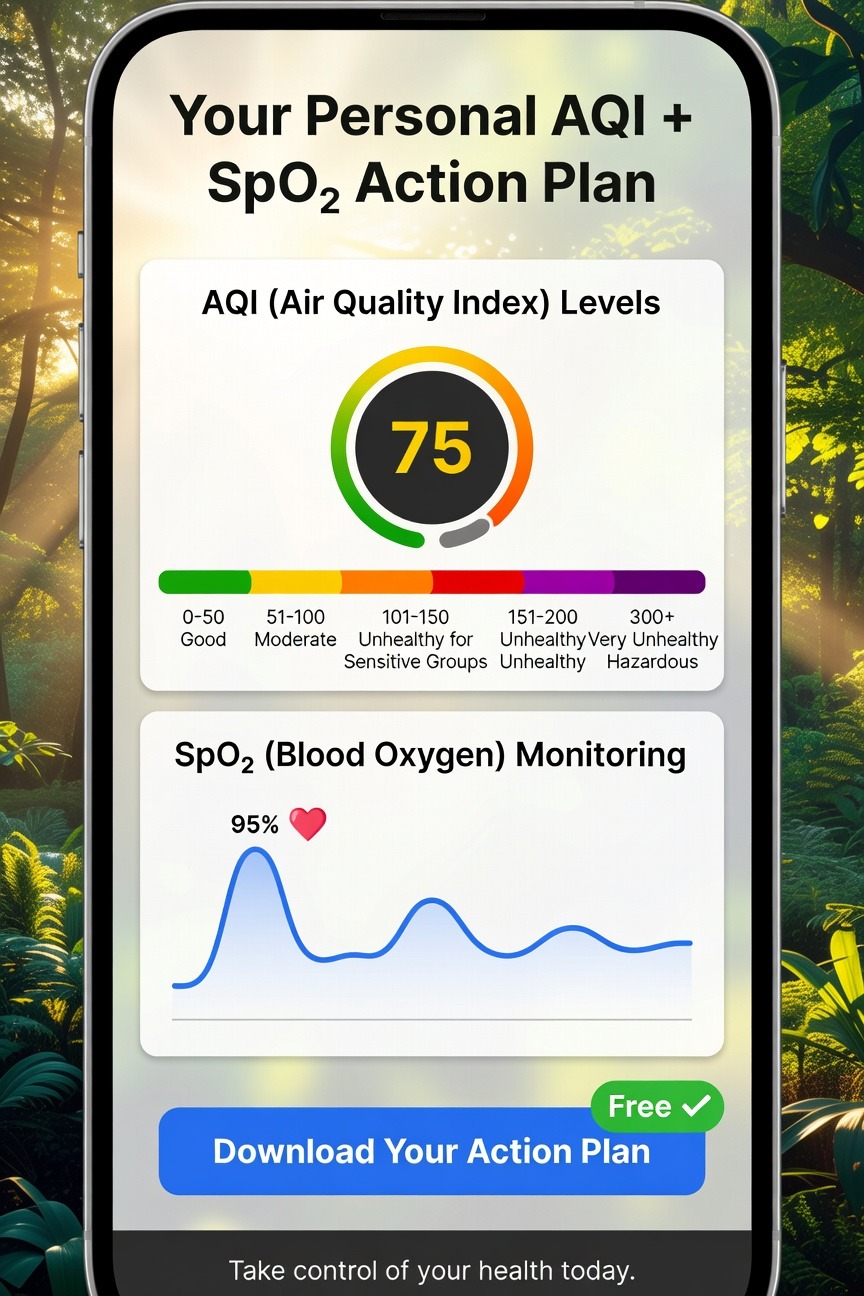
Knowing the science is not enough. You need a protocol—a written, practiced, shared plan that transforms continuous monitoring data into protective action. The following framework forms the basis of our downloadable Personal AQI + SpO₂ Action Plan, available free for all Australian residents during fire season.
Step 1: Establish your baselines before fire season. Do not wait for smoke to arrive. On a clear day with good air quality (AQI below 50), spend one week wearing your OxyZen ring and recording the following:
Your typical daytime SpO₂ at rest (sit quietly for 10 minutes, then check)
Your typical daytime SpO₂ after light activity (walking up stairs, carrying groceries)
Your typical overnight SpO₂ nadir (lowest point during sleep, usually during REM)
Your typical resting heart rate and HRV
Your subjective feeling of “normal” breathing
Write these numbers down. Take screenshots. Share them with family members. These baselines become your reference points for detecting meaningful changes.
Step 2: Know your trigger thresholds. Based on your health status, define the SpO₂ levels that require action:
Green zone (safe): SpO₂ within 2 points of your baseline. Continue normal activities but stay aware of air quality forecasts.
Yellow zone (caution): SpO₂ 3 to 5 points below baseline OR below 94 percent (whichever is higher). Implement indoor air protection measures. Limit time outdoors. Monitor every hour.
Orange zone (action): SpO₂ 6 to 8 points below baseline OR below 90 percent. Implement full protective protocol. Consider medical consultation. Do not exercise outdoors. Prepare for possible evacuation to cleaner air.
Red zone (emergency): SpO₂ below 88 percent OR any drop accompanied by chest pain, confusion, or difficulty speaking. Seek immediate medical attention. Call 000 if you cannot reach care within 30 minutes.
People with chronic respiratory disease should adjust these thresholds upward by 2 points. Your safe zone may be 90 to 94 percent. Your action zone may be below 88 percent. Work with your healthcare provider to personalise these numbers.
Step 3: Build your clean air space. Every home in fire-prone Australia should have one room designated as the clean air sanctuary. This room should have:
Minimal windows and external doors (a bathroom, walk-in pantry, or internal bedroom works well)
Weather stripping or draft stoppers around doors and windows
A HEPA air purifier sized for the room’s square footage (calculate clean air delivery rate, or CADR)
A supply of N95 or P2 masks for everyone in the household
Bottled water and shelf-stable snacks (so you do not need to leave for supplies)
Battery-powered radio and torch
Your ring charger and phone charger
Copies of important medications (inhalers, nitroglycerin, insulin, etc.)
Test your clean air space before fire season. Close the door, turn on the purifier, and verify that the room maintains good air quality even when outdoor AQI is elevated. Practice moving from other parts of the house to the sanctuary quickly and calmly.
Step 4: Create your monitoring schedule. During fire season, check your ring data at set intervals regardless of how you feel:
Upon waking: review overnight SpO₂ nadir, lowest oxygen level, and total minutes below threshold
Mid-morning (10 a.m.): check current SpO₂ and compare to baseline
Early afternoon (2 p.m.): check again, as this is often when smoke conditions worsen
Evening (8 p.m.): review the day’s trends and prepare for overnight monitoring
Before sleep: confirm your clean air space is ready and your ring is charged
Between these scheduled checks, rely on alerts to notify you of sudden changes. The goal is balanced vigilance, not constant phone-checking anxiety.
Step 5: Know your local air quality resources. Bookmark these websites before fire season:
Download the AirRater app (developed by the University of Tasmania and Asthma Australia) for personalised alerts based on your location and health conditions. The app allows you to track symptoms alongside air quality data, helping you identify your personal trigger levels.
Step 6: Build your fire season emergency kit. Beyond the standard bushfire survival kit (which you should already have), add smoke-specific supplies:
Respiratory protection: P2 or N95 masks for every family member, including children sized appropriately (small masks for small faces). One mask per person per day of expected smoke exposure. Store at least 10 masks per person.
Eye protection: Sealed goggles prevent smoke particles from irritating conjunctiva, which can trigger reflexive tearing and nasal congestion that worsens breathing difficulty.
Air quality monitor: A portable PM2.5 sensor (options from PurpleAir, IQAir, or Temtop) lets you verify air quality in specific rooms, your car, or your workplace. Compare sensor readings to your ring's physiological data for complete awareness.
Medication buffer: Request an extra 30 days of all prescription medications before fire season. Pharmacies may close or run out of stock during emergencies. Include over-the-counter antihistamines, saline nasal spray, and eye drops.
Power backup: Air purifiers and ring chargers require electricity. A portable power station (Jackery, EcoFlow, or similar) or car inverter keeps devices running during blackouts.
Documentation: Written copies of your action plan, emergency contact numbers, medication lists, and medical history. Store in your clean air space and your evacuation kit.
Step 7: Practice the 30-minute drill. Once per month during fire season, run this drill with all household members:
Your ring vibrates with a yellow zone alert (simulated by temporarily holding your breath or using a pulse oximeter training app).
Check your SpO₂ reading and the AirRater app simultaneously.
Announce the alert to everyone in the household: "Smoke event detected. Implementing yellow zone protocol."
Close all windows and doors. Seal gaps with towels or weather stripping.
Move to the clean air space. Turn on the HEPA purifier to maximum setting.
Check SpO₂ again after 10 minutes. Has it stabilised? Improved? Declined further?
If declined, implement orange zone protocol: put on P2 masks, notify neighbours, prepare evacuation bag.
Time the entire sequence. Aim for under 10 minutes from alert to protected status.
Drill until the sequence becomes automatic. Panic degrades performance. Muscle memory saves lives.
Step 8: Coordinate with family, neighbours, and community. Smoke exposure is a household problem but a community solution. Before fire season, have these conversations:
Family communication plan: Who checks the ring data? Who decides when to move to the clean air space? Who monitors children, elderly parents, or relatives with disabilities? Write roles down and review them together.
Neighbourhood network: Identify vulnerable neighbours—older adults, people with visible respiratory equipment, families with infants. Exchange phone numbers. Agree to check on each other when smoke arrives. One person's ring alert might protect five households.
School communication: Contact your children's schools to ask about their smoke policies. Do they have air purifiers in classrooms? Do they move students indoors when AQI exceeds 100? Do they have pulse oximeters in the nurse's office? If not, advocate for these changes or provide a ring for your child to wear during fire season.
Step 9: Track, review, and adjust after each smoke event. Data without reflection is noise. After any significant smoke exposure—defined as yellow zone readings lasting more than 2 hours—schedule a 15-minute family review:
What time did the ring first alert? Compare to when you noticed symptoms or smelled smoke.
How long did it take to implement protective measures? Identify bottlenecks.
Did SpO₂ recover after moving to clean air? If not, your purifier may be undersized or your room may have air leaks.
Did anyone require medication? If so, which medication and at what SpO₂ threshold?
Would earlier action have prevented the need for medication or medical care?
Record these learnings in a simple log. Over multiple fire seasons, you will develop personalised thresholds and protocols that no generic guide can provide.
Step 10: Know when to leave. Sometimes, clean air spaces fail. Smoke infiltrates despite sealing. Purifiers cannot keep up. Power fails and backups run out. In these situations, staying home becomes more dangerous than leaving.
Your ring helps answer the evacuation question with data, not fear. Set a secondary threshold—perhaps 88 percent for 30 consecutive minutes despite all interventions—that triggers automatic evacuation. Pre-identify clean air locations within a 30-minute drive: libraries, shopping centres, community centres, friends' homes in different wind patterns.
Evacuate before you feel desperate. A planned, calm departure with packed bags and charged devices is infinitely safer than a panicked middle-of-night flight with nothing but the clothes you are wearing.
The Real Reason This Technology Has Been Overlooked
If continuous oxygen monitoring during fire season is so obviously life-saving, why is it not standard practice? Why are Australians still relying on symptoms that arrive too late, spot checks that miss the danger, and government warnings that tell you nothing about your personal physiology?
The answer reveals uncomfortable truths about how Australia approaches public health, technological adoption, and personal responsibility.
The medical system's blind spot. Australian general practice operates on an acute care model. You see your GP for 15 minutes when something is wrong. They check your blood pressure, order some pathology, renew your prescriptions. Chronic disease management happens in these same 15-minute slots—compressed, reactive, and rarely proactive.
Continuous monitoring does not fit this model. Your GP cannot prescribe a smart ring through the Pharmaceutical Benefits Scheme. There is no Medicare Benefits Schedule item number for "review of personal SpO₂ data from consumer wearable." The system has no framework for integrating the 10,000 daily data points from your ring into your medical record.
Until the system catches up, personal responsibility fills the gap. You do not need a prescription to protect your family. You need information, tools, and a plan.
The wellness industry's failure. Walk into any Australian electronics retailer during fire season. You will find air purifiers, smoke masks, and weather radios prominently displayed. You will not find pulse oximeters or smart rings marketed for smoke protection. The wellness industry positions these devices for sleep optimisation, fitness tracking, and biohacking—not public safety.
This is a catastrophic framing error. A smart ring that detects atrial fibrillation or tracks REM cycles is a wellness device. A smart ring that alerts you to falling oxygen during a bushfire is a safety device. The hardware is identical. The software features are similar. The difference is entirely in how we think about and use the technology.
The cost objection, examined. At approximately $300, a smart ring costs more than a box of P2 masks ($30) and less than a high-end air purifier ($500–$1500). Some Australians will look at that price and decide it is not worth it. Let us examine that calculation honestly.
The median weekly household income in regional Australia is approximately $1,600. A $300 purchase represents less than two days of wages. Compare that to the cost of a single smoke-related hospital admission: ambulance transport ($500–$1,000), emergency department visit ($300–$600), potential ICU admission ($3,000–$5,000 per day), lost work days, ongoing medication, and the immeasurable cost of a near-death experience.
Even if you never experience a severe smoke event, the ring provides value for 364 other days per year through sleep tracking, activity monitoring, and cardiovascular insights. It is not a single-use device. It is a permanent health investment that becomes critical during the 1 percent of the year when fire season threatens.
For households that genuinely cannot afford $300, consider sharing a ring among family members during high-risk periods. One person wears it while sleeping, another wears it during daytime outdoor work. Rotate as conditions change. Imperfect coverage is better than no coverage.
The false reassurance problem. Some public health experts worry that continuous monitoring will create false reassurance—that people will see normal SpO₂ readings and assume they are safe to remain in smoky environments. This is a legitimate concern, but it misunderstands how the technology is used.
The ring does not say "you are safe." It says "your oxygen is currently normal." Those are different statements. You can have normal oxygen while breathing air that is actively damaging your lungs. The PM2.5 particles causing inflammation do not show up on an SpO₂ reading. The ring measures effect, not cause.
Proper use of the technology pairs SpO₂ data with air quality data. If AQI is hazardous but your SpO₂ is normal, you still need protection. Your lungs are taking damage even if your oxygen delivery has not yet failed. The ring tells you when your compensatory mechanisms are exhausted—not when damage begins.
Education solves this problem. The downloadable action plan emphasises that green zone SpO₂ does not mean green light for outdoor activity. It means your current protective measures are adequate. Continue them. Do not relax.
The data privacy question. All wearable devices collect sensitive health data. Your oxygen saturation, heart rate, and sleep patterns reveal intimate details about your physical condition. Some Australians reasonably worry about who can access this information.
OxyZen prioritises data ownership and transparency. Your data lives on your device and your phone. Cloud sync is optional and encrypted. You control sharing—with family members, with healthcare providers, with no one. The company does not sell data to insurers, employers, or advertisers. Read our FAQ for complete details on data privacy, security practices, and your rights as a user.
Compare this to the alternative: no data at all. No warning. No protection. A 417-person funeral every fire season. Privacy matters, but so does survival.
Why Every Australian Fire Season Needs a Different Conversation
Australia has perfected the bushfire conversation about preparation, evacuation, and property defence. We know to clear gutters, trim overhanging branches, pack a go-bag, and leave early. These messages have saved thousands of lives and billions in property damage.
The smoke conversation is twenty years behind.
We do not talk about indoor air quality the way we talk about firebreaks. We do not practice clean air drills the way we practice evacuation routes. We do not budget for air purifiers and oxygen monitors the way we budget for fire extinguishers and hose lengths. This asymmetry kills people—417 of them during Black Summer alone.
The climate change multiplier. As Australia continues warming, fire seasons will lengthen, intensify, and expand into regions previously considered low-risk. The 2019-2020 season was not an anomaly. It was a preview. Climate modelling from CSIRO and the Bureau of Meteorology projects:
20-30 percent increase in days with very high or extreme fire danger by 2050
Fire seasons starting earlier (August instead of October) and ending later (April instead of February)
More frequent smoke transport events, where plumes from distant fires affect major population centres
Increased frequency of "fire thunderstorms" (pyrocumulonimbus events) that inject smoke into the stratosphere, spreading it across continents
Each of these trends increases population smoke exposure, even for Australians who never see a flame. The person most at risk during a climate-intensified fire season may be a Sydney office worker whose city is blanketed by smoke from a fire 300 kilometres away. Continuous monitoring protects everyone, not just those in direct fire paths.
The indoor air illusion. Most Australians believe that staying indoors during a smoke event provides adequate protection. This belief is dangerously wrong. Research from the University of Melbourne's Indoor Air Quality group found that typical Australian homes have air exchange rates of 0.5 to 2.0 air changes per hour, meaning outdoor air replaces indoor air completely every 30 minutes to 2 hours. Without active filtration, indoor PM2.5 concentrations reach 70-90 percent of outdoor concentrations within 2 hours.
Closing windows helps but does not solve the problem. Gaps around doors, cracks in building envelopes, bathroom exhaust fans, and kitchen range hoods all draw outdoor air inside. Older homes with timber frames and weatherboard cladding are particularly leaky. Newer homes with mechanical ventilation systems may actually increase smoke infiltration if filters are not rated for PM2.5.
The only reliable indoor protection is active filtration: a HEPA purifier running continuously in a sealed room. And even then, you need to know when to turn it on. Running a purifier for 24 hours during a 6-hour smoke event wastes electricity and filter life. Waiting until you smell smoke loses the early warning advantage. Your ring provides the trigger: when SpO₂ drops 2 points, start the purifier.
The medication adherence gap. For Australians with asthma, COPD, or cardiovascular disease, prescribed medications dramatically reduce smoke vulnerability. Preventer inhalers (corticosteroids) reduce airway inflammation. Beta-blockers and ACE inhibitors protect heart function. Anticoagulants reduce stroke risk from smoke-induced blood viscosity changes.
But medications only work if taken. Adherence to preventive medication in Australia averages 50-60 percent for chronic conditions—meaning half of prescribed doses are missed. People forget. People run out of refills. People decide they "feel fine" and skip doses to save money.
The equity question. Smart rings cost money. Air purifiers cost money. Even P2 masks cost money that some Australians do not have. If continuous monitoring protects lives, does its price tag create a two-tiered safety system where wealthy Australians survive fire seasons while low-income Australians die?
Yes. And that is unacceptable.
We do not have an easy answer to this problem. OxyZen offers payment plans and occasional subsidies for verified low-income households. State governments should consider rebate programs for air purifiers and oxygen monitors, similar to existing programs for smoke alarms and fire extinguishers. Employers of outdoor workers should provide monitoring devices as standard safety equipment, not optional extras.
In the meantime, community sharing fills some gaps. If you own a ring, loan it to a neighbour during high-risk periods when you are away. If you have a purifier, offer your clean air space to nearby households without one. The technology works best when deployed collectively, not competitively.
From Statistics to Survival: One Family's Story
Let us leave the data behind for a moment and tell a story. The names are changed. The details are real.
The Harrison family lived in the Bega Valley, on the New South Wales far south coast. Mark was 58, a retired electrician with mild COPD from decades of workplace dust exposure. His wife Jan was 55, healthy, a part-time bookkeeper. Their daughter Emily was 28, a nurse who had moved home temporarily while her partner worked overseas. Emily's son Liam was four years old, energetic, prone to winter coughs but otherwise robust.
On December 31, 2019, the Harrisons were not in immediate fire danger. The nearest active fire front was 40 kilometres away. But the smoke was everywhere. A thick, acrid blanket that turned the midday sun orange and left ash on every surface.
Mark noticed he was using his blue reliever inhaler more often. Two times a day, then three, then five. He felt tired. He assumed it was the heat and the stress of watching the news. Jan developed a headache that would not shift. Emily, trained to recognise respiratory distress, checked Mark's oxygen with a fingertip pulse oximeter she had borrowed from the hospital. 93 percent. Not great, but not critical. She checked again an hour later. 92 percent.
They closed all the windows. They turned on the old evaporative cooler, which did nothing for smoke. They huddled in the living room, watching the fire map on Mark's phone, waiting for something to change.
At 3 a.m. on New Year's Day, Mark woke up gasping. He could not catch his breath. His lips were blue. Emily checked his oxygen: 84 percent. She called 000. The ambulance took 45 minutes to arrive—every fire truck in the region was already deployed. By the time paramedics reached him, Mark was in severe respiratory failure. He spent five days in the Bega Hospital, then two weeks in Canberra Hospital's ICU. He survived. His lungs did not fully recover. His COPD stage progressed from mild to moderate. He will never be the same.
The Harrisons now own three OxyZen rings—one for each adult. Mark wears his constantly during fire season. Jan wears hers while sleeping. Emily wears hers at work, monitoring her own stress levels while caring for smoke-affected patients. Last summer, when smoke from a hazard reduction burn drifted into the valley, Mark's ring alerted him at 9 p.m. that his SpO₂ had dropped to 93 percent. He took his reliever, moved to the bedroom with the new HEPA purifier, and was back at 96 percent within 15 minutes. He slept through the night. He did not need an ambulance. He did not miss work. He did not terrify his family.
"That ring cost less than my weekly grocery bill," Mark says. "And it gave me something money cannot buy. It gave me back my sense of safety. I am not afraid of fire season anymore. I am prepared."
Mark is not special. He is not wealthy. He is not a tech enthusiast. He is an ordinary Australian who almost died because he did not have a 30-minute warning. Now he does.
The Technology Is Ready. Are We?
Everything described in this article exists today. The sensors. The algorithms. The rings. The apps. The research base. The clinical evidence. There is no scientific or technological barrier to implementing continuous SpO₂ monitoring as a standard component of Australian bushfire preparedness.
The only barriers are awareness, access, and action.
Awareness. Most Australians still do not know that smoke kills more people than flames. Most do not know that oxygen drops before symptoms appear. Most do not know that continuous monitoring provides a 30 to 90 minute early warning window. This article exists to close that awareness gap. Share it. Print it. Read it aloud to your family. The 417 statistic only saves lives if people remember it.
Access. Smart rings are available online, shipped to any Australian address. They work with iPhones and Android phones. They require no subscription. They arrive ready to use. Visit our store to explore current models, colours, and sizing options. For Australians who cannot afford a ring, explore payment plans, community sharing, or state government assistance programs.
Action. Awareness without action is guilt. Access without action is waste. The final step is yours. Order a ring. Download the app. Set your baselines. Build your clean air space. Practice the 30-minute drill. Talk to your neighbours. Make the plan real.
Fire season will come. It always does. The question is not whether smoke will affect your family. The question is whether you will know about it in time to do something.
Protect Your Family This Fire Season
The 417 preventable deaths from Black Summer represent 417 families who went to sleep expecting to wake up. 417 people who thought they had more time. 417 Australians who might be alive today if continuous oxygen monitoring had been standard practice.
You cannot change what happened to them. You can change what happens to your family.
The OxyZen smart ring provides continuous SpO₂ monitoring, heart rate tracking, HRV analysis, and sleep staging in a comfortable, water-resistant form factor you wear 24 hours a day. During fire season, it becomes your personal smoke detector—not for flames, but for the silent physiological collapse that kills more Australians than fire.
Download your free Personal AQI + SpO₂ Action Plan at the link below. The plan includes printable checklists, threshold tables, room-by-room preparation guides, and family communication templates. Keep it on your fridge. Share it with your neighbours. Practice it with your children.
Your 30-minute warning starts now. Not when the smoke arrives. Not when you smell it. Now.
[Download the Personal AQI + SpO₂ Action Plan →]
*This article is part of OxyZen's public safety initiative for Australian fire-prone communities. For medical emergencies, always call 000. For questions about using OxyZen rings during fire season, contact our support team or read our comprehensive FAQ.*



%402x.svg)