The Statistic That Should Change How Every Australian Parent Thinks About Their Kid’s Sleep
Sleep data reveals patterns that should change how parents manage children’s routines, highlighting the long-term impact of poor sleep on development and health.
The Statistic That Should Change How Every Australian Parent Thinks About Their Kid’s Sleep
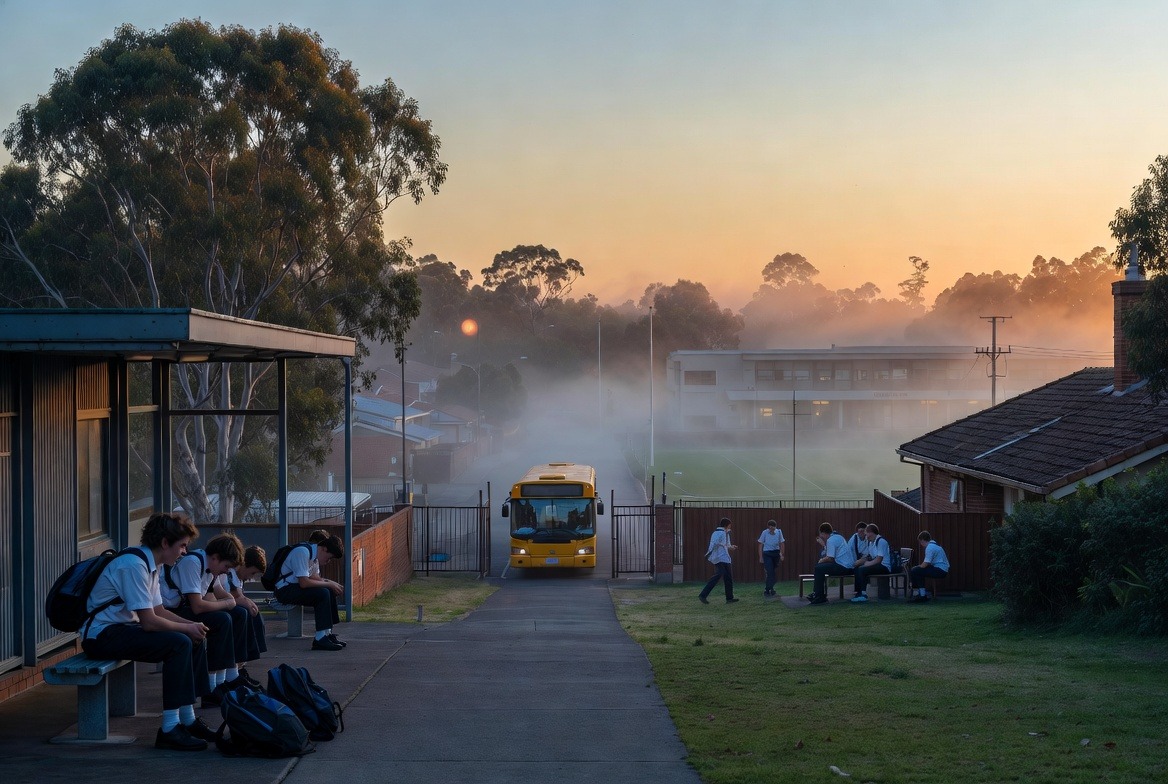
Every weekday morning, millions of Australian parents perform the same ritual. They wake their teenagers, pour cereal, pack lunchboxes, and send children out the door with backpacks slung over shoulders. And every weekday morning, those parents are unknowingly sending their children to school in a state that—if measured by cognitive impairment—would get them arrested behind the wheel of a car.
Here is the statistic that should stop every Australian parent in their tracks: Australian teenagers average 7.4 hours of sleep a night. The national recommended range for their age group is 9 to 11 hours. The gap between those numbers—the sleep debt that has become so normalised we barely notice it anymore—produces a cognitive deficit equivalent to showing up to school with a blood alcohol concentration of 0.05 percent. Every single day.
Let that land. A 0.05 percent blood alcohol level is legally impaired driving in every Australian state and territory. It is the threshold at which reaction time slows, judgment deteriorates, and risk-taking behaviour increases. For an adult, blowing 0.05 at a random roadside test means losing your licence. For an Australian teenager, that same level of cognitive compromise is simply called Tuesday morning.
The comparison is not hyperbole. It comes from the sleep research of Dr. Paul Kelley and his colleagues at Oxford University and the Sleep and Circadian Neuroscience Institute, whose work has demonstrated that the cognitive performance of a sleep-deprived adolescent maps directly onto the impairment curve of alcohol intoxication. The difference is that no parent would ever hand their child a beer before first period. But every night, millions of Australian parents are handing their children a bedtime that guarantees the same result.
This article is for those parents. It is for the school health professionals who see the consequences in classrooms every day. It is for the paediatric GPs treating anxiety, depression, and attention issues whose root cause may be hiding in plain sight. And it is for anyone who has ever wondered why their bright, capable child seems to be struggling for reasons no one can quite explain.
We are going to walk through the data, the neuroscience, the structural failures in Australian education, the role of smartphones and circadian biology, and finally—most importantly—what parents can actually do about it. Because the problem is not unsolvable. But it does require that we stop treating sleep as optional.
Australia’s Children Are Chronically Sleep Deprived — The Data That Should Alarm Every Parent
Let us begin with the numbers, because numbers have a way of cutting through the noise of parenting advice, anecdote, and well-intentioned but vague concern.
The Australian Institute of Family Studies reports that approximately 40 percent of Australian children and adolescents are not getting the minimum recommended sleep for their age. Among teenagers specifically, the situation has deteriorated so significantly over the past two decades that what was once considered a clinical sleep disorder is now the statistical norm.
For children aged 5 to 12 years, the National Sleep Foundation recommends 9 to 11 hours of sleep per night. Australian data shows the average for this group is 8.8 hours—a deficit that compounds across the school week. For teenagers aged 13 to 18, the recommended range is 8 to 10 hours, yet the average Australian teenager logs just 7.4 hours on school nights. More than half of year 10 students report getting six hours or less at least three nights per week.
These are not outlier numbers. They are population averages, which means for every teenager getting nine hours of sleep, there is another getting six. And the trend line is moving in the wrong direction. Longitudinal data from the Australian Child Health and Wellbeing Study shows that average sleep duration among 14-to-17-year-olds has declined by 47 minutes per night since 2005. Over a school year, that adds up to more than 140 hours of lost sleep—equivalent to missing nearly three full weeks of cognitive restoration.
The disparity between weeknight and weekend sleep is equally telling. Australian teenagers gain an average of 2.1 hours of sleep on weekend nights compared to school nights. This pattern—known in sleep medicine as "social jetlag"—is not a harmless catch-up mechanism. It is a marker of a fundamentally misaligned schedule that forces the adolescent brain to oscillate between two different time zones every seven days. The cardiovascular and metabolic consequences of chronic social jetlag in adults are well documented; in adolescents, whose brains are still undergoing critical developmental pruning, the stakes are even higher.
What makes these numbers particularly insidious is that sleep deprivation in children and teenagers does not look like sleep deprivation in adults. An exhausted adult will typically appear lethargic, yawn frequently, and complain of fatigue. An exhausted teenager will often appear irritable, oppositional, hyperactive, or emotionally volatile. The sleep-deprived adolescent brain, faced with cognitive demands it cannot meet, defaults to primitive threat detection and emotional reactivity. The result is a child who looks like they have a behavioural problem, a mood disorder, or an attention deficit when what they actually have is a circadian rhythm that is being systematically ignored.
This misidentification has real consequences. A 2019 study published in the Journal of Clinical Sleep Medicine found that adolescents with untreated sleep disorders were four times more likely to be prescribed stimulant medication for suspected ADHD than their well-rested peers. The symptoms overlap so completely that even experienced clinicians can miss the distinction. Poor sleep impairs executive function, working memory, and impulse control—the very domains that define attention deficit hyperactivity disorder. But the treatment for sleep deprivation is not dexamphetamine. It is earlier bedtimes, later school start times, and a family culture that prioritises rest.
For parents reading this who are already exhausted themselves, the temptation is to see these numbers as abstract. They are not abstract. They are the explanation for the morning battles, the after-school meltdowns, the homework that takes three hours when it should take one, and the constant low-grade tension that has become the background music of family life. When your child is operating at a 0.05 percent blood alcohol equivalent, everything is harder. Learning is harder. Regulating emotions is harder. Being kind to siblings is harder. Falling asleep when they finally get to bed is harder, because their nervous system has been running on adrenaline and cortisol all day just to stay upright.
The good news is that sleep is reversible. Unlike many paediatric health problems that require complex medical interventions, sleep duration can be modified by changes in behaviour, environment, and policy. But the first step is acknowledging that the problem exists. And the first problem to acknowledge is this: your child is almost certainly not getting enough sleep, and the consequences are showing up in ways you have probably misinterpreted.
What Sleep Deprivation Does to the Developing Brain — The Neuroscience, Accessible
To understand why seven hours of sleep is not enough for a teenager, we have to understand what sleep actually does. Most parents think of sleep as a kind of biological reset button—a period when the body rests and the brain shuts down. This is wrong. Sleep is not passive. It is arguably the most active metabolic state the brain enters all day, and in children and adolescents, it is doing work that cannot be done at any other time.
The adolescent brain is undergoing a process called synaptic pruning. Think of it as a garden that has grown wild over the course of childhood. Millions of neural connections have been formed through experience, learning, and development. But a garden with too many branches does not bear fruit. The brain must systematically eliminate weaker connections while strengthening the ones that are used most frequently. This pruning happens almost exclusively during deep non-REM sleep, specifically during slow-wave activity in the prefrontal cortex.
Here is what that means in practical terms. Every night your teenager spends less than 8.5 hours asleep, their brain loses the opportunity to prune approximately 15 to 20 percent of the synapses scheduled for that night. Those unpruned connections do not just linger harmlessly. They interfere with efficient neural signalling, creating noise in the system that makes learning slower, memory less reliable, and attention more fragmented. Over the course of a school term, the cumulative effect is a teenager whose brain is literally cluttered with connections that should have been cleared away.
The second critical function of sleep in the developing brain is memory consolidation. When your child studies for an exam or learns a new skill, the information is initially stored in the hippocampus—a structure that is excellent at temporary storage but has limited capacity. During sleep, specifically during the combination of slow-wave sleep and REM sleep, the brain transfers those memories from the hippocampus to the neocortex, where they become long-term knowledge. This process is not optional. Without sufficient sleep, the hippocampus fills up, new information cannot be encoded, and yesterday's learning is overwritten by today's input.
This is why your teenager can study for two hours, feel confident in the material, and then perform poorly on a test the next day. The studying worked. The learning happened. But the consolidation failed because they went to bed at midnight and woke up at 6:30 AM. The information never made the journey from short-term to long-term storage. It evaporated overnight, and they have no idea why.
The third function—and the one most relevant to the 0.05 percent statistic—is prefrontal cortex restoration. The prefrontal cortex is the part of the brain responsible for impulse control, decision-making, emotional regulation, and complex reasoning. It is also the part of the brain most sensitive to sleep loss. After one night of restricted sleep, prefrontal cortex activity drops by approximately 30 percent. After a week of chronic restriction—the pattern that describes most Australian teenagers—the deficit becomes the new baseline.
When the prefrontal cortex is underperforming, the brain defaults to the amygdala. The amygdala is the body's threat detection system. It is fast, reactive, and entirely unconcerned with algebra, consequences, or social appropriateness. A teenager operating from their amygdala rather than their prefrontal cortex is not being defiant or lazy. They are being driven by a brain structure that evolved to detect predators on the savannah, not to sit quietly through a maths lesson. The amygdala does not understand that the teacher is not a threat. It does not care about long-term goals. It wants to fight, flee, or freeze. And that is exactly what sleep-deprived teenagers do.
This is the neuroscience behind the blood alcohol comparison. Alcohol impairs the prefrontal cortex while leaving the amygdala relatively intact. Sleep deprivation does the same thing. Both conditions produce a brain that is poorly equipped to inhibit impulses, evaluate consequences, or regulate emotional responses. Both produce a brain that overreacts to mild stressors. Both produce a brain that is, in a very real sense, not fully in control of its own behaviour.
But there is one crucial difference between alcohol intoxication and sleep deprivation. Alcohol leaves the body through metabolism. Sleep deprivation leaves the brain through recovery sleep that cannot be banked or borrowed. You cannot make up for five nights of six-hour sleep by sleeping twelve hours on Saturday. The cognitive deficits from chronic restriction require multiple nights of full recovery to reverse, and during that recovery period, the brain is still operating at a disadvantage.
For parents of teenagers, the implications are profound. The behaviour that you may be interpreting as laziness, disrespect, or lack of motivation may actually be the predictable output of a sleep-deprived prefrontal cortex. The argument about phone use at night is not a battle about rules. It is a battle about whether your child's brain will have the opportunity to prune, consolidate, and restore—or whether it will stumble through another day at a 0.05 percent handicap.
And that brings us to a question that Australian parents are not asking nearly loudly enough: why are we sending our children to school at a time that guarantees this will happen?
The School Start Time Problem — And the Research That Australia Keeps Ignoring
If you wanted to design a system that maximises adolescent sleep deprivation, you would start school before 8:30 AM. You would require teenagers to wake up at a time that directly contradicts their biological sleep phase. And you would call that system "preparation for the real world."
This is not an exaggeration. It is a description of current Australian secondary education, where the average school start time is 8:45 AM, but with bus schedules, sports training, and before-school commitments effectively requiring wake times of 6:00 to 6:30 AM for millions of teenagers.
The problem is not that Australian teenagers are choosing to stay up late. The problem is that their circadian rhythms have shifted. During adolescence, the brain delays the release of melatonin—the hormone that signals sleep onset—by approximately two to three hours compared to childhood. A 15-year-old who could naturally fall asleep at 9:00 PM at age 10 now cannot fall asleep before 10:30 or 11:00 PM, regardless of how tired they are. This is not a choice. It is not a failure of discipline. It is biology.
The American Academy of Pediatrics has been unequivocal on this issue since 2014. Their official recommendation states that middle and high schools should start no earlier than 8:30 AM. The American Medical Association, the Centers for Disease Control, and the National Sleep Foundation have all issued identical guidance. School districts that have moved to later start times—Seattle, Seattle, Minneapolis, and a growing list of others—have documented improvements in attendance, academic performance, graduation rates, and adolescent mental health.
Australia has largely ignored this research.
There are exceptions. Independent schools in Victoria and New South Wales have piloted later start times with positive results. Some Queensland schools have shifted to 9:00 AM starts. But the vast majority of Australian public secondary schools continue to begin between 8:30 and 8:50 AM, with many requiring students to be on campus earlier for roll call, assemblies, or extracurricular commitments. The result is a population-wide sleep restriction that is baked into the structure of the school day.
The arguments against later start times are familiar. Later finishes would disrupt after-school sports. Parents need to get to work. Bus schedules are complicated. Childcare for younger siblings would be problematic. These are logistical challenges, not biological impossibilities. They have been solved in school districts across the United States and the United Kingdom. They could be solved in Australia if there were political will.
But the deeper problem is cultural. Australian parents and educators have internalised the belief that early rising is a virtue. The "early to bed, early to rise" maxim has been applied to teenagers without any recognition that their biology has changed. We tell teenagers to go to bed earlier, as if the problem is their behaviour rather than their brain chemistry. We blame smartphones and laziness while ignoring the fact that a teenager lying in bed at 10:00 PM is physiologically incapable of falling asleep, no matter how early they woke up.
The data on school start times and sleep duration is not ambiguous. A 2017 study of 29,000 Australian adolescents found that for every 10-minute delay in school start time, average sleep duration increased by 24 minutes. The relationship was linear and consistent across socioeconomic groups. Later start times produced more sleep. More sleep produced better outcomes. The intervention did not require parents to enforce earlier bedtimes. It did not require teenagers to change their natural sleep phase. It simply aligned the school schedule with adolescent biology.
The cognitive equivalent of showing up to school at 0.05 percent blood alcohol is not inevitable. It is the predictable consequence of a school schedule that forces teenagers to wake up during their biological night. And it is a consequence that Australian parents have the power to change—not by fighting their children over bedtime, but by demanding that schools and education departments catch up to the science.
Until that happens, however, parents are left with a different problem. Even if school start times shifted tomorrow, the sleep crisis would not disappear. Because there is another factor at work in Australian homes that is undoing even the most well-intentioned sleep routines. It is small, it is blue, and it is probably within arm's reach of your teenager right now.
Smartphones, Social Media, and Why Your Teenager Can’t Fall Asleep Before Midnight — The Biology of Late Chronotypes and Blue Light
The smartphone in your teenager's hand is not just a distraction. It is a biological weapon directed at their sleep architecture. And the way it works is so fundamentally misunderstood by most parents that the standard interventions—taking the phone away at 9:00 PM, using screen time limits, threatening consequences—often fail to address the actual mechanism of harm.
Let us start with the biology. The human circadian clock is set primarily by light exposure, specifically by light in the blue wavelength range of approximately 460 to 480 nanometres. Morning sunlight contains high levels of blue light, which signals the brain to suppress melatonin and begin the waking cycle. Evening light contains much lower levels of blue light, which allows melatonin to rise and sleep to begin.
Smartphone screens emit blue light at intensities that the human brain has never encountered in the evening hours before the last 15 years. When your teenager scrolls Instagram at 10:30 PM, the blue light entering their eyes does not just keep them awake because the content is engaging. It actively suppresses melatonin production by 50 to 80 percent, depending on screen brightness and viewing distance. The brain receives a signal that it is still daytime, the circadian clock resets to a later phase, and the ability to fall asleep is delayed by 30 to 90 minutes.
This is not a matter of willpower. A teenager who has been on their phone from 9:00 PM to 11:00 PM has not made a bad choice. Their brain has been pharmacologically manipulated into a state of artificial wakefulness. The phone is not keeping them up. The light from the phone is.
The second mechanism is even more insidious. Social media platforms are designed to exploit dopamine reward pathways. Each notification, like, and comment delivers a small pulse of dopamine—the same neurotransmitter involved in addiction, motivation, and reward seeking. For a teenage brain that is already hypersensitive to social reward and peer validation, this is not a minor influence. It is a fundamental reorganisation of what the brain finds rewarding and when.
The combination of blue light suppression of melatonin and social media activation of dopamine creates a perfect storm. The teenager cannot fall asleep because their melatonin is blocked. They cannot stop engaging because their dopamine system is being intermittently reinforced. And the later they stay up, the more their circadian phase shifts, making it even harder to fall asleep at a reasonable hour the next night. This is not a failure of parenting. It is a failure of the environment in which parenting is occurring.
The data on Australian teenagers and screen time is alarming. The eSafety Commissioner reports that 44 percent of Australian teenagers are online until midnight or later on school nights. Among 16-to-17-year-olds, the figure rises to 61 percent. Most of this time is spent on social media platforms—TikTok, Instagram, Snapchat, Discord—that have no incentive to help teenagers sleep and every incentive to keep them engaged.
Parents who attempt to intervene with phone bans or time limits often find themselves in escalating conflicts precisely because they are fighting against biology. Taking a phone away at 9:00 PM does not address the fact that the teenager's circadian clock has already been shifted by weeks of late-night exposure. The teenager who hands over their phone at 9:00 PM will still lie awake until midnight, not because they are defiant, but because their brain no longer produces melatonin at the right time.
The solution requires understanding the difference between acute and chronic interventions. Acute interventions—removing the phone for one night—are almost useless if the preceding weeks have established a delayed circadian phase. Chronic interventions require rebuilding the relationship between light exposure and melatonin production over a period of days to weeks. That means not just restricting phone use at night, but strategically increasing morning light exposure to reset the circadian clock.
This is where technology can actually help rather than harm. Understanding what is happening inside your teenager's body during sleep—their actual sleep stages, not just the hours they spend in bed—requires data that most parents simply do not have. Explore our blog for more insights on sleep tracking technology and how modern wellness tools are changing what we know about adolescent rest. For parents who want to move beyond guesswork and into actual measurement, smart ring technology offers a window into sleep architecture that was previously available only in sleep laboratories.
The smartphone problem is not unsolvable. But it will not be solved by parental nagging or confiscation alone. It requires understanding the biology, changing the environment, and in some cases, using data to show teenagers what their sleep patterns actually look like—because for many adolescents, seeing the graph of their own sleep debt is more persuasive than a hundred lectures.
How Smart Ring Monitoring Reveals the Sleep Patterns Parents Don’t Know About
Here is a question for every Australian parent reading this: How much sleep did your child actually get last night? Not the time they went to bed or the time they woke up. The actual amount of time their brain was in restorative sleep. The number of minutes of deep sleep, REM sleep, and the interruptions they do not remember.
Most parents cannot answer this question. And that lack of data is a major reason the sleep crisis persists. We cannot manage what we do not measure. We cannot intervene effectively when our only information is bedtime and wake time, which together tell us almost nothing about sleep quality.
Sleep is not a binary state. It is a dynamic process that cycles through distinct stages approximately every 90 minutes. Stage 1 is light sleep, easily interrupted. Stage 2 is deeper light sleep where heart rate and body temperature begin to drop. Stage 3 is deep or slow-wave sleep, the most restorative stage, critical for physical recovery and synaptic pruning. REM sleep is the stage associated with dreaming, memory consolidation, and emotional processing. A healthy night of sleep contains four to six complete cycles, with deep sleep concentrated in the first half of the night and REM sleep concentrated in the second half.
The average Australian teenager is not getting enough of any of these stages. But the specific deficits matter. Deep sleep deficits impair learning and physical recovery. REM deficits impair emotional regulation and memory consolidation. And the only way to know which deficits are present is to measure them.
This is where continuous biometric monitoring has transformed what parents can know about their children's sleep. Devices that track heart rate, heart rate variability, movement, and temperature throughout the night can estimate sleep stages with reasonable accuracy—not perfect, not clinical-grade polysomnography, but sufficient to identify patterns and trends that would otherwise be invisible.
Heart rate variability (HRV) is particularly revealing. HRV measures the variation in time between heartbeats, and it is one of the most sensitive markers of nervous system state. High HRV indicates a relaxed, restorative state dominated by the parasympathetic nervous system. Low HRV indicates stress, fatigue, or a sympathetic nervous system that is still activated. A teenager with chronically low HRV is not recovering effectively during sleep, regardless of how many hours they spend in bed.
For parents, the value of this data is not in achieving perfect numbers. The value is in seeing what happens when interventions are tried. Does limiting phone use before bed actually increase deep sleep? Does morning light exposure improve HRV? Does a later school start time produce measurable changes in REM duration? These questions can be answered with data rather than guesswork.
Real customer experiences with sleep tracking technology consistently highlight the same revelation: parents discover that their assumptions about their children's sleep were wrong. The child who seemed to be sleeping from 10:00 PM to 7:00 AM was actually awake for 45 minutes during the night without remembering it. The teenager who complained of being tired despite 8 hours in bed had only 45 minutes of deep sleep. The patterns that parents thought they understood turned out to be completely different when measured.
The most powerful application of this technology is not tracking for its own sake. It is using the data to have different conversations with children. When a parent can say, "Your heart rate variability dropped 30 percent during exam week—let's talk about what we can do differently," the conversation shifts from nagging to problem-solving. The teenager becomes a collaborator in their own sleep health rather than a resistant subject of parental rules.
Learn more about how continuous monitoring works and why Australian families are turning to data to solve problems that rules alone could not fix. The sleep crisis is not going to be solved by any single intervention. But it will be solved more effectively when parents have information they can trust.
The Mental Health Connection — Why Poor Sleep Is Both a Cause and Consequence of Teenage Anxiety and Depression
If you are the parent of an Australian teenager struggling with anxiety or depression, you have probably been told to prioritise sleep. You may have been given handouts about sleep hygiene. You may have been told to limit screen time, establish routines, and create a calm bedroom environment. All of this is good advice. But it misses a critical fact: the relationship between sleep and mental health in adolescents is bidirectional, and treating it as one-way is a recipe for frustration.
Poor sleep causes mental health problems. Mental health problems cause poor sleep. And once the cycle is established, it can be nearly impossible to tell which came first or which needs to be treated first.
The causal pathway from sleep deprivation to anxiety is well understood. Chronic sleep restriction increases baseline activity in the amygdala—the threat detection centre mentioned earlier. A sleep-deprived amygdala is more reactive to neutral or mildly negative stimuli. The teenager who is not getting enough sleep is not just tired. Their brain is actively scanning for threats and overreacting when it finds them. That is the neurobiological definition of anxiety.
The pathway to depression is equally clear. Sleep deprivation reduces the availability of serotonin and dopamine receptors in the prefrontal cortex. These are the neurotransmitters most directly implicated in mood regulation, motivation, and reward processing. A teenager with blunted dopamine signalling does not experience pleasure from activities that used to be enjoyable. They lose motivation. They feel flat. And those symptoms are indistinguishable from the diagnostic criteria for major depressive disorder.
But the reverse direction is also true. Anxious teenagers cannot fall asleep because their brains are racing with worst-case scenarios. Depressed teenagers cannot stay asleep because their sleep architecture is fragmented, with reduced deep sleep and REM sleep that begins too early in the night. The mental health problem disrupts sleep, which worsens the mental health problem, which further disrupts sleep. This is not a simple causal chain. It is a spiral.
The Australian data on adolescent mental health and sleep is stark. The Mission Australia Youth Survey consistently finds that sleep is one of the top three concerns cited by teenagers themselves, alongside coping with stress and school pressure. Among teenagers diagnosed with an anxiety disorder, the prevalence of clinically significant sleep disturbance exceeds 70 percent. Among those with depression, it exceeds 80 percent.
What makes this particularly challenging for parents is that the interventions for mental health and sleep can conflict. Antidepressant medications, particularly SSRIs, often disrupt sleep architecture by suppressing REM sleep. Stimulant medications for ADHD delay sleep onset. Even therapy—which is unequivocally beneficial—can temporarily increase anxiety as difficult material is processed, making it harder to fall asleep.
The solution is not to choose between treating mental health and treating sleep. The solution is to treat them together, recognising that they are two expressions of the same underlying dysregulation. Sleep interventions—consistent bedtimes, morning light exposure, strategic use of melatonin, cognitive behavioural therapy for insomnia—should be integrated into mental health treatment plans. And mental health interventions should be evaluated partly by their effects on sleep.
For parents, the practical implication is this: if your teenager is being treated for anxiety or depression and their sleep has not improved, the treatment is incomplete. If your teenager has poor sleep and is showing signs of mood disturbance, addressing the sleep may be the most effective mental health intervention available. Our complete guide to understanding biometric data in mental health explores this connection in depth, including how continuous monitoring can identify early warning signs before a crisis develops.
The blood alcohol statistic that opened this article is shocking by design. But the mental health connection is arguably more important. A teenager operating at 0.05 percent cognitive impairment may struggle with maths or history. A teenager caught in the sleep-anxiety-depression spiral may struggle with everything. And unlike the cognitive impairment, which resolves with recovery sleep, the mental health consequences of chronic sleep deprivation can persist long after sleep has been restored.
What Parents Can Actually Do — The Evidence-Based Family Sleep Framework
After reading thousands of words about the scale of the problem, the neuroscience, the structural failures, and the technology, you are probably asking a single question: what do I do tomorrow?
The answer is not a magic bullet. It is a framework. And the framework begins with a single principle that most sleep advice gets backwards.
The standard approach to improving children's sleep is to focus on bedtime. Earlier bedtime, more consistent bedtime, stricter bedtime. This approach fails because it ignores the most powerful regulator of the circadian clock: wake time. You cannot shift a teenager's sleep earlier by putting them to bed earlier if they are waking up at the same time. The circadian clock is set primarily by morning light exposure, and morning light exposure is determined by wake time.
The evidence-based framework starts with wake time, not bedtime. Choose a consistent wake time seven days per week. That does not mean no weekend sleep-ins. It means no weekend sleep-ins of more than one hour beyond the weekday wake time. The goal is to stabilise the circadian clock so that the brain knows when to produce melatonin and when to stop.
The second principle is light management. Morning light exposure—ideally natural sunlight within 30 minutes of waking—advances the circadian clock, making it easier to fall asleep earlier the following night. Evening light restriction—dim lights, blue-blocking glasses, or device filters—prevents the clock from shifting later. These two interventions together are more powerful than any single sleep hygiene practice.
The third principle is strategic use of melatonin. Australian parents should know that melatonin is not a sleeping pill. It is a timing signal. It tells the brain that darkness has begun and that sleep should follow in approximately 90 minutes. Low-dose melatonin (0.5 to 1 milligram) taken two to three hours before target bedtime can shift a delayed circadian clock earlier. But timing matters enormously. Melatonin taken at the wrong time can shift the clock later rather than earlier. This is an intervention to discuss with a paediatrician or sleep specialist, not to experiment with on your own.
The fourth principle is the elimination of what sleep scientists call "sleep opportunity inconsistency." A teenager who sleeps six hours on school nights and ten hours on weekends is not catching up. They are inducing social jetlag, which is metabolically and cognitively equivalent to flying from Sydney to Perth and back every weekend. The goal is to narrow the range between shortest and longest sleep nights to no more than two hours.
The fifth principle is the most difficult for Australian parents to accept: you cannot out-parent biology. If your teenager cannot fall asleep before 11:00 PM despite every intervention you have tried, the problem may not be your parenting. It may be a school start time that requires them to wake up during their biological night. In that case, the most effective intervention you can make is not at home. It is at the school. Join the P&C. Talk to the principal. Find other parents who are also struggling. Advocate for later start times.
The framework also includes specific guidance for different age groups. For primary school children aged 5 to 12, the priority is consistency and total sleep time. For early adolescents aged 13 to 15, the priority is managing the circadian shift and limiting evening screen light. For older adolescents aged 16 to 18, the priority is working with their delayed phase rather than fighting it—which may mean advocating for later school start times or flexible first-period arrangements.
A Practical Family Sleep Protocol for Australian Households
Knowing the principles is one thing. Implementing them in a busy Australian household with school, sports, homework, and social commitments is another. This protocol is designed to be implemented in phases, not all at once. Trying to change everything simultaneously is a recipe for resistance and failure.
Phase One: Assessment (Week 1)
Do not change anything yet. For one week, simply track. Record bedtime, wake time, and any nighttime awakenings you observe. If your child is willing, have them track how they feel in the morning and afternoon on a simple 1-to-5 scale. If you have access to sleep tracking technology, use it. The goal of Phase One is data, not change. You cannot fix what you have not measured.
Phase Two: Wake Time Stabilisation (Weeks 2-3)
Choose a weekday wake time and stick to it within 60 minutes every day of the week. If your teenager usually wakes at 6:30 AM for school, weekend wake time should be no later than 7:30 AM. This will be unpopular. Expect resistance. Explain the biology: you are not being mean. You are resetting their circadian clock so that falling asleep becomes easier.
Within 30 minutes of waking, your child needs bright light exposure. Natural sunlight is best. If that is not possible because of winter darkness or early wake times, a bright light therapy lamp (10,000 lux) placed on the breakfast table works. This is not optional. Morning light is the single most effective intervention for advancing a delayed circadian clock.
Phase Four: Evening Wind-Down (Weeks 4-5)
Begin a consistent evening wind-down routine 60 to 90 minutes before target bedtime. The routine should include three elements: dimming lights (all lights, not just screens), a consistent sequence of activities (pyjamas, teeth, reading), and the removal of phones and tablets from the bedroom. The phone should not be on the nightstand. It should not be charging in the room. It should be in another room entirely.
If removing the phone entirely is not possible due to family circumstances, use every available tool to reduce blue light exposure. Night mode settings, blue-blocking screen protectors, and blue-blocking glasses all help. But understand that these are mitigation strategies, not solutions. The solution is the phone out of the bedroom.
Phase Six: Strategic Melatonin (Week 6 and beyond, only after consulting a doctor)
If after five weeks of consistent implementation your teenager still cannot fall asleep within 30 minutes of target bedtime, discuss low-dose melatonin with your paediatrician or GP. This is not a long-term solution. It is a temporary intervention to help the clock shift while the behavioural changes take effect.
Phase Seven: Advocacy (Ongoing)
While you implement these changes at home, begin the work of changing the environment that makes them necessary. Talk to other parents. Raise sleep at the next P&C meeting. Share the 0.05 percent statistic with the school principal. Ask what the school's policy is on homework that requires late-night screen time. The changes you make at home are necessary. They are not sufficient.
For families who want to go deeper, read our story about why we started this work and what we have learned from thousands of Australian families about what actually works. The sleep crisis is not going to be solved by any single article, product, or policy. But it will be solved by informed parents who understand the biology, measure what matters, and refuse to accept that exhausted children are just the way things are.
The statistic that should change how every Australian parent thinks about their child's sleep is not a scare tactic. It is an invitation to see something that has been invisible. Your child is not lazy, difficult, or unmotivated. They are operating at a 0.05 percent cognitive handicap every single day. And the remarkable thing is not that they struggle. The remarkable thing is how well they manage despite it.
The Fertility Question Nobody Talks About — What Poor Sleep in Adolescence Does to Long-Term Reproductive Health
Most parents of teenagers are not thinking about their child's future fertility. The teenage years are consumed with immediate concerns: exams, friendships, driver's licences, university applications. The idea that sleep habits formed at 15 could influence whether that same child can conceive at 30 seems distant to the point of irrelevance. But the data says otherwise, and the mechanism is surprisingly direct.
Sleep regulates the hypothalamic-pituitary-gonadal axis — the hormonal cascade that controls reproductive function in both males and females. In adolescents, this axis is already in a state of developmental flux. Adding chronic sleep deprivation to that equation produces measurable disruptions that can have lasting consequences.
For adolescent females, the relationship between sleep and menstrual health is bidirectional and clinically significant. A 2020 study of 1,500 Australian adolescent girls found that those averaging less than seven hours of sleep per night were three times more likely to report irregular menstrual cycles than those sleeping eight or more hours. Among girls with diagnosed polycystic ovary syndrome — already a condition characterised by hormonal dysregulation — short sleep duration predicted more severe symptoms and longer time to diagnosis.
The mechanism involves cortisol. When the body is sleep-deprived, cortisol production remains elevated into the evening hours. Elevated cortisol suppresses gonadotropin-releasing hormone, which in turn suppresses the release of luteinising hormone and follicle-stimulating hormone. These are the hormones that orchestrate ovulation. Suppress them consistently throughout adolescence, and the ovaries receive a signal that the body is in a state of chronic stress — a state not conducive to reproduction. The developing eggs within the ovaries are exposed to this hormonal environment during critical windows of maturation.
For adolescent males, the picture is equally concerning. Testosterone production follows a circadian rhythm, with peak secretion occurring during sleep. Each night of restricted sleep reduces testosterone output by approximately 10 to 15 percent. Over a week of school-night sleep deprivation, cumulative testosterone deficit can reach 30 to 40 percent of expected levels. Unlike adult males, whose testosterone declines gradually with age, adolescents are supposed to be in a rising phase. Sleep deprivation flattens that trajectory.
Sperm health is also affected, though the research in adolescents is necessarily limited. Studies of young adult males show that sleep duration of less than six hours or more than nine hours is associated with reduced sperm count, motility, and morphology. The optimal range for male reproductive health is seven to eight hours — a range that most Australian teenagers are not achieving. The concern is that the sperm produced during adolescence, when the reproductive system is still maturing, may be particularly vulnerable to sleep-related oxidative stress.
The fertility question also intersects with the mental health consequences discussed earlier. Adolescent anxiety and depression — both strongly linked to poor sleep — are independent risk factors for later fertility problems. The medications used to treat these conditions, particularly SSRIs, can also affect reproductive function. The teenager who cannot sleep becomes anxious, receives medication, and then faces additional fertility-related side effects. The cascade is predictable once you know to look for it.
Parents reading this may feel that fertility is a distant concern compared to the immediate challenges of getting a teenager through school. But the decisions made now about sleep are not just about tomorrow's exam performance. They are about the hormonal environment in which their child's reproductive system is developing. Learn more about how biometric monitoring can track stress and recovery in ways that help parents and teenagers understand what is happening beneath the surface.
The good news is that the reproductive system is remarkably resilient when given the conditions it needs. Restoring healthy sleep patterns in adolescence can reverse many of these hormonal disruptions. But the reversal requires sustained change, not intermittent catch-up sleep. And it requires that parents understand fertility not as an adult concern to be addressed in the distant future, but as a biological system that is being built right now, every night, in their teenager's bedroom.
The Heart Australia Didn't See Coming — Why Teenage Sleep Habits Predict Adult Cardiovascular Disease
When a 45-year-old man collapses from a heart attack he did not see coming, no one asks about his sleep habits at age 16. But perhaps they should. The cardiovascular consequences of poor sleep begin not in middle age, but in adolescence, and the damage is cumulative in ways that researchers are only beginning to quantify.
The connection between sleep and heart health operates through three primary mechanisms: blood pressure, inflammation, and autonomic nervous system regulation. Each of these is affected by sleep duration and quality, and each shows measurable changes in sleep-deprived adolescents that persist into young adulthood.
Blood pressure follows a circadian pattern that depends on sleep. In healthy individuals, blood pressure drops by 10 to 20 percent during sleep — a phenomenon called nocturnal dipping. This dip gives the cardiovascular system a nightly rest period. In sleep-deprived adolescents, the nocturnal dip is blunted or absent. The heart works harder all night, and blood pressure remains elevated into the morning. Over years, this pattern produces structural changes in blood vessels — thickening of the walls, reduced elasticity — that are the earliest markers of hypertension.
A longitudinal study from the University of Sydney followed 1,200 adolescents from age 14 to age 28. Those who consistently slept less than seven hours per night at age 14 had average systolic blood pressure readings 8 to 12 points higher at age 28 than their well-rested peers, even after controlling for body mass index, physical activity, and family history. Eight points is the difference between normal blood pressure and prehypertension. Over a lifetime, it is the difference between a heart that ages normally and one that ages prematurely.
Inflammation is the second mechanism. During deep sleep, the body produces anti-inflammatory cytokines that regulate the immune system. Without sufficient deep sleep, this regulation fails, and low-grade systemic inflammation increases. In adolescents, this shows up as elevated C-reactive protein and interleukin-6 — inflammatory markers that are also elevated in adults with cardiovascular disease. The inflamed blood vessel is a blood vessel that is more susceptible to plaque formation, endothelial dysfunction, and eventual blockage.
The third mechanism involves heart rate variability, which we touched on earlier. HRV is a measure of the balance between the sympathetic nervous system (fight or flight) and the parasympathetic nervous system (rest and digest). High HRV indicates healthy parasympathetic tone and cardiovascular resilience. Low HRV indicates sympathetic dominance and increased cardiac risk. Sleep-deprived adolescents show HRV patterns that resemble those of adults with known heart disease. Their hearts are working harder, recovering less, and ageing faster than their chronological years would predict.
The concept of biological age versus chronological age is particularly relevant here. New data shows that certain populations are ageing significantly faster than their birth certificates would suggest, and sleep is one of the primary drivers of this discrepancy. An adolescent who sleeps six hours per night may have a cardiovascular system that looks eight to twelve years older than it should. That gap does not close spontaneously. It widens with every year of continued sleep restriction.
Australian parents are accustomed to hearing about childhood obesity, physical activity, and nutrition as the pillars of long-term heart health. Sleep is rarely mentioned in the same breath. But the data suggests it should be. A teenager who eats well and exercises but sleeps poorly may be doing more cardiovascular damage than a sedentary teenager who sleeps adequately. Sleep is not a supplement to heart health. It is a foundation.
The practical implication for parents is that sleep habits established in adolescence predict heart health in middle age with surprising accuracy. The teenager who cannot fall asleep before midnight and wakes at 6:30 AM is not just tired. They are setting their cardiovascular clock to a faster tempo. And while that damage can be reversed with sustained sleep improvement, the reversal becomes harder with each passing year. Read more about how climate change is making Australian nights hotter and what that means for adolescent heart health in a warming world.
The Reason Australian Teens Keep Getting Injured in Sports — And Why Coaches Miss the Connection
Every winter weekend, Australian sports fields fill with teenagers playing rugby league, Australian rules football, soccer, netball, and basketball. And every winter weekend, a predictable number of those teenagers sustain injuries that should have been preventable. Coaches blame poor technique, inadequate warm-ups, or bad luck. Sports medicine professionals quietly note that many of these injuries share a common variable that no one wants to talk about: sleep.
The relationship between sleep deprivation and athletic injury risk is one of the most robust findings in sports medicine. A landmark study of 112 adolescent athletes published in the Journal of Pediatric Orthopaedics found that those who slept less than eight hours per night were 1.7 times more likely to sustain an injury than those who slept eight or more hours. Among athletes who reported chronic sleep restriction of less than six hours, the injury risk increased to nearly four times baseline.
The mechanism involves neuromuscular control. When the brain is sleep-deprived, the communication between the motor cortex and the muscles becomes less precise. Reaction time slows. Proprioception — the body's ability to sense its position in space — degrades. A well-rested athlete makes micro-adjustments in joint position thousands of times during a game without conscious awareness. A sleep-deprived athlete loses that unconscious precision. The ankle that would have been stabilised by a reflexive adjustment rolls instead. The knee that would have tracked properly twists instead.
The risk extends to concussion as well. Sleep-deprived athletes are not only more likely to sustain concussions — because reaction time is slower and head impacts are harder to avoid — but also take longer to recover when concussions occur. The brain that is already in a state of metabolic deficit from sleep loss has fewer resources to devote to healing. Standard concussion recovery protocols assume a well-rested brain. The sleep-deprived adolescent brain does not follow those timelines.
Australian sports culture complicates the problem. Early morning training sessions are common, particularly in rowing, swimming, and triathlon. Weekend tournaments often require 5:00 AM departures. Evening games finish late, followed by travel and homework. The adolescent athlete's schedule is almost perfectly designed to produce chronic sleep restriction. And because athletic success is visible and measurable, while sleep deficits are invisible, the athlete — and often the parent — prioritises training and competition over rest.
Coaches play a critical role here, and most are unaware of the data. A coach who sees a player making uncharacteristic errors, losing focus late in games, or sustaining repeated minor injuries typically looks for technical or tactical explanations. Sleep rarely enters the conversation. But the coach who understands the connection can make simple adjustments: later practice start times, mandatory rest periods, education for athletes and parents about sleep's role in performance and injury prevention.
For parents of adolescent athletes, the message is clear: sleep is not taking time away from training. Sleep is training. The gains from a well-rested body — faster reaction time, better decision-making, reduced injury risk, improved recovery — often exceed the gains from an extra hour of practice on a sleep-deprived body. The data on training injuries and recovery proves this conclusively, showing that the most common variable in overuse injuries is not the training load itself but the recovery that should accompany it.
The practical application is straightforward. Before a game or competition, ask: how much sleep did my teenager get last night? If the answer is less than seven hours, adjust expectations. The athlete is not performing at their baseline. They are performing at a deficit that no amount of pre-game motivation can overcome. After an injury, prioritise sleep alongside physical rehabilitation. The tissue healing will not happen on schedule if the brain is not cycling through deep sleep properly.
This is not about coddling young athletes or accepting mediocrity. It is about understanding that the body is a system, and systems perform best when all components are functioning. Sleep is not a soft variable. It is a performance variable, and in adolescents, it may be the most important performance variable of all.
The Pre-Diabetes Pipeline — How Poor Sleep in Childhood Sets the Stage for Metabolic Disease
Australia has 3.3 million people with pre-diabetes, and most of them do not know it. Among those, a growing proportion are children and adolescents. The conventional explanation for this rise focuses on diet and physical activity — too much sugar, too much screen time, too little movement. These factors matter. But sleep is the variable that connects them, and it is the variable that parents can influence most directly.
The relationship between sleep and metabolic health operates through glucose regulation. When the body is sleep-deprived, cells become less sensitive to insulin. The same meal that would produce a modest glucose spike in a well-rested adolescent produces a larger, longer-lasting spike in a sleep-deprived one. Over time, the pancreas must produce more insulin to achieve the same glucose clearance. The beta cells of the pancreas become exhausted. Insulin resistance increases. And the adolescent enters the pre-diabetes pipeline.
A 2019 study of 800 Australian adolescents measured sleep duration and glucose tolerance. Those sleeping less than seven hours per night had fasting glucose levels 5 to 8 percent higher than those sleeping nine or more hours. Among those with a family history of type 2 diabetes, the effect was amplified. The study controlled for body mass index, physical activity, and dietary intake. Sleep duration predicted glucose regulation independently of these other factors.
The mechanism involves cortisol and growth hormone. Both are released in circadian patterns that depend on sleep. Cortisol normally peaks in the early morning and declines through the day. In sleep-deprived adolescents, cortisol remains elevated into the evening, promoting insulin resistance. Growth hormone, which is released primarily during deep sleep, helps regulate body composition and glucose metabolism. Without sufficient deep sleep, growth hormone secretion is blunted, and metabolic efficiency declines.
The practical consequence is that two adolescents with identical diets and activity levels can have very different metabolic trajectories based solely on their sleep. The well-rested adolescent processes carbohydrates efficiently, maintains insulin sensitivity, and keeps fasting glucose in a healthy range. The sleep-deprived adolescent shows creeping insulin resistance, gradually rising glucose, and the beginnings of metabolic dysfunction that may not be diagnosed until adulthood.
Parents often assume that metabolic problems in children are visible — that they would see weight gain, fatigue, or other obvious signs. Pre-diabetes is often silent. An adolescent can have significant insulin resistance with no symptoms whatsoever. The first indication may come years later, during a routine blood test ordered for an unrelated reason. By then, the metabolic pattern has been established and is more difficult to reverse.
The window for intervention is the adolescent period itself. The pancreas and metabolic tissues are still adaptable in ways they will not be in adulthood. Restoring healthy sleep can improve insulin sensitivity within weeks. A 2021 intervention study of 50 sleep-deprived adolescents found that extending sleep to eight hours per night for four weeks reduced fasting glucose by an average of 7 percent and improved insulin sensitivity by 12 percent. No dietary changes were made. No exercise programme was added. Only sleep changed.
For Australian parents, the implication is clear: sleep is metabolic medicine. Find out how to know if your child is at risk for pre-diabetes and what steps to take beyond sleep to protect their long-term metabolic health. The combination of adequate sleep, balanced nutrition, and regular physical activity creates a metabolic environment that protects against the diseases that will define their generation's health challenges.
Your Doctor Sees Your Child for 15 Minutes a Year — Your Body Sends Signals 24 Hours a Day
The final section of this framework returns to where we began: with the gap between what parents know and what they need to know. Australian paediatric GPs are extraordinary professionals working under impossible time constraints. The average annual well-child visit lasts 15 minutes. In that time, a doctor must assess growth, development, vaccination status, mental health, and a dozen other domains. Sleep is typically covered in two to three minutes, often with a single question: "How is sleeping going?"
This is not a failure of medicine. It is a limitation of the format. Fifteen minutes is simply not enough time to understand a child's sleep architecture, circadian patterns, or the subtle ways that sleep deprivation manifests in behaviour, learning, and mood. The information that would allow a doctor to intervene meaningfully — actual sleep stage data, heart rate variability trends, nocturnal movement patterns — is simply not available in most clinical encounters.
This is where the paradigm is shifting. Continuous biometric monitoring changes what parents can bring to the doctor's office. Instead of vague answers to vague questions ("She seems tired, but I don't know"), parents can arrive with data: "Her deep sleep has dropped 40 percent over the past month, and her heart rate variability is consistently below 50." That data transforms the conversation. The doctor can ask better questions. The diagnosis can be more precise. The intervention can be targeted rather than generic.
The body is sending signals 24 hours a day. The question is whether parents and doctors are equipped to receive them. Something is wrong with a picture where your child's health is assessed in 15-minute snapshots while the continuous stream of physiological data goes unexamined. Sleep tracking technology is not a replacement for medical care. It is a supplement that makes medical care more effective.
For parents, the practical step is simple: start measuring. Not obsessively, not anxiously, but systematically. Track for two weeks. Look for patterns. Notice what happens on nights when your child gets more light exposure versus less. Notice how sleep changes during exam periods. Notice the relationship between weekend sleep-ins and Monday morning alertness. You do not need to become a data scientist. You only need to become curious about what your child's body is doing while they sleep.
The statistic that should change how every Australian parent thinks about their child's sleep is not just the blood alcohol comparison, though that remains the most shareable fact in this entire discussion. It is the accumulation of evidence that sleep is not one variable among many. Sleep is the variable that influences all others. The child who sleeps well learns better, regulates emotions better, performs better in sports, has better long-term health prospects, and is less likely to develop anxiety, depression, or metabolic disease.
This is not a small thing. This is the closest thing to a free lunch that exists in paediatric health. Sleep does not require expensive equipment, specialised training, or pharmaceutical intervention. It requires prioritisation, consistency, and a willingness to align family routines with biology rather than against it.
The Path Forward — What Happens When Australian Families Take Sleep Seriously
This article has covered a lot of ground: the data on Australian sleep deprivation, the neuroscience of the developing brain, the school start time problem, the impact of smartphones and social media, the role of sleep tracking technology, the mental health connection, fertility and cardiovascular consequences, sports performance and injury risk, metabolic health, and the limitations of the 15-minute doctor visit. It is a lot to absorb. But the takeaway is simple.
Your child is not getting enough sleep. The consequences are showing up in ways you have probably misinterpreted. And the changes required to fix the problem are within your reach.
The Australian families who have successfully addressed chronic sleep deprivation in their children share common characteristics. They measured before they changed. They focused on wake time before bedtime. They managed light exposure strategically. They removed phones from bedrooms. They advocated for later school start times. They treated sleep as non-negotiable, not as something to be sacrificed when life got busy.
These families did not achieve perfection. Their teenagers still had late nights. Homework still ran long. Social events still interfered. But they created a framework that prioritised recovery. They understood that one bad night is inevitable but five bad nights in a row is a choice. They learned to distinguish between the nights when sleep could not be protected and the nights when it could but was not.
The blood alcohol statistic that opened this article is not an exaggeration. It is an invitation to see your child's daily struggle differently. That teenager who seems lazy, unmotivated, or oppositional is not choosing to be difficult. They are operating with a brain that is impaired in ways they cannot feel and cannot control. The exhaustion is real. The cognitive deficit is measurable. And the solution is not more discipline or more lectures. The solution is more sleep.
Every night, you have a choice. You can let the phone stay in the bedroom. You can let the bedtime slide another 20 minutes. You can tell yourself that tomorrow will be different. Or you can decide that tonight is the night the pattern changes.
The research is clear. The data is unambiguous. The tools are available. The only missing ingredient is the collective will to say that our children deserve better than a system that sends them to school every day with the cognitive equivalent of a blood alcohol level that would get them arrested.
Read more from our blog about sleep, recovery, and family health, and join the conversation about what happens when Australian families start taking sleep as seriously as they take nutrition, exercise, and education. The statistic that should change how every Australian parent thinks about their kid's sleep has been presented. What you do with it is up to you.



%402x.svg)