


Body Recovery Basics You Can Start Today (No Equipment Needed)
Start these basic recovery techniques today; no special equipment needed.
Start these basic recovery techniques today; no special equipment needed.
%402x.svg)
We live in a world that glorifies the grind. From “no days off” mantras to celebrating sleepless hustle, our culture often treats pushing harder as the only path to success. But what if the true secret to peak performance, mental clarity, and lasting health isn’t about doing more, but about recovering smarter? Recovery isn’t laziness; it’s the essential, non-negotiable process where the magic happens—where muscles repair, the nervous system resets, stress hormones rebalance, and your entire body becomes stronger and more resilient.
The misconception that recovery requires expensive gear, spa memberships, or hours of complicated routines stops many people from starting. The truth is far more empowering. The most fundamental and potent recovery tools are available to you right now, free of charge, requiring nothing but your intention and understanding.
This guide is your deep dive into the art and science of body recovery. We’ll move beyond the superficial tips and explore the physiological why behind each practice, giving you a foundational system you can build upon for life. Whether you’re an athlete, a desk warrior battling fatigue, or someone simply seeking more daily vitality, mastering these basics is your first and most critical step. And the best part? You can begin implementing every single one before the day is done.
As we explore these principles, consider how technology like a smart wellness ring from Oxyzen can provide the personalized data and insights to tailor these basics to your unique body’s needs. Understanding your own sleep patterns, stress load, and readiness can transform these from generic advice into a precise, personal recovery protocol. For a deeper look at how such devices are revolutionizing personal health, see our exploration of how health tracking technology has changed preventive medicine.
Let’s begin the journey back to your most recovered, resilient self.
Before you can optimize recovery, you must learn to listen. Your body is constantly communicating its state through a symphony of signals—some loud and clear, others subtle whispers. Ignoring these signals is like driving a car with the gas light on and the engine overheating; you might keep going for a while, but breakdown is inevitable.
Recovery isn’t a single event; it’s a continuous state of dynamic balance. Physiologically, it encompasses several key processes:
When these processes are hindered—by poor sleep, chronic stress, or inadequate nutrition—we experience symptoms. This is your body’s language. Fatigue isn’t just “being tired”; it’s a systemic plea for rest and fuel. Brain fog isn’t a personal failing; it’s often a sign of poor sleep quality or neuroinflammation. Persistent soreness, irritability, disrupted sleep, and a lack of motivation are all red flags waving for your attention.
The modern challenge is that we’ve been trained to override these signals with caffeine, sheer willpower, and distraction. The first step in recovery is to reverse this. Start a simple daily check-in:
This mindful audit creates awareness. To move from awareness to insight, many turn to objective data. A device like the Oxyzen smart ring works 24/7 to quantify these subjective feelings, tracking your sleep stages, heart rate variability (HRV—a key marker of recovery readiness), resting heart rate, and body temperature trends. It translates your body’s whispers into clear data, helping you understand your personal baselines. You can discover how Oxyzen works to provide this continuous, personalized feedback loop, making the invisible visible.

If you could only practice one recovery skill, breathing would be it. It’s the only autonomic function you can also control voluntarily, making it a direct remote control for your nervous system. How you breathe directly signals safety or threat to your brain.
Under stress, breathing becomes shallow and rapid, originating from the chest. This stimulates the sympathetic nervous system, perpetuating a cycle of anxiety and tension. Recovery breathing aims to do the opposite: stimulate the vagus nerve and activate the parasympathetic system, triggering a relaxation response that lowers blood pressure, slows heart rate, and calms the mind.
The Physiology of Calm: The Vagus Nerve
The vagus nerve is the superhighway of your parasympathetic system. Deep, diaphragmatic breathing mechanically stimulates this nerve, sending a message to your brain that the coast is clear. This leads to a cascade of effects: your heart rate slows, digestion can function optimally, and your body can shift resources toward repair.
Here are three potent, no-equipment breathing techniques you can use anywhere:
1. Diaphragmatic Breathing (Belly Breathing):
2. The 4-7-8 Method (The Relaxing Breath):
3. Box Breathing (Tactical Breathing):
Integrate these practices into your day proactively, not just reactively. Try 5 minutes of diaphragmatic breathing upon waking or 4 cycles of 4-7-8 breathing before bed. The cumulative effect on your stress resilience is profound. For those using a wellness ring, you can see the direct impact of these practices on your real-time heart rate and HRV, offering immediate biofeedback. Learn more about how wellness rings help build healthy habits through this kind of actionable feedback.
Sleep is not a passive state of unconsciousness. It is an intensely active period of restoration, the cornerstone of all physical and mental recovery. During deep sleep (N3 stage), growth hormone secretion peaks, driving tissue repair and muscle growth. REM sleep, the dream stage, is crucial for memory consolidation, emotional processing, and cognitive function. Skimping on sleep disrupts these processes, impairing recovery, weakening immunity, and increasing the risk of chronic disease.
Beyond “8 Hours”: The Architecture of Recovery Sleep
It’s not just duration, but quality and consistency. A solid night of recovery sleep means cycling smoothly through 4-5 complete sleep cycles, each containing light, deep, and REM sleep.
Actionable Strategies for Sleep Recovery (No Gadgets Required):
1. Anchor Your Circadian Rhythm:
2. Craft a Wind-Down Routine:
Your brain needs a signal to transition from “doing” to “resting.” A consistent 30-60 minute routine is that signal.
3. Optimize Your Sleep Sanctuary:
Understanding your personal sleep patterns is where technology can offer a leap forward. A device like Oxyzen provides detailed analysis of your sleep stages, disturbances, and overall sleep score, helping you see which interventions (like an earlier wind-down or cooler room) actually improve your deep and REM sleep. For a comprehensive look at how to use such data, check out our guide on wellness ring basics for beginners. Furthermore, quality sleep is a pillar of healthy aging; explore 50 tips for healthy aging a smart ring can help implement daily.
You can’t rebuild a house without bricks and mortar. Nutrition provides the raw materials—amino acids, fatty acids, vitamins, minerals—for every recovery process. Strategic eating and drinking supports inflammation reduction, glycogen replenishment, and muscle synthesis.
The Recovery Plate: A Mental Model
Think of your post-activity or daily recovery meals in terms of components:
Hydration: The River of Recovery
Water is the medium for every metabolic process. Even mild dehydration (as little as 2% loss of body weight) can significantly increase perceived effort, reduce cognitive function, and impair the body’s ability to flush out metabolic waste products.
Practical No-Equipment Nutrition Hacks:
To understand how your body uniquely responds to different foods and hydration levels, monitoring can be insightful. While a ring doesn’t track food, it can show you how dietary choices affect your overnight heart rate variability and resting heart rate—key indicators of physiological stress and recovery. For a broader understanding of how wearables enable this kind of personalized wellness, read about how health tracking technology enables personalized wellness.
The instinct after exertion is often complete stillness. While rest is vital, total immobilization can sometimes hinder recovery by reducing blood flow, which is essential for delivering nutrients and removing waste from tissues. This is where “active recovery” and mobility work come in—they are the gentle pumps that keep the recovery rivers flowing.
Active Recovery vs. Passive Recovery:
No-Equipment Active Recovery Practices:
1. The Recovery Walk:
This is the king of active recovery. A 20-30 minute walk at a “conversational pace” (you could easily sing) boosts blood flow, helps clear lactate, and can reduce muscle stiffness without interfering with the adaptive process. It’s also a powerful mental reset.
2. Foundational Mobility Flow:
Mobility is the ability to move a joint actively through its full range of motion. It’s different from passive stretching. This simple flow lubricates joints and eases tension:
3. Self-Myofascial Release (Using Your Own Body):
Integrating 10-15 minutes of these movements on a rest day or after a long period of sitting can dramatically reduce soreness and improve how you feel. Tracking your daily activity and movement patterns with a device can help you ensure you’re getting enough gentle movement on recovery days. Learn more about the basics of activity and movement tracking to balance effort with ease.

Physical stress (exercise) is only one type of load on your system. Psychological stress—from work, relationships, finances, or the news cycle—activates the exact same physiological stress response: cortisol and adrenaline release, elevated heart rate, and sympathetic nervous system dominance. Chronic mental stress therefore directly steals resources from physical recovery. You cannot compartmentalize them. Managing mental load is a direct recovery intervention.
Techniques for Mental Detoxification:
1. The Digital Declutter:
Information overload is a profound modern stressor. Constant notifications create a state of “continuous partial attention,” keeping your brain in a low-grade fight-or-flight mode.
2. Nature Immersion (“Green Therapy”):
Studies consistently show that spending time in nature lowers cortisol, blood pressure, and heart rate while improving mood and cognitive function.
3. Gratitude & Reframing Journaling:
The brain has a natural negativity bias. Writing down a few things you are grateful for each day actively trains your neural pathways to scan for the positive, reducing the perceived weight of stressors.
4. The “Brain Dump”:
When your mind is racing with to-dos and worries, it’s holding active cognitive load. Transferring it to paper frees up mental RAM.
Monitoring your body’s response to these mental practices can be incredibly validating. A wellness ring tracks metrics like your stress index or HRV trends throughout the day. You might literally see your physiological stress decrease after a nature walk or a journaling session, reinforcing the value of the habit. For those concerned about data, it’s reassuring to know about the privacy settings and data security built into modern devices. Additionally, the science behind modern health tracking technology explains how these metrics are derived.
Water and temperature are two fundamental environmental levers with profound effects on your body’s recovery processes. Using them intentionally is a form of biohacking accessible to everyone.
Strategic Hydration, Revisited:
Beyond daily sipping, timing your water intake can optimize recovery:
Thermoregulation for Recovery:
Intentional use of heat and cold influences blood flow, inflammation, and even hormonal responses.
1. Heat Therapy (Vasodilation):
Applying heat causes blood vessels to expand (vasodilation), increasing blood flow to an area. This delivers oxygen and nutrients while flushing away metabolic waste, reducing muscle stiffness, and relaxing tight tissues.
2. Cold Exposure (Vasoconstriction & Systemic Resilience):
Cold causes blood vessels to constrict, reducing blood flow and inflammation in an area (helpful for acute strains). When you remove the cold, a powerful rebound vasodilation occurs, flushing the area with fresh blood. Systemic cold exposure (like cold showers) has been shown to reduce perceived muscle soreness, boost mood via norepinephrine release, and improve resilience to stress.
Tracking how your body responds to these interventions is fascinating. You might notice that a warm bath before bed leads to a lower resting heart rate overnight, or that consistent cold exposure improves your morning HRV. This turns anecdotal practice into personalized science. To see how this data can support different aspects of your health, read about how wellness rings support different health goals.
Building Your Personalized Recovery Routine
Knowledge is powerless without application. Now, we synthesize the previous sections into a actionable, flexible framework. Your perfect recovery routine is not a rigid, hour-long checklist; it’s a toolkit of micro-practices you can weave into the fabric of your existing day.
The “Recovery Layer” Philosophy:
Instead of seeing recovery as a separate block of time, think of it as layers you add to your day. A 5-minute layer here, a 10-minute layer there. This is sustainable.
Sample Daily Recovery Weave:
Listening and Adapting:
Your needs will change daily. Some days, you’ll need more physical mobility; other days, more mental detox. The skill is in listening to the signals we discussed in Section 1.
This is where objective data becomes your most trusted advisor. A wearable like the Oxyzen ring provides a daily “readiness” or “recovery” score based on your sleep, HRV, resting heart rate, and temperature. On a day your score is low, you might prioritize extra sleep, gentle movement, and heat therapy. On a high-score day, you know your body is primed for more challenging activity or work. It takes the guesswork out of the equation. For a deeper dive into how this data-driven approach works, explore the basics of continuous vs. periodic monitoring.
The final piece of the recovery puzzle is not a technique, but a perspective. Recovery is a lifelong practice, not a quick fix. Its benefits compound over time, much like investing. A single night of great sleep is good, but a month of prioritized sleep transforms your baseline resilience.
Embracing the “1% Better” Mindset:
Forget perfect, sweeping overhauls. Focus on getting 1% better at recovery each day. Did you drink one more glass of water than yesterday? Did you take 5 deep breaths before checking your phone in the morning? That’s a win. These micro-gains accumulate into profound change.
The Role of Simple Tracking:
You manage what you measure. Tracking doesn’t have to be complex.
Redefining Strength:
The ultimate mindset shift is to see prioritizing recovery not as a sign of weakness, but as the hallmark of a true professional of life. It is the smart, strategic work that makes all other work possible. It is the foundation upon which sustained energy, sharp thinking, emotional stability, and physical health are built.
By committing to these body recovery basics, you are not stepping away from your goals. You are building a stronger, more resilient vehicle to reach them. You are investing in the only asset you have for the entire journey—yourself.
As you embark on this path, remember that tools are available to deepen your understanding. The Oxyzen smart ring is designed to be a compassionate guide in this process, offering the insights needed to master your personal recovery. To begin exploring what this looks like, visit our main storefront at Oxyzen.shop. For any questions on starting your recovery tech journey, our comprehensive FAQ page is an excellent resource. The journey to your most recovered self starts with a single, conscious breath. Take it now.
We’ve built a foundational toolkit for recovery, but to truly master it, we must understand the engine that powers it all: your autonomic nervous system (ANS). Think of your ANS as the master control panel for your body's unconscious functions—breathing, heart rate, digestion. It has two primary settings, and which one is dominant dictates whether you're in a state of breakdown or breakthrough.
The sympathetic nervous system (SNS) is your accelerator. It's "fight-or-flight"—essential for performance, focus, and survival. The parasympathetic nervous system (PNS) is your brake. It's "rest-and-digest"—essential for recovery, repair, and regeneration. Modern life, with its constant demands and digital drip of stress, keeps our foot perpetually on the gas. True recovery, therefore, is the deliberate and skilled application of the brake.
This is where a fascinating metric comes into play: Heart Rate Variability (HRV). HRV is not your heart rate; it’s the variation in time between successive heartbeats, measured in milliseconds. A healthy, resilient heart is not a metronome; it’s a jazz drummer, subtly speeding up and slowing down in response to your breath, thoughts, and environment. This subtle variability is a direct window into the balance of your ANS.
A High HRV generally indicates strong parasympathetic tone and good adaptability. Your body is resilient, ready to handle stress and recover efficiently. A Low HRV suggests sympathetic dominance—your system is under strain, less adaptable, and in greater need of recovery. HRV is now recognized as one of the single best objective, non-invasive biomarkers for recovery status, stress resilience, and even overall health risk.
How to Influence Your HRV & Parasympathetic Tone (No Tech Required):
While devices like the Oxyzen ring provide precise HRV tracking (measuring it from the pulse at your finger), the practices to improve it require no equipment:
By consciously incorporating these practices, you're not just "relaxing"; you're performing a physiological tune-up on the very system that governs your capacity to recover. Monitoring your HRV can then validate your efforts, showing you which specific activities (was it the meditation or the nature walk?) most effectively boost your personal resilience. For a technical deep dive into how sensors capture this data, read about the sensors and AI behind health tracking.
Nutrition’s role in recovery extends far beyond just fueling muscles. At a cellular level, recovery is a delicate dance between the inflammatory response and the repair process. Acute, short-term inflammation after stress or exercise is necessary—it’s the body’s repair crew arriving on the scene. The problem is chronic, systemic inflammation, which acts like a constant background alarm, hindering repair, increasing pain, and accelerating aging. What you eat is your most powerful daily tool for managing this equation.
Pro-Inflammatory vs. Anti-Inflammatory Dietary Patterns:
Foods can either fan the flames of inflammation or help douse them.
Practical, No-Equipment Dietary Shifts for Recovery:
You don't need a pantry overhaul. Start with swaps and additions:
How you feel after eating is powerful biofeedback. Does a meal leave you energized or sluggish? Does joint stiffness or brain fog improve with dietary changes? A wellness ring can provide complementary objective data. While it doesn't track food, chronic inflammation can manifest in elevated resting heart rate and depressed HRV. As you clean up your diet, you may see these metrics improve, offering tangible proof that your nutritional choices are lowering your systemic stress load. This is a key part of enabling preventive health monitoring.

In our pursuit of goals, we often treat rest as the absence of work. This is a critical error. Strategic rest is an active performance-enhancing strategy. It’s the planned, intelligent reduction of stress to allow adaptation to occur. Without it, you dig a deeper hole instead of building a stronger foundation—a state known as overreaching, which can lead to overtraining syndrome, burnout, injury, and illness.
Recognizing the Signs You Need Strategic Rest:
Implementing a "Deload Week" (For Exercise & Life):
A deload is a planned period (typically 5-7 days) of significantly reduced volume or intensity. It’s a "system reboot."
The Art of the Micro-Break:
Beyond weekly or monthly deloads, incorporate strategic pauses into every day. The Pomodoro Technique (25 minutes of focused work, 5 minutes of true rest) is effective because it aligns with our natural ultradian rhythms. During those 5 minutes, do not check email or social media. Instead, look out a window, do a breathing exercise, or stand up and stretch. These micro-doses of parasympathetic activation prevent sympathetic burnout.
Tracking readiness metrics is invaluable for timing your deloads. Instead of guessing, you can use data. If your wellness ring shows a consistently low readiness score for 3-4 days alongside a rising resting heart rate, it's a clear, objective signal from your body to pull back. This proactive approach prevents burnout before it happens. It turns recovery from a reactive act of desperation into a proactive strategy of excellence. Learn how this approach helps in building healthy habits that are sustainable long-term.
Your environment is not a passive backdrop; it's an active participant in your recovery. From the air you breathe to the light you see, subtle environmental factors constantly signal to your nervous system and hormonal systems. Optimizing your surroundings creates a "recovery-conducive" ecosystem that works for you 24/7.
1. Light: Your Master Circadian Cue
We touched on morning light and evening dark. Let's deepen this.
2. Soundscaping for Recovery
Noise pollution is a chronic, low-grade stressor.
3. Air Quality & Aroma
4. The Clutter-Stress Connection
Visual clutter competes for your brain's attentional resources, creating subconscious cognitive load. A cluttered space can feel chaotic, signaling a lack of control and safety to your nervous system.
5. The Nature Connection (Biophilia)
Humans have an innate tendency to seek connections with nature. Integrating natural elements indoors reduces stress.
Your body's response to these environmental tweaks can be monitored. For instance, after decluttering your bedroom and using a white noise machine, you might see an improvement in your sleep consistency score on your tracking device. It's a powerful feedback loop that proves your environment matters. For insights into how future devices might deepen this environmental integration, read about the future of wearable health tech.
Recovery is holistic. Emotional exhaustion and social depletion are just as real as physical fatigue and require their own dedicated recovery protocols. Emotional stress—from grief, conflict, or constant caregiving—and social stress—from loneliness or toxic relationships—create the same physiological wear and tear as a hard workout.
Emotional Recovery Practices:
Social Recovery Practices:
The impact of emotional and social well-being on physiology is profound. Positive social connection can trigger the release of oxytocin, a hormone that reduces cortisol. A wellness ring can't measure your friendships, but it can detect the physiological signature of emotional regulation. You might notice that after a video call with a close friend or a session of journaling, your stress metric decreases or your HRV shows a positive bump. This bridges the gap between the felt sense of connection and the science of recovery, showing that love and support are not just metaphors—they are biological necessities. For stories of how others have integrated tech for holistic health, visit our testimonials page.
The Habit Loop: Making Recovery Automatic
Knowledge and intention are the spark, but habit is the engine that drives lasting change. Relying on willpower alone for recovery is a losing strategy; willpower is a finite resource that depletes throughout the day. The goal is to weave recovery practices into automatic routines—habits that run on autopilot even when you're tired or stressed.
The Habit Loop (Cue > Routine > Reward):
This framework, popularized by Charles Duhigg, is the architecture of any habit.
How to "Habit-Stack" Recovery:
Habit-stacking involves anchoring a new, desired habit to an existing, automatic one. The formula is: "After/Before [CURRENT HABIT], I will [NEW RECOVERY HABIT]."
Leveraging Technology for Habit Reinforcement:
This is where a smart wellness ring transitions from a tracker to a true habit-formation partner.
Start with one tiny, recovery-oriented habit stack. Master it for a week. The consistency, not the intensity, builds the neural pathway. Over time, these small stacks combine to create a day intrinsically structured for recovery.
In our quest for optimized recovery, we face a modern paradox: the tension between subjective intuition ("how I feel") and objective data ("what the numbers say"). Both are sources of wisdom, and learning to integrate them is the mark of a sophisticated recovery practice.
The Pitfalls of Each Alone:
The Synergistic Approach: The Check-In Duo
Practice a daily or weekly integration ritual:
The device becomes a conversation partner, not a dictator. It says, "Here's what I'm seeing from your physiology. What's your story?" This dialogue fosters profound self-knowledge. It helps you distinguish between "I don't wanna" laziness and genuine "I can't" physiological depletion. To explore common questions on this balance, our FAQ section and blog on common wellness ring questions are great resources.
We conclude this portion of our exploration by zooming out to the horizon. Recovery is not a 30-day challenge or a pre-race tactic. It is the foundational philosophy for a sustainable, vibrant, and resilient life. It is the recognition that you are a dynamic system that requires periods of input and output, stress and rest, challenge and ease.
Recovery as Preventative Medicine:
Every recovery practice outlined here is a proactive investment in your long-term health capital. Prioritizing sleep reduces your risk of Alzheimer's and cardiovascular disease. Managing stress lowers inflammation, a root cause of most chronic illnesses. Good nutrition fuels cellular repair that fights aging. This turns daily choices into powerful acts of future-self care.
The Ripple Effect:
When you recover effectively, the benefits ripple into every domain of your life:
Your Personalized Recovery Blueprint:
You now have the components. Your mission is to assemble them into a blueprint that fits your life. Start small. Pick one practice from each of the core areas over the next month:
Measure progress not by perfection, but by consistency and how you feel. And as you refine your practice, consider how technology can serve as your compass. A device like Oxyzen isn't about adding complexity; it's about providing clarity—transforming the subtle language of your body into a clear dialogue so you can make smarter, more compassionate choices every day.
The journey to mastering recovery is the journey to mastering yourself. It is the ultimate act of self-respect. Continue building on this foundation, listen deeply, and remember: the goal is not to avoid all stress, but to become so skillful at recovery that you can meet life's challenges, adapt, grow stronger, and thrive through them all.
To continue your learning, explore our blog for more in-depth articles on specific topics, from the evolution of health tracking to making your purchase decision. Your most recovered life awaits.
Advanced Recovery Protocols: Elevating Your Practice
You've mastered the fundamentals. You understand the nervous system, prioritize sleep, and weave recovery into your day. Now, let's explore advanced protocols that move beyond maintenance into the realm of true optimization. These are the practices that fine-tune your body's repair mechanisms, leverage cutting-edge science (without requiring a lab), and address the nuanced needs of a high-demand life. This is where recovery transforms from a defensive strategy into an offensive one, building a body and mind that are not just resilient, but antifragile—thriving on challenge.
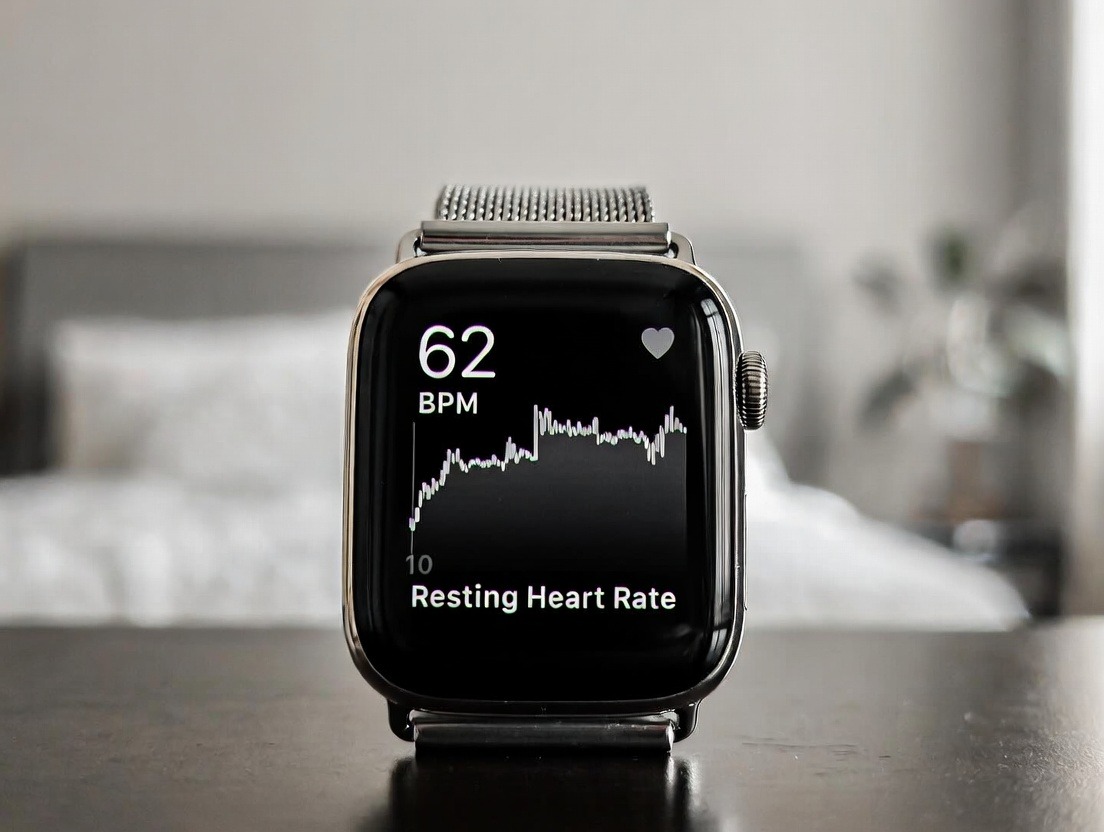
Your body isn't the same machine at 9 AM as it is at 9 PM. Every cell operates on a 24-hour cycle called a circadian rhythm, governed by a master clock in your brain and peripheral clocks in every organ. Hormones, enzyme activity, metabolism, and even gene expression ebb and flow with predictable timing. Aligning your recovery practices with this internal schedule—a field known as chronobiology—amplifies their effectiveness exponentially.
Mapping Your Daily Recovery Rhythms:
The Game-Changing Insight: By timing your recovery type to your biology, you work with your body, not against it. Pushing hard in the morning and embracing deep rest in the evening isn't just logical; it's physiological. A smart ring that tracks body temperature dynamics and sleep stages can provide personal confirmation of your circadian alignment, showing you if your lifestyle is in sync with your innate rhythms or fighting a constant, draining battle against them. This is the pinnacle of personalized wellness enabled by health tracking.
We've established the vagus nerve as the superhighway of calm. Let's move beyond basic breathing and explore a wider arsenal of evidence-based, advanced vagal toning exercises. Higher "vagal tone" is associated with better emotional regulation, faster recovery from stress, reduced inflammation, and even improved gut function.
1. Gargling & Singing (The Pharyngeal Branch):
The vagus nerve has a branch that innervates the muscles of the throat and voice box.
2. Cold Exposure to the Face & Neck (The Dive Reflex):
Submerging the face in cold water triggers the mammalian dive reflex, which immediately slows heart rate and stimulates the vagus nerve to conserve oxygen.
3. Probiotics & Gut-Brain Axis Nourishment:
A significant portion of the vagus nerve connects directly to the gut. A healthy, diverse gut microbiome sends positive signals up the vagus nerve to the brain.
4. Social Laughter & Connection:
Genuine, belly-deep laughter and feelings of social safety are potent, organic vagus stimulators. They release oxytocin and endorphins while boosting heart-rate variability.
Tracking the impact of these advanced techniques can be incredibly motivating. After a week of consistent cold face splashes and gargling, you might observe a tangible increase in your average nightly HRV or a decrease in your daytime resting heart rate on your wellness dashboard. It provides concrete proof that you're strengthening your internal relaxation system. For a look at how doctors view this kind of data, see our article on what doctors find most useful in wellness rings.
Neuromuscular Recovery: Addressing the Fascial Web
Our focus often lands on muscles, but they are embedded in and interconnected by a vast network of connective tissue called fascia. Think of it as a dynamic, body-wide spider web that provides structural support, transmits force, and, when healthy, allows for smooth, pain-free movement. Trauma, inflammation, repetitive stress, and poor posture can cause fascia to become sticky, dehydrated, and restricted—a major hidden source of chronic pain, stiffness, and restricted recovery.
1. Hydration from the Inside Out:
Fascia is primarily made of collagen and water. Chronic dehydration makes fascia brittle and less pliable.
2. Myofascial Release Through Movement Variability:
Fascia thrives on novel, multi-directional movement. Repetitive motion in the same patterns (like only running forward or sitting all day) causes fascia to lay down fibers along those limited lines of stress.
3. Gentle, Sustained Pressure (Instead of Aggressive Rolling):
The old "no pain, no gain" approach to foam rolling can trigger a protective guarding response. Fascia responds better to gentle, sustained tension.
The goal is not to "break up adhesions" but to hydrate and gently reorganize the tissue. The improved mobility and reduction in "knots" you feel are signs of healthier fascia. Monitoring your overall sleep quality and resting heart rate can indicate systemic benefits, as fascial restrictions can contribute to overall nervous system irritation. For more on the body-wide impact of such practices, explore our resources on the Oxyzen blog.
Recovery isn't just about repairing damage; it's about enhancing your body's operational efficiency. A key component of this is metabolic flexibility—your body's ability to efficiently switch between burning different fuel sources (primarily carbohydrates and fats) based on availability and demand. A metabolically inflexible person is like a car that only runs on premium gasoline; if it's not available, they sputter and crash. A flexible one is a hybrid, smoothly adapting to the fuel at hand. This flexibility reduces oxidative stress, improves endurance, stabilizes energy and mood, and supports overall cellular health.
Diet-Independent Strategies to Enhance Metabolic Flexibility:
While nutrition plays a role, these practices work at the systemic level.
1. Fast-Everyday Movement (NEAT Optimization):
Non-Exercise Activity Thermogenesis (NEAT) is the energy you burn from everything that isn't sleeping, eating, or sports. A high NEAT is linked to better metabolic health.
2. Strategic Fasting Windows (Time-Restricted Eating):
This doesn't necessarily change what you eat, but when. Condensing your daily food intake into a consistent 8-10 hour window (e.g., eating between 10 AM and 6 PM) gives your digestive system and insulin response a prolonged daily break. This fasted state encourages the body to tap into fat stores for energy, training metabolic flexibility.
3. Low-Intensity, Fasted-State Activity:
Performing gentle movement in a fasted state (like a morning recovery walk before breakfast) gently teaches your body to mobilize and utilize fat for fuel.
A wellness ring can provide fascinating insights into your metabolic health indirectly. Improved metabolic flexibility often correlates with lower and more stable resting heart rates and better HRV, as the cardiovascular system isn't being jarred by blood sugar spikes and crashes. Seeing these metrics improve can validate that your lifestyle changes are enhancing your cellular engine, not just your muscles. This aligns with the broader mission of preventive health monitoring.
Psychological Detachment & Mental Recovery Models
Physical separation from work doesn't guarantee mental separation. "Cognitive preoccupation" with unresolved tasks is a massive recovery blocker, elevating stress hormones even during leisure time. Psychological detachment—the sense of being mentally away from work—is a critical, research-backed pillar of full recovery.
Advanced Techniques for Mental Detachment:
1. The "Shutdown Ritual":
Popularized by productivity expert Cal Newport, this is a deliberate end-of-work-day routine that signals closure to your brain.
2. "Worry Scheduling":
If anxious thoughts intrude during recovery time, don't suppress them—schedule them.
3. Engage in "Mastery" or "Loss-of-Self" Activities:
Recovery activities fall into categories. While passive rest is vital, activities that induce a state of "flow"—where you lose track of time and self-consciousness—are profoundly restorative. These are often challenging, skill-based hobbies.
4. Environmental Cueing:
Create physical cues that signal "work mode off."
How can you measure mental detachment? While you can't quantify a feeling directly, its physiological signature is clear. Successful detachment should lead to a more pronounced evening dip in heart rate and a faster reduction in heart rate after the day's stress. If your device shows your heart rate remaining elevated into the night despite being physically inactive, it's a strong indicator that your mind is still "at work." Learning to interpret these signals is part of becoming an expert user of wellness technology.
Hormones are the body's chemical messengers, orchestrating everything from energy use to tissue repair. Recovery is, in large part, a hormonal event. While serious imbalances require medical attention, daily lifestyle choices powerfully influence your hormonal milieu for better or worse.
Key Hormones in Recovery & How to Support Them Naturally:
1. Cortisol (The Stress Hormone):
We want a healthy, high-amplitude rhythm: high in the morning, tapering to low at night.
2. Growth Hormone (The Repair Hormone):
Secreted in pulses during deep sleep, it stimulates tissue growth, muscle repair, and fat metabolism.
3. Insulin (The Storage Hormone):
It shuttles nutrients into cells. Chronic high insulin from frequent sugar/carb intake promotes inflammation and storage.
4. Sex Hormones (Testosterone & Estrogen):
Critical for muscle maintenance, bone density, mood, and libido. Chronic stress and poor recovery crush them.
The Lifestyle Symphony:
Notice that the protocols to support these diverse hormones point to the same foundational habits: quality sleep, managed stress, proper nutrition, and smart movement. There is no magic supplement that outperforms this symphony of lifestyle choices. A smart ring that tracks sleep stages (for GH), resting heart rate trends (for stress/cortisol load), and body temperature (which can correlate with hormonal cycles) can help you see if your lifestyle is conducting a harmonious hormonal symphony or a cacophonous one. For a visionary look at how this monitoring could evolve, consider the piece on health tracking technology in 2025.
Advanced recovery isn't about doing more; it's often about doing less, but with greater precision. Two critical concepts for the advanced practitioner are the Minimal Effective Dose (MED) for recovery and the strategic use of Overreaching.
Minimal Effective Dose (MED) for Recovery:
What is the smallest amount of a recovery practice that produces the desired outcome? Finding your MED prevents recovery from becoming another burdensome chore.
Strategic Overreaching:
This is a planned, short-term increase in training load (or life stress) that leads to a temporary performance decrement and significant fatigue. When followed by a planned period of tapering (reduced load) and heightened recovery, it leads to a "supercompensation" effect—where the body rebuilds itself to a level higher than before the stress. This is how athletes peak for competition.
This cycle turns stress into growth. Without the intentional recovery phase, overreaching becomes overtraining. The data from a tracking device is invaluable here, providing the objective proof that you are in a fatigue phase and, later, confirming that supercompensation has been achieved. It turns the art of periodization into a science. This strategic approach is a core part of how technology can support different health goals, from athletic performance to executive stamina.
We end this section by focusing on the ultimate goal: not just recovering from yesterday's stress, but building a reservoir of resilience for tomorrow's unknown challenges. This "resilience buffer" is built through the cumulative, compounding effect of all the practices we've discussed. It's what allows you to handle a poor night's sleep, a surprise work crisis, or a seasonal cold without your entire system crashing.
The Signs of a Deep Resilience Buffer:
How to Audit and Strengthen Your Buffer:
Conduct a monthly "Recovery Systems Review." Ask yourself:
Where you answer "no," invest gently. A wellness ring provides the longitudinal data for this review. Look at your 30-day trends in Sleep Score, HRV, and Resting Heart Rate. Are the lines moving in the right direction? Are they stable? This is the quantifiable measure of your growing buffer.
Your recovery practice is the steady drip that fills the bucket of resilience. When life throws a rock into the bucket, a small splash is preferable to a catastrophic overflow. By mastering the basics and integrating these advanced protocols, you are not just fixing yourself day-to-day; you are architecting a robust, adaptable, and vibrant human system capable of not just enduring life, but thriving in it.
In the final portion of this guide, we will bring it all together into a customizable, lifelong plan, address common obstacles, and look at the future of personalized recovery science. The journey continues.
To explore the tools that can help you build this buffer, visit the Oxyzen.shop to see how modern technology can serve as your resilience partner. For the philosophical underpinnings of why this matters, read our story.
Your Trusted Sleep Advocate (Sleep Foundation — https://www.sleepfoundation.org/)
Discover a digital archive of scholarly articles (NIH — https://www.ncbi.nlm.nih.gov/
39 million citations for biomedical literature (PubMed — https://pubmed.ncbi.nlm.nih.gov/)
experts at Harvard Health Publishing covering a variety of health topics — https://www.health.harvard.edu/blog/)
Every life deserves world class care (Cleveland Clinic -
https://my.clevelandclinic.org/health)
Wearable technology and the future of predictive health monitoring. (MIT Technology Review — https://www.technologyreview.com/)
Dedicated to the well-being of all people and guided by science (World Health Organization — https://www.who.int/news-room/)
Psychological science and knowledge to benefit society and improve lives. (APA — https://www.apa.org/monitor/)
Cutting-edge insights on human longevity and peak performance
(Lifespan Research — https://www.lifespan.io/)
Global authority on exercise physiology, sports performance, and human recovery
(American College of Sports Medicine — https://www.acsm.org/)
Neuroscience-driven guidance for better focus, sleep, and mental clarity
(Stanford Human Performance Lab — https://humanperformance.stanford.edu/)
Evidence-based psychology and mind–body wellness resources
(Mayo Clinic — https://www.mayoclinic.org/healthy-lifestyle/)
Data-backed research on emotional wellbeing, stress biology, and resilience
(American Institute of Stress — https://www.stress.org/)


