


How Continuous Monitoring Enhances Preventive Wellness
How continuous monitoring enhances prevention.
How continuous monitoring enhances prevention.
%402x.svg)
For decades, the cornerstone of personal health has been the annual checkup. You fast for twelve hours, get your blood drawn, have your vitals checked in a fluorescent-lit room, and receive a summary a week later declaring you, essentially, “fine for now.” This snapshot-in-time approach, while useful, offers a profoundly limited view of our most dynamic asset: our well-being. Health is not a static condition captured in a moment, but a continuous, flowing river of data—heartbeats, breaths, sleep cycles, stress responses, and metabolic fluctuations that tell the real-time story of our bodies.
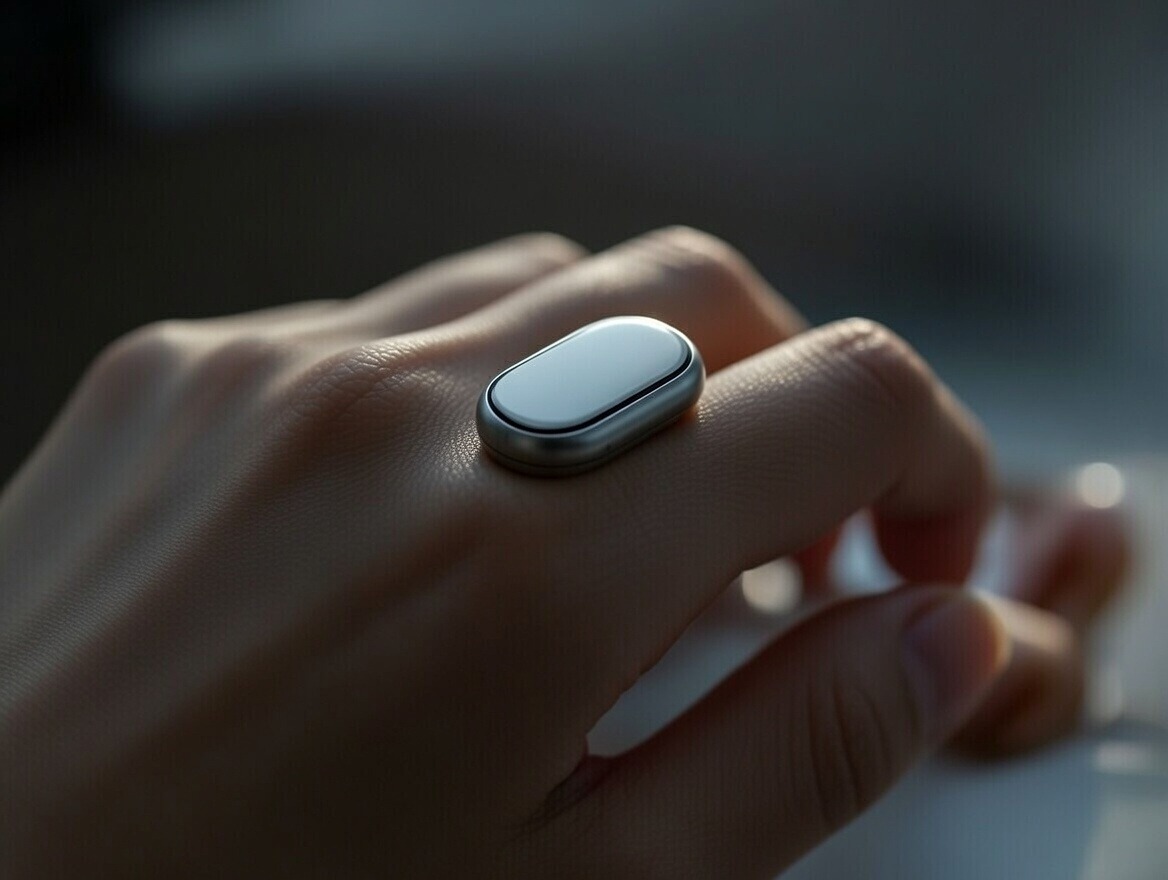
This is the revolutionary promise of continuous monitoring: moving from episodic, reactive healthcare to a proactive, preventive model powered by data that never sleeps. At the heart of this shift are advanced wearable devices, like the modern smart ring, which offer an unobtrusive, 24/7 window into our physiological inner workings. No longer are we guessing about our health; we are beginning to understand it with the clarity of a constant, compassionate observer.
Imagine detecting a subtle, consistent elevation in resting heart rate—a potential early sign of infection, overtraining, or mounting stress—days before you feel symptoms. Picture uncovering the exact impact of that late-night coffee on your deep sleep architecture, or receiving a gentle nudge that your body is showing signs of dehydration before a headache sets in. This is not science fiction; it is the practical reality of preventive wellness enabled by continuous health tracking.
This deep dive explores how the persistent, passive collection of biometric data fundamentally transforms our relationship with our health. We will journey through the science that makes it possible, examine the core physiological systems it illuminates, and demonstrate how this constant feedback loop is the ultimate tool for building sustainable wellness, optimizing performance, and intercepting potential health issues at their earliest, most manageable stages. Welcome to the future of health—a future that is not about treating sickness, but about nurturing and sustaining vitality, every minute of every day. For a deeper look at the devices enabling this revolution, you can explore the evolution from manual tracking to smart rings.
The traditional medical model is built on a foundation of periodic data points. A blood pressure reading at 10 AM on a Tuesday. A cholesterol level after a pre-test fast. A doctor’s assessment based on how you report feeling in that particular moment. These are valuable data points, but they are isolated pixels in a vast, moving picture. They miss the rhythms, the trends, the deviations, and the rich context of daily life that defines our true health status.
Continuous monitoring changes the entire narrative. It transforms health data from a series of disconnected snapshots into a coherent, flowing story. This story has chapters on sleep, stress, activity, and recovery. It has plot twists triggered by a poor meal, a tough workout, or an impending cold. It provides context that a single data point cannot: How does your body respond to stress? What is your true resting heart rate when you are completely at peace? How long does it take your nervous system to recover after a demanding day?
The power of this shift is immense. Consider the analogy of weather forecasting. Predicting tomorrow’s weather based on a single, one-second measurement taken last week would be laughably inaccurate. Modern forecasting relies on a constant stream of data from satellites, ground stations, and buoys—a continuous monitoring network of the planet’s atmosphere. Similarly, predicting and optimizing your personal health “weather”—your energy, resilience, and risk—requires a constant stream of data from the “biosphere” of your own body.
This paradigm empowers a new kind of health literacy. Instead of relying solely on a professional’s interpretation of sparse data, individuals become active authors of their health narratives. They can see the direct correlation between lifestyle choices and physiological outcomes. That second glass of wine isn’t just a vague notion of being “bad”; it’s a quantifiable dip in heart rate variability (HRV) and a reduction in REM sleep logged the next morning. That morning meditation isn’t just a “good feeling”; it’s a visible stabilization of your breathing rate and a quicker return to baseline after a minor stressor.
The foundational principle here is baseline establishment. Continuous monitoring allows your device to learn your normal. It understands your personal ranges for heart rate, skin temperature, and blood oxygen saturation. Once this unique baseline is established—a process that takes weeks of continuous wear—the system becomes exquisitely sensitive to deviations. It’s no longer comparing you to a population average; it’s comparing you to yourself at your best. This personalized baseline is the gold standard for preventive insight, a topic we explore further in our guide on how to enable preventive health monitoring.
The Silent Observer: How Unobtrusive Technology Enables True Continuity
For continuous monitoring to be effective, it must be sustainable. A device that is uncomfortable, socially awkward, or requires constant charging and management will inevitably lead to data gaps, rendering the “continuous” aspect useless. The breakthrough of modern wellness rings lies in their design philosophy: they are meant to be worn, and then forgotten.
Unlike bulkier wrist-worn devices that can interfere with sleep, typing, or certain activities, a well-designed smart ring is minimalist, lightweight, and hypoallergenic. Crafted from materials like titanium or ceramic, it slips onto a finger and quickly becomes a seamless part of the user’s anatomy. This unobtrusiveness is not a minor feature; it is the critical enabler of the 24/7 data stream. You can wear it while sleeping, swimming, working, and exercising without a second thought. For those with sensitive skin, understanding material options is key, which is why we’ve detailed hypoallergenic materials for wellness rings.
The technology packed inside this tiny form factor is extraordinary. Advanced photoplethysmography (PPG) sensors use tiny LED lights to measure blood flow variations at the capillary level in your finger—a location that often provides a stronger signal than the wrist. This allows for highly accurate, continuous tracking of heart rate and heart rate variability. A 3D accelerometer meticulously logs movement and activity. A skin temperature sensor detects minute fluctuations. A red and infrared light sensor measures blood oxygen saturation (SpO2). All this data is processed by sophisticated algorithms on the device itself, which filter out noise and extract meaningful biomarkers before syncing seamlessly with a companion app.
The result is a silent, always-on observer that captures your body’s signals without demanding your attention. It doesn’t require you to start or stop a workout tracker. It doesn’t need you to remember to put it on before bed. It simply exists, collecting the richest possible dataset on your physiology in the context of your real life. This passive, effortless collection is what separates true health insight from simple fitness tracking. To see this technology in action and how it forms a first impression, the best place to start is the Oxyzen shop, our main storefront.
What exactly is this “silent observer” recording? Continuous monitoring translates the body’s analog language of physiology into digital biomarkers—quantifiable indicators of our state of health and readiness. Let’s explore the core biomarkers that form the pillars of preventive wellness insights.
Resting Heart Rate (RHR): Far more than just a number, your RHR, especially when tracked continuously overnight, is a master indicator of cardiovascular fitness and overall systemic stress. A downward trend over time typically indicates improving fitness. A sudden, sustained elevation can be one of the earliest and most sensitive signs of physical strain, insufficient recovery, dehydration, or the onset of illness. Continuous monitoring catches these shifts that a once-a-day check would miss.
Heart Rate Variability (HRV): This is the jewel in the crown of continuous physiological monitoring. HRV measures the subtle variations in time between each heartbeat. Contrary to intuition, a higher HRV is generally better—it indicates a robust, responsive autonomic nervous system that can swiftly adapt to stress and then recover. Think of it as your body’s “flexibility score.” Continuous HRV tracking, particularly the nightly average, provides an objective, non-invasive window into your stress load, recovery status, and nervous system resilience. A dip in HRV is a clear signal from your body to prioritize rest, even if your mind feels fine.
Sleep Architecture: Continuous monitoring moves far beyond simple “sleep duration.” By analyzing movement, heart rate, and HRV patterns, advanced algorithms can accurately stage sleep: light, deep, and REM. Each stage serves a critical purpose—physical repair in deep sleep, memory consolidation and emotional processing in REM. The balance and continuity of these stages are what define truly restorative sleep. Continuous tracking reveals how lifestyle factors like caffeine, alcohol, evening screen time, or evening meals directly impact this delicate architecture, empowering precise, data-driven sleep hygiene adjustments.
Skin Temperature: While core body temperature is tightly regulated, peripheral skin temperature fluctuates meaningfully. Continuous monitoring of your finger’s skin temperature can reveal trends. A consistently elevated baseline temperature can signal inflammation, the luteal phase of a menstrual cycle, or the onset of a fever. A lower baseline may indicate poor circulation or metabolic shifts. Tracking this over time adds another layer of context to your body’s daily story.
Blood Oxygen Saturation (SpO2): While most familiar for spotting sleep apnea (through repeated nocturnal dips), continuous SpO2 monitoring offers broader insights. It can reflect how your body is coping with environmental stress, like high altitude, or indicate respiratory efficiency. Stable, healthy overnight SpO2 is a strong sign of good cardiopulmonary health.
Activity and Movement: This goes beyond step counting. Continuous monitoring captures your non-exercise activity thermogenesis (NEAT)—the calories you burn from fidgeting, pacing, and general daily movement—which is a massive component of total energy expenditure. It also provides an honest account of sedentary periods, prompting movement that counteracts the health risks of prolonged sitting.
Together, these biomarkers form an interconnected dashboard of your well-being. They don’t exist in isolation; a poor night’s sleep will lower HRV and elevate RHR. A stressful day will impact sleep depth. The true power of continuous monitoring is in observing these relationships unfold in real-time, teaching you the unique language of your own body. To understand the sensors and AI that decode this language, delve into our explainer on sensors, algorithms, and AI in health tracking.
Raw data, even continuous data, is meaningless without interpretation. The transformative magic happens when this river of biometric information is processed into personalized, actionable insights. This is the creation of a closed-loop feedback system for wellness.
The process works like this:
This feedback loop turns intuition into knowledge. You no longer have to wonder, “Do I feel run down, or am I just lazy?” The data provides an objective measure of your physiological readiness. It replaces guilt with understanding. Instead of feeling bad for skipping a workout, you can see that your body’s request for rest was valid, based on poor recovery metrics. It replaces one-size-fits-all advice with personal experimentation. You can test how a new supplement, a different workout time, or a change in diet affects your biomarkers over weeks, becoming your own wellness scientist.
For example, let’s walk through a common scenario:
This process of building healthy, responsive habits is at the core of sustainable wellness. You can learn more about this behavioral aspect in our article on how wellness rings help build healthy habits.

Sleep is the single most potent performance-enhancing, health-restoring activity we engage in, yet for most of history, it has been a black box. We knew we were in it, but we had no objective data on its quality. Continuous monitoring, particularly from a device worn on the finger, has illuminated this nightly journey, making sleep optimization a precise science.
A wellness ring tracks sleep not by asking you when you think you fell asleep, but by observing the physiological signatures of slumber: the slowing of heart rate, the specific pattern of HRV, the reduction and patterns of movement, and the changes in skin temperature. From this, it generates a detailed sleep report that includes:
With this data, you move from guessing to knowing. You can run experiments:
This objective feedback is incredibly motivating. Seeing a tangible reward—a higher Sleep Score, more deep sleep—for a positive behavior (like putting your phone away an hour earlier) reinforces that behavior far more effectively than a vague promise of “feeling better.” For those embarking on this journey of sleep optimization, our beginner’s guide to wellness rings is an excellent resource. Furthermore, continuous sleep data is becoming so valuable that leading institutions are exploring its use; read about how hospitals are integrating finger-based health tracking technology.
Stress is not an abstract concept; it is a measurable physiological cascade governed by the autonomic nervous system (ANS). The ANS has two main branches: the sympathetic (“fight or flight”) and the parasympathetic (“rest and digest”). Our modern lives often keep the sympathetic branch in a state of low-grade, chronic activation—a state that continuous monitoring can vividly reveal.
The primary biomarker for this is, once again, Heart Rate Variability (HRV). When the sympathetic nervous system is dominant, heartbeats become more metronomic (low HRV). When the parasympathetic system is in charge, the heart exhibits more variability (high HRV). By tracking HRV throughout the day and night, you get a direct line into your nervous system’s balance.
Continuous monitoring apps often use this data to provide a “Stress” or “Body Battery” score. They can detect sympathetic spikes during a tense meeting, a difficult commute, or even while watching an exciting movie. More importantly, they measure your recovery—how quickly your parasympathetic system can kick in to bring your heart rate down and your HRV back up after a stressor.
This transforms stress management from a vague mindfulness practice into a biofeedback training program. You can practice a breathing exercise and watch in real-time as your heart rate slows and your HRV begins to rise on the app’s graph. This tangible proof is powerfully reinforcing. You learn which activities truly de-stress you (maybe a walk in nature lowers your stress score, while scrolling social media keeps it elevated) and which times of day you are most vulnerable to stress.
Perhaps the most profound insight is the link between daytime stress and nighttime recovery. Continuous monitoring often reveals how an unresolved stressful day leads to a night of fragmented, unrefreshing sleep, which in turn lowers resilience for the next day, creating a vicious cycle. Breaking this cycle requires awareness, and that starts with data. Seeing the objective impact of a meditation session or a digital sunset on your nightly HRV recovery is the ultimate motivation to make those practices non-negotiable. For a broader perspective on how this technology is reshaping our approach to health, consider how health tracking technology has changed preventive medicine.
The fitness and nutrition world is rife with generic advice: “Eat 2000 calories,” “Get 10,000 steps,” “Do cardio 3x a week.” Continuous monitoring demolishes this one-size-fits-all approach, replacing it with personalized, dynamic guidance based on your body’s actual responses.
Activity & Recovery: Your readiness score, derived from HRV, RHR, and sleep data, should dictate your activity intensity—not just a pre-planned calendar. A “Low” readiness score is a clear signal from your body to choose restorative movement over intense training. This prevents overtraining, reduces injury risk, and leads to better long-term performance. Conversely, a “High” readiness score is your body’s green light to go for a personal best. This dynamic, responsive approach to training is what elite athletes have relied on for years; now, it’s accessible to anyone with a continuous monitoring device.
Metabolic Insights: While smart rings don’t directly measure blood glucose (yet), they provide powerful proxies. Your resting heart rate and heart rate variability are highly sensitive to dietary choices, particularly the intake of processed foods, sugars, and large meals that cause inflammation and metabolic stress. You may notice a consistent drop in HRV or a spike in resting heart rate on mornings after indulgent meals. Skin temperature can also subtly rise in response to inflammatory foods.
Furthermore, by combining activity data (calorie expenditure) with consistent sleep and recovery data, you get a holistic picture of your energy balance. The system can infer when you are in a sustainable deficit, a healthy maintenance zone, or a draining overreach. It connects the dots: chronic under-recovery + caloric deficit = high risk of burnout and metabolic downregulation.
This allows for intelligent experimentation. You can try an earlier eating window (time-restricted feeding) and observe its effects on your sleep quality and morning readiness. You can test different macronutrient balances at dinner and see which leads to more stable overnight heart rates. The ring becomes a personal guide, helping you discover the unique nutritional and activity patterns that make your body thrive, not just follow a generic template. To explore how this personalization works at a technological level, read about how health tracking enables personalized wellness.
Early Detection and the Power of the Personal Baseline
This is where continuous monitoring transcends optimization and enters the realm of true preventive healthcare. The most significant medical value of this technology lies in its ability to detect deviations from your normal before you become clinically symptomatic.
Your personal baseline—established over weeks of continuous wear—is your health fingerprint. Any persistent deviation from this baseline is a flag worth investigating. Here are real-world examples of early detection enabled by 24/7 data:
This predictive power is the cornerstone of a shift from sick-care to well-care. It empowers individuals to partner with their healthcare providers, bringing rich, longitudinal data to appointments. Instead of saying “I’ve been tired,” you can say, “My resting heart rate has been elevated and my HRV has been depressed for three weeks, and it correlates with these lifestyle changes.” This data-driven dialogue can lead to more precise, personalized care. For a look at the tangible experiences of users who’ve benefited from this approach, browse through real customer testimonials and reviews.
We've established the gut-brain axis as a critical highway. Now, let's explore advanced, practical techniques to consciously influence this bidirectional communication to cultivate both mental and gut resilience. This is where mindfulness moves from a wellness buzzword to a precise biological tool.
Technique 1: Visceral Awareness & Interoception. Interoception is your sense of the internal state of your body—hunger, fullness, heartbeat, butterflies. Many people with gut issues have dulled interoception, ignoring early signals of distress. You can train this sense.
Technique 2: Gut-Directed Hypnotherapy (GDH). This isn't stage hypnosis; it's a clinically validated, evidence-based therapy for functional gut disorders like IBS. It uses guided relaxation and positive imagery to directly influence gut function, pain perception, and motility. Studies show it can alter brain activity in regions that process pain and emotion.
Technique 3: Vagus Nerve Stimulation (VNS). The vagus nerve is the main physical conduit of the gut-brain axis. "Toning" your vagal tone improves the efficiency of this communication, promoting relaxation and digestion.
Technique 4: Cognitive Reframing of Gut Sensations. How you think about gut sensations dramatically impacts how you feel them. A gurgle interpreted as "something is wrong" creates anxiety, which tightens the gut, creating pain. Reframe it as "my gut is active and doing its job digesting."
Measuring the Mind-Gut Tango: This is where your smart ring provides unparalleled objective feedback. As you practice these techniques, you can directly observe their impact on your physiology.
This creates a powerful virtuous cycle: mental practice improves physiological metrics, and seeing those improvements in data reinforces the mental practice. It solidifies the understanding that calming the mind is not separate from healing the gut; it is an essential, measurable part of the process. To understand how this integrated approach is changing medicine, read about how health tracking technology changed preventive medicine.

The concept of "personalized nutrition" has evolved far beyond food sensitivity blood tests (which have significant limitations). The most advanced form of personalized nutrition today is a data-driven, n=1 experiment, using your body's continuous biometric response as the ultimate arbiter of what works for you. Your wearable device is the core tool for this, transforming you from a follower of generic diets into a detective of your unique physiology.
The Process: The Elimination & Reintroduction Protocol, Enhanced by Data.
This is the gold standard for identifying food triggers, but when paired with biometrics, it becomes more precise and insightful.
Phase 1: The Elimination (The Reset). For 3-4 weeks, remove common inflammatory triggers: gluten, dairy, soy, corn, eggs, processed sugars, alcohol, and sometimes nightshades. The goal is to reduce systemic inflammation and establish a new, calm baseline.
Phase 2: The Strategic Reintroduction (The Discovery). This is where the real learning happens. Reintroduce one food group at a time, in a significant quantity, for 2-3 days in a row, while closely monitoring.
Phase 3: Building Your Personal "Green Light" List. Foods that cause neither symptoms nor negative biometric shifts become your core, trusted allies. Foods that cause clear biometric disruption are moved to "avoid" or "rare treat" status. Foods that cause only mild or ambiguous signals can be tested again later.
Beyond Elimination: Positive Bio-Individuality.
This method isn't just for finding bad foods; it's for discovering your superfoods. Does a meal with salmon and sweet potato lead to your highest HRV reading of the week? Does a green smoothie breakfast correlate with sustained energy and a low stress score? Your data helps you identify which healthy foods your unique system thrives on, allowing you to personalize the "healthy diet" template for maximal benefit.
This level of personalization was a fantasy a decade ago. Now, with a comfortable device like the Oxyzen ring providing 24/7 physiological context, it's an accessible reality for anyone committed to their wellness. It represents the ultimate marriage of ancestral wisdom (eating whole foods) and cutting-edge technology (continuous biometric feedback). For a look at what future personalization might hold, explore our thoughts on Health Tracking Technology in 2025: What's Possible.
Preventive wellness is, by definition, a long-game endeavor. Its ultimate reward is not just the absence of disease today, but the preservation of vitality, cognition, and independence for decades to come—a state often called "healthspan." The science is increasingly clear: the condition of your gut microbiome is a primary determinant of how you age. Investing in it is one of the most powerful longevity strategies available.
Inflammaging and the Gut. A hallmark of aging is "inflammaging"—a chronic, low-grade, systemic inflammation that drives most age-related diseases: cardiovascular disease, neurodegeneration, type 2 diabetes, and sarcopenia (muscle loss). Where does this inflammation often originate? A leaky, dysbiotic gut. As we age, microbial diversity naturally tends to decline, and the gut lining can become more permeable, allowing inflammatory triggers into the bloodstream. Proactively maintaining gut integrity and diversity directly counteracts this fundamental aging process.
The Gut-Brain Axis in Neurodegeneration. The connection between the gut and brain is paramount for cognitive health. The microbiome influences neuroinflammation, the production of key neurotransmitters, and even the clearance of toxic proteins like amyloid-beta, associated with Alzheimer's disease. A diverse, balanced microbiome produces butyrate and other SCFAs that support the blood-brain barrier and have direct neuroprotective effects. Caring for your gut is, unequivocally, caring for your brain's future.
Metabolic Flexibility and Muscle Preservation. A robust microbiome supports metabolic flexibility—the ability to efficiently switch between burning carbs and fats for fuel. This flexibility declines with age and is key to maintaining a healthy weight and energy levels. Furthermore, gut-derived metabolites influence muscle protein synthesis and mitochondrial function. Sarcopenia isn't just about lack of exercise; it's also fueled by systemic inflammation and poor nutrient absorption stemming from the gut.
The Role of Continuous Monitoring in the Long Game. This is where a smart wellness ring transitions from a fitness gadget to a lifelong healthspan tool. Over years and decades, the longitudinal data it collects becomes an invaluable personal health asset.
Aging is not a disease; it is a biological process. A diverse, well-cared-for microbiome ensures this process unfolds with grace and resilience, rather than pathology. By making microbiome health a central pillar of your life now, you are not just avoiding illness; you are actively investing in a future of sustained energy, sharp cognition, and physical capability. For a comprehensive list of actionable strategies, our blog offers 50 Healthy Aging Tips a Smart Ring Helps Implement Daily. This journey of a thousand miles begins with a single step—and a single data point.
While spotting a fever or an oncoming cold is valuable, the most profound impact of continuous monitoring may lie in its ability to illuminate the slow-moving tides of our long-term health. Chronic conditions like hypertension, metabolic syndrome, type 2 diabetes, and cardiovascular disease do not appear overnight. They develop over years through subtle, often imperceptible, changes in our physiology. The annual checkup, with its yearly snapshot, is poorly equipped to detect these creeping trends. Continuous monitoring, however, creates a high-resolution timeline of your health, making these long-term shifts unmistakably clear.
Consider resting heart rate. A population-level study might say a “normal” RHR is between 60-100 bpm. But for you, your personal, fitness-influenced baseline might be 52 bpm. A continuous dataset over two years might reveal a gradual, insidious creep from 52 to 58 bpm. This 6 bpm increase, while still well within the “normal” population range, is a significant red flag for you. It could be an early indicator of declining cardiovascular fitness, increasing systemic inflammation, or mounting stress load—all precursors to more serious conditions.
Similarly, trends in Heart Rate Variability are powerfully predictive. A gradual, long-term decline in your average HRV is one of the strongest biomarkers of allostatic load—the cumulative wear and tear on the body from chronic stress. It’s a signal that your autonomic nervous system is losing its resilience. This trend can appear months or even years before clinical symptoms of burnout, anxiety disorders, or stress-related illnesses manifest, providing a critical window for intervention through lifestyle, stress management, and professional support.
Sleep data trends are equally telling. A gradual reduction in deep or REM sleep percentages, or an increase in nighttime awakenings, can be early markers of hormonal imbalances, neurodegenerative risk, or declining mental health. Continuous tracking allows you to correlate these sleep changes with life events, dietary shifts, or medication changes, offering clues to their origin.
The power here is in the aggregation and visualization of data over months and years. A wellness app that stores your continuous data becomes a personal health journal, revealing stories you couldn’t otherwise read:
This longitudinal view transforms health from a present-state assessment to a dynamic journey. It allows you to see not just where you are, but the direction you’re heading. Are your biomarkers trending toward greater vitality and resilience, or toward fatigue and strain? This knowledge is the ultimate empowerment tool for long-term preventive health. For a comprehensive look at how to utilize technology for lifelong vitality, our article on 50 healthy aging tips a smart ring helps implement daily offers a detailed roadmap.
One of the most exciting frontiers in continuous monitoring is its potential to create a true partnership between the individual and the healthcare professional. Historically, the doctor-patient relationship has been hampered by an information asymmetry: the patient provides subjective symptoms (“I feel tired”), and the doctor has objective, but sparse, clinical data. Continuous monitoring flips this dynamic, arming both parties with a rich, objective dataset that spans the crucial context of daily life.
Imagine walking into your physician’s or cardiologist’s office not with a vague complaint, but with a PDF report showing:
This is no longer a conversation about feelings; it’s a data-driven consultation. This “bring-your-own-data” model can lead to:
This integration is already beginning. Forward-thinking practitioners are encouraging patients to use these devices and are learning to interpret the data streams. The future points toward secure, seamless integration, where de-identified, aggregated continuous data can be shared with your care team through electronic health records, providing a continuous background context to punctuate in-person visits. To understand what medical professionals find most valuable in this data, read about what doctors find most useful in wellness ring data.
Today’s continuous monitoring provides brilliant hindsight and insightful oversight. The next leap is toward foresight—predictive wellness. This is where artificial intelligence and machine learning, trained on massive, aggregated datasets from millions of users, will unlock the true preventive potential of this technology.
Current algorithms are good at telling you what has happened and what is happening. The next generation will predict what is likely to happen. By analyzing your unique data patterns against vast anonymous cohorts, AI could move from detection to prediction:
This is not about replacing human judgment or medical care; it is about augmenting it with a superhuman, persistent analytical capability. It creates a proactive wellness ecosystem where your wearable is not just a tracker, but an intelligent health guardian. The foundation of this future is built on the accuracy of today’s sensors, a topic explored in depth in our piece on the accuracy revolution in health tracking technology. To envision where this is all heading, our forecast on health tracking technology in 2025 and what’s possible provides a compelling glimpse.
Understanding the power of continuous monitoring is one thing; successfully integrating it into your life for lasting benefit is another. It requires a shift in mindset from occasional checking to embracing a flow of information. Here is a practical framework for implementation:
1. Choose the Right Tool: Select a device designed for true 24/7 wear. Key considerations are comfort, battery life (aim for 5+ days), water resistance, and a sensor suite that captures the core biomarkers: PPG for heart rate/HRV, accelerometer, skin temperature, and SpO2. The device should feel like jewelry, not a gadget. For a detailed comparison to help in this choice, see our comparison chart of top wellness ring brands.
2. Commit to the Baseline: The first 2-4 weeks are a learning period—for both you and the device. Wear it consistently, day and night. Avoid drawing major conclusions during this time. The goal is to let it establish your normal. For a smooth start, check out our mastery guide from unboxing to expert user.
3. Develop a Ritual, Not an Obsession: Designate a specific, brief time each day to check your data—perhaps with your morning coffee. Review your sleep score and readiness score. Look at the trends, not the absolute daily numbers. The goal is to gain insight, not to achieve a perfect score every day. Avoid the trap of constantly checking the app, which can itself become a source of stress.
4. Embrace Experimentation: Use the data to run gentle, controlled experiments. Change one variable at a time (e.g., caffeine cutoff time, dinner size, evening routine) and observe the effects over 3-7 days. Keep a simple note in the app if it allows, or in a journal. This turns wellness into a personal science project.
5. Listen to the Signals, Not the Noise: Not every dip in HRV or spike in RHR is meaningful. Look for sustained trends (e.g., 3+ days of downward HRV) or dramatic deviations. Learn the difference between normal daily variability and a true signal that your body needs attention. The app’s insights and scores are designed to help interpret this.
6. Integrate with Your Ecosystem: To get the full picture, allow your wellness app to sync with other health apps you use—like nutrition trackers, menstrual cycle apps, or workout platforms. This creates a centralized dashboard of your health. Learn more about this in our guide on integrating wellness rings with other health apps.
7. Practice Data-Driven Compassion: When the data suggests you need rest, view it not as a failure but as a success of the system. You successfully intercepted a state of strain before it became burnout or illness. This is the core of preventive wellness. Use the objective data to give yourself permission to rest, to say no, and to prioritize recovery without guilt.
8. Plan for Long-Term Use: Consider the device’s longevity. Understand its maintenance and care instructions and its warranty and return policy. This is a tool for a multi-year journey, not a short-term experiment.
By following this framework, continuous monitoring ceases to be a technology you use and becomes a foundational layer of your health-conscious lifestyle—as natural and essential as brushing your teeth. For ongoing support and to answer any questions that arise, our FAQ and support page is always available.
The journey into continuous monitoring is empowering, but it is not without its potential pitfalls. To harness its full power responsibly, we must consciously address the common challenges of data overload, questions of accuracy, and the paramount concern of data privacy. A successful partnership with this technology requires navigating these waters with intention.
Combatting Data Anxiety and Overload: The constant stream of data can, for some, lead to “analysis paralysis” or even orthosomnia—an unhealthy preoccupation with achieving perfect sleep scores. The key is to remember that the data is a guide, not a grade. Its purpose is to foster awareness and enable positive change, not to become a source of daily stress.
Understanding Accuracy and Limitations: It is crucial to have realistic expectations. Consumer wellness devices, including advanced smart rings, are not medical devices. They are designed for wellness and lifestyle insight, not for diagnosis.
The Imperative of Data Privacy and Security: When you generate a continuous, intimate stream of physiological data 24/7, you are entrusting a company with the most personal information possible. How this data is stored, used, and protected is a non-negotiable consideration.
A trustworthy company will be transparent, will minimize data collection to what is necessary, and will give you clear controls. Your biometric data is your property. For a comprehensive overview of how to protect it, our guide on privacy settings and data security for wellness rings is an essential read. At Oxyzen, this commitment to user sovereignty is core to our mission, which you can learn about on our about us page.
By proactively addressing these challenges—managing your relationship with the data, understanding the technology’s appropriate use, and demanding robust privacy—you transform potential obstacles into pillars of a confident, empowered wellness practice.
The impact of continuous monitoring extends far beyond physical biomarkers; it fosters a profound shift in mental and emotional well-being through the power of corporeal awareness and validated self-trust. For many, this is the most unexpected and transformative benefit.
Bridging the Mind-Body Gap: Modern life often disconnects us from our bodily signals. We override fatigue with caffeine, ignore hunger with distraction, and power through stress until we crash. Continuous monitoring acts as a real-time translator, rebuilding the connection between conscious thought and physiological state. When you feel inexplicably irritable and see your HRV has been low all day, it’s not “just a bad mood”; it’s a physiological state with a cause. This reframing depersonalizes difficult feelings, reducing guilt and self-criticism. It allows you to respond with compassion: “My body is stressed, what does it need?” instead of “What’s wrong with me?”
Cultivating Validated Self-Trust: How often have you felt tired but pushed through a workout anyway, only to perform poorly or get injured? Or insisted you “sleep fine” despite waking up groggy? This creates a distrust in your own perceptions. Continuous data provides objective validation. It confirms, “Yes, you are more tired today, your recovery metrics are 30% lower.” This validation empowers you to honor your body’s signals with confidence. Over time, you begin to trust your subjective feelings more because they are consistently correlated with objective data. This rebuilds an internal locus of control over your health.
Reducing Anxiety through Predictability: Uncertainty is a key driver of health anxiety. “Why is my heart pounding?” “Why can’t I sleep?” Continuous monitoring often provides answers. You can see that the heart pounding occurred after a second coffee, or that the poor sleep followed a late, heavy meal. This demystifies bodily sensations, replacing fear of the unknown with understanding. For those with generalized anxiety, seeing a concrete physiological reason for a feeling of unease (e.g., a low-grade fever from an immune response) can be remarkably calming.
The Positive Reinforcement Loop: Witnessing the direct, positive impact of a healthy behavior is incredibly motivating. Seeing your deep sleep percentage rise after a week of consistent bedtimes, or watching your HRV climb as you stick to a meditation practice, creates a powerful reinforcement loop. The behavior is no longer an abstract “good thing to do”; it is a concrete, rewarding action that you can see working. This positive feedback is the engine of sustainable habit change, turning discipline into discovery. To explore how different devices can support various aspects of this journey, see how they support different health goals.
This deep self-knowledge fosters a kinder, more informed relationship with oneself. It moves wellness from a pursuit of external metrics (weight, miles run) to an internal dialogue of understanding and nurturing your unique system. This emotional and mental shift is perhaps the ultimate form of prevention—guarding against burnout, anxiety, and the disconnection that underpins so much modern malaise.

While continuous monitoring is a deeply personal journey, it does not have to be a solitary one. The rise of this technology has catalyzed the growth of communities—both digital and real-world—centered on shared data, support, and collective learning. This social layer adds a powerful dimension to preventive wellness.
Data-Sharing for Motivation and Accountability: With user permission, many wellness platforms allow you to share certain metrics (like activity rings, sleep scores, or readiness scores) with friends, family, or partners. This isn’t about competition, but about positive accountability and shared motivation. Planning a weekend hike with a friend who can see you’ve prioritized sleep all week creates mutual encouragement. Couples can sync their data to better understand each other’s rhythms, fostering empathy—perhaps one partner sees the other’s poor sleep score and takes on morning childcare duty.
Crowdsourced Wisdom and Problem-Solving: Online forums and groups dedicated to specific devices or wellness philosophies are treasure troves of experiential knowledge. Users share how they interpreted a specific data pattern, what interventions worked for them, and troubleshoot common issues. Seeing how hundreds of others have successfully navigated a period of low HRV or improved their sleep continuity provides a wealth of ideas and normalizes the challenges, reducing frustration. You learn you’re not alone in your journey.
The Power of Cohort Data and Research: When users opt-in to contribute their anonymized, aggregated data to research, they become part of something larger. This collective dataset is accelerating scientific discovery at an unprecedented pace. Researchers can now study sleep patterns across millions of nights, stress responses across diverse populations, and the real-world efficacy of wellness interventions. By participating, you contribute to the collective understanding of human health, helping to shape the future of preventive medicine for everyone. This sense of contributing to a greater good adds a layer of meaning to the personal practice.
This community aspect transforms wellness from a private chore into a connected, human experience. It provides support, normalizes setbacks, and celebrates collective progress. It reminds us that while our biometrics are unique, the pursuit of vitality is a universal human endeavor. For stories that illustrate this shared experience, our blog is filled with user experiences and related articles.
To move from theory to tangible impact, let’s examine hypothetical but representative case studies of how continuous monitoring catalyzes preventive wellness across different life stages and challenges.
Case Study 1: The High-Performing Professional (Early Detection & Burnout Prevention)
Case Study 2: The Menopausal Woman (Navigating Transition with Data)
Case Study 3: The Recreational Athlete (Optimizing Performance and Recovery)
These stories illustrate the unifying theme: continuous monitoring provides the objective, personalized feedback needed to break out of generic, often harmful, patterns and move into a state of responsive, attuned self-care.
Your Trusted Sleep Advocate (Sleep Foundation — https://www.sleepfoundation.org/)
Discover a digital archive of scholarly articles (NIH — https://www.ncbi.nlm.nih.gov/
39 million citations for biomedical literature (PubMed — https://pubmed.ncbi.nlm.nih.gov/)
experts at Harvard Health Publishing covering a variety of health topics — https://www.health.harvard.edu/blog/)
Every life deserves world class care (Cleveland Clinic -
https://my.clevelandclinic.org/health)
Wearable technology and the future of predictive health monitoring. (MIT Technology Review — https://www.technologyreview.com/)
Dedicated to the well-being of all people and guided by science (World Health Organization — https://www.who.int/news-room/)
Psychological science and knowledge to benefit society and improve lives. (APA — https://www.apa.org/monitor/)
Cutting-edge insights on human longevity and peak performance
(Lifespan Research — https://www.lifespan.io/)
Global authority on exercise physiology, sports performance, and human recovery
(American College of Sports Medicine — https://www.acsm.org/)
Neuroscience-driven guidance for better focus, sleep, and mental clarity
(Stanford Human Performance Lab — https://humanperformance.stanford.edu/)
Evidence-based psychology and mind–body wellness resources
(Mayo Clinic — https://www.mayoclinic.org/healthy-lifestyle/)
Data-backed research on emotional wellbeing, stress biology, and resilience
(American Institute of Stress — https://www.stress.org/)


