


Recovery Essentials and Hormonal Balance
Explore the connection between recovery practices and maintaining hormonal balance.
Explore the connection between recovery practices and maintaining hormonal balance.
%402x.svg)
In the relentless pursuit of optimal health, we often focus on the visible drivers: the intensity of our workouts, the strictness of our diets, the discipline of our sleep schedules. We track miles, count calories, and measure hours in bed, believing these metrics paint the full picture of wellness. But beneath this surface-level activity lies a far more complex and influential system—a silent, biochemical symphony conducting the very rhythm of our energy, mood, metabolism, and resilience. This is the world of recovery and hormonal balance, the true foundation upon which lasting vitality is built.
For too long, these critical systems have been shrouded in mystery, accessible only through infrequent lab tests and subjective guesswork. We’ve pushed through fatigue, wondering why our efforts plateau, blaming a lack of willpower when the culprit is often a hormonal imbalance or a profound recovery deficit. But what if you could listen to this inner symphony in real-time? What if you had a conductor’s score, showing you precisely when your cortisol is peaking, when your deep sleep is orchestrating cellular repair, or when your body is pleading for rest instead of another stressful workout?
The advent of sophisticated, personal health technology is turning this ‘what if’ into a daily reality. No longer are we guessing. We are now able to measure, understand, and, most importantly, optimize the essential biological processes that govern our well-being. This journey begins with a fundamental shift: recognizing that true performance—whether athletic, cognitive, or emotional—is not just about output. It is inextricably linked to the quality of our input and, most critically, the sanctity of our recovery. This article is your deep dive into the science and practice of mastering recovery essentials and achieving hormonal harmony. We’ll move beyond generic advice to explore how modern tools, like the intelligent wearables from Oxyzen, provide the actionable data needed to transform your health from the inside out.
We live in a culture that glorifies the grind. “Hustle” is a badge of honor, and busyness is often mistaken for productivity. In this paradigm, recovery is viewed as passive downtime—a necessary evil, a period of inactivity. This could not be further from the truth. From a physiological standpoint, recovery is the most productive phase of your health and fitness journey. It is the period where adaptation occurs.
When you exercise, you create microscopic tears in muscle fibers. When you experience stress, your nervous system and hormones respond. The work itself is the stimulus, the catalyst for change. But the actual change—the repair of tissue, the strengthening of the system, the consolidation of memory, the rebalancing of hormones—happens exclusively during recovery. Without adequate recovery, the stimulus becomes a source of chronic breakdown, leading to injury, burnout, and a cascade of hormonal disruptions.
Think of it like building a house. The workout is the demolition and framing. Recovery is when the electricians, plumbers, and drywallers come in to actually build a functional, stronger structure. If you never let them work, you’re left with a chaotic, unstable frame.
Modern recovery science breaks this process down into several interconnected pillars: sleep, nutrition, hydration, stress management, and active recovery. Neglecting any one pillar compromises the entire structure. For decades, we’ve had to rely on crude, lagging indicators of poor recovery: persistent fatigue, nagging injuries, irritability, and stalled progress. Today, technology gives us leading indicators. By tracking heart rate variability (HRV), resting heart rate, body temperature, and sleep architecture, devices like smart rings offer a real-time window into your nervous system’s readiness. They tell you not just that you need to recover, but how to prioritize your recovery efforts. This is the cornerstone of moving from guesswork to precision in health, a theme explored in depth in our resource on the accuracy revolution in health tracking technology.
To understand recovery, we must first understand its master regulators: hormones. These are powerful chemical messengers secreted by glands in the endocrine system. They travel through your bloodstream to tissues and organs, dictating nearly every process in your body. They work slowly, over time, and in delicate concert with one another. When in balance, they create a symphony of well-being. When imbalanced, it can feel like an orchestra playing out of tune.
Let’s meet the key players in the recovery and vitality symphony:
These hormones do not operate in isolation. They are a network. High cortisol can suppress testosterone and growth hormone. Poor sleep lowers melatonin and disrupts cortisol, creating a vicious cycle. The goal of modern wellness is not to maximize any single hormone, but to nurture the balance and rhythmicity of the entire system. This is where personalized data becomes invaluable, as discussed in our article on how health tracking technology enables personalized wellness.

If you must prioritize one recovery essential for hormonal balance, it is unequivocally sleep. Sleep is not a state of inactivity; it is a state of intense biological activity. It is when your brain cleanses metabolic waste via the glymphatic system, when memories are consolidated, and, most importantly for our discussion, when your endocrine system performs its most critical regulatory work.
During the different stages of sleep, specific hormonal events occur:
When you cut sleep short or experience poor-quality sleep, you disrupt this entire hormonal cascade:
Measuring sleep duration is just the first step. The revolutionary insight comes from measuring sleep architecture—the cyclical pattern of light, deep, and REM sleep—and its correlation with your daytime physiology. A smart ring that tracks sleep stages, blood oxygen variation, and nighttime heart rate provides a profound picture of your sleep quality, far beyond what a simple hours-in-bed tracker can offer. This data allows you to connect the dots between a night of disrupted deep sleep and your low energy or poor workout performance the next day. For beginners looking to master this foundational skill, our guide on wellness ring basics for building healthy habits is an excellent starting point.
Post-workout protein shakes and meal timing are well-trodden topics. But nutrition for hormonal recovery is a deeper, more nuanced concept. It’s about providing the raw materials your endocrine system needs to manufacture hormones and the stable blood sugar environment that allows them to function optimally.
Key nutritional strategies for hormonal balance include:
The challenge with nutrition is its individuality. What stabilizes one person’s blood sugar may cause a spike in another. Wearable technology that provides continuous data on metrics like resting heart rate and heart rate variability can serve as a fantastic biofeedback tool. You can start to see, in near real-time, how different foods and meal timings affect your body’s stress and recovery signals, moving you toward a truly personalized diet. To see how this integrates into a broader lifestyle, explore our article on 50 healthy aging tips a smart ring helps implement daily.
The Silent Saboteur: Chronic Stress and Cortisol Dysregulation
Physical training is a form of stress—a beneficial, hormetic one. But it is just one source of stress in the modern “stress bucket.” Psychological stress from work, financial worries, and relationships, environmental stress from pollution and noise, and physiological stress from poor sleep and inflammatory foods all pour into the same bucket. Your nervous system and adrenal glands do not differentiate.
When the stress bucket overflows, the result is a dysregulation of the hypothalamic-pituitary-adrenal (HPA) axis—your central stress response system. This manifests as a disrupted cortisol rhythm. Instead of a sharp morning peak and a gradual evening decline, you may see:
The symptoms are pervasive: fatigue, anxiety, weight gain (particularly around the abdomen), sugar cravings, reduced immunity, and an inability to recover from exercise.
Managing this requires a two-pronged approach:
This is where a device that tracks HRV becomes a game-changer. HRV is the variation in time between your heartbeats. A higher HRV generally indicates a more resilient, adaptable nervous system that can switch smoothly between stress and recovery states. A lower HRV suggests your system is under strain. By monitoring your HRV trend, you get an objective measure of your overall stress load and recovery status, allowing you to dial training up or down before symptoms even appear.
Exercise is a powerful hormonal modulator. The right kind, at the right time, and in the right dose, promotes anabolic (building) hormones and improves insulin sensitivity. The wrong kind—excessive, poorly timed, or under-recovered—becomes a catabolic (breaking-down) stressor.
The golden rule is train based on readiness, not just on a schedule. A pre-written Monday-Wednesday-Friday workout plan ignores the reality of your life. Did you sleep poorly for three nights? Is your HRV crashing due to a work deadline? Forcing a high-intensity session on a day your body is begging for rest will do more harm than good.
This is the essence of data-informed training. By checking your readiness score—a composite of sleep, HRV, resting heart rate, and body temperature—you can decide: is today a day to push for a personal record, to perform a moderate maintenance session, or to prioritize a walk, stretch, or complete rest? This approach respects your body’s hormonal state and prevents the chronic overtraining that leads to imbalance. For athletes looking to fine-tune this balance, our piece on how wellness rings support different health goals offers practical insights.
Your hormones follow a 24-hour cycle known as the circadian rhythm. This internal clock, governed by a master “pacemaker” in the brain called the suprachiasmatic nucleus (SCN), regulates not just sleep and wakefulness, but also body temperature, blood pressure, and the secretion of every hormone we’ve discussed.
Your circadian rhythm is set primarily by light. Morning sunlight exposure (especially within an hour of waking) is the most powerful signal to synchronize your clock. It suppresses melatonin, boosts cortisol appropriately, and sets the timing for its evening decline. Conversely, exposure to bright artificial light, particularly the blue spectrum from LEDs and screens in the evening, delays melatonin release, pushing your entire cycle later—a phenomenon known as “social jet lag.”
Disrupted circadian rhythms are linked to:
Optimizing your circadian rhythm is a foundational recovery strategy:
Technology can aid here too. Some advanced wearables track your daily circadian rhythm through continuous body temperature monitoring (core body temperature drops at night to initiate sleep and rises in the morning). Seeing this rhythm graphically can motivate you to protect it and help you understand why you feel off after a night of late screen time or travel.
For generations, the only way to assess hormones was through infrequent, expensive, and often stressful blood tests, providing a single snapshot in time. Recovery was guessed at based on subjective feelings. Today, we have the tools for continuous, non-invasive biofeedback. Wearable technology, particularly smart rings worn 24/7, has become the window into our autonomic nervous system and circadian biology.
Key metrics provided by advanced wearables include:
The power is not in any single data point, but in the trends and correlations over time. This is where artificial intelligence and smart algorithms come in. A sophisticated device doesn’t just show you numbers; it analyzes the patterns to give you a Readiness Score or a Recovery Index. This synthesized metric tells you, in simple terms, whether your body is primed for stress or in need of restoration. It answers the fundamental daily question: “How hard can I push today?” To understand the mechanics behind this, delve into the science behind modern health tracking technology.
Knowledge is powerless without application. Here is how to synthesize all this information into a daily and weekly practice centered on recovery and hormonal balance, supercharged by data.
Morning (Align & Activate):
Daytime (Nourish & Manage):
Evening (Wind Down & Restore):
Night (Optimize Sleep):
By iterating on this routine and using your biometric data as a guide, you move from a generic health plan to a truly personalized, dynamic system for maintaining hormonal balance and peak vitality. For those ready to begin this journey, the perfect starting point is our wellness ring basics guide for beginners. And to see the full potential of what’s possible, explore what’s on the horizon in our forecast for health tracking technology in 2025.
We’ve explored how sleep, stress, and nutrition directly influence your hormonal orchestra. But there is a pervasive, underlying conductor that can throw the entire symphony into disarray: systemic inflammation. Often silent and chronic, low-grade inflammation is a root cause of hormonal disruption, impaired recovery, and the development of nearly every modern chronic disease. Understanding and managing inflammation is therefore a non-negotiable component of mastering recovery and hormonal balance.
Inflammation is not inherently bad. Acute inflammation—the redness, swelling, and heat around a sprained ankle or a cut—is a vital, localized healing response. The problem arises when inflammation becomes systemic, chronic, and low-grade, persisting throughout the body for weeks, months, or even years. This type of inflammation acts like a constant, dull alarm bell, stressing your cells and disrupting communication pathways, including those of your endocrine system.
How Inflammation Disrupts Hormones:
Sources of Chronic Inflammation:
The Data-Driven Approach to Taming Inflammation:
While direct, continuous measurement of inflammatory markers like CRP (C-reactive protein) via wearable is still emerging, we can track powerful proxies. This is where the integrative power of a smart ring shines:
By monitoring these metrics, you gain biofeedback on how your lifestyle choices affect your inflammatory load. Did that weekend of indulgent food and alcohol cause a week-long depression in your HRV and a spike in your RHR? That’s a quantifiable inflammatory response. Did prioritizing anti-inflammatory foods, stress management, and sleep for a week bring your numbers back to baseline? That’s measurable success.
Adopting an anti-inflammatory lifestyle is a core pillar of hormonal health. It involves prioritizing whole, nutrient-dense foods (especially colorful vegetables and omega-3 rich fish), managing stress, optimizing sleep, and identifying personal food triggers. The data from your wearable provides the motivation and proof to stay the course. For more on building a foundational, health-supportive routine, our resource on how wellness rings help build healthy habits provides actionable steps.

The human gut is no longer seen as just a digestive tube. It is now recognized as a central hub of health, often called the "second brain" due to its vast network of neurons and its profound influence on mood, immunity, and—critically—hormonal balance. The trillions of bacteria, fungi, and viruses that make up your gut microbiome are active players in your endocrine system, directly and indirectly influencing your recovery capacity.
The Gut-Hormone Axis:
Signs of a Gut-Hormone Imbalance:
Supporting Your Gut for Better Hormones and Recovery:
Tracking the downstream effects of gut health is possible with modern wearables. As you work on improving your microbiome, you should see positive trends in your core biomarkers: improved HRV (indicating reduced systemic stress), lower and more stable RHR, and deeper, more restorative sleep. The ring becomes your validation that the internal work you’re doing is having a systemic effect. This kind of holistic, systems-thinking approach is at the heart of the personalized wellness enabled by modern health technology.
A one-size-fits-all approach to recovery and hormonal balance is destined to fail because men and women have fundamentally different hormonal architectures and rhythms. Men operate on a roughly 24-hour (circadian) cycle, with testosterone peaking in the morning. Women, however, operate on a circadian cycle nested within a longer infradian rhythm—the menstrual cycle, which averages 28 days but can vary. Ignoring this difference leads to frustration and suboptimal results.
Women’s Health and the Menstrual Cycle:
The female hormones estrogen and progesterone rise and fall in distinct phases, each with different implications for energy, recovery, and performance:
Tracking for Cyclical Awareness:
For women, a wearable is transformative for syncing life with their cycle. Beyond just logging periods, advanced devices track:
By observing these biometric trends cycle after cycle, a woman can move from feeling at the mercy of her hormones to working with them. She can plan challenging projects or intense training blocks during her follicular phase and schedule more recovery, strategic nutrition, and lower-stress activities in her luteal phase. This is the ultimate form of personalized health, a topic we explore further in our guide on how to personalize your wellness ring to your body.
Men’s Health and Testosterone Rhythms:
While men don’t have a monthly cycle, their hormones are not static. Testosterone follows a daily (diurnal) rhythm, highest upon waking and declining through the day. This rhythm is exquisitely sensitive to lifestyle factors:
For men, the key biometrics are clear: consistently high-quality sleep, a strong HRV trend (indicating good nervous system recovery), and a stable RHR are foundational for robust testosterone levels. A readiness score that remains chronically low is a red flag that lifestyle factors may be suppressing this crucial anabolic hormone.
Our hormones evolved in sync with natural environmental cues: the rising and setting sun, seasonal temperature shifts, and the grounding influence of the earth itself. Modern life has largely divorced us from these signals, contributing to hormonal chaos. Intentionally re-engaging with these primal environmental factors is a powerful, often overlooked, recovery tool.
Light: The Master Zeitgeber
As discussed, light is the primary cue for your circadian rhythm. Beyond morning sunlight, the quality and timing of light throughout the day matter.
Temperature: Thermoregulation and Recovery
Your body temperature cycle is a core component of your circadian rhythm and is essential for sleep initiation.
Nature & Grounding (Earthing):
Spending time in nature—"forest bathing"—has been shown to lower cortisol, reduce heart rate, and improve mood. The theory of "grounding" or "earthing" (making direct skin contact with the earth) suggests that absorbing electrons from the earth’s surface can reduce inflammation and improve sleep. While more research is needed, the simple act of walking barefoot on grass or sand is a low-risk, potentially beneficial practice that encourages mindfulness and connection.
Your wearable can quantify the benefits of these practices. After a weekend spent hiking and disconnected from screens, do you see a marked improvement in your Sunday night sleep score and Monday morning HRV? That’s data-driven motivation to make nature immersion a regular part of your recovery protocol. Understanding the full suite of what technology can measure enriches this practice, as detailed in our explanation of health tracking technology sensors, algorithms, and AI.
The Mindset of Recovery: Cultivating Patience and Listening to Your Body
All the technology and knowledge in the world are useless without the right mindset. The cultural programming to "push through" and "no pain, no gain" is deeply ingrained. Adopting a recovery-centric mindset requires a paradigm shift: viewing rest as skilled, productive work and learning to interpret your body's signals—augmented by your data—with curiosity rather than judgment.
From Punishment to Partnership:
Stop thinking of a rest day as a sign of weakness or a "cheat" day. Reframe it as a strategic investment in your future performance and health. Your wearable’s readiness score is not a grade; it’s a collaborative report from your body, giving you the information you need to be a better partner to yourself.
Listening to Biofeedback vs. Ignoring Pain:
Data helps bridge the gap between subjective feeling and objective reality. You might feel mentally eager to train, but if your HRV has been in a nosedive for three days and your RHR is 10 bpm above baseline, your body is objectively saying "not today." Learning to trust this data, especially when it contradicts your ambition, is a critical skill. It prevents digging a deeper recovery debt hole.
The Long Game:
Hormonal balance and deep recovery are not achieved in a day. They are the product of consistent, daily habits compounded over weeks and months. There will be days with poor sleep, high stress, and low readiness scores. The goal is not perfection, but positive trend lines over time. Use your wearable’s long-term trends view to see your progress. Is your average HRV higher this month than last? Are you getting more deep sleep on average? These are the true victories.
This patient, data-informed approach transforms health from a destination into a sustainable, insightful journey. For inspiration from others who have embraced this path, the real-world experiences shared in our testimonials can be powerfully motivating.
The field of personal biometrics is advancing at a breathtaking pace. What we can track today with a sleek ring was the stuff of science fiction and hospital labs just a decade ago. Looking forward, the integration of recovery, hormonal balance, and wearable technology is poised to become even more profound and predictive.
On the Horizon:
The Doctor-Patient Partnership:
This data revolution is also transforming healthcare. Instead of relying solely on annual check-ups, doctors can now review months of continuous patient-generated health data (PGHD). A patient can show their physician a graph of their sleep architecture, their stress-induced HRV drops correlated with work deadlines, or their elevated nighttime heart rate. This facilitates a more productive conversation and moves treatment toward true root-cause resolution. We delve into this collaborative future in our article on what doctors find most useful about wellness tracking technology.
The Oxyzen ring and platforms like it are at the forefront of this shift, not just as data collectors, but as intelligent systems designed to provide actionable insights. The mission of Oxyzen is rooted in empowering individuals with this precise, personalized knowledge. As the technology evolves, so too will our ability to fine-tune the complex symphony of recovery and hormones, bringing us closer than ever to achieving sustained, peak vitality.
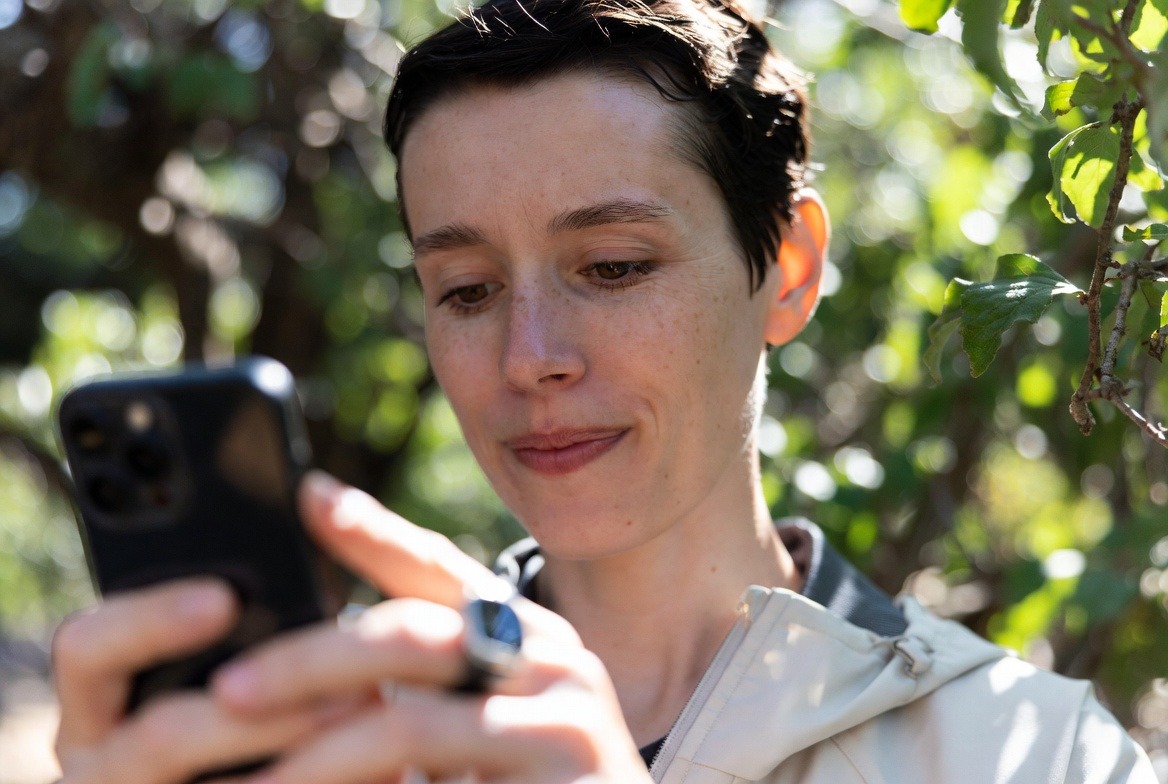
Theory must translate into practice. Here is a practical, one-week starter protocol designed to reset your recovery fundamentals and begin harmonizing your hormones. Use your wearable data to track your progress and adjust as needed.
Day 1: The Baseline Audit
Day 2: Light & Rhythm Reset
Day 3: Hydration & Nourishment Focus
Day 4: Strategic Movement
Day 5: Stress Interruption & Breathwork
Day 6: Sleep Sanctuary Optimization
Day 7: Reflection & Integration
This protocol is just the beginning. As you become more attuned to your data, you can build a deeply personalized lifestyle. For continuous learning and new strategies, our blog is a constantly updated resource. And when you're ready to equip yourself with the tool that makes this precision possible, your journey starts at the Oxyzen shop.
Once the foundational pillars of sleep, stress management, nutrition, and movement are solidly in place, we can explore the nuanced world of strategic timing and targeted support. This isn't about quick fixes or magic pills; it's about leveraging chronobiology and specific nutrients to amplify the body's natural hormonal rhythms and recovery processes. When informed by personal data, these strategies move from generic advice to a precise, personalized protocol.
Nutrient Timing for Hormonal Harmony:
When you eat can be as influential as what you eat for hormonal signaling.
Strategic Supplementation:
Supplements should complement, not replace, a solid foundation. Key players for recovery and hormonal balance include:
The Data-Driven Supplement Protocol:
This is where personalization is key. Rather than taking a cocktail of supplements based on trends, use your biometrics to guide you.

Hormonal balance is not just about production; it's also about clearance. Used hormones, environmental toxins, and metabolic byproducts must be efficiently processed and eliminated. This is the work of the body's detoxification system, primarily centered in the liver. When this system is overburdened or sluggish, it can lead to a phenomenon called "estrogen dominance" (where detoxification can't keep pace) or a buildup of toxins that act as endocrine disruptors, mimicking or blocking natural hormones.
How Detoxification Supports Hormones:
The liver processes hormones in two phases:
For smooth hormonal clearance, both phases must be supported and in balance. Cruciferous vegetables (broccoli, cauliflower, kale) contain compounds like sulforaphane that support Phase II. Adequate protein provides amino acids like glycine for conjugation.
Lifestyle Support for Detoxification:
Biometric Signs of a Stressed System:
While not direct measures of liver function, general markers of systemic overwhelm on your wearable can hint at a need for detox support:
Supporting your body’s innate detoxification is a gentle, daily process, not a drastic "cleanse." By eating a colorful, fiber-rich diet, staying hydrated, and sweating regularly, you ensure this vital hormonal clearance system works optimally. Monitoring your body’s response to these positive habits through your recovery metrics provides the feedback loop to stay consistent.
Your need for recovery and your hormonal landscape are not static throughout the year or throughout your life. Intelligent health management requires periodization—the deliberate planning of stress and recovery cycles—and an awareness of the broader hormonal transitions we all face.
Seasonal Periodization:
Just as nature has seasons, your body responds to changes in daylight, temperature, and social rhythms.
Lifecycle Hormonal Transitions:
In both cases, the wearable transforms from a performance tool into a essential health monitor, providing objective data to navigate these transitions with grace and agency, helping to separate normal aging from preventable decline. This long-term, lifecycle view is at the heart of strategies for healthy aging with smart technology.
Human beings are social creatures, and our connections have a direct, measurable impact on our nervous system and hormones—for better or for worse. Loneliness and social isolation are potent stressors, elevating cortisol and inflammation. Conversely, positive social connection, laughter, and physical touch (like hugs) can boost oxytocin, the "bonding hormone," which has calming, anti-stress effects and can lower cortisol.
The Physiology of Connection:
The Dark Side: Social Stress and Comparison:
Not all social interaction is healing. Toxic relationships, social media-driven comparison ("compare and despair"), and feelings of inadequacy are significant psychological stressors that trigger the same cortisol response as physical threats.
Creating a Recovery-Conducive Social Environment:
Your wearable can reflect the impact of your social world. Do you notice a higher HRV and better sleep after a day spent with close friends or family? Does a day of contentious online debates or social isolation correlate with a poor readiness score? This biofeedback encourages you to invest time in the relationships and activities that truly nourish you at a biological level.
The proliferation of personal biometric data is ushering in a new era of participatory medicine. You are no longer a passive patient describing symptoms months after they begin; you are an empowered partner with a continuous stream of objective data about your body’s state. This transforms the dynamic with healthcare providers.
Preparing for a Data-Informed Doctor’s Visit:
The Future of Proactive Care:
The ideal scenario is a healthcare system that integrates this PGHD into electronic health records. A doctor could see that a patient’s elevated nighttime heart rate and low HRV preceded a hypertension diagnosis, or that their sleep disturbances began three months before reporting mood issues. This enables truly preventive, personalized care. We are already seeing the beginnings of this integration, as explored in our article on health tracking technology in hospitals.
For the individual, this means taking ownership of your health narrative. Your wearable data is your body’s language, translated into numbers and graphs. Learning to speak this language and share it with professionals is one of the most powerful steps you can take for your long-term well-being. For common questions about starting this journey, our FAQ is an excellent resource.
Even with the best data and intentions, you will hit plateaus—periods where progress stalls—and experience setbacks, like illness, injury, or a stressful life event that derails your routines. This is not failure; it is part of the human experience. The difference lies in how you respond, and here, your data is your greatest ally for a resilient comeback.
The Data-Informed Response to a Plateau:
If your HRV, sleep scores, or performance have been flat for weeks despite consistency, it’s a signal to change your stimulus.
Navigating Setbacks with Grace:
When you get sick or injured, your data will objectively show your body is under stress (high RHR, low HRV, poor sleep). This is the time to:
This process builds resilience not just physically, but mentally. It teaches you that setbacks are data points, not definitions. It fosters trust in your body’s signals and the wisdom of the recovery process. For stories of how others have used this approach, the real-world experiences in our testimonials can be a source of encouragement.
To see how all these principles converge in a real-world application, let’s explore how a system like Oxyzen is designed to facilitate this entire journey—from initial discovery to daily optimization and long-term mastery.
Discovery and First Impressions: The journey begins at the Oxyzen shop, where design meets purpose. The aesthetic, hypoallergenic materials (as detailed in our materials guide) and clear value proposition make the commitment to self-knowledge appealing and accessible.
Unboxing and Mastery: From the first moment, the experience is designed for empowerment. Our mastery unboxing guide ensures users don’t just wear the ring, but understand it, setting them up for success from day one.
The Daily Feedback Loop: The companion app doesn’t just show numbers; it provides the synthesized Readiness Score, Sleep Score, and personalized insights. It connects the dots: "Your deep sleep was lower last night, which may explain your lower readiness today. Consider a lighter workout." This is the core of preventive health monitoring enabled.
Integration and Habit Building: The ecosystem shines in its ability to fit into your existing life. It integrates with other health apps, creating a centralized health dashboard. Its reminders and trends actively help build healthy habits by providing tangible feedback.
Support and Evolution: Confidence in the system is bolstered by transparent warranty and support and a deep library of resources on the Oxyzen blog. Users aren’t just buying a device; they are gaining a partner in their health journey, backed by a company with a clear mission and story.
This ecosystem embodies the shift from fragmented health information to a cohesive, intelligent, and supportive system. It represents the culmination of the evolution of health tracking, putting unprecedented power for self-knowledge and optimization directly on your finger.
The pursuit of recovery essentials and hormonal balance is the pursuit of vitality itself. It is an acknowledgment that true power comes not from relentless force, but from intelligent rhythm—the rhythm of exertion and rest, stress and calm, engagement and release.
This journey begins with a single, powerful decision: to listen. To move from guessing about your body to knowing it. To trade vague notions of "tired" or "stressed" for the precise language of heart rate variability, sleep stages, and circadian temperature rhythms.
The tools now exist to make this not just a philosophical ideal, but a daily, actionable practice. The Oxyzen ring is more than a tracker; it is a translator for your body’s silent symphony, providing the sheet music so you can finally conduct your own health towards its most harmonious expression.
Your data awaits. Your insights are ready to be uncovered. The first step is to equip yourself with the means to listen. Begin your journey to mastering recovery and hormonal balance by exploring the technology designed for this purpose at the Oxyzen shop. For any remaining questions as you consider this step, our comprehensive resource of common questions answered is here to help.
The symphony is playing. It’s time to pick up the baton.
Your Trusted Sleep Advocate (Sleep Foundation — https://www.sleepfoundation.org/)
Discover a digital archive of scholarly articles (NIH — https://www.ncbi.nlm.nih.gov/
39 million citations for biomedical literature (PubMed — https://pubmed.ncbi.nlm.nih.gov/)
experts at Harvard Health Publishing covering a variety of health topics — https://www.health.harvard.edu/blog/)
Every life deserves world class care (Cleveland Clinic -
https://my.clevelandclinic.org/health)
Wearable technology and the future of predictive health monitoring. (MIT Technology Review — https://www.technologyreview.com/)
Dedicated to the well-being of all people and guided by science (World Health Organization — https://www.who.int/news-room/)
Psychological science and knowledge to benefit society and improve lives. (APA — https://www.apa.org/monitor/)
Cutting-edge insights on human longevity and peak performance
(Lifespan Research — https://www.lifespan.io/)
Global authority on exercise physiology, sports performance, and human recovery
(American College of Sports Medicine — https://www.acsm.org/)
Neuroscience-driven guidance for better focus, sleep, and mental clarity
(Stanford Human Performance Lab — https://humanperformance.stanford.edu/)
Evidence-based psychology and mind–body wellness resources
(Mayo Clinic — https://www.mayoclinic.org/healthy-lifestyle/)
Data-backed research on emotional wellbeing, stress biology, and resilience
(American Institute of Stress — https://www.stress.org/)


