


The Connection Between Recovery Essentials and Immunity
Explore the connection between effective recovery and a robust immune system.
Explore the connection between effective recovery and a robust immune system.
%402x.svg)
We live in an era obsessed with optimization. We track our macros, count our steps, meditate with apps, and seek the perfect workout. Yet, in this relentless pursuit of doing more, we’ve collectively overlooked the silent, foundational pillar that determines not just our performance, but our very vitality: Recovery.
For too long, recovery has been an afterthought—a passive state of “not training.” But groundbreaking science is now revealing a profound truth: Recovery is not merely the absence of activity; it is an active, physiological process that serves as the master regulator of your body’s most critical defense system—your immune system.
Think of your immune system not as a simple shield, but as a vast, intelligent, and resource-intensive army. It requires precise communication, energy, and raw materials to function. Every night of fragmented sleep, every day steeped in unmanaged stress, every hour of poor nutritional choices, and every ignored signal of fatigue is a tax levied against this army. It drains its resources, scrambles its communication, and leaves you vulnerable. This is the hidden connection we must understand: Your daily recovery essentials are the logistical supply lines, intelligence network, and training grounds for your immune resilience.
This is more than just avoiding the common cold. It’s about building a fortress of innate wellness that influences everything from your energy levels and mental clarity to your long-term risk for chronic disease. It’s about shifting from a reactive “sick-care” model to a proactive, empowered “immune-care” lifestyle.
And in this modern quest, technology is no longer just a distraction; it can be our greatest ally. Precision wellness tools, like advanced smart rings, are lifting the veil on our internal world. They move us beyond guesswork, providing objective, continuous data on the very pillars of recovery: sleep quality, stress load, heart rate variability (HRV), and body temperature. For the first time in history, we can quantify our recovery status and see, in real-time, how our daily choices either fortify or deplete our immune reserves. By exploring insights from our blog on the evolution of health tracking technology from manual methods to smart rings, you can appreciate how far we've come in making this invisible connection visible.
This article is your deep dive into that connection. We will dismantle the outdated notion of recovery, explore the intricate biological dialogue between rest and immunity, and provide a science-backed framework for mastering your recovery essentials. This is not about adding more to your to-do list; it’s about strategic, intelligent support for the systems that keep you thriving. Your journey to unshakeable immunity starts not with another supplement, but with understanding the power of true recovery.
The Modern Recovery Paradigm: Beyond Rest Days
The word “recovery” likely conjures images of an athlete on an ice bath or a designated day off from the gym. This limited view is our first, and perhaps most significant, mistake. In the context of total human wellness and immunity, recovery is a continuous, 24/7 operation that encompasses far more than muscular repair.
Recovery is the sum total of all processes by which your body returns to a state of equilibrium, or homeostasis, after any form of stress—physical, mental, or environmental. It is the essential maintenance window where adaptation happens, resources are replenished, and systems are recalibrated. When we expand our definition, we see that recovery is built upon several interconnected essentials:
The old paradigm viewed these in isolation. The new paradigm, supported by integrative physiology, understands them as a dynamic network. Poor sleep doesn't just make you tired; it directly impairs T-cell function. Chronic stress doesn't just make you anxious; it promotes systemic inflammation. A poor diet doesn't just affect your waistline; it compromises the gut barrier, where nearly 70% of your immune tissue resides.
This holistic view is precisely what modern health technology is designed to illuminate. A device that only tracks steps is stuck in the old paradigm. A comprehensive tool that measures Heart Rate Variability (HRV)—a key biomarker of your autonomic nervous system balance and recovery status—alongside sleep stages, resting heart rate, and body temperature, provides a dashboard for this new recovery paradigm. It shows you how your body is responding to your life, not just what you're doing. For a deep dive into the sensors and intelligence that make this possible, you can explore the science behind modern health tracking technology.
Mastering your recovery, therefore, is the master key to unlocking sustained energy, optimal performance, and, as we will see, a robust and responsive immune system.
If recovery is the foundation, then sleep is the bedrock. It is the single most potent recovery tool at your disposal, and its relationship with immunity is so intimate that sleep deprivation is a clinically significant form of immunosuppression.
During sleep, particularly during the deep, slow-wave sleep (SWS) stages, your body enters a state of profound anabolic repair. This is when the magic happens for your immune defenses:
The Data Doesn't Lie: Studies consistently show that adults sleeping less than 6 hours per night are more than 4 times more likely to catch a common cold when exposed to the virus compared to those sleeping 7 hours or more. The risk isn't just for infections; poor sleep is linked to poorer outcomes in chronic inflammatory and autoimmune conditions.
Beyond Duration: The Critical Role of Quality and Rhythm
It’s not just about logging 8 hours in bed. Sleep quality—measured by the continuity and proportion of deep and REM sleep—is paramount. Frequent awakenings disrupt the carefully choreographed immune processes of the sleep cycle.
Furthermore, your sleep-wake rhythm, governed by circadian biology, dictates the rhythmic activity of immune cells. Immune parameters like cytokine levels and immune cell counts ebb and flow throughout the 24-hour day. Shift work and inconsistent bedtimes disrupt this rhythm, leading to a state of chronic immune dysregulation.
This is where objective tracking becomes invaluable. Subjective feelings of being "well-rested" can be deceptive. A smart ring that tracks sleep stages, disturbances, and consistency provides an unbiased report card on your immune system's prime recovery window. By monitoring your nightly data, you can learn how late meals, evening screen time, or alcohol impact your sleep architecture. You can discover practical strategies in our guide on how a smart ring helps implement 50 healthy aging tips daily, many of which are centered on sleep optimization. This isn't about perfection; it's about informed, incremental progress in protecting your most vital biological nightshift.
You are, quite literally, what you eat—and so is your immune system. Every immune cell, every antibody, every inflammatory mediator is built from the macronutrients and micronutrients you consume. Nutritional recovery, therefore, isn’t just about post-workout protein shakes; it’s the ongoing process of supplying the raw materials for immune cell production, function, and communication.
Think of your diet as the supply chain for a constant, cellular-level rebuilding project. A breakdown in this chain doesn't just slow construction; it can lead to defective defenses.
Macronutrients: The Structural Framework
Micronutrients: The Essential Catalysts and Operators
These are the vitamins and minerals that enable every biochemical reaction in immune function. Key players include:
The Gut-Immune Axis: Your Internal Command Center
Approximately 70-80% of your immune tissue is located in and around your gastrointestinal tract. This is not a coincidence. Your gut microbiome—the trillions of bacteria residing there—acts as a continuous trainer for your immune system, teaching it to distinguish between friend and foe.
A diet high in processed foods, sugar, and unhealthy fats promotes a dysbiotic (imbalanced) gut flora. This can lead to a "leaky gut," where intestinal permeability increases, allowing undigested food particles and toxins into the bloodstream. This triggers a state of persistent, low-grade systemic inflammation that exhausts and confuses the immune system.
Recovery Through Nutrition: Thus, nutritional recovery means choosing foods that:
Tracking can indirectly support this. Notice how your resting heart rate or HRV responds after a day of poor nutrition versus a day of clean, whole-food eating? These biomarkers provide biofeedback, showing you how your dietary choices influence your body's stress and recovery state. For those curious about how this data translates into personalized habits, our article on how wellness ring basics help build healthy habits offers actionable insights. By pairing mindful eating with objective data, you create a powerful feedback loop for immune-supportive nutrition.
Stress is not inherently bad. Acute stress—the "fight-or-flight" response—is a brilliant survival mechanism. It sharpens focus, mobilizes energy, and temporarily boosts certain immune parameters (like inflammatory cytokines) to prepare for potential injury. The problem for modern humans is not stress itself, but its chronification.
When the stress response is perpetually activated by psychological pressures—work deadlines, financial worries, relationship strife, constant digital notifications—it becomes a maladaptive force that systematically erodes immune resilience.
The Physiology of Chronic Stress and Immune Suppression:
The primary orchestrators of the stress response are the Hypothalamic-Pituitary-Adrenal (HPA) axis and the Sympathetic Nervous System (SNS). Their main chemical weapons are cortisol, adrenaline, and noradrenaline.
This state—high cortisol plus sympathetic overdrive—creates a perfect storm: simultaneous systemic inflammation and impaired specific immunity. You’re left with a body that is both inflamed and poorly defended, a recipe for increased susceptibility to infections, slower wound healing, and exacerbation of autoimmune conditions.
The Recovery Essential: Nervous System Balance
Therefore, stress management is not a luxury for calmness; it is the essential practice of down-regulating the SNS and HPA axis to allow the Parasympathetic Nervous System (PSNS)—the "rest-and-digest" system—to dominate. The PSNS is the state in which recovery, repair, and effective immune function occur.
Heart Rate Variability (HRV): The Window into Your Stress-Recovery Balance
This is where quantitative biofeedback becomes revolutionary. HRV is the measure of the subtle variations in time between each heartbeat. A higher HRV generally indicates a healthy, responsive autonomic nervous system with strong parasympathetic (recovery) tone. A lower, less variable HRV indicates sympathetic (stress) dominance and a system under strain.
By tracking your HRV trend, you gain an objective, daily readout of your nervous system’s recovery status. You can see:
Tools that provide this data move stress management from the abstract to the actionable. They help you identify your personal stress triggers and validate the effectiveness of your recovery techniques, whether it’s meditation, yoga, breathwork, or simply saying "no." To understand how this technology fits into a larger preventive strategy, consider reading about how wellness ring basics enable preventive health monitoring. Managing stress is about creating the internal physiological peace necessary for your immune army to train, coordinate, and operate at its peak.

The relationship between exercise and immunity is famously described as a "J-curve." This model elegantly illustrates the dual, dose-dependent role of physical activity: it is both a potent immune booster and, in excess, a significant suppressor.
Moderate, Regular Exercise: The Immune System’s Tune-Up
Engaging in regular, moderate-intensity exercise (think brisk walking, cycling, swimming) provides a powerful stimulus for immune surveillance and resilience:
Overtraining and Inadequate Recovery: Breaking the System
When exercise becomes excessive in volume or intensity without commensurate recovery, it flips from ally to adversary. This state, often called overtraining syndrome (OTS), is a profound stressor that mirrors many aspects of chronic illness.
The Pivotal Role of Recovery in the Dance
Therefore, the immune benefits of exercise are not reaped during the workout itself, but during the recovery period that follows. This is when the body repairs the micro-tears, clears inflammatory debris, and adapts to the stressor by becoming stronger. Without adequate recovery, you are simply accumulating damage and immune debt.
Listening to Your Body’s Signals: From Guesswork to Guidance
This is why listening to your body is non-negotiable—and why subjective feeling can be misleading. Fatigue can be masked by adrenaline. The line between productive training and destructive overreaching is thin.
Modern recovery technology provides the objective metrics to navigate this line:
By using these metrics, you can periodize not just your training, but your recovery. You learn to differentiate between good, adaptive fatigue and bad, destructive fatigue. This data-driven approach allows you to harness exercise as a powerful immune-modulating tool while avoiding the pitfalls of immune suppression. For athletes and active individuals, understanding device integration with other health apps can be key to creating a holistic view of training load and recovery status.
Your body's recovery capacity is finite. Each day, it contends with a total burden of demands known as allostatic load. This load comes from obvious sources like work stress and exercise, but also from a myriad of subtle, chronic environmental and lifestyle toxins that trigger low-grade, persistent inflammatory and stress responses. Reducing this invisible burden is a critical, yet often overlooked, recovery essential.
The Hidden Tax on Your Immune System:
Recovery Through Reduction:
The goal is not to live in a sterile bubble, but to practice mindful reduction—creating periods where your system can offload this cumulative burden.
How Tracking Informs Detox: You may not feel the direct effect of switching to glass food containers or an hour without your phone. But your physiology might. By monitoring trends in your HRV and sleep quality, you can get biofeedback on whether lifestyle tweaks aimed at reducing allostatic load are effectively lowering your body's overall stress state. This turns abstract "wellness" advice into a personalized experiment. For those interested in the materials that come into contact with your skin during tracking, our guide to hypoallergenic material options for wellness rings is a relevant resource. When you lower the background noise of chronic, low-grade insults, your immune system is freed up to perform its primary duties with greater focus and efficiency.
We've touched on these metrics individually, but their true power emerges when we conduct them as a symphony—an integrated, real-time dashboard of your body's recovery and immune readiness. This is the frontier of personalized, predictive health: using non-invasive biomarkers to forecast your susceptibility and respond proactively.
1. Heart Rate Variability (HRV): The Maestro of Adaptability
Think of HRV as the maestro of your autonomic nervous system orchestra. A high, robust HRV indicates a maestro capable of nuanced control—switching seamlessly between the vigorous strings of the Sympathetic system and the calming woodwinds of the Parasympathetic system. This flexibility, known as autonomic flexibility, is the hallmark of resilience.
2. Resting Heart Rate (RHR): The Steady Drumbeat of Metabolic Load
Your RHR is the steady drumbeat of your metabolism and cardiac workload. While influenced by fitness (fitter individuals tend to have lower RHRs), acute changes are highly informative.
3. Basal Body Temperature (BBT): The Metabolic Thermostat
Continuous tracking of peripheral body temperature (from a device like a smart ring) can reveal subtle shifts in your basal metabolic state, which are often invisible with occasional forehead scans.
The Predictive Power of the Triad:
When these three metrics are tracked together, patterns emerge that no single metric can reveal alone:
This is the essence of biofeedback-informed living. By learning to read your body’s biometric symphony, you transition from being a passive passenger to an active pilot of your health. For a comprehensive look at how these metrics are captured and analyzed, the article on health tracking technology sensors, algorithms, and AI explained provides a fascinating deep dive. You gain the priceless ability to intervene before your immune system is overwhelmed, turning potential sick days into proactive recovery days.
Your immune system does not operate at a constant intensity. Like almost every biological process, it is governed by a powerful 24-hour timer: your circadian rhythm. This intrinsic clock, centered in the brain's suprachiasmatic nucleus (SCN), orchestrates the daily ebb and flow of hormone secretion, metabolism, brain activity, and—critically—immune function. Aligning your lifestyle with this rhythm is a profound recovery essential that optimizes immune efficiency.
The Immune Clock: A Daily Cycle of Readiness and Repair
Immune parameters exhibit robust circadian oscillations:
Desynchronization: The Immune Cost of a Misaligned Life
When your external behaviors clash with your internal clock—a state known as circadian misalignment—you impose a significant strain on your immune system. This occurs with:
This misalignment confuses the immune system's scheduling. It's like sending repair crews out during rush hour and trying to conduct surveillance in the middle of a shift change. The result is impaired pathogen defense, unresolved inflammation, and increased susceptibility to both infections and chronic diseases.
Recovery Through Rhythm: Becoming the Conductor
Aligning with your circadian rhythm is about creating consistent, time-based cues (zeitgebers) for your biology:
Tracking Your Rhythm: A smart ring is an exceptional tool for circadian alignment because it tracks the outputs of your rhythm: the timing and quality of your sleep, your daytime activity patterns, and even subtle shifts in nighttime temperature (which follows a clear circadian pattern). By reviewing your data, you can see the impact of a late night or an irregular schedule and work towards greater consistency. This isn't about rigidity; it's about creating a stable, predictable internal environment where your immune system can perform its daily symphony without missed cues or timing errors. For those navigating shift work or irregular schedules, understanding the principles of continuous vs. periodic monitoring can help maximize the insights gained during stable periods.

Water is the medium of life. Every metabolic reaction, every transport of nutrients, every removal of waste, and every cellular communication happens in this aqueous environment. For the immune system—a system defined by rapid cell movement, communication, and the circulation of defensive agents—optimal hydration is not just important; it is a fundamental operational requirement. Similarly, the body's ability to regulate its temperature (thermoregulation) is intimately tied to both hydration status and immune function.
Hydration: The River of Immune Traffic
Imagine your bloodstream and lymphatic system as a vast network of rivers and canals. Immune cells are the patrol boats, and cytokines are the messenger buoys.
Dehydration as an Immune Stressor: Even mild dehydration (a 1-2% loss of body water) can act as a physiological stressor, elevating cortisol levels. It can also reduce saliva production (containing antimicrobial enzymes) and compromise skin integrity. Chronic under-hydration is a constant, low-grade tax on your body's resilience.
Thermoregulation: The Heat of Battle
The immune system uses temperature as both a weapon and a signal.
The Interconnected Loop: Dehydration impairs the body's ability to sweat and cool itself, leading to elevated core temperature and added cardiovascular strain. This diverts resources and adds stress. Conversely, fever and inflammation increase fluid loss.
Recovery Through Fluid Balance:
Tracking the Connection: While no wearable directly measures hydration, several tracked metrics serve as excellent proxies:
By mindfully managing hydration and supporting your body's natural thermoregulation, you ensure the fluid mechanics of your immune defense network are operating without friction or drought. This simple, often overlooked essential keeps the rivers of immunity flowing smoothly. For practical tips on maintaining your wellness device while staying active and hydrated, see our guide on wellness ring maintenance and care instructions.
We’ve established the pillars—sleep, nutrition, stress management, and the rest. But here lies the critical juncture where generic wellness advice fails and true, resilient health begins: Personalization. Your recovery needs are as unique as your fingerprint, shaped by your genetics, lifestyle, life stage, and even your past. A one-size-fits-all approach is not just ineffective; it can be counterproductive, leading to frustration and abandonment of good practices. The future of immunity lies in a bespoke recovery plan, a blueprint you co-create with the most sophisticated partner available: your own body’s data.
The Fallacy of the Average
For decades, health guidelines have been based on population averages. "Eight hours of sleep." "150 minutes of moderate exercise." "Drink eight glasses of water." While useful starting points, these are statistical abstractions. Your optimal sleep duration might be 7 hours and 15 minutes. Your body might need 48 hours to recover from a strength session but only 24 from a cardio one. Your immune system might be particularly sensitive to even minor sleep deficits. Without personal data, you're navigating with a map of a different country.
The Bio-Individuality of Stress and Recovery
Consider two people experiencing the same stressful event—a demanding work project. Person A’s biomarkers (HRV, RHR, sleep) might tank for days, indicating a deep physiological impact. Person B might show only a minor, overnight blip, demonstrating high resilience. Who needs more aggressive recovery strategies? The data makes it unequivocally clear. Furthermore, your personal recovery triggers are unique. For one, a 20-minute meditation might skyrocket HRV; for another, a nature walk might be the most potent reset. For a third, it might be disconnecting from digital devices. Discovering this is the key to efficient, effective immune support.
Building Your Blueprint: The Data-Informed Process
Creating your personalized recovery blueprint is a dynamic process of inquiry and adjustment.
This blueprint turns you from a passive recipient of health information into an active architect of your well-being. It empowers you to make choices not based on trends, but on tangible, personal biological feedback. For a deeper exploration of how this personalized approach is shaping the future of wellness, consider reading about how health tracking technology enables personalized wellness. Your immunity is not generic; your plan to support it shouldn’t be either.
In our pursuit of the personalized blueprint, technology is the indispensable bridge. But it’s crucial to distinguish between its roles: it is a tool for gathering data, a coach for generating insight, and, most importantly, a scaffold for building sustainable habits. Used wisely, it closes the gap between knowing what to do and actually doing it consistently—the very essence of immune resilience.
Phase 1: The Quantified Self – Gathering the Data
The first role of a device like a smart ring is passive, continuous biometric monitoring. It works while you sleep, work, and play, collecting the objective metrics we’ve discussed: HRV, RHR, temperature, sleep stages, and activity. This solves the problem of subjective recall bias. You don’t have to guess how you slept; you have a detailed hypnogram. You don’t have to feel if you’re stressed; you can see your nervous system's balance reflected in your HRV trend. This foundational data layer is the bedrock of all personalization. For those wondering about the accuracy of such devices, the ongoing accuracy revolution in health tracking technology is a testament to the rigorous science now embedded in wearables.
Phase 2: The Contextualized Self – From Data to Insight
Raw data is overwhelming and often meaningless. This is where intelligent software and algorithms become your coach. The true power lies in contextualization.
This phase transforms numbers into a narrative—a story about your body’s response to your life. It answers the "so what?" This is where you move from being a data collector to an informed observer of your own physiology. Many find that reviewing their personalized data and trends demystifies their well-being, making complex physiological concepts tangible and actionable. For common questions on how to interpret this data, our FAQ on wellness ring basics is an excellent resource.
Phase 3: The Empowered Self – From Insight to Habit
This is the most critical phase, where technology proves its worth not as a tracker, but as a behavior change catalyst. The goal is to use data-driven insights to build Sustainable Recovery Habits. Technology scaffolds this process through:
The Pitfall to Avoid: Data Anxiety
The relationship must remain healthy. The goal is informed intuition, not data obsession. The metrics are guides, not gospels. A single day's low score is noise; a trend is signal. The ultimate aim is to internalize the learnings so that you can eventually sense your need for recovery without checking an app—though the app remains there for confirmation and deeper dives.
Technology, in this framework, is the perfect partner for immune resilience. It provides the external, objective feedback needed to train your internal, subjective awareness. It helps you build the daily habits—the consistent sleep, the managed stress, the mindful movement—that, over time, compound into an immune system that is not just reactive, but proactively resilient. To see how real users have integrated this technology into their lives, you can explore real customer reviews and user experiences.
Human beings are not meant to recover in isolation. We are inherently social creatures, and our physiological states are deeply influenced by our connections. The social dimension of recovery is a powerful, yet often untapped, essential that can significantly buffer stress and bolster immune function. While technology provides personal data, integrating that journey within a framework of support magnifies its benefits and sustainability.
The Physiology of Connection: The "Tend-and-Befriend" Response
Beyond "fight-or-flight," humans have a built-in stress缓冲 system: the "tend-and-befriend" response, mediated largely by the hormone oxytocin. Positive social interaction, empathy, and physical touch (like a hug) release oxytocin, which directly counteracts the effects of cortisol and dampens the sympathetic nervous system's activity. In simpler terms, connection triggers a physiological recovery state. It lowers blood pressure, reduces inflammation, and promotes feelings of safety—all of which free the immune system from the draining effects of chronic stress.
Loneliness as an Immunological Stressor
Conversely, chronic loneliness and social isolation are recognized as significant stressors with a tangible impact on health. Studies have linked them to:
Loneliness essentially signals to the body a state of "unsafety," keeping the immune system in a heightened, inflammatory, and depleted state of alert.
Building a Recovery-Conducive Social Environment
Therefore, cultivating a supportive community is not just about morale; it's a biological strategy for immune support.
Technology as a Social Bridge, Not a Barrier
The right technology should enhance social recovery, not replace it.
Recovery, then, becomes a shared value. You are not just sleeping for yourself; you are showing up as a more present, patient, and energized partner, friend, and colleague. You are managing stress not in a vacuum, but with the calming physiological aid of connection. This social weave strengthens the entire fabric of your immune resilience, providing a soft place to land when life’s stresses inevitably arise. It reminds us that the journey to robust health is not a solitary marathon, but a interconnected path we walk together.
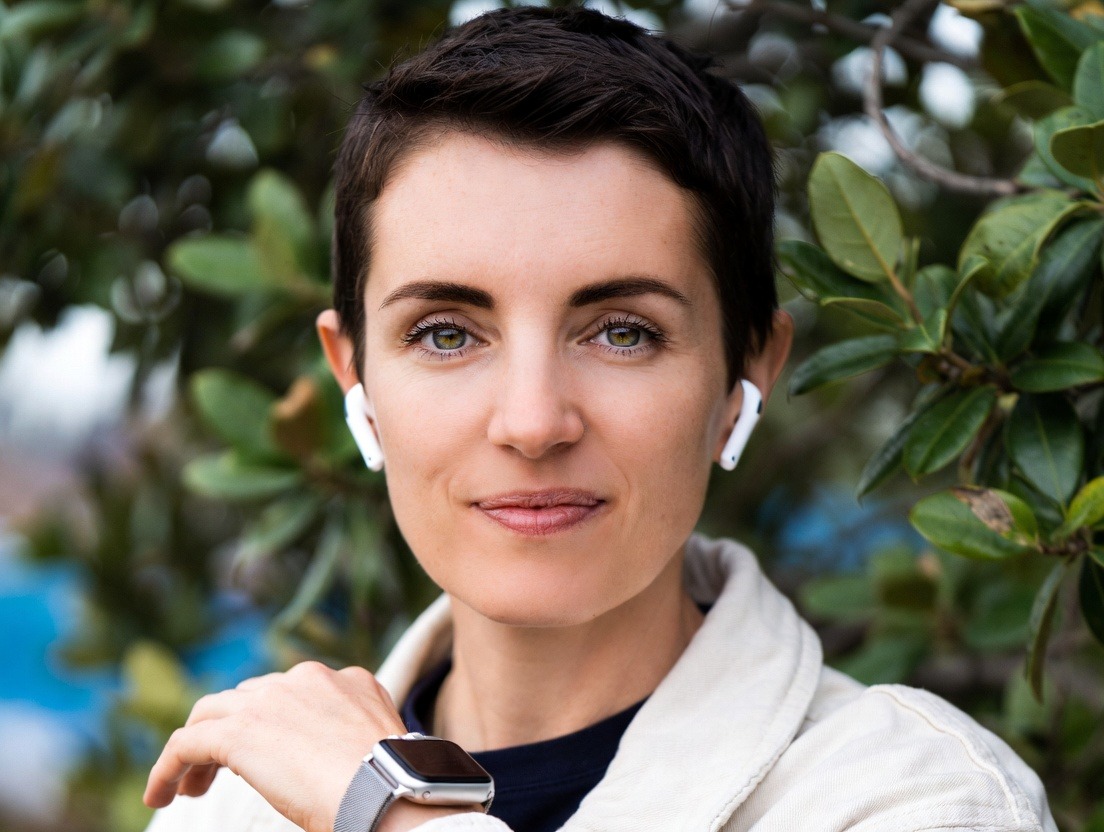
Viewing recovery through the lens of immediate benefits—feeling less tired, bouncing back from a workout—is like looking at the first dollar invested in a retirement account. The true transformative power lies in compounding. The daily, weekly, and yearly practice of recovery essentials doesn't just prevent today's cold; it fundamentally rebuilds and fortifies your immune system's infrastructure for the long haul. This is the journey from immune reactivity to immune resilience.
From Acute Episodes to Chronic Readiness
An untrained, depleted immune system is perpetually stuck in a cycle of "boom and bust." It overreacts to minor threats (leading to unnecessary inflammation or allergies) and then collapses when a real pathogen hits, leading to a severe, prolonged illness. Consistent recovery practices shift the system to a state of adaptive calibration.
The Cumulative "Recovery Debt" Model
Think of it like a financial ledger. Every night of poor sleep, every week of unmanaged stress, every month of poor diet adds to your "recovery debt." This debt accrues interest in the form of hormonal dysregulation, mitochondrial dysfunction, and accumulated cellular damage. You may not "feel" it immediately—the body is remarkably adaptable—but the debt is there, silently eroding your immune capital.
Conversely, every night of quality sleep, every managed stressful moment, every nutrient-dense meal is a "recovery investment." These investments compound. They improve the efficiency of your cellular energy production, enhance DNA repair mechanisms, and optimize hormonal signaling. Over months and years, this portfolio of recovery investments pays dividends in the form of sustained energy, mental clarity, emotional stability, and a resilient immune system that is less likely to succumb to every passing bug and better equipped to handle larger health challenges.
Tracking the Long Game: Witnessing the Compound Growth
This is where longitudinal data tracking becomes profoundly motivating. It allows you to witness your own compound growth.
These long-term trends are the ultimate feedback, proving that the daily "micro-choices" of recovery are building something significant. They move the focus from weight loss or acute performance to the foundational goal of healthspan—the number of years you live in good health. For those particularly interested in the aging aspect, the connection between daily habits, tracking, and longevity is further detailed in our resource on 50 healthy aging tips a smart ring helps implement daily.
Building long-term immune resilience is not a dramatic transformation; it is the quiet, powerful result of showing up for your recovery essentials, day after day. It is the ultimate form of self-respect and future-proofing, ensuring that your immune system remains a vigilant, capable guardian for all the years to come.
Once the fundamentals of sleep, nutrition, stress, and movement are firmly in place and personalized, those looking to further optimize their immune resilience can explore advanced, evidence-based modalities. These are not replacements for the basics but potential force multipliers—tools that can deepen the recovery response and provide an extra edge. It’s critical to approach these with the same data-informed mindset used for the essentials.
1. Heat and Cold Exposure: Harnessing Hormesis
The principle of hormesis states that a mild, acute stressor can trigger an adaptive, overcompensating response that makes the organism stronger. Controlled heat and cold are prime examples.
2. Photobiomodulation (Red Light Therapy)
Exposure to specific wavelengths of red and near-infrared light is thought to enhance cellular energy production (by stimulating mitochondria) and reduce oxidative stress. While more research is needed on direct immune outcomes, its proposed benefits for reducing inflammation, improving skin health, and aiding muscle recovery indirectly support a less burdened immune system. Data Connection: Could be tracked through subjective measures of post-workout recovery speed or reductions in localized inflammation.
3. Advanced Sleep Optimization
Beyond duration and consistency, fine-tuning the sleep environment for temperature, darkness, and humidity can yield gains. Using cooling pads, blackout curtains, and humidifiers to create an ideal cave-like environment supports the natural dip in core temperature and melatonin release. Data Connection: This directly improves scored sleep quality metrics—less wakefulness, more deep and REM sleep.
4. Precision Supplementation
Based on individualized data and potentially lab testing, targeted supplementation can address specific gaps. Examples include:
Crucial Note: Supplementation should be informed by need, not guesswork. Consulting with a healthcare provider and using biometric trends as one piece of the puzzle is the safest approach.
5. Nervous System Training
This involves direct practice in manipulating your autonomic state through:
Integrating Advanced Modalities with Data
The rule remains: Track, don't assume. Introduce one new modality at a time for a few weeks while monitoring your key biomarkers. Did the sauna protocol improve your sleep and HRV, or did it leave you dehydrated and elevated your RHR? Does a certain adaptogen help you maintain HRV during a work crunch? Your body’s data is the final judge of what "advanced" truly means for you. This experimental, curious approach is at the heart of modern, proactive wellness. For a glimpse into what the next generation of these tools might look like, explore our thoughts on the future of wearable health tech.
Even with the most meticulous recovery blueprint, life happens. You will face periods of unavoidable high stress, travel, family demands, and yes, illness. These are not failures of your protocol; they are stress tests of your resilience. The key is not to avoid setbacks, but to navigate them intelligently. Having a pre-defined, data-informed protocol for illness and high-stress periods can dramatically shorten recovery time and prevent a minor setback from becoming a major derailment.
The Biometric Signature of Oncoming Illness
Often, your body sends signals before symptoms become obvious. Your tracking data can provide an early warning system with a classic triad:
When two or more of these markers shift outside your normal range for 2-3 days, it’s a strong indication your immune system is actively engaged, even if you just feel "a bit off."
The Proactive "Sick Mode" Protocol
When your data (or symptoms) indicate you’re fighting something, activate your "Sick Mode" protocol. This is a deliberate, aggressive prioritization of recovery to support your immune battle.
Phase 1: Immediate De-escalation (Days 1-3)
Phase 2: The Convalescent Climb (As Symptoms Abate)
Navigating Non-Illness Setbacks (Travel, Work Crises)
The principles are similar: anticipate the stress and proactively support recovery.
By having a plan, you remove the guilt and guesswork from setbacks. You shift from a mindset of "I'm sick, my routine is ruined" to "My body is signaling a need for deep recovery, and I am equipped to provide it." This proactive, respectful approach to illness is the ultimate application of recovery intelligence, ensuring you emerge from challenges not weaker, but with a reinforced understanding of your body's needs. For support during such times, remember our FAQ and support page is always available.
We stand at the precipice of a revolution in personal health. The convergence of continuous biometric monitoring, artificial intelligence, and a deepening understanding of human physiology is poised to transform recovery from a reactive art into a predictive science. The future of immunity lies in proactive, pre-emptive intervention guided by technology that doesn't just report on the past, but anticipates the future.
From Descriptive to Predictive and Prescriptive Analytics
Current technology is largely descriptive: "Your HRV was low last night." The near future is predictive and prescriptive.
Multimodal Sensing and a Holistic Health Graph
The smart ring is just one node. The future involves seamless integration of multiple data sources:
This creates your Holistic Health Graph—a comprehensive, dynamic model of your unique biology. This graph will allow for stunningly precise personalization, revealing how your immune system responds to specific foods, stressors, and recovery modalities. The implications of this integrated data for preventive care are vast, as discussed in how health tracking technology has changed preventive medicine.
The Clinician in Your Pocket: Democratizing Specialized Insight
Advanced AI will act as a preliminary "health assistant," trained on vast medical datasets. It could:
This doesn't replace doctors; it empowers you with richer information to bring to them, making consultations more efficient and effective. In fact, this technology is already beginning to find its way into more formal care settings, as explored in the article on health tracking technology in hospitals.
The Ethical and Human Future
With great power comes great responsibility. The future must be built on:
The future of recovery technology is not about becoming a cyborg obsessed with metrics. It is about using tools to quiet the noise of modern life, to hear the whispers of our own biology more clearly, and to create a life that naturally supports immune resilience, energy, and longevity. It is about moving from simply tracking our health to orchestrating it, in harmony with the timeless wisdom of rest, nourishment, and connection. This is the promise of the coming era in wellness—a future where we are all active, informed, and empowered stewards of our own incredible, innate capacity for health.
Integrating Your Recovery-Immunity Protocol: A Practical, Phase-Based Guide
Knowledge is power, but implementation is victory. We've explored the science, the metrics, and the philosophy behind the recovery-immunity connection. Now, we bridge the gap between theory and daily life. This is your actionable, phase-based guide to building and integrating a protocol that turns insights into instinct and data into durable resilience. The goal is not a rigid, overwhelming overhaul, but a sustainable, adaptable integration into the life you already live.
The Philosophy: Start Small, Win Often, Iterate
Forget the "all-or-nothing" mindset. Lasting change is built on small, consistent victories that create positive feedback loops. We will approach this in three phases: Foundation, Personalization, and Optimization. Each phase lasts a minimum of 30 days, allowing your nervous system and habits to solidify before adding complexity. Remember, your recovery protocol should feel like a supportive scaffold, not a constricting cage.

This phase is about establishing rock-solid basics with minimal tech complexity. The focus is on behavior, not data analysis.
Step 1: The Sleep Citadel (Weeks 1-4)
Your first and most critical mission is to fortify your sleep. Do not track anything else yet.
Step 2: Nutritional Hydration & Foundation (Weeks 5-8)
With sleep stabilizing, layer in the two simplest nutritional levers.
The Goal of Phase 1: To end two months with two unshakable habits—a solid sleep ritual and a simple, nourishing eating framework—and a beginner's understanding of how they affect two key biomarkers (sleep score & RHR). You have built your base camp.
Now, we introduce the central metric of recovery—Heart Rate Variability (HRV)—and begin true personalization.
Step 1: HRV as Your Morning Compass (Week 9)
Step 2: The Recovery-Response Experiment (Weeks 10-14)
Step 3: Identify Your Unique Stress Signatures (Weeks 15-16)
The Goal of Phase 2: To move from following generic rules to responding to your body's unique signals. You now have a personalized "Yellow Zone" protocol and a list of what specifically drains or fills your recovery tank. You have moved from base camp to confidently navigating the lower slopes. For a deeper look at how to structure these personal experiments, our blog offers insights on how wellness ring basics support different health goals.
With a strong foundation and self-knowledge, you can now experiment with advanced levers and seamless integration.
Step 1: Strategic Timing – Syncing with Your Chronobiology
Step 2: Introducing Advanced Modalities (One at a Time)
Choose one every 4-6 weeks to test.
Step 3: The Bi-Annual Review
The Goal of Phase 3: To achieve a state of informed intuition. You'll often know what you need without checking the app. The technology becomes a periodic check-in system, a coach for new challenges, and a validation tool. Your protocol is now a flexible, living part of your identity—the person who recovers well to live fully. To see the full potential of this integrated, long-term approach, explore the vision outlined in health tracking technology for 2025 and what's possible.
Our individual pursuit of recovery-immunity does not exist in a vacuum. It is both influenced by and can influence the larger culture we inhabit. For decades, "hustle culture" has been the dominant paradigm, glorifying burnout, sleep deprivation, and constant productivity as badges of honor. This is not just unsustainable; it is biologically toxic, creating a society-wide deficit in immune resilience. The science of recovery invites—indeed, demands—a cultural shift toward valuing Sustainable Resilience.
Redefining Productivity and Success
True, sustainable high performance—in work, art, athletics, or parenting—is not the result of non-stop grinding. It is the product of focused effort punctuated by high-quality recovery. The most creative insights often occur during walks, showers, or upon waking. Muscle grows not during the lift, but during the rest afterward. A leader's best decisions are made from a state of calm, not crisis fatigue.
We must begin to measure success not by hours logged, but by output quality, creativity, and consistency over the long term. This reframes recovery not as laziness, but as strategic reinvestment—the necessary downtime that allows for greater returns. Companies that encourage vacation use, respect boundaries after work hours, and provide spaces for rest are not being "soft"; they are investing in the human capital that drives innovation.
The Role of Policy and Environment
A resilience culture requires supportive infrastructure:
Community as a Buffer
As we discussed, social connection is a recovery essential. A resilience culture fosters communities that support healthy habits. This could be walking groups instead of only happy hours, workplace wellness challenges focused on sleep, or neighborhood initiatives for communal gardening. When healthy choices are the easy, default, socially reinforced options, individual willpower is less taxed.
Technology's Dual Role in the Shift
Technology can either accelerate hustle culture or underpin resilience culture. It depends on design and intention.
The societal shift begins with individual choices, but it grows through shared stories and collective redefinition of what it means to live well. By prioritizing our recovery, we not only strengthen our own immunity but also become micro-models of a healthier, more sustainable way of being. We vote with our time and attention for a culture that values depth, health, and longevity over superficial burnout. To understand the brand ethos behind tools designed for this very shift, you can explore our story and mission.
Abstract concepts become real through stories. Here are composite case studies, drawn from common patterns, that illustrate how integrating recovery essentials can transform health and immunity across different life stages and challenges.
Case Study 1: The Burnt-Out Executive (Mark, 42)
Case Study 3: The Perimenopausal Professional (David, 51)
These stories illustrate that the recovery-immunity protocol is not a prescription, but a framework for self-discovery and intelligent adaptation. The path is unique, but the destination—a state of empowered, resilient health—is universal.
The connection between recovery essentials and immunity is no longer a theoretical concept confined to research labs. It is a living, breathing reality—a biological truth waiting to be harnessed. We have journeyed from the cellular mechanics of sleep and the gut-immune axis to the societal implications of a resilience culture. The throughline is clear: Your daily choices around rest, nourishment, stress, and movement are the direct architects of your immune fortress.
This is not a call to a life of monastic restriction, but to a life of profound attunement. It is an invitation to trade the rollercoaster of burnout and sickness for the steady rhythm of sustainable vitality. It asks you to view your body not as a machine to be pushed, but as an ecosystem to be nurtured—an ecosystem where recovery is the sunlight, the clean water, and the fertile soil from which robust immunity naturally grows.
The tools of the modern age—the smart rings, the apps, the AI—are here to serve this ancient wisdom. They are the microscopes that let us see the invisible connections, the translators that help us understand our body's unique language. Use them not to foster anxiety, but to cultivate informed calm. Use them to move from guesswork to grace, from ignoring your body’s whispers to understanding its language so well you can prevent its screams.
Start where you are. Anchor your wake-up time. Drink that first liter of water. Observe your energy. The most sophisticated protocol in the world is useless without the first, simple step.
Your immune system is working for you, every second of every day. It’s time to start working for it. Not with heroic, short-term efforts, but with the quiet, consistent commitment to the recovery essentials. This is the foundation of a life not just lived long, but lived well—with energy, clarity, and the resilient health to engage fully with all that matters to you.
The journey to unshakeable immunity begins with a single night of better sleep, a single mindful meal, a single conscious breath. That journey starts now.
Ready to begin? Explore the tools that can illuminate your path. Discover how a seamless, elegant device can become your partner in resilience at our main storefront. For more insights, research, and stories to guide your journey, visit our blog for additional resources. And if you have questions as you build your blueprint, our support and FAQ center is here to help.
Your resilient life awaits.
Your Trusted Sleep Advocate (Sleep Foundation — https://www.sleepfoundation.org/)
Discover a digital archive of scholarly articles (NIH — https://www.ncbi.nlm.nih.gov/
39 million citations for biomedical literature (PubMed — https://pubmed.ncbi.nlm.nih.gov/)
experts at Harvard Health Publishing covering a variety of health topics — https://www.health.harvard.edu/blog/)
Every life deserves world class care (Cleveland Clinic -
https://my.clevelandclinic.org/health)
Wearable technology and the future of predictive health monitoring. (MIT Technology Review — https://www.technologyreview.com/)
Dedicated to the well-being of all people and guided by science (World Health Organization — https://www.who.int/news-room/)
Psychological science and knowledge to benefit society and improve lives. (APA — https://www.apa.org/monitor/)
Cutting-edge insights on human longevity and peak performance
(Lifespan Research — https://www.lifespan.io/)
Global authority on exercise physiology, sports performance, and human recovery
(American College of Sports Medicine — https://www.acsm.org/)
Neuroscience-driven guidance for better focus, sleep, and mental clarity
(Stanford Human Performance Lab — https://humanperformance.stanford.edu/)
Evidence-based psychology and mind–body wellness resources
(Mayo Clinic — https://www.mayoclinic.org/healthy-lifestyle/)
Data-backed research on emotional wellbeing, stress biology, and resilience
(American Institute of Stress — https://www.stress.org/)


