


How Your Wellness Ring's Morning Readiness Score Predicts Daily Energy Levels
Your ring's morning readiness score predicts how much energy you'll have all day.
Your ring's morning readiness score predicts how much energy you'll have all day.
%402x.svg)
You wake up. Before you even open your eyes, a question hangs in the hazy space between sleep and consciousness: What kind of day will this be? Will you spring out of bed feeling vibrant and clear-headed, or will you drag yourself through the morning fog, relying on caffeine to jump-start a system that feels fundamentally depleted? For generations, this daily energy lottery was just that—a game of chance dictated by invisible forces within our own biology. We blamed a poor night’s sleep, a looming deadline, or the weather, often missing the complex symphony of physiological signals that truly determined our capacity to engage with the world.
Enter the modern wellness ring: a discreet, continuous biometric monitor worn on your finger. Among its most revolutionary features is a single, seemingly simple metric that appears each morning: your Readiness Score. This isn't just another random number. It’s a personalized, data-driven forecast of your body’s daily energy potential, a scientific translation of your inner state. Think of it as your body's honest, unfiltered press secretary, giving you the real briefing before you walk into the day’s meeting.
This score synthesizes a night’s worth of subtle, critical data—heart rate variability (HRV), resting heart rate, sleep stages, body temperature, and even blood oxygen saturation—into one actionable insight. It moves us from guessing about our energy to knowing, from reactive coping to proactive management. This article will serve as your definitive guide to understanding exactly how your wellness ring’s Morning Readiness Score works, why it’s a remarkably accurate predictor of your daily energy, and how you can leverage this knowledge to optimize not just your days, but your long-term vitality and healthspan. As we’ll explore, this daily metric is a cornerstone of modern, data-informed self-care and a powerful tool for anyone invested in science-backed healthy aging tips that actually work.

Your wellness ring’s Morning Readiness Score might look like a simple percentage or a number out of 100, but it is the product of a sophisticated algorithmic analysis. It’s not measuring one thing; it’s interpreting the conversation happening between multiple systems. To trust it, you must understand the key physiological players it listens to every night.
Heart Rate Variability (HRV): The Queen Metric. HRV is not your heart rate; it’s the subtle variation in the milliseconds between each heartbeat. A higher, more variable HRV (which your ring detects during deep sleep) indicates a robust, resilient autonomic nervous system—specifically, a strong parasympathetic ("rest-and-digest") response. It signifies your body’s capacity to recover and adapt to stress. A dip in HRV is often the first and most sensitive sign of physiological strain, whether from training, illness, or emotional stress. Your readiness score heavily weights this metric as a direct indicator of your nervous system's recovery status.
Resting Heart Rate (RHR): The Baseline Engine. Your sleeping RHR is your cardiovascular system at its most relaxed. A lower RHR typically suggests better cardiovascular fitness and efficient heart function. A noticeable elevation from your personal baseline (often just 3-5 BPM) can signal that your body is fighting something—an infection, excessive inflammation, or dealing with residual stress—and is working harder even at rest. This elevated metabolic tax directly drains your daily energy reserves.
Sleep Architecture: The Quality of the Recharge. It’s not just about hours in bed. Your ring analyzes the proportion of light, deep, and REM sleep you achieved. Deep sleep (slow-wave sleep) is critical for physical restoration and hormonal regulation, while REM sleep is essential for cognitive repair and emotional processing. The score evaluates not just duration, but the balance and continuity of these stages. Frequent awakenings (often detected via movement and heart rate spikes) fragment this restorative process, leaving you with "sleep" that doesn't truly recharge.
Body Temperature & Nightly Movement. A slight drop in core body temperature is necessary for initiating and maintaining sleep. Your ring’s sensors track subtle distal temperature trends. Abnormal spikes or patterns can indicate immune response or poor sleep quality. Similarly, excessive movement or toss-and-turn events correlate with restless, non-restorative sleep.
Respiratory Rate & Blood Oxygen (SpO2). Your breathing rate during sleep is a stable vital sign; deviations can be informative. More advanced rings also track peripheral blood oxygen saturation. Consistent, minor dips (not necessarily related to sleep apnea) can suggest respiratory disturbance or other issues impacting sleep quality and next-day fatigue.
The genius of the readiness score is in the synthesis. It doesn't panic over one slightly low HRV reading if your sleep was superb and your RHR is low. It uses a proprietary algorithm (unique to brands like Oura, RingConn, and Ultrahuman) to weigh these inputs against your own historical baselines, not a generic population average. This creates a truly personalized score. A 75 might be a "green light" for one person but a "proceed with caution" for another whose baseline is consistently 85. Understanding this multi-factor anatomy transforms the score from a vague judgment to a rich diagnostic starting point, directly linking to foundational sleep quality that became the foundation of healthy aging tips.
Is the Readiness Score just a clever gimmick, or does it have predictive power? The connection between these nocturnal biomarkers and daytime function is supported by a growing body of physiological research. The score acts as a bridge, translating nighttime physiology into a forecast of daytime psychology and performance.
The Nervous System Carry-Over. The state of your autonomic nervous system (ANS) upon waking doesn't magically reset. A dominant sympathetic ("fight-or-flight") tone, indicated by a lowered HRV and elevated RHR, primes you for a day of higher perceived stress, irritability, and mental fatigue. Your cognitive "bandwidth" is literally reduced as more resources are allocated to managing this internal background stress. Conversely, a recovered ANS (high HRV, low RHR) provides a calm, stable platform for focus, emotional regulation, and sustained mental energy. Studies have shown that morning HRV can predict stress resilience and cognitive performance tasks later that same day.
Metabolic & Hormonal Precursors. The quality of your deep sleep directly influences the secretion of growth hormone (crucial for tissue repair) and the regulation of cortisol, your primary stress and alertness hormone. Poor sleep architecture disrupts the cortisol awakening response (the healthy spike in cortisol that helps you feel alert in the morning). This can lead to that classic feeling of being "tired but wired"—physically exhausted yet mentally anxious. Your readiness score, by proxy of sleep analysis, is gauging the likelihood of this hormonal imbalance playing out in your day.
Inflammatory Forecasting. Subclinical inflammation is a silent energy thief. Elevated resting heart rate and disturbed sleep are both correlated with higher levels of inflammatory cytokines like interleukin-6. This low-grade inflammation manifests not as acute illness, but as pervasive fatigue, brain fog, and a lack of motivation. A consistently lowered readiness score can be an early warning sign of rising inflammatory load, often before you consciously feel "sick."
Real-World Validation: The User Experience. Anecdotal evidence from thousands of users consistently reports high predictive accuracy. A low score often precedes days where workouts feel harder, focus is elusive, and emotional patience is thin. A high score correlates with days of effortless flow, physical vigor, and mental clarity. This personal validation is powerful. It creates a feedback loop where you learn to trust the data over your often-misleading conscious feeling of "I'm fine," allowing for better decisions. This predictive power is a key component in using smart ring data to personalize healthy aging strategies effectively.
A score of 85. Great! A score of 62. Uh-oh. But true wisdom lies not in rigidly categorizing numbers as "good" or "bad," but in interpreting them within the context of your unique life. Your readiness score is a dynamic data point on a personal spectrum. Here’s how to move beyond the superficial grade.
Establish Your Personal Baseline. The first month of wearing a wellness ring is a baseline period. Don't overreact to daily scores. Instead, observe your average and range. Is your typical zone 72-88? This establishes your "normal." A score of 80 might be fantastic if you're coming off a tough training block, but a signal to investigate if it's 10 points below your usual average.
Look for Trends, Not Isolated Drops. A single low score is often noise—perhaps a late meal, a glass of wine, or an unusual stressor. The real intelligence is in spotting trends. Three consecutive declining scores are a much stronger signal from your body that you are under-recovering from a cumulative load. This trend-spotting ability is crucial for preventing burnout and illness, allowing you to pivot before you crash.
The "Why" Behind the Score. Modern apps don't just give a number; they provide contributors. Did your score dip primarily due to low HRV? That points to nervous system stress. Was it restless sleep? Look to sleep hygiene or evening routine. Elevated RHR? Consider immune challenges or dehydration. This diagnostic breakdown is where the score transforms from a verdict into an actionable insight.
The Paradox of "High Readiness, Low Feeling." Sometimes you feel tired despite a high score. This is critical data! It may indicate psychological or emotional fatigue that isn't yet captured in your physiology—a sign of mental burnout. Conversely, you might feel energetic on a low score, often because adrenaline and cortisol are artificially propping you up. This is a warning of impending depletion if you don't listen and ease off.
Learning this nuanced language of your own body is the ultimate goal. It empowers you to make informed choices. A moderate score after a hard workout is expected and signals a need for lighter active recovery. A low score before a major presentation might prompt you to adjust your preparation, prioritize calming techniques, or reschedule a demanding workout. This interpretive skill directly supports effective healthy aging tips that fight cellular aging by teaching you to respect your body’s recovery needs.
If the readiness score is the forecast, then sleep is the primary weather system creating it. While the score incorporates multiple factors, sleep quality is almost always the dominant contributor. Understanding this link in detail is essential for improving your scores and, by extension, your daily energy.
Deep Sleep: The Physical Restoration Phase. This is when your body performs critical repair. Cellular regeneration, muscle growth and repair, and the release of growth hormone peak during deep sleep. Your ring tracks the duration and consistency of this stage. Consistently short or fragmented deep sleep, even with adequate total sleep time, will sabotage your readiness. It’s like charging a phone with a faulty cable—it’s plugged in, but the energy isn’t transferring. Factors that enhance deep sleep include consistent bedtimes, a cool and dark sleep environment, and managing evening blue light exposure. As we age, deep sleep naturally decreases, making its preservation a key focus, as noted in articles on how sleep patterns change with age and smart ring tracking.
REM Sleep: The Mental and Emotional Reset. During REM sleep, your brain processes memories, consolidates learning, and regulates emotions. Deprivation of REM leads to brain fog, poor memory, emotional volatility, and reduced creativity—all major drains on daily energy. Alcohol is a notorious REM sleep suppressant, which is why you might sleep for 8 hours after drinking but wake up feeling unrefreshed and mentally dull, a pattern your ring will clearly detect.
Sleep Latency & Efficiency. How long it takes you to fall asleep (latency) and what percentage of your time in bed you’re actually asleep (efficiency) are key metrics. High efficiency (over 90%) and reasonable latency (under 20 minutes) indicate good sleep hygiene. Poor efficiency, marked by long periods of wakefulness after sleep onset, is a stealthy energy thief.
The Impact of Disruptions. Your ring’s movement and heart rate data pinpoint awakenings you may not even remember. These disruptions fragment the sleep cycle, preventing you from completing full, restorative cycles. Sources can range from a partner’s snoring and a too-warm room to subconscious stress or digestive issues from a late meal.
By treating your readiness score as a nightly sleep report card, you can begin targeted experiments. See how score changes when you institute a 60-minute digital sunset, keep your bedroom at 65°F, or stop eating three hours before bed. This turns passive tracking into an active optimization process, directly impacting your foundational health and supporting goals like preserving cognitive function with healthy aging tips.
While sleep provides the canvas, Heart Rate Variability (HRV) is the master painter defining the detail of your readiness score. It deserves its own deep dive as the single most informative metric for gauging your body's readiness to perform, adapt, and thrive.
HRV Explained: The Rhythm of Recovery. Imagine a skilled drummer maintaining a steady beat. The time between beats is never perfectly identical; there are micro-variations that give the rhythm its life. Your heart does the same under the influence of your two autonomic branches: the sympathetic (SNS) speeds up the heart, the parasympathetic (PNS) slows it down. Their constant, subtle tug-of-war creates the variability. High HRV means your PNS is strong and can effectively put the brakes on stress, indicating resilience and recovery. Low HRV suggests your SNS is dominant, leaving you in a state of heightened alertness and lower recovery capacity.
Why It’s So Predictive of Daily Energy. Your morning HRV reading is a summary of your physiological stress balance from the past 24+ hours. It integrates everything: physical training, mental workload, emotional conflicts, dietary choices, and even positive excitement. A high HRV morning suggests you have successfully processed those stressors and have metabolic and nervous system bandwidth to spare. You’ll likely find it easier to focus, stay calm under pressure, and access physical energy. A low HRV morning signals that your systems are still dealing with the backlog; your energy will be more fragile and your stress tolerance low.
Tracking Your HRV Trends. Absolute numbers are less important than trends. A competitive athlete might have a baseline HRV of 100ms, while a healthy individual might average 40ms. What matters is the direction. A steady, week-over-week rise in your baseline HRV is one of the best indicators of improving overall fitness and resilience. Acute dips are normal after hard training or stressful events, but the key is the rebound. A failure to rebound indicates chronic strain. This makes HRV monitoring indispensable for supporting healthy aging goals with detailed ring data.
Factors That Influence HRV. Nearly every lifestyle lever pulls on HRV:
By using your readiness score’s HRV component as a daily guide, you can learn which levers most powerfully affect your personal resilience. It turns abstract concepts like "stress management" into concrete, measurable outcomes, guiding you toward habits that build lasting energy capacity rather than deplete it.
Your readiness score isn't created in a vacuum between 10 PM and 6 AM. It is the final echo of choices made hours, even days, before. Understanding how daytime behaviors "land" in your nocturnal physiology is key to mastering your scores.
Nutrition & Meal Timing. That late-night dinner doesn't just cause indigestion; it forces your body to prioritize digestion over restoration during sleep. Your core temperature remains elevated, and sleep architecture is disrupted. Your ring will likely show increased nighttime movement and a lower readiness score. Similarly, high-glycemic meals or excessive alcohol (a known sleep disruptor) can cause blood sugar fluctuations and inflammation, reflected in elevated RHR and lowered HRV. Consistency in meal timing and a focus on whole foods, especially in the evening, often yield more stable, higher scores.
Exercise: Stressor and Stimulant. Physical activity is a paradoxical input. Acute exercise is a stressor that temporarily lowers HRV and elevates RHR. This is normal. The magic happens during recovery; a well-tolerated workout should lead to a "supercompensation" where your HRV rebounds to a higher baseline, improving resilience. However, chronic overtraining without adequate recovery shows up as a persistent suppression of HRV and readiness. Your score helps you distinguish between productive fatigue and detrimental strain, allowing you to tailor movement strategies for every decade of life.
Cognitive & Emotional Load. A day of intense mental focus, difficult conversations, or anxiety is not free. Psychological stress activates the same sympathetic nervous system pathways as physical threat. This allostatic load accumulates and is plainly visible in your nighttime physiology—lower HRV, higher RHR, and more restless sleep. Your ring doesn't know why you're stressed, but it faithfully reports the physiological cost. This makes it a powerful tool for stress management and healthy aging connection.
Circadian Rhythm & Light. Your body thrives on routine. Inconsistent sleep and wake times confuse your internal clock (circadian rhythm), weakening the signals for sleep onset and cortisol awakening. This leads to poorer sleep quality and misaligned physiology. Exposure to bright natural light in the morning and dim light in the evening is a powerful circadian cue that your ring can't measure directly, but the positive effects will be reflected in more stable, higher readiness scores over time.
By reviewing a low score and backtracking through your previous day's choices, you engage in cause-and-effect learning. This transforms lifestyle from a set of arbitrary rules into a personalized experiment in energy optimization.
A forecast is only useful if you change your behavior because of it. The true value of your Morning Readiness Score is as a decision-making tool. Here is how to translate different score ranges into concrete daily prescriptions.
The High Readiness Protocol (Score: 85-100). This is a green light, but not a mandate to go all-out recklessly. It's an opportunity to lean into productive stress because your body has the capacity to absorb and adapt to it.
The Moderate Readiness Protocol (Score: 70-84). This is a yellow light—proceed with awareness. Your body is functional but not operating at peak resilience. Energy may be adequate but finite.
The Low Readiness Protocol (Score: <70). This is a red light for added stress. Your body is signaling a need for repair and recovery. Ignoring this is the fast track to burnout, lowered immunity, or injury.
By adhering to these personalized prescriptions, you stop fighting your physiology and start working with it. You match your demand to your supply, creating a sustainable cycle of stress and recovery that builds, rather than depletes, your long-term energy capital.

While the daily energy prediction is immensely valuable, the longitudinal data from your readiness score holds a deeper secret: it maps the trajectory of your healthspan—your period of life spent in good health. Tracking this metric over months and years provides unparalleled insights into your overall aging process.
Establishing a Biomarker of Aging. Consistent, gradual declines in your average readiness score or its components (like baseline HRV) can be an early indicator of declining physiological resilience, a core feature of aging. Conversely, maintaining or improving your average scores as you age is a strong sign of successful healthspan extension. This makes your ring a powerful tool for detecting age-related health changes early.
Identifying Lifestyle Efficacy. Is your new meditation routine working? Is a change in diet beneficial? The multi-week trend in your readiness score provides objective feedback. You’re no longer guessing if something is "good for you"; you have data showing its impact on your fundamental recovery and resilience. This turns wellness from a faith-based practice into an evidence-based one, helping you validate which effective healthy aging tips are working for your unique biology.
The Cumulative Cost of Stress. A stressful life period—a demanding job, caregiving, emotional turmoil—may be manageable day-to-day, but its cumulative toll is often hidden until a health crisis appears. A long-term downward trend in your readiness metrics serves as an objective, early-warning dashboard, showing the systemic cost before it manifests as disease. It prompts you to intervene with stress buffers and recovery strategies sooner.
Optimizing Interventions. For those using supplements, biohacking protocols, or new training regimens, the readiness trend is the ultimate biofeedback loop. It answers the question: "Is this making me more or less resilient?" This prevents wasted effort on interventions that don't serve your body and allows you to double down on what truly moves the needle toward vitality.
Viewing your readiness score through this long-term lens shifts the focus from "How will I get through today?" to "How can I ensure I have vibrant energy for decades to come?" It aligns perfectly with the proactive, preventive philosophy of modern longevity science, helping you implement daily monitoring that supports healthy aging.
The "textbook" interpretation of readiness scores needs modification for specific life contexts. A score of 65 means something very different for a new parent than for a professional athlete in a training camp.
For the Athlete & Fitness Enthusiast: Here, the score is primarily a recovery and performance optimization tool. The focus is intensely on the relationship between training load (recorded via activity tracking) and readiness. The goal is to periodize training so that hard days cause a predictable dip, followed by a rebound to a higher baseline on rest days. A failure to rebound indicates overreaching. A chronically suppressed score, especially with a rising RHR, is a classic sign of overtraining syndrome. For athletes, the readiness score guides precise adjustments to volume and intensity, protecting against injury and ensuring peak performance when it counts. This aligns with strategies to maintain muscle mass and function after 60 through intelligent, recovery-aware training.
For Parents & Caregivers: In this context, "perfect" scores may be rare, and that's okay. The goal shifts from optimization to mitigation and realistic baseline setting. Sleep will be fragmented, and stress will be high. The value of the score is in identifying small windows of opportunity. A moderate score on a rare full night's sleep might be your personal "green light" to tackle a demanding task. It also helps manage self-compassion—seeing the physiological reason for your fatigue validates the challenge and prevents self-blame. The focus becomes on micro-recovery: using 10-minute breathing sessions, prioritizing nutrition, and catching up when the chance arises, employing healthy aging tips for women navigating hormonal changes which often overlap with caregiving stages.
For Shift Workers & Those with Irregular Schedules: This group faces the greatest circadian challenge. The readiness score becomes essential for managing a constantly shifting biology. It can help identify which shift patterns are most destructive and which recovery strategies are most effective. The score may reveal that a specific sleep protocol after a night shift (e.g., dark room, temperature control) yields better recovery than another. The data empowers more informed conversations with employers about schedule rotations and provides personal evidence of the physiological cost of circadian disruption, supporting the need for proactive nutrition approaches that work for longevity despite a challenging schedule.
In each case, the score must be calibrated to personal reality. The question changes from "Is my score high?" to "What does this score tell me about my capacity to meet my specific demands today?"
What if you find yourself stuck in a rut of low or declining readiness scores? Don't despair—view it as your body sending a strong, data-backed SOS. Here is a systematic approach to diagnosing and addressing the root causes.
Step 1: Rule Out Medical Issues. First and foremost, persistently elevated RHR, very low HRV, or consistently poor sleep scores can be indicators of underlying health conditions like sleep apnea, thyroid dysfunction, anemia, or chronic infections. Consult a healthcare professional with your data in hand. It can provide objective evidence to support your concerns, as discussed in the context of preserving cardiovascular health with aging.
Step 2: The Sleep Audit. Since sleep is the primary driver, conduct a rigorous audit:
Step 3: The Stress & Recovery Inventory. Are you in a period of chronic psychological stress (work, relationships, finances)? Are you giving yourself any true downtime, or is every moment filled with stimulation? Implement non-negotiable recovery blocks. Even 10 minutes of diaphragmatic breathing daily can improve HRV. Consider practices that strengthen the mind-body connection for vitality.
Step 4: Review Training & Activity. Are you exercising too frequently or at too high an intensity without adequate rest days? Incorporate deload weeks, and ensure your activity includes low-stress movement like walking. Use your ring’s activity data alongside readiness to find your personal balance.
Step 5: Nutritional & Hydration Check. Are you eating a diet high in processed foods and sugar, promoting inflammation? Focus on whole, anti-inflammatory foods. Are you drinking enough water? Chronic dehydration stresses the system and elevates RHR.
Step 6: Consider Overtraining Syndrome (OTS). If you are an active individual, a combination of persistently low HRV, elevated RHR, poor sleep, low readiness, and a sudden drop in performance, along with feelings of fatigue and apathy toward training, could indicate OTS. This requires a significant period of rest and professional guidance.
By moving through this checklist, you transform a frustrating low score into a structured investigative process. Each adjustment you make becomes an experiment, and the subsequent scores provide the results, guiding you toward a more resilient physiology.
Your Morning Readiness Score does not exist in isolation. It is the most dynamic member of an interconnected ecosystem of data provided by your wellness ring, which includes Daily Activity, Sleep, and Recovery metrics. Understanding how readiness interacts with these other pillars transforms it from a standalone forecast into the central command hub for your daily health decisions.
The Readiness-Activity Feedback Loop. This is the most critical daily interaction. Your readiness score in the morning should directly inform your activity goals for the day. As previously prescribed, a high score suggests you can safely engage in higher strain (like intense exercise or long-duration mental work), while a low score calls for restorative movement. The genius of modern ring ecosystems is that they can automatically adjust your daily activity targets based on your readiness. On a low-readiness day, your "step goal" might be lowered, encouraging you to prioritize recovery without guilt. This creates a virtuous cycle: smart activity based on readiness leads to better recovery, which leads to higher future readiness. This automated, intelligent guidance is foundational for daily activity tracking that supports healthy aging goals.
Sleep as the Input, Readiness as the Output. We've established sleep as the primary driver. The ecosystem view allows you to see the direct correlation between specific sleep metrics and your next-day score. Did a high proportion of deep sleep lead to a high physical readiness contributor? Did low REM sleep correlate with a feeling of brain fog despite a decent overall score? Over time, you can build a personalized sleep recipe that optimizes for the readiness outcomes you desire.
The Recovery Dimension: More Than Just Sleep. Recovery is a 24-hour process. While sleep is its cornerstone, your ring tracks daytime recovery through metrics like daytime HRV trends and stress scores (often derived from heart rate and HRV data). A day where your stress score remains low, indicating a calm nervous system, is active recovery that sets the stage for a high readiness score the next morning. Conversely, a high-stress day, even without exercise, can tank your next-day readiness. Viewing readiness as the culmination of a full day of recovery (or lack thereof) broadens your responsibility and control beyond just nighttime.
Long-Term Biomarkers: HRV Balance & Body Temperature Trends. Beyond daily scores, the long-term trends in your HRV balance and skin temperature provide context. A steadily rising HRV baseline suggests you are increasing your resilience capacity, meaning a "moderate" score today might represent a much higher functional capacity than a "moderate" score from six months ago. Similarly, tracking basal body temperature trends can reveal subtle hormonal shifts or early signs of metabolic changes, providing a backdrop against which to interpret daily readiness fluctuations. This longitudinal tracking is the essence of using a smart ring to track healthy aging progress over time.
By synthesizing these data streams, your readiness score becomes the executive summary of a complex, ongoing biological report. It tells you not only what to do today but also provides clues about the long-term effectiveness of your lifestyle, fitting seamlessly into a proactive plan for preventing common age-related diseases.
With great data comes great responsibility. The power of a daily readiness score carries a psychological risk: turning self-optimization into a source of anxiety, where self-worth becomes tied to a number. To use this tool wisely, we must develop a healthy psychological framework.
Data as a Guide, Not a God. The score is an interpretation of biometric signals, not an absolute truth. It is a recommendation from a highly informed assistant, not a command from a dictator. You retain full agency. There will be days you choose to push through a moderate score for a meaningful life event—a friend's wedding, a family trip, a key deadline. The data isn't saying "you can't"; it's saying "if you do, know the cost, and plan to pay it back with recovery later." This mindset preserves flexibility and joy.
The Perfectionism Trap. Chasing a perpetually high score is a fool's errand and physiologically nonsensical. The body adapts and grows stronger through cycles of stress and recovery. A low score after a hard workout is not failure; it's the expected stimulus for adaptation. The goal is not a flat line of high scores, but a rhythmic wave with predictable dips and rebounds that trend upward over the long term. Obsessing over every point deviation leads to stress, which ironically lowers the score—a self-defeating cycle.
Cultivating Bio-Literacy and Self-Compassion. When you see a low score, practice reframing. Instead of "My body is failing me," think, "My body is communicating clearly that it needs extra care today." This shifts you from judgment to curiosity and compassion. It validates your experience of fatigue with objective data, which can be incredibly freeing. This compassionate, data-informed approach is a cornerstone of sustainable wellness and aligns with tips for maintaining mental wellness through purpose and passion as we age.
Listening to Feeling vs. Data. Sometimes you feel great despite a low score (adrenaline masking fatigue), or tired despite a high score (mental exhaustion). These discrepancies are vital feedback. The first warns of impending depletion; the second highlights a need for psychological or emotional recovery techniques that aren't captured in physiology. Use the data and your subjective feeling as two complementary sources of truth.
By adopting a balanced, curious, and compassionate relationship with your readiness data, you prevent burnout from the tool itself. It becomes a partner in your well-being, not a taskmaster, helping you implement healthy aging habits in a sustainable, joyful way.
The current generation of readiness scores is impressive, but it represents just the beginning. The convergence of continuous biometric sensing, artificial intelligence (AI), and personalized health science is poised to make these daily forecasts exponentially more precise, predictive, and prescriptive.
Hyper-Personalized Algorithms. Current algorithms use population-based models adjusted to your baseline. Future systems will use deep learning on your exclusive, longitudinal dataset. The AI will learn your unique patterns: how you specifically respond to different types of exercise, stress, food, and even social interactions. It will predict that for you, a stressful work meeting typically depresses HRV for 24 hours, while a long hike boosts it for 48.
Integrated Multi-Modal Data. Soon, your wellness ring’s readiness score won't rely solely on its own sensors. With your permission, it will integrate anonymized data from other sources: your calendar (to anticipate stress), your smart scale (body composition), continuous glucose monitor (dietary response), and even environmental data (local pollen count, air quality). This would create a truly holistic readiness score. For example, it could predict: "Your HRV is low, your calendar shows a high-stress day, and the air quality index is poor—today is a high-risk day for energy crash. Prescription: Use air purifier, prioritize indoor tasks, and practice breathing exercises before meetings."
Predictive Health Interventions. Beyond daily energy, the long-term trend analysis of readiness components will evolve into a powerful predictive health tool. AI could identify subtle, early signatures of metabolic slowdown, immune dysfunction, or cardiovascular strain months or years before clinical symptoms appear, allowing for profoundly early lifestyle intervention. This moves the focus from managing daily energy to actively extending healthspan, a key application explored in resources on how smart rings monitor age-related recovery changes.
Context-Aware Prescriptions. Instead of just a score, you'll receive a nuanced, adaptive action plan. "Your readiness is low due to poor sleep and elevated RHR. Based on your historical data, the two most effective interventions for you in this state are: 1) A 20-minute afternoon nap (which improves your next-night deep sleep by 15%), or 2) A 30-minute nature walk (which lowers your RHR by an average of 4 BPM within 2 hours). Choose one." This transforms the platform from a dashboard into an intelligent health coach.
This future is not science fiction; it's the logical next step in personalized wellness. The humble morning readiness score is the foundational data stream that will make this hyper-personalized, predictive health a reality, empowering individuals to take unprecedented control over their vitality and longevity, directly supporting the mission to fight cellular aging proactively.
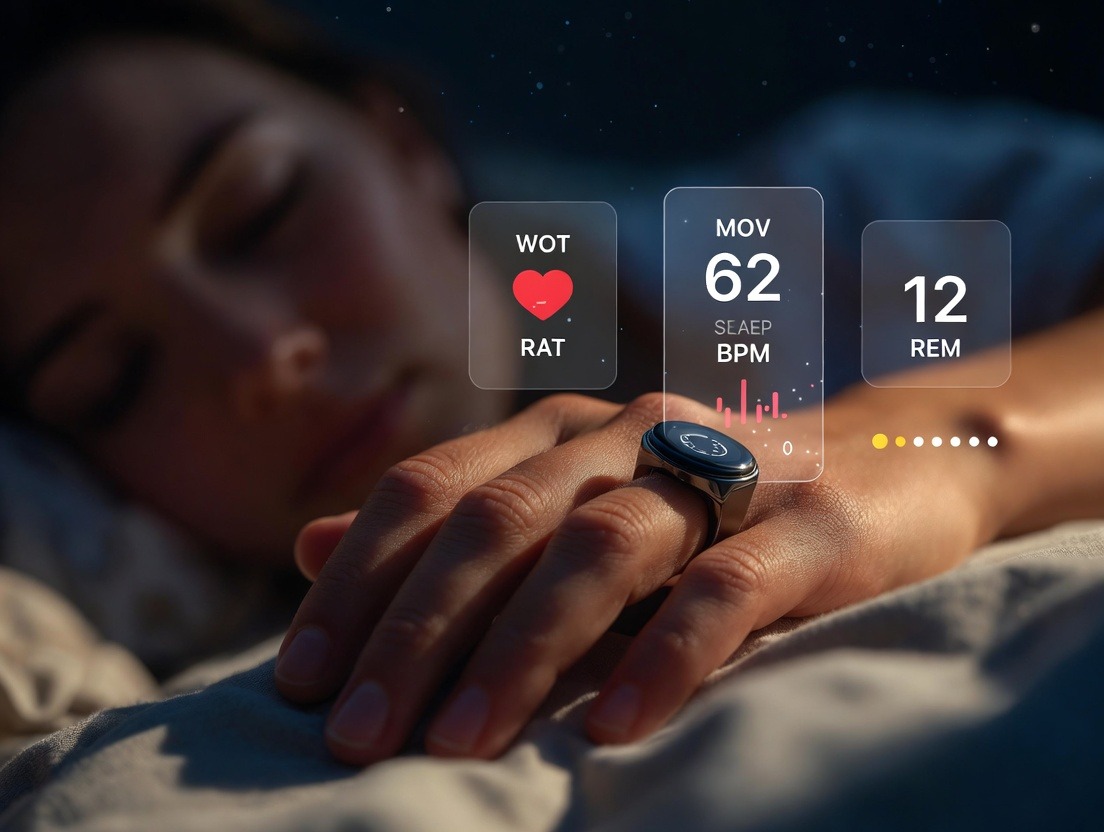
Your Morning Readiness Score does not exist in isolation. It is the most dynamic member of an interconnected ecosystem of data provided by your wellness ring, which includes Daily Activity, Sleep, and Recovery metrics. Understanding how readiness interacts with these other pillars transforms it from a standalone forecast into the central command hub for your daily health decisions.
The Readiness-Activity Feedback Loop. This is the most critical daily interaction. Your readiness score in the morning should directly inform your activity goals for the day. As previously prescribed, a high score suggests you can safely engage in higher strain (like intense exercise or long-duration mental work), while a low score calls for restorative movement. The genius of modern ring ecosystems is that they can automatically adjust your daily activity targets based on your readiness. On a low-readiness day, your "step goal" might be lowered, encouraging you to prioritize recovery without guilt. This creates a virtuous cycle: smart activity based on readiness leads to better recovery, which leads to higher future readiness. This automated, intelligent guidance is foundational for daily activity tracking that supports healthy aging goals.
Sleep as the Input, Readiness as the Output. We've established sleep as the primary driver. The ecosystem view allows you to see the direct correlation between specific sleep metrics and your next-day score. Did a high proportion of deep sleep lead to a high physical readiness contributor? Did low REM sleep correlate with a feeling of brain fog despite a decent overall score? Over time, you can build a personalized sleep recipe that optimizes for the readiness outcomes you desire.
The Recovery Dimension: More Than Just Sleep. Recovery is a 24-hour process. While sleep is its cornerstone, your ring tracks daytime recovery through metrics like daytime HRV trends and stress scores (often derived from heart rate and HRV data). A day where your stress score remains low, indicating a calm nervous system, is active recovery that sets the stage for a high readiness score the next morning. Conversely, a high-stress day, even without exercise, can tank your next-day readiness. Viewing readiness as the culmination of a full day of recovery (or lack thereof) broadens your responsibility and control beyond just nighttime.
Long-Term Biomarkers: HRV Balance & Body Temperature Trends. Beyond daily scores, the long-term trends in your HRV balance and skin temperature provide context. A steadily rising HRV baseline suggests you are increasing your resilience capacity, meaning a "moderate" score today might represent a much higher functional capacity than a "moderate" score from six months ago. Similarly, tracking basal body temperature trends can reveal subtle hormonal shifts or early signs of metabolic changes, providing a backdrop against which to interpret daily readiness fluctuations. This longitudinal tracking is the essence of using a smart ring to track healthy aging progress over time.
By synthesizing these data streams, your readiness score becomes the executive summary of a complex, ongoing biological report. It tells you not only what to do today but also provides clues about the long-term effectiveness of your lifestyle, fitting seamlessly into a proactive plan for preventing common age-related diseases.
With great data comes great responsibility. The power of a daily readiness score carries a psychological risk: turning self-optimization into a source of anxiety, where self-worth becomes tied to a number. To use this tool wisely, we must develop a healthy psychological framework.
Data as a Guide, Not a God. The score is an interpretation of biometric signals, not an absolute truth. It is a recommendation from a highly informed assistant, not a command from a dictator. You retain full agency. There will be days you choose to push through a moderate score for a meaningful life event—a friend's wedding, a family trip, a key deadline. The data isn't saying "you can't"; it's saying "if you do, know the cost, and plan to pay it back with recovery later." This mindset preserves flexibility and joy.
The Perfectionism Trap. Chasing a perpetually high score is a fool's errand and physiologically nonsensical. The body adapts and grows stronger through cycles of stress and recovery. A low score after a hard workout is not failure; it's the expected stimulus for adaptation. The goal is not a flat line of high scores, but a rhythmic wave with predictable dips and rebounds that trend upward over the long term. Obsessing over every point deviation leads to stress, which ironically lowers the score—a self-defeating cycle.
Cultivating Bio-Literacy and Self-Compassion. When you see a low score, practice reframing. Instead of "My body is failing me," think, "My body is communicating clearly that it needs extra care today." This shifts you from judgment to curiosity and compassion. It validates your experience of fatigue with objective data, which can be incredibly freeing. This compassionate, data-informed approach is a cornerstone of sustainable wellness and aligns with tips for maintaining mental wellness through purpose and passion as we age.
Listening to Feeling vs. Data. Sometimes you feel great despite a low score (adrenaline masking fatigue), or tired despite a high score (mental exhaustion). These discrepancies are vital feedback. The first warns of impending depletion; the second highlights a need for psychological or emotional recovery techniques that aren't captured in physiology. Use the data and your subjective feeling as two complementary sources of truth.
By adopting a balanced, curious, and compassionate relationship with your readiness data, you prevent burnout from the tool itself. It becomes a partner in your well-being, not a taskmaster, helping you implement healthy aging habits in a sustainable, joyful way.
The current generation of readiness scores is impressive, but it represents just the beginning. The convergence of continuous biometric sensing, artificial intelligence (AI), and personalized health science is poised to make these daily forecasts exponentially more precise, predictive, and prescriptive.
Hyper-Personalized Algorithms. Current algorithms use population-based models adjusted to your baseline. Future systems will use deep learning on your exclusive, longitudinal dataset. The AI will learn your unique patterns: how you specifically respond to different types of exercise, stress, food, and even social interactions. It will predict that for you, a stressful work meeting typically depresses HRV for 24 hours, while a long hike boosts it for 48.
Integrated Multi-Modal Data. Soon, your wellness ring’s readiness score won't rely solely on its own sensors. With your permission, it will integrate anonymized data from other sources: your calendar (to anticipate stress), your smart scale (body composition), continuous glucose monitor (dietary response), and even environmental data (local pollen count, air quality). This would create a truly holistic readiness score. For example, it could predict: "Your HRV is low, your calendar shows a high-stress day, and the air quality index is poor—today is a high-risk day for energy crash. Prescription: Use air purifier, prioritize indoor tasks, and practice breathing exercises before meetings."
Predictive Health Interventions. Beyond daily energy, the long-term trend analysis of readiness components will evolve into a powerful predictive health tool. AI could identify subtle, early signatures of metabolic slowdown, immune dysfunction, or cardiovascular strain months or years before clinical symptoms appear, allowing for profoundly early lifestyle intervention. This moves the focus from managing daily energy to actively extending healthspan, a key application explored in resources on how smart rings monitor age-related recovery changes.
Context-Aware Prescriptions. Instead of just a score, you'll receive a nuanced, adaptive action plan. "Your readiness is low due to poor sleep and elevated RHR. Based on your historical data, the two most effective interventions for you in this state are: 1) A 20-minute afternoon nap (which improves your next-night deep sleep by 15%), or 2) A 30-minute nature walk (which lowers your RHR by an average of 4 BPM within 2 hours). Choose one." This transforms the platform from a dashboard into an intelligent health coach.
This future is not science fiction; it's the logical next step in personalized wellness. The humble morning readiness score is the foundational data stream that will make this hyper-personalized, predictive health a reality, empowering individuals to take unprecedented control over their vitality and longevity, directly supporting the mission to fight cellular aging proactively
Understanding your readiness score is theoretical; applying it is transformative. This 30-day protocol provides a structured framework to move from passive observation to active mastery, using your score to build a personalized energy blueprint.
Phase 1: Days 1-10 – The Observation Foundation
Phase 2: Days 11-20 – The Single-Lever Experiment
Phase 3: Days 21-30 – Integration and Decision-Making
By the end of 30 days, checking and acting upon your readiness score will begin to feel instinctual. You'll have moved from wondering about your energy to strategically managing it.
Theory meets reality in the stories of individuals. These anonymized case studies illustrate how the readiness score functions as a diagnostic and guiding tool across different life circumstances.
Case Study 1: The Overtraining Executive (Mark, 48)
Case Study 2: The Perimenopausal Professional (Sarah, 52)
Case Study 3: The Burnt-Out New Parent (Alex, 34)
These cases demonstrate that the readiness score is not a one-size-fits-all metric. Its power lies in revealing personal patterns, providing objective validation, and guiding context-specific actions.
Your wellness ring provides the signal, but you are the operator. To truly maximize your readiness scores and daily energy, certain foundational health practices act as force multipliers. These are the lifestyle pillars that make your physiology more resilient and responsive.
Nutritional Synergy: Fueling Resilience. What you eat directly impacts inflammation, oxidative stress, and gut health—all of which echo in your HRV and sleep. Focus on:
Strategic Movement: The Non-Negotiable. Exercise is a controlled stressor that builds resilience—but only with proper recovery.
The Mind-Body Toolkit: Your nervous system is the final common pathway.
By integrating these complementary practices, you don't just respond better to your readiness score—you actively build a physiology that consistently generates higher scores. You transition from managing deficits to cultivating abundance.
In the pursuit of perfect readiness, a shadow can emerge: orthosomnia (an unhealthy preoccupation with perfect sleep data) and bio-tracking anxiety. Recognizing and avoiding this pitfall is essential for sustainable wellness.
The Paradox of Stressful Recovery. If checking your score each morning induces anxiety—a spike in heart rate as you wait for the app to load, a feeling of defeat at a low number—you have entered a counterproductive loop. The tool designed to reduce stress has become a source of it. This anxiety itself elevates cortisol and can suppress HRV, creating a self-fulfilling prophecy of poor scores.
Signs of Unhealthy Tracking:
Strategies for Healthy Detachment:
The goal of tracking is to cultivate internal awareness, not external validation. The moment the ring creates more stress than it alleviates, it's time to step back and recalibrate your relationship with it. True wellness encompasses mental peace, which is a pillar of healthy aging tips that preserve independence longer.
We began with a simple morning question: "What kind of day will this be?" The readiness score provides a profound answer. But its ultimate value may be in answering a much larger question: "What kind of life will I have?"
The Micro to the Macro. Each daily score is a data point in the long-term story of your healthspan. Consistent management of daily energy—pacing effort, prioritizing recovery, respecting your body's signals—prevents the chronic, cumulative drain that leads to accelerated biological aging, burnout, and chronic disease. It is the practice of energy sustainability.
Preventing the "Slow Drain." Many age-related declines aren't sudden events but the result of decades of subtle, daily mismatches between load and recovery. The slow creep of resting heart rate, the gradual decline of HRV, the increasing fragmentation of sleep—these are the biomarkers of diminishing resilience. Your readiness score and its underlying components make this "slow drain" visible and measurable, often in your 40s and 50s, when it is most reversible. This makes it a critical tool in the critical decade of prevention in your 50s.
Informed Agency Over Aging. This data empowers you to move from a passive passenger in the aging process to an active pilot. You can see, in near real-time, how a new supplement, a different training regimen, a meditation practice, or a change in diet impacts your fundamental resilience metrics. You can answer, "Is what I'm doing actually making me more biologically robust?" This is the essence of personalized longevity medicine.
The Holistic Integration. Ultimately, your readiness score encourages a holistic view. It connects sleep, activity, nutrition, stress, and social connection (as loneliness and lack of purpose are profound stressors) into one unified feedback system. It shows that investing in social connection as a factor in healthy aging isn't just "nice," it's physiologically protective. It demonstrates that protecting your cardiovascular health and metabolic health happens in the small, daily choices that your ring illuminates.
Your wellness ring’s Morning Readiness Score is far more than a gadget feature. It is a portal into your inner workings, a translator of your body's silent language, and a compass pointing toward sustained vitality. By learning its language, respecting its messages, and integrating its wisdom with compassion and common sense, you harness one of the most powerful tools ever created for taking conscious, informed charge of your daily energy and your lifelong health.
Your Trusted Sleep Advocate: Sleep Foundation — https://www.sleepfoundation.org
Discover a digital archive of scholarly articles: NIH — https://www.ncbi.nlm.nih.gov/
39 million citations for biomedical literature :PubMed — https://pubmed.ncbi.nlm.nih.gov/
Experts at Harvard Health Publishing covering a variety of health topics — https://www.health.harvard.edu/blog/
Every life deserves world class care :Cleveland Clinic - https://my.clevelandclinic.org/health
Wearable technology and the future of predictive health monitoring :MIT Technology Review — https://www.technologyreview.com/
Dedicated to the well-being of all people and guided by science :World Health Organization — https://www.who.int/news-room/
Psychological science and knowledge to benefit society and improve lives. :APA — https://www.apa.org/monitor/
Cutting-edge insights on human longevity and peak performance:
Lifespan Research — https://www.lifespan.io/
Global authority on exercise physiology, sports performance, and human recovery:
American College of Sports Medicine — https://www.acsm.org/
Neuroscience-driven guidance for better focus, sleep, and mental clarity:
Stanford Human Performance Lab — https://humanperformance.stanford.edu/
Evidence-based psychology and mind–body wellness resources:
Mayo Clinic — https://www.mayoclinic.org/healthy-lifestyle/
Data-backed research on emotional wellbeing, stress biology, and resilience:
American Institute of Stress — https://www.stress.org/


