


The Beginner-Friendly Guide to Health Data During Illness: What Your Smart Ring Shows
A beginner's guide to what your smart ring data shows when you're sick.
A beginner's guide to what your smart ring data shows when you're sick.
%402x.svg)
The first scratchy throat. A dull headache that won't quit. The sudden, bone-deep fatigue that tells you something isn’t right. Getting sick is an almost universal human experience, yet for most of our history, understanding what’s happening inside our bodies during an illness has been a matter of guesswork and vague symptoms. We’ve relied on crude metrics: Do I have a fever? How bad is the cough? Do I have the energy to get out of bed?
But what if you could see your body’s internal battle in real-time? Not just how you feel, but how your essential systems are actually functioning? This is the transformative power of modern wearable technology, and specifically, the smart ring. Sitting unobtrusively on your finger, this device becomes a 24/7 sentinel, capturing a continuous, nuanced story of your physiology. When illness strikes, the data it collects shifts from tracking general wellness to providing a personalized map of your body’s stress, defense, and recovery.
This guide is designed for anyone who owns a smart ring or is considering one and wants to move beyond step counts. We will demystify the critical health metrics these devices track, explain exactly what they mean when you’re under the weather, and show you how to interpret this data to support your recovery. This isn’t about self-diagnosis—it’s about empowered self-awareness. By understanding the signals your body is broadcasting, you can make more informed decisions about rest, hydration, and when to seek professional care, transforming a passive experience of sickness into an informed journey back to health.
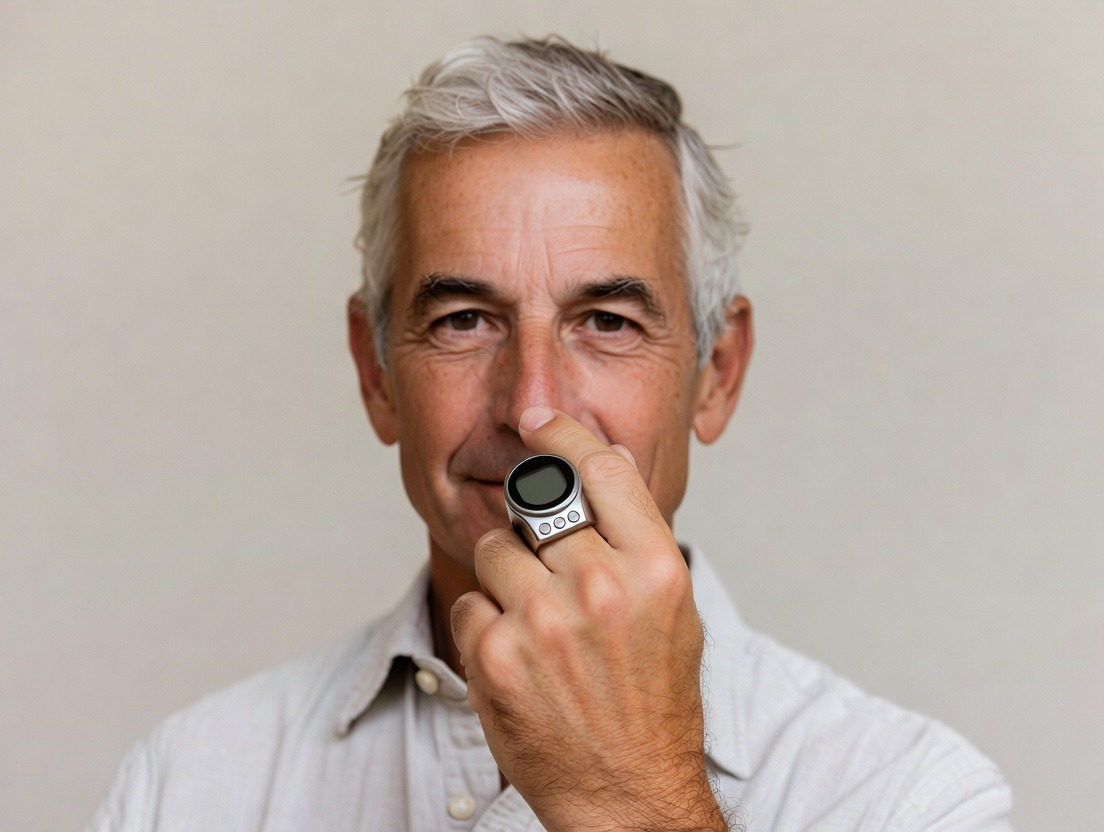
Before we can understand what changes during illness, we must first establish what your smart ring measures during times of health. Think of these metrics as your body’s vital dashboard, similar to the gauges in a car. Under normal conditions, they operate within your personal baseline ranges. When sickness hits, these gauges start to flash warnings.
The most common and insightful metrics tracked by advanced smart rings include:
Your smart ring establishes a unique baseline for each of these metrics over weeks of wear. This personal baseline is crucial because health is not a universal number. A “normal” RHR or HRV for you can be very different from someone else’s. The real power of the data lies not in comparing yourself to population averages, but in observing deviations from your own norm.
This continuous, passive collection is what sets smart rings apart. Unlike a smartwatch you might take off to charge or during specific activities, a ring’s design promotes constant wear, leading to a more complete and uninterrupted data set. This is especially critical during illness, when changes can be subtle and round-the-clock. For a deeper dive into how this technology compares to other devices, our wearable health tech guide on rings vs. watches explores the unique advantages of the form factor.
Often, your smart ring can hint that something is off before you consciously feel symptoms. This is the frontier of predictive wellness. Your body mobilizes its defenses early, and the physiological strain of that mobilization shows up in your data.
The most common early-warning signs are changes in Resting Heart Rate (RHR) and Heart Rate Variability (HRV).
A rising RHR is one of the most reliable indicators of physiological stress. When your immune system activates, it triggers an inflammatory response. This process requires more energy and increases metabolic demand, causing your heart to work harder, even while you’re asleep. You might see your nightly average RHR climb by 5, 10, or even more beats per minute above your baseline. It’s as if your body is quietly revving its engine to fight an unseen enemy.
Concurrently, you will almost certainly see a drop in HRV. When your body is under threat—whether from physical illness, intense psychological stress, or overtraining—your sympathetic nervous system (the "fight or flight" system) becomes more dominant. This reduces the natural, healthy variability between heartbeats, leading to a lower HRV score. A sustained dip in HRV is a strong signal that your body’s resources are being diverted to a priority task: defense.
You may also notice subtle shifts in your skin temperature trend. While not a replacement for a clinical thermometer under the tongue, a continuous wear device can detect a gradual upward drift in your baseline temperature over days, or unusual fluctuations throughout a 24-hour period, signaling the body’s attempt to create a less hospitable environment for pathogens.
These pre-symptomatic shifts underscore a key advantage of continuous monitoring: awareness. Noticing a pronounced elevation in RHR and drop in HRV can serve as a biological cue to prioritize rest, hydration, and nutrition before you’re laid low. It turns reactive care into proactive support. Understanding the science behind these sensors can deepen your appreciation for this early warning; our guide to the science behind wearable health tech sensors explains how these tiny devices capture such profound data.
During illness, your Resting Heart Rate transforms from a simple fitness metric into a direct line to your immune system’s activity level. Let’s explore why this happens and what to look for.
The Physiology of a Racing Heart at Rest:
When viruses or bacteria invade, your immune cells release proteins called cytokines. These cytokines are chemical messengers that orchestrate the immune response, but they also act on the brain and body, often causing feelings of fatigue and malaise. Crucially, they also increase your core body temperature (fever) and metabolic rate. To support this increased metabolism and circulate immune cells more efficiently, your heart needs to pump more blood. Hence, your resting heart rate elevates. It’s a sign of your body doing extra work, even while you’re lying still.
Interpreting the Data:
The Recovery Curve:
Perhaps more important than the spike is the decline. As you recover, your RHR should gradually trend back down toward your personal baseline. This return to normal is a fantastic, objective sign that the acute phase of the illness is passing. However, it’s crucial to note that this can take days or even weeks longer than you might feel subjectively “better.” Your body is still repairing and regulating. Pushing yourself back into intense exercise or high stress while your RHR is still elevated can risk relapse or prolong recovery.
A Real-World Example:
Sarah, who normally has an RHR of 58, starts feeling “a bit off” on a Tuesday. Checking her smart ring data, she sees her sleep RHR was 64 on Monday night and 68 on Tuesday night—a clear 10 BPM jump. On Wednesday, she develops a sore throat and fatigue. She uses this data to cancel non-essential meetings and rest. By Friday, her symptoms are improving, but her sleep RHR is still at 65. She decides to continue taking it easy over the weekend, allowing it to fall back to 60 by the following Monday before resuming her normal workout routine.
Tracking this metric effectively is a cornerstone of modern, data-aware wellness. For those interested in the long-term benefits of such monitoring, our article on how smart ring benefits compound over time explores how these insights build into a powerful health narrative.
If RHR is the volume of your engine, HRV is the quality of its tuning. It is arguably the most sensitive non-invasive metric for tracking your nervous system balance and overall physiological resilience. During illness, its behavior is profoundly telling.
Why HRV Crashes When You Get Sick:
HRV is governed by your autonomic nervous system (ANS), which has two main branches: the sympathetic (SNS - "fight or flight") and the parasympathetic (PNS - "rest and digest"). High HRV indicates a healthy "push-pull" between these systems, meaning your body can adapt to stress and then recover efficiently. When a serious threat like an infection is detected, the SNS becomes dominantly engaged to mobilize energy resources for the fight. This dominant SNS drive suppresses the PNS and reduces the natural variability between heartbeats, resulting in a low HRV.
What Your HRV Data Tells You:
Using HRV for Pacing:
This metric is perfect for what’s known as “activity pacing.” Instead of deciding to go for a run because you think you’re better, you can check your HRV trend. If it’s still 20-30% below your weekly average, it’s a data-driven recommendation to choose gentle movement like walking or stretching instead. This protects your body’s energy for the ongoing repair process.
Understanding and improving your HRV is a long-term wellness strategy that pays dividends far beyond illness recovery. For a comprehensive look at this powerful metric, our dedicated resource on how smart ring benefits improve HRV over time is an essential read.
When we think of illness and temperature, we think of a fever: a single, high number on a thermometer. Smart rings provide a richer, more contextual picture through continuous skin temperature monitoring.
The Difference Between Spot Checks and Continuous Trends:
A traditional thermometer gives you a spot check—a single data point in time. A fever might be cyclical, peaking in the evening and lowering in the morning. A smart ring, measuring constantly (especially at night), can identify:
What to Look For in the Data:
Why This Matters:
Tracking temperature trends helps you understand the duration and pattern of your body’s thermal response, not just its peak intensity. Seeing your temperature curve slowly normalize over days is a concrete sign of healing. Furthermore, for conditions like viral infections, a return to a stable, normal temperature trend is often a more reliable indicator of resolution than simply feeling less symptomatic.
This kind of detailed physiological tracking exemplifies how modern wearables make health data more actionable, moving from vague feelings to clear trends.
Sleep is medicine. During illness, the need for quality sleep is paramount, yet the body’s inflammatory response and discomfort often make it elusive. Your smart ring’s sleep data provides an objective report card on how your sickness is impacting this critical recovery process.
The Typical "Sick Sleep" Pattern:
When you’re ill, your sleep architecture—the natural cycle of light, deep, and REM stages—becomes distorted. Common patterns include:
Interpreting Your Sleep Score and Data:
Don’t be alarmed if your sleep score plummets during illness. It’s a reflection of reality, not a failure. Pay attention to:
Sleep as a Recovery Metric:
As you get better, your sleep data will normalize. The return of consolidated deep sleep blocks and a lower sleeping heart rate are excellent objective signs of recovery. Prioritizing sleep hygiene—even more than usual—when you’re sick is one of the best ways you can support the process your smart ring is measuring.
For anyone struggling with sleep, understanding this data is the first step to improvement. Our focused article on how smart ring benefits help you sleep better tonight offers practical strategies that are doubly important during recovery.
Two of the most clinically significant metrics your smart ring tracks are your breathing rate and blood oxygen saturation. During respiratory illnesses like colds, flu, bronchitis, or COVID-19, these become front-and-center indicators.
Respiratory Rate: The Often-Forgotten Vital Sign
This is simply the number of breaths you take per minute. At rest, adults typically breathe 12-20 times per minute. Your ring measures this reliably during sleep.
Blood Oxygen Saturation (SpO2):
This measures the percentage of hemoglobin in your blood that is carrying oxygen. Healthy levels are typically 95-100%.
Using the Data Together:
The combination of a rising respiratory rate and a falling or fluctuating SpO2 is a particularly important pattern to note. It suggests your body is working harder to achieve adequate oxygenation. While your smart ring is not a medical device, sharing these documented trends with a healthcare provider can give them valuable context about your illness progression over time, far more informative than a snapshot check in their office.
Understanding the capabilities and limits of these sensors is key. Our guide on wearable health tech accuracy and reliability provides essential context for interpreting this vital data.

The descent into illness is often sharp and clear in your data. The climb back out—recovery—is typically a slower, more gradual process. Learning to read this recovery curve is where your smart ring transitions from an illness tracker to a recovery coach.
Recovery is Not Linear:
Don’t expect all your metrics to snap back to normal the day your fever breaks or your congestion clears. Recovery happens in layers:
The Danger of the "Energy Bubble":
A common experience is feeling a surge of energy a few days into recovery, while your data still shows elevated RHR and depressed HRV. This is a trap. Acting on this energy bubble and resuming intense activity too soon can overwhelm a still-stressed system, potentially prolonging recovery or causing a relapse. Your smart ring data provides the objective check your optimistic brain might ignore.
Creating Your Recovery Checklist:
Use your metrics to guide your gradual return to normal life:
This paced, data-informed approach is a powerful way to support preventive healthcare by avoiding the setbacks that come from pushing too hard, too fast.
While the general patterns of elevated RHR and lowered HRV hold true for most systemic illnesses, different types of ailments can leave slightly different fingerprints on your data. Understanding these can provide deeper context.
Viral Infections (e.g., Common Cold, Flu, COVID-19):
Bacterial Infections (e.g., Sinusitis, Strep Throat):
Gastrointestinal Bugs:
Allergies or Chronic Inflammation:
Stress-Induced "Burnout" or Overtraining:
Recognizing these patterns turns your smart ring into a more nuanced diagnostic partner. For athletes and active individuals, understanding the difference between illness and overtraining is critical; insights on this can be found in our article on smart ring benefits for athlete recovery.
Collecting data is only valuable if it informs smarter choices. The ultimate purpose of tracking your physiology during illness is to move from guessing to guided action. Here’s how to translate those charts and numbers into decisions that support your health.
Action 1: The Preemptive Pause
Action 2: The Full Rest Command
Action 3: The "No, Not Yet" Veto
Action 4: The "Time to Check-In" Alert
Action 5: The Green Light
This process of data-informed decision making fundamentally changes your relationship with your health. It empowers health data ownership, turning you from a passive patient into an active participant in your own well-being.
While the immediate value during an illness is clear, the long-term benefits of consistently tracking these episodes are where the true intelligence emerges. Each illness becomes a data point in your personal health biography, building a powerful repository of self-knowledge.
Establishing Your Personal Response Profile:
Do you tend to get a massive HRV crash with every cold? Does your RHR spike dramatically with fever? Does it take you two full weeks for your sleep to normalize after the flu? Over time, you’ll learn your body’s unique "signature" for different types of stressors. This knowledge reduces anxiety during future illnesses—you’ll know what’s normal for you.
Identifying Triggers and Patterns:
By correlating illness data with lifestyle logs, you might spot patterns. Do you tend to get sick after periods of extreme work stress and poor sleep (which your ring would have shown as declining readiness scores beforehand)? This can help you identify high-risk periods and reinforce preventive habits.
Providing a Health Timeline for Professionals:
Your aggregated data creates an invaluable timeline for doctors or other health practitioners. Instead of a vague history, you can say, "I had a viral infection in March; here’s how my heart rate and sleep looked for the three weeks it took to fully recover." This context can be helpful in diagnosing recurring issues or understanding your overall physiological resilience.
Reducing Unnecessary Worry (and Unnecessary Toughness):
Data provides objectivity. It can reassure you that a minor fluctuation is just that—minor. Conversely, it can validate that what you’re feeling is real and significant, giving you the evidence to truly rest without guilt. It removes the stoic "powering through" that often prolongs illness.
This longitudinal view is the cornerstone of a modern, proactive approach to health. It illustrates the profound principle of how smart ring benefits support healthy aging and longevity by providing a continuous feedback loop for lifelong well-being.
One of the most common and confusing scenarios for smart ring users is encountering data that looks alarming—elevated resting heart rate, plummeting HRV, poor sleep—but without the classic symptoms of a runny nose, sore throat, or fever. Is this the onset of a stealth illness, or is it something else? More often than not, your ring is detecting the physiological footprint of significant non-infectious stress. Learning to distinguish between these two states is a critical skill in advanced health data literacy.
The Shared Physiology of Stress and Sickness:
At a systemic level, your body’s stress response and immune response share common pathways. Both activate the sympathetic nervous system (the "fight or flight" system) and trigger the release of stress hormones like cortisol. Both are perceived by the body as threats to homeostasis (internal balance). Therefore, the dashboard metrics react similarly:
The Telltale Clues That Point to Stress/Burnout:
While the core metrics overlap, context and ancillary data can point you in the right direction.
Why This Distinction Matters:
The action plan differs vastly.
Your smart ring, therefore, becomes a "strain gauge," not a pathogen detector. It measures the total load on your system. Learning whether that load is from a virus, an overzealous work ethic, or emotional turmoil requires you to become the interpreter, blending the objective data with your subjective reality. This nuanced understanding is a key component of how smart ring benefits support mental clarity and focus by identifying the physical cost of mental strain.
Many smart ring ecosystems synthesize the complex data from multiple metrics (RHR, HRV, temperature, sleep) into simple, easy-to-understand scores: an Activity Score and a Readiness or Recovery Score. During illness, these composite scores shift from being performance tools to essential recovery guides.
Understanding the Readiness/Recovery Score:
This score (often on a scale of 1-100) is your device’s algorithm-based answer to the question: "How prepared is my body to handle stress today?" It’s primarily based on last night’s sleep data and your morning physiological metrics (like HRV and RHR).
Reconceiving the Activity Score:
Your activity score typically measures movement intensity (steps, active minutes, calorie burn). When sick, its purpose transforms.
Creating Your Sick-Day Protocol Based on Scores:
This score-driven approach takes the guesswork out of "am I doing too much?" It provides a external, data-backed framework that can help you override the internal pressure to "be productive." This is especially crucial in professional environments, as discussed in our article on the discreet smart ring benefits in professional settings, where the pressure to perform can override the need to heal.
The data from your smart ring can be a powerful asset in a healthcare consultation, transforming a subjective description of illness into an objective timeline. However, presenting this data effectively is key. The goal is to be informative, not overwhelming.
Before the Appointment: Curate and Contextualize
Do not walk in and hand your phone to your doctor expecting them to scroll through 14 days of granular graphs. It’s your job to synthesize.
During the Consultation: Speak Their Language
The Ideal Outcomes of Data-Sharing:
This collaborative approach turns you into an engaged, prepared patient. It exemplifies how smart ring benefits are something your doctor will appreciate, as it brings high-quality, relevant data into the clinical conversation.

For individuals managing chronic health conditions (e.g., autoimmune diseases, diabetes, heart conditions) or those who are immunocompromised, the stakes for understanding illness data are significantly higher. The smart ring shifts from a wellness tool to a critical monitoring ally.
Establishing a "New Normal" Baseline:
The first step is to establish baselines while in your typical state of managed health. Understand what your RHR, HRV, and temperature look like when your chronic condition is stable. This "managed baseline" is your crucial reference point, which may differ from population averages.
Detecting Flares vs. Infections:
This is a complex but vital distinction. An autoimmune flare (like in rheumatoid arthritis or lupus) and an infection can both cause systemic inflammation, leading to similar data patterns: elevated RHR, low HRV, poor sleep.
Monitoring the Impact of Medications:
Some medications, like steroids used to treat flares, can themselves affect metrics (e.g., raising heart rate). Tracking your data when starting a new medication can help you and your doctor understand its physiological impact.
A Tool for Pacing and Energy Management:
Those with chronic fatigue or post-viral syndromes (like Long COVID) find smart rings indispensable for "pacing." By watching HRV and RHR in real-time, they can learn their daily energy envelope. Pushing activity until these metrics deteriorate guarantees a "crash." The ring provides the biofeedback needed to stop before the crash, enabling more stable, sustainable daily function.
For this community, the smart ring’s value is profound. It offers a measure of control and foresight in managing unpredictable health. It provides objective evidence of the invisible burden of illness, which can be vital for both self-validation and communicating with care teams. This aligns closely with the benefits explored in our article on how smart ring benefits support independent health monitoring for seniors, where early detection and daily management are paramount.
To ensure your smart ring provides the most accurate and useful data during an illness—when you need it most—a bit of preparation and know-how is required. The quality of the data depends on the quality of the signal.
1. The Fit is Fundamental:
A snug, proper fit is always important, but during illness, it’s critical. If you’re dehydrated, your fingers may shrink slightly. If you have inflammation, they may swell. A ring that’s too loose will move around, causing "motion noise" and potentially poor optical sensor contact, leading to gaps in data or inaccuracies in heart rate and SpO2 readings. Ensure your ring maintains consistent, gentle contact with the skin without being tight.
2. Battery Management During High-Use:
When you’re sick in bed, you might not follow your normal charging routine. Remember that continuous temperature monitoring and frequent SpO2 checks (if you enable them) can drain the battery faster. Keep your charger by your bedside and top up the ring during a daytime movie or reading session. A dead ring collects zero data.
3. Enabling All Relevant Sensors:
Check your app settings. Some metrics, like periodic SpO2 or detailed temperature trend analysis, might be optional or in a "power-saving" mode. During a known illness, consider enabling the full suite of sensors for the duration to ensure you capture the complete picture.
4. The Power of Manual Tags and Notes:
Your app likely allows you to tag days or log notes. Use this feature aggressively during illness.
This creates a rich, layered dataset. Later, you can look at your HRV graph and see exactly which data point corresponds to "worst day of fever." This correlation between subjective experience and objective data is where deep personal insight is forged.
5. Understanding and Filtering "Noise":
Recognize that extreme restlessness, frequent chills, or sweating can create artifacts in the data. A spike in heart rate at 3 AM might be you waking up to cough, not a cardiovascular event. Learn to look at the overall trend line, not every single zig and zag. The nightly averages are often more telling than minute-to-minute fluctuations.
By optimizing your device and your interaction with it, you ensure it works as a reliable partner during a vulnerable time. This effortlessness is a core tenet of why smart ring benefits make health tracking truly effortless, especially when your energy and focus are at their lowest.
Let’s move from theory to practice by examining anonymized, illustrative data patterns from common health scenarios. These "stories in data" will help solidify your understanding.
Case Study 1: The 48-Hour Flu
Takeaway: The illness was acute but short; the data disturbance was intense. The recovery in the data took twice as long as the symptomatic phase.
Case Study 2: A Stress-Induced "False Start"
Case Study 3: A Slow-Burn Sinus Infection
These cases show how the data tells a story. Learning to read these narratives allows you to respond with precision, whether that means taking a rest day, scheduling a doctor’s appointment, or simply being patient with a longer-than-expected recovery. For more on how this applies to specific lifestyles, see how smart ring benefits for remote workers can help manage the unique stress patterns of the home office.
Illness is not just a physical experience; it’s a psychological one. It breeds uncertainty, anxiety, and a loss of control. "How sick am I?" "Am I getting better or worse?" "Is this normal?" The ambiguous nature of how we feel can fuel health anxiety. This is where objective data from your smart ring provides a profound, often overlooked benefit: psychological grounding.
From Ambiguity to Objectivity:
Feelings are fuzzy; data is specific. Replacing "I feel terrible" with "My resting heart rate is 15 beats above normal, and my HRV has dropped by 35%" transforms a vague, frightening experience into a measurable, defined situation. This can reduce the "catastrophizing" mind’s power. You’re not just "terrible"; you’re experiencing a quantifiable physiological event with a known pattern of onset and recovery.
The Comfort of the Curve:
Watching your RHR curve peak and then begin its slow, steady descent toward baseline is incredibly reassuring. It provides a visual confirmation of improvement, even on a day when you still feel fatigued and miserable. It answers the question "Am I getting better?" with a clear "Yes, here is the evidence." This can alleviate the anxiety of a "plateau" or perceived stagnation.
Validating the Need for Rest:
Many people, especially high-achievers, feel guilt when they are sick. The internal voice says, "You should be up doing something." A readiness score of 22 or a graph showing a massive HRV crash silences that voice with authority. It provides permission to rest, free from guilt. The data says, "This is not laziness; this is a biological imperative." This validation is a powerful antidote to stress.
Managing Health Anxiety (Hypochondria):
For those prone to health anxiety, wearable data can be a double-edged sword and must be used wisely. The key is to focus on trends, not spikes. A single high heart rate reading is noise; a 3-day elevated trend is signal. Setting rules can help: "I will only check my overall scores and trends once in the morning and once at night. I will not obsess over live data." Used this way, the ring can actually reduce anxiety by providing a reality check. A worried feeling about your heart can be countered with, "My HRV and resting heart rate are stable at my baseline, so this feeling is likely anxiety, not a new cardiac issue."
This psychological peace is a significant, yet subtle, advantage. It turns the ring from a mere sensor into a companion that offers not just data, but also context and reassurance. This aligns with the broader theme of how smart ring benefits can reduce stress and anxiety naturally by providing clarity and a sense of control over one’s own body.
With great data comes great responsibility—including the responsibility to understand its limits. A smart ring is a revolutionary wellness tool, but it is not a medical device, and treating it as such can be dangerous. Here are the crucial caveats every informed user must know.
1. It is Not a Diagnostic Tool.
Your ring can tell you your body is under stress and show patterns consistent with illness. It cannot tell you what pathogen you have. It cannot distinguish between a viral infection, a bacterial infection, or a non-infectious inflammatory condition with certainty. It provides clues, not a diagnosis.
2. Accuracy Has Boundaries.
The sensors are remarkable, but they are not infallible.
3. It Measures Systemic Strain, Not Localized Problems.
A smart ring is fantastic for detecting illnesses that cause a whole-body response (systemic). It may not detect a localized infection (e.g., a mild urinary tract infection, a small abscess) that doesn’t significantly trigger the immune system’s full inflammatory response until it becomes more serious.
4. The "Normal" Paradox.
The absence of data disturbance does not guarantee the absence of illness, especially in the earliest hours or in immunocompromised individuals who may not mount a strong febrile response. If you have clear symptoms but your data looks normal, trust your symptoms and consult a doctor.
5. Do Not Delay Care Based on Data.
This is the most important rule. If you have severe symptoms—difficulty breathing, chest pain, high fever that won’t break, confusion, severe weakness—seek immediate medical attention. Do not wait to see what your smart ring data does. The data is for managing mild-to-moderate illnesses and understanding recovery, not for triaging emergencies.
The Responsible User’s Mantra:
"Use this data to inform your self-care and conversations with professionals, not to replace them." Embrace it as a powerful lens on your health, but remember it is one lens, not the entire picture. Combining its insights with bodily awareness and professional medical advice is the path to true wisdom. For a balanced view on choosing the right technology, our wearable health tech guide on what to look for before buying covers these considerations in depth.
We've explored how smart rings illuminate the path of an illness once it has begun. But what if this technology could act as a true early warning system, alerting you to a brewing infection before the first sneeze or scratchy throat? This is not science fiction; it's the rapidly advancing frontier of wearable health tech, moving from reactive tracking to predictive analytics.
The Science of Predictive Biomarkers:
Research, including studies from institutions like Stanford and MIT, has shown that wearables can detect deviations in metrics like RHR, HRV, and skin temperature up to 24-72 hours before the onset of subjective symptoms for illnesses like the common cold, flu, and even COVID-19. The body's immune mobilization creates subtle physiological ripples that our conscious mind ignores, but that continuous sensors can detect.
How Future Algorithms Will Work:
Current "readiness" scores are simple. Future systems will be vastly more sophisticated:
The User Experience of Prediction:
Imagine receiving a gentle, private notification on your phone: "Your physiological data shows signs of increased immune activity. Consider prioritizing rest, hydration, and sleep tonight." This isn't a diagnosis, but a personalized, data-driven nudge towards preventive self-care. You might choose to take a zinc lozenge, cancel a high-stress meeting, or get to bed 90 minutes early—potentially mitigating the severity or even preventing the illness altogether.
The Long-Term Vision: Population Health & Early Outbreak Detection:
On a macro scale, anonymized, aggregated data from millions of wearables could serve as a sensitive, real-time public health tool. Widespread, subtle elevations in resting heart rate across a city could signal the early community spread of a respiratory virus weeks before hospitalizations spike, allowing for earlier public health interventions.
This predictive future transforms the smart ring from a health diary into a health guardian. It represents the ultimate fulfillment of the principle that smart ring benefits support preventive healthcare at the most fundamental, individual level.
Armed with an understanding of your data, you can move beyond ad-hoc reactions to illness and establish a formal, personalized Sick Day Protocol. This is a pre-planned set of actions triggered by specific data signatures, removing decision fatigue when you least need it.
Step 1: Define Your Triggers.
Based on your historical data and knowledge of your body, decide what data shift will activate your protocol. For example:
Step 2: Build Your Tiered Action Plan.
Create clear "if-then" rules.
For Trigger 1 (Early Warning):
For Trigger 2 (Active Illness):
Step 3: Prepare a "Sick Kit" in Advance.
Stock a drawer or box with everything your protocol requires so you don't have to shop or think while ill:
Step 4: Define Your "Return to Normal" Criteria.
This prevents the common error of returning to activity too soon. Your criteria should be data-led:
Having this protocol in place is an act of supreme self-care. It turns a period of vulnerability into a managed process, reducing stress and optimizing recovery. It’s a practical application of using technology to create better health habits for the long-term.
As we integrate these deeply personal devices into our lives—especially during vulnerable times like illness—questions of data ownership, privacy, and security become paramount. The intimate story of your fever, your restless sleep, and your slow recovery is not just health data; it's a digital diary of your body.
Understanding the Data Flow:
Key Questions to Ask Your Provider:
The Special Sensitivity of Illness Data:
Illness data could theoretically be used to infer things beyond a simple cold. Patterns might suggest a chronic condition, a mental health episode, or a pregnancy. This makes choosing a vendor with a strong, transparent privacy policy essential. Look for companies that practice data minimalism (collecting only what they need) and on-device processing where possible, which keeps more data on your phone/ring and off the cloud.
Empowering Yourself as the Data Steward:
Your health data is a valuable asset. Managing it with awareness ensures that the benefits of the technology serve you without unintended consequences. This conscientious approach is at the heart of how smart ring benefits protect your privacy and data, a feature that is increasingly vital in the digital age.
The smart ring is a powerful tool, but it is not the goal. The goal is wellness, resilience, and vitality. To avoid the pitfalls of data obsession or "analysis paralysis," the ring must be integrated into a broader, holistic health philosophy.
The Ring as a Guide, Not a Guru:
Your body's subjective feelings—the qualia of experience—are the primary data. The ring's objective metrics are the secondary, confirming data. If you feel exhausted but your readiness score is high, still rest. The ring's algorithms don't know everything about your emotional state or non-physiological stressors. You are the final interpreter.
Avoiding Orthosomnia:
"Orthosomnia" is a term coined by sleep researchers to describe the anxiety and preoccupation with achieving perfect sleep data. It can ironically lead to worse sleep. The same can happen with illness data. Constantly checking your HRV every hour during recovery won't speed it up; it will likely increase stress. Set boundaries: check your scores once in the morning to guide your day, and then let it go.
Focus on the Macro Trends:
Zoom out. Don't fixate on the daily fluctuations. Look at the weekly and monthly trends. An illness will appear as a clear "dip" in your overall landscape. The story isn't the dip; it's the resilience of the rebound and the stability of the baseline before and after. This long-term view helps you see sickness as a temporary detour in your health journey, not a defining event.
Complement with Other Wellness Practices:
The ring measures outputs; other practices influence inputs.
By placing the smart ring in its proper role—as one insightful member of your wellness toolkit—you harness its power without becoming subservient to it. This balanced integration is key to achieving the kind of seamless wellness where the smart ring benefits feel like less technology and more wellness in your daily life.
Our journey through the data of illness brings us to a empowering conclusion: the smart ring, at its best, doesn't just give you information; it fosters body literacy. It teaches you the language of your own physiology.
You learn that a rising resting heart rate is your body's internal alarm bell. A dropping HRV is its whispered plea for rest. The slow normalization of your temperature curve is its quiet announcement of victory. You move from being a passenger in your health to an observant, responsive co-pilot.
This guide has equipped you to:
Illness, though never welcome, becomes less frightening when you can see the roadmap. The anxiety of the unknown is replaced by the clarity of the observable. You gain not just data, but confidence—the confidence to rest when needed, to push when appropriate, and to understand the magnificent, resilient system that is working tirelessly to bring you back to health.
This journey of understanding is the ultimate benefit. It’s about more than managing a cold; it’s about building a lifelong partnership with your own body, guided by continuous, compassionate awareness. It is the foundation of truly personalized, proactive health. To explore the full spectrum of how this technology can enrich your life, our complete list of smart ring benefits for every lifestyle offers a panoramic view of the possibilities that begin with a single ring on your finger.
Your Trusted Sleep Advocate: Sleep Foundation — https://www.sleepfoundation.org
Discover a digital archive of scholarly articles: NIH — https://www.ncbi.nlm.nih.gov/
39 million citations for biomedical literature :PubMed — https://pubmed.ncbi.nlm.nih.gov/
Experts at Harvard Health Publishing covering a variety of health topics — https://www.health.harvard.edu/blog/
Every life deserves world class care :Cleveland Clinic - https://my.clevelandclinic.org/health
Wearable technology and the future of predictive health monitoring :MIT Technology Review — https://www.technologyreview.com/
Dedicated to the well-being of all people and guided by science :World Health Organization — https://www.who.int/news-room/
Psychological science and knowledge to benefit society and improve lives. :APA — https://www.apa.org/monitor/
Cutting-edge insights on human longevity and peak performance:
Lifespan Research — https://www.lifespan.io/
Global authority on exercise physiology, sports performance, and human recovery:
American College of Sports Medicine — https://www.acsm.org/
Neuroscience-driven guidance for better focus, sleep, and mental clarity:
Stanford Human Performance Lab — https://humanperformance.stanford.edu/
Evidence-based psychology and mind–body wellness resources:
Mayo Clinic — https://www.mayoclinic.org/healthy-lifestyle/
Data-backed research on emotional wellbeing, stress biology, and resilience:
American Institute of Stress — https://www.stress.org/


