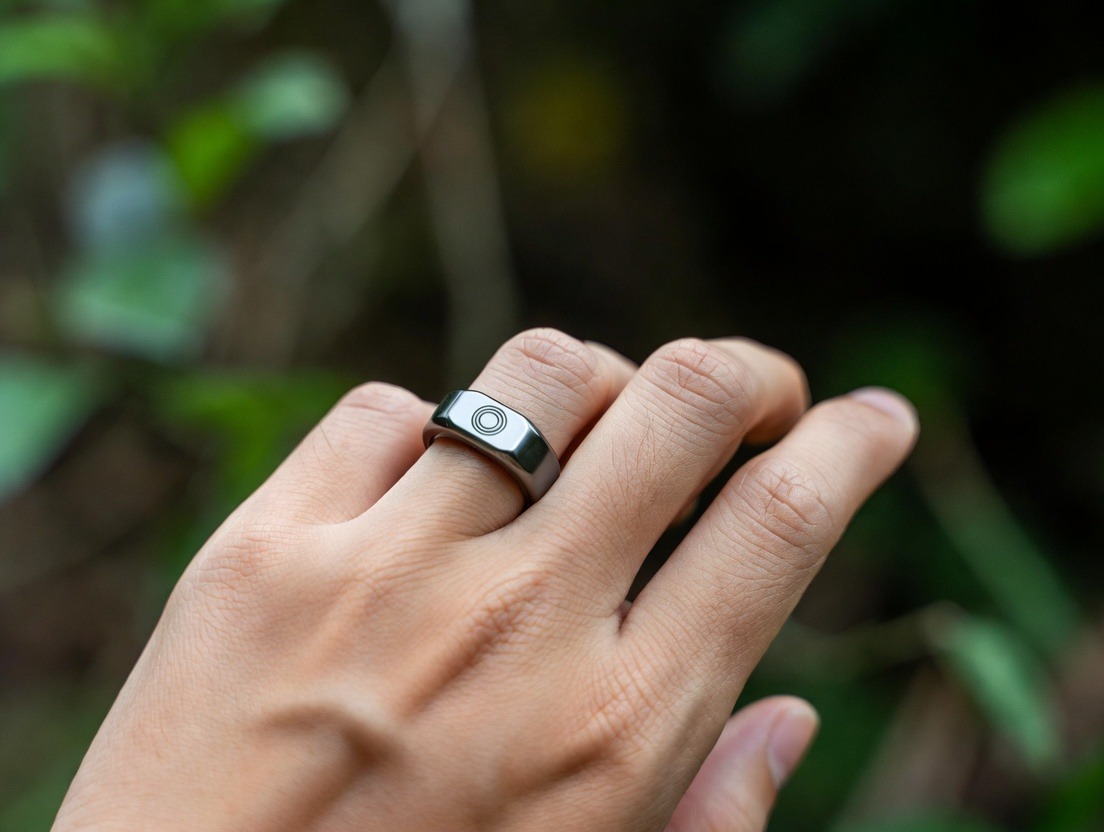
The Beginner-Friendly Guide to Health Data Red Flags Your Smart Ring Detects
A beginner's guide to warning signs in your data that your smart ring can detect.
The Beginner-Friendly Guide to Health Data Redflags Your Smart Ring Detects
Have you ever woken up feeling inexplicably drained, your body heavy with a fatigue that coffee can’t touch? Or pushed through a workout only to hit a wall much sooner than expected, your performance a mystery even to yourself? For decades, these subtle whispers from our bodies were easy to ignore or misread. We blamed a bad night's sleep, stress, or just an "off day." But what if your body was trying to tell you something more specific, something measurable, something actionable?
Welcome to the new frontier of personal health awareness, powered by a device so discreet it fits on your finger. The modern smart ring is not just a piece of tech; it’s a 24/7 health sentinel, continuously decoding the biometric language of your pulse, temperature, and movement. It goes far beyond counting steps. It’s listening to the quiet, critical signals you can’t hear: the slight tremor in your heart rate variability, the unexpected dip in your blood oxygen, the stubborn elevation of your skin temperature overnight.
This beginner’s guide is your decoder ring for that data. We’re moving past the basic metrics and into the realm of biometric red flags—the subtle, early-warning signs that your smart ring is uniquely positioned to detect. This isn’t about fostering anxiety; it’s about cultivating empowered awareness. By understanding what these deviations might indicate, you transform raw data into profound personal insight. You learn to partner with your own physiology, spotting trends that could signal everything from impending illness and chronic stress to sleep disorders and overtraining.
Forget the bulky wristwear and constant notifications. The power of the smart ring lies in its passive, effortless collection of high-fidelity data from the vascular-rich finger, giving you an accuracy advantage that makes traditional fitness trackers feel obsolete. This guide will walk you through eleven key areas where your ring acts as an early detection system. We’ll demystify the numbers, explain the "why" behind the alerts, and provide clear, beginner-friendly steps on what to do when you see a potential red flag.
Think of this as the owner’s manual you should have come with your body. Let’s begin the journey from data to understanding, and from understanding to better health.
The Silent Sentinel: How Your Smart Ring Sees What You Can't Feel
Before we dive into specific red flags, it's crucial to understand the how. A smart ring isn't psychic; it's a marvel of miniaturized sensor technology working tirelessly from an optimal vantage point. Unlike wrist-based devices, which can be affected by arm movement and loose fit, the finger provides a stable, vascular-rich location for measurement. This isn't just a minor technicality; it’s the core reason for the superior data fidelity that can genuinely support preventive healthcare.
At the heart of most advanced smart rings are three primary sensors working in concert:
Photoplethysmography (PPG) Sensors: These emit tiny LED lights (usually green and red/infrared) into the skin on the palm-side of your finger. By measuring how much light is absorbed by your blood vessels with each heartbeat, the ring can derive your heart rate, heart rate variability (HRV), and blood oxygen saturation (SpO2). The finger's dense capillary network allows for a strong, clear signal.
Skin Temperature Sensors: A precision thermometer constantly monitors the subtle fluctuations in your peripheral temperature. This isn't about telling you if you have a fever (though it can); it's about tracking delicate circadian rhythms and inflammatory responses.
3-Axis Accelerometer: This tracks movement and orientation, enabling sleep stage analysis (by detecting micro-movements), activity recognition, and periods of rest.
The real magic, however, isn't in the sensors alone, but in the continuous, passive collection they enable. You wear the ring while you work, sleep, and live. It gathers data across the full spectrum of your daily life—during stress, digestion, relaxation, and deep sleep. This creates a rich, multidimensional baseline unique to you. The ring's algorithms learn your personal norms: your typical resting heart rate, your HRV range, your temperature curve.
It is against this deeply personal baseline that "red flags" become visible. A deviation that might be normal for someone else could be a significant signal for you. This continuous tracking is what allows the device to detect health issues early, often before symptoms are strong enough for you to consciously notice. It’s like having a biostatistician dedicated solely to your well-being, working in the background to highlight anomalies that deserve a second look. This foundational understanding of seamless monitoring is what ultimately makes health tracking effortless and transformative.
Red Flag #1: The Restless Pulse – Unexplained Elevations in Resting Heart Rate (RHR)
Your resting heart rate (RHR) is one of the most fundamental and telling vital signs. It's the number of times your heart beats per minute when you are truly at rest—typically measured during consistent, deep sleep by your smart ring for utmost accuracy. For the average adult, a "normal" RHR ranges from 60 to 100 beats per minute (BPM), but fit individuals often sit in the 50s or 40s.
The key isn't the number in isolation, but its trend relative to your personal baseline. Your smart ring establishes this baseline over weeks of observation. A true red flag appears when your RHR shows a sustained, unexplained increase of 5-10 BPM or more above this normal range for you.
What This Elevated RHR Red Flag Might Signal:
Oncoming Illness (Viral or Bacterial): This is one of the most common early signs. Your body’s immune system revs up to fight an invader, increasing metabolic rate and cardiac output. You might see your RHR climb 1-3 days before you feel a sore throat or fatigue.
Chronic Dehydration or Overheating: When blood volume drops due to lack of fluids, your heart must pump faster to maintain blood pressure and circulation.
Elevated Stress or Anxiety: The release of stress hormones like cortisol and adrenaline directly stimulates the heart to beat faster. If stress is persistent, your RHR may remain elevated.
Overtraining Syndrome: Instead of recovering, your body is in a constant state of strain. An elevated RHR upon waking is a classic sign you need more rest, not more exercise.
Hormonal Fluctuations: Women may notice predictable RHR changes across their menstrual cycle, often peaking in the luteal phase. This is a normal pattern, but tracking it helps distinguish it from abnormal spikes.
Poor Sleep Quality: A night of fragmented or insufficient sleep doesn't allow your nervous system to fully shift into "rest and digest" mode, leaving your sympathetic ("fight or flight") tone elevated by morning.
Your Beginner-Friendly Action Plan:
Don't Panic, Observe Context: First, ask yourself questions. Have I been stressed at work? Did I have alcohol before bed? Am I feeling run down? Did I sleep poorly? Context is everything.
Hydrate and Rest: The first line of defense is always foundational. Drink plenty of water, prioritize sleep, and consider taking a rest day from intense exercise. See if the metric normalizes in 24-48 hours.
Check for Other Correlated Data: Is your skin temperature also elevated? Is your HRV depressed? A cluster of deviations is a stronger signal than one alone.
Listen to Your Body: If the elevated RHR persists for more than 3-5 days without an obvious cause (like a known heavy training block), or is accompanied by other symptoms like chest discomfort or dizziness, it’s wise to consult a healthcare professional. Bringing your trend data can provide valuable insight, a benefit your doctor will appreciate.
Red Flag #2: The Rigid Rhythm – A Sudden Drop in Heart Rate Variability (HRV)
If Resting Heart Rate is the volume of your heart's activity, Heart Rate Variability (HRV) is the rhythm, nuance, and flexibility of its performance. HRV measures the tiny, millisecond variations in the time intervals between consecutive heartbeats. Counterintuitively, a higher HRV is generally better—it indicates a robust, resilient autonomic nervous system that can swiftly adapt to stress and then recover. It's a key marker of overall fitness, recovery status, and nervous system balance.
Your smart ring calculates HRV (often using the rMSSD or SDNN methods) throughout the night, giving you a reliable daily score. A red flag isn't a single low number, but a significant and sustained drop below your established personal baseline.
What This Low HRV Red Flag Might Signal:
Physical or Mental Overload: This is the most direct signal. Whether from an intense workout, a hard work project, or emotional strife, high stress drains your resilience bucket. Low HRV indicates your body is struggling to recover and is stuck in a sympathetic-dominant state.
Insufficient Recovery: You’re not allowing time for repair. This includes lack of sleep, poor nutrition, and not scheduling rest days between strenuous activities.
Inflammatory Response: The body's resources are diverted to fight inflammation from illness, injury, or poor dietary choices, reducing the nervous system's flexibility.
Disrupted Circadian Rhythm: Jet lag, inconsistent sleep schedules, or excessive blue light at night can confuse your body's internal clock, depressing HRV.
Underlying Health Issues: Chronically low HRV has been correlated with increased risk for various cardiovascular and metabolic conditions.
Your Beginner-Friendly Action Plan:
Treat HRV as a Guide, Not a Grade: A low HRV is not a failure; it's crucial feedback. It’s your body saying, "I'm under strain. Be kind to me today."
Dial Back and Prioritize Recovery: On a low HRV day, consider it a mandate for active recovery. Swap the high-intensity interval training for gentle yoga, a walk in nature, or stretching. It’s the perfect day to leverage the ring's insights to improve your HRV over time.
Double Down on Sleep Hygiene: Since HRV is closely tied to sleep quality, ensure you’re giving yourself the best chance for restorative sleep. This is where the ring's detailed sleep analysis becomes invaluable for identifying disruptions.
Employ Stress-Reduction Techniques: Practices like deep diaphragmatic breathing, meditation, or even a 10-minute mindfulness session can directly stimulate the vagus nerve and help improve HRV. By identifying these low-resilience periods, your ring can help reduce stress and anxiety naturally through targeted action.
Be Patient: HRV is a lagging indicator. It may take a day or two of rest and good habits to see it climb back up. Tracking the trend is more important than any single data point.
Red Flag #3: The Midnight Furnace – Unexplained Elevations in Skin Temperature
Your body's core temperature follows a delicate circadian rhythm, typically dipping to its lowest point in the early morning hours (around 4-5 AM) and rising throughout the day. A smart ring’s skin temperature sensor tracks this nightly nadir with precision. While it doesn't give you a core temperature like a medical thermometer, it provides a highly sensitive relative measurement.
A red flag is a significant and unexplained deviation from your personal nightly temperature baseline, especially a sustained elevation.
What This Elevated Nightly Temperature Red Flag Might Signal:
Early Infection or Illness: Like an elevated RHR, a higher nighttime temperature is a classic sign your immune system is activated and creating an inflammatory response to fight pathogens.
Hormonal Changes: For women, a sustained rise in basal body temperature (BBT) of about 0.5-1.0°F is a key indicator of ovulation and can be tracked across the cycle. This normal pattern highlights how the ring can offer unique hormonal insights for women.
Overheating from Sleep Environment: A room that's too warm, overly insulating bedding, or wearing heavy pajamas can cause external overheating, which disrupts sleep architecture.
Inflammatory Response from Food or Drink: A heavy meal, alcohol, or foods you have a sensitivity to consumed close to bedtime can trigger inflammation, raising body temperature as you digest.
High Stress Levels: The stress response can include vasoconstriction and metabolic changes that affect peripheral temperature.
Overtraining: Similar to illness, intense physical strain can create a systemic inflammatory state that manifests as a higher resting temperature.
Your Beginner-Friendly Action Plan:
Rule Out the Obvious First: Check your room temperature. Was your dinner particularly large or spicy? Did you have alcohol? Adjust your sleep environment and evening habits accordingly.
Correlate with Other Metrics: An elevated temperature paired with a high RHR and low HRV is a much stronger indicator of potential illness than any one metric alone.
Track for Patterns: For women, tracking temperature alongside cycle data can reveal fertile windows and confirm ovulation, turning this "red flag" into a powerful planning tool.
Consider a Rest Day: If you're in a heavy training block and see elevated temps, it's a strong sign to prioritize recovery. Your body is working hard to repair.
Monitor Symptoms: If the elevation persists for more than two nights and you begin to feel unwell, it's a good, early prompt to take extra care, hydrate, and consider consulting a doctor if symptoms develop.
Red Flag #4: The Oxygen Dip – Nocturnal Drops in Blood Oxygen (SpO2)
Blood oxygen saturation (SpO2) measures the percentage of hemoglobin in your blood that is carrying oxygen. For a healthy individual at sea level, it typically sits between 95% and 100%. While daytime variations are minimal, the night is when telling patterns can emerge.
Your smart ring uses red and infrared LEDs to estimate SpO2 throughout the night. The red flag to watch for is not a single momentary dip (which can happen if you roll onto your hand), but repeated, significant dips below 92-93%, or a noticeable trend of your nightly average declining from your personal baseline.
What This Nocturnal SpO2 Red Flag Might Signal:
Sleep-Disordered Breathing: This is the primary concern. Repeated dips can indicate events like apneas (pauses in breathing) or hypopneas (shallow breathing), hallmarks of Obstructive Sleep Apnea (OSA). These events strain the cardiovascular system and fragment sleep.
Respiratory Illness: Conditions like asthma, bronchitis, or pneumonia can affect nighttime breathing and oxygen exchange.
High-Altitude Exposure: If you've recently traveled to a high altitude, lower SpO2 is expected as your body acclimatizes.
Environmental Factors: Poor air quality or a stuffy, poorly ventilated bedroom can contribute to lower oxygen intake.
Your Beginner-Friendly Action Plan:
Ensure a Good Fit: First, confirm your ring is snug but comfortable. A loose ring can cause poor sensor contact and create false low readings.
Analyze the Pattern: Look at the graph provided by your ring's app. Are the dips occasional or frequent? Do they cluster in certain parts of the night? Contextual notes like snoring (from a partner or sleep recording app) are very helpful.
Optimize Sleep Position: Sleeping on your back can worsen airway obstruction for some people. If you see dips, try side-sleeping.
Consider Environmental Improvements: Ensure your bedroom is well-ventilated. An air purifier can help if allergies or air quality are concerns.
Seek Professional Evaluation for Persistent Patterns: If you see frequent, unexplained dips (e.g., more than 5 events per hour on average) paired with symptoms like loud snoring, daytime fatigue, or morning headaches, it is important to discuss this with a doctor. Your ring's data can be a powerful catalyst for a sleep study, helping you sleep better tonight and in the long term.
Red Flag #5: The Fractured Night – Consistently Poor or Disrupted Sleep Architecture
Sleep is not a monolithic state. It's a dynamic cycle of light sleep, deep sleep (Slow-Wave Sleep), and REM (Rapid Eye Movement) sleep. Each stage serves a critical function: physical repair and immune strengthening in deep sleep, memory consolidation and emotional processing in REM. Your smart ring uses movement and heart rate data to estimate your time in each stage.
Red flags here are chronic deviations from healthy sleep architecture patterns, such as:
Consistently Low Deep Sleep Percentage (typically <15-20% of total sleep).
Consistently Low REM Sleep Percentage (typically <20-25%).
High Sleep Latency (taking >30 minutes to fall asleep).
Frequent Awakenings or long periods of wakefulness after sleep onset.
What This Sleep Disruption Red Flag Might Signal:
Sleep Disorders: As discussed, sleep apnea severely fragments sleep, robbing you of deep and REM stages.
Chronic Stress or Anxiety: An overactive mind prevents the smooth transition into deeper sleep stages and can cause frequent nighttime awakenings.
Poor Sleep Hygiene: Inconsistent bedtimes, screen use before bed, caffeine/alcohol consumption, and an unsuitable sleep environment directly degrade sleep quality.
Circadian Rhythm Disruption: Shift work or "social jet lag" (very different sleep schedules on weekdays vs. weekends) confuses your internal clock.
Underlying Medical or Mental Health Conditions: Pain, depression, and other conditions have distinct sleep architecture fingerprints.
Your Beginner-Friendly Action Plan:
Audit Your Sleep Hygiene: This is your most powerful tool. Establish a consistent sleep schedule, even on weekends. Create a dark, cool, and quiet bedroom. Implement a relaxing, screen-free wind-down routine 60 minutes before bed.
Mind Your Intake: Avoid caffeine after 2 PM and limit alcohol, especially close to bedtime. While alcohol may help you fall asleep, it notoriously destroys deep and REM sleep later in the night.
Use Your Data for Good: The ring’s passive tracking helps you see the direct impact of your choices. Did that late workout improve or hurt your deep sleep? Did meditation before bed increase your REM? This feedback loop is how you create better health habits long-term.
Address Stress Proactively: Since stress is a major sleep thief, use daytime practices like exercise, meditation, or journaling to manage it. Better stress management leads directly to better sleep, providing a powerful overnight advantage for your wellness.
Consult a Specialist if Self-Care Doesn't Help: If you've optimized your habits for a month and still see chronically poor sleep architecture and feel unrefreshed, a sleep specialist or doctor can help investigate further.
Red Flag #6: The Strained Recovery – A Deteriorating "Readiness" or Recovery Score
Many smart ring ecosystems synthesize the data we've discussed—RHR, HRV, temperature, sleep—into a single, easy-to-digest metric often called a "Readiness," "Recovery," or "Body Battery" score. This score is an algorithmic interpretation of your physiological state: are you primed for stress and performance, or do you need to prioritize restoration?
A major red flag is a consistent downward trend or chronically low scores, especially when you feel you "should" be recovered. It’s your body’s aggregated report card saying the demands are outstripping the resources.
What This Low Recovery Score Red Flag Might Signal:
Overtraining or Under-Recovering: You are not balancing stress with adequate rest, nutrition, and sleep.
Lingering Illness or Infection: Your body is still fighting something, even if acute symptoms have passed.
Chronic Stress Buildup: Life stressors (work, family, financial) are accumulating with no outlet or relief, creating a persistent allostatic load.
Poor Lifestyle Balance: Consistent poor sleep, nutrition, and lack of active recovery are dragging your baseline down.
Need for a Deload Week: For athletes, a planned period of reduced training volume is essential. A low score can signal it’s time.
Your Beginner-Friendly Action Plan:
Respect the Score: The biggest mistake is ignoring a low score and pushing through with high-intensity work. This invites injury, burnout, or illness. Use it as permission to rest.
Investigate the Contributors: Dive into which metrics are pulling the score down. Is it mainly low HRV? Poor sleep? Elevated temperature? This tells you where to focus your intervention.
Plan Active Recovery Days: On a low-score day, engage in activities that promote circulation and parasympathetic activation without strain: walking, gentle yoga, foam rolling, or mobility work.
Re-evaluate Your Training Plan: If scores are consistently low during a training block, your program may be too aggressive. Incorporating more rest or deload weeks is crucial for long-term progress. This is how recovery insights can transform your training from guesswork to science.
Look at the Big Picture: Sometimes, a streak of low scores is a life signal, not just a fitness one. It may be time to address sources of emotional stress or re-prioritize work-life balance.
Red Flag #7: The Erratic Calorie Burn – Unexplained Shifts in Resting Energy Expenditure
Your body burns calories just to maintain its basic functions—this is your Resting Energy Expenditure (REE) or Basal Metabolic Rate (BMR). While smart rings estimate this (and active calories) with sensors and algorithms, the absolute number has a margin of error. However, the trend over time can be insightful.
A red flag is a significant and sustained shift in your estimated REE without a corresponding change in body composition or activity level.
What This Metabolic Shift Red Flag Might Signal:
Thyroid Dysfunction: The thyroid gland is a primary regulator of metabolism. Both hyperthyroidism (overactive) and hypothyroidism (underactive) can cause shifts in REE.
Significant Hormonal Changes: Events like menopause or significant changes in testosterone levels can alter metabolic rate.
Muscle Mass Loss: Since muscle is metabolically active, losing it (through inactivity, aging, or diet) can lower your REE. This is a slow trend, not a sudden shift.
Metabolic Adaptation to Dieting: Prolonged caloric restriction can cause the body to down-regulate metabolism to conserve energy, a common plateau in weight loss journeys.
Illness or Inflammation: As with other metrics, the body's effort to fight infection or inflammation can temporarily raise metabolic rate.
Your Beginner-Friendly Action Plan:
Focus on Trends, Not Daily Numbers: Day-to-day REE estimates can fluctuate. Look at weekly or monthly averages to identify a real trend.
Correlate with Other Data and Life Events: Did the shift coincide with starting a new medication, a major lifestyle change, or noticeable symptoms like unexplained weight change, temperature sensitivity, or fatigue?
Support Metabolism with Strength: If you see a gradual decline, incorporating resistance training is the best way to build or preserve calorie-burning muscle mass, which can support weight management goals in a healthy, sustainable way.
Avoid Crash Diets: Severe calorie restriction is counterproductive for metabolic health. Focus on nutrient-dense foods and a modest, sustainable calorie deficit if weight loss is the goal.
Consult for Persistent, Unexplained Shifts: If a significant change in your metabolic trend is accompanied by other symptoms (fatigue, hair loss, mood changes), it’s worth discussing with a doctor who can order definitive thyroid or metabolic panels.
Red Flag #8: The Activity Imbalance – Too Much or Too Little, According to Your Body
Smart rings track your daily movement and often provide activity goals or "stress" scores on your body. The red flag here is a mismatch between your planned activity and what your physiological data says you can handle. It’s the conflict between "I want to do a hard workout" and your body's data saying "I'm not ready."
What This Activity-Readiness Mismatch Red Flag Might Signal:
Ignoring Recovery Signals: Pushing through a workout when your HRV is low and RHR is high is a recipe for diminished returns and increased injury risk.
Sedentary Lifestyle Strain: Conversely, if your activity levels are chronically very low but your stress scores (from work, etc.) are high, your body is under mental/emotional strain without the physical outlet that can help mitigate it. This imbalance can be a key insight for remote workers managing home office wellness.
Poor Activity Pacing: You may be doing all your activity in bursts (weekend warrior syndrome) rather than distributing it evenly, leading to boom-bust cycles of strain and fatigue.
Ineffective Training: Your chosen activities may not be aligning with your recovery capacity or goals.
Your Beginner-Friendly Action Plan:
Let Readiness Guide Intensity: Use your recovery score or HRV trend to decide how to move. High readiness? Go for that intense session. Low readiness? Choose gentle movement or rest. This is personalized training at its finest.
Prioritize Consistency Over Intensity: For general health, consistent, daily moderate activity (like walking) is often more beneficial and sustainable than sporadic, crushing workouts.
Balance Activity Types: Ensure your week includes a mix of cardio, strength, mobility, and genuine rest. Your ring can help you see if you're neglecting one category.
Listen to the Composite Picture: If you feel great but your data says you're strained, or vice-versa, don't ignore either. Explore the discrepancy. Sometimes the body's subjective feeling lags behind the objective data, or you may be mentally energized but physically depleted.
Red Flag #9: The Pattern Interruption – Deviations in Well-Established Biometric Cycles
Once you've worn your ring for several months, it reveals your unique biological rhythms. Women will see a clear menstrual cycle pattern in temperature, RHR, and sometimes HRV. Anyone may see weekly patterns tied to work stress (e.g., higher HRV on weekends).
A sophisticated red flag is the disruption or complete absence of a well-established, predictable personal cycle.
What This Cycle Disruption Red Flag Might Signal:
Hormonal Irregularities: For women, a missing temperature shift or irregular cycle patterns can indicate anovulatory cycles, perimenopause, or conditions like PCOS.
Burnout or Chronic Stress: The loss of a weekly recovery bounce-back (e.g., HRV no longer climbs on weekends) suggests stress is becoming constant and unrelenting.
Lifestyle Drift: Your healthy habits may be slipping without you realizing it, blurring the clear patterns you once had.
Impact of a Life Event: A new job, relocation, or personal loss can understandably disrupt patterns. The data helps you see the magnitude of the impact on your physiology.
Your Beginner-Friendly Action Plan:
Use Long-Term Trend Views: Regularly review your 90-day or 6-month charts to see these larger patterns clearly.
Note Life Context: Use the journal feature in your app to tag life events, periods of high stress, or changes in routine. This helps you correlate data shifts with causes.
For Women’s Health: If tracking fertility or hormonal health, a disrupted cycle pattern, especially after a period of regularity, is valuable information to discuss with a gynecologist or endocrinologist.
Re-establish Rhythms: If you see a loss of beneficial patterns (like weekend recovery), consciously schedule downtime and recovery rituals to try and reinstate them. This is about using data to personalize wellness to your unique biology.
Red Flag #10: The Incomplete Recharge – Consistently Low Sleep & Recovery Despite "Enough" Time in Bed
You might be clocking 8 hours in bed, but your ring reports low sleep scores, low deep/REM sleep, and a poor recovery score. This disconnect between time and quality is a major red flag. It means the sleep you think you're getting isn't physiologically restorative.
What This "Poor Quality Despite Quantity" Red Flag Might Signal:
Untreated Sleep Apnea: You're in bed, but breathing disruptions are preventing you from reaching or maintaining restorative sleep stages.
Sleep Environment Issues: Noise, light pollution, or a partner's movements are causing micro-awakenings you don't remember.
Substance Interference: Alcohol, certain medications, or even a large meal too close to bed are allowing you to fall asleep but chemically disrupting your sleep architecture.
Pain or Discomfort: Chronic pain conditions can prevent deep sleep, even if you don't fully wake up.
Parasomnias: Sleepwalking, talking, or other disorders disrupt sleep continuity.
Your Beginner-Friendly Action Plan:
Trust the Objective Data Over Subjective Feeling: You may "feel okay," but if the data consistently says your sleep is poor, investigate. "Sleep drunkenness" or grogginess can mask deep fatigue.
Conduct a Sleep Environment Audit: Use a sound machine for noise, blackout curtains for light, and ensure your mattress and pillows are supportive. Keep the room cool (65-68°F is ideal).
Experiment with a "Clean" Sleep Week: Eliminate alcohol and caffeine entirely for a week, eat dinner early, and perfect your sleep hygiene. See if your scores dramatically improve. This can be revelatory.
Consider a Sleep Study: If you've optimized everything and still show poor quality scores paired with potential SpO2 dips or frequent movement, a professional sleep study is the gold standard for diagnosis. Your ring data provides the perfect reason to seek one.
Red Flag #11: The Cumulative Strain – When Multiple Minor Flags Create a Major Signal
The most powerful insight from a smart ring rarely comes from a single, glaring red alert. It comes from observing a constellation of smaller, subtler deviations that persist over time. For example, your RHR might be up just 3 BPM, your HRV down 10%, your temperature up 0.3°F, and your deep sleep down 5%. Individually, each could be dismissed. Together, they paint a clear picture of cumulative strain.
This is the ultimate value of 24/7 wearables: detecting the slow creep of imbalance before it becomes a full-blown problem.
What This Cumulative Strain Red Flag Might Signal:
The Precursor to Burnout: Your body is managing stress, but just barely. Without intervention, you're on a path to exhaustion.
A Low-Grade, Chronic Issue: This could be something like untreated mild sleep apnea, a food sensitivity causing low-grade inflammation, or unmanaged anxiety.
Lifestyle Misalignment: Your current daily habits—diet, exercise, work—are not sustainable for your physiology in the long run.
The Need for a System Reset: Sometimes, the body needs a deliberate period of reduced demand to reset its baseline.
Your Beginner-Friendly Action Plan:
Step Back and Look at the Mosaic: Weekly, take 10 minutes to look at all your key metrics together. Look for clusters, not just outliers.
Initiate a "Reset Week": Dedicate a week to radical foundational health: prioritize sleep, eat whole foods, drink plenty of water, engage only in gentle movement like walking or yoga, and practice stress reduction. Observe how your cluster of deviations responds.
Keep a Health Journal: Note energy, mood, digestion, and any symptoms alongside your data. This holistic view can uncover triggers the ring's sensors can't directly measure (like specific foods).
Embrace the Journey: Understanding these complex interactions is the path to true self-knowledge. It’s about moving from reactive healthcare to proactive self-care, using data to empower your ownership of your health.
What These Pre-Symptomatic Trends Might Signal:
Viral Incubation: A gradual, simultaneous creep up in resting heart rate and skin temperature, paired with a slight dip in HRV, can occur 24-72 hours before a sore throat or cough develops.
Mental Health Fluctuations: A sustained, multi-week trend of depressed HRV, elevated nighttime heart rate, and increased sleep fragmentation can be a biometric correlate of rising anxiety or depressive episodes, often preceding acute emotional distress.
Metabolic Shifts: Slow, steady changes in your resting energy expenditure and heart rate patterns, over months, can hint at developing insulin resistance or other metabolic issues long before a blood test would flag them.
Allergic or Inflammatory Responses: A subtle but consistent elevation in nighttime skin temperature or resting heart rate after introducing a new food, skincare product, or during high-pollen seasons can point to a low-grade inflammatory response.
Your Beginner-Friendly Action Plan:
Establish Your True, Healthy Baseline: This requires consistent wear for at least a month, including during a period where you feel well, rested, and unstressed. This baseline is your gold standard for comparison.
Look for Two-Data-Point Correlations: Start by noticing when two metrics move in a concerning direction together. For example, “My RHR is up and my sleep score is down.” This is a stronger signal than one alone.
Use Trend Lines, Not Dots: In your app, use the weekly or monthly view. Is the line for your resting heart rate sloping upward over two weeks? That’s more meaningful than any single elevated day.
Act on Trends, Not Symptoms: If you see a concerning multi-metric trend for 3+ days, take it as a cue to proactively rest, hydrate, reduce stress, and nourish your body well. You may just prevent the full-blown “sick day” entirely.
Document for Your Doctor: If a pre-symptomatic trend does develop into a diagnosable condition, your historical data can be incredibly valuable. It shows the exact timeline of your physiological decline, providing context no memory-based patient history can match. This makes it one of the most powerful tools to support preventive healthcare in a concrete way.
Red Flag #13: The Overcompensation Trap – When “Feeling Fine” Hides Physiological Strain
This is a critical red flag for high-achievers, athletes, and busy parents alike. It’s the dangerous disconnect between subjective feeling (“I feel great! I can push harder!”) and objective biometric data (“Your nervous system is screaming for a break.”). Thanks to adrenaline, caffeine, and sheer willpower, you can mask deep fatigue for a remarkably long time. Your smart ring, however, is not fooled by bravado. It measures the underlying cost.
This manifests as consistently depressed recovery metrics (HRV, high RHR) while you maintain or even increase intense activity. You’re running on nervous system fumes, and the ring is the fuel gauge warning you’re nearing empty.
What This Disconnect Red Flag Might Signal:
Adrenal Fatigue/HPA Axis Dysregulation: Your body’s stress response system is stuck “on,” depleting its capacity to produce necessary hormones. You’re borrowing energy from your future self at high interest.
Overtraining Syndrome (OTS): Beyond simple overreaching, OTS is a more severe state of prolonged imbalance that can take months to recover from. The “feeling fine” phase often precedes a crash.
Burnout: In a professional context, this data disconnect can be the earliest sign of professional burnout, where cognitive and emotional exhaustion starts as a physiological phenomenon.
Underfueling: Particularly in endurance sports or restrictive diets, you may feel capable but your body is struggling due to a lack of adequate caloric or nutrient intake to support the demands.
Your Beginner-Friendly Action Plan:
Practice Data-Driven Humility: When your data says “rest” but your mind says “go,” let the data win. This is the discipline that separates sustainable progress from injury and illness.
Schedule Mandatory Deloads: Don’t wait for the data to crash. Proactively schedule a recovery week with 40-50% less training volume every 4-8 weeks, depending on your intensity. Observe how your metrics positively explode afterward.
Audit Your “Energy In”: If you’re active but showing strain, ensure your nutrition and hydration are sufficient. Are you eating enough protein, healthy fats, and complex carbs to repair and fuel? This is essential for anyone using a ring to support weight management goals in a healthy way—it ensures you’re losing fat, not straining your system.
Measure Stress Holistically: Remember, your ring measures all stress—work deadlines, emotional conflicts, poor sleep, and hard workouts are summed together. A stressful workweek is a reason to skip your intense workout in favor of a walk.
Embrace the “Less is More” Philosophy: Sometimes, the most productive thing you can do for your fitness, health, and even work performance is to rest. Superior recovery leads to superior output.
Red Flag #14: The Chronotype Conflict – Social Jet Lag and Its Hidden Metabolic Toll
Your chronotype is your body’s natural preference for sleep and wake times (e.g., early bird, night owl). Your smart ring can identify this by analyzing the consistency of your sleep onset and wake times, along with nightly HRV/temperature patterns. A major red flag is chronic “social jet lag”—a significant, recurring mismatch between your biological clock and your social/work schedule.
For example, a natural night owl forced to wake at 6 AM for work, but who doesn’t fall asleep until 1 AM on weekends, is experiencing a weekly 5-hour jet lag. This constant shifting wreaks havoc on circadian-regulated systems.
What This Chronotype Misalignment Red Flag Might Signal:
Metabolic Dysregulation: Circadian misalignment is strongly linked to impaired glucose metabolism, increased insulin resistance, and weight gain, as hormone release (like cortisol and insulin) becomes desynchronized.
Compromised Immune Function: Key immune processes are timed to the circadian rhythm. Disrupting this rhythm can make you more susceptible to infection.
Mental Fog and Reduced Performance: You’re constantly fighting your natural energy rhythms, leading to suboptimal cognitive function during required hours.
Worsened Sleep Quality: Even if you get “enough” hours, sleeping against your chronotype often results in less restorative deep and REM sleep.
Your Beginner-Friendly Action Plan:
Let Your Ring Identify Your Pattern: After a few weeks of wear, including free days (weekends/vacation), look at your natural sleep times. When do you fall asleep and wake without an alarm? That’s your chronotype.
Minimize the Shift: Aim to keep your wake time within a 60-90 minute window every single day, even on weekends. This is the single most effective habit for circadian health.
Leverage Light Strategically: Get bright light exposure (preferably sunlight) first thing in your actual morning. If you’re an owl waking early, this helps shift your clock forward. At night, reduce blue light from screens 2 hours before your target bedtime.
Schedule Important Tasks to Your Advantage: If possible, align demanding cognitive work or workouts with your natural peaks in energy (often reflected in your daily HRV or body temperature curve).
Advocate for Flexibility: If your data shows severe social jet lag with negative health metrics, it’s valid data to consider when discussing flexible work hours with an employer. Better alignment can lead to better health and productivity.
Red Flag #15: The Gut-Health Link – How Digestion Manifests Overnight
While your smart ring can’t directly measure your gut microbiome, it provides brilliant indirect proxies. Your autonomic nervous system, which governs your “rest and digest” (parasympathetic) state, is intimately connected to gut function. Significant digestive events—be it a heavy meal, food sensitivity, or beneficial fasting—create a physiological signature that your ring can detect, primarily during sleep, when your body focuses on repair and digestion.
Key red flags include unexpected spikes in resting heart rate or dips in HRV specifically in the first half of the night, paired with elevated skin temperature and disrupted sleep.
What These Nocturnal Digestive Signatures Might Signal:
Late-Night Eating: Consuming a large or heavy meal within 3 hours of bedtime forces your body to prioritize digestion over deep sleep restoration, raising metabolism, heart rate, and temperature.
Food Sensitivities or Intolerances: A food that doesn’t agree with you can trigger a low-grade inflammatory or immune response, which manifests as a hotter, more restless night with a higher heart rate.
Poor Macronutrient Balance: A meal very high in refined carbohydrates can cause blood sugar spikes and crashes overnight, disrupting sleep architecture.
The Positive Signal of Fasting: Conversely, you may notice lower overnight heart rates, higher HRV, and deeper sleep on nights after an early dinner or during a gentle fasting window, indicating less metabolic burden.
Your Beginner-Friendly Action Plan:
Conduct a “Dinner Experiment”: For one week, finish eating at least 3 hours before bed. Note the impact on your overnight heart rate graph and morning readiness score. The difference can be dramatic.
Use Your Ring as a Food Journal Correlate: If you wake up with poor recovery data, think back to your previous night’s dinner. Over time, you may spot patterns linking specific foods (e.g., dairy, gluten, spicy food) to worse biometrics.
Prioritize Meal Timing: For optimal sleep and recovery, make lunch your largest meal and dinner earlier, lighter, and balanced with protein, fiber, and healthy fats to promote stable blood sugar.
Listen to the Recovery Data: If you have a night of poor recovery after a certain meal, take it easy the next day. Your body is allocating resources to manage digestion and inflammation.
Celebrate Positive Patterns: Notice when you wake up with great scores. What did you eat (or not eat) the night before? Reinforce those habits. This biofeedback is key to making health data actionable in your daily life.
Red Flag #16: The Caffeine & Alcohol Echo – The Long Tail of Substance Impact
You know caffeine perks you up and alcohol helps you relax, but your smart ring reveals the precise, extended physiological cost of these common substances—costs that often extend far beyond the initial effects. The red flag is a clear, repeated pattern of biometric disruption following consumption, even when you feel you’ve “slept it off.”
Caffeine’s Long Half-Life: Consumed even 6-8 hours before bed, caffeine can reduce total sleep time and deep sleep percentage. The ring will show increased sleep latency (time to fall asleep), more frequent awakenings, and potentially a higher resting heart rate throughout the night.
Alcohol’s Deceptive Seduction: While alcohol induces sleep onset, it’s a brutal disruptor of sleep architecture. It suppresses REM sleep in the first half of the night and leads to rebound awakenings, light sleep, and elevated heart rate in the second half. Your ring will show a high resting heart rate all night, low HRV, and poor sleep scores, even after just 1-2 drinks.
What These Substance Signatures Might Signal:
Undermined Sleep Quality: You are trading sleep quantity for severely compromised sleep quality, sabotaging physical repair, memory consolidation, and next-day cognitive function.
Increased Cardiovascular Strain: Both substances force your heart to work harder overnight, preventing the restorative dip in heart rate you need.
Hindered Recovery: Whether from athletic training or daily stress, your body cannot effectively repair itself under the influence of these substances.
Masking True Sleep Issues: Relying on alcohol for sleep masks underlying insomnia or anxiety, preventing you from addressing the root cause.
Your Beginner-Friendly Action Plan:
Establish a “Caffeine Curfew”: Based on your ring data, establish your own rule. If you see sleep disruption, move your last coffee or tea to at least 10-12 hours before your bedtime. 2 PM is a common, safe cutoff for many.
Treat Alcohol as a Recovery Experiment: Have 1-2 drinks on a Friday night and review Saturday’s sleep and recovery data with brutal honesty. Let the objective data, not your subjective morning feeling, inform your future choices.
Observe the Multi-Day Impact: Note that heavy alcohol consumption can depress HRV and elevate RHR for *48-72 hours*. That “Sunday night drink” can affect your Monday workout readiness.
Seek Natural Alternatives: If you use caffeine for energy or alcohol for sleep/wind-down, let the poor data motivate you to find better solutions: morning sunlight for energy, magnesium or tart cherry juice for sleep support, and mindfulness for relaxation.
Practice Mindful Consumption: The goal isn’t necessarily total abstinence, but informed, intentional use. Your ring provides the missing feedback loop to understand the true trade-off you’re making.
Red Flag #17: The Environmental Aggressor – How Your Surroundings Sabotage Your Scores
Your physiology doesn’t exist in a vacuum. It is constantly reacting to its immediate environment. Your smart ring can help you become a detective, identifying external factors that systematically degrade your metrics. This turns your health tracking from internal-focused to holistic.
Common environmental red flags include:
High Indoor Temperatures: A sleeping environment above 68°F (20°C) can lead to elevated skin temperature readings, more restless sleep, and reduced deep sleep.
Poor Air Quality/Ventilation: Low bedroom oxygen exchange can contribute to subtle dips in SpO2 and less restorative sleep.
Noise Pollution: Even low-level, consistent noise (traffic, a partner’s snoring, a humming appliance) can cause micro-awakenings and stress responses, fragmenting sleep and raising nighttime heart rate.
Excessive Artificial Light at Night: Light exposure after dark, especially blue light from screens, suppresses melatonin and delays your body’s temperature drop, pushing back your sleep onset time.
What These Environmental Signatures Might Signal:
Suboptimal Recovery Conditions: You are trying to recover in an environment that is actively working against your physiology.
Chronic Low-Grade Stress: An uncomfortable or disruptive environment keeps your nervous system in a vigilant state, preventing full relaxation.
Correctable Barriers to Health: Unlike genetic factors, environmental aggressors are often simple and inexpensive to fix.
Your Beginner-Friendly Action Plan:
Become an Environmental Scientist: For one week, change one variable at a time and note the effect on your data.
Week 1: Lower your bedroom thermostat to 65-67°F.
Week 2: Introduce a white noise machine or earplugs.
Week 3: Use blue-light blocking glasses after sunset and blackout curtains.
Invest in Your Sleep Sanctuary: View your bedroom as a biometric optimization chamber. The money spent on a cooling mattress pad, blackout shades, or an air purifier may yield a better return on investment for your health than any supplement.
Leverage the Travel Contrast: Pay close attention to your ring data when you travel. Do you sleep better in a hotel? That’s a huge clue about what’s wrong with your home environment. This makes the ring an indispensable tool for travelers tracking health across time zones and environments.
Create a Pre-Sleep “Cocoon”: Use the hour before bed to transition from a stimulating environment to a calm, dark, cool, and quiet one. Let your ring data confirm the effectiveness of this ritual.
Red Flag #18: The Hormonal Symphony – Decoding the Monthly Cycle Beyond Fertility
For women, the menstrual cycle is not a sidebar to health data—it is the central conductor of a complex, monthly hormonal symphony that profoundly influences every metric a smart ring tracks. Ignoring this cycle leads to confusion and misinterpreting normal fluctuations as red flags. The true power lies in tracking the predictable, phase-based patterns to establish your normal, so that true anomalies stand out.
A modern smart ring tracks:
Basal Body Temperature (BBT): A sustained rise of ~0.5°F after ovulation confirms it occurred, dividing the cycle into follicular and luteal phases.
Resting Heart Rate: Often rises steadily after ovulation, peaking in the mid-luteal phase before dropping with menstruation.
Heart Rate Variability: May be highest in the follicular phase and lower in the luteal phase.
Respiratory Rate & Sleep: Can also show subtle phase-based variations.
A red flag in this context is the absence of an expected pattern (e.g., no temperature shift, indicating an anovulatory cycle) or extreme, symptomatic deviations from your personal norm (e.g., RHR skyrockets with severe PMS).
What These Cycle-Based Patterns and Anomalies Might Signal:
Ovulation Confirmation: The temperature shift is a key natural indicator of fertility.
Hormonal Balance (or Imbalance): Consistent, severe premenstrual biometric crashes (very high RHR, very low HRV, poor sleep) can correlate with PMDD or other hormonal issues.
Metabolic and Training Optimization: Understanding your cycle allows you to sync your nutrition and training. The follicular phase (post-period) is often great for intense training and carb utilization, while the luteal phase may require more rest, strength-focused work, and stable blood sugar management.
Perimenopause Transition: Increasingly irregular cycle lengths and temperature patterns can provide early, objective signs of the menopausal transition.
Your Beginner-Friendly Action Plan:
Enable Cycle Tracking in Your App: If your ring platform has it, use it. It will overlay your cycle phase on your biometric charts, creating instant “aha!” moments.
Stop Fighting Your Physiology: Don’t berate yourself for a higher RHR or lower workout performance in the week before your period. It’s normal. Adjust expectations and activities accordingly.
Use Data for Advocacy: If you suffer from severe cyclical symptoms, your month-long data log provides powerful, objective evidence to take to a gynecologist or endocrinologist.
Embrace the Superpower: This level of insight is arguably one of the most profound smart ring benefits for women, transforming a source of monthly frustration into a map of deep self-knowledge and empowerment.
Red Flag #19: The Aging Physiology – Normal Changes vs. Concerning Shifts
As we age, our physiology changes. Resting heart rate may increase slightly, HRV naturally declines, and deep sleep decreases. A smart ring helps distinguish between normal, gradual aging trends and sudden, concerning shifts that may indicate a health problem. For seniors or those focused on healthy aging, this is a cornerstone benefit.
A red flag is an acute or rapid deterioration in a metric that exceeds the expected gradual age-related decline. For example, a sudden 20% drop in HRV over a month, or a rapid increase in sleep fragmentation, is more concerning than a 5% change over a year.
What These Age-Related Data Shifts Might Signal:
Normal Senescence: Gradual, slow changes are part of life. The ring helps you establish a new, age-appropriate baseline.
Onset of Age-Related Conditions: A sudden change in cardiovascular metrics (RHR, HRV) could signal the onset of atrial fibrillation or other issues. Changes in sleep and SpO2 could point to emerging sleep apnea, which becomes more common with age.
Medication Impact: Starting a new medication can have significant effects on heart rate, HRV, and sleep, which the ring can help monitor.
Fall Risk & Activity: A marked decrease in daily movement or a disruption in sleep/wake regularity can be associated with increased frailty or depression.
Your Beginner-Friendly Action Plan:
Focus on Rate of Change: Use the long-term trend view (6-month, 1-year). Is the line gently sloping, or is there a sudden cliff? The cliff demands attention.
Promote What You Can Control: While you can’t stop aging, you can powerfully influence your “healthspan.” The ring provides feedback on how lifestyle interventions—like strength training (which can improve HRV and RHR), consistent sleep, and social engagement—positively impact your metrics at any age.
Facilitate Better Doctor Visits: For older adults, communicating subtle changes in “how I feel” can be challenging. Concrete data showing a trend provides clear talking points. This is a key way smart rings offer support for seniors’ independent health monitoring.
Celebrate Stability: In the context of aging, maintaining a stable baseline is a victory. The ring helps you see that your healthy habits are working to slow decline.
Red Flag #20: The Data Void – When Gaps in Tracking Are The Biggest Red Flag of All
Finally, we arrive at a meta-red flag, one that underscores the entire philosophy of continuous monitoring: The most significant red flag may be the absence of data itself.
Inconsistent wear—taking the ring off for days, forgetting to put it on after a shower, leaving it on the charger—creates gaps that destroy context and blind you to trends. You miss the crucial “before, during, and after” picture of any life event, illness, or intervention. You’re flying blind on the days you might need the data most.
What Inconsistent Data Signifies:
Lost Baselines: You cannot establish a true personal normal if you only have 4 days of data per week.
Missed Early Warnings: The onset of an illness or period of strain could happen entirely within a data gap.
Ineffective Experimentation: You try a new supplement, change your workout time, or improve your diet, but without continuous before-and-after data, you can’t attribute any changes reliably.
Make It a Non-Negotiable Habit: Treat putting on your ring like brushing your teeth. It goes on when you wake up and only comes off to charge (which, with good battery life, should be a brief, planned weekly task).
Optimize Charging: Charge your ring during a predictable, low-activity time—like during your shower and morning routine, or while at your desk for an hour. This minimizes data loss.
Choose Comfort for Adherence: This is where ring design matters. A comfortable, low-profile ring you forget you’re wearing is a ring you’ll actually wear. Comfort is critical for long-term adherence.
Understand the “Why”: Remind yourself that the power isn’t in a daily score, but in the unbroken story the data tells over weeks and months. That story requires every chapter.
Red Flag #21: The Interpretation Pitfall – Misreading the Signals and Creating Unnecessary Anxiety
We conclude our survey of biometric red flags with the most important caution of all: Your smart ring is a brilliant guidance system, not a diagnostic device. The ultimate red flag is interpreting its data with fear instead of curiosity, leaping to worst-case conclusions without context or professional input.
Data without wisdom can lead to “orthosomnia” – an unhealthy preoccupation with perfect sleep scores – or cardio-anxiety, where every heart rate blip causes panic. The goal is empowered awareness, not hyper-vigilance.
What Misinterpretation Signals:
A Lack of Context: Failing to correlate ring data with your subjective feelings, life events, and known habits.
Ignoring Your Own Expertise: You are the world’s leading expert on your own lived experience. The ring provides numbers; you provide the meaning.
Forgetting Individuality: What is a red flag for one person may be normal for another. Your personal baseline is the only one that matters.
Your Beginner-Friendly Action Plan:
Adopt a Scientist’s Mindset: Be curious, not judgmental. View data points as hypotheses, not verdicts. “My HRV is low. I wonder if it’s because of X, Y, or Z?”
Seek Corroboration, Not Justification: If you see a worrying trend, look for other confirming signs in your body (how you feel) and life (what’s happening), not just more data to feed the worry.
Use the “3-Day Rule”: For most non-extreme deviations, give yourself 3 days of proactive, foundational self-care (sleep, hydrate, nourish, rest) before becoming concerned. Most minor red flags resolve with basic care.
Partner with Professionals: Use your data to start informed conversations with coaches, trainers, therapists, and doctors. Present it as, “I’ve noticed this trend; what do you think?” This collaborative approach is how you get the most from wearable health tech.
Balance the Quantitative with the Qualitative: Regularly ask yourself the simplest question: “How do I feel?” If you feel great but your recovery score is an 85 instead of a 90, go live your life. The data serves you, not the other way around.
Building Your Personal Health Action Plan: From Red Flags to Green Lights
Identifying a red flag is only the first step. The transformative power of your smart ring lies in what you do with that information. Moving from a state of alarmed observation to empowered action requires a systematic, personalized plan. This is where you transition from being a passive data consumer to an active architect of your own well-being. Think of your biometric data as the dashboard of your vehicle; spotting a warning light (the red flag) is useless unless you have a clear, calm procedure for what to check and how to respond.
Your Personal Health Action Plan (PHAP) is that procedure. It's a living document—mental or written—that turns anxiety into agency. It answers the critical question: "I see this signal; what are my next three moves?"
The Three-Tiered Framework for Your PHAP:
Tier 1: Foundational Interventions (Your First Response) These are the universal, low-effort, high-impact actions you take for any minor red flag or cluster of suboptimal data. They address the bedrock of health and should always be your starting point.
Action: Prioritize sleep. Aim for 7-9 hours, protect your wind-down routine, and optimize your sleep environment.
Action: Hydrate deliberately. Drink water consistently throughout the day, not just when thirsty. Monitor urine color as a simple check.
Action: Nourish with whole foods. Focus on incorporating protein, fiber, and healthy fats at each meal to stabilize energy and reduce inflammation.
Action: Engage in mindful movement. A 20-30 minute walk in nature can lower cortisol, improve circulation, and boost mood without adding strain.
Action: Practice stress containment. Use a 5-minute breathing exercise (e.g., box breathing: 4-second inhale, 4-second hold, 4-second exhale, 4-second hold) when you feel overwhelmed.
Tier 2: Targeted Investigations (The 72-Hour Deep Dive) If Tier 1 actions don’t resolve a persistent flag within 3 days, it’s time to investigate specific, correlated areas. This is where your ring’s data helps you ask smarter questions.
If sleep metrics are poor: Investigate sleep hygiene, evening screen time, caffeine/alcohol timing, and potential sleep apnea signs (snoring, SpO2 dips).
If HRV is low and RHR is high: Audit your stress load—both physical (overtraining) and emotional (work, relationships). Examine your recovery practices between stressors.
If temperature is elevated: Consider potential illness onset, hormonal cycle phase (for women), inflammatory foods, or an overly warm sleep environment.
If activity and readiness are mismatched: Re-evaluate your training plan’s intensity and volume. Are you scheduling deload weeks? Are you mixing activity types?
Tier 3: Professional Consultation & Advanced Tracking This tier is for red flags that are severe, persistent (beyond 7-10 days), or accompanied by noticeable symptoms. Your ring data now serves as a detailed logbook for a professional.
Action: Schedule a check-up with your primary care physician. Present your trends clearly: “Over the past two weeks, my resting heart rate has been 10 BPM above my baseline, and my sleep has been consistently fragmented despite good habits.”
Action: Seek a specialist if indicated: a cardiologist for persistent heart rhythm concerns, a sleep specialist for suspected apnea, a registered dietitian for metabolic/nutrition issues, or a therapist for anxiety/stress correlating with biometric data.
Action: Consider advanced at-home testing. Your ring data might prompt you to use a home sleep test, a continuous glucose monitor (CGM) for a month to see glucose variability, or more detailed blood work to check inflammation markers, hormone levels, or vitamin status.
By structuring your response this way, you ensure that data leads to deliberate action, not distraction. This systematic approach is the essence of how smart ring data can support preventive healthcare in a practical, daily way.
Beyond the Ring: Integrating Data for a Holistic Picture
Your smart ring is a powerhouse of physiological data, but it doesn’t capture everything. True health intelligence comes from correlating your ring’s objective metrics with subjective logs and other health technologies. This creates a multidimensional picture that is greater than the sum of its parts.
Key Integration Partners for Your Smart Ring Data:
The Digital Health Journal (Subjective Data):
Mood & Energy: Rate your mood (1-10) and energy levels morning and night. Do low HRV days consistently match “low mood” ratings?
Diet & Hydration: Log meals, water intake, and alcohol/caffeine. Spot correlations between heavy meals and poor sleep scores, or between hydration and next-day readiness.
Symptoms & Menstrual Cycle: Note headaches, digestion, pain, and for women, cycle days and symptoms. This contextualizes hormonal shifts in your biometrics.
Stressors: Log high-stress events, conflicts, or deadlines. This explains acute spikes in RHR or dips in HRV that aren’t exercise-related.
Complementary Wearable Tech (Objective Data):
Continuous Glucose Monitor (CGM): This is the most powerful pairing. Seeing how your blood glucose responds to food, stress, and sleep—and correlating it with your ring’s HRV and RHR data—is revolutionary for metabolic health. A glucose spike after a meal may be followed by a higher nighttime heart rate and lower HRV.
Smart Scale/Body Composition Analyzer: Pairing daily or weekly weight and body fat/muscle mass trends with your activity and recovery scores tells you if your fitness routine is effective and sustainable. It can show if you’re losing weight in a healthy state (good recovery) or a stressed state (poor recovery).
Workout Devices: Sync data from your cycling computer, running watch, or strength training app. Correlate workout intensity and duration with next-day recovery metrics to fine-tune your training zones.
Periodic Clinical Tests (Benchmark Data):
Blood Work: Annual or bi-annual blood tests (lipid panel, HbA1c, inflammatory markers, hormones) provide ground truth. You can see how long-term trends in your ring data (e.g., slowly improving HRV, lowering RHR) correlate with improvements in these clinical markers.
Blood Pressure Monitor: While some rings estimate it, a traditional cuff provides validated readings. Track these alongside your ring’s cardiovascular strain indicators.
By creating this integrated dashboard, you move from “My HRV is low” to “My HRV is low today, I rated my mood as a 3, I had a high-stress meeting yesterday, and I ate a late, sugary dessert. The action is to prioritize recovery today, eat clean, and practice breathing exercises.” This is the pinnacle of making health data actionable.
The Future Is Predictive: From Tracking to Forecasting
We are on the cusp of a major shift in wearable technology: the move from descriptive analytics (telling you what happened) and diagnostic analytics (helping you understand why) to predictive and prescriptive analytics. Your smart ring’s future lies not just in spotting red flags, but in forecasting them before they occur and suggesting specific interventions to prevent them.
This is powered by Artificial Intelligence and Machine Learning (AI/ML) analyzing your unique, longitudinal dataset alongside population-level data.
What Predictive Health with a Smart Ring Could Look Like:
Illness Prediction: The AI detects the subtle, multi-metric pattern that has preceded your past colds or flu. It sends an alert: “A pattern associated with immune activation has been detected. Your probability of onset of symptoms in the next 48 hours is elevated. Suggested actions: Increase sleep time by 1 hour, prioritize hydration with electrolytes, and consider reducing intense activity.”
Mental Health Forecasting: By analyzing sleep fragmentation, resting heart rate trends, and HRV patterns, the system could identify biometric signatures correlated with periods of high anxiety or low mood for you. It could prompt: “Your data suggests a period of heightened stress reactivity. Would you like to review your mindfulness exercises or schedule a rest day?”
Personalized Habit Coaching: The ring learns which specific behaviors most effectively improve your metrics. It could nudge you: “Based on your history, a 20-minute afternoon walk is 80% likely to improve your sleep score tonight. Would you like to schedule a reminder?”
Dynamic Fitness Planning: Instead of a static training plan, your ring’s AI could adjust your daily workout recommendations in real-time based on your live recovery score, sleep data, and HRV trend. It would automatically schedule a deload week when it detects cumulative strain.
This evolution will transform the device from a monitoring tool into a true AI health companion. The goal is a seamless system that works while you work, sleep, and live, providing gentle, prescriptive guidance to keep you in your optimal zone. The data red flags of today will become the avoidable forecasts of tomorrow.
Creating Your Own Personal Biometric Playbook
With all this knowledge, your final task is to synthesize it into a living document unique to you: your Personal Biometric Playbook. This isn’t a rigid set of rules, but a dynamic guide based on your self-experimentation and learned correlations.
How to Build Your Playbook:
Step 1: Define Your Personal Baselines & Ranges. After 30 days of consistent wear, note your averages in a calm, healthy period:
My typical Resting Heart Rate range: ______ to ______ BPM
My typical Heart Rate Variability (HRV) range: ______ to ______ ms
My typical Sleep Score on a good night: ______
My typical deep sleep %: ______ These are your “green zone” benchmarks.
Step 2: Document Your Personal Red Flag Correlations. Based on your experiences, complete statements like:
“When my RHR is above ______ and my HRV is below ______ for two days, I need to take a rest day.”
“If I eat after ______ PM, my deep sleep percentage typically drops by ______%.”
“My HRV reliably drops and my RHR rises about ______ days before my period starts.”
“More than ______ alcoholic drinks ruins my sleep score by an average of ______ points.”
Step 3: List Your Go-To Interventions. Create a menu of actions that work for you:
For poor recovery: My go-to is a 30-minute walk, an extra hour of sleep, and a magnesium supplement.
For high stress: My go-to is 10 minutes of box breathing and a digital detox after 8 PM.
For restless sleep: My go-to is lowering the thermostat to 66°F and using my white noise machine.
Step 4: Establish Your Consultation Thresholds. Define clear lines for seeking help:
“I will contact my doctor if my resting heart rate remains ______ BPM above baseline for over 7 days with no clear cause.”
“I will consider a sleep study if I see more than ______ low SpO2 events per night for two consecutive weeks.”
“I will book a session with my therapist if my anxiety journal entries consistently coincide with HRV below ______ for a week.”
This Playbook turns you from a novice into an expert on your own body. It’s the ultimate outcome of living with this technology, empowering you to take ownership of your health data and use it with wisdom and confidence.
Conclusion: The Empowered Path Forward
This journey through the red flags your smart ring detects is ultimately a journey toward a new kind of self-knowledge. We’ve moved from the fundamentals of an elevated resting heart rate to the sophisticated understanding of cumulative strain and predictive patterns. The thread connecting all these insights is a shift in mindset: from being a passenger in your body to becoming its skilled pilot, with a sophisticated instrument panel on your finger.
Remember, the goal is not a perfect, flat line of biometric data. That’s not life; that’s a hospital monitor. The goal is resilience—the ability to experience stress, illness, late nights, and celebration, and then see, through your data, your body’s graceful return to its unique baseline. The red flags are not alarms of failure, but compassionate alerts from your physiology, giving you the chance to course-correct with kindness and precision.
Your smart ring is more than a gadget; it’s a teacher. It teaches you the cost of your habits and the value of your rest. It reveals your strengths and your sensitive points. It translates the silent language of your nerves, your heart, and your cells into a story you can understand and act upon.
As you move forward, wear it consistently, observe with curiosity, act with compassion, and consult with professionals when the data tells a story you don’t understand. Use it to validate your wellness efforts and to celebrate the green lights—those beautiful days of high HRV, low RHR, and restorative sleep that show your healthy habits are paying off.
The path to lifelong wellness is not guessed; it’s guided. And now, you have one of the most powerful guides ever created, resting quietly on your finger, ready to help you listen to the most important voice of all: the wisdom of your own body.



%402x.svg)