


Restoration Wellness Tips for Chronic Stress Recovery
Wellness tips for recovering from the effects of long-term, chronic stress.
Wellness tips for recovering from the effects of long-term, chronic stress.
%402x.svg)
You know the feeling. It’s not the acute rush of a tight deadline or the nervous energy before a big presentation. This is different. It’s a low, persistent hum in the background of your life—a constant state of being “on” that leaves you mentally foggy, physically drained, and emotionally frayed. This is chronic stress, and it has quietly become the defining health epidemic of our era.
For decades, we’ve treated stress as a mental challenge to be powered through or meditated away. But emerging science reveals a more profound truth: chronic stress is a full-body, physiological event. It rewires your nervous system, dysregulates your hormones, alters your brain structure, and manifests in tangible biomarkers like elevated cortisol, disrupted heart rate variability (HRV), and poor sleep architecture. You can’t simply think your way out of a biological state. Recovery requires a systematic, data-informed, and restorative approach—a restoration wellness protocol.
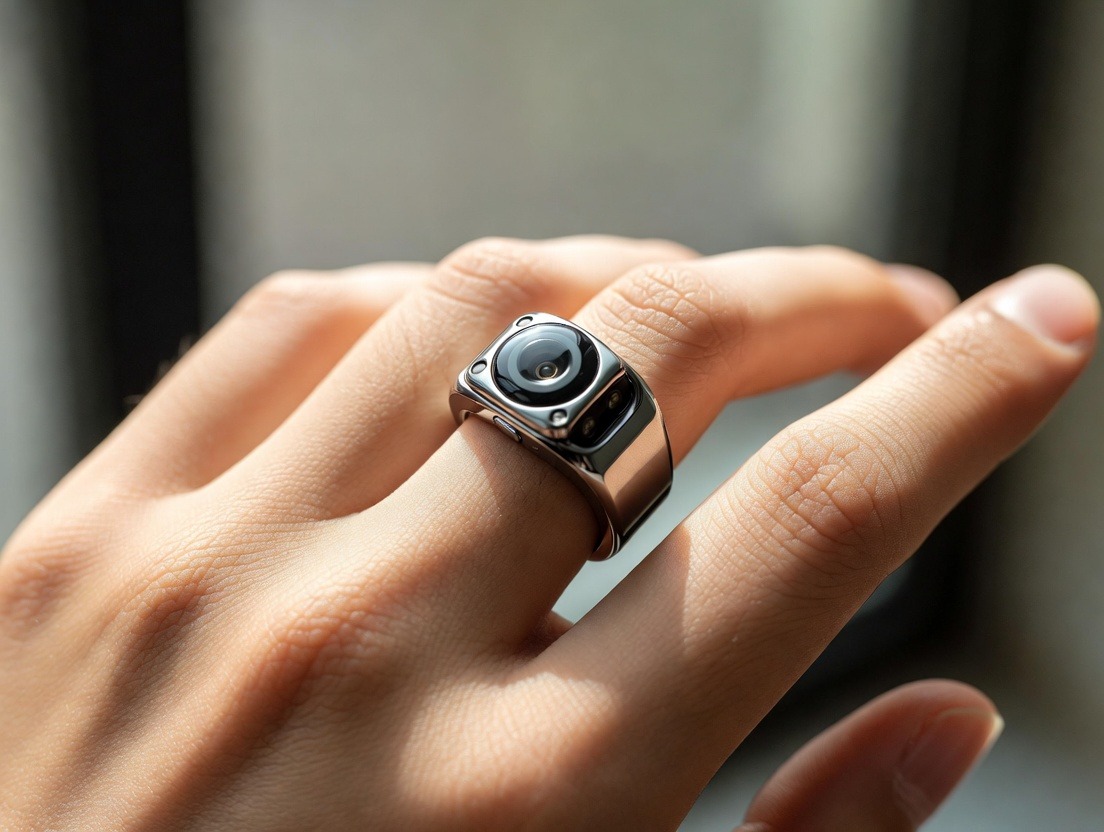
This is where the paradigm shifts. Gone are the days of guessing how stressed you are. Wearable technology, particularly advanced smart rings, now provides an unprecedented window into your body’s hidden language of stress and recovery. Imagine having a personal biofeedback coach on your finger, translating your nervous system’s whispers into actionable insights. This article is your comprehensive guide to leveraging modern science and technology not just to manage stress, but to authentically recover from it. We will move beyond generic advice into a personalized blueprint for rebuilding your resilience from the ground up, exploring everything from the neurobiology of burnout to the practical, daily rituals that foster deep restoration. For those ready to take the first step in this data-driven journey, the entry point is often discovering a tool that makes the invisible visible.
The Hidden Physiology of Chronic Stress: More Than Just a Feeling
We often describe stress emotionally—feeling overwhelmed, anxious, or burned out. But to effectively combat it, we must first understand it as a sophisticated, ancient biological cascade. The stress response, orchestrated by the hypothalamic-pituitary-adrenal (HPA) axis, is a life-saving masterpiece of evolution. When your brain perceives a threat, it triggers a symphony of hormones: corticotropin-releasing hormone (CRH) and adrenocorticotropic hormone (ACTH) lead to the release of cortisol and adrenaline from your adrenal glands.
Acutely, this is brilliant. Cortisol mobilizes glucose for instant energy, suppresses non-essential systems like digestion and reproduction, and sharpens focus. Adrenaline speeds up your heart rate, elevates blood pressure, and primes your muscles for action. You are ready to fight or flee.
The problem arises when the "threat" is a relentless inbox, financial pressure, or societal uncertainty. The HPA axis, designed for short bursts, gets stuck in the "on" position. This leads to HPA axis dysregulation, the core physiological dysfunction in chronic stress. The system becomes exhausted and erratic. You might experience:
This isn't a character flaw; it's a biological state. Recognizing this is the first, crucial step toward true recovery. You are not lazy or weak—your operating system is overloaded. The path to restoration, therefore, must be physiological. It requires resetting your HPA axis, retraining your autonomic nervous system, and reducing the inflammatory load. It begins with listening to your body's data, not just your mind's narrative. For a deeper dive into how technology deciphers these biological signals, the science behind modern health tracking is fascinating.
The wellness industry is saturated with quick fixes for stress: a calming app, a scented candle, a single yoga class. While these can be pleasant, they often fall painfully short for someone in the grip of chronic, physiological stress. This is because they are typically symptomatic and situational, not systematic and foundational.
Think of chronic stress as a bucket that is constantly being filled. Traditional management techniques are like placing a small sponge next to the overflowing bucket. They might mop up a little spill, but they do nothing to turn off the tap. The taps are your dysregulated biology, your poor sleep, your nutritional deficits, and your maladaptive thought patterns.
Common pitfalls of conventional approaches include:
The restoration wellness model flips this script. Instead of just managing symptoms, it focuses on building foundational resilience and creating a system for daily recovery. It asks: What are the specific, unique drains on your system? And what are the most effective, personalized replenishers for you?
This requires moving from guesswork to measurement. This is the power of a continuous health monitor. By tracking biomarkers like sleep stages, heart rate variability, and body temperature, you move from asking "How do I feel?" to understanding "How is my body actually functioning?" This objective feedback loop is what turns well-intentioned efforts into a precision recovery protocol. You can learn how these devices enable this personalized approach in our article on how health tracking technology enables personalized wellness.
The Restoration Baseline: Quantifying Your Stress with Data
Before you can rebuild, you must assess the current state of the foundation. In the world of restoration wellness, subjective feelings are important clues, but objective data is the blueprint. Modern smart rings, worn continuously, provide this blueprint by monitoring key biomarkers that are direct reflections of your nervous system's health.
1. Heart Rate Variability (HRV): Your Ultimate Resilience Score
HRV is not your heart rate. It is the subtle, millisecond variation in the time intervals between consecutive heartbeats. Contrary to intuition, a higher HRV is generally better. It indicates a strong, flexible, and resilient autonomic nervous system—one that can efficiently switch between sympathetic arousal and parasympathetic recovery. Chronically low HRV is a powerful predictor of stress, burnout, and future health problems. Tracking HRV trends tells you if your lifestyle is building or depleting your resilience.
2. Resting Heart Rate (RHR)
While simple, your RHR is profoundly informative. A resting heart rate that trends upward over time can indicate cumulative stress, poor recovery, inflammation, or overtraining. A lower RHR (within a healthy range) typically suggests better cardiovascular fitness and more efficient autonomic regulation.
3. Sleep Architecture: The Non-Negotiable Pillar of Recovery
You cannot restore a stressed system without quality sleep. It’s during deep (slow-wave) sleep that your body performs critical repair, clears metabolic waste from the brain, and consolidates memories. REM sleep is essential for emotional processing. A smart ring doesn't just track duration; it analyzes your sleep stages, nighttime disturbances, and restlessness. Are you getting enough deep sleep? Is your sleep fragmented? The data provides undeniable evidence of sleep's role as your chief restoration tool.
4. Respiratory Rate
Your breathing rate, especially during sleep, is a window into autonomic balance. Significant deviations can signal stress or underlying health issues.
5. Body Temperature
Nocturnal body temperature trends can reveal hormonal imbalances, the onset of illness, and for women, cycle-related patterns that interact significantly with stress.
By establishing a multi-week baseline across these metrics, you move from a vague sense of being "stressed out" to a clear picture: "My HRV is in the bottom quartile for my demographic, my deep sleep is consistently lacking, and my resting heart rate is 10 BPM higher than it was six months ago." This data is not meant to induce anxiety, but to provide clarity and a starting line. It empowers you to make targeted changes and, most importantly, to see what works. For those curious about the journey of this technology, the evolution from manual tracking to smart rings is a remarkable story.
Master Your Nervous System: Techniques for Direct ANS Regulation
With your baseline established, the most direct work of restoration begins: retraining your autonomic nervous system. The goal is to strengthen your parasympathetic "brake" and increase your vagal tone—the activity of the vagus nerve, the main conduit of the parasympathetic system that governs relaxation, digestion, and healing.
These are not passive activities; they are active skills to be practiced. Think of them as strength training for your resilience.
1. Diaphragmatic (Belly) Breathing
Forget shallow chest breathing. Diaphragmatic breathing stimulates the vagus nerve directly. Practice: Lie on your back, place one hand on your chest and one on your belly. Inhale slowly through your nose for a count of 4-6, feeling your belly rise. Exhale slowly through pursed lips for a count of 6-8, feeling your belly fall. Aim for 5-10 minutes, twice daily. This is your foundational ANS reset button.
2. Extended Exhalation
The parasympathetic nervous system is particularly engaged during exhalation. A simple but potent technique is to make your exhale longer than your inhale. Try a 4-6-8 pattern: inhale for 4, hold for 6, exhale for 8. Even a few rounds can swiftly calm a rising stress response.
3. HRV Biofeedback Training
This is where technology supercharges a classic technique. Using an app paired with a compatible ring or sensor, you can see your HRV in real-time as you breathe. The app guides you to breathe at your unique resonant frequency—the pace that creates the greatest, smoothest oscillation in your heart rate, maximizing ANS harmony. This is precision training for nervous system flexibility.
4. Cold Exposure
A brief, controlled cold stimulus (like a 30-60 second cold shower finish) triggers a "cross-adaptation" response. It initially spikes sympathetic activity, followed by a powerful, rebound parasympathetic surge and a lasting increase in noradrenaline, improving focus and mood. Start gradually and consult a doctor if you have cardiovascular concerns.
5. Humming, Singing, and Gargling
The vagus nerve runs through your vocal cords and the back of your throat. Humming, singing loudly, or even vigorous gargling can stimulate it. It’s a quirky but effective tool.
Pro-Tip: Don't just practice when you're stressed. Practice during calm moments to build the "muscle memory" of relaxation. A consistent daily practice, even for 5-10 minutes, will raise your baseline vagal tone, making you less reactive to stressors. To see how real people integrate these practices with technology, browse the real customer reviews and experiences shared by our community.
The food you eat is not just fuel; it is information and building material for every cell, including your neurons and stress hormones. Chronic stress depletes specific nutrients and drives cravings for sugary, high-fat "comfort foods" that, in a cruel twist, exacerbate inflammation and further dysregulate the HPA axis. Breaking this cycle is essential.
Prioritize These Foundational Nutrients:
Adopt a Stress-Stabilizing Eating Pattern:
Remember, the goal is not perfection but nourishment. Each anti-inflammatory, nutrient-dense meal is a direct deposit into your resilience bank account.
Exercise is a paradoxical tool for stress: in the right dose, it is a potent resilience-builder; in excess, it becomes another physiological stressor. For someone with a taxed HPA axis and low HRV, pounding out high-intensity interval training (HIIT) every day can be deeply counterproductive, keeping the sympathetic nervous system dominant.
The restoration wellness approach to movement prioritizes parasympathetic-promoting and resilience-building activities.
1. Low-Intensity Steady State (LISS) Cardio
Walking, gentle cycling, swimming, or hiking at a "conversational" pace (where you can talk comfortably) is gold. It improves cardiovascular health, enhances mitochondrial function (your cells' energy producers), and promotes circulation without spiking cortisol. Aim for 30-45 minutes most days. This is your bedrock movement.
2. Mindful Movement (Yoga, Tai Chi, Qigong)
These practices are the triple threat of restoration: they incorporate gentle movement, conscious breathing, and mindful awareness. They have been shown to significantly improve HRV, lower cortisol, and reduce inflammation. The focus on linking breath to movement is a powerful ANS regulator.
3. Strength Training (With Ample Recovery)
Building muscle mass improves metabolic health and resilience. The key is dosage and recovery. Favor moderate weights with controlled movements over maximum lifts. Prioritize form. Most importantly, listen to your data—if your HRV is plummeting and your RHR is elevated, it’s a signal to opt for a lighter day or complete rest.
4. Nature Immersion ("Forest Bathing" or Shinrin-Yoku)
The Japanese practice of simply being present in a forest has documented physiological benefits, including reduced cortisol, lowered blood pressure, and improved immune function. The combination of fresh air, phytoncides (airborne chemicals from plants), and natural scenery has a unique calming effect.
The Critical Rule: Let your data guide you. Your wearable is your recovery coach. A consistently low HRV score is your body’s request for gentler movement. An elevated resting heart rate upon waking suggests you need a rest day, not a punishing workout. This intelligent, responsive approach to movement turns exercise from a stressor into a cornerstone of recovery. For more on how to personalize movement to your body's signals, explore how wellness rings can support different health goals.
Sleep is not a passive state of absence; it is an active, neurologically complex process of repair and integration. For the chronically stressed, sleep is often the first system to falter and the most critical to repair. Optimization goes far beyond just getting "8 hours."
Leverage Your Data:
Your sleep tracking data is your diagnostic tool. Are you getting enough deep sleep (aim for 1.5-2 hours per night)? Is your sleep fragmented with frequent awakenings? Is your sleep latency (time to fall asleep) too long? Use this to target your interventions.
The Four Pillars of Sleep Hygiene 2.0:
1. Light: Master Your Circadian Rhythm
2. Temperature: The Thermoregulatory Gateway to Sleep
Your core body temperature needs to drop to initiate and maintain sleep.
3. Routine: Create a Non-Negotiable Wind-Down
This is a signal to your brain that safety and rest are imminent.
4. Environment: Design a Sanctuary
By engineering your sleep environment and habits, you transform your bedroom into a laboratory for nightly restoration. The improvements you’ll see in your sleep data—more deep sleep, higher HRV, lower RHR—will create a positive feedback loop, motivating you to protect this sacred time. For a broader perspective on how this nightly data revolutionizes health, read about how health tracking technology has changed preventive medicine.
Cognitive Restructuring: Rewiring the Anxious Brain
Your thoughts are not just ephemeral wisps; they have a direct, electrochemical impact on your biology. Chronic stress is often fueled and sustained by cognitive patterns like catastrophizing, rumination, and negative self-talk. Restoring the body requires also calming the mind's habitual stress loops.
1. Develop Meta-Awareness
The first step is to notice your thoughts without immediately fusing with them. This is often called "cognitive defusion." Instead of "I'm a failure," practice thinking, "I'm having the thought that I'm a failure." This creates a small but critical space between you and the stressful narrative.
2. Practice Reality Testing
When a stress-inducing thought arises, interrogate it gently.
3. Scheduled Worry Time
It sounds counterintuitive, but it works. If you are prone to rumination, give it a dedicated container. Set a timer for 15 minutes in the early evening. During that time, write down all your worries. When the timer goes off, consciously close the notebook and tell yourself you have addressed worry for the day. If a worry pops up later, gently remind yourself, "I have a time for that, and it's not now."
4. Cultivate Purposeful Presence (Mindfulness)
Mindfulness is the practice of paying attention to the present moment without judgment. It shrinks the amygdala and strengthens the prefrontal cortex. You don't need an hour on a cushion. Start with "micro-hits": feeling the water on your hands while washing dishes, noticing the sensation of your feet on the ground for three breaths, or truly tasting the first bite of a meal. These moments of presence are direct ANS regulators.
5. Gratitude Journaling
This isn't Pollyannaish positivity. It's a neural retraining exercise. Regularly writing down 3-5 specific things you are grateful for shifts your brain's attentional bias away from threat and toward reward. It has been linked to improved sleep, lower inflammation, and greater emotional resilience.
The goal is not to eliminate all stressful thoughts—that's impossible. The goal is to change your relationship with them, so they lose their power to hijack your biology. For further reading on integrating mindset with measurable wellness, our blog offers a wealth of related articles and resources.

Our modern environment is a perpetual stress engine. Notifications, the endless scroll, the pressure to be perpetually available, and even the clutter in our homes can keep our nervous systems in a state of low-grade alert. Restoration requires intentionally designing "pro-recovery" environments.
1. Implement a Digital Fence
Your devices are engineered to capture attention. You must engineer back.
2. The Restorative Home
Your physical space should be a sanctuary that cues relaxation.
3. Soundscaping for the Nervous System
Chronic noise pollution is a significant, underappreciated stressor.
By taking conscious control of your digital and physical environments, you remove countless tiny stressors that add up to a significant load. You create a world that supports your recovery, rather than sabotages it. To see how a seamless, well-designed tool can integrate into this calm environment, learn about the materials and hypoallergenic options available in modern wearables.
While food is foundational, the biochemical drain of chronic stress can create deficiencies and imbalances that are difficult to correct through diet alone in a reasonable timeframe. Targeted supplementation, used strategically and under the guidance of a healthcare professional, can act as crucial scaffolding, supporting your body's repair processes while you build long-term habits.
Important Disclaimer: This is not medical advice. Always consult with a qualified healthcare provider—such as a functional medicine doctor, naturopath, or informed physician—to test for deficiencies and create a personalized protocol. Supplements can interact with medications and are not appropriate for everyone.
Key Supplements for Stress Restoration:
1. Adaptogens: The HPA Axis Modulators
Adaptogens are a class of herbs that help the body "adapt" to stress by modulating the stress response, often bringing high cortisol down and lifting low cortisol up, promoting balance.
2. Magnesium: The Deficiency at the Heart of Stress
Stress depletes magnesium, and magnesium deficiency exacerbates the stress response, creating a vicious cycle. Oral supplementation can be highly beneficial.
3. Omega-3 Fatty Acids (EPA & DHA)
As discussed in nutrition, these are critical for reducing neuroinflammation. High-dose, quality fish oil (aiming for 1-2 grams of combined EPA/DHA daily) is one of the most well-supported supplements for mood and brain health, directly countering the inflammatory effects of cortisol.
4. L-Theanine
An amino acid found predominantly in green tea, L-Theanine promotes relaxation without drowsiness. It increases alpha brain waves (associated with relaxed alertness), GABA, and dopamine. It's excellent for taking the edge off anxiety and can be paired with caffeine to smooth out its stimulatory effects.
5. Phosphatidylserine (PS)
This phospholipid is a component of cell membranes, particularly in the brain. Supplementation (100-300 mg, typically in the evening) has been shown to blunt the cortisol response to physical and mental stress and may support cognitive function under pressure.
6. Vitamin D
While technically a hormone, vitamin D deficiency is rampant and linked to low mood, fatigue, and impaired immune function—all exacerbated by stress. Have your levels tested (aiming for 40-60 ng/mL) and supplement with D3 (along with co-factors like Vitamin K2 and magnesium) as needed.
7. Probiotics & Prebiotics
Given the profound gut-brain connection, supporting a healthy microbiome is a direct intervention for stress. A high-quality, multi-strain probiotic and/or prebiotic fibers (like partially hydrolyzed guar gum or fructooligosaccharides) can help modulate the stress response via the vagus nerve.
The Protocol Approach: Start low and go slow. Introduce one new supplement at a time for 2-3 weeks while monitoring your subjective feelings and your objective data. Did your sleep score improve after starting magnesium glycinate? Did your daytime HRV baseline rise after a month on Rhodiola? This data-driven approach turns supplementation from a shot in the dark into a precise experiment in self-care. For more insights on how data personalizes health strategies, read about how doctors are finding these tools most useful.
Humans are not meant to endure stress in isolation. We are a profoundly social species, and our neurobiology is wired for connection. Loneliness and social isolation are not just sad feelings; they are potent physiological stressors, raising cortisol, increasing inflammation, and elevating the risk of mortality on par with smoking. Conversely, safe, supportive connection is a powerful buffer against stress.
The Science of Co-Regulation:
Our nervous systems are designed to communicate with one another, a process called co-regulation. When we are in the presence of a calm, attuned person, their physiological state—reflected in their voice tone, facial expressions, and heart rate—can literally help regulate our own. A hug from a trusted friend can stimulate the vagus nerve and oxytocin release, lowering cortisol. This is why you often feel calmer after a good conversation.
Building Restorative Connection:
When to Seek Professional Connection (Therapy):
A skilled therapist provides the ultimate co-regulatory and cognitive-restructuring relationship. Modalities like Somatic Experiencing or Polyvagal-Informed Therapy work directly with the nervous system, while CBT and others work with thought patterns. It is a proactive, strength-building investment in your resilience infrastructure. Seeking help is a sign of utilizing advanced tools for wellness, much like choosing the right wearable technology for preventive health monitoring.
The goal of restoration wellness is not to create a stress-free life—an impossible aim—but to cultivate a stress-resilient physiology and psychology. This is the process of moving from a fragile state, where small stressors cause big crashes, to an antifragile state, where manageable stressors actually make you stronger. This is known as stress inoculation.
Principles of Building Antifragility:
Tracking Your Resilience Journey:
This is where longitudinal data from your wearable becomes invaluable. Over months and years, you're not just looking at daily scores, but at trends.
These positive trends are the ultimate biomarkers of growing resilience. They prove that your system is not just surviving, but adapting and strengthening. To understand the technology making this long-term tracking possible, explore the sensors and AI behind these devices.
Now we synthesize everything into a actionable, living plan. A protocol isn't a rigid set of rules; it's a flexible, personalized system informed by your unique biology, lifestyle, and data.
Phase 1: The Assessment (Weeks 1-2)
Phase 2: Foundational Implementation (Weeks 3-6)
Phase 3: Refinement and Personalization (Weeks 7-12+)
Phase 4: The Maintenance & Adaptation System (Ongoing)

The smart ring is a powerful tool, but it is not the destination. The destination is a life lived with more vitality, presence, and resilience. The data is a means to cultivate a deeper interoceptive awareness—the ability to sense and understand your body's internal signals without needing a device to tell you.
Cultivating Embodied Wisdom:
The Ethical and Balanced Use of Technology:
By integrating quantitative insights with qualitative wisdom, you forge a new path—one where technology serves your humanity, helping you tune into the profound intelligence of your own body to guide a life of sustainable well-being. For those considering which tool might be right to begin this integration, a comparison of top brands and features can be helpful.
The field of restoration wellness is on the cusp of a revolution, driven by advances in wearable technology, artificial intelligence, and systems biology. What we see today in smart rings is just the beginning. The future points toward ever-more seamless, predictive, and deeply personalized health ecosystems.
1. Multi-Modal Sensing and Data Fusion
Future devices won't rely on a single sensor type. They will combine photoplethysmography (PPG) for heart metrics with continuous glucose monitoring (CGM), sweat-based electrolyte and cortisol sensors, and even EEG for brainwave patterns. A ring might work in tandem with a discreet patch or smart clothing, creating a comprehensive, real-time picture of your biochemical state.
2. AI-Powered Predictive Insights and Personalized Coaching
Moving beyond describing what happened (your sleep was poor), AI will predict what will happen and prescribe what to do about it. Imagine your wellness app alerting you: "Based on your elevated resting heart rate and decreased HRV, combined with your calendar, you have an 85% chance of a stress-induced headache tomorrow. Suggested protocol: 20-minute meditation at 4 PM, prioritize an early bedtime, and consider extra electrolytes." This shifts the model from reactive to truly preventive.
3. Closed-Loop Systems for Automatic Regulation
The ultimate frontier is technology that doesn't just inform but intervenes to directly regulate your state. Early concepts include:
4. Decentralized Health and the Empowered Patient
With rich, longitudinal health data on their own devices, individuals will enter doctor's offices not as passive patients but as informed partners. This data will feed into more nuanced diagnostic models, helping to identify subtypes of conditions like burnout or adrenal dysfunction that require tailored treatments.
The ethical considerations around data privacy and algorithmic bias will be paramount. The companies that thrive will be those, like Oxyzen, that build with transparency and user empowerment at their core. You can explore their commitment to these values in their privacy and data security policies.
The future of stress recovery is not a one-size-fits-all pill. It is a partnership between you, your data, and intelligent systems designed to help you uncover your unique path to resilience. It’s about leveraging the cutting edge of technology to return to the most ancient of wisdoms: listening to, and honoring, the needs of your body.
Theory and protocols come alive through story. Here, we explore anonymized, composite narratives based on real user experiences and data trends. These cases illustrate how the principles of restoration wellness are applied across different life circumstances, highlighting the critical role of personalized data.
Case Study 1: The "Wired and Tired" Tech Executive (Mark, 42)
Case Study 2: The "Caregiver on Empty" (Elena, 58)
Case Study 3: The "Post-Viral Fatigue & Stress" Case (Alex, 35)
These stories reveal a common thread: data creates agency. It transforms a vague, overwhelming experience of "stress" or "fatigue" into a manageable set of variables that can be observed, understood, and positively influenced.
For those who have established a solid foundational protocol and are looking to optimize further, the world of advanced biohacking offers tools with stronger, more targeted effects. These should be approached with even greater caution, ideally under expert supervision.
1. Photobiomodulation (PBM / Red Light Therapy)
Exposure to specific wavelengths of red and near-infrared light can reduce inflammation, increase mitochondrial ATP production, and improve cellular repair. For stress recovery, PBM has shown promise in:
2. Pulsed Electromagnetic Field (PEMF) Therapy
PEMF devices use low-frequency electromagnetic fields to stimulate cellular charge and function. Think of it as "recharging your cellular batteries." For stress:
3. Neurofeedback & HRV Biofeedback Pro
While basic HRV apps are a start, professional-grade biofeedback provides more powerful training.
4. Advanced Supplementation & Nootropics
Beyond foundational supplements, certain compounds may offer targeted support for a stressed system, but require careful sourcing and dosing.
The Golden Rule of Biohacking: Never hack what you haven't tracked. The allure of advanced tools is strong, but they are most effective—and safest—when layered upon a solid foundation of sleep, nutrition, and basic nervous system regulation, all of which you are monitoring. Your wearable data tells you if a new biohack is truly beneficial or just another stressor. For those passionate about this frontier, our blog explores what's possible in the near future of health tech.

One of the most powerful applications of personal wellness data is transforming the patient-provider relationship. Walking into a doctor's office with months of personalized data shifts the dynamic from "Here are my symptoms, what's wrong?" to "Here is the objective data on my body's function; let's collaborate on a solution."
Preparing for the Conversation:
What This Enables:
Finding a Data-Literate Practitioner:
Seek out functional medicine doctors, integrative psychiatrists, or forward-thinking primary care physicians who are familiar with wearables. They are more likely to understand the value of HRV and sleep architecture data. This collaborative model represents the true future of medicine, where patient-generated data is a core part of the health record. To understand how this is beginning to take shape, explore the discussion on the accuracy revolution in health tracking technology.
Your willpower is a finite resource, especially under stress. The most effective protocol is one that is baked into your environment, making restorative choices the default, effortless option. This is the concept of choice architecture applied to wellness.
The Restoration-Optimized Home:
The Restoration-Conscious Workspace (Home or Office):
The Power of Priming:
Your environment sends constant signals to your subconscious. A cluttered, chaotic, tech-filled space primes a stressed, scattered state. A calm, ordered, intentionally designed space primes relaxation and focus. By designing for restoration, you conserve your precious cognitive and emotional energy for the things that truly matter. For a device that seamlessly fits into this intentional environment, consider its design and available color and style options.
For some, chronic stress is intertwined with past trauma or deeply held patterns that live not just in the mind, but in the body—in muscle armoring, a clenched jaw, or a chronic sense of hypervigilance. Cognitive techniques can hit a wall if the body is still stuck in a survival state. Somatic (body-based) modalities address stress at this foundational, physiological level.
Key Somatic Practices:
How to Integrate Somatic Work:
Healing deep, chronic stress often requires speaking the language of the body. These techniques help you do just that, fostering a profound reunion between mind and body that is the essence of true integration. This journey of deep self-care is supported by a community; you can read about others' paths in user experiences and testimonials.
Restoration wellness is not a 90-day program. It is a lifelong orientation—a commitment to listening to and respecting your body's needs through every season of life. The goal is to make these principles so integrated that they become your default way of being.
Embracing Cyclical Living:
Your body is not a machine meant to perform at a constant level. It is a cyclical, rhythmic organism influenced by daily (circadian), monthly (infradian, especially for women), and seasonal rhythms.
Evolving Your Metrics:
The metrics you prioritize may change over a lifetime.
Building a Legacy of Resilience:
Ultimately, this journey is about more than just feeling better today. It's about:
The modern tools we have, like sophisticated smart rings, are our allies in this lifelong quest. They provide the feedback, the accountability, and the fascinating self-knowledge that makes the journey of restoration not a chore, but a deeply engaging exploration of what it means to be a thriving human. To begin or continue this exploration with a trusted tool, the main entry point is often visiting the brand's official storefront.
Your Trusted Sleep Advocate (Sleep Foundation — https://www.sleepfoundation.org/)
Discover a digital archive of scholarly articles (NIH — https://www.ncbi.nlm.nih.gov/
39 million citations for biomedical literature (PubMed — https://pubmed.ncbi.nlm.nih.gov/)
experts at Harvard Health Publishing covering a variety of health topics — https://www.health.harvard.edu/blog/)
Every life deserves world class care (Cleveland Clinic -
https://my.clevelandclinic.org/health)
Wearable technology and the future of predictive health monitoring. (MIT Technology Review — https://www.technologyreview.com/)
Dedicated to the well-being of all people and guided by science (World Health Organization — https://www.who.int/news-room/)
Psychological science and knowledge to benefit society and improve lives. (APA — https://www.apa.org/monitor/)
Cutting-edge insights on human longevity and peak performance
(Lifespan Research — https://www.lifespan.io/)
Global authority on exercise physiology, sports performance, and human recovery
(American College of Sports Medicine — https://www.acsm.org/)
Neuroscience-driven guidance for better focus, sleep, and mental clarity
(Stanford Human Performance Lab — https://humanperformance.stanford.edu/)
Evidence-based psychology and mind–body wellness resources
(Mayo Clinic — https://www.mayoclinic.org/healthy-lifestyle/)
Data-backed research on emotional wellbeing, stress biology, and resilience
(American Institute of Stress — https://www.stress.org/)


