


Your Health Data Explained: What's Being Measured While You Sleep
What your smart ring is measuring while you sleep.
What your smart ring is measuring while you sleep.
%402x.svg)
For centuries, sleep was a black box—a mysterious, essential third of our lives where our conscious selves logged off, and our bodies were left to their own devices. We’d wake up feeling refreshed or foggy, energized or exhausted, with little more than a vague guess as to why. "I must have slept poorly," we'd say, a statement as unsubstantial as a dream upon waking.
Today, that black box has been illuminated. A quiet revolution in wearable health technology, led by the subtle power of the smart ring, has turned sleep from an unknown into a deeply knowable, quantifiable, and optimizable pillar of our health. No longer do we have to guess. We can know. We can see the intricate symphony of biological processes that unfold each night, processes that are now understood to be the very foundation of our mental acuity, physical recovery, emotional resilience, and long-term health.
This article is your guide to understanding that symphony. It’s a deep dive into the wealth of health data being measured while you sleep. This isn't just about counting hours or tracking restless moments. We’re talking about a comprehensive physiological report card generated every single night. From the rhythmic cadence of your heart and the oxygen saturation of your blood to the nuanced stages of your brain’s activity and your nervous system’s state of balance, sleep is the ultimate diagnostic window.
Why is sleep such a perfect time for measurement? Because when you are still, your body is telling its most honest story. Freed from the "noise" of daily movement, emotional stressors, and conscious thought, the sensors in a device like a smart ring can capture a clean, powerful signal. This data provides insights that daytime spot-checks simply cannot match. It’s the difference between seeing a single frame of a movie and understanding the entire plot.
As we explore each metric—from the familiar to the profoundly complex—you’ll learn not just what is being measured, but what it means for your waking life. You’ll discover how a dip in blood oxygen can hint at breathing issues, how your heart rate variability whispers secrets about your stress resilience, and how the architecture of your sleep stages directly impacts memory consolidation and metabolic health.
This knowledge is empowering. It transforms sleep from a passive state into an active pillar of your wellness strategy. By understanding your sleep data, you gain actionable levers to pull: adjusting your evening routine, optimizing your bedroom environment, or even knowing when to seek professional advice. It’s about moving from feeling like a passenger in your own health to becoming the informed pilot.
So, let’s step into the lab of the night. Let’s decode the numbers, demystify the graphs, and uncover the profound story of restoration, repair, and rebalancing that is written in your body every time you close your eyes. This is the data that doesn’t just track your sleep—it explains your health.
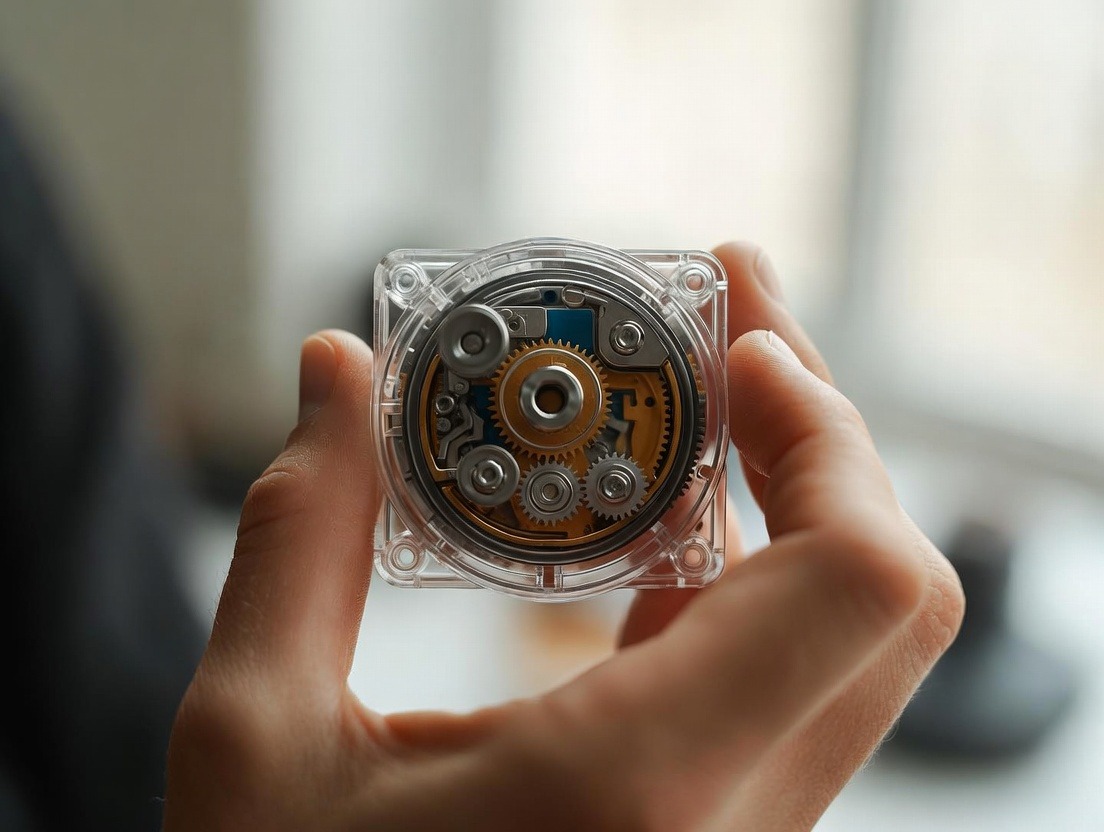
Imagine your body at night not as a machine at rest, but as a bustling command center executing a critical, pre-programmed series of maintenance operations. This "silent symphony" is conducted by your autonomic nervous system and involves every major system—cardiovascular, respiratory, endocrine, and neurological. The goal is singular: restoration. And like any complex performance, it can be measured, analyzed, and optimized.
The advent of advanced wearable technology, particularly smart rings, has given us a front-row seat to this performance. Unlike bulkier wrist-worn devices that can be intrusive during sleep, a ring’s discreet, all-day-and-night form factor makes it an ideal passive observer. Its position on a finger—rich with capillaries close to the skin’s surface—provides a surprisingly robust signal for key biomarkers. This continuous tracking beats periodic check-ups by painting a dynamic, longitudinal picture rather than a static snapshot.
So, what exactly comprises this symphony? The data collection falls into several interconnected categories:
Core Vital Signs: This is the foundational rhythm section. It includes continuous heart rate (beats per minute), heart rate variability (the millisecond variations between beats), respiratory rate (breaths per minute), and peripheral blood oxygen saturation (SpO2). These metrics form the live vital sign monitor of your sleep, revealing the real-time workload on your cardiovascular and respiratory systems.
Sleep Architecture: This is the melody and structure of the night. Using movement (via accelerometers) and physiological cues like heart rate patterns, advanced algorithms map your journey through the sleep stages: light sleep, deep sleep, and REM (Rapid Eye Movement) sleep. The timing, duration, and cyclical progression of these stages are crucial for different types of physical and mental recovery.
Environmental & Behavioral Inputs: The symphony doesn’t happen in a vacuum. Passive sensors can record the ambient temperature of your skin and, by proxy, your sleeping environment. This data, combined with the precise timing of when you fall asleep and wake up, helps correlate internal states with external conditions. Was your restless night due to stress, or was your room simply too warm?
Derived Insights: This is where raw data transforms into meaningful wisdom. By synthesizing the above inputs, sophisticated platforms can provide calculated insights into your sleep quality score, readiness or recovery score for the day ahead, estimates of sleep latency (how long it takes to fall asleep), and periods of potential restlessness or awakenings. For a deeper look at how devices stack up in this crucial area, our wearable health tech guide on HRV monitoring capabilities provides a detailed comparison.
The true power of this collection lies not in any single metric, but in their interplay. A spike in heart rate coinciding with a dip in blood oxygen can tell a very different story than a heart rate spike during a vivid REM dream. This holistic, multi-parameter analysis is what moves sleep tracking from simple journaling to genuine diagnostic insight. It’s the cornerstone of how the smart ring benefits make health data actionable, turning night-time numbers into a clear morning game plan for your well-being.
Your heart rate during sleep is far from a steady, monotonous beat. It is a dynamic narrative, ebbing and flowing in a predictable yet deeply informative pattern that maps directly onto the stages of your sleep cycle. Monitoring this nightly rhythm provides one of the clearest windows into the quality and restorative power of your slumber.
During wakefulness, your heart rate is responsive to conscious and subconscious stimuli—stress, activity, caffeine, emotion. Sleep, however, applies a gentle brake. As you transition into light sleep (N1 & N2 stages), your heart rate typically begins to slow down and becomes more regular as the influence of the sympathetic nervous system ("fight or flight") starts to wane.
The most dramatic shift occurs when you plunge into deep sleep (N3 or slow-wave sleep). This is the most physically restorative phase, crucial for tissue repair, immune function, and growth hormone release. Here, your heart rate reaches its nightly nadir, often dropping 20-30% below your resting daytime rate. It becomes slow, strong, and highly consistent. This state reflects the full dominance of the parasympathetic nervous system ("rest and digest"), allowing your cardiovascular system to recover. A robust amount of deep sleep with a correspondingly low, stable heart rate is a key marker of physical recovery.
Conversely, REM sleep tells a different story. Despite your body being largely paralyzed (to prevent acting out dreams), your brain is as active as it is when you’re awake. This neurological fireworks show demands energy. Your heart rate becomes variable and can accelerate to near waking levels, often exhibiting sudden spikes corresponding to intense dream activity. This variability is normal and healthy, a sign of a brain actively processing emotions and consolidating memories.
By tracking these patterns all night, a smart ring builds a heart rate "profile" of your sleep. Deviations from your personal norm can be highly revealing:
This granular understanding of nocturnal heart rate is a prime example of the accuracy advantage of smart ring benefits for health data quality. The finger provides a strong pulse signal, often stronger than the wrist, especially during the stillness of sleep, leading to clearer, more reliable data on your most fundamental rhythm.
If your average heart rate is the steady drumbeat of your sleep, then Heart Rate Variability is the complex, syncopated rhythm played over top of it. It is a subtle, profound, and arguably one of the most insightful metrics your smart ring can track overnight.
HRV is not about heart rate; it's about the timing between each heartbeat. A healthy heart does not tick like a metronome. The intervals between beats are constantly fluctuating, measured in milliseconds. If your heart rate is 60 beats per minute, it doesn’t mean your heart beats exactly once every second. The gaps might be 0.95 seconds, then 1.05 seconds, then 0.98 seconds. This variability is a very good thing—it’s a sign of a responsive, adaptable system.
HRV is the premier non-invasive window into your autonomic nervous system (ANS) balance. The ANS has two primary branches:
A high HRV generally indicates strong parasympathetic (rest-and-digest) tone and a resilient system that can efficiently switch between states of stress and recovery. A low HRV suggests sympathetic (fight-or-flight) dominance, meaning your body is under strain, whether from physical overtraining, psychological stress, illness, or poor sleep.
Why measure HRV during sleep? Sleep is when the parasympathetic system should be most dominant, providing the cleanest signal of your body's intrinsic recovery capacity. Daytime HRV is muddied by movement, posture, food, and mental activity. At night, these confounders are minimized. A smart ring tracks your nocturnal HRV, often calculating a nightly average or a "baseline" reading that serves as your personal benchmark.
Tracking this metric over time unlocks powerful insights:
Understanding HRV transforms how you interpret your sleep. It moves the conversation from "How long did I sleep?" to "How restorative was my sleep for my nervous system?" It’s a core metric for anyone looking to optimize performance, manage stress, or simply understand their body’s daily readiness. For those on a journey to improve this key biomarker, exploring how a smart ring can improve HRV over time through lifestyle feedback is a game-changer.
Blood Oxygen Saturation, commonly displayed as SpO2, is a percentage that represents how much oxygen your red blood cells are carrying from your lungs to the rest of your body. For a healthy individual at sea level, a daytime SpO2 reading is typically 95-100%. During sleep, it’s normal for this to dip slightly due to changes in breathing patterns, but significant or frequent drops are a critical red flag that your smart ring is uniquely positioned to detect.
Overnight SpO2 monitoring has moved from a clinical tool to a consumer health staple, and for a vital reason: it serves as a continuous, non-invasive proxy for your respiratory health while you sleep. Your breathing naturally becomes slower and shallower during certain sleep stages. For most, this is uneventful. But for others, the airway can partially or completely collapse, leading to apneas (pauses in breathing) or hypopneas (shallow breathing). These events, characteristic of sleep apnea, cause blood oxygen levels to fall.
This is where the smart ring benefits for detecting health issues early become profoundly clear. A smart ring with a PPG sensor on the finger can track SpO2 throughout the night, creating a graph that shows your oxygen levels minute-by-minute.
What does this data reveal?
The key metrics derived from this are:
Why is this so important? Undiagnosed sleep apnea is staggeringly common and linked to a host of serious health issues: hypertension, heart disease, stroke, type 2 diabetes, and daytime fatigue that impairs cognition and safety. Many people have no idea they stop breathing dozens or hundreds of times a night. A smart ring’s SpO2 data can provide the initial, at-home clue that prompts a conversation with a doctor and a formal sleep study.
Beyond sleep apnea, consistent low SpO2 can also point to other conditions like asthma, COPD, or issues with circulatory efficiency. For athletes, monitoring nocturnal SpO2 at altitude or during intense training blocks can provide insights into acclimatization and recovery.
In essence, your nightly SpO2 graph is a direct report on how effectively you are breathing while unconscious. It’s a powerful example of how smart ring benefits support preventive healthcare, offering a glimpse into a critical bodily function that was once completely hidden during the night.
While your heart rate and oxygen levels capture the consequences of breathing, your respiratory rate—the number of breaths you take per minute—is the fundamental process itself. It is the quiet, essential rhythm that powers every cellular function. Tracking this rate during sleep provides a remarkably stable and informative biomarker of your overall physiological state.
During wakefulness, respiratory rate is highly variable, influenced by talking, laughing, sighing, exercise, and emotion. Sleep strips away these voluntary and reactive influences. In the controlled state of slumber, your breathing is governed almost entirely by your autonomic nervous system and the chemical need to balance oxygen and carbon dioxide in your blood. This makes your sleep respiratory rate a very consistent and personal metric, often varying by only 1-2 breaths per minute from night to night for a healthy individual.
A typical adult at rest breathes 12-20 times per minute. During sleep, this usually slows down. A normal sleep respiratory rate often falls between 10-16 breaths per minute, with deeper stages of sleep generally associated with slower, more rhythmic breathing.
So, what does tracking this quiet rhythm tell us?
1. A Baseline of Health: Your average nightly respiratory rate establishes a personal baseline. Significant deviations from this baseline can be an early, sensitive indicator of change. A consistent upward creep in your sleep respiratory rate can be one of the earliest signs of:
* Oncoming Illness: Your body may increase respiratory rate in response to a fever or infection.
* Cardiovascular or Pulmonary Stress: The heart and lungs work as a team. Strain on one can affect the other.
* Metabolic Changes: Certain conditions can affect the body's production of carbon dioxide, influencing breathing drive.
2. A Marker of Relaxation and Sleep Depth: As you descend into deep sleep, your breathing should become slower, deeper, and more regular. A lack of this slowing pattern can indicate fragmented sleep or that you’re not achieving sufficient deep, restorative stages. This aligns with insights on how proper recovery can transform training for athletes, where sleep depth is paramount.
3. A Component of Sleep Disorder Screening: In sleep apnea, breathing doesn't just stop; it often becomes highly irregular. While the primary signal is the SpO2 dip, the accompanying pattern of breaths—a pause (apnea) followed by a cluster of rapid breaths as you recover—is captured in respiratory rate variability. Some advanced algorithms use breathing rhythm irregularities to help estimate the severity of sleep-disordered breathing.
4. A Tool for Stress and Recovery Insight: A higher-than-normal sleep respiratory rate can reflect a heightened state of sympathetic nervous system activity, meaning your body isn’t fully switching into "rest and digest" mode. This can be a reflection of chronic stress, anxiety, or incomplete recovery from the day's activities.
The power of monitoring respiratory rate lies in its simplicity and stability. It’s a foundational vital sign that often changes before you feel symptoms. By providing a clear, nightly number, a smart ring helps you establish what "normal" looks like for you, making it easier to spot when something is amiss. This continuous, passive monitoring is a cornerstone of how smart ring benefits work while you work, sleep, and live, offering insights without requiring a single conscious breath into a device.
Sleep is not a homogeneous state of unconsciousness. It is a meticulously structured cycle of distinct stages, each with unique brain wave patterns, physiological characteristics, and restorative purposes. Understanding this architecture—Light Sleep, Deep Sleep, and REM Sleep—and how a smart ring maps it is key to interpreting the "why" behind how you feel each morning.
Modern sleep trackers don't use intrusive EEG electrodes; instead, they use a combination of actigraphy (movement) and cardiopulmonary data (heart rate, heart rate variability, and respiratory rate) to make highly educated inferences about your sleep stages. The pattern of your heart, in particular, acts as a powerful fingerprint for each stage.
Light Sleep (Stages N1 & N2): This is the gateway to sleep and constitutes about 50-60% of an adult's night. It begins as you drift off (N1) and moves into a more sustained, disengaged state (N2). During light sleep, your body is beginning to wind down. Your heart rate slows, body temperature drops, and you can be awakened relatively easily. This stage is crucial for memory processing and cognitive maintenance. It acts as a transition zone and a buffer for the more intense stages to come.
Deep Sleep (Slow-Wave Sleep, Stage N3): This is the most physically restorative phase, making up about 10-25% of your sleep. It’s characterized by slow, synchronized brain waves (delta waves). Here, your body focuses on repair: tissue growth and repair, immune system strengthening, and energy restoration. This is when human growth hormone is primarily released. Physiologically, your heart rate and breathing are at their slowest and most regular, and your body is almost immobile. Waking someone from deep sleep is difficult, and they will often feel groggy and disoriented. Achieving sufficient deep sleep is critical for physical recovery, which is why its tracking is a major smart ring benefit for athletes making the switch from less-accurate wrist-based devices.
REM Sleep (Rapid Eye Movement): This is the mentally restorative and emotionally processing stage, constituting about 20-25% of sleep. Your brain becomes highly active—near waking levels—and is marked by vivid dreams. To prevent you from acting out these dreams, your body experiences temporary muscle paralysis (atonia). Despite the still body, your eyes dart rapidly behind closed lids, and your heart rate and breathing become fast, irregular, and variable. REM sleep is essential for memory consolidation, learning, emotional regulation, and creativity. The first REM period is short, but they lengthen as the night progresses, with the longest and most intense REM cycles occurring in the final hours before waking.
A healthy sleep cycle lasts about 90-120 minutes and repeats 4-6 times per night. The proportion of stages shifts throughout the night: deep sleep dominates the first half, while REM sleep dominates the second half.
What does your sleep stage data tell you?
By visualizing this architecture, a smart ring moves you from simply being a sleeper to being the architect of your own restoration. It provides the feedback necessary to protect and prioritize the different types of sleep your brain and body desperately need. This detailed understanding is part of the broader surprising smart ring benefits for mental health and wellness, as both deep and REM sleep are foundational to emotional and psychological resilience.
While we often think of body temperature as a static 98.6°F (37°C), it is, in fact, a dynamic rhythm central to our circadian biology. This core body temperature rhythm is one of the most powerful internal timekeepers, and tracking its peripheral cousin—skin temperature—during sleep provides profound insights into sleep quality, cycle timing, and overall health.
Here’s the fundamental pattern: Your body temperature naturally dips in the evening, reaching its lowest point about two hours before you typically wake up. This drop, driven by your circadian clock, is a critical signal that promotes sleep onset and maintenance. As morning approaches, your temperature begins to rise, helping to promote wakefulness. This cycle is like an internal thermostat that helps orchestrate the timing of sleep and wakefulness.
A smart ring, positioned on your finger, is in an ideal location to track changes in peripheral skin temperature. While not a direct measure of core temperature, skin temperature follows a parallel and informative rhythm, influenced by blood flow to the extremities. As you prepare for sleep, blood vessels dilate (vasodilation) to release heat from your core to your skin, cooling your core and warming your hands and feet—this is why you might have cold hands during the day but feel they warm up at night. This process is essential for initiating sleep.
What can disruptions to this nightly temperature curve tell you?
1. Sleep Onset & Quality: A smooth, pronounced drop in skin temperature after bedtime is associated with faster sleep onset and more stable sleep. A flatter, more erratic temperature curve can indicate difficulty falling asleep, restless sleep, or environmental issues (e.g., a room that’s too warm, hindering your body’s ability to offload heat).
2. Circadian Rhythm Alignment: The timing of your temperature minimum is a key phase marker for your internal clock. If your temperature dip is shifted later (e.g., occurring at 5 AM instead of 3 AM), it suggests a delayed circadian rhythm, common in "night owls" and those with social jet lag. This misalignment can fragment sleep and reduce its quality, a crucial insight for travelers tracking health across time zones.
3. Hormonal & Metabolic Signals: The female menstrual cycle, for instance, creates a distinct biphasic temperature pattern. A sustained rise in basal body (or skin) temperature after ovulation is a classic sign that progesterone has increased. Tracking this can provide valuable hormonal insights for women, helping to identify fertile windows and understand cycle-related changes in sleep and recovery.
4. Illness and Immune Response: A fever is the body's deliberate raising of its temperature set-point to fight infection. Even a sub-clinical immune response can cause a noticeable elevation in your nighttime skin temperature before other symptoms appear, serving as an early warning system.
5. Lifestyle Impact: Intense late-evening exercise, large meals, alcohol consumption, and even emotional stress can all blunt or delay the natural nocturnal temperature drop, interfering with sleep initiation and depth.
By monitoring your personal temperature rhythm night after night, a smart ring helps you see if your lifestyle is in sync with your biology. It answers questions like: Is my room cool enough for optimal sleep? Did that late workout disrupt my cooling process? Is my cycle affecting my sleep architecture? This granular feedback empowers you to fine-tune your environment and habits to support your natural physiology, a key principle in using wearable health tech for maximum benefit.

While your brain and internal organs are busy with the complex work of sleep stages, your skeletal muscles are largely commanded to be still. This stillness, punctuated by natural, minor position shifts, is a hallmark of consolidated, restorative sleep. Therefore, tracking movement—and its inverse, restlessness—provides a direct, objective measure of your sleep stability.
This is measured through a miniature accelerometer inside the smart ring. It detects motion in three dimensions. During deep and REM sleep, movement is minimal. During lighter sleep and brief awakenings (arousals), motion increases.
What does movement data reveal?
1. Sleep Fragmentation: The primary insight is how often your sleep is interrupted. You may not remember brief arousals that last only a few seconds, but your body and brain do. Each interruption fragments your sleep architecture, potentially pulling you out of a deep or REM cycle and preventing you from completing it. High movement/restlessness scores often correlate with feeling unrefreshed, even with adequate total sleep time. This is a critical metric for anyone, but especially for new parents tracking sleep and recovery, where fragmentation is often the primary sleep challenge.
2. Sleep Disorders: Periodic Limb Movement Disorder (PLMD) is characterized by repetitive, involuntary leg (or arm) jerks during sleep. Restless Leg Syndrome (RLS) involves an uncomfortable urge to move the legs while trying to fall asleep. Both create distinct, periodic patterns of movement that a tracker can detect, providing valuable data for a medical professional.
3. Environmental & Discomfort Triggers: An unusually restless night can be a clue to investigate external factors. Was the room too hot or too cold? Was there outside noise? Did an uncomfortable mattress or pillow cause you to toss and turn? Allergies, pain, or indigestion can also manifest as increased movement.
4. Corroborating Other Data: Movement data is rarely viewed in isolation. It’s combined with heart rate, HRV, and breathing data to validate sleep stage predictions. A spike in heart rate with a large movement likely indicates a full awakening to use the bathroom. A spike in heart rate without movement might indicate a micro-arousal from a breathing event (like sleep apnea) or an intense dream.
The derived metrics you’ll often see are:
Understanding your movement patterns helps you identify the stealthy thieves of sleep quality. It turns a subjective feeling of "tossing and turning" into an objective metric you can address. By correlating restless nights with specific dinners, late workouts, or stressful days, you gain the power to make targeted changes. This focus on stability, not just duration, is a fundamental part of how smart ring benefits help you sleep better tonight by providing clear, cause-and-effect feedback.
In the world of sleep optimization, where we focus on deep sleep percentages and HRV scores, it’s easy to overlook the two most fundamental, evidence-backed pillars of all: Total Sleep Duration and Sleep Consistency. These are not just simple numbers; they are the non-negotiable foundation upon which all other quality metrics are built. A smart ring provides precise, automatic tracking of both, removing the guesswork from your most basic sleep hygiene.
Sleep Duration: The Magic Number (It's Personal)
The National Sleep Foundation recommends 7-9 hours for adults, but the ideal is deeply personal. What a smart ring does is help you discover your personal requirement through data, not dogma. It logs your actual sleep time (from first falling asleep to final awakening), not just time in bed.
The impact of duration is profound and cascading:
Your ring’s data shows you the direct correlation between hitting your personal sleep "sweet spot" and your daytime readiness scores, mood, and energy.
Sleep Consistency: The Rhythm of Health
Perhaps even more important than the average duration is the consistency of your sleep schedule. This means going to bed and waking up at roughly the same time every day, even on weekends. Your circadian rhythm thrives on predictability.
Why is consistency king?
A smart ring’s time-stamped data creates a clear visual of your weekly sleep schedule. Do you see a chaotic scatter plot of bedtimes, or a tidy, aligned cluster? This feedback is invaluable for creating the routine that allows higher-order sleep architecture (deep, REM) to flourish. For professionals and students, establishing this consistency can have a dramatic impact, which is explored in depth in our look at how smart ring benefits can improve work performance and productivity through foundational wellness.
In essence, duration and consistency are the bedrock. You cannot build a palace of perfect sleep stages on a foundation of insufficient, erratic time asleep. The smart ring holds you objectively accountable to these first principles of sleep health.
After a night of complex biometric collection—heart rhythms, oxygen levels, temperature shifts, and movement—you are presented with a single, digestible number: your Sleep Score. This score, typically on a scale of 0-100, is not a mere average. It is a sophisticated, weighted algorithm that synthesizes the multidimensional data into one overarching grade for your night’s rest. Understanding how it’s calculated transforms it from a judgment into a teaching tool.
While each platform (Oura, Whoop, etc.) has its proprietary formula, most Sleep Scores are built from a common set of components, each contributing a percentage to the final total:
1. Sleep Duration (Often ~30-40% of the score): This is the foundational component. Did you meet your personalized sleep need? The scoring is usually not linear; hitting your target yields maximum points, with steep penalties for significant undershooting and diminishing returns for oversleeping.
2. Sleep Efficiency & Restfulness (~20-30%): This assesses the stability of your sleep. A high score here means you spent most of your time in bed actually asleep, with minimal restlessness or awakenings. It answers: "Was your sleep consolidated?"
3. Sleep Architecture / Stages (~15-25%): This evaluates the balance and sufficiency of your light, deep, and REM sleep. The algorithm compares your percentages and timing against population norms and your personal history. Did you get enough physically restorative deep sleep? Did you complete several cycles with adequate REM?
4. Timing & Regularity (~10-20%): Did you go to bed and wake up aligned with your circadian rhythm? Going to bed during your body's natural melatonin window (often indicated by a dip in body temperature) and maintaining consistency from night to night boosts this part of your score.
5. Physiological Signals (Varies, often integrated): Some scores incorporate factors like resting heart rate (was it low and stable?), heart rate variability (was it high, indicating good recovery?), and respiratory rate. A night with excellent duration and architecture can still be marked down if your average nighttime heart rate was unusually elevated, signaling underlying stress or incomplete recovery.
How to Use Your Sleep Score Wisely:
The Sleep Score is the ultimate example of how smart ring benefits empower health data ownership. It takes a torrent of raw, complex data and turns it into a simple, personalized report card that guides your daily decisions towards better health. It’s the executive summary of your night, written by your own body.
The raw data of sleep is fascinating, but its true value is realized when it is translated into actionable insights for your waking life. This is where smart rings truly differentiate themselves, moving beyond retrospective sleep reporting to forward-looking guidance through metrics like Readiness or Recovery Scores. This process hinges on one of the most powerful concepts in personalized health: establishing your Personal Baselines.
The Power of Your Personal Baseline
Your body is unique. What’s a "low" heart rate for you might be "normal" for someone else. A smart ring doesn’t just compare you to population averages; during a setup period (often a few weeks), it learns you. It establishes your personal norms for:
These baselines become the critical reference point. Deviations from your own normal are far more significant than deviations from a generic average. A 5% increase in your RHR is a meaningful signal, even if it's still "within the normal range." This personalized approach is at the heart of how smart ring benefits personalize for your unique biology.
The Readiness/Recovery Score: Your Day's Prescription
This is the crown jewel of insight synthesis. While your Sleep Score grades the past night, your Readiness Score (often a combination of sleep data, physiological markers, and sometimes activity balance) prescribes your capacity for the day ahead.
A typical Readiness algorithm considers:
A High Readiness Score (e.g., 80-100) suggests your body is well-recovered and resilient. It's a green light to tackle challenging workouts, important mental work, or social engagements. It’s a signal that your systems are primed.
A Moderate Readiness Score (e.g., 50-79) is a yellow light. It suggests you may need to moderate your expectations. Consider a lighter workout, focus on recovery practices (hydration, nutrition, stress management), and prioritize an early bedtime.
A Low Readiness Score (e.g., below 50) is a red light. Your body is signaling significant strain—from illness, extreme fatigue, or high stress. This is a day to truly listen to your body: prioritize rest, gentle movement like walking, and avoid additional physical or mental strain. Pushing through on a low score can lead to injury, burnout, or prolonged recovery.
The Compound Value of Daily Insights
This daily feedback loop is transformative. It teaches you to listen to your body's subtle signals. You learn how different behaviors—a late-night meal, an intense workout, a stressful workday—affect your physiology the following morning. Over time, this builds deep somatic awareness and guides you to make better decisions naturally. This is the long-term compound value of smart ring benefits, where daily micro-adjustments, informed by data, lead to monumental shifts in health and performance over months and years.
By establishing baselines and providing a daily readiness prescription, a smart ring completes th
The data from your night does not exist in a vacuum. It is the origin story for your day. Each biomarker—from your heart rate variability to your sleep architecture—creates a physiological pre-set that influences your energy, mood, cognition, and physical performance from the moment you open your eyes. Understanding these connections transforms sleep tracking from an isolated curiosity into a holistic health management system.
The Cognitive Carryover: Sleep and Your Brain
Your sleep stages are direct architects of your mental clarity. Deep sleep is critical for clearing metabolic waste from the brain, including beta-amyloid proteins associated with Alzheimer's disease. It’s a nightly power wash for your neural pathways. REM sleep, meanwhile, is where emotional memories are processed and integrated, and where creative connections are forged. A night rich in both results in what we subjectively call "mental sharpness": better focus, faster reaction times, enhanced problem-solving, and improved emotional stability. Conversely, sleep fragmentation or deprivation leaves this maintenance work incomplete, leading to brain fog, forgetfulness, irritability, and poor decision-making. This direct link is why professionals leverage these insights, as detailed in our exploration of how smart ring benefits support mental clarity and focus for high-performance work.
The Physical Performance Engine: Recovery in Action
For anyone engaged in physical training—from elite athletes to weekend warriors—the sleep data-to-performance link is unequivocal. Deep sleep is when the majority of human growth hormone is released, driving the muscle repair and adaptation that make you stronger and faster. It’s also when your body prioritizes repairing micro-tears in soft tissue and replenishing glycogen stores. Your overnight heart rate and HRV are your best indicators of whether this repair process is complete. A low resting heart rate and a high HRV upon waking are like a green flag from your nervous system, signaling you are recovered and ready for new strain. Ignoring a low HRV and elevated heart rate, however, and pushing through a hard workout can lead to overtraining, injury, and stalled progress. This is the foundational principle for recovery insights that transform training.
The Metabolic Mirror: Sleep and Your Body’s Chemistry
Sleep is a powerful endocrine regulator. Just one night of poor or short sleep can induce a state of insulin resistance, where your cells struggle to use glucose effectively, pushing your body to store more fat. It also disrupts the hormones leptin and ghrelin: leptin (which signals fullness) decreases, while ghrelin (which stimulates hunger) increases. This hormonal shift explains the intense cravings for sugary, high-carbohydrate foods often experienced after a bad night's sleep. Over time, chronic sleep deprivation is a significant, independent risk factor for obesity and type 2 diabetes. Therefore, tracking sleep quality isn't just about energy; it's a critical tool for metabolic health and can be a silent partner in supporting weight management goals by highlighting the nights where dietary discipline might be most challenged.
The Emotional Foundation: Building Stress Resilience
Your emotional resilience is bankrolled during sleep, particularly during REM. This stage helps process the emotional charges of the previous day, separating the memory from the intense feeling. When REM sleep is cut short, you may wake with a lingering sense of anxiety or emotional reactivity. Furthermore, high-quality sleep lowers baseline cortisol (the primary stress hormone) and boosts HRV, which is a marker of your nervous system's ability to bounce back from stress. In essence, good sleep builds a buffer against daily stressors, while poor sleep leaves you emotionally exposed and vulnerable. This creates a powerful feedback loop for reducing stress and anxiety naturally, as better sleep begets better stress management, which in turn promotes better sleep.
The Immune System Recharge
During deep sleep, your immune system releases cytokines—proteins that help coordinate the immune response. Some cytokines need to increase during infection or inflammation (to fight illness), while others are essential for promoting sleep. Sleep deprivation reduces the production of these protective cytokines and infection-fighting antibodies. This is why you are more likely to catch a cold after several nights of poor sleep, and why your body instinctively demands more sleep when you are sick. A consistent drop in your nocturnal HRV, coupled with a slight elevation in skin temperature and resting heart rate, can often be your earliest warning system that your body is fighting something, allowing you to prioritize rest before full-blown symptoms appear.
By viewing your sleep data as the first chapter in your daily health story, you begin to see cause and effect with stunning clarity. That afternoon slump, that uncharacteristic gym session that felt too heavy, that snappy response to a colleague—they can often be traced back to the graphs from the night before. This integration is the ultimate goal: not just to know your sleep, but to understand your life through it.
While heart rate, SpO2, and sleep stages form the core of consumer sleep tracking, the frontier of wearable technology is rapidly expanding. Advanced algorithms are now deriving deeper, more nuanced insights from the same sensor data, offering a glimpse into the future of proactive, personalized health management. These "second-order" metrics move from describing what happened to explaining what it might mean for complex aspects of your biology.
Nocturnal Heart Rate Variability Dynamics: RMSSD and More
While your average HRV is informative, the dynamics within the night are even more revealing. Advanced platforms analyze specific time-domain measurements like RMSSD (Root Mean Square of Successive Differences). RMSSD is particularly sensitive to parasympathetic (rest-and-digest) activity and is considered a very "pure" measure of recovery. Tracking how your RMSSD changes across the night—typically rising as you accumulate deep, restorative sleep—can provide a finer-grained look at your recovery process than a single average. A flat or declining RMSSD trend overnight is a strong indicator of fragmented or non-restorative sleep, even if the total amount seems adequate.
Pulse Wave Velocity (PWV) & Vascular Health Proxies
This is an emerging and exciting area. The PPG sensor in a smart ring doesn't just measure heart rate; it captures the photoplethysmogram (PPG) waveform—a visual representation of blood volume changes in the capillaries with each heartbeat. Advanced signal processing can analyze the shape and timing of this waveform. One derived metric is a proxy for Pulse Wave Velocity (PWV), which is the speed at which the pressure wave generated by your heartbeat travels through your arteries. Stiffer arteries (a marker of aging and cardiovascular risk) conduct this wave faster. While not a medical-grade measurement, tracking relative changes in this PPG-derived metric over time can offer insights into daily vascular tone, which is influenced by factors like inflammation, hydration, and sympathetic nervous system activity.
Respiratory Sinus Arrhythmia (RSA) and Breathing Quality
A healthy heart naturally speeds up slightly on the inhale and slows down on the exhale. This is called Respiratory Sinus Arrhythmia (RSA), and it's a sign of robust heart-brain-lung communication and strong vagal tone (parasympathetic activity). By analyzing the synchronization between your respiratory rate signal and your heart rate variability, algorithms can assess the strength of your RSA. Strong, coherent RSA during sleep is associated with efficient gas exchange, relaxation, and good cardiovascular health. Monitoring this can be a subtle way to assess the quality of your breathing pattern beyond just the rate, potentially highlighting periods of disordered breathing even without major SpO2 dips.
Temperature Trends for Hormonal and Metabolic Insight
Beyond the nightly dip, long-term temperature trends are a treasure trove of information. For women, the precision of continuous temperature tracking provides unparalleled clarity on ovulation and cycle phases, far surpassing manual morning measurements. A sustained shift in baseline temperature can also be a marker of metabolic changes, thyroid function fluctuations, or the body's response to a new diet or medication. This turns the ring into a continuous, passive bio-assay, contributing to the comprehensive hormonal insights for women that modern wearables enable.
Sleep Stage Latency and Cycle Analysis
Advanced analysis looks not just at the amount of each sleep stage, but at the timing and transition between them. How long did it take you to reach your first period of deep sleep (deep sleep latency)? How many complete, 90-120 minute sleep cycles did you complete? Were your REM periods getting progressively longer through the night, as is optimal? Disruptions in these patterns—like taking an unusually long time to reach deep sleep, or having very short, truncated REM periods—can be specific indicators of issues like circadian misalignment, sleep pressure debt, or the impact of substances like alcohol or cannabis, which are known to suppress REM early in the night.
These advanced insights represent the cutting edge of what passive, at-home health monitoring can achieve. They move us closer to a model of true physiological transparency, where we can see not just if we slept, but how our cardiovascular, nervous, and endocrine systems are functioning in concert. This depth of understanding is a key part of the complete wearable health tech guide for 2025, where data synthesis, not just data collection, is the defining feature.
The elegant simplicity of a smart ring belies the sophisticated engineering within. It is a miniature biomedical lab, leveraging a combination of precise hardware and intelligent software to transform faint biological signals into clear, actionable health insights. Understanding this technology demystifies the process and builds trust in the data on your screen.
The Hardware: A Suite of Miniaturized Sensors
The Software: The Intelligent Interpreter
Raw sensor data is noisy and, on its own, meaningless. The magic happens in the algorithms—layers of sophisticated software that clean, interpret, and synthesize the signals.
This seamless marriage of miniaturized hardware and intelligent software is what makes a smart ring more than a piece of jewelry. It’s a dedicated, personal health observatory, operating 24/7 to translate the silent language of your physiology into a narrative you can understand and act upon. For a deeper comparison of how this sensor technology stacks up across devices, our wearable health tech guide on understanding sensor technology provides an excellent resource.
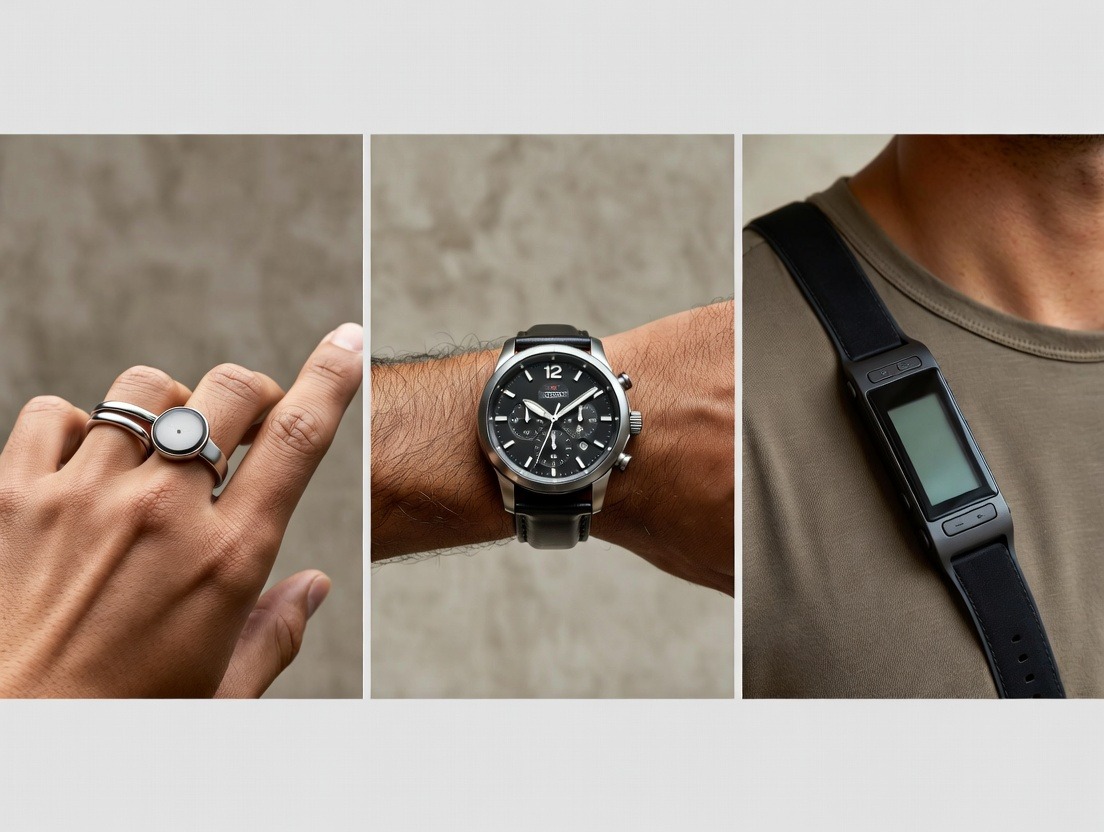
As with any technology, especially one dealing with complex human biology, it's crucial to maintain a balanced, informed perspective. Smart rings are powerful tools, but they are not medical devices. Understanding their accuracy, context, and inherent limitations is key to using them effectively without falling into data anxiety or misinterpretation.
What It Does Exceptionally Well (The Strengths)
Important Limitations and Context (The Caveats)
Using a smart ring wisely means embracing it as a phenomenally insightful guide and coach, not an omniscient doctor. It provides the most objective dashboard of your body's signals ever available to consumers, empowering you to have more informed conversations with yourself and your healthcare providers. This balanced understanding of its role is central to getting the maximum benefit, as outlined in our guide on how to use wearable health tech for maximum benefit.
Data without action is just trivia. The profound value of understanding your sleep metrics lies in the tangible, personalized changes you can make to your daily and nightly routines. This is the transition from awareness to transformation. Here is how to translate the graphs and scores into real-world health improvements.
1. Optimize Your Sleep Environment (The Foundation)
Your data will quickly reveal if your environment is working against you.
2. Refine Your Daytime Habits Based on Readiness
Let your Readiness Score guide your day, not just your curiosity.
3. Target Specific Metrics with Lifestyle Levers
4. Use Data for Productive Conversations
5. Practice Patience and Look at Long-Term Trends
Meaningful physiological change happens over weeks and months, not days. Don't fixate on single-night fluctuations. Look at your weekly and monthly averages. Celebrate when you see a positive trend in your baseline HRV or a decrease in your sleep latency. This long-term view is what builds sustainable habits and underscores the compound long-term value of smart ring benefits.
By systematically applying these actions, you close the loop. The data from the night informs the choices of the day, which in turn create better data the following night. This virtuous cycle is the path to not just better sleep, but to a more attuned, resilient, and healthier life.
Sleep is not an isolated pillar of health; it is the foundational bedrock that supports and interacts with every other aspect of your well-being. The data generated each night is the most critical input into a holistic wellness model, influencing and being influenced by nutrition, movement, stress, and social connection. Viewing your sleep metrics through this integrative lens reveals their true significance.
The Synergy with Nutrition and Metabolism
Your sleep data and your dietary choices are in constant dialogue. As mentioned, poor sleep disrupts hunger hormones, leading to increased cravings. But the reverse is also true: your evening meal directly impacts your sleep architecture. A large, high-fat, or high-sugar meal too close to bedtime can raise your core temperature and force your digestive system to work overnight, leading to elevated heart rate, reduced HRV, and less deep sleep. Your ring’s data can help you identify your personal "cut-off" time for eating. Furthermore, nutrients like magnesium, glycine, and certain phytonutrients can promote relaxation and improve sleep quality, which your data can help you validate. This creates a powerful feedback loop for metabolic health.
The Reciprocal Relationship with Movement and Exercise
This is a classic bidirectional relationship. Daytime exercise, particularly aerobic and resistance training, is one of the most reliable ways to deepen sleep and improve sleep efficiency. It increases sleep pressure (the homeostatic drive for sleep) and can help stabilize circadian rhythms. In return, high-quality sleep is non-negotiable for exercise recovery and adaptation. It’s during deep sleep that muscle repair occurs and energy stores are replenished. Your readiness score, derived from sleep and recovery data, should be the final arbiter of your workout intensity. Training hard on a low-recovery day undermines progress and increases injury risk. This synergy is why athletes consider sleep data as vital as their training log, a concept explored in depth regarding smart ring benefits for athletes making the switch to more accurate, night-friendly wearables.
The Intimate Dance with Stress and Mental Health
Sleep and stress exist in a vicious or virtuous cycle. Chronic stress activates the sympathetic nervous system, elevating cortisol and adrenaline, which hijack the brain circuits needed for sleep onset and maintenance, leading to insomnia and shallow sleep. Poor sleep, in turn, weakens the prefrontal cortex's ability to regulate the amygdala (the fear center), making you more emotionally reactive and less resilient to the next day's stressors. Your HRV is the key metric in this dance—it plummets under stress and recovers with restful sleep. By using your sleep and HRV data to identify stress overload, you can proactively deploy interventions like meditation, nature exposure, or digital detoxes, actively working to reduce stress and anxiety naturally by breaking the cycle at the sleep level.
Social and Environmental Synchronization
Humans are social creatures with biological rhythms that synchronize to our environment and each other. Irregular social schedules (late nights out, shift work) create "social jet lag," misaligning your internal clock from the solar day, which is vividly reflected in disrupted temperature rhythms and poor sleep scores. Even social connection itself affects sleep; feelings of loneliness or social stress can degrade sleep quality, while secure relationships can promote it. Some couples even find that tracking wellness together with shared data creates mutual accountability and support for better sleep habits.
The Longevity Connection: Sleep as a Pillar of Healthy Aging
Ultimately, the cumulative effect of nightly sleep data points toward your long-term health trajectory—your longevity. Consistently poor sleep is associated with accelerated biological aging, increased systemic inflammation (inflammaging), and higher risk for all chronic diseases of aging: neurodegenerative, cardiovascular, and metabolic. Conversely, protecting deep sleep, maintaining strong circadian rhythms, and preserving high nocturnal HRV are associated with longer healthspans. In this way, your smart ring becomes a tool for supporting longevity and healthy aging, providing nightly feedback on the habits that will sustain your vitality for decades to come.
When you view your sleep data as the central hub of your wellness wheel, connected to every other spoke, its importance is magnified. It is not just about feeling rested tomorrow; it is about building a body and mind resilient enough to thrive in all aspects of life, for years to come. This holistic perspective is the culmination of understanding your health data—it’s the story of how your nights build your days, and how your days, in turn, write the story of your life.
Your Trusted Sleep Advocate: Sleep Foundation — https://www.sleepfoundation.org
Discover a digital archive of scholarly articles: NIH — https://www.ncbi.nlm.nih.gov/
39 million citations for biomedical literature :PubMed — https://pubmed.ncbi.nlm.nih.gov/
Experts at Harvard Health Publishing covering a variety of health topics — https://www.health.harvard.edu/blog/
Every life deserves world class care :Cleveland Clinic - https://my.clevelandclinic.org/health
Wearable technology and the future of predictive health monitoring :MIT Technology Review — https://www.technologyreview.com/
Dedicated to the well-being of all people and guided by science :World Health Organization — https://www.who.int/news-room/
Psychological science and knowledge to benefit society and improve lives. :APA — https://www.apa.org/monitor/
Cutting-edge insights on human longevity and peak performance:
Lifespan Research — https://www.lifespan.io/
Global authority on exercise physiology, sports performance, and human recovery:
American College of Sports Medicine — https://www.acsm.org/
Neuroscience-driven guidance for better focus, sleep, and mental clarity:
Stanford Human Performance Lab — https://humanperformance.stanford.edu/
Evidence-based psychology and mind–body wellness resources:
Mayo Clinic — https://www.mayoclinic.org/healthy-lifestyle/
Data-backed research on emotional wellbeing, stress biology, and resilience:
American Institute of Stress — https://www.stress.org/


