


The Beginner-Friendly Guide to Your Health Data: What Your Smart Ring Actually Measures
A beginner's guide to what your smart ring actually measures.
A beginner's guide to what your smart ring actually measures.
%402x.svg)
You’ve just unboxed a sleek piece of technology no bigger than a wedding band. You slip it on, pair it with an app, and suddenly, a universe of data about your own body unfolds on your phone screen. It’s fascinating, but also… overwhelming. What do all these numbers and graphs mean? Is your Heart Rate Variability (HRV) good or bad? Why does your resting heart rate fluctuate? What does your skin temperature actually tell you about your health?
Welcome to the new frontier of personalized wellness, where the most profound insights come from the most discreet device. The smart ring represents a seismic shift from generic fitness tracking to true, 24/7 health understanding. Unlike a smartwatch that buzzes and blinks on your wrist, a smart ring works silently in the background, gathering data from one of the body’s most vascular areas—your finger. This isn’t just about counting steps; it’s about decoding the subtle language of your physiology.
For too long, advanced health metrics were confined to sports labs and doctor’s offices. Now, they’re accessible to anyone seeking a deeper connection with their well-being. This guide is your decoder ring. We will demystify every major metric your smart ring measures, translate the science into practical knowledge, and show you how to move from passive data collection to active life enhancement. By the end, you won’t just own a smart ring—you’ll understand the story it’s telling about you.
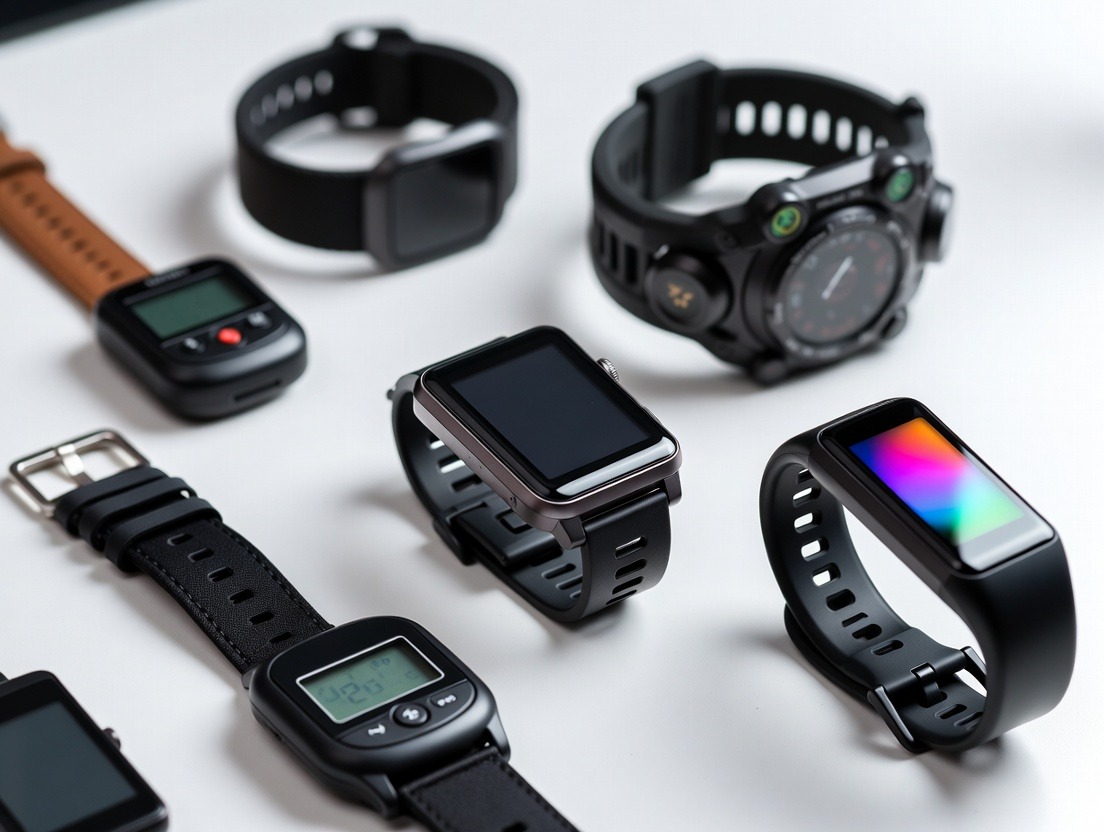
Before we dive into specific metrics, it’s essential to grasp the how. How can a small ring on your finger possibly claim to know if you’re stressed, getting sick, or slept poorly? The magic—and science—lies in its sensor array and its prime location.
At its core, a high-quality smart ring uses Photoplethysmography (PPG) sensors. Shine a light through your finger (or onto your skin), and a sensor measures the amount of light that is absorbed or reflected back. Blood is a great light absorber. With every heartbeat, a pulse of blood surges through your capillaries, changing the light absorption. The ring’s algorithms track these minuscule changes thousands of times a minute to determine your heart rate and, crucially, the subtle variations between beats (HRV).
But it doesn’t stop there. A 3D accelerometer and gyroscope detect movement and orientation, differentiating between a brisk walk, typing at your desk, and the distinct lack of movement during sleep. A skin temperature sensor monitors the subtle ebbs and flows of your body’s thermal regulation. Some advanced rings even include a pulse oximeter (SpO2) to measure blood oxygen saturation.
The finger is a uniquely advantageous spot for this kind of monitoring. It has a high density of capillaries and blood vessels close to the surface, providing a strong PPG signal. It’s also less prone to motion artifacts during sleep compared to a wrist (no “sleep wrinkles” to distort the signal), which is why smart rings are often hailed for their superior sleep tracking accuracy. This combination of sophisticated sensors and an ideal anatomical position allows the ring to act as a continuous, passive health observatory.
This technology represents a leap beyond the basic tracking of older wearables, enabling the kind of comprehensive, round-the-clock monitoring that can truly inform your wellness journey. To understand how this evolution unfolded, you can explore the broader context in our complete wearable health tech guide for 2025.
Your heart rate, measured in beats per minute (BPM), is the most fundamental vital sign your smart ring tracks. But in the context of continuous, all-day wear, it becomes so much more than a single number. Your ring observes three key facets of your heart rate: Resting Heart Rate (RHR), Daytime Heart Rate, and Heart Rate During Sleep.
Resting Heart Rate (RHR) is your heart’s idle speed—the number of beats per minute when you are fully relaxed, awake, and not moving. A lower RHR generally indicates a more efficient cardiovascular system and better fitness. For the average adult, 60-100 BPM is the textbook range, but fit individuals often have an RHR in the 40s or 50s. Your smart ring typically calculates your true RHR during periods of deep calm, often first thing in the morning before you get out of bed. Tracking the trend of your RHR is far more insightful than a daily snapshot. A sustained increase of 5-7 BPM above your personal baseline can be an early warning sign of overtraining, impending illness, dehydration, or chronic stress.
Daytime Heart Rate reflects how your heart responds to daily life. A healthy heart is responsive; it elevates appropriately with physical or mental stress and recovers quickly when the stressor passes. Your ring can show you how a stressful meeting, a caffeine hit, or a lunchtime workout impacts your system. Observing these patterns helps you connect internal physiology with external events.
Nocturnal Heart Rate is perhaps the most telling. During deep, restorative sleep, your heart rate should dip to its lowest point of the 24-hour cycle. A heart rate that remains elevated at night is a red flag, suggesting your body is still in a state of sympathetic (“fight-or-flight”) activation when it should be deeply in parasympathetic (“rest-and-digest”) mode. This can be caused by late meals, alcohol, psychological stress, or sleep disorders like apnea.
Practical Takeaway: Don’t just glance at your heart rate. Watch the trends. Establish your personal baseline over a few weeks of normal routine. Then, pay attention to deviations. If your RHR is creeping up for several days, it might be your body’s cue to prioritize recovery, hydrate more, or get extra sleep. This continuous insight is a cornerstone of the smart ring benefits for 24/7 health monitoring without bulk.
If heart rate is the drumbeat, Heart Rate Variability is the nuanced rhythm and syncopation around it. HRV measures the millisecond variations in the time intervals between consecutive heartbeats. Contrary to what one might assume, a higher HRV is generally better. It indicates a strong, resilient autonomic nervous system (ANS) that can swiftly adapt to change. Your heart doesn’t tick like a metronome; a healthy system has constant, subtle variations.
A high HRV suggests a dominant parasympathetic nervous system (the “rest and digest” state), meaning your body is well-recovered, resilient to stress, and in good health. A low HRV indicates sympathetic nervous system dominance (“fight or flight”), signaling that your body is under stress—be it from exercise, work, emotional turmoil, or illness.
Your smart ring tracks your HRV, particularly your nighttime average HRV, which is considered the most reliable reading as it’s measured when you are still and your body is focused on recovery. This single metric is a powerful dashboard indicator of your overall readiness.
Practical Takeaway: Use your HRV as a daily guide for training intensity and lifestyle choices. Don’t train hard if your HRV is in the gutter; opt for gentle movement or rest instead. This data-driven approach to recovery is what allows athletes and wellness enthusiasts to transform their training with smart ring recovery insights. Over time, you can learn which behaviors (meditation, early nights, limiting alcohol) improve your HRV and which ones degrade it, empowering you to make smarter choices for your resilience.
Sleep is not a monolithic state of unconsciousness. It’s a dynamic, cyclical journey through different stages, each with a distinct purpose. Your smart ring uses movement, heart rate, and HRV data to estimate your time in Light Sleep, Deep Sleep, REM Sleep, and periods of Wakefulness.
Your smart ring’s sleep score is typically a composite metric weighing total sleep time, efficiency (time asleep vs. time in bed), and the balance of these stages. The goal isn’t perfection, but consistency and sufficiency.
Practical Takeaway: Look beyond just “8 hours.” Did you get sufficient deep sleep for physical recovery? Did you cycle into REM for mental recovery? If your deep sleep is consistently low, consider factors like evening caffeine, room temperature, or timing of your last meal. If REM is suppressed, it can often be linked to stress or alcohol consumption, which is known to disrupt REM cycles. By identifying these patterns, you can take targeted action to truly improve your sleep quality with the overnight advantage a smart ring provides.
While you’re focused on your heart, your smart ring is also quietly counting your breaths. Respiratory rate (RR), measured in breaths per minute, is a critical yet often overlooked vital sign. For adults, a typical resting respiratory rate is between 12 and 20 breaths per minute. Like heart rate, it’s most informative when tracked for trends.
Your ring measures RR continuously, but it’s most accurate during sleep when you’re still. A stable, low respiratory rate during sleep is a sign of good cardiovascular fitness and efficient breathing. Significant deviations are noteworthy.
Practical Takeaway: Add respiratory rate to your morning check-in. If you see a sustained uptick over 2-3 nights, even if you feel fine, it’s a signal from your body to prioritize immune support: get extra rest, stay hydrated, and maybe ease up on intense workouts. This kind of early detection exemplifies how smart ring benefits support preventive healthcare in a powerful, personal way.
Your core body temperature is tightly regulated, but the temperature of your skin—especially on your extremities—fluctuates throughout the day and night in response to your circadian rhythm, environment, and health status. Your smart ring tracks your nighttime distal skin temperature trend.
In a healthy, predictable cycle, your core temperature drops to initiate sleep, and blood flow to your hands and feet increases (vasodilation) to release heat, raising your skin temperature. As morning approaches, the process reverses. Your ring establishes a personalized baseline for your typical nighttime skin temperature.
Deviations from this baseline are highly informative:
For women, skin temperature is a key component of natural cycle tracking, as it rises after ovulation and remains elevated until menstruation begins. This makes a smart ring an incredibly powerful tool for understanding cyclical patterns, as detailed in our exploration of smart ring benefits for women’s cycle tracking and hormonal insights.
Practical Takeaway: View skin temperature as a broad indicator of your body’s inflammatory state. A multi-night spike, especially when combined with a raised RHR and lowered HRV, forms the “sickness triad”—a strong alert to slow down. It’s your body’s early-warning system, giving you a chance to act before full symptoms appear.
Blood Oxygen Saturation measures the percentage of oxygen-carrying hemoglobin in your blood. A healthy individual typically maintains an SpO2 level between 95% and 100%. While daytime SpO2 is usually stable, your smart ring primarily tracks this metric during sleep, as it’s a key indicator of respiratory health overnight.
Brief, minor dips during sleep are normal. However, frequent or significant drops below 92-90% can be a sign of sleep-disordered breathing, such as obstructive sleep apnea (OSA). In OSA, the airway becomes blocked during sleep, causing breathing to repeatedly stop and start, which leads to oxygen desaturations.
Practical Takeaway: Use the SpO2 data as a screening tool for sleep quality, not a medical diagnostic device. If your ring consistently shows low overnight SpO2 averages or frequent, large dips, and you experience symptoms like daytime fatigue, loud snoring, or morning headaches, it provides valuable data to discuss with a healthcare professional. This ability to gather evidence about your sleep health is a key part of how smart ring benefits can help you sleep better by identifying potential issues.
Yes, your smart ring counts steps and estimates calorie expenditure. But its value lies in measuring non-exercise activity thermogenesis (NEAT)—the calories you burn through all daily movement except dedicated exercise. This includes walking, fidgeting, standing, and even household chores. NEAT is a massive and highly variable component of your total daily energy expenditure.
More importantly, your ring tracks activity balance. It can nudge you if you’ve been sedentary for too long, promoting the health benefits of regular, low-intensity movement throughout the day. For dedicated workouts, while it may not have a GPS for pace, its heart rate data provides a good measure of exercise intensity and effort, allowing it to contribute meaningfully to your overall activity picture.
Practical Takeaway: Don’t obsess over a 10,000-step goal. Instead, use your ring to cultivate consistent, all-day movement. Notice how your NEAT changes on office days versus active days. This holistic view of activity supports sustainable habits for long-term weight management goals by focusing on overall daily energy balance, not just gym sessions.
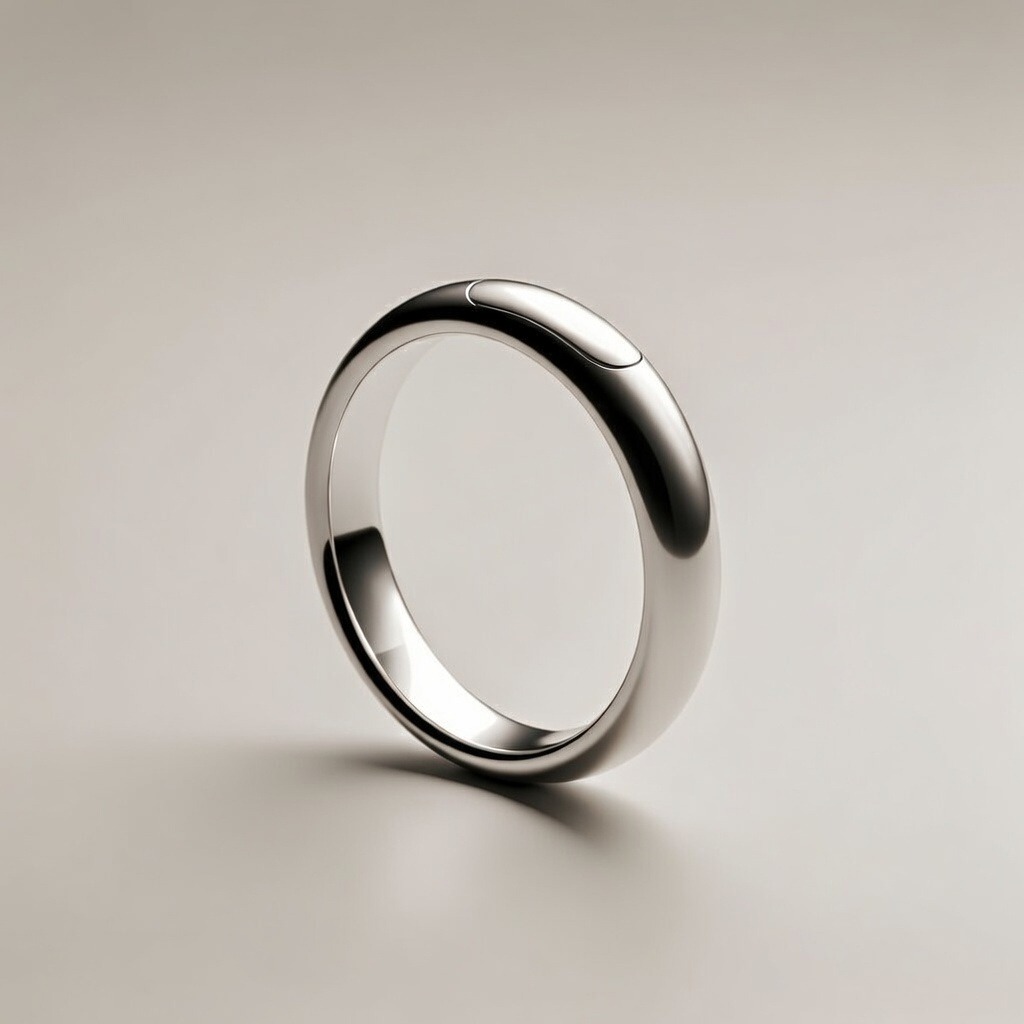
Most smart ring apps synthesize the complex data from the metrics above into one or two simple, digestible scores: a Readiness Score (or Recovery Score) and a Sleep Score.
Practical Takeaway: Let these scores guide, not dictate, your day. A low readiness score isn’t a failure; it’s valuable feedback. It’s your body saying, “I need a break.” Honoring that feedback is how you build sustainable health and avoid burnout. This daily guidance system is a core feature that helps users create better health habits for the long term.
Data in isolation is just noise. The profound power of a smart ring comes from contextual awareness—correlating your physiological data with your life log. This is where you move from being a passive observer to an active investigator of your own health.
Your app allows you to log daily behaviors: workouts, caffeine and alcohol intake, meal times, stress levels, and menstrual cycles. When you log that you had two glasses of wine, you can see its clear impact on your suppressed REM sleep, elevated nighttime heart rate, and lowered HRV the next morning. When you log a high-stress workday, you can see the correlation with a higher resting heart rate.
This process of experimentation and observation is called n-of-1 biohacking. You are a study of one. What disrupts your sleep? What improves your recovery? The answers are unique to your biology. This personalized feedback loop is what truly empowers your ownership of health data.
Now that you understand the metrics, what do you do? Here is a beginner’s 30-day protocol to build knowledge and habit:
Weeks 1-2: Establish Your Baseline
Weeks 3-4: Introduce One Micro-Experiment
By the end of 30 days, you will have moved from confusion to comprehension. You’ll start to see the story your body is telling you each day, unlocking the true potential of wearing a compact, intelligent device that works tirelessly to help you understand yourself better. This journey of discovery is just the beginning of maximizing your wellness ring investment.
Your smart ring is the data collector, but the companion app is the translator and guide. Stepping into this dashboard for the first time can feel like entering the cockpit of a spaceship—flashing lights, unfamiliar graphs, and a sea of numbers. Let's take a calm, guided tour of the typical zones you’ll encounter, so you can move from overwhelm to insight.
The Home Screen / Today View: This is your mission control. At a glance, you’ll usually see your two key composite scores: Readiness and Sleep. Think of these as your daily headlines. Below them, expect to see tiles or graphs for your core metrics: Heart Rate, HRV, Skin Temperature, and Activity. The design is meant to answer the fundamental question: Am I ready to perform, or do I need to recover? A green or high score is a thumbs-up; an amber or low score is a gentle nudge to take it easy.
The Sleep Dashboard: Dive deeper here. You’ll typically see a hypnogram—a graph showing your cycling through sleep stages (awake, light, deep, REM) through the night. Alongside it, key stats: Total Sleep Time, Sleep Efficiency (time asleep vs. time in bed), Time in Each Stage, and your Sleep Score breakdown. Look for the timing of your deep sleep (should be concentrated in the first half of the night) and REM (which clusters in the second half). This is where you’ll learn your personal sleep architecture.
The Readiness/Recovery Dashboard: This is your physiological check-engine light. It displays the contributors to your daily score. You’ll see your HRV status compared to your baseline, your Resting Heart Rate trend, your sleep balance, and often your previous day’s activity load. The app is synthesizing these signals to give you a holistic picture of your stress and recovery balance. This integrated view is what makes these devices so powerful for managing not just fitness, but overall life load, offering surprising benefits for mental health and wellness by quantifying the physical impact of stress.
The Activity Dashboard: While not as granular as a dedicated sports watch, this section tracks your daily movement. It logs steps, estimates active calories burned, and charts your activity intensity throughout the day. Many apps also track sedentary time and will remind you to move. The focus here is less on crushing workouts and more on the foundational health principle of consistent, daily non-exercise movement.
Trends & Insights Tab: This is where the magic of long-term tracking happens. This section moves beyond the daily snapshot to show you weekly, monthly, and yearly trends. Here, you can answer questions like: Is my average HRV improving over the last 3 months? Does my Resting Heart Rate have a seasonal pattern? How does my sleep duration change during busy work periods? This macro view is critical for understanding the long-term impact of lifestyle changes and is central to the compounding long-term value of smart ring data.
Practical Takeaway: Spend a week just exploring. Tap on every graph, read the app’s educational tooltips, and see how the data interconnects. Notice how a poor sleep score impacts your next day’s readiness. Observe how a day of high stress shows up in your evening heart rate. The dashboard isn’t a report card; it’s a dialogue with your body. Learning its language is the first step to making this data truly work for you.
One of the most common—and paralyzing—mistakes beginners make is comparing their numbers to generic charts or, worse, to a friend’s data. A “good” HRV for a 25-year-old elite athlete might be 120ms, while a “good” HRV for a 50-year-old desk worker might be 35ms. Both are perfectly healthy for their individual contexts. Your smart ring’s primary job is not to judge you against the population, but to detect meaningful changes within you.
What is a Personal Baseline? It’s the range of values for each metric that is normal for you when you are living your typical, healthy routine—well-rested, not sick, and managing average stress. It’s your physiological fingerprint.
How to Establish Your Baseline: This requires patience and consistency. Most experts and apps recommend a minimum of two weeks of normal wear, ideally a full month, to account for natural cyclical variations (like menstrual cycles). During this period:
Understanding "Normal Range" vs. "Daily Value": Once your baseline is set, your app will display your daily data against your personal range. For example, your HRV graph might show a shaded band from 40ms to 70ms—that’s your normal zone. A reading of 65ms is great. A reading of 35ms is a significant deviation for you, even though 35ms might be another person’s baseline. This personalization is the key to accurate interpretation and is a major reason why these devices benefit from personalization to your unique biology.
Practical Takeaway: For your first month, ignore “good” or “bad” labels from external sources. Focus on the question: “Is this normal for me?” Only after you know your personal baseline can you start to accurately interpret deviations as meaningful signals. This foundational step transforms random numbers into a powerful personal health narrative.
Now that you know your baseline, the real detective work begins. Deviations are the signals—the whispers and shouts from your autonomic nervous system. A single off-day is usually noise. A sustained trend over 2-3 days is a signal worth investigating. Let’s decode the most common patterns.
The "You’re Getting Sick" Triad: This is one of the most valuable alerts your ring can provide.
The "You’re Overtrained or Stressed" Pattern:
The "Poor Sleep Hygiene" Signature:
The "You’re Adapting & Improving" Trend (The Good News!):
Practical Takeaway: Don’t panic over a single red metric. Look for clusters and trends. Use the app’s journal or tagging feature to note potential causes (e.g., “late work deadline,” “drank wine,” “hard interval session”). Over time, you’ll become adept at connecting life events to physiological outcomes, turning your ring into a powerful tool for self-regulation.
The raw biometrics from your ring tell the what. The lifestyle log you keep tells the why. This practice of conscious logging is the bridge that turns passive data collection into active, empowered behavior change. It’s the cornerstone of the n-of-1 experiment that is your life.
What to Log (Start Simple): You don’t need to journal your entire day. Focus on key factors known to influence physiology.
How to Log Effectively: Most apps have a tagging or note system for the day. Spend 60 seconds each evening reflecting. The goal is not perfection, but creating a searchable record. After a few weeks, you can look back at days with poor recovery and see a common tag: “2 glasses of wine.” Or you can see that your best sleep scores consistently follow days with your “yoga” tag.
Correlation vs. Causation: This is a critical distinction. Your log shows correlations. “On the three nights I drank alcohol, my deep sleep was below average.” This is a strong, personal correlation. You can then experiment with causation: “If I remove alcohol for two weeks, does my deep sleep improve?” This personal experimentation is far more powerful than generic health advice. It’s how you discover what your body truly needs, a process that is central to improving your HRV and overall resilience over time.
Practical Takeaway: Make logging a quick, non-negotiable nightly habit. Even 2-3 tags are valuable. This small investment creates a rich dataset that allows you to move from guessing to knowing what impacts your health. It transforms your smart ring from a fancy pedometer into a personal health research lab.
Your daily Readiness or Recovery Score is designed to be actionable. But the goal is to use it as a wise advisor, not a tyrannical boss. A low score doesn’t mean you must cancel all plans and lie in a dark room. It means you should approach the day with more awareness and self-compassion.
Interpreting the Score Tiers:
When to Override the Score (Wisely): The score is an algorithm, not omniscient. There are times your subjective feeling should take precedence.
Practical Takeaway: Each morning, check your score alongside how you feel. Let that combination guide your choices. On low-score days, frame it not as a failure, but as a successful early-warning system. You’ve successfully detected strain before it led to burnout or injury. This proactive approach is a key way smart ring benefits support preventive healthcare in your daily life.

Seeing a poor sleep score is frustrating. The real value lies in knowing why it was poor and what specific lever to pull to improve it. Here’s how to move from diagnosis to treatment using your ring’s detailed sleep data.
If Your Problem is Sleep Latency (Trouble Falling Asleep):
If Your Problem is Sleep Fragmentation (Frequent Awakenings):
If Your Problem is Lack of Deep Sleep:
If Your Problem is Lack of REM Sleep:
Practical Takeaway: Don’t try to fix everything at once. Pick the one sleep stage issue most relevant to you and implement the top 1-2 actionable steps for two weeks. Observe the trends in your app. This targeted, data-informed approach is how you move from guessing to knowing what works for your sleep, leveraging the smart ring benefits for sleep quality to its fullest.
The modern fitness mantra is no longer “more is better.” It’s “stress + rest = growth.” Your smart ring provides the missing link to quantify the “rest” side of that equation, preventing you from constantly overreaching into overtraining.
Using HRV & RHR to Guide Training Intensity: This is a game-changer for anyone who exercises regularly.
Tracking Training Load: Many apps provide a measure of your recent activity strain or load. Watch this metric in conjunction with your readiness. A high activity load coupled with a plummeting readiness score is the classic signature of overreaching. The ring helps you see this in real-time, allowing you to pull back before it becomes full-blown overtraining syndrome, an insight that is invaluable for athletes making the switch to more intuitive training.
The Importance of NEAT on Rest Days: On recovery days, don’t fall into the trap of being completely sedentary. Gentle, non-exercise movement (NEAT) aids recovery by promoting circulation without adding metabolic stress. Use your ring’s inactivity alerts to remind you to get up and move gently throughout the day.
Practical Takeaway: Each week, sketch out a rough workout plan, but let your morning readiness data fine-tune it. Be willing to swap a hard Tuesday workout to Wednesday if your body asks for it. This dynamic, responsive approach leads to better results, fewer injuries, and more sustained motivation because you’re working with your body, not against it.
Psychological stress creates a very real, measurable physiological response: increased sympathetic nervous system activity, elevated cortisol, a higher heart rate, and lowered HRV. Your smart ring makes this invisible process visible, giving you an objective gauge of your nervous system state.
Identifying Your Stress Signatures: Stress doesn’t always feel like anxiety. It can manifest as irritability, brain fog, or fatigue. Your ring’s data provides an unbiased check.
Using Data for Intervention: When you see the data reflecting stress, you can deploy targeted countermeasures.
Validating Relaxation Practices: The flip side is also powerful. After a meditation session, a yoga class, or a relaxing weekend, check your metrics. Seeing a tangible improvement in your HRV or a lowering of your RHR validates that these activities aren’t just “nice to have”—they are physiologically restorative. This validation is a powerful motivator and a core part of how this technology can reduce stress and anxiety naturally by providing feedback.
Practical Takeaway: Don’t wait to “feel” stressed to manage it. Use your daily readiness and HRV as an early indicator. If your scores are dipping for no obvious physical reason, it’s likely psychological or emotional stress. Let that be your cue to proactively schedule de-stressing activities before you feel overwhelmed. This turns stress management from a reactive to a proactive endeavor.
The daily and weekly data is for tactics. The long-term trend analysis is for strategy. This is where you see the true impact of sustained lifestyle choices and monitor your health trajectory over months and years.
Key Long-Term Trends to Monitor:
Using Trends for Motivation and Course-Correction: When you feel discouraged, look at your 90-day trend. You may see that despite a bad week, your HRV is still higher than it was three months ago. This provides powerful motivation to stay the course. Conversely, if you see a slow, steady decline in recovery metrics over a month, it’s a clear signal to audit your lifestyle and make changes before you hit a wall.
The Ultimate Goal: Healthspan: This long-term view aligns with the goal of increasing not just lifespan, but healthspan—the number of years you live in good health. By using your ring to guide daily choices that improve resilience, sleep, and stress management, you are actively investing in your future vitality. This strategic, long-term application is a profound way smart ring benefits support longevity and healthy aging.
Once you’ve mastered the basics of daily and weekly interpretation, you can begin to mine your data for deeper, more sophisticated patterns. This is where the smart ring transitions from a health dashboard to a personal biometrical detective, revealing insights that are invisible to the naked eye. Let’s explore the advanced layers of understanding.
Circadian Rhythm Alignment: Your body operates on a near-24-hour internal clock that governs everything from hormone release to digestion to cellular repair. Your smart ring data is a direct readout of your circadian health.
The Impact of Nutrition & Meal Timing: Beyond logging "had a big meal," you can see the direct physiological impact of what and when you eat.
Detecting Subtle Inflammatory Responses: Inflammation is at the root of many chronic diseases, but low-grade inflammation is often silent.
Practical Takeaway: Dedicate one month to exploring one advanced pattern. For example, focus solely on meal timing. Eat dinner early for two weeks, then late for two weeks, and compare your average nighttime HRV and heart rate. This deep-dive experimentation unlocks a level of self-knowledge that empowers you to become the true expert on your own body.
As powerful as this technology is, a critical part of being an informed user is understanding its boundaries. A smart ring is a phenomenal wellness tool, but it is not a medical device, and treating it as such can lead to unnecessary anxiety or missed diagnoses.
It’s Estimative, Not Diagnostic: The ring provides estimates based on sensor data and algorithms. For example:
It Measures Trends, Not Absolute Clinical Values: The ring excels at showing you changes in your physiology. A skin temperature reading of 92°F is not your core temperature; the value is in whether it’s 1.5°F higher than your normal baseline. It’s a relative, not an absolute, measure. This is why establishing a personal baseline is non-negotiable.
It Can’t Diagnose Specific Conditions: While it can flag patterns strongly associated with issues like sleep apnea (through SpO2 dips and elevated nighttime HR), it cannot diagnose sleep apnea, atrial fibrillation, diabetes, or any other medical condition. It is a screening and awareness tool. Any concerning patterns should be taken to a healthcare professional for proper clinical evaluation.
It May Have Data Gaps: Poor fit (too loose), extremely cold fingers, or very dark skin pigmentation can occasionally interfere with PPG sensor accuracy, leading to temporary data gaps. It’s important to ensure a snug (but not tight) fit and understand that occasional dropouts are a technical limitation, not necessarily a health event.
Practical Takeaway: Use your ring as a guide and an early-warning system, not a doctor. Let it empower conversations with healthcare providers by providing them with longitudinal data, but never let its data cause panic or replace professional medical advice. This balanced understanding is part of choosing the right wearable health technology for your needs.
One of the most transformative applications of smart ring data is in the context of your formal healthcare. Walking into a doctor’s appointment with months of personalized data shifts you from a passive patient describing symptoms to an active partner providing evidence.
Preparing for an Appointment:
How Doctors Can Use This Data: Forward-thinking healthcare providers value this information. It provides:
A Note on Data Privacy: Before sharing data, understand your app’s privacy policy. Most allow you to export PDF reports or share screenshots directly without granting ongoing access to your account. This keeps you in control of your sensitive health information, a crucial consideration explored in our guide on wearable health tech privacy and data security.
Practical Takeaway: Think of your long-term data trends as a valuable part of your personal health record. In an era of brief appointments, this data provides context and continuity of care that is otherwise missing. It demonstrates that you are engaged in your own health, which most providers will appreciate and collaborate with. This is the essence of benefits that your doctor will appreciate.
The smart ring on your finger today is just the beginning. The convergence of miniaturization, advanced sensor technology, and AI is poised to make these devices even more powerful, personalized, and integrated into our healthcare system.
Non-Invasive Blood Glucose & Metabolic Monitoring: Several companies are in advanced stages of developing PPG-based algorithms that can estimate blood glucose trends non-invasively. While not a replacement for a glucometer for diabetics, this could provide massive awareness for metabolic health and pre-diabetes prevention for the general population.
Continuous Blood Pressure Monitoring: Through advanced PPG analysis and pulse wave velocity calculations, future rings may provide reliable, continuous blood pressure trends, a huge leap for managing hypertension.
Advanced Stress & Mental State Detection: By combining HRV, heart rate patterns, skin temperature, and even galvanic skin response (measuring tiny sweat changes), future algorithms could more precisely identify states of focus, flow, anxiety, and burnout, offering real-time cognitive and emotional feedback.
Enhanced Female Health & Pregnancy Tracking: Beyond basic cycle tracking, future rings could provide more detailed hormonal shift predictions, insights into menstrual health conditions like PCOS or endometriosis, and even track unique physiological patterns during pregnancy.
True Medical Device Certification: As accuracy improves, we will see more rings seeking FDA clearance or CE marking as Class II medical devices for specific indications, like atrial fibrillation detection or sleep apnea screening. This will further blur the line between consumer wellness and clinical tools.
Practical Takeaway: The smart ring you buy today is a platform that will likely see its capabilities expand via software updates. Investing in a ring from a company with a strong R&D focus means your device could gain new features over time. This rapid evolution is part of the exciting future of wearable health tech.
If you’re reading this guide before making a purchase, or considering an upgrade, here are the key factors to weigh beyond brand marketing. The “best” ring is the one that aligns with your primary goals, lifestyle, and budget.
1. Primary Use Case: What is your #1 goal?
2. Sensor Suite & Accuracy: This is the engine.
3. App Experience & Insights: The hardware collects data; the app delivers wisdom.
4. Comfort & Design (The “Forget You’re Wearing It” Factor):
5. Battery Life & Charging Ecosystem:
6. Ecosystem & Privacy:
Practical Takeaway: Make a list of your top 3 priorities. For most people, the hierarchy is: Accuracy (Sensor) > Usability (App) > Comfort > Battery Life > Price. There is no perfect device, but there is a best device for you. Taking the time to choose wisely means you’ll have a tool you trust and enjoy using for years.
You’ve now journeyed from the basic question of “what does this number mean?” to a comprehensive understanding of how a smart ring weaves together the complex story of your physiology. You’ve learned to speak the language of HRV, decode the architecture of your sleep, and listen to the subtle warnings in your skin temperature and respiratory rate.
Remember, the ultimate goal is not to optimize your graphs into perfect, sterile lines. The human body is not a machine to be tuned to peak efficiency every single day. It is a dynamic, responsive, living system that thrives on rhythm, adaptation, and recovery. The purpose of this data is to deepen your connection to that system—to foster intuition, not replace it.
Your smart ring is a mirror, reflecting the impact of your daily choices. It’s a compass, pointing you toward recovery when you’re veering toward burnout. It’s a teacher, revealing your unique biological responses. And it’s a partner, supporting you in the lifelong project of cultivating resilience, vitality, and well-being.
Let this guide be your starting point. Wear your ring. Observe without judgment. Experiment with curiosity. Celebrate the positive trends, and learn from the challenging ones without self-criticism. Share your insights with loved ones, perhaps even exploring how couples can track wellness together. Bring your data to healthcare conversations as an empowered participant.
The future of health is not passive; it is participatory, personalized, and preventive. With this knowledge in hand—and on your finger—you are now equipped to navigate that future not as a passive passenger, but as the informed captain of your own journey. The data is yours. The understanding is yours. The power to use it for a healthier, more vibrant life is, ultimately, yours.
Your Trusted Sleep Advocate: Sleep Foundation — https://www.sleepfoundation.org
Discover a digital archive of scholarly articles: NIH — https://www.ncbi.nlm.nih.gov/
39 million citations for biomedical literature :PubMed — https://pubmed.ncbi.nlm.nih.gov/
Experts at Harvard Health Publishing covering a variety of health topics — https://www.health.harvard.edu/blog/
Every life deserves world class care :Cleveland Clinic - https://my.clevelandclinic.org/health
Wearable technology and the future of predictive health monitoring :MIT Technology Review — https://www.technologyreview.com/
Dedicated to the well-being of all people and guided by science :World Health Organization — https://www.who.int/news-room/
Psychological science and knowledge to benefit society and improve lives. :APA — https://www.apa.org/monitor/
Cutting-edge insights on human longevity and peak performance:
Lifespan Research — https://www.lifespan.io/
Global authority on exercise physiology, sports performance, and human recovery:
American College of Sports Medicine — https://www.acsm.org/
Neuroscience-driven guidance for better focus, sleep, and mental clarity:
Stanford Human Performance Lab — https://humanperformance.stanford.edu/
Evidence-based psychology and mind–body wellness resources:
Mayo Clinic — https://www.mayoclinic.org/healthy-lifestyle/
Data-backed research on emotional wellbeing, stress biology, and resilience:
American Institute of Stress — https://www.stress.org/


