


Your Health Data Explained: How Your Smart Ring Learns Your Personal Patterns
How your smart ring learns your personal patterns over time.
How your smart ring learns your personal patterns over time.
%402x.svg)
You slip on a slender band of titanium, a simple piece of jewelry that feels more like a fashion statement than a piece of cutting-edge medical technology. Within days, it starts whispering secrets about yourself that you never consciously knew. It tells you the precise moment you fall into deep, restorative sleep. It senses the subtle spike in your stress before an important meeting, long before your mind acknowledges the tension. It learns your unique rhythm, the ebb and flow of your energy, and begins to paint a portrait of you—not a textbook average, but your singular, irreplaceable biology.
This is the quiet revolution of the modern smart ring. Unlike the loud notifications and constant engagement demanded by other wearables, a smart ring operates on a principle of passive, profound observation. It doesn’t ask for your attention; it earns your trust by learning the intimate language of your body. But how does this unassuming device transform raw signals from your finger into profound, personalized health insights? How does a piece of technology become, in essence, a student of your life?
This article is your definitive guide to that journey. We will demystify the entire pipeline, from the blink of an LED against your skin to the "Aha!" moment in an app that reveals a pattern shaping your wellbeing. We’ll explore the sophisticated sensors gathering data, the complex algorithms that find meaning in the noise, and the fascinating process of contextualization where the ring learns what is normal for you. This is more than a technical manual; it's a deep dive into the partnership between human and machine, revealing how continuous, discreet tracking is redefining our understanding of personal health, preventive care, and daily optimization. By the end, you will not only understand how your ring works—you’ll understand yourself a little better.
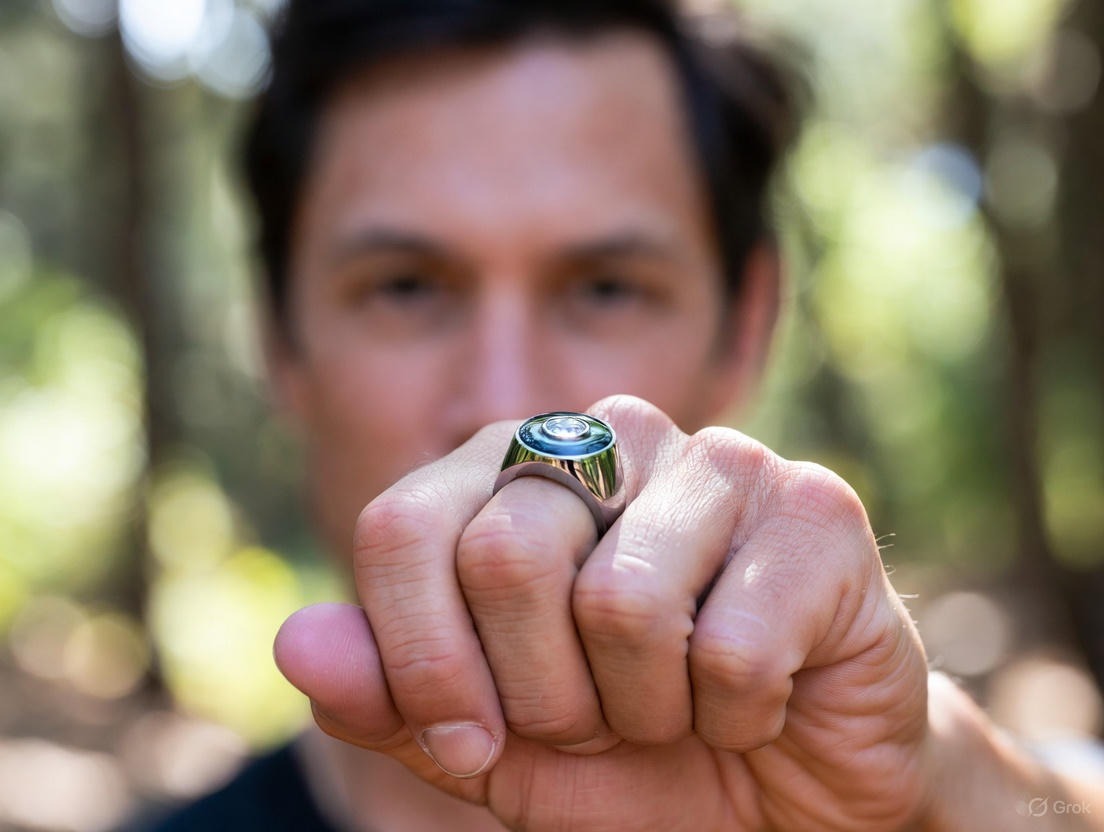
To appreciate how a smart ring learns your patterns, you must first understand what it observes. Your finger, surprisingly, is a window into your body’s central command system. Two primary rivers of data flow here: blood and motion.
At the heart of this tracking is Photoplethysmography (PPG). Don’t let the complex name intimidate you; the principle is elegant. Tiny LEDs on the inner rim of your ring emit light (typically green and red wavelengths) into the skin of your finger. A corresponding photodetector measures the amount of light that bounces back. With every heartbeat, blood vessels expand and contract, changing the light absorption and reflection. This creates a waveform—a PPG signal—that is a fundamental biometric fingerprint. From this continuous pulse wave, the ring’s algorithms can extract not just your heart rate, but its nuanced variability between beats, known as Heart Rate Variability (HRV), a gold-standard marker for nervous system balance and recovery. It can also gauge blood oxygen saturation (SpO2) by analyzing how red and infrared light is absorbed by oxygenated versus deoxygenated blood.
Simultaneously, a 3-axis accelerometer and often a gyroscope work as a meticulous motion detective. They don’t just count steps. They distinguish between the micro-vibrations of typing, the rhythmic swing of a walk, the vigorous jostle of a run, and the profound stillness of deep sleep. This inertial data is crucial for contextualizing the physiological signals. A rising heart rate during motion is expected; the same rise while you’re sitting still tells a completely different story about your stress or energy expenditure.
This multi-sensor fusion creates a rich, concurrent data stream. The PPG captures the internal symphony of your cardiovascular and autonomic nervous systems, while the motion sensors document the external choreography of your daily life. Together, they form the foundational language your smart ring uses to begin its education about you. For a deeper look at the sensor technology powering modern wearables, our complete wearable health tech guide for 2025 breaks down the science in detail.
The data pouring off the sensors is not yet insight. It’s a torrent of electrical noise, motion artifacts (from a sudden hand gesture), and physiological signals all mashed together. Transforming this into clean, accurate metrics is the first critical feat of engineering. This is where sophisticated algorithms act as expert translators.
Consider the PPG signal. Your finger moves, you grip a steering wheel, the ring shifts slightly—all these events create noise that can obscure the true heartbeat. Adaptive filtering algorithms dynamically clean this signal, isolating the cardiac rhythm from the interference. Once a clean pulse wave is established, peak detection algorithms pinpoint each heartbeat with remarkable precision, calculating the milliseconds between them. This is the raw material for HRV, a metric so sensitive that its accuracy is paramount. For athletes and anyone focused on recovery, understanding the nuances of this data is key, as explored in our article on smart ring benefits for recovery insights that transform training.
Sleep staging is another algorithmic marvel. Using the cleaned heart rate, HRV, SpO2, and meticulous movement data, the ring employs machine learning models trained on vast clinical datasets. These models identify patterns: very low movement coupled with a steadily dropping heart rate and rising HRV likely indicates deep sleep (slow-wave sleep). Frequent movement, a higher and variable heart rate, and faster breathing suggest light sleep. Periods of near-wakefulness and rapid eye movement (REM) sleep have their own characteristic signatures. The algorithm doesn’t just guess; it calculates probabilities to assign each minute of your night to a sleep stage, building a detailed architecture of your rest.
Similarly, activity recognition algorithms classify your motion data. They learn to differentiate a leisurely stroll from a brisk walk, a cycling session from a session of weightlifting, often without any manual input. This automatic detection is what enables passive tracking, the cornerstone of the smart ring’s effortless data collection. You don’t need to press a button; the ring simply knows, translating your life into structured, quantifiable metrics. This seamless operation is a major advantage over bulkier devices, as detailed in our analysis of smart ring benefits for 24/7 health monitoring without bulk.
This is the core of personalized health tech. For decades, wearable data was presented against population averages—comparing your 7 hours of sleep to the "recommended 8," or your resting heart rate of 65 to a generic "good" range. A smart ring’s true power lies in discarding these broad benchmarks in favor of establishing your personal baseline.
During the initial setup and the first week or two of wear, the ring isn’t just collecting data; it’s in a dedicated learning mode. It’s answering the fundamental question: "What does normal look like for this specific human?"
It calculates your average resting heart rate over multiple days and nights. It determines your typical HRV range, which can be vastly different from someone else’s (a higher HRV isn’t universally "better"; its stability within your range is what’s important). It learns the contours of your standard sleep cycle: when you usually fall asleep, how much deep and REM sleep you typically get, and what your nightly SpO2 looks like. It even begins to understand your daily activity patterns and calorie expenditure.
Establishing this dynamic baseline is revolutionary. It means the ring isn’t judging you against an abstract ideal; it’s monitoring for meaningful deviations from your own standard operating condition. A resting heart rate that is 5-10 beats per minute higher than your baseline is a far more significant alert than knowing your RHR is "in the 70s." A drop in your HRV below your normal range is a clearer signal of strain or impending illness than any generic score. This shift from comparative to personalized metrics is what makes the data truly actionable and relevant to your unique biology, a concept we explore further in smart ring benefits that personalize to your unique biology.
Data points in isolation are just numbers. Their power is unleashed through correlation. Your smart ring’s analytical engine is constantly performing a high-dimensional puzzle, fitting together pieces from different domains to see the bigger picture.
The most fundamental correlation is between physiology and time. By aligning heart rate, HRV, and temperature data with the circadian clock, the ring can map your daily rhythm. It identifies when your body is naturally primed for focus (often when cortisol and heart rate gently rise in the morning), when you hit an afternoon dip, and when your physiology begins to wind down for sleep. This isn't a fixed schedule; it's a living pattern the ring observes and refines.
Next is the correlation between activity and recovery. The ring tracks a workout not just as calories burned, but as a physiological stressor. It then monitors how your body responds afterward: How long does it take for your elevated heart rate to return to baseline? How much does your HRV dip overnight, indicating the resources devoted to repair? Does your deep sleep increase as part of the recovery process? This creates a direct feedback loop between exertion and restoration, allowing you to see if you’re training effectively or heading toward overtraining.
Perhaps the most insightful correlations are between lifestyle inputs and physiological outputs. That late-night heavy meal? The ring may correlate it with a elevated resting heart rate and reduced HRV all night, and a lower sleep score. That stressful day at work? It might appear as a suppressed HRV and a more fragmented sleep architecture, even if you slept the same duration. Over time, these correlations move from anecdotal observations to statistically significant patterns. They answer questions like: "What is the real impact of my 3 PM coffee on my sleep?" or "How does alcohol truly affect my recovery?" This ability to connect cause and effect in your own body is a cornerstone of modern wellness, empowering you with data that can directly inform better choices for improving work performance and productivity through wellness.
A smart ring is not a static diagnostic tool; it’s an adaptive learning system. The process of understanding you is never "complete." It’s a continuous loop of observation, analysis, feedback, and refinement—a digital mirror that becomes clearer and more insightful with each passing day.
This loop operates on several levels. At the simplest level, the more nights of sleep data it collects, the more confidently it can define your personal sleep architecture and spot anomalies. The more workout sessions it logs, the better it becomes at auto-detecting your specific type of activity and estimating the physiological load.
On a deeper level, some advanced systems incorporate explicit user feedback to train their models. When the app asks, "Did you have caffeine after 4 PM?" or "Rate your stress from 1-10," you’re not just logging diary entries. You’re providing labeled data points that help the algorithm learn. It correlates your subjective "high stress" rating with the objective data from that period—a spike in heart rate, a dip in HRV, perhaps increased skin temperature. Over time, the algorithm learns to recognize the physiological signature of "high stress" for you, potentially even predicting it before you consciously feel it.
Furthermore, the system learns from your behavioral adjustments. If you start a new meditation practice based on seeing high stress readings, the ring observes the physiological outcome. Does your HRV trend upward over weeks? Does your sleep latency decrease? This closes the loop, turning the ring from a mere reporter into a guide that helps you validate what works. This long-term, iterative learning is what creates compound value, turning a simple device into a lifelong wellness partner, as discussed in how smart ring benefits compound over time for long-term value.
While step count and sleep duration are familiar, the true depth of a smart ring’s insight comes from its mastery of advanced, clinical-grade biomarkers. Let’s decode what each one tells your ring about your patterns.
Heart Rate Variability (HRV): Often misunderstood, HRV is not your heart rate; it’s the subtle variation in time between each heartbeat. Controlled by your autonomic nervous system, a higher HRV (within your baseline) indicates a strong, adaptable "rest-and-digest" (parasympathetic) response, meaning your body is well-recovered and resilient. A lower HRV suggests dominant "fight-or-flight" (sympathetic) activity, signaling stress, fatigue, or illness. Your ring tracks HRV trends over time, especially your nighttime HRV, which is the cleanest measure of recovery. Seeing your HRV gradually improve is one of the most rewarding signs of effective lifestyle changes. Dedicating time to understanding this metric can be transformative, which is why we recommend reading our guide on how smart ring benefits can improve your HRV over time.
Resting Heart Rate (RHR): Your ring establishes your personal RHR baseline, typically measured during your deepest sleep. A sustained elevation of 5-10 bpm above your baseline is one of the earliest and most reliable signs of physical strain, dehydration, illness onset, or chronic stress. Conversely, a gradual lowering of your RHR over months can indicate improved cardiovascular fitness.
Skin Temperature (dT): Worn continuously, the ring can detect minute shifts in your peripheral skin temperature. A sustained elevation in your baseline temperature can be one of the earliest indicators of illness, inflammation, or, for women, ovulation in their cycle. Tracking this trend, rather than a single-point measurement, provides a powerful early-warning system.
Blood Oxygen (SpO2): During sleep, the ring monitors SpO2 levels. While it’s not a medical-grade diagnostic for sleep apnea, consistent, significant dips (desaturations) can be a flag for disrupted breathing and poor sleep quality, prompting a conversation with a healthcare provider. For many, it simply validates that their breathing—and thus their sleep—is efficient and restorative.
Together, these biomarkers form a multidimensional picture of your physiological state, far surpassing the one-dimensional data of old-school trackers. This accuracy advantage is a key benefit of modern smart rings.
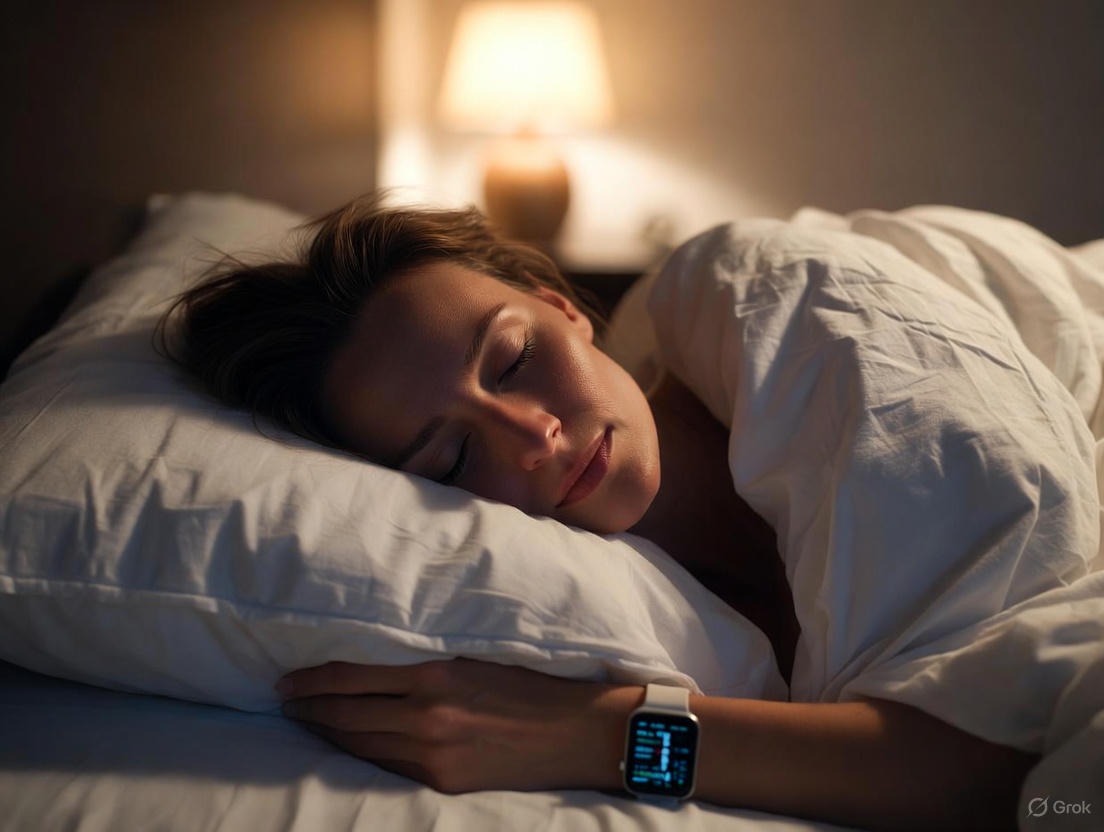
Sleep is not a binary state of "on" or "off." It’s a complex, cyclical journey through different brain states, each with a distinct physiological signature. Your smart ring acts as a nocturnal cartographer, meticulously mapping this journey every night.
Using the correlated data from heart rate, HRV, movement, and sometimes SpO2 and temperature, the algorithm constructs your sleep architecture. It identifies:
By tracking the duration, timing, and proportion of each stage, your ring learns your personal sleep pattern. More importantly, it learns what disrupts it. It can correlate:
This turns abstract advice like "get better sleep" into precise, actionable intelligence. You learn not just to prioritize sleep duration, but to protect sleep quality. The insights gained can be immediate, helping you sleep better tonight based on your own data.
Stress isn't just a feeling; it's a measurable physiological state. Your smart ring acts as a detective for your autonomic nervous system, uncovering stress you might not even notice—the kind that accumulates silently and impacts long-term health.
The primary clues are heart rate and HRV. Acute stress triggers a sympathetic nervous system response: heart rate spikes, HRV drops. Your ring can detect these episodes throughout the day—during a tense conversation, while commuting, or even while scrolling through stressful news. By timestamping these events, you gain awareness of your daily stress triggers.
More insidious is chronic stress. This may not show as dramatic spikes, but as a persistent suppression of your HRV below its normal range and a sustained elevation of your resting heart rate. Your ring tracks these trends over days and weeks, providing an objective report card on your nervous system's resilience. It can reveal that despite feeling "fine," your body is operating under a significant load.
Some advanced rings also use skin temperature and electrodermal activity (EDA) to detect stress. EDA measures tiny changes in the skin's conductance caused by sweat gland activity, a direct output of the sympathetic nervous system.
The power of this detection isn't to create anxiety about stress, but to create opportunities for intervention. By seeing the physiological impact of a meditation session, a walk in nature, or a good night's sleep, you can build a personalized stress-resilience toolkit. This objective feedback makes practices tangible and rewarding, directly supporting reducing stress and anxiety through natural, data-informed methods.
After nights of observing and days of correlating, your smart ring delivers its most user-facing synthesis: the Readiness or Recovery Score. This isn't a random number; it's a holistic algorithm that weighs multiple biomarkers to answer a simple, critical question: "Is my body prepared to take on today's demands, or does it need more recovery?"
Think of it as your body's daily forecast. A high "sunny" score suggests your systems are robust, your HRV is high or stable, your sleep was restorative, and your RHR is low. It’s a green light for intense training, important work, or social engagement. A low "stormy" score, combining a low HRV, elevated RHR, poor sleep, and maybe a temperature deviation, is a clear signal of strain. It’s a recommendation to prioritize rest, choose lighter activities, and be mindful of stress.
The genius of this score is its synthesis. It prevents you from over-optimizing a single metric. You might have slept 8 hours (good), but if your HRV is tanked and your RHR is up (bad), the score will reflect the overall strain, prompting you to investigate further. It turns complex, multi-system data into a single, actionable piece of guidance.
This daily feedback loop is transformative for habit formation. It provides immediate, objective validation for healthy behaviors and clear consequences for detrimental ones. It empowers you to align your daily actions—how you work, train, eat, and relax—with your body's actual capacity, a key strategy for anyone looking to create better health habits for the long term.
The ultimate value of a smart ring unfolds not in daily snapshots, but in the long-term narrative it helps you write. By storing and analyzing months or years of data, it moves beyond reacting to today’s readiness and begins to reveal profound life trends.
This longitudinal analysis can show you:
For women, this long-view is particularly powerful in cycle and hormonal insight tracking. By correlating basal skin temperature, resting heart rate, HRV, and sleep patterns across cycles, the ring can help predict ovulation and map the distinct physiological phases (follicular and luteal). It can reveal how each phase uniquely impacts energy, recovery capacity, and sleep, allowing for truly personalized planning of training, work, and nutrition. This deep, cycle-aware insight is a game-changer, detailed in our focus on smart ring benefits for women's cycle tracking and hormonal insights.
These long-term patterns are the holy grail of personal health data. They move you from managing days to stewarding your lifelong wellbeing, providing a data-backed story of your health journey that even your doctor will appreciate during consultations.
As your ring learns the most intimate details of your biology—your sleep, your stress, your rhythms—a critical question arises: Who owns this knowledge? The paradigm of data privacy in smart rings is fundamentally different from the data-hungry models of social media and many consumer apps.
The best devices and platforms are built on a principle of local processing and user sovereignty. This means the raw, sensitive PPG and motion data from your body is often processed directly on the ring or your paired smartphone, with only anonymized, aggregated insights (like your sleep score or activity summary) being synced to the cloud, if at all. Your unique biometric "fingerprint" never leaves your control.
You are not the product; you are the sole beneficiary. The goal is to empower you with self-knowledge, not to monetize your health patterns through advertising or selling your data to third parties. This architecture respects the profound sensitivity of continuous physiological data.
Choosing a wearable with this ethical framework is crucial. It ensures that the journey of self-discovery remains private, secure, and truly in your service. This commitment to protecting your privacy and data is a non-negotiable benefit for a device meant to be worn every moment of your life.
The entire purpose of learning your patterns is not just to admire the elegant data visualizations in an app, but to inspire and guide tangible change. This is the crucial bridge between knowledge and wellbeing—the moment your ring’s insights move from your phone screen into your lived experience. The most sophisticated pattern recognition is useless if it doesn’t empower you to act.
Smart rings excel at this translation through several mechanisms. First, they provide objective, non-judgmental feedback. Unlike a scale that might provoke frustration or a step goal that feels arbitrary, biomarkers like HRV and sleep quality are neutral reports from your body. Seeing a low recovery score isn't a "failure"; it's a signal, much like a check-engine light, prompting curiosity rather than criticism. "What did I do yesterday that my body is asking for more rest today?"
Second, they enable micro-experimentation. Armed with your personal baseline, you can test interventions with clear, measurable outcomes. For example:
This turns vague health advice into a personalized science project. You can experiment with meal timing, workout intensity, meditation apps, or blue-light blocking glasses and see the direct impact on your physiology. This process of linking cause and effect is powerfully motivating, as discussed in how smart ring benefits make health data truly actionable.
Third, they foster proactive planning. Your readiness score becomes a guide for structuring your day. A high score might prompt you to schedule that intense workout or tackle your most demanding cognitive task. A low score could lead you to block time for a walk, an earlier bedtime, or a light yoga session. This dynamic adjustment helps you work with your body’s natural rhythms, not against them, optimizing both performance and recovery. This alignment is especially powerful for remote workers managing home office wellness.
The logical evolution from recognizing patterns is predicting deviations. The next frontier for smart ring technology is moving from descriptive and diagnostic insights to predictive analytics. By analyzing long-term trends and subtle, subclinical shifts in your biomarkers, the ring could potentially serve as an early warning system for your health.
This isn't about diagnosing disease—a task for medical professionals—but about detecting meaningful deviations from your personal norm that often precede noticeable symptoms. The concept is powerful: your body starts to fight an infection, manage inflammation, or struggle with strain long before you feel a sore throat, ache, or fatigue.
For instance, a sustained elevation in resting heart rate and a drop in HRV, coupled with a rise in skin temperature, is a classic biomarker signature that often appears 24-48 hours before the onset of cold or flu symptoms. A ring that learns your baseline could flag this combination as a "high risk for illness" alert, prompting you to hydrate, rest, and boost your immune support—potentially mitigating the severity or duration of the illness.
Similarly, for athletes, predictive models could analyze trends in HRV, sleep, and resting heart rate to forecast overtraining syndrome or injury risk before performance plummets or pain sets in, suggesting an unscheduled rest day or deload week.
For chronic condition management, subtle trends in nocturnal heart rate, HRV, and SpO2 could provide valuable longitudinal data to share with a physician, offering a continuous stream of information between annual check-ups. This shift from episodic to continuous monitoring is a cornerstone of modern, preventive healthcare, enabling the early detection of potential health issues.
While this predictive capacity requires sophisticated algorithms and careful communication to avoid anxiety, it represents a profound shift: from healthcare that reacts to illness to a wellness model that actively guards and optimizes health.
A smart ring does not exist in a vacuum. Its power multiplies when it connects to other apps and devices, becoming the central, always-on hub of your personal health stack. This integration weaves your physiological data into the broader fabric of your digital life, creating a more complete and actionable picture.
Fitness and Nutrition Apps: Syncing with platforms like Apple Health, Google Fit, Strava, or MyFitnessPal allows for powerful correlations. Your ring’s continuous calorie burn estimate (based on heart rate and movement) can automatically adjust your daily calorie budget in a nutrition app. Your workout data from a cycling app can be enriched with your ring’s pre-workout readiness score and post-workout recovery metrics, giving you a 360-degree view of your training efficacy.
Smart Home and Environment: Imagine your ring communicating with your bedroom environment. As it detects you entering deep sleep, it could signal your smart thermostat to lower the temperature slightly. Upon sensing your morning rise in heart rate (before your alarm), it could trigger your lights to simulate a gradual sunrise. This creates a health-optimized environment that responds to your body in real time.
Mindfulness and Productivity Tools: Integration with meditation apps like Calm or Headspace can directly measure the physiological impact of a session. Did your heart rate drop and HRV increase? This biofeedback reinforces the practice. For productivity, seeing that your focus peaks in sync with your circadian rhythm can help you block your calendar for deep work during those windows, as explored in the context of improving work performance.
Medical and Clinical Integration (The Future): The most significant integration frontier is with formal healthcare. Secure, patient-controlled data sharing could allow your physician to view longitudinal trends in your resting heart rate, sleep, and activity before an appointment. For those with specific conditions like hypertension or arrhythmias, continuous data could complement intermittent clinic measurements. This bridges the gap between daily life and the clinic, supporting a model where wearable health tech enables true preventive healthcare.
By serving as this integrative hub, the smart ring moves from being a standalone gadget to becoming the core of a responsive, personalized wellness ecosystem.
A critical perspective to maintain is that the smart ring is a partner, not an oracle. Its data is meant to augment human intuition and expertise, not replace it. The most effective users of this technology are those who learn to balance the objective metrics with their own subjective feelings.
This partnership has a simple rule: Data informs, but you decide. If your ring gives you a stellar readiness score but you feel mentally drained, it’s okay to rest. The score is telling you your body is physiologically recovered from prior physical strain, but it may not capture acute mental fatigue. Conversely, if you feel fine but your HRV is in the gutter and your RHR is elevated, it’s wise to listen to that hidden data and take it easy, even if your mind is willing.
The ring excels at revealing blind spots. We are notoriously poor judges of our own sleep quality, stress levels, and recovery status. The ring provides an unbiased check on our self-perception. That "I slept okay" feeling might be contradicted by data showing very little deep sleep and frequent awakenings. That "I'm not that stressed" thought might be challenged by a week of suppressed HRV.
Ultimately, the goal is informed self-awareness. The ring teaches you to recognize the physical sensations that correlate with certain data patterns. You might start to notice the feeling of a high-HRV morning (clear-headed, calm energy) versus a low-HRV morning (foggy, jittery). Over time, you internalize the lessons, and the technology fades into the background—a silent coach that helped you tune into your body’s own language. This journey toward a less intrusive, more intuitive relationship with technology is captured in the idea of smart ring benefits that feel like less technology, more wellness.
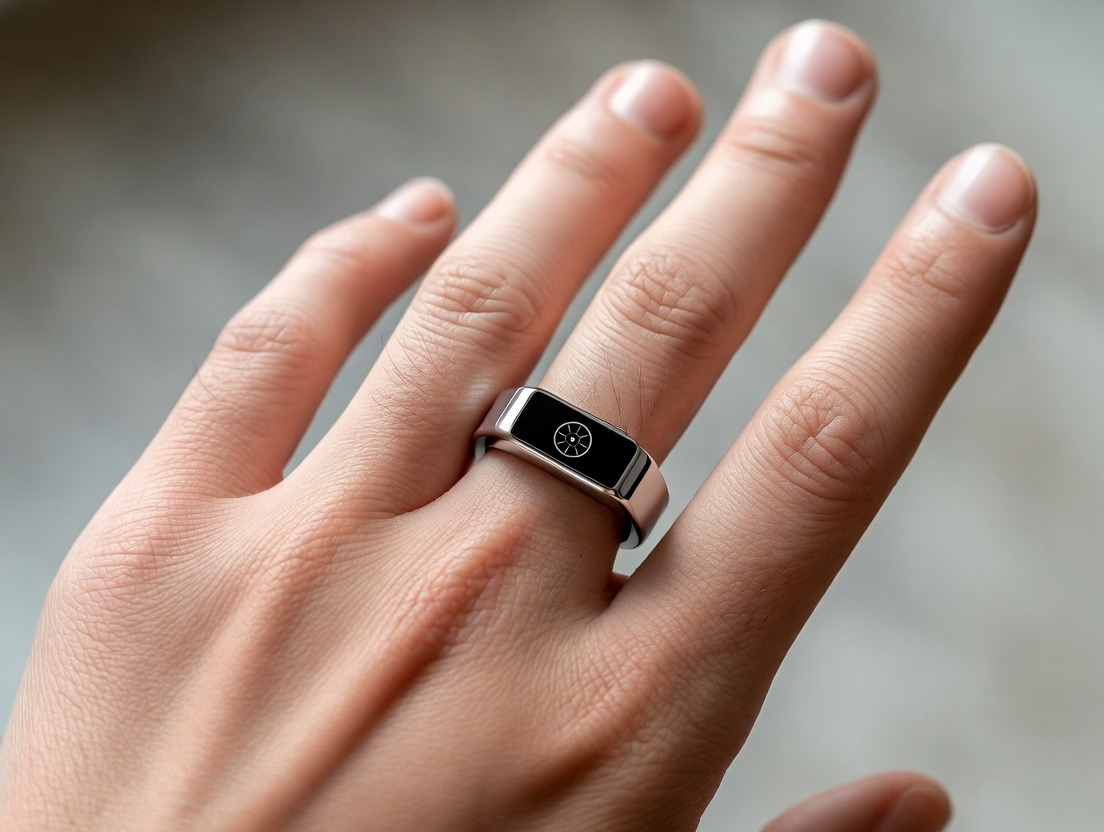
To see this entire process in action, let's follow a hypothetical user, Alex, through a week. This narrative will tie together the concepts of baseline establishment, correlation, insight, and action.
Day 1-3 (Baseline Establishment): Alex is new to the ring. It quietly learns that her normal resting heart rate is 58 bpm, her nighttime HRV averages 65 ms, she falls asleep around 11 PM, and gets about 1.5 hours of deep sleep per night. This is her fingerprint.
Day 4 (Deviation & Correlation): Alex has a big project deadline. She works late, drinks two extra coffees, and eats dinner at 9 PM. The ring records: elevated daytime heart rate, a 15% drop in nighttime HRV, increased time to fall asleep, and a 40% reduction in deep sleep. The app’s journal feature prompts her to log "high stress" and "late meal." The correlation is made.
Day 5 (Insight & Readiness): Alex wakes feeling groggy. Her app shows a Low Readiness Score (45/100), driven by the poor sleep and low recovery. It suggests prioritizing lighter activity and managing stress. She heeds the advice, taking a walk at lunch and doing a short meditation instead of her usual intense gym session.
Day 6 (Recovery & Validation): After a mindful day and a strict 10 PM bedtime without screens, Alex's ring records excellent sleep with above-average deep sleep. Her morning readiness score jumps to 82/100. She sees the direct payoff of her behavioral change, validating her choices.
Day 7 (Long-Term View): At the week's end, Alex reviews her trends. She sees the clear cause-and-effect spike from Day 4. She makes a personal rule: "No caffeine after 2 PM, and no work past 8 PM on weeknights." The data has guided her to a sustainable, personalized boundary.
This cycle of observe -> correlate -> insight -> act -> validate is the continuous loop that turns a ring into a catalyst for lasting habit formation and self-knowledge.
A common challenge with powerful health tech is data paralysis—the feeling of being overwhelmed by metrics, graphs, and scores. The key to avoiding this is to adopt a strategic, goal-oriented approach rather than trying to optimize every single number simultaneously.
1. Identify Your Primary Goal: Start by asking, "What is the one thing I most want to improve?" Is it sleep quality? Stress management? Athletic recovery? General energy levels? Choose a single, primary focus area for 4-6 weeks.
2. Select 1-2 Key Metrics: Link your goal to the most relevant biomarkers.
Ignore the other metrics for now. Let them run in the background, but don't feel compelled to act on them.
3. Establish a Simple Ritual: Instead of constantly checking the app, create a daily or weekly ritual. Perhaps you review your readiness score and sleep data every morning with your coffee for 2 minutes. Or you do a deeper dive into trends every Sunday evening. This contained engagement prevents obsessive checking and promotes reflective learning.
4. Look for Trends, Not Dots: A single bad night of sleep or a low HRV day is noise. Look at the trend line over weeks and months. Is the general direction of your key metrics moving toward your goal? That’s success. This long-term perspective is what delivers the compounding value of smart ring data.
5. Use the "So What?" Test: For any piece of data, ask: "So what? What can I actually do with this information?" If there's no clear, positive action (like going to bed 30 minutes earlier or scheduling a rest day), then note the data and let it go. The goal is actionable insight, not just information collection.
By applying this focused framework, you harness the ring's power without becoming a slave to its data, making health tracking truly effortless and sustainable.
The technology behind smart ring pattern learning is rapidly advancing. Looking ahead, we can expect several key developments that will make these devices even more insightful, personalized, and proactive.
1. Multi-Sensor Fusion and New Biomarkers: Future rings will incorporate more sensors, like medical-grade ECG for rhythm analysis, continuous glucose monitoring (CGM) sensors (likely via non-invasive optical methods), and more advanced electrodermal activity (EDA) and temperature arrays. Combining PPG, ECG, glucose trends, and temperature will allow algorithms to understand the interplay between metabolic health, cardiovascular function, and nervous system balance with unprecedented depth.
2. Advanced AI and Personalized Machine Learning: Instead of one-size-fits-all algorithms, future systems will employ on-device AI that trains itself specifically on your data. It will learn that your "stress signature" looks slightly different from the model, or that your optimal sleep window is unique. It will get better at filtering out your personal noise (like how your heart rate responds to heat vs. caffeine) to find the true signal.
3. Contextual Awareness and Natural Language Processing: Rings will better understand the context of your life by accessing (with permission) other data streams. By understanding calendar events ("big presentation at 3 PM"), location ("at the gym"), or even audio cues (elevated ambient noise), the AI can better interpret physiological signals. Was that HRV drop due to the presentation or the loud coffee shop? Furthermore, natural language journaling ("Felt amazing during my run today") will be automatically parsed and correlated with physiological data, making logging seamless.
4. Predictive and Prescriptive Analytics: As mentioned earlier, the shift from descriptive to predictive will mature. Alerts will become more precise: "Based on your rising temperature and lowered HRV, there's an 80% likelihood you're fighting something. Consider resting today." Beyond prediction, we may see gentle prescriptive suggestions: "Your data suggests you're optimally recovered. It's a great day to attempt a personal record," or "Your sleep debt is accumulating. Can you aim for a 9 PM wind-down routine this week?"
5. Haptic Feedback and Real-Time Biofeedback: The ring itself will become an interface. Imagine it giving a subtle vibration when your stress levels rise detectably during a meeting, prompting you to take a breath. Or warming gently when it's your ideal bedtime based on circadian rhythm. This real-time, in-the-moment guidance closes the loop between data and action instantly.
These advancements promise a future where your wearable is less of a tracker and more of an intelligent health guardian, seamlessly integrated into your life. To understand where this is all headed, explore our analysis of the future of wearable health tech for 2025 and beyond.
Not all smart rings are created equal in their ability to learn and interpret your personal patterns. If deep, actionable insight is your goal, here are the key features and principles to evaluate when selecting your device.
1. Sensor Quality and Diversity: This is the foundation. Look for:
2. Algorithmic Sophistication & Validation: The software is as important as the hardware. Research:
3. The Personal Baseline Period: Does the app explicitly establish a personal baseline over 1-2 weeks? A system that immediately compares you to population averages is less useful than one that dedicates time to learn you first.
4. Data Presentation and Actionability: The app should make insights clear, not just show data.
5. Privacy-First Architecture: As discussed, your most sensitive data should be processed locally whenever possible. Read the privacy policy. A company that is transparent about data use, minimizes cloud storage of raw data, and doesn't sell your health information is non-negotiable.
6. Ecosystem Openness: Does the ring sync with Apple Health/Google Fit? This is vital for integrating your data into your personal health stack and ensuring you own your data long-term, even if you switch devices.
Choosing the right device is about selecting a platform for learning. For a comprehensive framework on making this choice, refer to our wearable health tech guide on what to look for before buying.
We have journeyed from the blink of an LED to the prediction of illness, from raw voltage to life-changing habit formation. The process by which a smart ring learns your personal patterns is a remarkable symphony of hardware, software, and data science. But at its core, it is a tool for fostering a new kind of literacy: biometric self-literacy.
It teaches you to read the signals your body has been sending all along. It translates the vague feelings of "tiredness," "stress," or "being off" into a coherent language of heart rates, intervals, and temperatures. It replaces guesswork with knowledge, and generic advice with personalized strategy.
This is not about outsourcing your health to an algorithm. It is about starting a deeper, more evidence-based conversation with yourself. The ring provides the vocabulary and the feedback; you remain the author of your story. It empowers you to make informed choices that align with your body's true needs, to validate the efforts that work, and to course-correct from those that don't.
The ultimate goal is for the technology to become so effective at teaching you that you eventually need it less. You internalize the patterns. You feel when you're recovered and when you're not. You know what truly nourishes your sleep and what disrupts it. The ring becomes a trusted guide on a journey toward unmediated self-awareness.
This journey—toward better sleep, managed stress, optimized performance, and empowered longevity—is now illuminated by data. As you continue to wear your ring, remember that each data point is a word in this ongoing conversation. Listen closely, question what you learn, and use this knowledge not just to add years to your life, but to add life to your years.
The beauty of a system that learns your patterns is that its value manifests differently depending on your life stage, goals, and challenges. A one-size-fits-all wearable fails here, but a truly adaptive device becomes a specialized tool. Let’s explore how personalized pattern learning serves distinct groups.
For the Athlete and Fitness Enthusiast: This user moves beyond basic workout tracking into the realm of precision recovery and performance optimization. The ring’s primary role is to balance stress (training load) with recovery (physiological restoration). It learns the specific physiological impact of different workout types—endurance, HIIT, strength—on their body. Key insights include:
This transforms training from a calendar-driven schedule to a body-informed dialogue, a concept explored in depth in our article on how smart ring benefits for athletes make the switch from guesswork to guidance.
For the Professional and Knowledge Worker: Here, the focus shifts from physical recovery to cognitive performance, focus, and stress resilience. The ring learns the patterns of mental energy, not just physical. Insights become about managing cognitive load.
This data-driven approach to managing mental energy and preventing burnout is a game-changer for modern work, especially in environments where discreet monitoring is a key benefit.
For the Health-Conscious Individual & Preventive Care Advocate: This user leverages the ring as a longitudinal health dashboard, focusing on trends that signal overall wellbeing and potential risk. The ring acts as an early-warning system and a motivator for preventive habits.
This proactive, data-empowered approach is the essence of modern preventive healthcare, shifting the focus from treating sickness to actively cultivating health, as detailed in how smart ring benefits support preventive healthcare.
For Parents and Caregivers: For new parents, the ring provides objective data during a subjective, exhausting time. It helps them manage their own recovery while caring for others.
The non-intrusive, continuous nature of a ring is ideal for this life stage, offering insights without demanding attention, a crucial benefit for new parents tracking sleep and recovery.
While the potential for good is immense, the intimate partnership with a data-streaming device is not without psychological risks. It’s crucial to acknowledge and navigate the potential downsides to ensure the technology serves your wellbeing rather than undermining it.
1. Orthosomnia: The Pursuit of Perfect Sleep. This is a documented phenomenon where users become overly preoccupied with achieving "perfect" sleep scores, leading to increased anxiety around bedtime—which ironically worsens sleep. Seeing a poor sleep score can create a negative feedback loop of stress. The antidote is to remember the ring is a guide, not a judge. Focus on trends over weeks, not single nights. Use the data to inform gentle adjustments (e.g., a slightly earlier wind-down) rather than forcing an idealized sleep schedule.
2. Data Anxiety and Hypochondria. Continuous monitoring can surface benign variations that might be misinterpreted as alarming. A transient HRV dip or a single-night SpO2 fluctuation is normal noise. The risk is spiraling into self-diagnosis based on internet searches. The rule here is to look for sustained trends, not transient dots. If a concerning trend persists (e.g., 7+ days of elevated RHR), let it prompt a conversation with a healthcare professional—not a web search.
3. The Quantification of Self-Worth. There’s a danger in tying one’s sense of accomplishment or self-value to a daily readiness score or a step count. A "low" score does not mean you failed; it means your body is communicating a need. It’s vital to decouple data from identity. The score is information about your physiology, not a grade on your personhood. On days you feel great but the score is low, trust your feeling. The data is one input, not the final verdict.
4. Over-Reliance and Diminished Intuition. The goal is augmented intuition, not its replacement. If you find yourself unable to decide whether to exercise or rest without checking the app, it’s time to recalibrate. Practice periodically checking in with your body first. How do you feel? Then, consult the data as a second opinion. This maintains your innate bodily awareness as the primary channel.
Using the technology healthily requires a mindful approach. It should reduce anxiety by providing clarity, not increase it by creating new metrics to worry about. The ring’s greatest success is when you use its insights to foster a kinder, more responsive relationship with your body, aligning with benefits that support mental health and wellness.
As these devices become more capable and widespread, they raise profound ethical questions that extend beyond individual use to societal implications. Navigating this future requires a strong ethical compass from both manufacturers and users.
1. Biometric Data Privacy and Security: Your sleep pattern, stress response, and heart rate rhythm are uniquely identifying—a biometric fingerprint. The stakes for data breaches are far higher than a leaked password. Ethical companies must adopt a privacy-by-design approach: processing data locally on the device, using end-to-end encryption, anonymizing data used for aggregate research, and providing transparent, easy-to-understand privacy controls. Users must prioritize companies that treat this data with the gravity it deserves, a principle we champion in discussing how smart rings benefit by protecting your privacy and data.
2. Algorithmic Bias and Health Equity: Machine learning models are trained on datasets. If these datasets lack diversity (e.g., predominantly young, male, light-skinned users), the algorithms may be less accurate for women, older adults, or people with different skin tones (as PPG sensors can be affected by melanin). This can perpetuate health inequities. Ethically, companies must invest in diverse training datasets and transparently disclose validation studies across demographics. Users should inquire about the inclusivity of a device’s development.
3. Data Ownership and Portability: Who truly owns your decade-long dataset of sleep, stress, and activity? Ethical practice dictates that you do. This means having the right to download all your raw data in a standardized format (like through Apple Health or Google Fit) and take it with you if you switch platforms. It prevents "data lock-in" and ensures you retain the long-term value of your personal health narrative, empowering true health data ownership.
4. The Line Between Wellness and Medical Surveillance: As data becomes more clinical, a grey area emerges. Could insurance companies incentivize or mandate wearing such devices? Could employers access aggregate data to monitor workforce "wellbeing" in intrusive ways? The ethical line is clear: data should be user-controlled and user-beneficial. While opt-in wellness programs can be positive, any move toward coercion or punitive use must be fiercely guarded against.
5. The Digital Divide in Health: Advanced health wearables are expensive. There’s a risk of creating a two-tiered system where the wealthy have access to deep, predictive health insights and proactive care, while others do not. The long-term ethical challenge is to make the benefits of this technology accessible and affordable, ensuring it reduces, rather than widens, health disparities.
Engaging with these questions is not optional; it’s part of being an informed citizen in a data-driven health future. Our collective choices will shape whether this technology becomes a tool for universal empowerment or a new vector for inequality.
Looking decades ahead, the convergence of continuous biometric monitoring, advanced AI, and genomics points toward a fundamental transformation: the shift from population-based medicine to truly personalized, predictive, and participatory healthcare.
1. The N-of-1 Health Model: Medicine today is largely based on clinical trials that determine what works "on average." Your smart ring, combined with your genetic data (genomics), gut microbiome analysis, and continuous blood biomarker tracking (via future non-invasive sensors), will create a comprehensive digital twin—a dynamic, computational model of you. Interventions—from drugs to diets to exercise regimens—could be simulated on this digital twin first to predict their efficacy and side effects specifically for you, before you ever try them. This is the ultimate "N-of-1" clinical trial.
2. Seamless Integration into Healthcare Systems: The future electronic health record (EHR) won’t just be a snapshot from your annual physical. It will incorporate permissioned, continuous data streams from your wearable. Your cardiologist could review a year’s worth of heart rate and HRV trends. Your sleep specialist could analyze months of sleep architecture. This turns the 15-minute appointment into a collaborative review of long-term evidence, making the data something your doctor will truly appreciate.
3. Early Detection and Chronic Disease Management: For conditions like atrial fibrillation (Afib), hypertension, or metabolic syndrome, the smart ring will move from a wellness device to a continuous remote patient monitoring (RPM) tool. It could detect arrhythmic episodes as they happen, monitor blood pressure trends through pulse wave analysis, and track the impact of lifestyle interventions on chronic conditions in real-time, enabling timely adjustments and preventing complications.
4. Behavioral Medicine and Automated Coaching: AI will become a sophisticated health coach. By understanding your patterns, it will deliver hyper-personalized, context-aware nudges. It won't just say "get more sleep." It will say, "You have a big meeting tomorrow at 10 AM. Your current sleep debt suggests you'll be at 70% cognitive capacity. To optimize, start your wind-down routine by 9:45 PM tonight." This moves from tracking to guiding, supporting the creation of better health habits for the long term.
5. Democratizing Health Research: With proper privacy safeguards and user consent, aggregated, anonymized data from millions of wearables could power population health research at an unprecedented scale and granularity. Researchers could study the real-world impact of lifestyle on disease progression, identify early biomarkers for conditions like Parkinson's or Alzheimer's, and understand health trends across diverse global populations in real-time.
This vision is not science fiction; it is the logical endpoint of the journey that begins with a ring learning your sleep pattern tonight. It promises a future where healthcare is proactive, personalized, and deeply integrated into the flow of daily life.
If you’re ready to begin, here is a step-by-step guide to onboarding with a smart ring mindset, designed to maximize insight and minimize overwhelm.
Phase 1: The Observational Month (Weeks 1-4)
Phase 2: The Curious Experimenter (Months 2-3)
Phase 3: The Integrated Partner (Months 4+)
By following this phased approach, you allow the technology to gradually reveal its value, ensuring it enhances your life without complicating it. This journey is the essence of making health tracking effortless and sustainable.
We began with a simple band on a finger, a silent observer. We have traversed the complex landscape of sensors, algorithms, baselines, correlations, and predictions. We’ve seen how this technology serves athletes, professionals, parents, and health seekers in unique ways. We’ve grappled with its risks and ethical dimensions and peered into a transformative future.
Ultimately, the story of how your smart ring learns your personal patterns is a proxy for a larger human aspiration: the desire to know thyself.
For millennia, this pursuit was philosophical and subjective. Today, we have a partner that offers an objective, quantifiable mirror. It shows us the physiological truth of our choices, the hidden cost of our stress, the tangible value of our rest, and the unique rhythm of our biology.
The greatest promise of this technology is not in the alerts it sends or the scores it calculates, but in the space for reflection it creates. That moment in the morning when you see your recovery score and pause to consider what your body might need today. That insight in the evening when you connect a poor night’s sleep to a habit you can change. That long-term trend showing your HRV gently rising over a year of consistent practice.
The ring doesn’t provide answers. It provides evidence. It turns the murky realm of "wellness" into a personal laboratory where you are both scientist and subject. It replaces guilt with curiosity, and vague resolutions with targeted experiments.
In a world of noise and constant external demand, the smart ring’s most profound pattern learning may be teaching us to listen—truly listen—to the quiet, intelligent, and endlessly fascinating system that is our own body. It re-awakens an inner attunement that modern life often drowns out.
By understanding the journey from photon to insight, you are no longer a passive consumer of data. You are an engaged participant in a lifelong process of learning and optimization. You have the knowledge to choose a device wisely, use it mindfully, and interpret its messages wisely. You are equipped to enter into a partnership that, at its best, doesn’t just track your life—it helps you live it more fully, resiliently, and consciously.
The data is yours. The patterns are yours. The story is yours. Now, you have a new tool to help you write it.
Your Trusted Sleep Advocate: Sleep Foundation — https://www.sleepfoundation.org
Discover a digital archive of scholarly articles: NIH — https://www.ncbi.nlm.nih.gov/
39 million citations for biomedical literature :PubMed — https://pubmed.ncbi.nlm.nih.gov/
Experts at Harvard Health Publishing covering a variety of health topics — https://www.health.harvard.edu/blog/
Every life deserves world class care :Cleveland Clinic - https://my.clevelandclinic.org/health
Wearable technology and the future of predictive health monitoring :MIT Technology Review — https://www.technologyreview.com/
Dedicated to the well-being of all people and guided by science :World Health Organization — https://www.who.int/news-room/
Psychological science and knowledge to benefit society and improve lives. :APA — https://www.apa.org/monitor/
Cutting-edge insights on human longevity and peak performance:
Lifespan Research — https://www.lifespan.io/
Global authority on exercise physiology, sports performance, and human recovery:
American College of Sports Medicine — https://www.acsm.org/
Neuroscience-driven guidance for better focus, sleep, and mental clarity:
Stanford Human Performance Lab — https://humanperformance.stanford.edu/
Evidence-based psychology and mind–body wellness resources:
Mayo Clinic — https://www.mayoclinic.org/healthy-lifestyle/
Data-backed research on emotional wellbeing, stress biology, and resilience:
American Institute of Stress — https://www.stress.org/


