


How Your Wellness Ring's Health Data Empowers Better Health Decisions
How your wellness ring's data helps you make better health decisions.
How your wellness ring's data helps you make better health decisions.
%402x.svg)
For decades, the quest for optimal health has felt like navigating a dense forest with an incomplete map. We get snapshots—a yearly physical, a blood pressure reading, a stressful week’s worth of poor sleep. But these are isolated data points, fragments of a much larger, dynamic story our bodies are telling every second. We’re left making decisions based on intuition, generic advice, and outdated information. What if you had a continuous, personal health narrative written in real-time, not by a doctor in a clinic, but by your own physiology? This is the profound shift ushered in by the modern wellness ring.
Tucked discreetly on your finger, this unassuming piece of technology is a powerhouse of biometric sensing. It moves with you through every moment—sleeping, working, exercising, and recovering—gathering a rich, nuanced stream of data. It measures your heart rate, heart rate variability (HRV), blood oxygen saturation, skin temperature, and sleep stages. But data alone is just noise. The true revolution lies in transformation: turning this relentless stream of raw numbers into actionable intelligence, context, and, ultimately, wisdom.
This article is your guide to that transformation. We will delve deep into the core mechanisms of how a wellness ring works, demystify the key metrics it tracks, and, most importantly, chart the actionable path from "data point" to "informed decision." We will explore how this continuous feedback loop empowers you to optimize sleep, manage stress, refine training, detect early imbalances, and have more productive conversations with healthcare providers. This isn't about obsessing over numbers; it's about developing a fluent, informed dialogue with your body. It’s about moving from reactive healthcare to proactive, personalized self-care, where every health decision you make is backed by the most relevant, personal evidence possible: the story your body is telling you, right now.
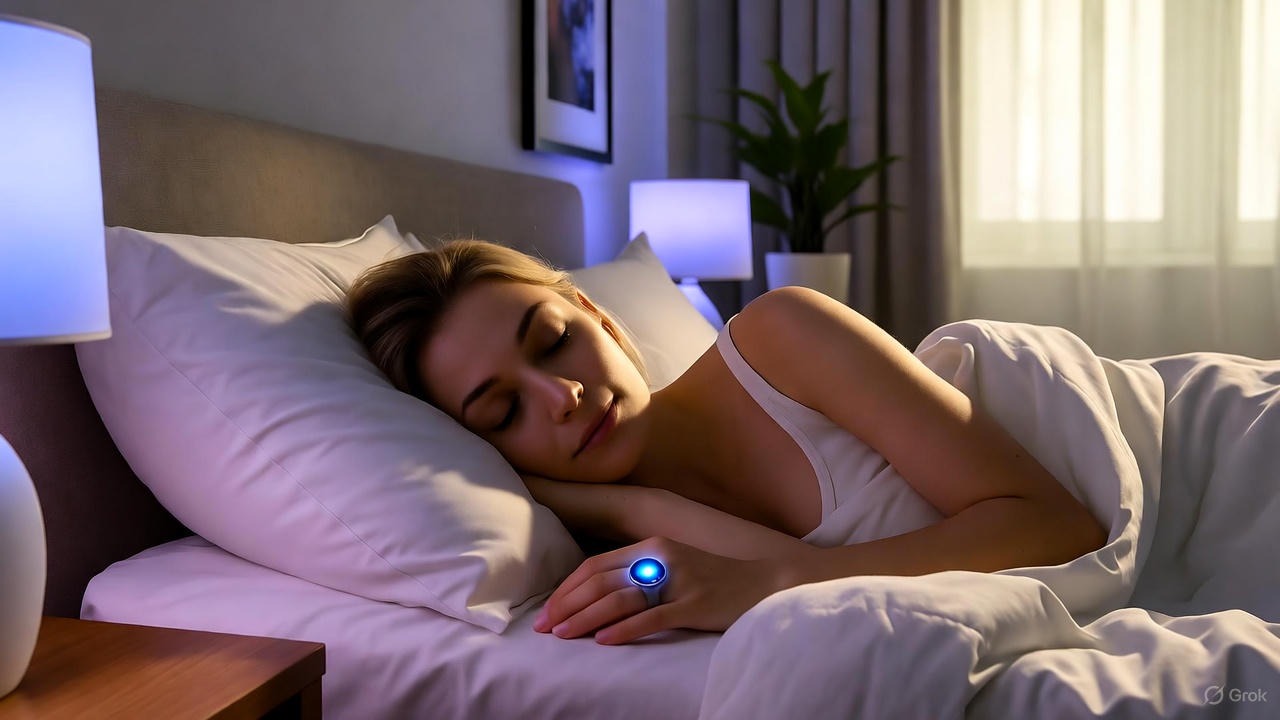
Before we can harness data for decision-making, we must understand the language it speaks. Your wellness ring is a sophisticated interpreter of your body’s vital signs, translating subtle physiological signals into a dashboard of your well-being. Each metric is a chapter in your daily health story, and together, they provide a holistic picture far greater than the sum of its parts.
At the foundation is Heart Rate (HR). Far more than just a measure of cardiovascular effort, your resting heart rate (RHR) is a cornerstone biomarker. A lower RHR typically indicates stronger cardiovascular fitness and efficient autonomic nervous system function. Tracking its trends—not just a single morning reading—reveals patterns. A creeping increase over several days can be an early whisper of impending illness, overtraining, or chronic stress, prompting you to prioritize recovery before symptoms even appear.
Then comes Heart Rate Variability (HRV), arguably the most insightful metric for modern wellness tracking. HRV measures the subtle variations in time between each heartbeat. Contrary to intuition, a higher HRV is generally better—it signifies a resilient, adaptable nervous system. It reflects the balance between your sympathetic (“fight-or-flight”) and parasympathetic (“rest-and-digest”) branches. When you're well-rested, recovered, and managing stress well, HRV tends to be higher. During periods of stress, illness, or poor recovery, it dips. By monitoring HRV trends, you gain an objective window into your body’s readiness and resilience, a concept we explore in depth in our article on how smart ring benefits improve HRV over time. This single metric can inform decisions about workout intensity, rest days, and stress-management activities.
Sleep Architecture is another critical domain. A wellness ring doesn't just tell you how long you slept; it maps the journey through light, deep, and REM sleep stages. Each stage serves a unique purpose: physical repair in deep sleep, memory consolidation and emotional processing in REM. The ring quantifies your sleep efficiency (time asleep vs. time in bed), wake events, and timing. Seeing the direct impact of a late-night meal, evening screen time, or an afternoon coffee on your sleep graph is a powerful motivator for behavioral change. For a specialized look at this transformative capability, consider the insights in our piece on the smart ring benefits for sleep quality and the overnight advantage.
Blood Oxygen Saturation (SpO2) measures the percentage of oxygen-carrying hemoglobin in your blood. While typically stable during the day, monitoring it overnight can reveal episodes of breath-holding or dips (desaturations) that may point to sleep-disordered breathing, offering a crucial early signal to discuss with a healthcare professional.
Finally, Body Temperature tracking, particularly through skin temperature trends, is a game-changer. A slight elevation can be an early indicator of infection, inflammation, or even, for women, ovulation. Tracking basal body temperature over a cycle provides powerful hormonal insights, a topic covered in our resource on smart ring benefits for women's cycle tracking and hormonal insights.
Understanding these metrics individually is the first step. The true power, however, is unlocked in their synergy. For instance, a high resting heart rate, low HRV, and elevated nighttime temperature together paint a far clearer picture of "I might be getting sick" than any one metric alone. This interconnected data tapestry forms the robust foundation upon which all empowered health decisions are built.
The traditional model of health assessment is episodic. We check our weight weekly, measure blood pressure at a pharmacy kiosk, and have our vitals taken once a year at a physical. These are snapshots, often taken in unrepresentative environments (the "white coat syndrome" effect on blood pressure is a classic example). They miss the narrative. Your wellness ring rewrites this model by providing a cinematic view of your physiology, frame by frame, 24 hours a day.
This continuous monitoring is revolutionary for one key reason: it captures your body's natural baseline and its dynamic fluctuations. What is a "normal" resting heart rate for you at 2 PM on a workday versus 10 AM on a weekend? How does your HRV dip after a difficult meeting or soar after a meditation session? A spot check cannot answer these questions. Continuous data can. It establishes your personal normal range for every metric, making deviations from your baseline far more meaningful than comparisons to a population average.
The form factor of the ring is central to this capability. Unlike a smartwatch that you charge nightly and may forget to wear, or a chest strap that’s only used during exercise, a ring is designed for constant wear. It's lightweight, comfortable, and designed to become a seamless part of you. This passive, effortless tracking is the secret to long-term adherence and data integrity. As we discuss in our exploration of smart ring benefits for comfort and long-term adherence, if a device isn’t comfortable and convenient, you won’t wear it consistently, and the data becomes fragmented and less valuable.
This 24/7 data stream is particularly transformative for identifying patterns and correlations that are invisible to the naked eye. You can see, with data, how:
Furthermore, this unobtrusive, continuous monitoring is perfectly suited for our always-on lives. It functions discreetly in professional environments without the constant notifications and bulk of a smartwatch, and it works while you work, sleep, and live. The data accumulates silently in the background, creating a rich, contextual log of your life’s impact on your body. This log is the raw material for the next critical stage: moving from observation to interpretation and, ultimately, to action.
With a continuous stream of biometric data at your fingertips, the next challenge is interpretation. Numbers on a chart are meaningless without context. A heart rate of 65 bpm isn't inherently "good" or "bad"; its significance depends entirely on your baseline, your activity at that moment, and the trends it's part of. The goal is to become a savvy interpreter of your own body's signals, learning to distinguish normal daily fluctuations from meaningful patterns that require attention.
The first rule of interpretation is to focus on trends, not absolute values. A single day of low HRV or high resting heart rate is likely noise—perhaps a poor night's sleep or a hard workout. The signal emerges when you see three, four, or five days of a consistent downward trend. Wellness rings excel at visualizing these trends through weekly and monthly graphs. Look for the direction of the line, not the position of a single dot.
Personal baselines are your most important reference point. The app associated with your ring will typically calculate a rolling baseline for metrics like HRV and resting heart rate. Your daily "readiness" or "recovery" score is often a composite index comparing today's data to your personal baseline. Is your HRV 10% above your baseline this morning? That's a strong signal of good recovery. Is it 25% below? That's a clear suggestion from your body to take it easy, even if you feel subjectively okay. This ability to listen to these subtle, pre-symptomatic cues is a core tenet of preventive health.
Correlation is key to understanding cause and effect. Modern ring apps allow you to log daily activities, or they automatically pull in data from your calendar and weather apps. Use this feature. Tag days with "intense workout," "late work dinner," "family stress," or "meditated 20 mins." Over time, you will see powerful correlations. You might discover that your deep sleep plummets on days you have alcohol, or that your HRV consistently improves on days you take a walk in nature. This turns vague feelings ("I think wine affects my sleep") into data-backed personal insights ("On the 5 nights I had a glass of wine, my deep sleep averaged 45 minutes less").
It’s also crucial to understand the interplay between metrics. For example:
Learning this language takes time, but the payoff is immense. You transition from being a passive recipient of data to an active investigator of your own well-being. This process of discovery, of connecting lifestyle dots to physiological outcomes, is what makes the data truly empowering. It’s the foundation for moving from insight to the tangible, daily decisions that shape your health.
Sleep is the single most potent performance enhancer, recovery tool, and health regulator we have—and it is almost universally mismanaged in the modern world. We guess at our sleep duration, blame "stress" for feeling unrested, and have little objective evidence of what truly helps or hinders our slumber. Your wellness ring transforms sleep from a mysterious black box into a transparent, optimizable process. It provides the forensic evidence you need to engineer consistently better sleep.
The first insight comes from objective measurement. You may believe you got "about 7 hours" of sleep, but the ring reveals the truth: 6 hours and 22 minutes of actual sleep, with 40 minutes of wakefulness, low sleep efficiency, and only 48 minutes of critical deep sleep. This factual baseline eliminates guesswork and denial, creating a clear starting point for improvement.
The real power lies in stage analysis. By breaking down your night into light, deep, and REM sleep, the ring shows you the architecture of your rest. Are you getting enough deep sleep for physical repair? Is your REM sleep (vital for memory and mood) fragmented? Seeing these stages quantified allows for targeted interventions. If deep sleep is lacking, the data might guide you to adjust room temperature, increase daytime physical activity, or avoid evening heavy meals. If REM is disrupted, it might point to addressing late-night screen time or alcohol consumption.
One of the most actionable features is the sleep latency and wake event log. How long does it actually take you to fall asleep? Seeing a consistent 45-minute latency points to a pre-bed routine issue. Frequent wake events after 3 AM could be related to blood sugar drops, room noise, or stress. This precise feedback allows you to experiment with solutions: a magnesium supplement, white noise, or a pre-sleep journaling practice. You can then see, with cold, hard data, if your intervention moves the needle. For a deep dive into turning these insights into action, our guide on how smart ring benefits help you sleep better tonight offers practical steps.
Furthermore, rings track sleep consistency. Going to bed and waking up at vastly different times on weekends versus weekdays creates "social jet lag," disrupting your circadian rhythm. The ring’s data visualizes this inconsistency, motivating you to create a more stable schedule, which is one of the most powerful levers for improving overall sleep quality and daytime energy.
Finally, sleep data doesn't exist in a vacuum. The ring shows you the next-day impact of last night's sleep. Did a poor night’s sleep lead to a higher resting heart rate, lower HRV, and increased stress metrics the following day? This tangible cause-and-effect relationship is a powerful motivator. It turns "I should go to bed earlier" from a vague notion into a data-driven imperative for better health, cognitive function, and emotional resilience tomorrow. By using your ring as a sleep scientist in a personal laboratory, you can systematically eliminate sleep disruptors and reinforce positive habits, making perfect recovery nights a reliable reality.
Stress is an inevitable part of life, but its impact on our health is often a silent, gradual erosion we fail to notice until symptoms appear—burnout, anxiety, hypertension, or a weakened immune system. Our subjective feeling of being "stressed" is notoriously unreliable; we can be chronically stressed and numb to it, or feel anxious without a significant physiological toll. Your wellness ring cuts through this ambiguity by providing an objective, quantitative map of your nervous system's landscape, primarily through the master metric of Heart Rate Variability (HRV).
HRV is your direct line to your autonomic nervous system (ANS). As previously mentioned, a higher HRV indicates a balanced, resilient ANS that can switch efficiently between sympathetic (stress) and parasympathetic (rest) states. A low or declining HRV trend is a clear, early-warning signal that your system is under sustained load and losing its adaptive capacity. Tracking HRV gives you a daily "readiness" score for your nervous system, not just your muscles.
Beyond HRV, resting heart rate (RHR) is a complementary stress indicator. A sustained elevation in your RHR, especially upon waking, is a classic sign of systemic stress, whether from training, work, or emotional strain. Sleep data is also intrinsically linked to stress; poor sleep, particularly a lack of deep sleep, is both a cause and a consequence of a dysregulated nervous system. Seeing these three metrics—HRV, RHR, and sleep quality—move in concert provides an undeniable picture of your stress and recovery status.
The empowerment comes from using this data to manage, not just measure, stress. With your ring as a biofeedback tool, you can run experiments:
This approach transforms stress management from a vague concept of "self-care" into a precise science of nervous system regulation. It helps you catch chronic stress patterns early, validate what works for you, and build genuine resilience over time. For more on the profound mental health implications of this tracking, our article on the surprising smart ring benefits for mental health and wellness explores this connection further. By quantifying your stress, you reclaim agency over it, making informed decisions to protect your most valuable asset: a calm, resilient, and adaptable mind and body.
For athletes and fitness enthusiasts, the line between productive training and overtraining is perilously thin. Pushing too hard leads to injury, illness, and stagnation; not pushing hard enough limits progress. For decades, this balance was managed by perceived exertion, rigid schedules, and guesswork. Your wellness ring turns your body into a personal performance laboratory, providing the empirical evidence needed to tailor training with surgical precision. It shifts the paradigm from "working out because it's Tuesday" to "training because my body is ready."
The cornerstone of this approach is using morning readiness metrics to guide daily exertion. Before you even get out of bed, your ring has synthesized your overnight HRV, RHR, sleep quality, and temperature into a recovery score. This number is your daily prescription. A high score? It's a green light for a high-intensity session or a personal record attempt. A low score? It's a directive for active recovery, mobility work, or complete rest. This dynamic, responsive approach—often called "autoregulation"—is far more effective than any static training plan, as explored in our piece on how smart ring benefits athletes making the switch.
Workout tracking and exertion analysis provide the other half of the equation. During exercise, the ring monitors heart rate zones, duration, and estimated calorie expenditure. Post-workout, it quantifies the physiological cost. How long did it take for your heart rate to return to baseline after that interval session (Heart Rate Recovery)? A faster decay indicates better cardiovascular fitness. How much did your nighttime HRV dip after a heavy leg day? The magnitude of that dip is a direct measure of the systemic stress imposed by the workout.
This creates a beautiful feedback loop: Stimulus → Response → Adaptation.
By monitoring the "Response," you can perfectly calibrate the "Stimulus." If the response is too large (a massive HRV crash for multiple days), you know to dial back the next session's volume or intensity. If the response is minimal, you have room to safely increase the challenge. This prevents the all-too-common cycle of overreaching and burnout.
Furthermore, the ring provides invaluable recovery insights that transform training. It highlights the non-negotiable role of sleep in muscle repair and metabolic health. It shows how nutrition (e.g., a post-workout meal vs. none) impacts recovery metrics. It can even reveal hidden issues; for instance, if your resting heart rate remains elevated 48 hours after a workout, it’s a sign of incomplete recovery, prompting you to extend your rest period. Delving deeper into this topic, our article on smart ring benefits for recovery insights that transform training offers advanced strategies.
By treating your wellness ring as the head scientist in your personal performance lab, you move beyond generic programming. You engage in a dialogue with your body, respecting its signals, and optimizing every aspect of the training cycle for sustained progress, peak performance, and long-term health.
One of the most profound, potentially life-altering benefits of continuous biometric monitoring is its capacity for early detection. Many health issues don't announce themselves with dramatic symptoms; they develop slowly, manifesting as subtle shifts in baseline physiology long before you feel "sick." Your wellness ring acts as a sentinel, quietly observing these shifts and alerting you to deviations that warrant closer attention. This transforms you from a passive patient into a proactive, empowered health advocate.
The mechanism is trend analysis over the long term. While a single day's data point is useful for daily decisions, the real detective work happens when you zoom out to weeks and months. The ring’s algorithms and your own observation can spot gradual changes that are easy to miss in the day-to-day noise.
Consider these powerful examples:
When you notice these sustained, anomalous trends, you are armed with concrete, personal evidence. You can walk into a healthcare provider's office not with vague complaints ("I've been tired"), but with a data log: "My resting heart rate has been 12 beats per minute above my personal baseline for three weeks, and my HRV has dropped 30%. Here's the graph." This elevates the conversation, focuses the investigation, and can lead to much earlier diagnostic testing and intervention. This proactive approach is at the heart of how smart ring benefits support preventive healthcare and how they can help detect health issues early.
This role of health advocate extends to managing known conditions. For individuals monitoring hypertension, atrial fibrillation risk, or metabolic health, continuous data provides a much richer picture than occasional clinic readings. It shows how lifestyle, diet, and medication affect your physiology in real-world conditions. By taking ownership of this data stream, you become the most informed, engaged member of your own healthcare team, collaborating with professionals to make decisions rooted in a deep, continuous understanding of your body.
The traditional doctor-patient encounter is often constrained by time, reliance on patient memory ("How have you been sleeping?"), and isolated point-in-time measurements. This can lead to misdiagnosis, ineffective treatment plans, and frustration on both sides. Your wellness ring bridges this gap by transforming you from a historian recalling events into a presenter with a detailed, objective report. It turns subjective symptoms into quantifiable trends, creating a foundation for a more collaborative, efficient, and effective healthcare partnership.
Preparing for an appointment with your ring data is a game-changer. Instead of struggling to describe your sleep problems, you can show a physician a month-long sleep stage graph highlighting chronic deep sleep deficit and frequent wake events. Instead of saying "my heart sometimes feels funny," you can present heart rate trend data that shows episodes of unexplained tachycardia at rest. This concrete evidence immediately focuses the clinical inquiry, moving past vague descriptions to specific, measurable phenomena.
This data is particularly powerful for specialists. A cardiologist can benefit from long-term heart rate and HRV trends to assess autonomic nervous function and the efficacy of medications like beta-blockers. A sleep specialist can use weeks of SpO2 and movement data from the ring as a powerful pre-screening tool for sleep apnea, potentially reducing the need for more burdensome initial testing. An endocrinologist managing a thyroid condition can see how resting heart rate trends correlate with medication adjustments. A therapist or psychiatrist can use objective stress and sleep data to complement discussions on anxiety or depression management, tracking how interventions affect physiological markers of well-being. In essence, the ring provides a continuous "holter monitor" for general wellness, offering insights no in-office test can replicate.
To make these conversations most productive, it's helpful to curate your data. Don't just open the app and hand over your phone. Before the appointment:
This preparation demonstrates engagement and turns the visit into a collaborative diagnostic session. It also provides a baseline to measure the success of any prescribed interventions. You can return for a follow-up and show exactly how a new medication or lifestyle change affected your physiological metrics. For more on fostering this productive relationship, see our article on why your doctor will appreciate your smart ring benefits.
By bringing your health data into the clinical setting, you empower your providers with a richer information landscape. You become an active partner in your care, making decisions based on a continuous narrative of your health, leading to more personalized, effective, and satisfying healthcare outcomes.
Knowledge alone rarely changes behavior. We all know we should sleep more, stress less, and move consistently, but knowing isn't enough. Lasting change requires motivation, reinforcement, and a clear connection between action and outcome. This is where the wellness ring transcends being a mere measurement device and becomes a powerful behavior-change catalyst. It creates a closed-loop feedback system that makes the invisible visible and rewards positive actions with tangible, personal evidence.
The core psychological mechanism at play is immediate and relevant feedback. When you make a health-positive decision—skipping a late-night snack, taking a calming walk, going to bed an hour earlier—you don't have to wait weeks to feel a difference. You can see the impact the very next morning in your improved sleep score, lower resting heart rate, or higher HRV. This positive reinforcement strengthens the neural pathway linking the action to a desirable outcome. It turns abstract health concepts into a personal game with a visible scoreboard.
Conversely, the ring provides gentle, objective accountability for negative choices. That third glass of wine or 2 AM scrolling session is no longer a guilt-ridden memory; it's a data point on your sleep graph showing fragmented REM and poor sleep efficiency. This isn't about shame; it's about creating a clear cause-and-effect relationship that your brain can learn from. Over time, the anticipation of seeing poor data can become a stronger deterrent than willpower alone.
This feedback loop is especially effective for habit stacking and experimentation. You can set up personal challenges: "If I meditate for 10 days in a row, what happens to my average HRV?" or "If I stop caffeine after 2 PM this week, how much does my sleep latency decrease?" The ring provides the objective results, turning self-improvement into a rewarding process of discovery. You learn what works for your unique biology, moving beyond generic advice to a personalized wellness protocol. This journey of creating lasting change is explored in our piece on how smart ring benefits create better health habits for the long term.
Furthermore, the ring helps break the "all-or-nothing" mentality. When you see that a single poor night's sleep doesn't ruin your weekly metrics, or that a missed workout doesn't crater your readiness score, you learn resilience and consistency. You understand that health is a dynamic continuum, not a perfect state. This reduces anxiety around minor setbacks and encourages a sustainable, balanced approach.
Ultimately, the continuous data stream from your ring cultivates mindful embodiment. You become more attuned to how different foods, activities, and thoughts actually feel in your body, as validated by data. This deepens the mind-body connection, making healthy choices less about discipline and more about aligned self-care. The ring is the mirror that reflects the consequences of your daily choices, empowering you to consciously design a lifestyle that your body will thank you for, one data point at a time.
With great data comes great responsibility. The same stream of information that empowers can, for some, become a source of anxiety, obsession, or "analysis paralysis." Constantly checking metrics, fretting over a single low HRV reading, or letting the ring's "readiness score" dictate your mood can undermine the very wellness you're trying to cultivate. The key is to harness the data as a tool for empowerment, not a source of stress. It’s about finding a balanced, healthy relationship with your quantified self.
The first principle is to embrace trends over ticks. Train yourself to look at the weekly or monthly view, not the minute-by-minute real-time heart rate (unless you're in a workout). Your body is not a machine that outputs perfect numbers; it's a dynamic, living system influenced by countless factors. A single data point is a weather report; a trend is the climate. A bad day of data is meaningless noise. A bad week of data is a meaningful signal worth investigating. Set a rule: only draw conclusions from patterns spanning at least 3-5 days.
Set healthy boundaries with the app. You don't need to check your metrics every hour. Designate specific, limited times for review—perhaps once in the morning to check your readiness for the day, and once in the evening to log activities and reflect. Turn off non-essential notifications. The goal is for the ring to work silently in the background of your life, not be the foreground of your attention. The technology should feel less like technology and more like wellness.
Use the data as a guide, not a gospel. The algorithms that generate sleep scores or recovery indices are models based on population averages and assumptions. They are incredibly useful guides, but they are not infallible arbiters of truth. You are the expert on your own body. If your ring says you're "unrecovered" but you feel energetic and strong, listen to your body. Use the data to inform your decision, not to override your intuition. The ring is a partner in dialogue, not a dictator.
Focus on the actionable insights, not the perfect score. The purpose is not to achieve a mythical 100% sleep score every night or to maximize HRV at all costs. The purpose is to identify one or two leverage points for improvement. Did the data show you that alcohol ruins your sleep? Great, that's one actionable insight. Implement a change based on that, and then let the data verify the improvement. Move on to the next insight. This iterative, focused approach prevents overwhelm.
Finally, schedule regular "data vacations." Consider taking the ring off for a weekend, a vacation, or a day each week. Use this time to reconnect with how you feel without the numerical validation. This prevents dependency and ensures that your sense of well-being remains rooted in lived experience, not just dashboard metrics. By consciously managing your interaction with the data, you ensure that your wellness ring remains a liberating tool for self-knowledge and empowerment, paving the way for a truly integrated and balanced approach to health.
In an era where personal data is a valuable commodity, the intimate nature of biometric information collected by a wellness ring raises critical questions. This isn't just step counts; it's your sleep patterns, stress levels, and physiological rhythms—a digital fingerprint of your health. Therefore, a crucial aspect of empowerment is understanding and controlling how this sensitive data is handled. True health ownership means owning your data, not just generating it.
The first step is to choose a provider with a transparent and robust privacy policy. Before purchasing a ring, investigate the company's data practices. Where is your raw data stored? Is it anonymized and aggregated for research? Is it sold to third parties? Who has access to it? A reputable company will be clear about using your data primarily to improve your personal experience, not as a product to be monetized. They should employ enterprise-grade encryption for data in transit and at rest. Our guide on how smart ring benefits protect your privacy and data delves into the key questions to ask.
Understand the difference between on-device processing and cloud analysis. Some advanced processing happens on the ring itself, while detailed trend analysis and storage occur in secure cloud servers. Knowing this architecture helps you understand your data's journey. Look for companies that give you control over data sharing, including the ability to download all your raw data in a standard format (like CSV). This is your right to data portability—the ability to take your health narrative with you if you switch platforms or want to analyze it with other tools.
Be mindful of the "free service in exchange for data" model. If an app is free, you are likely the product. Premium, paid services often have a more aligned business model where your subscription fee pays for development and security, reducing the incentive to monetize your personal data. Investing in your device's ecosystem is an investment in your privacy.
Secure your account with best practices. Use a strong, unique password and enable two-factor authentication (2FA) on your wellness ring account. This adds a critical layer of protection, ensuring that even if login credentials are compromised, your biometric data remains secure.
Finally, view this data as your personal health asset. This continuous log is a unique and powerful record. It can inform future medical decisions, provide evidence for insurance or disability claims, and serve as a longitudinal study of your own life. By taking proactive steps to ensure its security and privacy, you complete the circle of empowerment. You are not just collecting data for short-term insights; you are curating a secure, lifelong health journal that you own and control—a foundational tool for informed decision-making at every stage of life. This sense of ownership is pivotal, as discussed in our article on how smart ring benefits empower health data ownership. In a world where so much feels out of our control, securing ownership of our most personal data is a profound act of self-care and autonomy.

Health is often viewed as a solitary journey, but human beings are inherently social creatures whose well-being is deeply intertwined with their relationships. The insights from a wellness ring, traditionally used for personal optimization, possess an untapped potential to foster connection, empathy, and shared accountability when introduced into our close relationships. From romantic partnerships and family units to athletic teams and friend groups, shared wellness data—with consent and clear boundaries—can transform how we support each other’s health.
For couples, synchronizing wellness journeys can be transformative. When both partners wear rings, they move beyond subjective complaints ("I'm tired") to objective, shared context. You can see how your sleep patterns influence each other. You might discover that your partner’s stress spike (visible in their HRV trend) coincides with your own restless night, revealing a subtle emotional synchronization. This data can depersonalize conflict; a snappish comment can be understood in the context of a poor recovery score, prompting compassion instead of confrontation. More proactively, couples can set shared goals: committing to a consistent weekend sleep schedule, embarking on a joint fitness challenge, or practicing paired meditation, then watching how their collective data improves. This shared mission, tracked objectively, strengthens bonds. We explore this dynamic more in our article on smart ring benefits for couples tracking wellness together.
Within families, particularly for those caring for aging parents or monitoring teenagers’ health, this technology offers peace of mind and a new communication tool. With permission, family members can share key metrics. An adult child can feel reassured seeing that their elderly parent’s vitals are stable, while unusual trends in sleep or resting heart rate can prompt a gentle check-in or a timely doctor’s visit, supporting the goal of independent health monitoring for seniors. For parents of young adults or athletes, it provides a window into recovery and stress levels that a simple "How are you?" might not reveal, fostering supportive dialogue based on evidence, not interrogation.
In team sports or group fitness settings, aggregated, anonymized data can revolutionize coaching. A coach can view the team’s overall readiness, identifying if the group is collectively fatigued from a tough travel schedule or overtraining block. This allows for dynamic adjustment of practice intensity—resting the squad when the data shows systemic strain, or pushing harder when the group’s recovery metrics are high. On an individual level, it allows for personalized training loads within a team framework, optimizing performance and minimizing injury risk for each athlete.
This shared-data model does, however, require a foundation of trust, consent, and clear boundaries. Sharing must be opt-in, voluntary, and revocable at any time. It’s crucial to agree on what is shared (e.g., only readiness score and sleep duration, not detailed heart rate graphs) and why. The purpose is never surveillance or judgment, but support, curiosity, and aligned goals. When implemented with care, this social layer of biometrics moves health out of a silo. It creates a shared language of well-being, builds empathetic connections through data, and turns personal health into a collaborative, supportive endeavor that benefits not just the individual, but the entire ecosystem of people they care about.
In a world obsessed with quick fixes and 30-day transformations, the most significant health outcomes are not won in sprints, but marathons. The true value of a wellness ring is not revealed in a week or a month, but over years and decades. It operates on the principle of compounding interest, where small, data-informed decisions, made consistently, accumulate into a vast reservoir of "health capital"—a foundation of resilience, longevity, and vitality that pays dividends for a lifetime. This long-term perspective is what separates a gadget from a genuine health tool.
The first compounding effect is the establishment of a priceless personal baseline. After a year or more of wear, your ring holds a longitudinal dataset that is unique in the world: your body’s response to seasons, life events, aging, diet changes, and exercise regimens. This isn't just data; it’s a biometric autobiography. Knowing that your average HRV at age 35 was 55 ms, and seeing it hold steady or even improve at 45, is a powerful indicator of maintained autonomic health. Conversely, a gradual, years-long decline in sleep efficiency or a creeping resting heart rate provides an early, objective warning to intervene long before clinical disease manifests.
This long-term data turns aging from a mysterious process into a managed one. We all expect to slow down with age, but how much is inevitable, and how much is malleable? Your ring provides the feedback to test that boundary. It allows you to see which interventions—strength training, dietary tweaks, stress management—most effectively preserve your critical biomarkers (muscle mass indirectly through activity, metabolic health through HRV and RHR, cognitive protection through sleep quality). This empowers you to practice healthy aging proactively, focusing on function and vitality rather than just the absence of disease. This aligns perfectly with the goals outlined in our resource on smart ring benefits that support longevity and healthy aging.
Furthermore, the ring helps validate wellness efforts over time, fighting the motivation-killing feeling that "nothing is working." When you embark on a new health journey—adopting a plant-based diet, committing to regular yoga, prioritizing sleep—the initial changes can be subtle and easy to discount. Over months, however, the trends become undeniable. You can pull up a graph showing your resting heart curve sloping gently downward over an 18-month period, or your deep sleep percentage climbing steadily. This objective validation is a powerful motivator to stay the course, turning fleeting enthusiasm into ingrained lifestyle. This concept of long-term validation is central to our article on how smart ring benefits validate your wellness efforts.
Finally, this accumulated health capital has profound financial and quality-of-life implications. By catching trends early, optimizing preventive behaviors, and providing detailed data for healthcare providers, you are statistically more likely to avoid costly chronic diseases, hospitalizations, and lost productivity. The ring becomes an investment that, as we discuss in our analysis, can help save money on healthcare over the long term. More importantly, it invests in your future self’s capacity to enjoy life, remain independent, and engage fully in the world. The daily decision to wear the ring and heed its gentle guidance is a commitment to that future—a commitment to ensuring that your healthspan matches your lifespan, one data point at a time.
The wellness industry is flooded with one-size-fits-all advice: "Get 8 hours of sleep," "Drink a gallon of water," "Take 10,000 steps." While well-intentioned, this generic guidance fails to account for the beautiful complexity of individual human biology. Your optimal sleep duration, training response, and stress triggers are as unique as your fingerprint. The wellness ring’s supreme advantage is its ability to move you from population-based generalizations to a finely tuned, personalized understanding of what your body needs. It helps you discover and respect your unique physiological identity.
The process begins with establishing your personal ranges, not chasing population averages. The app might tell you the "optimal" HRV range is 60-100 ms, but if your genetically determined baseline, after months of tracking, sits comfortably at 45 ms, striving for 80 could be an exercise in frustration and misplaced effort. Your goal becomes to optimize within your range—to keep your HRV at the higher end of your personal spectrum. The same applies to sleep: perhaps your body truly thrives on 7 hours and 15 minutes of sleep with a specific ratio of deep to REM, not an arbitrary 8-hour target. The ring reveals your truth.
This data enables sophisticated nutrient and lifestyle experimentation (biohacking) with clear feedback. You can conduct single-variable experiments to see how different factors affect you personally:
Without a wellness ring, you're guessing based on feel. With it, you have objective data to confirm or refute your hypotheses, allowing you to build a lifestyle protocol that is scientifically tailored to you. This journey of personalization is a key theme in our piece on smart ring benefits that personalize to your unique biology.
The ring also sheds light on chronotype and circadian rhythm personalization. Are you a true "night owl" or an "early bird"? Your sleep-wake cycle data, body temperature rhythm, and even daytime HRV patterns can confirm this. Armed with this knowledge, you can stop fighting your biology. You can schedule demanding cognitive work during your peak alertness periods (often correlated with higher HRV) and respect your natural wind-down time in the evening, leading to better sleep and performance. This is especially useful for remote workers designing their home office wellness.
For women, this personalization is particularly critical across the menstrual cycle. Hormonal fluctuations cause significant, predictable changes in basal body temperature, resting heart rate, HRV, and sleep architecture. By tracking these changes, a woman can learn her unique cycle blueprint. She can anticipate days of higher energy and performance (often in the follicular phase) and plan intense workouts accordingly, and recognize days where her body signals a need for more recovery (often in the luteal phase), adjusting training to gentle movement or rest. This empowers her to work with her cycle, not against it. This level of biological attunement renders generic fitness plans obsolete, replacing them with a dynamic, self-aware practice that honors the body’s innate wisdom.

The wealth of data from a wellness ring is only as good as its integration into your daily routine. For busy professionals, parents, students, and anyone with a full life, the challenge isn't access to information—it’s creating a simple, sustainable system to use it without adding cognitive load. The goal is to make health intelligence effortless and actionable, not another item on a to-do list. Here are practical workflows to seamlessly weave your ring’s insights into the fabric of your day.
The Morning Check-In (2 Minutes): This is your most important ritual. Upon waking, before checking email or social media, open your ring’s app. Don’t fixate on absolute scores. Ask these three trend-based questions:
Based on this 2-minute scan, make one intentional decision: "My recovery is low, so I’ll swap my HIIT class for a yoga session." Or, "My sleep was poor, so I’ll prioritize an earlier bedtime tonight and avoid caffeine after noon."
The Activity Logging Habit (Passive & Active): Enable all passive tracking (automatic workout detection, integration with calendar for event stress). For active logging, use voice commands or quick-tap features on your phone to tag moments: "Log stress before presentation," "Log meal: large lunch," "Log activity: 30 min walk." This takes seconds but provides invaluable context for later analysis. Over time, you’ll do this instinctively when you feel a physical shift.
The Weekly Review (10 Minutes): Once a week (Sunday evening works well), do a slightly deeper dive. Look at your weekly trends graph. Identify one success (e.g., "HRV was great on days I walked in the morning") and one opportunity (e.g., "Sleep suffered on nights I worked past 9 PM"). Based on this, set one simple intention for the coming week: "I will take a 15-minute morning walk on at least 4 days," or "I will implement a strict 8:30 PM tech curfew." This turns data into deliberate practice.
The Preparation Protocol: Use your data for proactive planning. Before a big workweek, travel, or intense training block, check your baseline. If you’re already in a recovery deficit, you can pre-emptively build in more rest, improve nutrition, and manage expectations. This is the essence of using wearable health tech for maximum benefit—moving from reactive to predictive health management.
System Integration: Make the technology work for you. Connect your ring’s app to other health platforms you use (like Apple Health or Google Fit) for a centralized dashboard. Use IFTTT or Zapier to create automations: "If my sleep score is below 70, add a 20-minute午睡 block to my calendar tomorrow afternoon." For students, this can mean linking academic performance to wellness data to identify study and rest patterns that optimize cognitive function.
The key is consistency, not complexity. By anchoring your use to these quick, ritualized checkpoints, you ensure the data serves you efficiently. It becomes a compass for daily decisions, not a distracting map you constantly scrutinize. This streamlined approach embodies the principle that the best health tech should make health tracking feel effortless, integrating silently into a life well-lived.
The wellness ring of today is a remarkable tool, but it represents just the first chapter in a rapidly evolving story. Sensor technology, artificial intelligence, and healthcare integration are advancing at a breathtaking pace, promising a future where the ring on your finger will become an even more sophisticated, predictive, and integrated guardian of your health. Understanding these emerging trends allows us to see the long-term trajectory of this technology and its expanding role in our lives.
Advanced Multi-Sensor Arrays: Future rings will move beyond optical PPG (photoplethysmography) sensors to incorporate new sensing modalities. Continuous, non-invasive glucose monitoring (cgM) is the holy grail, already in development by several companies. This would provide real-time insight into metabolic health, insulin response, and energy dynamics, revolutionizing nutrition management for millions. Electrodermal activity (EDA) sensors to measure subtle sweat gland changes will provide a direct metric for emotional arousal and stress response. True blood pressure monitoring via bioimpedance or ultrasound is another frontier, enabling true hypertensive management from the finger.
AI-Driven Predictive Health and Personal Coaching: Current algorithms identify trends. Next-generation AI will predict and prescribe. By analyzing your long-term data alongside millions of anonymized datasets, your ring’s AI could identify patterns indicative of specific health risks years in advance, with stunning specificity: "Your sleep architecture changes and resting heart rate trend show a 40% elevated statistical risk for Condition X; here are the three most effective lifestyle interventions to mitigate this risk based on people with your biomarker profile." This AI could also evolve into a 24/7 health coach, offering micro-suggestions in real time: "Your stress biomarkers are elevated, and you have a meeting in 10 minutes. Let’s do a 90-second breathing exercise now."
Deeper Healthcare and Insurance Integration: The future points toward a seamless flow of data from your ring to your healthcare ecosystem, with your explicit consent. Imagine your ring data automatically populating a section of your Electronic Health Record (EHR), providing your physician with a continuous report instead of a snapshot. Remote Patient Monitoring (RPM) will become standard for chronic condition management; a cardiologist could monitor a heart failure patient’s fluid status via ring-based bioimpedance, preventing hospital readmissions. Insurance providers may offer incentives or personalized premiums based on aggregated, anonymized wellness data, rewarding proactive health behaviors—a logical extension of the cost-saving potential of this technology.
Non-Health Applications: The utility of the ring will expand into other domains. As a highly secure biometric authenticator, it could replace passwords for devices, cars, and secure facilities. It could monitor driver alertness through HRV and provide haptic feedback if drowsiness is detected. It could serve as a seamless controller for augmented reality (AR) interfaces, translating finger gestures into commands.
These advancements will bring new challenges, particularly around data privacy, security, and algorithmic bias, which we must navigate carefully. However, the overarching trajectory is clear: the wellness ring is evolving from a personal fitness tracker into a comprehensive health platform, a diagnostic sentinel, and an AI-powered health partner. It is becoming a central node in the future of predictive, preventive, personalized, and participatory (P4) medicine. To understand this broader context, our complete wearable health tech guide for 2025 explores these converging trends in detail. The ring on your finger is not just tracking your present; it is quietly helping to build a smarter, more personalized, and more empowered future for your health.
We have journeyed from the fundamental biometrics measured by your wellness ring to the profound, long-term implications of owning this continuous stream of health data. We've explored how it transforms sleep from a mystery into a science, stress from a feeling into a manageable metric, and training from guesswork into a precise dialogue with your body. We've seen its power for early detection, its utility in enhancing medical care, and its potential to strengthen relationships and build health capital over a lifetime.
The throughline is empowerment. This technology democratizes access to deep physiological self-knowledge that was once the exclusive domain of research labs and elite athletes. It shifts the locus of control. You are no longer a passenger in your health journey, reacting to problems as they arise. You are in the pilot's seat, equipped with a detailed, real-time dashboard of your most complex system—your own body. You have the evidence to make informed choices about rest, nutrition, activity, and recovery every single day.
This is not about achieving perfection or becoming a slave to numbers. It is about cultivating awareness, understanding correlations, and respecting your body's signals. It is about using data as a compassionate guide to live in better alignment with your unique biology and your personal goals, whether that's breaking a personal record, playing with your grandchildren decades from now, or simply enjoying more energized, present days.
The journey begins with a single step: committing to listen. Your wellness ring is the tool that makes that listening clear, objective, and actionable. As you move forward, remember that the data is a map, but you are the traveler. Use it to navigate, explore, and discover the path to your own optimal well-being. The next chapters of this long-form article will delve even deeper into specific applications, advanced interpretations, and the nuanced art of living in harmony with this powerful technology, building on the foundation of empowerment we've established here.
For decades, dietary advice has been a battleground of conflicting ideologies: low-fat vs. low-carb, keto vs. vegan, intermittent fasting vs. frequent small meals. The truth, increasingly supported by science, is that there is no single "best" diet for everyone. Your metabolism, genetics, microbiome, and activity level create a unique nutritional fingerprint. Your wellness ring provides the missing link: real-time, objective feedback on how specific foods and eating patterns affect your physiology, moving you from dietary dogma to data-driven nourishment.
The connection between nutrition and the biometrics your ring tracks is direct and powerful. Food is information that instructs every cell in your body, and this instruction manifests in measurable ways.
Glucose and Metabolism (Proxied by HRV & RHR): While most consumer rings don't yet measure glucose directly, they provide excellent proxy signals. A meal that causes a significant blood sugar spike and subsequent crash often triggers a stress response. You can see this in a postprandial dip in Heart Rate Variability (HRV) and a rise in Resting Heart Rate (RHR) a few hours after eating. By tagging your meals and observing these trends, you can identify which foods or macronutrient balances (e.g., a high-refined-carb meal vs. a balanced meal with protein, fat, and fiber) are most disruptive to your metabolic stability. The goal is to find eating patterns that keep your HRV stable and RHR calm, indicating efficient, low-stress metabolism.
Sleep Architecture as a Dietary Report Card: Your nighttime data is one of the clearest reports on your day's nutrition. Common correlations include:
Inflammation and Body Temperature: A sustained, slight elevation in your skin temperature trend, especially when coupled with lower HRV, can be a sign of systemic inflammation. For some, this may correlate with the consumption of inflammatory foods (e.g., high processed oils, sugars, or specific food intolerances). By doing an elimination diet (e.g., removing dairy or gluten) and tracking your temperature and HRV trends, you can gather objective data on how your body responds, beyond subjective digestive feelings.
Personalized Experimentation Protocol:
This process turns nutrition from a belief system into an evidence-based practice. It empowers you to build a personal "fuel plan" that optimizes for energy, recovery, and metabolic calm, making your diet a true pillar of your quantified well-being.
Your Trusted Sleep Advocate: Sleep Foundation — https://www.sleepfoundation.org
Discover a digital archive of scholarly articles: NIH — https://www.ncbi.nlm.nih.gov/
39 million citations for biomedical literature :PubMed — https://pubmed.ncbi.nlm.nih.gov/
Experts at Harvard Health Publishing covering a variety of health topics — https://www.health.harvard.edu/blog/
Every life deserves world class care :Cleveland Clinic - https://my.clevelandclinic.org/health
Wearable technology and the future of predictive health monitoring :MIT Technology Review — https://www.technologyreview.com/
Dedicated to the well-being of all people and guided by science :World Health Organization — https://www.who.int/news-room/
Psychological science and knowledge to benefit society and improve lives. :APA — https://www.apa.org/monitor/
Cutting-edge insights on human longevity and peak performance:
Lifespan Research — https://www.lifespan.io/
Global authority on exercise physiology, sports performance, and human recovery:
American College of Sports Medicine — https://www.acsm.org/
Neuroscience-driven guidance for better focus, sleep, and mental clarity:
Stanford Human Performance Lab — https://humanperformance.stanford.edu/
Evidence-based psychology and mind–body wellness resources:
Mayo Clinic — https://www.mayoclinic.org/healthy-lifestyle/
Data-backed research on emotional wellbeing, stress biology, and resilience:
American Institute of Stress — https://www.stress.org/


