How to Start Making Sense of Your Numbers as a New Ring User
How new ring users can start to understand their numbers.
How to Start Making Sense of Your Numbers as a New Smart Ring User
You’ve unboxed it, charged it, and finally synced it to your phone. Now, it sits on your finger—a sleek, unassuming loop of titanium and sensors. You open the companion app for the first time and are immediately greeted by a cascade of numbers, graphs, and terms that feel more like a medical dashboard than a wellness tool. Heart Rate Variability (HRV) is low. Resting Heart Rate (RHR) is flagged. Your Sleep Score has a decimal point, and your “Readiness” is a color you’re not sure you like. A wave of data anxiety crashes over you. What does it all mean? And more importantly, what are you supposed to do with it?
Welcome to the most common experience for new smart ring users. In an instant, you’ve gone from being intuitively connected to your body to having that connection mediated by a stream of cold, hard data. This moment can be paralyzing. Many users fall into one of two traps: they either become obsessively fixated on every single daily fluctuation, losing the forest for the trees, or they feel so overwhelmed that they ignore the data entirely, letting their expensive piece of technology become little more than a passive fashion statement.
This article is your guide out of that paralysis. We are not just going to define acronyms. We are going to build a framework—a mindset and a methodology—for transforming this torrent of data into genuine, actionable self-knowledge. Think of your smart ring not as a judge handing down verdicts on your health, but as a personal biometeorologist. It’s gathering atmospheric data from the inner landscape of your body. Our job is to learn its language, interpret its forecasts, and understand the climate patterns of your unique physiology.
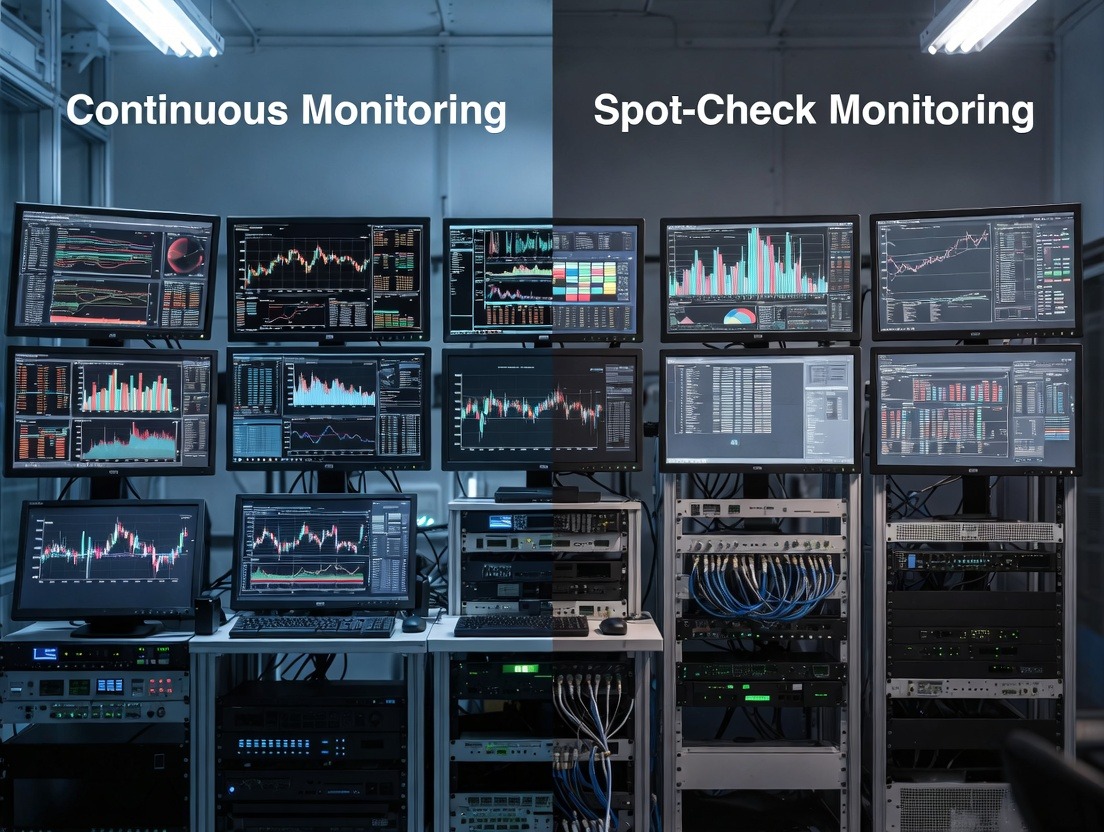
The power of modern smart ring technology lies in its continuous, non-invasive monitoring. Unlike a smartwatch you take off to charge, or a chest strap you only wear for workouts, the ring lives with you 24/7. It’s gathering data while you work, sleep, eat, and relax, building a rich, nuanced baseline that spot-check measurements could never provide. This is the cornerstone of making sense of your numbers: trends over time are infinitely more valuable than single data points. A high resting heart rate on Tuesday is just a number. A creeping upward trend in your resting heart rate over two weeks, however, is a story—one your body is trying to tell you about recovery, stress, or perhaps the onset of illness.
Our journey will begin by demystifying the core metrics, establishing what a "baseline" truly is, and learning how to observe without immediately judging. We’ll explore how the sensors packed into that tiny form factor work together to paint a holistic picture, a process known as multi-sensor data fusion. We’ll then move into practical frameworks for daily review, weekly analysis, and creating your own personal experiments to connect the dots between your lifestyle and your biometrics.
By the end of this guide, you will not just understand your numbers—you will have a confident, calm, and curious relationship with them. You’ll be able to look at your app and see not a confusing dashboard, but a dynamic biography of your body’s response to the life you’re living. Let’s begin the work of becoming fluent in the most important language you’ll ever learn: the language of you.
The First 72 Hours: Setting Up for Success, Not Overwhelm
The initial setup period is critical. It’s tempting to strap on your new ring and immediately start scrutinizing every heartbeat. Resist this urge. For the first three days, your primary goal is not analysis, but acclimation—for both you and the device.
First, ensure a perfect fit. The ring should be snug enough not to spin freely but not so tight that it leaves a deep indent or causes discomfort. The sensors, typically located on the inner band, need consistent contact with your skin to collect clean data. Most companies provide sizing kits for this reason; use them diligently. A poor fit leads to motion artifacts and gaps in your data, making early interpretation futile. For a deep dive on how design impacts comfort and data accuracy, our guide on smart ring features explained sizing technology comfort is an essential read.
Next, focus on the basics of the app. Don’t try to explore every sub-menu. Instead, complete the initial profile setup accurately—enter your age, weight, height, and gender. These demographic inputs help the algorithms set initial, broad-strokes expectations for your metrics. Then, simply wear the ring continuously. Sleep with it, shower with it (if it’s rated for it), live your normal life. Your job is to provide as much “normal” data as possible.
During these 72 hours, the ring is performing two crucial tasks:
Charging and Calibrating its Sensors: The accelerometer, optical heart rate sensor, and temperature sensor are learning your unique signal patterns.
Establishing a Preliminary Baseline: It’s starting to answer the question, “What does ‘normal’ look like for this body, on a typical day?”
Avoid the trap of comparing your Day 1 numbers to published “ideal” ranges or a friend’s numbers. Your Resting Heart Rate (RHR) of 65 might be perfectly normal for you, even if your athletic partner boasts a RHR of 48. Your baseline is personal and non-competitive. The only person you are benchmarking against is your future self.
Use this time to familiarize yourself with the app’s layout. Notice where your sleep data appears, where your activity is logged, and where the core “vital signs” are displayed. Set a simple, non-stressful goal: just remember to open the app once a day, perhaps in the morning, and glance at the summary. Don’t interpret, just observe. This low-pressure introduction helps build a habit of checking in without triggering performance anxiety.
Finally, ensure your ring’s firmware is updated and that you understand its charging routine. Modern rings use efficient chips and innovative power management to achieve impressive battery life, often lasting 5-7 days on a single charge. Understanding the rhythms of battery life optimization will help you integrate charging seamlessly into your week (like during a weekly shower or desk session) rather than being surprised by a dead device.
By the end of this 72-hour “data gathering honeymoon,” you will have overcome the novelty factor, ensured technical reliability, and laid the groundwork for meaningful data collection. Now, we can start to listen to what that data is whispering.
Demystifying the Big Three: Heart Rate, HRV, and Sleep
With a stable data stream established, it’s time to meet your core biometrics. Think of these as your body’s vital signs for modern life. They are the foundational metrics from which nearly all other scores and insights are derived. Understanding them in isolation is the first step to seeing how they interact.
Resting Heart Rate (RHR): The Engine’s Idle Speed Your Resting Heart Rate is the number of times your heart beats per minute (BPM) when you are completely at rest—typically measured during your deepest sleep or upon first waking. It’s a powerful indicator of cardiovascular fitness and overall autonomic nervous system function. Generally, a lower RHR suggests a more efficient heart muscle and better cardiovascular health.
What to Look For: Don’t fixate on a single number. Instead, watch the trend. A sustained decrease over weeks or months can indicate improving fitness. Conversely, a sustained increase of 5-10 BPM above your personal baseline is a significant red flag. It’s often one of the earliest signs your body shows under conditions of overtraining, dehydration, poor recovery, or the onset of illness. It’s your body’s engine running at a higher, less efficient idle because it’s under stress.
Heart Rate Variability (HRV): The Rhythm of Resilience If RHR is the idle speed, HRV is the quality of the idle. It measures the tiny, millisecond variations in the time intervals between consecutive heartbeats. Contrary to intuition, a higher HRV is generally better. It indicates a flexible, responsive autonomic nervous system—specifically, a healthy balance where the “rest-and-digest” (parasympathetic) system is strong enough to counterbalance the “fight-or-flight” (sympathetic) system.
What to Look For: HRV is notoriously variable and sensitive. It fluctuates daily based on stress, diet, alcohol, exercise, and even your menstrual cycle. This is why understanding the technology behind it is key. The ring uses advanced photoplethysmography (PPG) to measure this, and you can learn more about how health tracking technology measures HRV accurately. Look at your weekly average, not daily spikes and dips. A rising trendline suggests you are recovering well and managing stress effectively. A sharp, prolonged drop is a clear signal from your body to pull back, rest, and recover. It is arguably the most direct metric you have for tracking your nervous system’s state.
Sleep: The Non-Negotiable Foundation Sleep is where the magic of recovery happens. Your smart ring doesn’t just track how long you’re in bed; it analyzes the architecture of your sleep. Using a combination of movement (accelerometer), heart rate, and sometimes temperature monitoring, it classifies your night into stages: Light, Deep, REM (Rapid Eye Movement), and awake periods.
What to Look For:
Total Sleep & Consistency: Are you giving yourself enough time in bed (7-9 hours for most adults)? Is your bedtime consistent?
Sleep Stages: Focus on balance, not perfection. Deep sleep is crucial for physical restoration, while REM sleep is essential for memory consolidation and mood regulation. The algorithms that classify these stages are complex; you can explore the technology behind sleep stage classification to appreciate the science.
Sleep Latency & Efficiency: How long does it take you to fall asleep? How much of your time in bed are you actually asleep? Consistently long latency or low efficiency can point to sleep hygiene issues or elevated evening stress.
These three metrics form a feedback loop. Poor sleep will typically elevate your next-day RHR and suppress your HRV. A high-stress day that crashes your HRV can then sabotage your sleep quality. The goal is to stop seeing them as separate dials and start seeing them as an interconnected control panel for your daily wellbeing.
Beyond the Basics: Understanding Readiness, Activity, and Body Temperature
Once you’re comfortable with the big three, the app will likely present you with composite scores and additional metrics. These are synthesised insights—the ring’s algorithm taking your raw data and turning it into actionable guidance.
The Readiness Score (or Equivalent): Your Daily Green Light This is often the first number users look at in the morning. It’s a composite score (usually out of 100) that aggregates data from your sleep, HRV, RHR, body temperature, and recent activity. Its purpose is to answer one question: How prepared is your body to take on physical and mental stress today?
How to Use It: Don’t treat it as a grade. Treat it as a recommendation. A high score (e.g., 85+) suggests your body is recovered and resilient—a great day for a hard workout or a demanding project. A low score (e.g., <70) is your ring suggesting caution. It doesn’t mean “do nothing,” but it might mean “prioritize gentle movement, recovery, and stress management.” The algorithms that power this are fascinating; they essentially power readiness scores by weighing various signals. Use it to guide, not dictate, your day.
Activity & Movement: More Than Just Steps Smart rings excel at passive activity tracking. They count steps but, more importantly, they estimate your total daily energy expenditure (calories burned) and track active minutes. Because they are on your finger, they can often distinguish between different activity types like typing, walking, running, or cycling with surprising accuracy based on your arm movement patterns.
How to Use It: Look for consistency versus peaks. Was your activity steady throughout the week, or was it all crammed into a massive weekend effort? The ring can help you see patterns of sedentary behavior (long periods without movement) and balance activity with recovery. It’s a tool to avoid the “weekend warrior” trap that often leads to injury.
Skin/Body Temperature: The Silent Sentinel This is one of the most underrated yet powerful features. Your ring tracks your distal (extremity) skin temperature trend, typically establishing a very precise personal baseline. Even a slight deviation from this baseline can be highly informative.
What to Look For:
Circadian Rhythm: Your temperature has a natural rhythm, dipping at night and rising during the day. A consistent pattern indicates a well-aligned circadian clock.
Illness Detection: A sustained elevated temperature trend is a strong, early indicator of immune system activation, often appearing 1-3 days before you feel symptoms. This is a prime example of how the ring can provide predictive insights into your health.
Women’s Health: For those who menstruate, temperature tracking is revolutionary. The rise in basal body temperature following ovulation is clearly visible, making the ring an excellent tool for cycle awareness. Many modern rings now offer dedicated women's health tracking features.
By integrating these synthesized scores with your core metrics, you move from seeing data points to seeing a narrative. A low Readiness Score isn’t a failure; it’s a story that combines last night’s poor sleep, a slightly elevated temperature, and a depressed HRV. That story has a clear plot: your body is fighting something. The sensible next chapter is rest.
Establishing Your True Personal Baseline: The 30-Day Rule
You now understand the key players. But what do they mean for you? The answer lies not in a textbook, but in your own data history. This is the single most important concept for new users: Your personal baseline is your only meaningful reference point.
A “good” HRV for you might be 45 ms. For someone else, it might be 80 ms. Comparing the two is meaningless. Your body’s unique physiology, genetics, age, and lifestyle determine your ranges. The goal is to establish your normal so you can detect meaningful deviations.
The 30-Day Minimum: It takes a minimum of 30 days of consistent wear (aiming for 22+ hours a day) to establish a reliable baseline. Why? Because you need to capture at least one full menstrual cycle, several weekends versus weekdays, and a variety of life stressors. This period allows the ring’s algorithms to learn your patterns and for you to see the natural ebb and flow of your metrics.
How to Actively Build Your Baseline:
Wear Consistently: Data gaps create blind spots. The only times you should remove the ring are for charging (plan it!) and during activities that could damage it (e.g., heavy weightlifting with a bare metal bar).
Live Normally: Don’t try to “game” your scores by going to bed extremely early or avoiding all stress. You need data from your real life.
Log Context (The Secret Weapon): Use your app’s journal or tag feature. This is where qualitative data meets quantitative. Did you have two glasses of wine? Log it. Did you have a huge argument with your partner? Log “high stress.” Did you try a new intense workout? Log it. Over time, you will see direct correlations. You’ll learn that alcohol crashes your HRV and ruins your deep sleep, or that a tough workout temporarily elevates your RHR for 48 hours. This practice of logging turns the ring from a monitor into a diagnostic tool. The technology itself is designed to adapt to individual baselines, but you provide the context that makes it personal.
By the end of Month 1, you should be able to look at your weekly charts and identify your normal ranges. You’ll know your typical RHR span (e.g., 58-64), your HRV range (e.g., 35-55 ms), and your average sleep duration. You’ll have seen how your temperature fluctuates. With this foundation, you are now prepared to spot the anomalies that truly matter.
The Art of the Daily Check-In: A 5-Minute Ritual
Armed with your baseline knowledge, you can transform the potentially overwhelming act of checking your data into a quick, informative, and calm daily ritual. The key is to have a structured approach that prevents you from spiraling into analysis paralysis.
The Morning Review (3 Minutes):
Start with the Synthesis: Glance at your Readiness Score (or equivalent). Let it set the tone. High? Green light. Low? Yellow or red light. Accept it as information, not judgment.
Check the Vital Signs: Quickly review the contributors to that score.
Sleep Score/Duration: Did you get enough? Was it restorative?
HRV & RHR: Compare them to your personal ranges. Are they in the normal zone, or are they significant outliers? A dramatically low HRV paired with a high RHR tells a clear story of systemic stress.
Temperature: Any significant deviation from your baseline trend?
Set an Intention: Based on this snapshot, decide on one thing. “My HRV is low, so I’ll prioritize a lunchtime walk instead of a hard gym session.” Or, “I slept great and my score is high, so I’ll tackle that big project today.”
The Evening Wind-Down (2 Minutes):
Activity Closure: Did you hit your general movement goals? Don’t obsess over a step count; look at whether you had prolonged sedentary periods.
Prepare for Sleep: Use this data to inform your evening. A high resting heart rate from the day’s stress might signal you need 10 minutes of meditation or gentle stretching instead of scrolling through social media.
Log Key Context: Quickly tag anything notable from the day—late coffee, intense meeting, alcohol, vigorous exercise. This takes seconds but pays dividends in long-term understanding.
This daily ritual should feel like a brief weather report for your internal state. It’s not about control; it’s about awareness and responsive adjustment. For insights on how this data is processed to give you near-real-time feedback, you can explore how the technology enables real-time insights.
The Power of the Weekly Review: Connecting the Dots
While daily check-ins manage the micro, the weekly review reveals the macro. This is where trends, patterns, and the true cause-and-effect relationships become visible. Dedicate 15-20 minutes once a week (Sunday evening works well) to this practice.
Your Weekly Review Checklist:
Trend Lines are Everything: Look at the weekly graph for each core metric. Is your HRV trend line sloping up, down, or is it flat? Is your RHR creeping up? These multi-day trends are far more significant than any single day’s number.
Correlate with Your Logs: This is the detective work. Look at the lowest HRV point of the week. Now check your tags. Did you log alcohol, a late night, or a high-stress event the day before? Look at your best sleep night. What was your evening routine? This is where you move from “alcohol affects sleep” to “two glasses of wine reduces my deep sleep by 40% and increases my resting heart rate by 8 BPM.”
Assess Sleep & Activity Balance: Did you recover enough for the activity you did? If you had three hard workouts and your HRV trend is plummeting and your RHR is rising, it’s a textbook sign of accumulating fatigue. The ring can help you track this training load and strain to prevent overtraining.
Plan the Upcoming Week: Use your insights to gently plan. Seeing a consistently poor sleep score on nights you use your phone in bed? Make a rule. Noticed you feel and score better on days you walk in the morning? Schedule it.
The weekly review transforms data into wisdom. It’s the process of writing your personal user manual. You begin to understand your unique sensitivities, recovery needs, and productivity patterns. This is the ultimate promise of the technology: not just tracking, but self-knowledge.
What Your Ring is Trying to Tell You: Decoding Common Patterns
As you settle into your review rhythm, you’ll start to recognize recurring biometric “signatures” for different life events. Learning these common patterns removes fear from fluctuations and turns them into recognizable messages.
The “Impending Illness” Signature:
Data Pattern: A sustained (24-48 hour) elevation in body temperature (even if still “normal”), a steady rise in resting heart rate, and a drop in HRV. Often, your sleep score will start to degrade as your body works harder overnight.
The Message: Your immune system is actively fighting something. This pattern can appear days before a sore throat or fatigue sets in.
Smart Action: Double down on rest, hydration, and nutrition. Consider scaling back intense activities. Your ring is giving you a head start to mitigate the severity.
The “Overtraining/Under-Recovering” Signature:
Data Pattern: After one or more intense training sessions, you see a persistently elevated RHR that doesn’t return to baseline after 48 hours, a chronically suppressed HRV trend, and often increased wakefulness at night despite feeling exhausted.
The Message: The stress of your training is exceeding your body’s current capacity to recover. You are accumulating, not dissipating, fatigue.
Smart Action: Insert a true recovery day—light movement like walking or yoga, prioritize sleep, and maybe even take an extra rest day. This data can help you prevent overtraining and burnout.
The “Stress Overload” Signature:
Data Pattern: A sharp, acute drop in HRV after a mentally/emotionally taxing event, possibly accompanied by a higher nighttime heart rate and difficulty falling asleep (long sleep latency). RHR may be elevated.
The Message: Your nervous system is stuck in a sympathetic (“fight-or-flight”) dominant state.
Smart Action: Engage in explicit parasympathetic (“rest-and-digest”) activities: deliberate breathwork (which some rings can support for meditation), meditation, time in nature, or gentle yoga. The data validates the need for these practices.
The “Sleep Debt” Signature:
Data Pattern: Multiple nights of short sleep duration or poor sleep efficiency (lots of wake time). This leads to a gradual decline in daily Readiness scores, a creeping rise in RHR, and lower resilience to stress (seen in HRV dips).
The Message: You are running a chronic energy deficit. Your cognitive and physical performance are degraded.
Smart Action: Prioritize sleep above almost all else for a few nights. Your ring can help you monitor sleep debt accumulation and see the tangible benefits of paying it back.
Recognizing these patterns empowers you to respond proactively, not reactively. Your ring becomes an early-warning system, allowing you to course-correct before small issues become big problems.
The Experimentation Phase: Becoming Your Own Biohacker
After 60-90 days, once you have a rock-solid grasp of your baseline and common patterns, you can move from passive observation to active experimentation. This is where the fun begins and the ring transforms into a powerful tool for personalized optimization.
The scientific method is your friend:
Ask a Question: Based on your observations, what do you want to test? “Does cutting off caffeine after 2 PM improve my deep sleep?” “Does a 10-minute evening meditation boost my morning HRV?” “Does a 20-minute afternoon walk break improve my stress metrics?”
Change One Variable: This is critical. If you change your caffeine timing, start meditating, and begin taking walks all in the same week, you won’t know what’s causing any effect.
Maintain Consistency: Run the experiment for a minimum of 7-14 days to account for natural cycles and get a clear signal.
Analyze the Data: Use your weekly review to analyze the relevant metrics. Did your sleep efficiency improve? Did your average HRV rise?
Example Experiment: “The Alcohol Impact”
Hypothesis: “Alcohol, even in moderation, significantly disrupts my sleep and recovery.”
Method: For two weeks, log every drink. Correlate it with next-day sleep score, deep sleep %, RHR, and HRV.
Likely Outcome: You’ll see a clear, dose-dependent relationship. One drink might have a minor effect; two or more will likely show a stark drop in HRV and deep sleep, and a rise in RHR. This isn’t moral judgment; it’s biofeedback. Now you have personalized data to inform your choices.
Example Experiment: “The Workout Timing”
Hypothesis: “Evening high-intensity workouts harm my sleep quality.”
Method: Schedule hard workouts in the morning for a week, then in the evening for a week (or vice versa). Compare sleep latency, resting heart rate during sleep, and sleep stage distribution.
Analysis: You may find your body handles evening workouts fine, or you may discover they keep your nervous system revved up for hours, destroying your sleep. The data provides the answer for you.
This phase turns abstract health advice into concrete, personal truth. You move from “they say blue light is bad” to “when I wear blue-light blocking glasses after 8 PM, my sleep latency decreases by an average of 15 minutes.” This is the pinnacle of making sense of your numbers: using them to consciously design a lifestyle that optimizes your unique biology.
Navigating the Noise: When to Ignore Your Data
This may seem like contradictory advice, but it is essential for long-term, sane engagement with biometric tracking. Not every fluctuation is a meaningful signal. Much of it is noise—the normal, chaotic variation of a living system.
When to Take a Step Back:
Acute, Short-Term Spikes/Dips: A single day of low HRV or high RHR, with no other corroborating signals (temp, sleep) and no obvious context (you know you had a terrible day), is likely noise. Let it go. Only pay attention to sustained trends (2-3+ days).
Chasing an Arbitrary Number: Obsessing over getting your HRV to 100 or your Sleep Score to 90 is a recipe for stress, which will ironically make those numbers worse. The goal is optimal function and feeling, not a perfect score.
Data-Induced Anxiety: If checking your app makes you feel stressed, guilty, or anxious, you’ve lost the plot. The tool is supposed to reduce anxiety by providing clarity, not increase it. If this happens, do a “data detox.” Wear the ring for continuity, but commit to not opening the app for 3-7 days. Reconnect with how you feel subjectively. The ring should validate subjective health feelings, not invalidate them.
During Major Life Disruptions: Travel, a family emergency, or a bout of sickness will create wild data. During these times, the data’s utility is limited. Your goal is survival and coping, not optimization. It’s okay to ignore the scores until life stabilizes.
The ring is a tool for enhancing self-awareness, not for outsourcing your bodily authority. Your subjective feeling—“I feel rested,” “I feel drained”—is still the most important metric. The data is there to provide an objective second opinion, to uncover hidden patterns, and to guide you when your feelings are ambiguous. When the two align, you have profound clarity. When they conflict, it’s an invitation for curious inquiry, not panic.
Integrating Insights into Your Real Life: From Knowledge to Action
Data without action is just trivia. The final step in making sense of your numbers is creating simple, sustainable feedback loops that change your behavior.
Create Personalized “If-Then” Rules: Based on your patterns and experiments, establish personal guidelines.
“If my HRV is below [your low threshold] for two mornings in a row, then I will swap my planned intense workout for a recovery session.”
“If my sleep score is below 75, then I will enforce a strict 9:30 PM digital curfew the following night.”
“If my temperature trend is elevated by more than 0.5°C for 24 hours, then I will double my water intake and prioritize zinc/vitamin C-rich foods.”
Use the Ring for Positive Reinforcement: The data can also show you what works. When you see your HRV climb after a week of consistent meditation, or your deep sleep increase after improving your bedroom environment, that’s powerful positive reinforcement. It turns vague “wellness” into a tangible, rewarding game.
Share Selectively for Accountability: Some apps allow you to share data with a partner, coach, or in a private community. This can be powerful for accountability, especially around sleep or activity goals. A partner can see you had a poor night’s sleep and offer to handle morning duties. A coach can adjust your training plan based on your recovery metrics. This turns personal data into a tool for supportive connection.
Remember the Big Picture: The ultimate goal is not to live your life through the app, but to use the app to live your life more fully. The insights should grant you more energy, better recovery, less sickness, and the confidence that you are listening to and caring for your body. It should free up mental bandwidth, not consume it. When you reach the point where you can intuitively guess what your data will show because you are so in tune with your body, you have mastered the tool. The ring then becomes a silent partner, a check-in system running in the background, empowering you to live with greater intention and vitality.
Continuing Your Journey: From Pattern Recognition to Proactive Health
You have now laid the essential groundwork. You’ve moved past the initial overwhelm, established your personal biometric baseline, and developed a calm, structured ritual for daily and weekly check-ins. You’ve learned to recognize common patterns like the signs of impending illness or overtraining, and you’ve begun the exciting work of personal experimentation. This foundational phase transforms you from a passive data receiver into an active participant in your wellbeing.
But the journey doesn’t end here. The true depth and power of your smart ring lie in the layers of insight that unfold over months and years of wear. We now move from understanding what your numbers are to exploring the profound why and how—the interconnected systems they reveal. This portion of the guide will dive into the advanced interpretation of your data, helping you see the holistic picture of your health, from metabolic and cardiovascular markers to the subtle dance of your hormones and nervous system. We will explore how to use your ring not just for daily guidance, but for long-term health forecasting and creating a truly resilient physiology.
The Symphony of Systems: How Metrics Interact and Tell a Deeper Story
Your body is not a collection of independent dials; it is a symphony of interconnected systems. The real magic happens when you stop looking at metrics in isolation and start observing their interactions. This is where your smart ring transitions from a fitness tracker to a systems biology monitor.
The Recovery Trinity: Sleep, HRV, and RHR We touched on this, but let’s deepen the understanding. Imagine these three metrics as members of a feedback loop that defines your daily recovery status.
The Ideal State (High Recovery): Excellent, sufficient sleep → leads to a high or rising HRV and a low or stable RHR the following morning → which contributes to a high Readiness score, enabling effective stress handling and performance → which, if managed well, leads to another good night’s sleep.
The Breakdown State (Low Recovery): Poor or insufficient sleep → forces your nervous system into sympathetic dominance, crashing your HRV and elevating your RHR → resulting in a low Readiness score, reducing your capacity for stress and making you more prone to irritation and poor decisions → which often leads to behaviors that further harm sleep (late-night eating, screen time, anxiety), perpetuating the cycle.
The key insight is to look for discordance. If you slept 8 hours but your HRV is low and RHR high, it tells you the quality of your sleep was poor (perhaps due to apnea, alcohol, or an unmeasured stressor), or that a stressor from the previous day is carrying over. The ring’s ability to processes billions of data points allows it to detect these subtle dissonances that you might otherwise miss.
Stress as the Universal Solvent: How It Colors Everything Psychological and emotional stress isn’t a separate metric; it’s a lens that distorts all others. Chronic stress manifests biometrically in predictable ways:
Cardiovascular: Elevated resting heart rate, reduced HRV, sometimes higher blood pressure (inferred through pulse wave analysis in some advanced devices).
Sleep: Increased sleep latency (trouble falling asleep), more frequent nighttime awakenings, reduced deep sleep, and a higher average heart rate throughout the night.
Metabolic: Can disrupt glucose metabolism and contribute to unhealthy eating patterns, which may be reflected in less stable energy levels.
Immune: Chronically elevated cortisol can suppress immune function, making you more susceptible to infections—often previewed by those subtle temperature rises.
Your ring, through its stress detection technology, is quantifying your physiological stress load. When you see multiple metrics simultaneously degrade (sleep, HRV, RHR) without an obvious physical cause like hard training, look to your mental and emotional landscape. This systems-view empowers you to address the root cause, not just the symptoms.
The Temperature-Immune-Sleep Axis Your skin temperature is a linchpin metric. A deviation here rarely happens in a vacuum.
Elevated Temp + Poor Sleep: Classic illness onset. Your body raises its temperature to create a hostile environment for pathogens, but this thermal discomfort fragments sleep.
Elevated Temp + High RHR + Low HRV: The “sickness behavior” triad. Your body is diverting energy to the immune response, stressing the cardiovascular and nervous systems.
Low Temperature (from baseline) + Fatigue: Could indicate metabolic slowdown, poor circulation, or a thyroid issue, especially if persistent. It can also be a sign of simply being too cold at night, disrupting sleep.
By viewing temperature as part of an axis, not a standalone number, you gain diagnostic clarity. The science behind this is precise; learn about the technology behind temperature monitoring to appreciate how it captures these critical trends.
Advanced Sleep Decoding: Beyond the Score to Root Cause Analysis
Your Sleep Score is a useful summary, but it’s the detailed breakdown that holds the keys to optimization. Let’s move past “good” or “bad” sleep and learn to diagnose the why.
Decoding Sleep Architecture:
Low Deep Sleep Percentage: This is the physically restorative phase. Consistently low deep sleep can be caused by:
Evening Alcohol: Alcohol is a deep sleep suppressant. It may help you fall asleep, but it severely fragments the second half of the night, robbing you of deep and REM sleep.
Evening Exercise: Intense exercise too close to bedtime can keep your core temperature and heart rate elevated, impairing deep sleep onset.
Sleep Apnea/Disordered Breathing: Frequent, brief awakenings (arousals) disrupt sleep stage progression. Your ring may show frequent spikes in heart rate or movement during the night.
High Evening Cortisol: From chronic stress or late-day caffeine.
Low REM Sleep Percentage: This is crucial for memory, learning, and emotional processing. Low REM can be linked to:
Alcohol (again): A major REM sleep disruptor.
Antidepressants (SSRIs): Known to suppress REM.
Sleeping Too Hot: REM sleep is highly thermosensitive. An overly warm bedroom or bedding can truncate REM periods.
Irregular Sleep Schedules: REM sleep predominates in the later morning hours. Waking up too early consistently cuts your REM short.
High Sleep Latency (Time to Fall Asleep):
Blue Light & Mental Stimulation: Screens before bed inhibit melatonin.
Anxiety/Rumination: A racing mind keeps the nervous system alert.
Caffeine Timing: Caffeine’s half-life is 5-6 hours; an afternoon coffee can still be impactful at 10 PM.
Needing to Urinate: Often from late-evening fluid intake.
Pain or Discomfort.
Blood Sugar Fluctuations: A drop in blood sugar during the night can trigger a cortisol awakening.
Your smart ring’s ability to classify these stages stems from sophisticated algorithms analyzing movement, heart rate, and heart rate variability. You can explore the revolution in sleep science driven by this technology. By matching these biometric patterns to your evening logs, you can perform precise root-cause analysis and make targeted changes.
Cardiovascular Insights: HRV Deep Dive and Heart Health Trends
Heart Rate Variability is your window into autonomic nervous system balance, but its patterns hold even more nuanced information about your cardiovascular fitness and resilience.
HRV Biomarkers and Their Meanings:
The Baseline Trend (Months): A gently rising trend over months is one of the best indicators of improving overall fitness and resilience. It suggests your body is better at recovering and maintaining parasympathetic (calm) dominance. A falling long-term trend warrants a review of lifestyle stressors, chronic inflammation, or overtraining.
The Acute Response (Days): How quickly does your HRV bounce back after a stressor? A steep drop after a hard workout followed by a swift rebound to baseline within 1-2 days shows good recovery capacity. A slow, sluggish recovery suggests your system is overloaded or your recovery tools (sleep, nutrition) are inadequate.
The Nighttime Pattern: Your HRV should peak during deep sleep, when parasympathetic activity is highest. A flattened HRV curve overnight, with minimal peaks, indicates poor sleep quality or a nervous system that cannot fully relax, even during rest. This is a critical insight that a simple daily average HRV might miss.
Resting Heart Rate as a Fitness Barometer:
The “Fitness” Trend: With consistent aerobic training, your RHR should gradually decline over time as your heart muscle becomes stronger and more efficient, pumping more blood per beat.
The “Fatigue” Signal: As discussed, a sustained elevation (7+ days) above your baseline is a major flag. However, also pay attention to your sleeping heart rate (the lowest average during the night). This is an even purer measure than morning RHR. If your sleeping heart rate is creeping up, it’s a very strong sign of systemic stress or impending illness.
Introducing Respiratory Rate: Many advanced rings now track breaths per minute (RPM) during sleep. This is a clinically significant metric.
Normal Range: Typically 12-20 RPM during sleep for adults.
What to Watch: A sustained increase in your average respiratory rate can be an early sign of respiratory infection, sleep apnea, heart failure, or rising metabolic stress. It’s a subtle but powerful metric that adds another layer to the cardiovascular picture.
Together, these metrics form a comprehensive picture of your heart’s health and your nervous system’s flexibility. They are the reason why features that track HRV and heart health are considered so valuable. They move you beyond simple pulse counting to a dynamic understanding of your cardiovascular system.
Metabolic and Activity Intelligence: Understanding Your Energy Systems
Your ring estimates your calorie expenditure and tracks activity. While not a precise metabolic cart, the trends and patterns provide invaluable insights into your energy balance and metabolic health.
Non-Exercise Activity Thermogenesis (NEAT): This is the energy you burn from everything that isn’t sleeping, eating, or sports-like exercise: fidgeting, walking to your car, typing, standing. It’s a huge variable in daily calorie burn. Your ring is exceptional at tracking this via its accelerometer sensors.
The Sedentary Pattern: Long, unbroken blocks (90+ minutes) with minimal movement. This pattern is associated with poorer metabolic health regardless of gym attendance. Your ring can alert you to these periods, prompting you to take a 5-minute walk.
The Active Pattern: Frequent, small movement bursts throughout the day. This keeps your metabolism humming, aids circulation, and can improve mood and focus. Aim to break up sedentary periods every 45-60 minutes.
Active Calories vs. Resting Metabolism: Pay attention to the split. On a rest day, your “Active” calories will be low, and that’s fine. The goal is not to burn 1000 active calories every day; that’s a path to burnout. Instead, look for consistency in your baseline activity (NEAT) and intentional alignment between your planned exertion and your recovery metrics.
The Workout Effect: How does your body respond to different types of exercise? Your ring can help you see this.
Aerobic/Steady-State: Expect a moderate elevation in heart rate for the duration, with a relatively quick return to baseline afterward.
High-Intensity Interval Training (HIIT): Look for sharp heart rate peaks and valleys. The recovery speed of your heart rate between intervals and after the workout is a fantastic indicator of cardiovascular fitness. Faster drop = better fitness.
Strength Training: Heart rate may be more variable. Look for the next-day impact: elevated RHR and lower HRV if the volume/intensity was very high, indicating a significant recovery demand.
By analyzing your activity through this metabolic and recovery lens, you can better track workout performance and ensure you are training smarter, not just harder.
The Hormonal Connection: Circadian Rhythms, Temperature, and Cycle Tracking
Your body runs on intricate hormonal clocks. Your smart ring, by tracking temperature, movement, and heart rate 24/7, becomes a powerful tool for observing these rhythms.
Circadian Rhythm Alignment: Your body has a master clock in the brain (the suprachiasmatic nucleus) that syncs peripheral clocks in every organ. This rhythm governs sleep-wake cycles, hormone release (cortisol, melatonin), digestion, and even gene expression.
How Your Ring Measures It: Consistency in sleep/wake times, the predictable diurnal temperature rhythm (low at night, rising before wake), and even patterns in HRV and RHR throughout the day.
Signs of Disruption (Circadian Misalignment):
Irregular sleep schedules (social jet lag).
Blunted or erratic temperature rhythm.
Poor sleep and low daytime energy despite adequate hours in bed.
How to Optimize: Use your ring’s data to reinforce regularity. Go to bed and wake up at the same time, even on weekends. Get morning sunlight. The technology can help you track circadian rhythm alignment and see the tangible benefits of consistency.
Women’s Health & Hormonal Cycle Tracking: For those who menstruate, the ring is a game-changer. The biphasic pattern of the menstrual cycle is clearly visible in your biometrics.
Follicular Phase (Post-Period to Ovulation): Typically characterized by lower waking temperatures, more stable and often higher HRV, better recovery scores, and potentially greater exercise capacity.
Ovulation: A clear, sustained rise in waking skin temperature (about 0.3-0.5°C) marks the shift into the luteal phase. This is driven by rising progesterone.
Luteal Phase (Post-Ovulation to Period): Higher basal temperature, often a slightly elevated RHR, and a tendency for HRV to be lower and more variable. Recovery capacity may be slightly diminished, and the body may be more prone to inflammation. This is normal physiology.
Menstruation: Temperature drops as progesterone falls, marking the start of a new cycle.
Advanced Insights from Cycle Tracking:
Anovulatory Cycles: No temperature rise indicates no ovulation occurred.
Short Luteal Phase: A temperature rise lasting less than 10 days can indicate insufficient progesterone.
Pregnancy: A sustained temperature elevation beyond the expected period date is an early sign.
Perimenopause: Increasingly erratic cycle lengths and temperature patterns.
By observing these patterns, you can support women's health tracking in an unprecedented way, allowing for cycle-synced training, nutrition, and life planning. It provides objective data to discuss with healthcare providers.
The Long Game: Tracking Health Trends and Early Warning Signs
The ultimate value of continuous monitoring unfolds over the long term—seasons, years, and decades. This is where your ring transitions from a wellness gadget to a personal health sentinel.
Establishing Seasonal Baselines: Your body changes with the seasons. You may naturally sleep longer in winter, have a slightly higher RHR in summer heat, or see HRV dip during high-allergy spring. After a full year of data, you can establish seasonal baselines, which makes detecting true anomalies even more accurate.
The Power of the Long-Term Trendline: Open your app and look at the 3-month or 1-year view of your RHR or HRV. That trendline is a direct reflection of your lifestyle’s impact on your biology.
A downward-sloping RHR trendline over a year is a fantastic, objective marker of improved cardiovascular health.
An upward-sloping HRV trendline indicates better stress resilience and recovery.
Conversely, gradual negative trends are a silent alarm to reassess chronic stressors, diet, sleep habits, or exercise regimen before they manifest as clinical symptoms.
Early Physiological Warning System: This is perhaps the most profound application. We’ve discussed spotting a cold. But the patterns can hint at more.
Persistent Low-Grade Inflammation: Can manifest as a slightly elevated resting heart rate, lower HRV, and fragmented sleep over weeks or months, with no acute illness.
Metabolic Shifts: Changes in weight, energy expenditure, and even sleep patterns can be tracked.
Cardiovascular Changes: Long-term trends in RHR and HRV are directly linked to cardiovascular risk.
Mental Health Correlates: Periods of anxiety or depression often have clear biometric signatures: highly disrupted sleep architecture, elevated nighttime heart rate, and suppressed HRV.
The ring doesn’t diagnose, but it quantifies deviations from your normal with extreme sensitivity. It empowers you to have data-informed conversations with your doctor. It represents a shift towards true preventative health, aligning with how advanced technology can detect disease early.
Data Integration and Portability: Making Your Data Work for You
Your ring’s app is a powerful hub, but your data shouldn’t be trapped in a silo. To maximize its utility, you should understand how to export, integrate, and contextualize it.
Syncing with Broader Health Ecosystems: Most rings allow syncing with Apple Health (iOS) and Google Fit (Android). This is crucial.
Creates a Unified Dashboard: Your ring’s sleep, HRV, and activity data can live alongside weight (from a smart scale), nutrition (from a food app), mindfulness minutes, and blood glucose data (from a CGM if you use one).
Enables Powerful Correlations: In Apple Health, for example, you can use third-party apps like “HealthStats” or “HealthFit” to visually correlate your ring’s HRV data with your weight trend, or your sleep with your logged caffeine intake. This is where the deepest personal discoveries happen.
Future-Proofs Your Data: It keeps your long-term health record in a platform you control, independent of the ring manufacturer.
The Value of Data Export: For the data-enthusiastic or those working with coaches, the ability to export raw or summarized data (often as CSV files) is key.
Advanced Analysis: You can import sleep or HRV data into a spreadsheet to calculate custom averages, variances, and correlations that the app might not show.
Professional Collaboration: You can easily share trends with a functional medicine doctor, a sports coach, or a therapist to provide objective context to your subjective experience.
Understanding the features that enable data export and portability ensures you choose a device that respects your ownership of your biometric information.
When to Consider Medical-Grade Comparisons: Smart rings are phenomenal wellness devices, and some are pursuing FDA clearance for specific metrics like atrial fibrillation detection. It’s important to understand their position on the spectrum.
Wellness vs. Medical: They are designed for trend analysis and lifestyle insight, not for diagnosing medical conditions. However, the trends they reveal can be clinically meaningful.
Validation Matters: Look for brands that engage in clinical validation research. This means their algorithms and sensors have been tested against gold-standard medical equipment, lending credibility to your data.
Complementary, Not Replacement: They are best used as a complement to, not a replacement for, regular check-ups and medical-grade diagnostics when needed. A guide on how features compare to medical-grade devices can provide useful context.
Optimizing the Technology: Charging, Connectivity, and Updates
To maintain a seamless, uninterrupted data stream—the bedrock of all our analysis—you need to master the practical care and feeding of your device.
Developing a Charging Ritual: The goal is to minimize data gaps. The best time to charge is during a predictable, low-activity period.
The 20-Minute Shower Charge: If your ring has fast charging, popping it on the charger while you shower and get ready can add days of life.
The Weekly Desk Charge: Designate a time, like during a weekly video call or Sunday evening reading, for a full charge.
Leverage Airplane Mode: Some rings have an airplane or low-power mode. If you know you’ll be in a situation with no Bluetooth connection (like a long flight), enabling this can drastically extend battery life. Understanding these connectivity features ensures you’re never without data when you need it.
Managing Bluetooth and Syncing:
Background Syncing: Ensure the ring’s app has permission to run in the background. This allows it to sync data periodically throughout the day, preventing a backlog.
Syncing Troubles: If data seems stale, manually open the app. Often, simply bringing the app to the foreground triggers a sync. A periodic phone and ring restart can also solve connectivity gremlins.
The Critical Role of Firmware Updates: Manufacturers continuously improve algorithms, add features, and fix bugs through firmware updates.
Update Promptly: When notified, install updates. They often improve the accuracy of sleep staging, HRV calculation, or battery efficiency.
Understand the Process: Updates usually require the ring to be on the charger and near your phone. They can take several minutes. Plan for it.
Read Release Notes: They often hint at new capabilities or refined metrics you can now look for in your data. This commitment to improvement via firmware updates is a sign of a mature, evolving product.
Cultivating the Right Mindset: Avoiding Pitfalls and Sustaining Engagement
After months of use, the novelty can wear off. To make this a sustainable, lifelong practice, the right mindset is as important as the technical knowledge.
Pitfall 1: Obsessive Perfectionism (“My HRV must go up every day”)
The Reality: Biology is non-linear. Plateaus and dips are normal. Focus on the direction of travel over quarters, not days.
The Mindset Shift: View data as a compass, not a GPS. It gives direction, not a turn-by-turn command to a perfect destination.
Pitfall 2: Data Negligence (“I already know I feel tired”)
The Reality: Subjective feeling can be misleading. You might “feel fine” while your data shows a creeping sleep debt or elevated RHR. The data provides an objective check against subjective blind spots.
The Mindset Shift: Use the data as a trusted second opinion. Let it challenge your assumptions in a spirit of curiosity.
Pitfall 3: External Comparison (“My friend’s HRV is so much higher”)
The Reality: Comparison is the thief of joy—and accurate self-assessment. Your baseline is yours alone.
The Mindset Shift: Cultivate body literacy, not competition. Your journey is about optimizing you.
Pitfall 4: Ignoring the “Why” Behind the “What”
The Reality: A low score is just a starting point for inquiry, not an endpoint of failure.
The Mindset Shift: Become a detective of your own life. Ask: “What story is this data trying to tell me about my stress, my habits, my environment?”
Sustaining Engagement:
Set Thematic Quarters: Focus on one aspect for a season. “Q3 is my Sleep Quality Quarter,” where you experiment with different optimizations.
Celebrate Trends, Not Numbers: Did you just complete your most consistent month of sleep ever? That’s a huge win, regardless of the exact scores.
Take Planned Breaks: If you feel burnout, it’s okay to wear the ring but not look at the app for a week. Reconnect with intuitive living.
By now, you are no longer a new ring user. You are a proficient translator of your body’s biometric language. You understand the symphony of systems, can diagnose sleep issues, track your cardiovascular and metabolic health, honor your hormonal rhythms, and spot long-term trends. You have moved from making sense of your numbers to engaging in an ongoing, empowering dialogue with your own biology.
The Frontier and the Future: Mastering Your Biometric Journey
You have navigated the initial learning curve, deciphered the complex interplay of your core metrics, and integrated data-driven insights into the fabric of your daily life. You are no longer a passenger in your health journey but a skilled navigator, using your smart ring as a sophisticated instrument to chart a course toward sustained wellbeing. This final portion of our guide is about looking forward—mastering the most advanced applications, understanding the broader ecosystem and ethical landscape, and envisioning how this technology will evolve to become an even more integral part of proactive health management.
We move now from proficiency to mastery, and from personal insight to a wider perspective. This is where we explore the features that push the boundaries of consumer health tech, ensure our data practices are secure and intentional, and consider how our personal biomarkers contribute to a collective understanding of human health. The goal is to equip you not just for today, but for the next decade of innovation in personal biometry.
Advanced Features on the Cutting Edge: What Your Ring Might Already Be Doing
Beyond sleep, activity, and HRV, the latest generation of smart rings is incorporating sensors and algorithms that were once the sole domain of clinical settings. Understanding these capabilities allows you to unlock another layer of insight.
Blood Oxygen (SpO2) Monitoring: This metric measures the saturation of oxygen in your blood. While often used for assessing sleep apnea, its utility is broader.
Nighttime SpO2 Trends: Consistently low averages (consistently below 94%) or frequent, sharp dips (desaturations) during sleep can be a primary indicator of sleep-disordered breathing like apnea. This is a critical health insight that often goes undiagnosed.
Altitude Acclimation: Tracking SpO2 can help you safely acclimatize to high altitudes.
Illness Indicator: Respiratory illnesses like COVID-19 or pneumonia can cause blood oxygen to drop. Monitoring this alongside temperature and RHR creates a powerful triad for assessing severity. The underlying technology behind blood oxygen monitoring uses different light wavelengths to measure this vital sign.
Pulse Wave Analysis and Vascular Aging: Some advanced rings are beginning to analyze the shape of the photoplethysmography (PPG) pulse wave itself.
Pulse Wave Velocity (PWV): Inferred through analysis, this can be a marker of arterial stiffness, which is a key indicator of cardiovascular aging and health.
Stress and Hydration: The morphology of the pulse wave can change subtly with hydration status and acute stress levels. This represents the move from simply counting heartbeats to analyzing the quality of each pulse, a significant leap made possible by advanced photoplethysmography (PPG) methods.
Electrodermal Activity (EDA) and Sympathetic Tone: While more common in smartwatches, EDA sensors, which measure tiny changes in skin conductance linked to sweat gland activity (a sympathetic nervous system response), may find their way into rings.
Direct Stress Measurement: EDA provides a more direct, moment-to-moment measure of sympathetic arousal than HRV, which is a lagging indicator.
Meditation & Biofeedback: It can be used for real-time biofeedback during meditation or breathwork sessions, helping you see when your nervous system is calming down.
Body Composition via Bioelectrical Impedance (BIA): This is a frontier technology for rings. By sending a tiny, imperceptible electrical current through the body, sensors could estimate body fat percentage, muscle mass, and hydration levels.
Trend-Based Insight: As with all metrics, the trend would be key—tracking changes in muscle and fat mass in response to diet and exercise.
Hydration Status: A valuable metric for athletes and for general health. The science behind this potential is explored in the concept of bioimpedance for body composition.
Understanding these advanced features—some present, some imminent—allows you to appreciate the full scope of what your device is capable of and to stay informed about the next decade of innovation in this space.
The Ecosystem Play: Integrating with Other Devices for a 360-Degree View
Your smart ring is the constant, the foundational layer of 24/7 biometrics. But it reaches its full potential when integrated with other devices that capture complementary data. This creates a holistic, 360-degree view of your health.
The Smart Scale Synergy: A Wi-Fi/BT smart scale measures weight, body fat %, muscle mass, and more.
The Powerful Correlation: Sync both to Apple Health/Google Fit. Now you can see how a week of poor sleep (ring data) correlates with water retention or weight gain (scale data). You can observe if a new training regimen is building muscle (scale) while your HRV and RHR (ring) confirm you are recovering adequately.
Morning Ritual Data: Weight + Body Composition (scale) + Readiness Score & HRV (ring) = the most complete morning health snapshot possible at home.
Continuous Glucose Monitor (CGM) Integration: For those exploring metabolic health, this is the holy grail of integration. A CGM provides a real-time stream of your blood glucose levels.
Meal Response Analysis: See exactly how different foods affect your glucose stability. Correlate glucose spikes and crashes with your energy levels and mood.
Sleep & Glucose: Discover how poor sleep (from your ring) leads to higher fasting glucose and worse glucose control the next day (from the CGM).
Exercise Impact: See how different types of exercise (ring activity data) affect your glucose sensitivity.
Smart Home and Environmental Sensors:
Air Quality Monitors: Correlate days of poor respiratory rate or sleep quality with high indoor PM2.5 or VOC levels.
Smart Thermostats: Analyze how bedroom temperature (from your thermostat log) impacts your deep sleep percentage (from your ring).
The Unified Health Platform: The value is in the dashboard. Platforms like Apple Health, Google Fit, or third-party apps like Whoop become the unified command center. Here, you don’t just see data streams side-by-side; you can visualize correlations. This integrated approach is the embodiment of how technology enables personalized recommendations based on a multi-faceted data picture.
Privacy, Security, and the Ethics of Your Most Personal Data
Your biometric data is among the most personal information that exists. It is a digital representation of your physiology. As you deepen your reliance on this technology, a conscious approach to privacy and security is non-negotiable.
Understanding the Data Lifecycle:
Collection: What raw data does the ring collect? PPG, accelerometer, temperature, gyroscope. This is typically anonymized and aggregated at the point of collection.
Processing: Where does the analysis happen? On the ring (edge computing), on your phone, or in the cloud? On-device processing is generally more private. Cloud processing enables more complex algorithms but sends your data to servers.
Storage: Who stores the data, where, and for how long? What encryption standards are used (look for AES-256)?
Usage: How is your data used? To improve algorithms? For aggregate research? Is it ever sold or shared with third parties for advertising? Read the privacy policy.
Key Questions to Ask Your Manufacturer:
Can I use the device anonymously? Do I need to create an account with personal details?
What is the data retention policy? Can I request my data be deleted?
Is data shared with third parties? If so, under what conditions?
Is data encrypted in transit and at rest?
Do they undergo independent security audits? A responsible manufacturer will be transparent about these issues, as outlined in discussions on privacy and security considerations.
Your Action Plan for Data Sovereignty:
Use Strong, Unique Credentials: A strong password and two-factor authentication (2FA) for your ring’s account are essential.
Review App Permissions: Only grant the app permissions it absolutely needs (Bluetooth, notifications). Deny unnecessary access like contacts or location if not required.
Leverage Local Sync/Storage: If the app offers the option to prioritize local phone processing over cloud, consider it for sensitive data.
Regularly Audit Connected Apps: Periodically check which third-party apps (Strava, Apple Health) have access to your ring data and revoke any you no longer use.
Understand Your Export Rights: Know how to download your raw data. You own it.
The Ethical Mindset: Your data, aggregated with millions of others, can power population health studies and advance medical research. This is a potential benefit. The ethical contract requires manufacturers to obtain clear, informed consent for such use, to anonymize data rigorously, and to allow users to opt out. Being an informed user means supporting companies that uphold these principles.



%402x.svg)