


Your Health Data Explained: How Your Wellness Ring Turns Sensors Into Insights
How your wellness ring turns sensor data into useful health insights.
How your wellness ring turns sensor data into useful health insights.
%402x.svg)
In the quiet hours before dawn, as you sleep, a remarkable conversation is happening. It's not with words, but with light, motion, and electrical signals. On your finger, a sleek band of titanium or ceramic is listening to the whispers of your body—the rhythmic pulse of blood through your capillaries, the subtle rise and fall of your chest, the faint electrical currents that signal your heart's every beat. This is your wellness ring, a modern oracle of the self, translating the cryptic language of your physiology into a story you can finally understand.
For decades, health data was something that happened to us, locked away in annual check-up reports or momentary readings on a doctor's office monitor. It was periodic, retrospective, and often disconnected from our daily lives. Today, we stand at the precipice of a fundamental shift: from episodic health checking to continuous health knowing. The catalyst for this shift is the unassuming smart ring, a device that leverages its unique position on the body and advanced sensor technology to gather a torrent of raw biometric data. But data alone is just noise. The true magic—the real value—lies in the astonishingly complex journey from that raw sensor signal to a meaningful, actionable insight about your well-being.
This article is your backstage pass to that process. We will demystify the black box, following the path of a single heartbeat from the moment it is sensed to the moment an app suggests you might need a lighter workout today. We'll explore the sophisticated sensors packed into a ring-sized device, decode the algorithms that find patterns in chaos, and examine how these insights can empower you to make tangible improvements in your sleep, stress, recovery, and overall health. This isn't just about technology; it's about understanding the new language of your own body, a language your wellness ring is uniquely equipped to teach you. Welcome to the anatomy of insight.
Before we can understand the insights, we must meet the collectors. Nestled within the compact, elegant form of a wellness ring is a sophisticated orchestra of micro-sensors, each playing a distinct part in capturing the symphony of your body. Unlike bulkier wrist-worn devices, the ring leverages the unique vascular and anatomical advantages of the finger, providing a surprisingly robust signal for such a small form factor. Let's introduce the key players.
The Photoplethysmogram (PPG) Sensor: The Pulse of the Operation
This is the workhorse, the star of the show. At its core, a PPG sensor is a light-based technology. It consists of tiny LED lights (often green and infrared) that shine into the skin on the palm-side of your finger, and a photodetector that measures how much light is reflected back. Why? Because blood absorbs light. With each heartbeat, a surge of blood (rich with hemoglobin) pulses through the capillaries in your finger, momentarily absorbing more light. The photodetector registers this rhythmic change in light reflection. This simple, elegant principle generates a waveform—the PPG signal—that is a treasure trove of information. From this single stream of data, algorithms can extract your heart rate, heart rate variability (HRV), blood oxygen saturation (SpO2), and even infer respiratory rate. The finger is an ideal location for PPG because of its high capillary density, often providing a cleaner, stronger signal than the wrist, especially during movement.
The 3D Accelerometer and Gyroscope: The Motion Detectives
While the PPG listens to your blood, these sensors watch your movement. The accelerometer measures linear acceleration—think the up-down of your hand as you walk, the tap of a finger, or the stillness of sleep. The gyroscope measures angular velocity, or rotational movement, like turning your hand over. Together, they create a precise, three-dimensional map of your activity and rest. They distinguish between a brisk walk and a slow stroll, detect the specific motions of different workout types, and, crucially, identify periods of sleep with remarkable accuracy by noting prolonged inactivity. This motion data is essential for contextualizing the PPG data; a high heart rate means something very different during a run than it does during sleep.
The Skin Temperature Sensor: Your Inner Thermometer
A small, precise thermistor rests against your skin, continuously monitoring its temperature. While this reading is not your core body temperature, it is a valuable relative metric. Skin temperature follows a natural circadian rhythm, typically dropping as you fall asleep and reaching its lowest point in the early morning before rising to aid wakefulness. Deviations from your personal baseline can be early indicators of illness, inflammation, ovulation (making it a key component of smart ring benefits for women's cycle tracking and hormonal insights), or poor recovery. It adds a thermal layer to the story of your daily cycle.
The Bioimpedance Sensor: A Glimpse at Fluid and Composition
Found in some advanced rings, this sensor passes a tiny, imperceptible electrical current between two points on the inner band. By measuring how that current is impeded (resisted) by your body's tissues, it can estimate metrics like skin hydration levels and, with sophisticated modeling, extrapolate trends in stress and recovery through the autonomic nervous system's influence on fluid distribution. It’s a more direct probe into your body’s electrical properties.
This miniaturized orchestra works in concert, 24/7. The PPG captures your cardiovascular pulse, the IMU tracks your physical state, temperature provides a thermal context, and bioimpedance adds an electrical dimension. But this raw data—streams of numbers, light values, and electrical readings—is just the beginning. It's the chaotic, beautiful noise before the composition begins. The next step is where engineering meets artistry: in the algorithms that turn this multi-sensor data stream into clean, reliable, foundational metrics.

The data streaming from your ring's sensors is messy, raw, and full of artifacts. A sudden hand movement can send the PPG signal into chaos. A tight grip on a steering wheel can temporarily affect blood flow. Even the simple act of typing can introduce "noise." The first and most critical job of the ring's onboard software and companion app algorithms is to act as a master filter, separating the true biological signal from the corrupting noise of daily life. This process, known as signal processing, is the unsung hero of wearable accuracy.
Motion Artifact Rejection: The Ultimate Bouncer
Imagine trying to listen to a faint heartbeat while jogging. That's the challenge. The accelerometer and gyroscope are crucial allies here. By simultaneously analyzing the motion data and the PPG signal, algorithms can identify periods where motion is likely corrupting the biometric reading. Sophisticated filtering techniques, like adaptive noise cancellation, use the motion signal as a reference to literally subtract the motion-induced noise from the PPG signal, leaving a cleaner heart rate trace. In cases of extreme, sustained motion (like a high-intensity workout), the system may label the optical heart rate data as "low confidence" and rely more on post-workout recovery metrics. This is why understanding the interplay between sensor types is key, as explored in our guide to understanding wearable health tech sensor technology.
Finding the Beat: Heart Rate and HRV Extraction
Once a clean(er) PPG waveform is established, the algorithm goes peak-detecting. It identifies each pulse peak in the waveform—the moment of maximum blood volume in the capillaries. The time interval between consecutive peaks is called the inter-beat interval (IBI). The inverse of this (beats per minute) is your instantaneous heart rate. But the real gold lies in the tiny, millisecond variations between these intervals. This is Heart Rate Variability (HRV)—a critical marker of your autonomic nervous system balance and recovery status. Extracting a true, accurate HRV from a PPG signal (as opposed to a medical-grade ECG) is a monumental algorithmic task, requiring immense precision to not mistake motion noise for a genuine heartbeat variation. The payoff, however, is profound, offering insights into stress and readiness that we will explore later.
Deriving the Invisible: Respiratory Rate and SpO2
Your breathing affects your cardiovascular system. With every inhale, your heart rate slightly accelerates; with every exhale, it decelerates. This is called respiratory sinus arrhythmia, and it's a healthy phenomenon. Advanced algorithms can detect this rhythmic pattern embedded within the heart rate or the raw PPG waveform itself to estimate your breaths per minute—all without a single dedicated breath sensor. Similarly, blood oxygen (SpO2) is calculated by comparing the absorption of at least two different wavelengths of light (usually red and infrared). Oxygenated and deoxygenated hemoglobin absorb light differently. The ratio of these absorptions allows the algorithm to estimate the percentage of oxygen-saturated hemoglobin in your blood.
Sleep Staging: The Nocturnal Detective
This is one of the most algorithmically intense processes. Using a fusion of all sensor data—movement (lack thereof), heart rate (which drops as you enter deep sleep), HRV (which shows specific patterns in different stages), and skin temperature—machine learning models classify each minute of the night into sleep stages: Wake, Light Sleep, Deep Sleep, and REM (Rapid Eye Movement) sleep. These models are often trained on millions of hours of polysomnography (clinical sleep study) data, learning the subtle biometric signatures of each stage. The result is a detailed sleep architecture map, turning a night of stillness into a narrative of restorative cycles. For a deep dive into why this is a game-changer, see how smart ring benefits for sleep quality provide an overnight advantage.
This stage transforms the chaotic "noise" into a structured "signal." We now have clean, timestamped, foundational metrics: heart rate, HRV, movement, temperature, and sleep stages. But we are still looking at isolated data points. The next leap is to find meaning in the patterns across time—to move from physiology to insight.
You have a resting heart rate of 55. Is that good? Your HRV today is 42 milliseconds. Is that high or low? Your deep sleep duration was 1 hour and 20 minutes. Should you be concerned? In the world of biometrics, there is no universal "good" score. The only metric that truly matters is your metric in relation to yourself. This is the cornerstone of meaningful health insight: the establishment of a personal baseline. Your wellness ring is not comparing you to Olympic athletes or population averages; it is learning what is normal for you, creating a dynamic fingerprint of your unique biology.
Building Your Biometric Identity
During the first weeks of wearing your ring, its primary job is observation and learning. It quietly collects data across different contexts: your sleep, your workdays, your workouts, your weekends. Advanced algorithms analyze this data to calculate your personal ranges. What is your typical resting heart rate range? What is your normal HRV baseline? What does your typical sleep architecture look like? What is your overnight skin temperature nadir? This process effectively builds a multi-dimensional "zone of normalcy" specific to you. This is a fundamental shift from one-size-fits-all health scores, enabling a form of personalized health tracking that honors your unique biology.
The Power of Deviation: When Your Body Whispers
Once a robust baseline is established, the ring shifts from learning to detecting. Its most powerful insights come from identifying significant deviations from your personal norm. This is where the data starts to speak your body's language.
These deviations are not diagnoses; they are highly personalized alerts. They are your body's way of whispering that something is off-balance, often before your conscious mind has noticed. This ability to detect subtle, early changes is the core of how smart ring benefits support preventive healthcare by shifting focus from treating illness to maintaining wellness.
Context is King: The Multi-Variable Story
The true sophistication of modern wellness algorithms lies in sensor fusion and contextual analysis. A single metric deviation can be ambiguous. A slightly higher resting heart rate could be due to stress, a hard workout yesterday, or a glass of wine. But when multiple metrics tell a congruent story, the insight gains powerful clarity.
By correlating data streams, the system moves from simple reporting ("your HRV is low") to contextual insight ("your recovery is low today, likely due to poor sleep last night, so consider a lighter workout"). This creates a feedback loop where your daily choices and experiences are reflected in objective data, helping you validate what works and what doesn't for your body, a key benefit for anyone looking to make their wellness efforts more tangible and effective.
For most of human history, sleep was a mystery—a blank period of unconsciousness. We knew it was important, but we had no window into its internal structure or quality. The wellness ring has changed that, turning the night into a rich dataset. The insights derived from your sleep are perhaps the most immediately impactful, as sleep is the foundational pillar of mental, physical, and emotional health. But what are you actually looking at when you open your sleep score in the morning?
More Than Just Duration: The Stages of Sleep
A wellness ring doesn't just tell you how long you slept; it maps how you slept. Using the fused sensor data mentioned earlier, it breaks your night into the four key stages:
A healthy sleep cycle involves smoothly progressing through these stages in 90-120 minute cycles, with deep sleep dominating earlier in the night and REM later. Disruptions to this architecture—like insufficient deep sleep, fragmented REM, or too much time awake—are clear indicators of poor sleep quality that a simple duration metric would miss entirely.
Key Sleep Metrics and What They Mean
Your sleep score is typically a composite of several underlying metrics:
Actionable Insights from the Night
This detailed breakdown moves you from feeling "I slept poorly" to understanding why. The ring can connect the dots:
By providing this architectural blueprint, the ring empowers you to conduct targeted experiments. Adjust one variable—like cutting off caffeine after 2 PM, establishing a wind-down routine, or slightly adjusting your bedroom temperature—and observe the direct impact on your sleep stages the following morning. This feedback loop is transformative, turning sleep from a passive state into an active component of your health strategy, an advantage detailed in our look at how smart rings help you sleep better tonight.
In our fast-paced world, stress is often a silent, chronic background condition. We acclimate to a state of "normalized overwhelm," losing the ability to perceive our own tension until it manifests as burnout, anxiety, or illness. Your wellness ring acts as an objective mirror to your nervous system, offering a real-time readout of your body's stress and capacity to handle it through two primary, interconnected metrics: Heart Rate Variability (HRV) and the derived "Readiness" or "Recovery" score.
Heart Rate Variability (HRV): The Gold Standard of Autonomic Tone
HRV is not your heart rate. It is the measure of the variation in time between each heartbeat. Contrary to what one might think, a higher HRV is generally better. It indicates a healthy, resilient autonomic nervous system (ANS)—the system that controls your unconscious bodily functions. The ANS has two branches: the sympathetic ("fight or flight") and the parasympathetic ("rest and digest"). A high HRV signifies a flexible system that can switch efficiently between these states: ramping up for a challenge and then powerfully dialing down to recover. A low HRV suggests a system that is stuck on "high alert" (sympathetic dominance) or is simply fatigued and unable to respond dynamically.
Your ring calculates HRV most reliably during sleep (particularly deep sleep) or during specific morning measurements, when motion artifacts are minimal. By tracking your HRV trend against your personal baseline, you get an objective measure of your physiological stress load and recovery status. A sustained drop is a clear signal to prioritize rest, manage stressors, and avoid overtraining.
The Readiness Score: Your Daily Green Light / Yellow Light
Most wellness platforms synthesize data from multiple channels—including last night's sleep (duration, quality, stages), your HRV trend, resting heart rate trend, skin temperature, and recent activity load—into a single, easy-to-grasp "Readiness" or "Recovery" score. This isn't a vague guess; it's a data-driven recommendation for how to approach your day.
This daily guidance transforms your relationship with your body from one of guessing to one of informed collaboration. It helps you align your ambitions with your actual capacity, a key strategy for preventing burnout and improving work performance and productivity through managed wellness.
Stress Detection Throughout the Day
Some rings now offer on-the-spot stress or "body battery" measurements. By analyzing real-time heart rate and HRV patterns (specifically the balance between sympathetic and parasympathetic activity), the device can detect moments of acute nervous system activation. Getting a notification that your stress levels are elevated can be a powerful cue to pause, take three deep breaths, or step away from a tense situation. This biofeedback loop helps cultivate body awareness and empowers you to intervene in the stress response in real time, a foundational benefit for those looking to reduce stress and anxiety naturally.
While smartwatches have long dominated the activity tracking space, the wellness ring brings a different, more holistic philosophy to movement. It's less about counting every last step and more about understanding the impact of your activity on your overall system. The goal isn't just to log exercise; it's to balance activity with recovery to foster sustainable health. The ring's 24/7 wear and unique sensor fusion enable this nuanced view.
Automatic Activity Detection and Classification
Thanks to its precise accelerometer and gyroscope, a well-calibrated ring can automatically detect when you begin a period of sustained activity—a walk, run, bike ride, or gym session. More advanced systems can even classify the type of activity based on the specific movement signature. This means no more fumbling to start a workout timer; the ring quietly logs your effort in the background. For athletes, this is invaluable for capturing all movement, not just planned workouts, providing a true picture of total daily strain.
Measuring Strain, Not Just Output
The ring moves beyond simple calorie burn estimates (which are notoriously inaccurate) to more physiologically meaningful metrics. By analyzing the heart rate response to your activity—how high it climbs and how long it stays elevated—the ring can calculate an Activity Score or Strain score. This metric quantifies the cardiovascular and nervous system load of your workout. A brisk 60-minute walk and a 30-minute high-intensity interval training (HIIT) session might burn similar calories, but their strain scores will be vastly different. This helps you understand the true cost and benefit of each activity.
The Crucial Link to Recovery
This is where the ring's integrated view shines brightest. Your activity data does not live in a silo. It is directly compared against your Readiness score and your sleep data.
This feedback loop enables informed periodization. You learn to schedule your hardest efforts on high-readiness days and embrace true recovery on low-readiness days. This intelligent approach to training, which balances stress and rest, is how smart ring recovery insights can transform your training, making you more resilient and effective over the long term.
The Holistic View of Non-Exercise Activity Thermogenesis (NEAT)
For overall metabolic health, the calories you burn outside of formal exercise—through fidgeting, standing, walking to your car, taking the stairs—are incredibly important. This is called NEAT. Because the ring is worn continuously and unobtrusively, it excels at capturing this all-day movement pattern, encouraging you to stay generally active, not just during your designated "fitness" time. This supports broader weight management and metabolic health goals in a sustainable way.
One of the most profound promises of continuous biometric monitoring is its potential to act as a sentinel, detecting subtle, early deviations that may signal a shift in health status long before symptoms become obvious. This is not about diagnosing disease—a task for medical professionals—but about flagging meaningful changes in your personal baseline that warrant attention. The wellness ring, with its constant proximity to rich vascular data, is uniquely positioned for this role.
The Signature of Imminent Illness
Often, your body begins to mount a defense against a pathogen before you feel a scratchy throat or fatigue. This immune response has measurable physiological correlates:
When these markers deviate in concert, the ring's algorithms can surface an alert—not that you are sick, but that your body is showing signs of physiological stress. This gives you a critical head start. You might choose to hydrate more, prioritize sleep, reduce social commitments, or monitor for symptoms more closely. This early awareness is a cornerstone of proactive, rather than reactive, health management, illustrating how smart ring benefits can help detect health issues early.
Tracking Trends for Chronic Insights
Beyond acute illness, long-term trend analysis can reveal patterns related to chronic conditions or lifestyle effects.
The Power of Longitudinal Data
The true value of this "early warning" capability compounds over time. A single day of high RHR is a curiosity. A pattern of high RHR every time you have a major work deadline is an insight. A multi-year dataset showing seasonal variations in your sleep or baseline HRV is a powerful personal health narrative. This longitudinal record becomes an invaluable asset in a healthcare setting, providing your doctor with objective, quantifiable trends rather than subjective recollections. In this way, the data from your ring is something your doctor will appreciate during consultations, enabling more informed, data-supported conversations about your health.
As we embrace devices that collect our most intimate data—our pulse, our sleep, our temperature—a critical question arises: who owns this story? The conversation about health insights is incomplete without addressing data privacy, security, and ownership. Understanding how your ring provider handles your sensitive biometric information is as important as understanding how the sensors work.
The Sensitivity of Biometric Data
Your heart rate pattern is not like your email address. It is a unique, unchanging biological identifier. Sleep data can reveal your daily routines. HRV data can infer your stress levels. This information, if aggregated and misused, could theoretically be used for profiling, insurance discrimination, or targeted manipulation. Therefore, the security and privacy policies of your wellness ring company are paramount.
Key Privacy Questions to Consider
When evaluating a platform, look for transparent answers to these questions:
The Promise of On-Device Processing
A significant trend in wearable tech is moving more data processing from the cloud to the device itself (the ring or your phone). For example, instead of sending raw PPG waveforms to a server to calculate heart rate, the ring can perform that calculation locally and only send the final heart rate number. This minimizes the exposure of your most sensitive raw data. Companies that prioritize on-device processing demonstrate a stronger commitment to privacy by design.
Empowerment Through Ownership
The ideal model is one of true user empowerment. Your biometric story belongs to you. The role of the company is to provide you with the tools—the hardware, software, and algorithms—to generate insights for your eyes first. They act as a trusted custodian, not the owner, of your data. This philosophy ensures that the primary purpose of the device remains your personal enlightenment and health optimization, not data extraction. For a deeper exploration of this critical aspect, see our analysis of how the best devices are designed to protect your privacy and data.
Choosing a wellness ring that aligns with strong privacy values is essential for trusting the technology enough to make it a seamless part of your life, allowing you to reap the full long-term value and benefits without compromise.
A dashboard full of beautiful charts and scores is intellectually interesting, but it is meaningless if it doesn't change behavior. The ultimate test of any health technology is: does it help you live better? The journey from sensor to insight reaches its final, most important stage when those insights leave the app and influence your real-world choices. This is where the wellness ring transitions from a reporting tool to a coaching partner and behavioral catalyst.
Closing the Feedback Loop: The "Why" Behind the Feeling
Humans are notoriously poor at subjective self-assessment, especially regarding recovery and stress. You might "feel fine" pushing through a workout, but your HRV data shows your nervous system is exhausted. Conversely, you might feel sluggish, but a strong readiness score can give you the confidence that your body is actually primed for action—a phenomenon known as "perceived vs. actual readiness." The ring provides objective ground truth, closing the feedback loop between how you feel and how your body is actually functioning. This builds body literacy. You start to recognize the physical sensations that correlate with high HRV (calm, focused energy) or low HRV (jittery, wired fatigue).
Informed Experimentation and Personalized Optimization
Armed with data, you can become a scientist of your own life. The ring enables structured, data-informed experiments:
This process moves you from generic health advice ("get more sleep") to personalized, verified protocols ("I need 7.5 hours with a consistent bedtime to maintain my HRV baseline, and alcohol reduces my REM sleep by 30%").
Creating Sustainable Habits, Not Short-Term Fixes
The greatest strength of the ring is its passive, continuous nature. Unlike a scale you have to step on or a blood pressure cuff you have to remember to use, the ring works in the background. This removes the friction and willpower required for tracking, leading to higher long-term adherence. As data accumulates, you're less likely to obsess over daily fluctuations and more likely to focus on weekly and monthly trends. This fosters a long-term, relationship-based view of your health, rather than a punitive, day-to-day scorekeeping. This effortless integration is key to creating better health habits for the long term.
The Holistic View: Connecting the Dots
Ultimately, the ring helps you see the interconnectedness of your lifestyle pillars. It visually demonstrates how poor sleep undermines your stress resilience, how chronic stress sabotages your sleep, and how proper recovery amplifies the benefits of your training. This systemic view encourages holistic changes. You don't just fix your sleep to get a better sleep score; you fix your sleep to improve your recovery, your daytime energy, your workout performance, and your mental clarity. The insight becomes a tool for achieving mental clarity and focus through physical well-being.
The technology inside your wellness ring is not static. We are in the early chapters of a story where wearable sensors and artificial intelligence will become increasingly sophisticated, moving from descriptive insights ("what happened") to predictive and prescriptive insights ("what is likely to happen and what you should do about it"). The ring's form factor—unobtrusive, always-on, and rich with vascular data—makes it a prime platform for this next wave of innovation.
Glucose Monitoring and Metabolic Health
One of the most anticipated frontiers is non-invasive, continuous glucose monitoring (CGM). While currently requiring a subcutaneous sensor, several companies are racing to develop optical (PPG-based) or other sensor technologies that can estimate glucose trends from the finger. Success here would be revolutionary, providing insights into metabolic health, energy crashes, and personalized nutrition responses without a needle. This would bring the power of metabolic flexibility tracking to the mass market directly from a ring.
Advanced Biomarkers and Blood Constituents
Research is ongoing into using multi-wavelength spectroscopy (using many more colors of light than current PPG) to non-invasively estimate other blood constituents, like hemoglobin levels (for anemia), hydration markers, or even certain electrolytes. While significant hurdles remain, the potential for a ring to act as a daily, mini blood panel is a compelling long-term vision for the future of wearable health tech.
Predictive Analytics and Proactive Coaching
As algorithms ingest more longitudinal data from millions of users, their ability to predict individual outcomes will improve. Imagine a system that, based on your declining HRV trend, sleep disruption, and elevated RHR, could not only tell you that you're run down, but predict: "Based on your data, you have a 65% likelihood of developing a cold in the next 48 hours. Recommended action: Prioritize 8 hours of sleep, increase hydration, and consider reducing planned high-intensity activity." This shifts the paradigm from reactive to truly preventive.
Deeper Mental and Cognitive State Inference
The connection between the autonomic nervous system (measured by HRV, pulse wave morphology) and cognitive/emotional states is a rich area of research. Future algorithms may be able to infer finer-grained mental states—like focused flow, cognitive fatigue, or emotional arousal—from cardiovascular patterns. This could lead to rings that help you optimize your work sessions or manage emotional well-being with unprecedented precision.
Seamless Healthcare Integration
The future also lies in breaking down the wall between consumer wearables and the formal healthcare system. With proper validation and user consent, the longitudinal data from your ring could be securely shared with your healthcare provider, enriching electronic health records with real-world, continuous data. This could transform annual physicals into reviews of a full year of health trends, enabling more personalized and effective care plans. The potential for this integration is explored in our guide to wearable health tech and healthcare systems.
These advancements will continue to hinge on the same foundational journey we've outlined: from robust sensor data, to clean signals, to personalized baselines, and finally to actionable intelligence. The ring's journey from sensor to insight is just beginning, and its potential to deepen our understanding of ourselves is boundless.
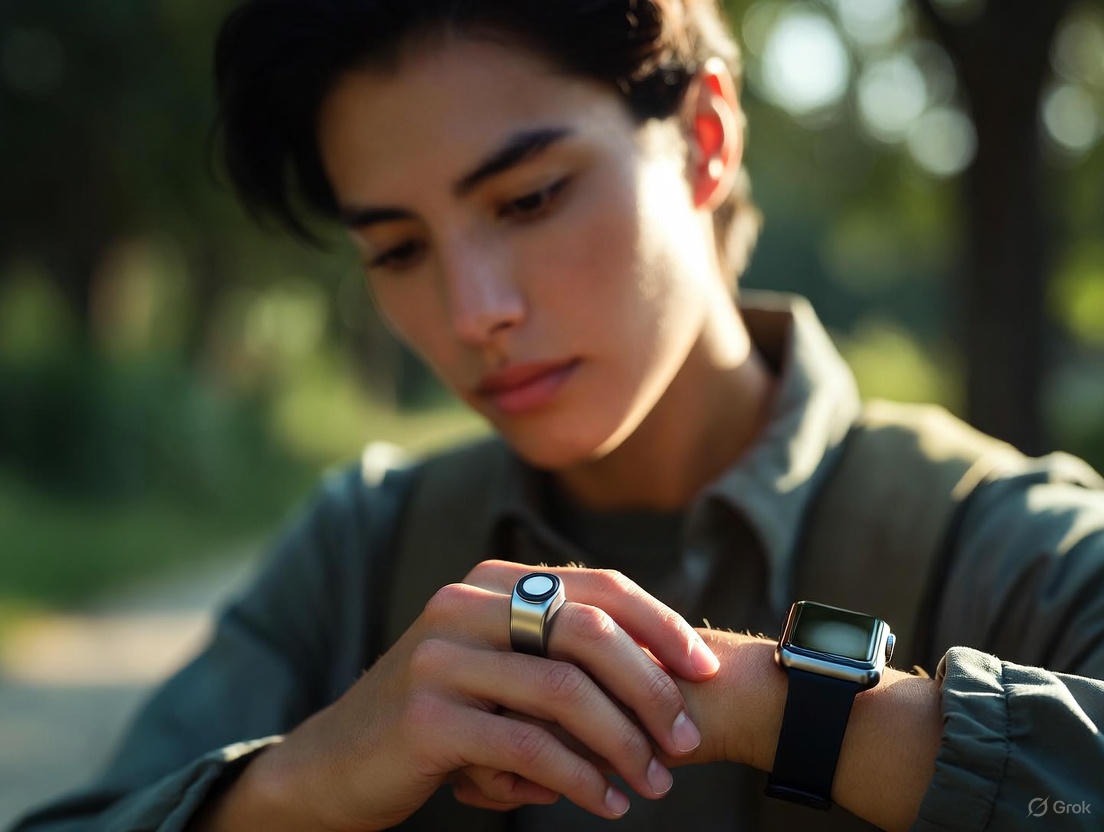
We have followed the data's journey from the faint pulse of light in a capillary to the clean, contextualized metrics on your screen. We've seen how algorithms establish your personal normal and how deviations from that baseline tell a story. But this story remains a fascinating biography unless it becomes a guidebook. The final, most critical transformation is the alchemy of turning insight into action—the process of using this intimate self-knowledge to craft a healthier, more vibrant life. This is where the real magic happens, where data stops being information and starts being wisdom.
For many, the initial encounter with deep health data can be overwhelming or even anxiety-inducing. A low sleep score can feel like a failure. A dipping HRV trend can seem ominous. The key to avoiding this "analysis paralysis" or "quantified self-stress" is to adopt a strategic, curious, and compassionate mindset. Your data is not a judge; it is a compass. It doesn't tell you you're bad; it points you toward what might be better. The goal is not to achieve perfect scores every day—an impossible and counterproductive aim—but to understand the cause-and-effect relationships in your life and to use that understanding to make more informed choices that support your long-term well-being.
This section is your playbook for that alchemy. We will move beyond interpretation to implementation, exploring practical frameworks for prioritizing actions, designing personal experiments, and integrating this flow of insight into your daily routines seamlessly and sustainably. The power of a wellness ring isn't just in what it knows; it's in what it empowers you to do.
You open your app. You see a sleep score of 72, a readiness score of 65, an activity strain of 12, and a stress notification from yesterday afternoon. Where do you even start? Trying to "fix" everything at once is a recipe for burnout. Effective health optimization, like any complex project, requires prioritization. The data from your ring provides the framework for a simple, cyclical action loop: Observe → Prioritize → Experiment → Observe.
Step 1: Observe Without Judgment
Start by simply looking at your data trends with curiosity, not criticism. Scan the key areas:
The goal here is to gather facts, not to assign blame. This observational phase is where you learn to make health data actionable, not just observable.
Step 2: Prioritize the Foundation First
In construction, you must fix the foundation before decorating the walls. In health, the foundational pillars are Sleep and Recovery. They support everything else. Your prioritization framework should almost always look like this:
This foundation-first approach is the core of sustainable wellness and is a principle that can help improve work performance and productivity by ensuring your cognitive engine is properly fueled and rested.
Step 3: Choose One Lever to Pull
Once you've identified the priority area (e.g., "deep sleep is consistently low"), resist the urge to change five things at once. Choose a single, specific, modifiable behavior to experiment with. For example:
A single, clear intervention allows you to clearly see its effect in your data. This methodical approach turns health optimization from an overwhelming chore into a series of manageable, interesting experiments, ultimately helping you create better health habits for the long term.
You are the world's leading expert on one subject: you. Your wellness ring is your lab equipment, allowing you to run rigorous, n-of-1 experiments to discover what truly works for your unique biology. This shifts you from passively following generic advice to actively engineering your own optimal lifestyle.
Designing a Clean Experiment
The scientific method applies beautifully to personal biohacking:
Classic Experiments to Run
The empowerment that comes from this process is profound. You move from "I heard alcohol is bad for sleep" to "My own data shows that when I drink, my REM sleep drops by 40%, and I feel the difference." This is the essence of empowering health data ownership—using information to make informed, personal choices that are right for you.
Your body is not a static machine; it is a dynamic, rhythmic organism. One of the most powerful applications of continuous data is uncovering and honoring your personal biological cycles. By aligning your lifestyle with these innate rhythms, you can enhance energy, improve sleep, optimize performance, and support hormonal balance.
Honoring Your Circadian Rhythm
Your circadian rhythm is your internal 24-hour clock, governing sleep-wake cycles, hormone release (like cortisol and melatonin), and core body temperature. Your ring tracks the outputs of this rhythm: the timing of your sleep, the overnight dip in heart rate and temperature, and the morning rise in both. The data allows you to see if you are in sync or in conflict with this rhythm.
Navigating the Infradian Rhythm (The Monthly Cycle)
For women, the infradian rhythm—the menstrual cycle—adds another vital layer. Hormonal fluctuations across the cycle have measurable effects on core temperature, resting heart rate, HRV, and sleep patterns.
By tracking these patterns alongside cycle logging, the ring transforms subjective symptoms into objective phases. You can plan your month strategically, aligning challenging projects with your high-energy phase and scheduling more rest and recovery during the luteal phase. This is the practical application of hormonal insight and cycle tracking benefits, reducing frustration and fostering body acceptance.
Observing Seasonal Shifts
Even seasonal changes can leave a signature in your data. You might notice your sleep need increases slightly in winter, or your average resting heart rate is lower in the cooler months. Recognizing these patterns helps you adjust your expectations and routines throughout the year, supporting the goal of healthy aging and longevity by respecting your body's natural responses to its environment.
Your health is not an isolated endeavor. It exists within a web of relationships—with family, friends, and healthcare providers. The data from your wellness ring can become a powerful conduit for improving communication and collaboration within these partnerships, moving conversations from vague descriptions to shared, objective insights.
With Your Healthcare Provider: From Anecdote to Evidence
The traditional doctor's visit often relies on memory: "How have you been sleeping?" "Have you been stressed?" Your recall is imperfect and subjective. Now, imagine opening your app and saying:
This is transformative. You provide concrete, longitudinal data that can:
This collaborative, data-informed approach is what makes the information something your doctor will truly appreciate. It turns the appointment into a partnership focused on your unique data story.
With Your Partner or Family: Shared Goals and Understanding
Wellness rings can also foster connection and shared accountability in personal relationships.
In all these cases, the ring shifts health from a private, sometimes isolating concern to a shared language of well-being, strengthening relationships through mutual understanding and support.
With great data comes great responsibility. The depth and intimacy of biometric information can, for some, lead to unhealthy patterns like orthosomnia (an unhealthy preoccupation with perfect sleep data), exercise addiction driven by strain scores, or anxiety over every dip in HRV. To reap the benefits without the baggage, it’s essential to cultivate a healthy relationship with your data.
Embrace Trends, Not Daily Fluctuations
Your body is not a machine. It has good days and bad days. A single night of poor sleep or a low HRV reading is meaningless noise. The signal lies in the trend. Instead of fretting over today's score, look at your weekly average, your 30-day trend line, and your monthly comparisons. Did your average sleep duration improve this month versus last? Is your baseline HRV trending upward over the last quarter? These are the meaningful victories. This long-term view is key to experiencing the compounding benefits of smart rings over time.
Use Data as a Guide, Not a Gospel
The algorithms are sophisticated, but they are not omniscient. They don't know about your emotional state, your personal circumstances, or everything you ingest. A low readiness score is a suggestion, not a command. If you feel fantastic despite a low score, you can still have a great day—just perhaps be mindful not to overdo it. Conversely, if you feel terrible but your score is high, listen to your body. The data is one input among many, including your own intuition.
Beware of "Optimization" at the Cost of Joy
It is possible to optimize the joy out of life. Skipping a celebratory glass of wine with friends because it might lower your sleep score, or avoiding a spontaneous late-night conversation because it will ruin your sleep consistency, can be counterproductive to overall well-being. Social connection and joy are themselves powerful medicines. Use the data to make informed choices most of the time, but grant yourself permission to occasionally prioritize life's rich experiences, knowing you can return to your supportive routines afterward.
Focus on Behaviors, Not Just Numbers
The ultimate goal is not to hit a target number but to cultivate healthy behaviors that naturally lead to better numbers. Focus on the action: "I will wind down for 30 minutes before bed" rather than "I must achieve a sleep score of 90." The behavior is within your control; the score is an outcome. This behavioral focus is what leads to true, lasting change and helps the technology feel like less tech and more wellness.
By maintaining this balanced perspective, you ensure your wellness ring remains a tool for liberation—freeing you from ignorance about your body—rather than a source of new constraints or anxieties.
The ring is the data collector, but the app and its connected ecosystem are the insight engines and action platforms. To truly master your wellness ring, you must move beyond the primary dashboard and explore the deeper layers of analysis, customization, and integration that turn a good device into a great health partner.
Leveraging Advanced Analytics
Most companion apps have "under the hood" features that serious users should explore:
Strategic Integrations with Other Apps
Your ring's data becomes exponentially more powerful when it can talk to other apps in your health and fitness ecosystem. Key integrations include:
Creating Custom Notifications and Alerts
Take control of the feedback you receive. Instead of getting generic alerts, customize them:
By thoughtfully configuring this ecosystem, you create a personalized health operating system that works proactively for you. It’s about making the technology adapt to your life, not the other way around. For a comprehensive look at how to do this, our guide on maximizing your wellness ring investment offers detailed strategies.
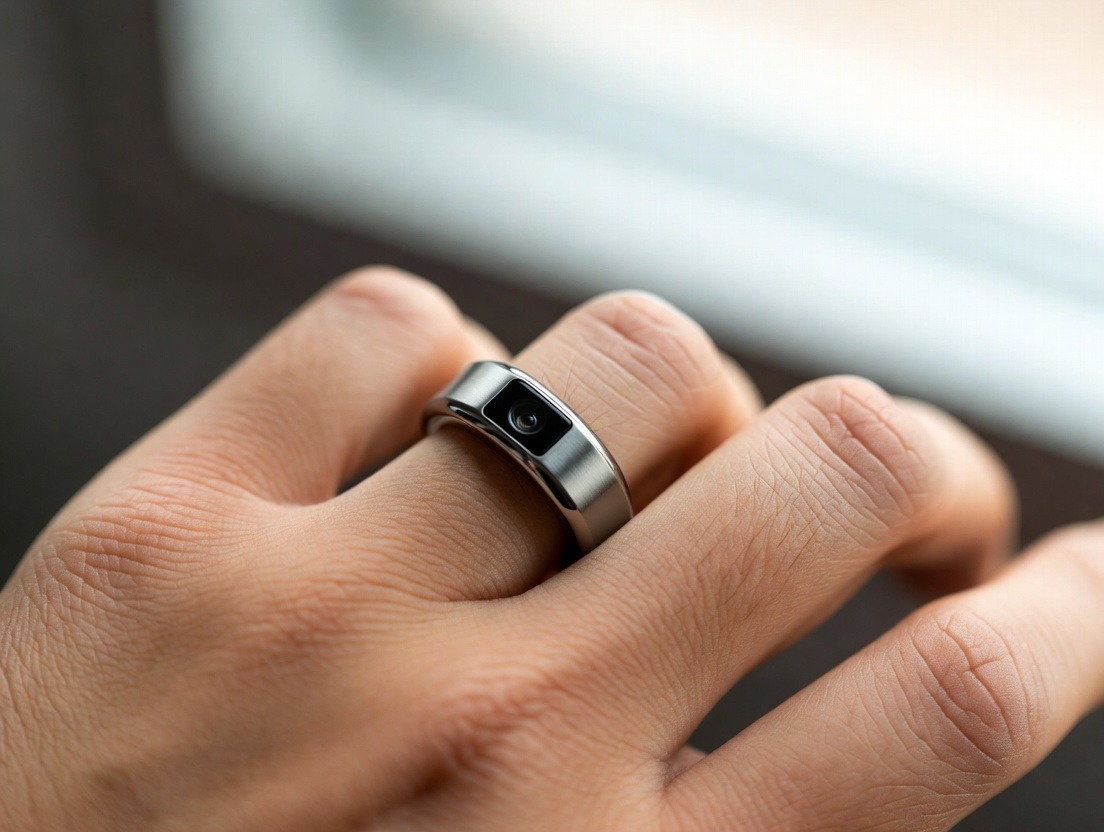
We have spent thousands of words discussing the data, the algorithms, and the insights. But none of that matters if you don't wear the device. The single most underrated feature of a wellness ring is not a sensor or an algorithm—it's its form factor. The ring's design is the silent champion of long-term adherence, which is the absolute prerequisite for any of the benefits we've discussed to materialize.
The Psychology and Physiology of "Forgetability"
A smartwatch, no matter how slim, is a conscious piece of technology. You feel its weight. You see its screen. It can buzz with distracting notifications. It needs daily charging, often requiring you to be without it for a period. A well-designed smart ring, in contrast, approaches invisibility.
The Battery Life Advantage
Because they lack a power-hungry always-on display, rings can achieve battery life measured in days or even a full week on a single charge. Charging becomes a brief, weekly ritual (like while you shower), rather than a daily hassle that leaves you without data for hours. This reliability is a practical benefit that shouldn't be overlooked, as explored in the battery life advantage over smartwatches.
The Sum of Its Parts: A Tool That Fades Into Your Life
Ultimately, the ring's greatest achievement is that it gets out of the way. It doesn't ask for your attention; it quietly gathers data so that you can choose when to seek insight. This passive, frictionless relationship is what allows it to become a true lifestyle enhancement rather than another tech distraction. It’s the reason why, for many, it becomes an indispensable part of their daily routine, embodying the principle that the best health technology should work while you work, sleep, and live. This seamless integration is the unsung hero that makes all the sophisticated data science we've discussed not only possible but practically useful.
The beauty of a comprehensive data set is that it can be interpreted and applied through countless lenses. A wellness ring is a universal tool, but the insights it provides are deeply personal and context-dependent. How a professional athlete, a busy parent, a student, and a retiree use their data will look dramatically different. Let's explore how the same technology adapts to diverse life stages and goals.
For the Athlete and Fitness Enthusiast: Precision Performance
For this user, the ring is a recovery and periodization coach.
For the Professional and Knowledge Worker: Sustaining Cognitive Capital
For this user, the ring is a productivity and burnout prevention tool.
For the Health-Conscious Individual & Preventative Wellness Seeker:
For this user, the ring is an early-warning system and lifestyle validator.
For Specific Life Stages:
In every case, the ring provides the same raw data, but the individual's goals and context determine which insights are most salient and what actions are most valuable. This flexibility is its strength.
After this deep dive into the journey from sensor to insight to action, we arrive at the fundamental question: Does the value delivered justify the investment? The answer is not a simple yes or no; it's a conditional "yes, if." A wellness ring is a powerful tool, but like any tool, its value is determined by the user's goals, mindset, and willingness to engage.
The Ideal User: Who Gets the Most Value?
You are likely to reap immense benefits from a wellness ring if you:
The Tangible Returns on Investment
The ROI of a wellness ring can be measured in several currencies:
A Final Consideration: The Compounding Effect
The value of a wellness ring is not static; it compounds over time. The first month provides novelty and baseline establishment. By six months, you have recognized key patterns. After a year, you have a rich historical dataset that allows you to see seasonal patterns and the long-term impact of lifestyle changes. This is when the true transformation occurs—when the insights become so internalized that you begin to act on them intuitively, and the ring becomes less of a coach and more of a silent partner in health. This is the essence of the long-term, compounding value that makes the investment worthwhile.
For the right person, with the right mindset, a wellness ring is more than a gadget. It is a lens that brings the blurry picture of personal health into startling, actionable focus. It turns the inward glance into a meaningful conversation. It is, ultimately, a tool for becoming the author of your own well-being, with data as your pen and your daily life as the page. The journey from sensor to insight is complete only when the insight leads you to live a healthier, more vibrant, and more aware life. That is the ultimate transformation.
Your Trusted Sleep Advocate: Sleep Foundation — https://www.sleepfoundation.org
Discover a digital archive of scholarly articles: NIH — https://www.ncbi.nlm.nih.gov/
39 million citations for biomedical literature :PubMed — https://pubmed.ncbi.nlm.nih.gov/
Experts at Harvard Health Publishing covering a variety of health topics — https://www.health.harvard.edu/blog/
Every life deserves world class care :Cleveland Clinic - https://my.clevelandclinic.org/health
Wearable technology and the future of predictive health monitoring :MIT Technology Review — https://www.technologyreview.com/
Dedicated to the well-being of all people and guided by science :World Health Organization — https://www.who.int/news-room/
Psychological science and knowledge to benefit society and improve lives. :APA — https://www.apa.org/monitor/
Cutting-edge insights on human longevity and peak performance:
Lifespan Research — https://www.lifespan.io/
Global authority on exercise physiology, sports performance, and human recovery:
American College of Sports Medicine — https://www.acsm.org/
Neuroscience-driven guidance for better focus, sleep, and mental clarity:
Stanford Human Performance Lab — https://humanperformance.stanford.edu/
Evidence-based psychology and mind–body wellness resources:
Mayo Clinic — https://www.mayoclinic.org/healthy-lifestyle/
Data-backed research on emotional wellbeing, stress biology, and resilience:
American Institute of Stress — https://www.stress.org/


