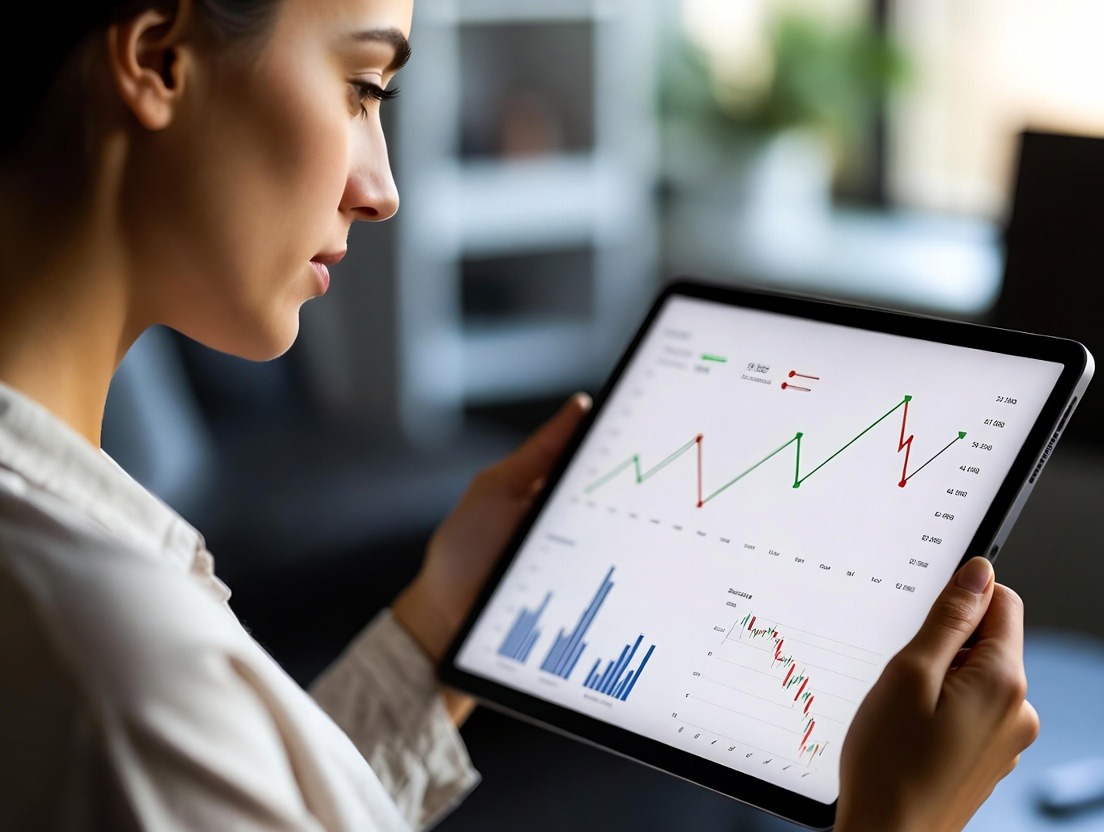
Making Sense of Your Numbers: How Your Smart Ring Provides Context
How your smart ring provides context for your numbers.
Making Sense of Your Numbers: How Your Smart Ring Provides Context
For years, we’ve been told that knowledge is power. In the realm of personal health, we’ve become data-rich, swimming in a sea of numbers: resting heart rate, heart rate variability, sleep scores, steps, calories. But this abundance has led to a new kind of anxiety—the anxiety of the meaningless metric. A spike in your resting heart rate on your wellness tracker can send you down a rabbit hole of WebMD searches. A low HRV score might feel like a personal failure, even if you woke up feeling refreshed. We have the numbers, but we lack the narrative. We have the data points, but we miss the bigger picture.
This is the critical gap between information and understanding, between raw data and actionable wisdom. And this is precisely where the modern smart ring moves from being a simple tracking device to becoming an indispensable, context-providing health companion. Unlike devices that offer periodic snapshots, a smart ring leverages its unique, always-on, finger-based vantage point to weave your disparate health signals into a cohesive, personalized story about your body. It doesn’t just tell you what your numbers are; it helps you understand why they are what they are, and most importantly, what you should do about it.
This journey from data point to meaningful insight is powered by a symphony of miniaturized technology, sophisticated algorithms, and continuous learning. It’s about understanding that your body is a complex, interconnected system, where sleep affects recovery, recovery affects stress, and stress affects your heart. Isolating any one metric is like trying to understand a novel by reading a single, random sentence.
In this article, we will deconstruct exactly how your smart ring builds this all-important context. We’ll explore the technological foundations that allow it to gather rich, continuous data, and dive deep into the intelligent frameworks it uses to interpret that data. You’ll learn how it connects the dots between your activity, your physiology, and your lifestyle to deliver insights that are not just accurate, but genuinely useful for navigating your daily life toward better health, performance, and well-being.
The Data Deluge: Why Raw Numbers Are Overwhelming (And Often Misleading)
We live in the age of quantification. Open any health app, and you’re greeted by dashboards filled with charts, graphs, and scores. You might see a sleep score of 78, a resting heart rate of 62 BPM, an HRV of 42ms, and 12,457 steps. Individually, these are just abstract figures. Without a frame of reference, they are virtually meaningless, and worse, they can be easily misinterpreted.
Consider the common scenario of elevated resting heart rate (RHR). On its own, a higher-than-usual RHR reading could trigger concern—is it a sign of oncoming illness, dehydration, or cardiovascular strain? Conversely, a single, spot-check measurement of a "good" RHR might give you a false sense of security, masking underlying trends of fatigue or overtraining. This is the fundamental flaw of point-in-time data: it captures a momentary state but divorces it from the continuum of your life.
The problem is threefold:
Lack of Personal Baseline: Medical "normal" ranges are population averages, but your normal is unique to you. A resting heart rate of 55 might be dangerously low for one person and perfectly optimal for a well-trained athlete. Without knowing your personal baseline, a number in isolation tells you very little.
The Silo Effect: Traditional trackers often present metrics in separate silos—a sleep tab, a heart tab, an activity tab. This compartmentalization ignores human biology. Your poor HRV isn’t just a heart issue; it’s likely the direct result of last night’s fragmented sleep and the two intense workouts you did back-to-back. Viewing them separately misses the causative link.
Noise vs. Signal: Our bodies are noisy. A single night of bad sleep, a stressful work email, a spicy meal, a change in time zones—all of these can cause temporary fluctuations in our physiological data. Interpreting daily fluctuations as significant trends, without understanding the normal rhythm of your own variability, leads to unnecessary stress and poor decision-making.
This data deluge, ironically, can lead to decision paralysis or "metric fatigue," where users simply ignore the data because it fails to provide clear guidance. The promise of the smart ring is to cut through this noise. By establishing a deeply personal, multi-day baseline and fusing data streams in real-time, it begins to separate the meaningful signals from the everyday noise. It moves you from asking, "Is this number good or bad?" to asking the far more powerful question: "What is my body trying to tell me today?" This foundational shift is what transforms data into a tool for empowerment rather than a source of anxiety. For a deeper look at how raw data becomes meaningful, explore our analysis of how health tracking technology processes billions of data points.
Beyond the Wrist: The Unique Physiological Advantages of the Finger
To provide true context, a health sensor must first capture the highest-fidelity data possible. This is where the smart ring’s form factor transitions from a stylish choice to a significant technological advantage. The finger, specifically the base of the finger, offers a superior physiological window compared to the wrist, which is the domain of the smartwatch.
The key lies in vascular access. The arteries in your finger (the palmar digital arteries) are richer, closer to the skin surface, and less obstructed by bone and tendon than the radial artery in your wrist. This allows optical sensors on a ring—like Photoplethysmography (PPG) sensors that use light to measure blood flow—to get a stronger, cleaner signal with less "motion artifact" (noise caused by movement). For a comprehensive breakdown of this fundamental method, you can read our detailed guide on the health tracking technology photoplethysmography (PPG) method.
Furthermore, the finger is a prime location for measuring core body temperature trends. While skin temperature on the wrist is highly influenced by external ambient temperature and is often cool due to being a distal extremity, the finger provides a more stable and internally correlated temperature reading, especially during sleep when your hands are still. This is crucial for tracking subtle changes that can indicate illness onset, ovulation, or recovery states. Discover the intricacies of this in our exploration of the health tracking technology behind temperature monitoring.
The ring form factor also enables more consistent wear. Watches are often removed for charging, during certain sports, or while typing. A well-designed ring, however, becomes a part of you. It’s worn 24/7, even during sleep, showering, and most athletic activities. This uninterrupted wear is non-negotiable for building a continuous, gapless data set. You cannot understand the full context of your morning readiness if your device was off your body for the 8 hours of sleep that preceded it. This constant contact allows for the kind of 24/7 health monitoring that is foundational to contextual insights.
Finally, the ring’s placement and natural fit minimize the very motion artifacts that plague wrist-based devices. During activities like typing or weightlifting, a watch can shift and bounce, corrupting heart rate data. A snug-fitting ring on the finger base moves very little relative to the underlying blood vessels, leading to more accurate readings during both rest and activity. This reliability across all life’s phases ensures the data feeding the algorithms is as clean and trustworthy as possible.
From Pulse to Pattern: How Continuous Data Beats Spot Checks
Imagine trying to understand the plot of a film by seeing only three random frames. This is the inherent limitation of spot-check measurements, whether it’s taking your blood pressure at a doctor’s office, manually checking your pulse, or even the periodic heart rate sampling done by some older fitness devices. Our physiology is not static; it’s a dynamic, rhythmic flow that tells its story over time.
Smart rings embrace this reality through continuous, passive monitoring. Instead of a few data points per day, they capture hundreds of thousands. This creates a rich, high-resolution waveform of your life. The power of this approach is monumental:
Capturing True Resting Metrics: Your true resting heart rate or heart rate variability occurs during deep, undisturbed sleep. A spot check while you’re awake, even if sitting quietly, is still influenced by conscious thought, digestion, and minor stress. Continuous monitoring allows the ring to identify those periods of pure physiological rest and calculate your most authentic baseline numbers.
Observing Trends, Not Moments: Illness, overtraining, or improved fitness don’t happen in an instant. They manifest as subtle trends over days. A continuous data stream allows the ring to see your nighttime heart rate creeping up by 2-3 beats per minute over four days—a classic early sign of the body fighting something off—long before you feel a single symptom. This capability is at the heart of how health tracking technology provides predictive insights.
Understanding Circadian Rhythm: Your body follows a powerful 24-hour cycle, with hormones, temperature, heart rate, and metabolism rising and falling in a predictable pattern. Spot checks completely miss this rhythm. Continuous monitoring allows the ring to map your personal circadian waveform, showing if your body temperature is rising and falling at optimal times, which is fundamental to sleep quality and metabolic health. Learn how devices synchronize with these natural cycles.
Contextualizing the Day: With continuous data, the ring can see the direct cause and effect of your choices. It can show you how the stressful meeting at 2 PM caused a tangible spike in your heart rate and a dip in HRV that lasted for hours. It can illustrate how your 7 PM workout delayed your body’s natural cooling process, pushing back your sleep onset. The story of your day is written in your physiology, and continuous monitoring is the translator.
This shift from sparse snapshots to a flowing data narrative is the first and most critical step in providing context. It transforms your health data from a series of disconnected facts into a coherent biography of your body. For a focused comparison on this fundamental difference, see our analysis of continuous vs. spot-check measurements.
The Personal Baseline: Your Body’s Unique “Normal”
If context is king, then your personal baseline is the kingdom. This is the cornerstone of all intelligent health interpretation. As mentioned, population averages are virtually useless for individual guidance. A smart ring’s primary job in its first weeks on your finger is not to judge you, but to learn you.
It diligently observes your unique rhythms: What is your typical resting heart rate range? What does your normal HRV look like on a good night’s sleep? How much does your body temperature vary from night to night? What is your normal breathing rate during deep sleep? By establishing these personalized ranges, every new day’s data is no longer judged against a generic standard, but against your own standard.
For Athlete A, with a baseline RHR of 48, a reading of 55 is a massive 15% increase—a strong flag for potential fatigue or illness.
For Individual B, with a baseline RHR of 68, that same 55 reading would be a dramatic and potentially concerning drop.
Without the personal baseline, both individuals would see "55" and potentially draw the wrong conclusion. With it, the ring can provide a tailored alert: "Your resting heart rate is significantly elevated compared to your personal baseline. Consider prioritizing recovery today."
This baseline isn’t static. It’s a dynamic, learning model that evolves as you do. As you get fitter, your resting heart rate baseline may drift downward. As you age, certain ranges may gently shift. The smart ring continuously refines its understanding of you, ensuring that its context remains accurate over months and years. This deep personalization is what separates a generic tracker from a true health companion, allowing it to validate your subjective health feelings with objective, personalized data.
The Sleep-Readiness Connection: Your Night as the Foundation of Your Day
The most profound and well-understood contextual relationship your smart ring illuminates is the one between sleep and daytime readiness. This isn’t just about logging 8 hours. It’s about understanding the architecture of your sleep and how each stage—light, deep, and REM—serves a distinct restorative purpose for your body and mind.
A smart ring uses a combination of heart rate variability, heart rate, body temperature, and movement (via accelerometers) to classify your sleep stages throughout the night. This reveals a nuanced picture:
Deep Sleep (Slow-Wave Sleep): This is physical restoration. Your heart rate and breathing are at their slowest, tissue growth and repair occur, and the immune system is strengthened. A shortage here often leads to physical fatigue and poor recovery.
REM Sleep: This is cognitive and emotional restoration. Your brain is active, processing memories and emotions. Disrupted REM sleep can impact mood, learning, and stress resilience the next day.
The ring doesn’t just report these stages; it quantifies their sufficiency and calculates an overall sleep quality score. But the true context comes in the morning, when it connects this nighttime data to your predicted daytime capacity.
This is the genesis of your Readiness or Recovery Score. A high score isn't simply a reward for a long sleep; it’s an algorithmically derived prediction that your body has repaired itself adequately and is physiologically prepared for strain. It synthesizes your sleep data with other overnight metrics like:
Sleeping Heart Rate & HRV: Did your body truly achieve a state of deep rest?
Body Temperature Trend: A lower nighttime temperature is associated with better sleep quality. Was your cooling process optimal?
Sleep Consistency: Did you go to bed and wake up at your usual times, supporting your circadian rhythm?
Previous Day’s Strain: How much physiological stress (from workout and life) did your body need to recover from?
By weaving these threads together, the ring provides a clear, contextual morning message: "You got 8 hours of sleep, but your deep sleep was limited and your heart rate was elevated. Your body is still recovering. A strenuous workout today may be counterproductive; focus on lighter movement or rest." This transforms sleep data from a report card into a prescription, guiding your daily actions. The sophisticated math behind this guidance is powered by the technology behind readiness scores.
The Stress-Recovery Feedback Loop: Listening to Your Nervous System
While sleep is the foundation, the story of your day is largely written by the delicate balance between stress and recovery, governed by your autonomic nervous system (ANS). Your smart ring is a masterful interpreter of your ANS’s language, primarily through the lens of Heart Rate Variability (HRV).
HRV is the subtle variation in time between consecutive heartbeats. Contrary to intuition, a higher HRV (more variability) generally indicates a healthier, more resilient nervous system—one that can adapt flexibly to stress and then recover efficiently. A low, rigid HRV often signals a stressed, fatigued, or overtaxed system stuck in "fight-or-flight" (sympathetic) mode.
The ring’s ability to measure HRV accurately, especially during sleep, provides a direct window into this balance. But again, context is everything. The ring uses HRV not as a standalone judgment, but as a central character in the stress-recovery narrative:
Identifying Stressors: The ring can detect stress levels in real-time by noticing acute, unexplained elevations in heart rate coupled with reduced HRV. It connects these episodes to your calendar or location data (with permission), helping you identify specific triggers—be it a commute, a meeting, or even certain social interactions.
Quantifying Recovery: After a stressor—whether it’s a hard workout, a work deadline, or an emotional event—your body needs to return to "rest-and-digest" (parasympathetic) mode. The speed and depth of this recovery, visible in the normalization of your HRV and heart rate, is a key metric of resilience. The ring tracks this, showing you if you’re recovering effectively or accumulating unresolved stress.
The 24/7 Loop: This creates a continuous feedback loop. Morning readiness is influenced by how well you recovered from yesterday’s stressors. Your body’s response to today’s activities will be shaped by your current readiness. The ring visualizes this loop, making the abstract concept of "nervous system load" tangible.
For instance, you might see a notification: "High stress detected during your 3 PM meeting. Your body is still recovering." This contextual insight prompts you to perhaps take five minutes for deep breathing, a practice some rings can actively support during meditation and breathwork, to manually engage your parasympathetic system and aid recovery. By illuminating this invisible loop, the ring empowers you to manage your energy, not just your time.
Activity in Context: It’s Not Just About 10,000 Steps
The fitness tracking world has long been obsessed with step counts, a crude and often misleading metric. Ten thousand steps of leisurely walking is not physiologically equivalent to ten thousand steps involving hills, speed, or carrying weight. A smart ring moves far beyond this by interpreting your movement with nuance and, crucially, in the context of your overall physiological state.
Using a suite of sensors including advanced accelerometer sensors, the ring doesn't just count steps; it distinguishes between activity types. It can recognize walking, running, cycling, weightlifting, and even more specific exercises, automatically logging them with accurate start and stop times. This provides a much richer picture of your movement profile than a simple step total.
But the contextual leap happens when this activity data is fused with your cardiovascular and readiness data. This is where the ring calculates meaningful metrics like:
Training Load/Strain: This quantifies the physiological impact of your activity, often by measuring the heart rate elevation and duration above your resting baseline. A 30-minute gentle walk and a 30-minute high-intensity interval training (HIIT) session generate vastly different strain scores. This allows you to objectively compare different types of workouts. This precise tracking is key for athletes looking to track training load and strain.
Active vs. Passive Calories: By combining motion with heart rate, the ring can better estimate your total daily energy expenditure (TDEE), differentiating between calories burned just by being alive (Basal Metabolic Rate) and those burned through intentional activity.
Movement in the Recovery Equation: This is the most critical contextual application. Your ring’s readiness score directly informs your activity recommendations. On a high-readiness day, it might encourage that planned intense workout. On a low-readiness day, it will suggest active recovery, like walking or yoga, or even complete rest. It prevents you from blindly following a rigid workout schedule that ignores your body’s daily needs, thereby helping to prevent overtraining and burnout.
Furthermore, the ring provides context during activity. By monitoring your heart zone in real-time, it can tell you if you’re working in a fat-burning zone, a cardio zone, or a peak zone, helping you align your effort with your goals. This transforms activity from a mindless pursuit of a generic target into an intelligent, responsive dialogue with your body.
The Temperature Tapestry: Subtle Shifts With Major Meaning
Of all the metrics, body temperature is perhaps the most context-dependent. A single reading is medically meaningless. But as a continuous trend, especially its circadian rhythm and nocturnal baseline, it becomes one of the most insightful biomarkers a smart ring can track.
The ring measures your skin temperature continuously, using sophisticated algorithms to filter out ambient room temperature effects and establish your personal nightly baseline. The absolute number is less important than the deviation from your own normal. This is where powerful stories emerge:
Illness Prediction: One of the most well-documented capabilities of wearables is early illness detection. A sustained elevation in your nightly temperature trend, even by a fraction of a degree over 2-3 nights, is a classic early-warning sign that your body is mounting an immune response—often before you feel a sore throat or fatigue. This proactive insight allows you to hydrate, rest, and potentially mitigate the severity of an oncoming cold or flu, a key feature for those looking to detect illness before symptoms appear.
Menstrual Cycle & Ovulation Tracking: For women, basal body temperature (BBT) tracking is a foundational fertility awareness method. Temperature dips before ovulation and rises after due to progesterone. A smart ring automates this with unprecedented ease and accuracy, as it captures temperature during stable sleep, eliminating user error from oral morning measurements. It can predict ovulation and map cycle phases, providing invaluable context for reproductive health, planning, and understanding hormonal influences on mood, energy, and sleep. This makes rings powerful tools for women's health tracking.
Metabolic & Recovery Insights: Temperature is a core output of your metabolism. A lower-than-usual nighttime temperature can sometimes correlate with a slower metabolic rate or poor recovery, while optimal recovery often sees a stable, predictable cooling and warming cycle aligned with sleep.
The ring contextualizes temperature by presenting it as a multi-day graph, clearly showing your trend line and highlighting significant deviations. It doesn’t say, "Your temperature is 97.8°F." It says, "Your nighttime temperature has been elevated for two nights. This can be an early sign of physiological strain. Consider prioritizing rest." By integrating this thermal data with HRV, sleep, and activity, it helps answer whether a temperature shift is likely due to illness, hormonal changes, hard training, or simply a warm bedroom.
The Invisible Biomarker: What Your Breathing Says About You
Respiration rate—the number of breaths you take per minute—is a vital sign that has historically been overlooked by consumer wearables, yet it is packed with contextual meaning. It’s regulated by the autonomic nervous system and is sensitive to a wide range of states: physical exertion, emotional stress, metabolic demand, and sleep depth.
Smart rings now accurately track this biomarker by analyzing the subtle, rhythmic patterns in the PPG signal caused by the filling and emptying of blood vessels with each breath. Tracking it continuously unlocks another layer of context:
Sleep Quality Marker: Your breathing rate slows and becomes very regular during deep sleep. During REM sleep, it becomes faster and more irregular. By tracking these patterns, the ring gains another data point to validate its sleep stage classification. An abnormally high or erratic breathing rate during sleep can be a sign of sleep apnea or other disturbances.
Stress & Relaxation Indicator: Just as your heart rate jumps during stress, your breathing rate typically increases. The ring can detect these acute shifts. More importantly, during deliberate relaxation or meditation, a slowing respiration rate is a clear, objective sign that your relaxation technique is working physiologically, providing biofeedback that can deepen the practice.
Recovery and Fitness Insights: A lower resting respiration rate is generally associated with better cardiovascular fitness and efficient lung function. Observing your baseline respiration rate decrease over time can be a satisfying indicator of improved fitness. Conversely, an elevated resting respiration rate during a period of low activity can be another sign of illness or overtraining.
By adding respiration rate to the data fusion model, the ring’s contextual picture becomes even sharper. A stressful episode is now confirmed by a trio of correlated signals: increased heart rate, decreased HRV, and increased breathing rate. A state of deep recovery is confirmed by low heart rate, high HRV, and slow, steady breathing. This multi-sensor agreement reduces false positives and increases confidence in the insights provided, a process known as multi-sensor data fusion.
Data Fusion: The Alchemy of Turning Multiple Signals Into One Insight
We’ve now explored the major data streams individually: cardiovascular, movement, temperature, and respiration. But the true magic—the genesis of profound context—happens not in these silos, but in their intelligent combination. This is the process of data fusion, where the ring’s onboard algorithms and cloud-based processing perform a kind of alchemy, synthesizing disparate signals into a unified, holistic insight.
Think of it like a detective solving a case. A single clue (elevated heart rate) suggests several possibilities: stress, illness, caffeine, or exercise. A second clue (increased skin temperature) narrows it down—likely illness or inflammation, not caffeine. A third clue (low movement and high sleep disturbance) confirms the body is fighting something. The ring’s algorithms are that detective, cross-referencing clues in real-time.
This fusion happens on multiple levels:
Real-Time Fusion: During an activity, the fusing of motion (type, intensity) with heart rate (response) and respiration (effort) creates an accurate picture of exercise strain and cardiovascular efficiency.
Circadian Fusion: Over a 24-hour period, the algorithm observes how all metrics dance to the rhythm of your circadian clock. It learns when your temperature should be lowest, when your heart rate should begin to drop for sleep, and if these events are happening in harmony.
Recovery Fusion: This is the most complex synthesis. After a stressor (workout, life event), the algorithm monitors the simultaneous return to baseline of heart rate, HRV, temperature, and respiration. The speed and completeness of this multi-system recovery is your true recovery metric, far more accurate than any single number.
This fused data model is what powers the highest-level insights, like predictive alerts and personalized recommendations. It allows the ring to move from correlation to educated causation. Instead of "you slept poorly," it can suggest, "your sleep was fragmented, likely due to elevated nighttime heart rate from late-day intense exercise." This fusion is the computational powerhouse enabling real-time insights and is the core engine behind the personalized recommendations that guide your daily choices.
The Human in the Loop: How Your Input Completes the Context
For all their technological sophistication, smart rings have a crucial limitation: they cannot sense everything. They can’t measure your subjective mood, your caffeine intake, your alcohol consumption, your menstrual symptoms, or the emotional weight of a personal argument. These lifestyle and experiential factors are the final, essential pieces of the contextual puzzle.
This is why the best smart ring ecosystems include a simple, low-friction way for you to provide qualitative input—completing the feedback loop. This might be through:
Morning Check-Ins: Rating your sleep quality, energy, and mood on a simple scale.
Lifestyle Logging: Quickly tagging days with "drank alcohol," "late meal," "high stress," or "sick."
Symptom Tracking: For women, logging menstrual cycle start/end and symptoms.
When you provide this input, something powerful happens. The ring’s algorithms can now perform associative learning. It can analyze the data and say:
"On the 15 nights you logged ‘alcohol,’ your average deep sleep decreased by 25% and your nighttime heart rate was elevated by 8%."
"On days you reported ‘high stress,’ your daytime HRV was consistently 15% lower than your baseline."
"In the 3 days leading up to your logged period, your resting heart rate trended upward by an average of 5 beats per minute."
This turns the ring from a passive observer into an interactive coach. You teach it about your life, and it reflects back the quantified impact of your choices. This creates a profound sense of agency. You’re no longer a passive recipient of data; you are an active investigator in your own well-being, using a powerful tool to run experiments on your own life. Does meditation improve my sleep metrics? How does a late coffee affect my resting heart rate? The ring, combined with your honest input, provides the objective answers, enabling truly personalized and sustainable behavior change.
The Algorithmic Mind: How Machine Learning Interprets Your Complex Story
Behind the sleek exterior of your smart ring lies its true brain: a sophisticated network of algorithms, many powered by machine learning (ML). This is the layer that performs the heavy lifting of data fusion and pattern recognition, transforming the fused sensor streams into the coherent health narratives you see in your app. It’s what separates a modern smart ring from a simple data-logging sensor.
At its core, ML allows the system to learn from vast datasets—both population-wide and, most importantly, from you personally. It doesn’t just follow static rules programmed by engineers (e.g., "if HRV is low, flag recovery"). Instead, it identifies complex, non-linear patterns that human programmers might never explicitly define. For instance, it might learn that for you, a combination of a slightly elevated temperature trend, a 10% reduction in deep sleep, and a subtle increase in resting heart rate variability is a more accurate predictor of an oncoming head cold than any single dramatic spike in one metric.
This learning happens in two key ways:
Supervised Learning on Labeled Data: The initial models are trained on massive, anonymized datasets where physiological data is linked to known outcomes (e.g., "these specific patterns of heart rate and movement correlate with deep sleep, as validated by polysomnography in a sleep lab"). This is how the ring learns to perform foundational tasks like sleep stage classification and activity type recognition with high accuracy.
Unsupervised Learning & Personal Adaptation: Once on your finger, the algorithms shift to learning your unique patterns. This is the unsupervised phase, where the system clusters your data to find your normal rhythms without predefined labels. It establishes your personal baseline not as a simple average, but as a dynamic range and pattern. This continuous adaptation is the essence of how the technology adapts to individual baselines.
These algorithms are also responsible for handling noise and artifacts. Using techniques like signal processing and contextual filtering, they can distinguish between a heart rate spike from running up stairs and one caused by a loose ring momentarily losing its signal. This ensures that the data feeding the higher-level insights is clean and reliable, a critical process detailed in how devices handle motion artifacts.
Ultimately, the algorithmic mind is what performs the "sense-making." It looks at the thousands of data points collected each day and answers the critical question: "What is the most statistically significant story being told here?" It then surfaces that story—not the raw numbers—to you, in the form of a readiness score, a recovery alert, or a sleep quality assessment.
The Readiness Score Deconstructed: More Than a Morning Number
Your daily Readiness or Recovery Score is the flagship output of your smart ring’s contextual engine. It’s the single, digestible number that aims to answer the perennial question: "How should I approach my day?" But this score is not a whim; it is the calculated sum of multiple physiological part-scores, each telling a chapter of your recovery story. Deconstructing it reveals the depth of context it embodies.
A typical readiness score is an aggregate of several key contributors:
Sleep Contribution (35-50%): This isn't just sleep duration. It’s a weighted score combining:
Sleep Duration vs. Personal Need: Did you meet your individualized sleep target?
Sleep Quality: A composite of sleep efficiency (time asleep vs. time in bed), sleep stage balance (sufficient deep & REM), and restlessness.
Sleep Consistency: Did you go to bed and wake up within your usual window, supporting your circadian rhythm? Significant deviations can lower this score, even with adequate total sleep.
Recovery Contribution (25-35%): This assesses how well your body restored itself overnight, primarily through:
Resting Heart Rate (RHR): How close was your nighttime RHR to your personal best/lowest? An elevated RHR suggests lingering physiological stress.
Heart Rate Variability (HRV): The crown jewel of recovery metrics. The score heavily weighs your sleep HRV, especially your "nightly average" and "peak" values, comparing them to your baseline. High HRV relative to your norm boosts this score significantly.
Respiratory Rate: A lower, steady nighttime breathing rate supports a higher recovery score.
Activity Balance (15-25%): This provides crucial negative feedback to prevent overreaching. It analyzes:
Recent Strain: How much cumulative physiological load have you placed on your body over the past 3-7 days?
Recovery Time: Given recent strain, has your body had adequate time to repair? A series of high-activity days with insufficient sleep will drag this component down, even if last night's sleep was decent in isolation.
Other Biomarkers (5-15%): This includes factors like:
Body Temperature: A significant deviation from your personal nighttime baseline can lower the score, signaling potential illness or inflammation.
SPO2 (Blood Oxygen): A sustained drop in nighttime blood oxygen saturation can indicate breathing disturbances and impact recovery quality.
The final score is a weighted amalgamation of these components. A score of 85+ typically suggests you are well-recovered and primed for performance. A score of 70-84 might indicate minor deficits, suggesting a moderate day. A score below 70 is a clear signal to prioritize rest and recovery. By tapping into the score, you can often see which component dragged it down—"Low HRV" or "High Sleep Debt"—giving you a direct, contextual action item. This complex calculation is a direct result of the technology that powers readiness scores.
Predictive Health: From Reactive Tracking to Proactive Alerts
The ultimate expression of contextual health intelligence is the shift from describing the past to informing the future. This is the realm of predictive health insights, where your smart ring moves beyond telling you how you slept last night to warning you about how you might feel tomorrow.
This predictive capability is built on the foundation of continuous data and trend analysis. By establishing your multi-day baselines for key biomarkers, the ring’s algorithms can detect subtle, sustained deviations that often precede noticeable symptoms. These aren't guesses; they are statistical inferences based on patterns observed in large-scale research and your own personal data history.
The most common and well-validated predictive insights include:
Illness Onset: As discussed, a sustained elevation in resting heart rate and/or skin temperature trend over 48-72 hours is a highly correlated precursor to viral illness. Some systems will now provide a discrete alert, such as "Unusual body signals detected. Your resting heart rate and temperature have been elevated for two days. This can be an early sign of illness. Prioritize rest and hydration." This allows you to act proactively, potentially shortening the duration or severity of sickness. This is a prime example of how this technology aims to detect disease early.
Overtraining Syndrome (OTS) Risk: OTS is a state of prolonged fatigue and performance decline caused by an imbalance between training load and recovery. Predictive algorithms look for a constellation of warning signs over a week or more: a trending increase in resting heart rate, a persistent decrease in HRV, disturbed sleep despite high fatigue, and a plateau or drop in performance during workouts. An alert might suggest a deload week before you physically crash.
Menstrual Cycle Predictions: For women, the ring’s temperature and RHR data can not only confirm ovulation after it occurs but, over several cycles, begin to predict its timing with increasing accuracy. This provides advance notice for cycle planning and helps contextualize pre-ovulatory or pre-menstrual changes in energy, mood, and recovery capacity.
Sleep Debt Accumulation: The ring doesn't just track last night’s sleep; it models your sleep debt—the running deficit between sleep obtained and sleep needed. By predicting how this accumulating debt will impact your readiness over the coming days, it can provide proactive nudges: "You’ve accumulated 5 hours of sleep debt this week. Getting to bed 30 minutes earlier for the next three nights can help you recover."
These predictive insights represent the pinnacle of contextual value. They transform the ring from a historian into a advisor, empowering you with foresight. It’s no longer about why you feel tired today; it’s about making choices today to ensure you don’t feel worse tomorrow.
For the fitness enthusiast, the smart ring redefines what it means to train intelligently. It moves beyond generic plans and rigid schedules to provide dynamic, physiology-based guidance. This is contextual fitness, where every workout is informed by your body’s current state, not just a calendar.
This guidance manifests in several key ways:
Daily Workout Suggestions: Based on your readiness score, the ring (or its paired app) will often suggest the type and intensity of activity suited for the day. On a high-readiness day, it might recommend your scheduled high-intensity interval training (HIIT) or strength session. On a moderate-readiness day, it could suggest steady-state cardio or a technique-focused workout. On a low-readiness day, it will firmly recommend active recovery (walking, yoga) or complete rest. This prevents the common pitfall of forcing a hard workout when your body is ill-prepared, a key strategy to prevent overtraining.
Real-Time Effort Guidance: During a workout, the ring provides context through live heart rate zones. Seeing your heart rate displayed in Zone 2 (fat-burning), Zone 3 (aerobic), Zone 4 (threshold), or Zone 5 (maximum) helps you stay in the intended intensity range for your goals, whether it’s building endurance or improving speed.
Post-Workout Strain Analysis: After you finish, the ring provides a workout "strain" or "effect" score. This quantifies the physiological impact of the session by analyzing the duration and degree your heart rate was elevated above resting. This allows for objective comparisons: a long, slow run and a short, intense weights session might yield similar strain scores, revealing their equivalent systemic cost. This precise quantification is essential to accurately track training load and strain.
Recovery Tracking Post-Exercise: The ring monitors how long it takes your heart rate to return to baseline after exercise (Heart Rate Recovery, or HRR). A faster HRR is a sign of good cardiovascular fitness and effective recovery. More importantly, it tracks how your nighttime recovery metrics (HRV, RHR) respond to the workout. A severe dip in HRV the night after a hard session is normal; if it remains depressed for two or three nights, it’s a signal that the workout was potentially too stressful and you need more easy days.
This ecosystem creates a virtuous, contextual loop: Readiness informs workout choice → Workout generates a quantified strain → Strain influences next-day readiness. By respecting this loop, you learn to train with your body, not against it, optimizing both performance gains and long-term health. It provides the missing link between subjective feeling ("I'm tired") and objective action ("so I should do a Zone 2 run today instead of intervals").
The Circadian Compass: Aligning Your Life With Your Biological Rhythm
One of the most profound layers of context a smart ring provides is an objective map of your circadian rhythm—your body’s internal 24-hour master clock that regulates sleep-wake cycles, hormone release, body temperature, metabolism, and virtually every organ system. Disruption of this rhythm is linked to poor sleep, metabolic disorders, and impaired mental health. Your ring acts as a "circadian compass," showing you how well your lifestyle is aligned with your biology.
The ring charts this rhythm primarily through two round-the-clock metrics:
Core Body Temperature Rhythm: Your temperature has a predictable waveform: it falls in the evening to initiate sleep, reaches its nadir in the early morning, and then rises throughout the day to promote alertness. The ring tracks this cycle, showing you the timing and amplitude of your personal temperature curve.
Resting Heart Rate Rhythm: Your RHR also follows a circadian pattern, typically highest in the late afternoon and lowest during deep sleep.
By analyzing these patterns, the ring can provide powerful contextual insights:
Chronotype Validation: It can objectively confirm if you are a natural "early bird" (with an earlier temperature minimum) or a "night owl" (with a later temperature minimum), moving beyond subjective guesswork.
Jet Lag & Shift Work Impact: The ring vividly illustrates how crossing time zones or working night shifts brutally disrupts your temperature and heart rate rhythms. It then tracks how many days it takes for your internal clock to re-synchronize with your new schedule, providing a clear recovery timeline.
Social Jet Lag Detection: Even without travel, many people suffer from "social jet lag"—the disconnect between their biological clock on weekdays (early alarms) and weekends (sleeping in). The ring shows the jagged, inconsistent rhythm this creates, helping you understand why you might feel perpetually tired despite "catching up" on weekends.
Optimal Timing Guidance: With an understanding of your rhythm, you can contextually optimize your day. The ring’s data might reveal that your body temperature is still high and alertness-promoting right after dinner, explaining why you have trouble falling asleep if you go to bed too early. It can inform you that your physiological prime for intense exercise likely occurs in the late afternoon, when your body temperature and heart rate rhythm are peaking.
This circadian context is foundational for long-term health. By providing a clear visual of your rhythm, the ring empowers you to make gradual lifestyle adjustments—like consistent bedtimes, morning light exposure, and timing of meals and exercise—to strengthen your circadian alignment, leading to more robust sleep, stable energy, and better metabolic health. This science is at the heart of how advanced devices synchronize circadian rhythms.
Blood Oxygen (SpO2) in Context: More Than a Number
Blood oxygen saturation (SpO2)—the percentage of hemoglobin in your blood that is carrying oxygen—has become a common wearable metric. But a single SpO2 reading of 96% tells you almost nothing. Its true value, like all other biomarkers, is unlocked through continuous monitoring and contextual interpretation, especially during sleep.
Smart rings use LED lights and sensors to estimate SpO2, a method detailed in our guide to blood oxygen monitoring technology. While not intended for medical diagnosis, overnight SpO2 tracking provides critical context for sleep quality and respiratory health.
Establishing a Normal Nocturnal Baseline: First, the ring learns your typical overnight SpO2 range, which for most healthy individuals at non-altitude is between 95-100%. This establishes your normal.
Detecting Desaturation Events: The key analysis is identifying significant "dips" or desaturations—drops of 3-4% or more from your baseline that last for 10 seconds or longer. Frequent clusters of these events can be indicative of sleep-disordered breathing, such as sleep apnea, where breathing repeatedly stops and starts.
Correlation with Sleep & Movement: The ring fuses this data with its other sensors. It can show if desaturation events are correlated with snoring (via motion/vibration detection), arousals from sleep, or spikes in heart rate. For example, you might see a pattern: a drop in SpO2 → a micro-arousal (seen in movement/HR data) → a heart rate spike → a return to lighter sleep. This paints a clear picture of how breathing disturbances fragment sleep architecture.
Contextualizing Causes: Not all SpO2 dips are pathological. An elevated sleeping SpO2 baseline might be seen at high altitude. A temporary increase in desaturations could occur during a respiratory infection like a cold. The ring provides the trend data, and when combined with your subjective input ("I have a chest cold"), the context becomes clear.
For most users, overnight SpO2 provides peace of mind—a stable, high baseline is a positive indicator of good respiratory health during sleep. For others, it may provide the first objective clue that their poor sleep and daytime fatigue could be related to breathing issues, prompting a conversation with a healthcare professional. It adds another vital piece to the holistic puzzle of your restorative sleep.
Stress Detection and Management: Quantifying the Invisible Load
Stress is a universal human experience, but its impact is highly individual and often invisible until it manifests as burnout, anxiety, or physical illness. Smart rings bring this invisible load into the light by providing objective, physiological quantification of your stress response and its downstream effects.
The process of how this technology detects stress is based on the activity of your autonomic nervous system. When stressed (sympathetic activation), your heart rate increases, your HRV decreases, and often your breathing becomes more shallow and rapid. The ring’s sensors detect these changes in real-time.
But context is what makes this detection useful:
Acute Stress Episodes: The ring can notify you of a significant stress response as it happens. The alert isn't meant to stress you further, but to create mindful awareness: "High stress detected. Consider a breathing break." This interoceptive feedback allows you to pause and employ a coping strategy in the moment.
Stress Timeline & Triggers: In your app, you can review a "stress timeline" that maps elevated stress periods across your day. By correlating these with your calendar or location (with permission), you can identify specific triggers—the daily commute, certain meetings, or even social interactions. This objective data is often more revealing than subjective memory.
Stress Impact on Recovery: The most important context is the impact of stress on your recovery metrics. The ring shows you how a stressful day leads to a suppressed nighttime HRV and elevated resting heart rate, quantifying the physiological cost of mental or emotional strain. You learn that a high-stress, low-movement day can be as taxing on your recovery as a hard workout.
Effectiveness of Mitigation: When you use a relaxation technique—whether it’s a guided meditation, box breathing, or a walk in nature—the ring provides biofeedback. You can see your heart rate drop and your HRV begin to rise in real-time or in the recovery period afterward. This positive reinforcement strengthens the habit, proving that your actions directly improve your physiology. Many rings now include features specifically designed to support meditation and breathwork.
By quantifying stress and its effects, the ring helps destigmatize it. It frames stress not as a personal failing, but as a physiological event with measurable consequences and, crucially, measurable solutions. It empowers you to move from feeling "vaguely stressed" to having a data-informed strategy for managing your nervous system load.
Women’s Health: A Paradigm of Personalized Context
For women, the additional layer of hormonal cycles creates a dynamic, non-linear physiological landscape that most health technology has historically ignored by using a male-default, static baseline model. Smart rings, with their continuous data collection, are uniquely positioned to provide transformative context for women’s health.
The menstrual cycle is not a bug; it’s a fundamental feature of female physiology that influences core temperature, heart rate, HRV, sleep, and metabolism. A smart ring maps this entire cycle automatically and objectively.
Cycle Mapping & Prediction: By tracking basal body temperature (BBT) and resting heart rate trends, the ring can clearly identify the biphasic pattern of the cycle. Temperature is lower in the follicular phase (before ovulation) and rises after ovulation in the luteal phase due to progesterone. RHR often follows a similar pattern, rising after ovulation. Over a few cycles, the ring can predict ovulation and period start dates with impressive accuracy, providing a powerful tool for fertility awareness or simply for understanding personal patterns.
Contextualizing Fluctuations: This is the game-changer. Without cycle context, a woman might see her resting heart rate climb by 5 BPM over a week and worry about her fitness or health. With cycle context, the app will note: "Your RHR rise is consistent with your luteal phase pattern." This reframes a potentially anxiety-inducing data point as a normal, healthy part of her biology.
Hormonal Impact on Readiness & Sleep: The ring can show how sleep architecture and recovery scores often shift across the cycle. Many women experience more disturbed sleep and lower HRV in the luteal phase. Seeing this pattern in data validates subjective experiences ("I always sleep poorly the week before my period") and allows for proactive planning—perhaps scheduling harder workouts in the follicular phase when recovery is typically stronger, and prioritizing gentler movement and stress management in the luteal phase.
Life Transitions: This tracking extends beyond regular cycles to provide context during perimenopause, pregnancy, and postpartum recovery, mapping the profound physiological shifts that occur during these life stages.
By embracing the cyclical nature of female physiology, the smart ring delivers perhaps the most personalized form of context possible. It moves women’s health tracking from a separate, often clunky symptom-logging module into the very core of the physiological interpretation model, ensuring that half the population finally gets insights that are truly relevant to their bodies. This dedicated functionality is what makes modern rings powerful tools for women's health tracking.
Longitudinal Trends: The Power of Seeing Your Health Story Over Time
While daily insights are invaluable, the most profound "aha" moments often come from viewing your data over weeks, months, and years. This longitudinal perspective reveals macro-trends and the true impact of lifestyle changes, providing a level of context that daily scores simply cannot. It’s the difference between watching a single scene and understanding the entire arc of a film.
Your smart ring’s app is a gateway to this long-term narrative. Key trend analyses include:
Fitness Improvement: One of the most motivating trends is observing your resting heart rate gradually decline over several months of consistent training, or your HRV baseline gently rise—both objective indicators of improved cardiovascular fitness and autonomic resilience.
Sleep Habit Impact: You can graphically see the effect of implementing a consistent bedtime. The jagged, chaotic lines of your sleep onset and wake times smooth into a harmonious rhythm, often correlated with an upward trend in your average sleep scores.
Stress Management Efficacy: Did starting a daily meditation practice three months ago move the needle? A trend view of your daily stress load or your nightly HRV average can provide a clear, encouraging "yes."
Seasonal Patterns: You might discover you sleep longer and have higher HRV in the winter, or that your resting heart rate trends slightly higher in the summer heat. These observations help you adapt your expectations and routines seasonally.
Aging Gracefully: Over years, the data becomes a unique health journal. While some biomarkers like HRV may have a general age-related decline, the trend view helps you distinguish natural, gradual changes from sudden, negative deviations that warrant attention.
This longitudinal context is empowering because it fosters a compassionate, long-game perspective. A bad night or a low readiness day becomes a mere blip in an overall positive trend. It helps you identify what really works for your body, reinforcing positive habits with hard evidence. It turns health from a daily scorecard into an ongoing, editable story where you are both the author and the protagonist. The ability to export this data for personal analysis or to share with a professional further enhances its value, a feature explored in our look at data export and portability.
The Ecosystem: How Apps and Dashboards Turn Data Into Dialogue
The hardware on your finger is only half of the smart ring system. The companion smartphone app is the interface where context is presented, explained, and turned into a dialogue. A well-designed app doesn’t just show data; it tells a story and guides action.
Modern smart ring dashboards are built on principles of behavioral design and clear communication:
The Glanceable Morning Brief: Instead of overwhelming you with numbers, the home screen typically presents the key takeaway: your Readiness Score, with a one-line explanation ("Mainly impacted by low HRV") and a simple recommendation ("Focus on recovery"). This respects your time and provides immediate value.
Layered Information Architecture: Tapping into any metric reveals deeper layers. Your Sleep Score breaks down into duration, quality, and timing. Your HRV view shows your nightly average, your long-term trend, and educational snippets explaining what it means. This allows users to engage at their desired depth.
Visual Storytelling: Humans process visuals faster than text. Graphs that show heart rate dipping into deep sleep valleys, temperature rhythms flowing like waves, and activity strain bars alongside sleep recovery bars are powerful tools for intuitively understanding cause and effect.
Actionable Insights, Not Just Alerts: The best systems provide "so what?" guidance. Instead of "Low HRV," it might say, "Your HRV was low last night, which can impact stress resilience today. A 10-minute breathing exercise this afternoon could help." This bridges the gap between insight and action.
Integration & Synergy: To provide maximum context, many ring apps allow integration with other health and fitness apps (like Apple Health, Google Fit, Strava, or training platforms). This brings in additional data layers—nutrition logs from MyFitnessPal, mindfulness minutes from Headspace, detailed workout routes from Strava—creating an even richer, more complete picture of your lifestyle’s impact on your physiology. This interconnectedness is a key feature for many users, as covered in our article on how rings integrate with popular health apps.
The app ecosystem is where the complex computations of the ring are translated into human-understandable wisdom. It’s the cockpit from which you pilot your health, equipped with all the contextual instruments you need to navigate toward better well-being.
From Insight to Action: Translating Context into Daily Choices
The entire purpose of gathering data and building context is to inform better decisions. This is the critical translation layer—the moment when an insight on your screen becomes a change in your behavior. A smart ring’s highest value is realized not when you admire your sleep score, but when that score changes what you do with your day.
This translation happens through a framework of personalized recommendations, grounded in the multi-sensor context we’ve detailed. Let’s examine how specific insights become actionable protocols:
Action: Adjusting Your Training Plan. Insight: A readiness score of 62, driven by high sleep debt and a depressed HRV. Translation: The system recommends "Recovery" and suggests a gentle walk or yoga instead of your scheduled high-intensity workout. You heed this, swapping the HIIT class for a 30-minute walk. The result: you avoid digging a deeper recovery hole, potentially preventing injury or illness, and allow your body the stress it needs to supercompensate later.
Action: Prioritizing Sleep Hygiene. Insight: A trend showing your body temperature minimum is occurring later each night, and sleep onset is consistently delayed. Translation: The app suggests reinforcing your circadian rhythm by seeking morning sunlight and avoiding bright screens 90 minutes before bed. You buy blue-light blocking glasses and commit to a 10-minute morning walk. Over two weeks, your temperature rhythm shifts earlier, and sleep onset becomes easier.
Action: Proactive Health Management. Insight: An "Elevated Temperature & RHR" alert indicating potential illness onset. Translation: Instead of pushing through, you cancel non-essential plans, increase hydration, prioritize an early bedtime, and perhaps supplement with zinc and vitamin C. This proactive response, triggered by the data, may help your immune system contain the threat, resulting in a milder, shorter illness.
Action: Mindful Stress Intervention. Insight: A "High Stress Detected" notification during your workday, correlated with a specific recurring meeting. Translation: You schedule a 5-minute buffer after that meeting for a guided breathing exercise using the ring’s meditation support features. Over time, you notice the physiological stress signature of those meetings diminishes as you build a conditioned relaxation response.
The key is that these actions are no longer based on generic advice ("get 8 hours of sleep") or vague feelings ("I'm run down"). They are precise, timely, and personally validated interventions. The ring provides the "why" and the "what," empowering you with the agency to decide "how." This closes the loop, turning passive observation into an active, iterative process of self-optimization. It is the practical application of the personalized recommendations that the technology enables.
The Limitations of Context: Understanding What Your Ring Cannot Tell You
For all its sophistication, a smart ring is not an oracle, a doctor, or a mind reader. Responsible use requires a clear understanding of its limitations. Acknowledging these boundaries is not a criticism of the technology, but a vital part of developing a mature, effective partnership with it.
It Measures Correlates, Not Direct Causes: The ring measures physiological responses—heart rate, temperature, movement. It infers states like sleep, stress, and recovery from these responses. It cannot directly measure hormonal levels, neurotransmitter activity, nutrient deficiencies, or specific pathogens. An elevated heart rate could be from stress, caffeine, dehydration, or the early stages of an infection; the ring uses context to guess, but it cannot provide a medical diagnosis.
It Lacks Subjective Experience: The ring cannot feel your joy, your emotional pain, your sense of purpose, or your cravings. Two people with identical physiological data profiles could have vastly different subjective experiences of well-being. Your qualitative input ("I feel amazing" or "I feel awful") is the essential counterpoint that completes the picture.
It Operates Within a Limited Biomechanical Window: While the finger is a rich site, it cannot directly measure everything. It provides an estimate of core body temperature trends via skin temperature. It cannot measure blood pressure, blood glucose, EEG brain waves, or detailed ECG morphology (though it can detect significant arrhythmias like AFib in some cases through PPG pattern analysis).
Algorithmic Bias and Personal Oddities: Algorithms are trained on large datasets, which may not fully represent every individual, especially those with unusual physiology or medical conditions. Your body might respond to stimuli in a way the model hasn't frequently seen, leading to a misinterpretation. The system is always learning, but it is probabilistic, not omniscient.
The "Good Data" Requirement: Context is only as good as the data feeding it. A poorly sized ring, very low battery, or extreme cold can affect sensor accuracy. Significant motion artifacts from certain activities can create noise. The onus is on the user to ensure the device is worn correctly and maintained.
Understanding these limitations fosters intelligent reliance. The ring is best viewed as an incredibly sensitive guidance system and early-warning radar, not a definitive diagnostic tool. Its alerts are prompts for awareness and investigation, not final verdicts. This nuanced understanding is what separates savvy users from those who become overly reliant or anxious about their data. It underscores why these devices, while increasingly sophisticated, are still navigating the path toward FDA approval and medical standards.
The Human-Technology Partnership: You Are the Ultimate Integrator
This brings us to the most important element in the entire system: you. The smart ring is a powerful tool, but you are the craftsman. The technology provides the contextual map, but you are the navigator who knows the terrain of your own life, goals, and values. The most successful outcomes arise from a conscious, balanced partnership.
This partnership has several key tenets:
You Provide the "Why," the Ring Provides the "What." You define your goals: "I want to run a marathon," "I want to manage my anxiety better," "I want to age with vitality." The ring provides the objective, contextual data on what is helping or hindering that goal—how your training load affects recovery, which stressors have the biggest physiological impact, how your sleep quality trends with age.
You are the Interpreter of Exceptions. The ring flags an anomaly. Your job is to bring in the missing context. "My HRV is crashing... oh right, I had three glasses of wine last night, which I didn't log." Or, "My resting heart rate is up... because I just started a new medication." You integrate life events to make sense of the data, teaching the system about your unique responses.
You Balance Quantitative with Qualitative. The ring says your readiness is 85. But you feel sluggish and unmotivated. Do you ignore your feelings and push because the number is high? A wise partnership means listening to both. Perhaps you proceed but with caution, or you investigate further—are you dehydrated? Mentally fatigued? The subjective "felt sense" is a crucial data stream the ring cannot access.
You Set the Boundaries to Prevent Obsession. The partnership turns toxic when the data creates more anxiety than it alleviates—a condition sometimes called "orthosomnia" (an unhealthy preoccupation with perfect sleep data). A healthy partnership means knowing when to close the app for a few days, to trust your body, and to use the ring as a periodic check-in rather than a constant monitor. The goal is empowerment, not enslavement.
In this partnership, the smart ring acts as an externalized, objective extension of your interoceptive awareness—your ability to sense your internal state. It heightens that awareness with precision. But the wisdom to act, the compassion for yourself on low-data days, and the integration of this tool into a holistic life, resides firmly with you. This collaborative dynamic is what ultimately validates your subjective health feelings with objective grounding.
Beyond the Individual: Social and Shared Context
While deeply personal, health context can also have a powerful social dimension. Some smart ring platforms are beginning to explore features that allow for opt-in, anonymized, or family-shared data, creating new layers of shared understanding.
Family Health Monitoring: For caregivers of elderly parents or for parents monitoring the well-being of adolescents (with consent and ethical consideration), shared access to key trends can provide peace of mind. Noticing a gradual decline in a parent’s activity levels or a disturbance in their sleep pattern could prompt a supportive check-in or a timely doctor’s visit. This moves care from reactive to observant and supportive. Some platforms are beginning to develop features that enable family health tracking in a respectful, privacy-focused manner.
Partner Syncing: Couples can compare data to understand how their lifestyles affect each other. One partner’s restless sleep might correlate with the other’s snoring (detected via vibration). Shared stress spikes might align with family events. This can foster empathy and collaborative problem-solving for shared goals like improving household sleep hygiene or managing mutual stress.
Community Benchmarks & Research: With explicit, anonymized consent, aggregated data from user populations can power larger health discoveries. Researchers can study how certain lifestyle patterns correlate with health outcomes at scale. Users can opt into seeing how their recovery from a common virus like COVID-19 compares to anonymized community trends, providing a different kind of normative context.
This social layer must be handled with extreme care, prioritizing privacy and user control above all else. But when implemented ethically, it extends the concept of context from the individual body to the family or community system, recognizing that our health is often interconnected.
The Future of Contextual Health: Where Smart Ring Technology is Headed
The evolution of the smart ring is moving at a blistering pace. The contextual intelligence we see today is merely the foundation. Looking ahead, several key trajectories will deepen and expand the kind of insight these devices can provide.
Increased Biomarker Diversity: The march of miniaturization will see more medical-grade sensors shrink into ring form. Continuous non-invasive blood glucose monitoring (via optical or other sensors) is a holy grail that would add immense metabolic context. Electrodermal activity (EDA) sensors for more direct sweat-based stress measurement, and even more advanced bioimpedance for fluid balance and body composition, are on the horizon.
Hyper-Personalized AI Coaching: Future algorithms will move beyond descriptive and predictive insights to become truly prescriptive AI health coaches. Imagine a system that doesn’t just say "prioritize recovery," but dynamically adjusts a connected workout app's plan for the week, suggests a tailored meditation based on your stress signature, and even nudges you with a recipe for a recovery-optimizing meal based on your physiological state and personal preferences.
Deeper Healthcare Integration: The future points toward seamless integration with healthcare systems. Your longitudinal ring data—trends in HRV, nocturnal SpO2, activity levels—could be securely shared with your physician via a patient portal, providing objective, continuous data between annual check-ups. This is the backbone of true remote patient monitoring, allowing for earlier interventions and more personalized care plans.
Contextual Awareness of Environment: Future rings may incorporate tiny environmental sensors (for noise, light, and air quality) or pull this data from your phone. This would allow the algorithm to contextualize your physiology against your surroundings. Did your sleep suffer because your bedroom temperature was too high? Was that stress spike correlated with a spike in ambient noise pollution? This would complete the context loop between internal state and external environment.
Proactive Longevity Optimization: The ultimate goal is shifting from managing day-to-day readiness to optimizing long-term healthspan. Algorithms will analyze decade-long trends, identifying patterns associated with healthy aging and providing lifestyle recommendations aimed at delaying physiological decline and compressing morbidity.
These advancements, built upon the foundational context we have today, promise a future where your wearable doesn’t just help you live better today, but helps you plan for a healthier, more vibrant life for decades to come. The innovations of the next decade will make today's technology seem primitive.
Choosing Your Context Companion: Key Features to Prioritize
With the market growing, selecting a smart ring that excels at providing deep, accurate context is crucial. It’s not about the most sensors, but the most intelligent synthesis. Here are the key features to prioritize, informed by everything we’ve discussed:
Accuracy of Core Sensors: This is non-negotiable. Prioritize rings with clinically validated heart rate and HRV measurement and robust temperature monitoring. Look for brands that publish or participate in validation studies.
Sophistication of the Algorithm, Not Just the Hardware: A ring with fewer sensors but a brilliantly tuned algorithm that fuses them effectively will provide better context than a ring packed with sensors but weak software. Investigate the depth of the app’s insights. Does it provide a true readiness score with breakdowns? Does it show trends and correlations?
Personalized Baselines: Ensure the device takes at least a full week to establish your baselines and continuously adapts. A system that uses static norms is providing generic data, not personal context.
Battery Life and Wearability: Context requires continuous data. A ring that needs daily charging will create data gaps. Look for multi-day battery performance (5+ days) and a comfortable, unobtrusive design you’ll forget you’re wearing, ensuring 24/7 compliance.
Actionable App Design: The app should be a coach, not a spreadsheet. It should offer clear, jargon-free insights and constructive recommendations. Test the user experience through reviews or demos.
Data Ownership and Portability: You should own your data. Check if the platform allows you to export your raw data for your own analysis or to share with other health platforms or professionals.
Choosing the right ring is choosing the right partner for your health journey. It’s worth investing time to compare features between brands and find the device whose philosophy of context aligns with your goals.
Conclusion: From Data to Wisdom – The Journey to Self-Knowledge
We began this exploration overwhelmed by a deluge of disconnected numbers. We end it equipped with a framework for understanding—a guide to how a small device on your finger can weave those numbers into the story of you.
The journey your smart ring facilitates is, at its heart, a journey toward profound self-knowledge. It externalizes the whispers of your autonomic nervous system, maps the tides of your circadian rhythm, and quantifies the cost and reward of your daily choices. It provides the context that turns information into insight, and insight into empowered action.
This is not about biohacking for marginal gains or optimizing oneself into a state of sterile perfection. It is about cultivating a respectful, informed, and responsive relationship with the only vessel you have for this life: your body. It’s about learning its language—the language of a rising temperature, a dipping HRV, a slowing heart rate in deep sleep. With this knowledge, you can move from being a passive passenger in your health to an active, skilled pilot.
The context provided by your smart ring is the compass for that journey. It helps you answer the most important questions: Am I recovering? Am I adapting? Am I straining? Am I in balance? The numbers are no longer abstract scores to chase; they are contextual clues in the ongoing mystery and mastery of your own well-being.
The ultimate goal is to internalize this context—to reach a point where you feel the data as much as you see it, where the ring’s insights simply confirm what your heightened awareness already tells you. Until then, and even after, it remains an invaluable companion, shedding light on the hidden rhythms of your life, and empowering you to live in greater harmony with them.
This is the true promise of the smart ring: not just to track your life, but to help you understand it, so you can live it more fully, resiliently, and wisely. To master this partnership is to unlock a new dimension of personal agency over your health, performance, and longevity. For those ready to dive deeper into the technical mastery behind it all, we invite you to explore our definitive resource on the health tracking technology mastery behind understanding your ring's powers.



%402x.svg)